

The Longest Projection Season in America
Seattle has an advantage in this medium that almost nobody talks about: darkness. At this latitude, the sun sets before half past four in late December, and the long evenings from October through March give outdoor projection more usable show hours than any other major American market. A West Coast city where an exterior installation can begin at five in the afternoon and run through the entire evening is not a compromise, it is a structural advantage. At Lumen and Forge, we build projection mapping experiences that take full advantage of it.
Whether you are producing a game launch tied to PAX West, an enterprise technology summit at the Seattle Convention Center, a product experience on a corporate campus in South Lake Union or Redmond, a brand activation at Seattle Center, or an installation along the redeveloped central waterfront, our team brings the creative vision and the technical infrastructure to execute at the level this market demands.
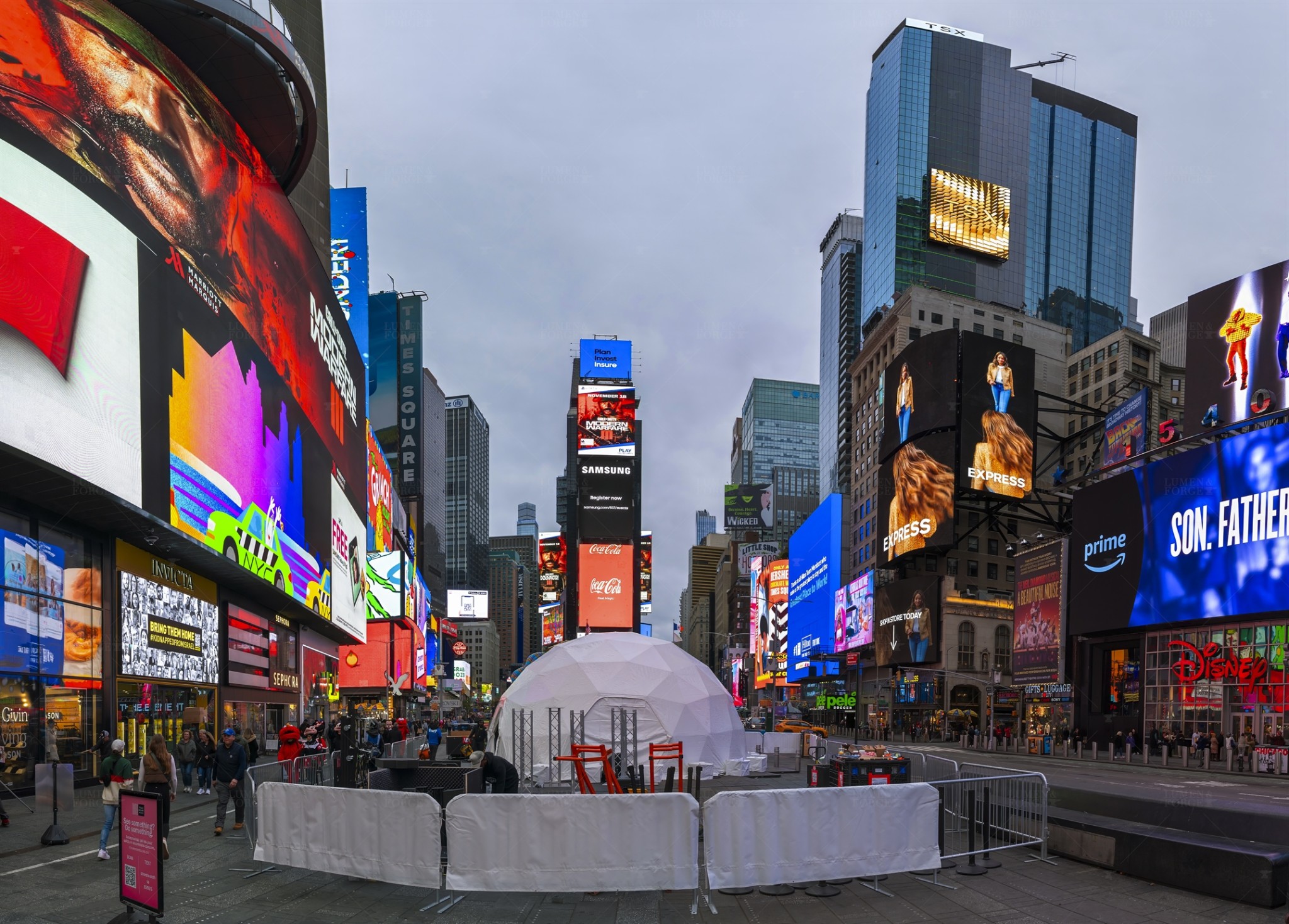
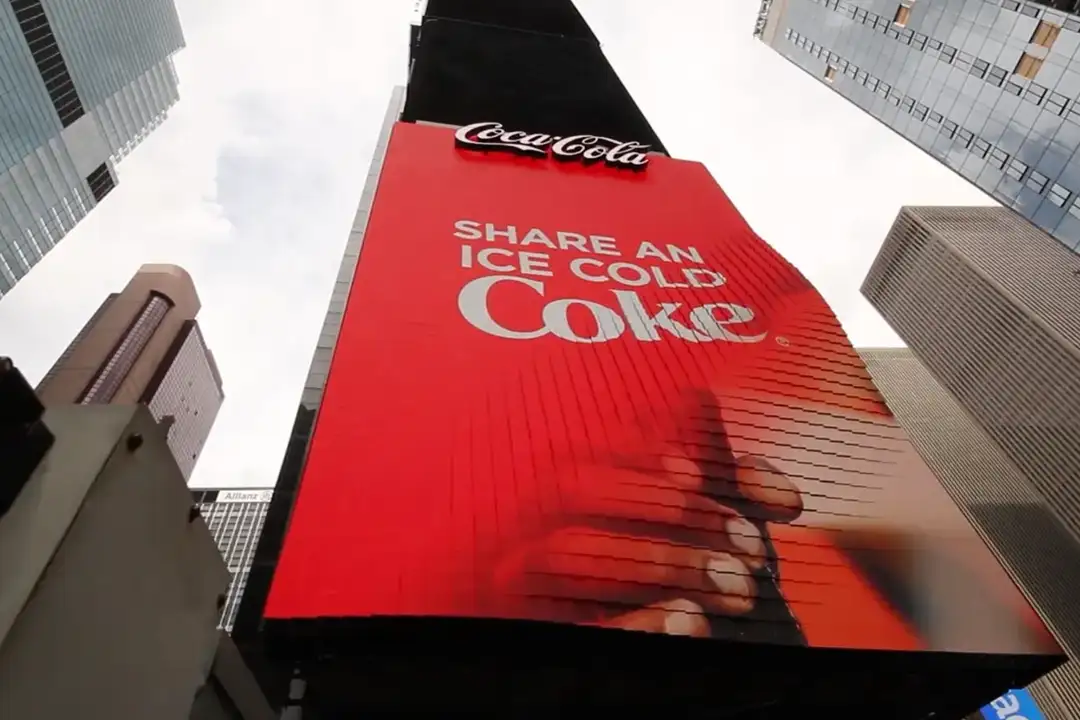
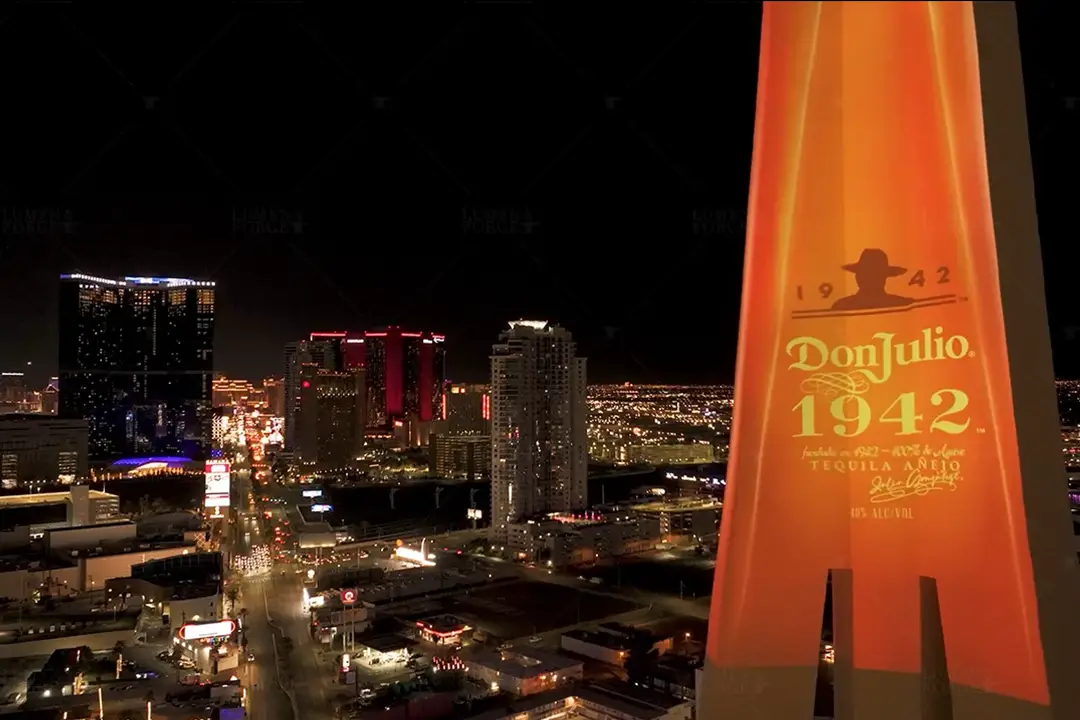
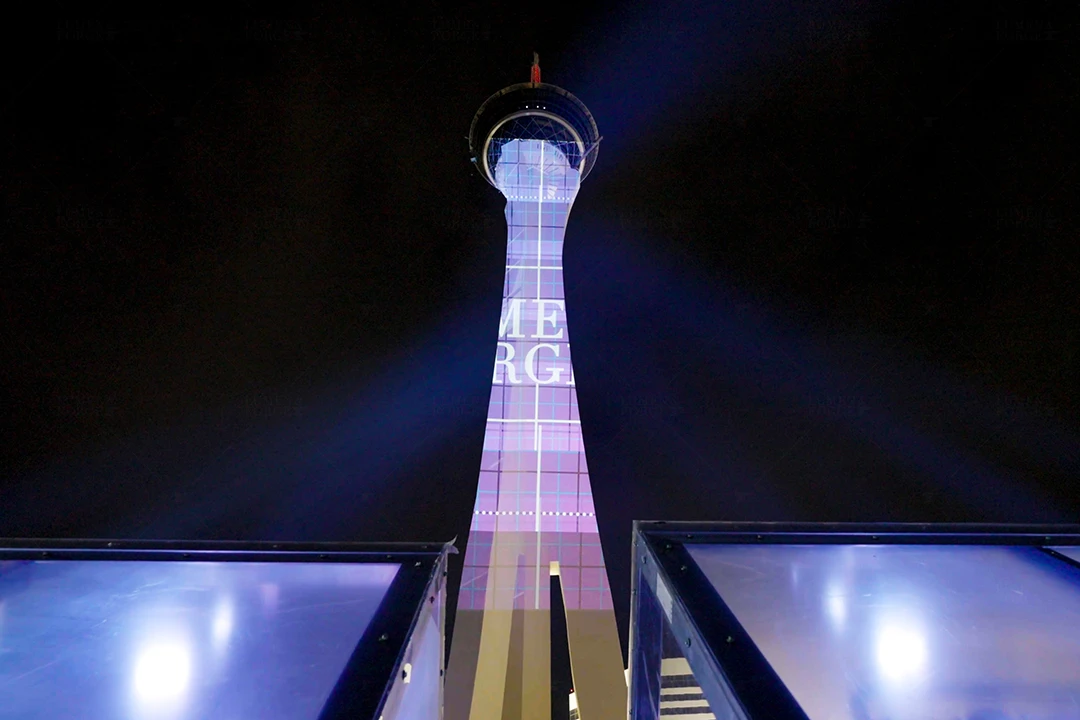
Take A Closer Look
A Deeper Look Into Animation & Visual Story Telling
A Deeper Look Into
Projection Mapping
Projection Mapping: Turning Any Surface Into a Story
Projection mapping is the practice of projecting precisely calibrated video content onto three-dimensional surfaces, turning buildings, objects, and environments into dynamic visual displays that appear to move, transform, and come alive. Unlike standard projection onto a flat screen, projection mapping software accounts for the exact geometry of whatever surface it is being applied to, so the content wraps accurately around every edge, angle, and architectural detail.
Seattle has an unusual concentration of sculptural, non-orthogonal architecture, which is exactly the condition projection mapping was built for. The curved metal skin of the Museum of Pop Culture, the faceted glass of the Central Library, the ribbed geometry of the Amazon Spheres, the Space Needle and the Seattle Center campus around it, and the brick and timber of Pioneer Square each present surfaces with real dimensional complexity. Flat walls are easy. Buildings that fold, curve, and step are where the difference between competent projection and exceptional projection becomes visible.
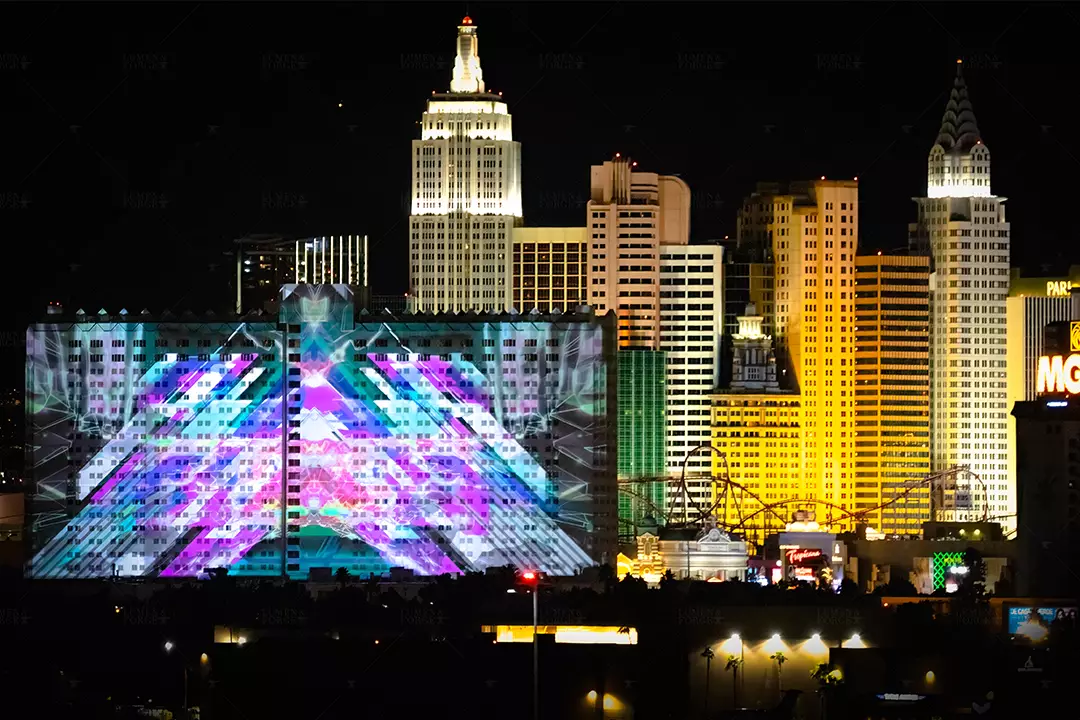
Building and Architectural Projection
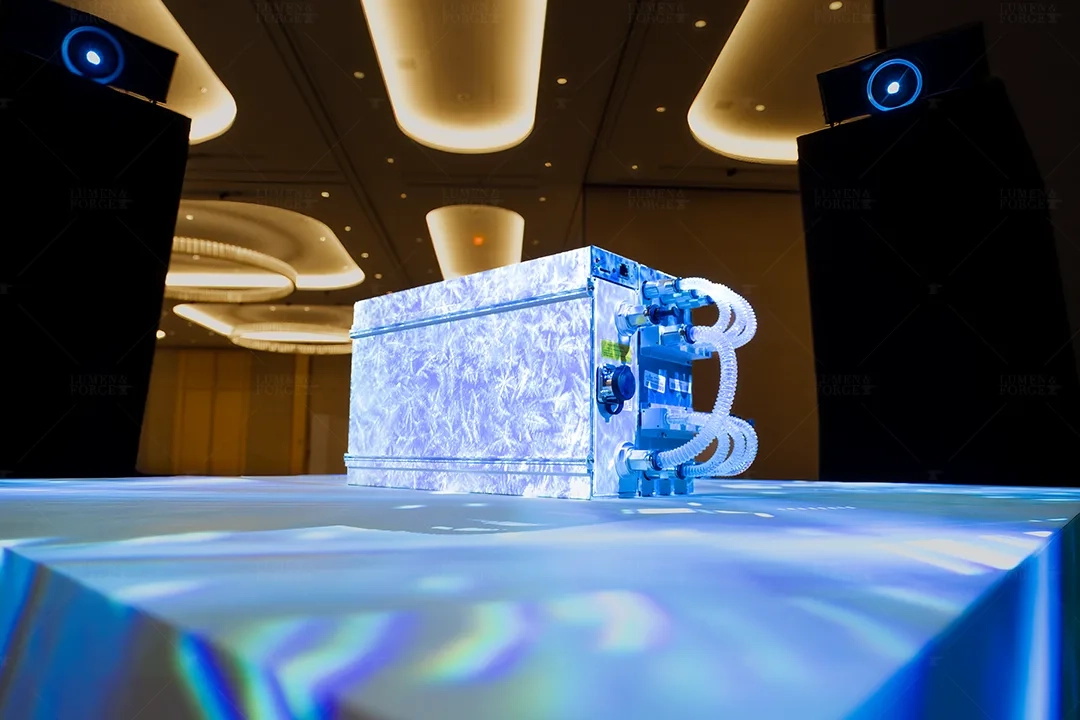
Object and Product Projection Mapping
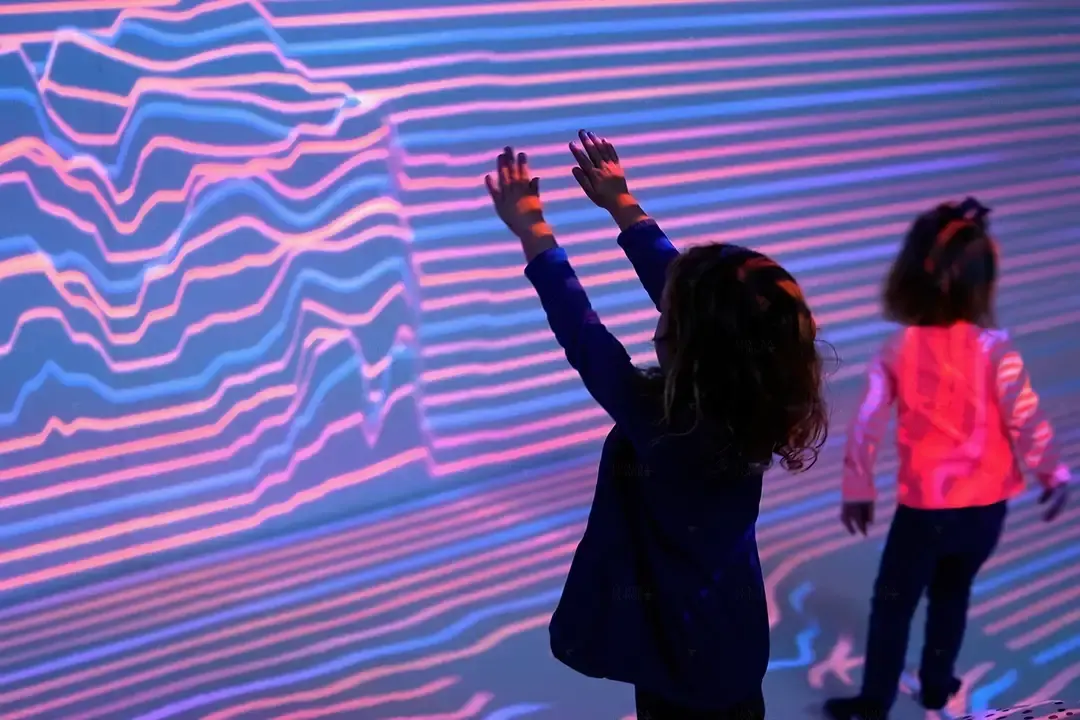
Interactive Projection
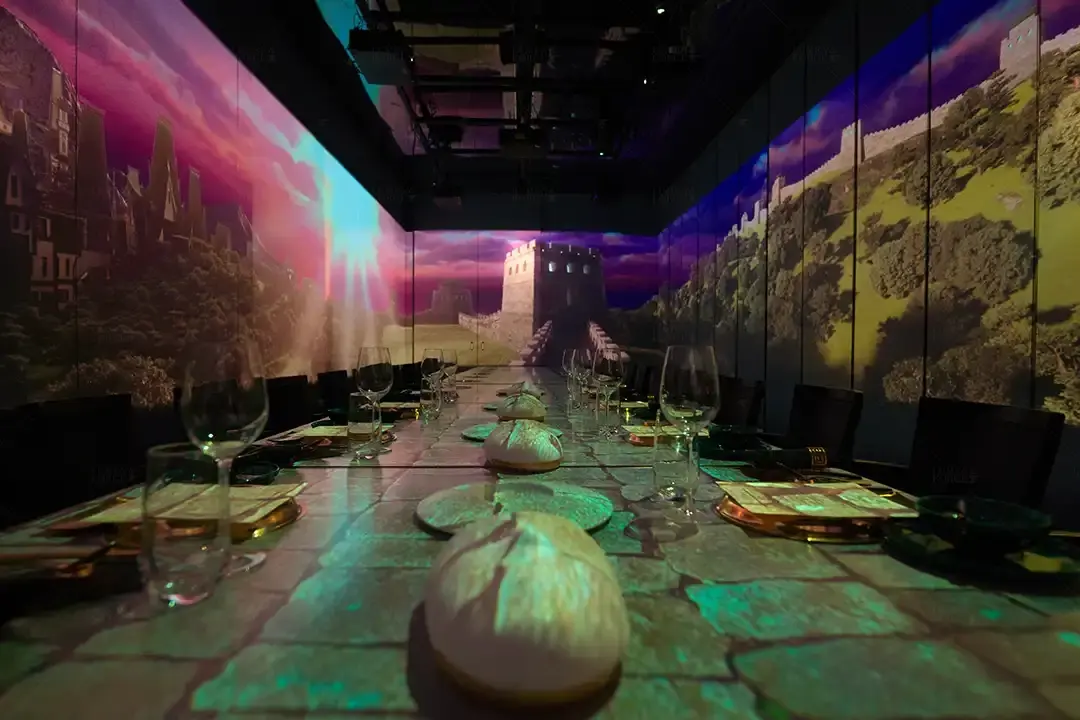
Room and Environment Mapping
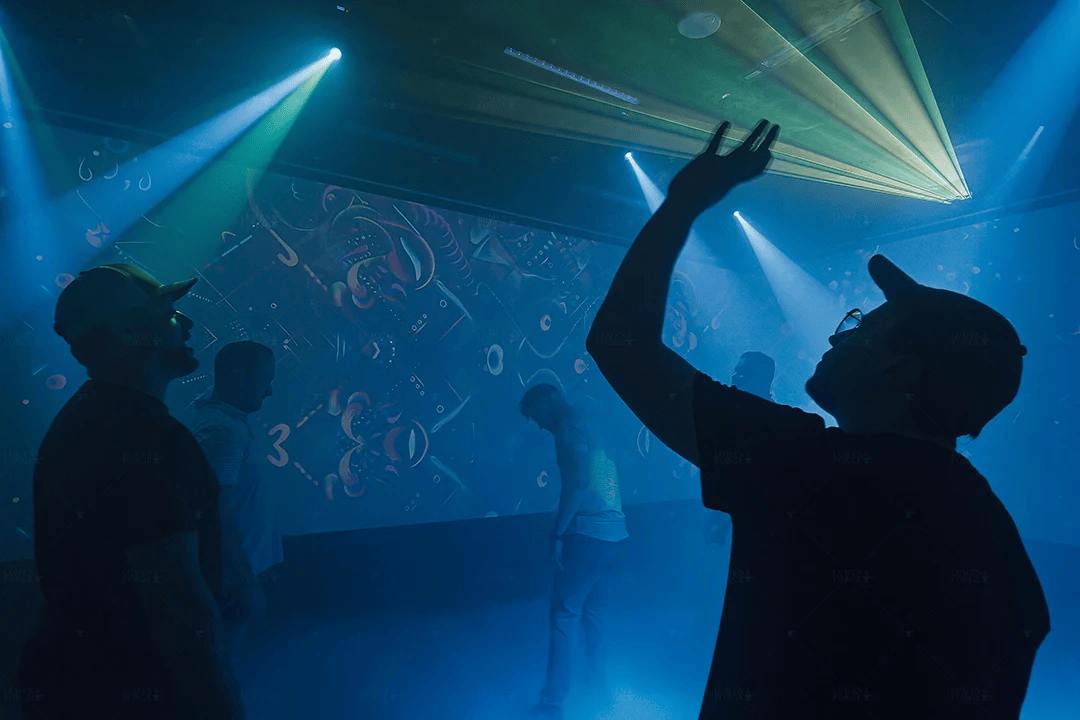
Dome Projection
Why Seattle Demands Projection Mapping
Seattle's economy is built on companies that sell things people cannot see. Cloud infrastructure, enterprise software, developer platforms, and digital services all present the same marketing problem: the product has no physical form. Projection mapping is one of the few formats that solves it directly, by giving abstract technology a scale, a shape, and a physical presence an audience can stand inside. That is why the format performs unusually well in this market, and why the companies here are the ones most likely to understand what it can do.
Some of the most compelling opportunities in Seattle include:
PAX West and the gaming industry calendar: Over Labor Day weekend, PAX West brings tens of thousands of players, developers, streamers, and publishers to the Seattle Convention Center and the surrounding downtown core. Seattle and the Eastside are home to one of the densest concentrations of game studios and publishers in the world, and the launch, reveal, and community event calendar tied to that industry runs year-round. Gaming audiences are the most visually demanding consumer audience in existence, which makes them the right audience for this work.
The cloud and enterprise technology corridor: The concentration of cloud, enterprise software, and consumer technology companies across Seattle, South Lake Union, Bellevue, and Redmond creates a continuous calendar of developer conferences, customer summits, product launches, and internal all-hands events at global scale. These are precisely the organizations with abstract products that benefit most from immersive visual translation.
The Seattle Convention Center and its expanded campus: The Convention Center's Summit expansion substantially increased the city's capacity for major national and international meetings, and the building's contemporary interior volumes are well suited to large-scale projection work. Downtown's density places hotels, venues, and the convention campus within walking distance of each other.
Seattle Center, the Space Needle, and the redeveloped waterfront: Seattle Center concentrates sculptural architecture, open public space, and consistent visitor traffic into a single campus, while the rebuilt central waterfront has created new public open space with strong sightlines and Elliott Bay as a backdrop. Both are unusually well suited to large-format outdoor work.
Climate Pledge Arena, Lumen Field, and T-Mobile Park: Seattle supports professional franchises across hockey, football, baseball, soccer, and basketball, along with a heavy concert calendar across all three venues. Venue exteriors, concourses, and adjacent plazas offer strong projection opportunities tied to high-attendance dates.
The long dark season from October through March: This is the market advantage most producers overlook. Sunset before half past four in December means an outdoor installation can run through the entire evening rather than waiting for a nine o'clock summer sunset. For any brand planning a fall or winter outdoor activation on the West Coast, Seattle offers more usable projection hours than Los Angeles, Phoenix, or San Diego.
Lumen and Forge: The Right Partner for This Market
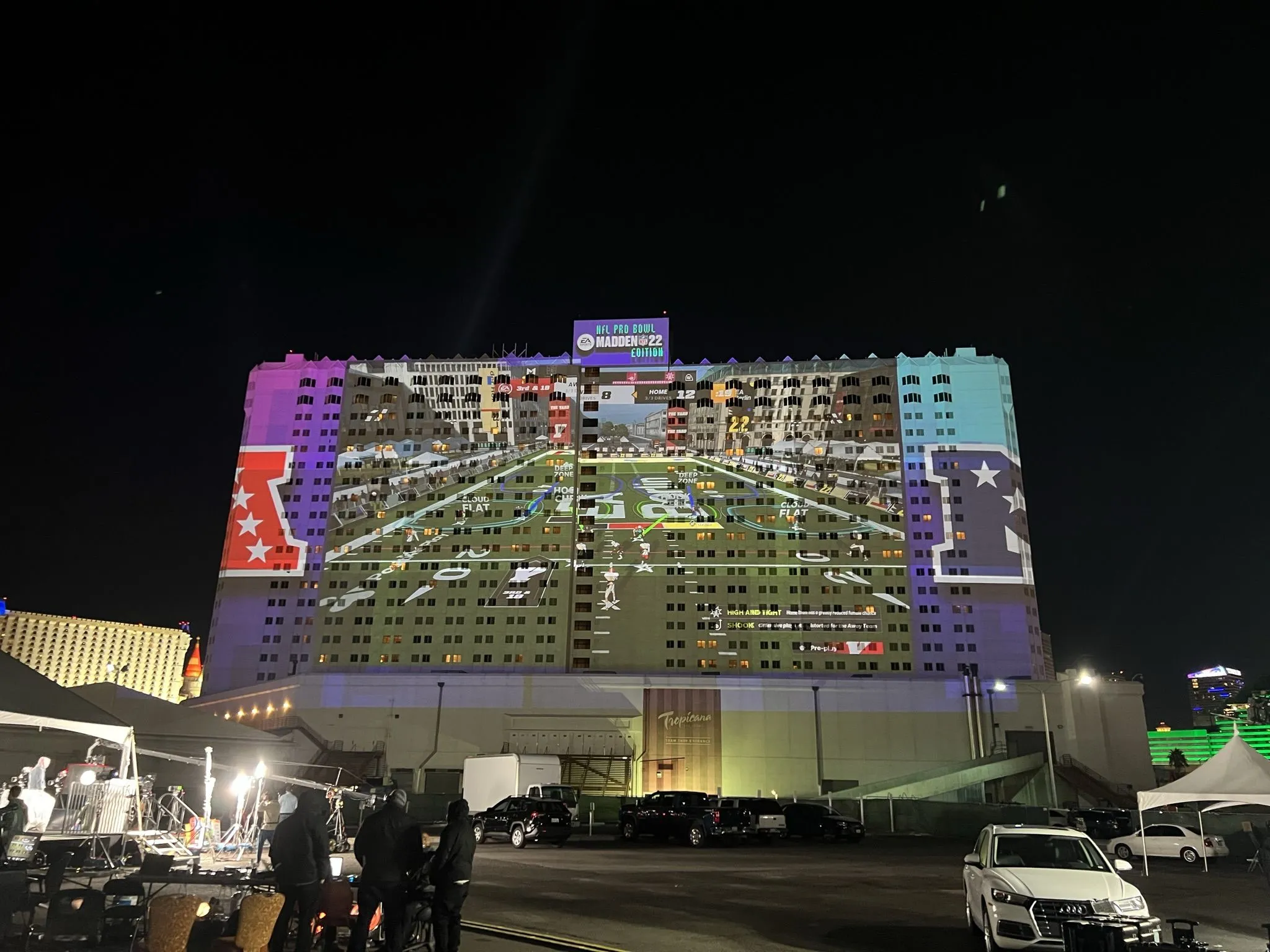
Over 15 years of producing large-scale projection mapping and immersive experiences for globally recognized brands gives Lumen and Forge the technical depth Seattle audiences expect. Our portfolio includes building projections for Nike and Air Jordan at NBA All-Star Weekend, large-scale experiences for Toyota, McLaren, and Mastercard, a world record video game screen at the Tropicana, and the Beneath the Blue 360-degree dome for National Geographic. Our team is accustomed to presenting technically ambitious work to audiences who build technology professionally, which is the specific challenge this market presents.
Who We Work With in Seattle
The clients who come to us for projection mapping in Seattle reflect the industries concentrated across the Puget Sound region:
Cloud, enterprise, and consumer technology companies: Developer conferences, customer summits, product launches, and internal events for organizations whose products are abstract by nature and benefit enormously from physical, visual translation.
Gaming studios and publishers: Seattle and the Eastside host a remarkable concentration of game development. Launch events, community gatherings, esports programming, and PAX activations all reach an audience with the highest visual expectations of any consumer segment.
Aerospace and advanced manufacturing: The region's aerospace sector produces capability showcases, customer events, and milestone celebrations where large-format visual production communicates engineering scale in a way photography cannot.
Retail and consumer brand headquarters: The coffee, apparel, outdoor, and retail brands headquartered in the region run flagship openings, seasonal campaigns, and corporate events that depend on experience design to differentiate.
Biotech, global health, and philanthropic organizations: The research institutions and global health organizations based in Seattle produce major convenings and public-facing programming where complex scientific content needs to be made both legible and moving.
Music, festivals, and cultural institutions: Seattle's venue and festival calendar, along with its museums and cultural organizations, creates ongoing opportunities for immersive visual work aimed at public audiences.
Ready to Light Up Seattle?
Seattle is a market that gets underestimated for outdoor immersive work because of its reputation for rain. The reality is that this city offers more usable darkness than almost anywhere else in the country, sculptural architecture that projection mapping was practically designed for, and an audience of engineers and builders who genuinely appreciate work executed at a high technical standard.
We start with a conversation about your vision, your venue, and your timeline. From there, we develop a clear and detailed proposal covering exactly what we will create, how it will look, and what it will cost.
Contact us today and tell us about your Seattle project.
Frequently Asked Questions: Projection Mapping in Seattle
Standard projection displays a flat image on a flat screen or white wall. Projection mapping uses specialized software to warp, align, and calibrate video content so it fits precisely onto any three-dimensional surface, whether that is a building exterior, a custom sculpture, a vehicle, or an entire room. The software accounts for every edge, angle, and curve, so the content appears to belong to the object itself rather than simply being cast onto it. On Seattle's curved and faceted architecture, that geometric accuracy is what makes the effect work at all.
Yes, and the rain is a smaller obstacle than most people assume. Pacific Northwest precipitation is typically light and persistent rather than torrential, and projection equipment operates reliably in weather-rated enclosures. The variables that matter more are wind, sustained moisture on the projection surface itself, and drainage at the projector position. Set against that, Seattle offers a real compensating advantage: sunset before half past four in December means far more usable show hours during the fall and winter than sunbelt markets provide. Summer is the inverse, with sunset near nine o'clock in June, so summer outdoor shows start late. We plan around all of this in pre-production.
The Seattle Convention Center, including the Summit building, offers the largest interior volumes downtown. Seattle Center and the Museum of Pop Culture, Climate Pledge Arena, Lumen Field, T-Mobile Park, the Museum of Flight, Block 41, Fremont Studios, the Paramount Theatre, and the industrial spaces of SoDo and Georgetown all present strong opportunities. Pioneer Square's historic masonry and the redeveloped central waterfront are among the best outdoor surfaces and settings in the city, and corporate campuses in South Lake Union and on the Eastside offer controlled environments for private events.
PAX West over Labor Day weekend and Emerald City Comic Con in the spring are the two strongest consumer-facing windows. Beyond those, the enterprise technology conference and customer summit calendar, the Seattle Convention Center's year-round slate, the region's music festival season, and the concert and playoff calendars at Climate Pledge Arena, Lumen Field, and T-Mobile Park all create strong contexts. Product launch cycles in technology and gaming run independently of the public calendar and are frequently the best fit.
We work closely with clients to navigate the requirements specific to their venue and activation type. Depending on the location, this may involve the City of Seattle Special Events Office, Seattle Parks and Recreation, the Seattle Department of Transportation for street or sidewalk use, the Port of Seattle for waterfront and pier property, or the Seattle Center campus, which runs its own event process. Seattle is also a union production market for major venues, and we account for union labor requirements in our planning. Our team identifies the relevant approvals early and guides you through each one.
Pricing depends on the scale of the surface, the complexity of the content, the duration of the event, equipment requirements, and production staffing. Seattle-specific variables include weather protection for outdoor equipment, union labor requirements at major venues, and seasonal demand pressure around Labor Day and the fall conference season. One factor works in your favor: because the region's long dark season extends usable show hours, an outdoor installation here can often deliver more audience impressions per production dollar than the same build in a sunbelt market. We provide itemized quotes so you know exactly where your budget is going. Contact us for a custom estimate.
For most projects, a minimum of 60 to 90 days of lead time is recommended. For activations tied to PAX West, Emerald City Comic Con, or a major enterprise technology conference, earlier engagement is strongly advisable, since downtown venues, hotel space, and production resources are committed well ahead for those windows. Earlier planning also gives our team the runway to develop the creative concept without compromise.
Standard projection mapping refers broadly to fitting content accurately to any surface. 3D projection mapping specifically focuses on creating a three-dimensional illusion, designing content so that surfaces appear to physically transform, gain depth, and move toward or away from the viewer. Both are part of what Lumen and Forge delivers, and the right approach depends on your surface, your creative goals, and your audience. Seattle's sculptural architecture gives the three-dimensional approach genuinely exceptional material to work with.
In addition to projection mapping, we offer dome projection for fully immersive 360-degree spherical experiences, event and project design for end-to-end production planning, and animation and visual storytelling for original content creation. Many of our Seattle clients combine projection mapping with one or more of these services into a single integrated production. We are a full-service immersive experience company, and the strongest work we build is conceived as a whole from the first conversation.
Do you have more questions?
Didn't find what you were looking for? Our team is happy to walk you through your project and answer anything else