

A Harbor City That Lives Out Loud
Baltimore is a projection mapping market built on density. The Inner Harbor Promenade puts the National Aquarium, the Bromo Seltzer Arts Tower and the waterfront within a short walk of each other, and the city's cultural anchors, from the Walters Art Museum and the Baltimore Museum of Art to the American Visionary Art Museum and Joseph Meyerhoff Symphony Hall, sit close enough to support multi venue campaigns rather than one off activations.
Add the sports and convention calendar and the case gets stronger. M&T Bank Stadium, Oriole Park at Camden Yards and CFG Bank Arena draw large, recurring crowds, while the Baltimore Convention Center hosts the kind of gatherings that need room scale environments and interactive installations, not just a screen.
The audience mix rewards that range: healthcare and life sciences, higher education and research, port and logistics, cybersecurity and defense, financial services and asset management, tourism and hospitality, and professional sports all run programs here. The event calendar gives those industries steady moments to build around, from Artscape in May and AFRAM in June to the New Year's Eve Spectacular at the Inner Harbor on December 31.
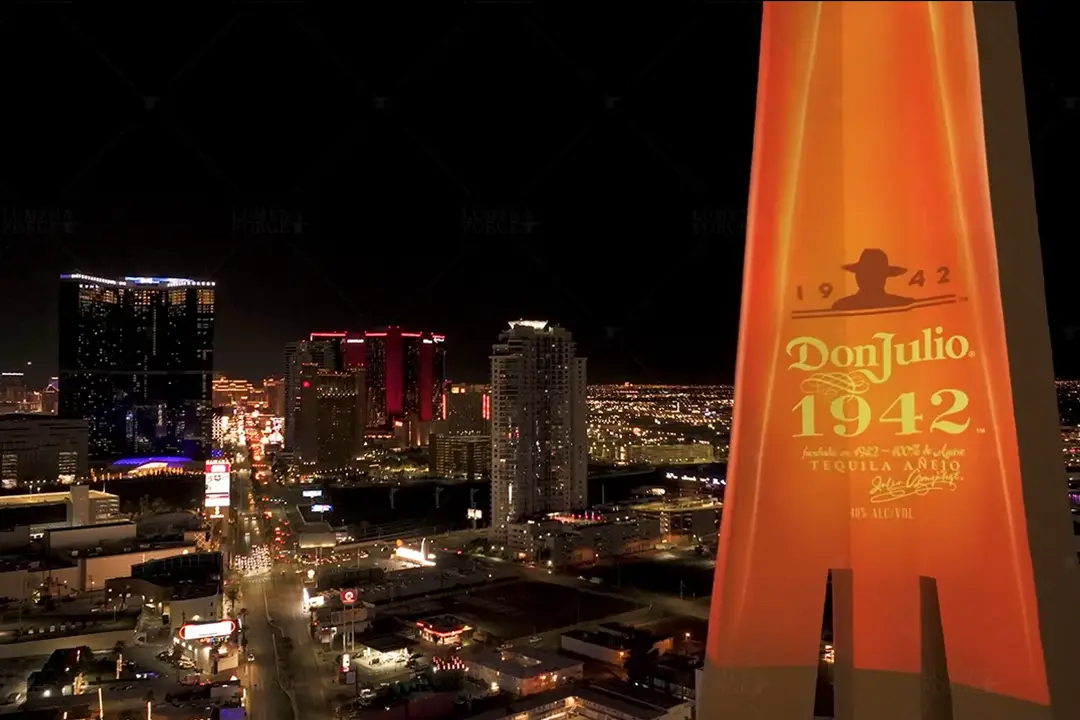
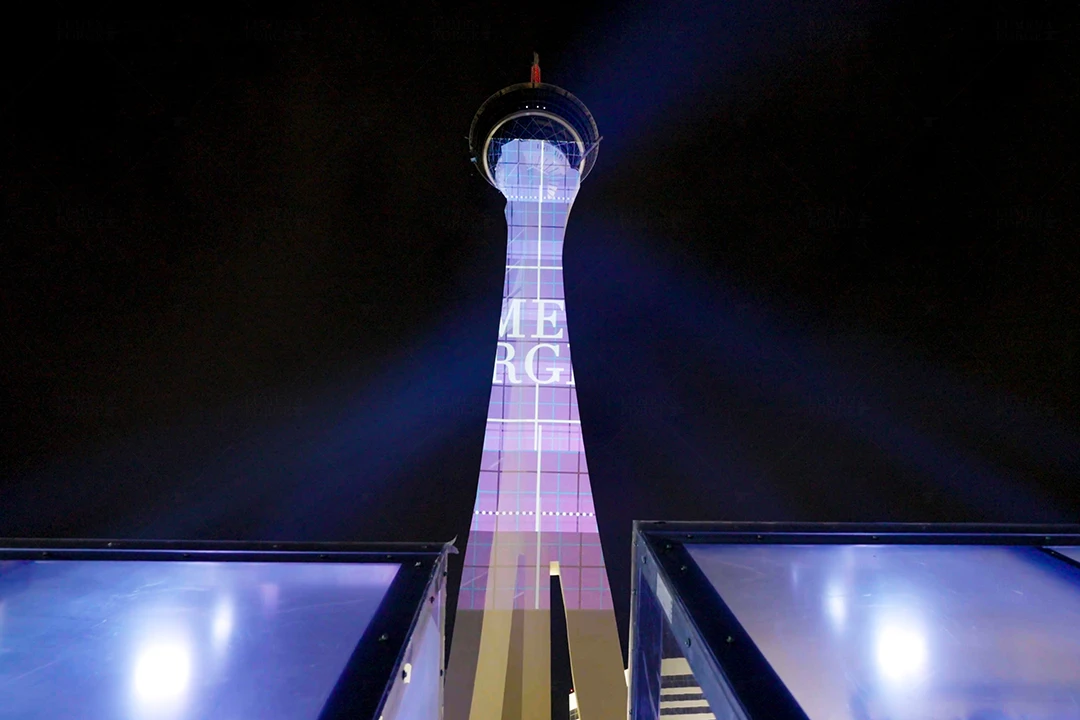
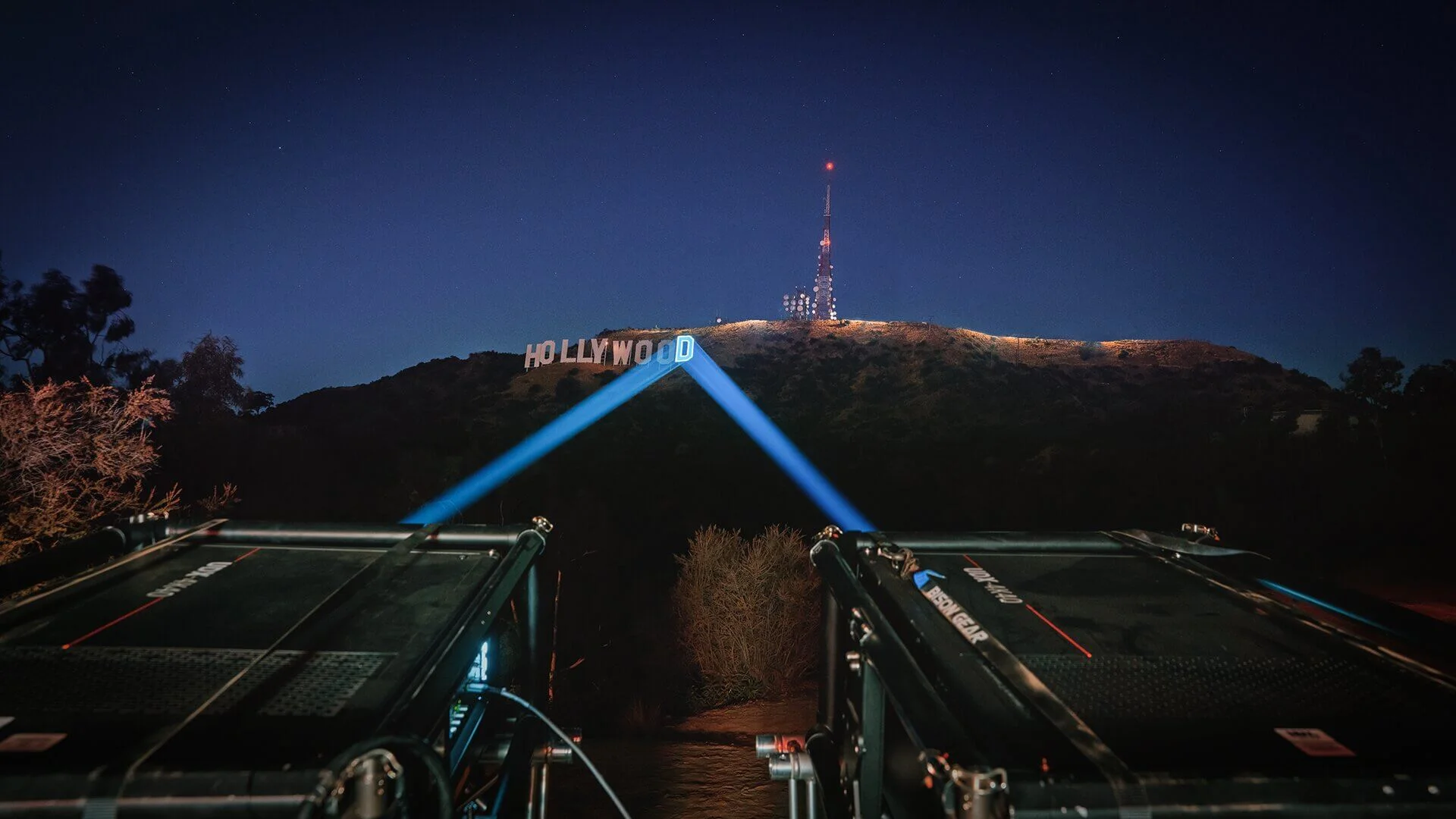
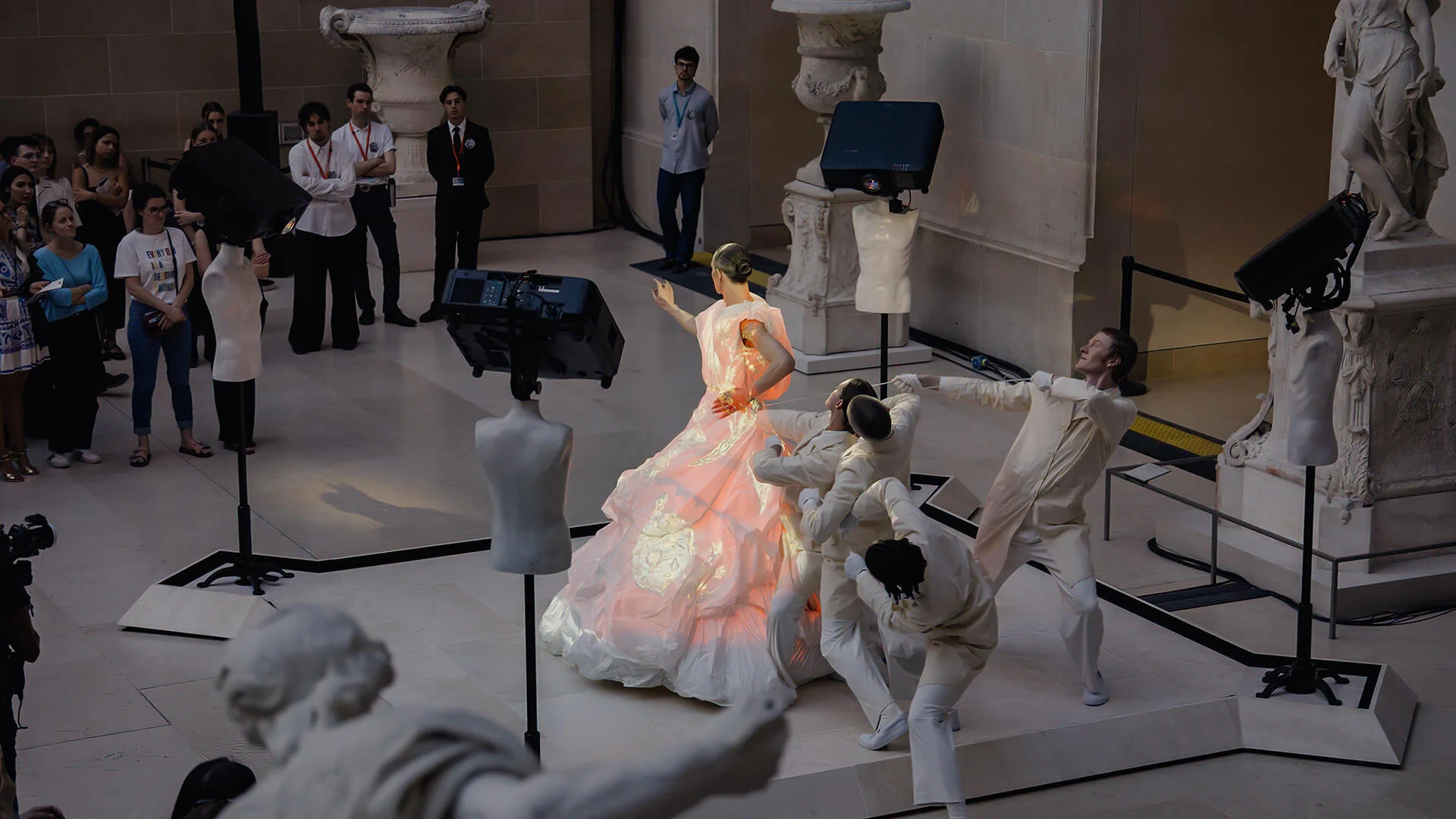
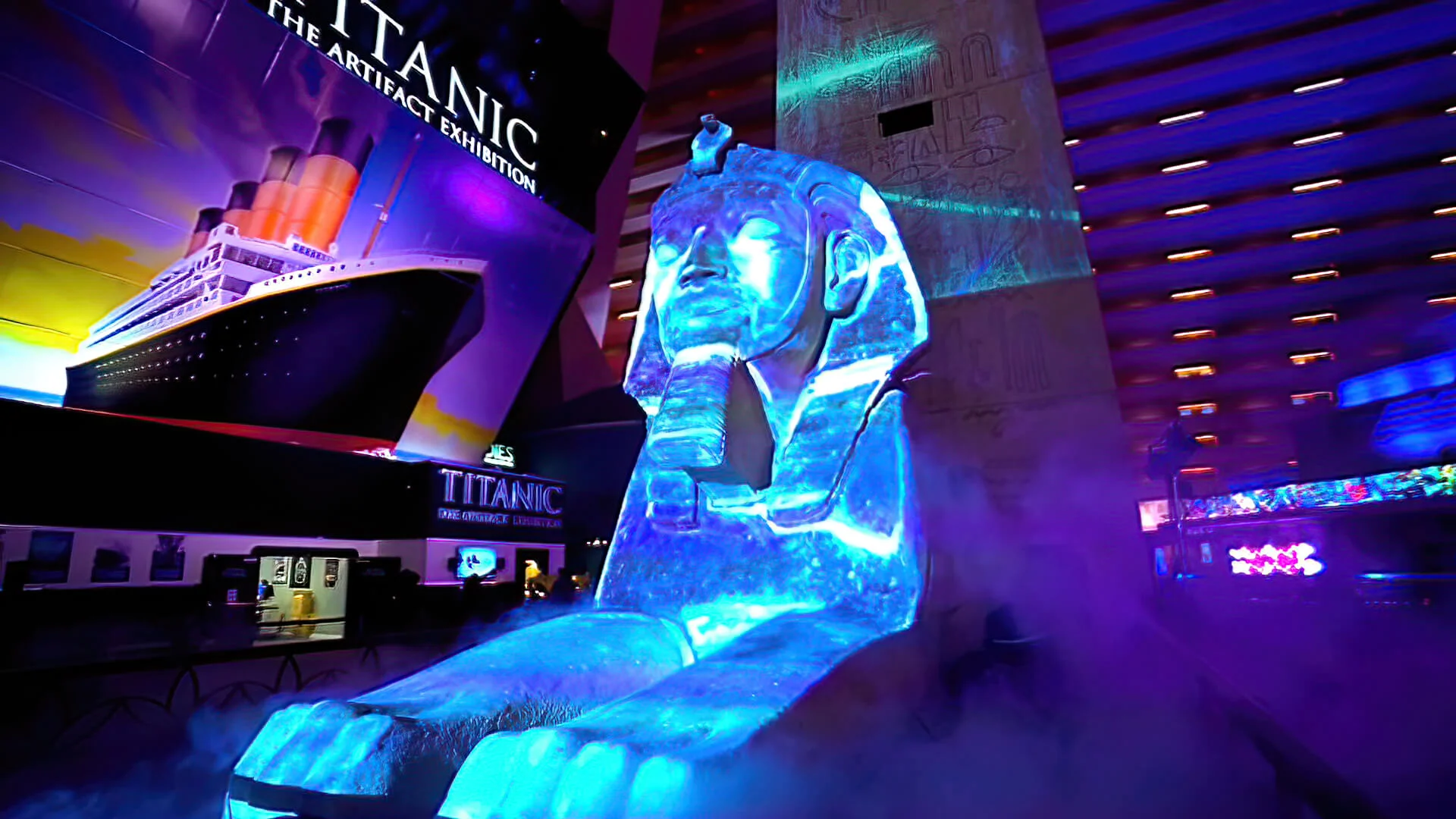
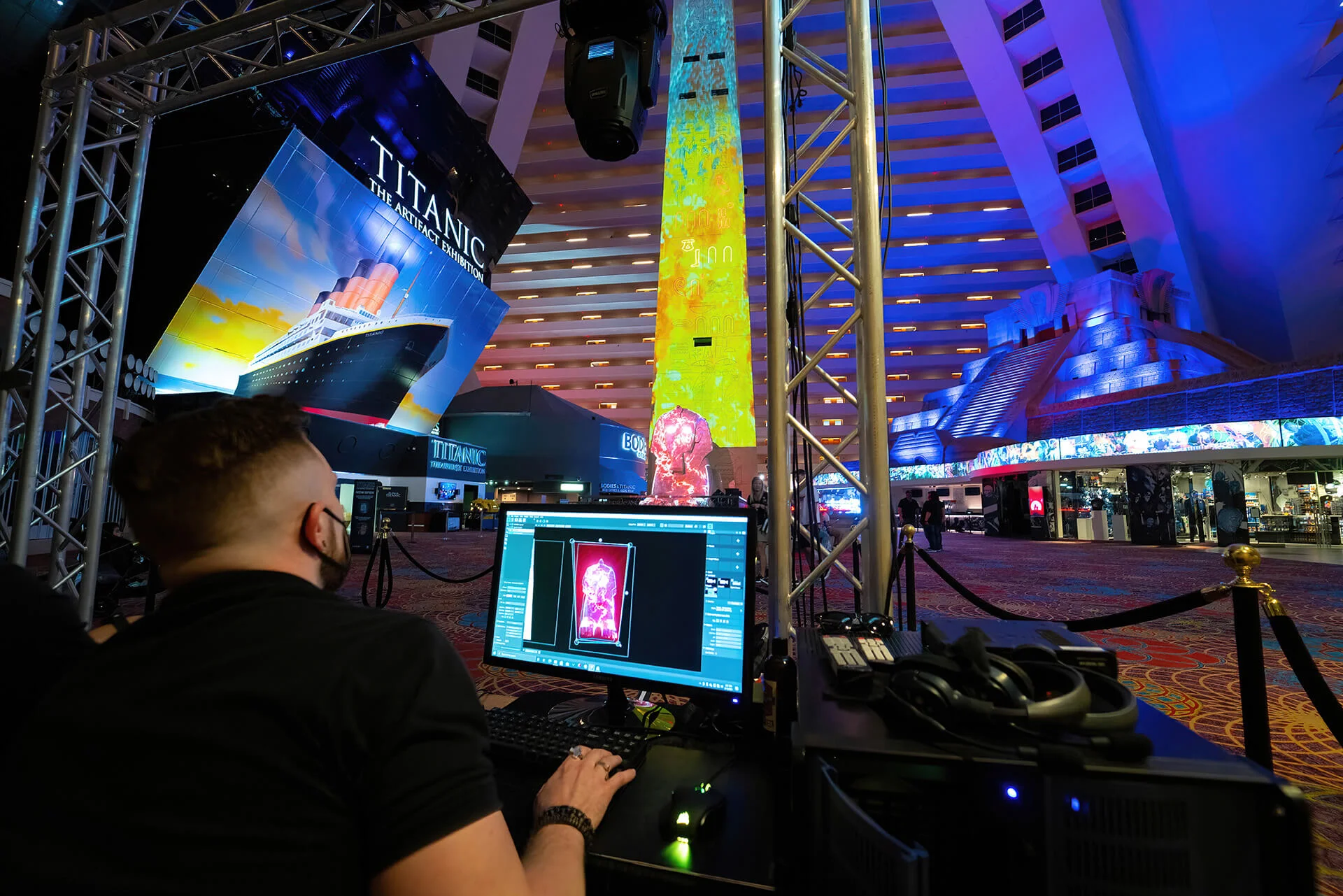
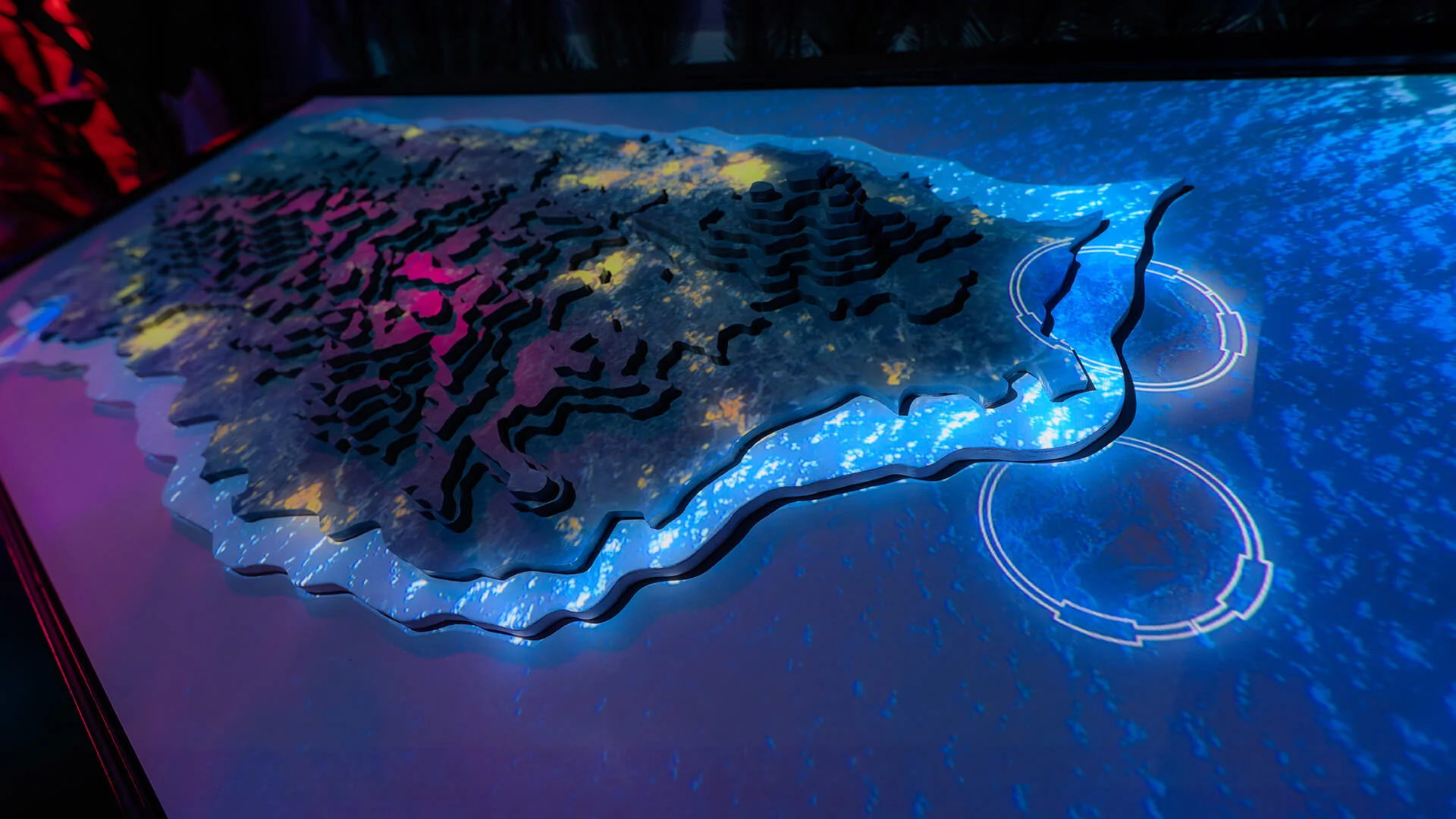
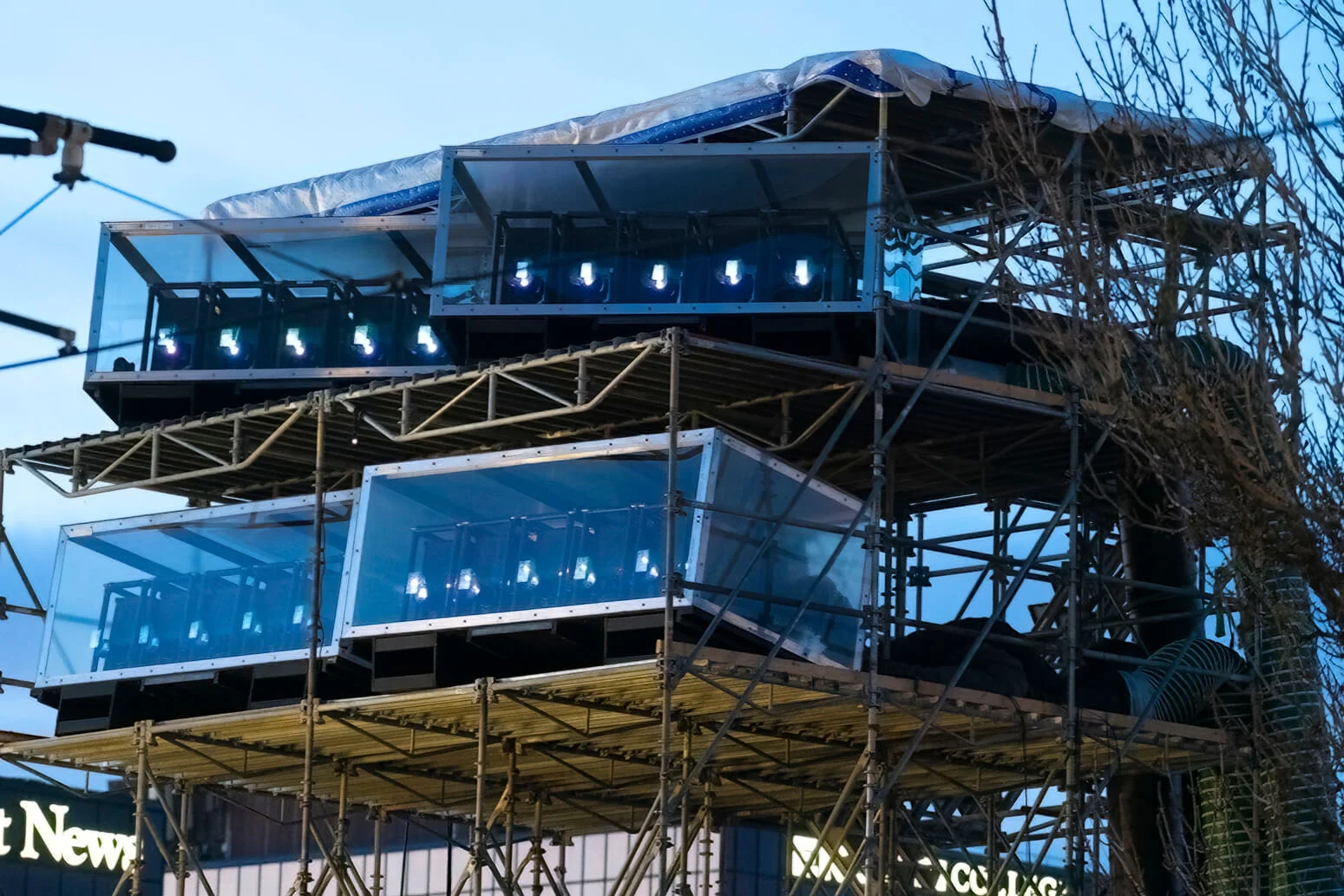
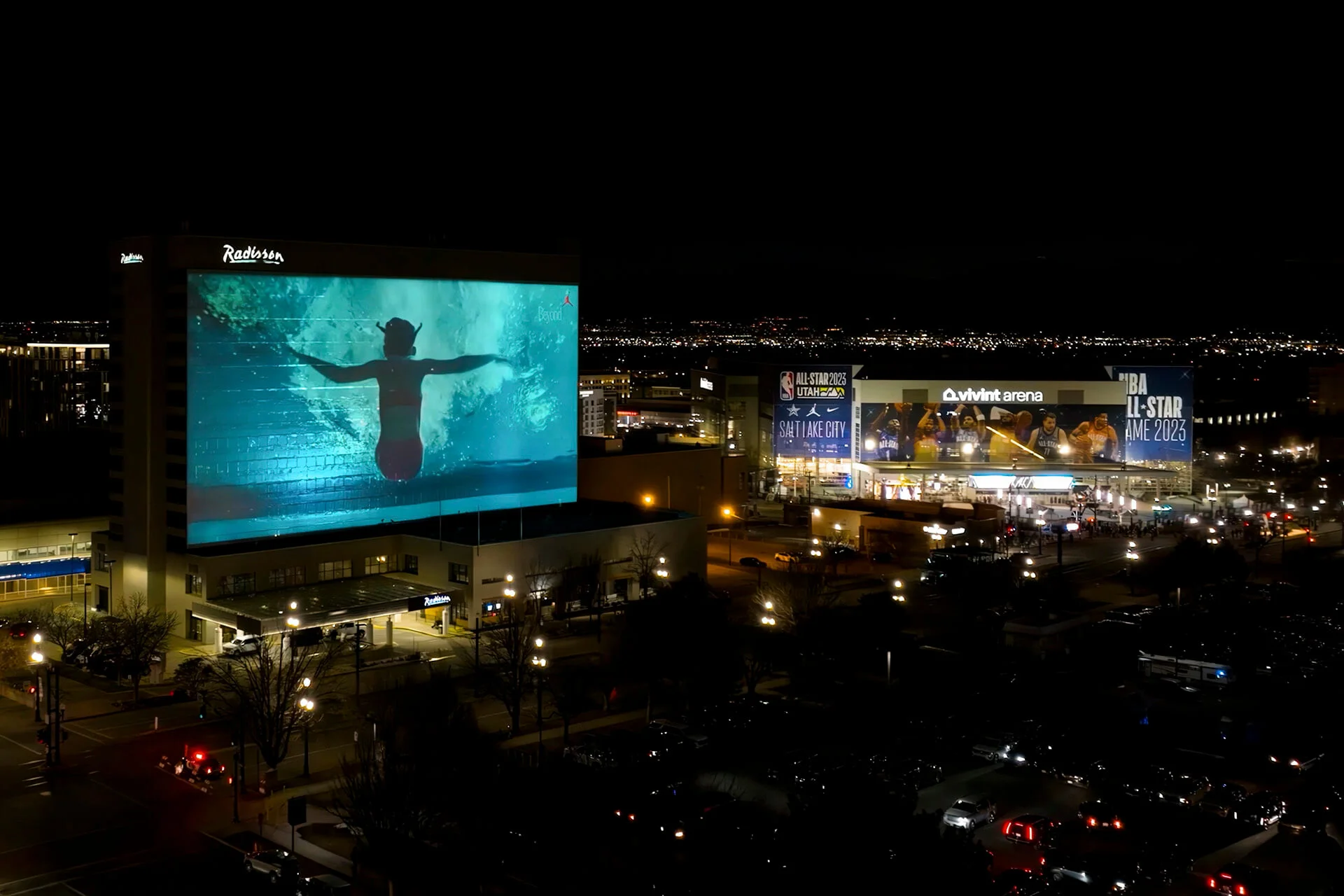
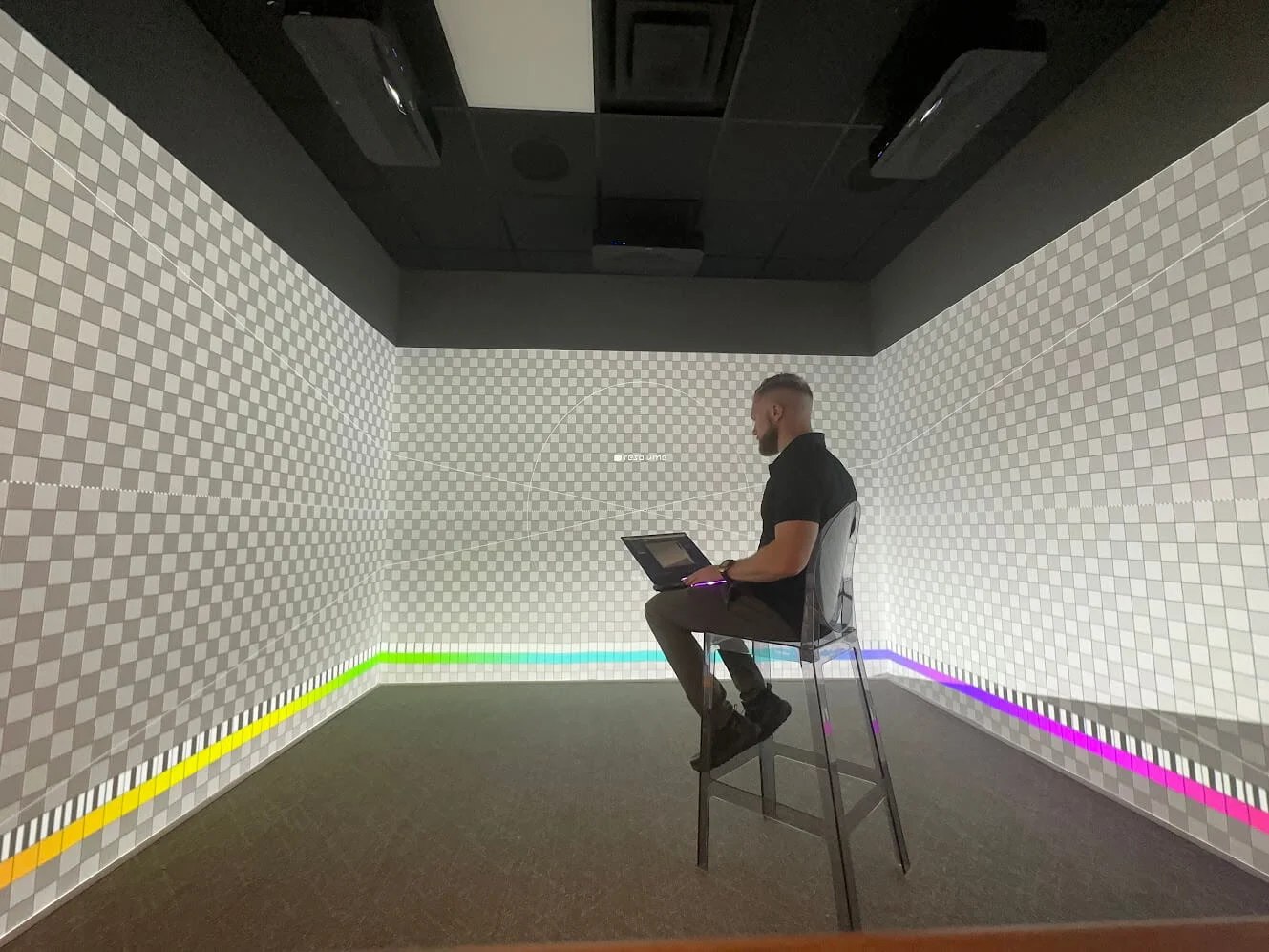
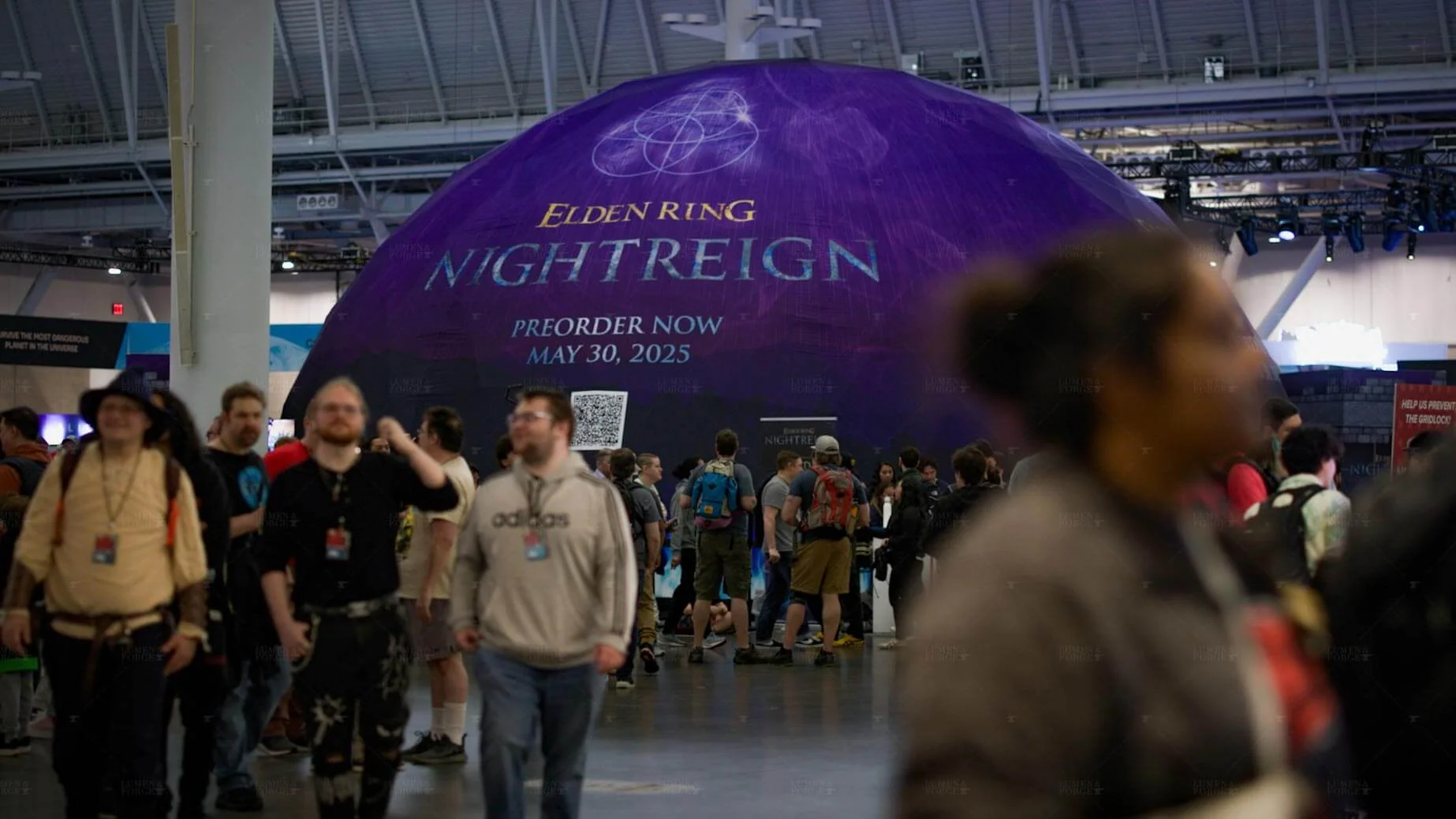
Take A Closer Look
A Deeper Look Into Animation & Visual Story Telling
A Deeper Look Into
Projection Mapping
Projection Mapping: Turning Any Surface Into a Story
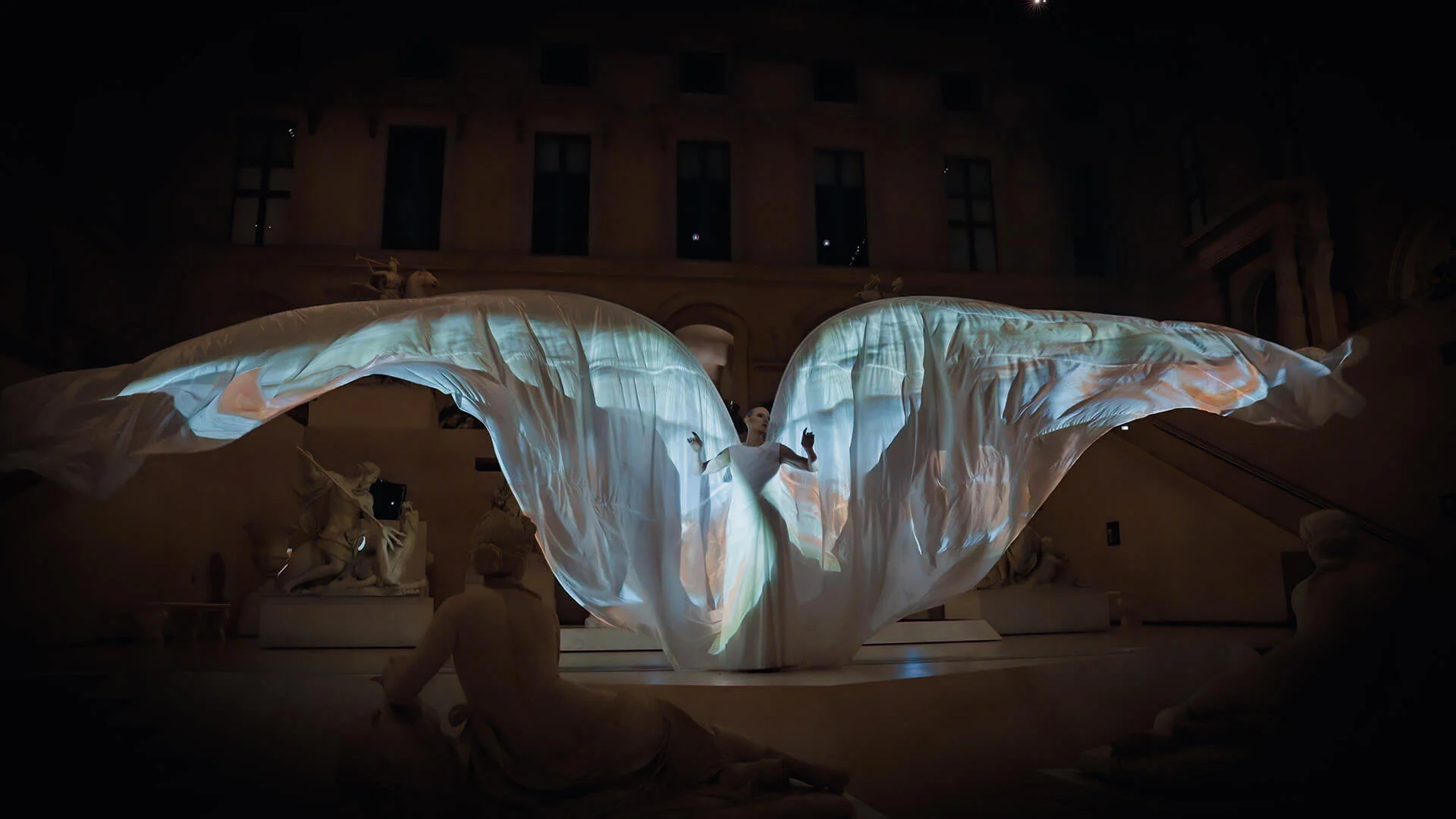
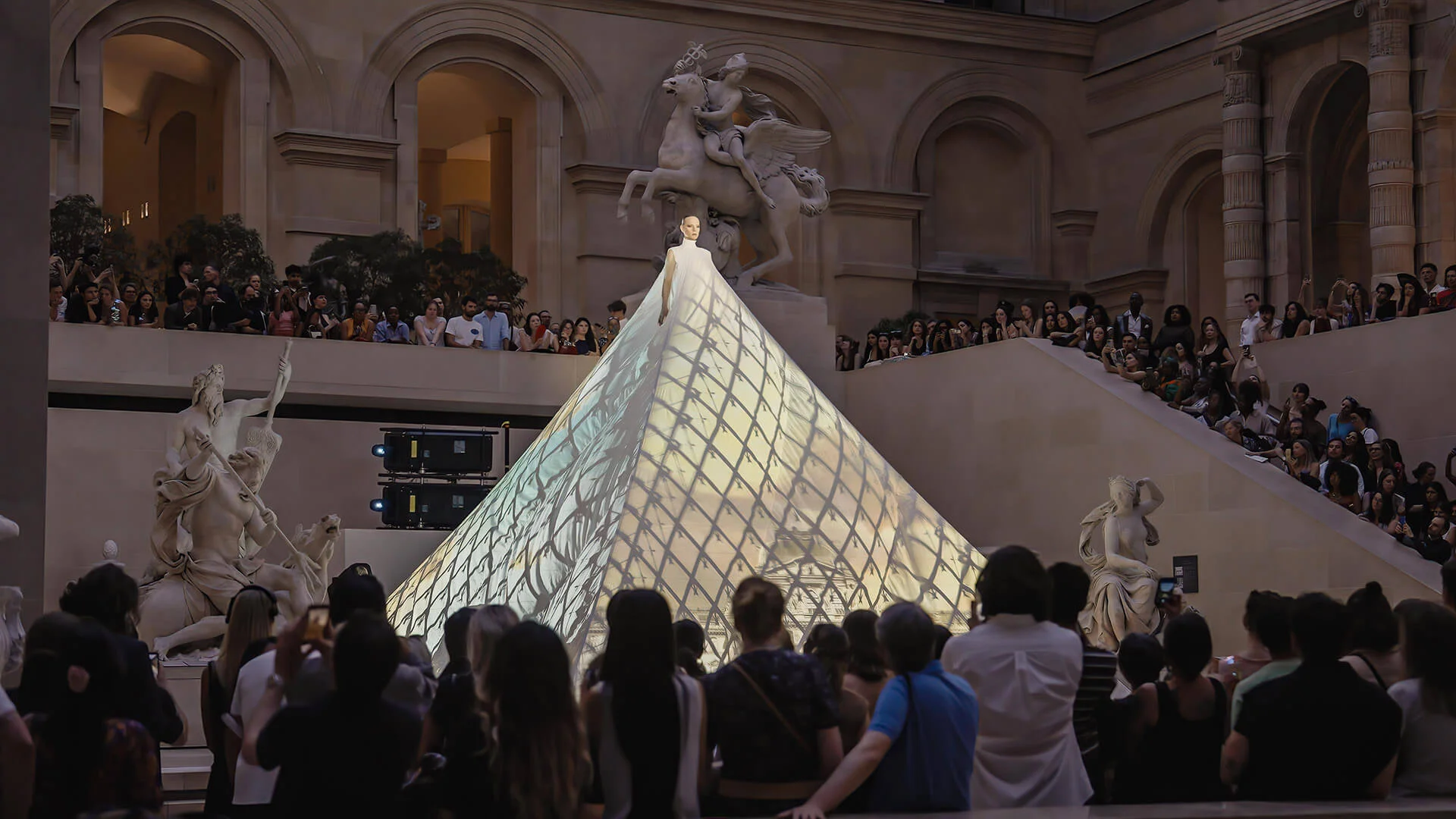
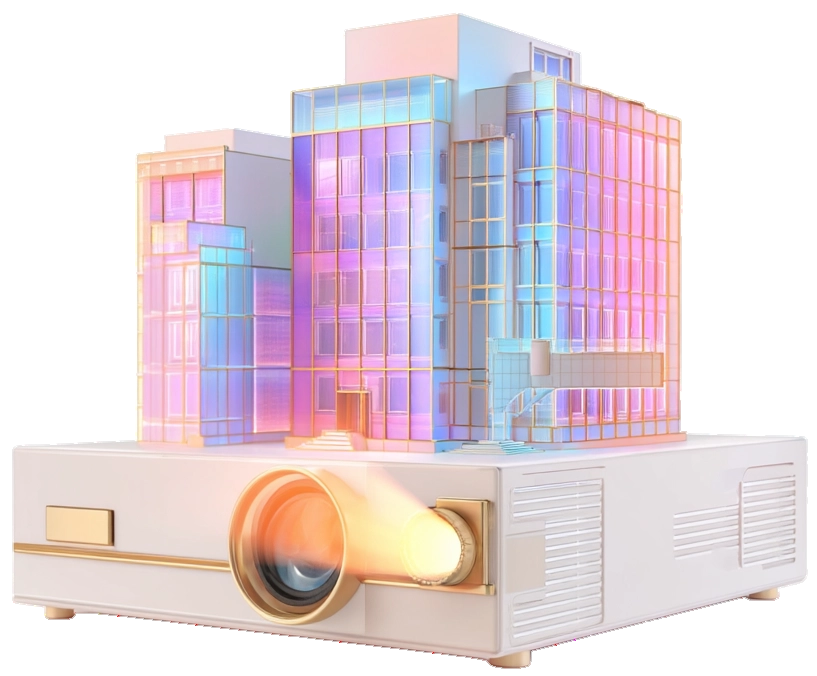
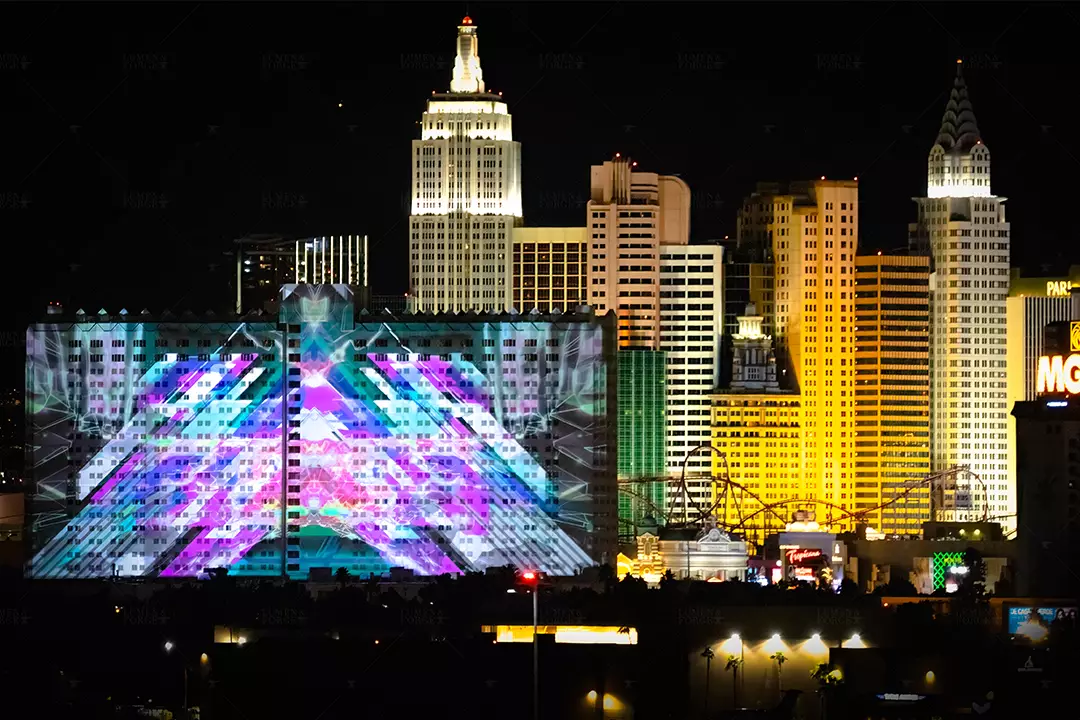
Projection mapping is the process of fitting light to a surface instead of fitting a surface to a screen. Software warps and blends each frame so it lands precisely on the geometry in front of it, corner by corner, curve by curve. A flat screen gives you a rectangle that ignores the room. Mapping reads the room: the arches, cornices, columns and irregular edges become part of the composition, and the building stops being a backdrop and starts being the canvas. Add interactivity or sound and the surface becomes a responsive environment rather than a picture.
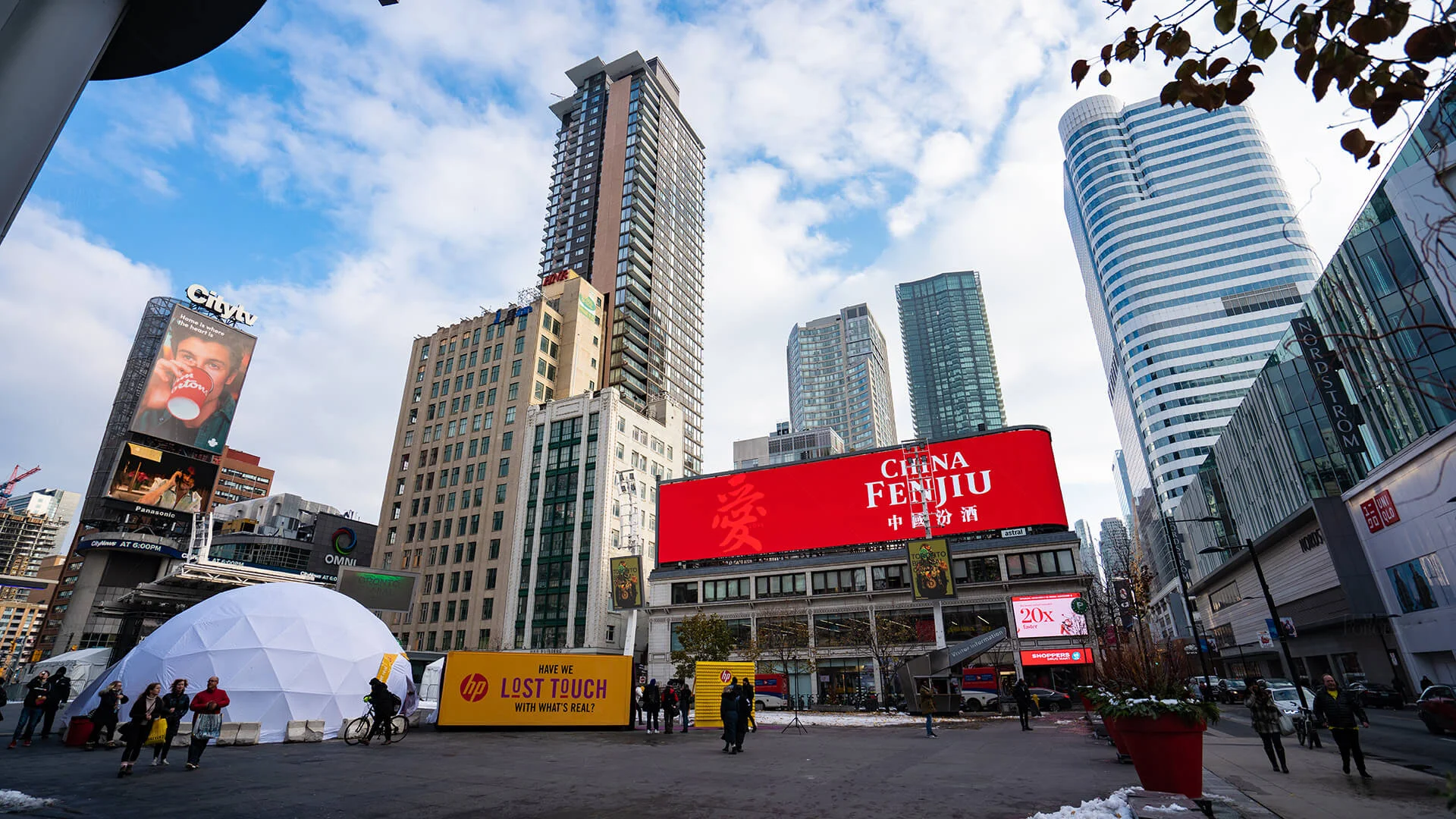
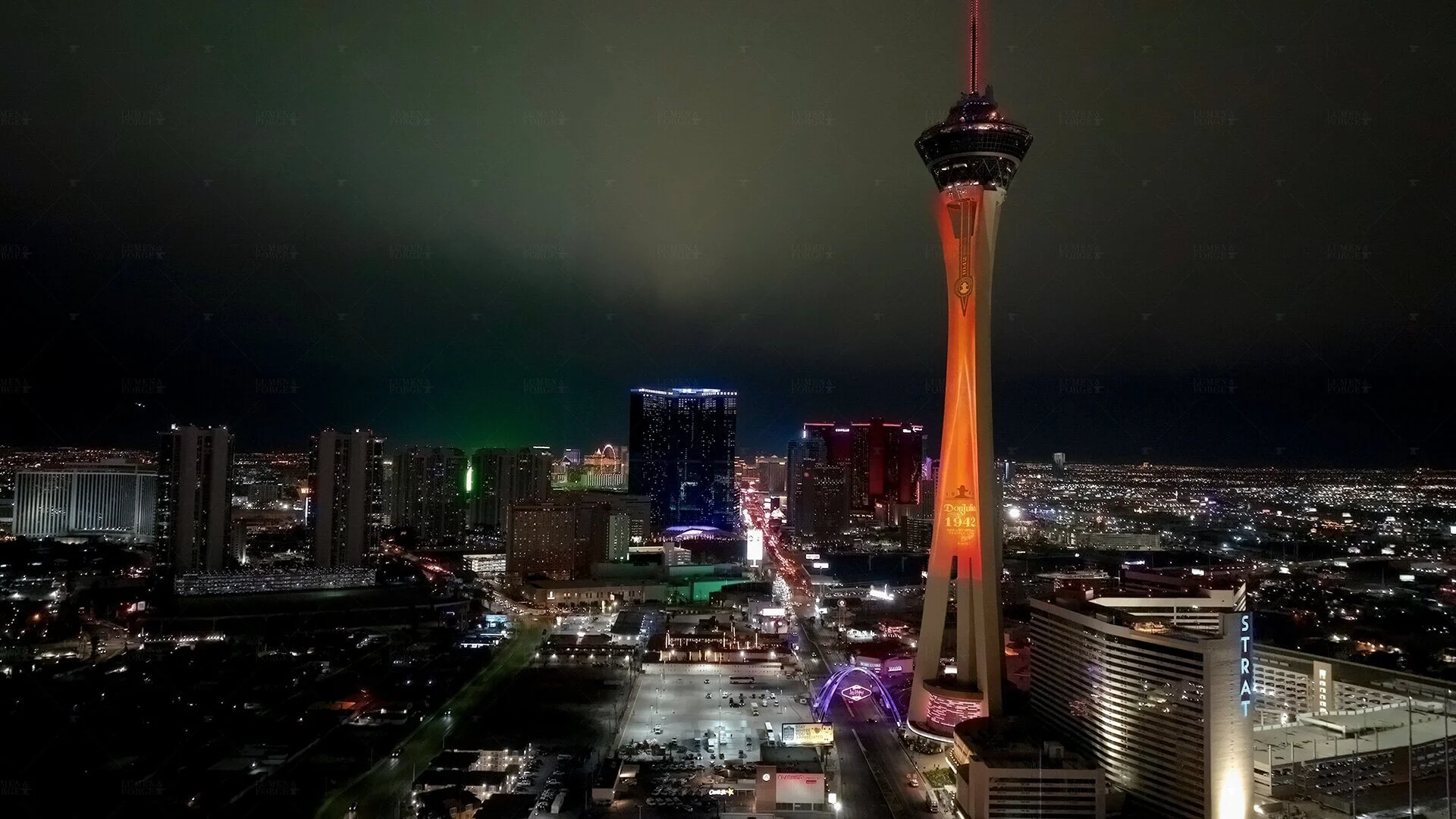
In Baltimore that means content built for the architecture on site. Facades at the Baltimore Convention Center and CFG Bank Arena, the exterior of the Bromo Seltzer Arts Tower, gallery walls at the Walters Art Museum, the Baltimore Museum of Art and the American Visionary Art Museum, the concourses and bowl at M&T Bank Stadium and Oriole Park at Camden Yards, the lobby and event spaces at Joseph Meyerhoff Symphony Hall, and the Inner Harbor Promenade, where a mapped installation can meet the water and the crowd at once.
Building and Architectural Projection
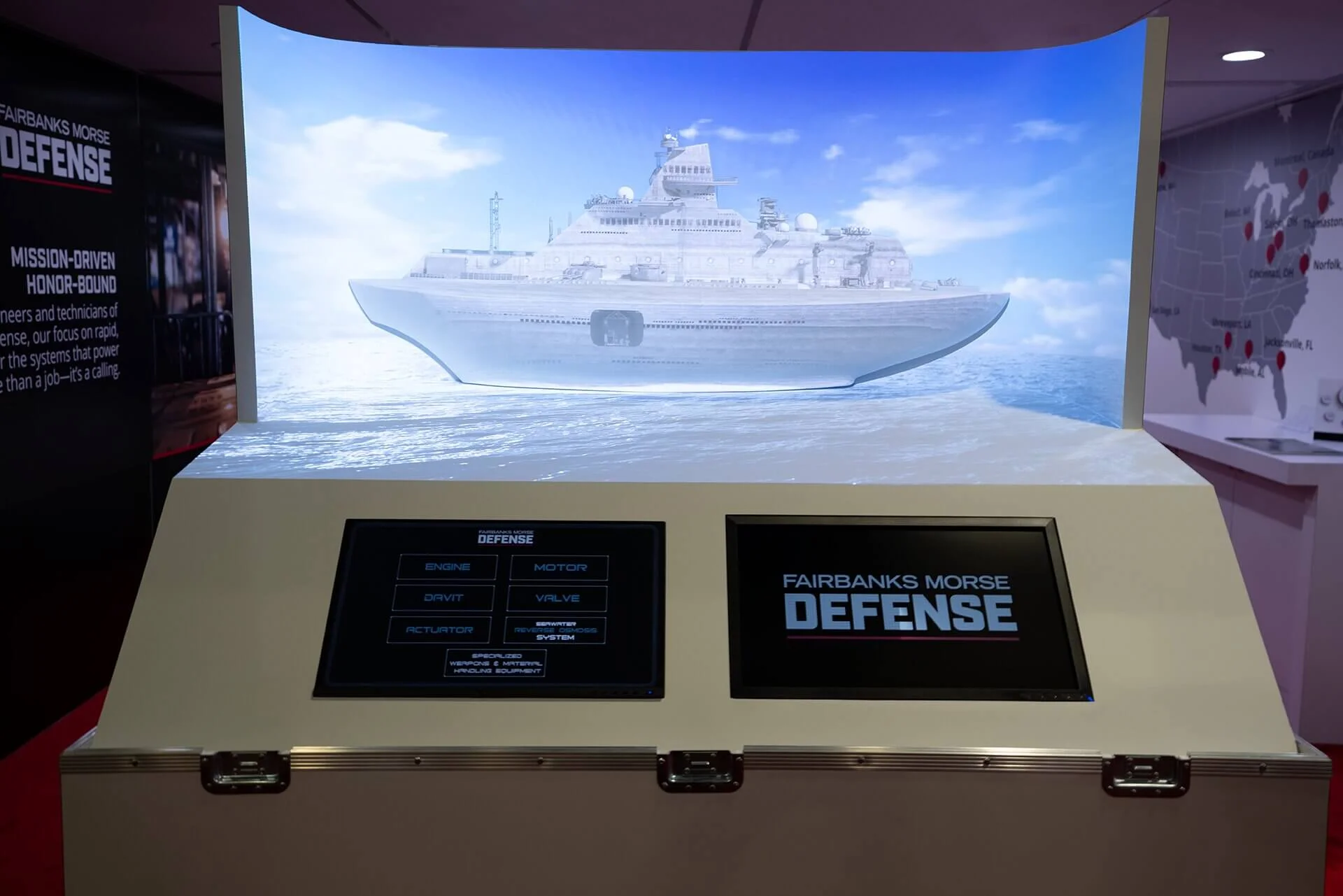
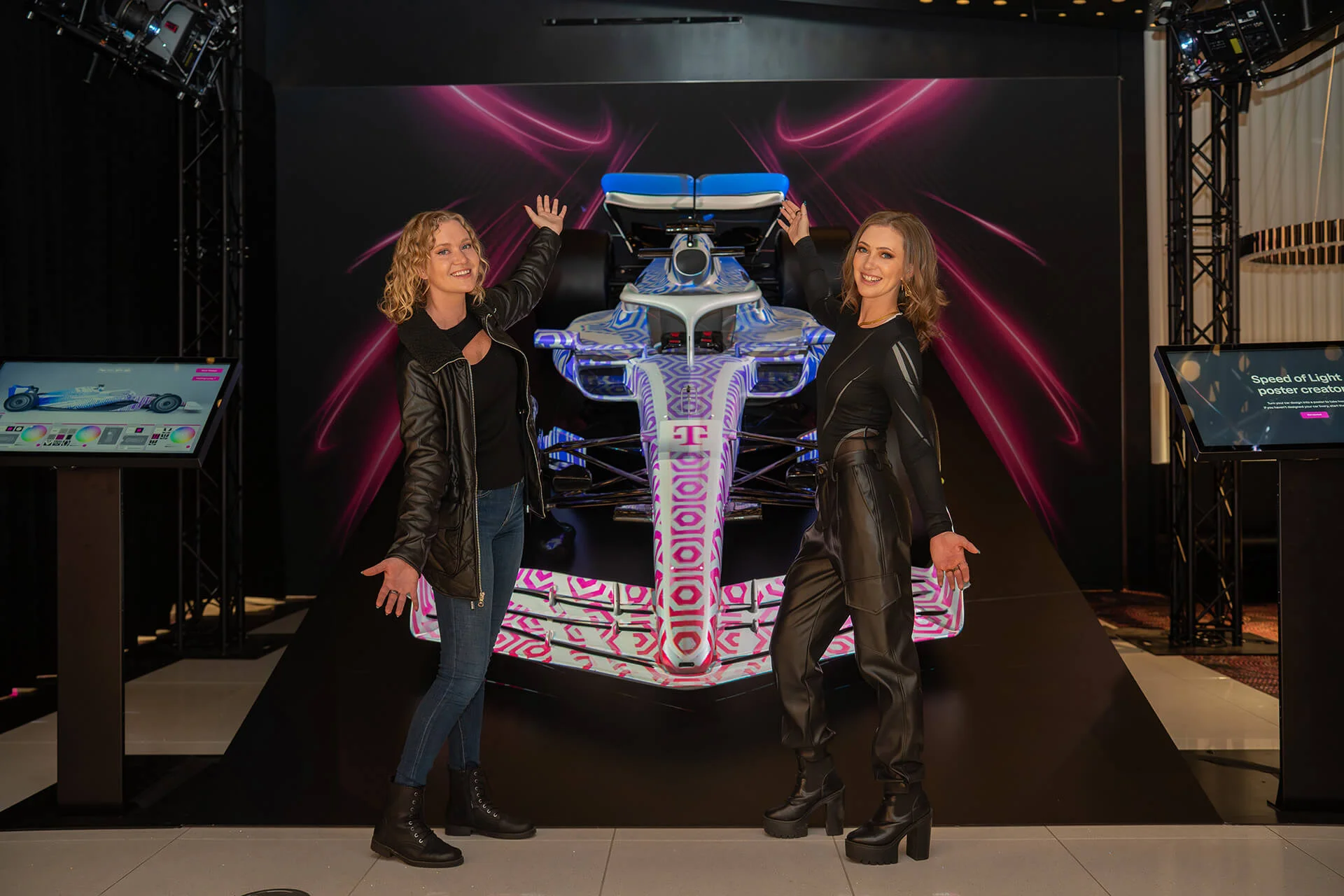
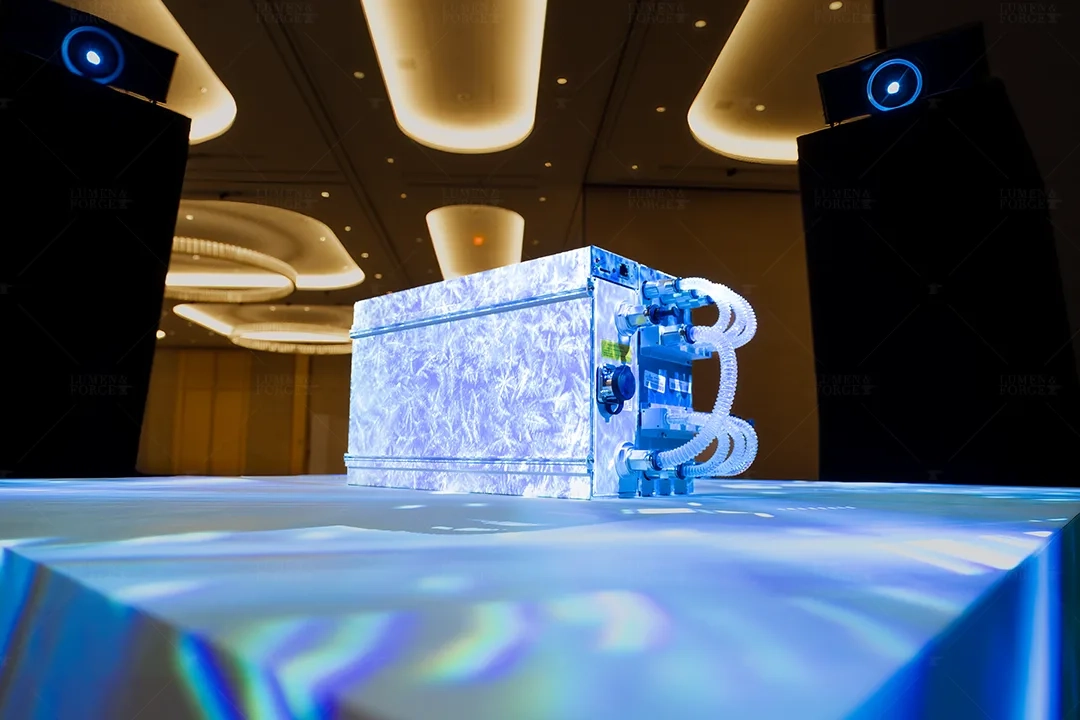
Object and Product Projection Mapping
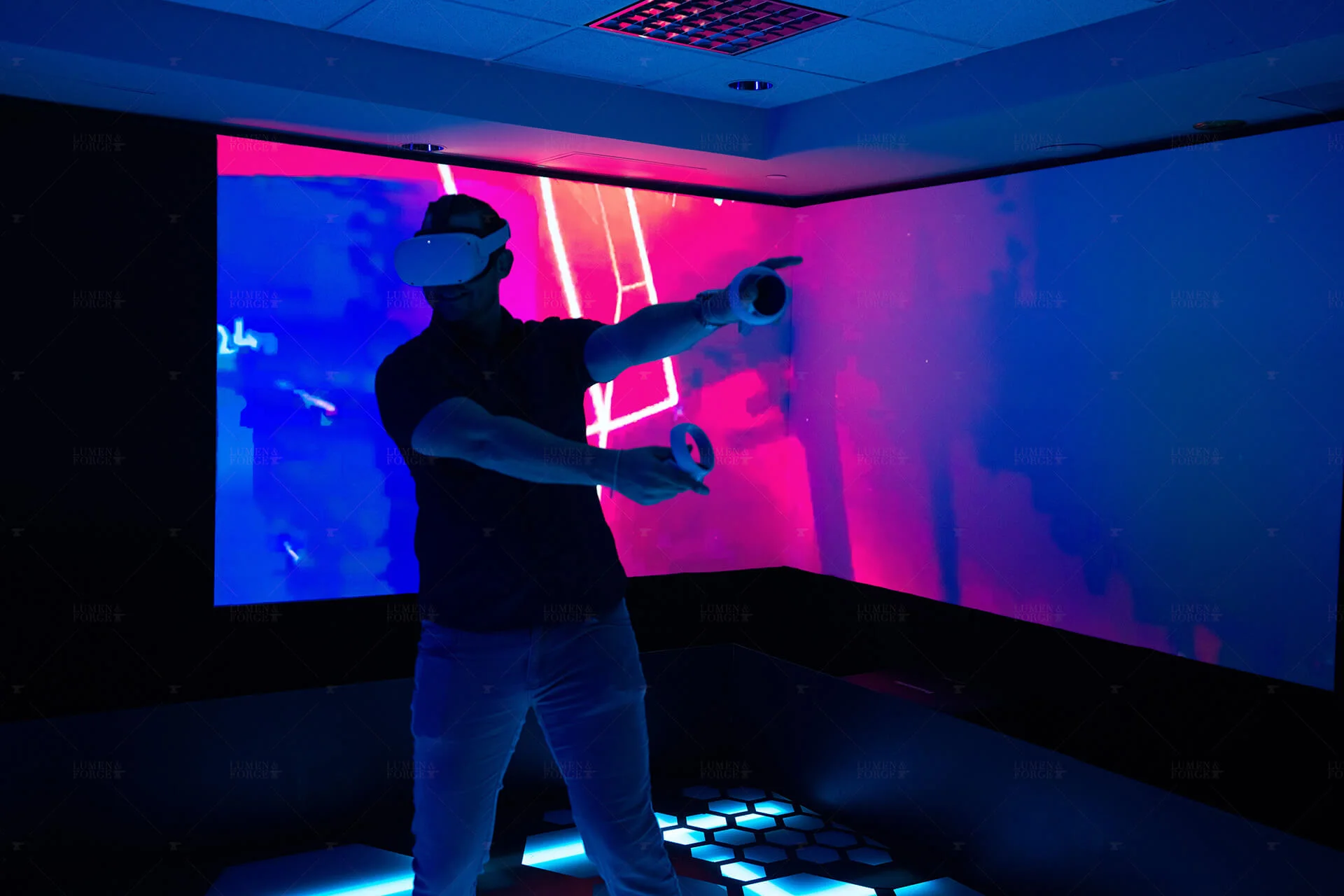
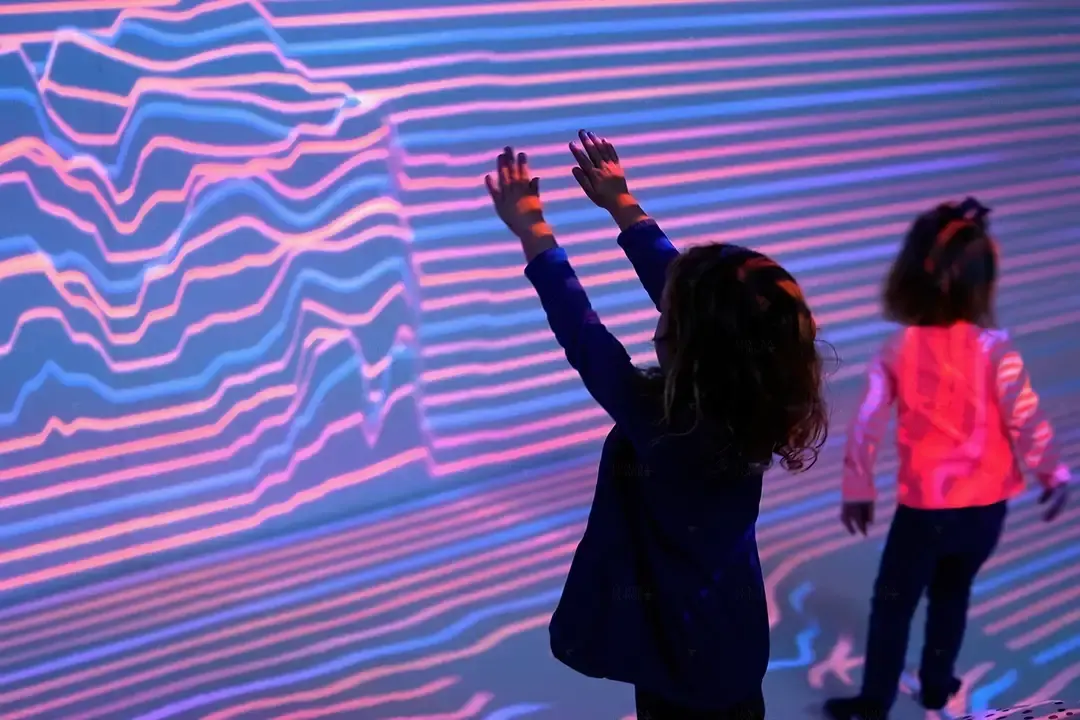
Interactive Projection
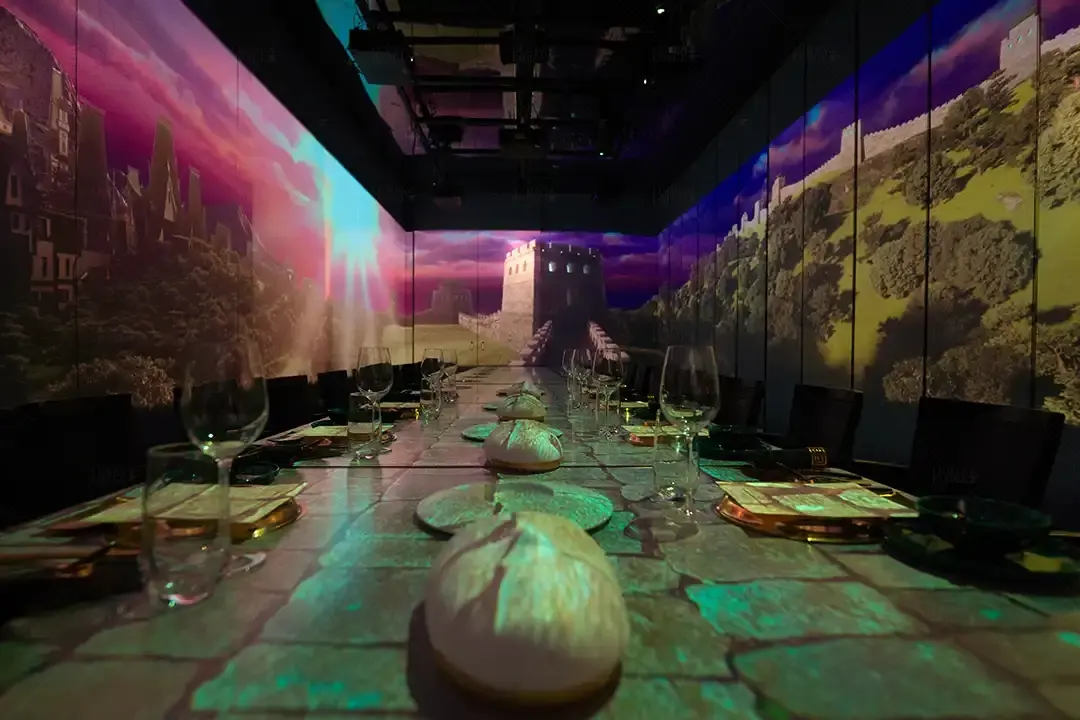
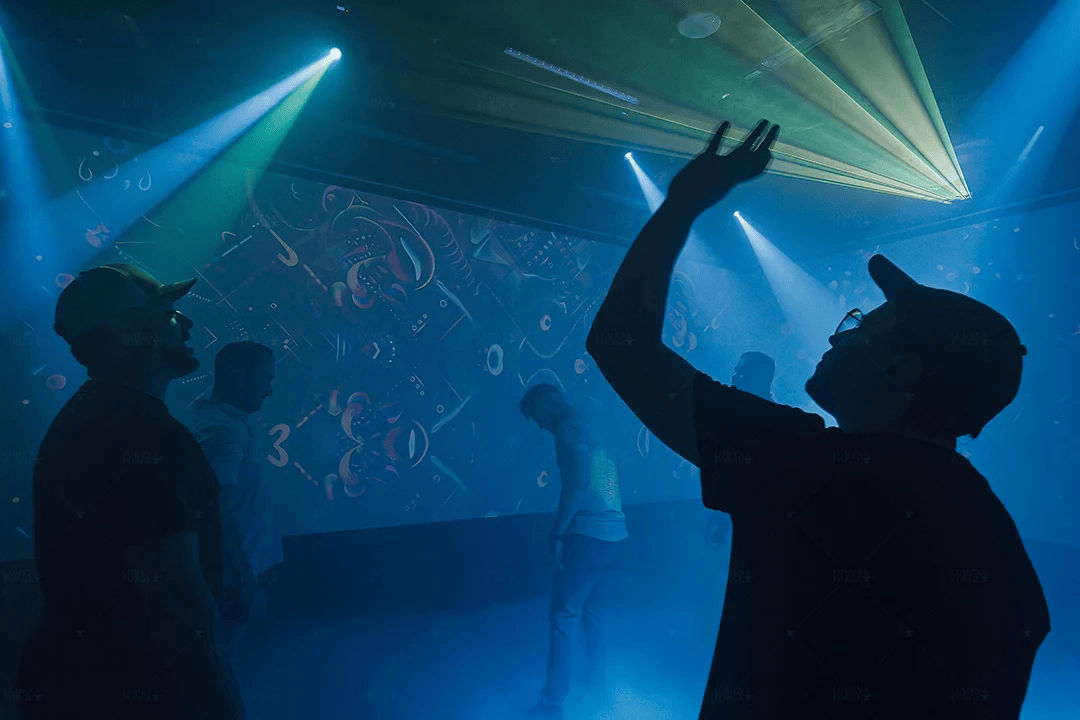
Room and Environment Mapping
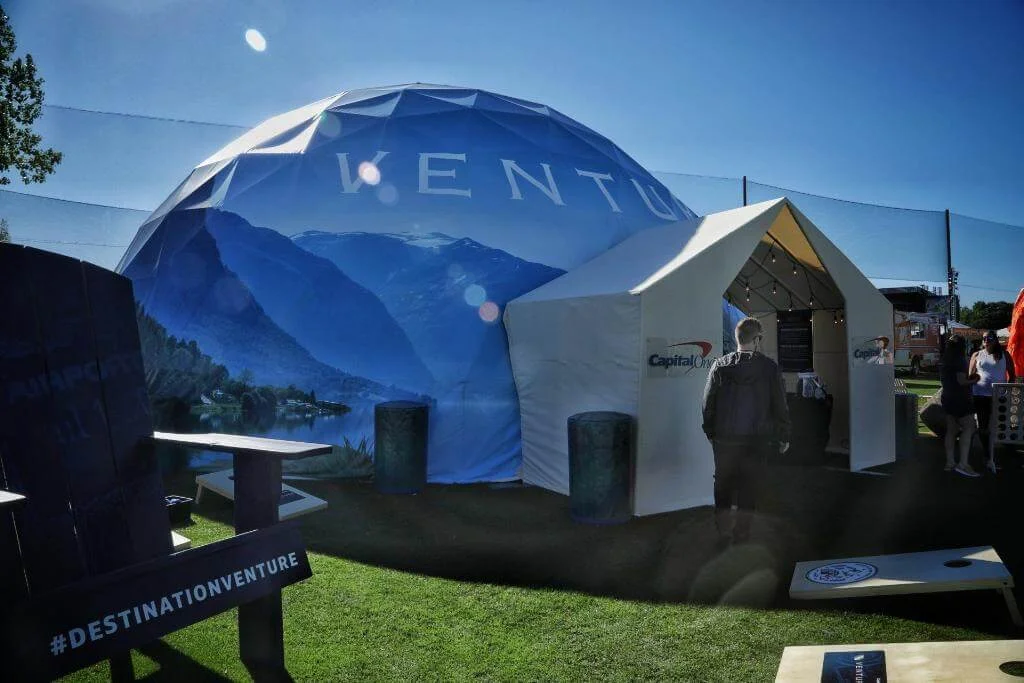
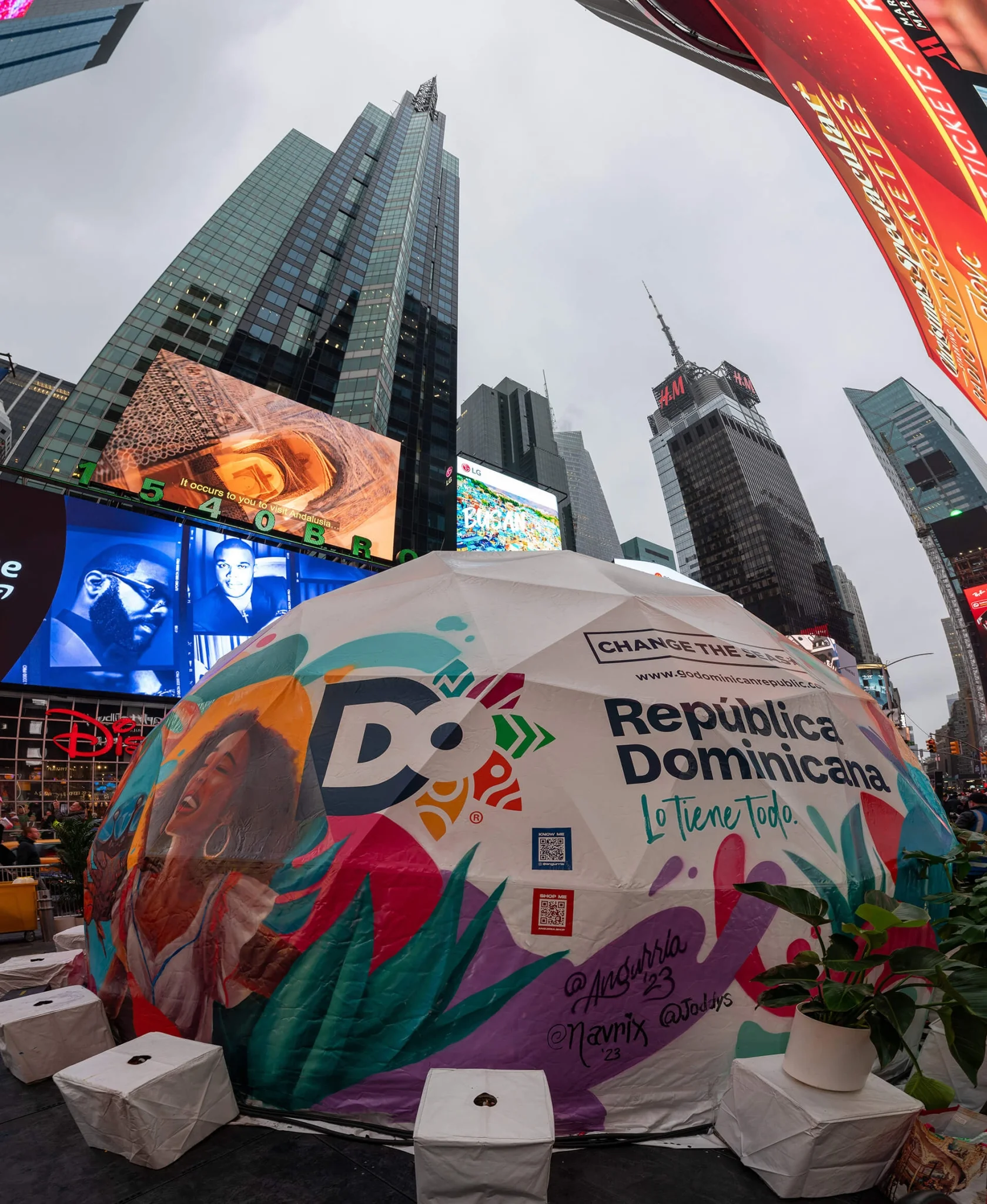
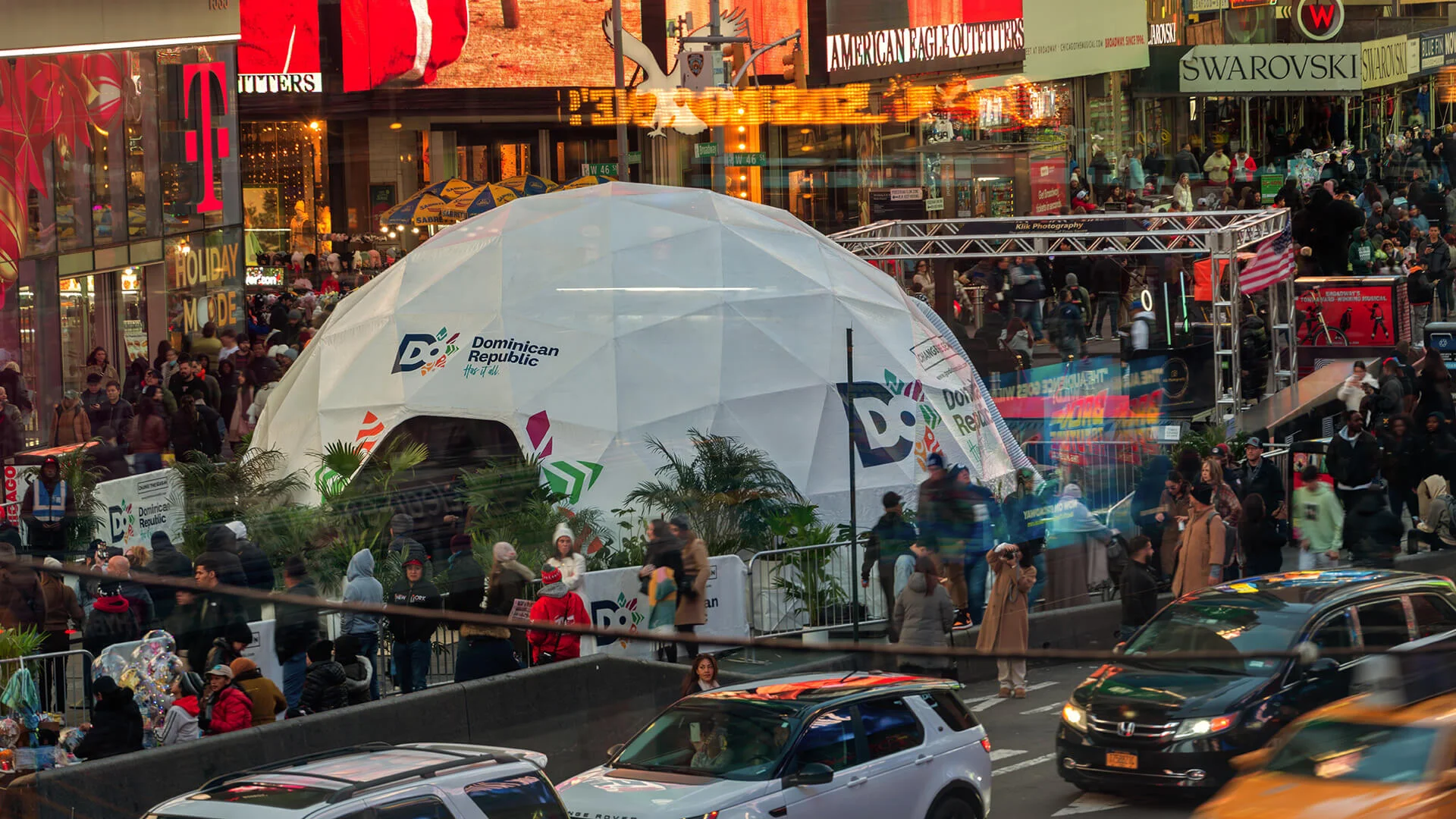
Dome Projection
Why Baltimore Is a Natural Fit for Projection Mapping
Baltimore audiences are not easily impressed by scale alone. This is a city that fills the Inner Harbor Promenade for the New Year's Eve Spectacular every December 31, packs Artscape in May, turns out for AFRAM in June and the Baltimore Caribbean Carnival in July, and closes the season with the Baltimore Book Festival and Charm City Live in September. People here have stood in front of big screens, big stages and big crowds for decades. A brand that shows up with a bright light show and nothing underneath it gets a few phone photos and no recall. What earns attention in Baltimore is spectacle with a point of view, something that feels like it was built for this city rather than dropped into it.
The audience itself is unusually layered. Healthcare and life sciences professionals, higher education and research teams, port and logistics operators, cybersecurity and defense workers, financial services and asset management staff, and a deep tourism and hospitality workforce all share the same downtown blocks, stadium district and waterfront. That means a single activation can be standing in front of a Johns Hopkins researcher, a longshoreman, a startup security engineer and a family visiting the National Aquarium on the same Saturday. Projection mapping handles that mix well because it can carry a headline message for one crowd and a deeper narrative for another without splitting the room. Content can shift by time of day, by zone, or by how people move through a space.
Venues raise the bar further. M&T Bank Stadium and Oriole Park at Camden Yards bring professional sports crowds with strong visual literacy and short attention spans. CFG Bank Arena and the Baltimore Convention Center host touring productions and trade floors that set expectations high. The Walters Art Museum, the Baltimore Museum of Art and the American Visionary Art Museum draw people who read images carefully and notice when a surface is treated lazily. The Joseph Meyerhoff Symphony Hall and the Bromo Seltzer Arts Tower each carry their own architectural identity, and mapping onto them means respecting the building, not covering it up. Even the Inner Harbor Promenade, wide open and full of ambient light, demands content designed for distance and movement rather than a flat video loop.
That is why one-night spectacle underdelivers here. Baltimore rewards activations that give people a reason to stay, return and bring someone else: an interactive installation outside the Aquarium, a room-scale environment inside the Convention Center, a dome experience tied to a research story, or a building projection that changes as the crowd responds. Add the practical reality that outdoor work on city streets and at the Inner Harbor runs through the Special Events team in the Baltimore City Department of Transportation's Right of Way Services Division, with applications filed through the city's OpenGov permitting portal, and the case for planning content and site together becomes obvious. In this market, the wow is the entry point. The story is what people remember.
Lumen and Forge: Lighting Up Charm City's Biggest Nights
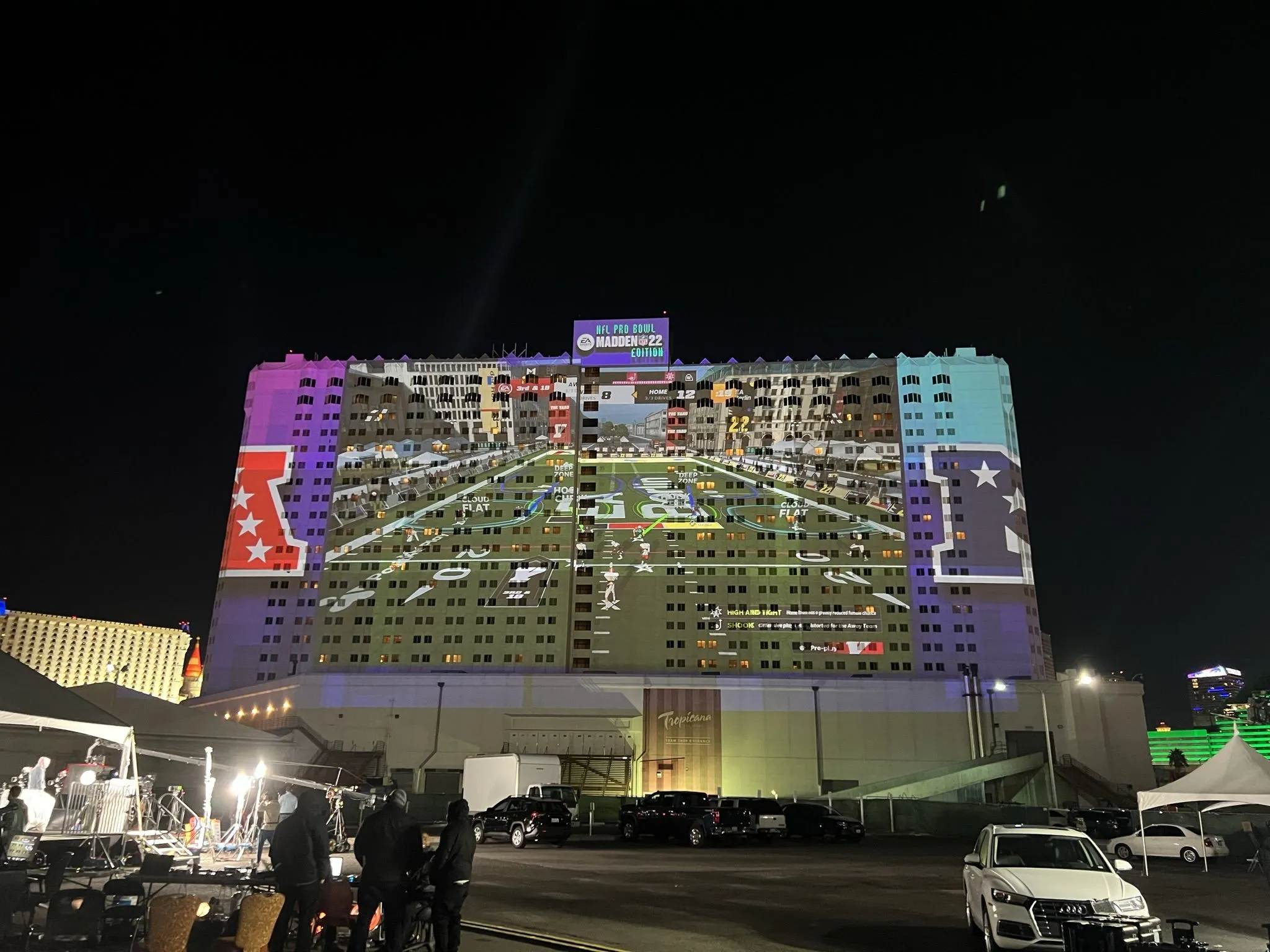
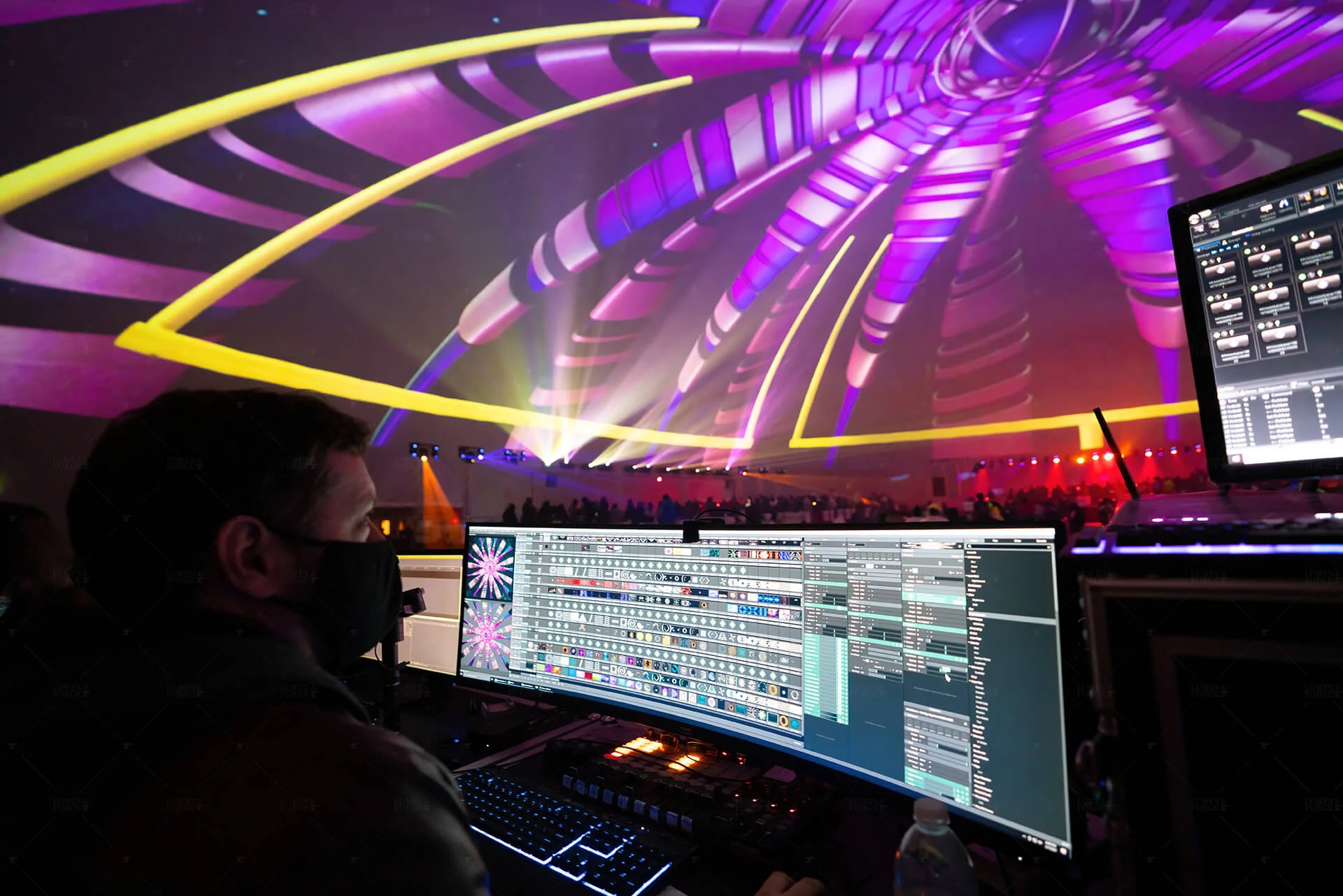
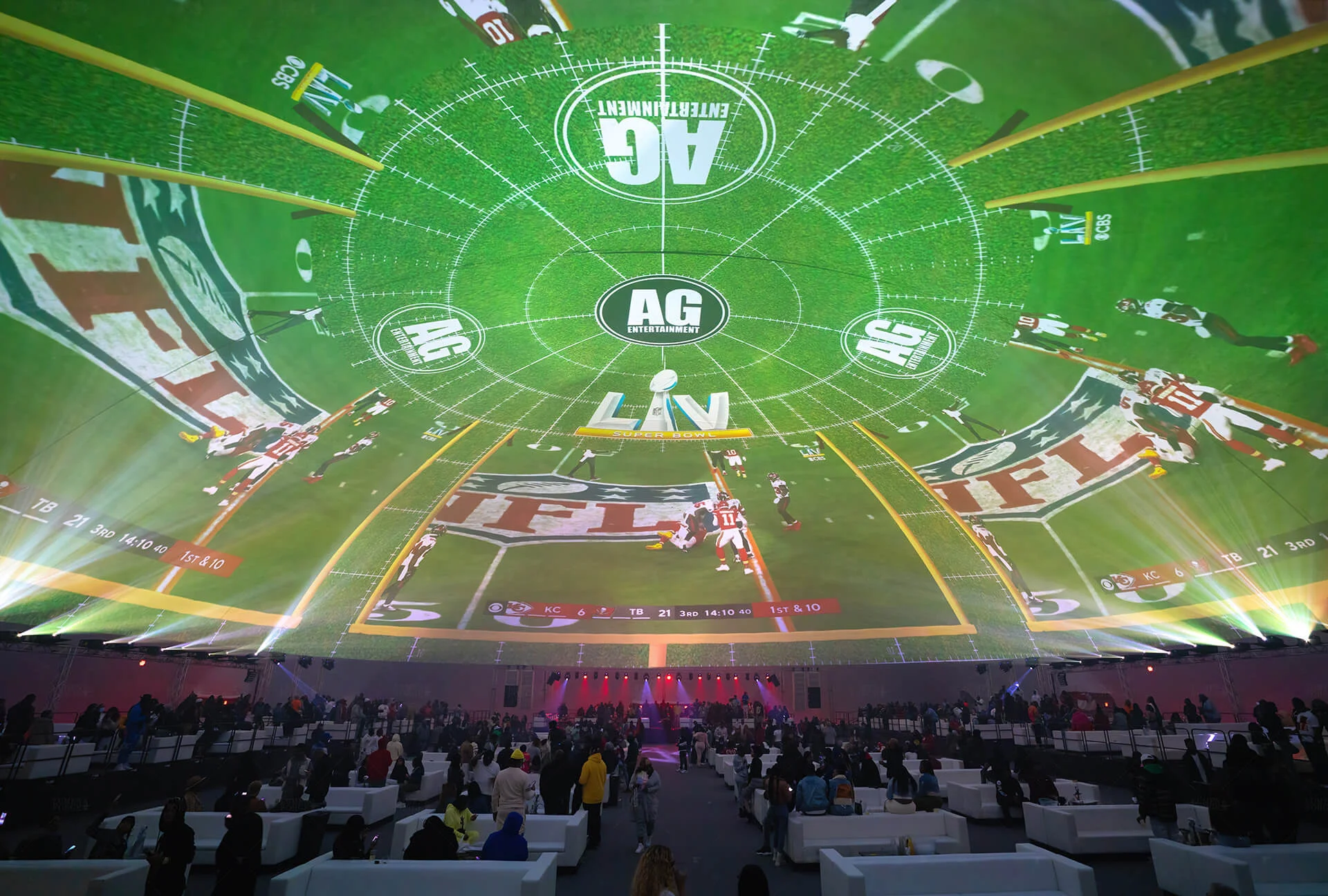
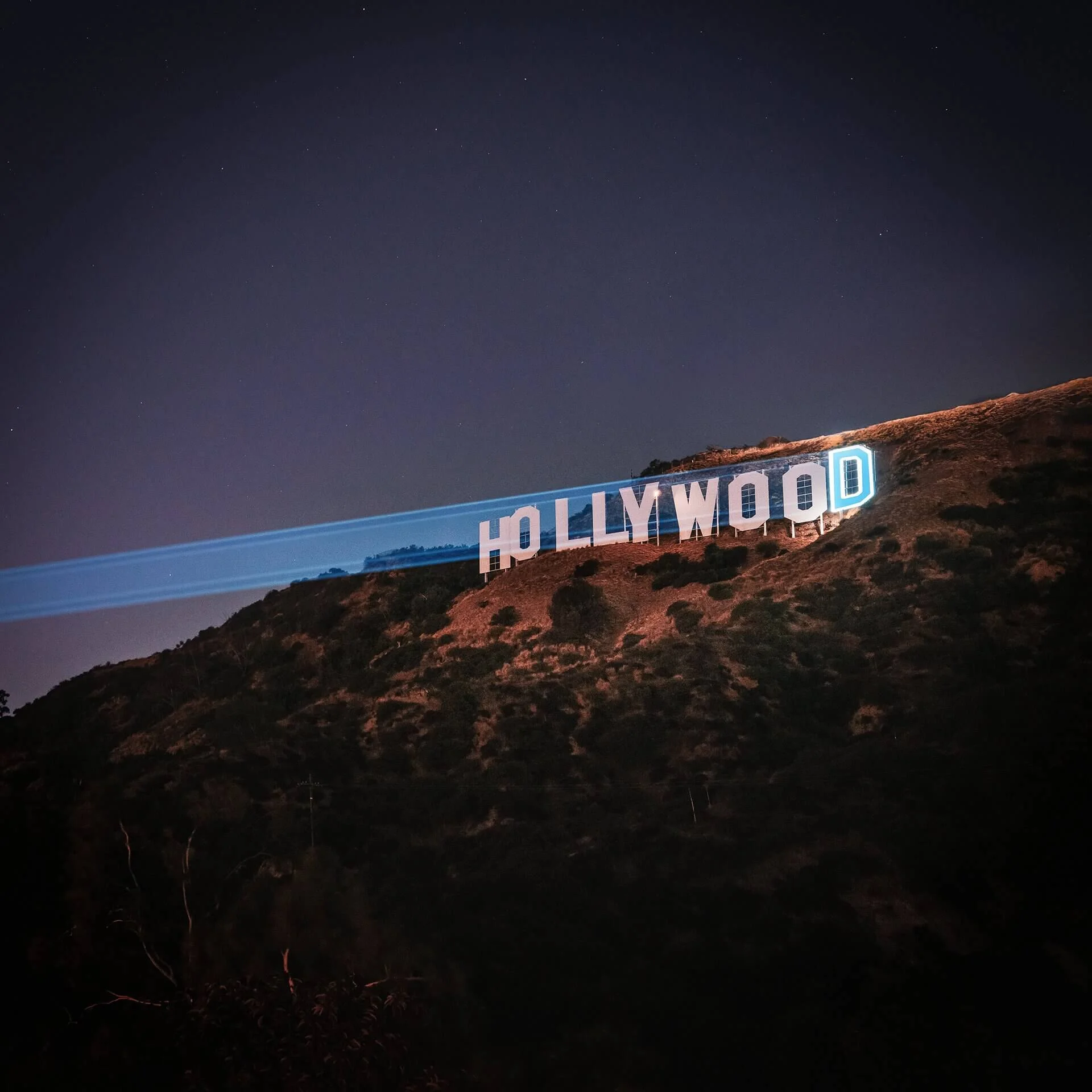
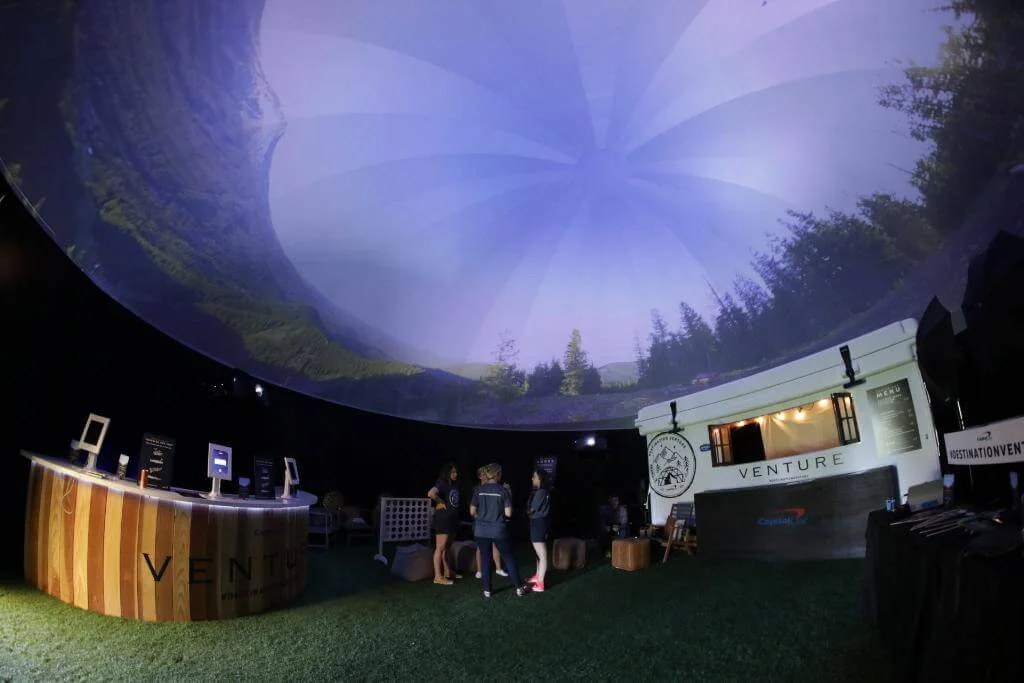
Over 15 years of producing large-scale projection mapping and immersive experiences for globally recognized brands gives Lumen and Forge the operational depth Baltimore productions require. Our portfolio includes building projections for Nike and Air Jordan at NBA All-Star Weekend, large-scale convention experiences for Toyota, McLaren, and Mastercard, a world record video game screen at the Tropicana, and the Beneath the Blue 360-degree dome for National Geographic. Our team is comfortable working alongside experienced production crews and holding a technical standard in front of an audience that knows the difference, which is exactly what Baltimore requires.
Who We Work With in Baltimore
Baltimore's economy is unusually diverse for a city its size, and that shapes who calls us for projection mapping work. These are the sectors we serve most often in the region.
- Healthcare and life sciences. Hospitals, research institutions and life science companies around Baltimore use building projection and room-scale environments for donor recognition, recruitment events and conference programming. Projection lets a health system turn a lobby or an auditorium into a narrative about its work without a permanent build.
- Higher education and research. Universities and research centers book projection mapping for commencements, campaign launches, alumni weekends and research showcases. Object mapping onto a model, an instrument or a stage piece is a common request when a department wants to explain complex work to a general audience.
- Port and logistics. The Port of Baltimore and the companies that move freight through it use large-format projection for anniversaries, terminal milestones and industry gatherings, often in venues such as the Baltimore Convention Center.
- Cybersecurity and defense. Firms in this sector hire us for product launches, client summits and recruiting events where the room itself needs to carry the message. Interactive installations work well here because attendees expect to engage, not just watch.
- Financial services and asset management. Banks, advisory firms and asset managers use projection mapping for annual meetings, client appreciation events and brand moments at CFG Bank Arena and hotel venues downtown.
- Tourism and hospitality. Hotels, attractions and destination marketers commission projection domes, facade projection and promenade installations tied to the city's event calendar.
- Professional sports. Teams and their partners use object mapping and building projection for fan events, sponsor activations and stadium-adjacent programming.
Ready to Light Up the Inner Harbor?
Frequently Asked Questions: Projection Mapping in Baltimore
Standard projection displays a flat image on a flat screen or white wall. Projection mapping uses specialized software to warp, align, and calibrate video content so it fits precisely onto any three-dimensional surface, whether that is a building exterior, a custom sculpture, a vehicle, or an entire room. The software accounts for every edge, angle, and curve, so the content appears to belong to the object itself rather than simply being cast onto it. In a city full of working production professionals, that level of precision is what separates a real installation from a lighting effect.
Yes. Baltimore's outdoor season runs roughly from spring through fall, when Artscape, AFRAM and the Inner Harbor events fill the calendar, and summer sunsets after 8 p.m. give you a late, dark canvas. Winter work is possible but tighter: the New Year's Eve Spectacular at the Inner Harbor depends on early darkness and bright, high-output projectors. Ambient light is the real constraint, so building projection on facades along the Inner Harbor Promenade or at M&T Bank Stadium reads best once surrounding street and venue lighting can be controlled or dimmed.
Baltimore's event calendar gives projection mapping plenty to work with. Artscape in May and AFRAM in June draw big crowds to the city's cultural corridors, while the Baltimore Caribbean Carnival in July brings a high-energy audience. The Baltimore Book Festival and Charm City Live both land in September, and the New Year's Eve Spectacular at the Inner Harbor closes the year with a marquee nighttime moment for large-scale building projection.
Yes. Lumen and Forge coordinates permits, power, rigging and site logistics with the venue as part of every Baltimore installation, so your team is not chasing paperwork while the schedule runs. For outdoor events on city streets and the Inner Harbor, we work through the Special Events team in the Baltimore City Department of Transportation's Right of Way Services Division, which handles applications through the city's OpenGov permitting portal. Indoor work at venues such as the Baltimore Convention Center or CFG Bank Arena follows that building's own load-in and rigging requirements.
There is no single price for projection mapping in Baltimore, because every project is scoped to its site and its story. Cost depends on the scale of the surface, whether you are lighting the facade of the Baltimore Convention Center or mapping an object indoors, the complexity and length of the custom content, how many nights the installation runs, and the equipment and crew required on site. An activation tied to Artscape or New Year's Eve Spectacular at the Inner Harbor carries different logistics than a permanent installation.
Lead time depends on the scale of the project. Custom content, a site survey, equipment and crew scheduling all take time, and large building projections and outdoor events need the longest runway. Outdoor events on city streets and the Inner Harbor also need a permit from the Baltimore City Department of Transportation's Special Events team through the OpenGov portal, so build that into the timeline. Get in touch as soon as your Baltimore venue and date are set so we can plan the schedule with you.
Projection mapping applies light and video to a shaped surface, so an image lands precisely on a facade instead of a flat screen. 3D projection mapping goes further, treating surfaces with real depth and contour, so content can wrap corners, follow relief and read as dimensional. On the Bromo Seltzer Arts Tower, mapping can trace the tower's setbacks and ornament, making the building itself the canvas rather than a backdrop.
In addition to projection mapping, we offer dome projection for fully immersive 360-degree spherical experiences, event and project design for end-to-end production planning, and animation and visual storytelling for original content creation. Many of our Baltimore clients combine projection mapping with one or more of these services into a single integrated production. We are a full-service immersive experience company, and the strongest work we build is conceived as a whole from the first conversation.
Do you have more questions?
Didn't find what you were looking for? Our team is happy to walk you through your project and answer anything else