

Steeples, Pastels and a Harbor Full of Stories
Charleston runs on visitors, and its event calendar is built to prove it. The Southeastern Wildlife Exposition fills February, Charleston Wine + Food takes over in March, the Credit One Charleston Open brings a global tennis audience to Credit One Stadium in April, and Spoleto Festival USA carries the city from late May into June. MOJA Arts Festival picks the calendar back up in late September and October, and the Holiday Festival of Lights at James Island County Park runs from November into January. Between those anchors sit weddings, destination events and a steady flow of brand activations aimed at tourism and hospitality, food, beverage and spirits, aerospace manufacturing, technology and port logistics audiences.
The room inventory is just as strong. The Charleston Gaillard Center, Charleston Area Convention Center, North Charleston Coliseum, Charleston Music Hall, Dock Street Theatre and Gibbes Museum of Art all host large, camera-ready crowds, while Joseph P. Riley Jr. Park, Marion Square, Waterfront Park and Riverfront Park in North Charleston give outdoor programming real scale.
For marketers, that mix means projection mapping and immersive installations can carry a brand across a gala, a festival footprint and a stadium crowd in the same season.
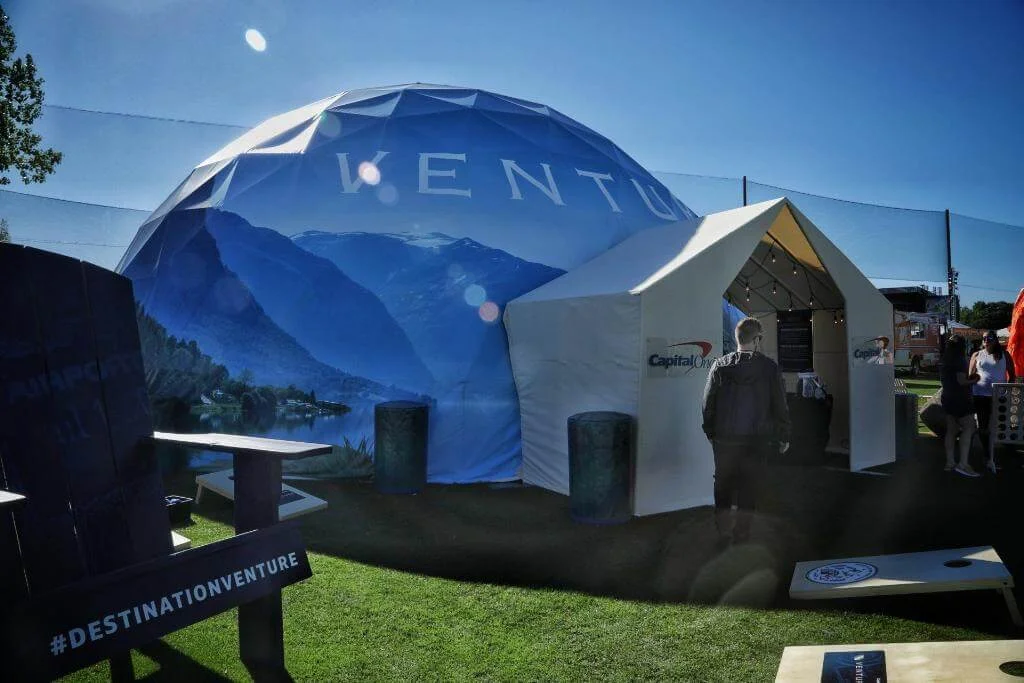
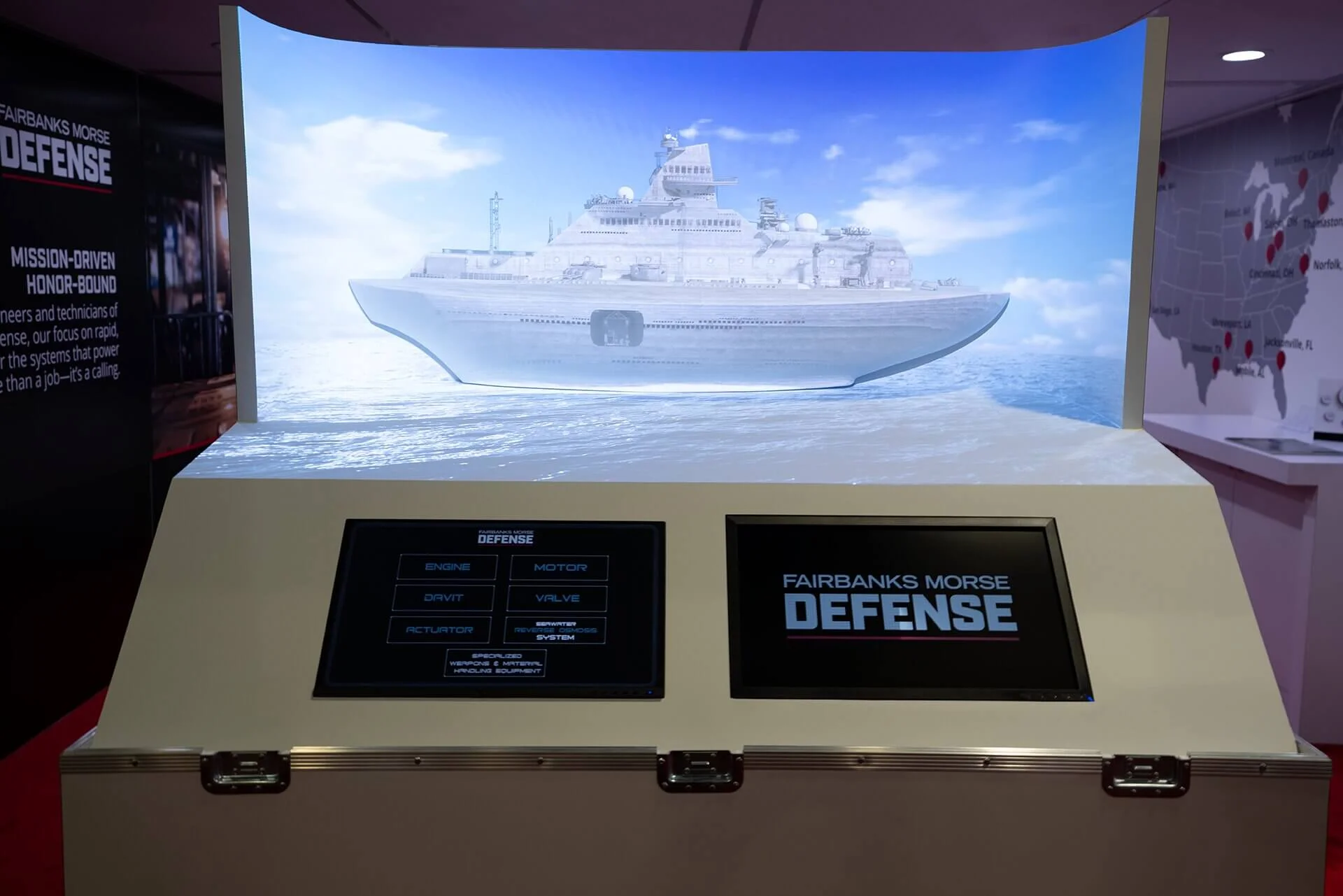
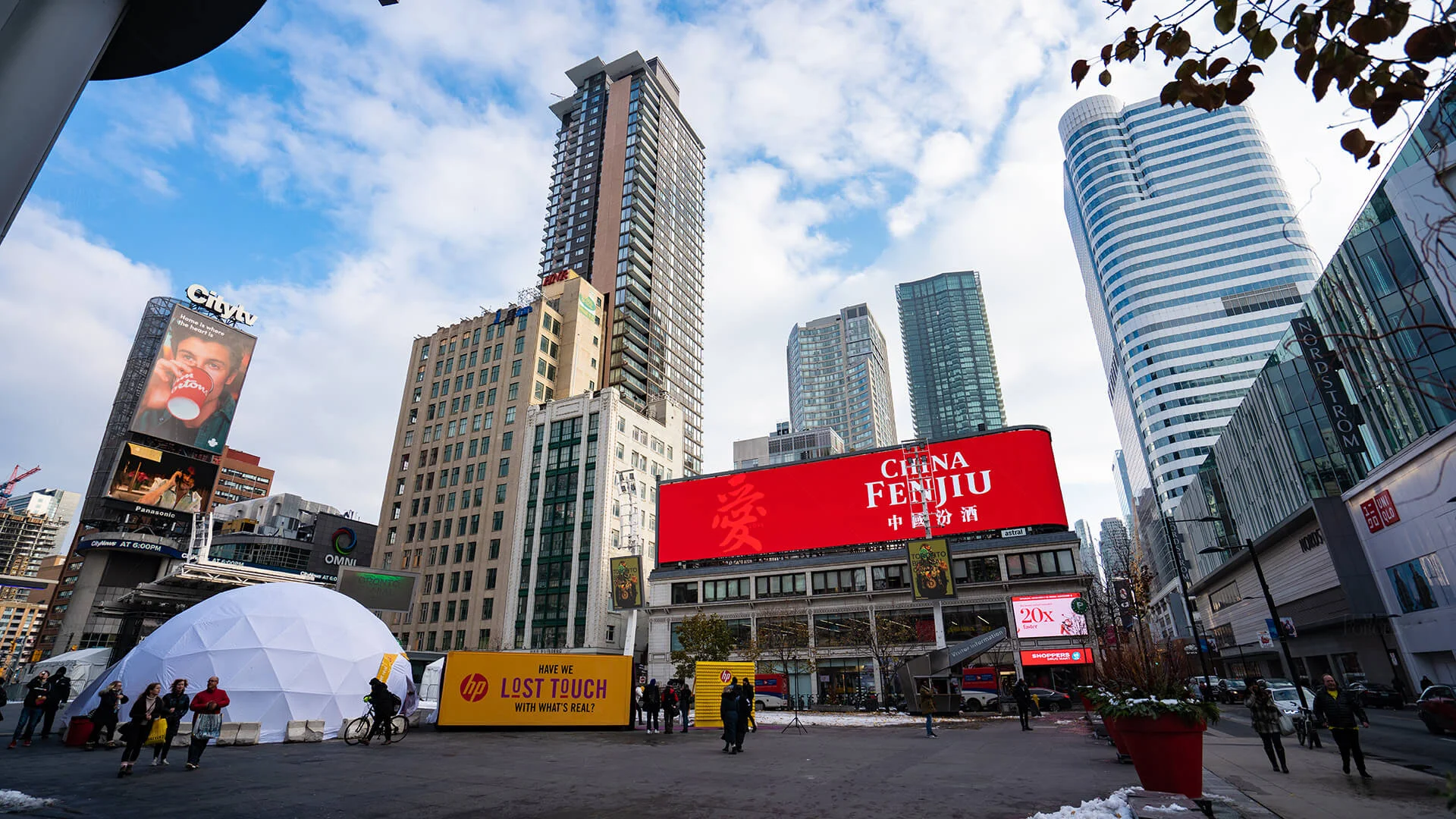
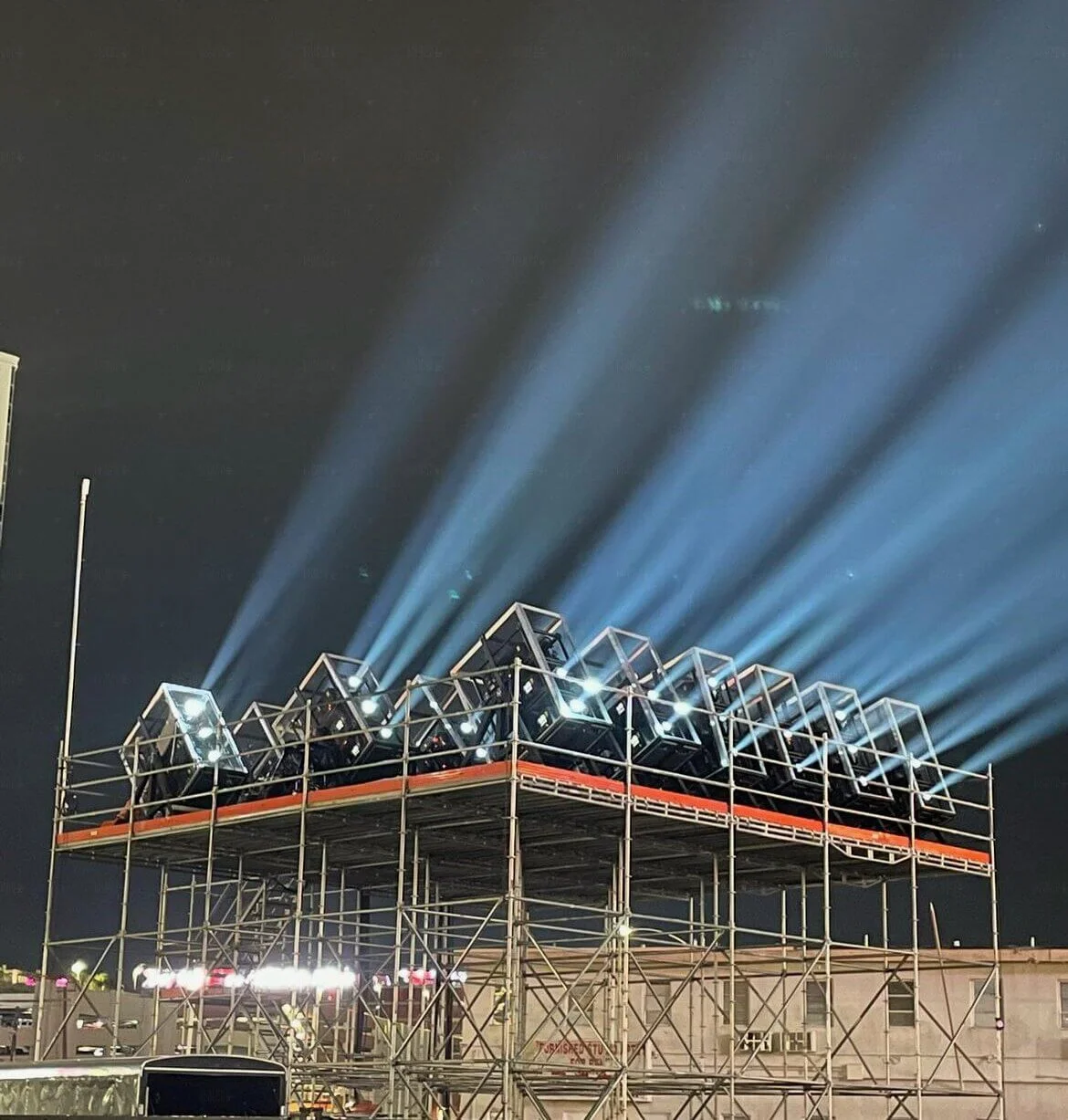
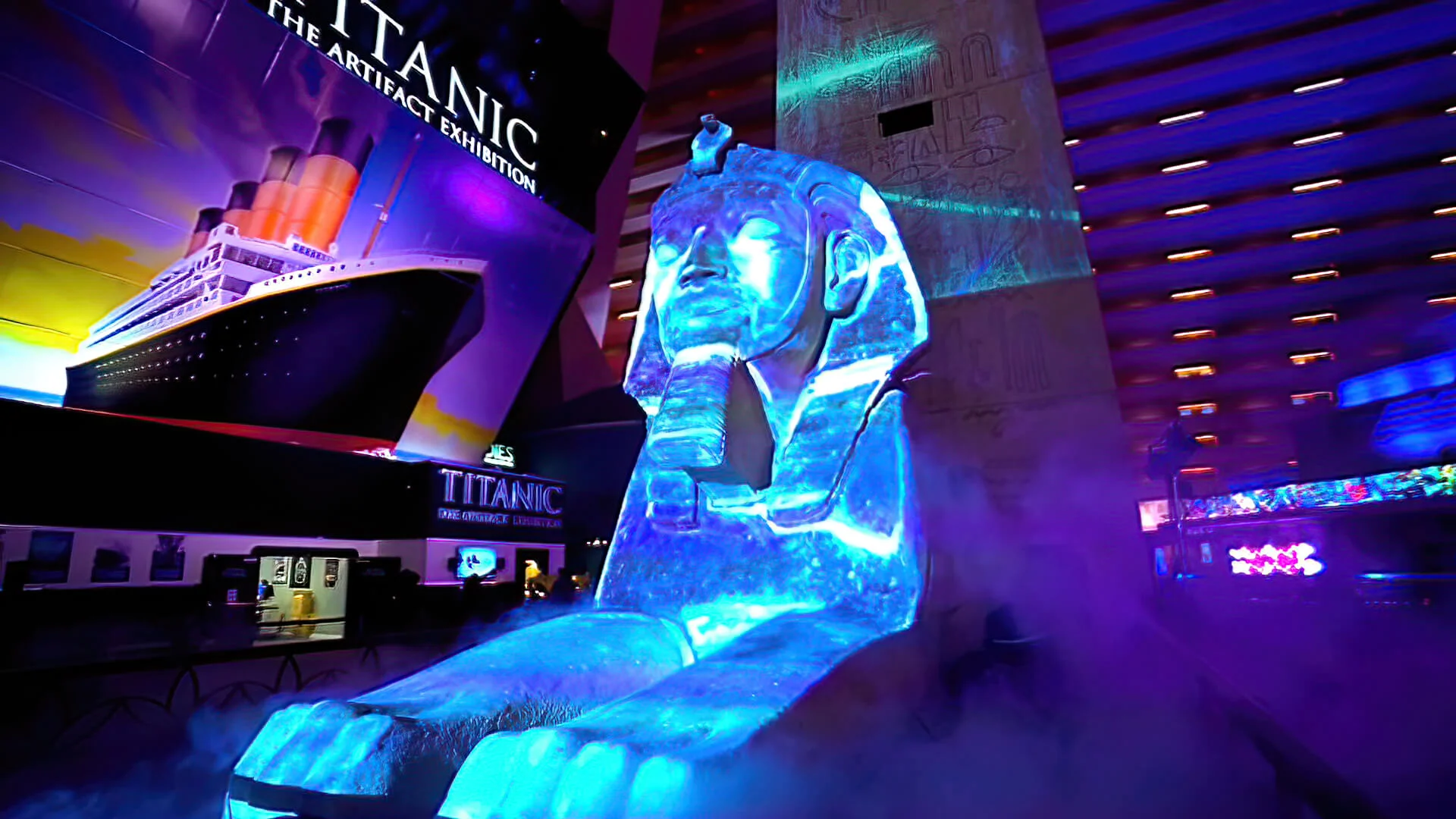
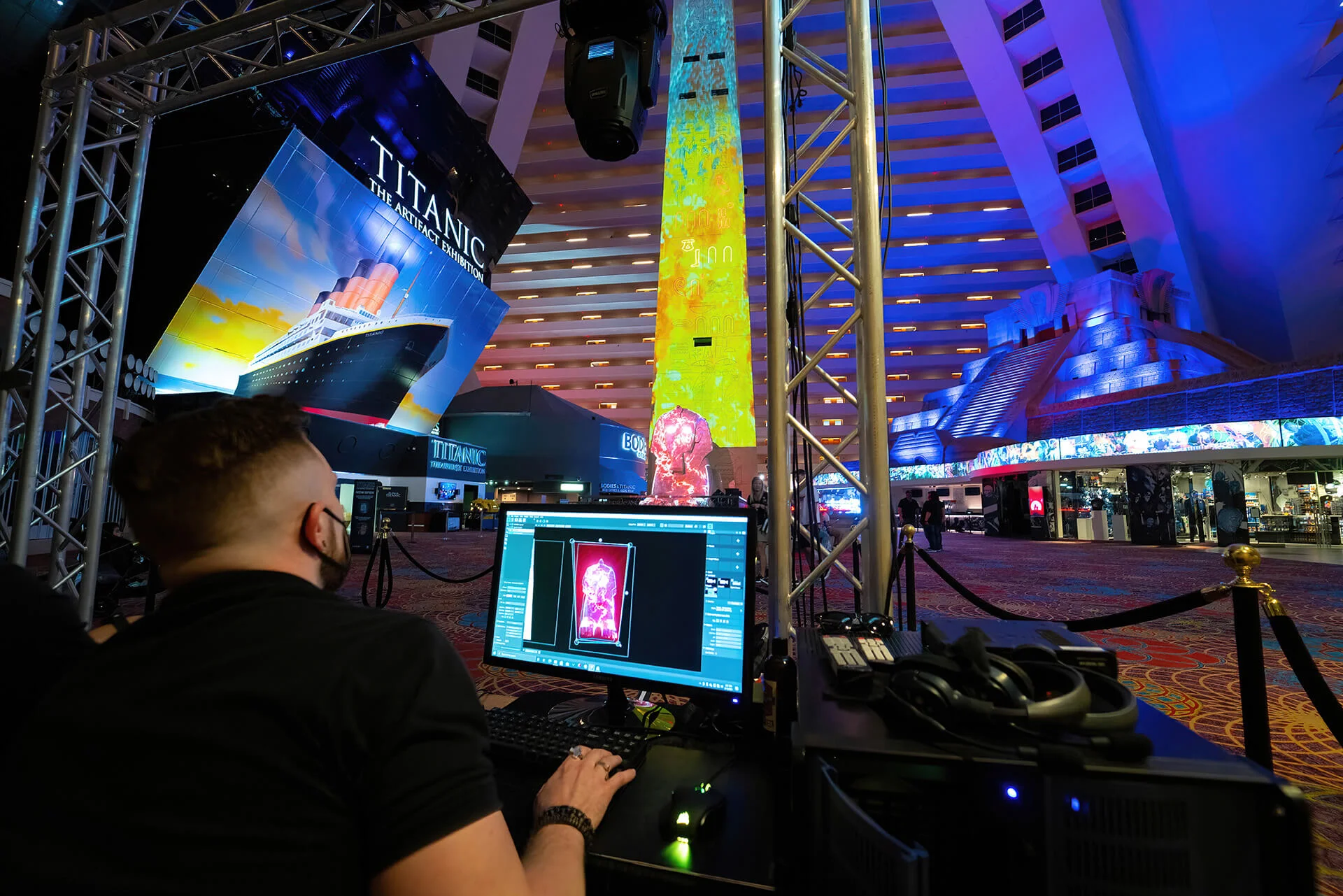
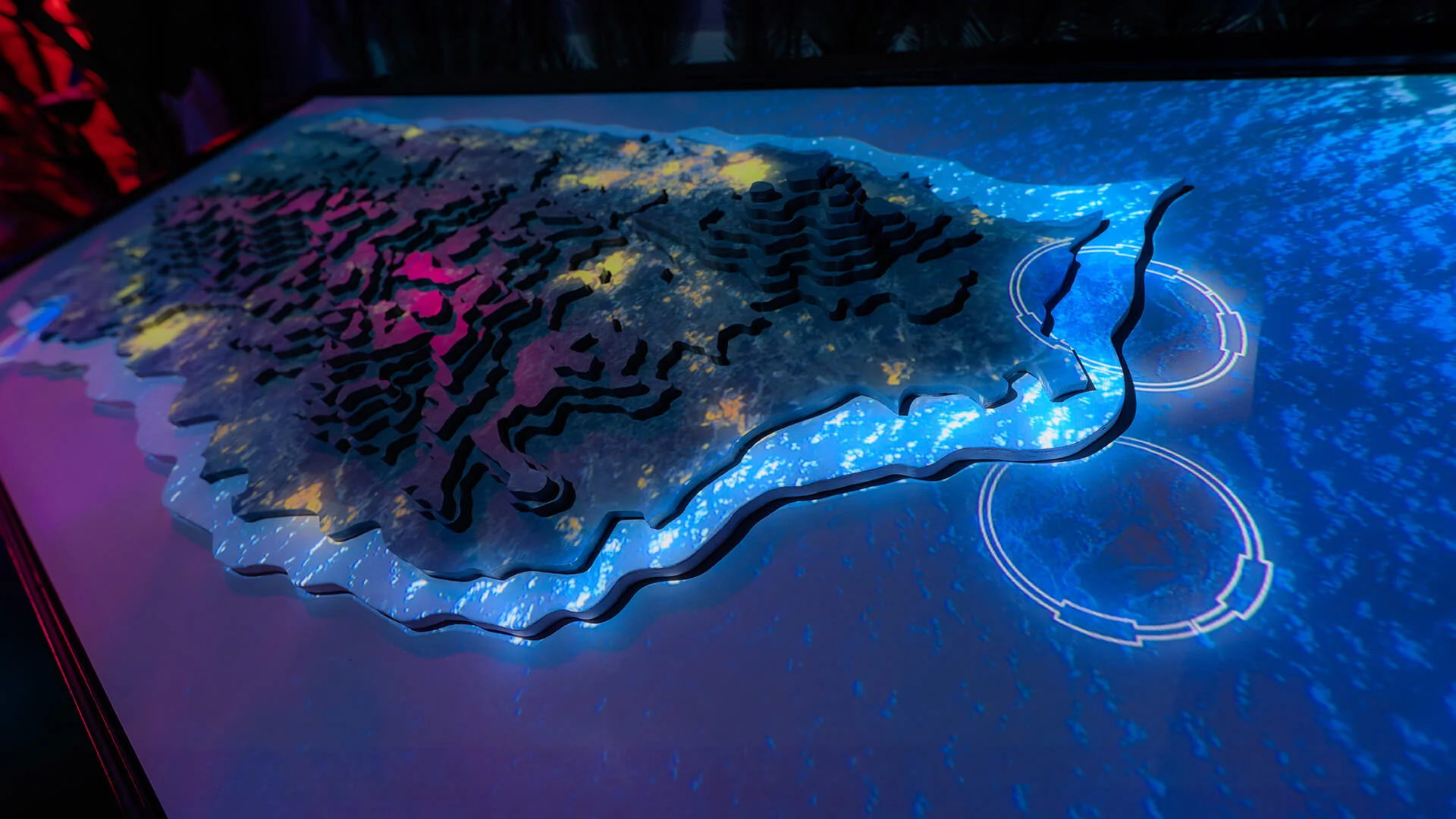
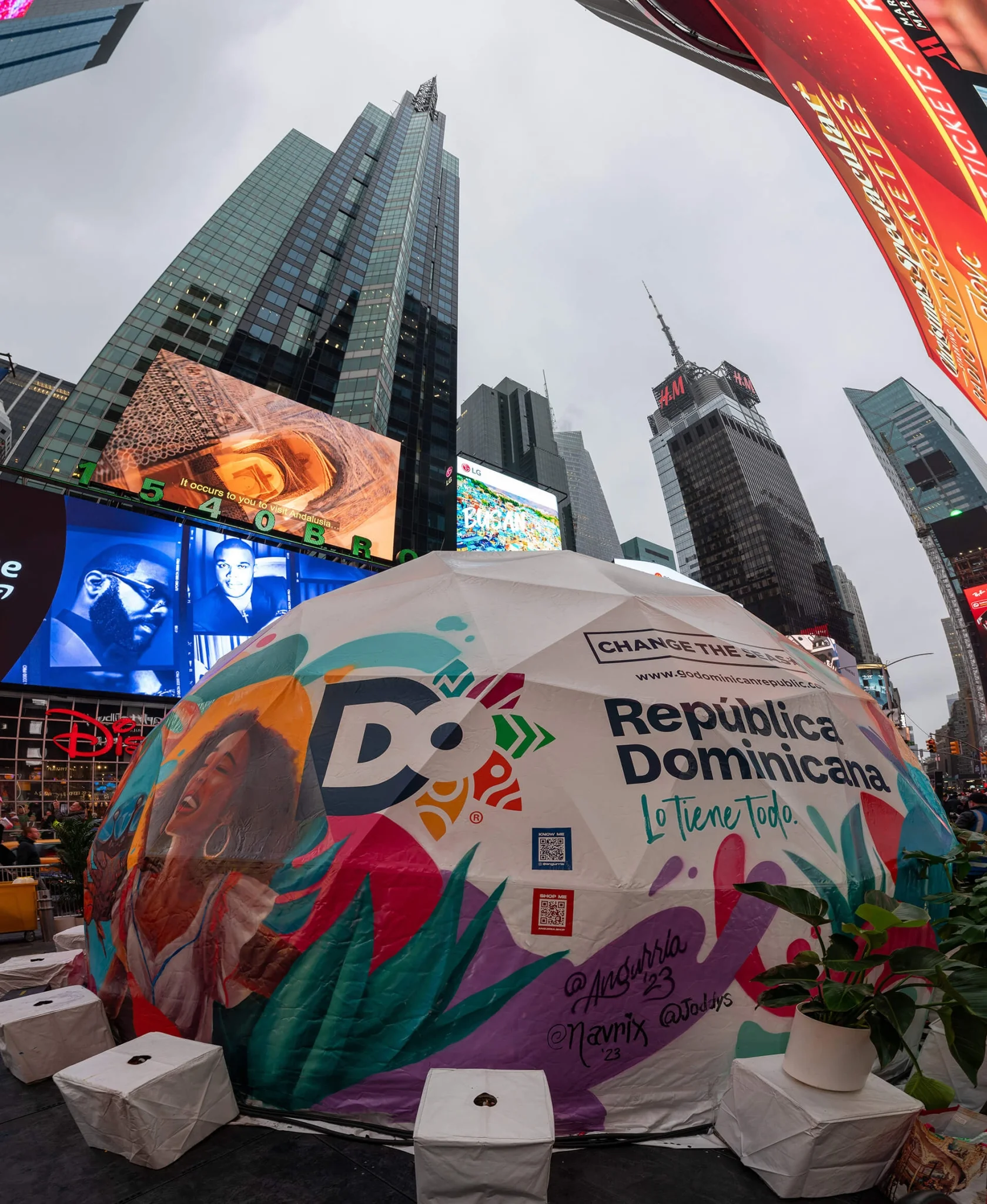
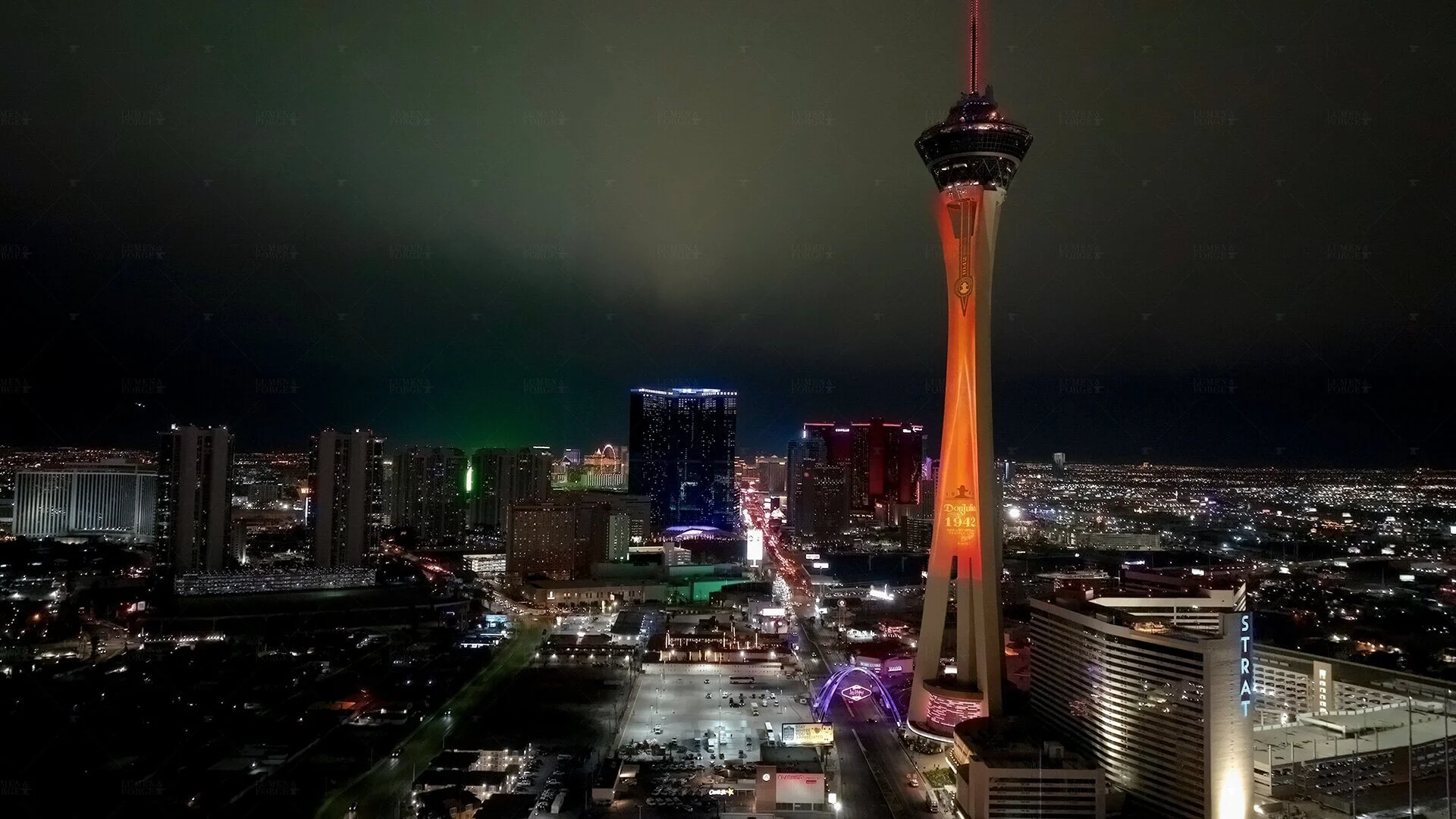
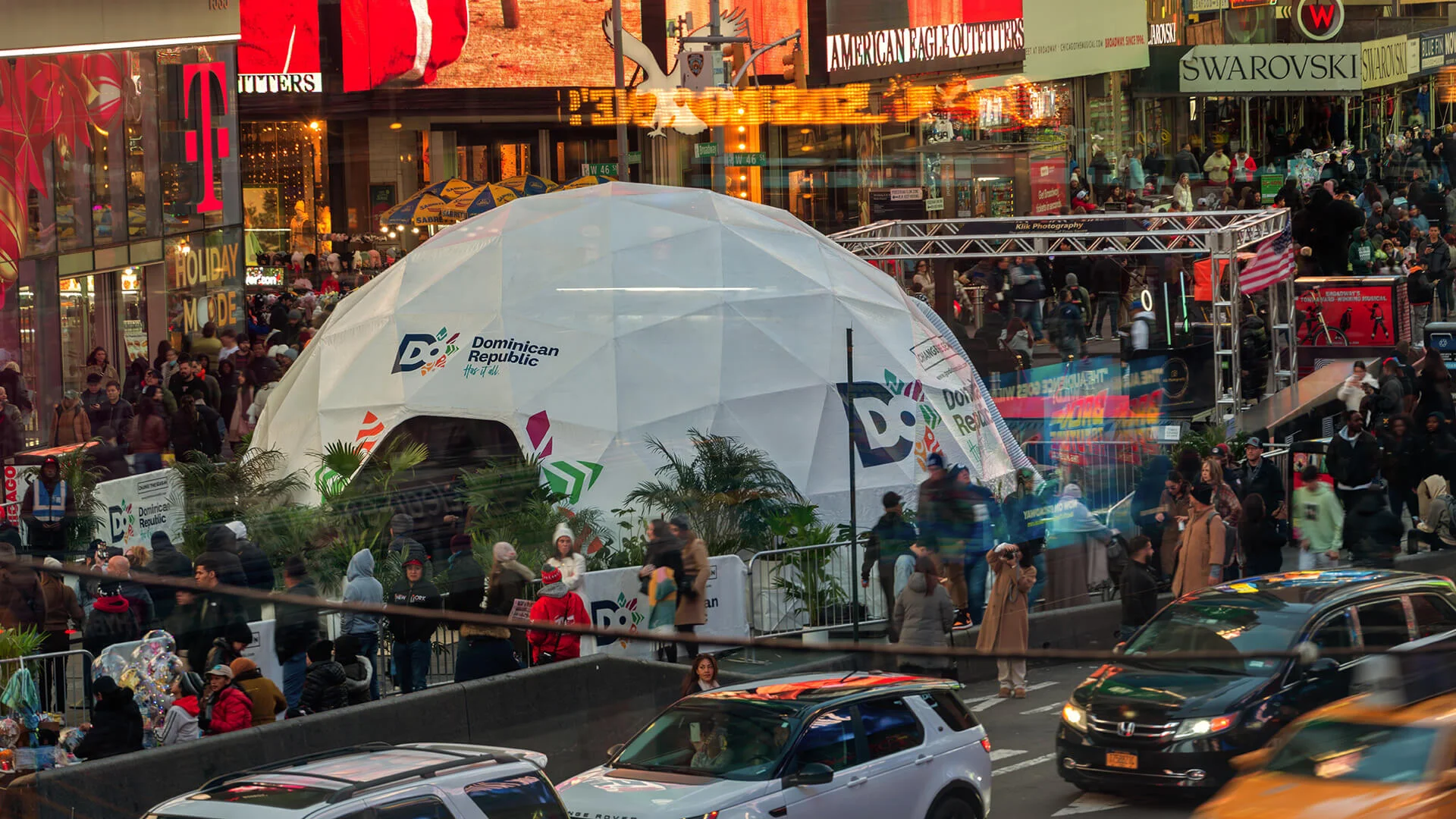
Take A Closer Look
A Deeper Look Into Animation & Visual Story Telling
A Deeper Look Into
Projection Mapping
Projection Mapping: Turning Any Surface Into a Story
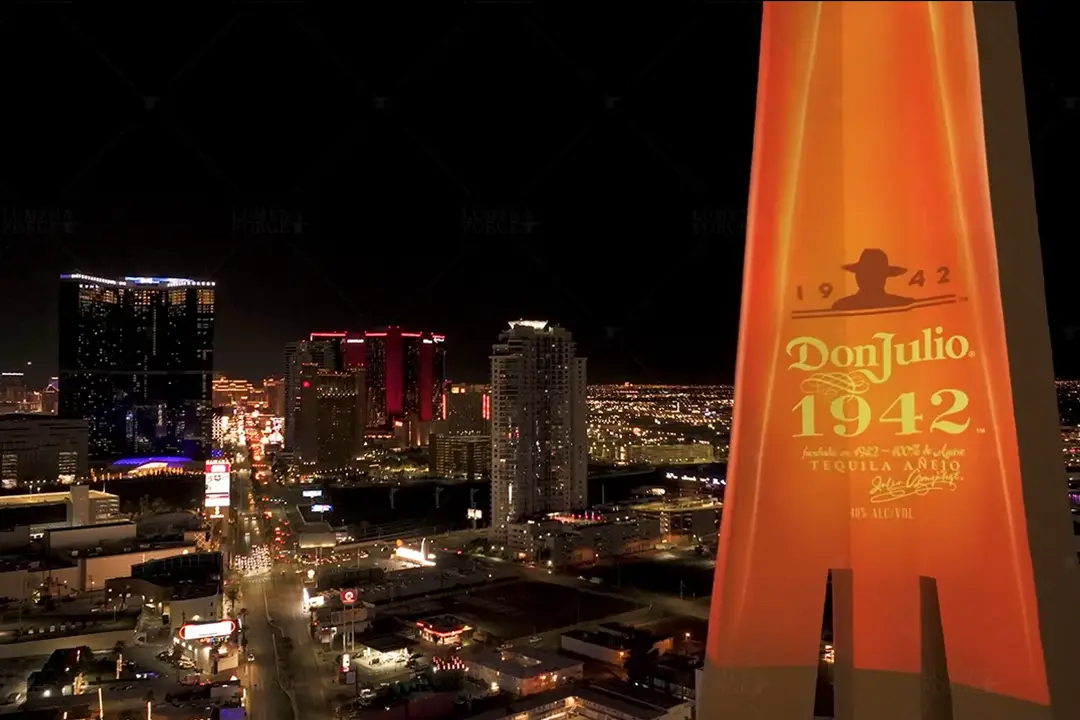
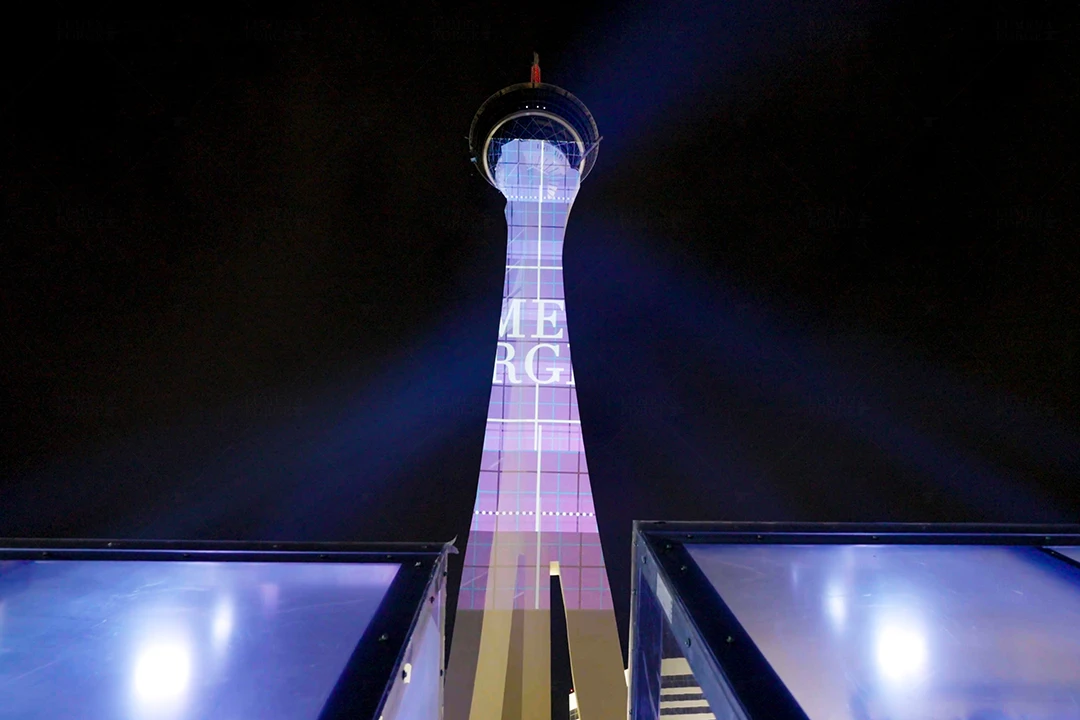
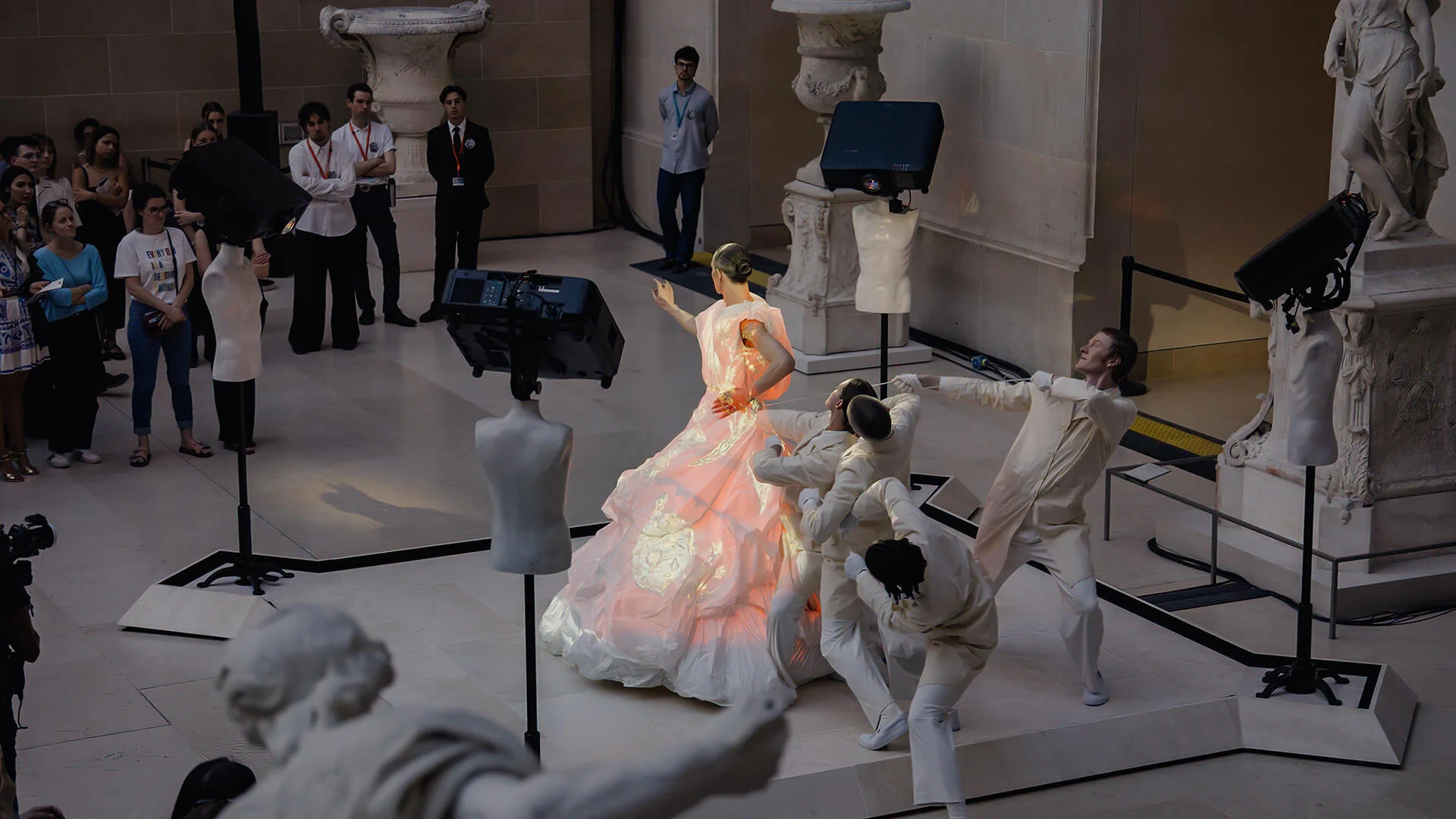
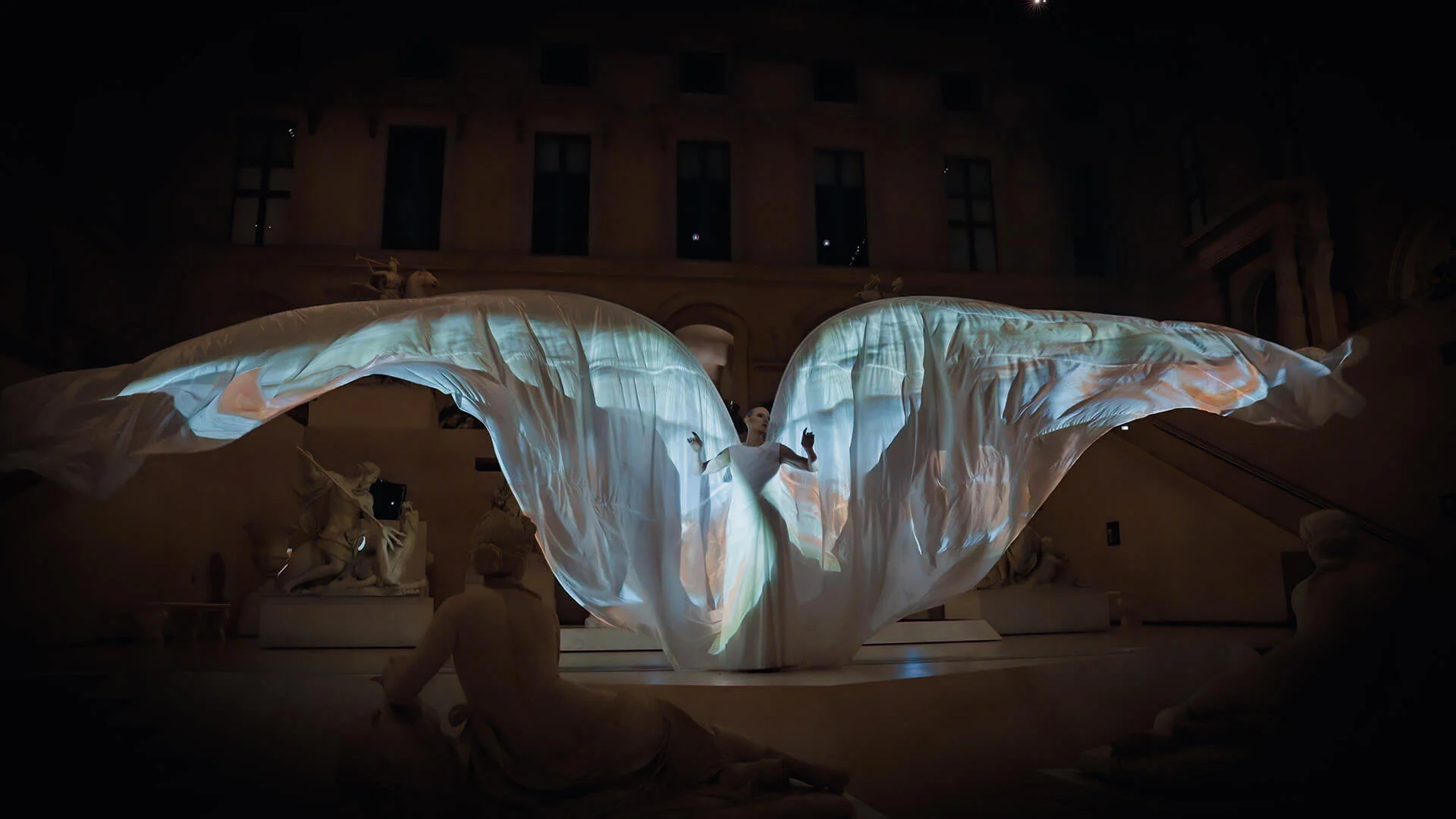
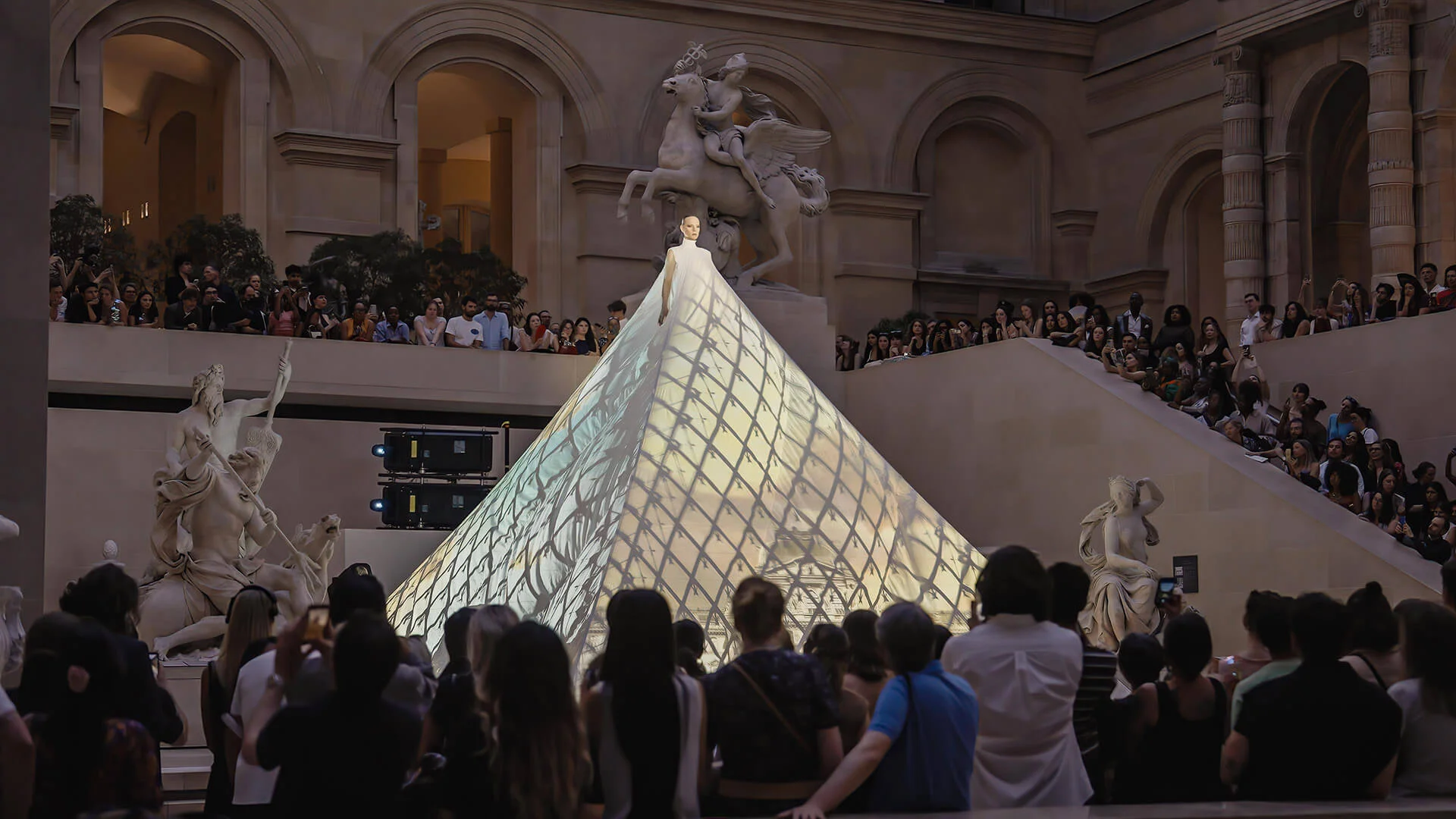
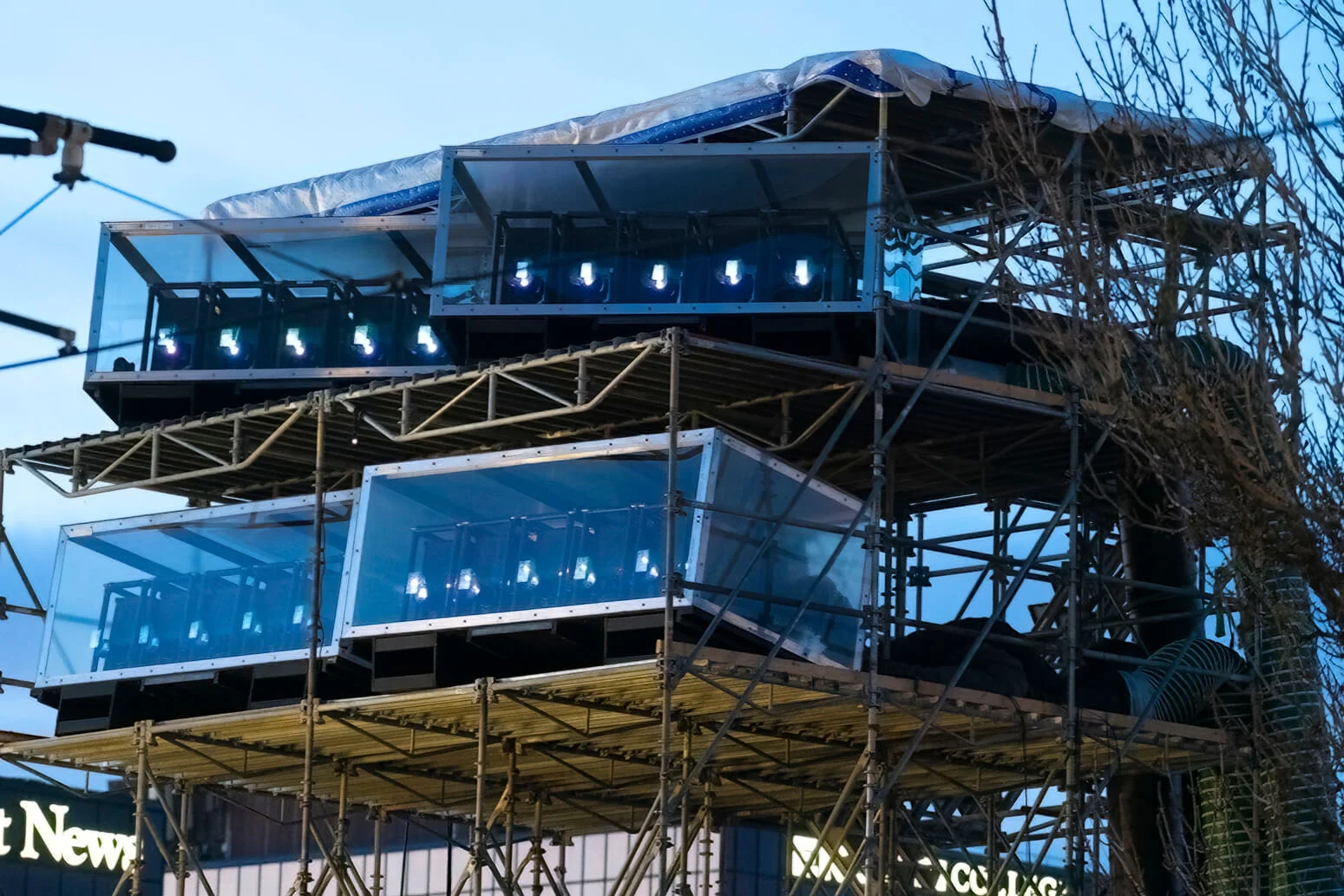
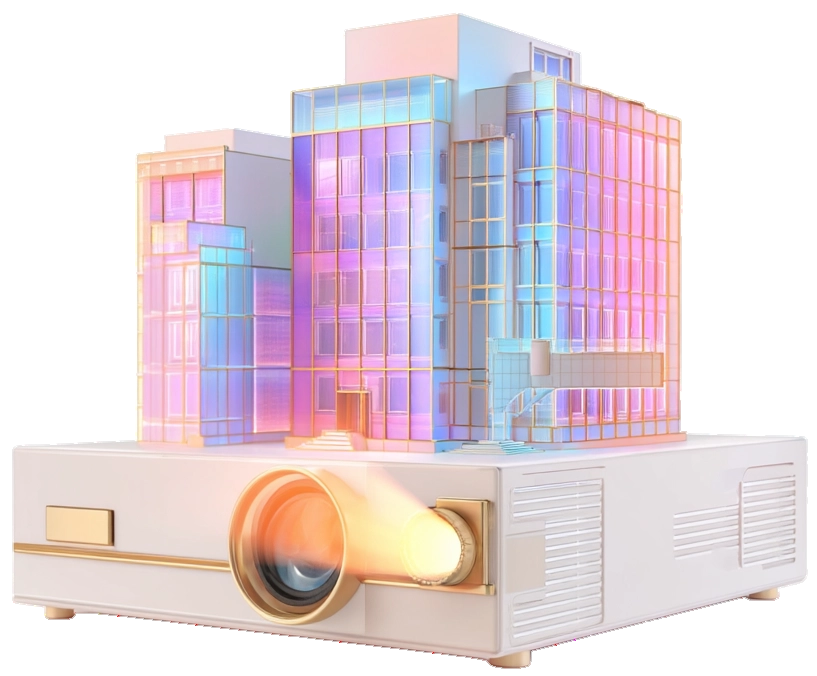
Projection mapping is the practice of aligning projected light to the actual geometry of a surface, so an image bends around a corner, wraps a column or sits inside a cornice instead of floating on a rectangle. A flat screen throws one picture at one plane and the audience reads it as video. Mapping starts with a survey of the surface, then calibrates multiple projectors so every edge lines up with real architecture. The result reads as though the building itself changed, which is why it holds a crowd outdoors and at scale.
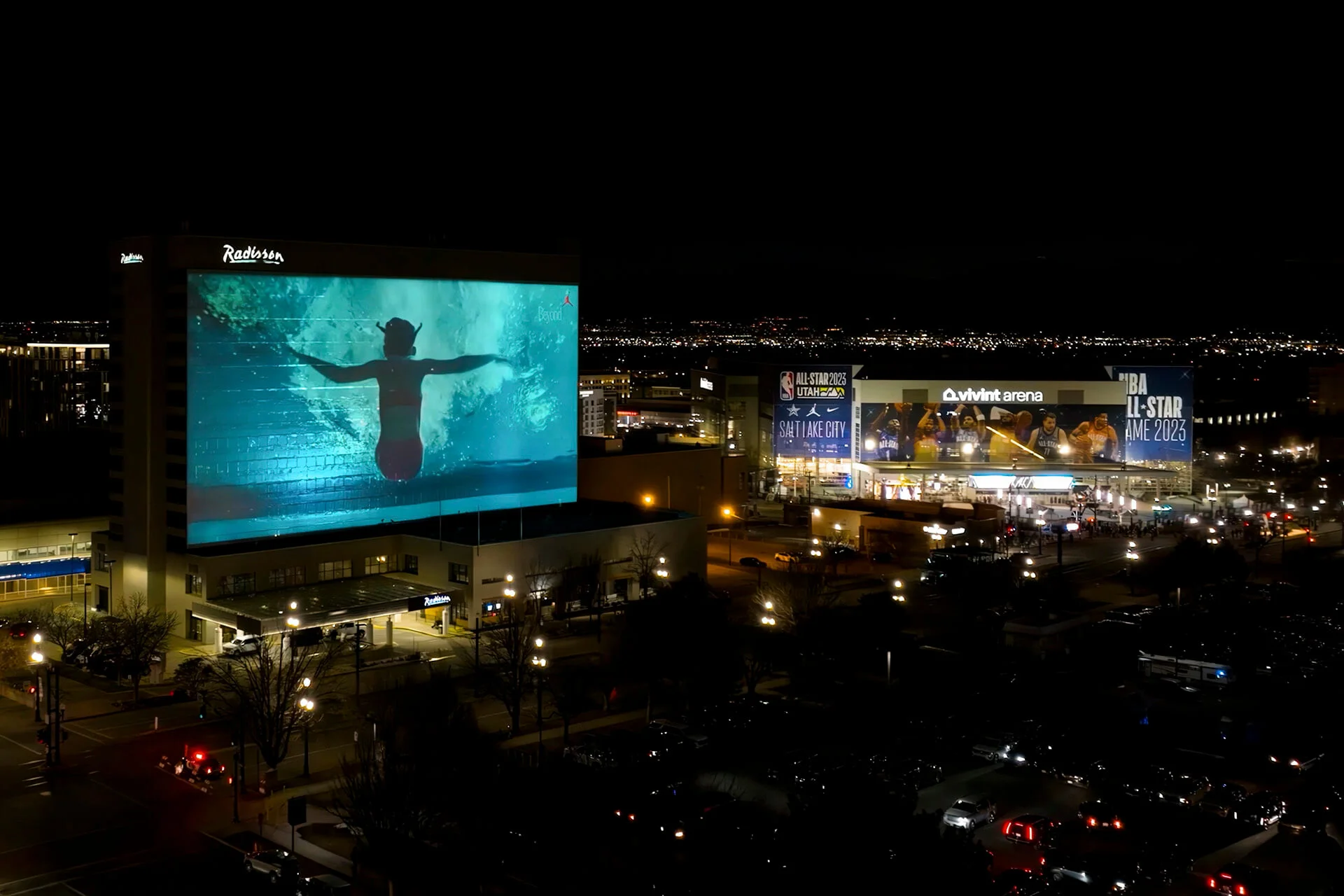
In Charleston that approach suits the ornamented facade of the Charleston Gaillard Center, the broad interior halls of the Charleston Area Convention Center, the arena bowl at the North Charleston Coliseum and the open-air stands at Credit One Stadium and Joseph P. Riley Jr. Park. It also fits the Gibbes Museum of Art, the Charleston Music Hall and the Dock Street Theatre, plus outdoor sites such as Marion Square, Waterfront Park and Riverfront Park in North Charleston.
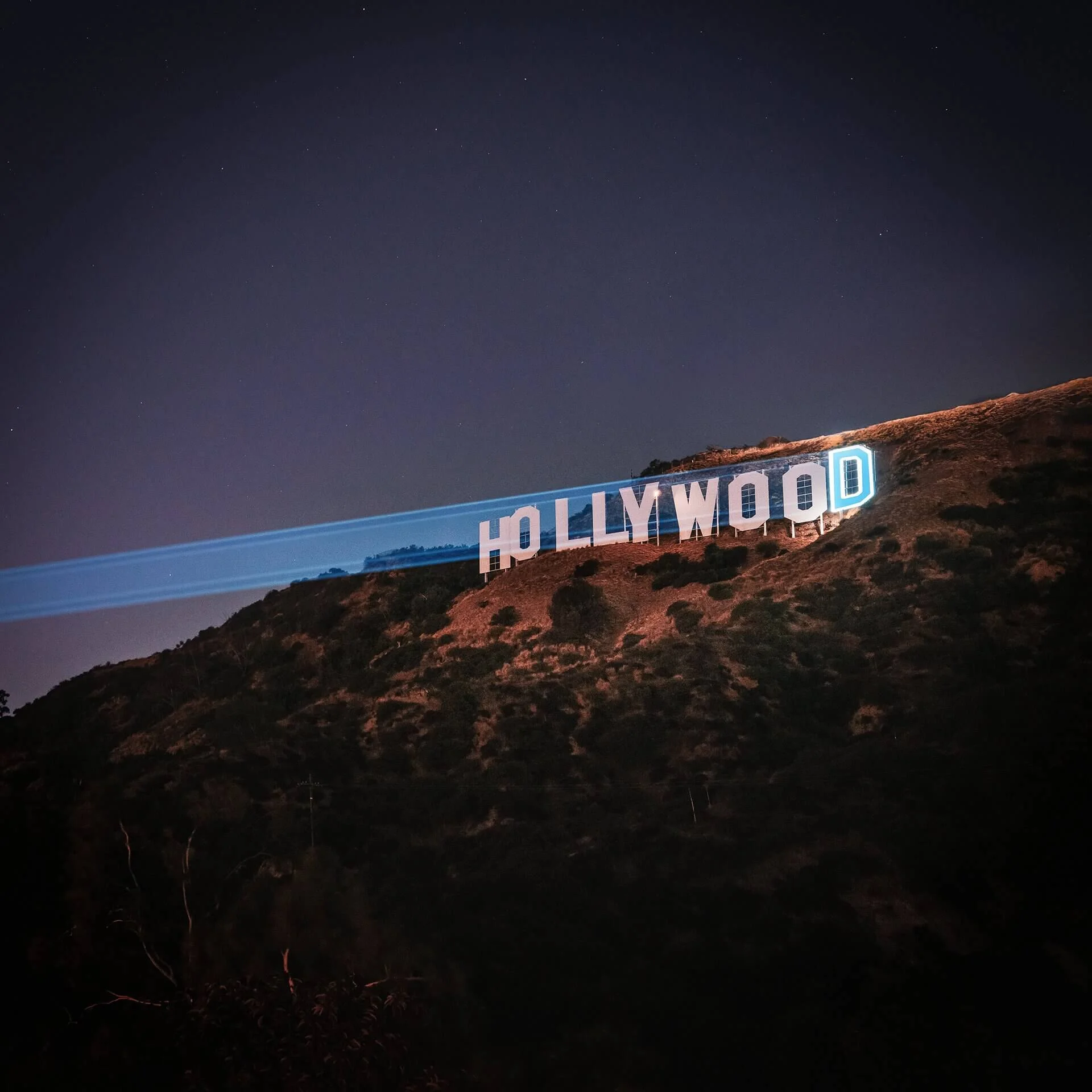
Building and Architectural Projection
Object and Product Projection Mapping
Interactive Projection
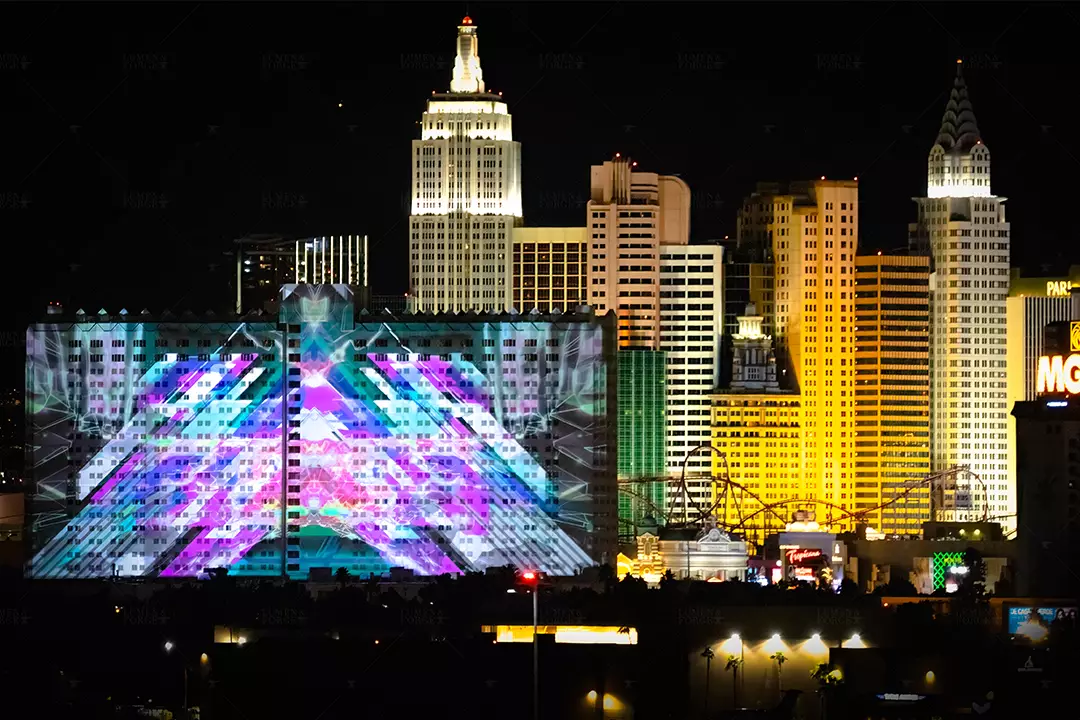
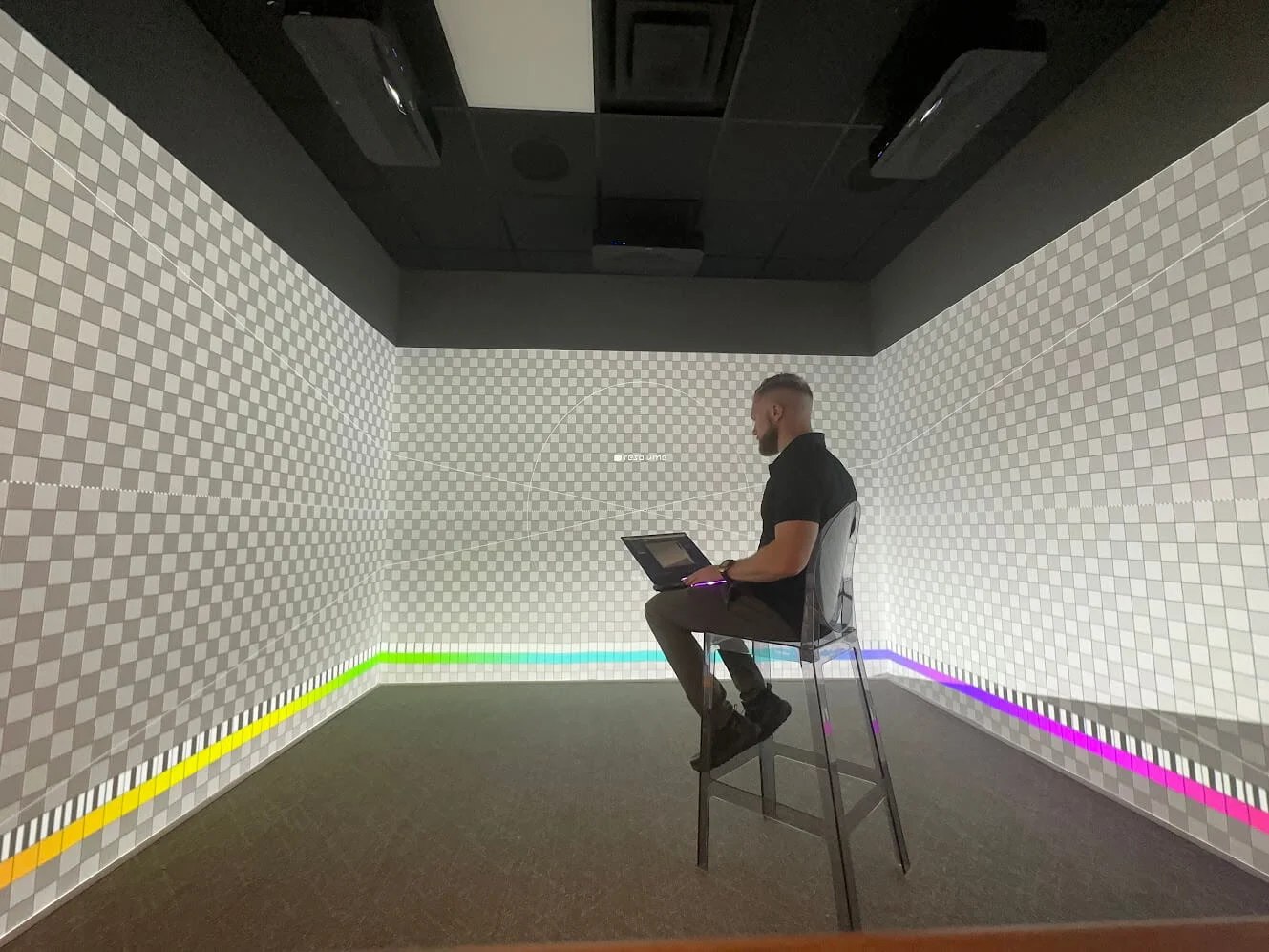
Room and Environment Mapping
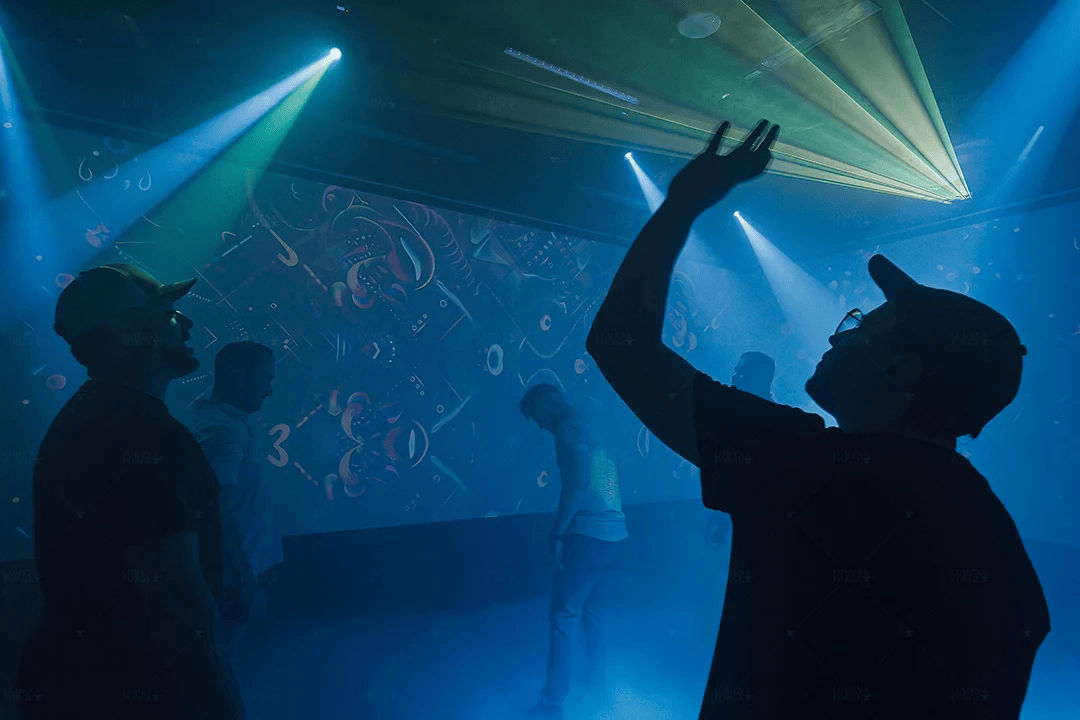
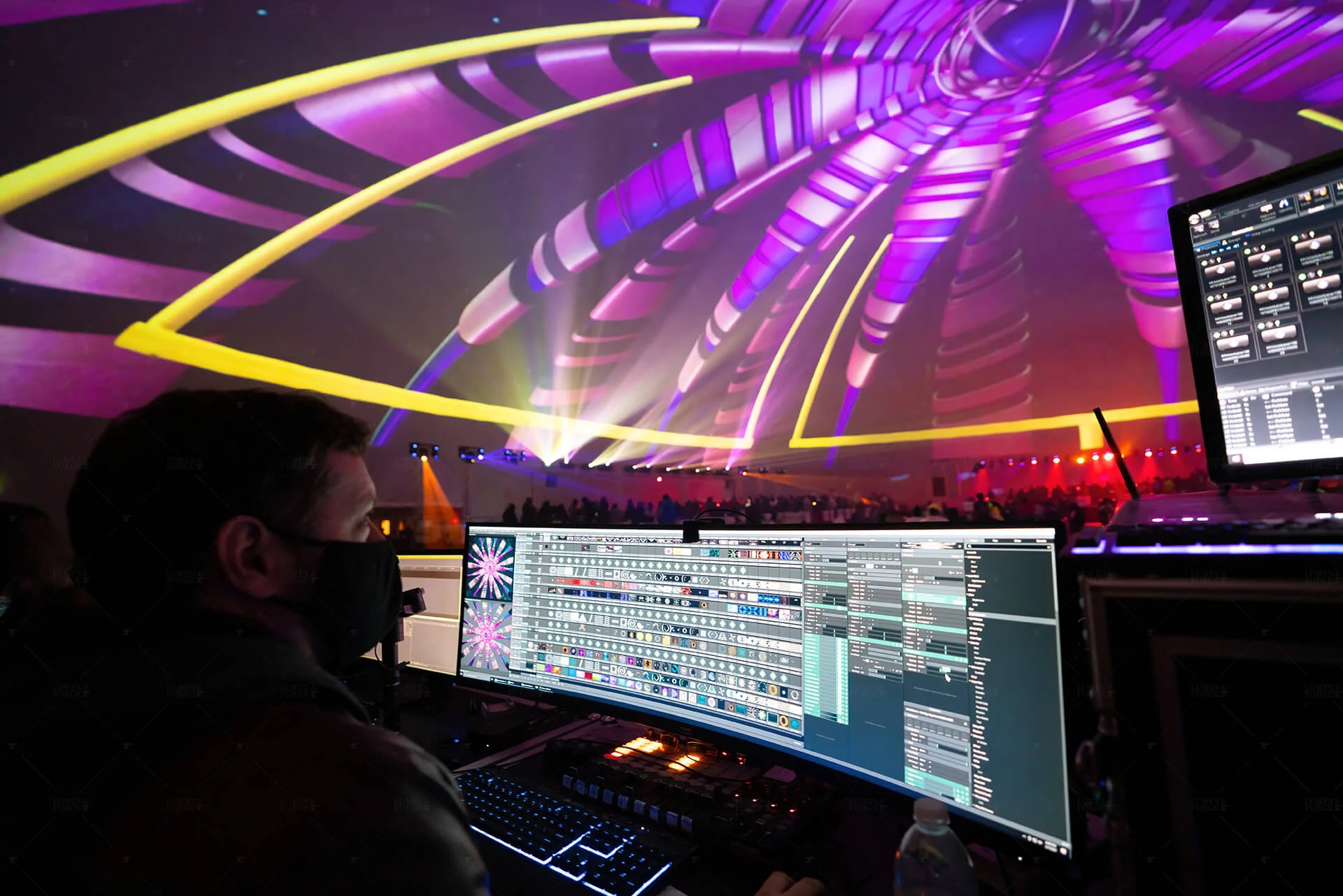
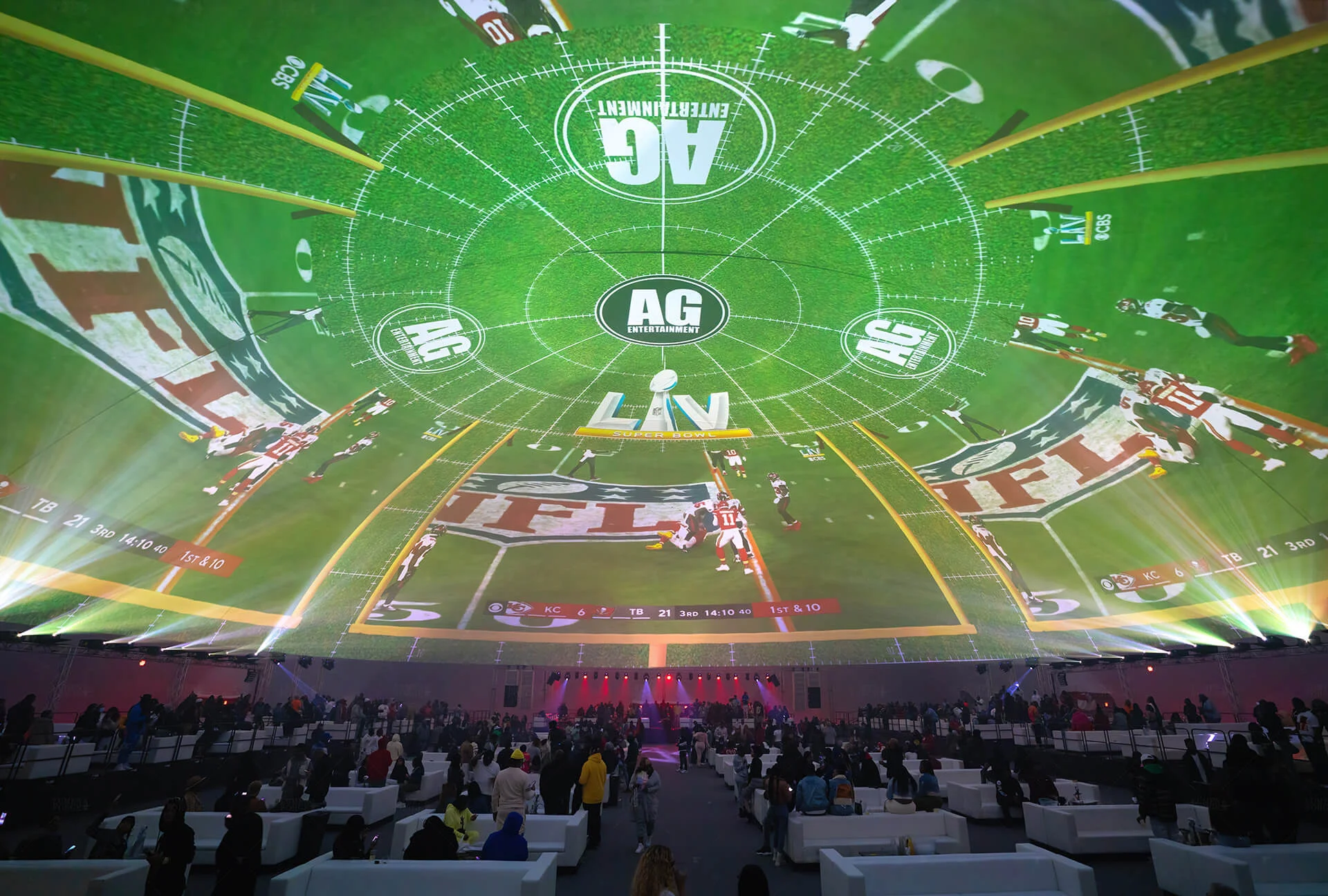
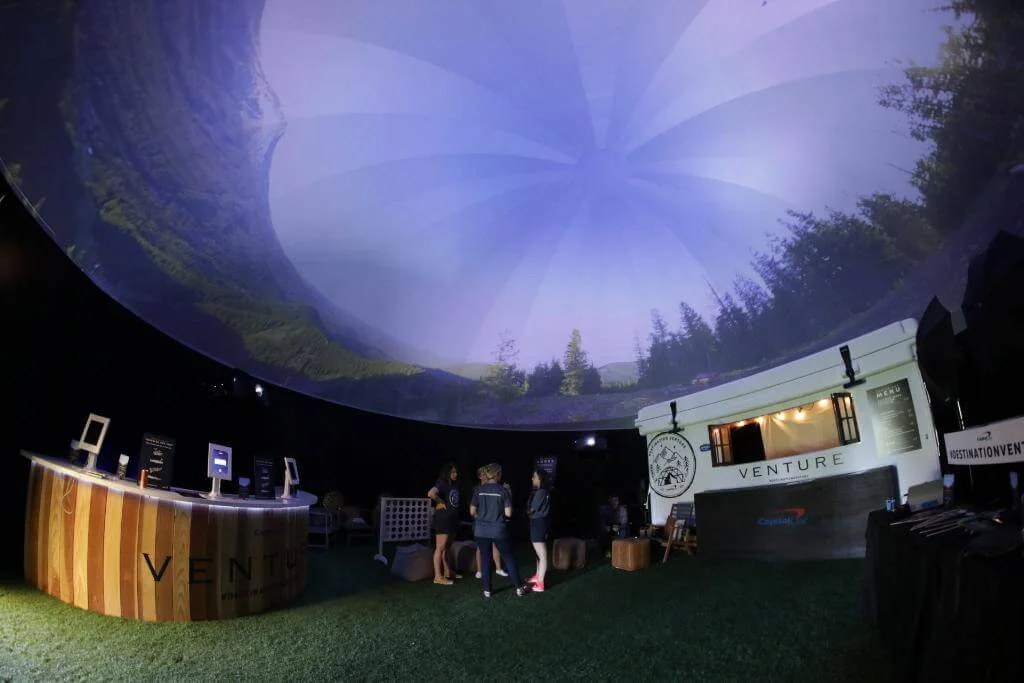
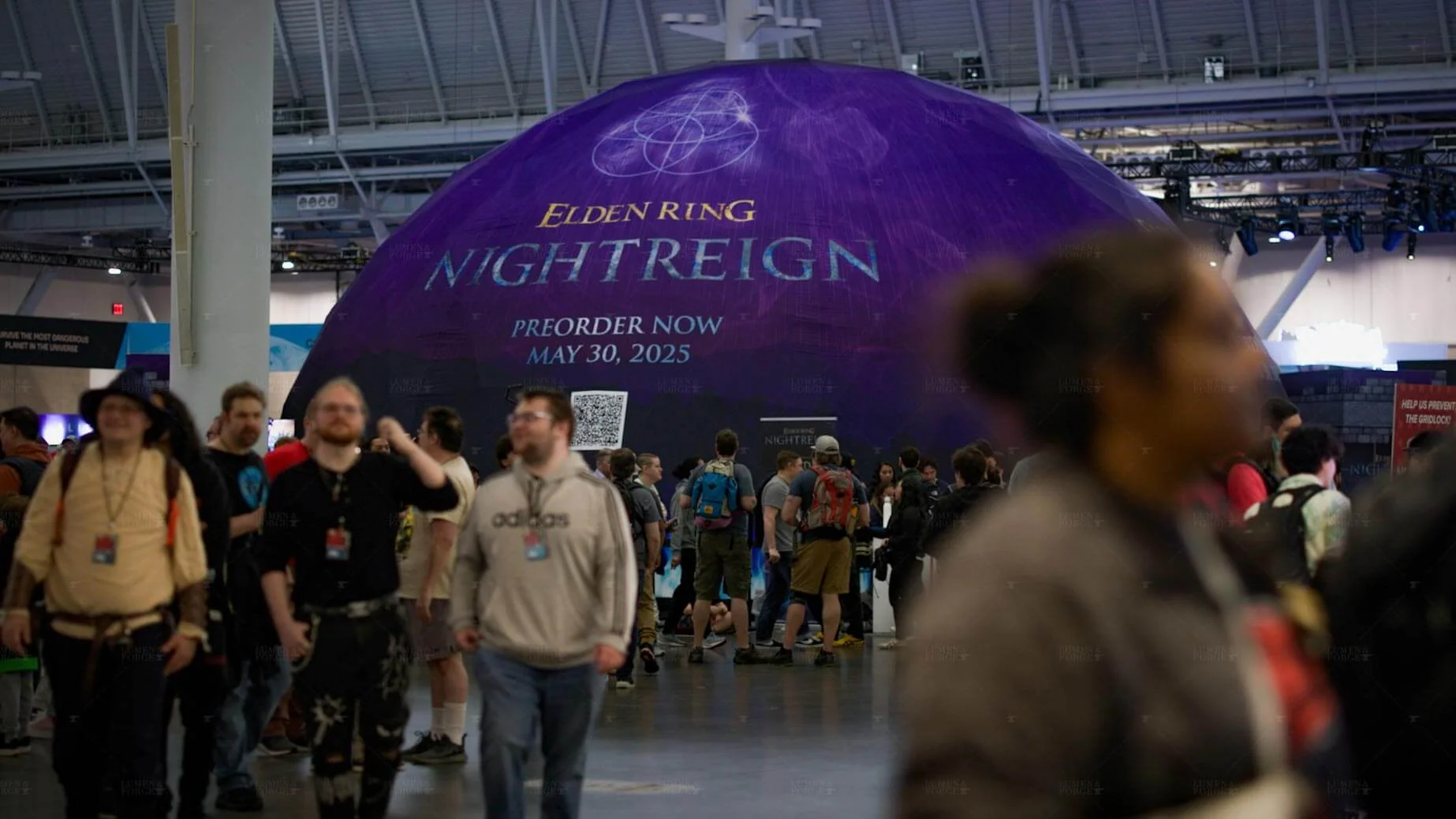
Dome Projection
Why Charleston Is a Natural Fit for Projection Mapping
Charleston audiences are not short on spectacle. Between the Southeastern Wildlife Exposition in February, Charleston Wine + Food in March and the Credit One Charleston Open at Credit One Stadium in April, the calendar delivers one polished production after another. The people filling the Charleston Gaillard Center, Charleston Music Hall and Dock Street Theatre, or wandering Marion Square and Waterfront Park, have seen world-class staging many times over. That fluency raises the bar for any brand activation. A crowd here can tell the difference between a light show and a story, and it rewards the second one.
Part of that comes from who lives and works here. Tourism and hospitality drive the visitor economy, so a large share of any audience is from somewhere else and is actively looking for something worth remembering. Food, beverage and spirits brands compete for the same attention, and their audiences have refined palates for presentation as well as product. Add aerospace manufacturing, technology and port logistics, and you have a professional crowd that spends its days around precision engineering and complex systems. They notice when a visual effect is approximate. Object mapping that lands exactly on the geometry of a facade or a product reads as competence; a loose projection reads as a shortcut.
The event schedule also shapes expectations. Spoleto Festival USA runs from late May into June and brings an international audience trained on opera, theatre and contemporary performance. The MOJA Arts Festival in late September and October draws a local audience with deep ties to the city's cultural life and a sharp eye for who is speaking to them and how. The Holiday Festival of Lights at James Island County Park turns a family outing into a months-long tradition. Each of these events teaches the same lesson: novelty gets a glance, but craft gets a conversation.
Scale matters too. Venues like the Charleston Area Convention Center and the North Charleston Coliseum host audiences that arrive expecting a full production, while Riverfront Park in North Charleston and Joseph P. Riley Jr. Park offer open, irregular spaces where a projected image has to work with the site rather than against it. Getting there takes planning. Special events in the City of Charleston are reviewed and permitted by the city's Special Events Committee through the Special Events Manager, with applications due 60 to 120 days before the event. That window is a gift to marketers who use it well. It is enough time to design something that belongs to Charleston specifically, whether the setting is a wedding weekend, a destination event or a product launch tied to the city's tourist season, rather than a package that could have been dropped anywhere.
Lumen and Forge: Fresh Light for Charleston's Oldest Walls
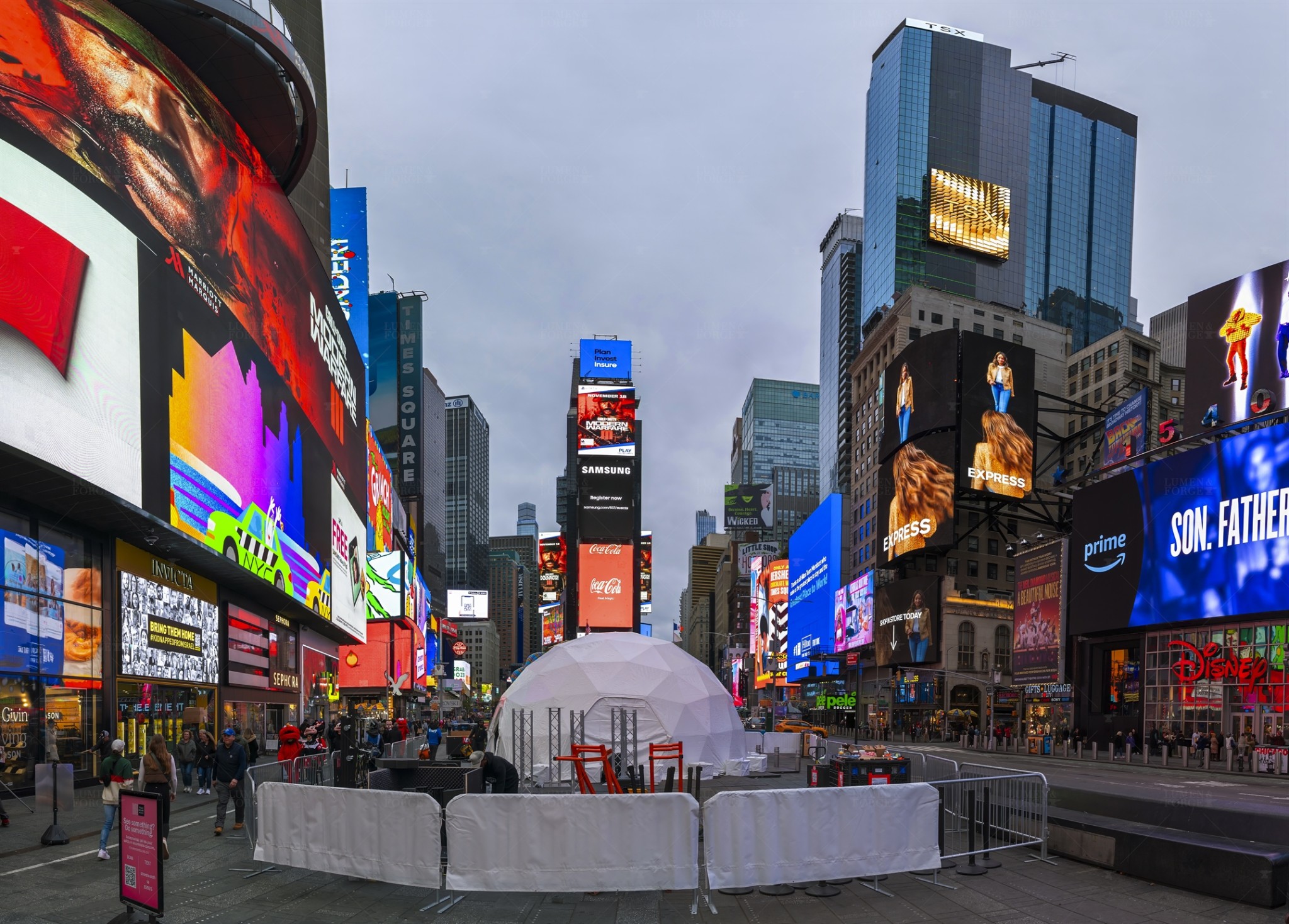
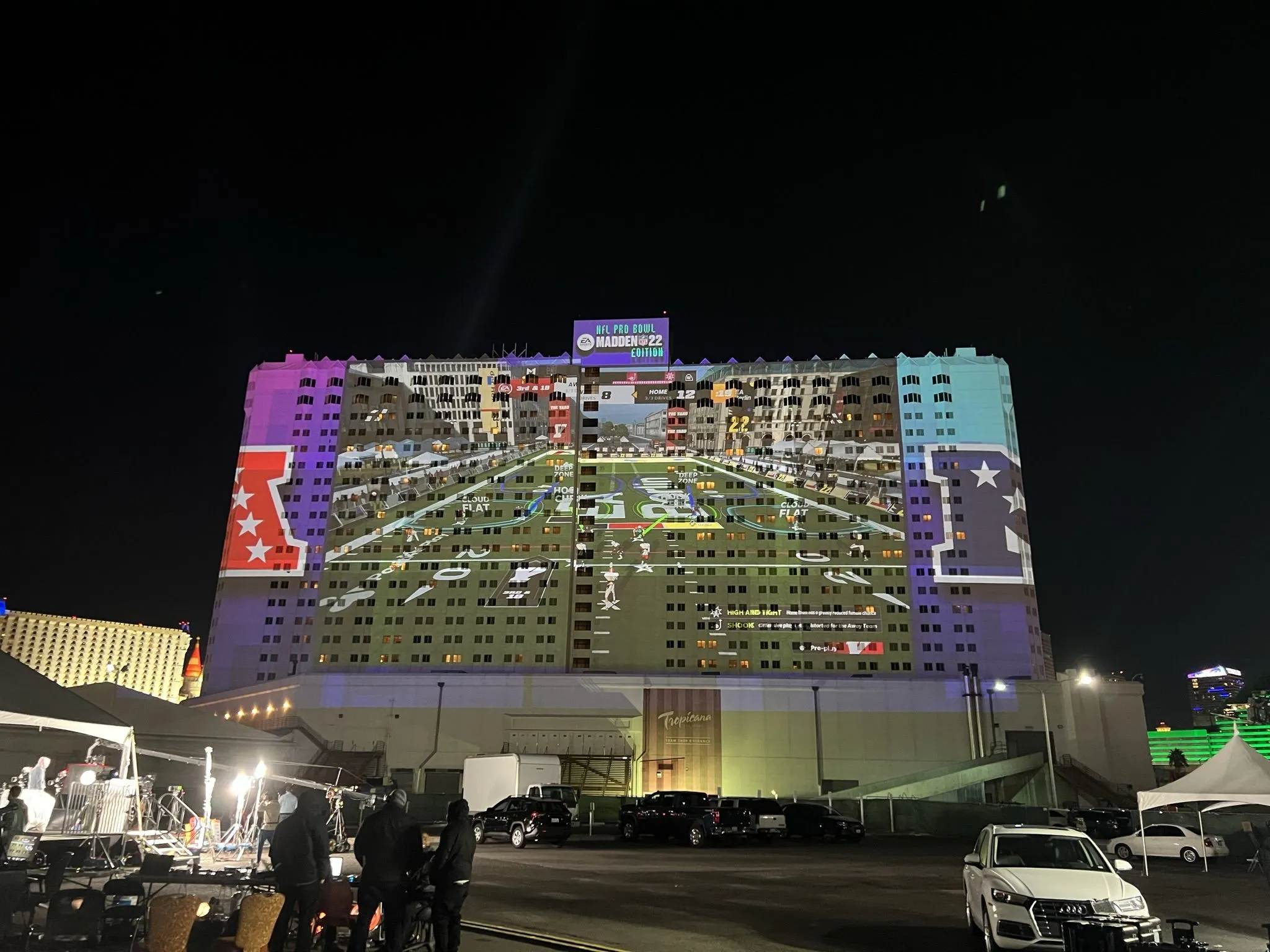
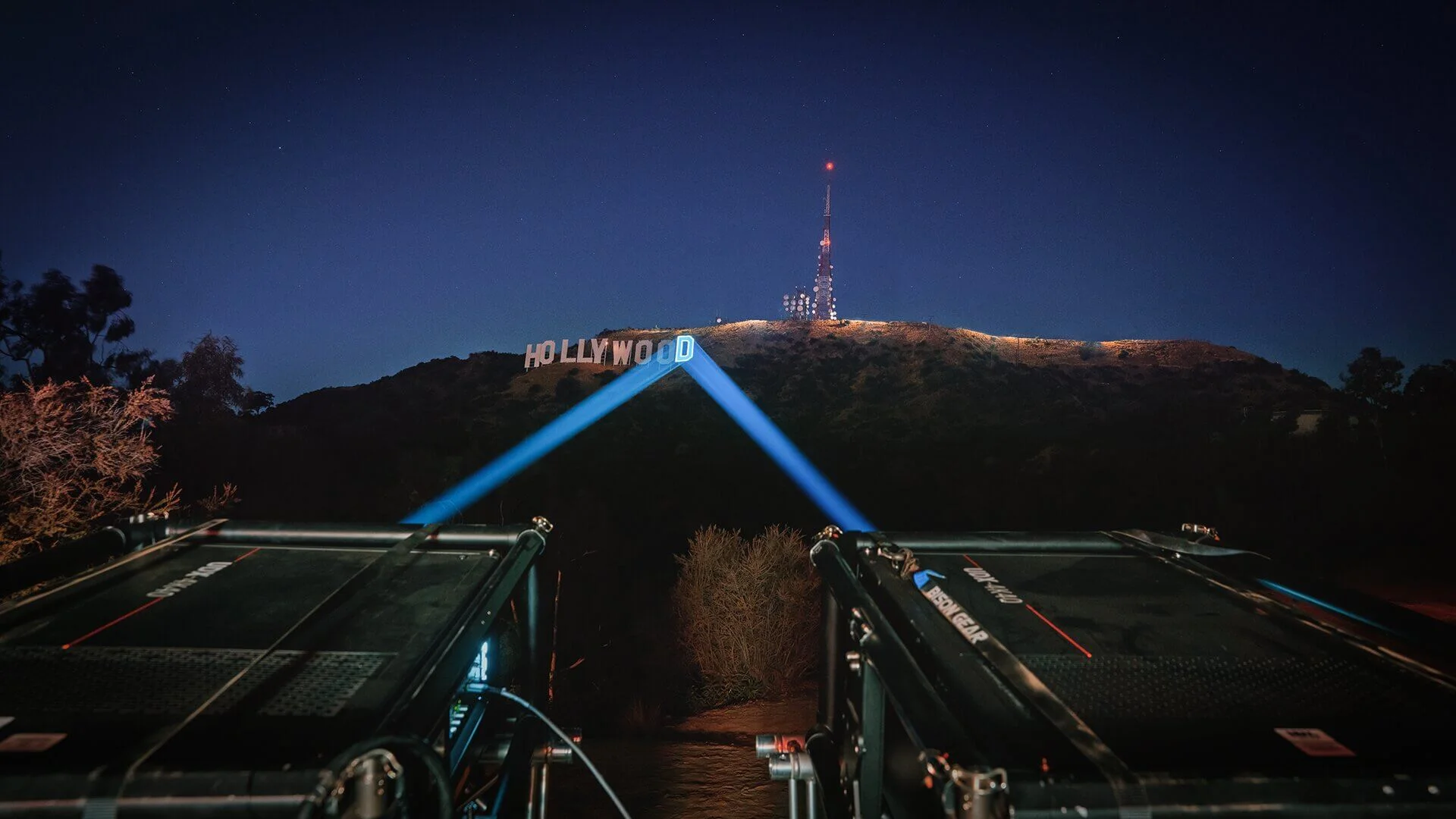
Over 15 years of producing large-scale projection mapping and immersive experiences for globally recognized brands gives Lumen and Forge the operational depth Charleston productions require. Our portfolio includes building projections for Nike and Air Jordan at NBA All-Star Weekend, large-scale convention experiences for Toyota, McLaren, and Mastercard, a world record video game screen at the Tropicana, and the Beneath the Blue 360-degree dome for National Geographic. Our team is comfortable working alongside experienced production crews and holding a technical standard in front of an audience that knows the difference, which is exactly what Charleston requires.
Who We Work With in Charleston
Charleston's event calendar runs on distinct audiences, and each one asks something different from a projection installation. These are the client types we build for in the region.
- Tourism and hospitality. Hotels, resorts, tour operators and destination marketers use building projection to turn a facade into a nightly draw and to give visiting groups something worth photographing. Work here often runs across a full season rather than a single night.
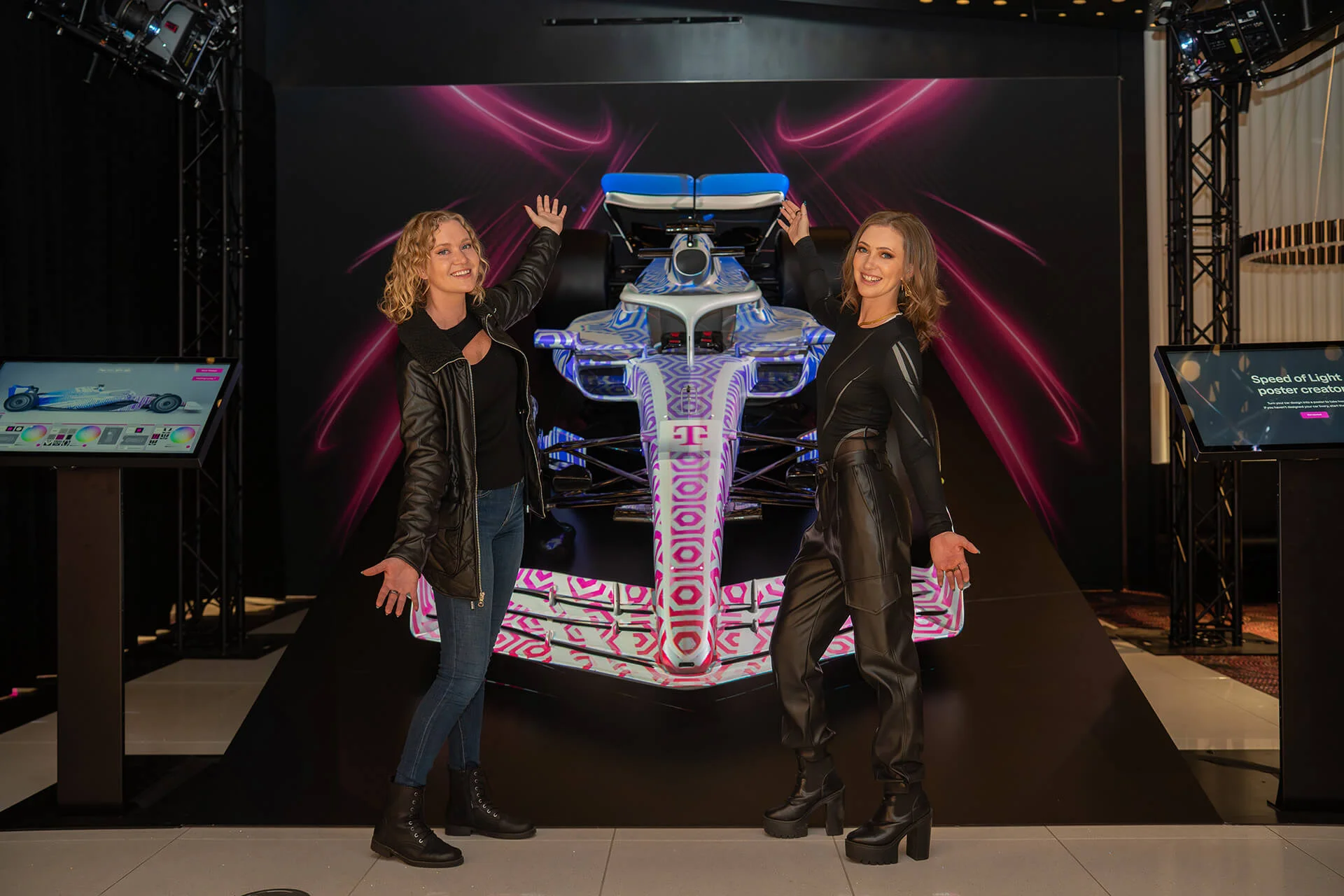
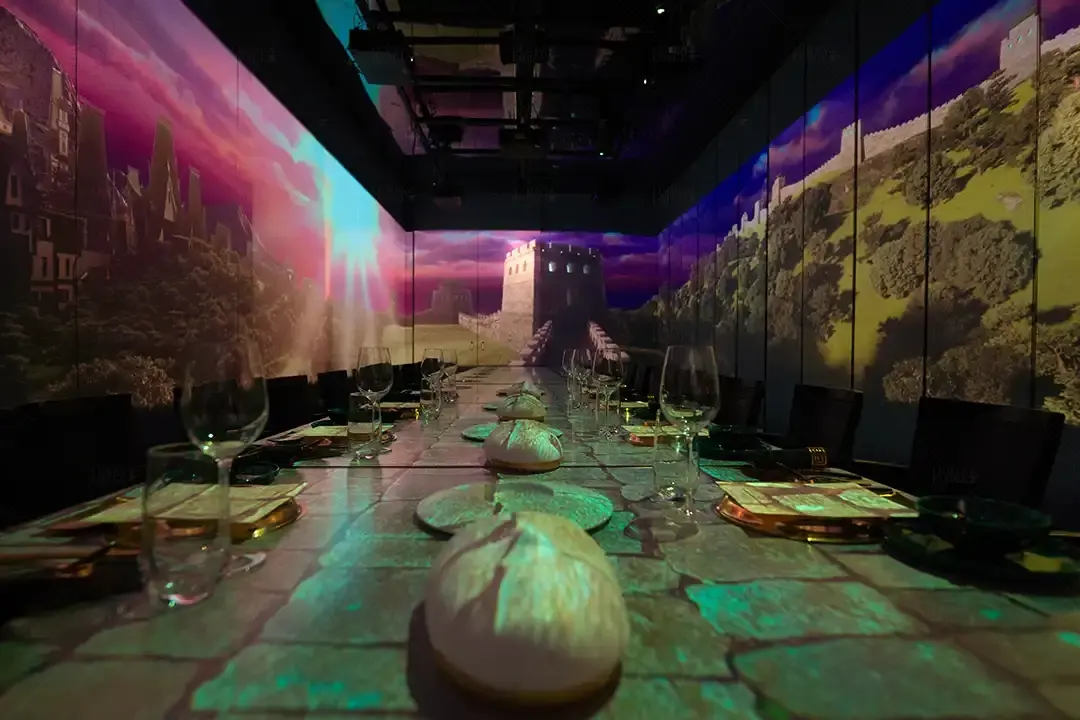
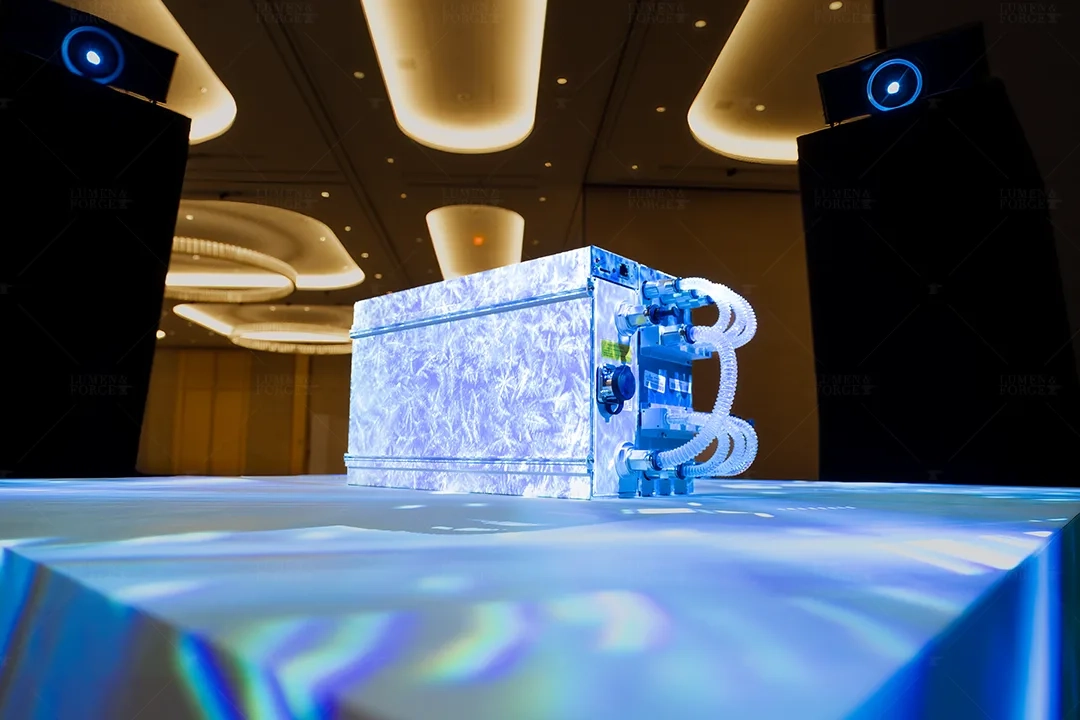
- Food, beverage and spirits. Distilleries, breweries, restaurants and the teams behind Charleston Wine + Food use object mapping on bars, bottles and tasting room walls, plus room-scale environments for dinners and brand launches.
- Aerospace manufacturing. Employers in the region's aerospace sector commission projection for recruiting events, facility openings and trade showcases, where a mapped scale model or a walkthrough environment explains complex work faster than a slide deck.
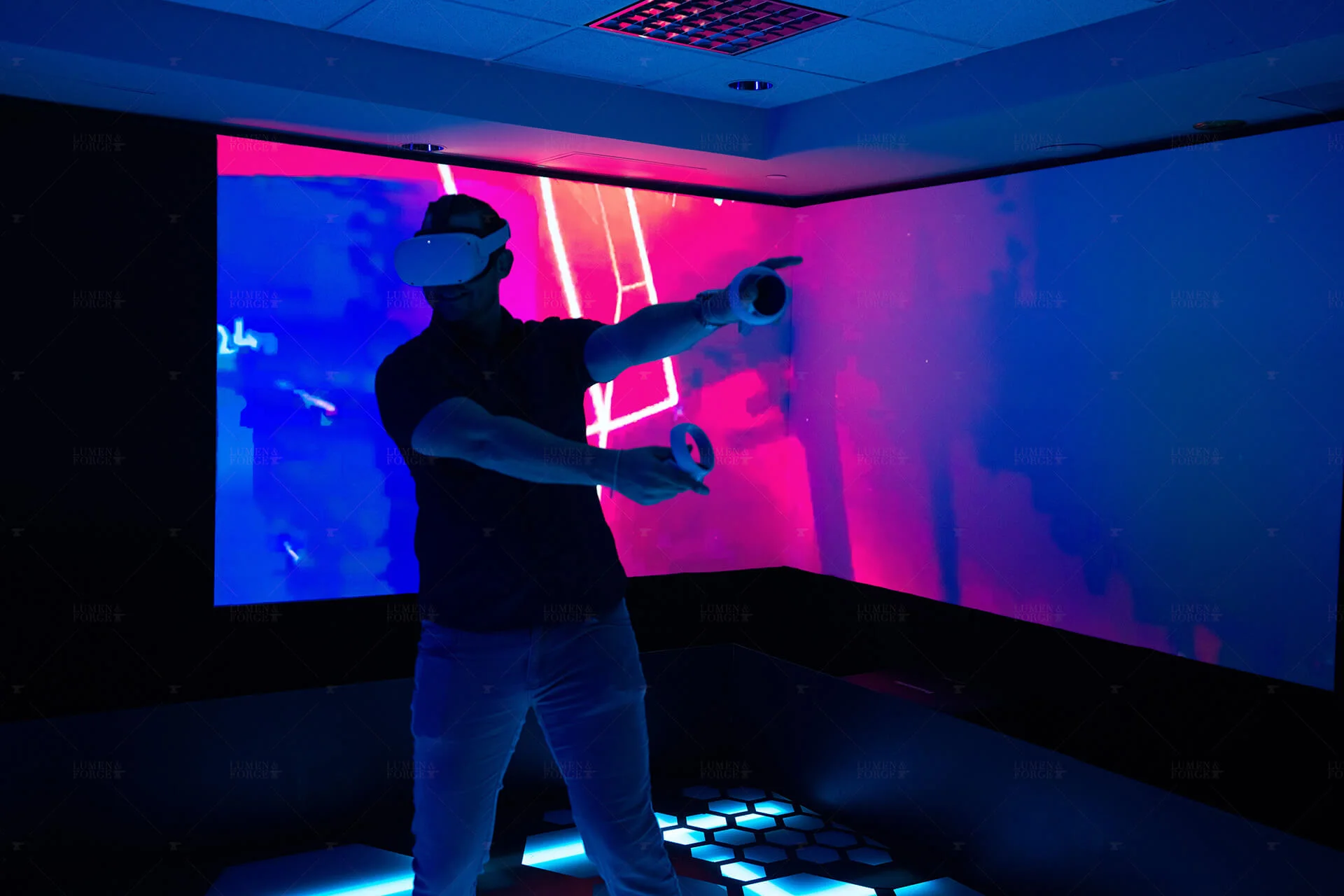
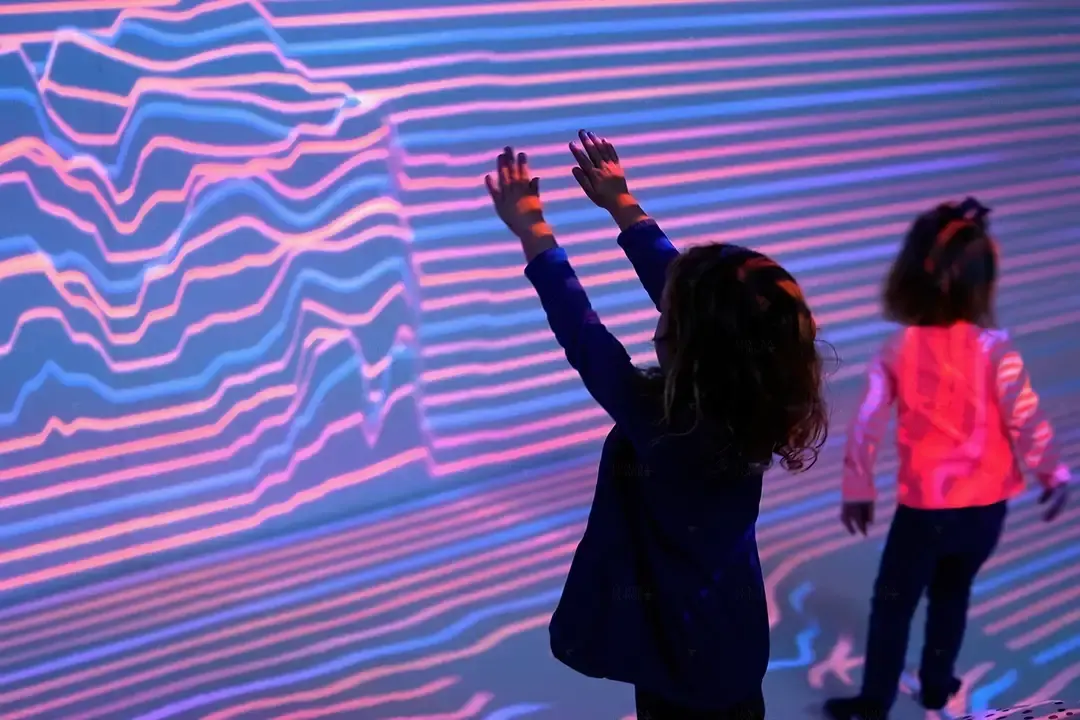
- Technology. Software and hardware companies book interactive installations for product launches and conferences, pairing motion tracking with mapped surfaces so attendees can drive the content themselves.
- Weddings and destination events. Planners and couples use architectural projection for rehearsal dinners and receptions, mapping a venue's exterior or a tent interior instead of relying on floral and lighting alone.
- Port logistics. Logistics and shipping businesses use projection domes and data-driven visuals at industry gatherings and anniversaries, translating routes, terminals and throughput into something an audience can watch.
Across all six, the pattern holds: a fixed venue, a hard date and a crowd that has seen everything. Projection answers that with a surface nobody else is using.
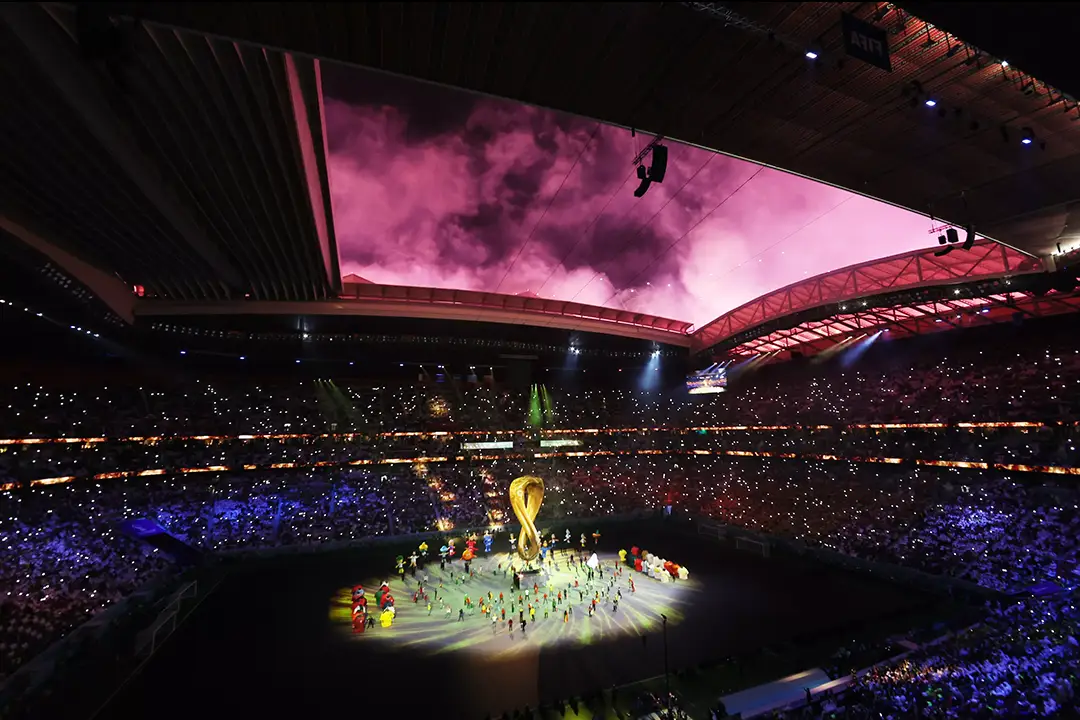
Ready to Light Up the Lowcountry?
Charleston audiences see a lot of good work, and the brands competing for their attention here know the difference between a screen and a moment. Lumen and Forge has spent more than 15 years building those moments for brands including Nike and Air Jordan, Toyota, McLaren and Mastercard, and we bring the same standard to building projection, object mapping, interactive installations, room-scale environments and projection domes in Charleston.
Whether you are planning around the Southeastern Wildlife Exposition, Spoleto Festival USA or a single night at the Charleston Gaillard Center, tell us what you have in mind and we will help you make it land.
Frequently Asked Questions: Projection Mapping in Charleston
Standard projection displays a flat image on a flat screen or white wall. Projection mapping uses specialized software to warp, align, and calibrate video content so it fits precisely onto any three-dimensional surface, whether that is a building exterior, a custom sculpture, a vehicle, or an entire room. The software accounts for every edge, angle, and curve, so the content appears to belong to the object itself rather than simply being cast onto it. In a city full of working production professionals, that level of precision is what separates a real installation from a lighting effect.
Yes. Charleston's outdoor season runs from spring into fall, when long daylight hours push usable projection time past sunset, and venues like Marion Square, Waterfront Park and Riverfront Park in North Charleston host evening events well into the night. Humidity, summer storms and salt air near the harbor shape equipment choices, and ambient light from street lighting and nearby buildings affects contrast, so shows are scheduled after dark and designed around the site's existing glow. Winter events such as the Holiday Festival of Lights also project successfully once the sun sets early.
The Charleston calendar gives projection mapping plenty of high-traffic moments. Southeastern Wildlife Exposition in February and Charleston Wine + Food in March draw crowds into the historic district. The Credit One Charleston Open arrives in April, followed by Spoleto Festival USA from late May into June and MOJA Arts Festival in late September and October. The Holiday Festival of Lights runs November through January.
Yes. Lumen and Forge coordinates permits, power, rigging and site logistics directly with your venue, so your team is not chasing paperwork while production moves. In the City of Charleston, special events are reviewed and permitted by the city's Special Events Committee through the Special Events Manager, with applications due 60 to 120 days before the event. We build that timeline into planning from the start and handle the technical details with the venue, from load-in windows to power drops and rigging points.
The cost of projection mapping in Charleston depends on several variables: the scale of the surface, whether you are mapping a building facade or an indoor stage; the complexity of the custom content; the duration of the event; and the equipment and crew required on site. A one-night activation at a venue like the Charleston Music Hall carries a different scope than a multi-week installation tied to Spoleto Festival USA or the Holiday Festival of Lights. Lumen and Forge scopes each project individually, so pricing reflects the actual production rather than a flat rate.
Lead time depends on the scale of the project. Custom content, a site survey, equipment and crew scheduling, and permitting all take time, so large building projections and outdoor events need the longest runway. Special events in the City of Charleston are reviewed and permitted by the city's Special Events Committee through the Special Events Manager, with applications due 60 to 120 days before the event. Get in touch as soon as the venue and date are known.
Projection mapping paints light onto a shaped surface, so video content is warped to fit that surface exactly. 3D projection mapping goes further: it accounts for depth, corners and curves, so imagery wraps around a three dimensional object and reads as if the object itself is moving. On the Charleston Gaillard Center, mapping its facade means treating columns, recesses and ledges as separate planes rather than one flat screen.
In addition to projection mapping, we offer dome projection for fully immersive 360-degree spherical experiences, event and project design for end-to-end production planning, and animation and visual storytelling for original content creation. Many of our Charleston clients combine projection mapping with one or more of these services into a single integrated production. We are a full-service immersive experience company, and the strongest work we build is conceived as a whole from the first conversation.
Do you have more questions?
Didn't find what you were looking for? Our team is happy to walk you through your project and answer anything else