

Projection Mapping for the First State
Delaware packs an unusual concentration of venues and audiences into a small footprint, which makes it a practical market for projection mapping and immersive production. In Wilmington, the Chase Center on the Riverfront, The Grand Opera House and The Playhouse on Rodney Square draw corporate meetings, performing arts crowds and gala audiences within a few blocks of each other. The museum campuses along the Brandywine, including the Delaware Art Museum, Winterthur Museum, Garden & Library, Hagley Museum and Library and Nemours Estate, offer architectural settings where a mapped facade or room-scale environment can carry a story rather than compete with it.
The state's event calendar is equally useful. NASCAR Cup Series weekend at Dover Motor Speedway in May and the Delaware State Fair in July bring high-volume, family-facing audiences, while the Delaware Antiques Show in November, Yuletide at Winterthur and Gift of Lights at Dover Motor Speedway extend the season through the holidays. Add the Delaware Children's Museum for younger visitors, and there is a year-round rhythm of occasions that reward spectacle.
The industries behind those events matter too. Financial services and banking, corporate and legal services, chemicals and life sciences, motorsports and gaming, beach tourism and hospitality, and healthcare all maintain a presence here, giving brands and marketers a local audience that is accustomed to polished production.
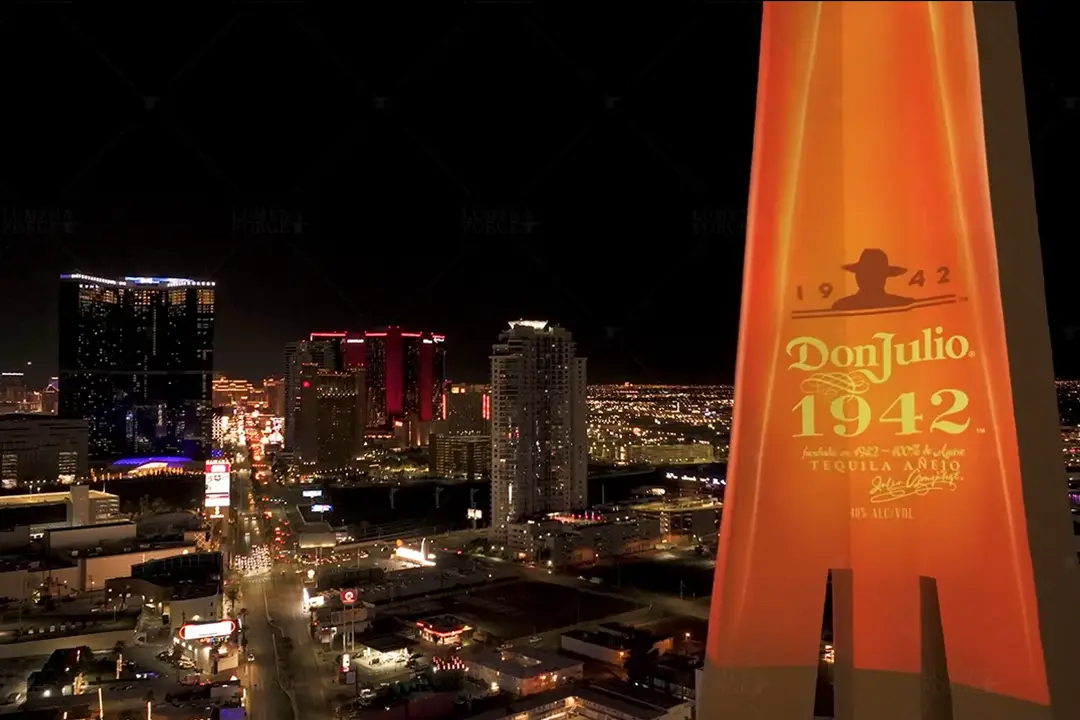
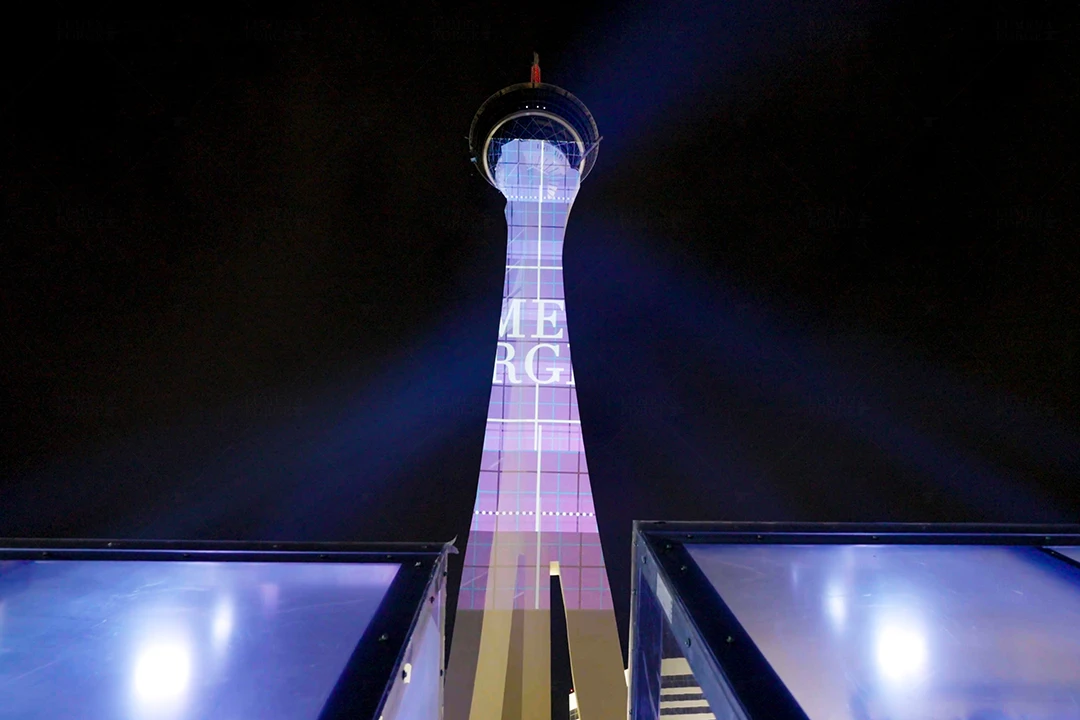
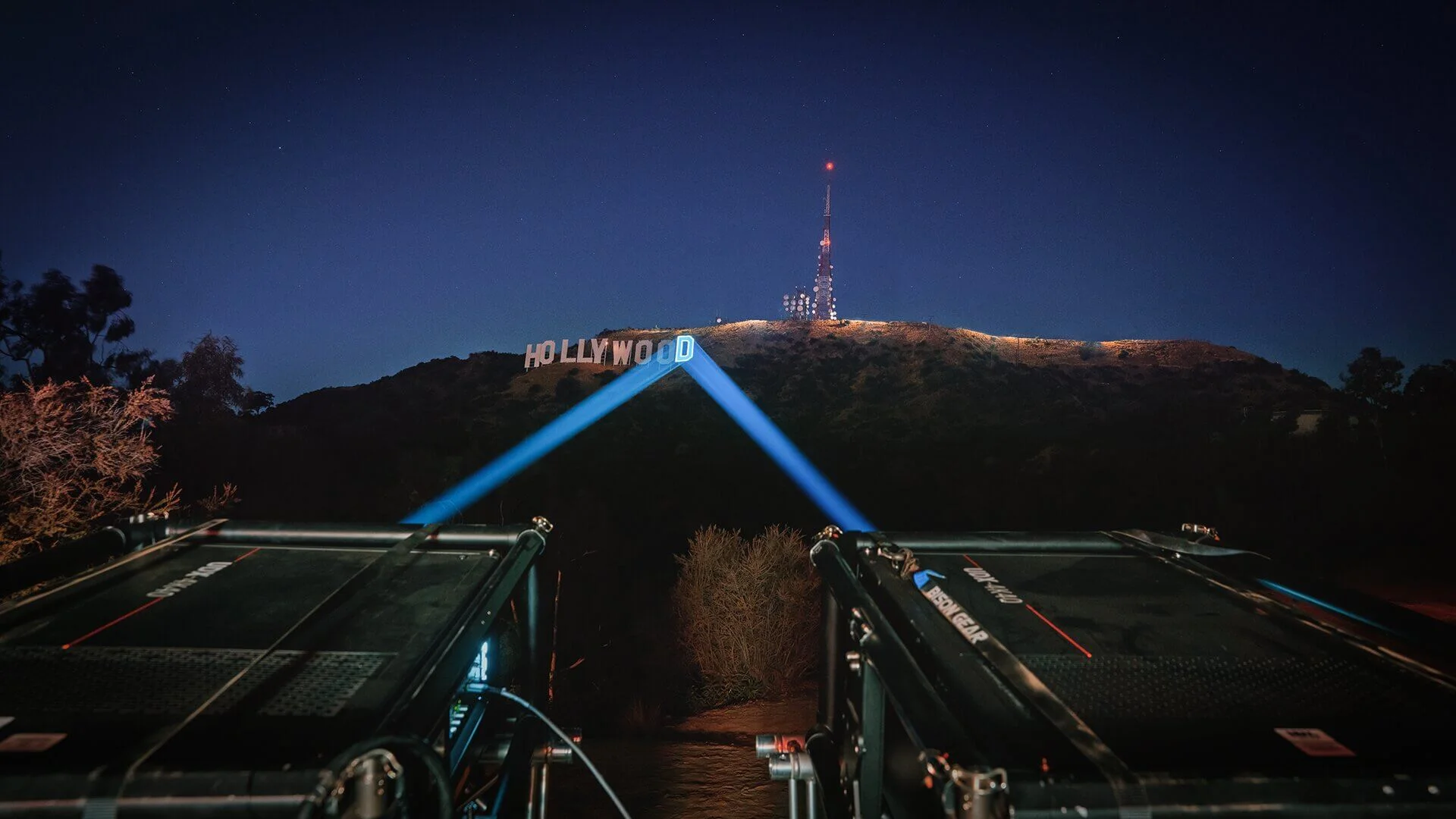
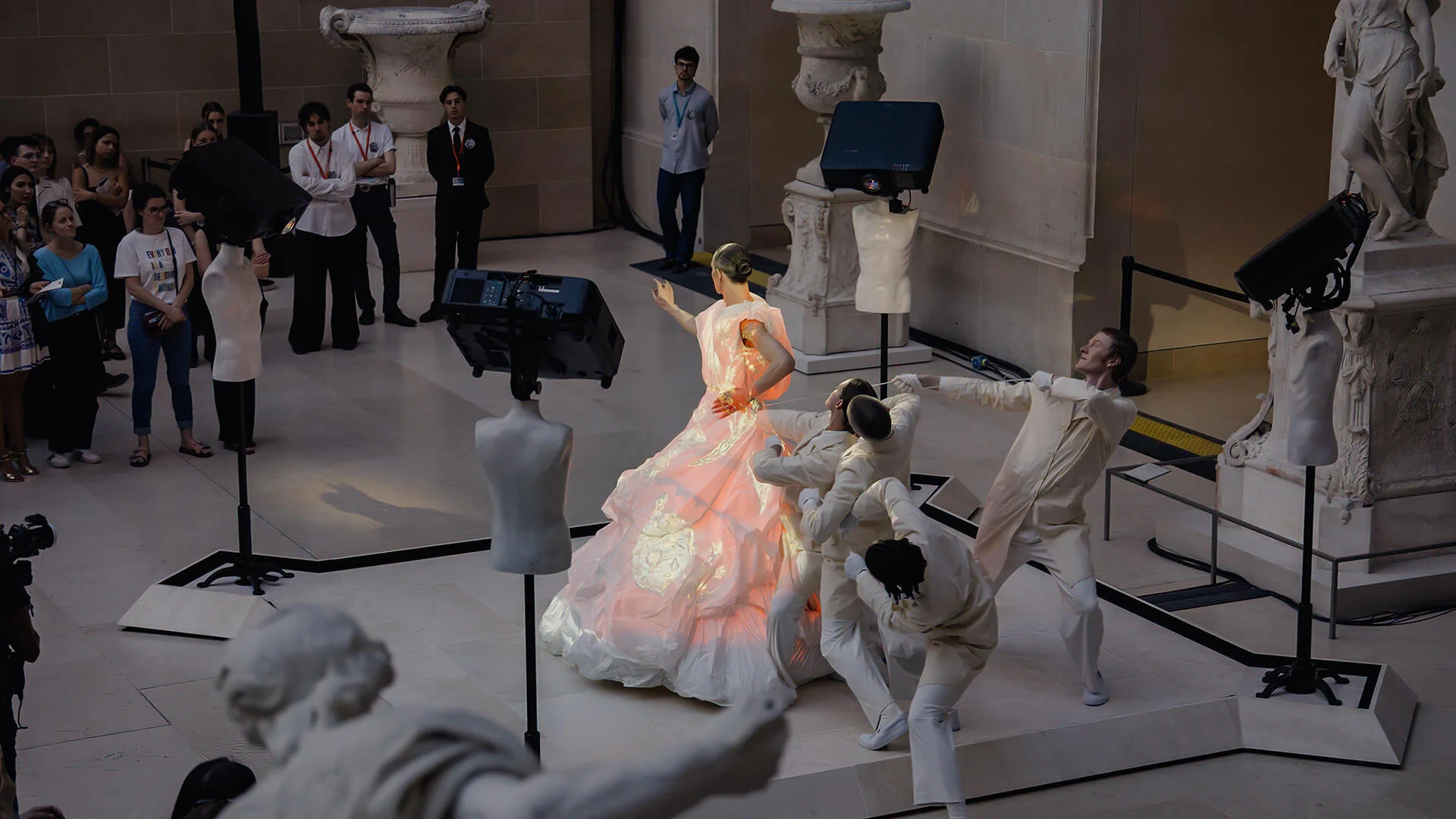
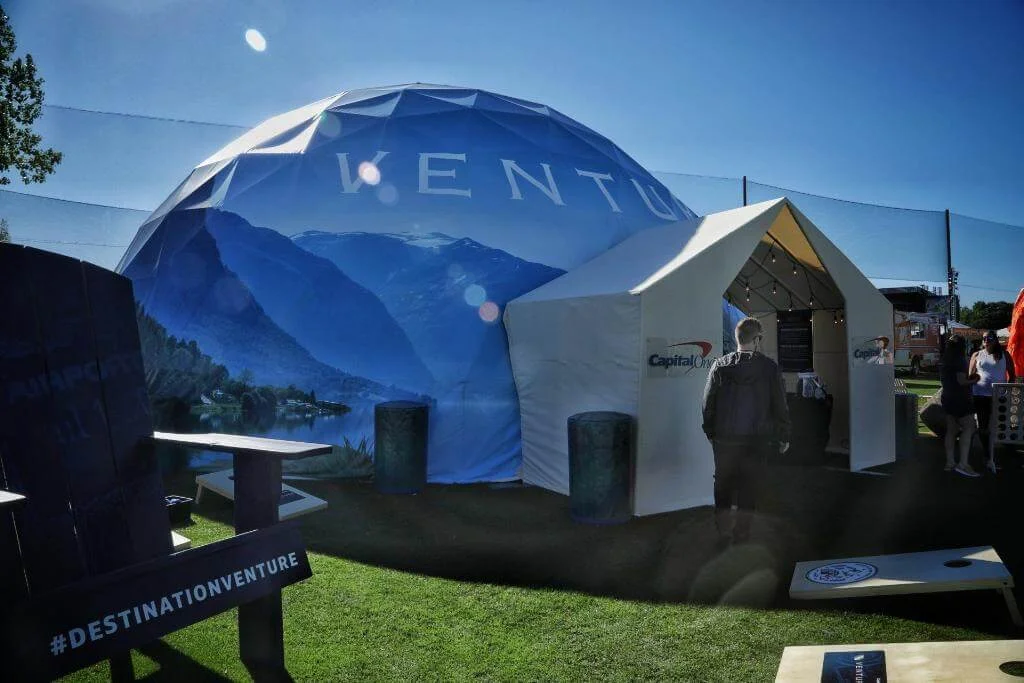
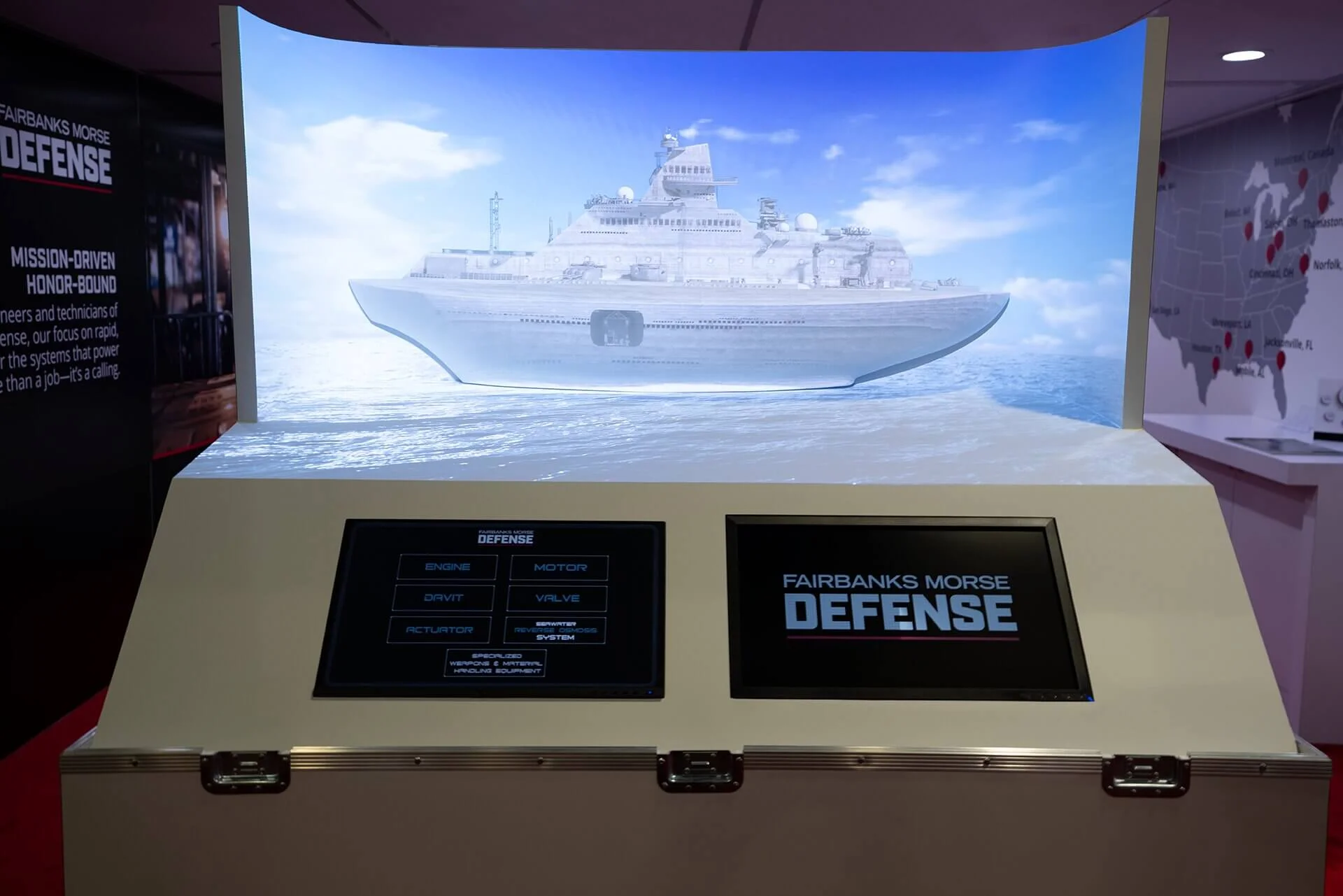
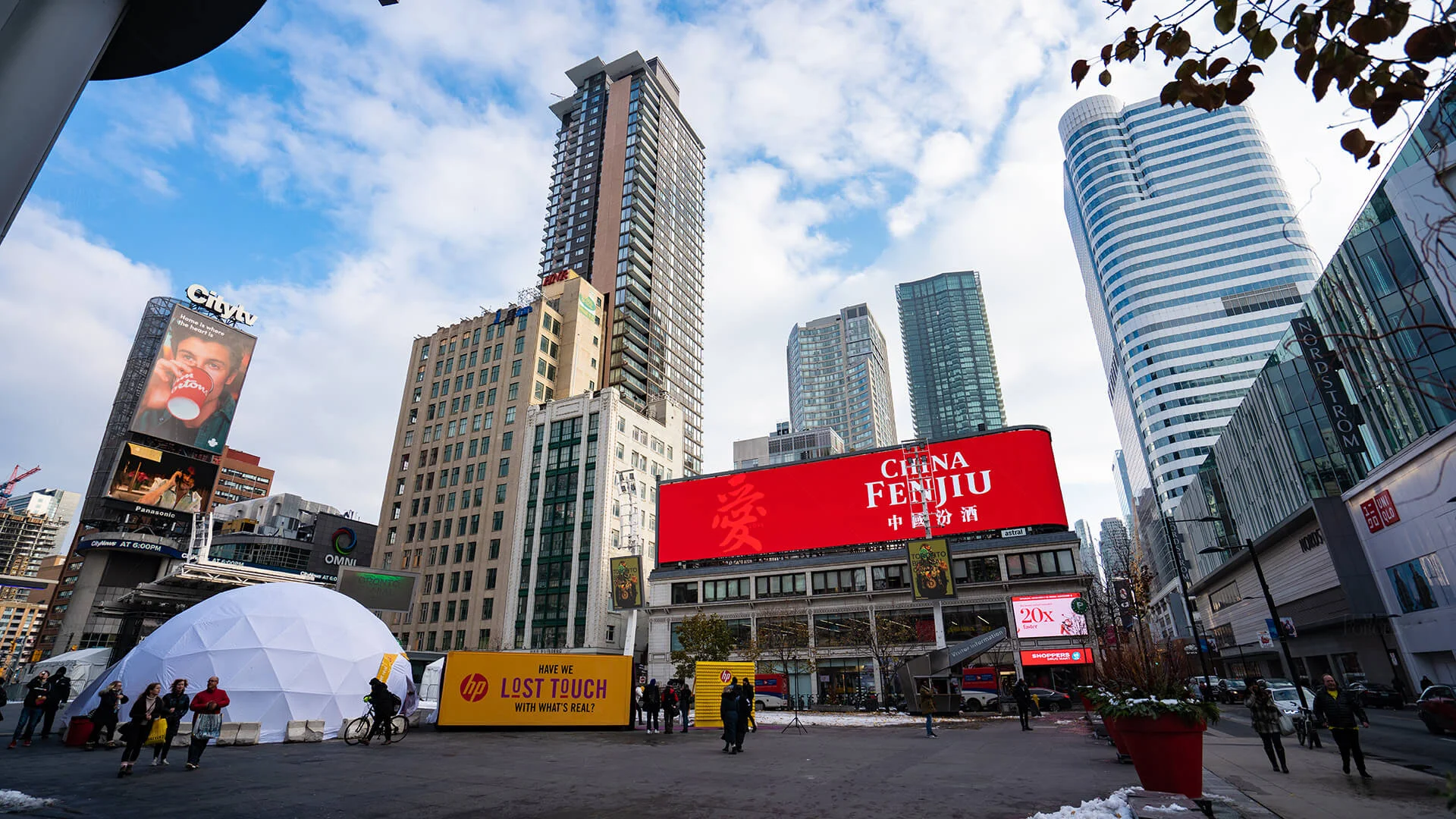
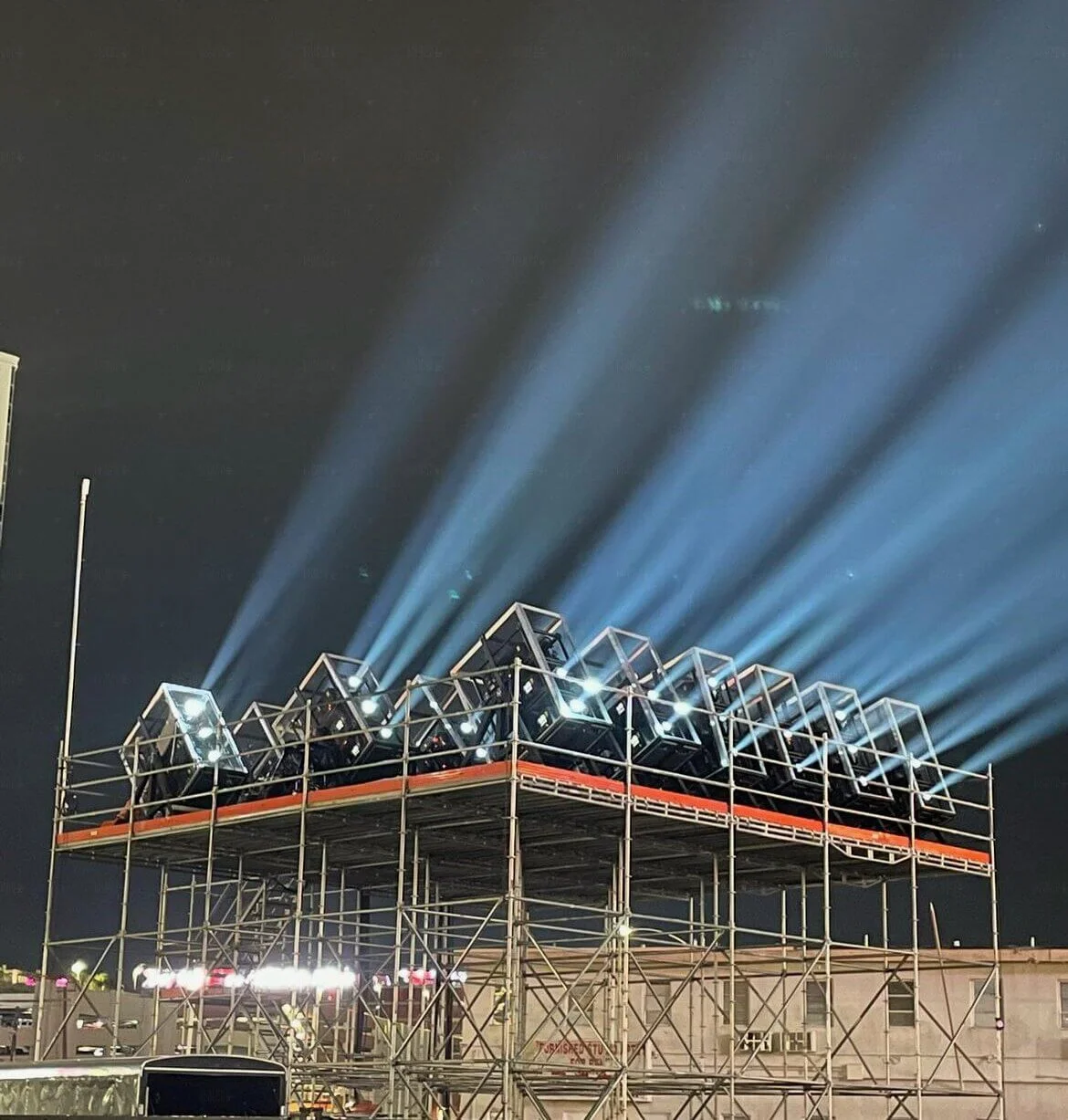
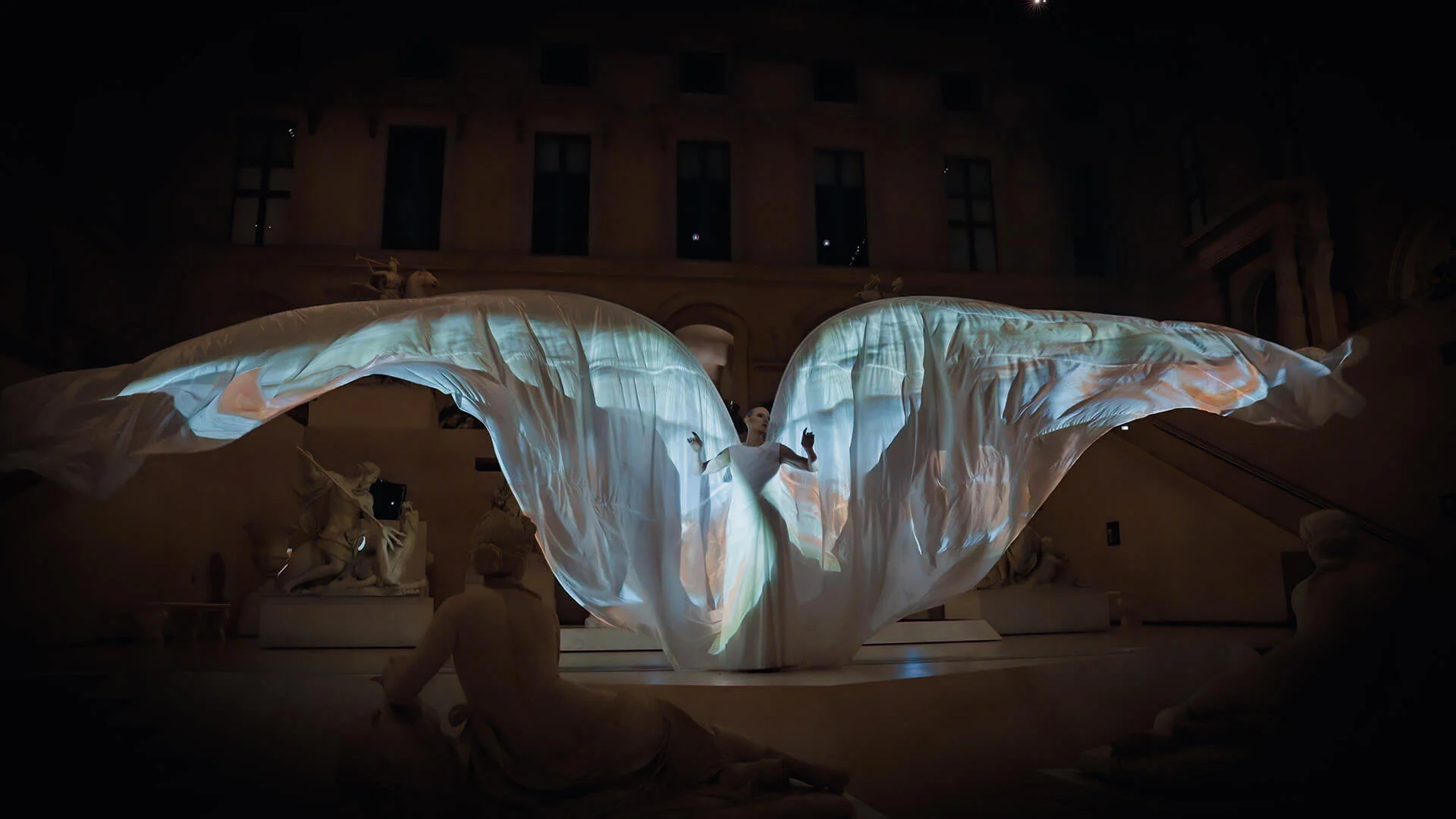
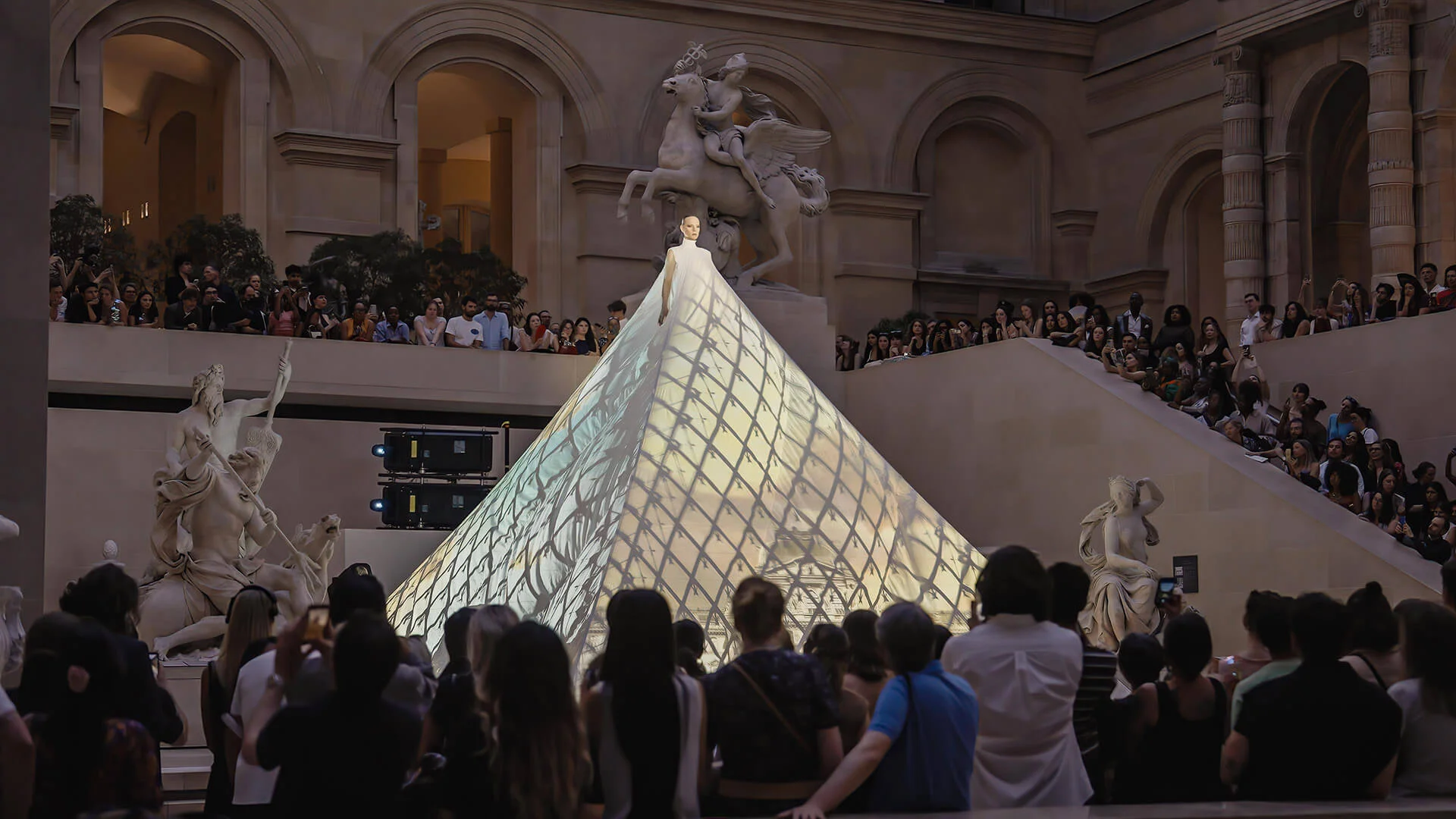
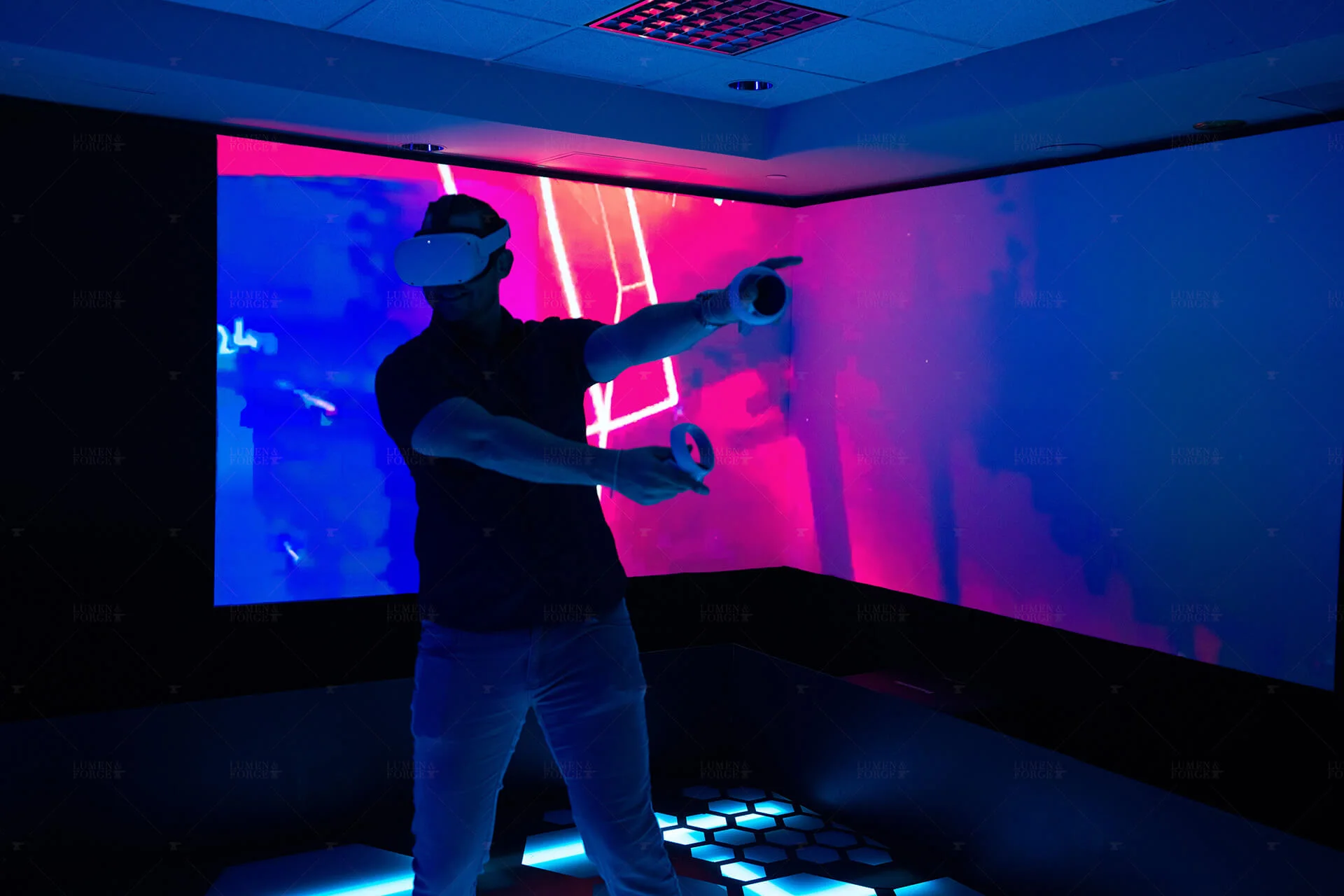
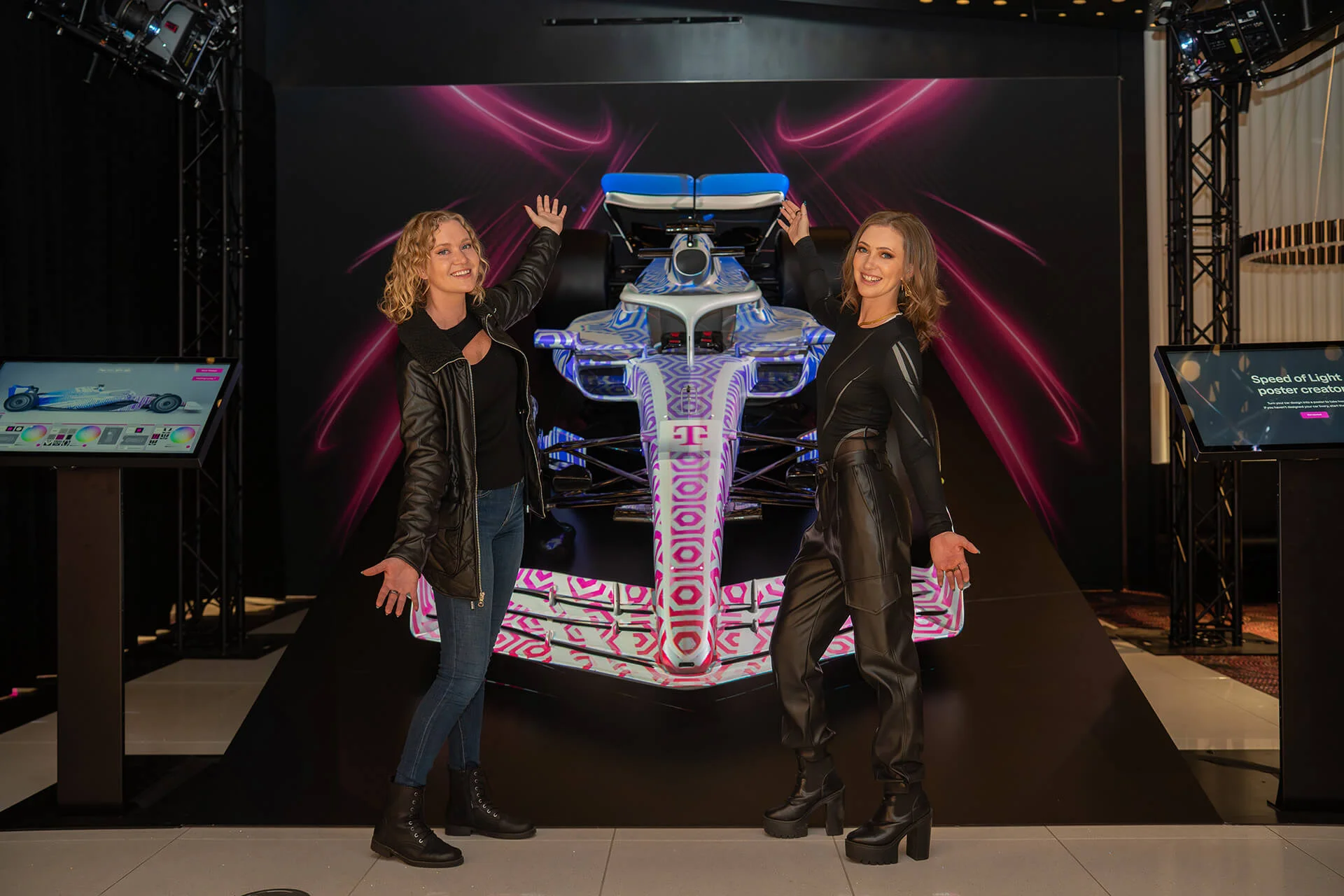
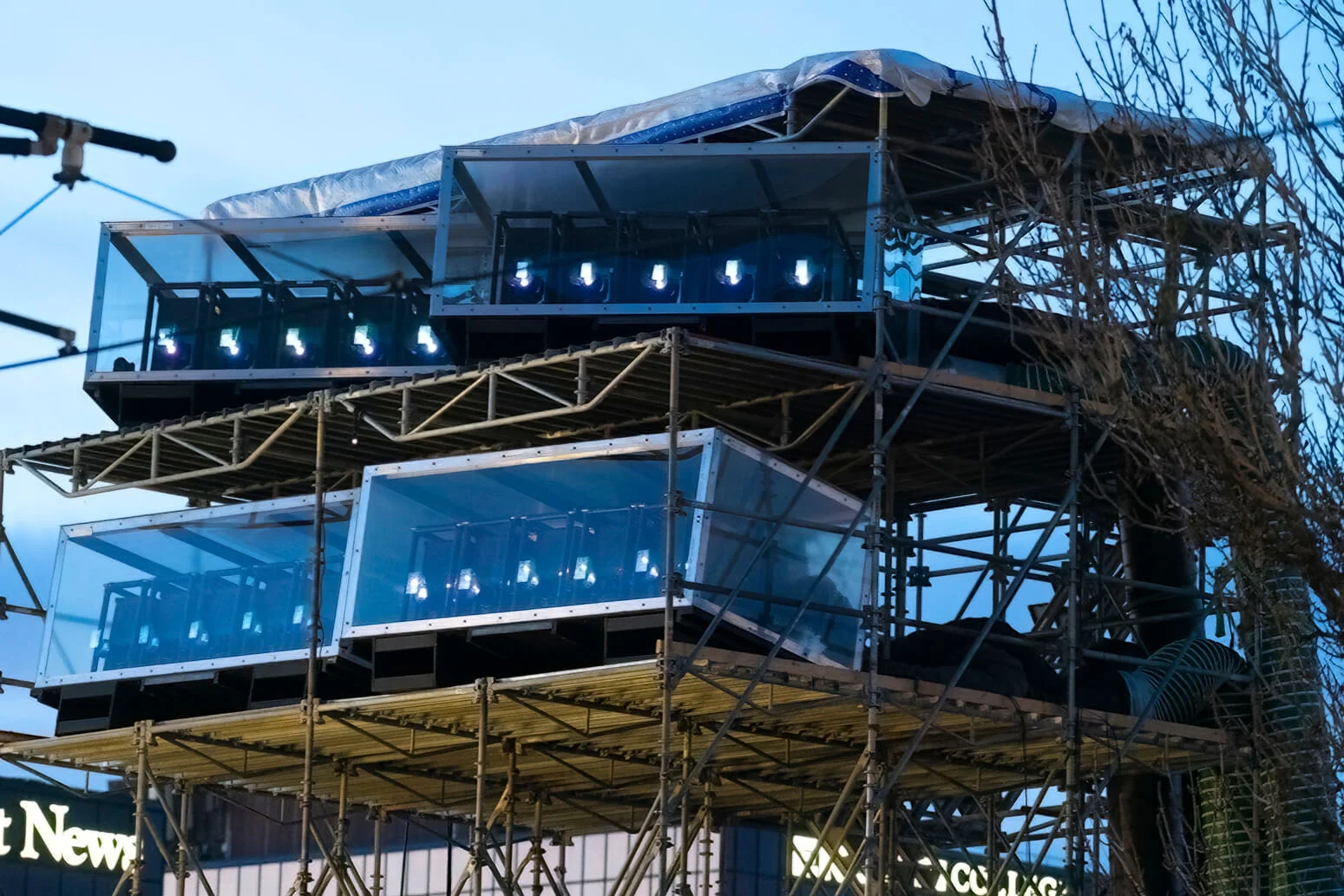
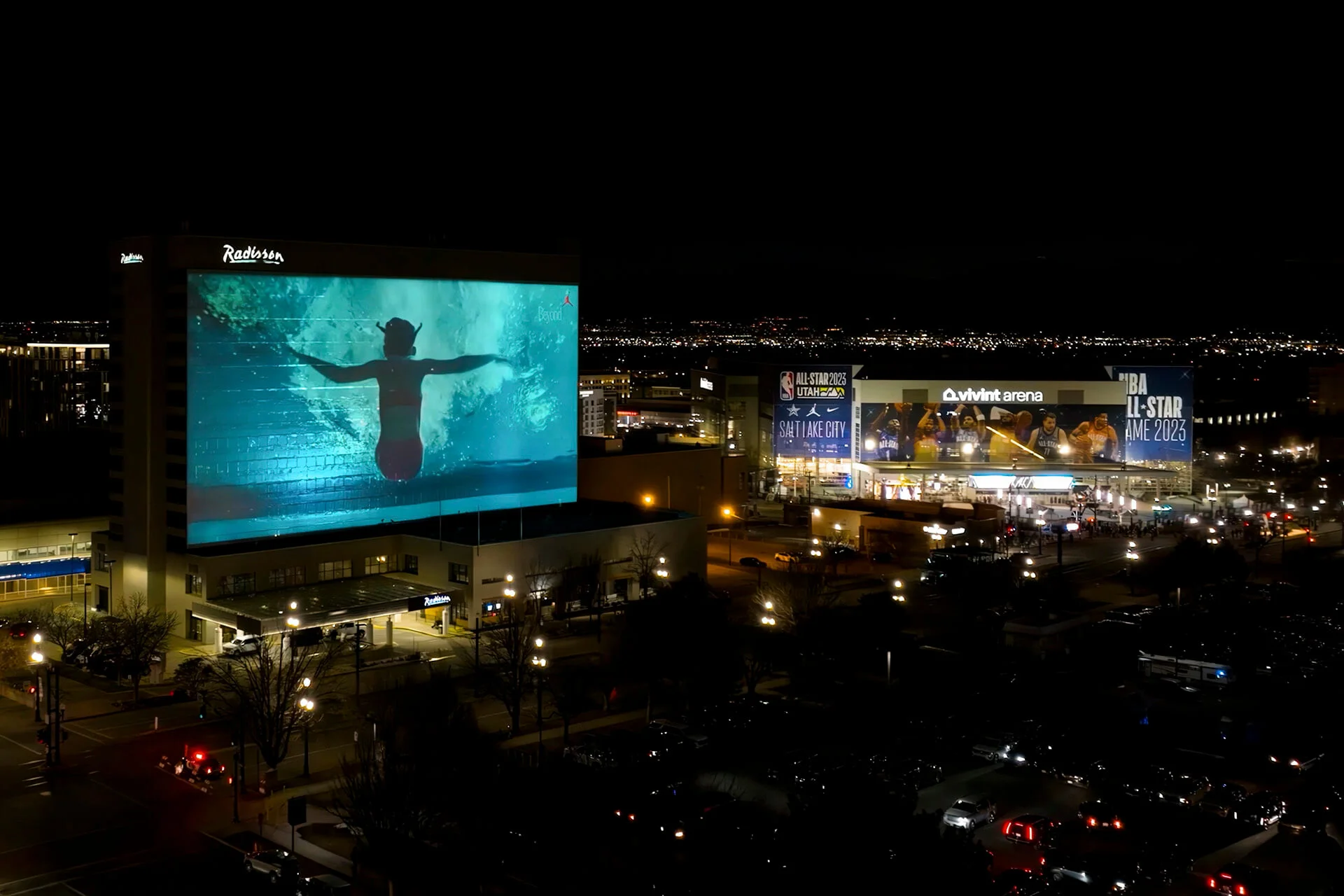
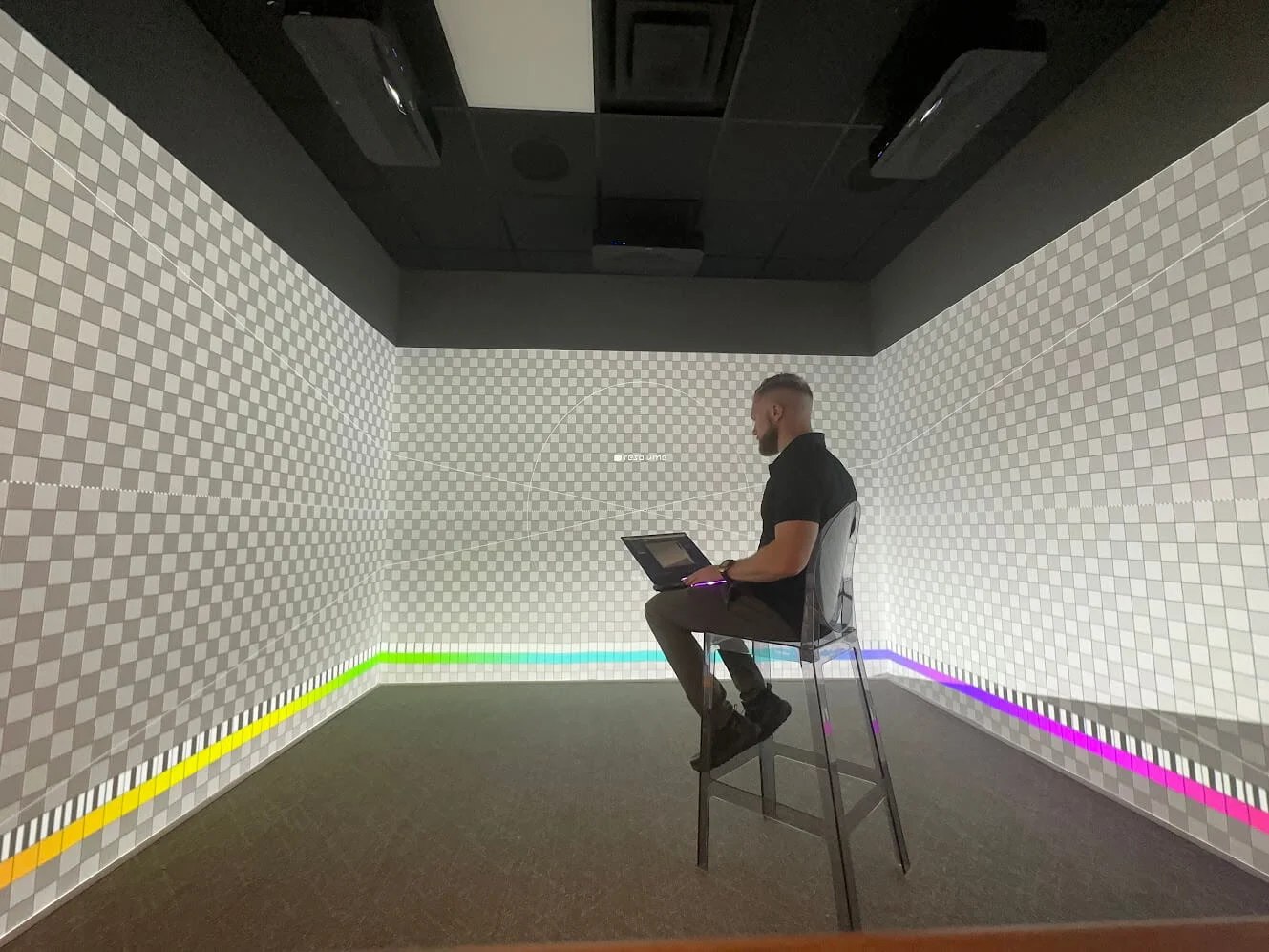
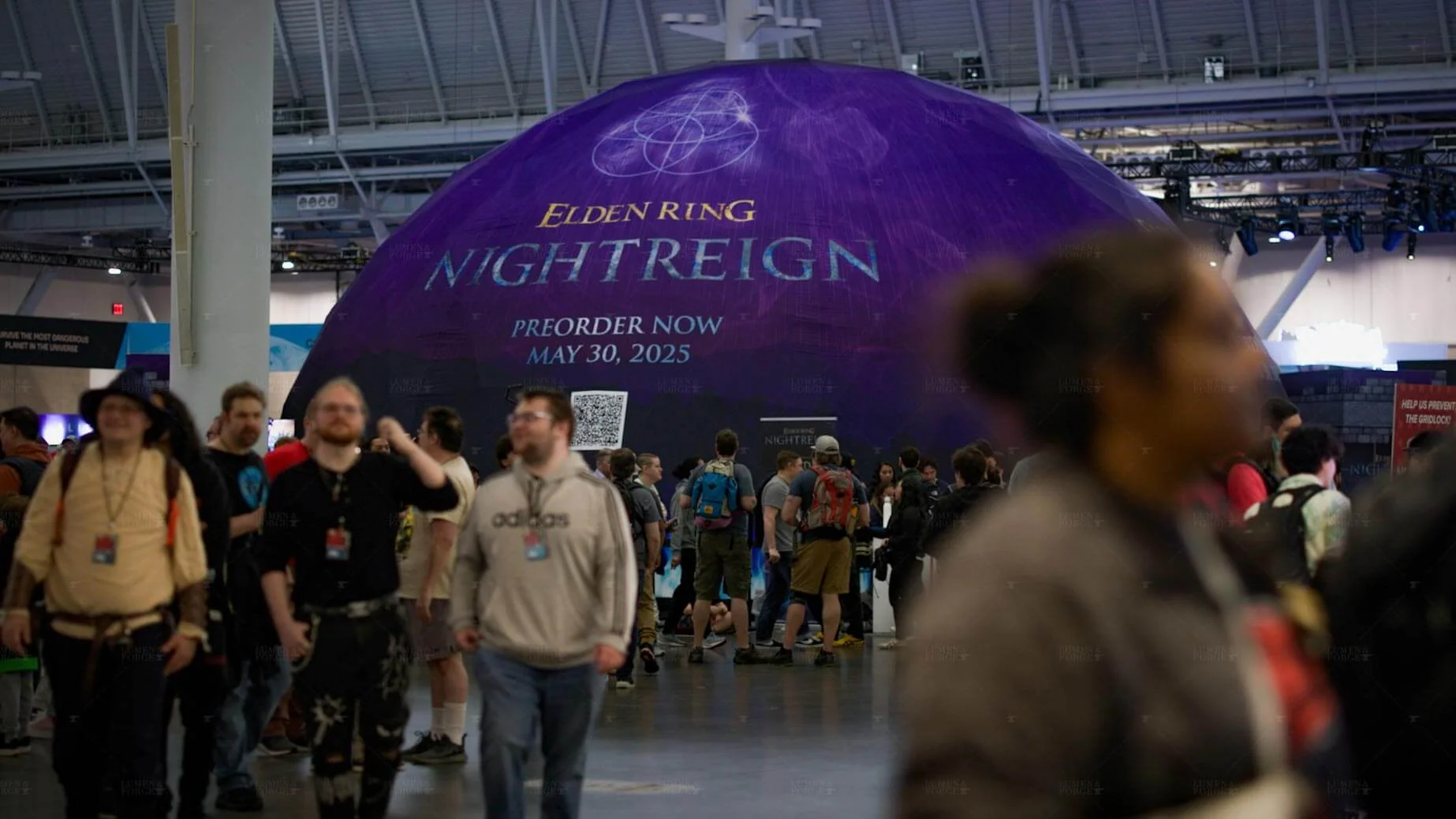
Take A Closer Look
A Deeper Look Into Animation & Visual Story Telling
A Deeper Look Into
Projection Mapping
Projection Mapping: Turning Any Surface Into a Story
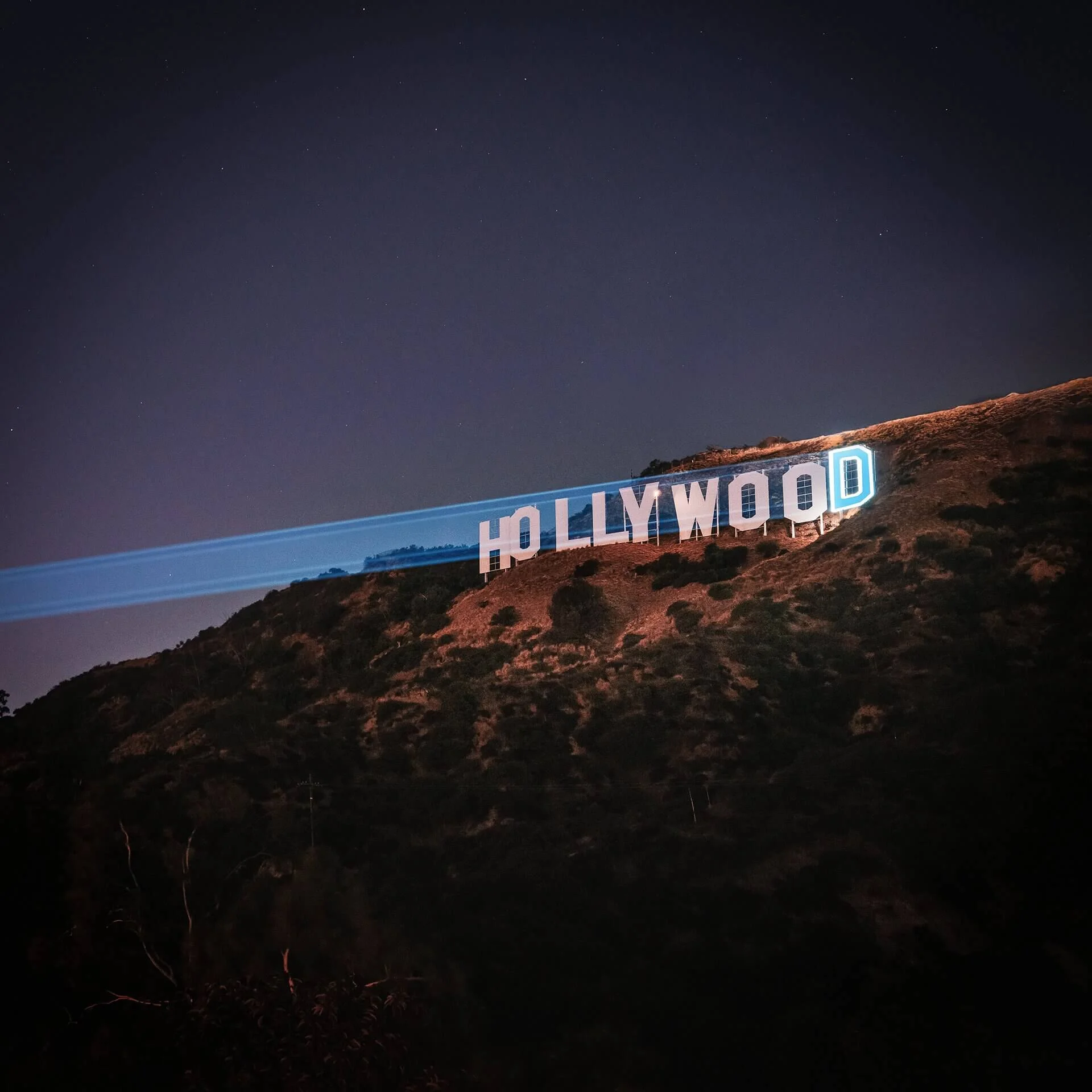
Projection mapping is not the same as putting an image on a screen. A mapped projection is built around the geometry of a real surface: the content is warped and aligned so that it fits the contours, corners and proportions of the object it lands on. Where a flat screen shows a rectangle, mapping turns a facade, a stage set or a three dimensional object into the display itself, and the illusion holds because the light respects the shape underneath it.
That makes the technique a natural fit for Delaware's landmark architecture and event spaces. Mapped content can run across the facade of The Grand Opera House or The Playhouse on Rodney Square, animate the interiors and grounds at Winterthur Museum, Garden & Library and Hagley Museum and Library, or bring a program to life at the Delaware Art Museum, Nemours Estate and Delaware Children's Museum. Larger gathering spaces such as the Chase Center on the Riverfront, Dover Motor Speedway and the Delaware State Fairgrounds give the same approach room to work at scale.
Building and Architectural Projection
Object and Product Projection Mapping
Interactive Projection
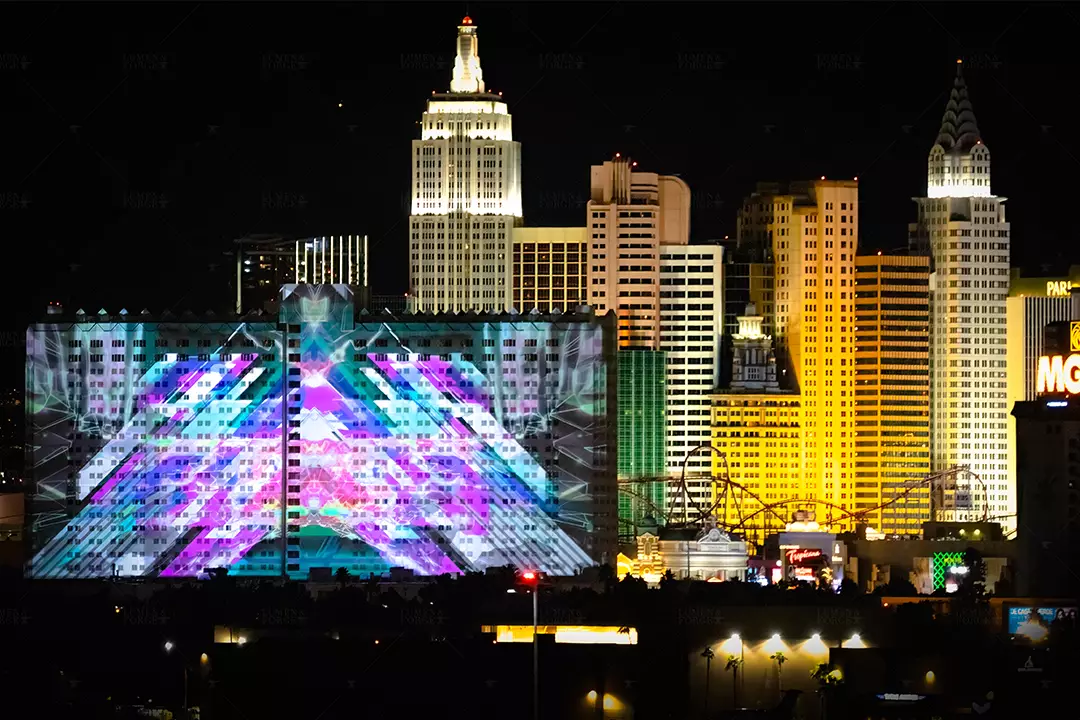
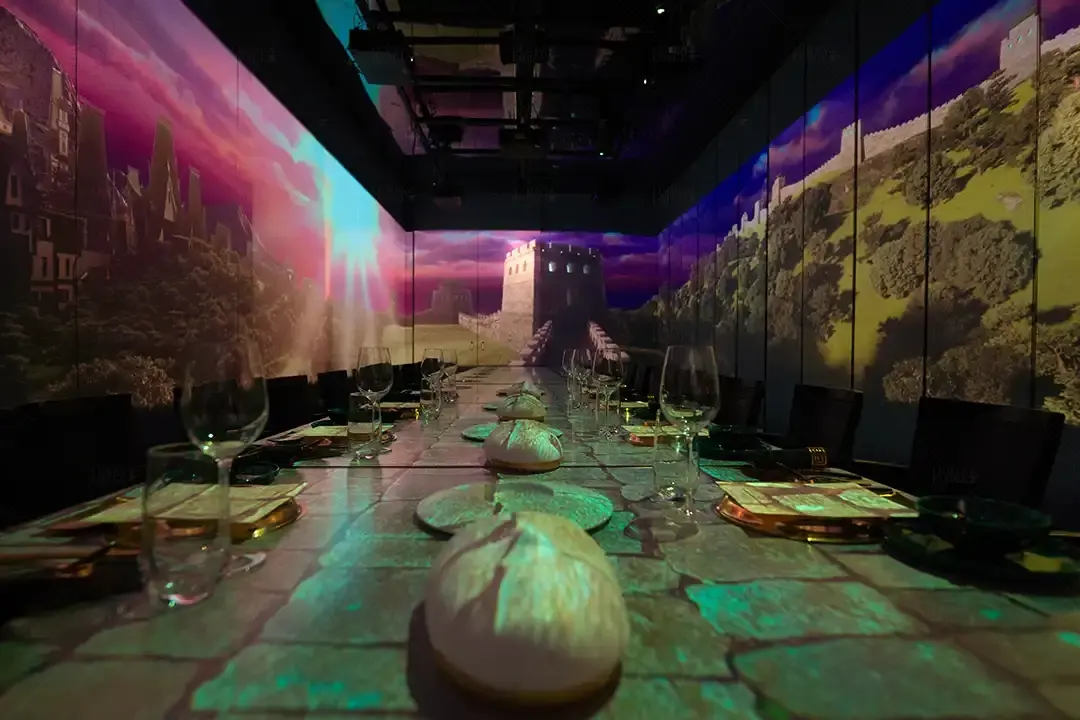
Room and Environment Mapping
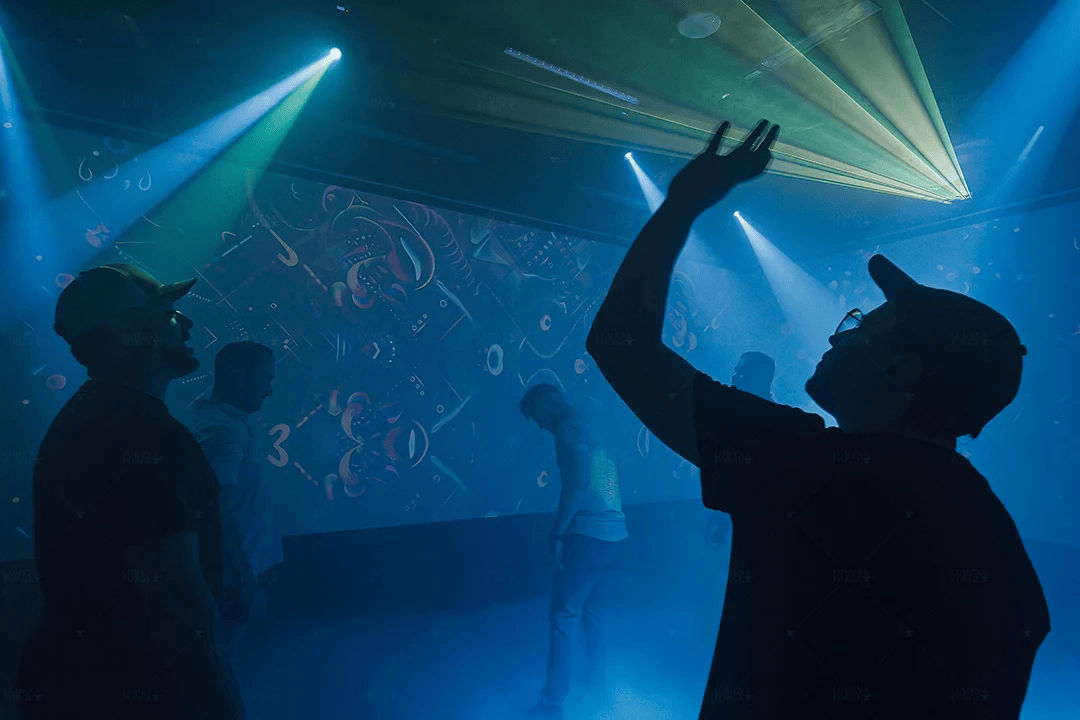
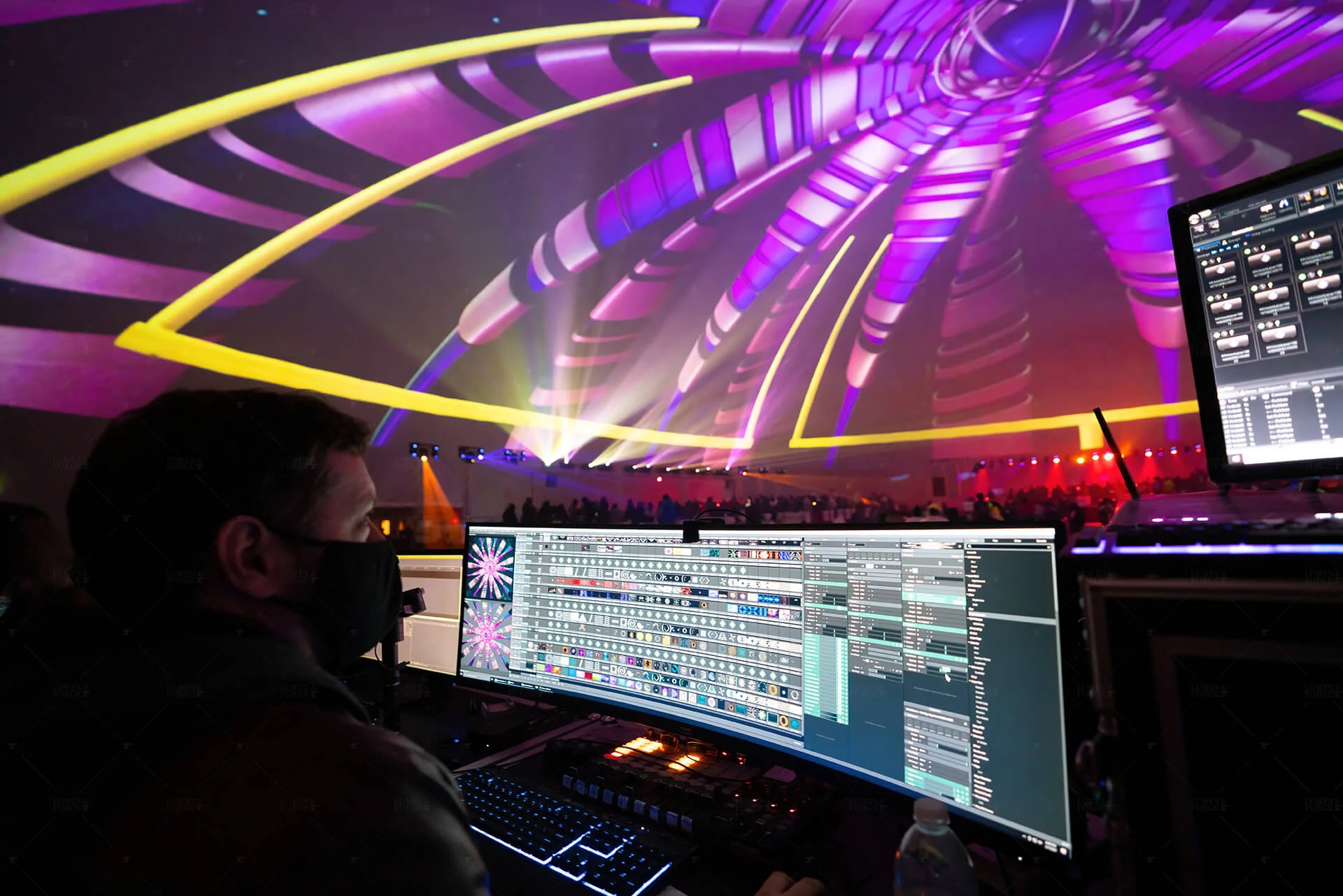
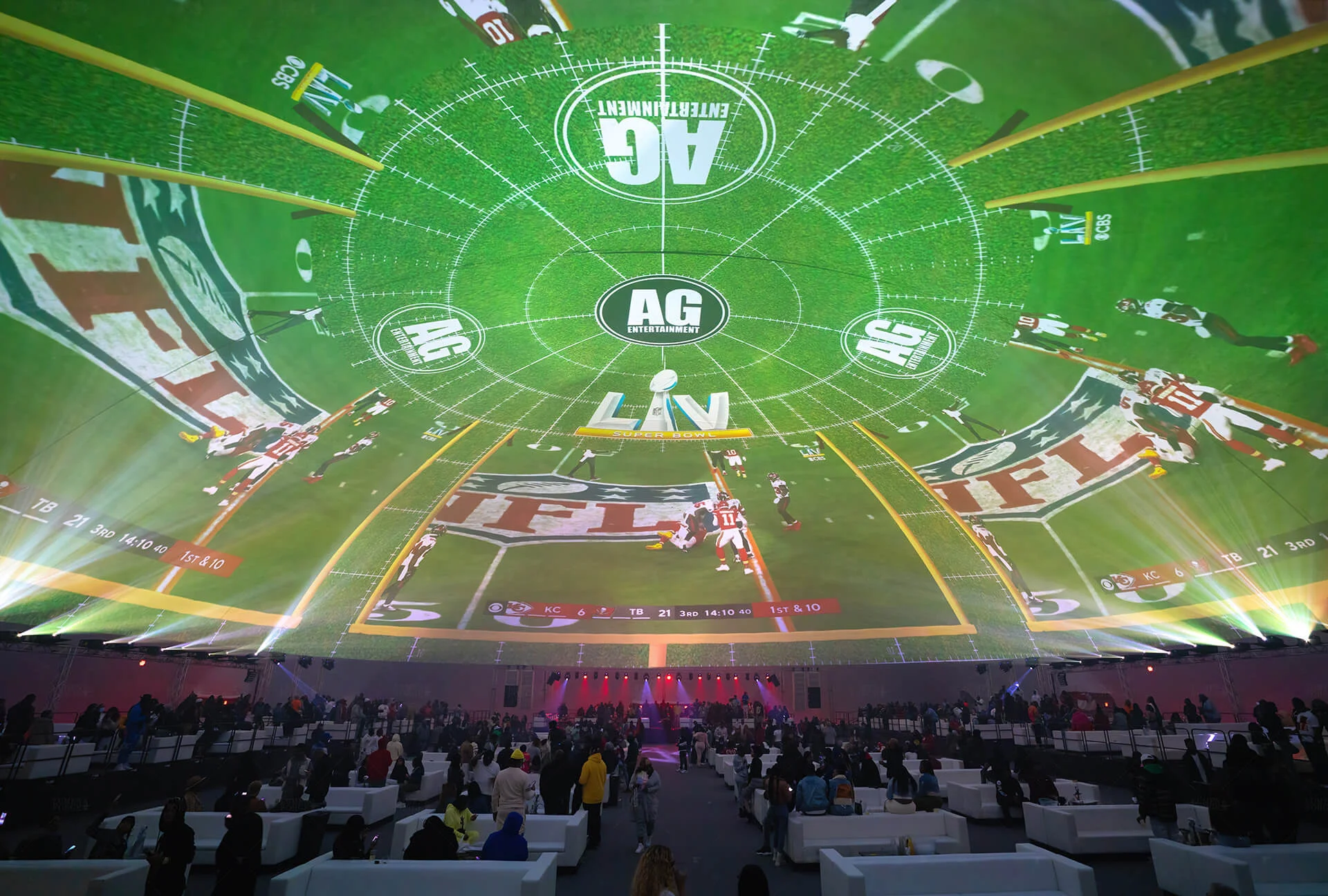
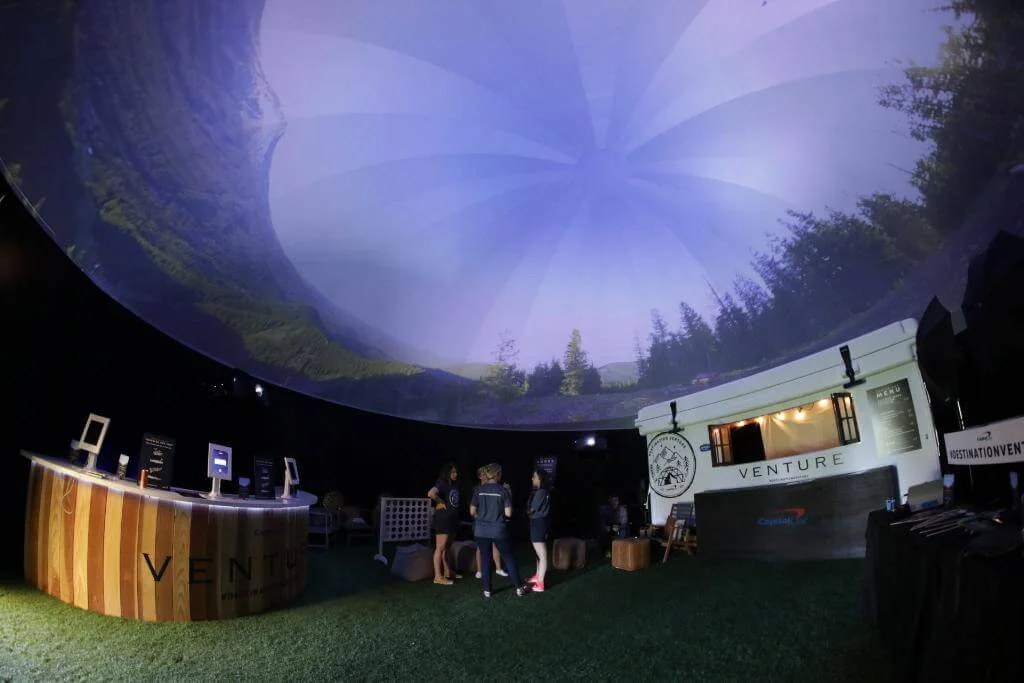
Dome Projection
Why Delaware Is a Natural Fit for Projection Mapping
Delaware audiences are not easily impressed by scale alone. The state packs financial services and banking, corporate and legal services, chemicals and life sciences, motorsports and gaming, beach tourism and healthcare into a small footprint, and the people who fill its venues bring the expectations of those industries with them. A room at the Chase Center on the Riverfront or The Playhouse on Rodney Square is likely to hold decision makers who have sat through a hundred polished presentations. They notice craft. They notice whether the visuals connect to the story being told. A brand activation that leans on spectacle without substance reads as noise, and in a market this compact, word travels.
The event calendar raises the bar further. The NASCAR Cup Series weekend at Dover Motor Speedway in May draws a crowd that expects speed, energy and a show that matches the roar of the track. The Delaware State Fair in July brings families who have seen it all and want something new. The Delaware Antiques Show in November and Yuletide at Winterthur from November through January attract audiences with a sharp eye for detail and authenticity. Each of these crowds wants something different, and a single flashy loop projected on a wall will not satisfy any of them. Projection mapping works here because it can be tuned: architectural surfaces at the Delaware Art Museum or Nemours Estate call for restraint and precision, while the grandstand at the Delaware State Fairgrounds in Harrington can carry bold, high-energy content built for distance.
Consider what the state's industries ask of a brand experience. Financial services and legal audiences want to see command of a message, not just a light show. Life sciences and healthcare groups respond to clarity and accuracy. Motorsports and gaming crowds reward interactivity and competition. Beach tourism and hospitality operators think in seasons and repeat visits, which means an installation has to hold up night after night. Projection mapping meets those demands when it is designed around the venue and the audience rather than dropped in as a template.
The practical side matters too. In Wilmington, event permits are reviewed by the City's Office of Cultural Affairs, and applications must be submitted 45 days before the event date. That window rewards planning and punishes improvisation, and it is a useful filter: brands that treat projection as a last-minute decoration rarely clear it well. Delaware rewards the brands that arrive with a clear story, a design built for the specific building and crowd, and the patience to secure the approvals in time. Spectacle gets attention. Substance is what this audience remembers.
Lumen and Forge: Big-Stage Visuals for the First State
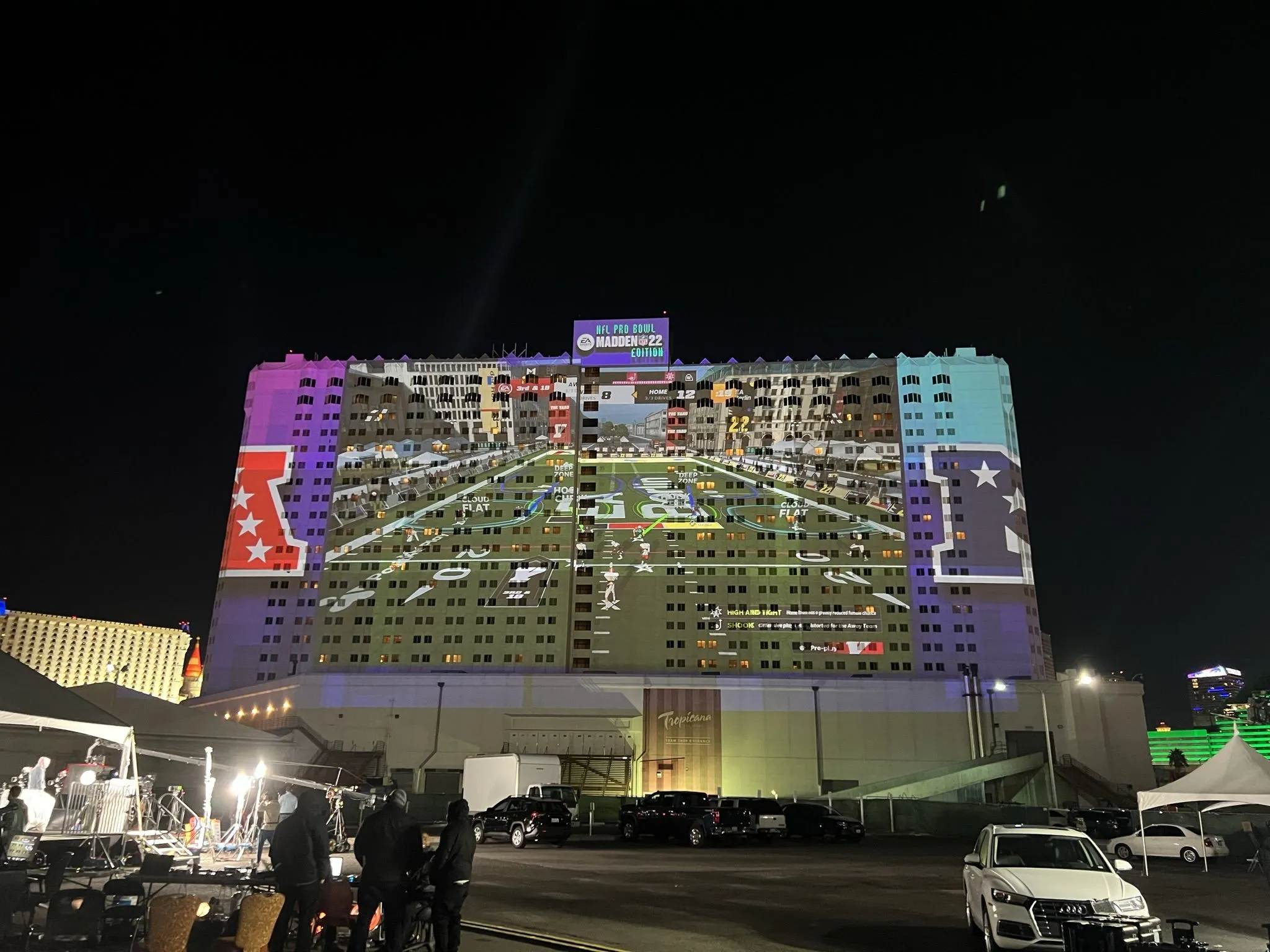
Over 15 years of producing large-scale projection mapping and immersive experiences for globally recognized brands gives Lumen and Forge the operational depth Delaware productions require. Our portfolio includes building projections for Nike and Air Jordan at NBA All-Star Weekend, large-scale convention experiences for Toyota, McLaren, and Mastercard, a world record video game screen at the Tropicana, and the Beneath the Blue 360-degree dome for National Geographic. Our team is comfortable working alongside experienced production crews and holding a technical standard in front of an audience that knows the difference, which is exactly what Delaware requires.
Who We Work With in Delaware
Projection mapping in Delaware tends to attract organizations that have a physical place to activate and a reason to draw a crowd to it. These are the industries and client types that most often bring us in.
- Financial services and banking. Banks and financial firms with Delaware operations hire us for annual meetings, client receptions and community-facing events where a mapped wall or a room-scale environment can carry a brand story better than a stage backdrop. The work has to feel as polished as the institution it represents, and it has to run on a schedule that leaves no room for a glitch.
- Corporate and legal services. Law firms and corporate teams book projection mapping for partner dinners, recruiting events and milestone celebrations, often in venues such as The Grand Opera House or The Playhouse on Rodney Square, or in a hotel ballroom. Content can be built around an anniversary, a practice area or a theme for the evening, then packed away without a trace.
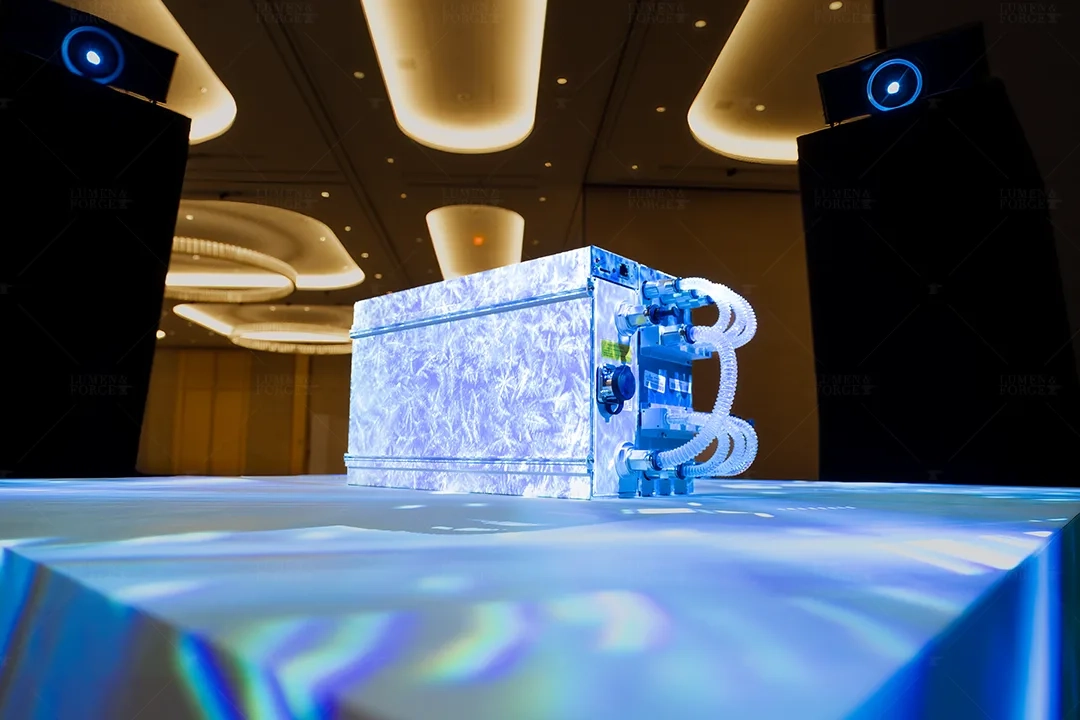
- Chemicals and life sciences. Companies in this sector use immersive installations for product launches, campus events and conferences, where a mapped object or an interactive display can make a technical story tangible for employees, partners and press.
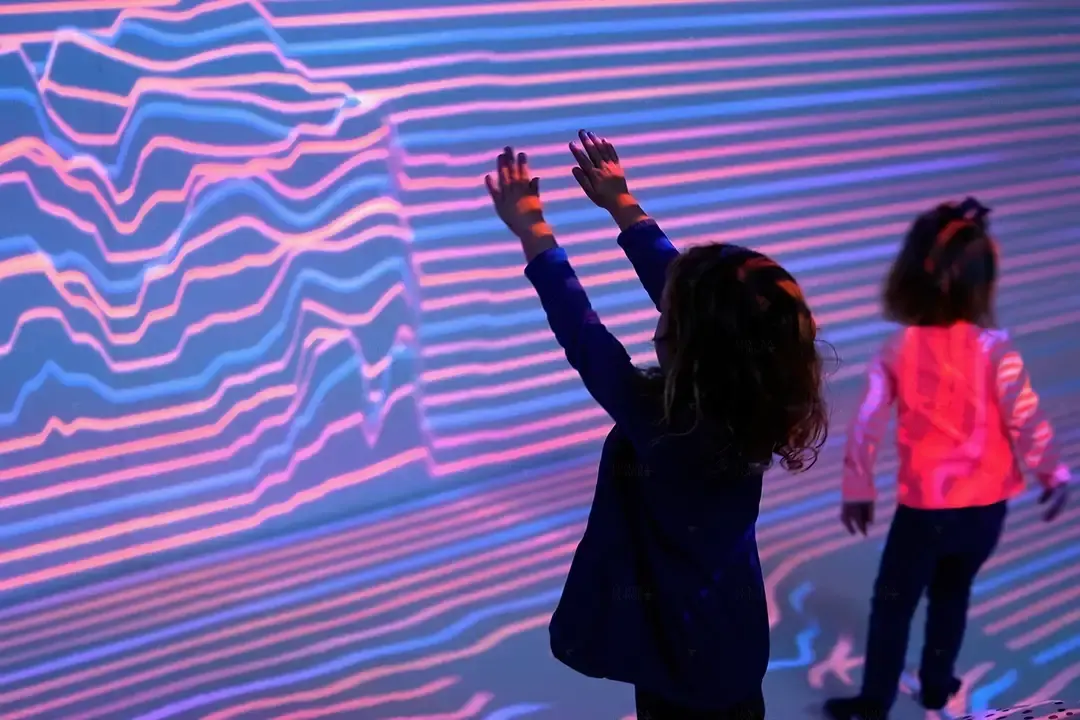
- Motorsports and gaming. The NASCAR Cup Series weekend at Dover Motor Speedway in May and Gift of Lights at the same track from Thanksgiving through New Year's give this audience a natural stage. Teams, sponsors and event producers look for building projection and object mapping that hold up in front of a grandstand crowd and read clearly on camera.
- Beach tourism and hospitality. Resorts, hotels and destination marketers hire us for seasonal openings, guest experiences and off-season events that give visitors a reason to stay another night.
- Healthcare. Hospitals and health systems use projection mapping for fundraising galas, awareness campaigns and staff events, where a mapped environment can honor donors and tell patient stories with care.
Ready to Light Up the Riverfront?
From the Riverfront to the fairgrounds, Delaware audiences expect production value that matches the occasion. Whether you are activating at Chase Center on the Riverfront, planning a suite event around the NASCAR Cup Series weekend at Dover Motor Speedway, or lighting up a July evening at the Delaware State Fair, the work has to hold up in front of a crowd that has seen plenty. Lumen and Forge brings more than 15 years of projection mapping and immersive experience work for brands such as Nike and Air Jordan, Toyota, McLaren and Mastercard to every Delaware venue, from The Grand Opera House to Nemours Estate.
Tell us what you are planning and where. We will help you find the right format and get it built.
Frequently Asked Questions: Projection Mapping in Delaware
Standard projection displays a flat image on a flat screen or white wall. Projection mapping uses specialized software to warp, align, and calibrate video content so it fits precisely onto any three-dimensional surface, whether that is a building exterior, a custom sculpture, a vehicle, or an entire room. The software accounts for every edge, angle, and curve, so the content appears to belong to the object itself rather than simply being cast onto it. In a city full of working production professionals, that level of precision is what separates a real installation from a lighting effect.
Yes. Outdoor projection mapping works well in Delaware with the right seasonal planning. Summer offers late sunsets, so start times after dark matter for the Delaware State Fair and NASCAR Cup Series weekend at Dover Motor Speedway in May. Fall and winter bring earlier darkness, ideal for Yuletide at Winterthur and Gift of Lights at Dover Motor Speedway. Ambient light from parking lots, midway lighting and grandstand fixtures shapes contrast, so Lumen and Forge scouts each site and specifies projection hardware around local conditions before install.
The Chase Center on the Riverfront offers expansive interior surfaces for building projection, while Dover Motor Speedway suits large-scale object mapping across its NASCAR Cup Series weekend in May. The Grand Opera House and The Playhouse on Rodney Square bring immersive projection to historic theater settings. For outdoor and garden environments, Winterthur Museum, Garden & Library, Hagley Museum and Library, Nemours Estate, and the Delaware Art Museum all provide distinctive canvases.
The strongest fits on the Delaware calendar are the NASCAR Cup Series weekend at Dover Motor Speedway in May, the Delaware State Fair in July, the Delaware Antiques Show in November, Yuletide at Winterthur from November into January, and Gift of Lights at Dover Motor Speedway from Thanksgiving through New Year's. Each draws large, photo-ready crowds, giving projection mapping a natural stage for sponsor activations and after-dark storytelling.
Yes. Lumen and Forge coordinates permits, power, rigging and site logistics directly with the venue, so your team is not chasing approvals while the show is being built. In Wilmington, event permits are reviewed by the City's Office of Cultural Affairs, and all permit applications must be submitted 45 days before the event date. We build that timeline into planning from the start, whether the installation is at the Chase Center on the Riverfront, The Grand Opera House or a museum campus.
The cost of projection mapping in Delaware depends on the scale of the surface, the complexity of the content, the length of the event, and the equipment and crew required. A single-object installation at a corporate event in financial services or legal services is priced differently than a building projection at the Chase Center on the Riverfront or a room-scale environment at the Delaware Art Museum. Multi-night runs such as Yuletide at Winterthur or Gift of Lights at Dover Motor Speedway add equipment and staffing considerations. Lumen and Forge scopes each project around those variables and provides a proposal based on the specific venue and program.
Lead time depends on the scale of the project. Custom content, a site survey, equipment and crew scheduling, and permitting all take time, and large building projections and outdoor events need the longest runway. In Wilmington, event permits are reviewed by the City's Office of Cultural Affairs, and applications must be submitted 45 days before the event date, so permitting belongs in the timeline from the start. Get in touch as soon as the venue and date are known so we can scope the work.
The difference is the surface. Standard projection mapping wraps 2D imagery onto flat planes like walls and screens. 3D projection mapping accounts for objects with depth, contour and multiple faces, so content is built to wrap corners, edges and dimensional features without distortion. At the Chase Center on the Riverfront in Wilmington, that approach lets a brand treat architectural surfaces as a canvas where perspective and depth shape the story.
In addition to projection mapping, we offer dome projection for fully immersive 360-degree spherical experiences, event and project design for end-to-end production planning, and animation and visual storytelling for original content creation. Many of our Delaware clients combine projection mapping with one or more of these services into a single integrated production. We are a full-service immersive experience company, and the strongest work we build is conceived as a whole from the first conversation.
Do you have more questions?
Didn't find what you were looking for? Our team is happy to walk you through your project and answer anything else