

A Mile Closer to the Sky: Projection Mapping in Denver
Denver has quietly become one of the strongest event and production markets in the country. The city packs an unusual range of venues into a compact footprint: the Colorado Convention Center, Empower Field at Mile High, Ball Arena, Coors Field, the Denver Performing Arts Complex and Denver Union Station downtown, with Red Rocks Amphitheatre just up the road in Morrison and Mission Ballroom, Meow Wolf Denver and the Denver Botanic Gardens rounding out a calendar that rarely goes quiet.
That calendar carries real weight. The National Western Stock Show fills January, the Cherry Creek Arts Festival takes over July 4th weekend, the Great American Beer Festival lands in October, and the Denver Christkindlmarket runs from mid-November through December. Blossoms of Light draws crowds to the Denver Botanic Gardens from late November into early January, while the Red Rocks concert season stretches from spring through fall.
The audiences match the venues. Aerospace and defense, energy and cleantech, outdoor recreation brands, craft beer and beverage, tech and SaaS, and convention and association meetings all gather here, giving projection mapping a broad and year-round stage.
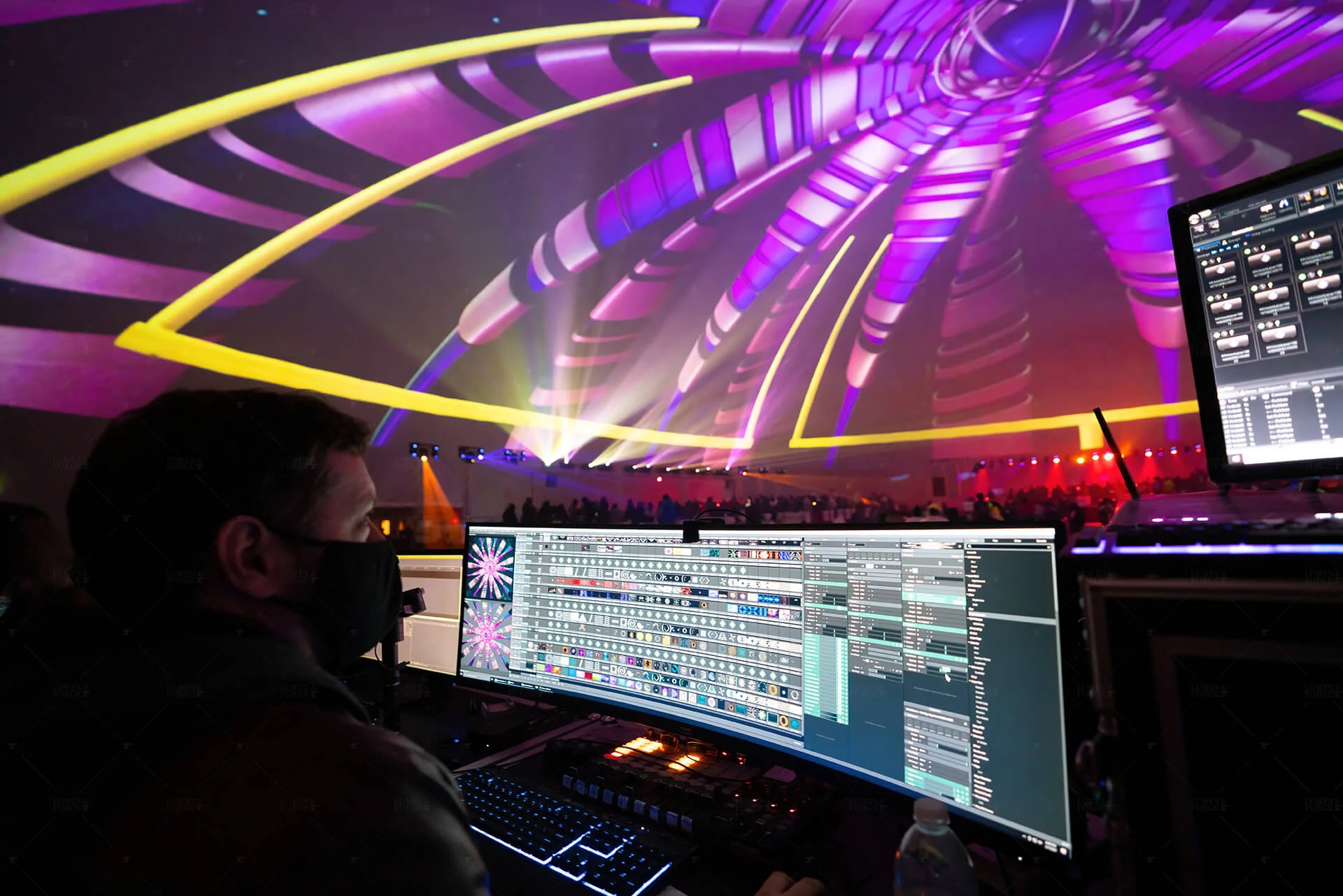
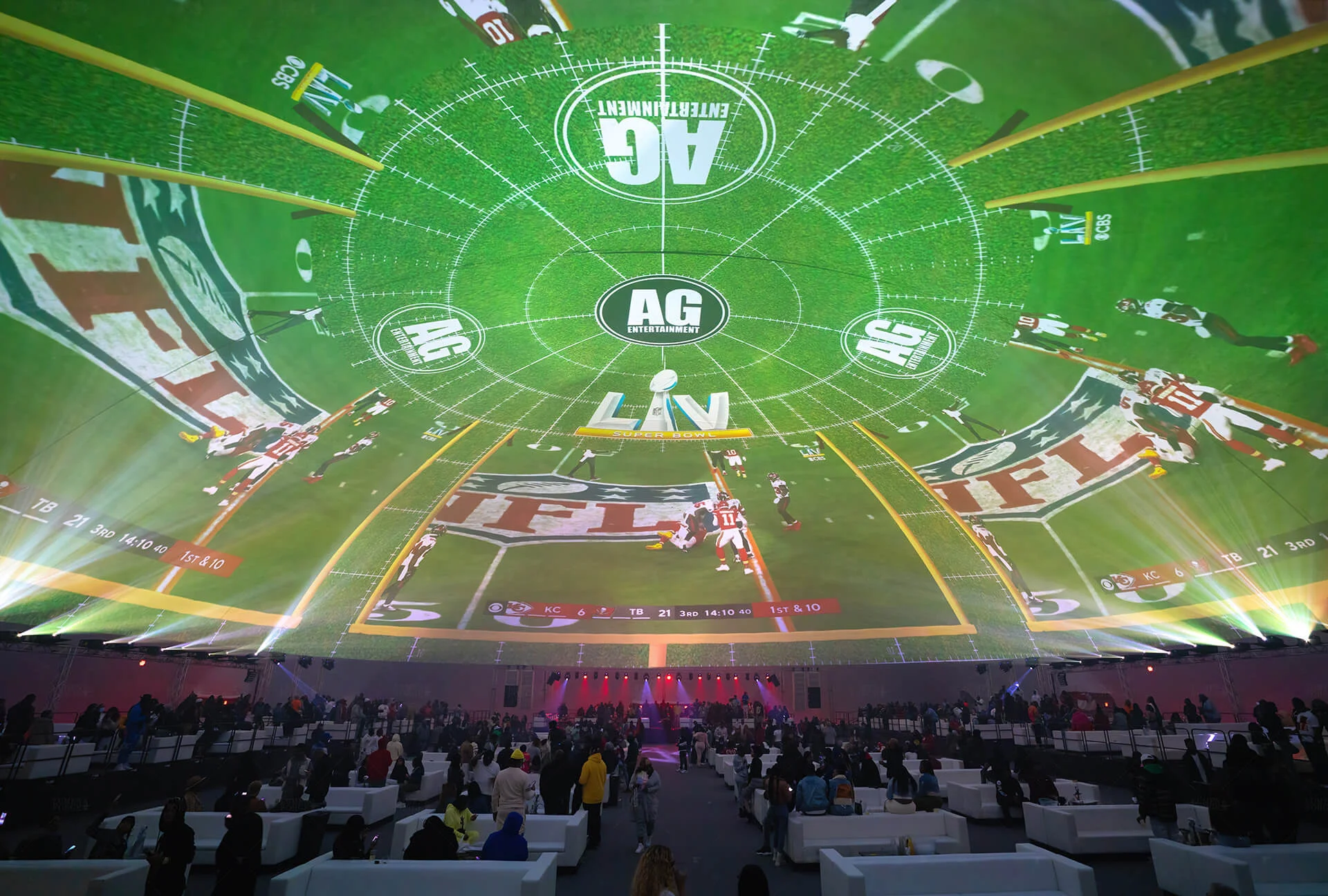
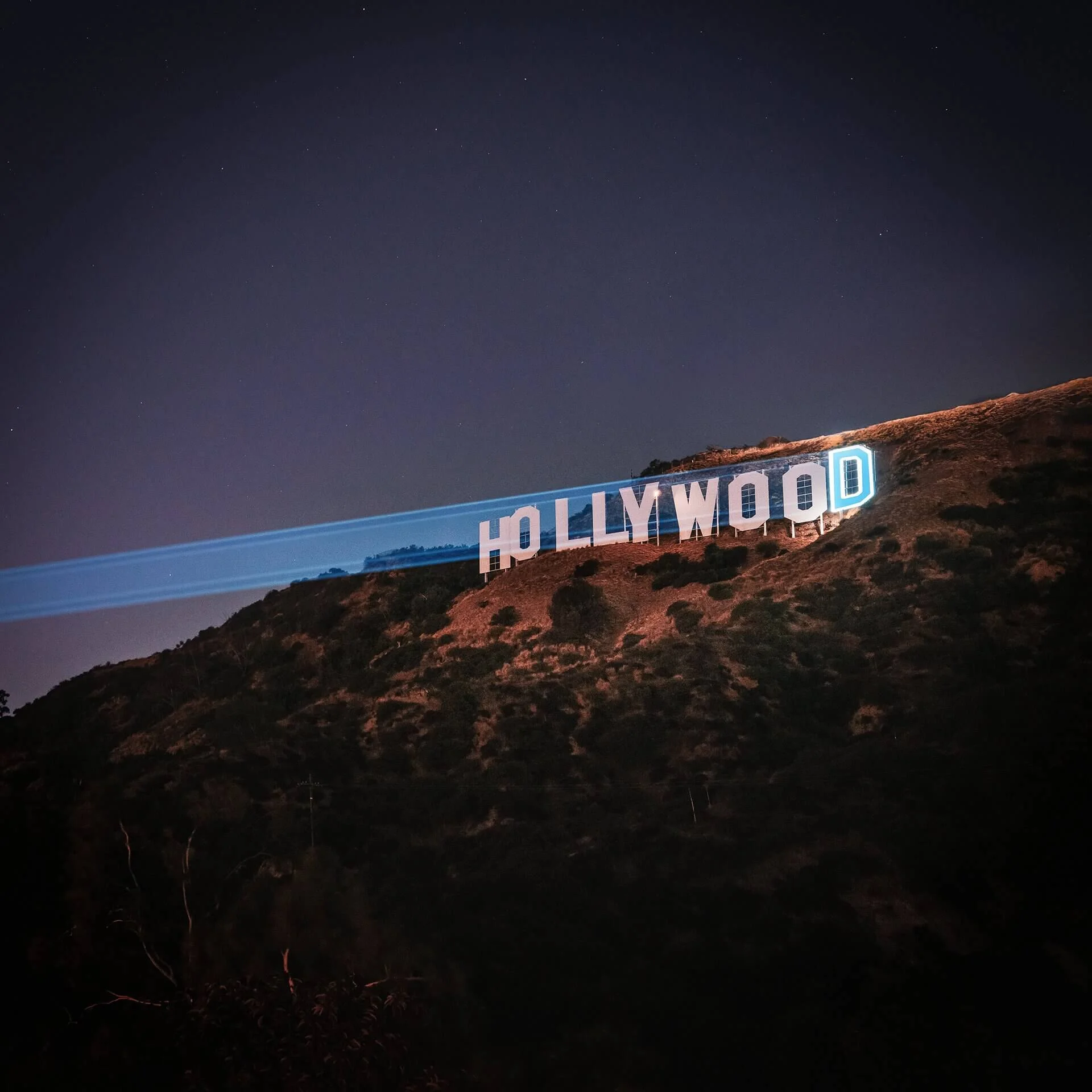
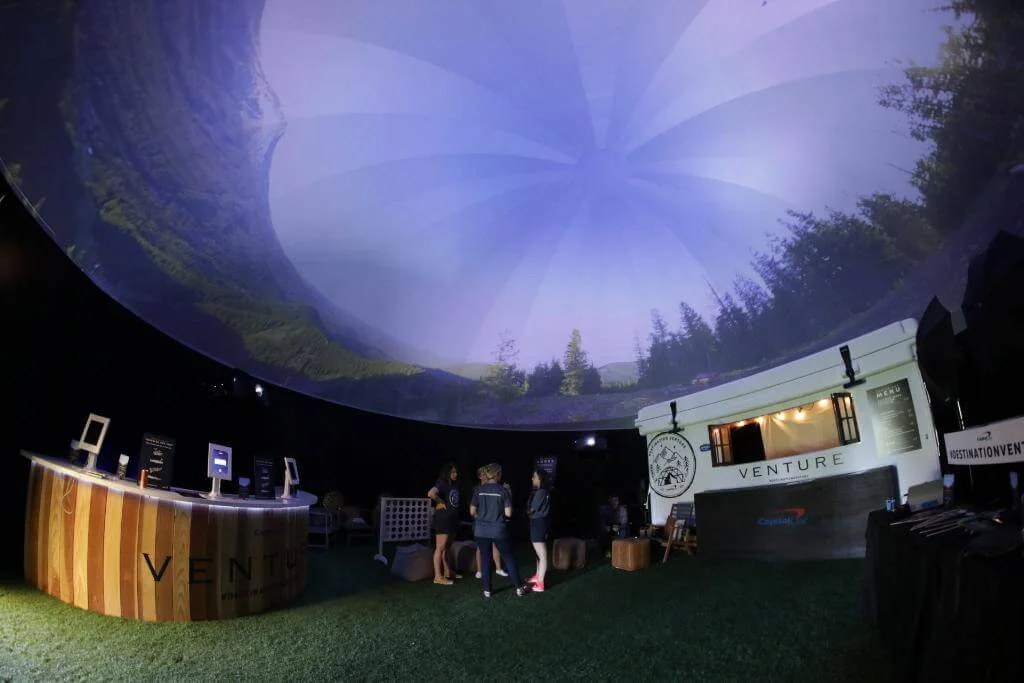
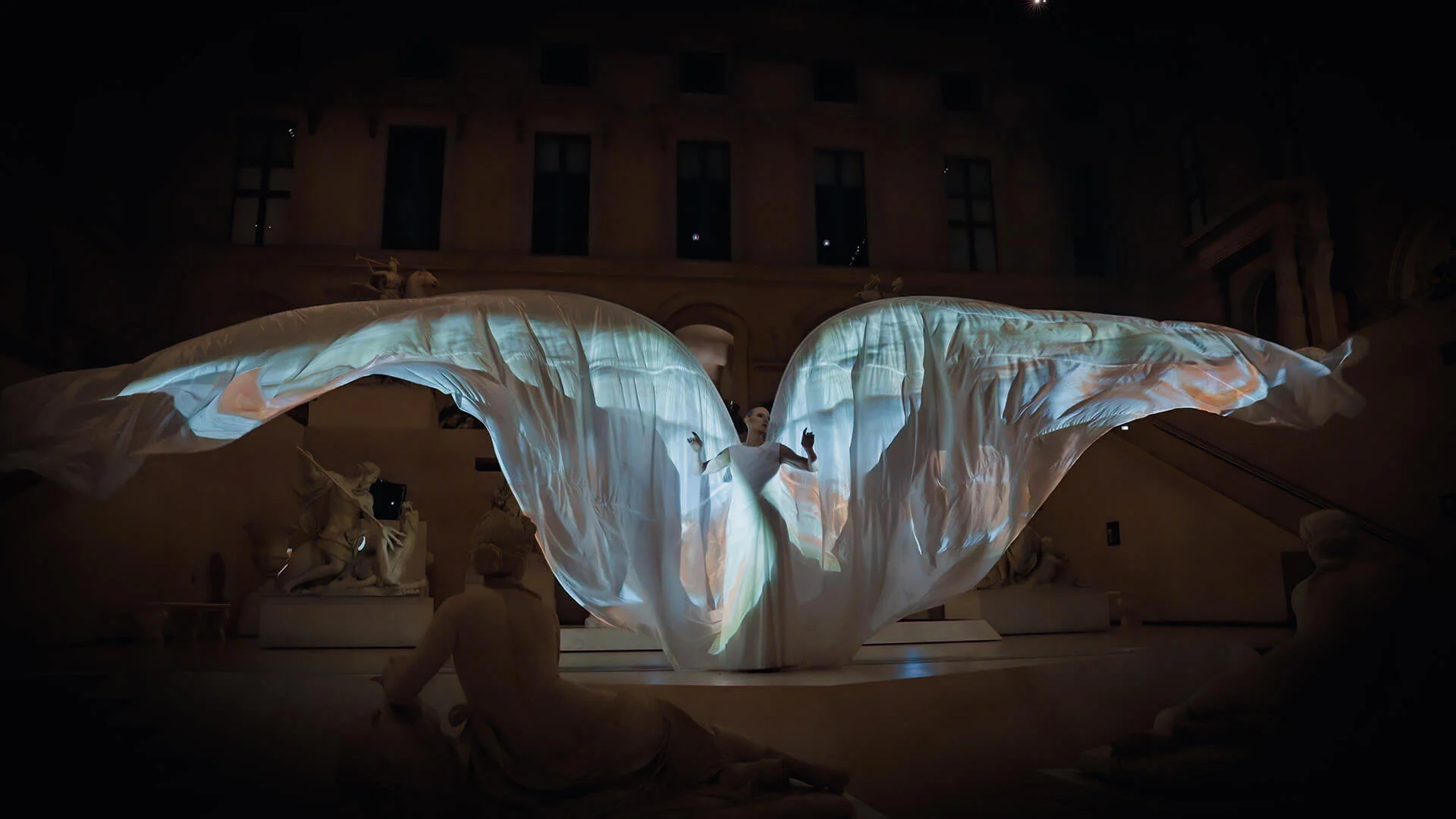
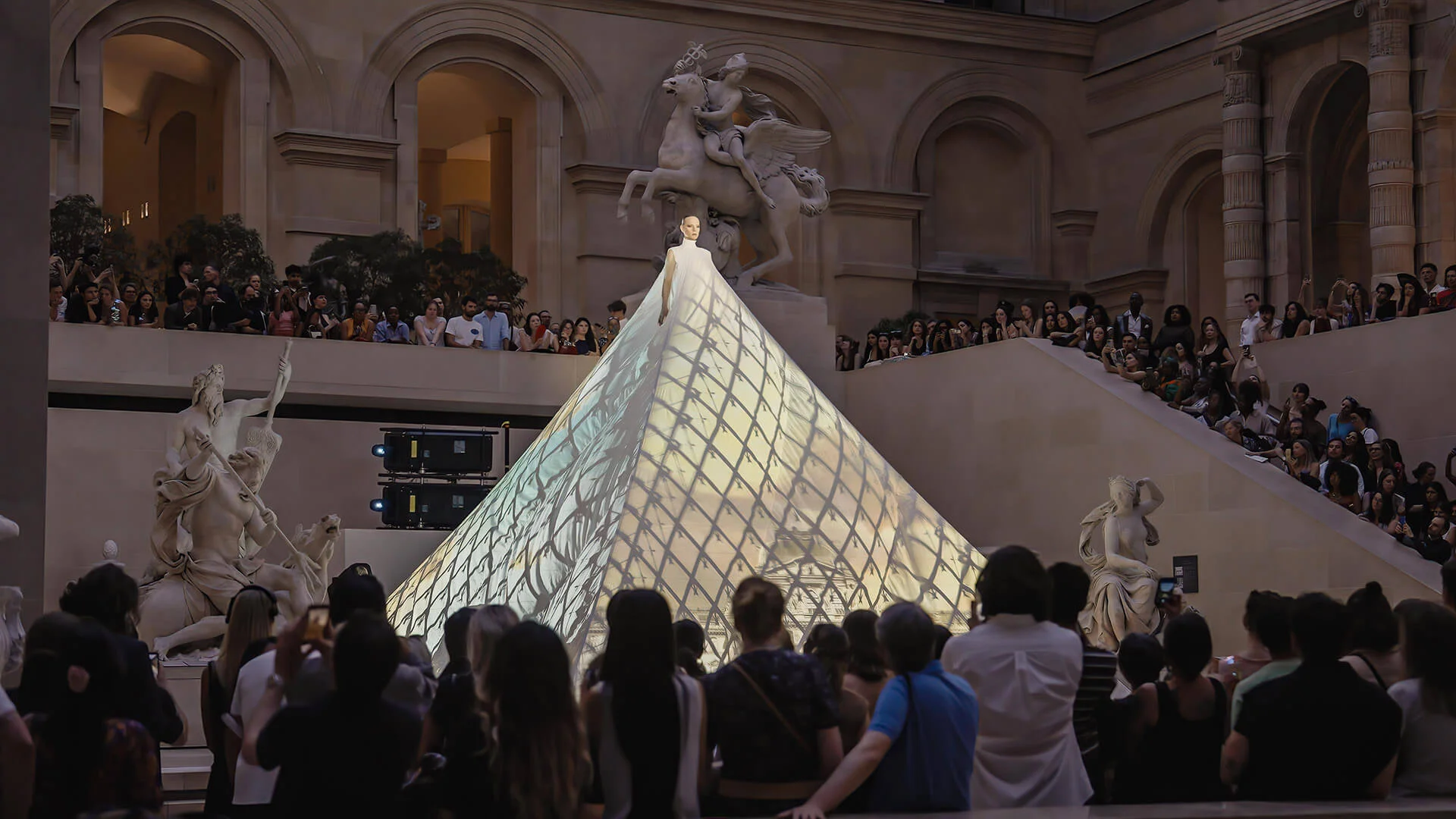
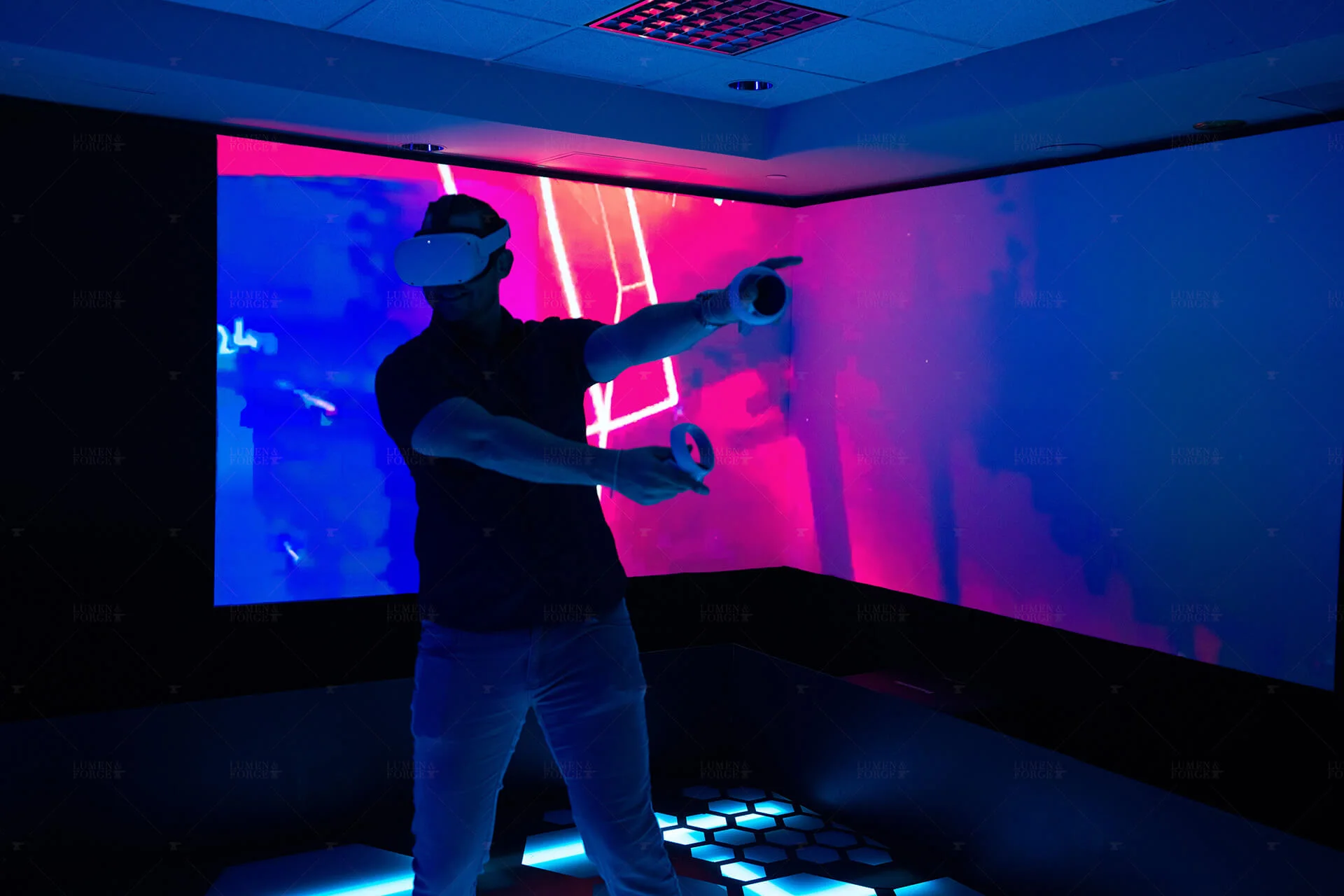
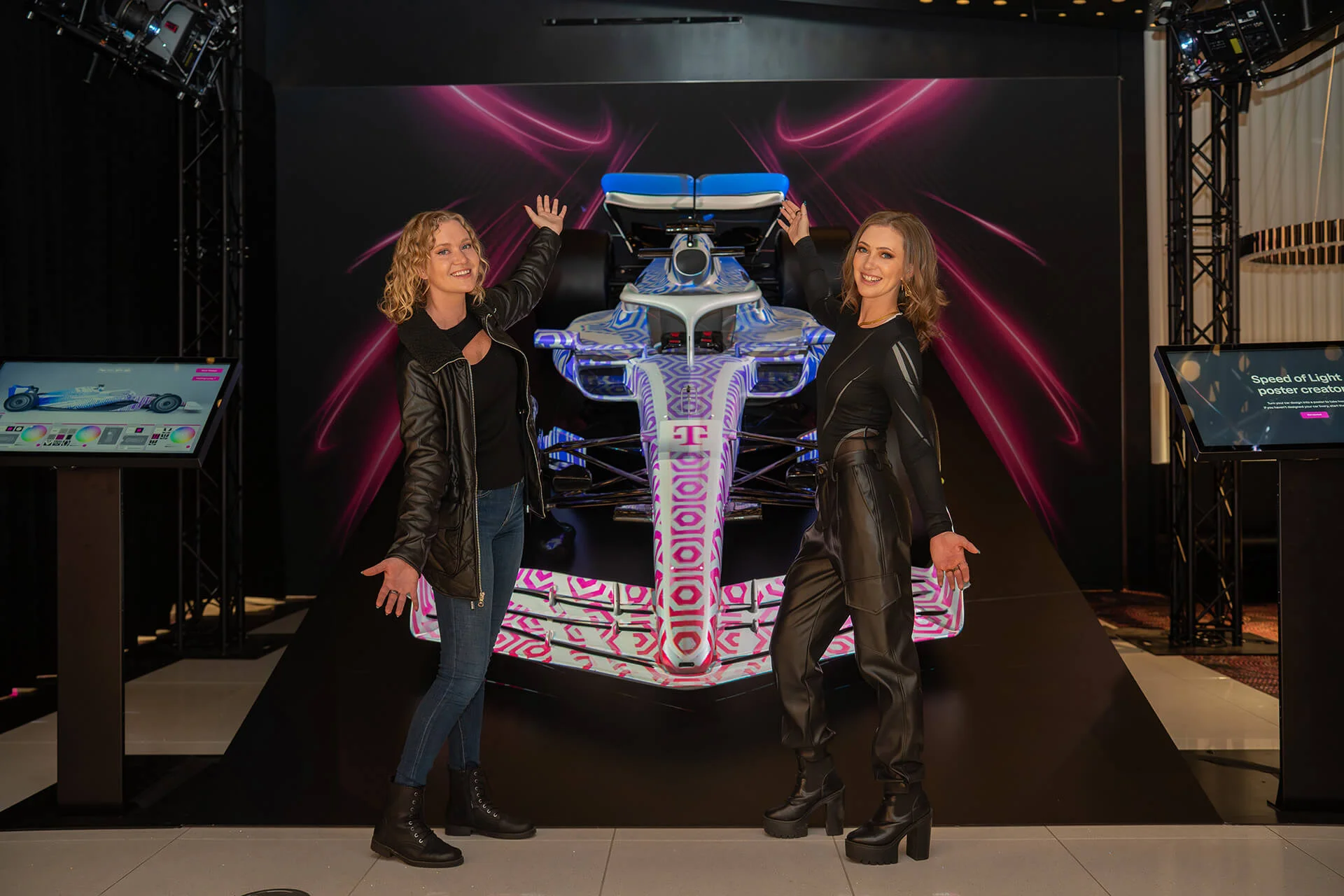
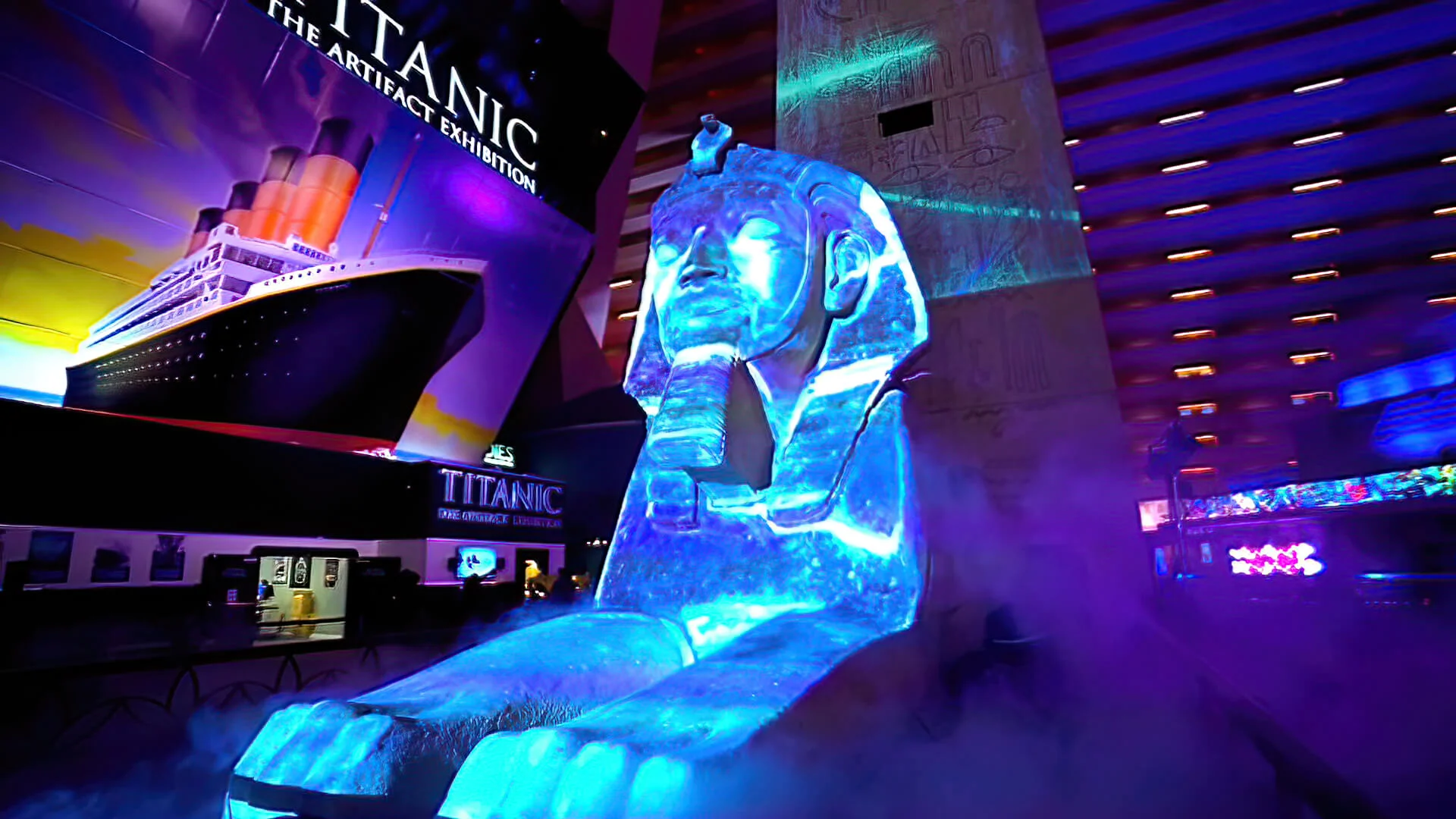
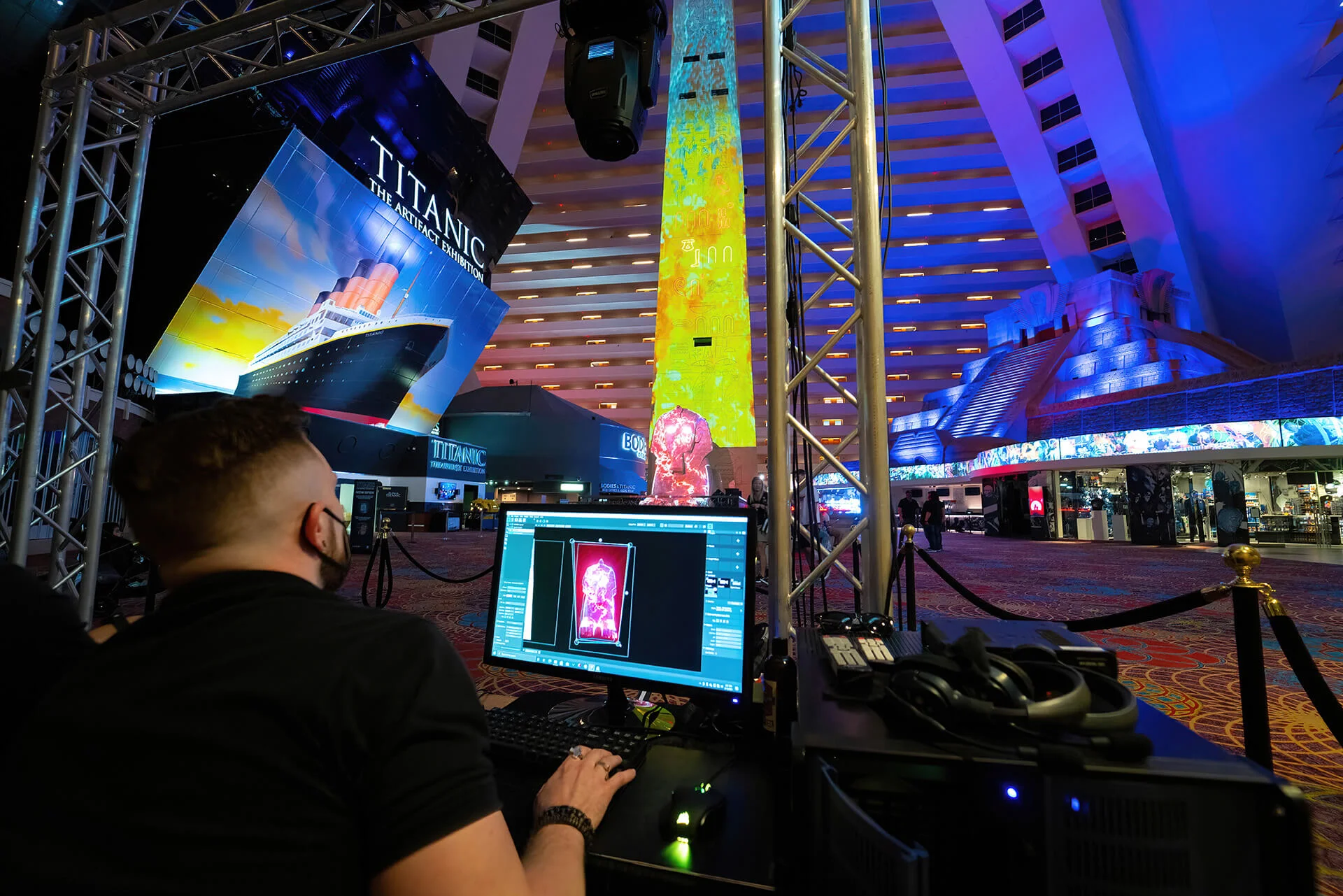
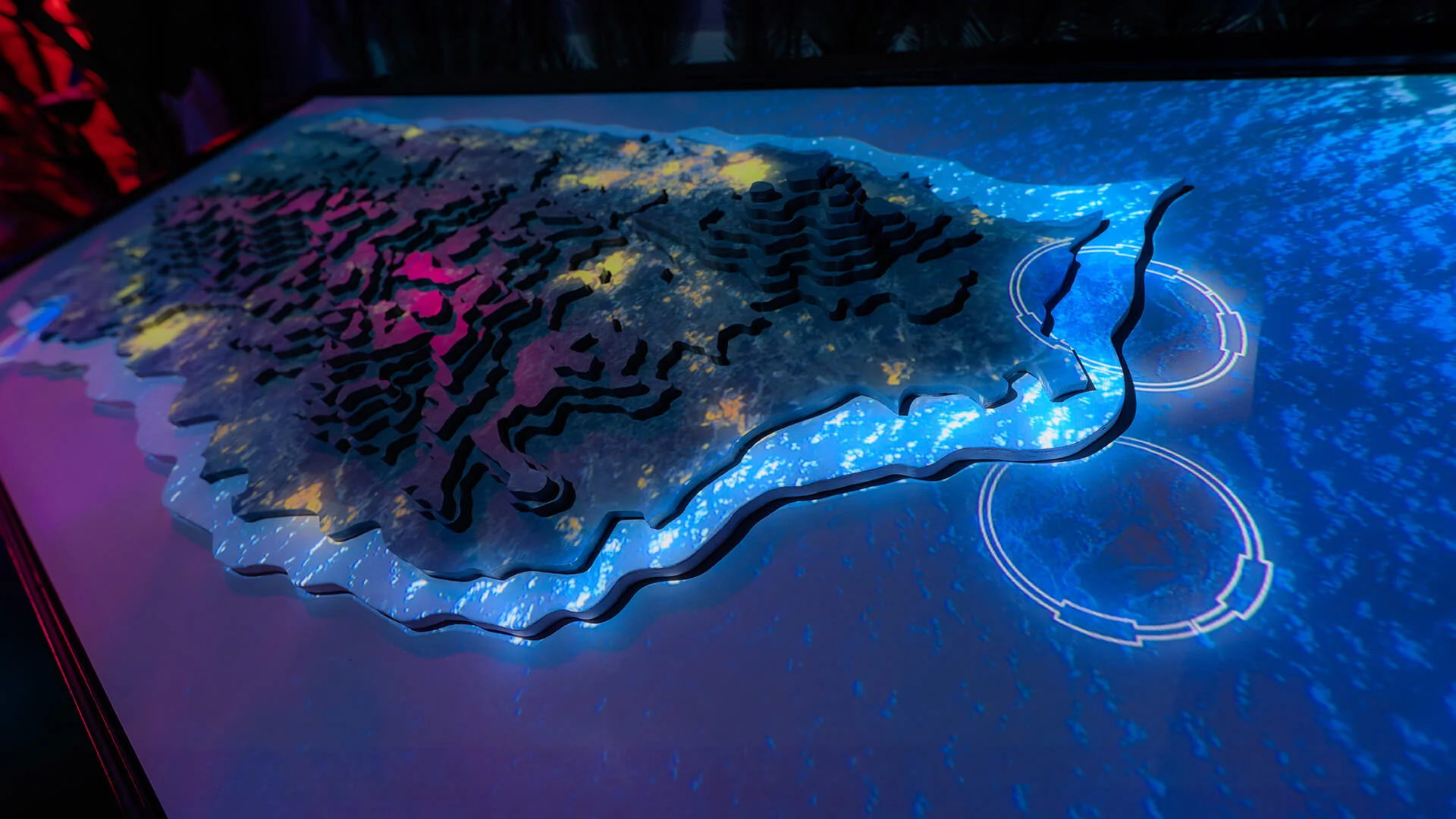
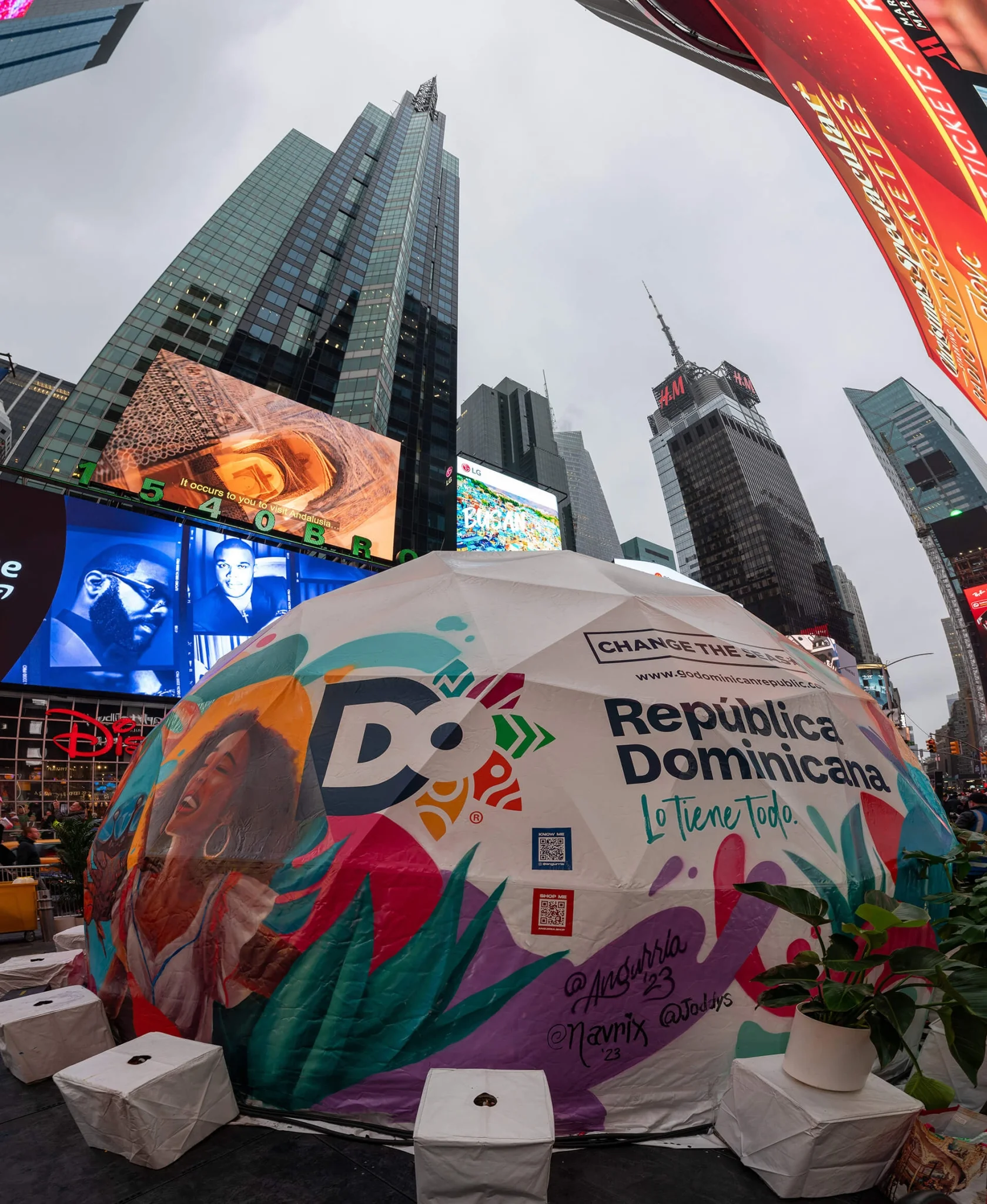
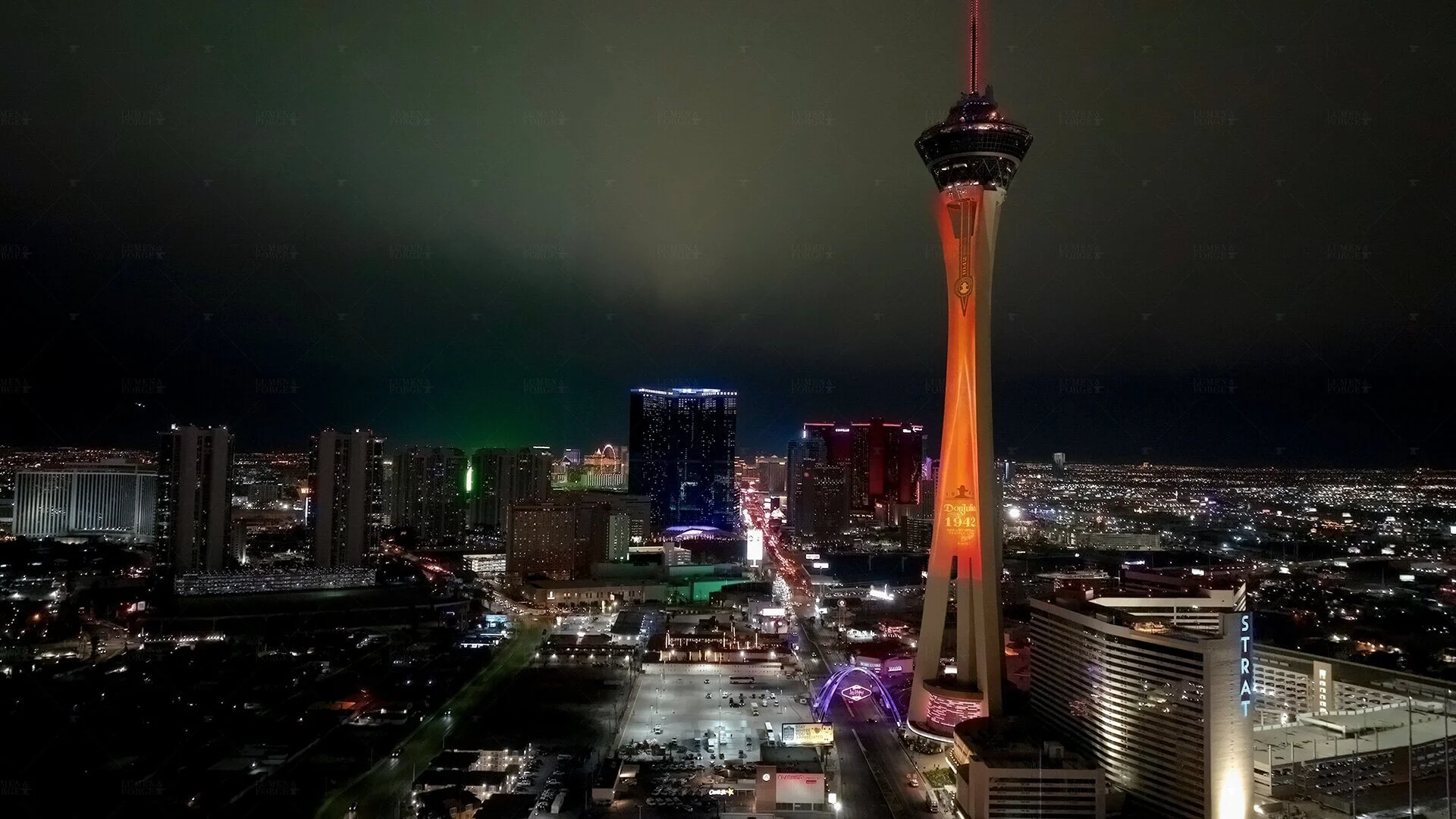
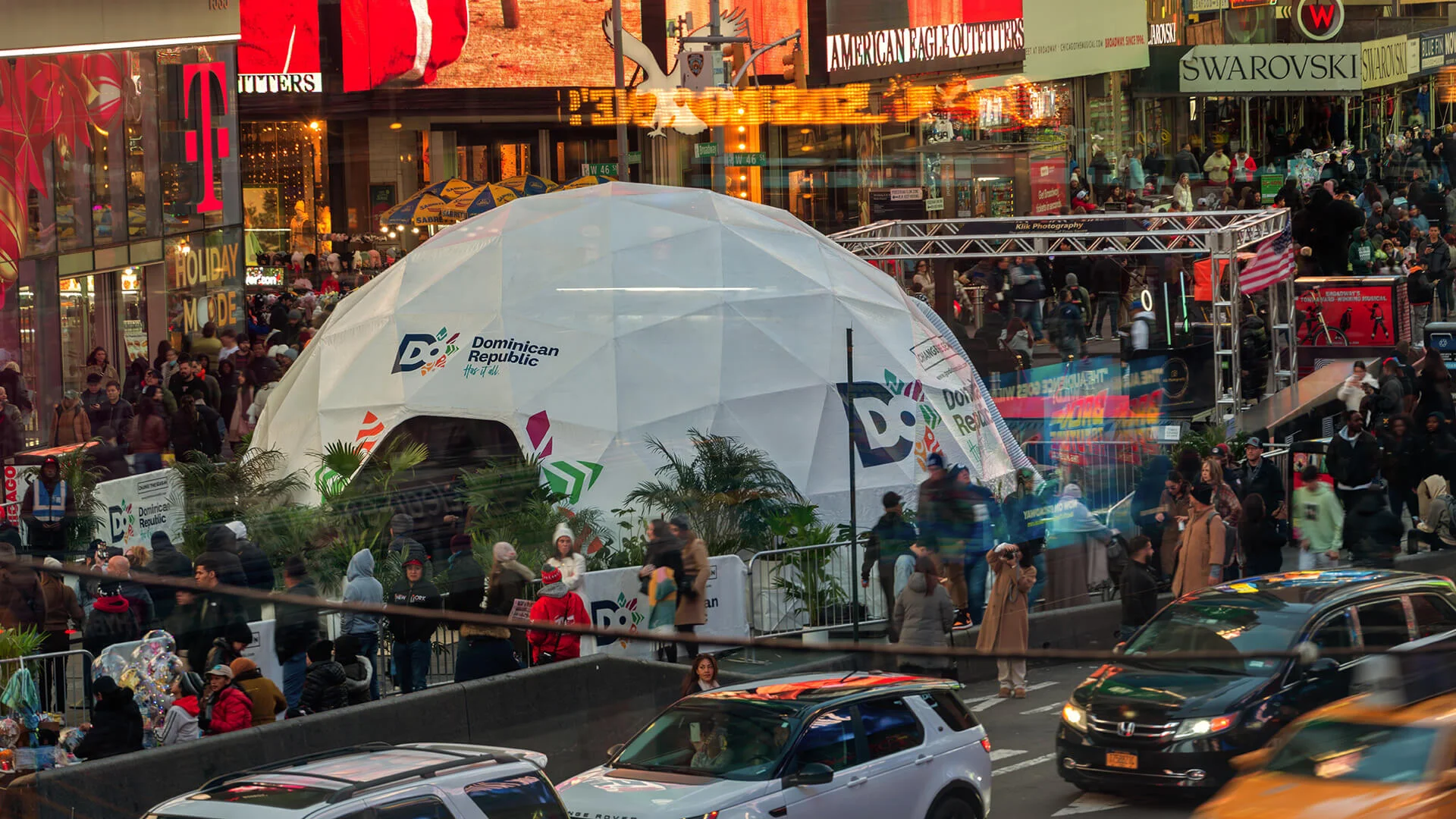
Take A Closer Look
A Deeper Look Into Animation & Visual Story Telling
A Deeper Look Into
Projection Mapping
Projection Mapping: Turning Any Surface Into a Story
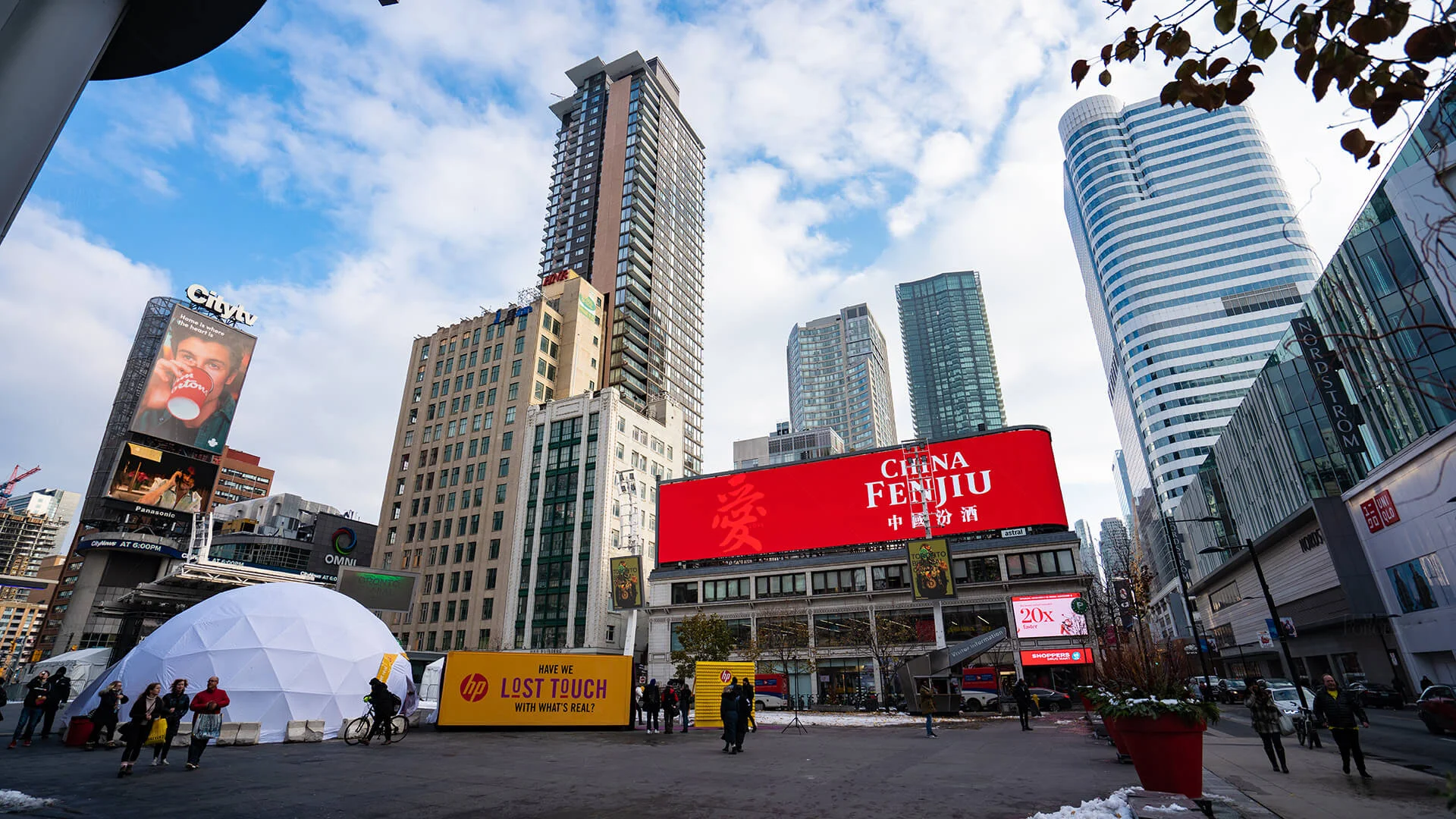
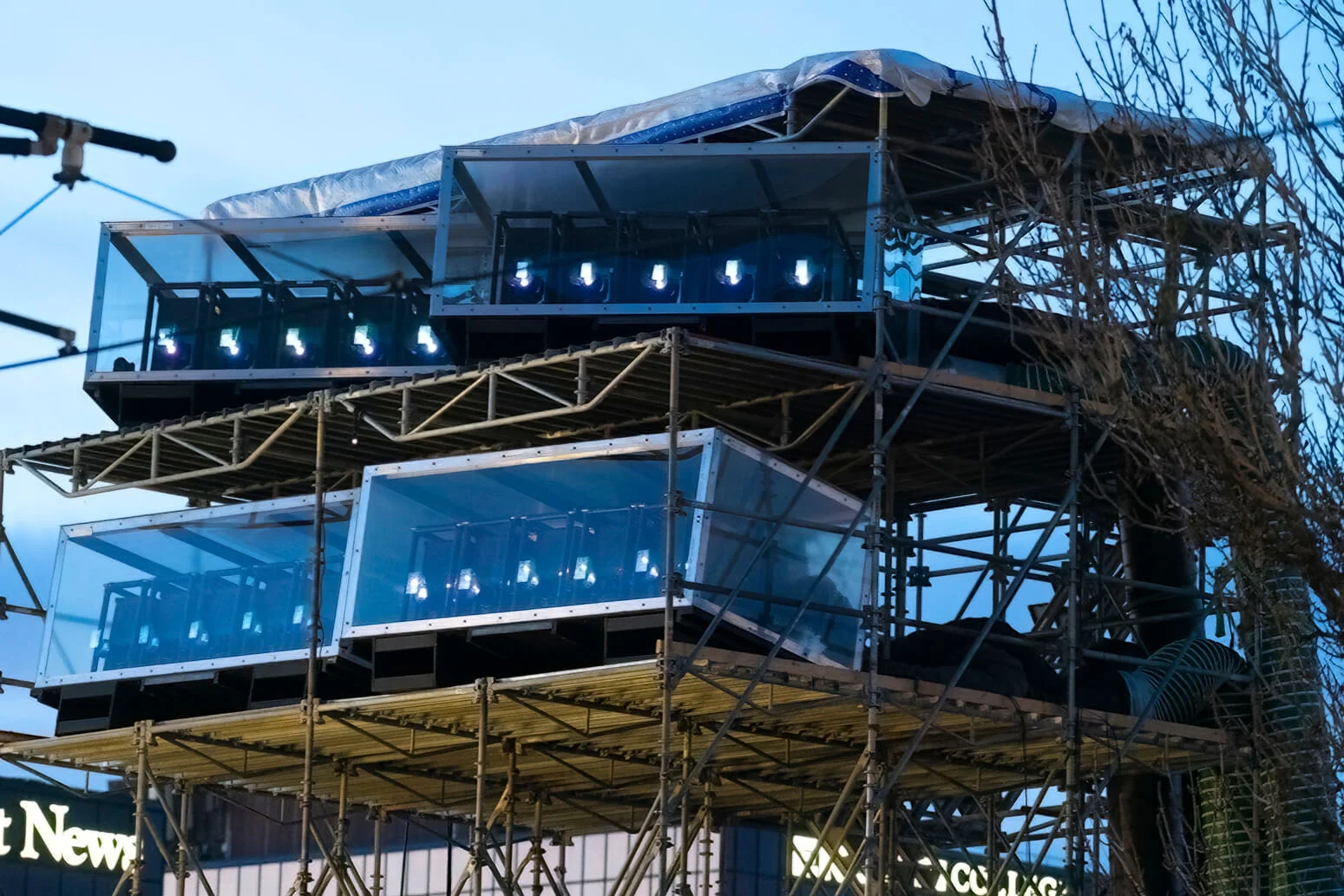
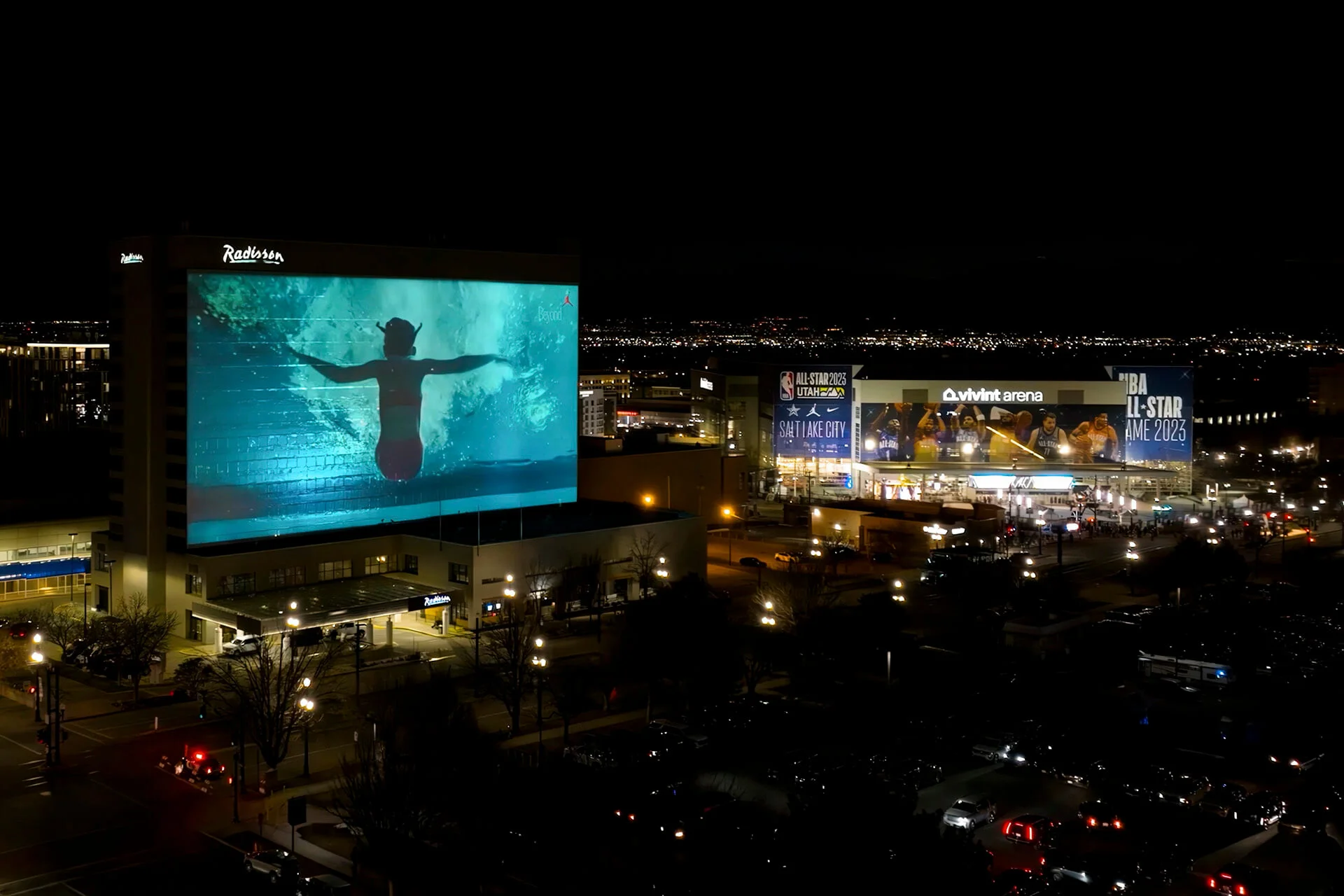
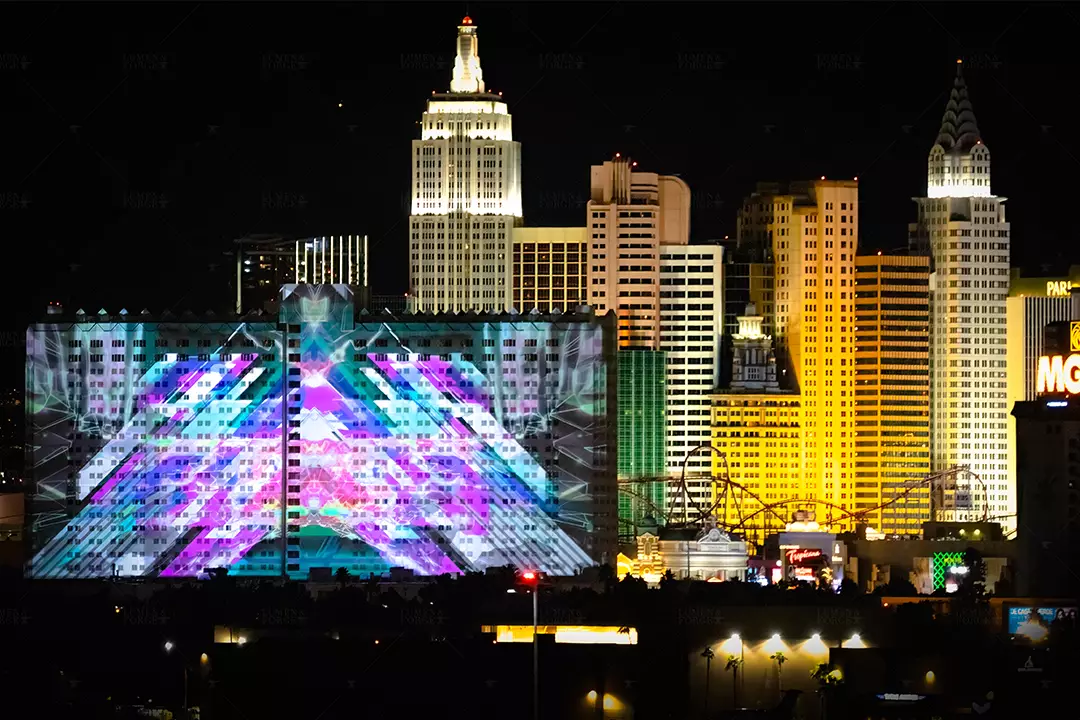
Building and Architectural Projection
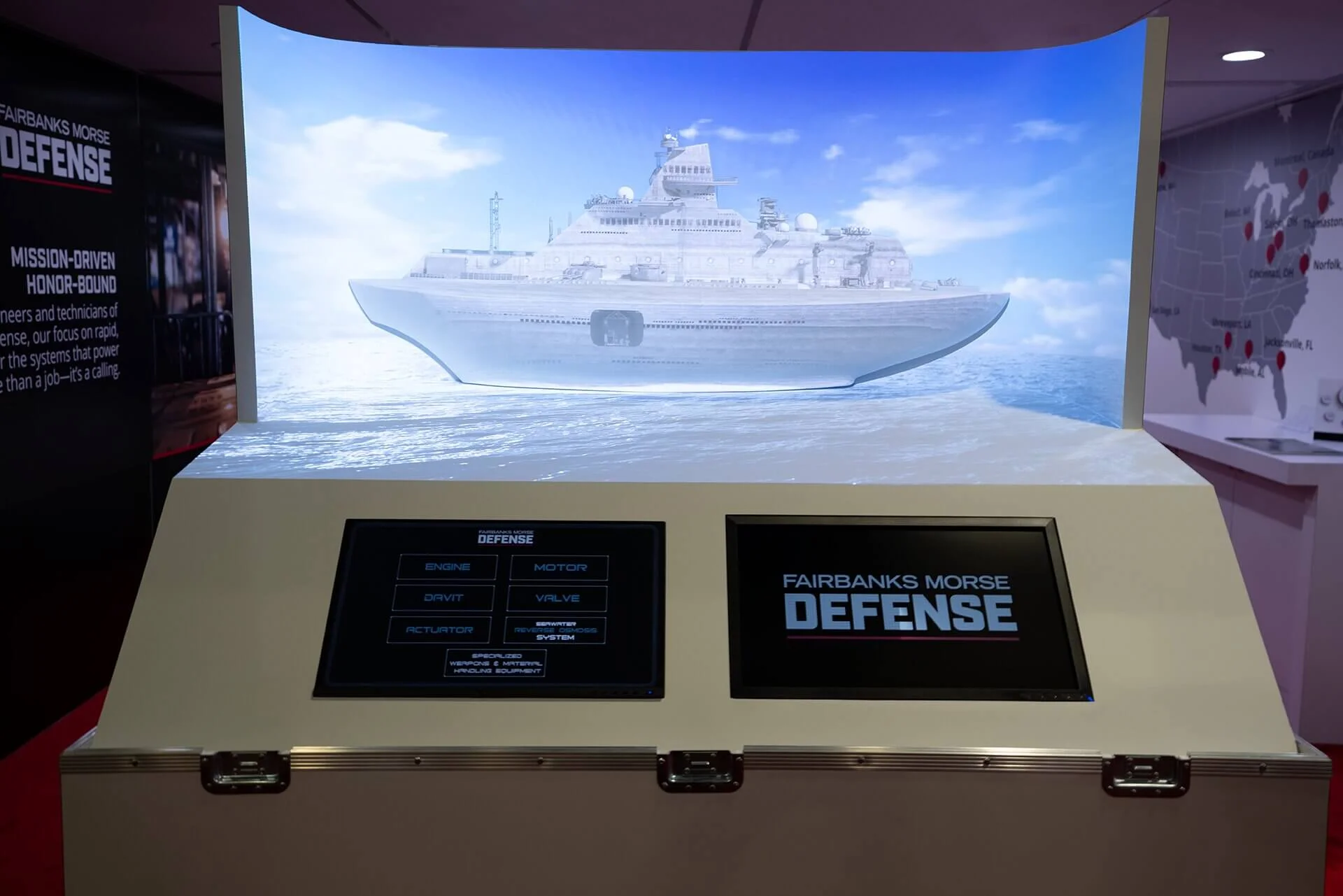
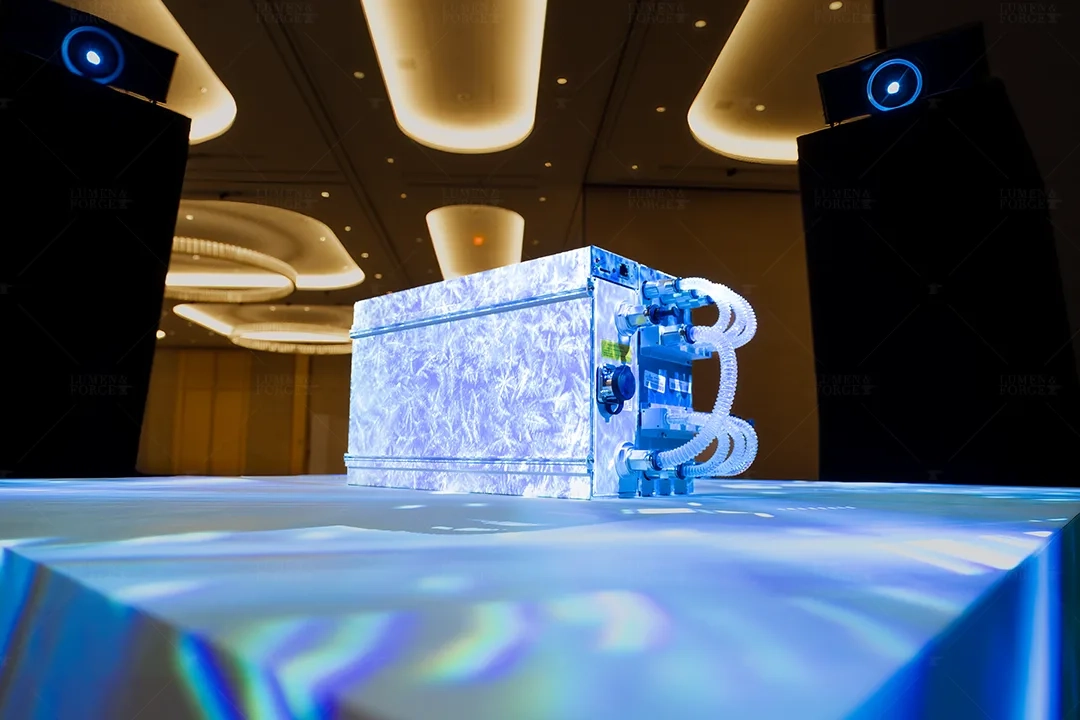
Object and Product Projection Mapping
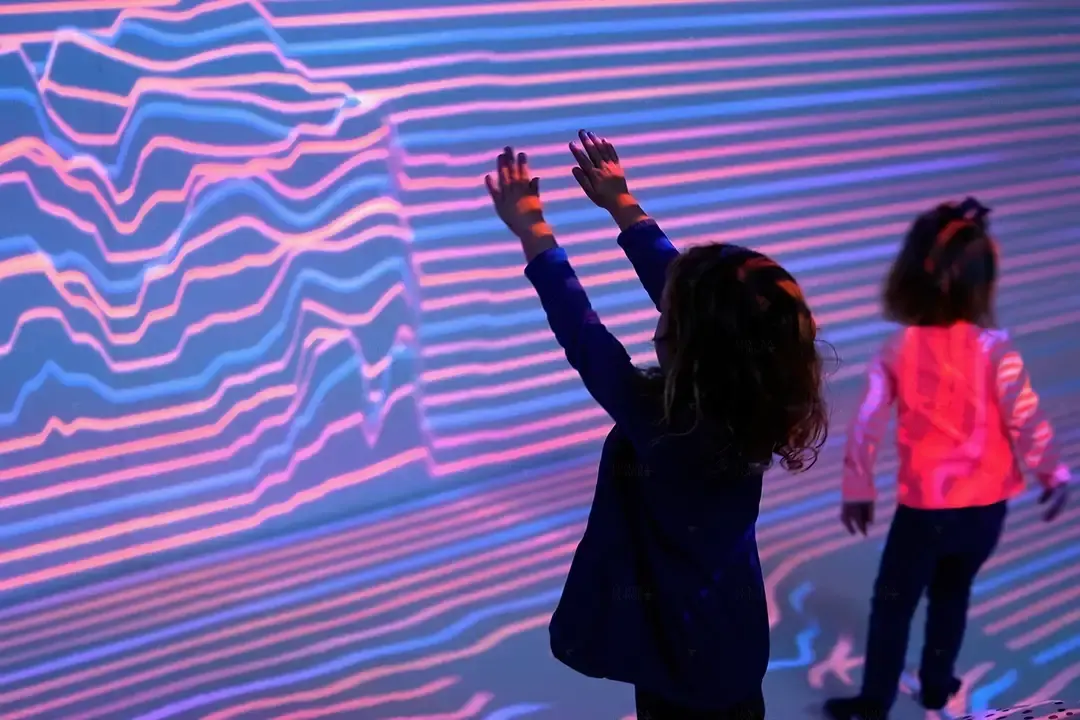
Interactive Projection
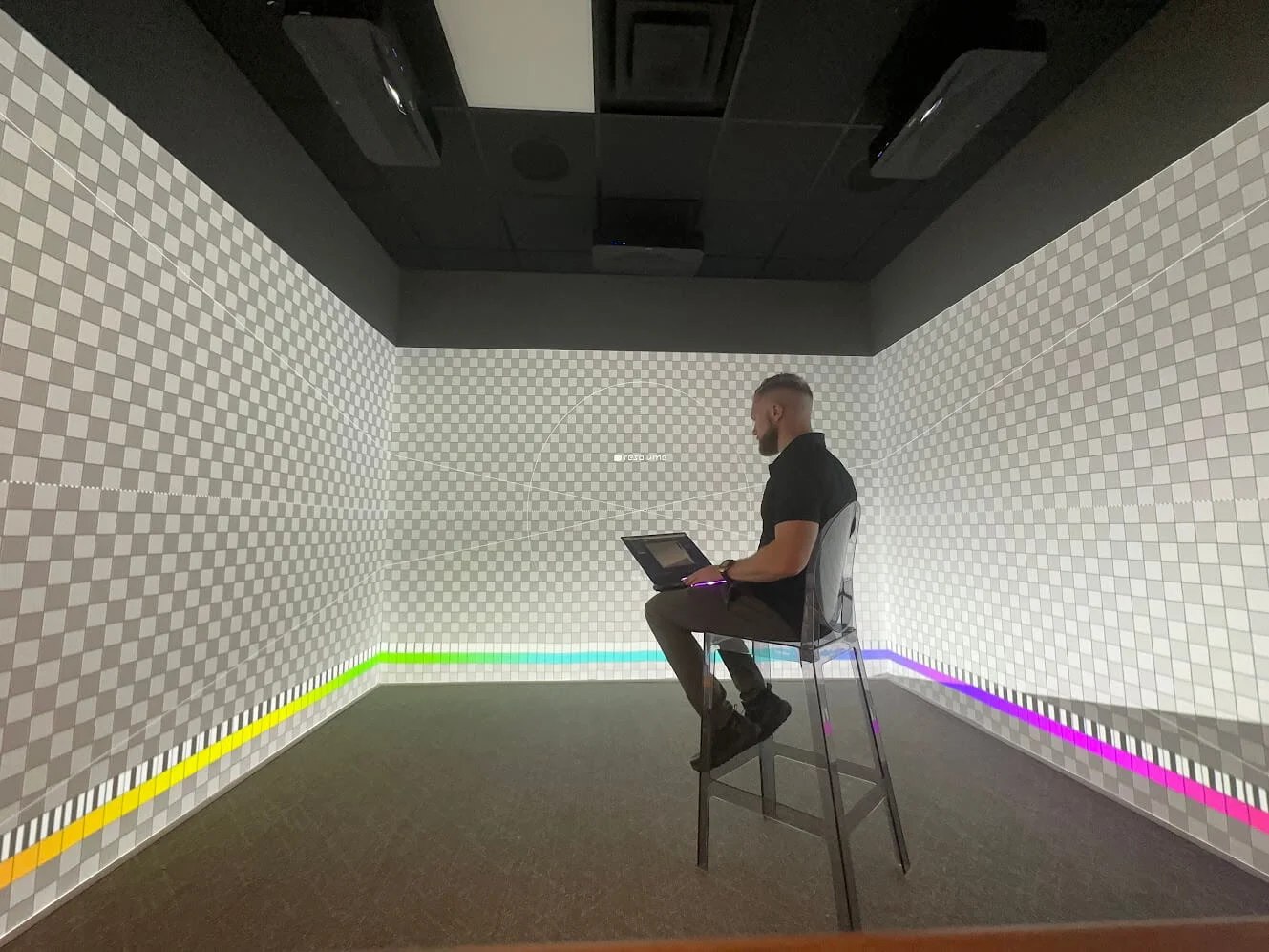
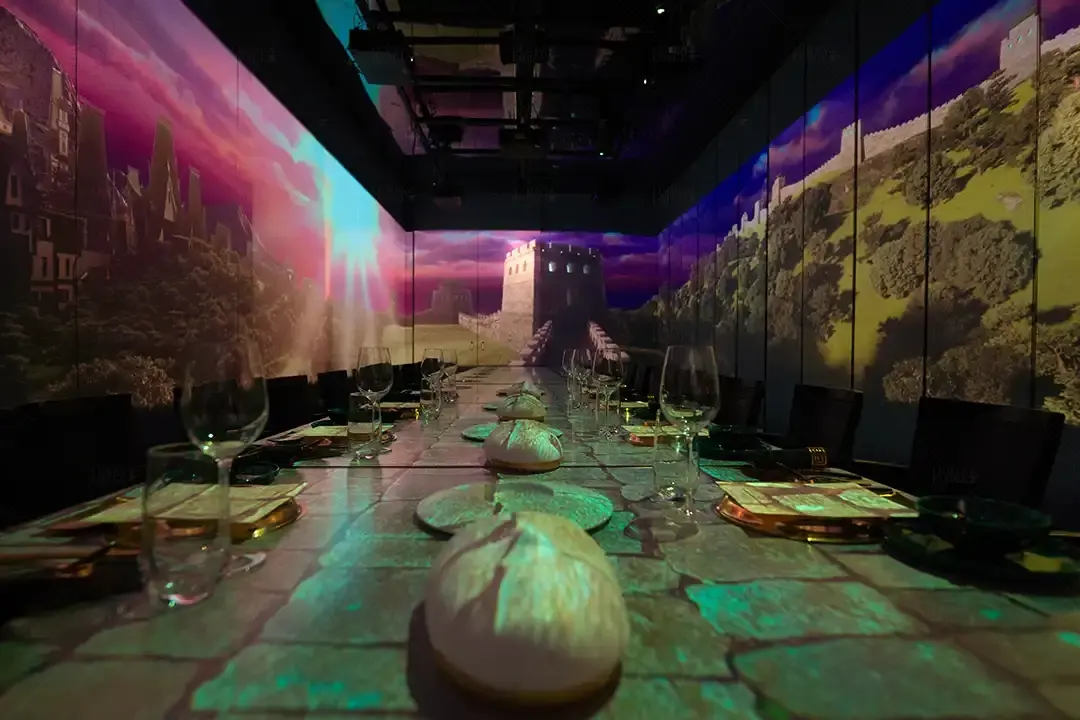
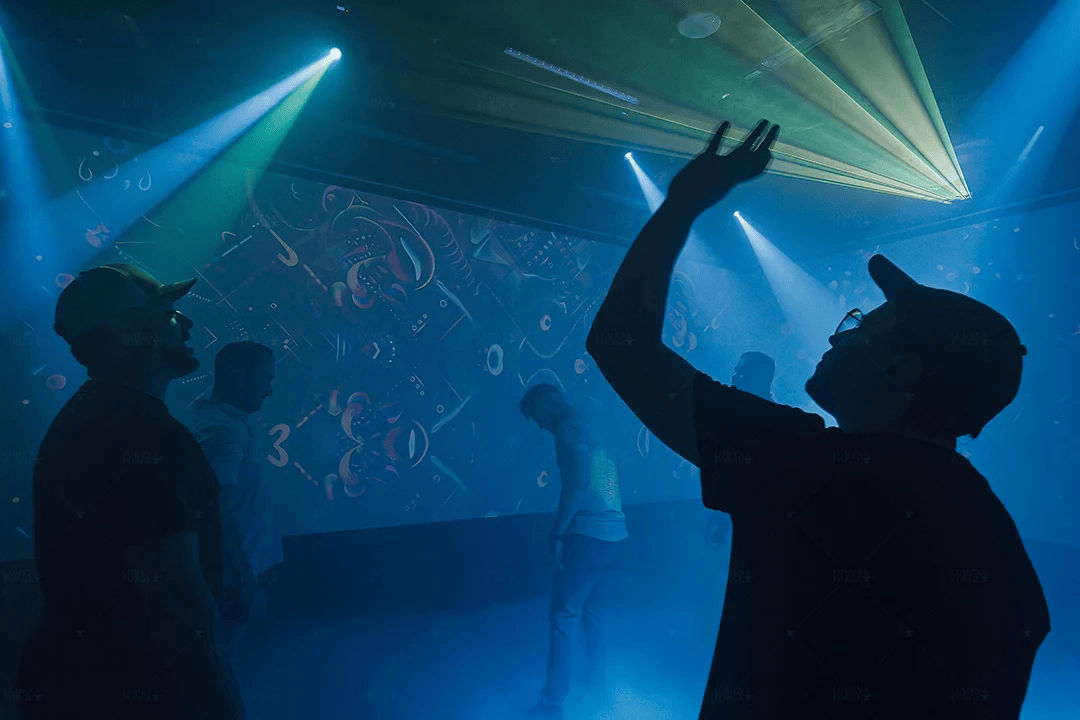
Room and Environment Mapping
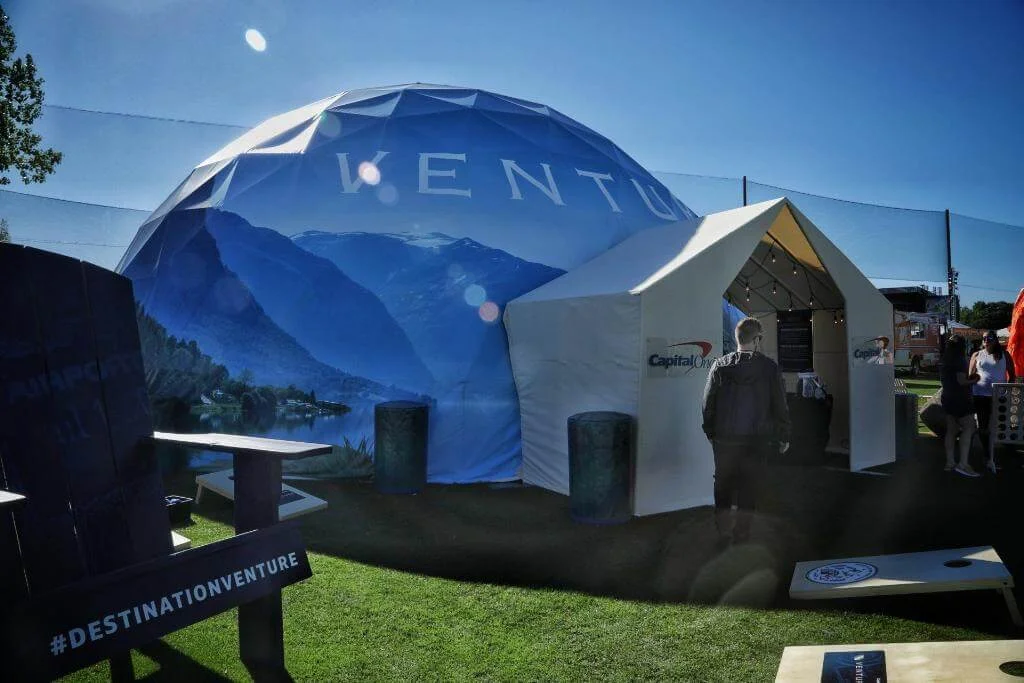
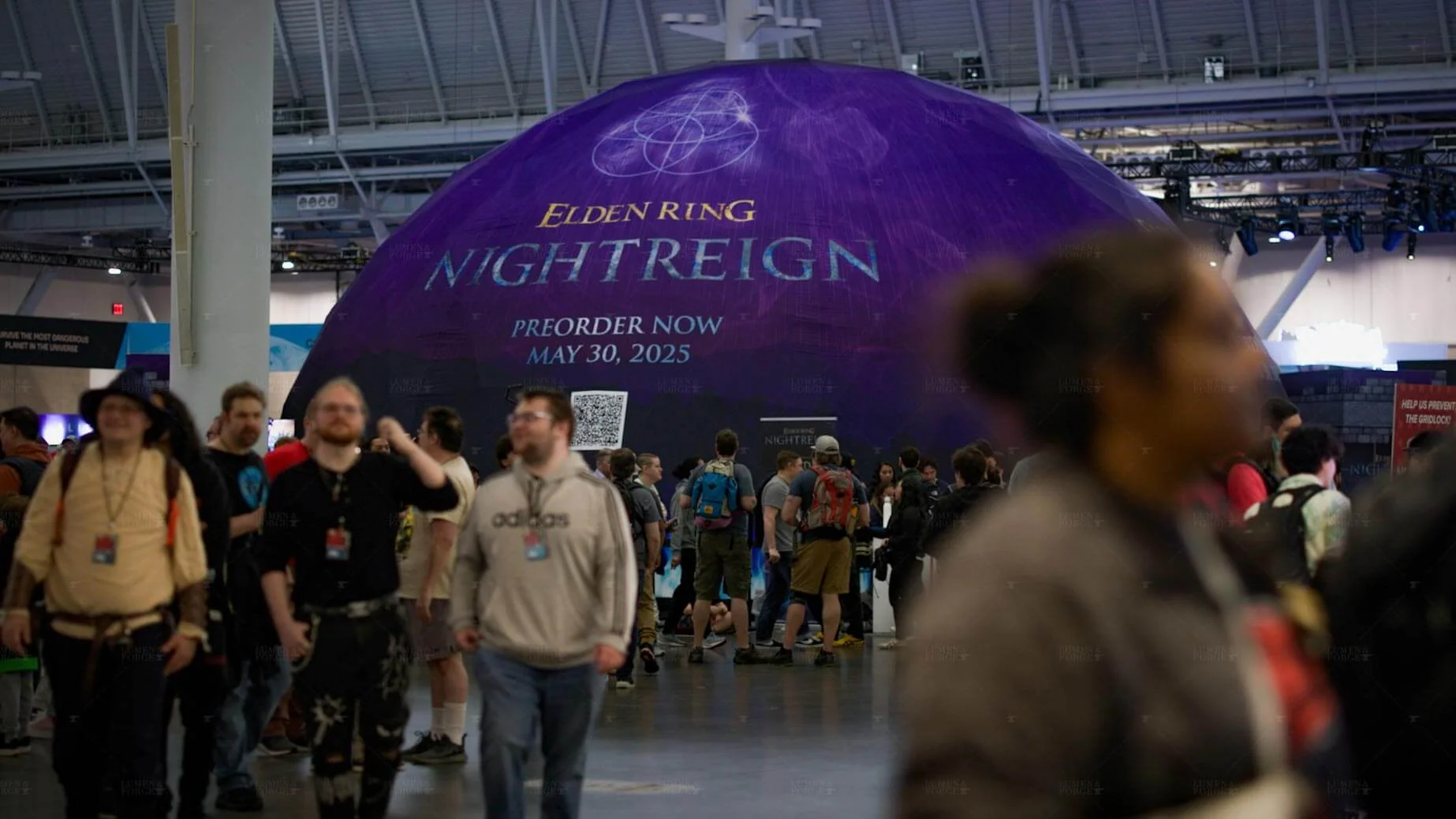
Dome Projection
Why Denver Is a Natural Fit for Projection Mapping
Denver audiences are not easily impressed by spectacle alone. This is a city that hosts the National Western Stock Show every January, fills Red Rocks Amphitheatre from spring through fall, and turns out for the Cherry Creek Arts Festival over July 4th weekend. Add the Great American Beer Festival in October, the Denver Christkindlmarket from mid-November through December, and Blossoms of Light at Denver Botanic Gardens from late November into early January, and you get a calendar that keeps residents and visitors moving from one large-scale experience to the next. When people here have seen so much, a projection has to do more than glow. It has to say something about the brand behind it.
The audience itself is unusually varied. Denver draws aerospace and defense professionals, energy and cleantech teams, outdoor recreation brands, craft beer and beverage makers, and tech and SaaS companies, and those crowds mix at the same venues. A room at the Colorado Convention Center during a convention or association meeting may hold engineers, founders, brewers and buyers in the same hour. Projection mapping works in that setting because it can shift register quickly: a clean, data-driven sequence for one segment and a warm, story-forward moment for another, all on the same surface. Spectacle that ignores who is standing in front of it reads as noise. Spectacle that reflects the room reads as relevance.
The venues raise the bar further. Mapping onto the Hamilton Building at the Denver Art Museum, working across the Denver Performing Arts Complex, activating Civic Center Park, or building a moment at Denver Union Station means competing with architecture that already commands attention. The same is true inside Mission Ballroom, Meow Wolf Denver at Convergence Station, Ball Arena, Coors Field and Empower Field at Mile High, where production values are high and audiences arrive expecting a designed environment rather than a single visual trick. At Red Rocks Amphitheatre, the setting does much of the work already, so the content has to earn its place against a skyline and a season that people travel for.
Denver also asks brands to plan like locals. Public events on city property are permitted through Denver Public Event & Film Permitting, part of Denver Arts & Venues, which means timelines, sightlines and site logistics are part of the creative brief from the start. Brands that respect those constraints, and that treat the city's audiences as informed rather than merely entertained, get something spectacle alone cannot buy: attention that lasts past the event and into the next season.
Lumen and Forge: Engineered for Mile-High Productions
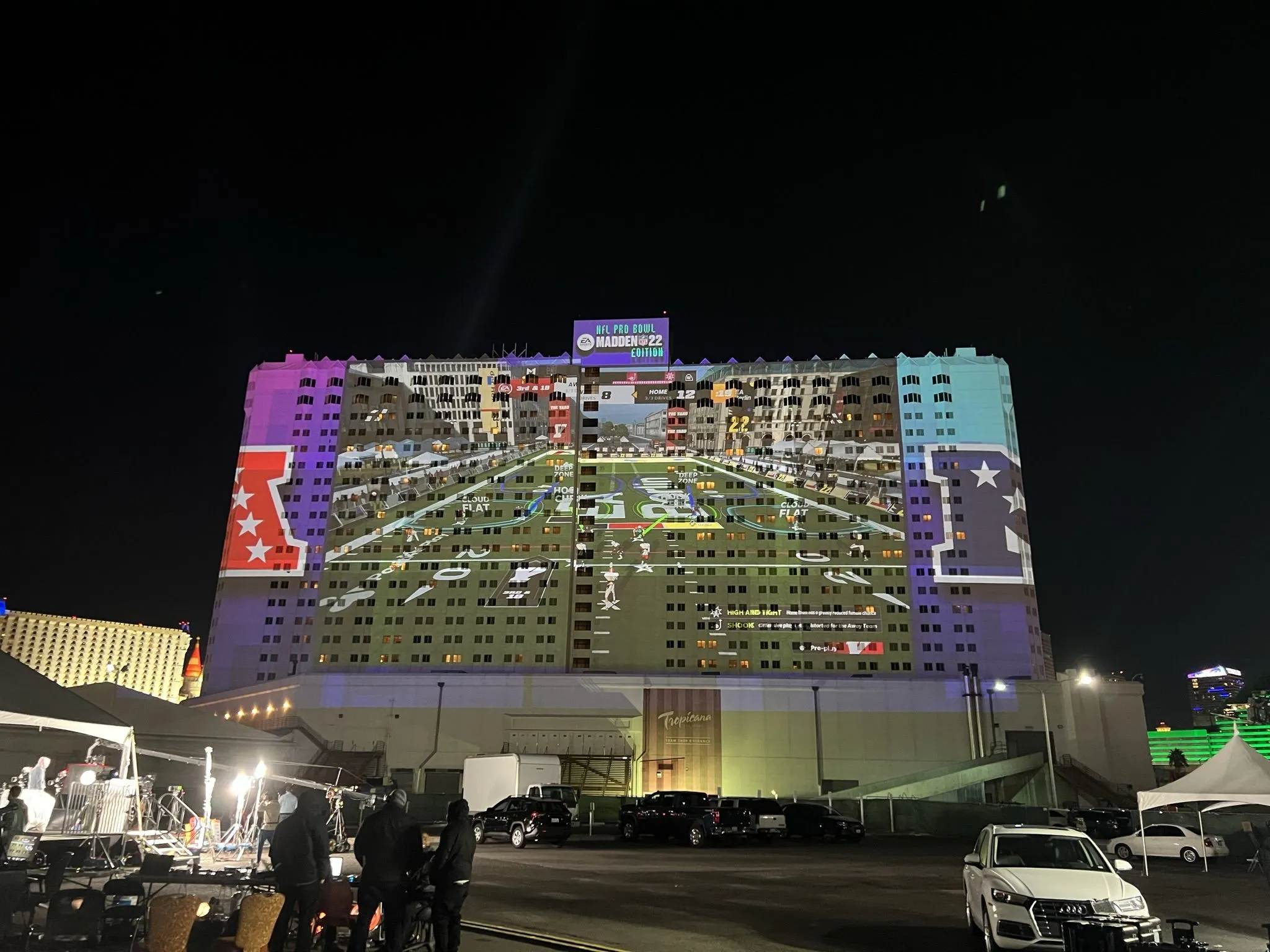
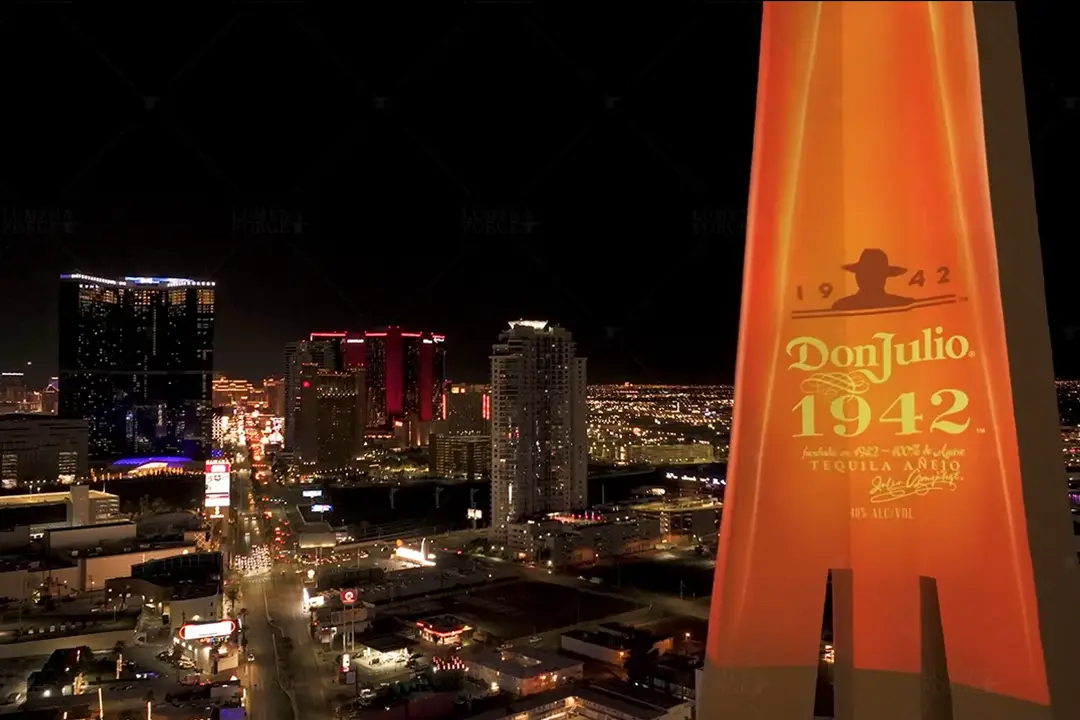
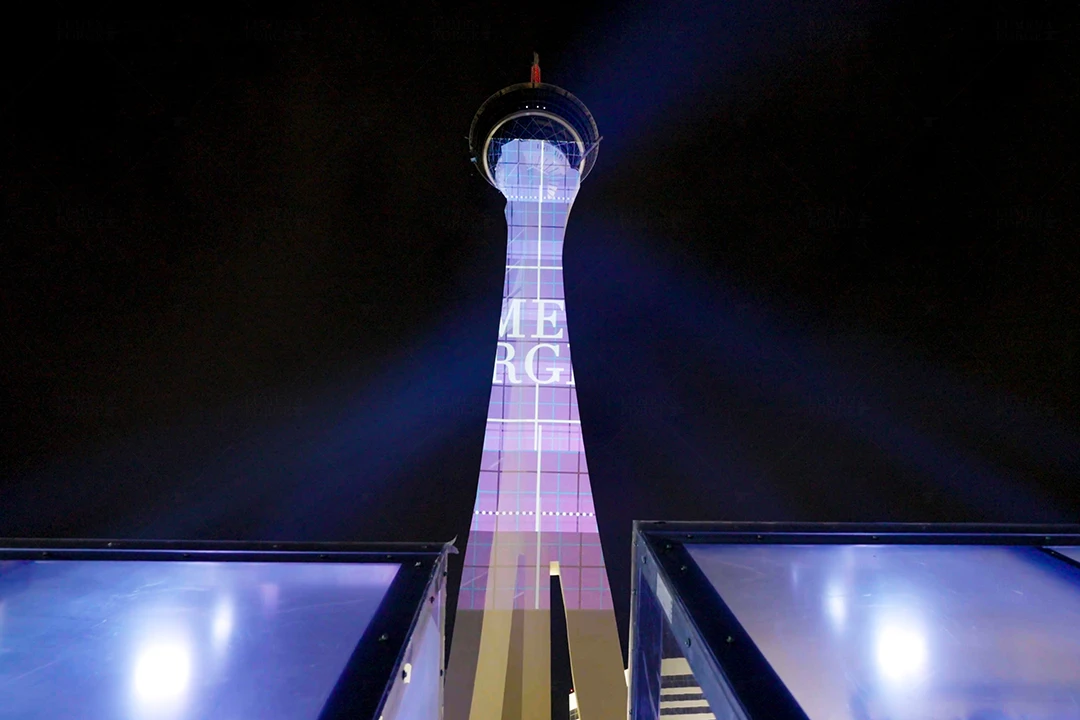
Over 15 years of producing large-scale projection mapping and immersive experiences for globally recognized brands gives Lumen and Forge the operational depth Denver productions require. Our portfolio includes building projections for Nike and Air Jordan at NBA All-Star Weekend, large-scale convention experiences for Toyota, McLaren, and Mastercard, a world record video game screen at the Tropicana, and the Beneath the Blue 360-degree dome for National Geographic. Our team is comfortable working alongside experienced production crews and holding a technical standard in front of an audience that knows the difference, which is exactly what Denver requires.
Who We Work With in Denver
Denver's event calendar and industry mix create steady demand for projection mapping, and Lumen and Forge works with the brands, agencies and organizers behind it.
- Aerospace and defense. Companies in this sector hire us for product reveals, executive summits and recruiting events where precision and technical credibility matter. Object mapping onto a scale model or a room-scale environment can turn a complex program into something an audience understands in seconds.
- Energy and cleantech. Firms in this space use building projection and interactive installations at industry conferences, investor days and community open houses, often at the Colorado Convention Center, where a large facade or ballroom wall becomes the storytelling surface.
- Outdoor recreation brands. With Red Rocks concert season running spring through fall and winter activations across the city, outdoor brands book projection domes, object mapping and interactive installations for product launches, athlete events and pop-ups that need to feel as bold as the landscape their customers live in.
- Craft beer and beverage. Taproom anniversaries, brand launches and the Great American Beer Festival in October call for immersive room-scale environments and object mapping that put a can, a bottle or a barrel at the center of the experience.
- Tech and SaaS. Product launches, user conferences and partner events rely on building projection and interactive installations to make abstract software tangible, whether the venue is Mission Ballroom, Meow Wolf Denver or a downtown loft.
- Conventions and association meetings. Meeting planners and association teams hire us for opening general sessions, awards nights and trade show moments at the Colorado Convention Center and the Denver Performing Arts Complex, where a single mapped surface can carry the whole room.
Ready to Light Up the Mile High City?
Frequently Asked Questions: Projection Mapping in Denver
Standard projection displays a flat image on a flat screen or white wall. Projection mapping uses specialized software to warp, align, and calibrate video content so it fits precisely onto any three-dimensional surface, whether that is a building exterior, a custom sculpture, a vehicle, or an entire room. The software accounts for every edge, angle, and curve, so the content appears to belong to the object itself rather than simply being cast onto it. In a city full of working production professionals, that level of precision is what separates a real installation from a lighting effect.
Yes. Denver's dry climate and abundant clear nights make outdoor projection mapping unusually reliable. Summer sunsets run late, around 8:30 p.m. in June, so plan reveals for full dark. Winter brings early darkness and long usable windows, though snow and subfreezing temperatures call for weather-rated enclosures and heated housings. Wind off the plains is the bigger variable, so rigging and screen tension matter. Ambient light is the main constraint downtown: near Coors Field, Ball Arena, Denver Union Station and the Denver Performing Arts Complex, brighter surfaces need higher-output projectors to hold contrast.
Denver's event calendar gives projection mapping plenty to work with. The National Western Stock Show in January and the Great American Beer Festival in October anchor the convention side, while the Cherry Creek Arts Festival over July 4th weekend and the Denver Christkindlmarket from mid-November through December draw big outdoor crowds. Add Blossoms of Light at Denver Botanic Gardens and the Red Rocks concert season, and you have year-round activation windows.
Yes. Lumen and Forge coordinates permits, power, rigging and site logistics directly with your venue, so your team is not chasing paperwork while production runs. For public events on city property, that means working with Denver Public Event & Film Permitting (PEFP), part of Denver Arts & Venues, alongside venue contacts at places like the Colorado Convention Center, Red Rocks Amphitheatre or Denver Union Station. We handle the technical and administrative details from site survey through load-out.
What does projection mapping cost in Denver?
There is no single price for projection mapping in Denver because every build is scoped to the site. Cost drivers include the scale and number of surfaces, whether you are mapping a building facade, an object or a projection dome, the complexity and length of the custom content, how many nights the installation runs, and the equipment and crew required for load-in, operation and strike. A one-night brand activation at Mission Ballroom and a multi-week run at the Denver Christkindlmarket are priced very differently.
Projection mapping fits imagery to a flat or gently curved surface, like the facade of Denver Union Station. 3D projection mapping goes further: it maps content onto objects with real depth, so the projected image wraps corners, edges and protrusions and reads as a single sculpted form. Applied to a surface such as the angular Hamilton Building at the Denver Art Museum, the 3D approach makes architecture appear to shift, open and rebuild in front of the audience.
In addition to projection mapping, we offer dome projection for fully immersive 360-degree spherical experiences, event and project design for end-to-end production planning, and animation and visual storytelling for original content creation. Many of our Denver clients combine projection mapping with one or more of these services into a single integrated production. We are a full-service immersive experience company, and the strongest work we build is conceived as a whole from the first conversation.
Do you have more questions?
Didn't find what you were looking for? Our team is happy to walk you through your project and answer anything else