

A Comeback City With Stories Worth Projecting
Detroit is a production market with venues that already command attention. Huntington Place hosts the Detroit Auto Show every January, drawing automotive OEMs and suppliers, mobility and EV technology teams, and the media that covers them. Ford Field, Little Caesars Arena and Comerica Park carry professional sports and entertainment year round, while the Detroit Institute of Arts, Fox Theatre, Michigan Central Station, the Guardian Building and the Fisher Building give brands architecture worth projecting onto.
The event calendar is just as strong. Movement Music Festival takes over Hart Plaza on Memorial Day weekend, the Chevrolet Detroit Grand Prix runs a downtown street circuit in late May into early June, the Detroit Jazz Festival returns to Hart Plaza on Labor Day weekend, and America's Thanksgiving Parade moves through the city each November. Campus Martius Park anchors the downtown gathering space between them.
Add healthcare systems, real estate development and financial services, and you have an audience that shows up in person. That mix is why projection mapping and immersive installations work here.
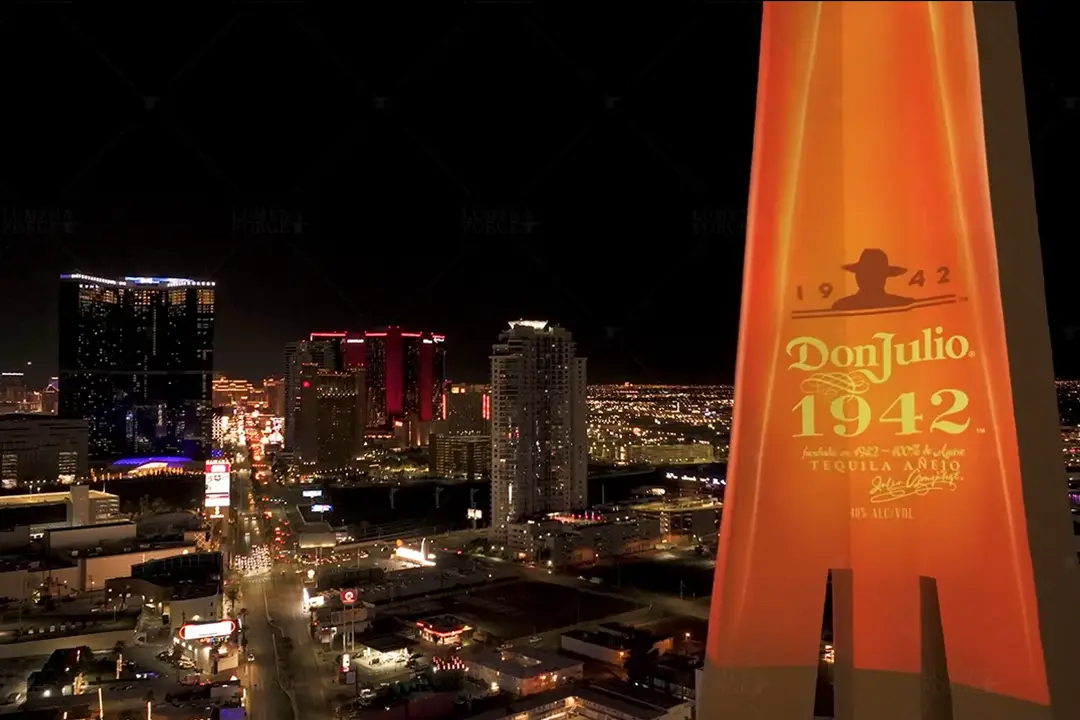
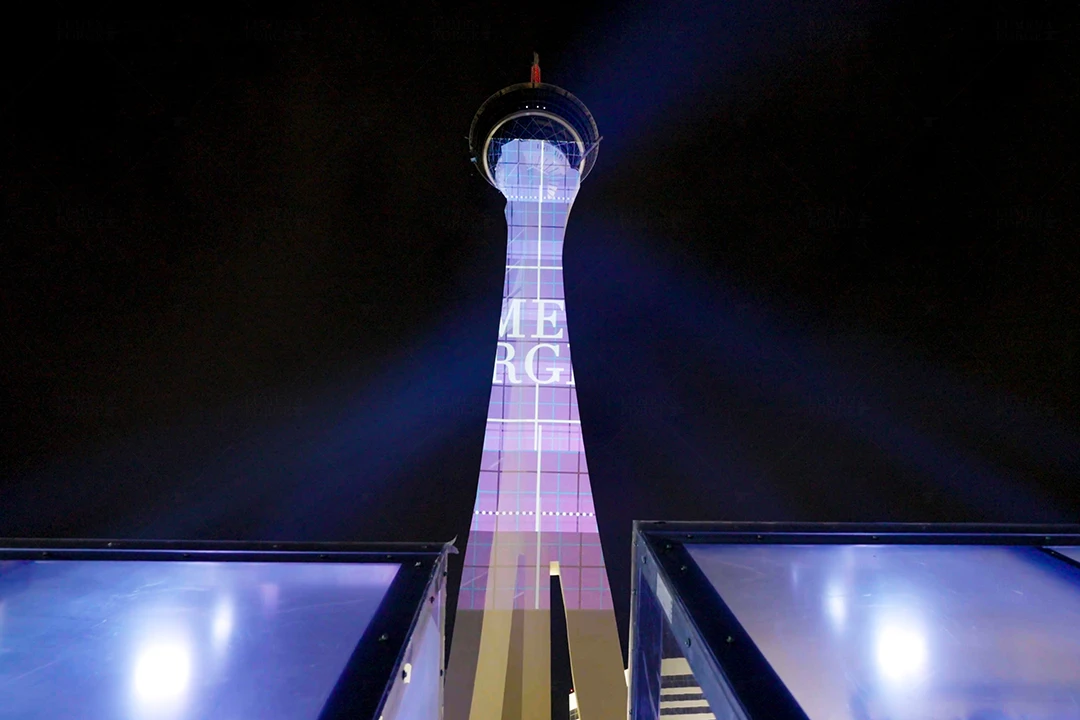
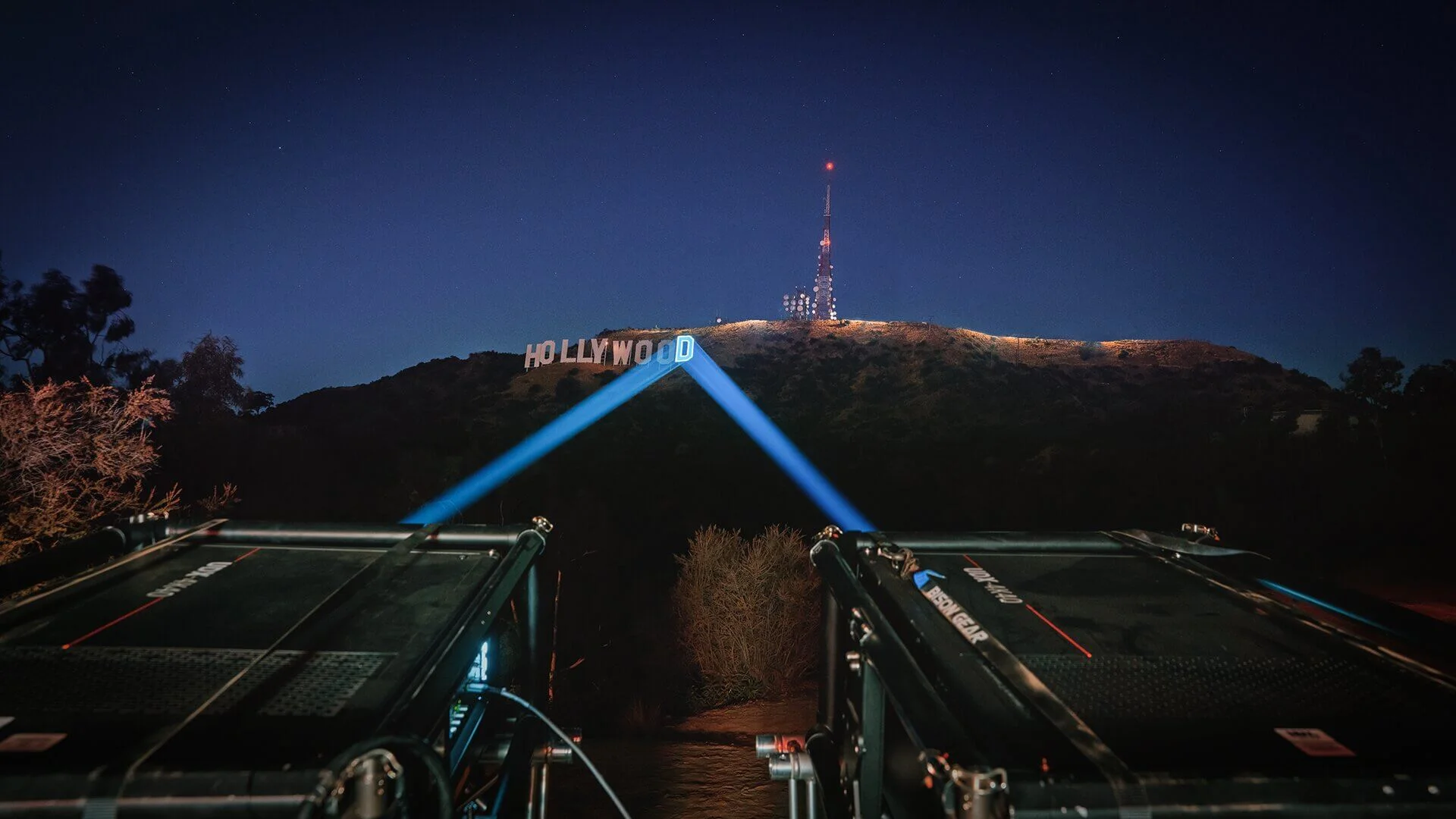
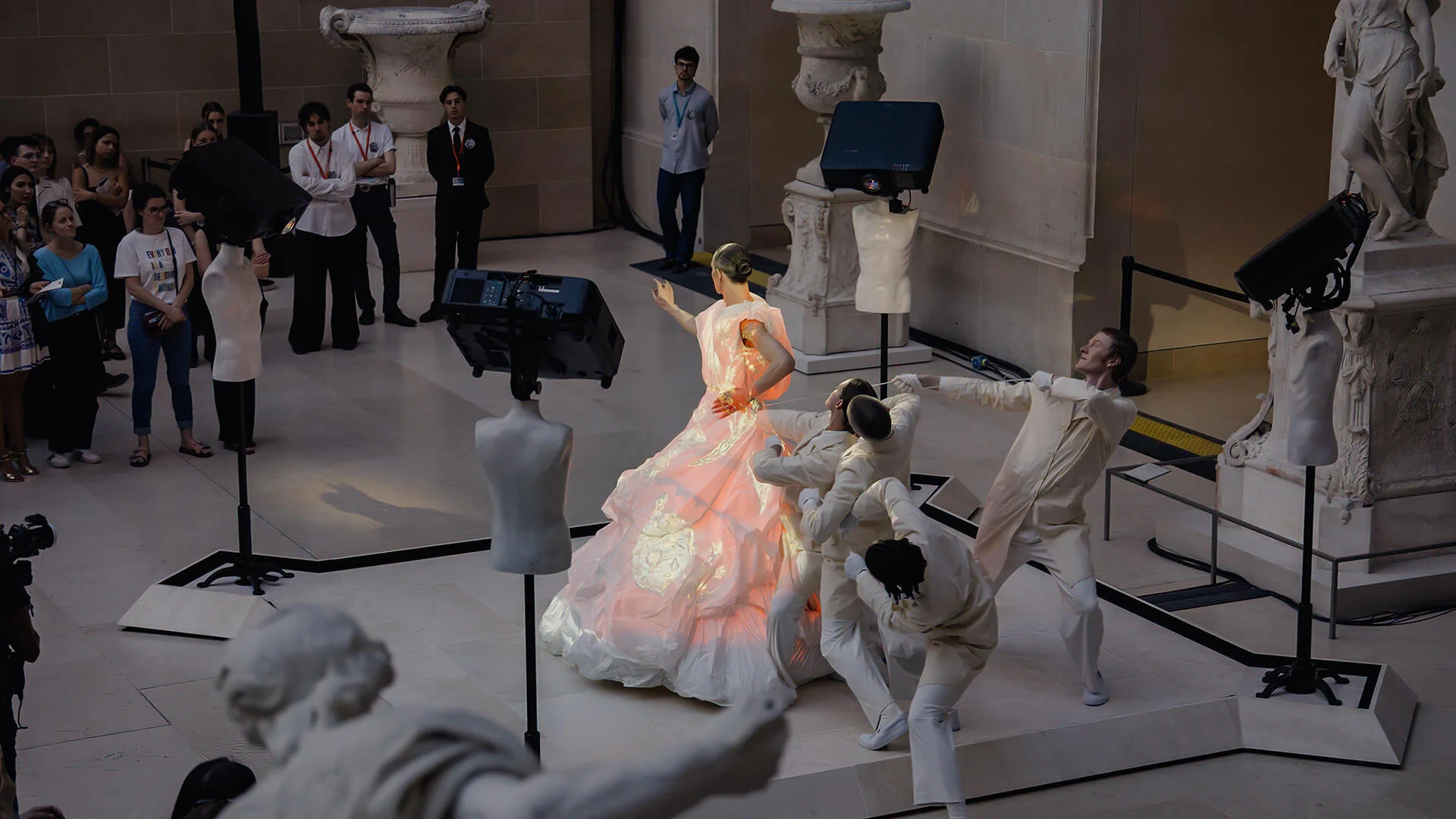
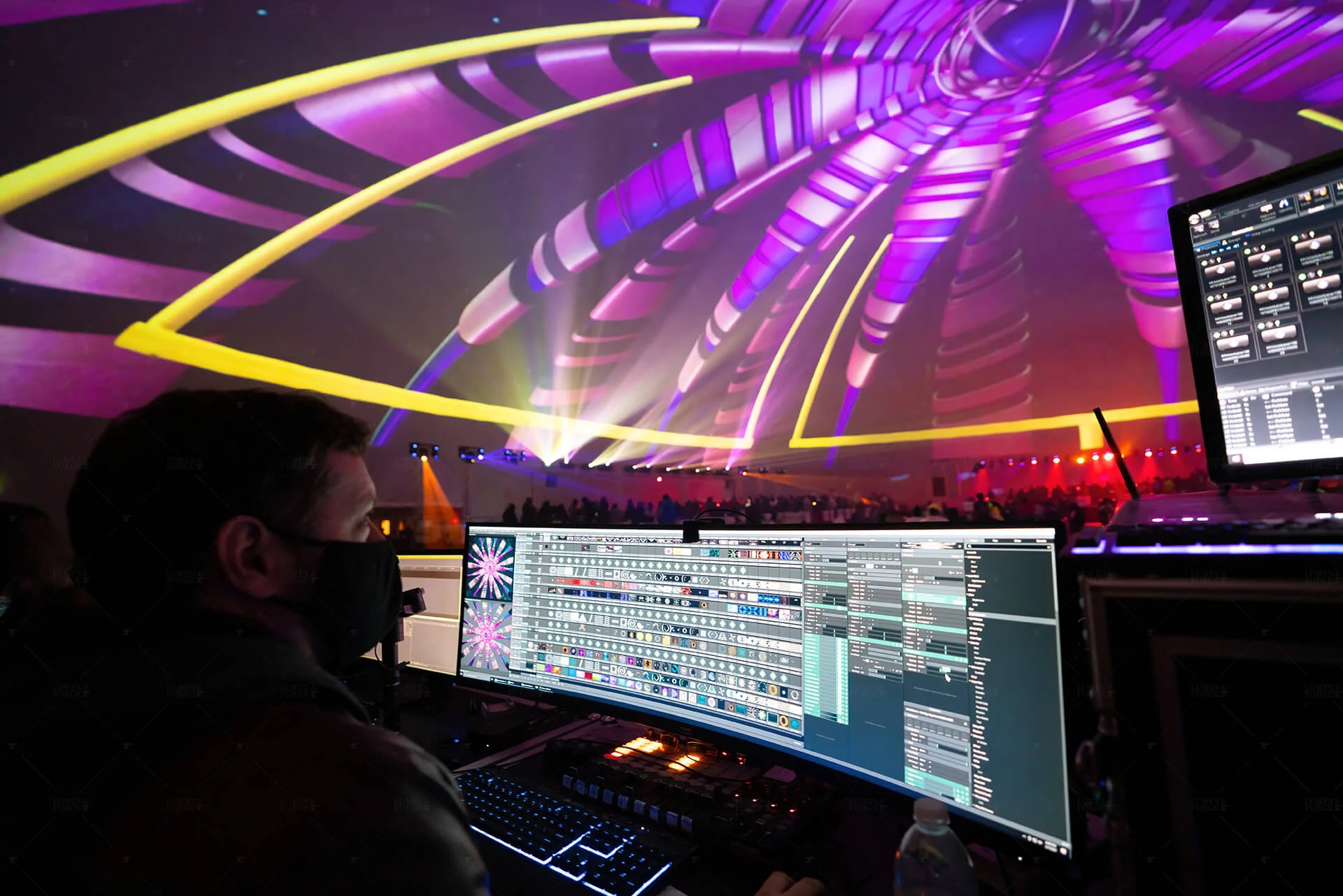
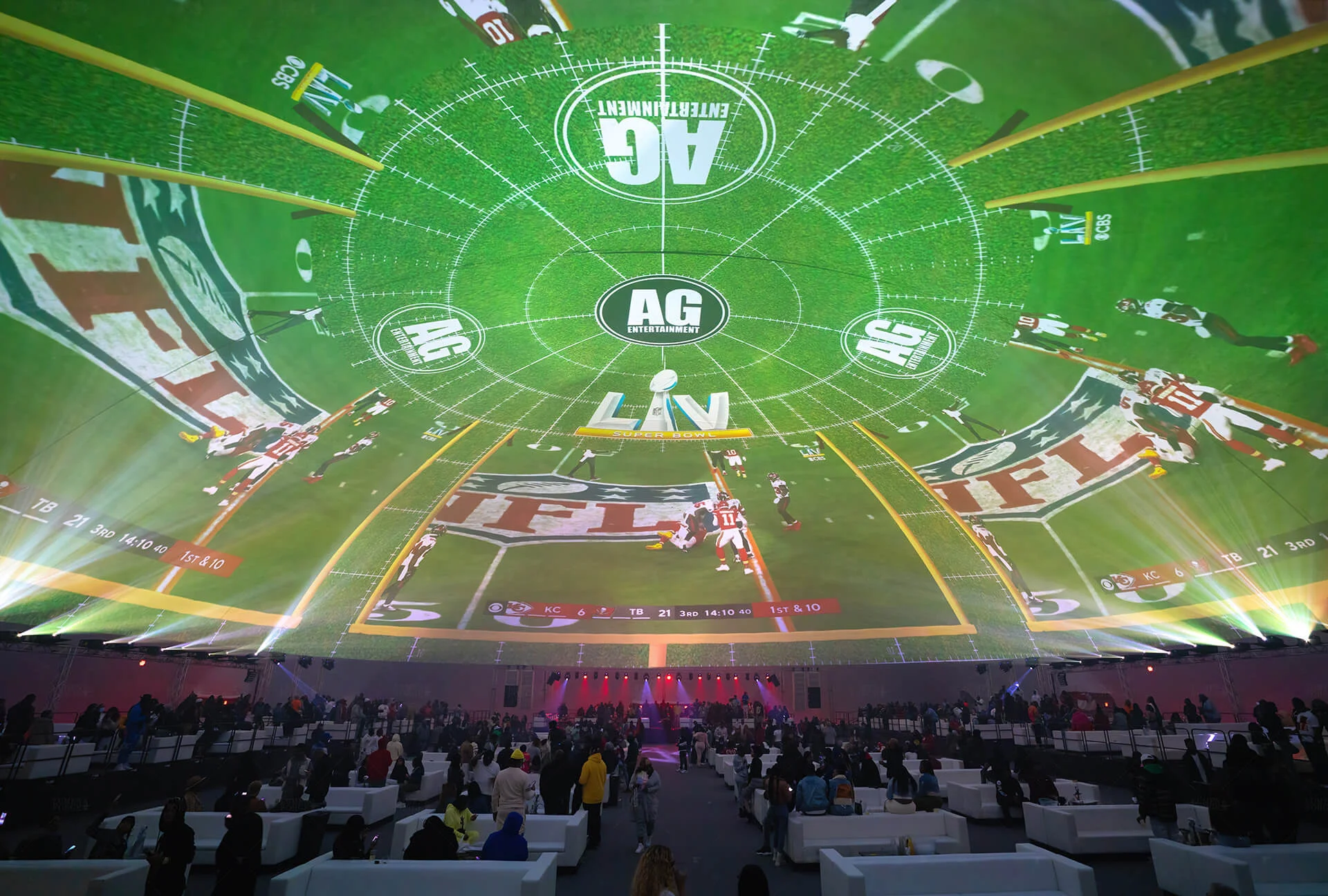
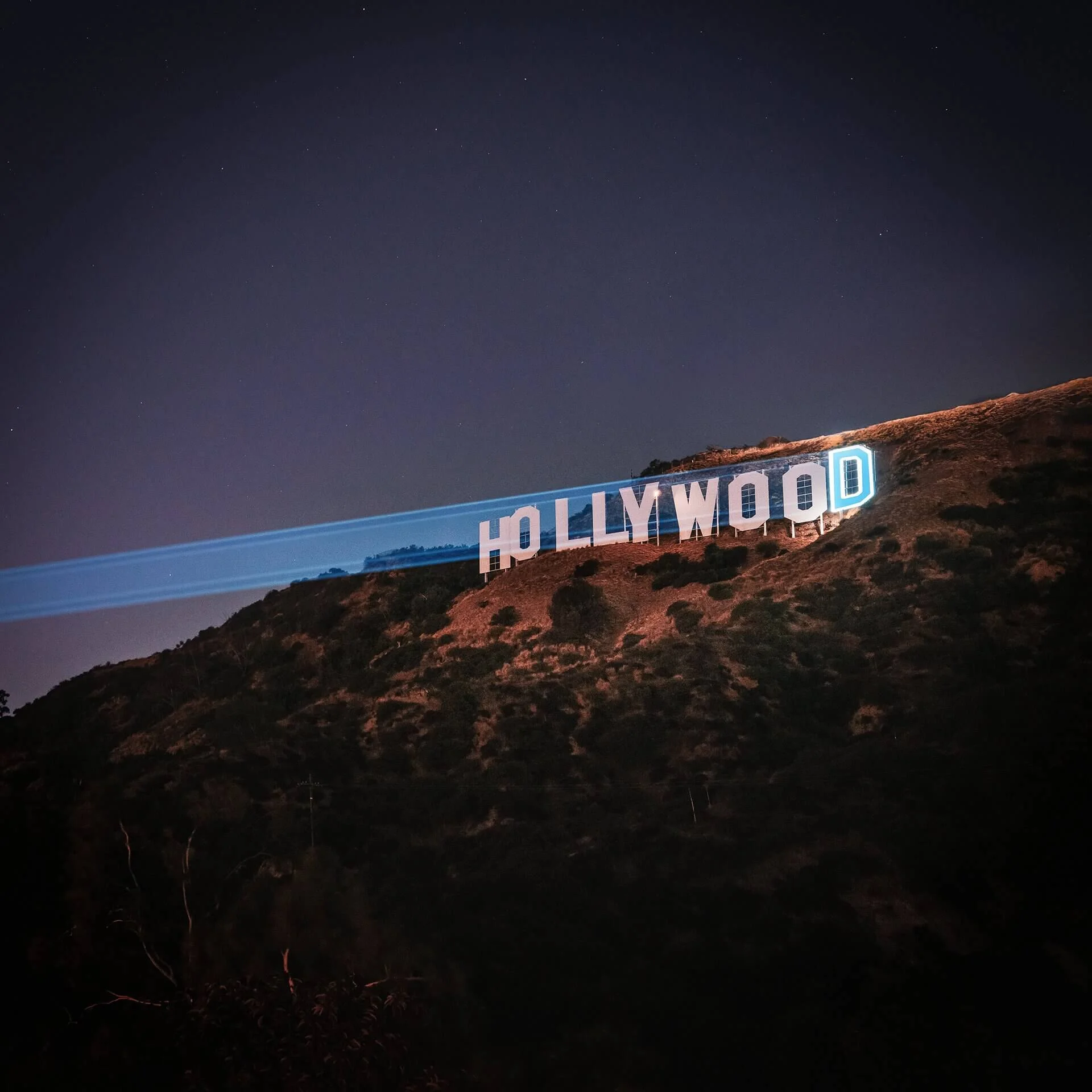
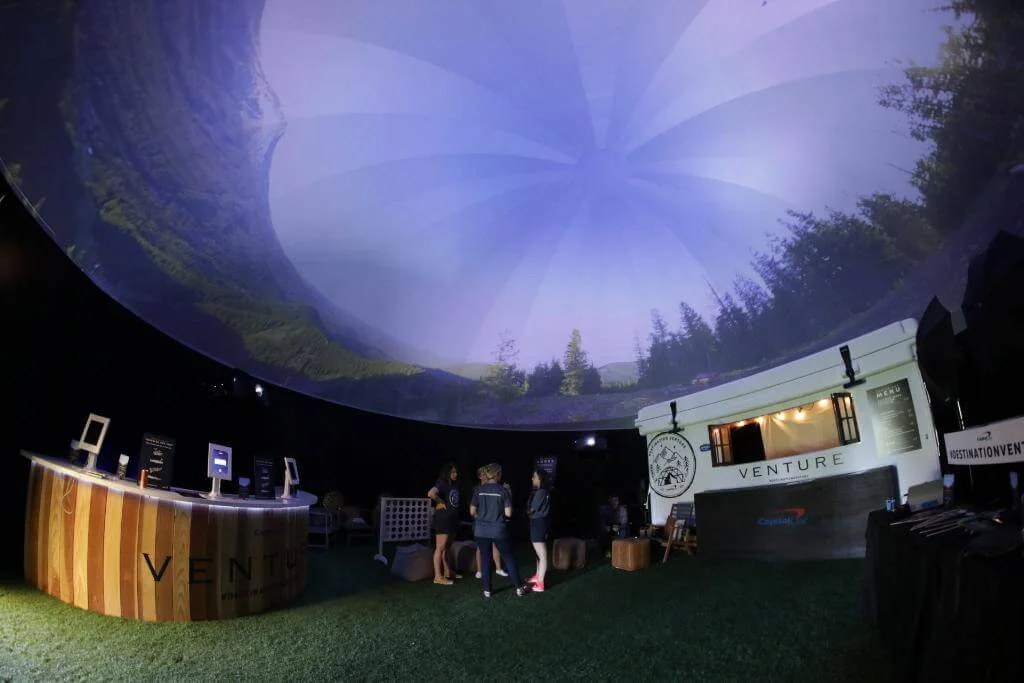
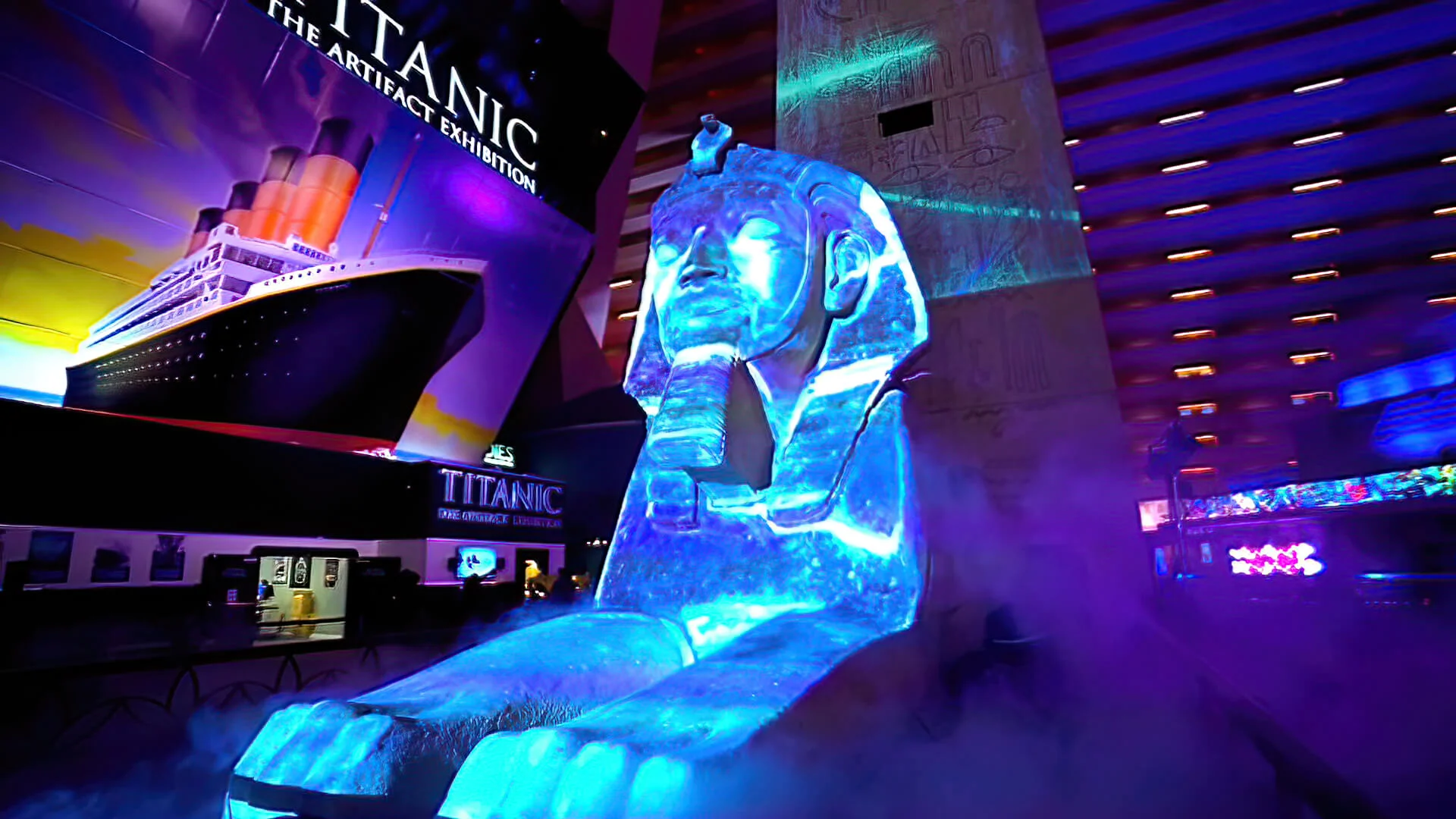
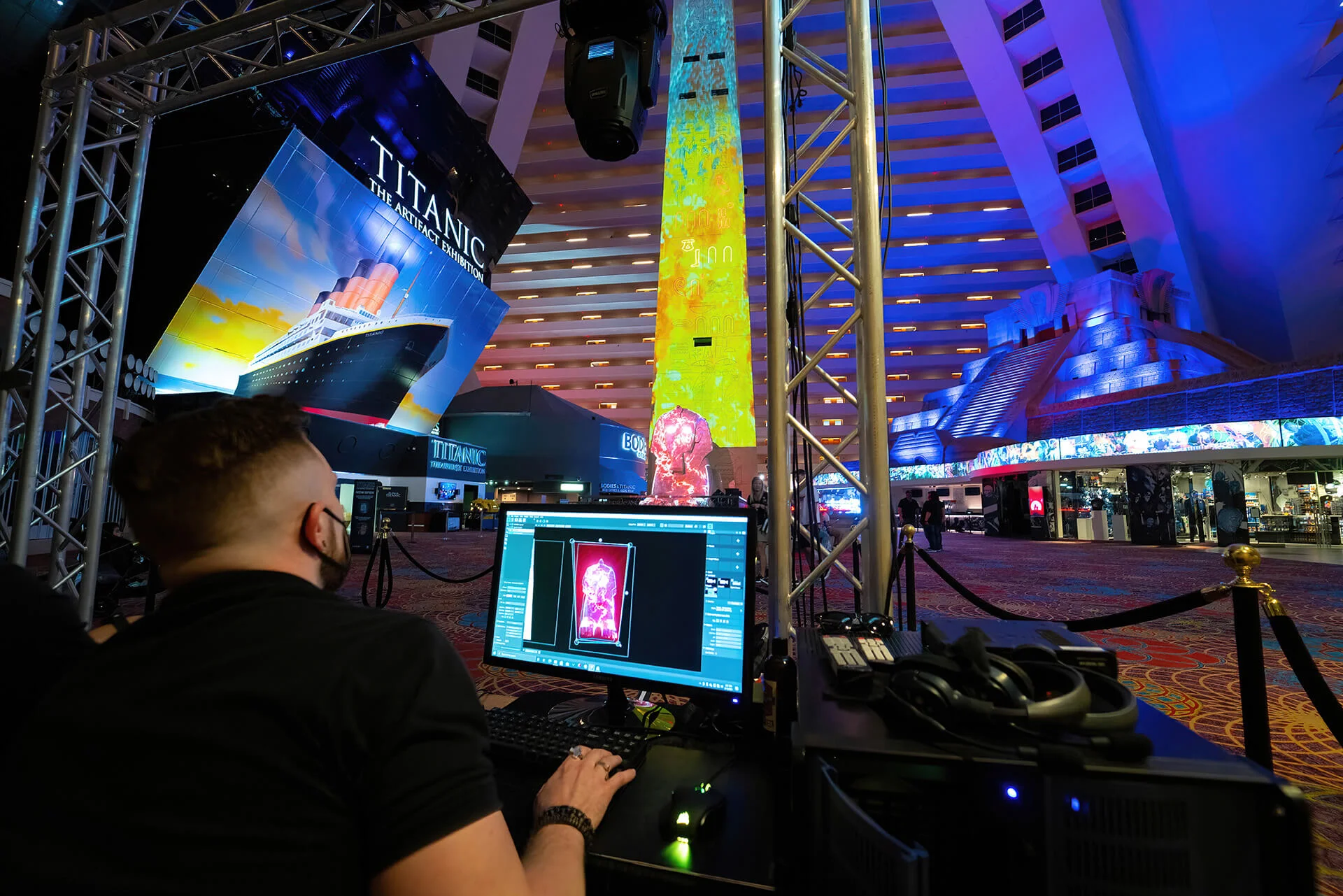
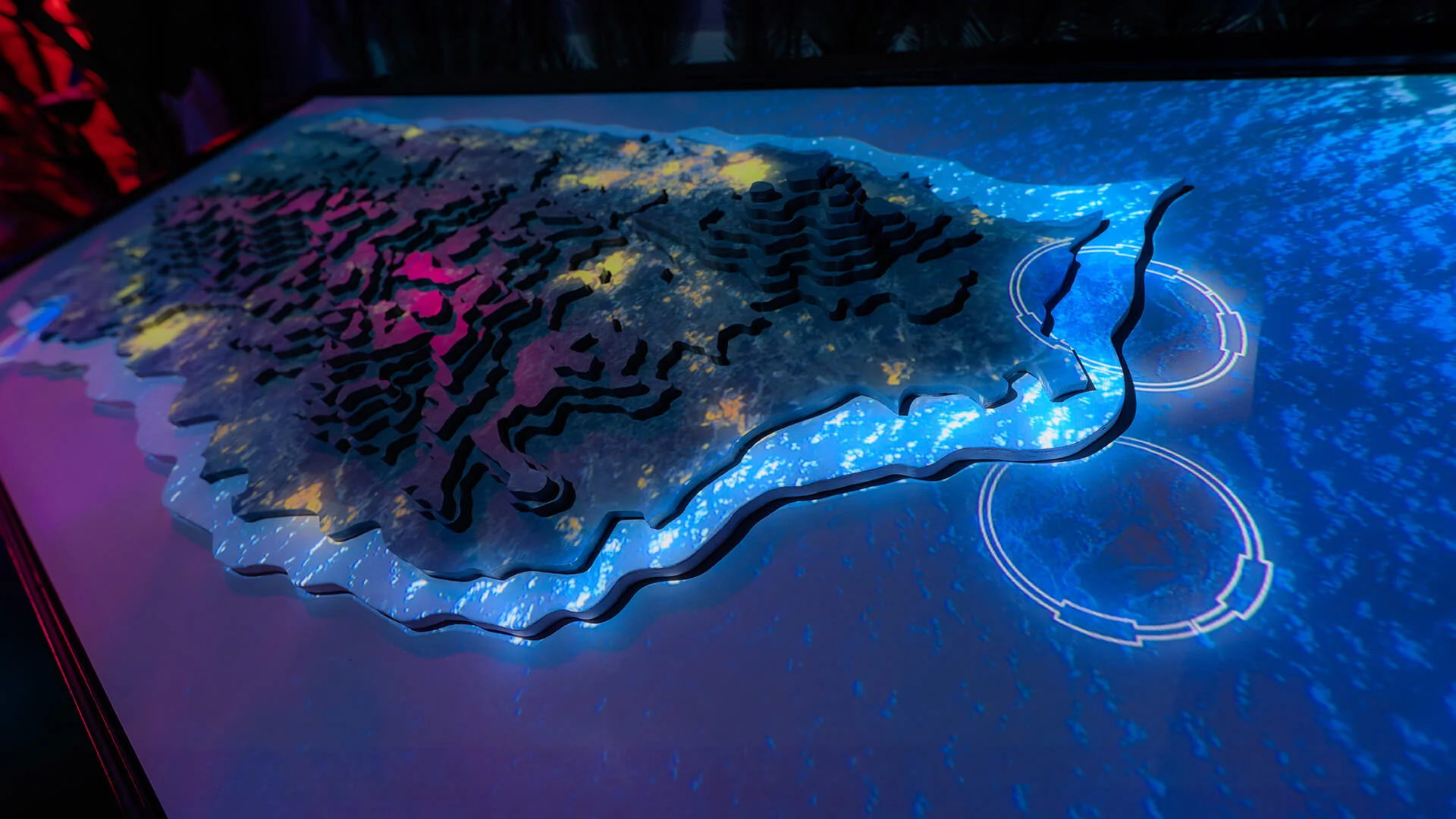
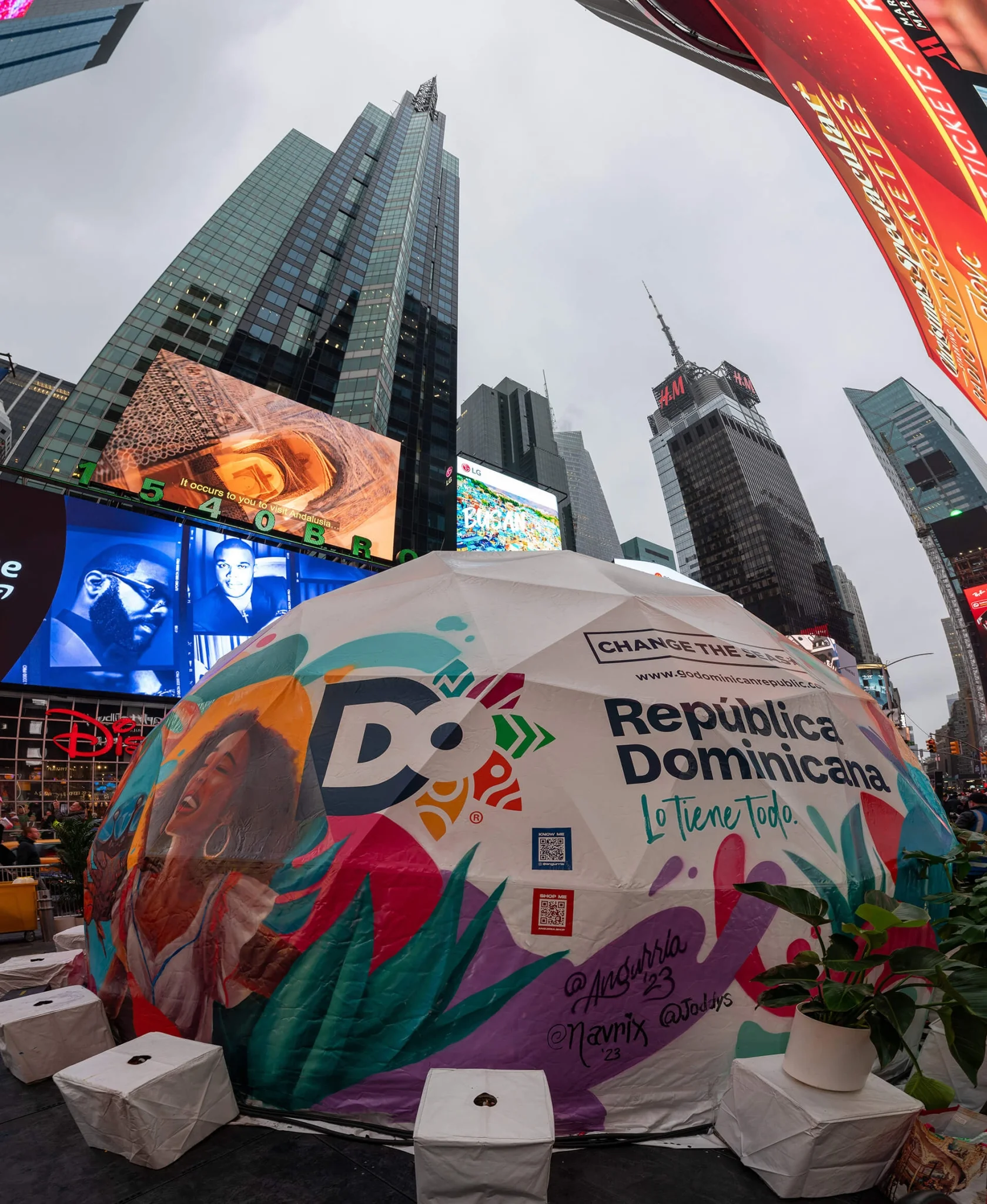
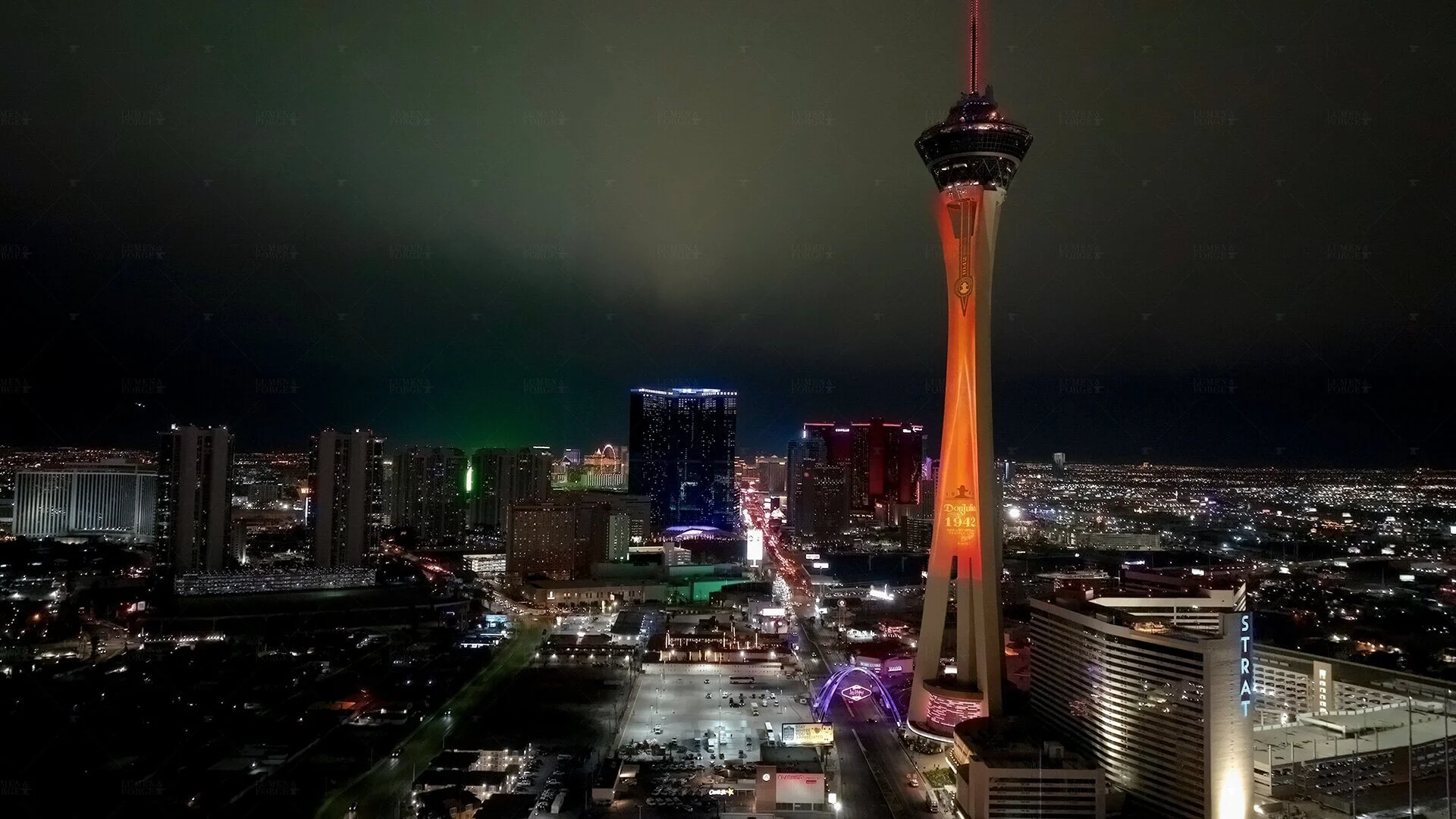
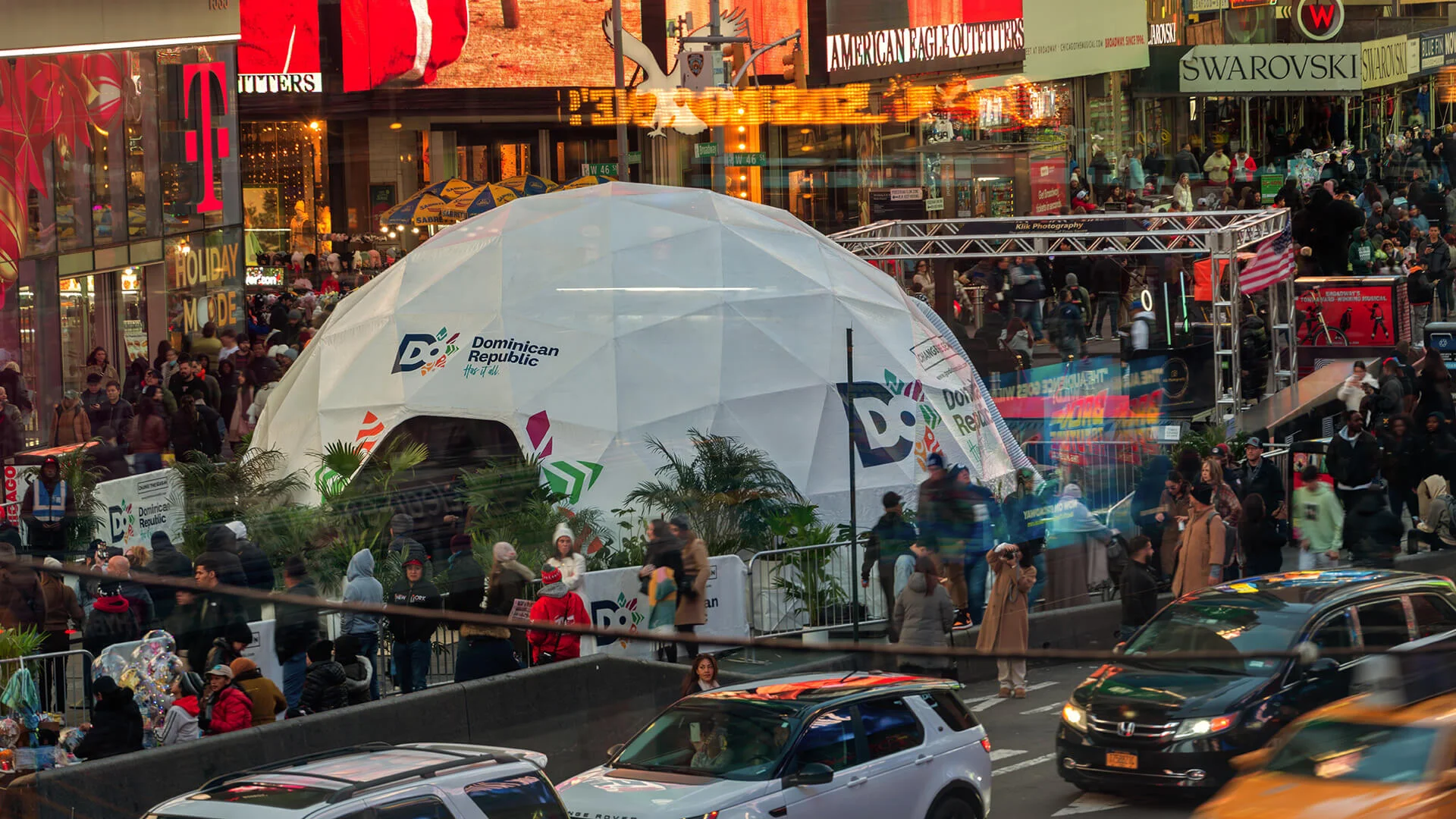
Take A Closer Look
A Deeper Look Into Animation & Visual Story Telling
A Deeper Look Into
Projection Mapping
Projection Mapping: Turning Any Surface Into a Story
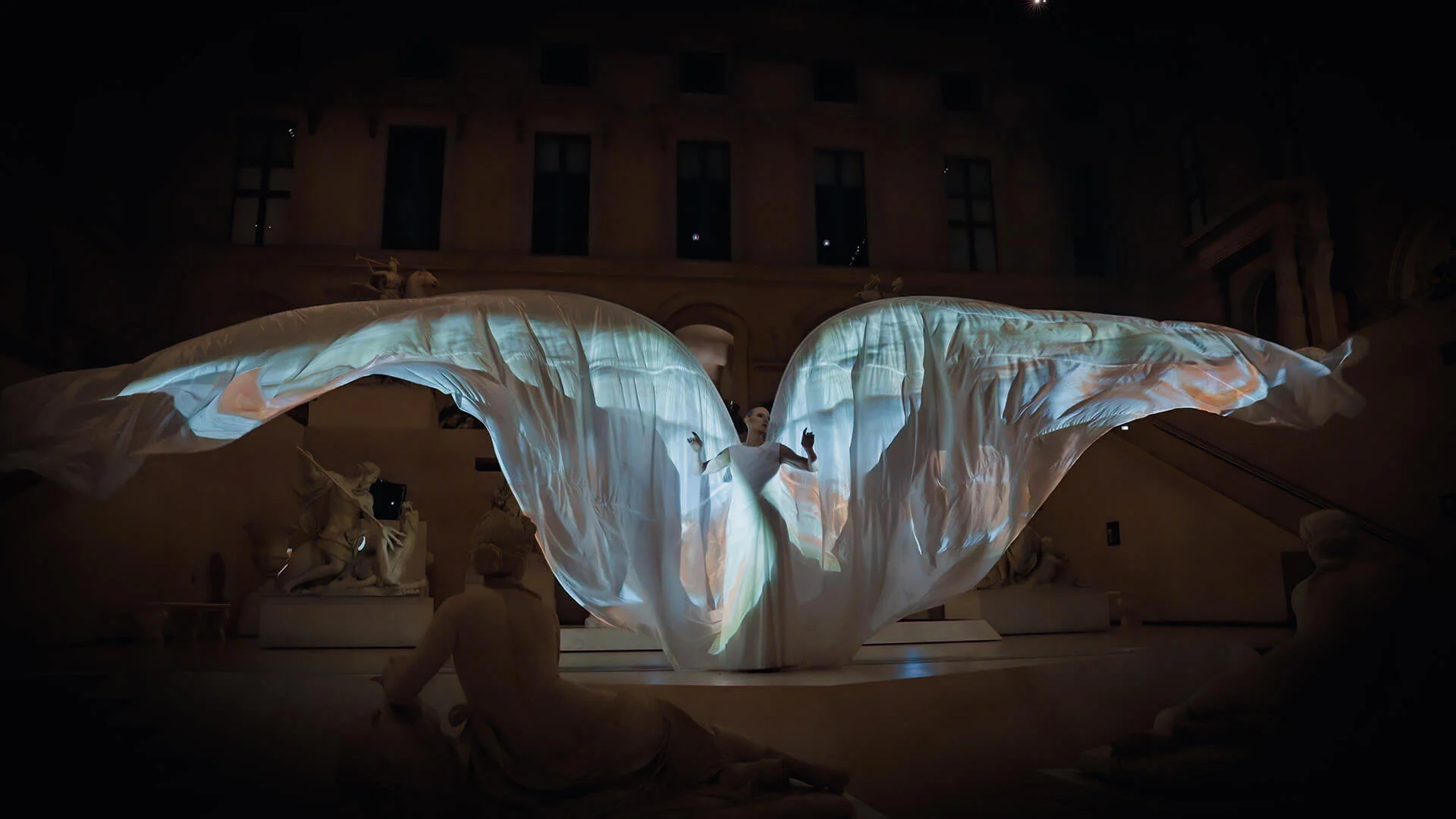
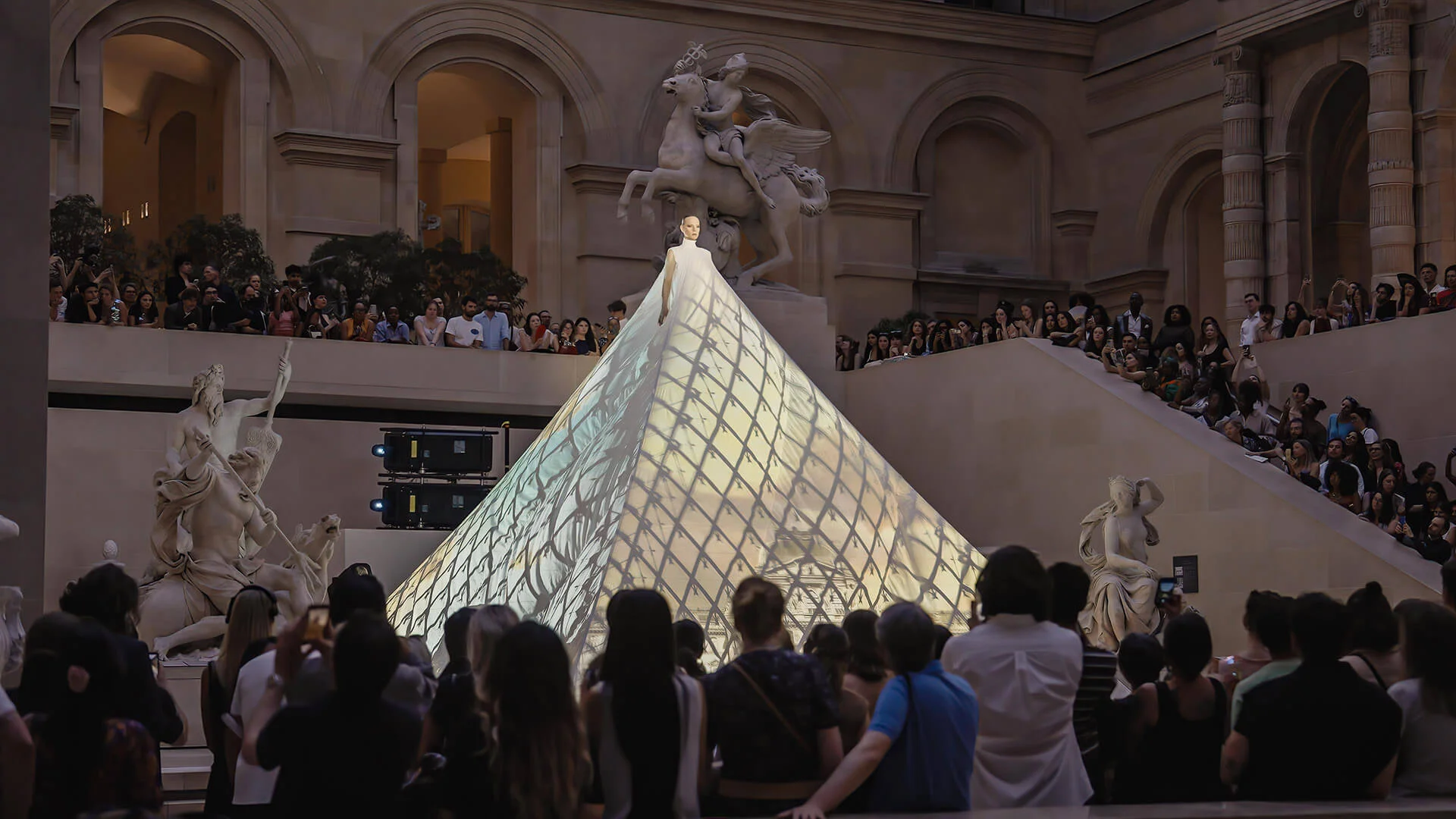
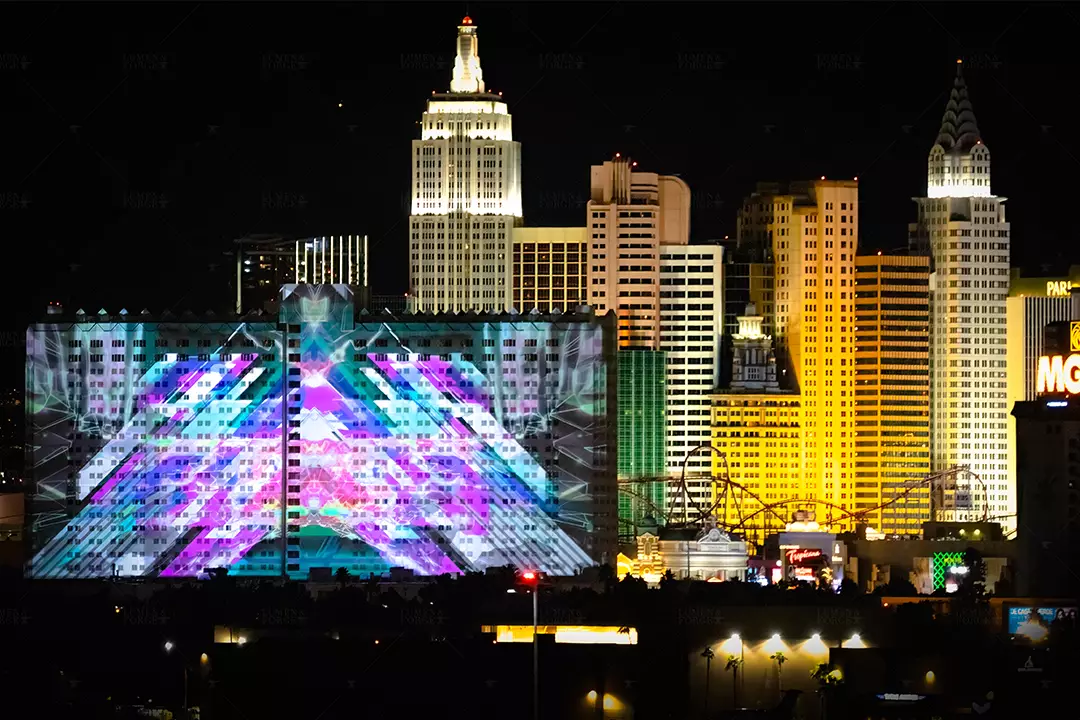
Projection mapping is the process of aligning projected light to the actual shape of a surface, so the image bends, wraps and locks to the geometry in front of the audience. It is not the same as throwing a video onto a flat screen. A screen is a neutral rectangle that accepts a picture as-is; mapping treats the surface itself as the canvas, correcting for corners, curves, columns and depth so the content reads as if the building were built to display it. The result can be architectural, theatrical or fully abstract, and it can scale from a single object to an entire facade.
In Detroit, that approach suits a wide range of landmarks. It works on the scale of Huntington Place, Ford Field, Little Caesars Arena and Comerica Park, and on the detail of the Detroit Institute of Arts, the Fox Theatre, Michigan Central Station and the Guardian Building. It also fits open, high-traffic settings such as Campus Martius Park and Hart Plaza, and distinctive structures like the Fisher Building.
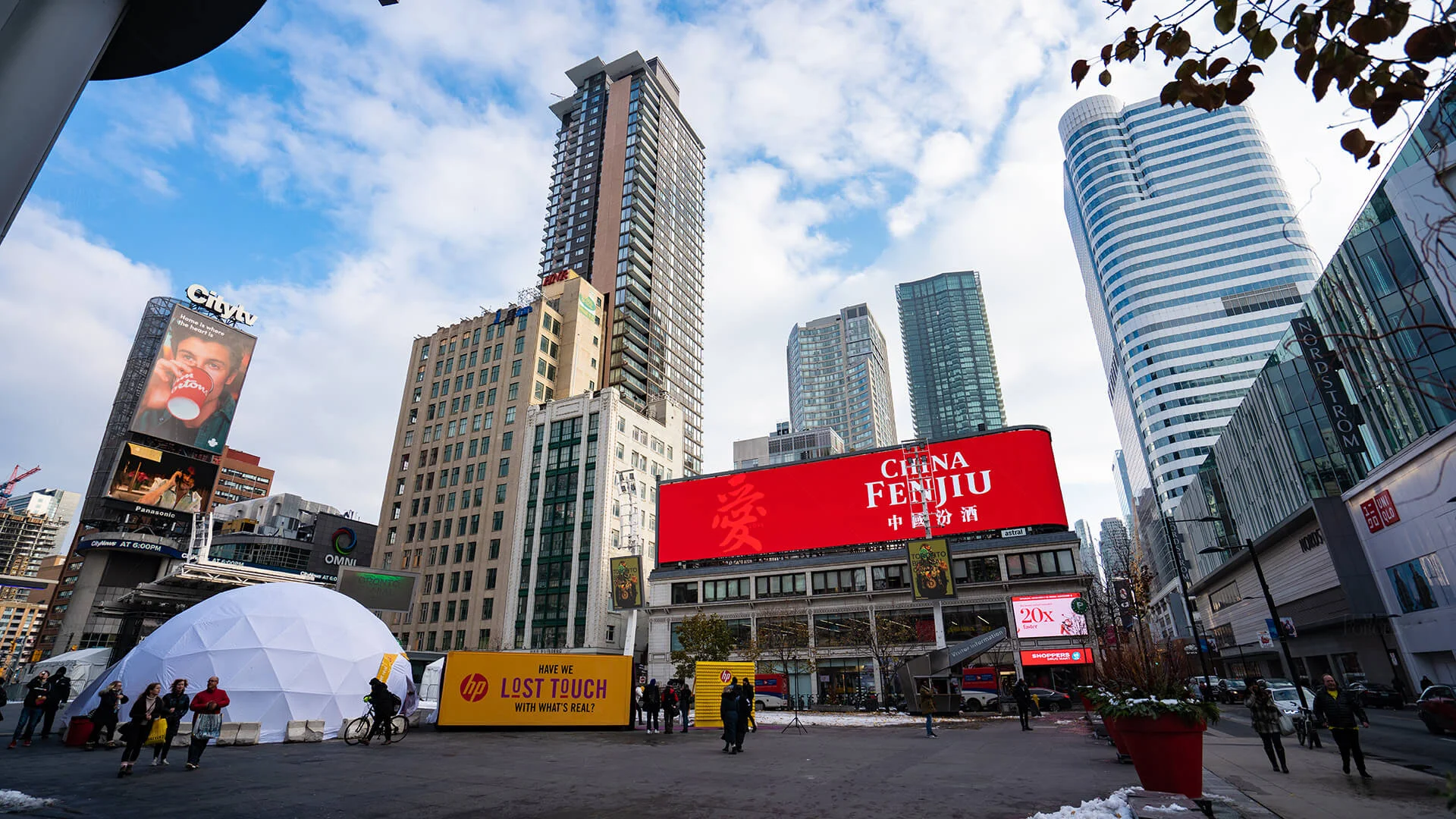
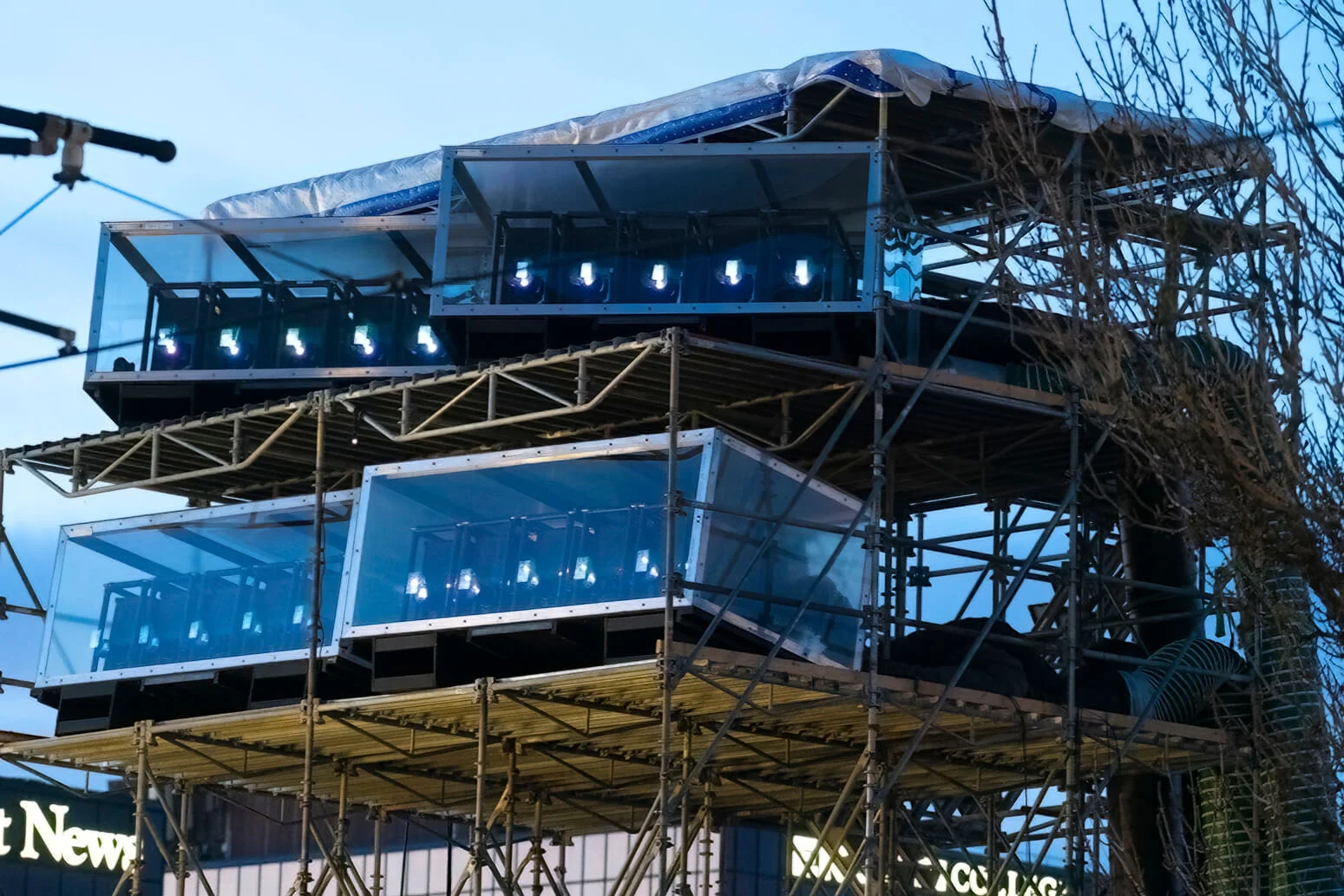
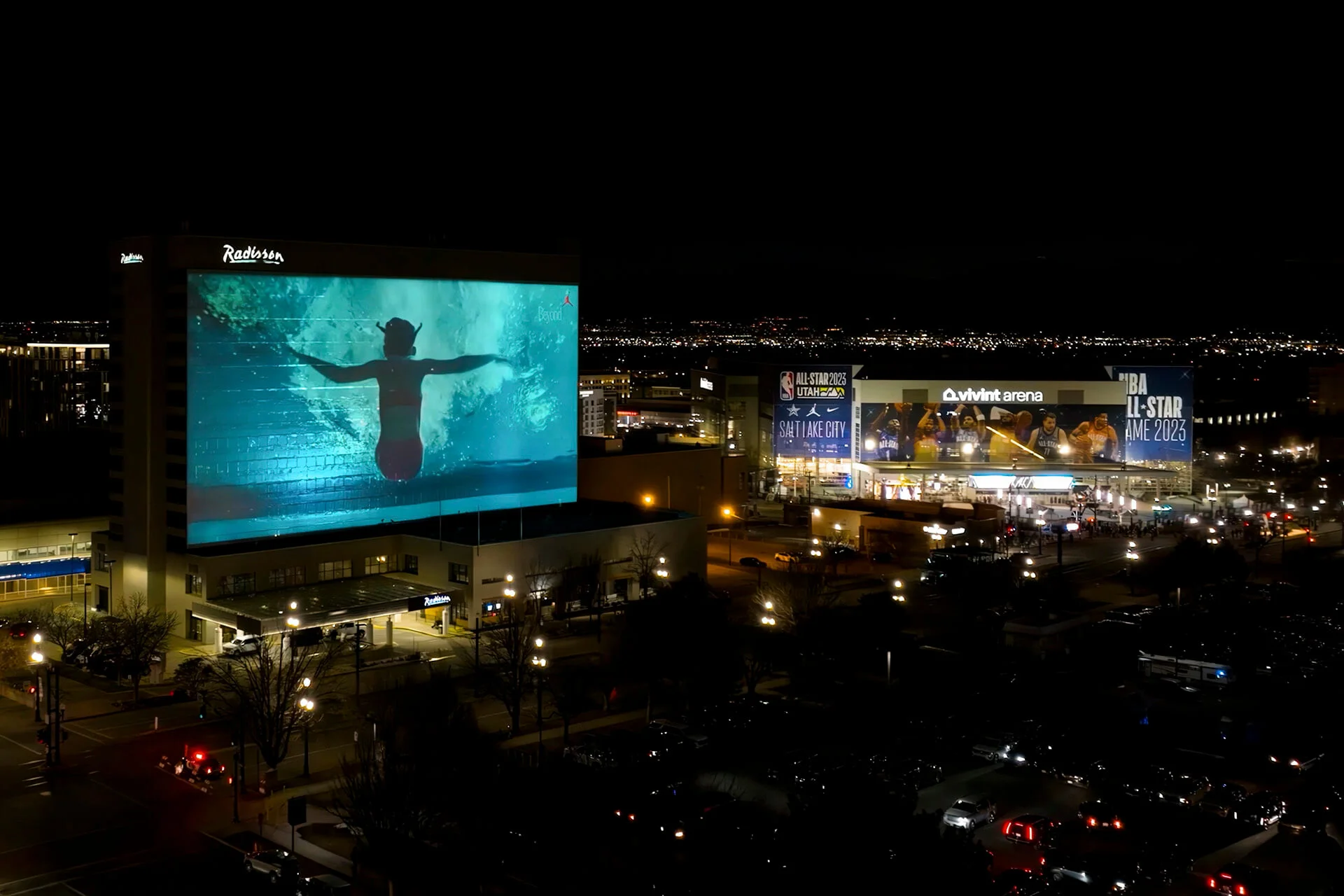
Building and Architectural Projection
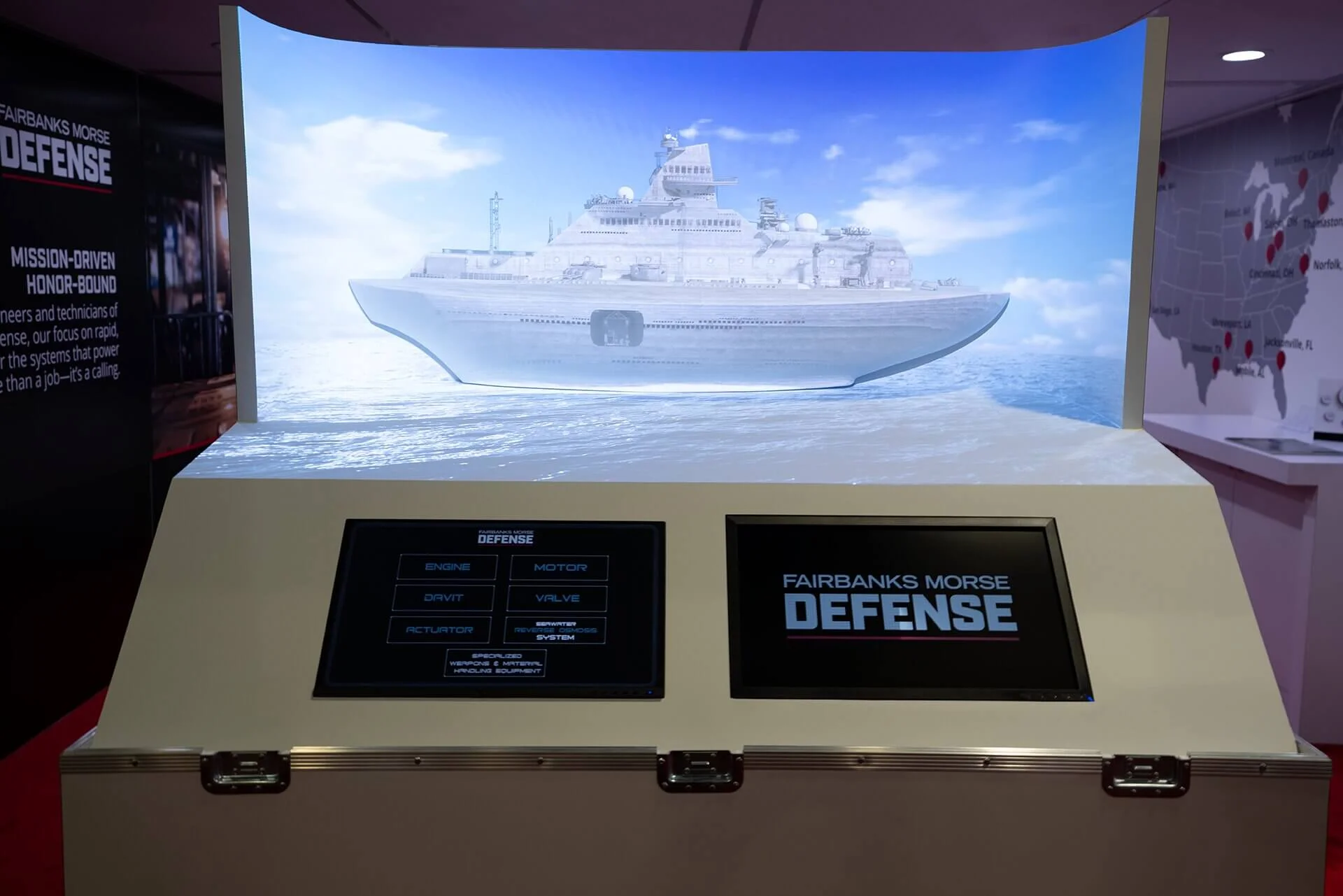
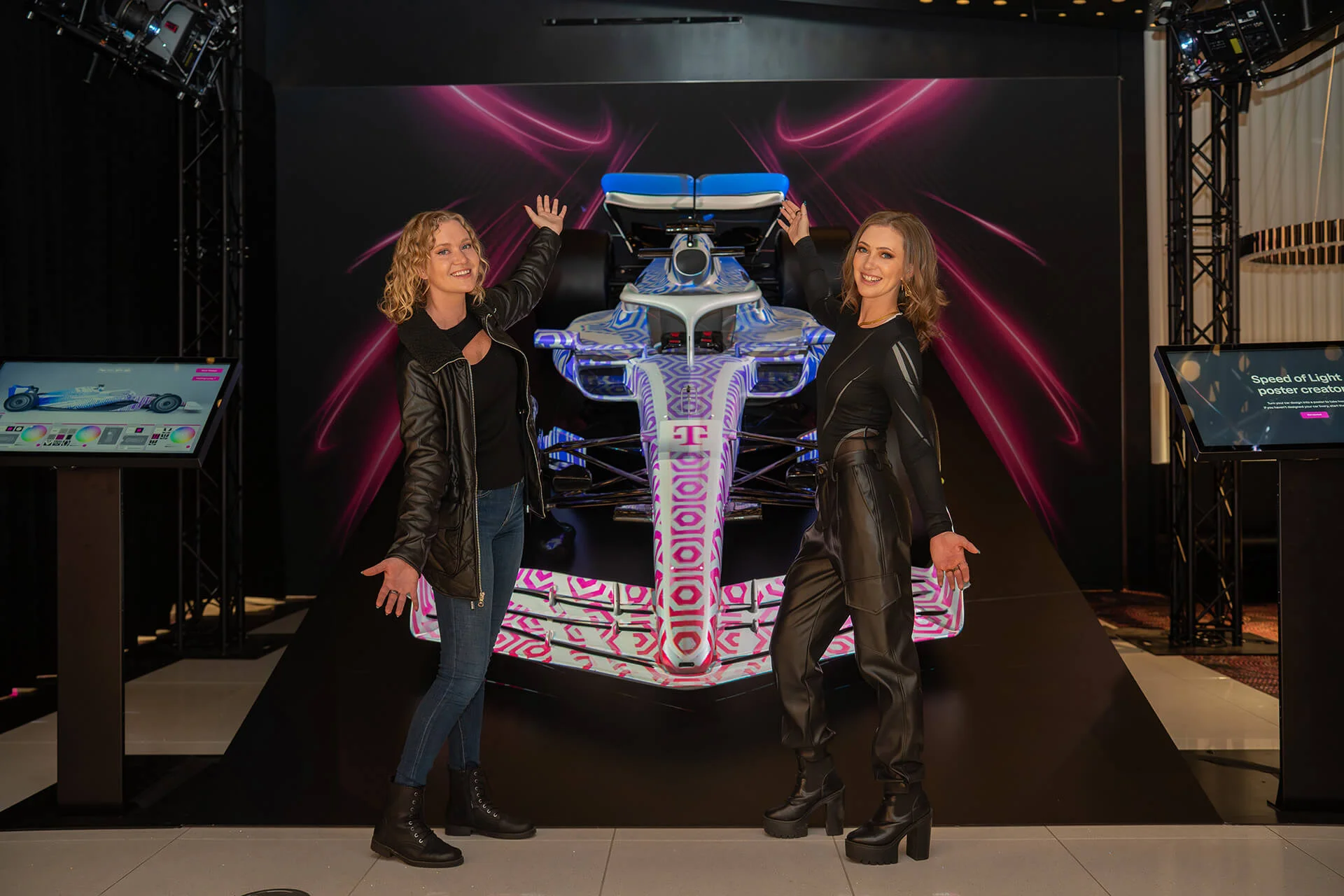
Object and Product Projection Mapping
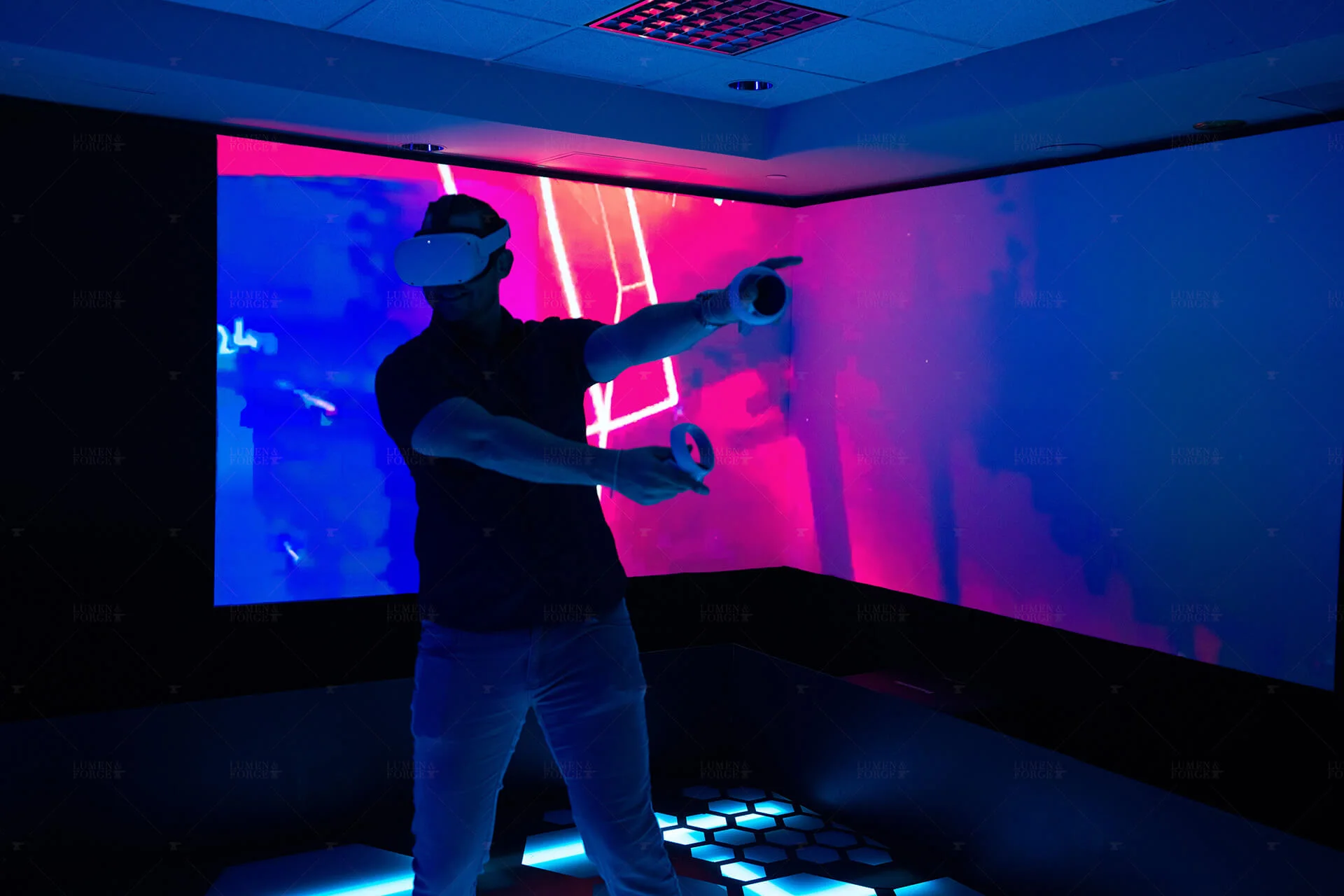
Interactive Projection
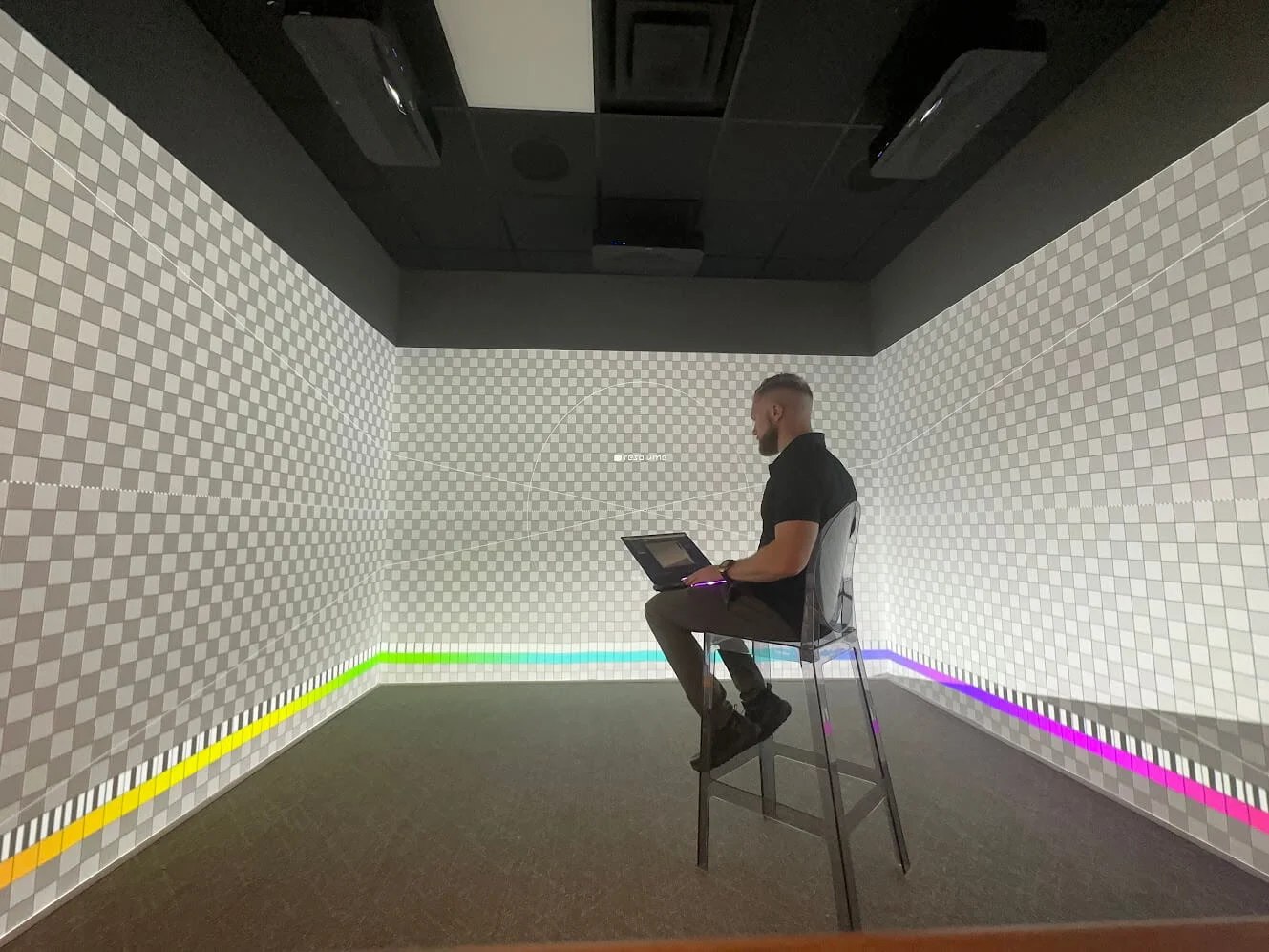
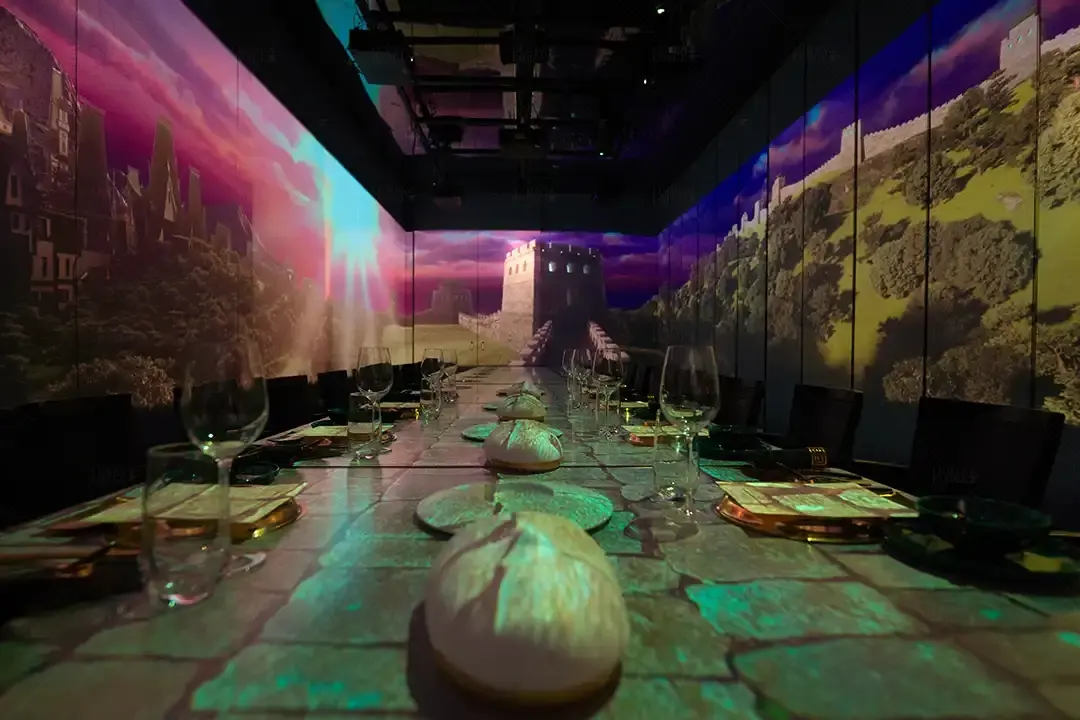
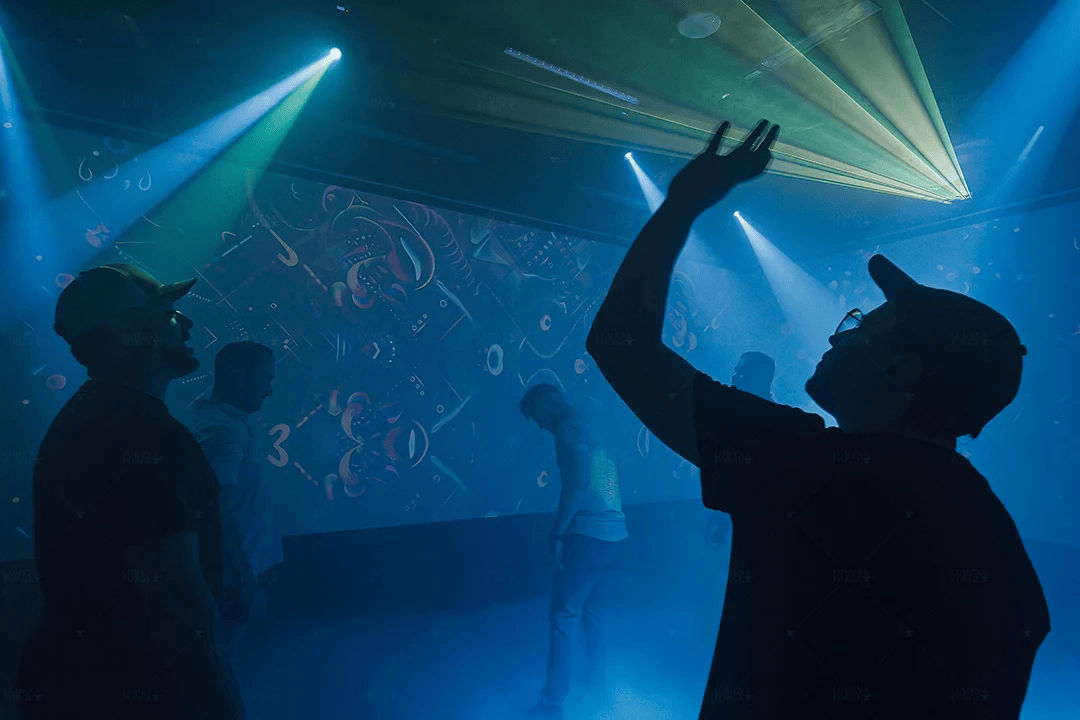
Room and Environment Mapping
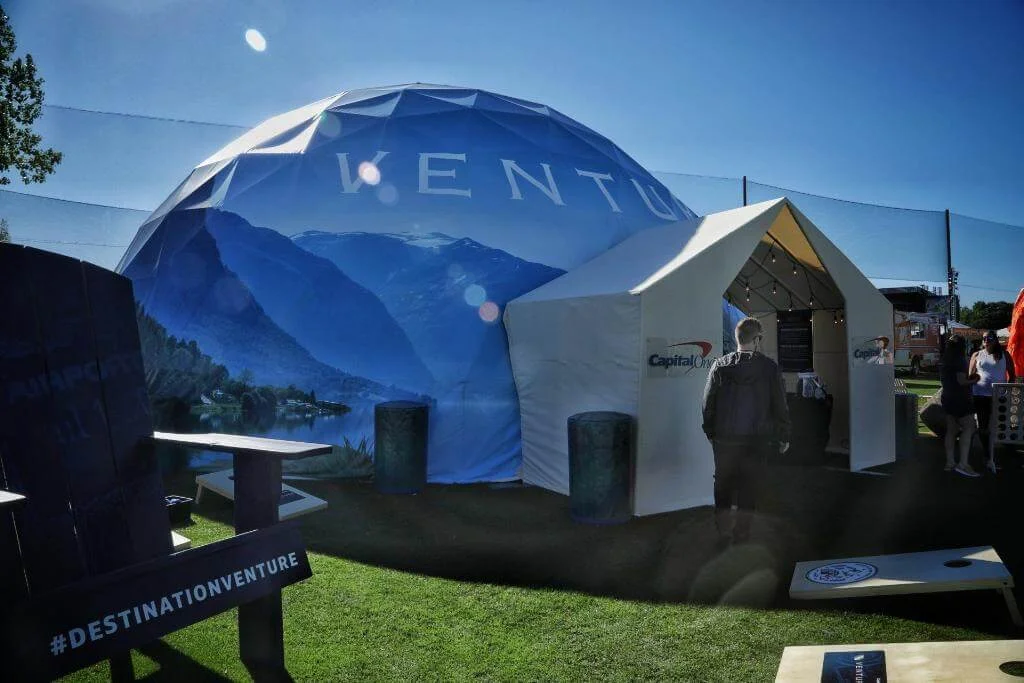
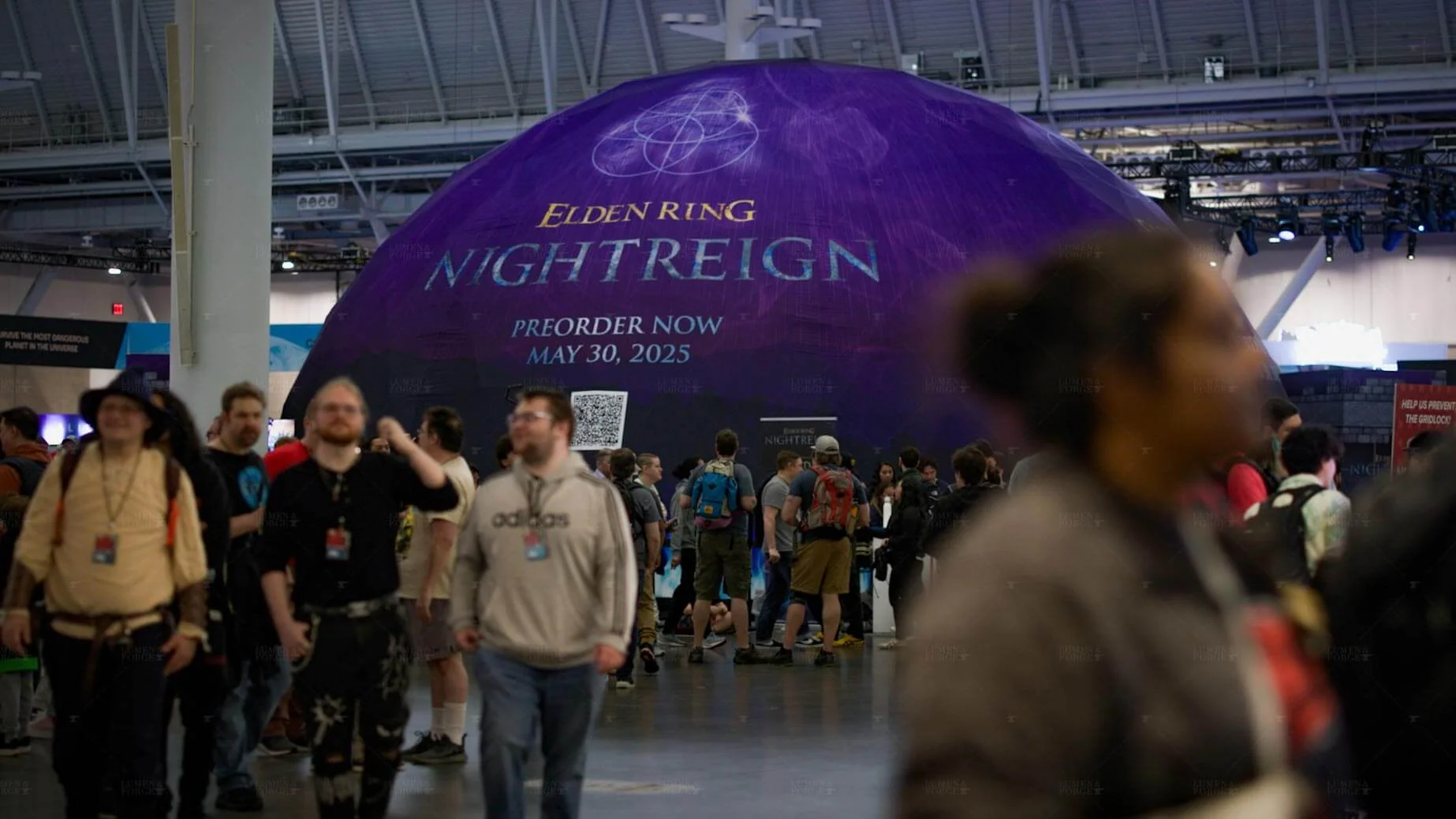
Dome Projection
Why Detroit Is a Natural Fit for Projection Mapping
Detroit audiences are not easily impressed by scale alone. They live in a city that hosts the Detroit Auto Show at Huntington Place every January, the Movement Music Festival at Hart Plaza over Memorial Day weekend, the Chevrolet Detroit Grand Prix on a downtown street circuit in late May and early June, the Detroit Jazz Festival at Hart Plaza over Labor Day weekend, and America's Thanksgiving Parade every November. Spectacle is the baseline here, not the finish line. A brand that lights up a facade and stops there gets a few seconds of phone footage and nothing else. What earns attention in this market is work that says something about the city, the venue, or the moment it occupies.
That bar is set by the audiences themselves. Automotive OEMs and suppliers, mobility and EV technology teams, professional sports and entertainment organizations, music and nightlife promoters, healthcare systems, real estate developers, and financial services firms all compete for the same rooms, the same sponsorship dollars, and the same crowded calendars. A reveal timed to the auto show has to read clearly to press, dealers, and engineers moving through Huntington Place at once. A playoff or game night activation at Ford Field, Little Caesars Arena, or Comerica Park has to work for a crowd that arrives loud and leaves quickly. A festival installation at Hart Plaza or Campus Martius Park has to survive weather, foot traffic, and an audience that has seen every trick twice.
Detroit's architecture raises the stakes further. The Guardian Building, the Fisher Building, Michigan Central Station, the Fox Theatre, and the Detroit Institute of Arts are not blank canvases. They carry history, detail, and civic weight, and audiences know them well enough to notice when a projection treats them carelessly. Mapping that respects a building's proportions, stonework, and silhouette reads as a collaboration with the city. Mapping that ignores them reads as an advertisement dropped on a landmark. The same logic applies to room-scale environments and interactive installations tied to a product launch, a sponsorship, or a district-wide event.
Permitting reinforces the point. Special events on public property move through the Mayor's Office Special Events process, with review by the city's Special Events Management Team and City Council approval before permits and inspections are issued. That timeline rewards teams that plan early and design for the site rather than the render. In Detroit, the activation that lands is the one built for the venue, the audience, and the date on the calendar, not the one that simply arrives loudest.
Lumen and Forge: Engineered for Motor City Launches
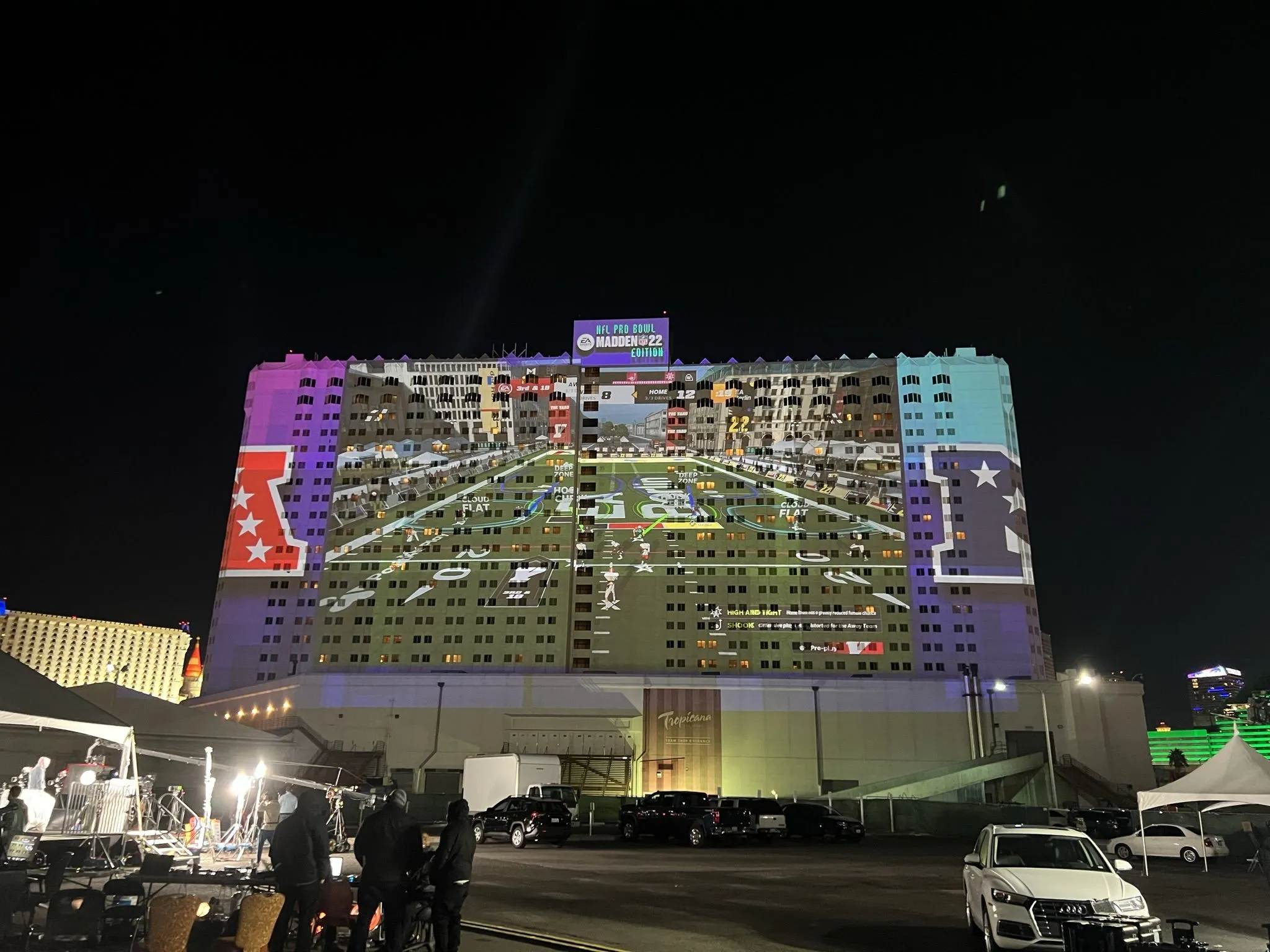
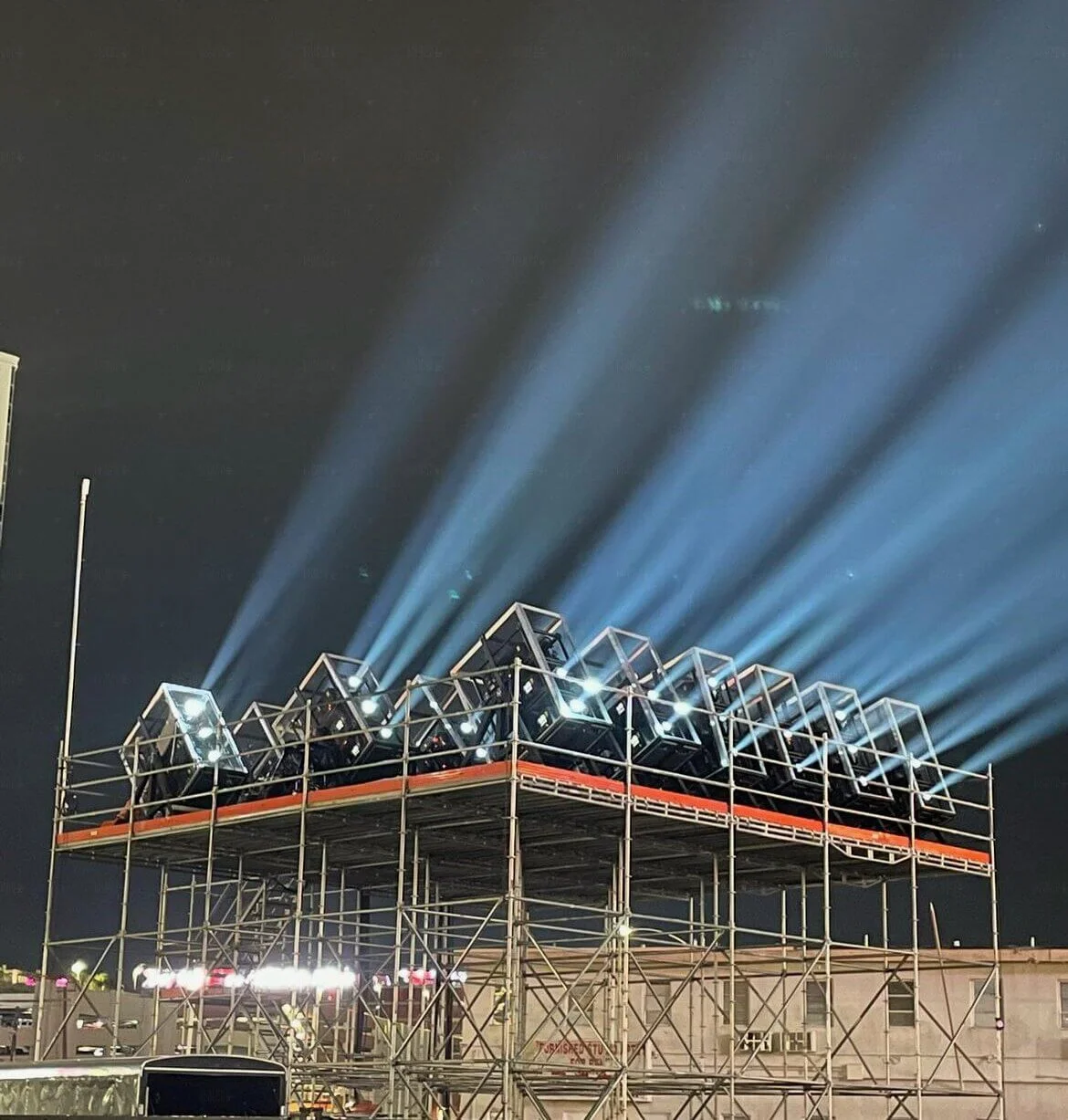
Over 15 years of producing large-scale projection mapping and immersive experiences for globally recognized brands gives Lumen and Forge the operational depth Detroit productions require. Our portfolio includes building projections for Nike and Air Jordan at NBA All-Star Weekend, large-scale convention experiences for Toyota, McLaren, and Mastercard, a world record video game screen at the Tropicana, and the Beneath the Blue 360-degree dome for National Geographic. Our team is comfortable working alongside experienced production crews and holding a technical standard in front of an audience that knows the difference, which is exactly what Detroit requires.
Who We Work With in Detroit
Detroit's mix of manufacturers, venues and cultural institutions means projection mapping work here comes from a few distinct directions. These are the client types we build for most often.
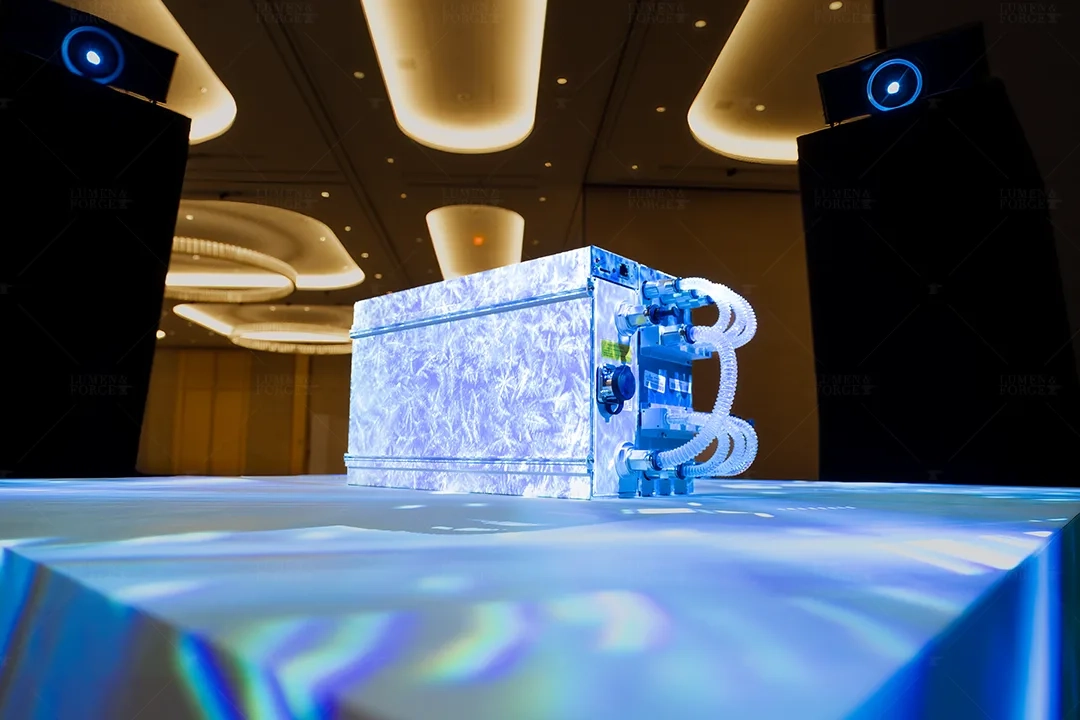
- Automotive OEMs and suppliers. With the Detroit Auto Show anchoring January at Huntington Place, automakers and their suppliers need reveal moments that hold a hall full of press and dealers. Building projection and object mapping let a vehicle launch carry the scale of the venue without rebuilding the room around it.
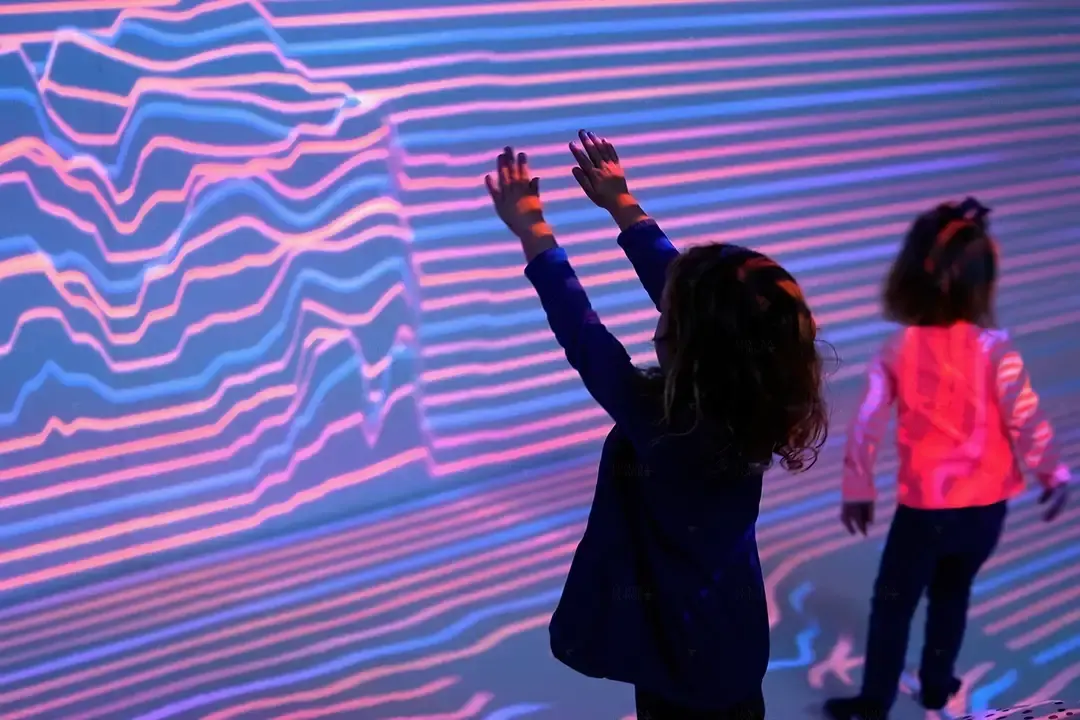
- Mobility and EV technology. Brands launching new platforms and charging products use interactive installations and room-scale environments to make technical stories physical, whether the audience is at a downtown activation or an invite-only preview.
- Professional sports and entertainment. Ford Field, Little Caesars Arena and Comerica Park host game days, fan festivals and private events where projection can turn concourses, plazas and hospitality spaces into part of the show.
- Music and nightlife. Movement Music Festival over Memorial Day weekend and the Detroit Jazz Festival on Labor Day weekend both take over Hart Plaza, where projection domes and large-scale visuals give stages and sponsor activations a nighttime identity.
- Healthcare systems. Hospitals and health networks use object mapping and interactive displays for donor events, fundraising galas and internal milestones, where the message needs to land clearly in a formal setting.
- Real estate development. Projects tied to Michigan Central Station and the downtown core use room-scale environments and building projection to show what a district will become before the first tenant arrives.
- Financial services. Banks and financial firms book venues like the Fox Theatre, Guardian Building and Fisher Building for client events, where architectural projection adds presence to a keynote or reception.
Across all of these, the work runs through the same Detroit calendar, from the Chevrolet Detroit Grand Prix street circuit in late May and early June to America's Thanksgiving Parade in November, plus the year-round events at Campus Martius Park.
Ready to Light Up the Motor City?
Frequently Asked Questions: Projection Mapping in Detroit
Standard projection displays a flat image on a flat screen or white wall. Projection mapping uses specialized software to warp, align, and calibrate video content so it fits precisely onto any three-dimensional surface, whether that is a building exterior, a custom sculpture, a vehicle, or an entire room. The software accounts for every edge, angle, and curve, so the content appears to belong to the object itself rather than simply being cast onto it. In a city full of working production professionals, that level of precision is what separates a real installation from a lighting effect.
Yes. Outdoor projection mapping in Detroit is most reliable from spring through early fall, when the Detroit Auto Show, Movement Music Festival, Chevrolet Detroit Grand Prix and Detroit Jazz Festival fill the calendar, though America's Thanksgiving Parade in November and winter activations call for brighter output and weather protection. Summer sunsets land late, so ambient light stays high until roughly 9:30 p.m., pushing start times later. Downtown cores around Campus Martius Park and Hart Plaza carry more competing light than Ford Field or Huntington Place, where controlled conditions favor sharper contrast.
Huntington Place and Ford Field give projection mapping the scale that large auto and sports audiences expect. Little Caesars Arena and Comerica Park work for game-day and concert content, while the Detroit Institute of Arts, Fox Theatre and Michigan Central Station suit more architectural, story-driven projection.
Campus Martius Park, Hart Plaza, the Guardian Building and the Fisher Building all offer downtown visibility for public activations.
The Detroit Auto Show at Huntington Place in January is a natural fit for automotive and EV brands, while Movement Music Festival and the Detroit Jazz Festival, both at Hart Plaza, suit music and nightlife activations. The Chevrolet Detroit Grand Prix brings downtown street circuit crowds in late May or early June, and America's Thanksgiving Parade draws families along the route every November.
Yes. Lumen and Forge coordinates permits, power, rigging and site logistics with the venue as part of every Detroit installation. For special events on public property, that means working through the Mayor's Office Special Events process, where the city's Special Events Management Team reviews the plan and City Council approval is required before permits and inspections are issued. We build that timeline into production schedules from the start, so approvals, load-in and show day stay on track.
There is no single price for projection mapping in Detroit, because every project is scoped from scratch. Cost depends on the scale of the surface, whether you are lighting the facade of the Fox Theatre or the Fisher Building, the complexity of the custom content, how long the installation runs, and the equipment and crew required on site. A one night activation at Campus Martius Park and a multi day build at Huntington Place carry very different production demands. Share your venue, dates and goals and we will build an accurate estimate.
Lead time depends on the scale of the project. Custom content, a site survey, equipment and crew scheduling, and permitting all take time, and large building projections and outdoor events need the longest runway. Special events on public property go through the Mayor's Office Special Events process, with review by the city's Special Events Management Team and City Council approval before permits and inspections are issued. Get in touch as soon as the venue and date are known.
Projection mapping applies light and video to a surface, treating it as a canvas rather than a flat screen. 3D projection mapping goes further, using a three dimensional model of a surface with depth, angles and corners so content wraps convincingly around it. On the Fisher Building, for example, mapping can follow the facade's setbacks, arches and ornament instead of flattening them, so the architecture itself shapes the story.
In addition to projection mapping, we offer dome projection for fully immersive 360-degree spherical experiences, event and project design for end-to-end production planning, and animation and visual storytelling for original content creation. Many of our Detroit clients combine projection mapping with one or more of these services into a single integrated production. We are a full-service immersive experience company, and the strongest work we build is conceived as a whole from the first conversation.
Do you have more questions?
Didn't find what you were looking for? Our team is happy to walk you through your project and answer anything else