

An Island Capital That Gathers After Dark
Honolulu is one of the most concentrated event markets in the country, and that concentration works in a producer's favor. The Hawai'i Convention Center, Neal S. Blaisdell Center, Tom Moffatt Waikīkī Shell, Hawai'i Theatre Center, Bishop Museum, Honolulu Museum of Art, Aloha Tower, Honolulu Hale, Bankoh Arena at Stan Sheriff Center and Ala Moana Center sit within a compact footprint, so a single production team can move between a convention hall, a historic theater, a museum courtyard and an outdoor shell without shipping equipment across an ocean between each stop.
The calendar is just as dense. Sony Open in Hawaii in January, Honolulu Festival in March, Prince Lot Hula Festival in July, Aloha Festivals in September, Hawai'i International Film Festival from October into November, Honolulu City Lights from late November through December, and the Honolulu Marathon in December keep venues booked and audiences moving all year.
Tourism and resorts, military and defense, conventions and international meetings, weddings and destination events, retail and government all compete for attention here, and each needs a moment that photographs well and travels far on social.
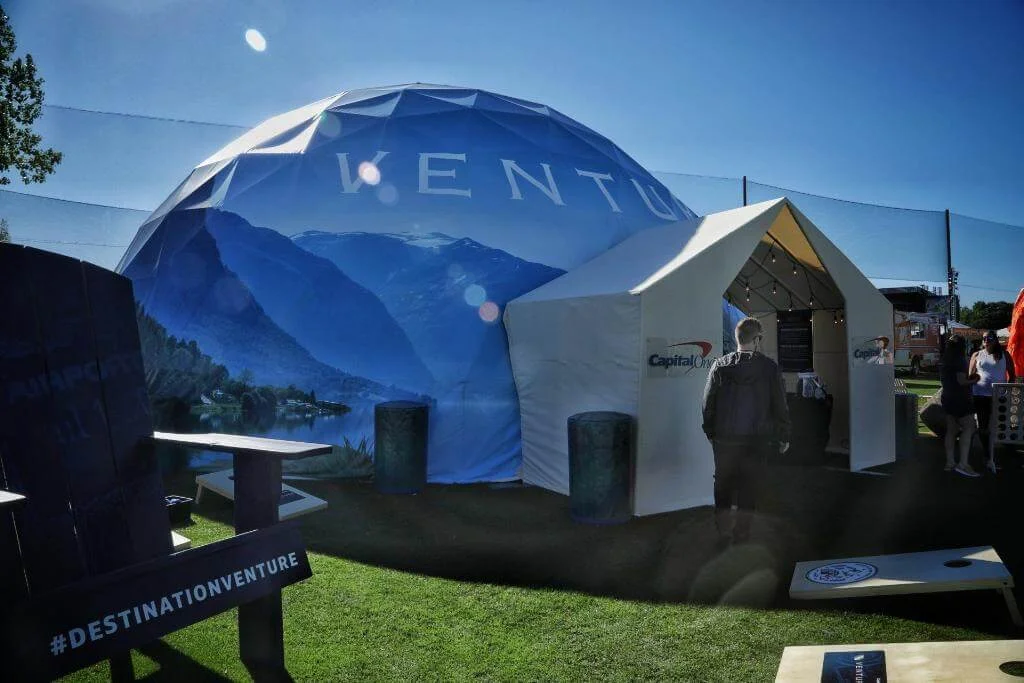
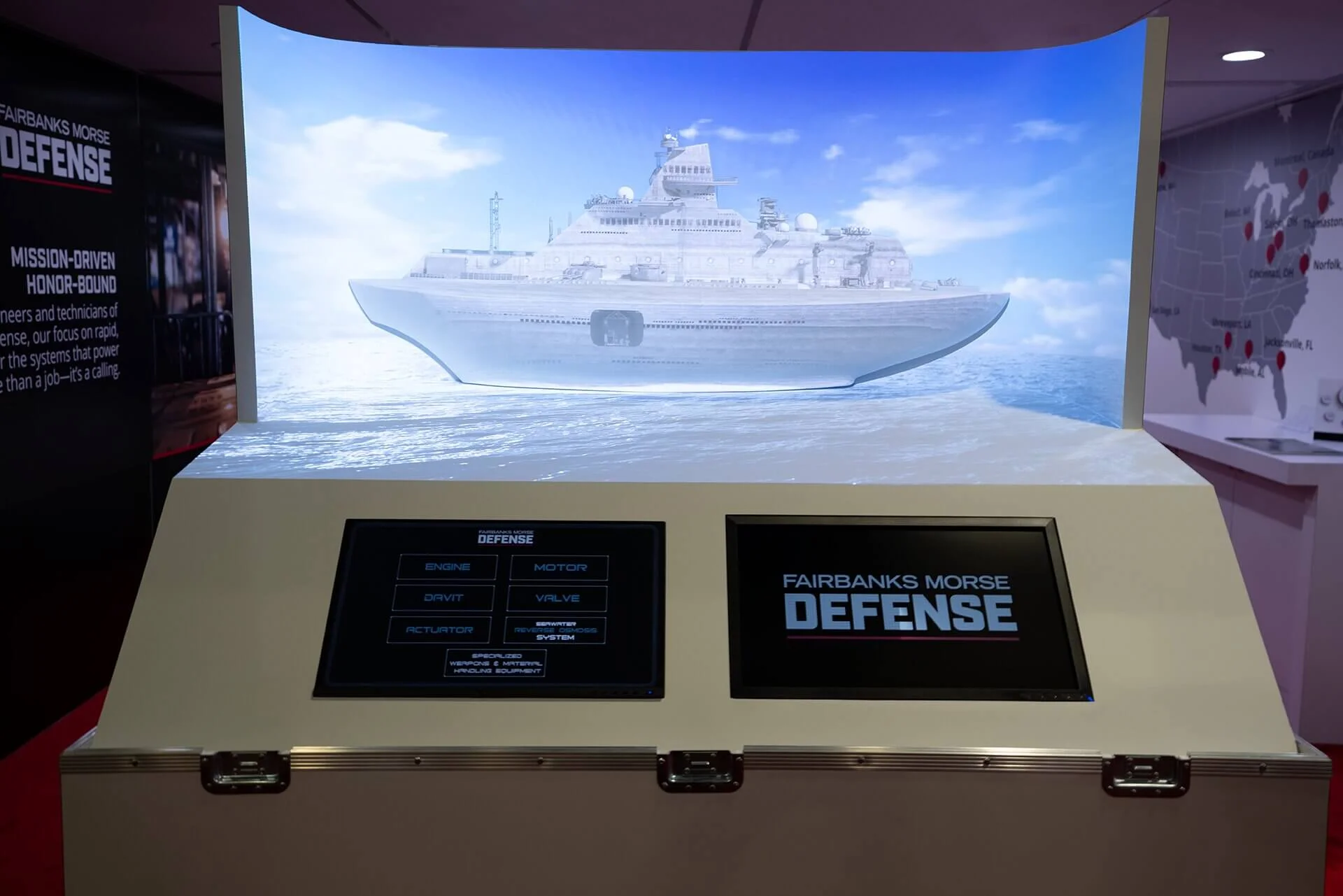
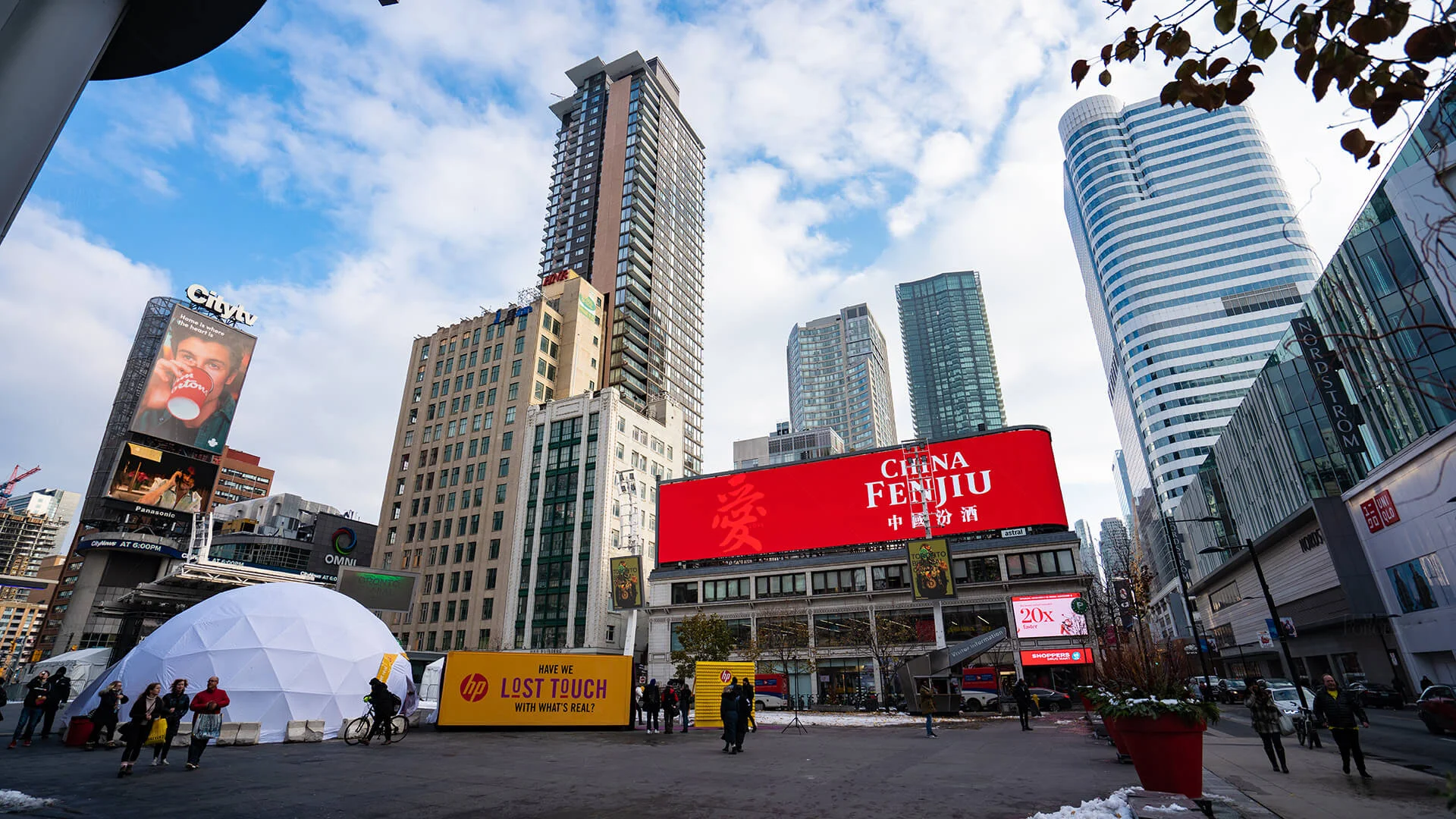
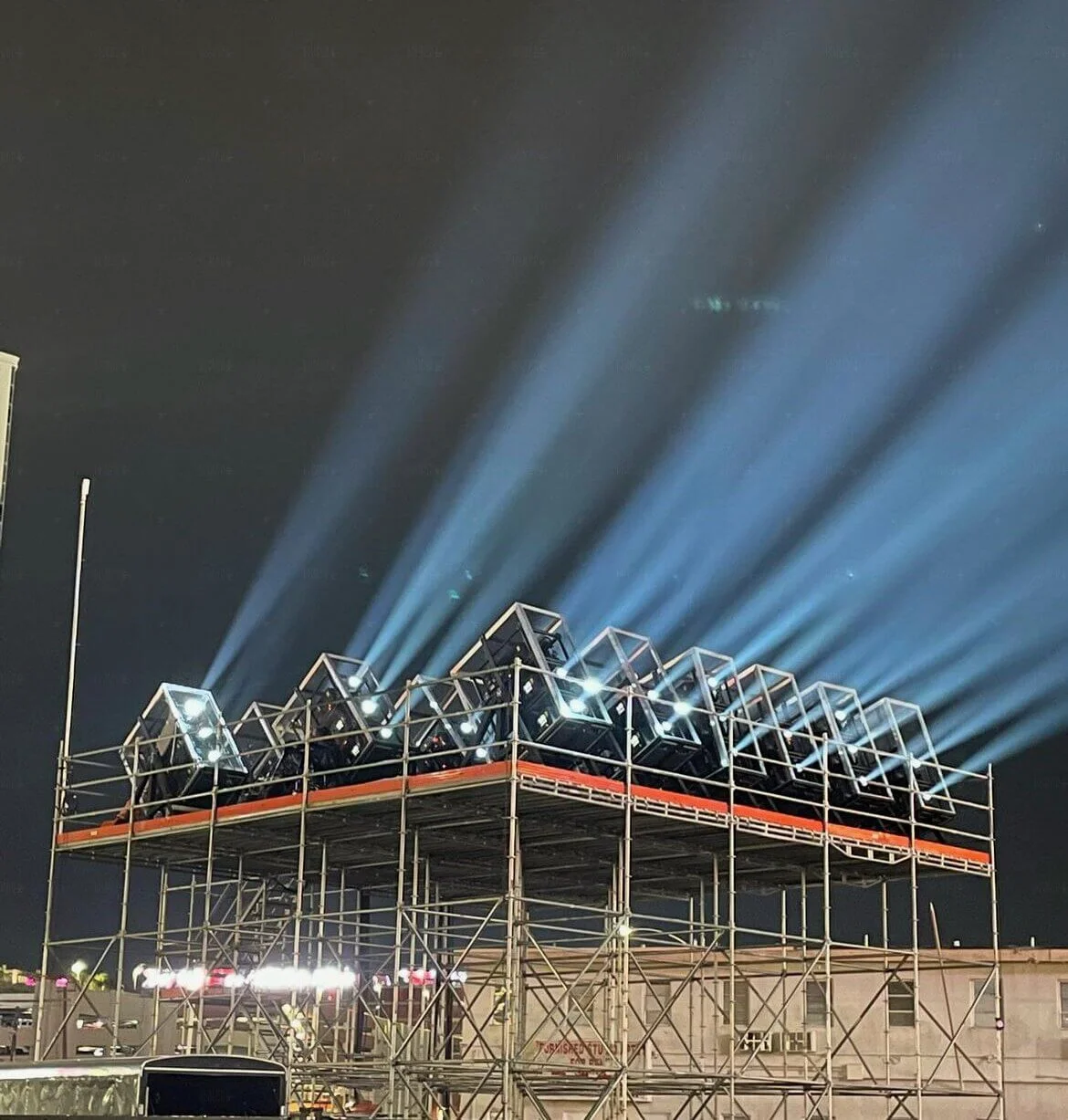
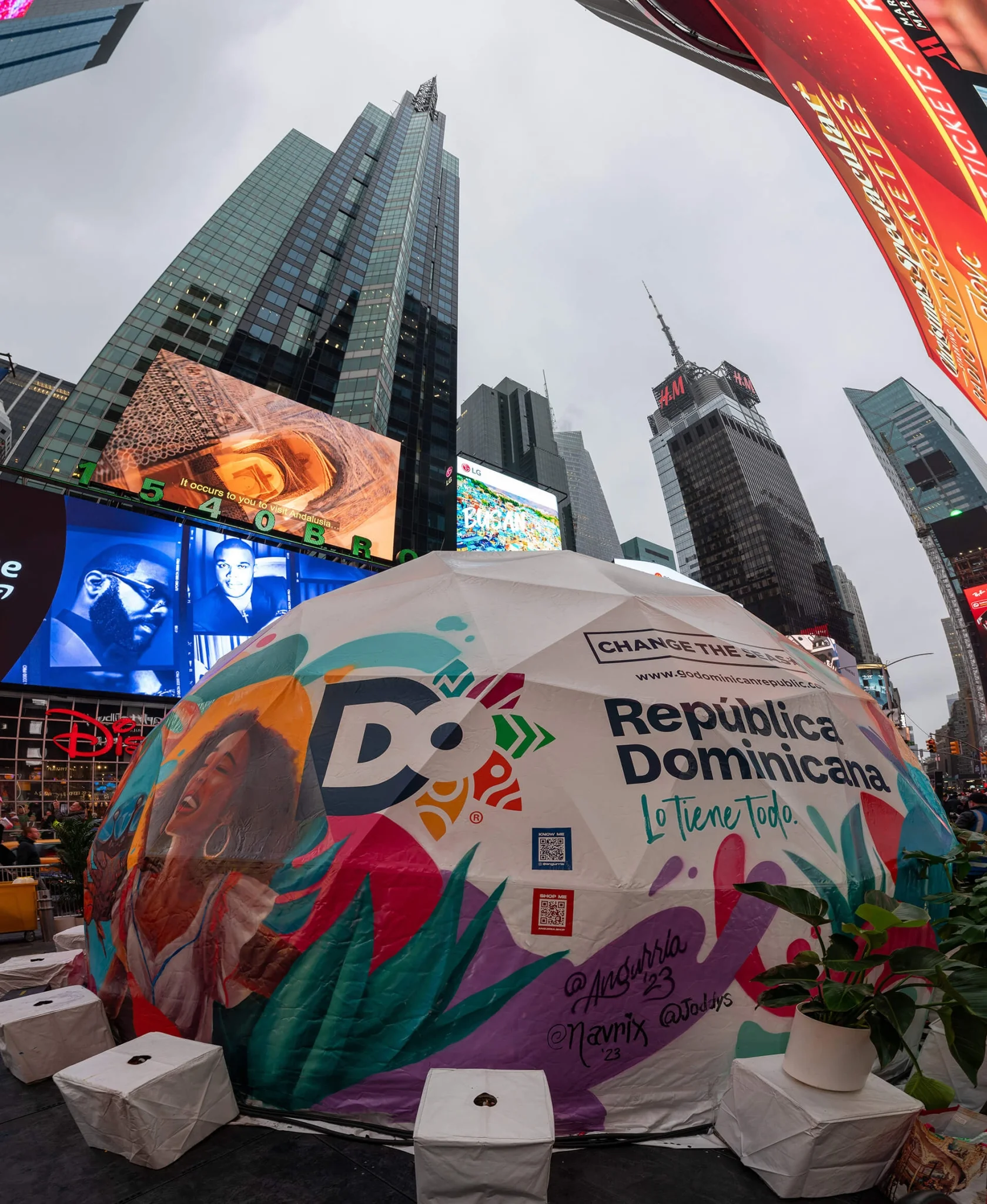
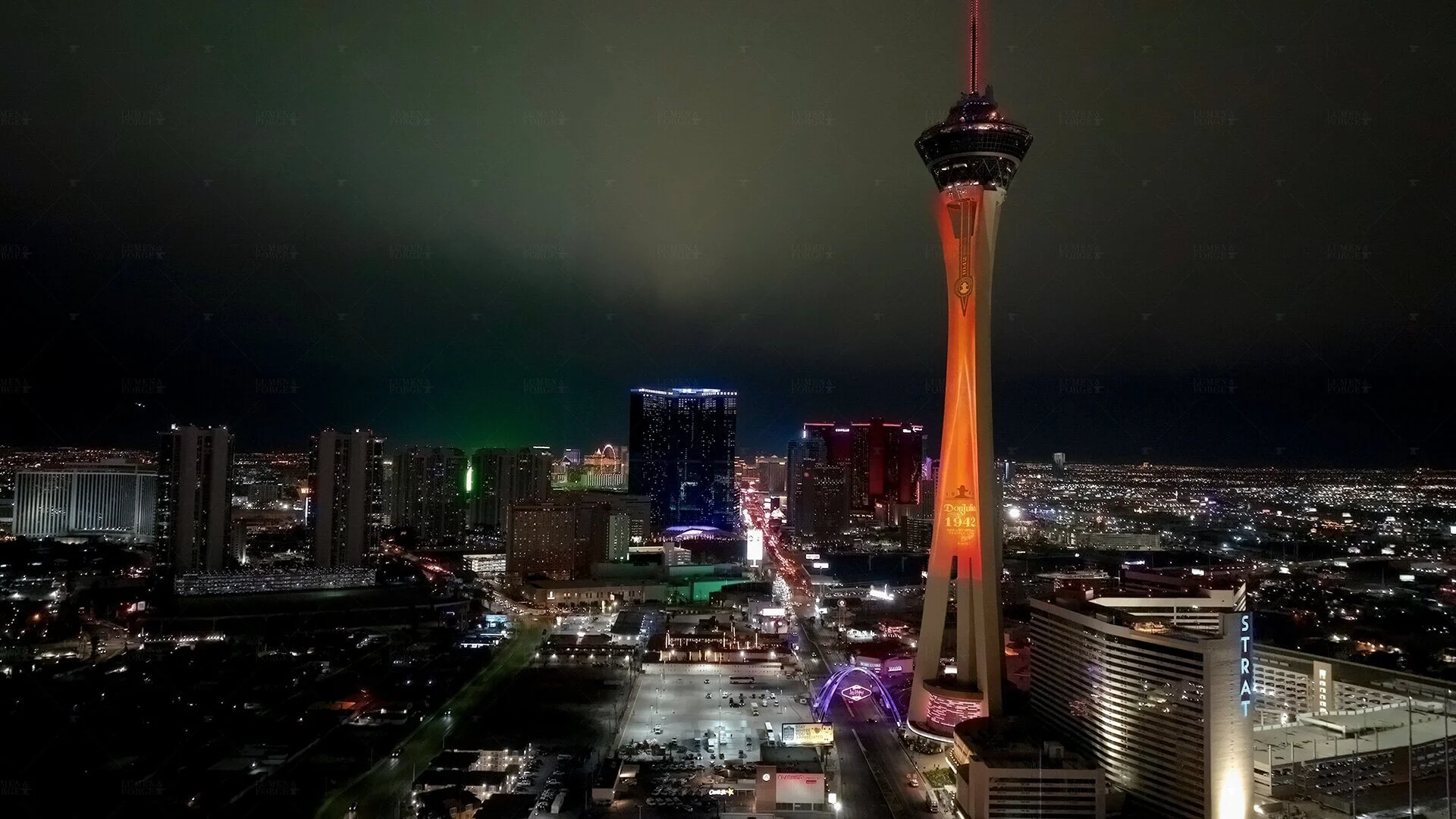
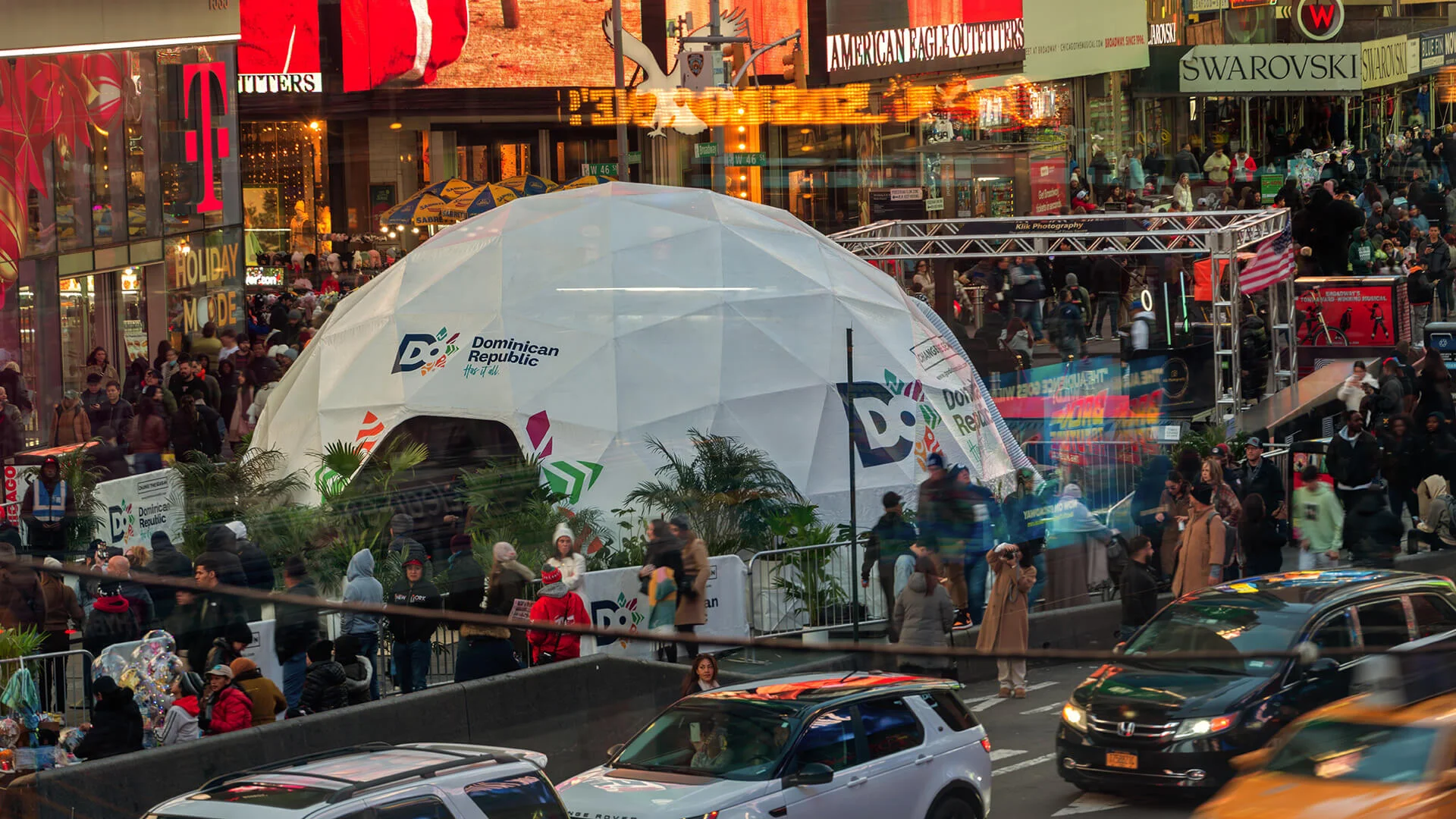
Take A Closer Look
A Deeper Look Into Animation & Visual Story Telling
A Deeper Look Into
Projection Mapping
Projection Mapping: Turning Any Surface Into a Story
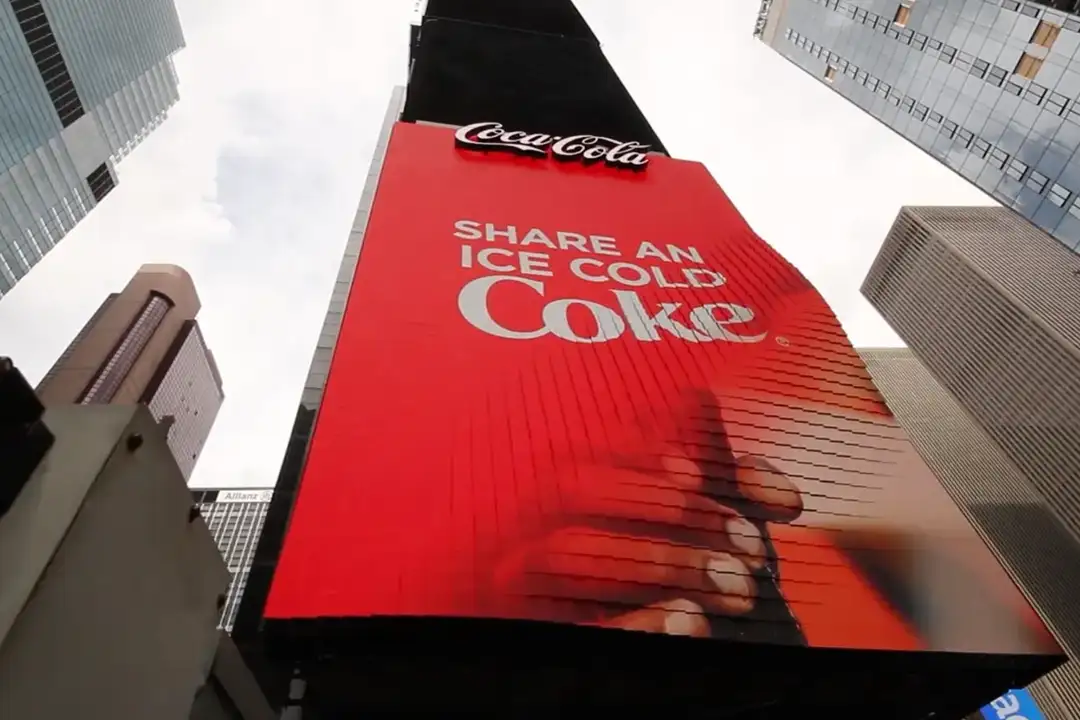
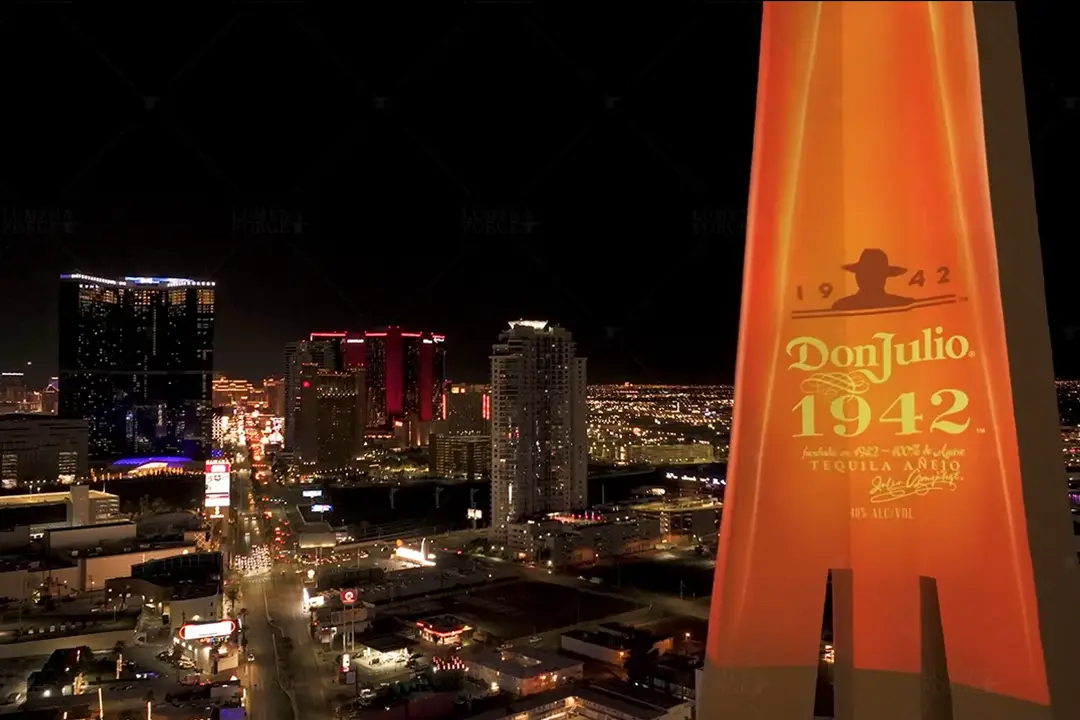
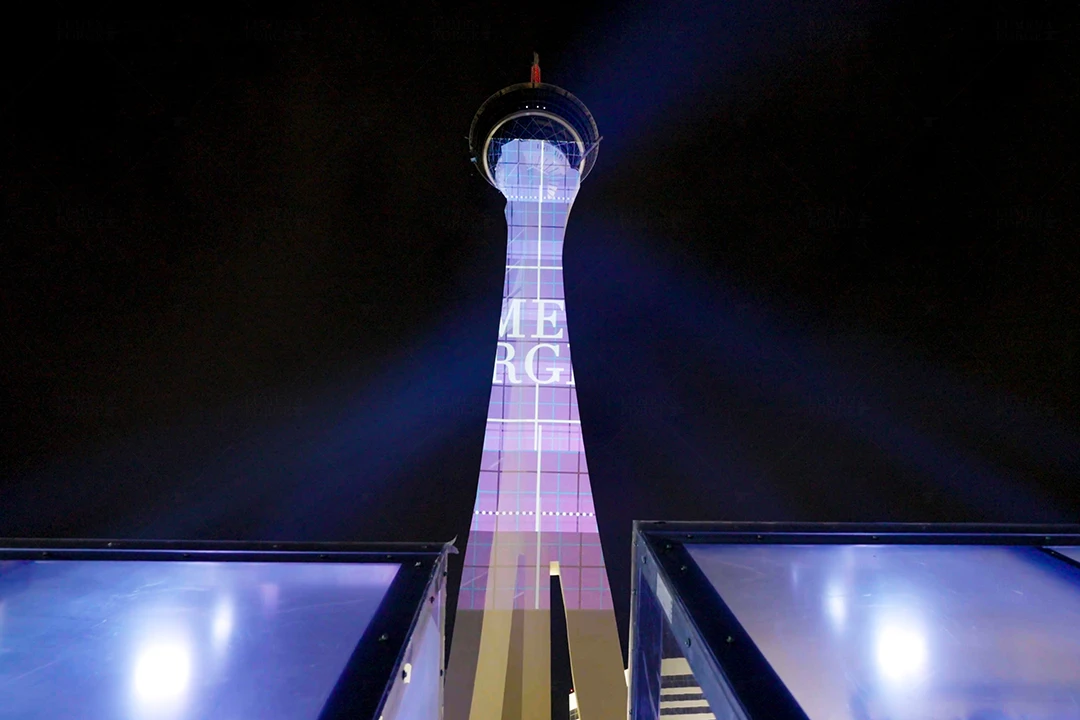
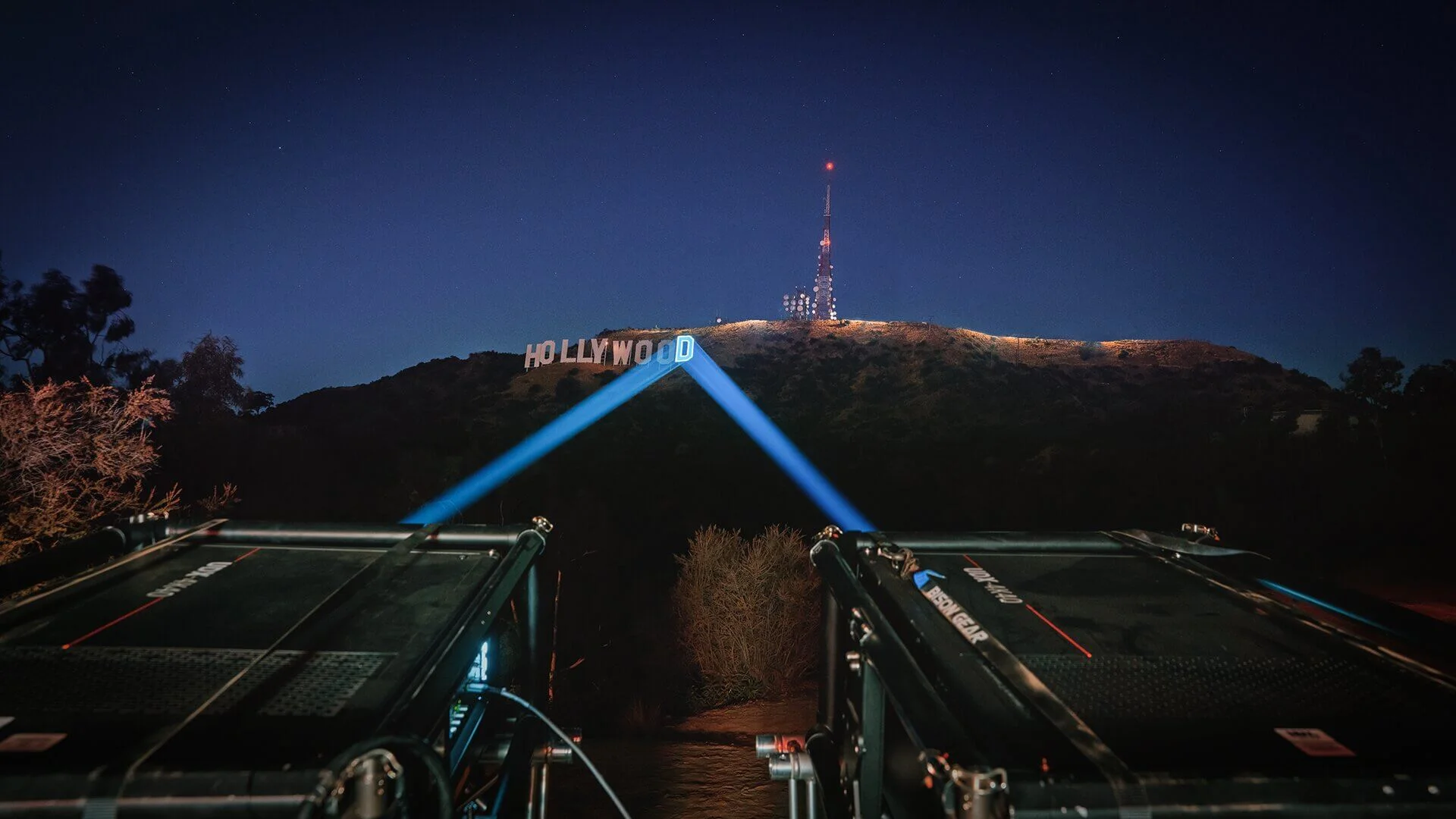
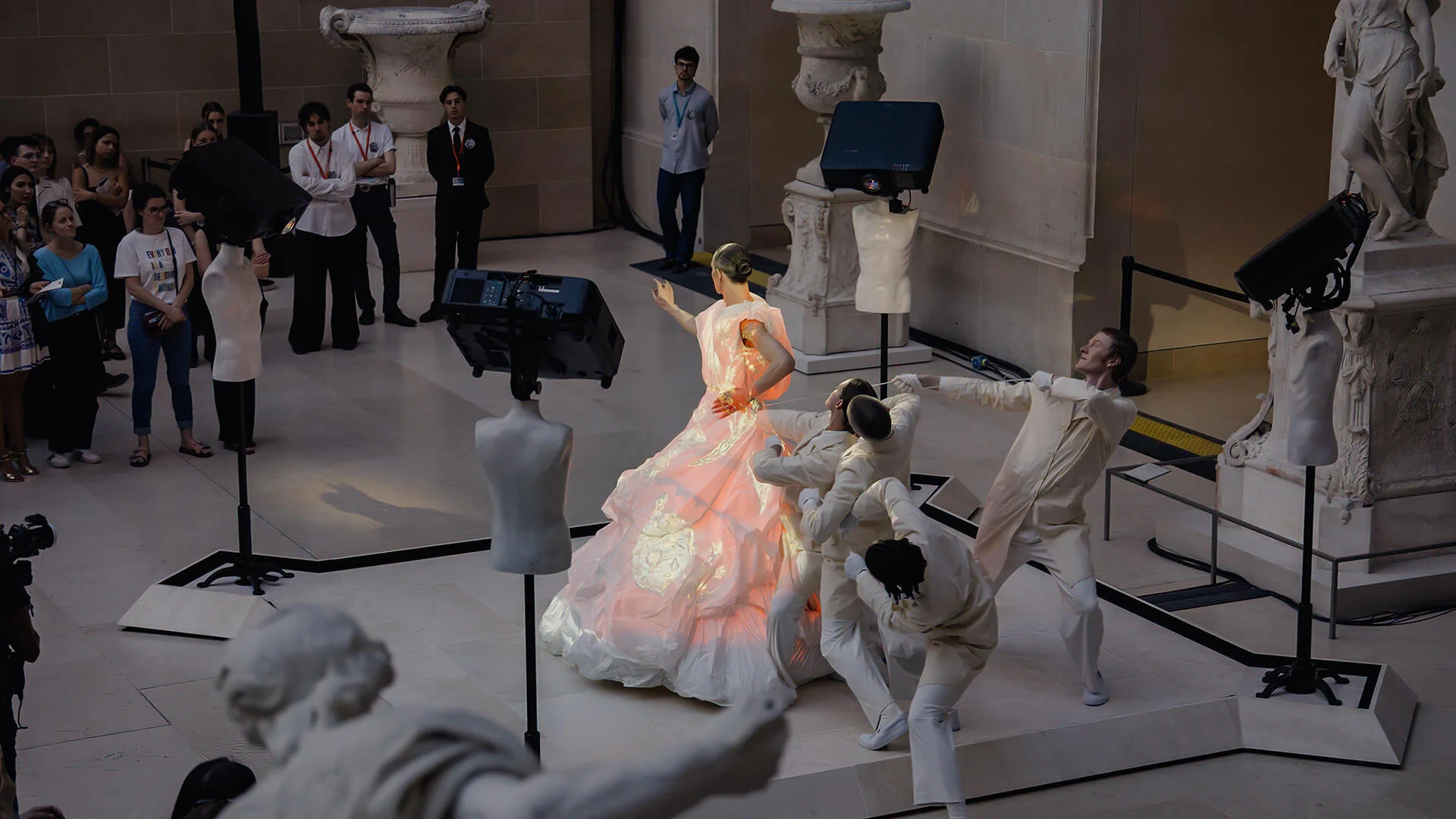
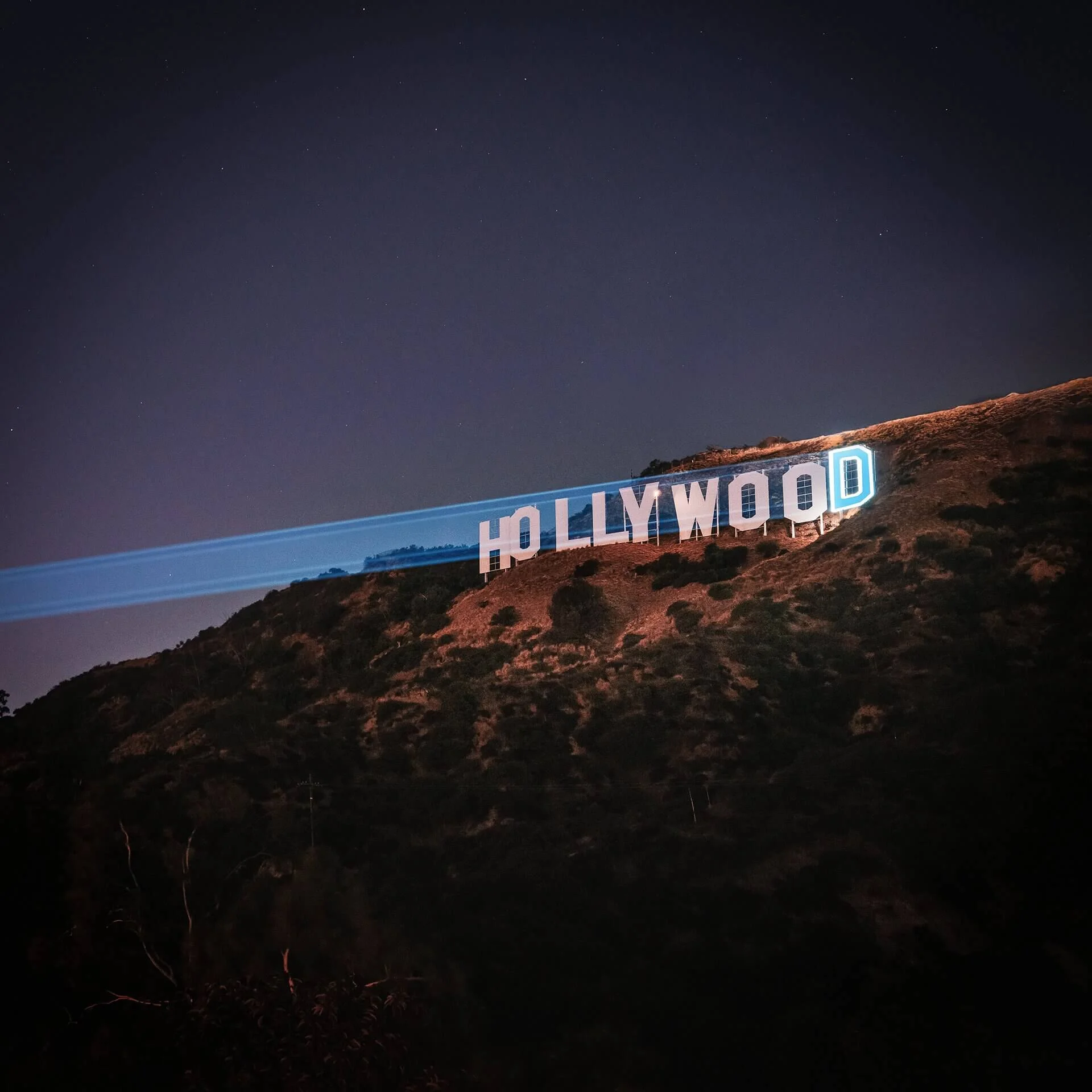
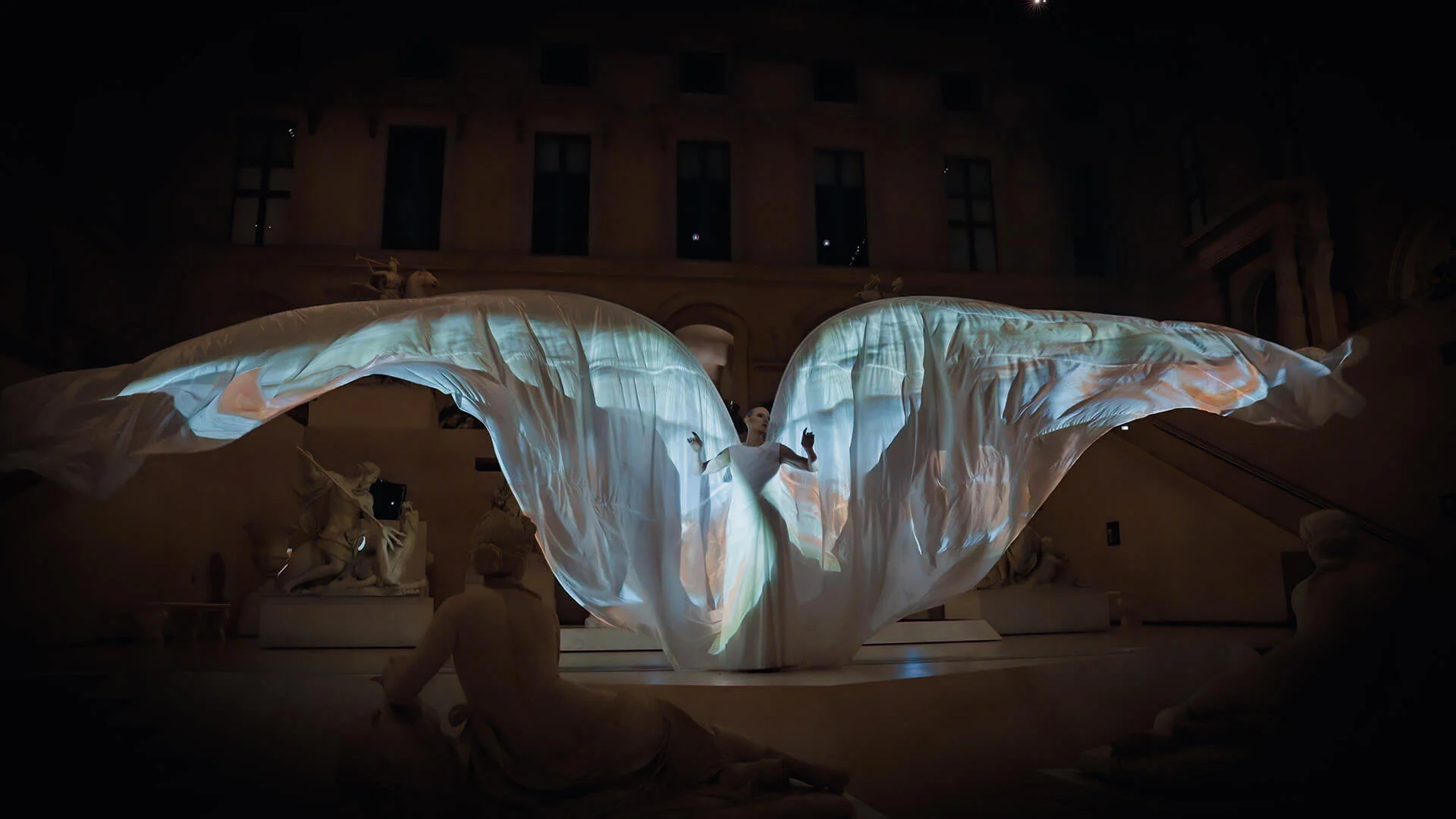
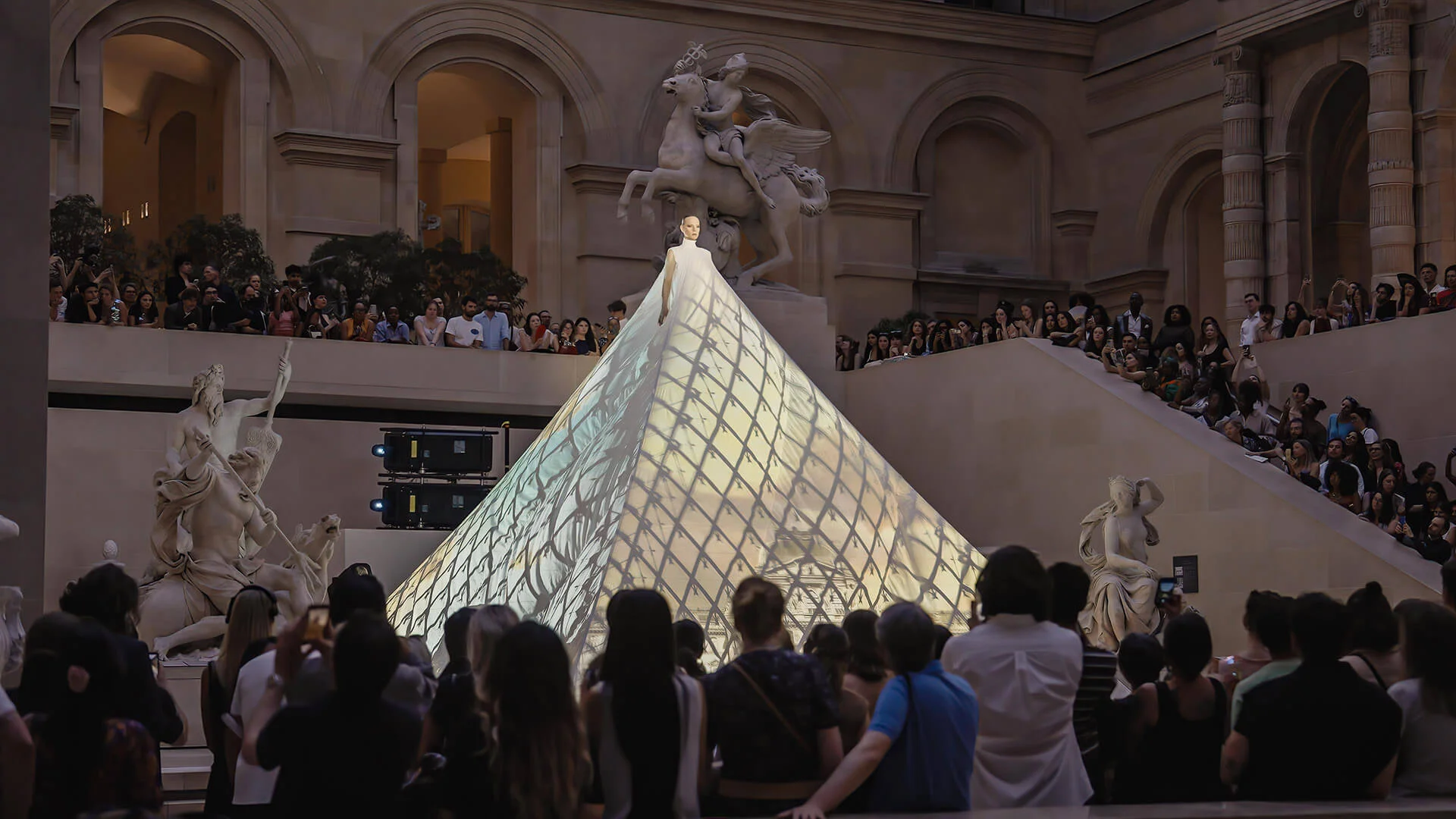
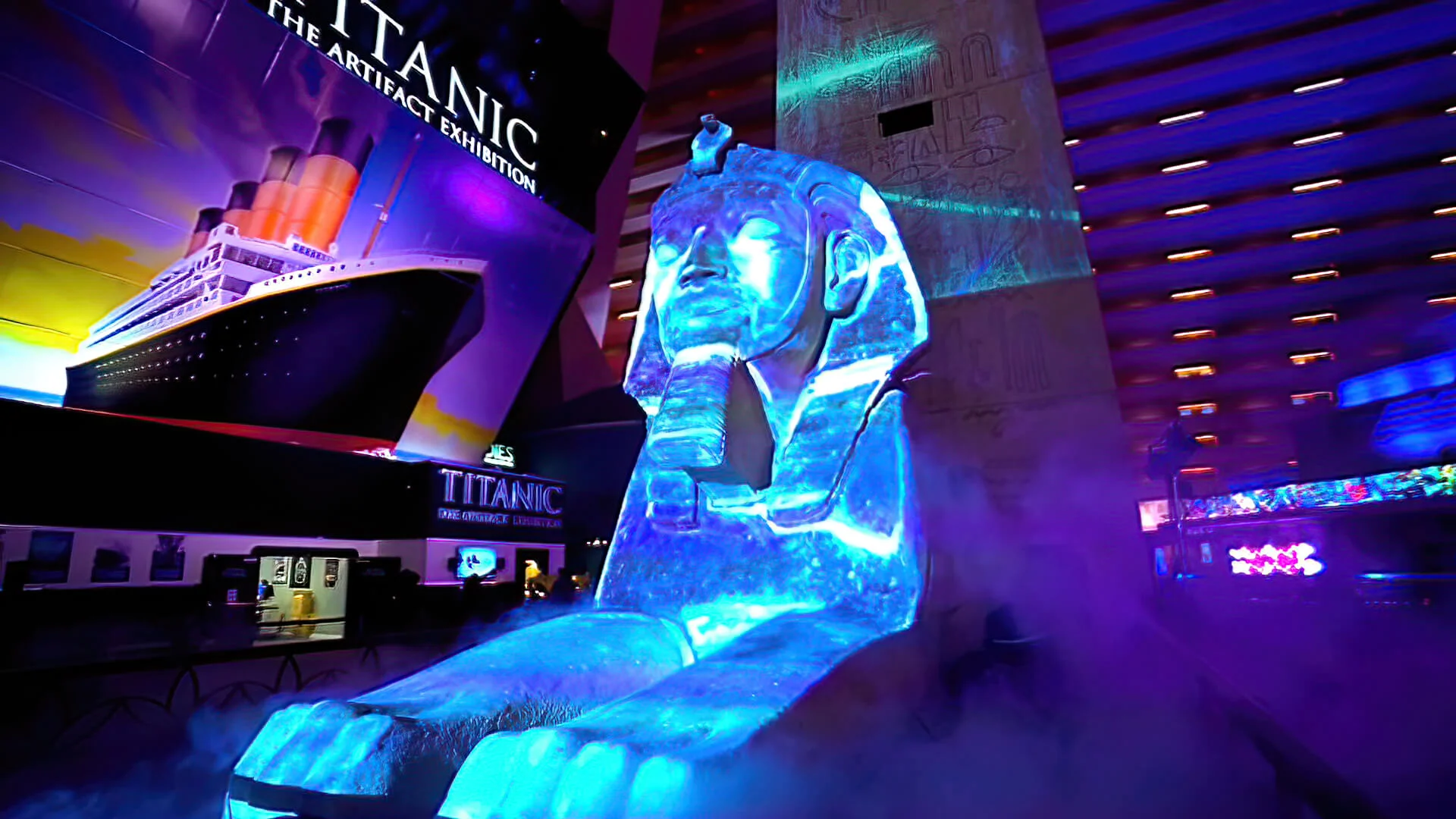
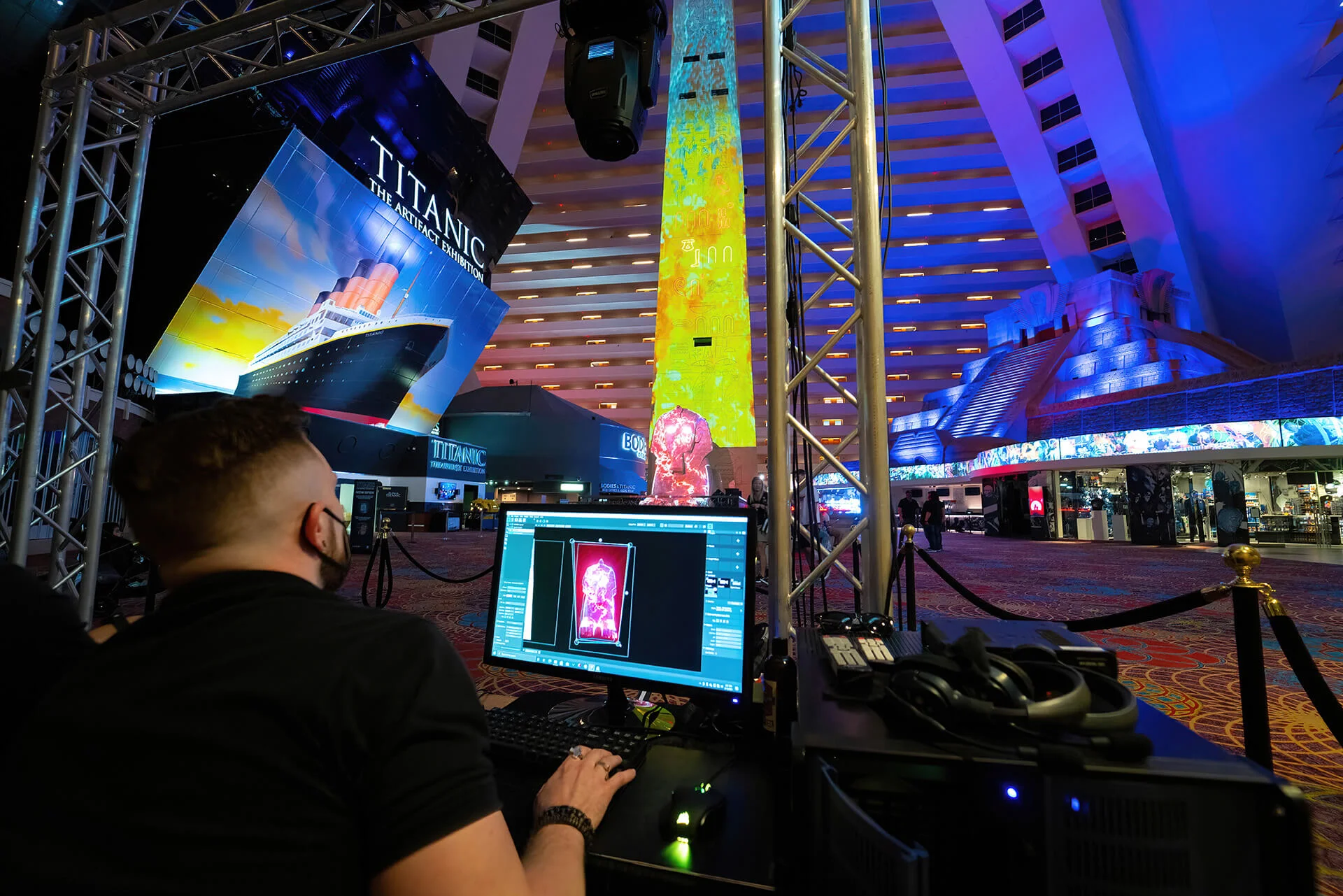
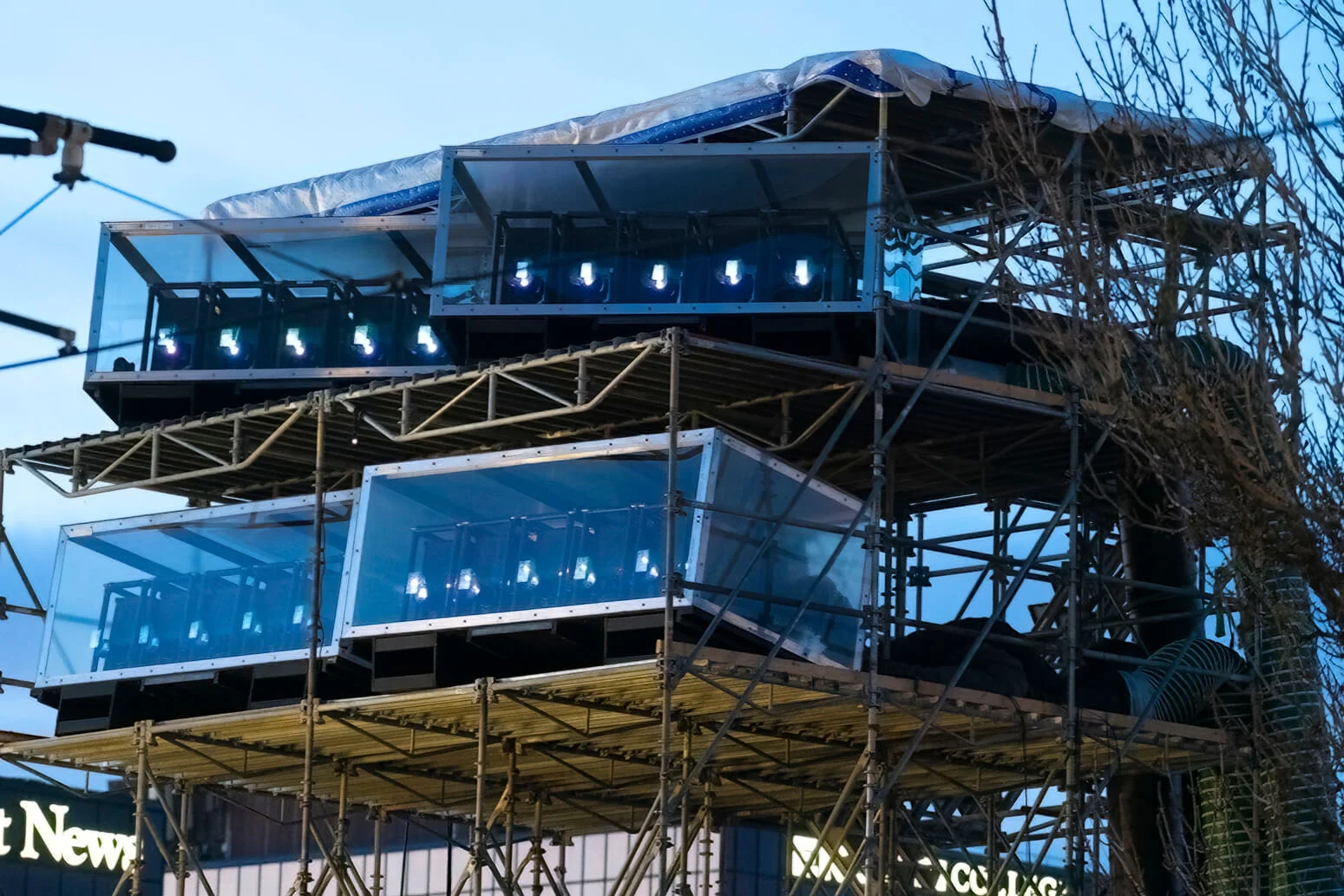
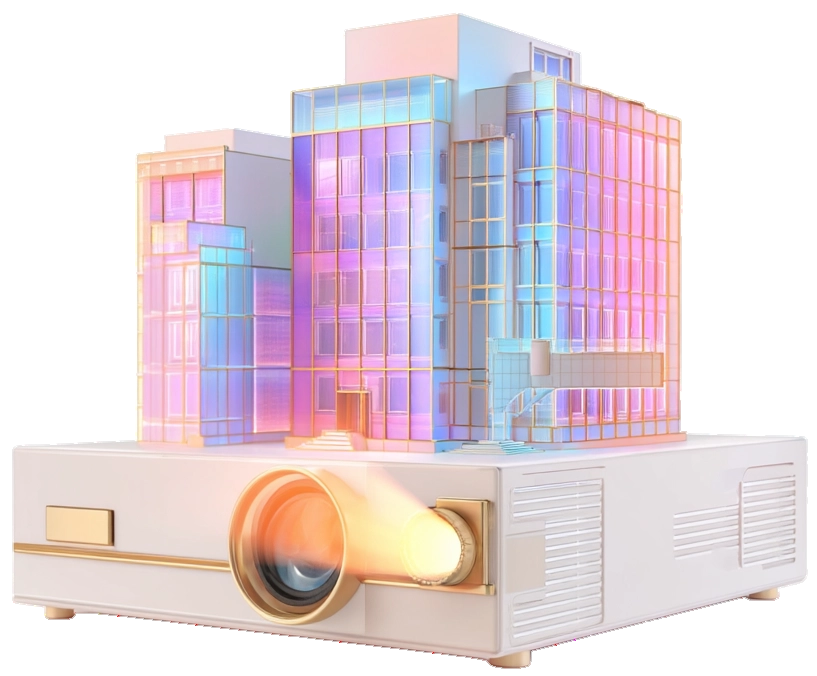
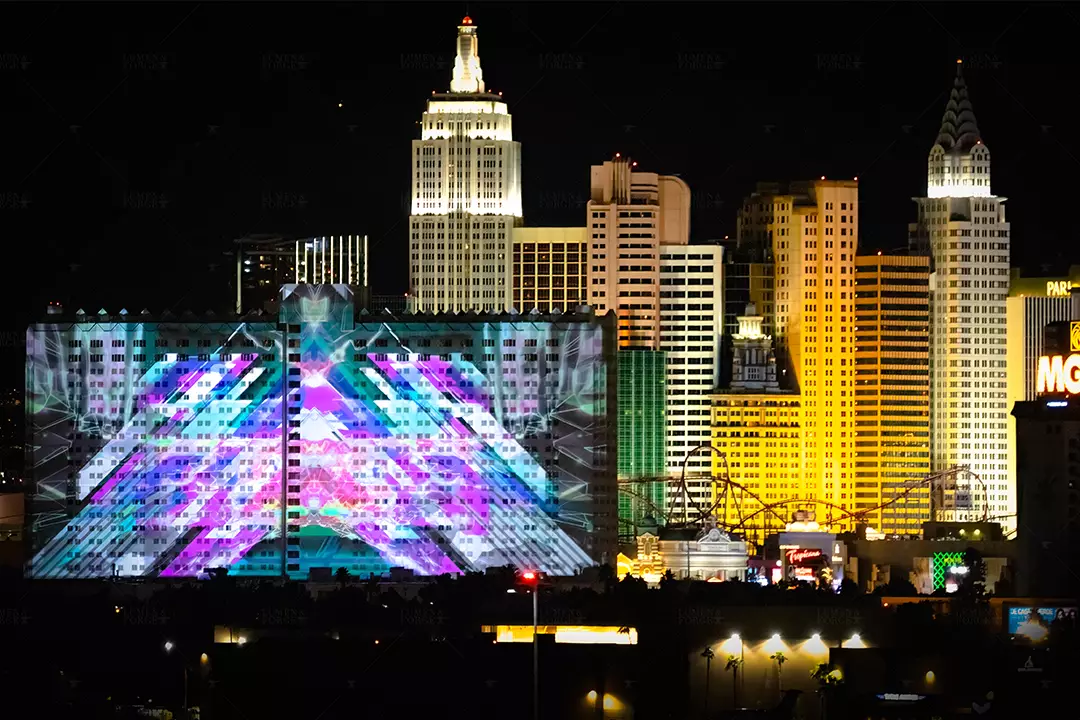
Projection mapping is the process of aligning projected light to the actual geometry of a surface, so a building, object or interior reads as a single animated canvas. A flat screen shows a rectangle: the frame is the boundary and the image sits inside it. Mapping treats the surface itself as the frame. Corners, columns, balconies and curves become part of the composition, and the artwork is warped and masked so it lands exactly where it should. Nothing is added to the structure. The effect comes from light, which means a facade can change character in an evening and return to normal afterward.
In Honolulu that approach suits a wide range of architecture and gathering spaces. Consider the Hawai'i Convention Center, Neal S. Blaisdell Center, Tom Moffatt Waikīkī Shell, Hawai'i Theatre Center, Bishop Museum, Honolulu Museum of Art, Aloha Tower, Honolulu Hale, Bankoh Arena at Stan Sheriff Center and Ala Moana Center. Each offers different surfaces, from historic facades and civic buildings to arena interiors and retail frontage, and each can carry a story built for the audience in front of it.
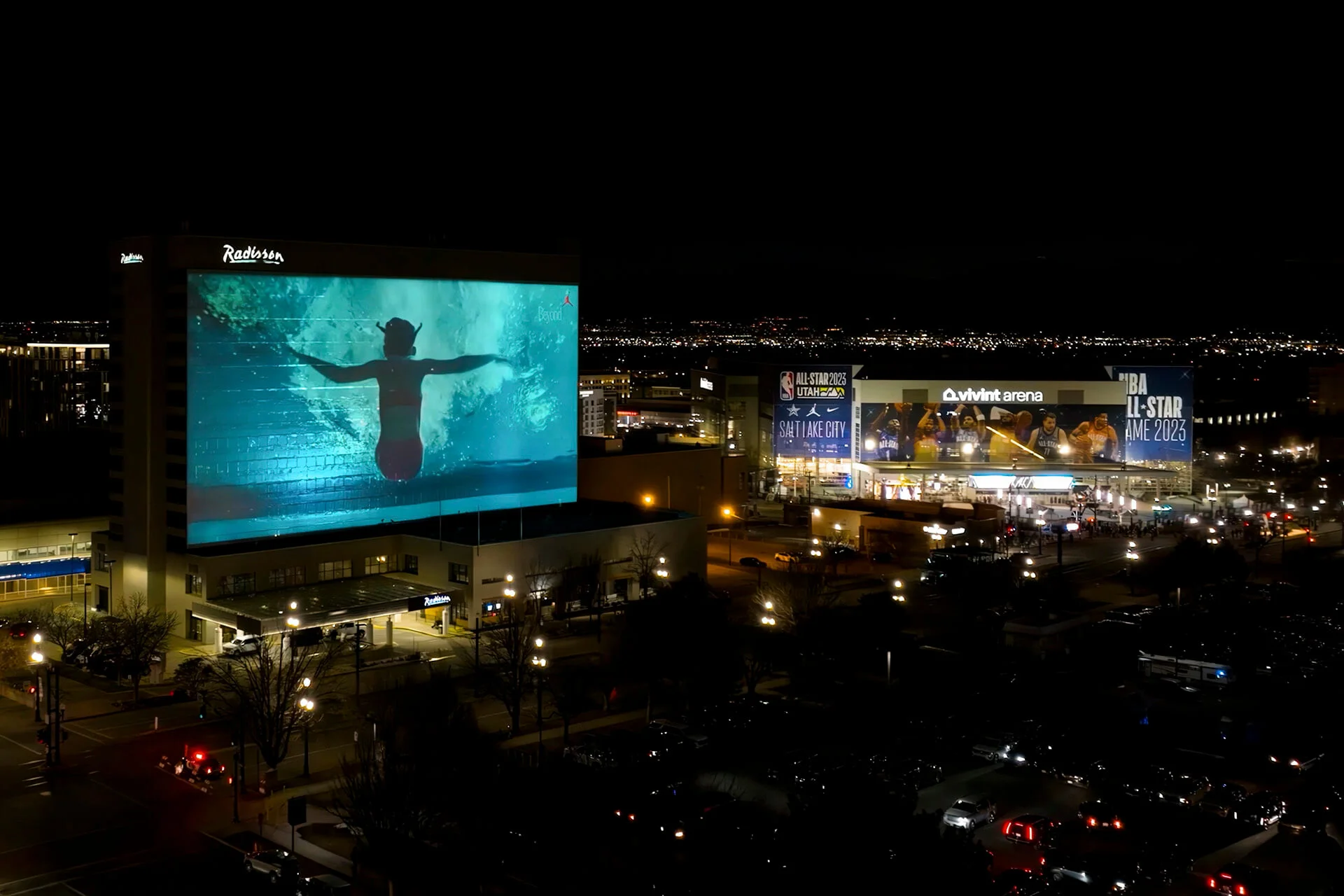
Building and Architectural Projection
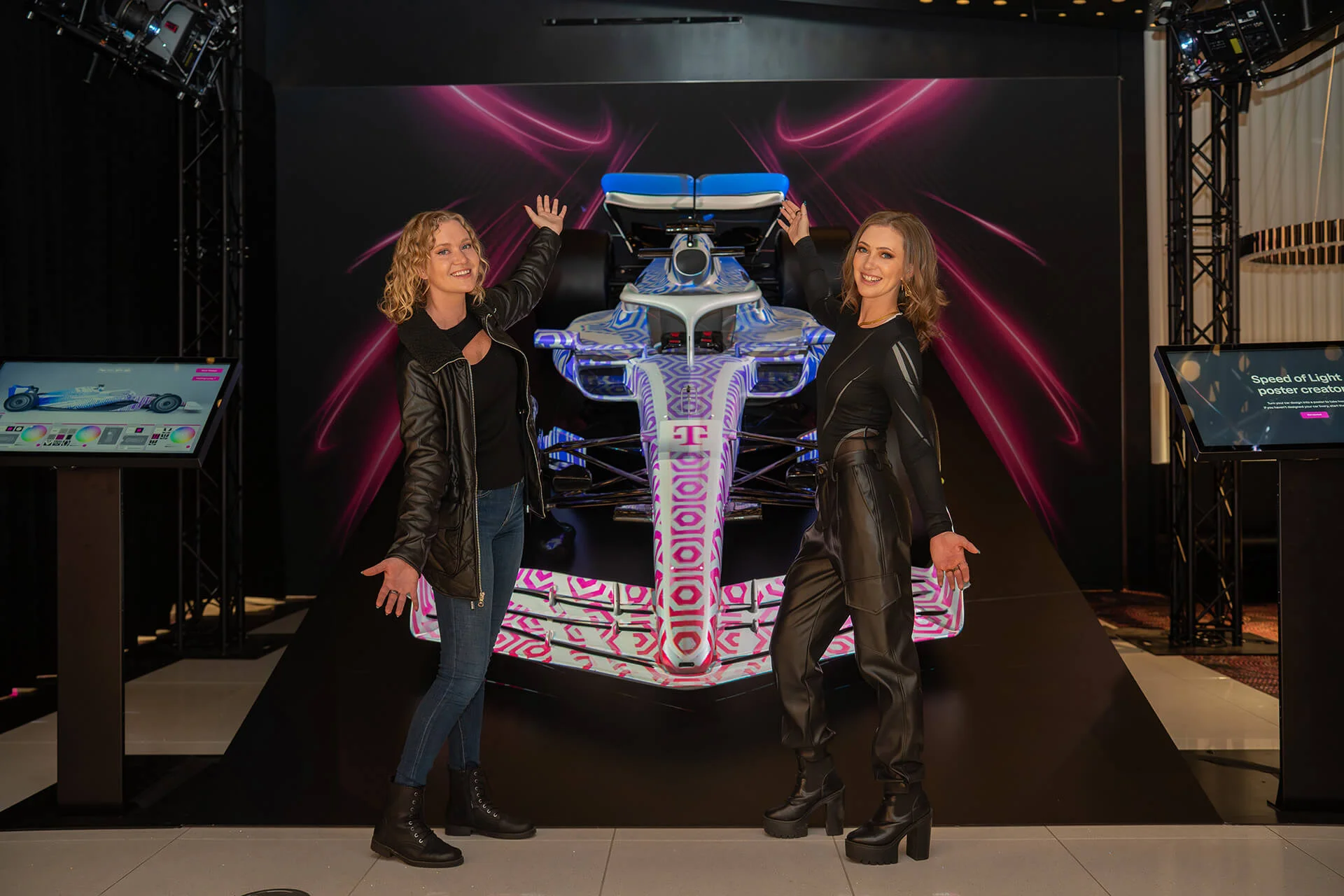
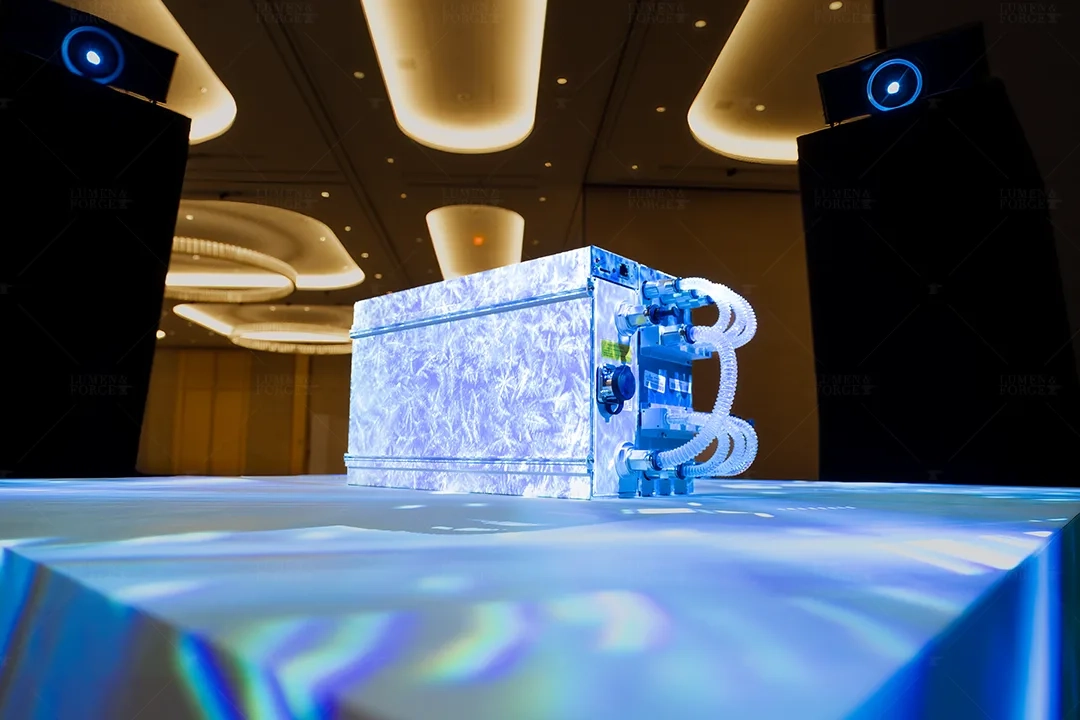
Object and Product Projection Mapping
Interactive Projection
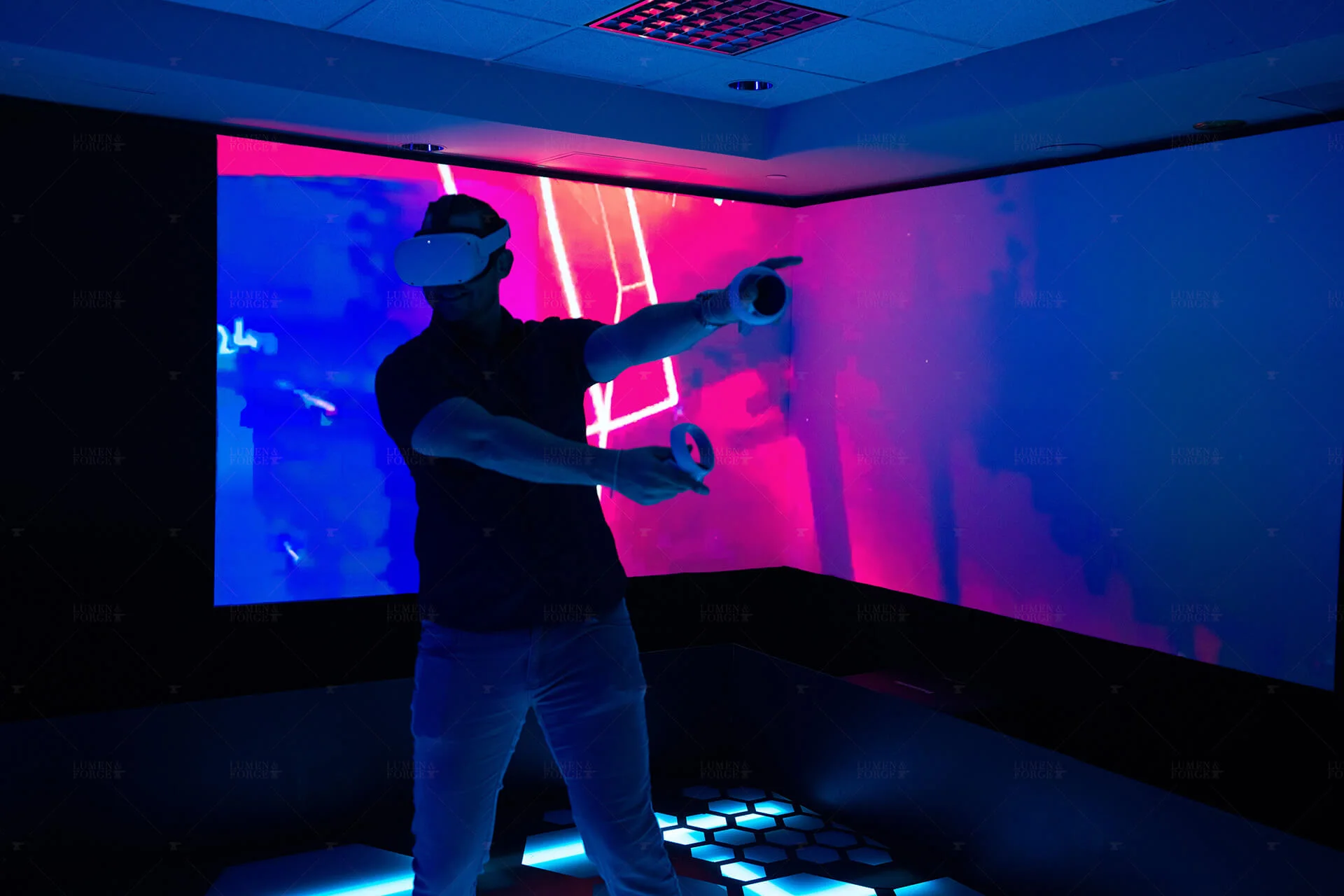
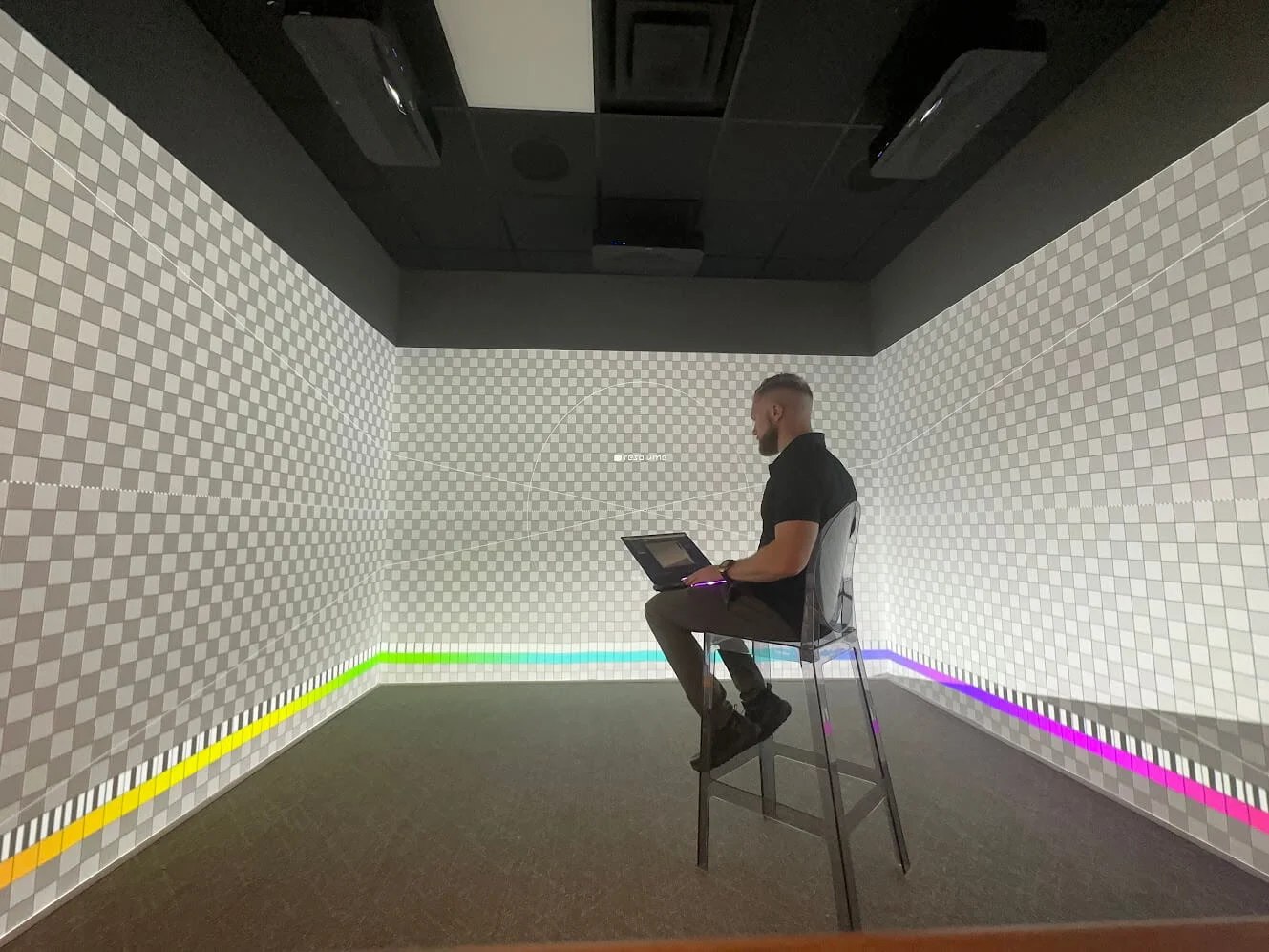
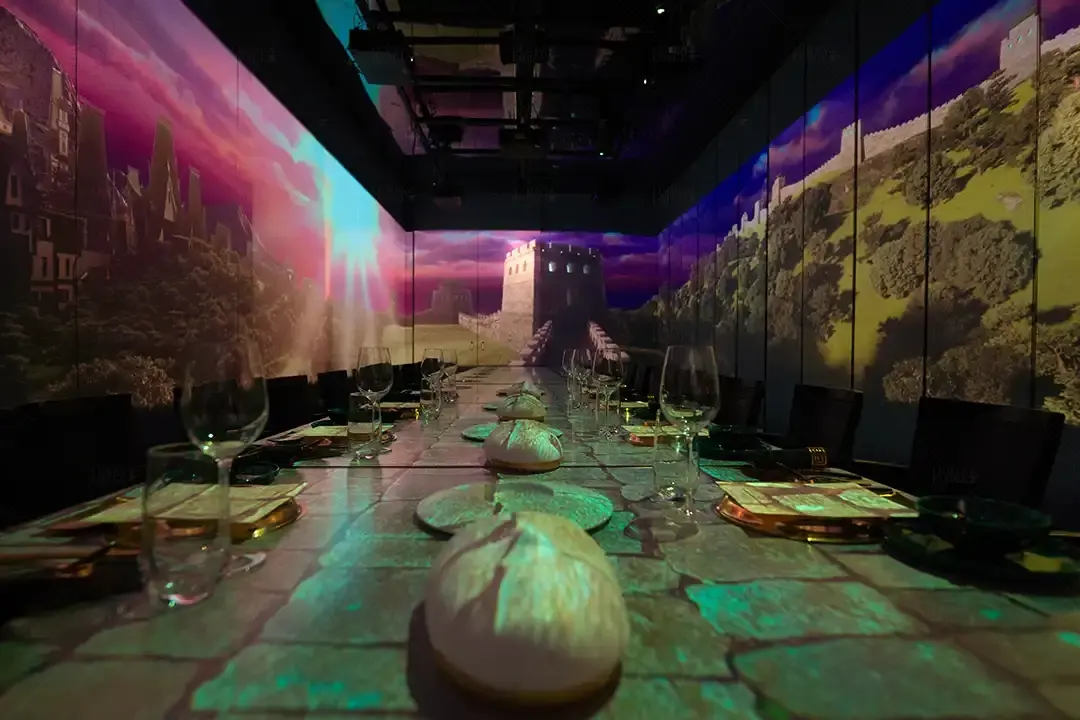
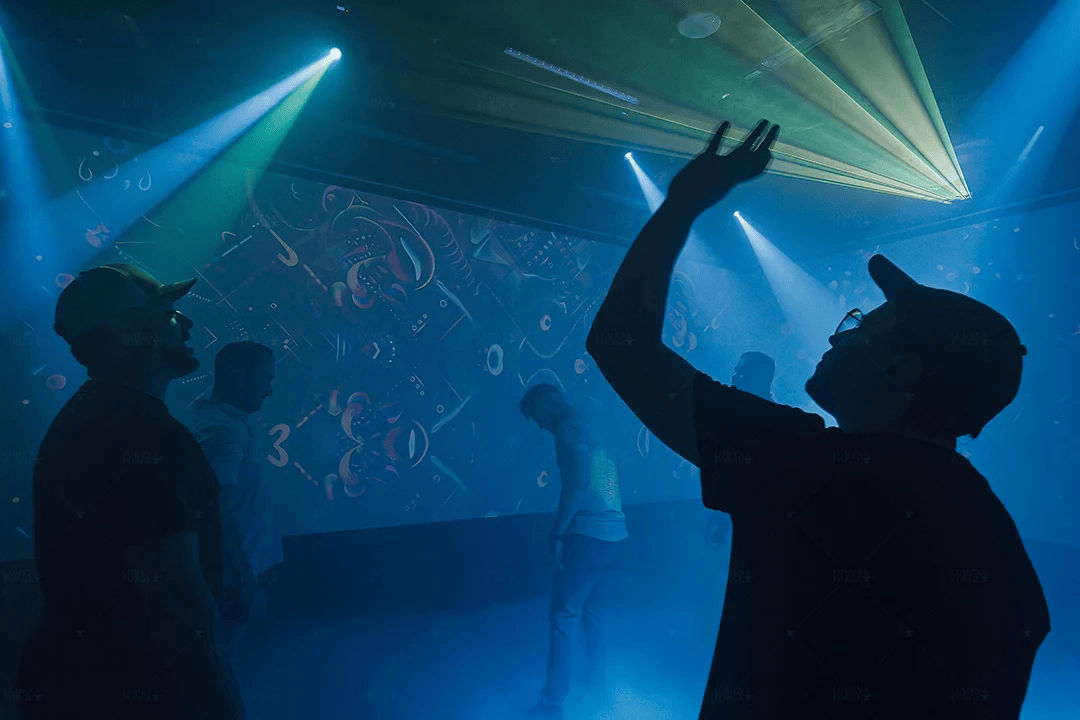
Room and Environment Mapping
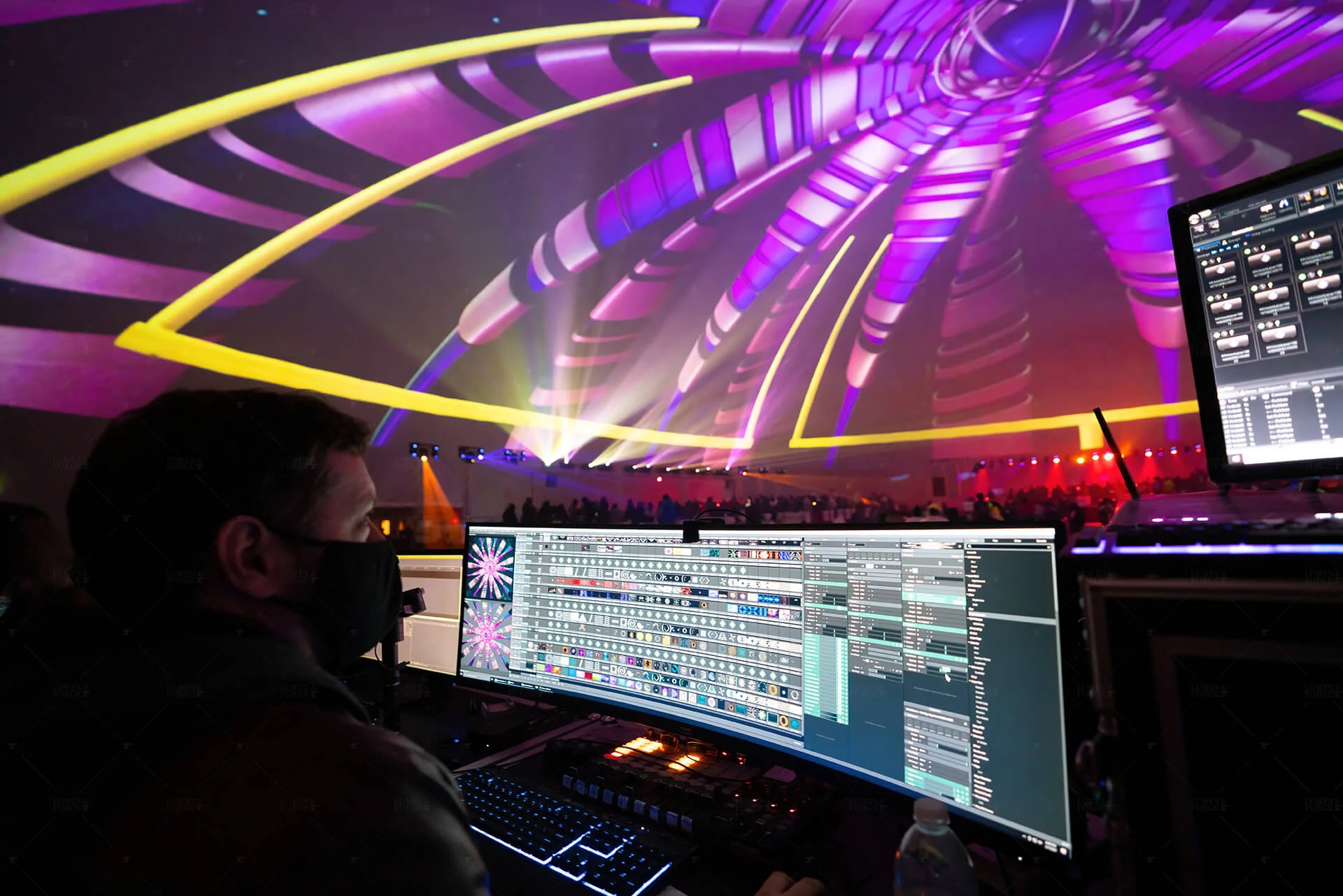
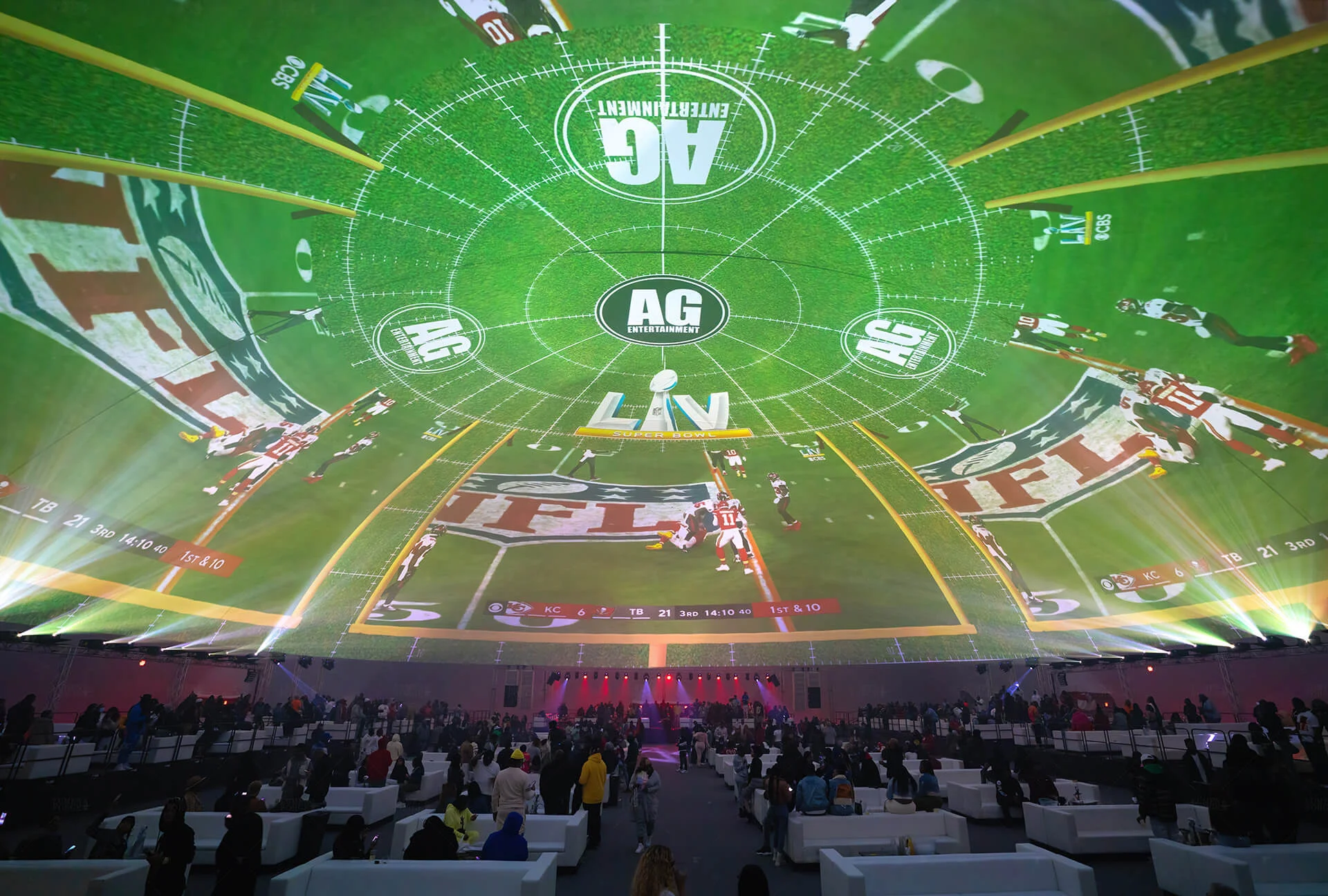
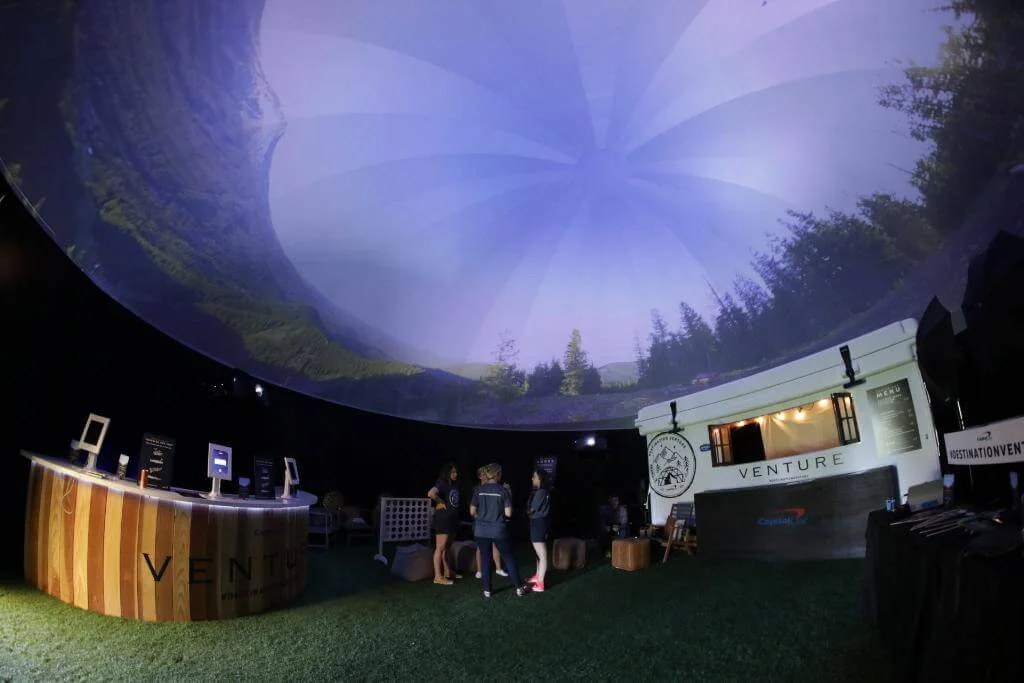
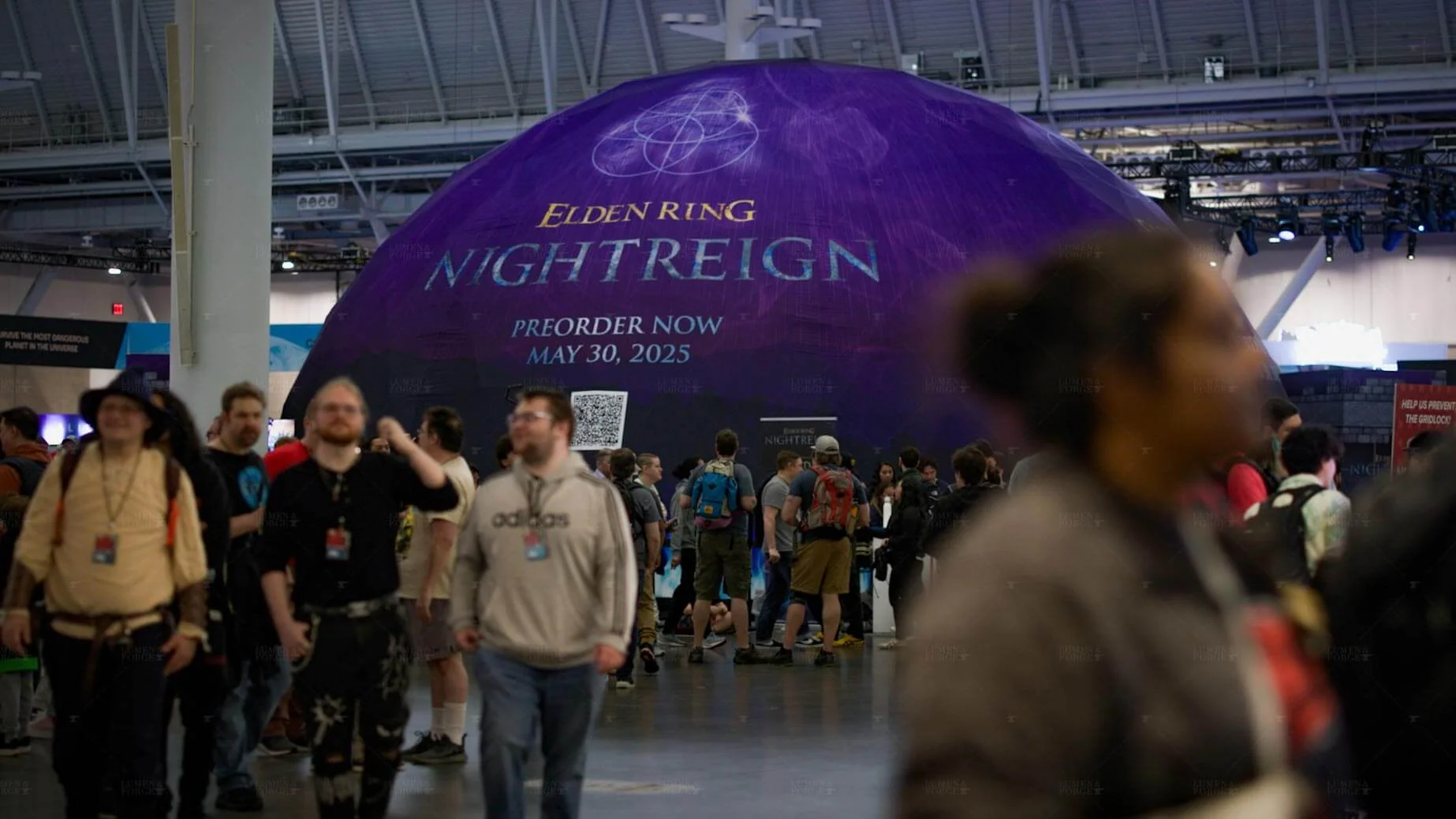
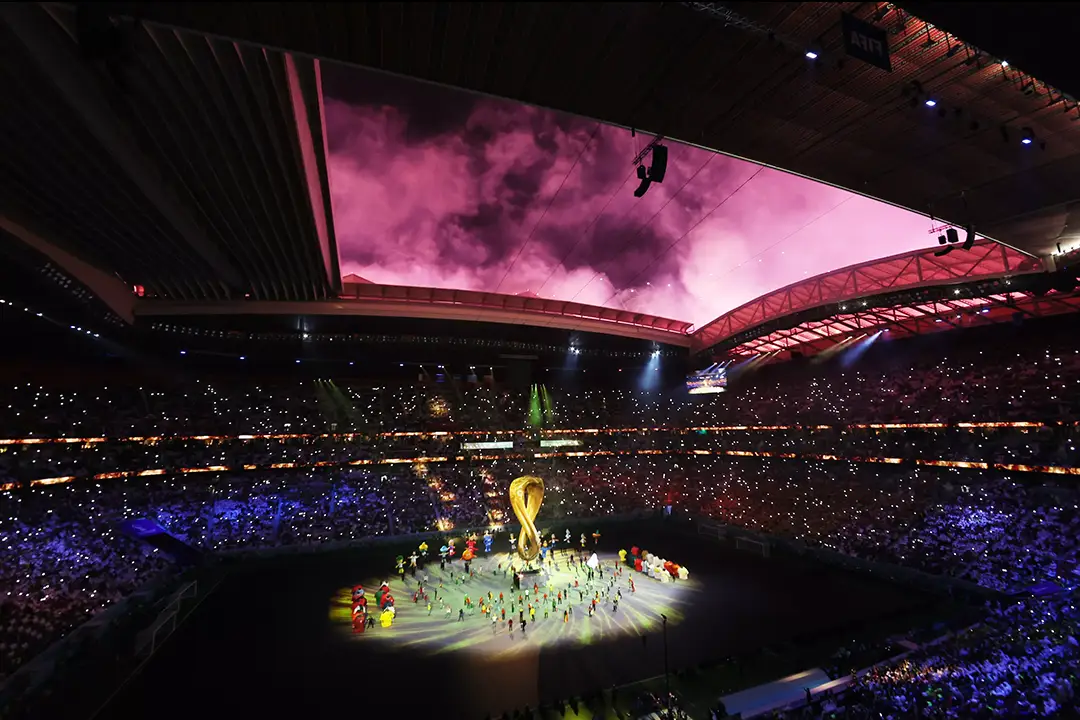
Dome Projection
Why Honolulu Is a Natural Fit for Projection Mapping
Honolulu is not a market where a brand can rent attention. The audience here is a mix of residents who have seen every kind of activation the islands can host and visitors who are actively looking for something worth remembering from their trip. Tourism and resorts drive much of that traffic, and the expectations that come with it are high. A resort guest stepping out of a Waikīkī property has already been surrounded by polished production all day. To register at all, a brand activation has to feel like an event, not a promotion.
That pressure shows up across the calendar. The Sony Open in Hawaii in January draws a national golf audience with sponsor obligations attached. The Honolulu Festival in March brings three days of cultural programming, with the 2027 edition running March 5 through 7. The Prince Lot Hula Festival in July, Aloha Festivals in September, the Hawai'i International Film Festival from October into November, the Honolulu Marathon in December, and Honolulu City Lights from late November through December each pull distinct crowds with distinct reasons for showing up. Conventions and international meetings add another layer, filling the Hawai'i Convention Center and the Neal S. Blaisdell Center with attendees who judge a host city by what happens between sessions. Military and defense audiences, government functions, and destination weddings bring their own expectations. A single visual approach will not serve all of them.
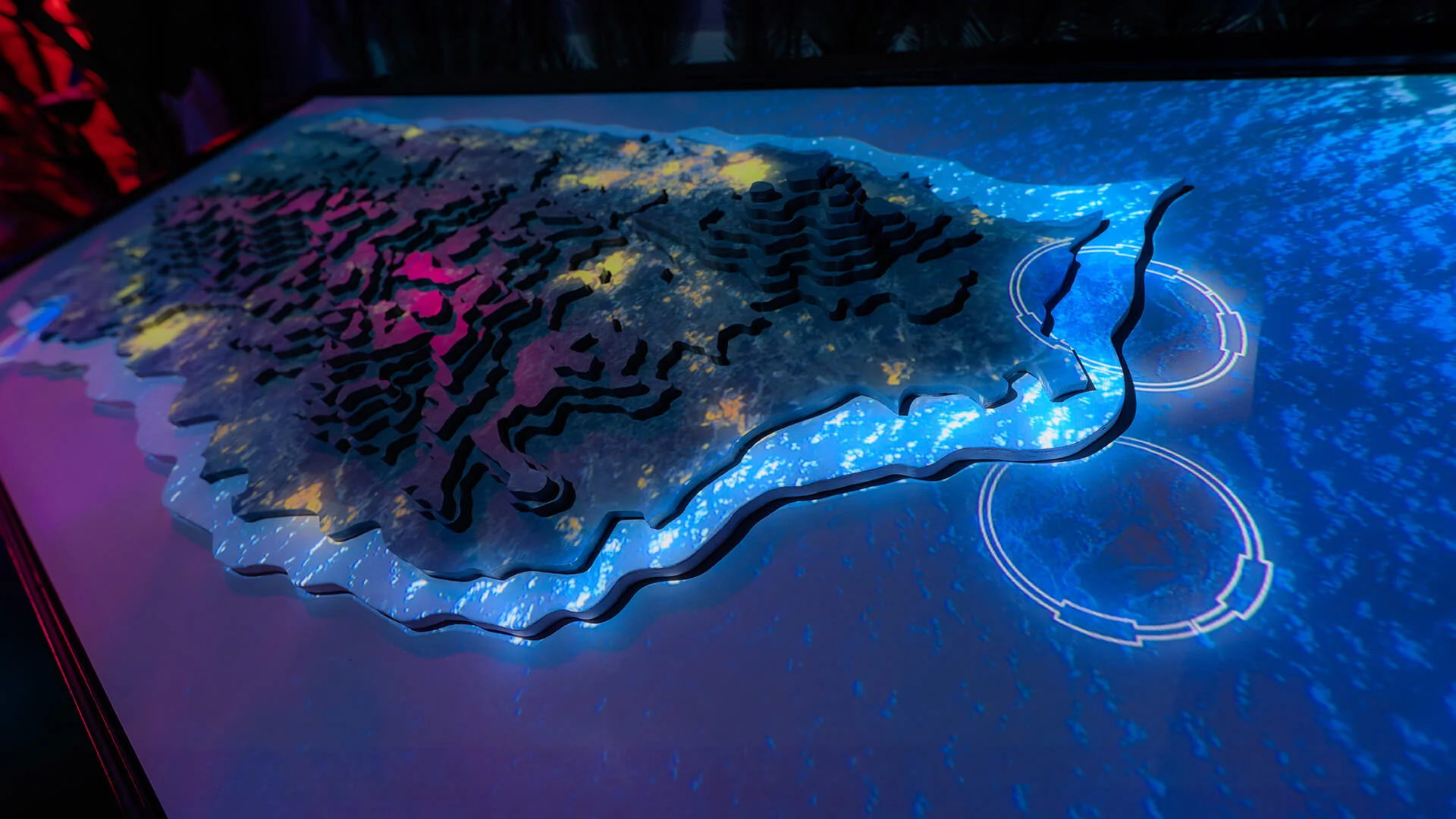
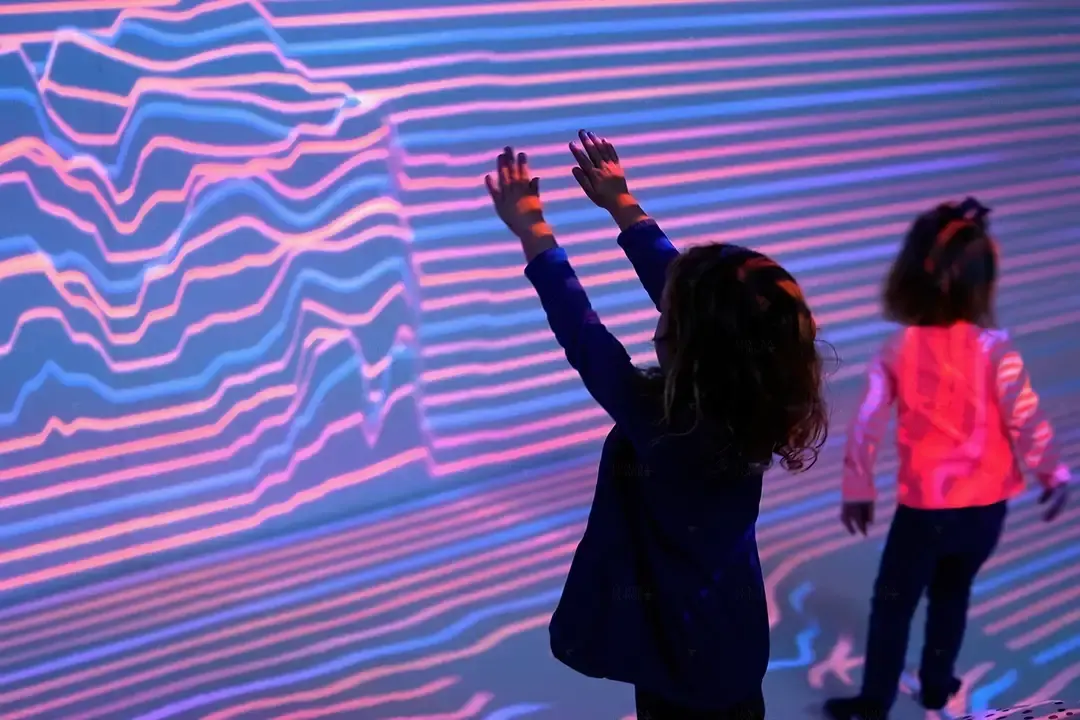
Spectacle alone does not clear that bar. A bright, large-scale projection can stop a crowd on Kalākaua Avenue for a minute, but Honolulu audiences reward work that gives them something to do, not just something to watch. Interactive installations and room-scale environments let people step in, move, and change what they see, which turns a passive crowd into participants who stay longer and share more. Object mapping on a car, a product, or a stage piece rewards the audiences at retail activations and brand launches who want a closer look rather than a bigger screen.
The city's venues also shape what is possible. Building projection onto Aloha Tower, Honolulu Hale, the Hawai'i Theatre Center, the Bishop Museum, or the Honolulu Museum of Art carries the weight of recognizable architecture, and audiences read those buildings as part of the story. Ala Moana Center, Bankoh Arena at Stan Sheriff Center, and Tom Moffatt Waikīkī Shell each bring their own sightlines, schedules, and crowds. Events in city parks require a park use permit from the City and County of Honolulu Department of Parks and Recreation, so planning starts earlier than it does in most markets. In Honolulu, the winning approach is spectacle with a reason to stay.
Lumen and Forge: Mainland Production Built for O'ahu
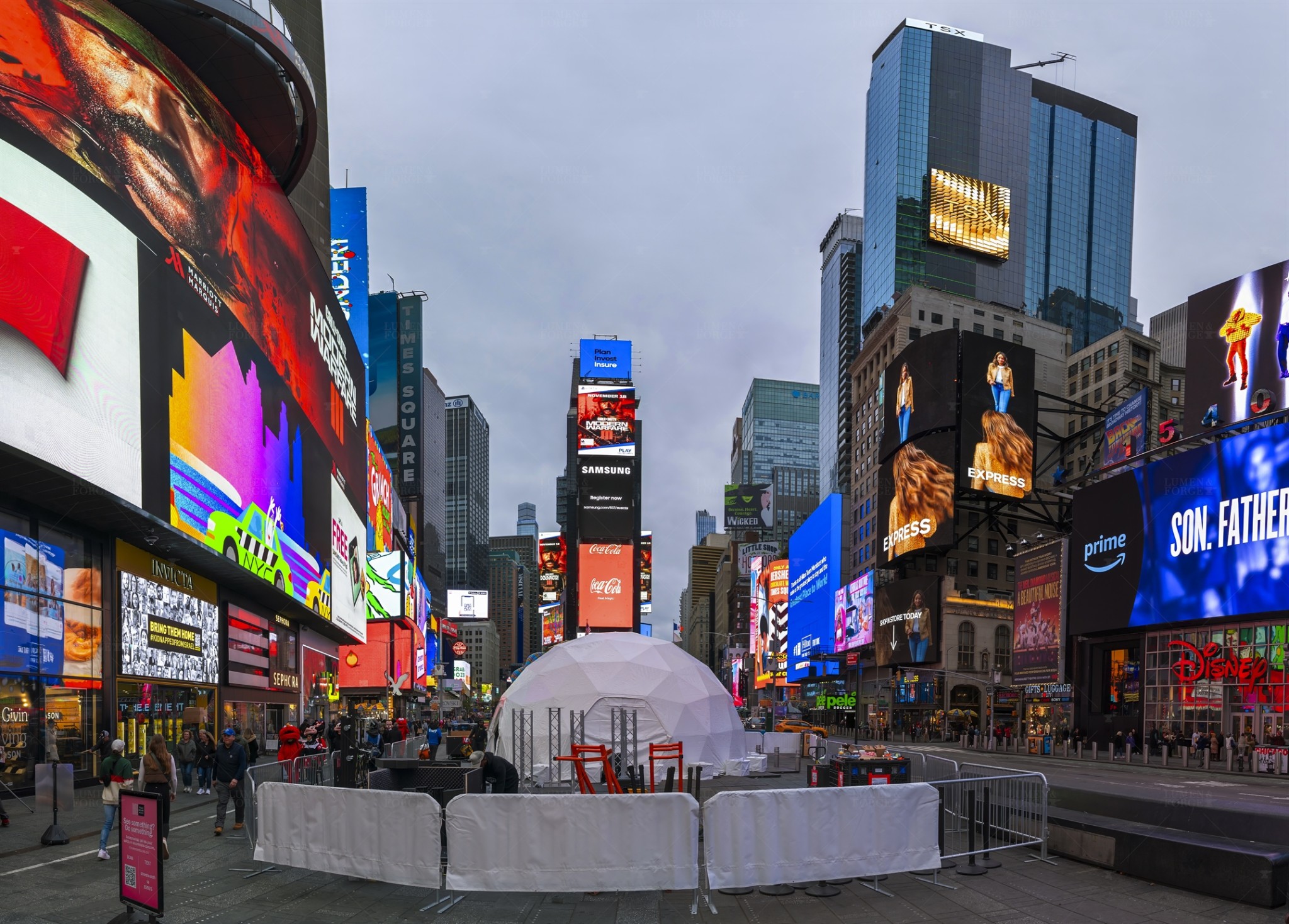
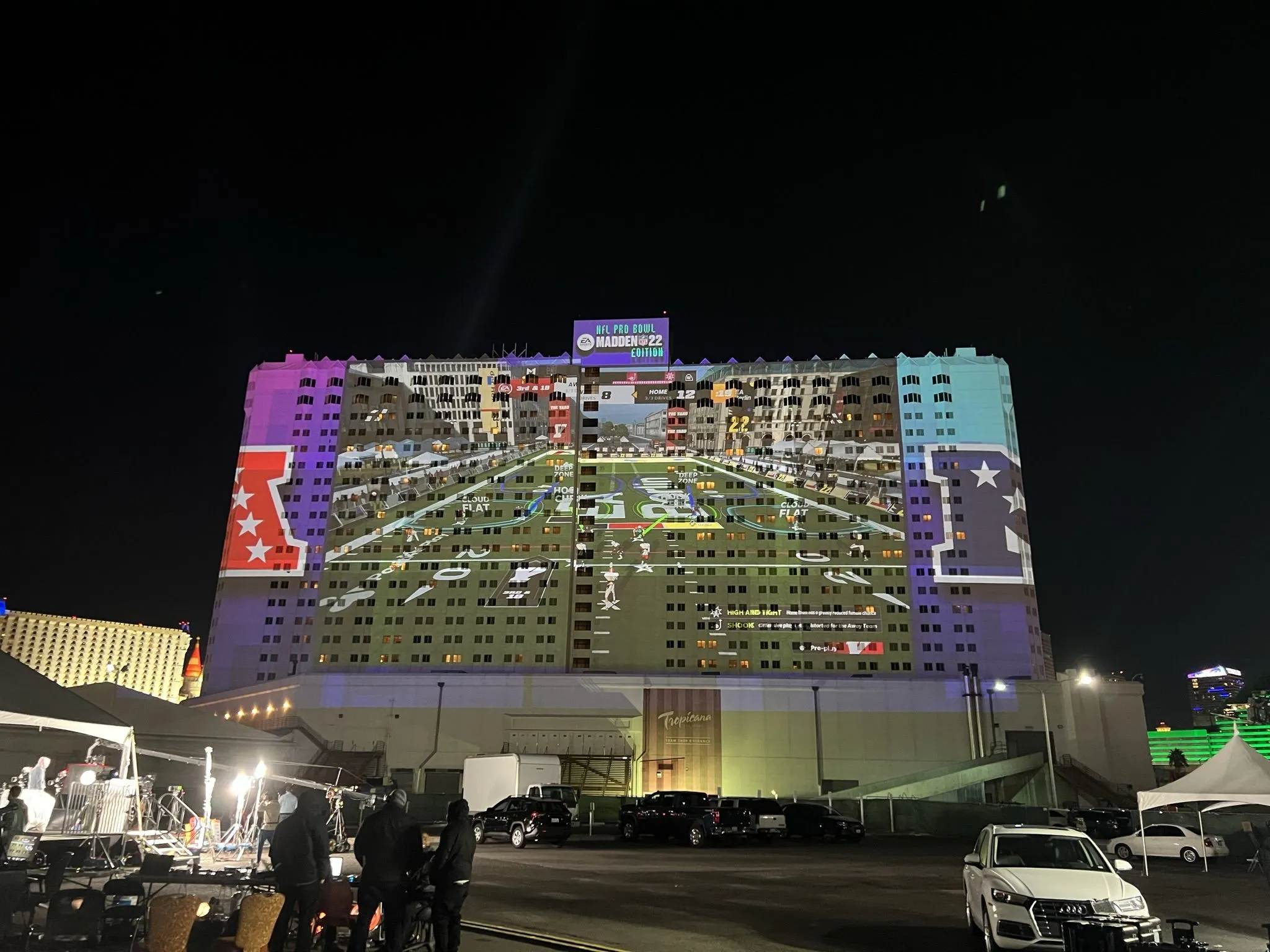
Over 15 years of producing large-scale projection mapping and immersive experiences for globally recognized brands gives Lumen and Forge the operational depth Honolulu productions require. Our portfolio includes building projections for Nike and Air Jordan at NBA All-Star Weekend, large-scale convention experiences for Toyota, McLaren, and Mastercard, a world record video game screen at the Tropicana, and the Beneath the Blue 360-degree dome for National Geographic. Our team is comfortable working alongside experienced production crews and holding a technical standard in front of an audience that knows the difference, which is exactly what Honolulu requires.
Who We Work With in Honolulu
Honolulu draws very different kinds of clients into the same small set of venues, and each one comes to projection mapping for its own reasons.
- Tourism and resorts. Resorts and destination marketers use building projection and room-scale environments to give guests a reason to stay on property after dark. A mapped façade or a dome experience turns a lobby, pool deck or arrival moment into something worth photographing, which is exactly what travel audiences share.
- Military and defense. Commands and contractors book object mapping and interactive installations for ceremonies, family events and community outreach, where the goal is a polished, controlled presentation that reads clearly to a mixed audience.
- Conventions and international meetings. Planners working the Hawai'i Convention Center and the Neal S. Blaisdell Center use projection domes and room-scale environments to open a general session or turn a trade show floor into a destination. Content has to install fast, run reliably across long show days and travel well.
- Weddings and destination events. Couples and planners bring projection mapping into receptions at venues like the Bishop Museum and Aloha Tower, where a mapped wall or monogram moment replaces signage and gives the room a focal point.
- Retail. Brands activate at Ala Moana Center and in Waikīkī with interactive installations and object mapping tied to launches, seasonal windows and product reveals.
- Government. City and agency clients use building projection for civic programming and public celebrations, including Honolulu City Lights, where a mapped Honolulu Hale becomes the centerpiece of the season.
Ready to Light Up Waikīkī?
Frequently Asked Questions: Projection Mapping in Honolulu
Standard projection displays a flat image on a flat screen or white wall. Projection mapping uses specialized software to warp, align, and calibrate video content so it fits precisely onto any three-dimensional surface, whether that is a building exterior, a custom sculpture, a vehicle, or an entire room. The software accounts for every edge, angle, and curve, so the content appears to belong to the object itself rather than simply being cast onto it. In a city full of working production professionals, that level of precision is what separates a real installation from a lighting effect.
Yes. Honolulu's mild, trade-wind climate keeps outdoor projection viable year round, and the sun sets early enough most of the year that darkness arrives well before evening programming begins. The practical constraint is ambient light, not weather: Waikīkī and Ala Moana Center stay bright well after sunset, so brighter projectors, tighter throw distances and careful surface selection matter more here than in a dark suburban venue. Plan around the winter months, when sunset comes earliest and outdoor windows run longest.
For building projection and large-scale immersive work in Honolulu, the Hawai'i Convention Center and Neal S. Blaisdell Center offer the scale that convention and meeting audiences expect. Tom Moffatt Waikīkī Shell suits open-air projection, while the Hawai'i Theatre Center and Hawai'i Theatre Center's historic peers like Bishop Museum and Honolulu Museum of Art bring cultural weight.
Aloha Tower, Honolulu Hale, Bankoh Arena at Stan Sheriff Center and Ala Moana Center each anchor a different kind of gathering, from civic celebration to retail activation.
Honolulu events well suited to projection mapping activations include the Sony Open in Hawaii in January, the Honolulu Festival in March, the Prince Lot Hula Festival in July, Aloha Festivals in September, the Hawai'i International Film Festival from October to November, Honolulu City Lights from late November through December, and the Honolulu Marathon in December. These draw tourism, convention, retail, government and destination wedding audiences.
Yes. Lumen and Forge coordinates permits, power, rigging and site logistics with each venue, so your team is not chasing approvals while the load-in clock runs. For events in city parks, we work through the park use permit process with the City and County of Honolulu Department of Parks and Recreation. From the Hawai'i Convention Center to Ala Moana Center, we plan around your site's access, power and curfew realities before installation begins.
The cost of projection mapping in Honolulu depends on the scale of the surface, the complexity of the custom content, the length of the event run, and the equipment and crew required on site. A single-object mapping for a retail activation at Ala Moana Center is a different build than a multi-night building projection or a room-scale environment for a convention at the Hawai'i Convention Center. Content production, rigging, power, and labor all factor in. Share your venue, dates, and audience, and Lumen and Forge will scope a budget for your event.
The difference comes down to the surface. Standard projection mapping paints light onto flat or gently curved faces, while 3D projection mapping accounts for objects with real depth, calculating how imagery wraps corners, recesses and protruding features so it reads correctly from every angle. On a surface like Aloha Tower, that means content built around the structure itself rather than simply projected onto it.
In addition to projection mapping, we offer dome projection for fully immersive 360-degree spherical experiences, event and project design for end-to-end production planning, and animation and visual storytelling for original content creation. Many of our Honolulu clients combine projection mapping with one or more of these services into a single integrated production. We are a full-service immersive experience company, and the strongest work we build is conceived as a whole from the first conversation.
Do you have more questions?
Didn't find what you were looking for? Our team is happy to walk you through your project and answer anything else