

The Racing Capital Knows How to Put On a Show
Indianapolis is a city that puts large audiences in front of buildings on a schedule. The Indiana Convention Center anchors a downtown that also holds Lucas Oil Stadium, Gainbridge Fieldhouse, Victory Field, the JW Marriott Indianapolis, Hilbert Circle Theatre and Old National Centre, all within a walk of each other. Add the Indianapolis Motor Speedway and the Soldiers' and Sailors' Monument on Monument Circle, and you have venues that were built to be looked at from a distance, which is exactly where projection mapping works.
The calendar is just as useful. The Indianapolis 500 in May, Gen Con at the Indiana Convention Center from late July into early August, the Indiana State Fair in August, Circle of Lights on Monument Circle the Friday after Thanksgiving, Winterlights at Newfields from November into January, and the Big Ten Football Championship Game at Lucas Oil Stadium in December give brands a steady run of moments when the city is already gathered.
That mix draws the industries that book this kind of work: pharmaceuticals and life sciences, motorsports, amateur and collegiate sports, health insurance, software and SaaS, logistics and distribution, and the conventions and trade shows that fill the hall.
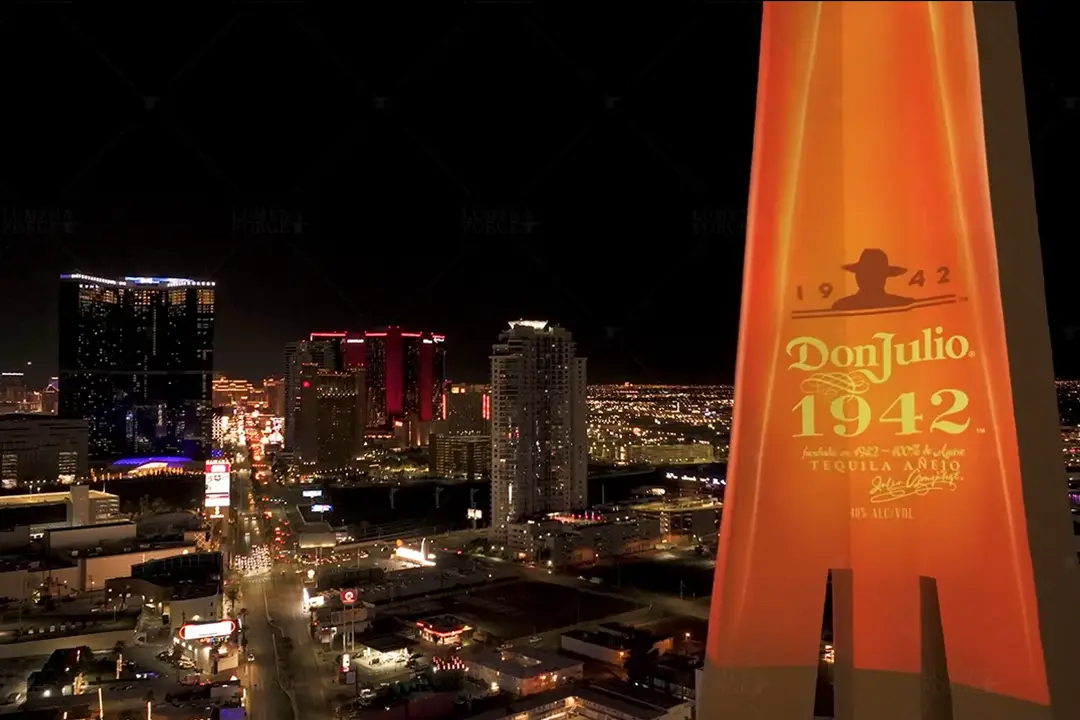
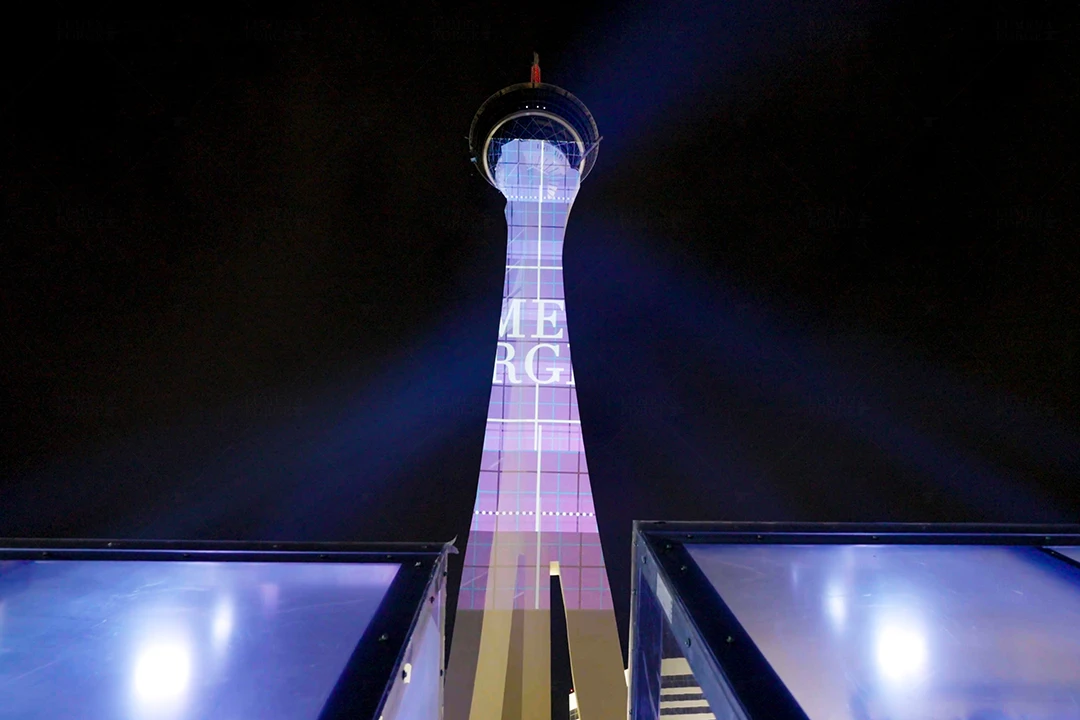
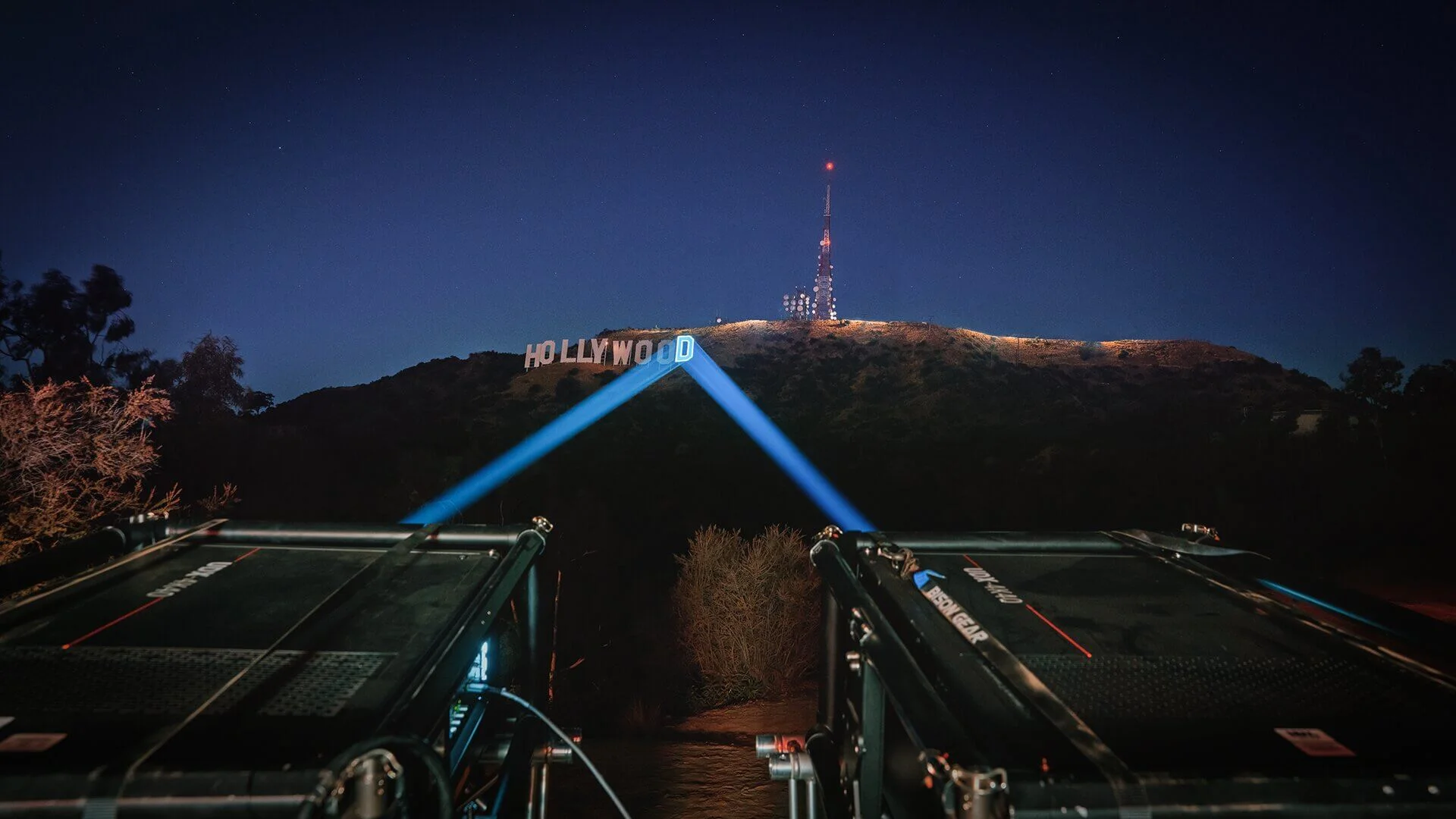
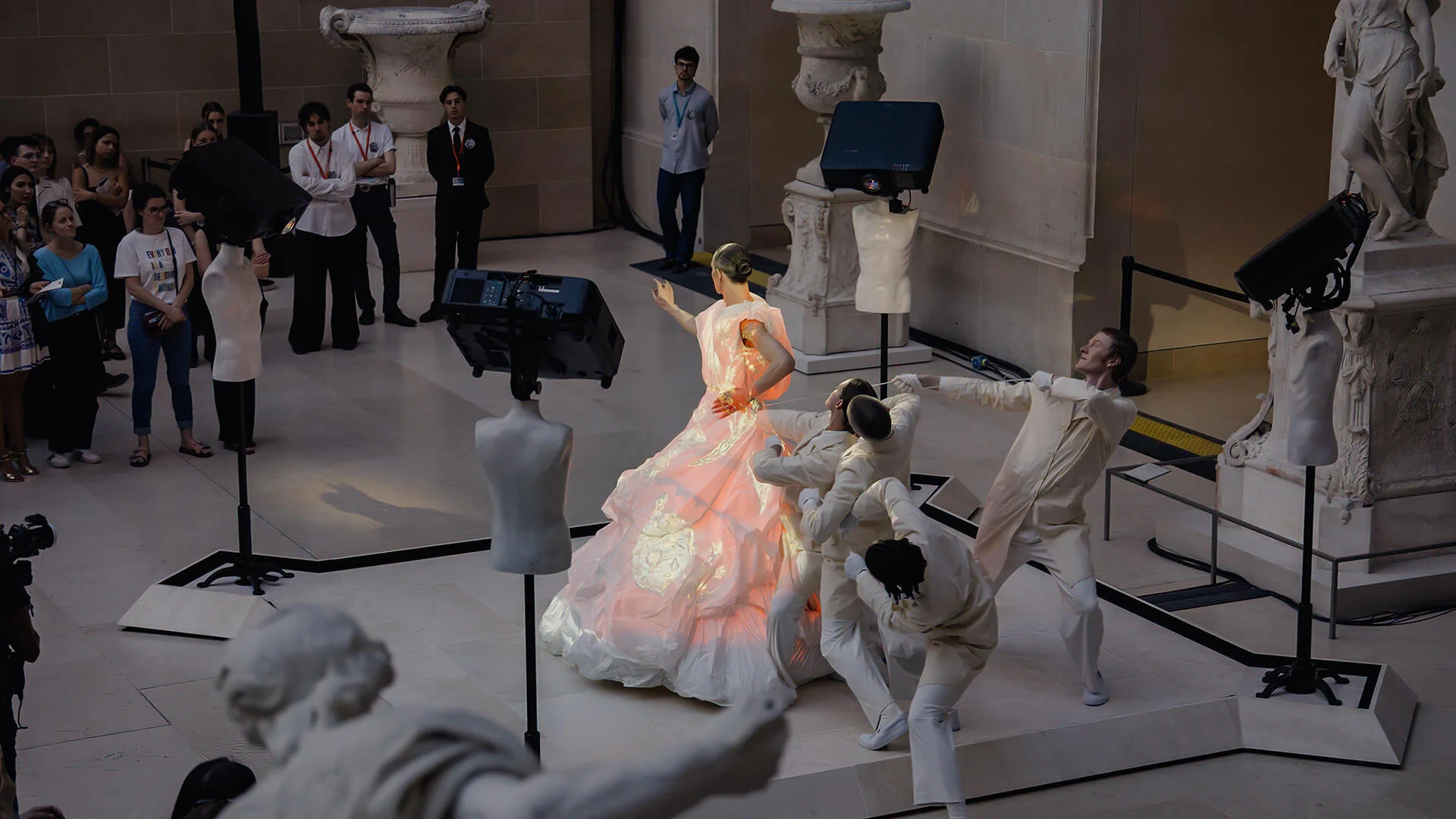
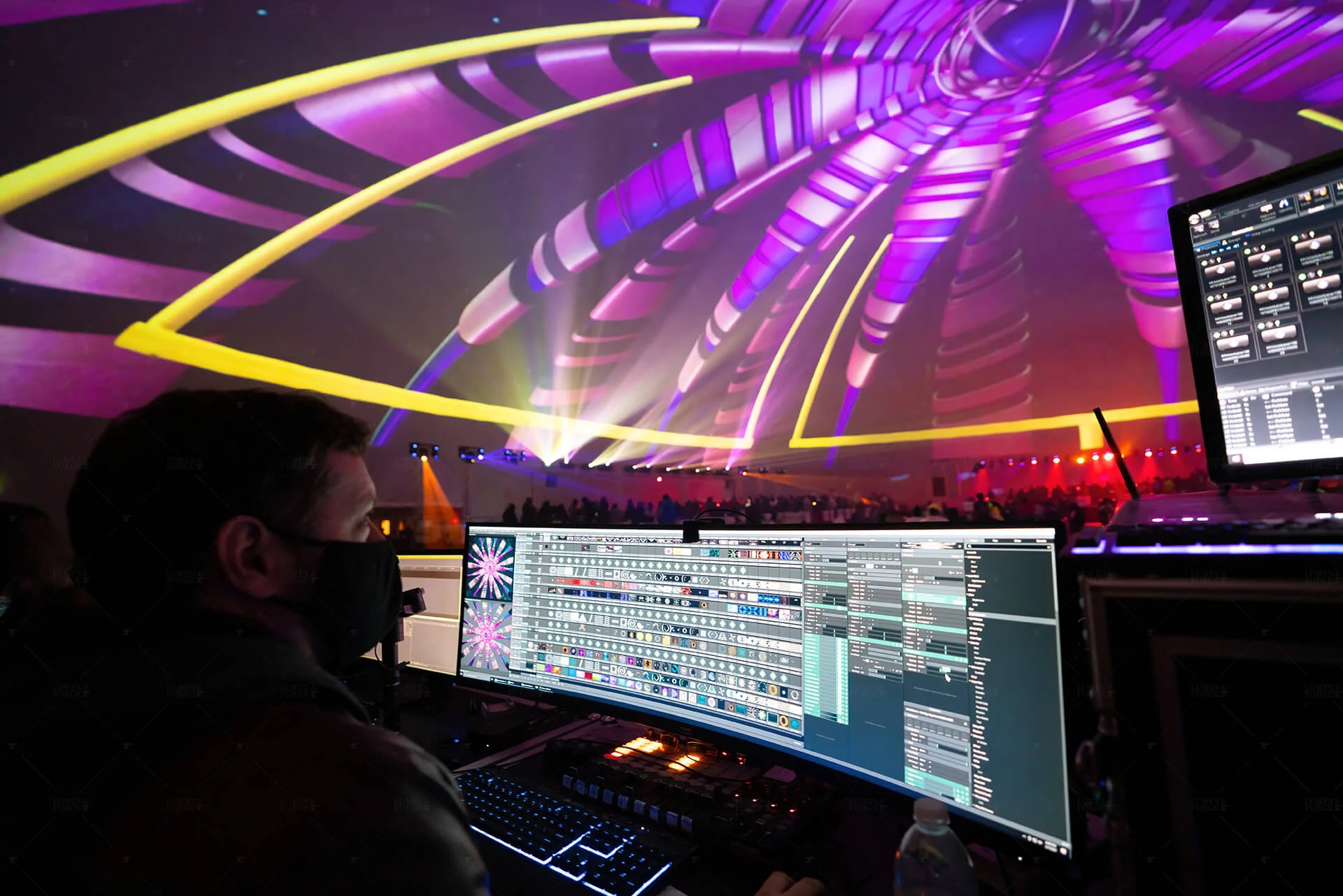
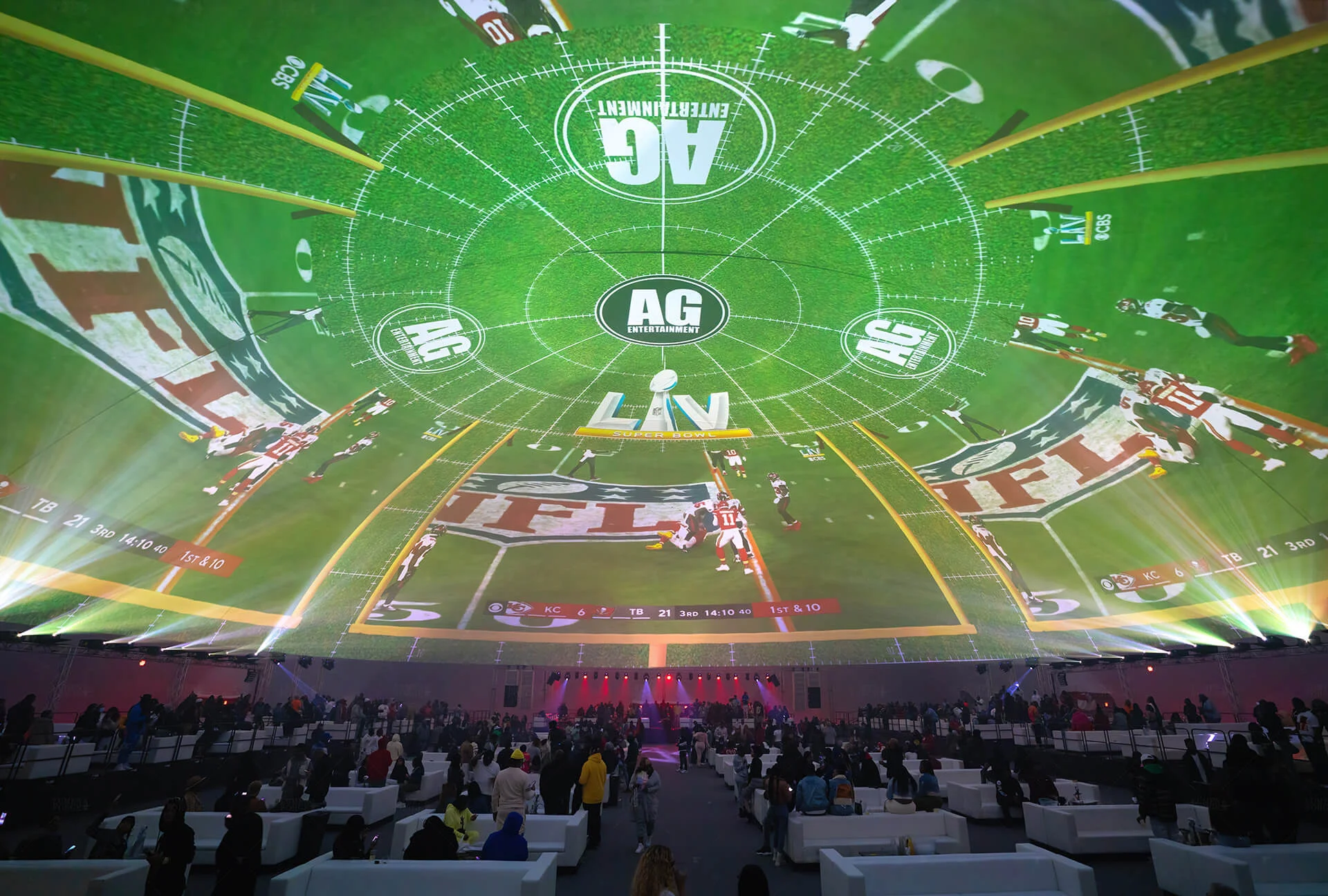
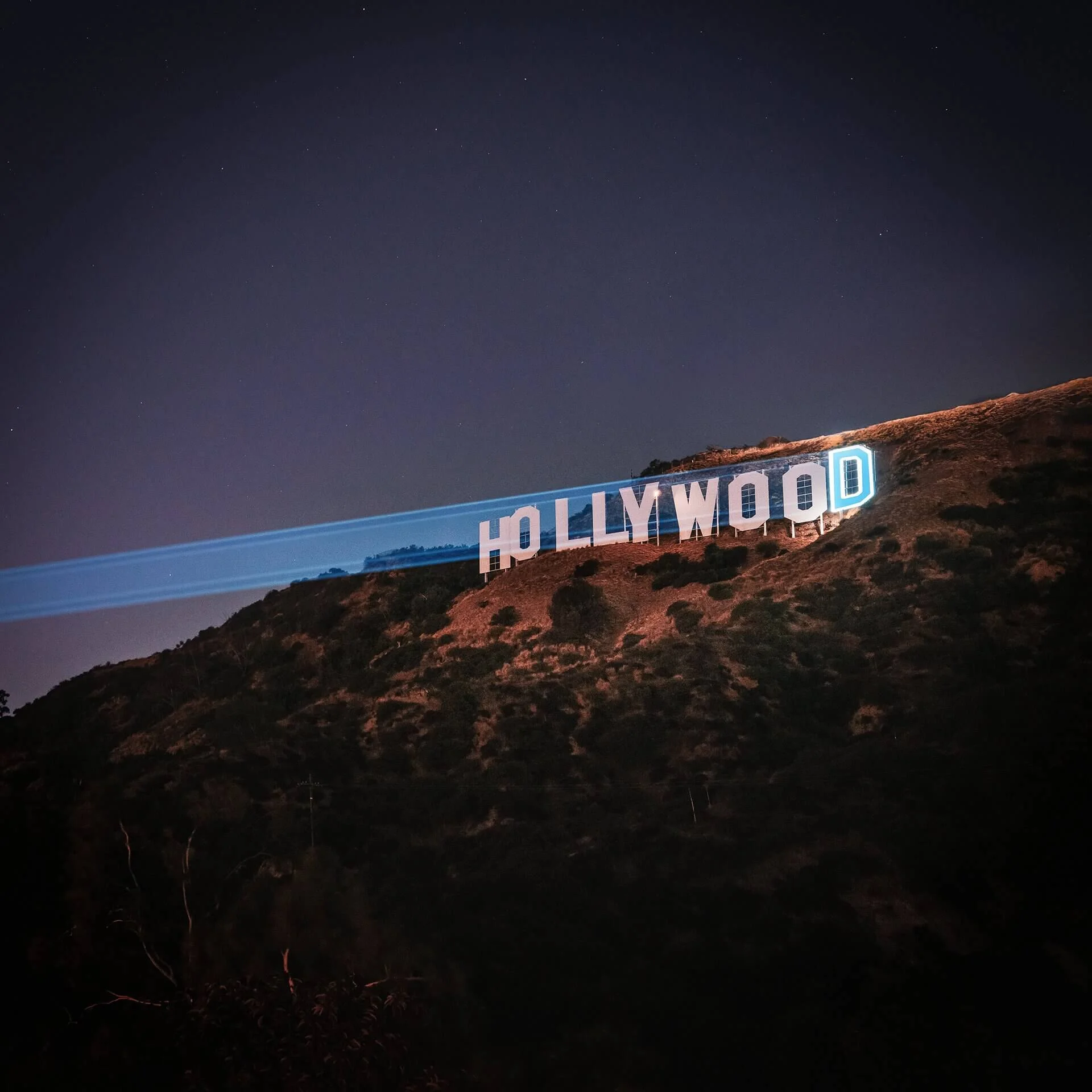
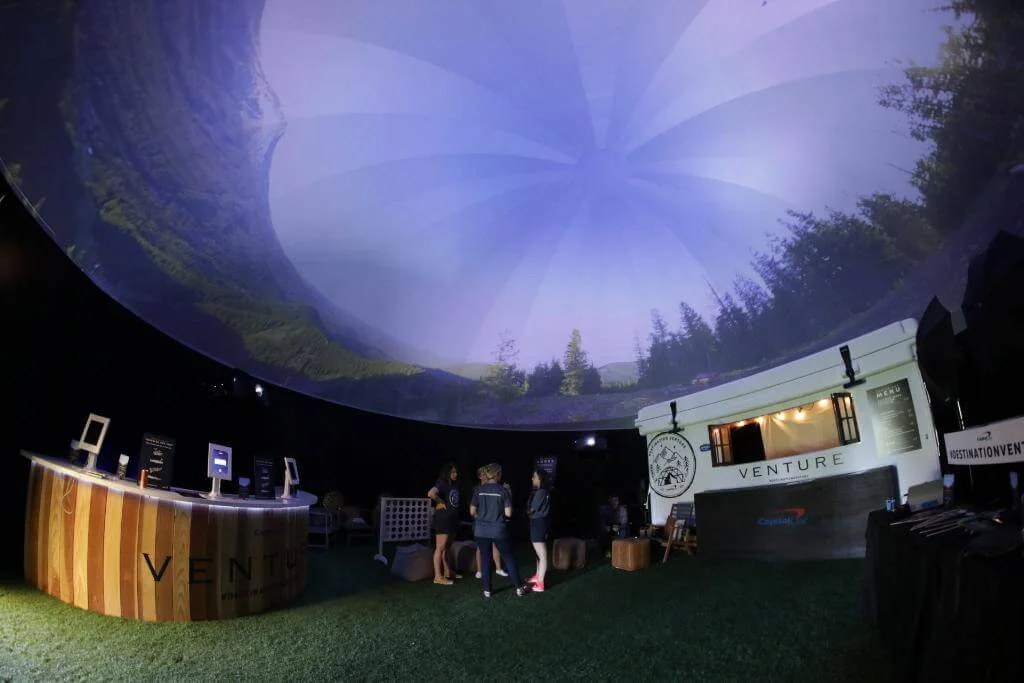
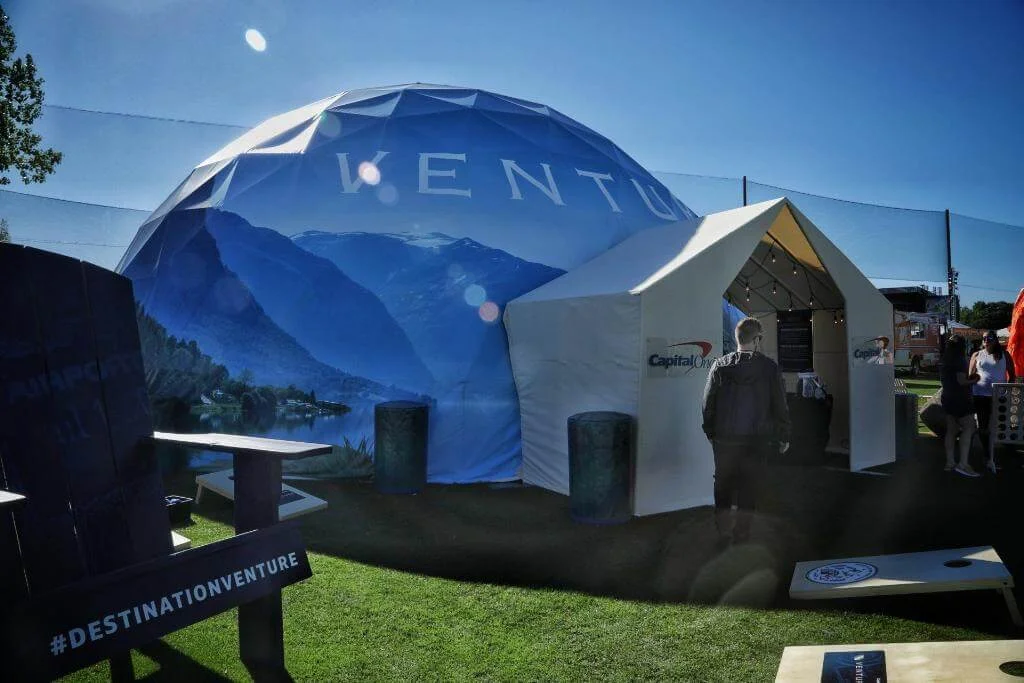
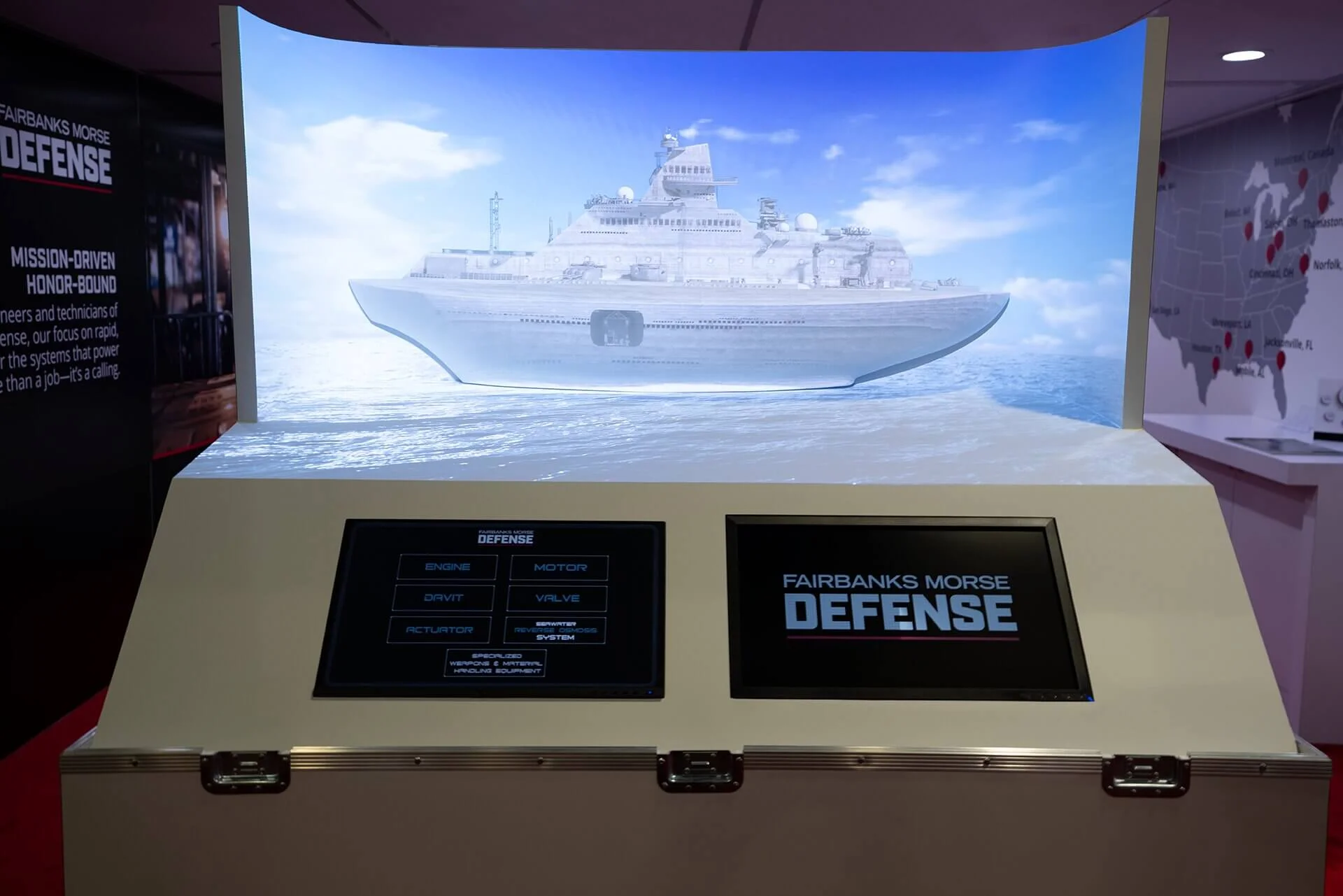
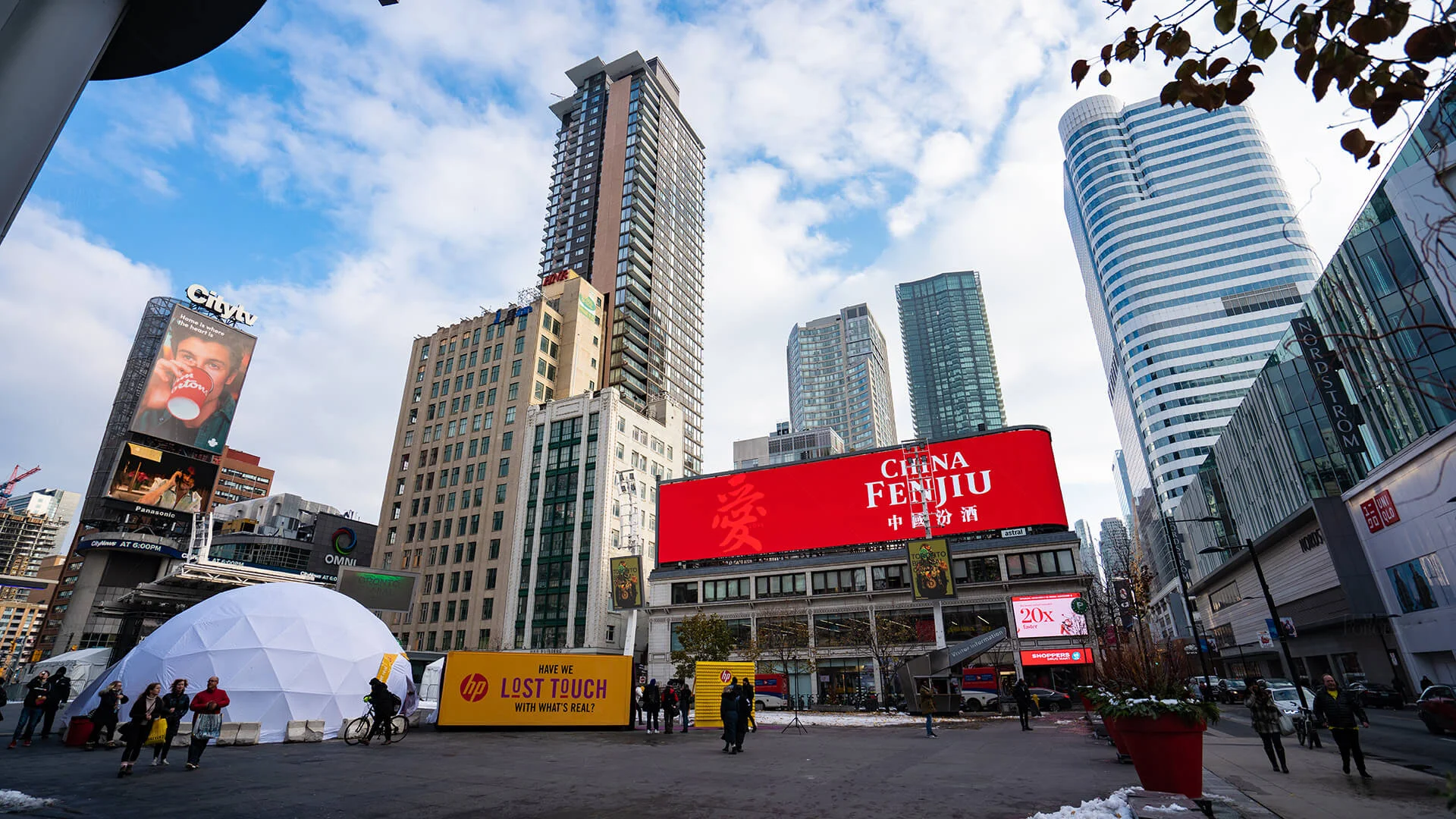
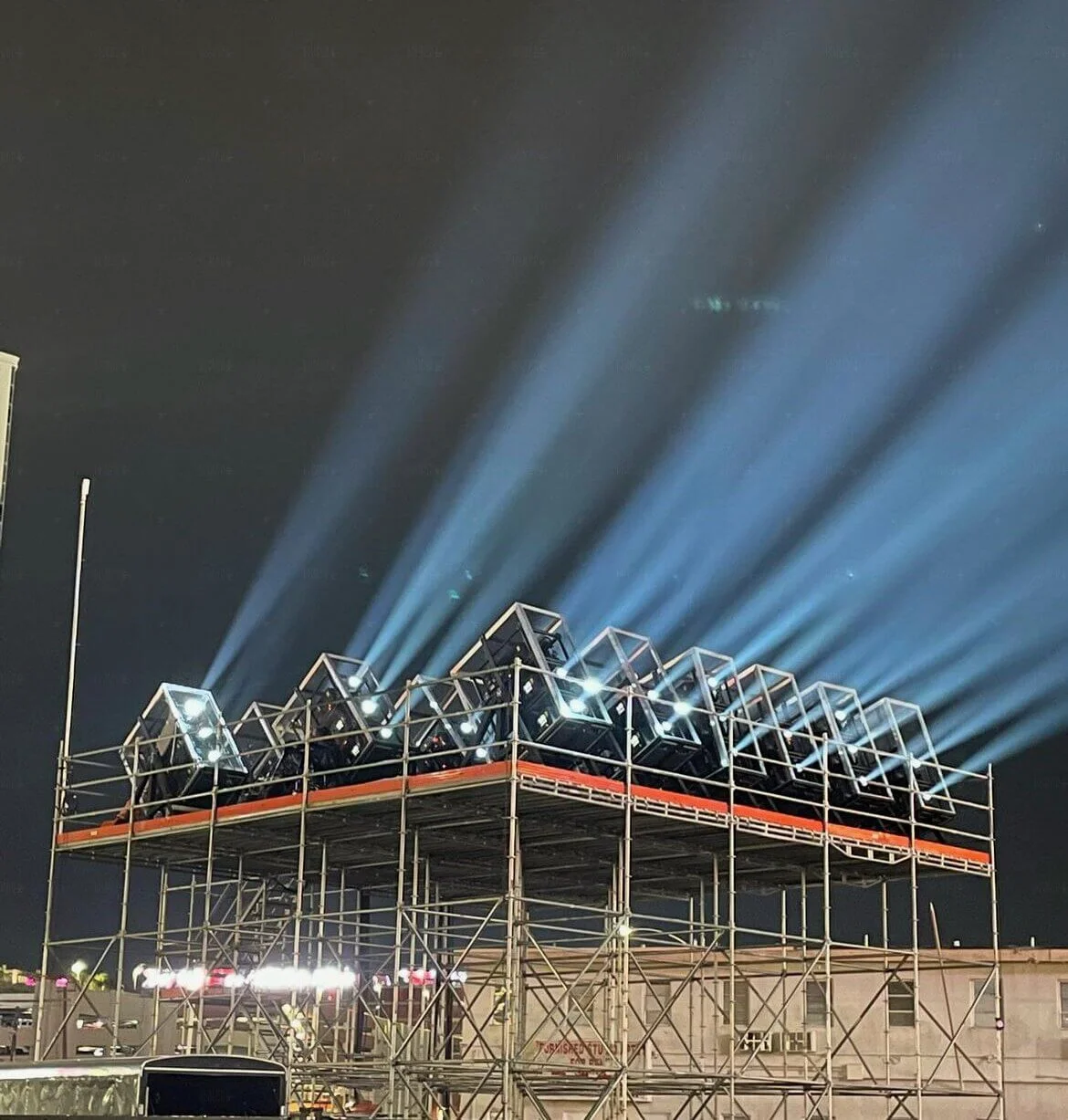
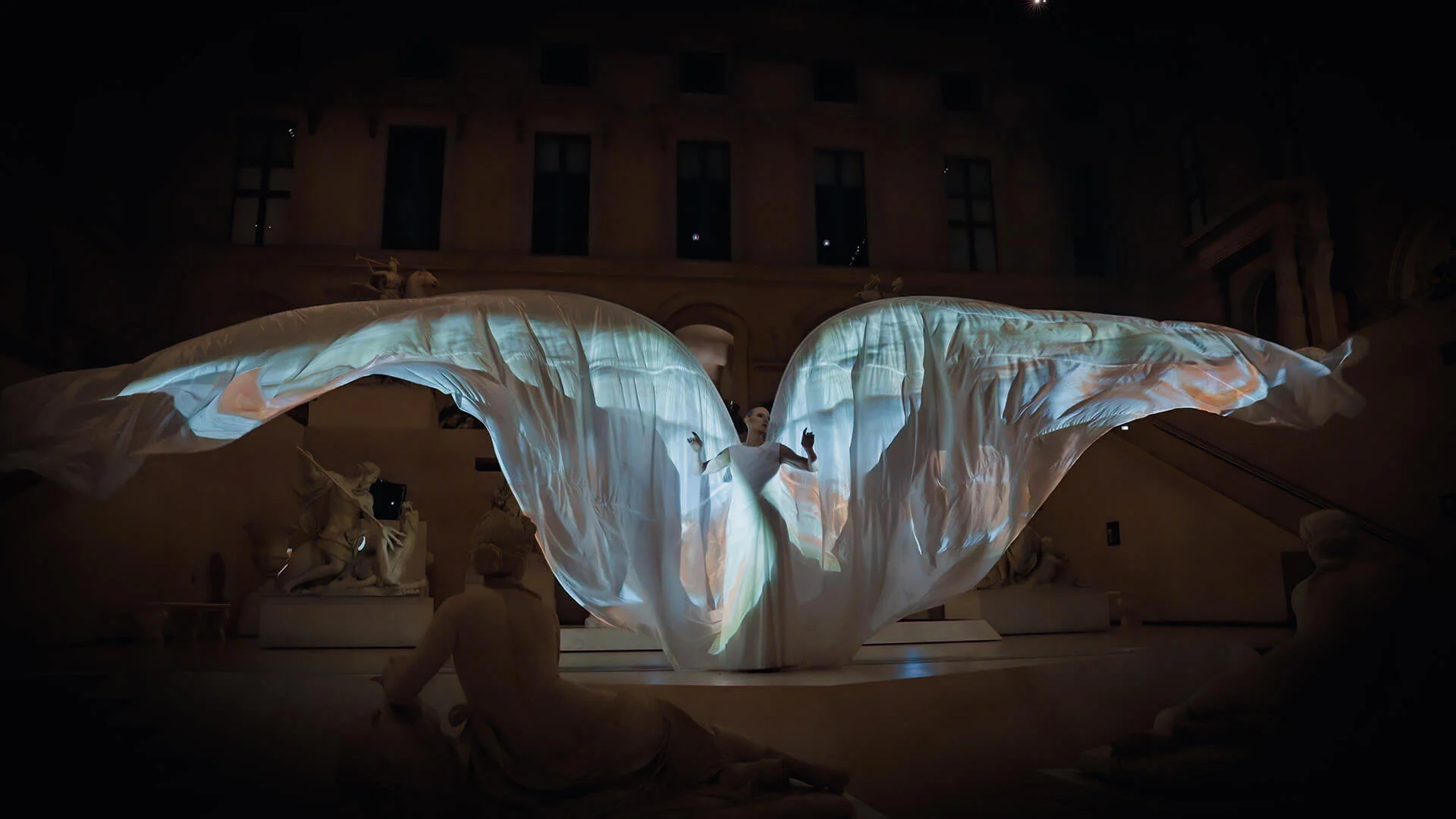
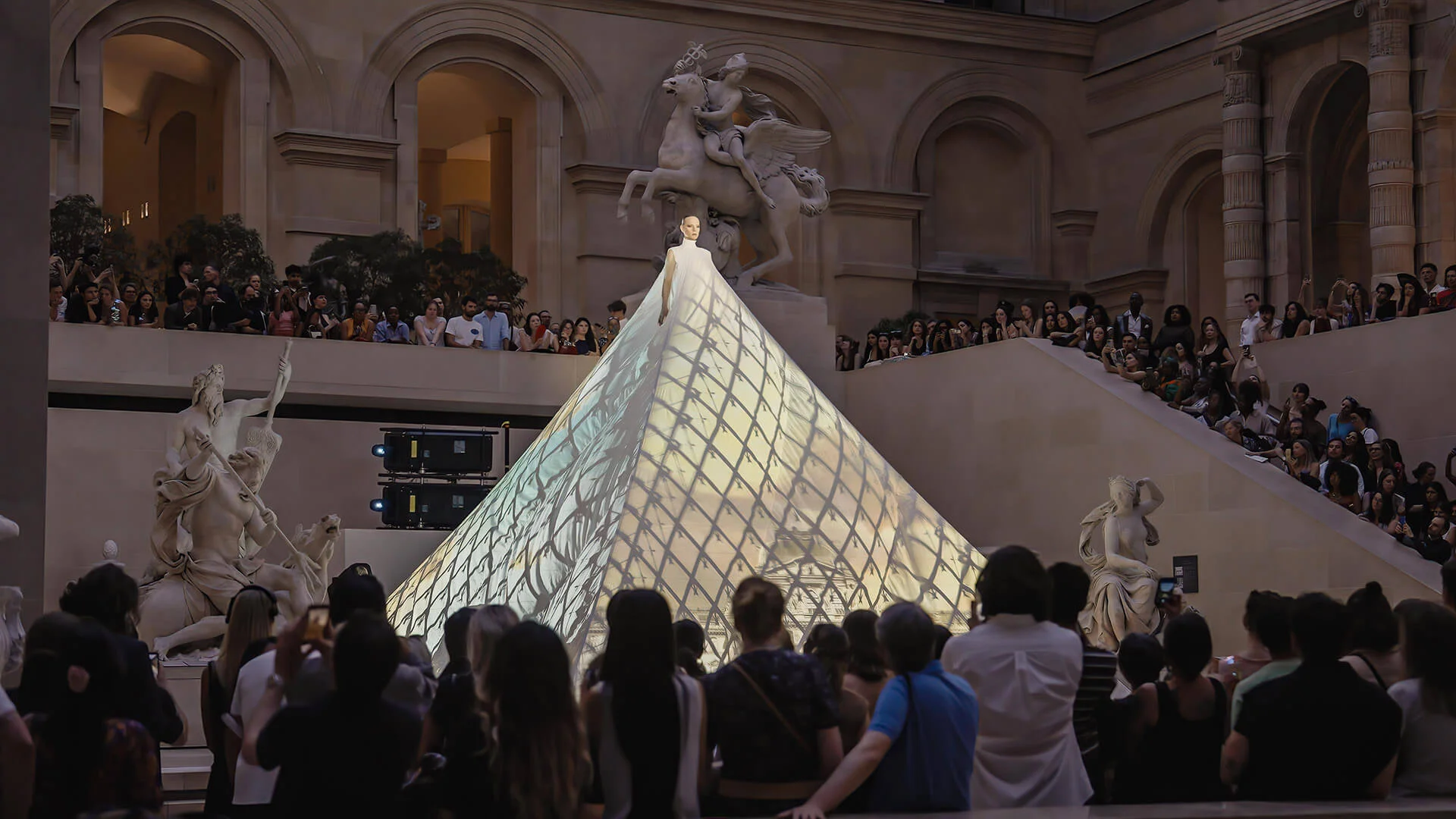
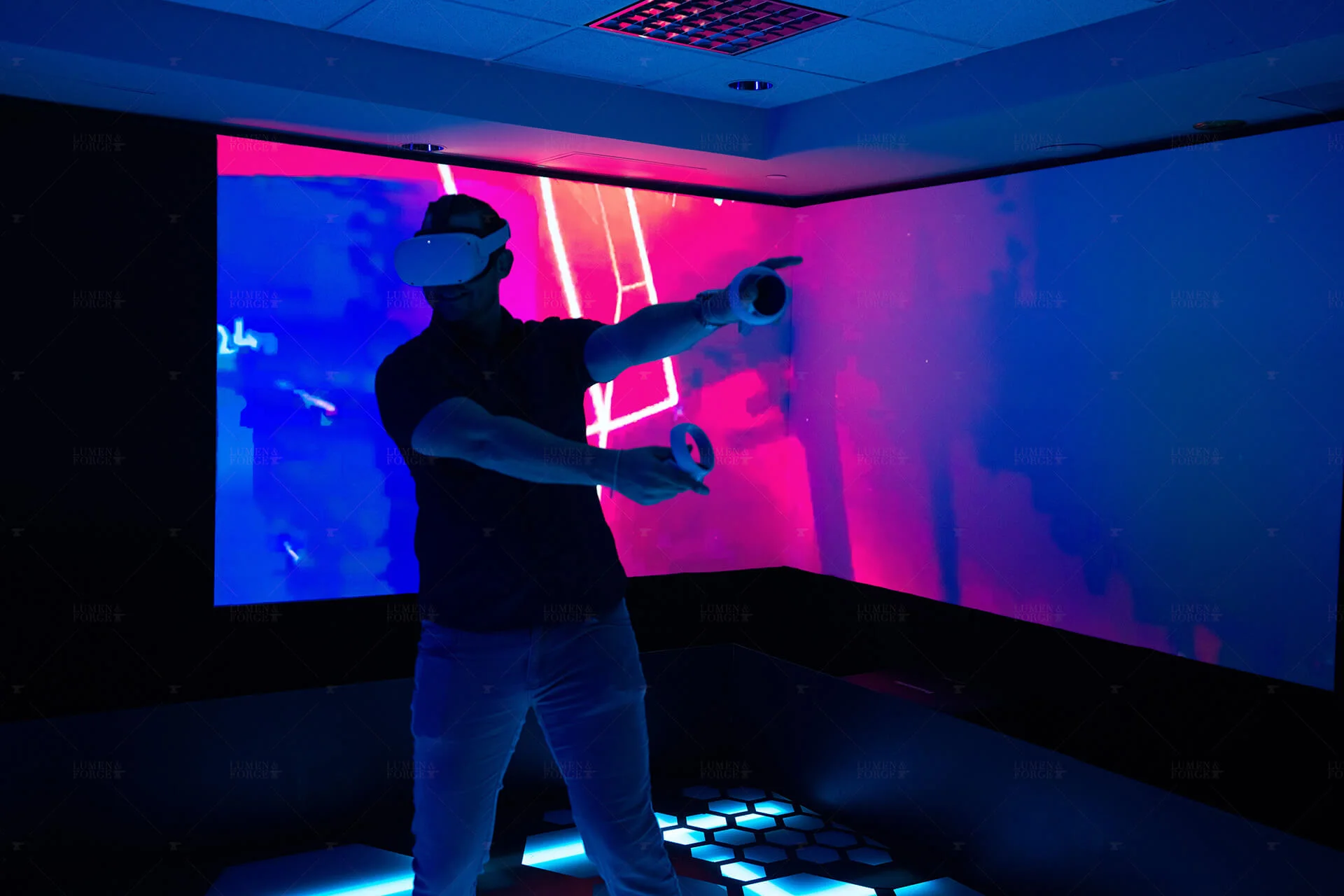
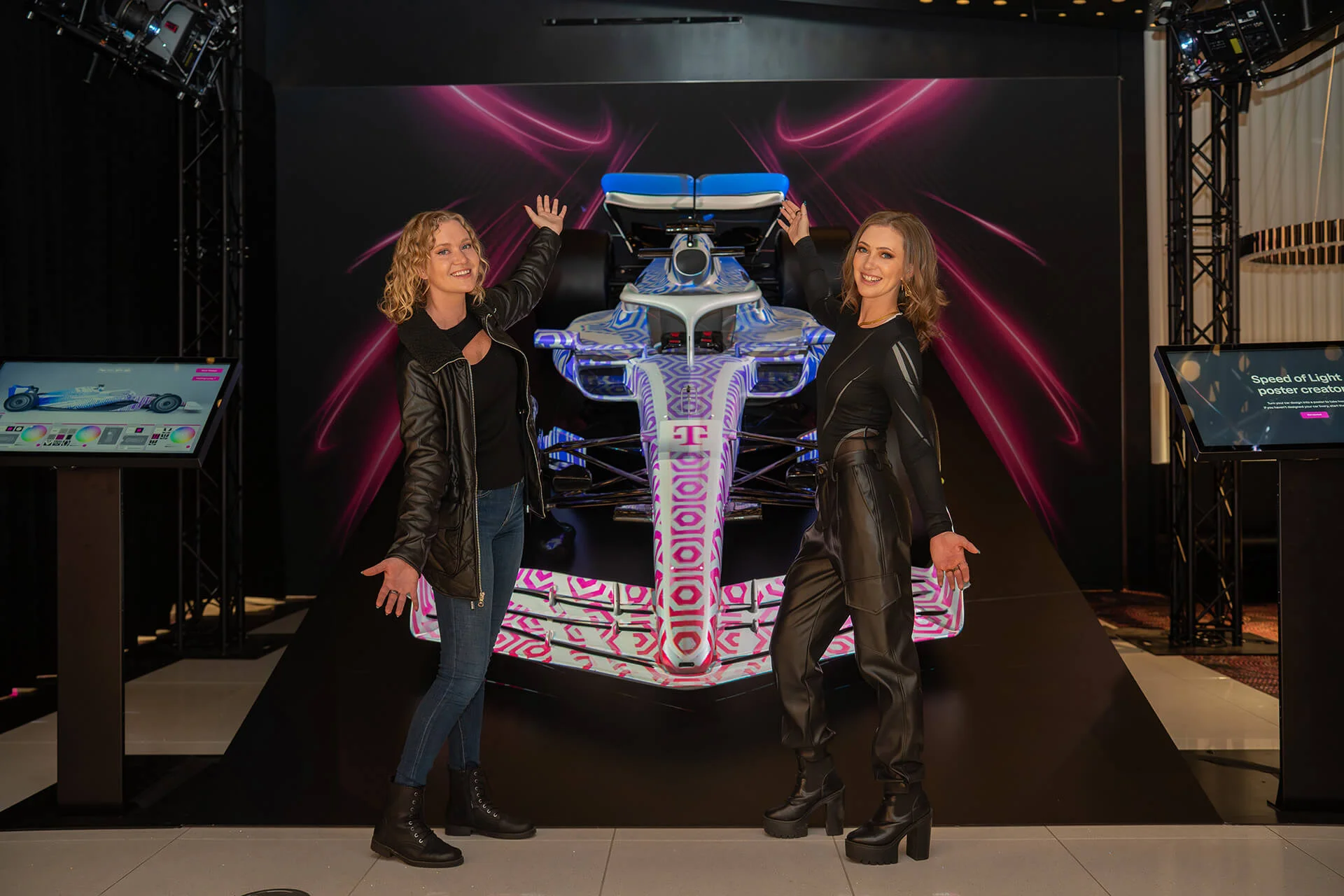
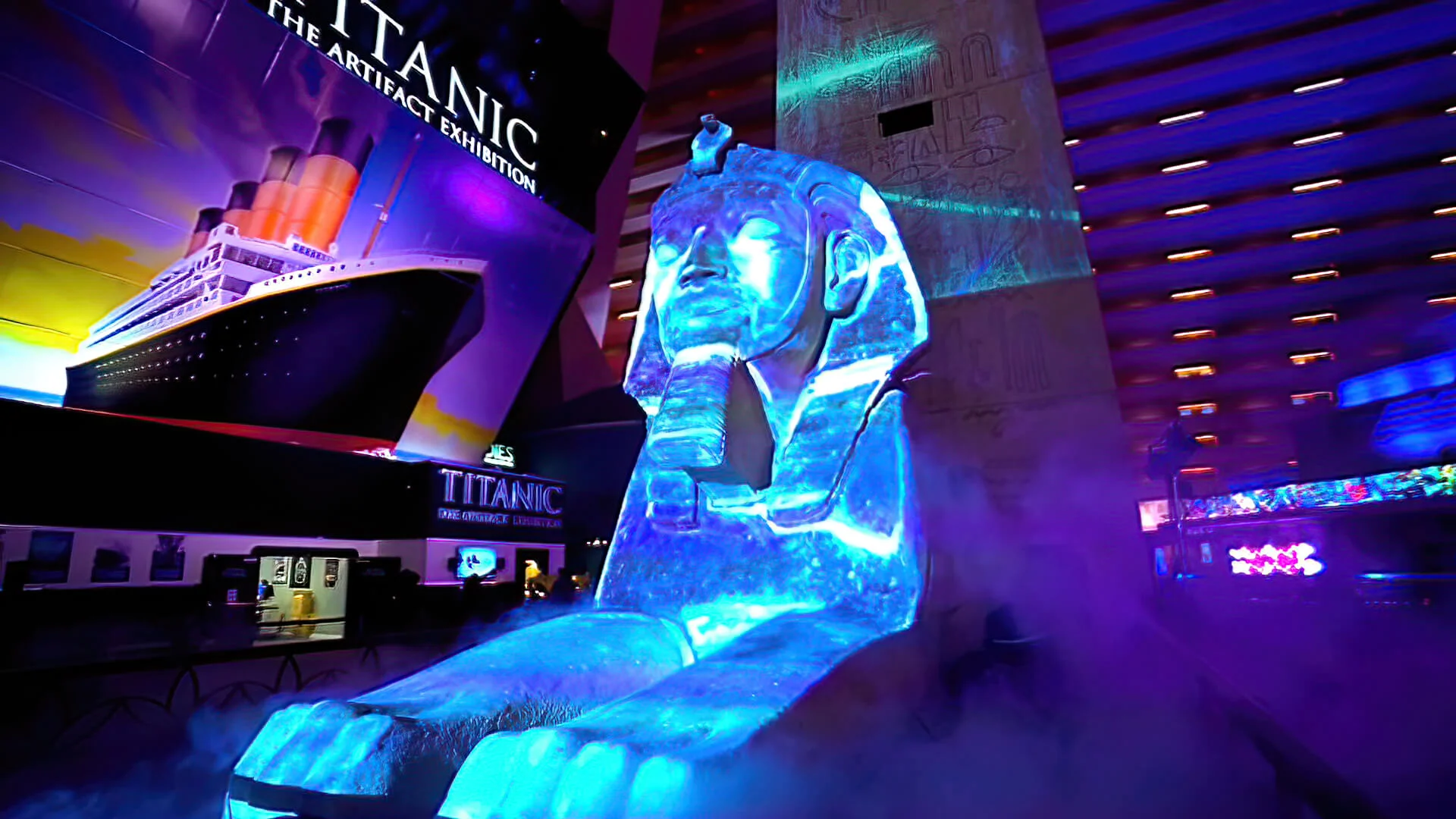
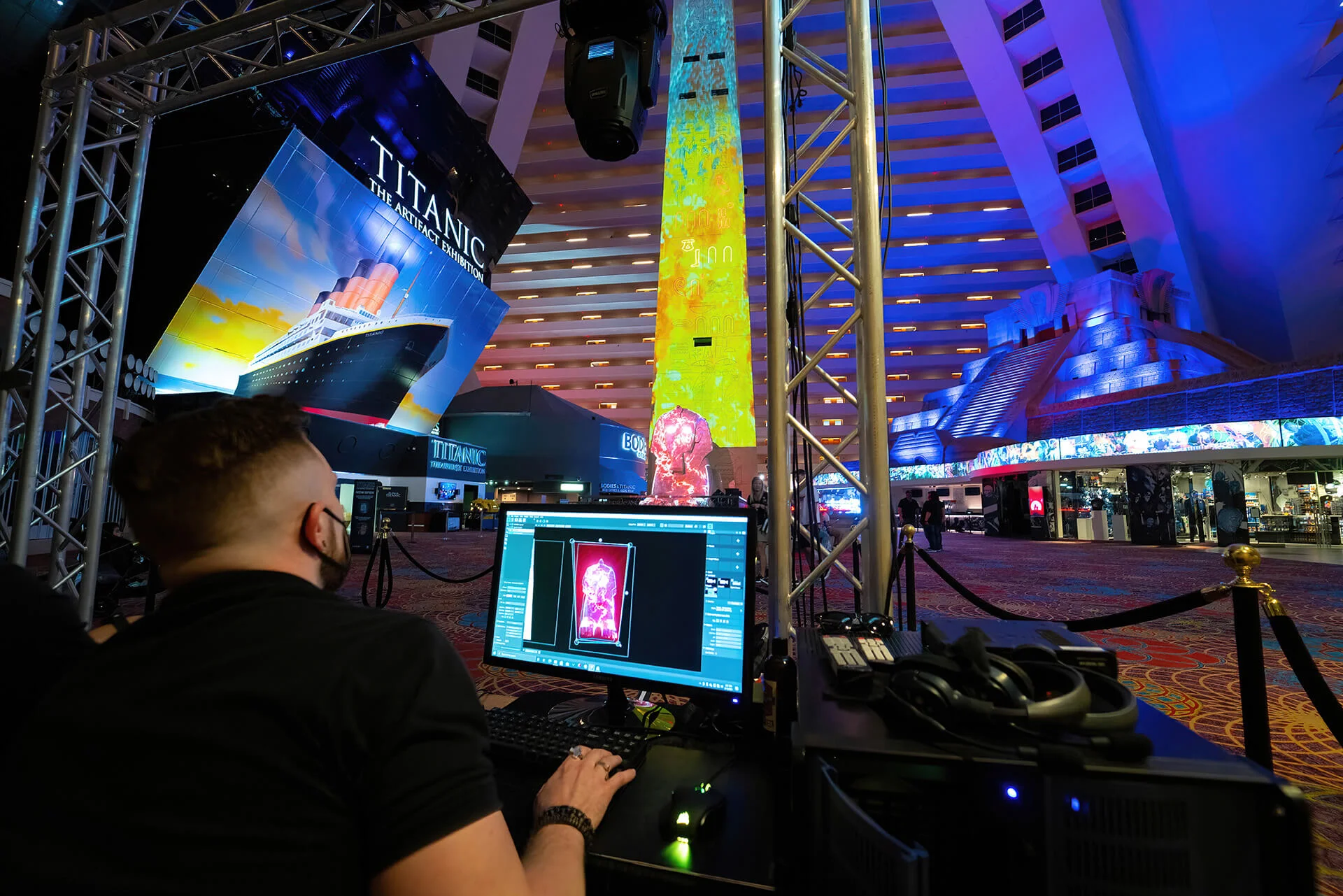
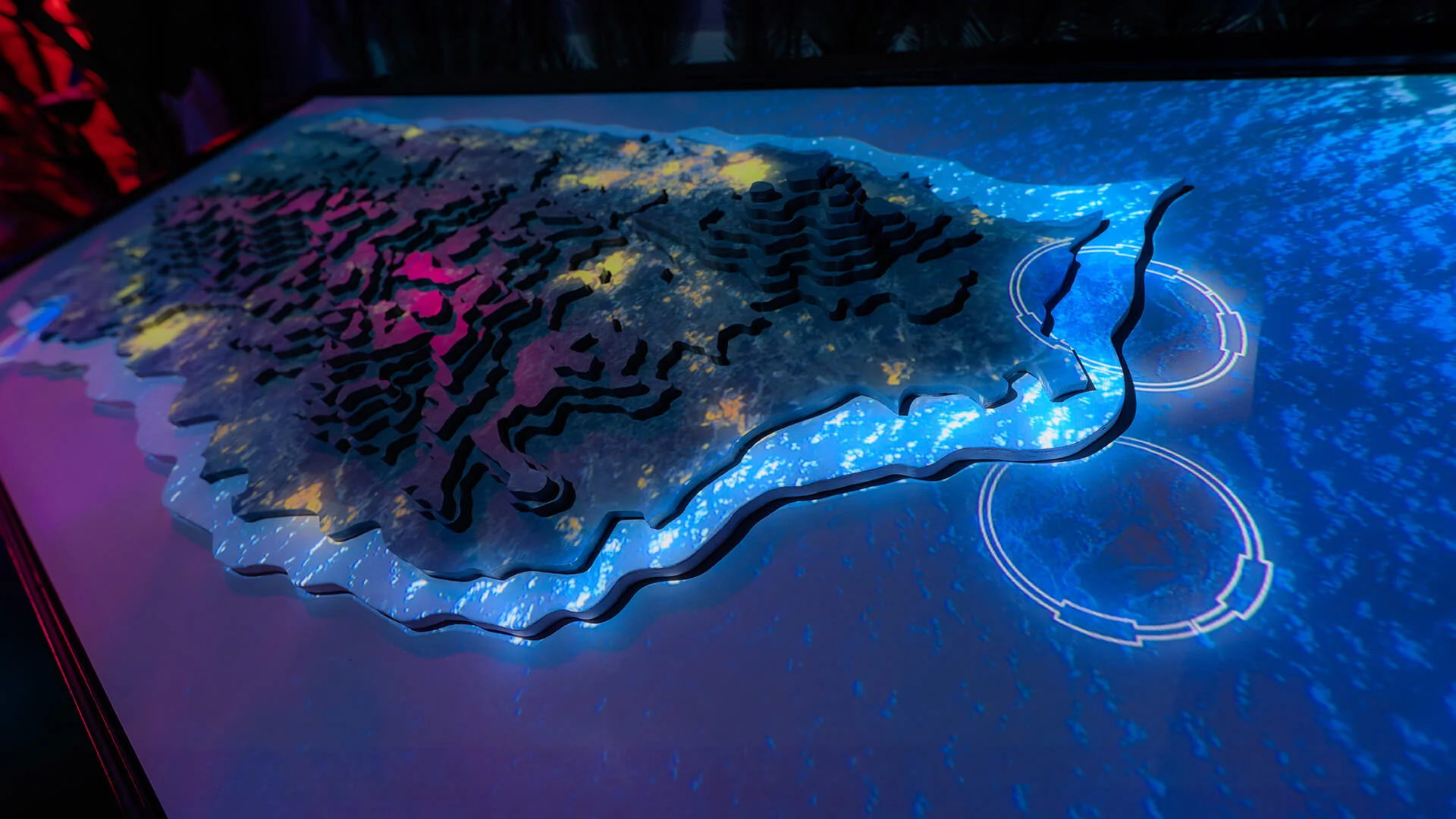
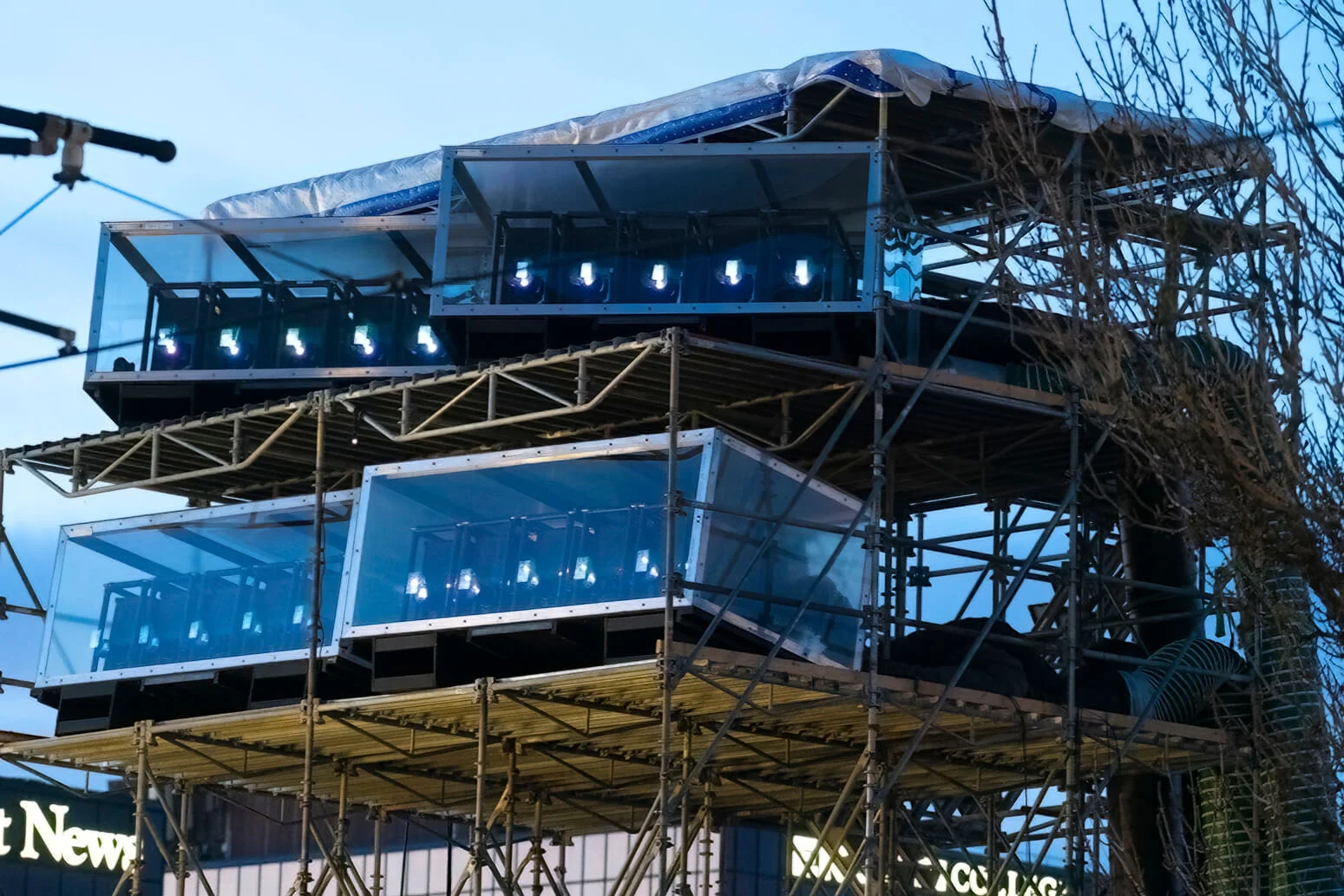
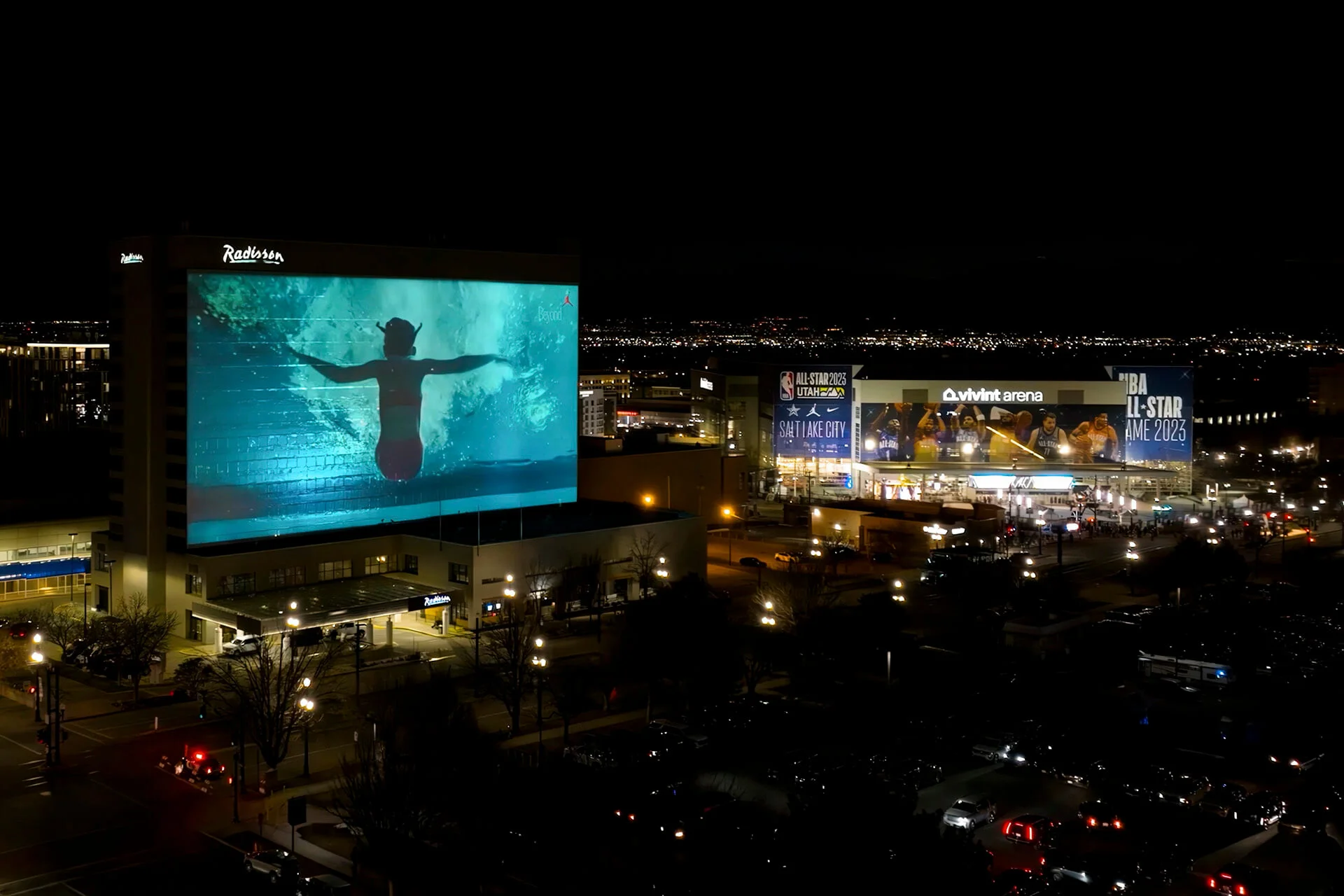
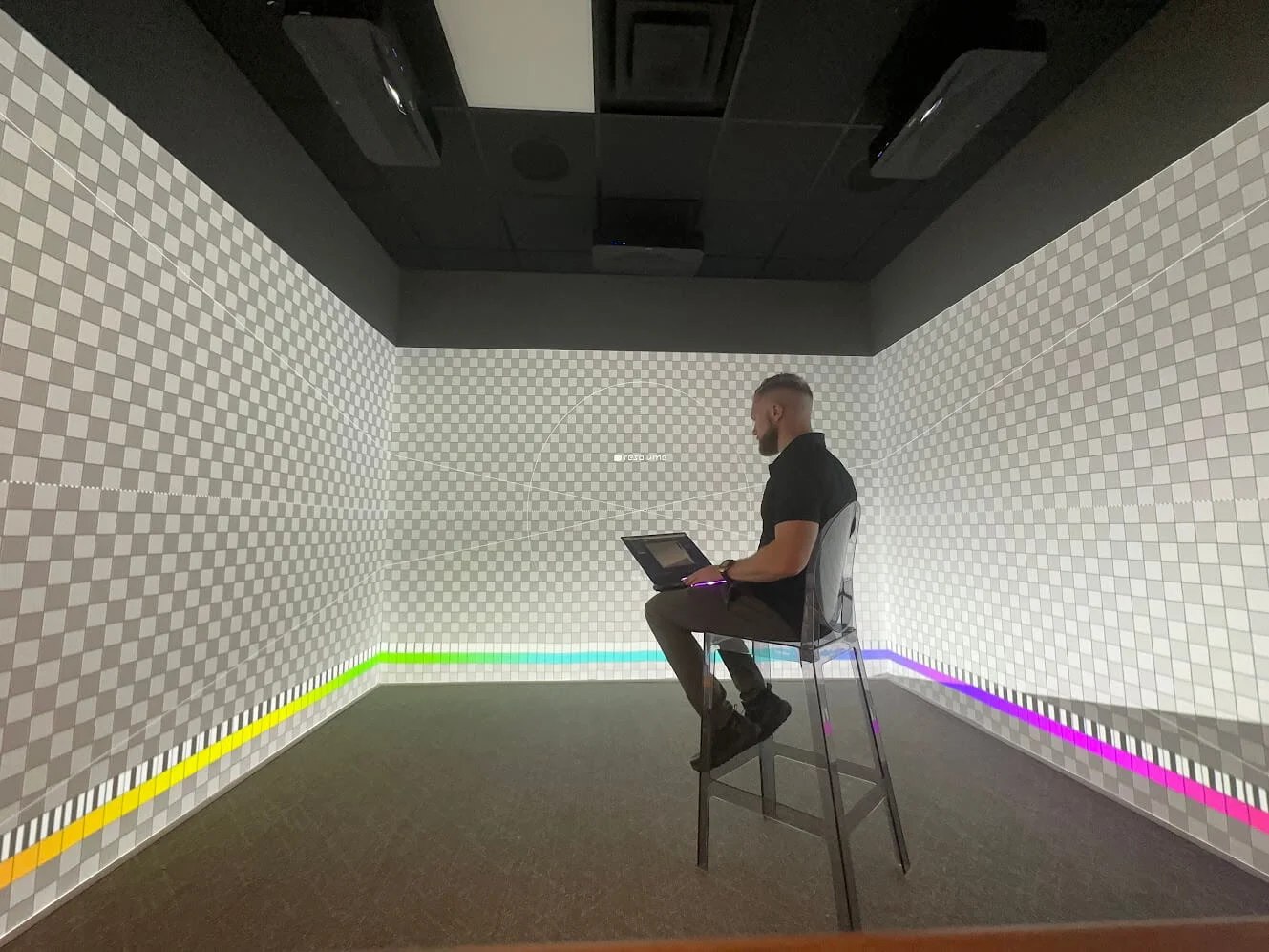
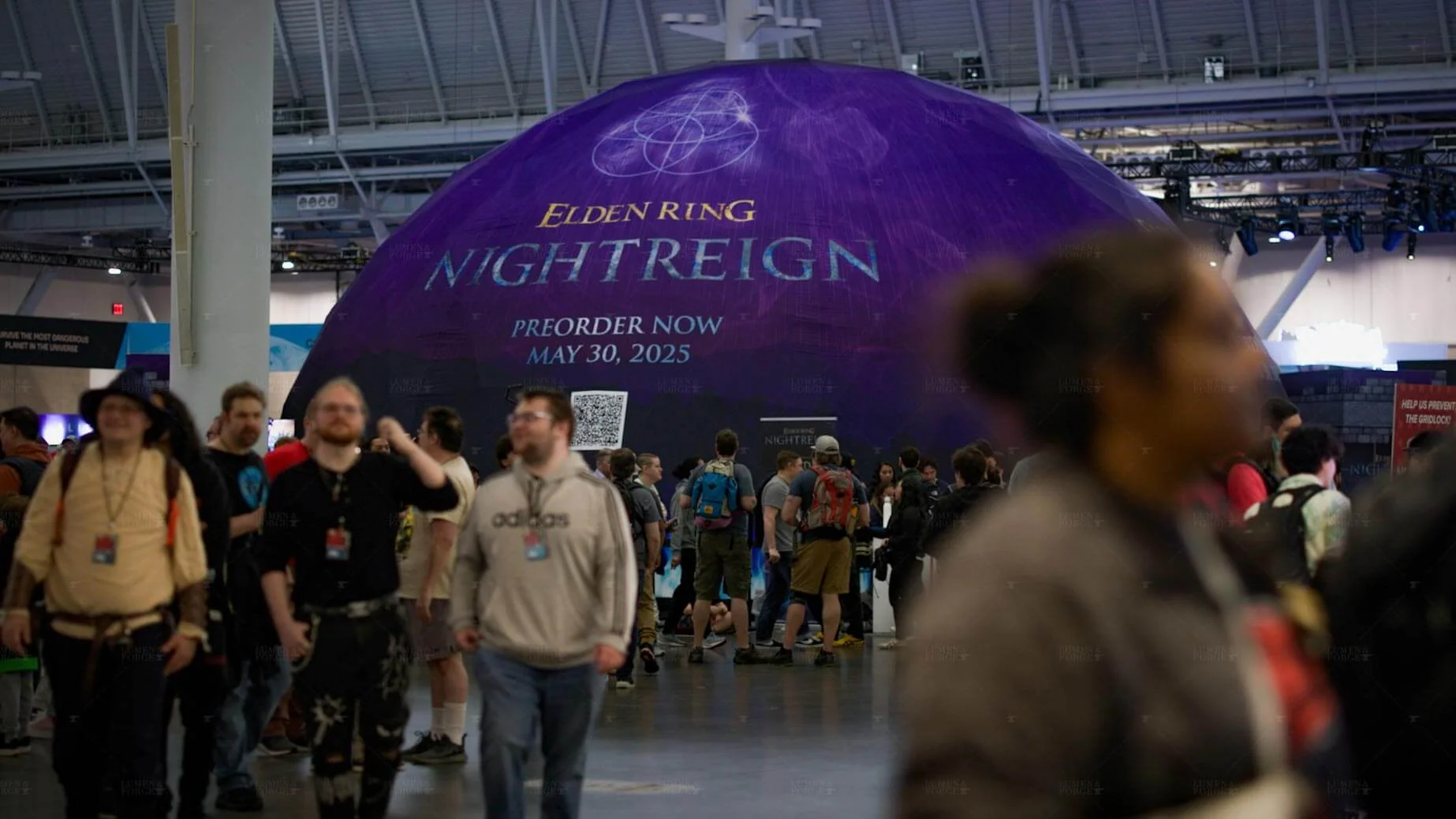
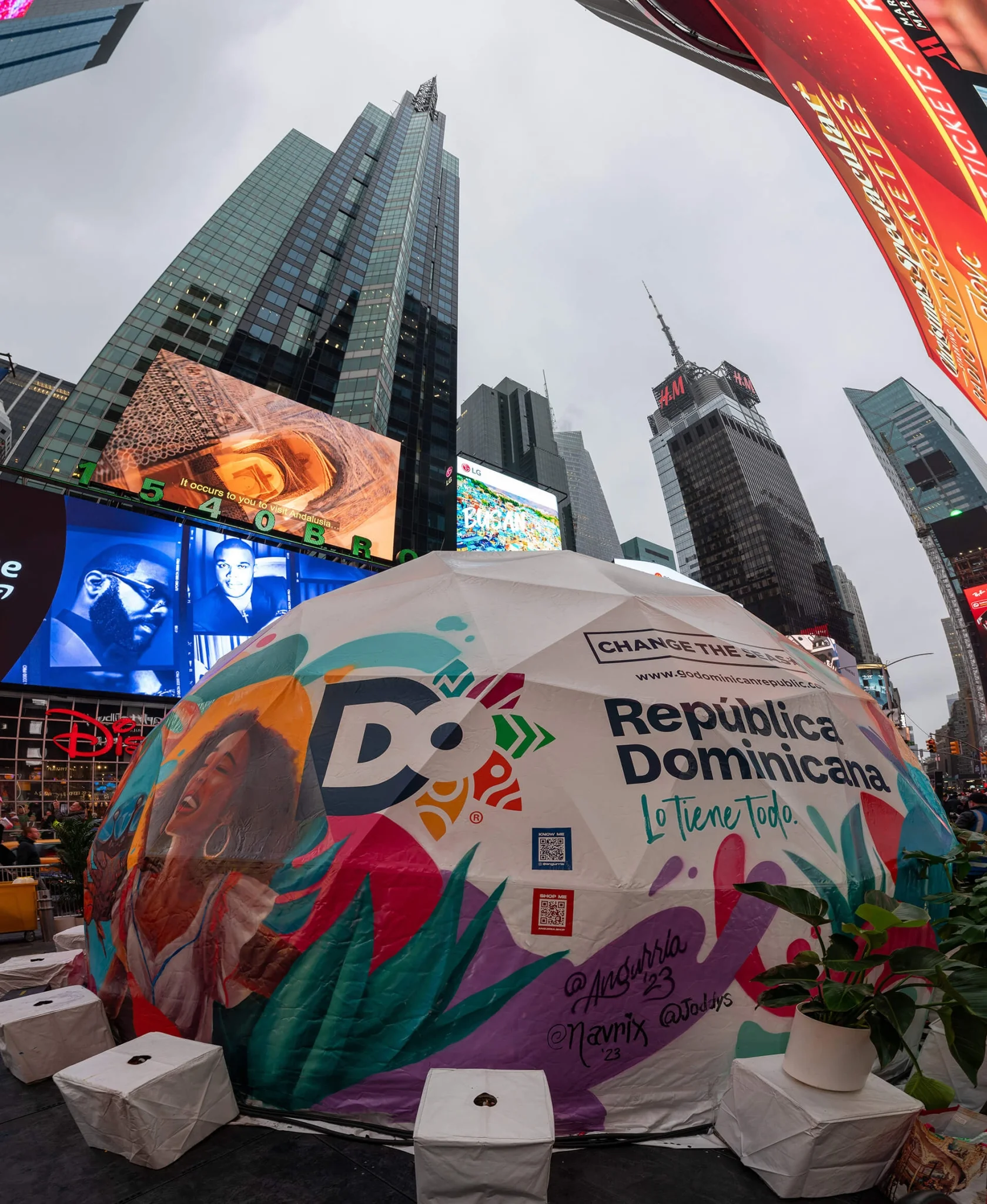
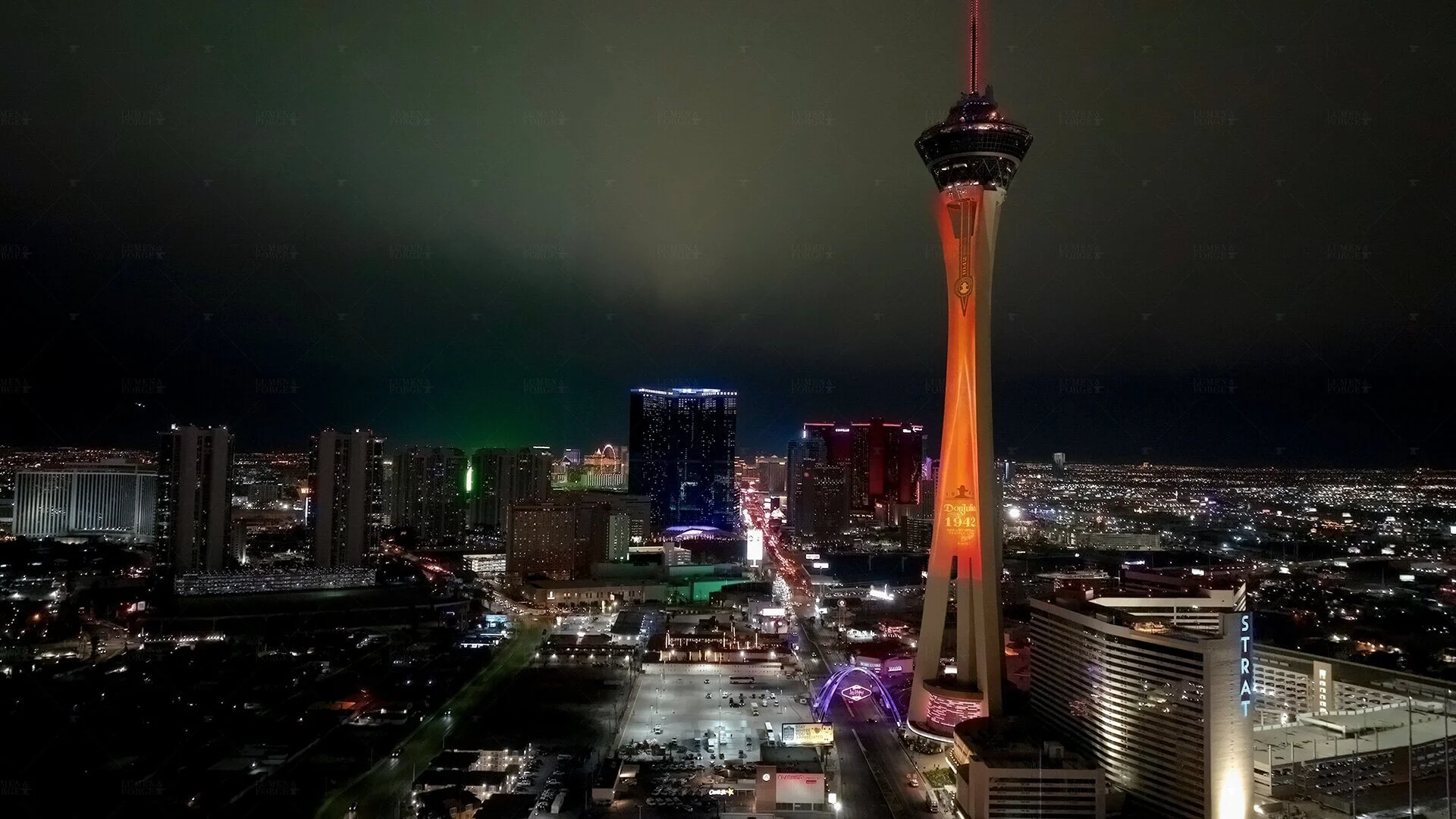
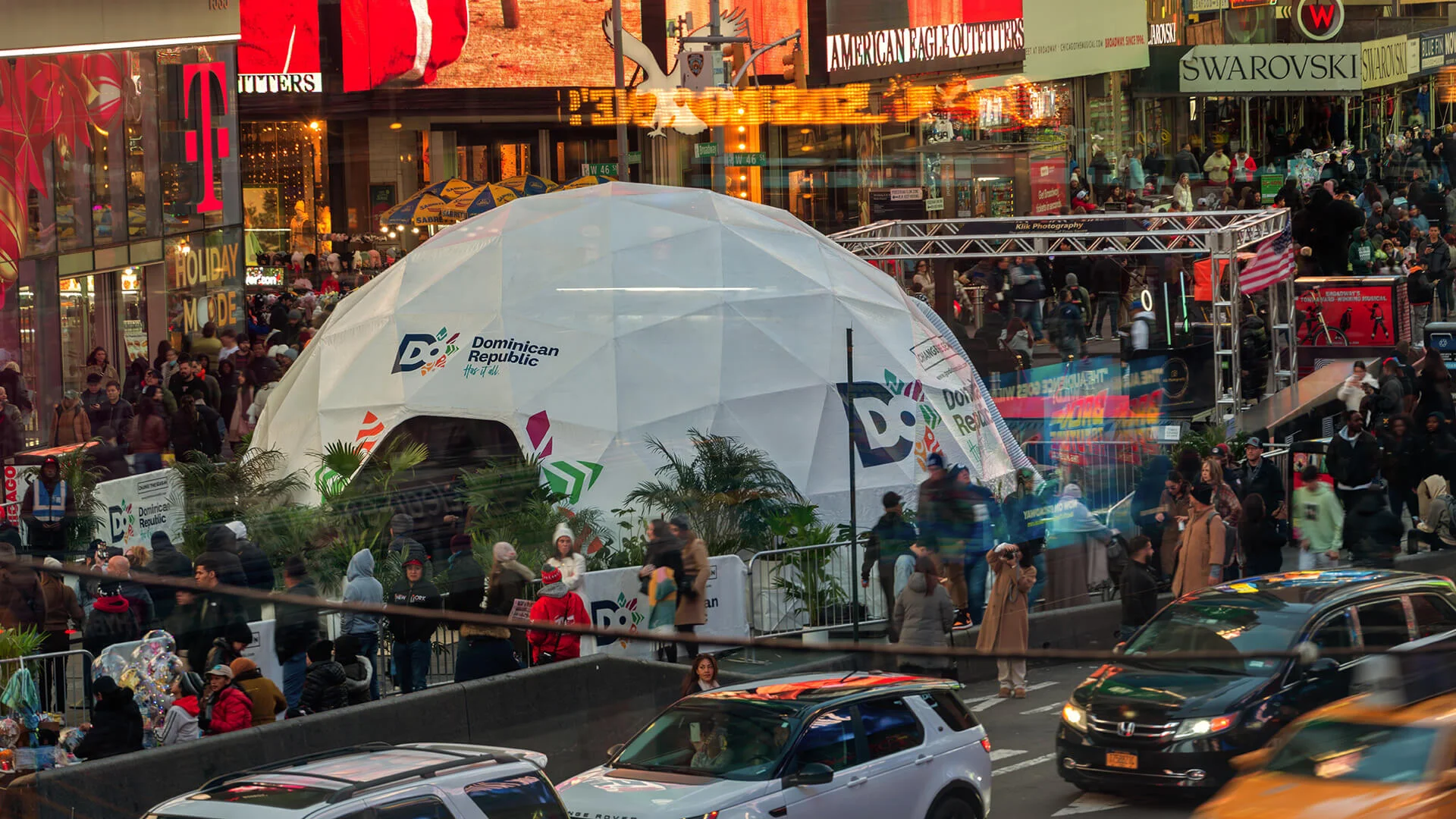
Take A Closer Look
A Deeper Look Into Animation & Visual Story Telling
A Deeper Look Into
Projection Mapping
Projection Mapping: Turning Any Surface Into a Story
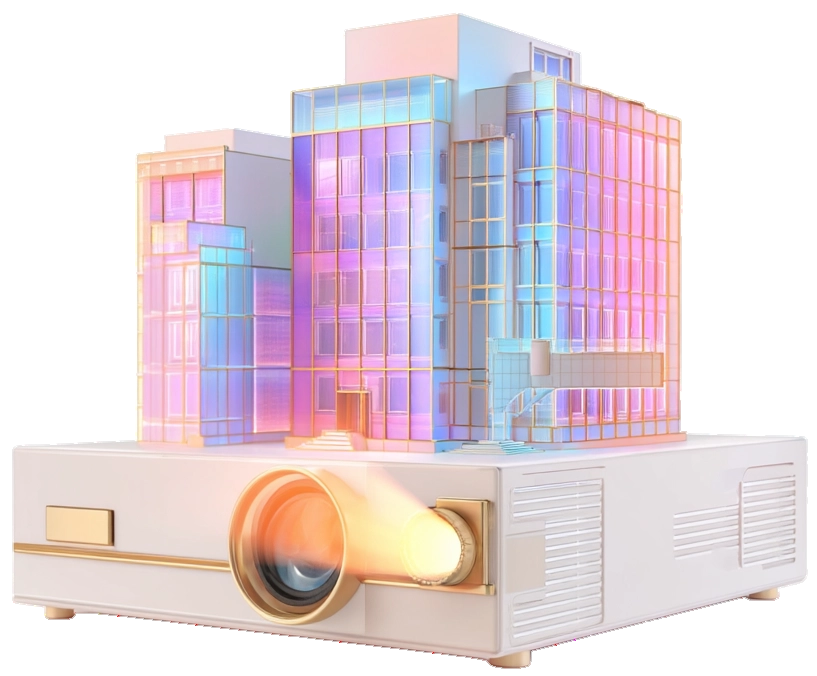
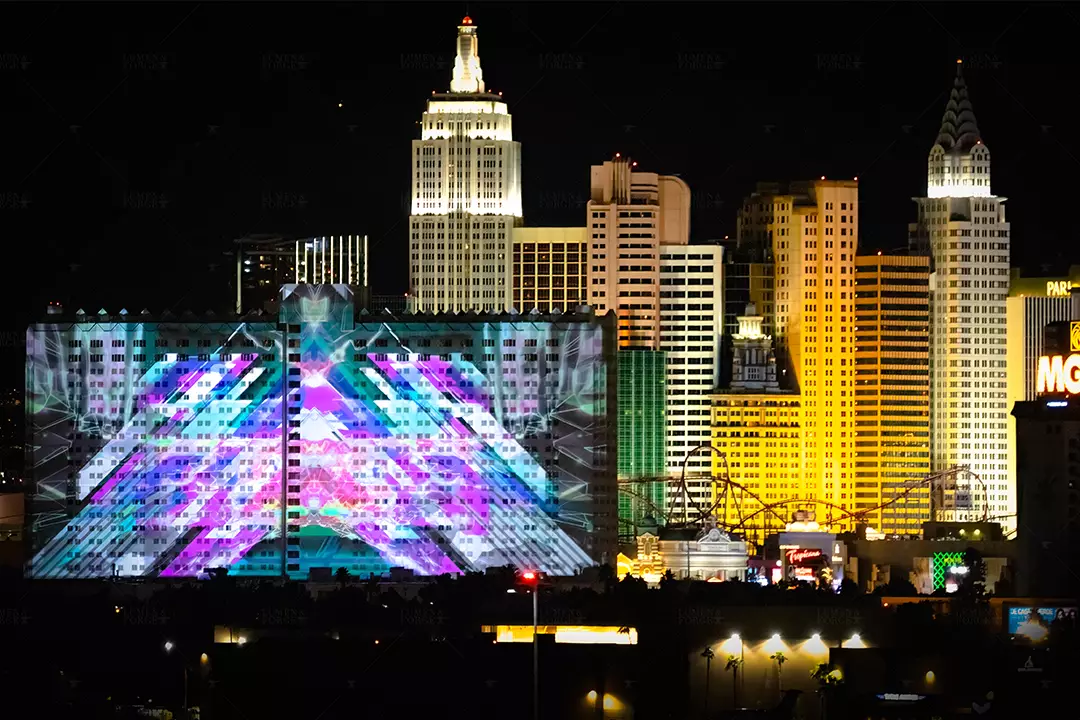
Projection mapping is the process of fitting light to a surface rather than filling a screen. Software warps and blends each projected image to the geometry of the target, so corners, curves, columns and irregular edges all receive content that lines up precisely. A flat screen gives every viewer the same rectangle from the same angle. Mapping treats the surface itself as the canvas, which means a facade, a dome interior or a three-dimensional object can appear to move, change material or dissolve. The result reads as architecture in motion instead of video playing behind a stage.
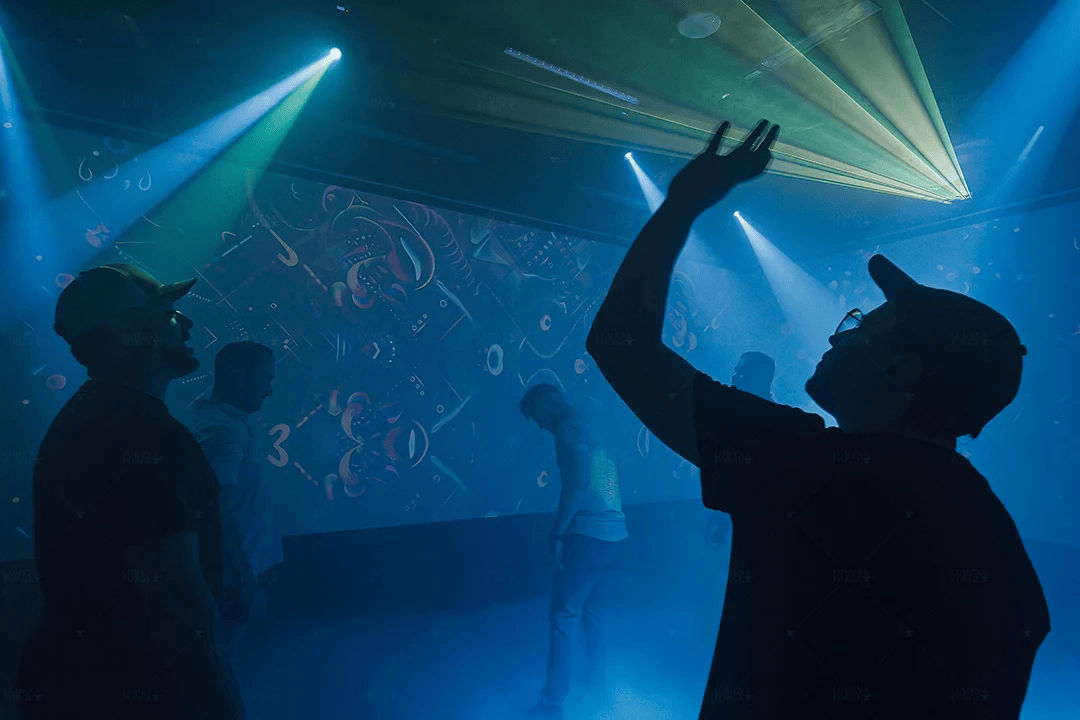
In Indianapolis, that approach suits a wide range of sites. The limestone of the Soldiers' and Sailors' Monument on Monument Circle, the brick and glass of Gainbridge Fieldhouse and Lucas Oil Stadium, the grandstand structures at the Indianapolis Motor Speedway, and the interiors of Hilbert Circle Theatre, the Indiana War Memorial, the Indiana Convention Center, Old National Centre and the JW Marriott Indianapolis all offer surfaces that reward careful mapping. Museums and cultural venues such as Newfields and The Children's Museum of Indianapolis, plus Victory Field, work equally well for object mapping and room-scale environments.
Building and Architectural Projection
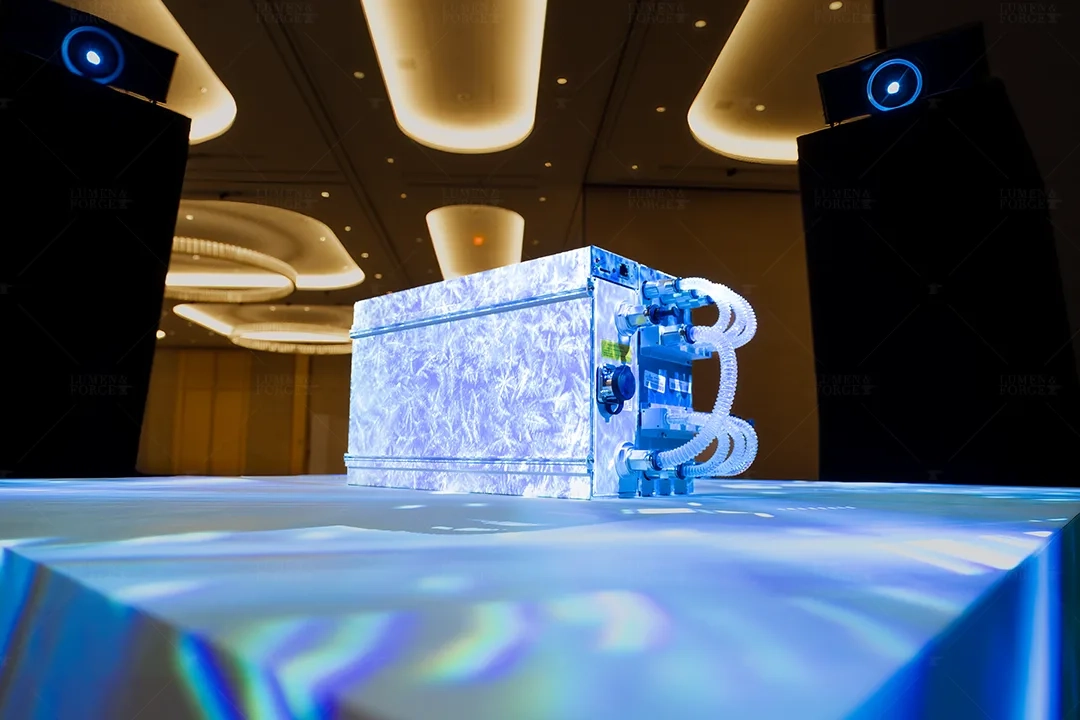
Object and Product Projection Mapping
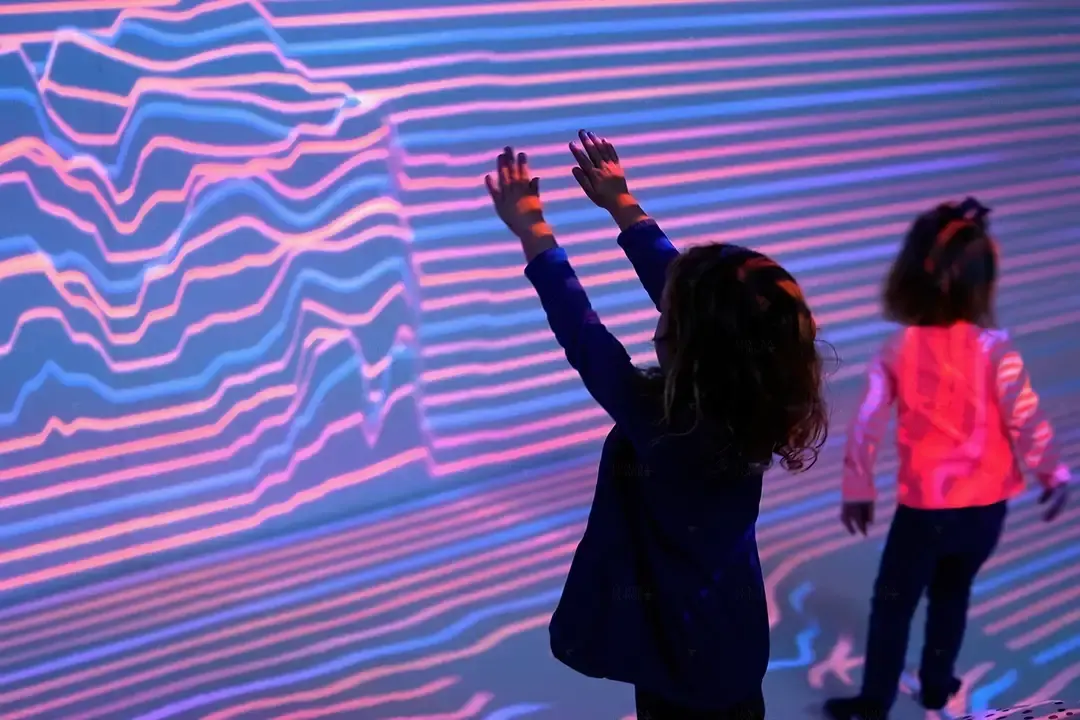
Interactive Projection
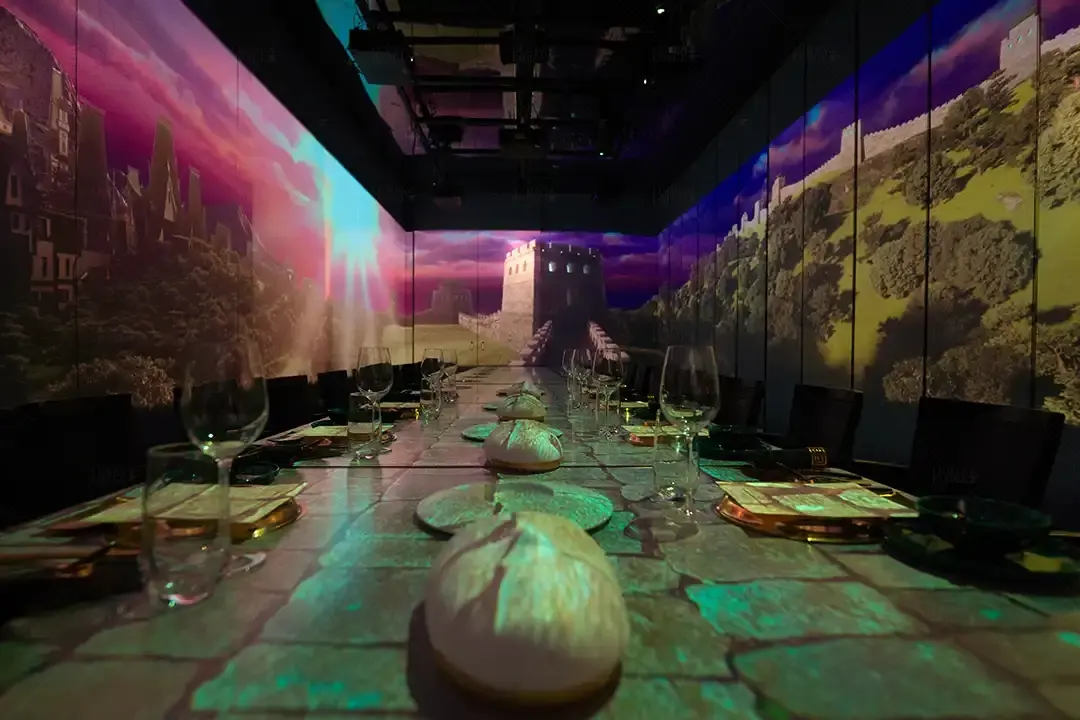
Room and Environment Mapping
Dome Projection
Why Indianapolis Is a Natural Fit for Projection Mapping
Indianapolis is a city that fills rooms. The Indiana Convention Center hosts Gen Con in late July and early August, when tens of thousands of attendees move through a hall that rewards scale and punishes anything that looks like a banner with a logo on it. Lucas Oil Stadium packs in the Big Ten Football Championship Game in December. Gainbridge Fieldhouse, Victory Field, and the Indianapolis Motor Speedway each carry their own crowds with their own expectations. Any brand activation in this market is competing against a skyline, a 500-mile race, and a month of fairgrounds. Spectacle is table stakes here, not a differentiator.
The audiences that matter to marketers in this city are unusually specific. Pharmaceuticals and life sciences companies bring sophisticated, credentialed crowds to their meetings and trade shows, people who read the science and notice when a brand's story does not match its claims. Motorsports fans at the Indianapolis Motor Speedway know the sport at a granular level, and they respond to craft, precision, and earned detail rather than generic racing imagery. Health insurance, software and SaaS, and logistics and distribution companies are all headquartered or heavily present here, which means the local professional audience sees a lot of brand activations and has developed a low tolerance for recycled ideas. Conventions and trade shows add another layer: attendees who have walked a hundred exhibit halls and can tell within seconds whether a booth was designed for them or for a photo op.
The city's cultural calendar sets the bar even higher. The Indianapolis 500 in May, the Indiana State Fair in August, Circle of Lights on Monument Circle the Friday after Thanksgiving, and Winterlights at Newfields from November into January are all events where the audience arrives expecting atmosphere, not just information. The Soldiers' and Sailors' Monument on Monument Circle, Hilbert Circle Theatre, the Indiana War Memorial, Newfields, The Children's Museum of Indianapolis, the JW Marriott Indianapolis, and Old National Centre all host crowds that have seen what a well-produced environment feels like. A brand that shows up with a flat screen and a step-and-repeat reads as a vendor. A brand that transforms a room reads as a participant in the city's culture.
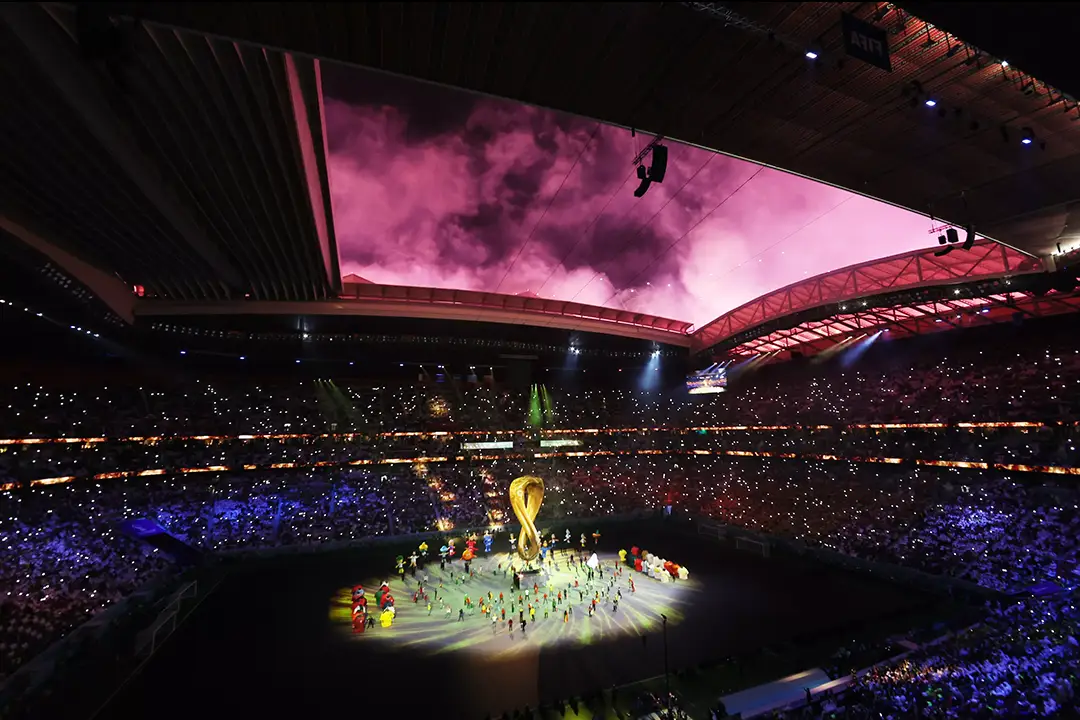
That is the case for projection mapping in Indianapolis. It scales to the Indiana Convention Center and Lucas Oil Stadium, it works on the face of a landmark like the Soldiers' and Sailors' Monument, and it can turn a hotel ballroom or a theatre lobby into a room-scale environment without a construction crew. But the technology is not the argument. The argument is that this market's audiences, across life sciences, motorsports, collegiate and amateur sports, insurance, software, logistics, and the convention floor, expect a story with substance. Projection mapping gives a brand the surface area and the control to tell one, and in a city this crowded with spectacle, the story is what people remember.
Lumen and Forge: Event-Scale Production for Indy
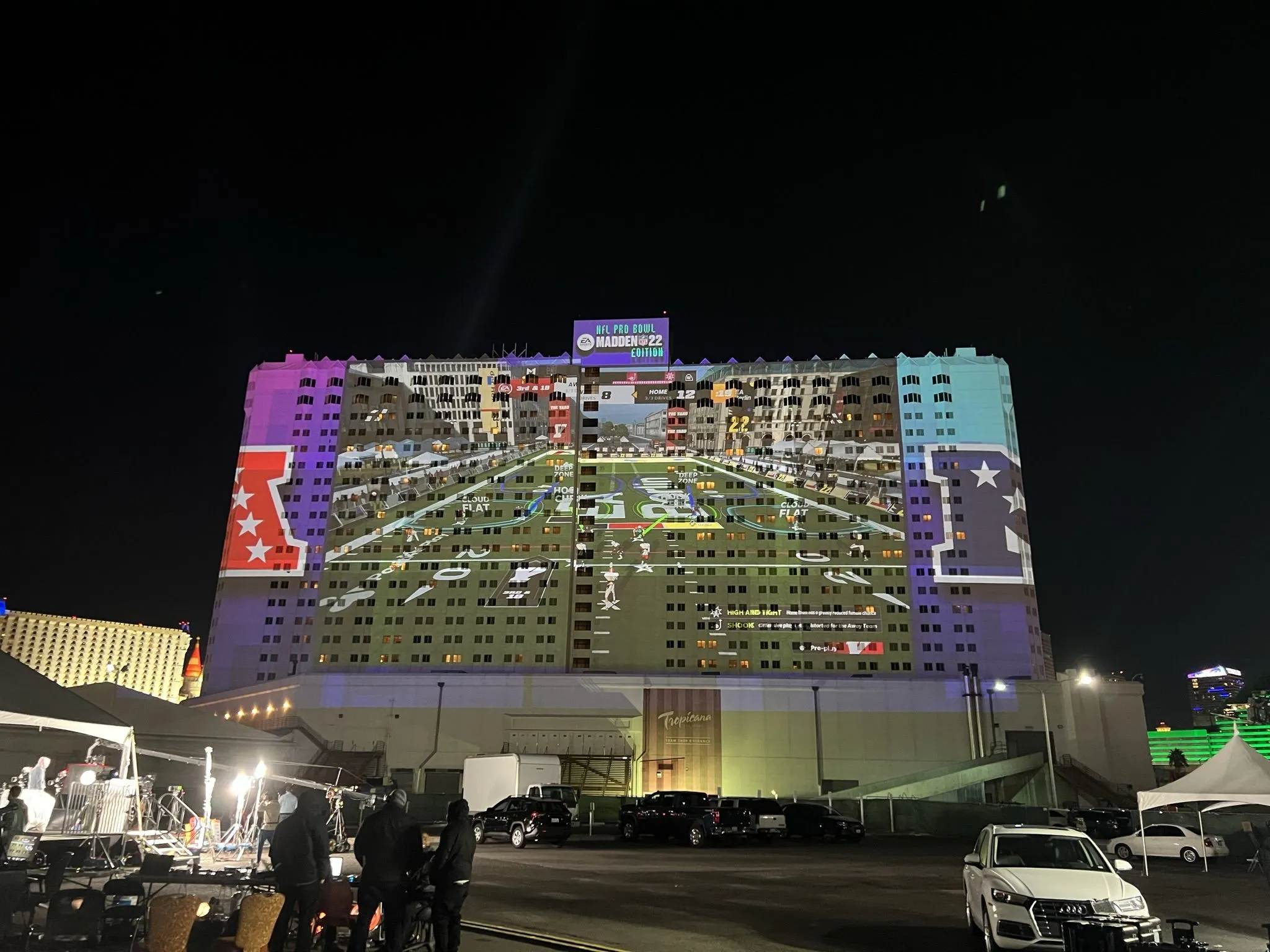
Over 15 years of producing large-scale projection mapping and immersive experiences for globally recognized brands gives Lumen and Forge the operational depth Indianapolis productions require. Our portfolio includes building projections for Nike and Air Jordan at NBA All-Star Weekend, large-scale convention experiences for Toyota, McLaren, and Mastercard, a world record video game screen at the Tropicana, and the Beneath the Blue 360-degree dome for National Geographic. Our team is comfortable working alongside experienced production crews and holding a technical standard in front of an audience that knows the difference, which is exactly what Indianapolis requires.
Who We Work With in Indianapolis
Indianapolis rewards marketers who can turn a large footprint into a single, shareable moment. These are the industries and client types that most often bring Lumen and Forge in for projection mapping and immersive work here.
- Pharmaceuticals and life sciences. Companies in this sector host investigator meetings, sales kickoffs and medical congresses, and they need content that reads clearly on a big surface without losing scientific accuracy. We build room-scale environments and object mapping for product reveals, molecule visualizations and pipeline milestones, often inside the Indiana Convention Center or a downtown hotel ballroom.
- Motorsports. With the Indianapolis 500 in May and a year-round calendar of racing activity, teams, sponsors and speedway-adjacent brands use building projection to launch liveries, honor drivers and give hospitality guests something they cannot see on a broadcast. Object mapping onto a show car or a trophy is a natural fit.
- Amateur and collegiate sports. The Big Ten Football Championship Game at Lucas Oil Stadium in December, plus season-long programming, calls for hype reels and stadium-scale projection that holds up on camera and in the stands.
- Health insurance. Large employers here use immersive installations for member-facing events, open enrollment pushes and community sponsorships, where the goal is clarity and warmth rather than spectacle alone.
- Software and SaaS. Product launches and user conferences lean on interactive installations and projection domes to make a feature release feel physical, especially when the audience is seated across a wide convention hall.
- Logistics and distribution. Companies in this sector use projection mapping for recruiting events, safety milestones and customer showcases, mapping onto equipment, warehouse walls or scale models.
- Conventions and trade shows. Organizers and exhibitors at Gen Con in late July and early August, the Indiana State Fair in August and events at the Indiana Convention Center use booth-scale projection to pull traffic and keep a brand visible across a crowded floor.
Ready to Light Up Monument Circle?
Frequently Asked Questions: Projection Mapping in Indianapolis
Standard projection displays a flat image on a flat screen or white wall. Projection mapping uses specialized software to warp, align, and calibrate video content so it fits precisely onto any three-dimensional surface, whether that is a building exterior, a custom sculpture, a vehicle, or an entire room. The software accounts for every edge, angle, and curve, so the content appears to belong to the object itself rather than simply being cast onto it. In a city full of working production professionals, that level of precision is what separates a real installation from a lighting effect.
Yes. Projection mapping works outdoors in Indianapolis across a long event season, from the Indianapolis 500 in May through the Circle of Lights on Monument Circle the Friday after Thanksgiving. Summer sunsets run late, so plan cues for full dark, and Winterlights at Newfields runs November into January with early dusk that favors evening shows. Ambient light is the real constraint: downtown glow around Monument Circle, Gainbridge Fieldhouse and the Indiana Convention Center, plus stadium and Speedway lighting, all raise the brightness your projectors must overcome.
The biggest projection mapping opportunities in Indianapolis cluster around the Indianapolis 500 in May, Gen Con at the Indiana Convention Center in late July into early August, the Indiana State Fair in August, Circle of Lights on Monument Circle the Friday after Thanksgiving, Winterlights at Newfields from November into January, and the Big Ten Football Championship Game at Lucas Oil Stadium in December.
Yes. Lumen and Forge coordinates permits, power, rigging and site logistics directly with your venue, so your team is not chasing paperwork between vendors. For events in city parks, that means an Indy Parks and Recreation special event permit filed with the Park Manager at least 45 days ahead; street events run through the City of Indianapolis online special event permit application. We build the load-in schedule, power plan and rigging approach around each venue's rules, then handle the install and strike.
What projection mapping costs in Indianapolis depends on the scale of the surface, the complexity of the content, how long the installation runs, and the equipment and crew required. A single-surface building projection onto a venue like Hilbert Circle Theatre is a different scope than a room-scale environment inside the Indiana Convention Center or a dome build for a trade show. Content design, hardware, rigging, on-site labor and load-in windows at places such as Lucas Oil Stadium or Gainbridge Fieldhouse all shape the budget. Share your venue, dates and creative goals for a tailored quote.
Lead time depends on the scale of the project. Custom content, a site survey, equipment and crew scheduling all take time, and large building projections and outdoor events need the longest runway. Events in city parks also need an Indy Parks and Recreation special event permit at least 45 days ahead, and street events go through the city's online special event permit application. Get in touch as soon as your Indianapolis venue and date are set so we can plan the schedule with you.
Projection mapping paints light onto a real surface, while 3D projection mapping accounts for that surface's depth, contour and texture so the image bends around corners instead of sitting flat. The 3D approach fits architecture with relief, like the Soldiers' and Sailors' Monument on Monument Circle, where a facade, column or statue can read as a sculpted object. The result is content that feels built into the structure rather than projected onto it.
In addition to projection mapping, we offer dome projection for fully immersive 360-degree spherical experiences, event and project design for end-to-end production planning, and animation and visual storytelling for original content creation. Many of our Indianapolis clients combine projection mapping with one or more of these services into a single integrated production. We are a full-service immersive experience company, and the strongest work we build is conceived as a whole from the first conversation.
Do you have more questions?
Didn't find what you were looking for? Our team is happy to walk you through your project and answer anything else