

A Capital City With Bridges Worth Lighting
Little Rock brings together the things that make projection mapping worth doing: landmark architecture, a dense calendar of public events, and the audiences that gather for both. The Arkansas State Capitol, the William J. Clinton Presidential Library and Museum, and the Arkansas Museum of Fine Arts give you surfaces and stories that carry across a riverbank. The Big Dam Bridge and Junction Bridge turn the Arkansas River into a viewing corridor, while the River Market Pavilions and Robinson Center anchor downtown programming year round.
The calendar rewards planning. The Little Rock Marathon fills March, Pops on the River takes July 4, the Big Dam Bridge 100 rolls in September, and the Arkansas State Fair lands in October. The Six Bridges Book Festival runs late September into early October, and the Arkansas State Capitol Lighting Ceremony opens the holiday season. Indoors, the Statehouse Convention Center and Simmons Bank Arena in North Little Rock handle large-scale gatherings, and War Memorial Stadium covers game day crowds.
State government, healthcare and medical centers, higher education, financial services and banking, tourism and conventions, and nonprofits and foundations all commission work here. Each needs an audience to look up at the right moment.
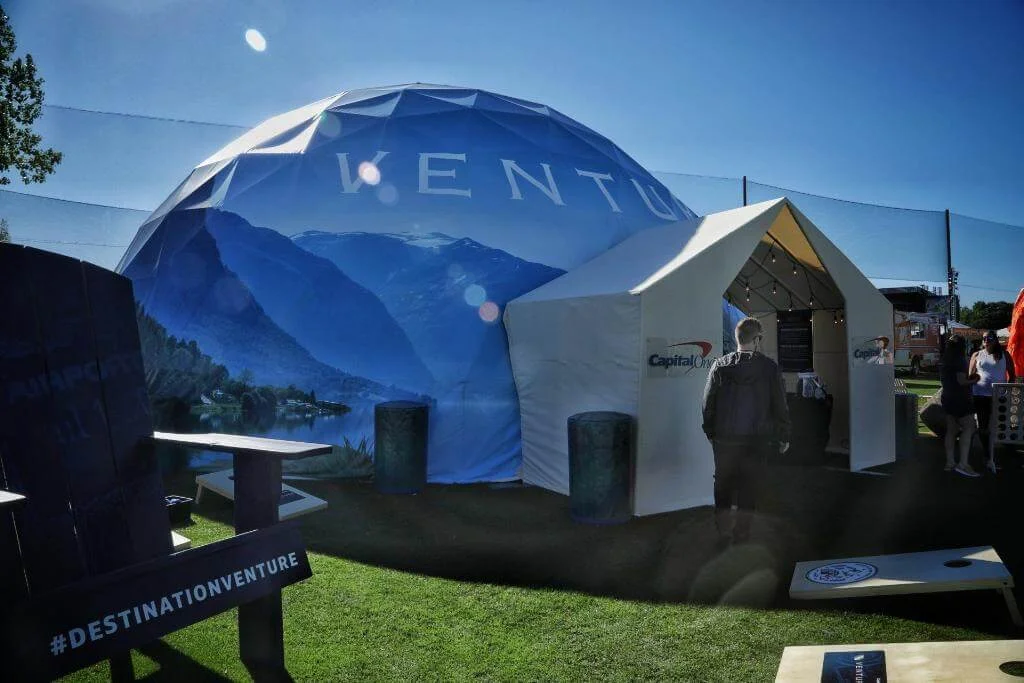
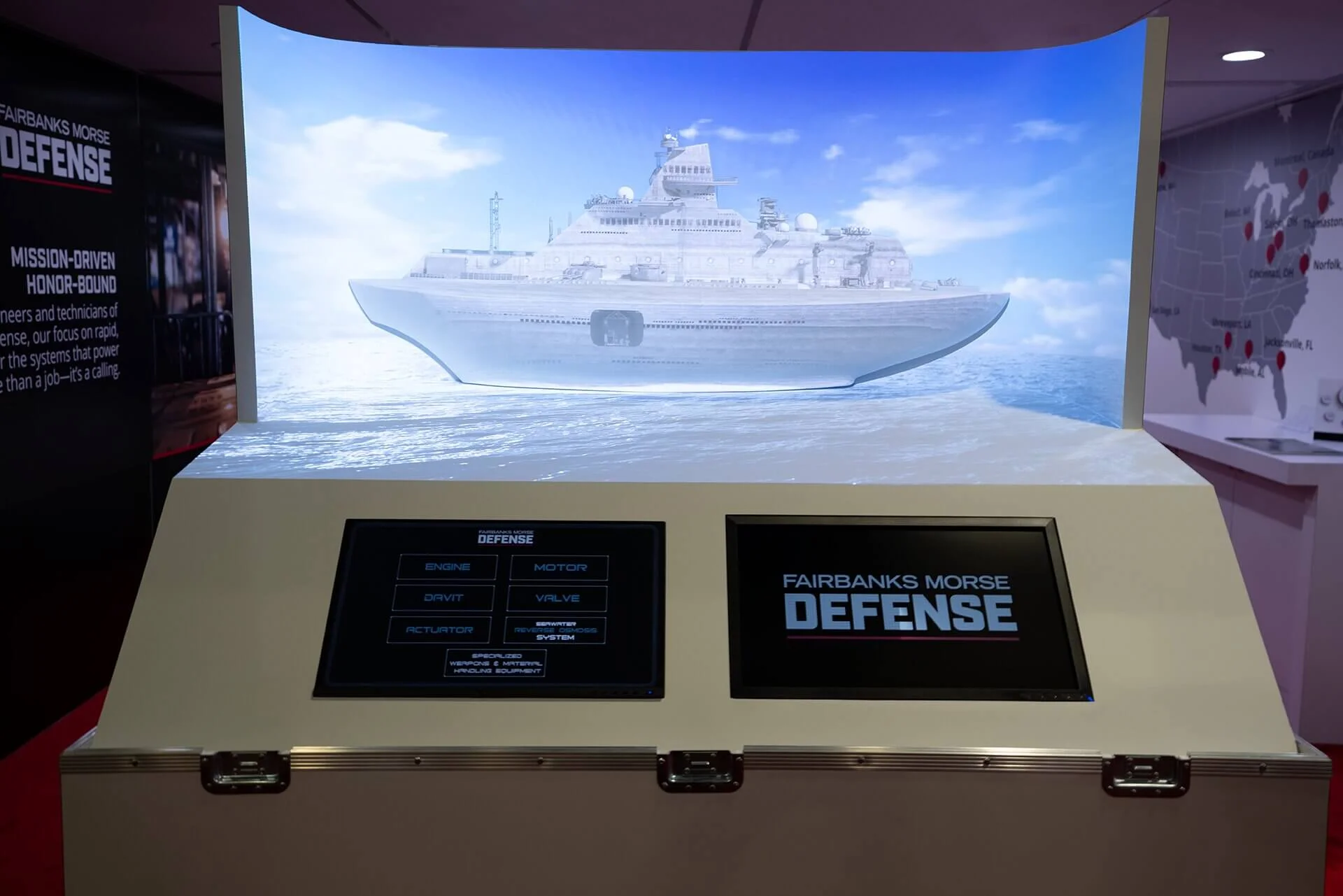
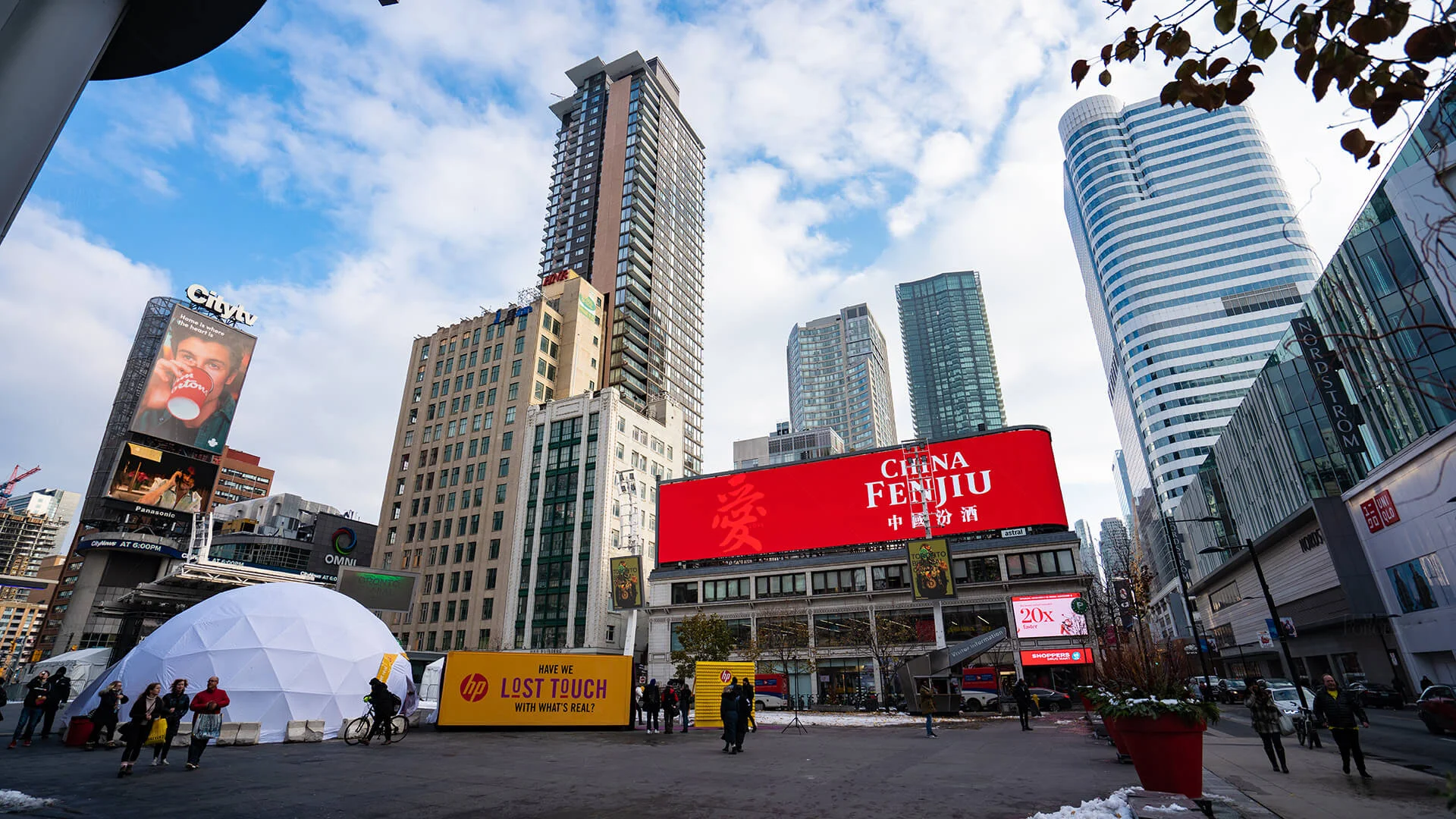
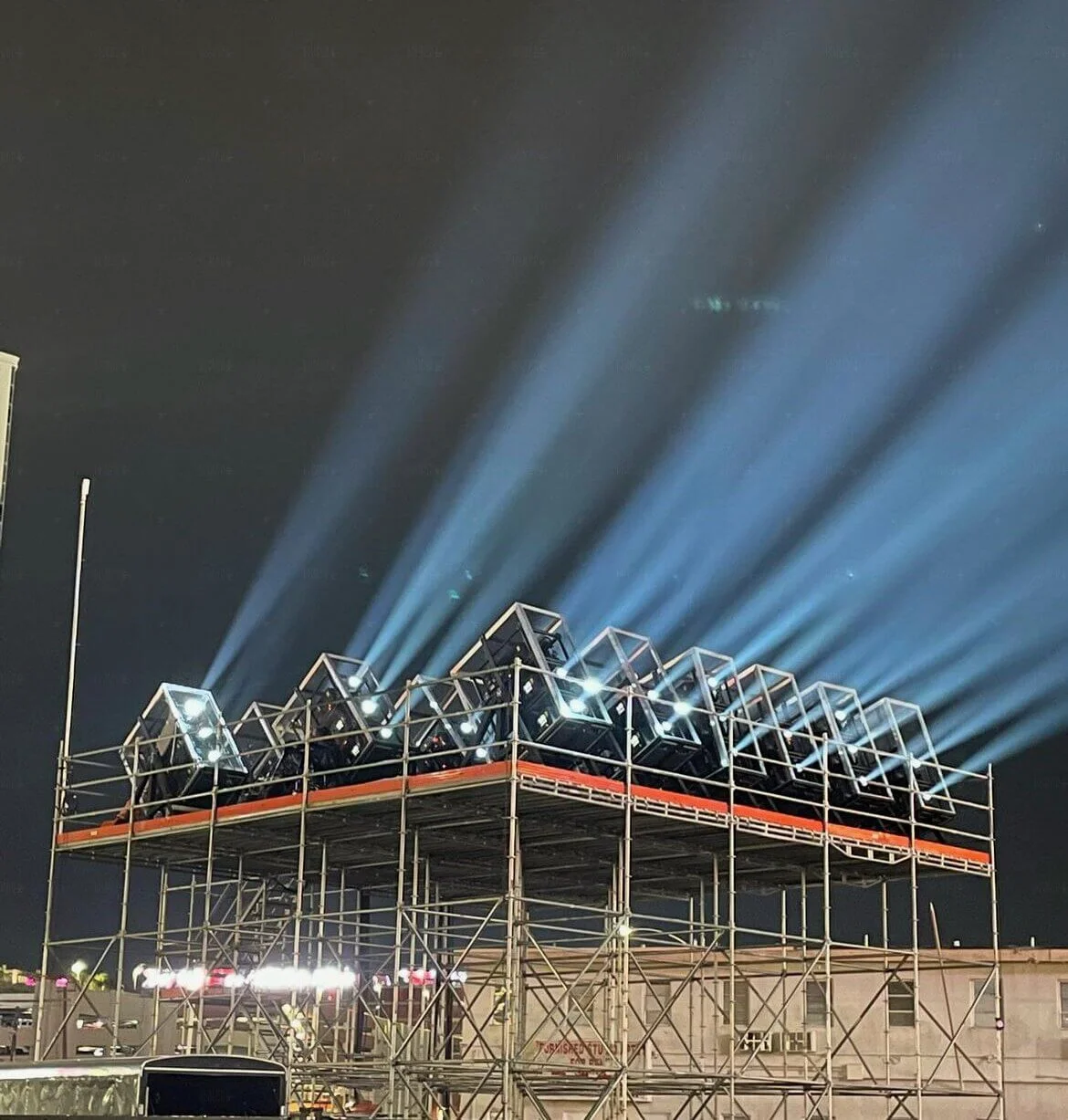
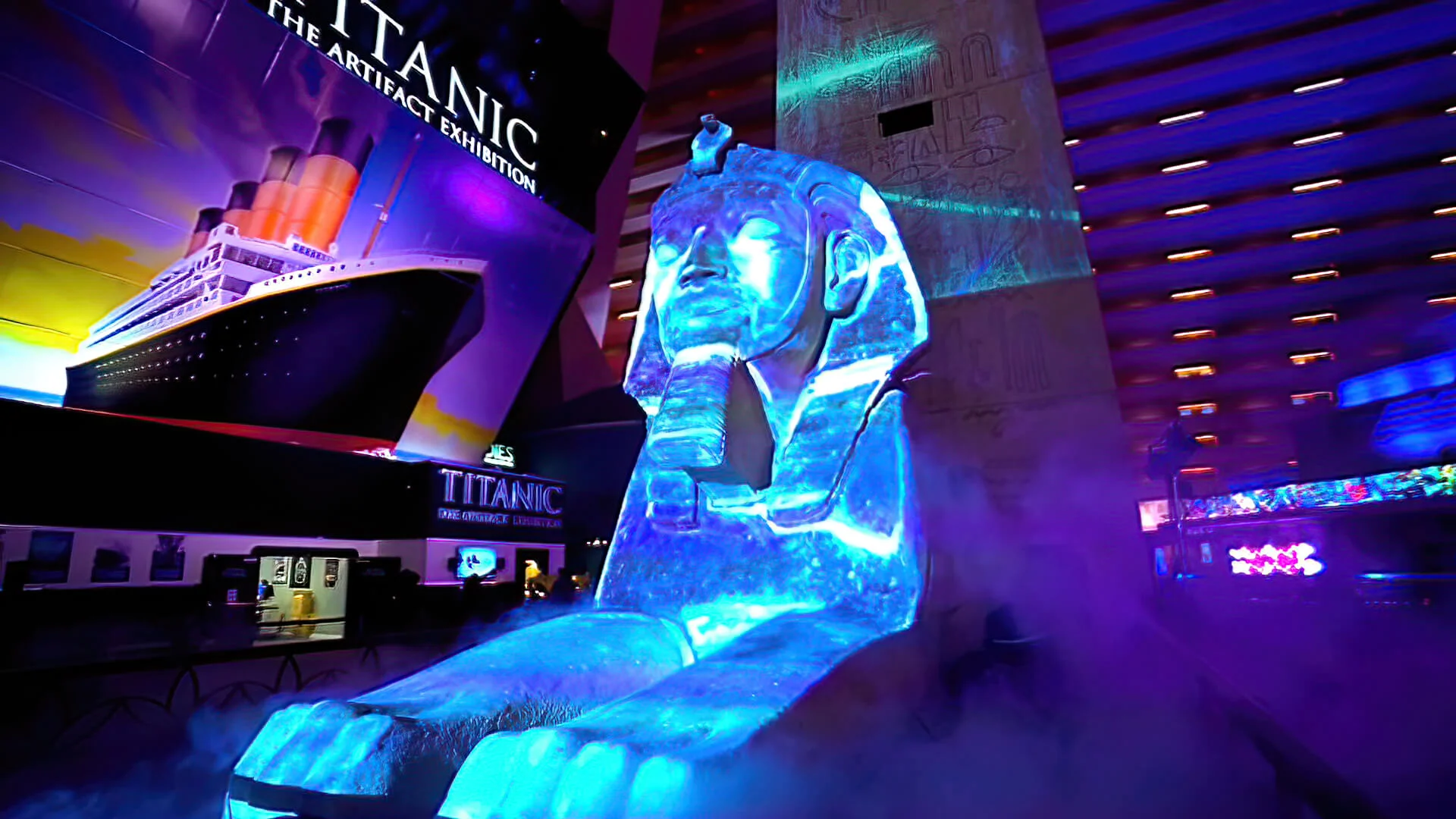
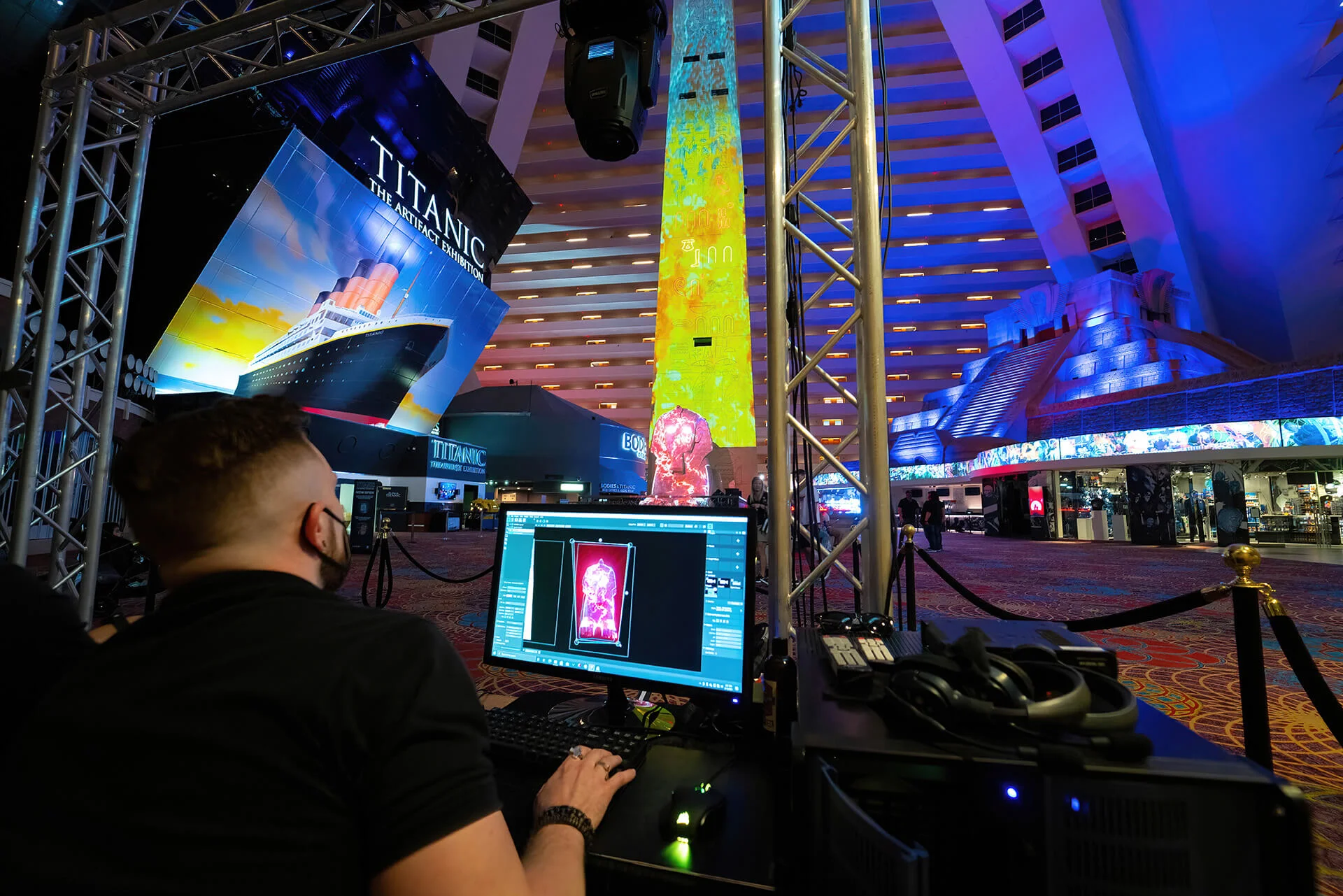
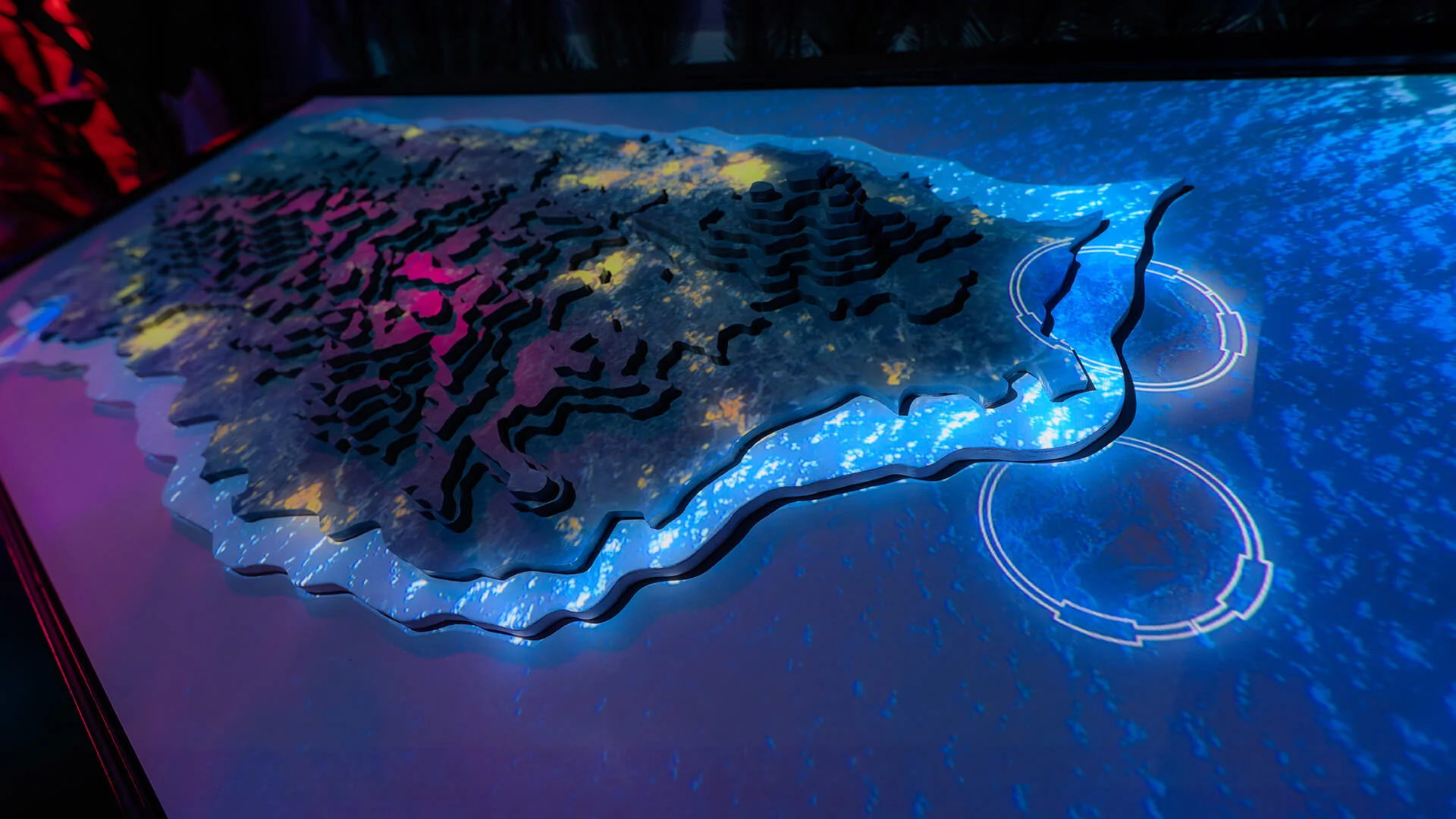
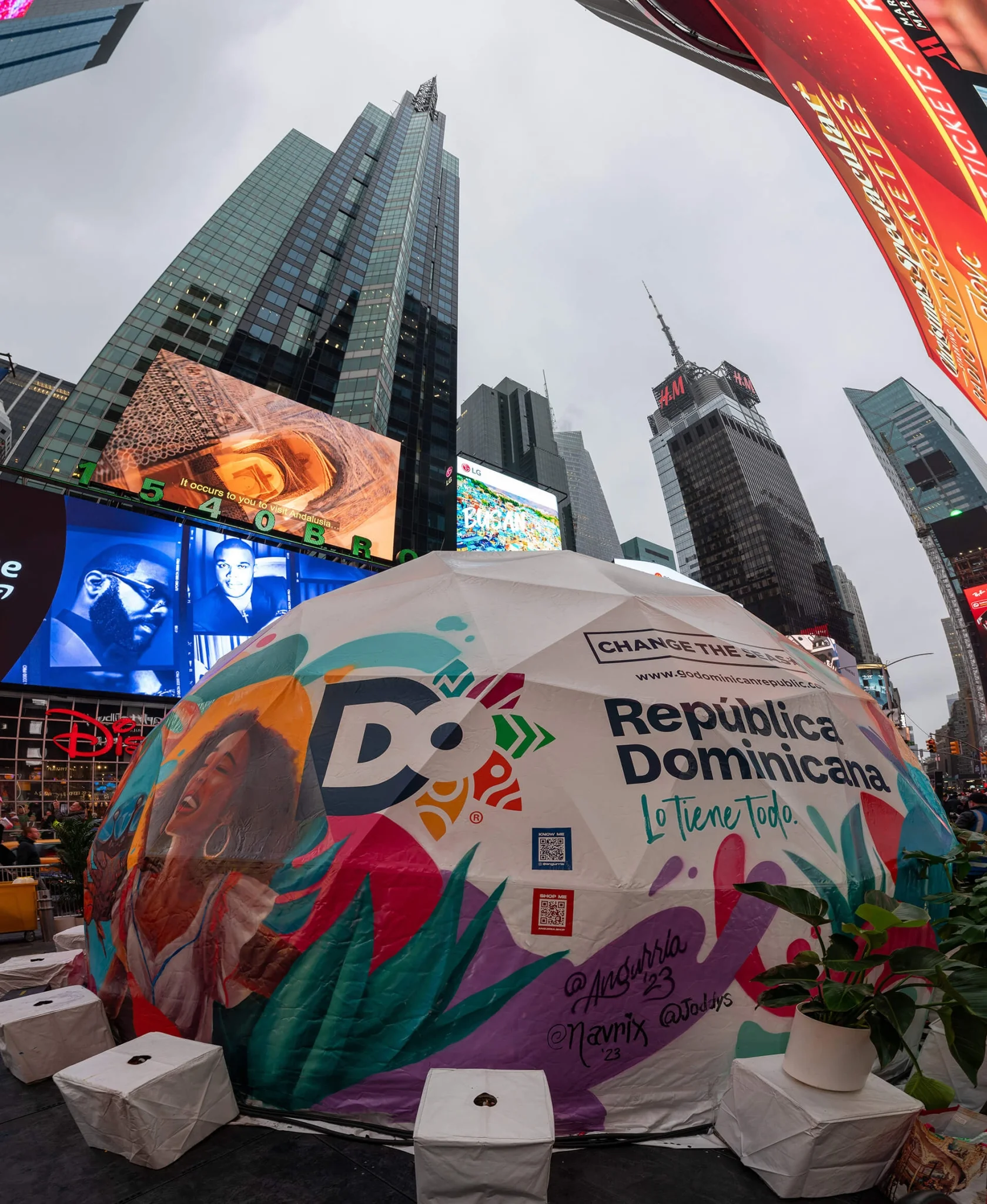
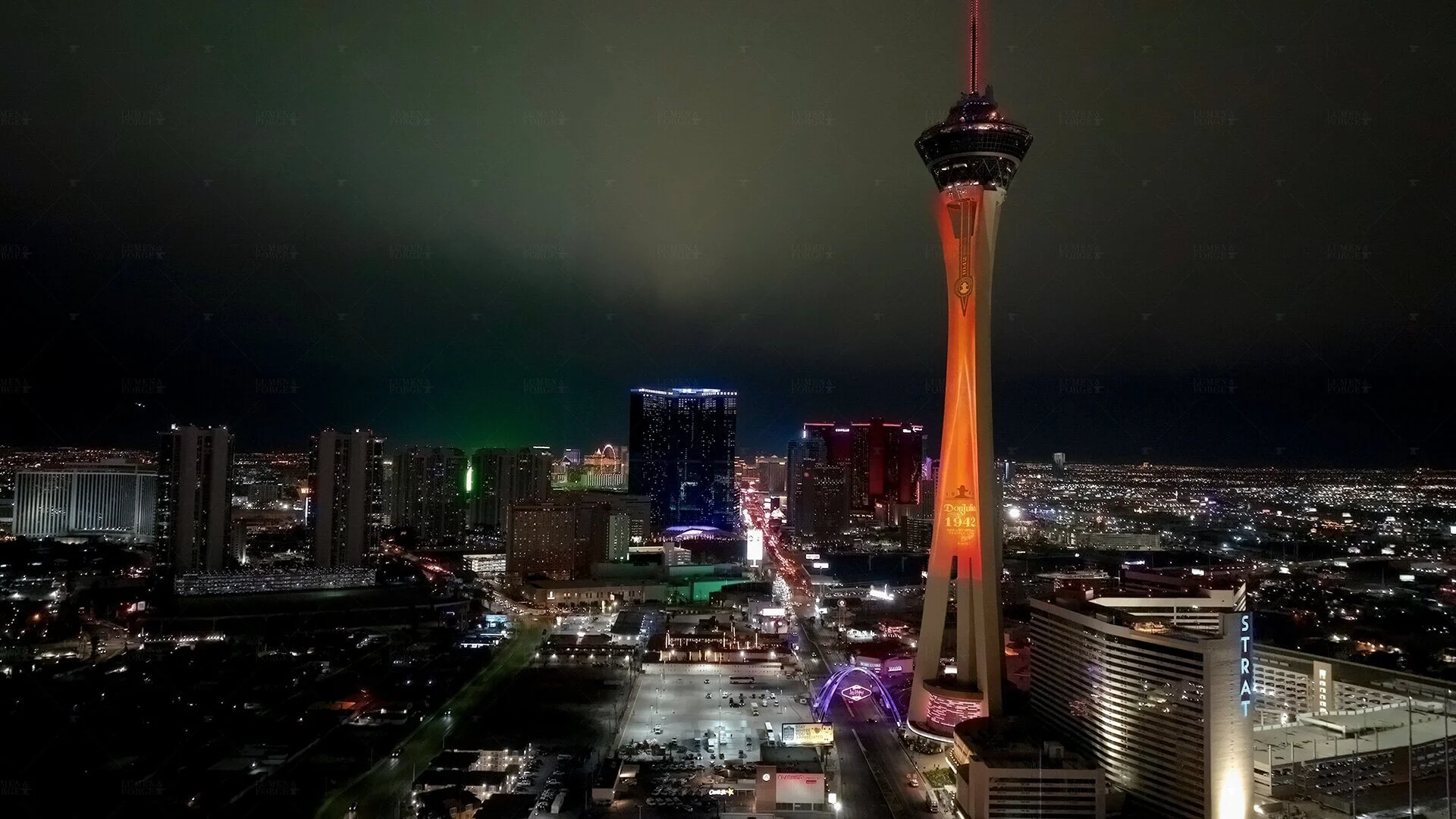
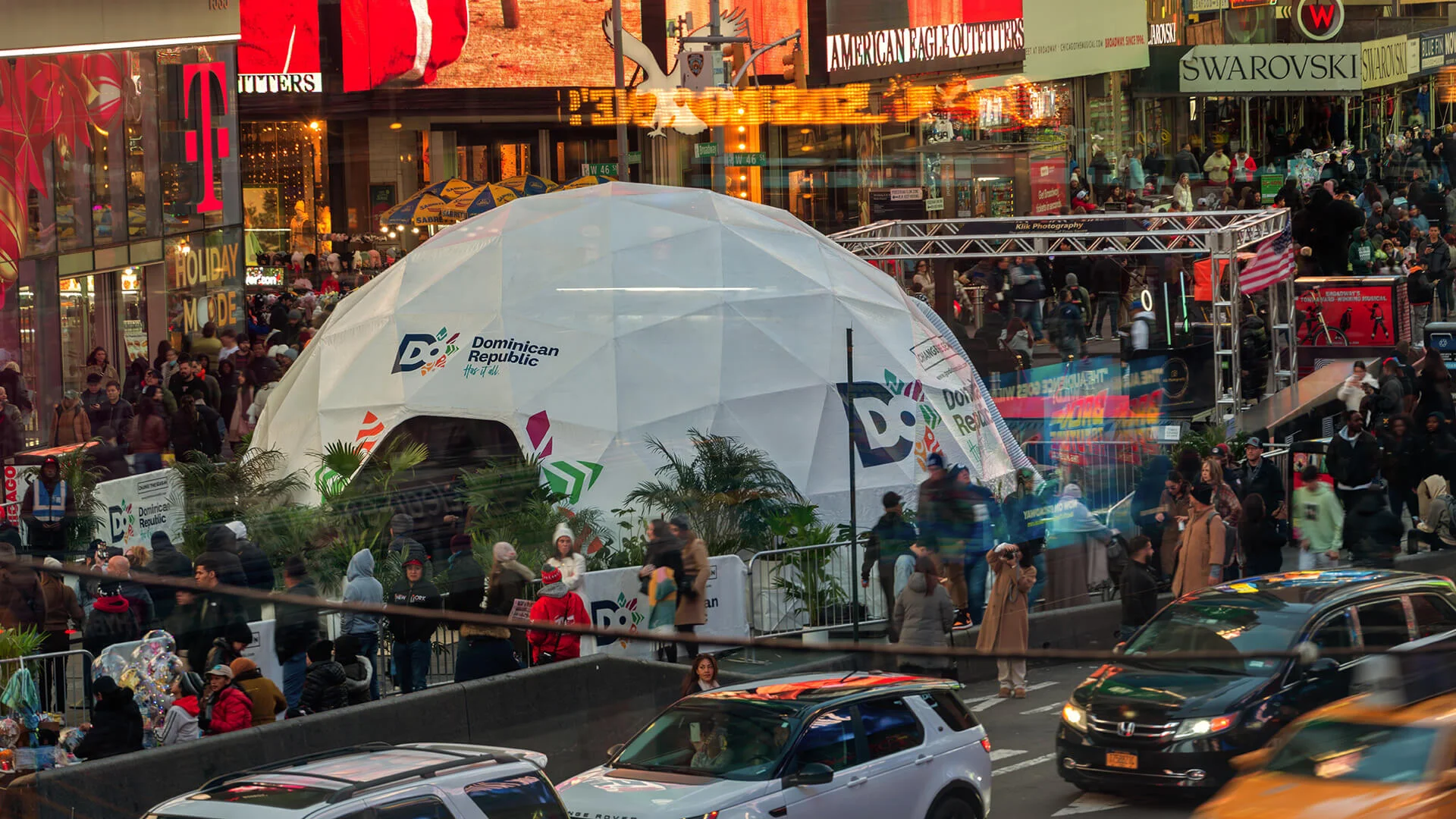
Take A Closer Look
A Deeper Look Into Animation & Visual Story Telling
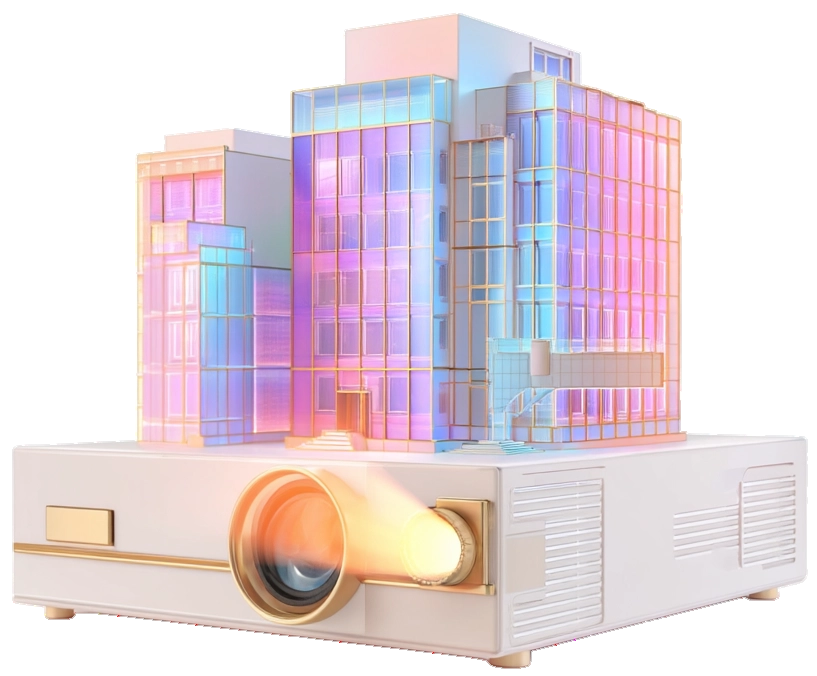
A Deeper Look Into
Projection Mapping
Projection Mapping: Turning Any Surface Into a Story
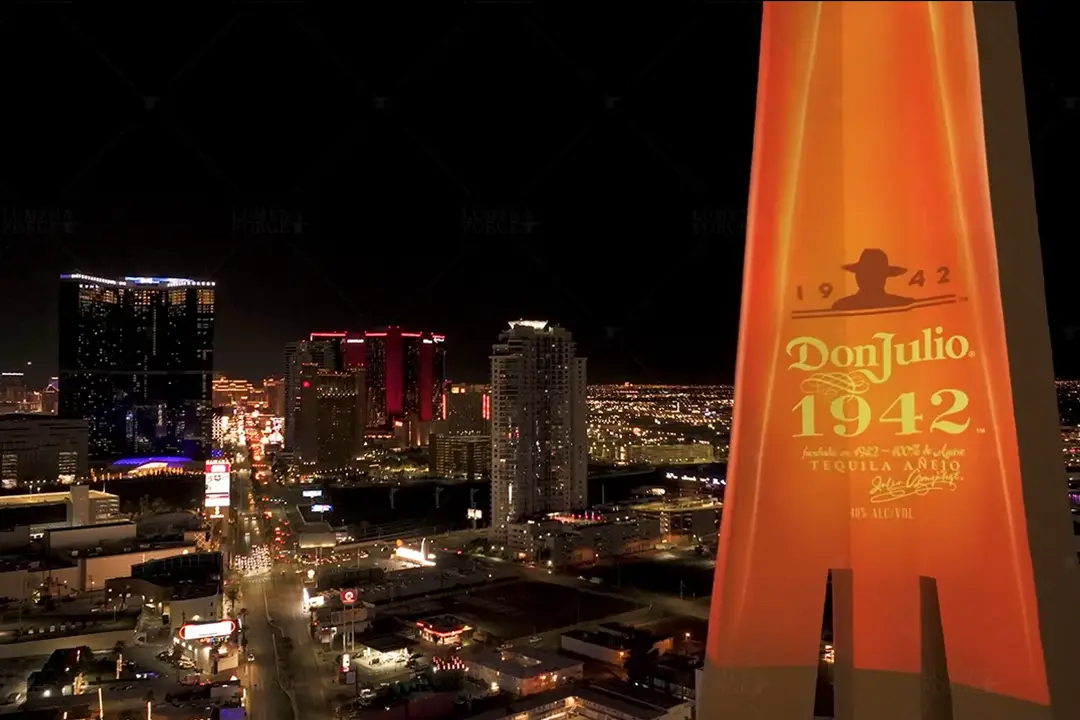
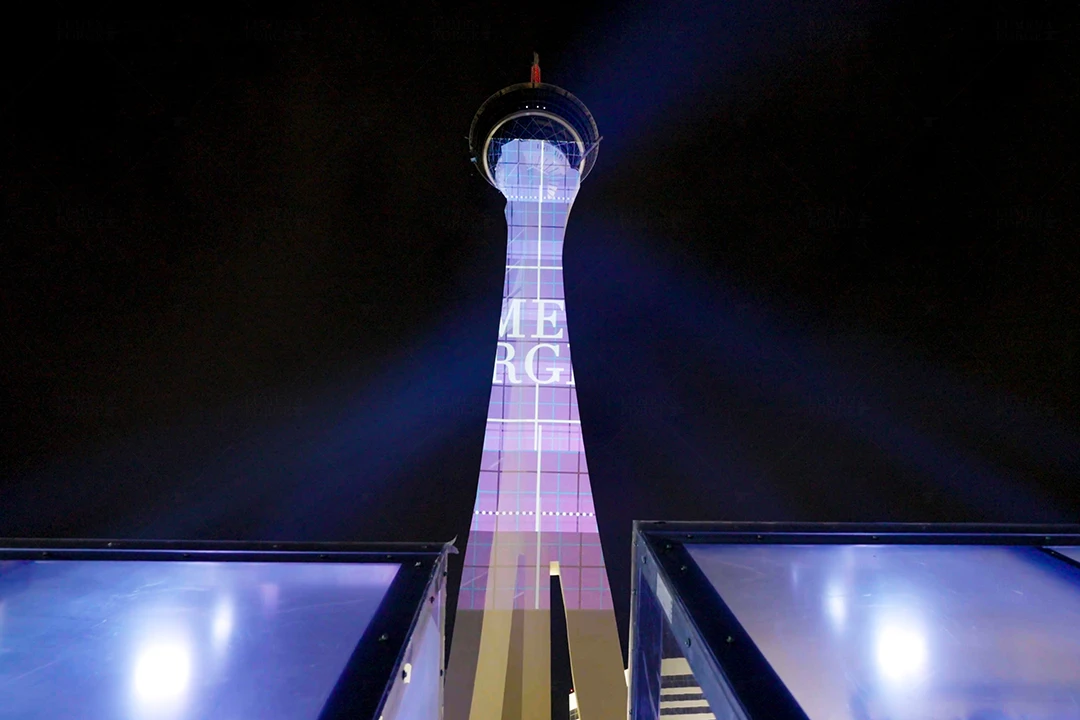
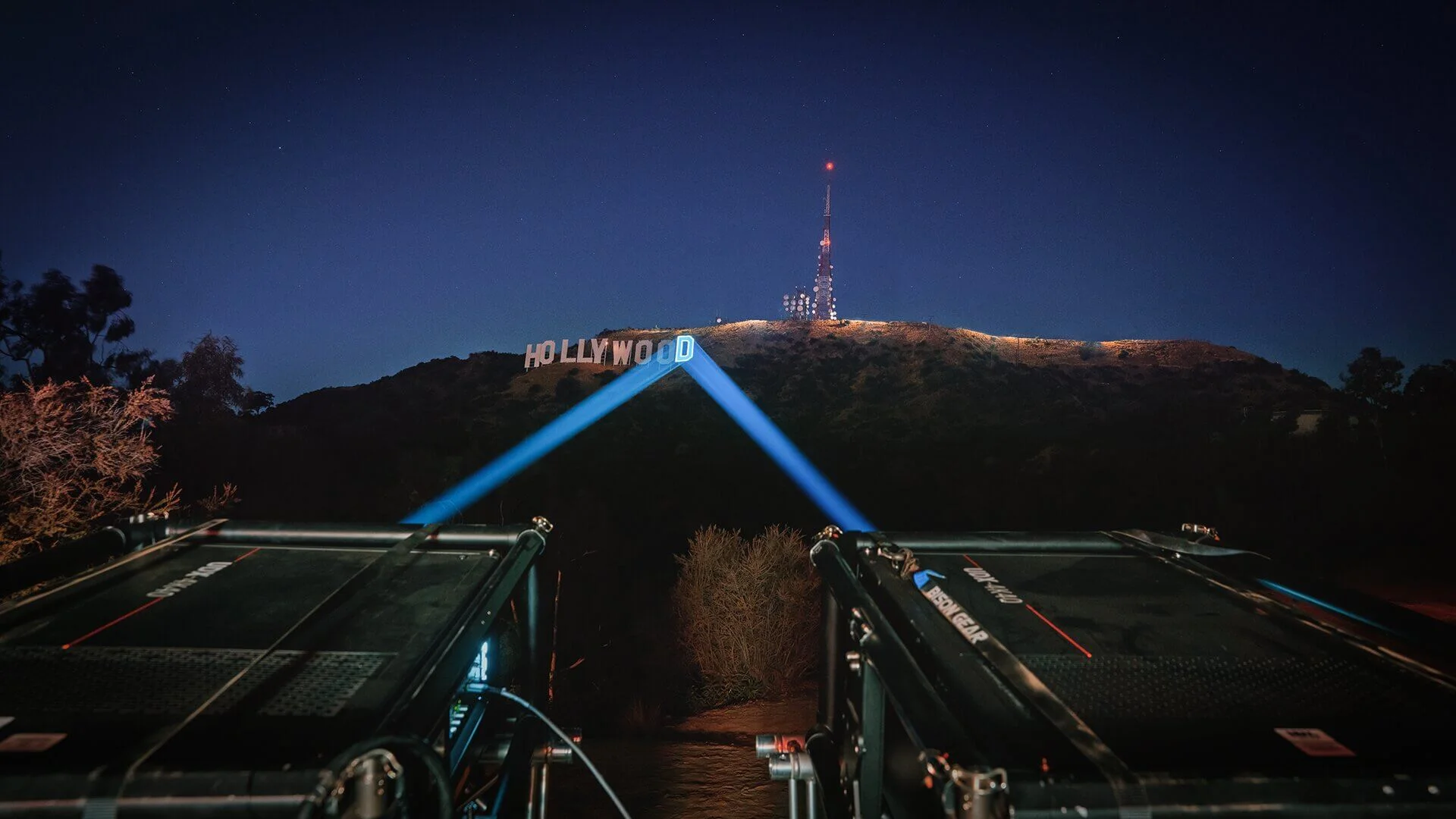
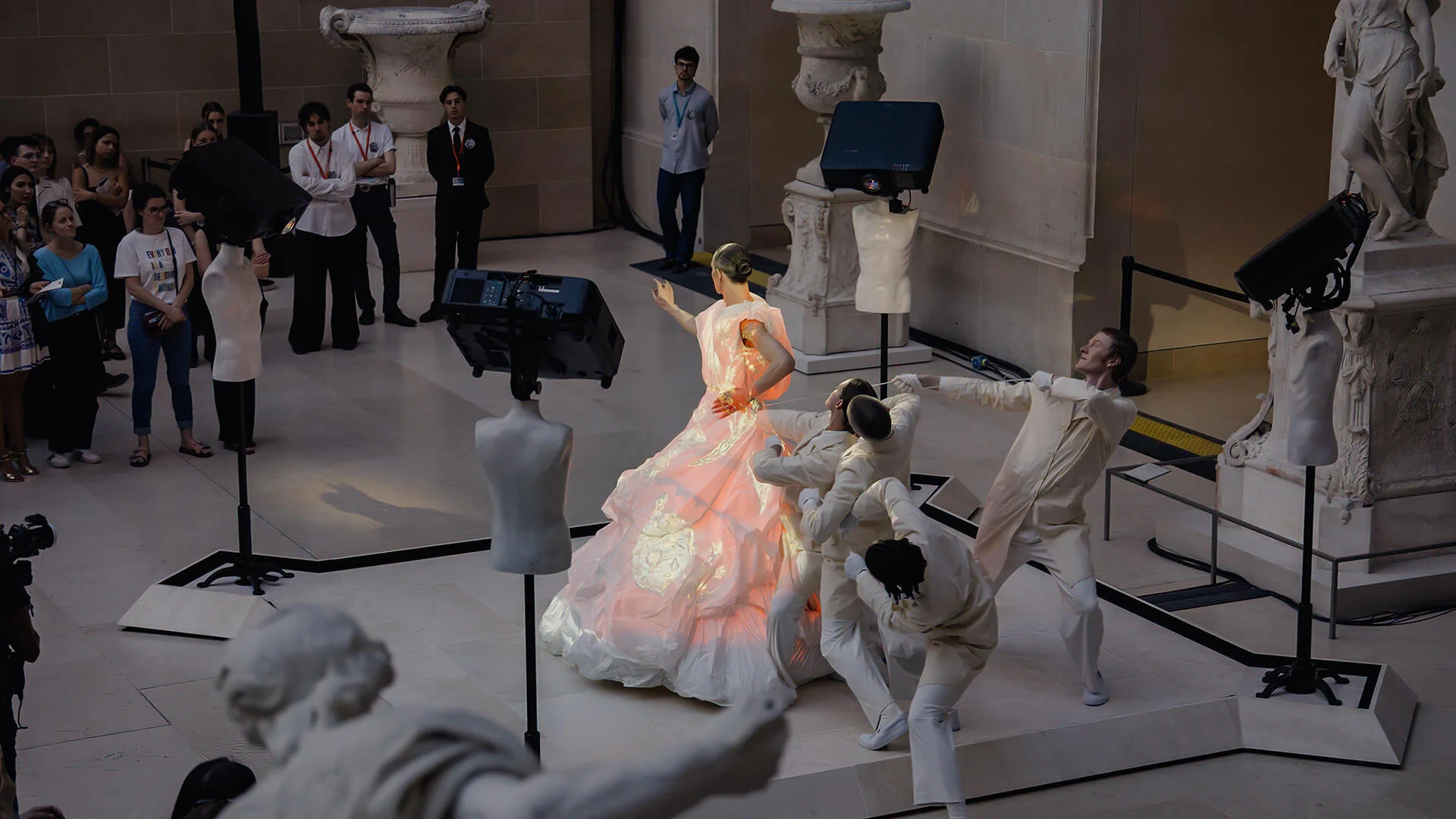
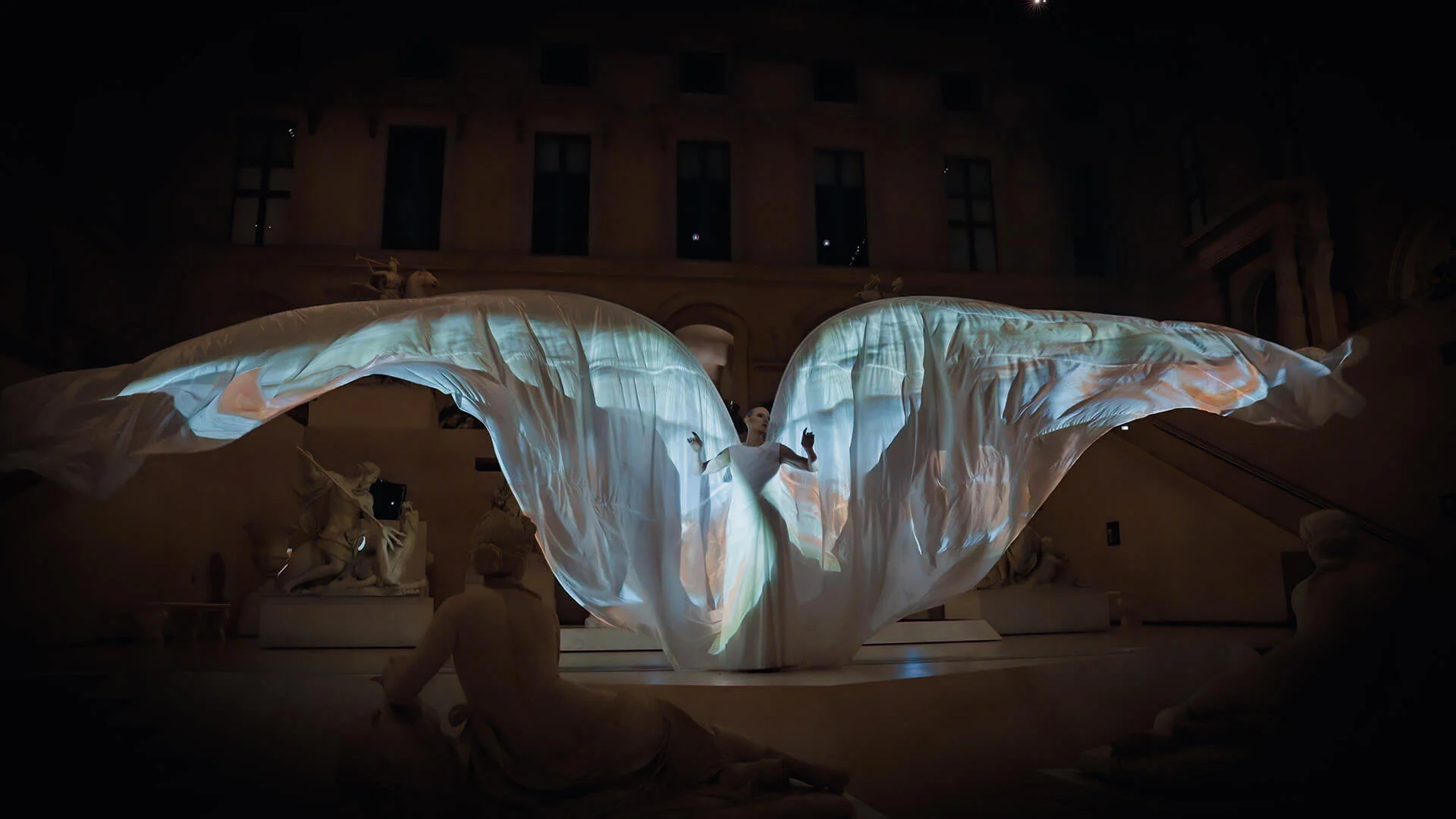
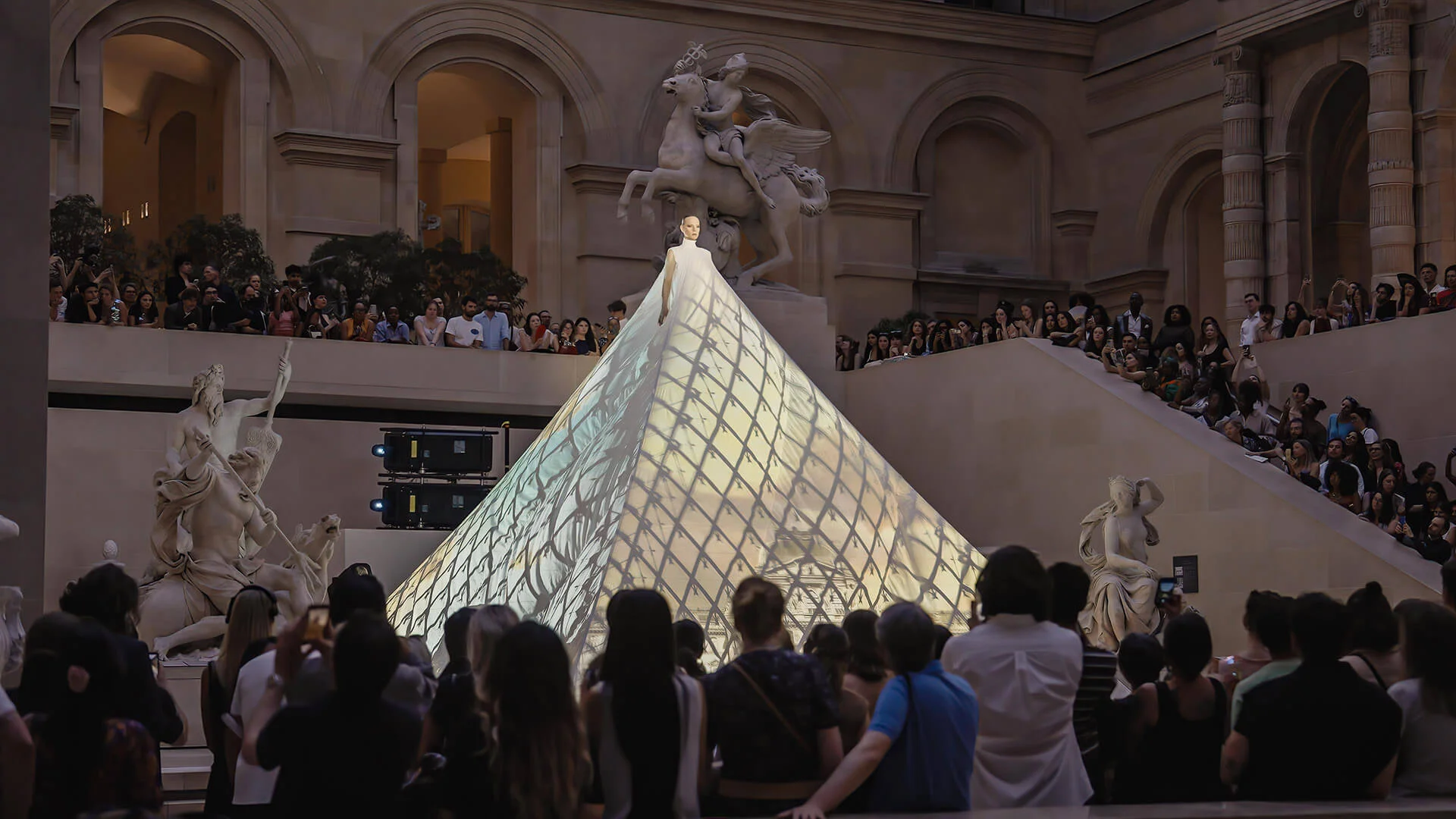
Projection mapping is the process of aligning projected light to the actual shape of a surface, so the image bends, wraps and locks to the geometry instead of sitting in a rectangle. A flat screen throws one picture at one viewing angle. Mapping treats a facade, a stage set or a three dimensional object as the canvas, correcting for corners, curves, columns and depth so the artwork reads as part of the structure. The result holds up from a wide seating bowl, a street, or a riverbank.
In Little Rock, that approach suits landmarks and gathering spaces across the city: the Arkansas State Capitol, the William J. Clinton Presidential Library and Museum, the Arkansas Museum of Fine Arts, Robinson Center, the Statehouse Convention Center, Simmons Bank Arena, War Memorial Stadium, the River Market Pavilions, the Junction Bridge and the Big Dam Bridge. Each offers a distinct surface, from stone and glass to steel truss, and each can carry a story that belongs to the building itself.
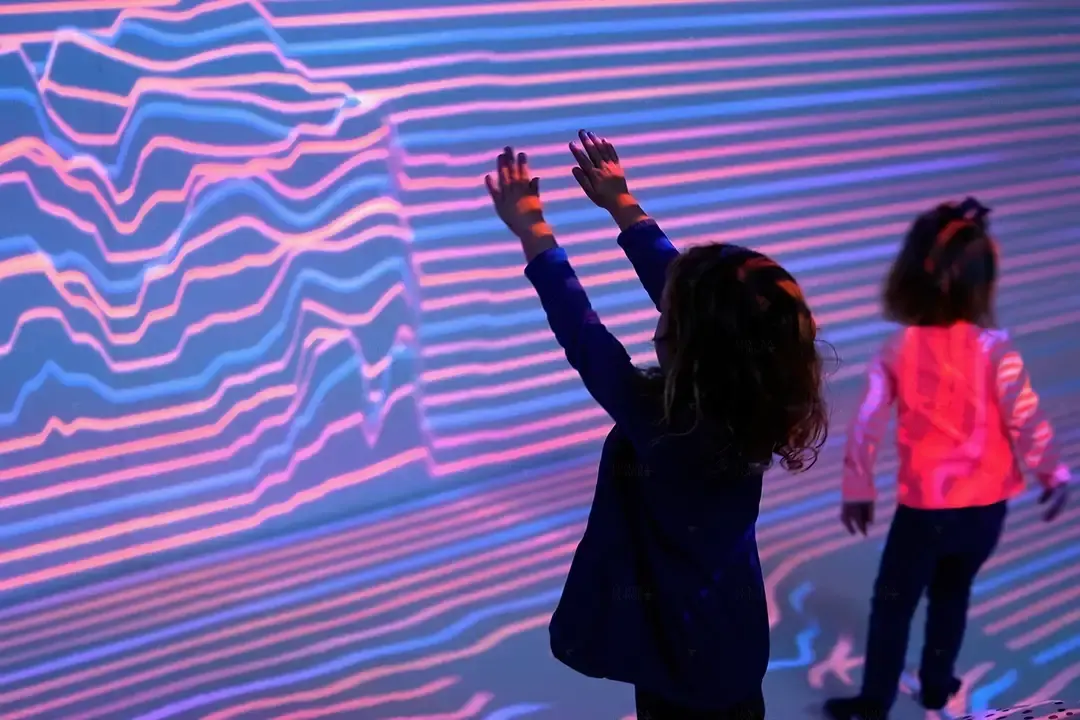
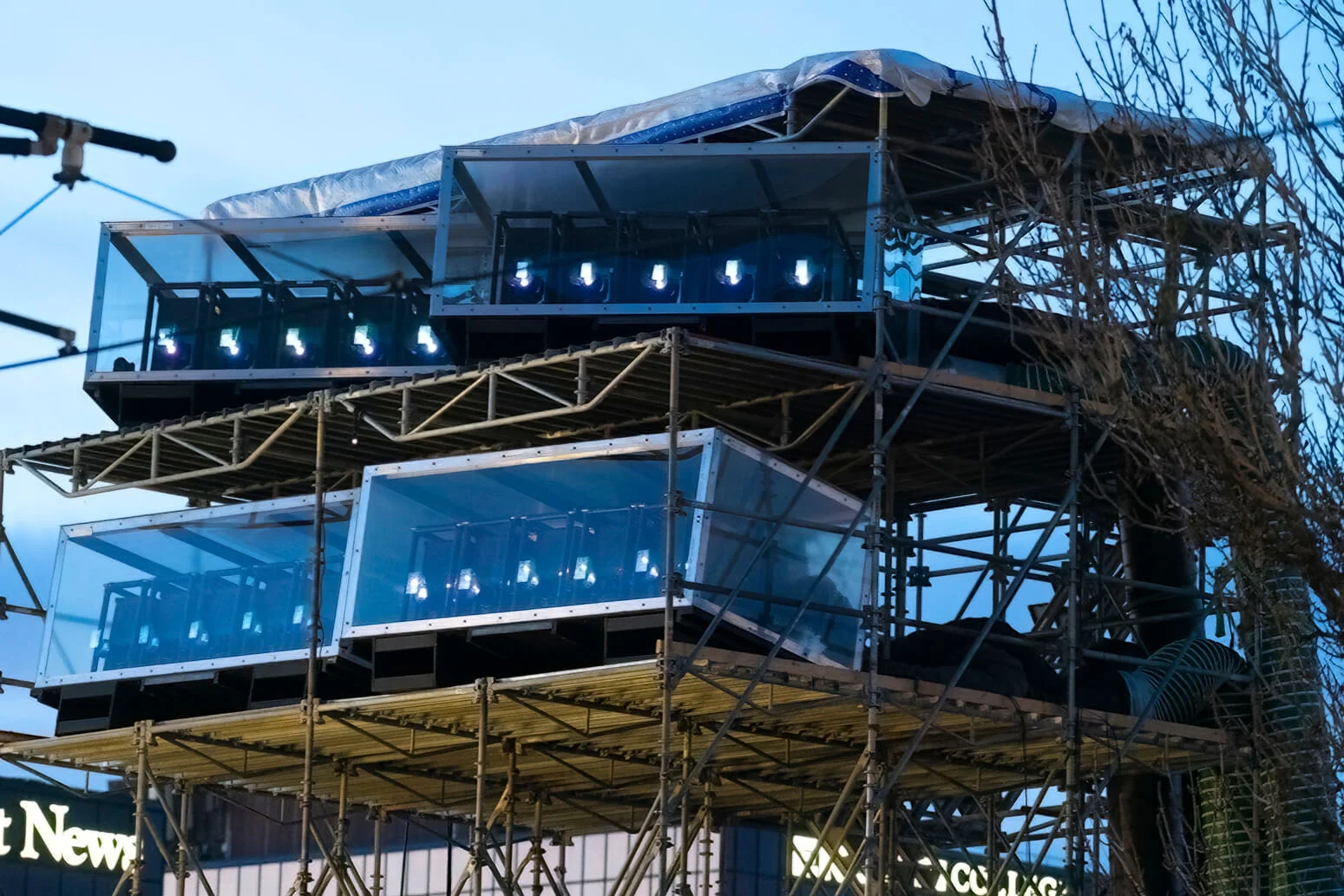
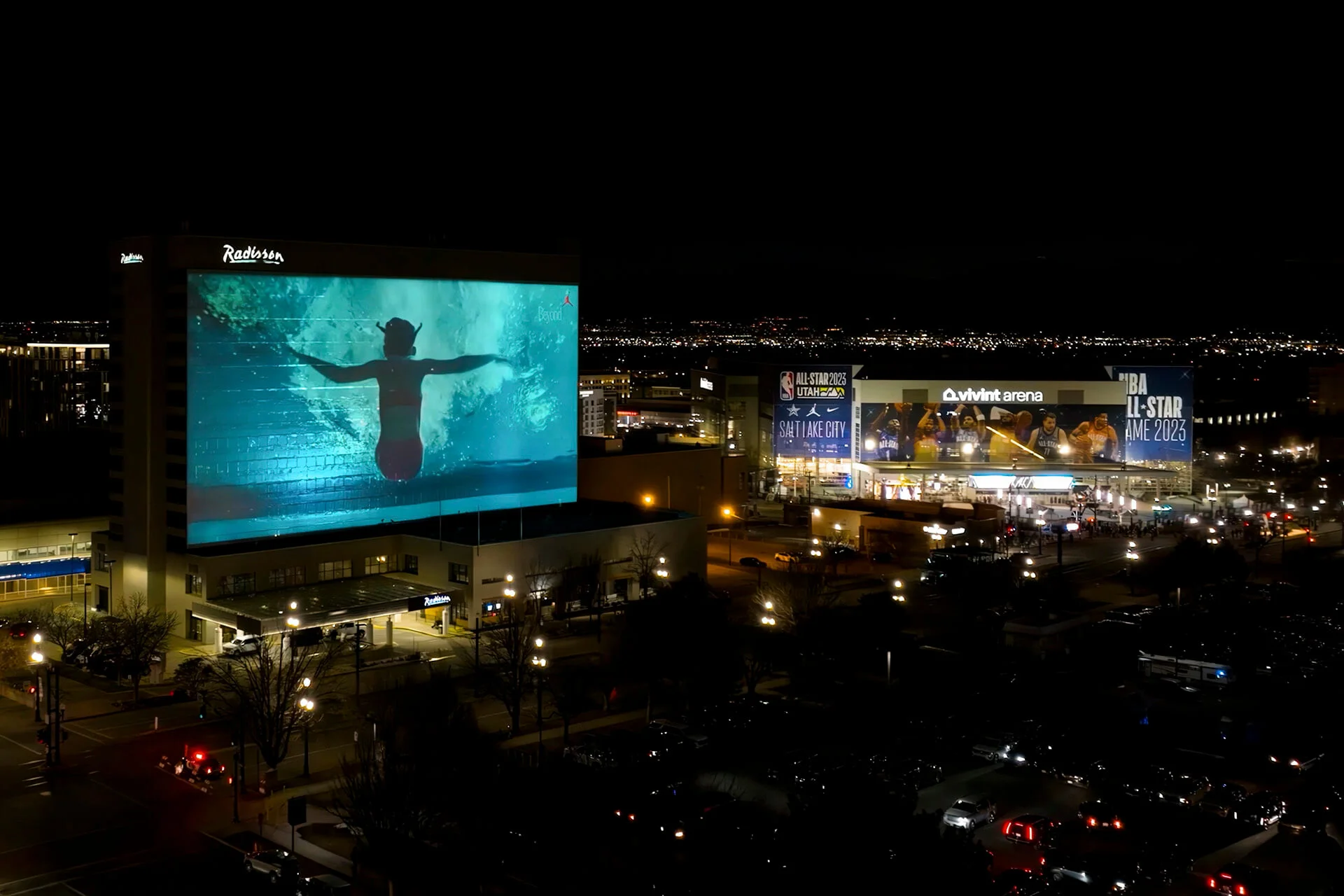
Building and Architectural Projection
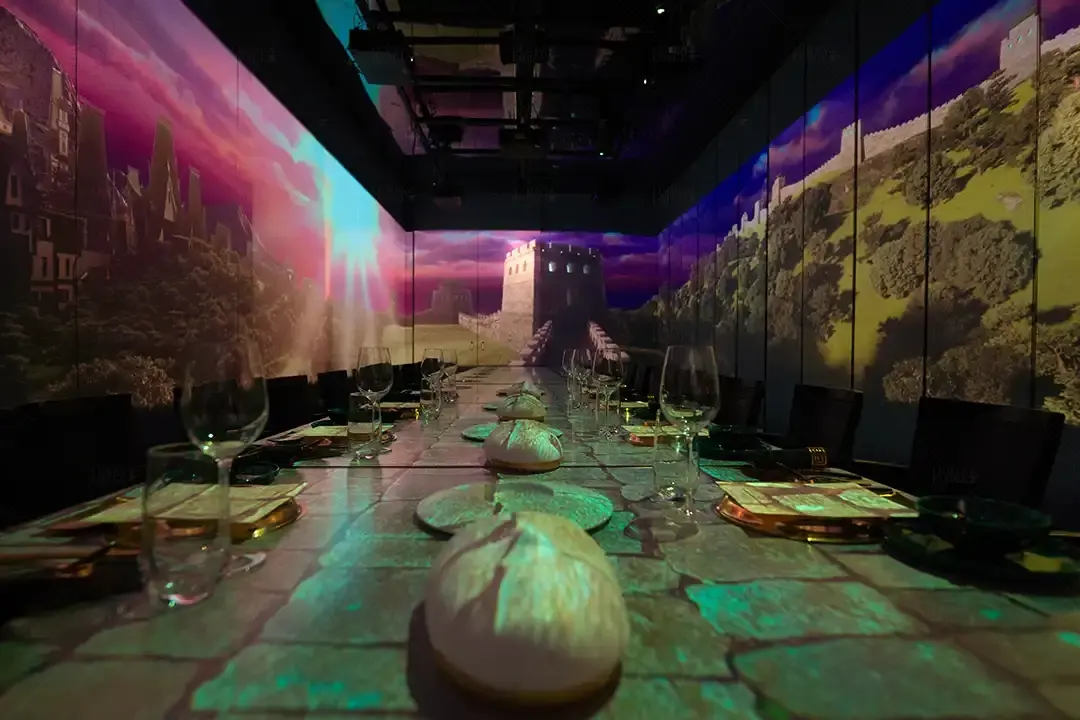
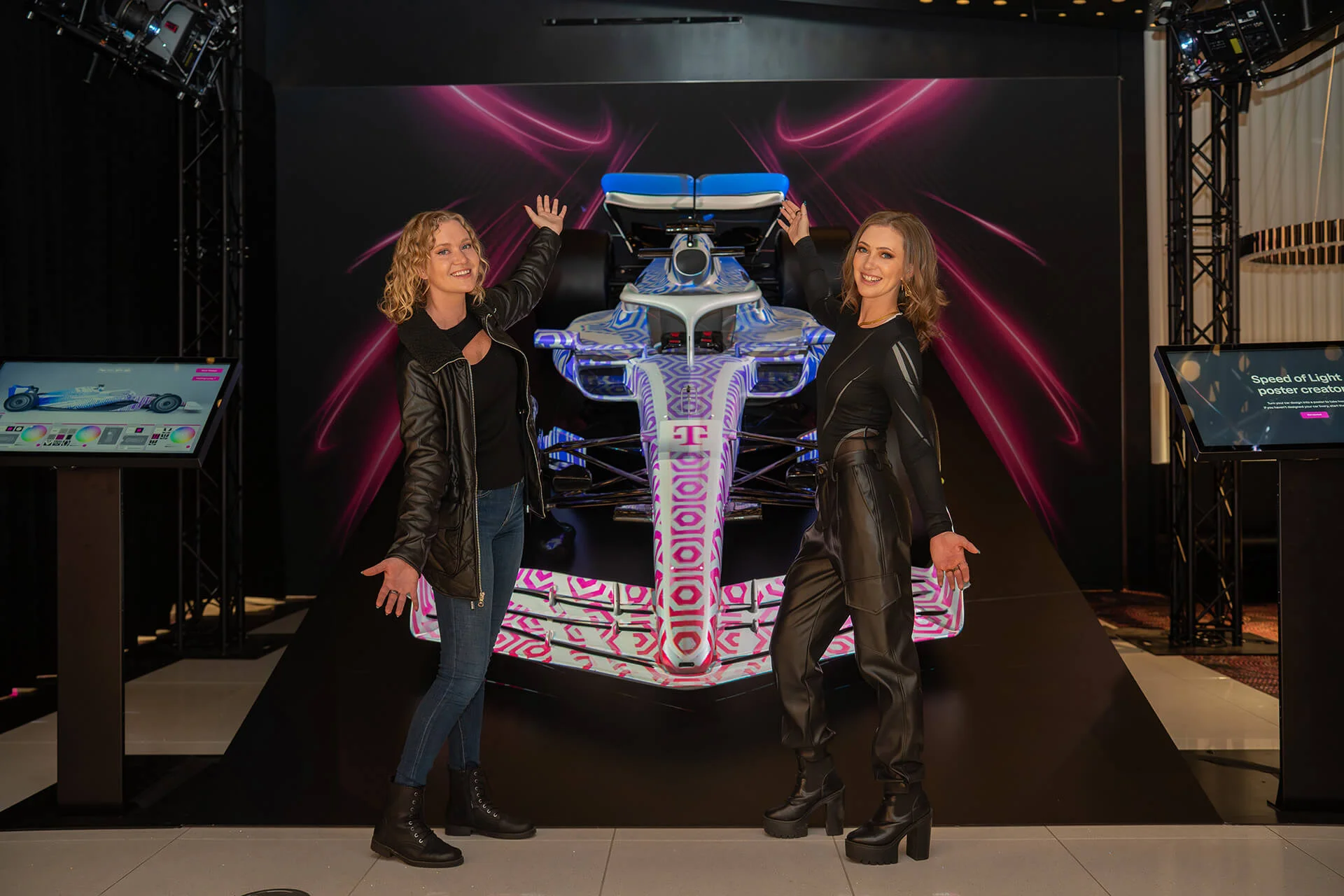
Object and Product Projection Mapping
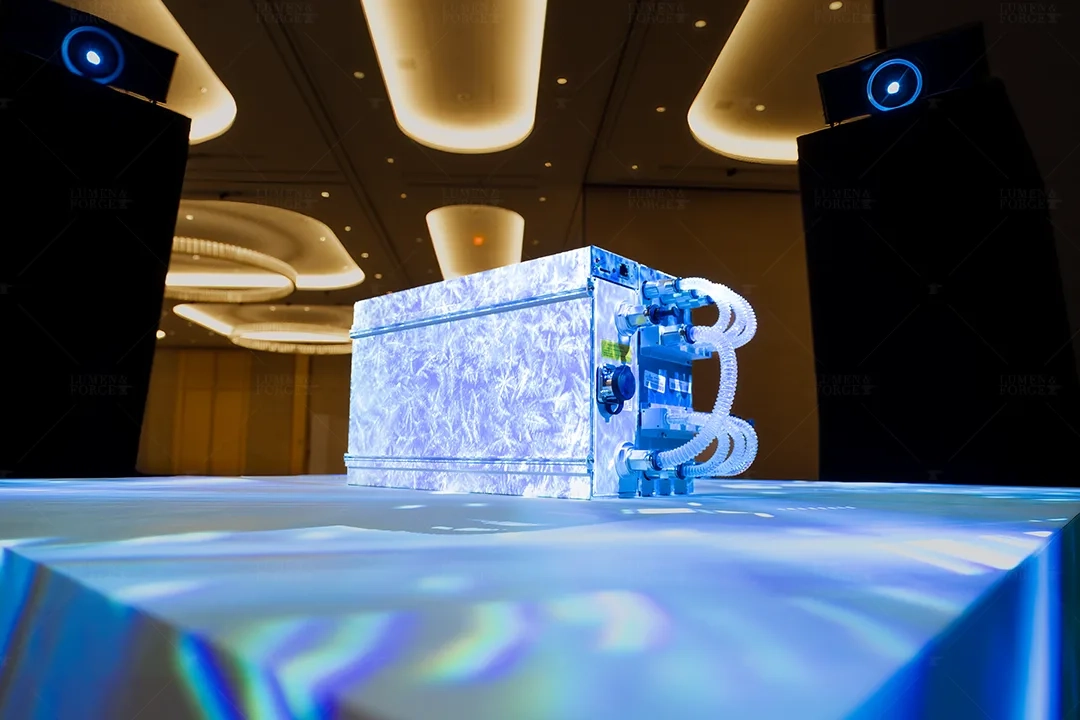
Interactive Projection
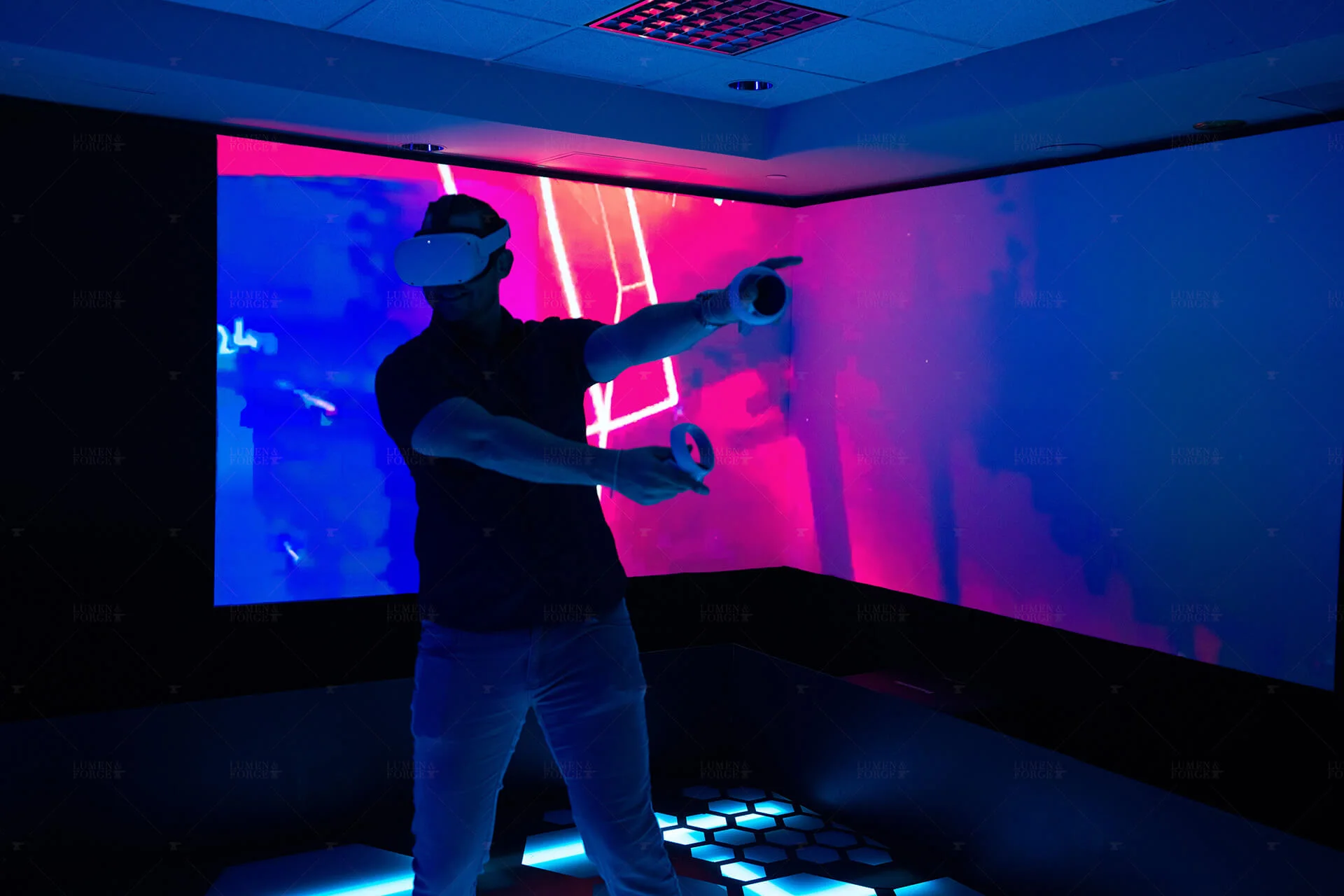
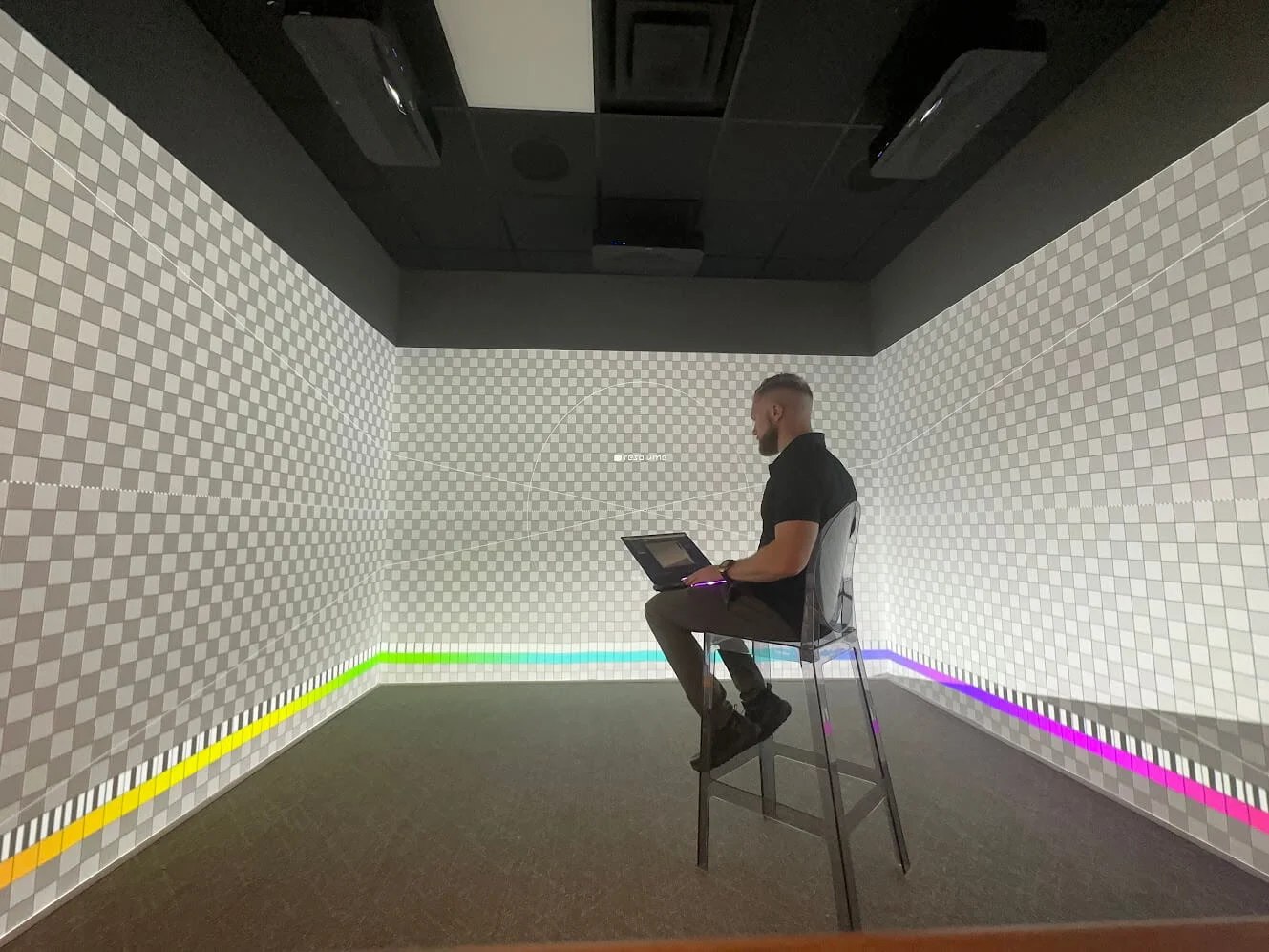
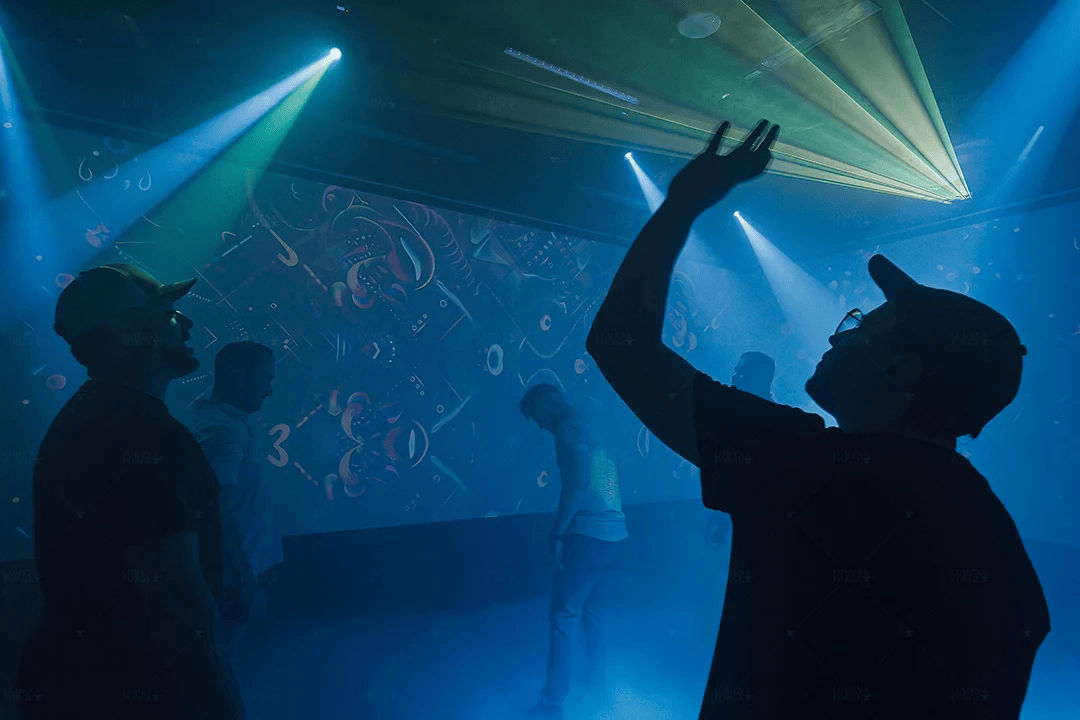
Room and Environment Mapping
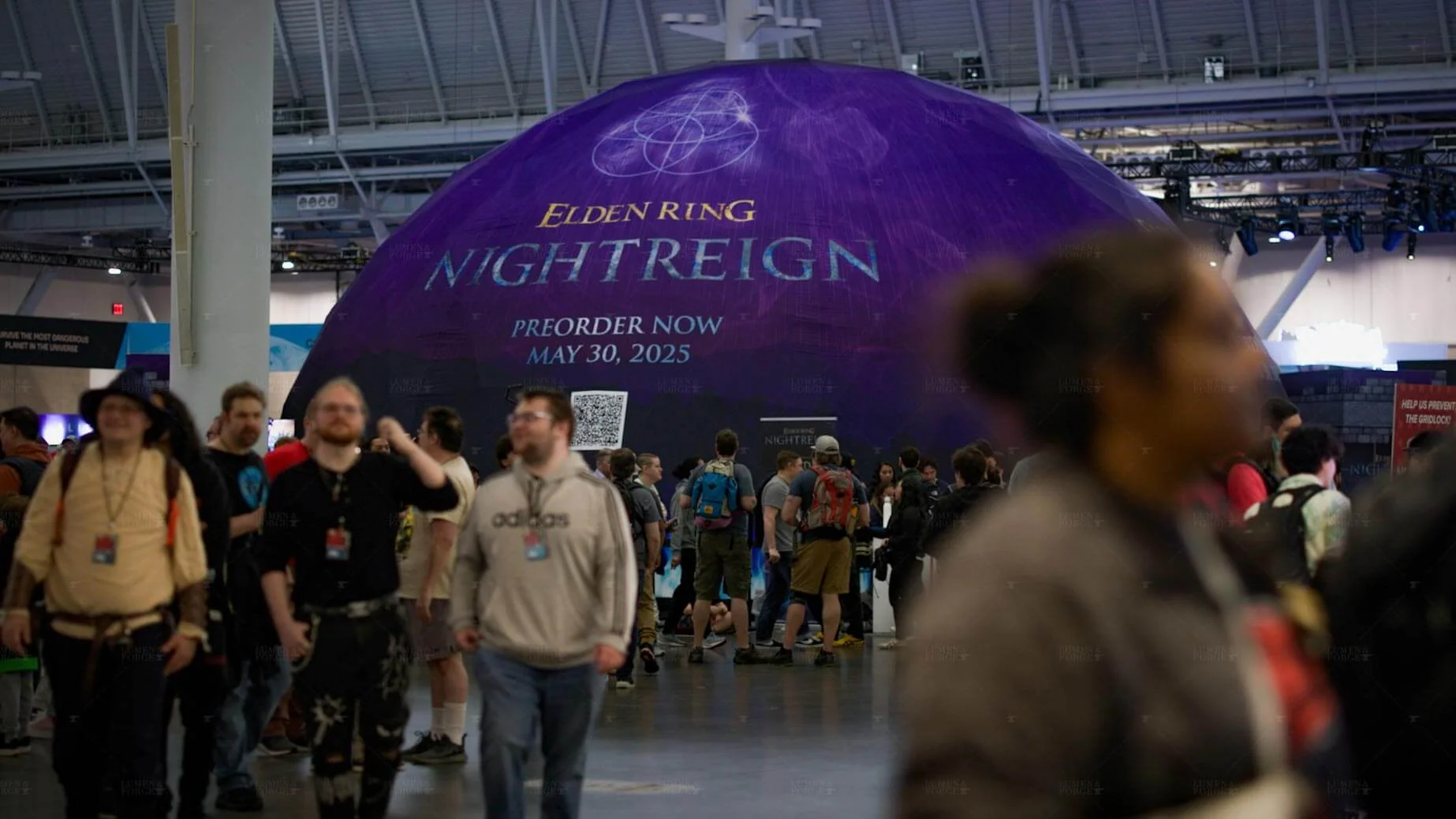
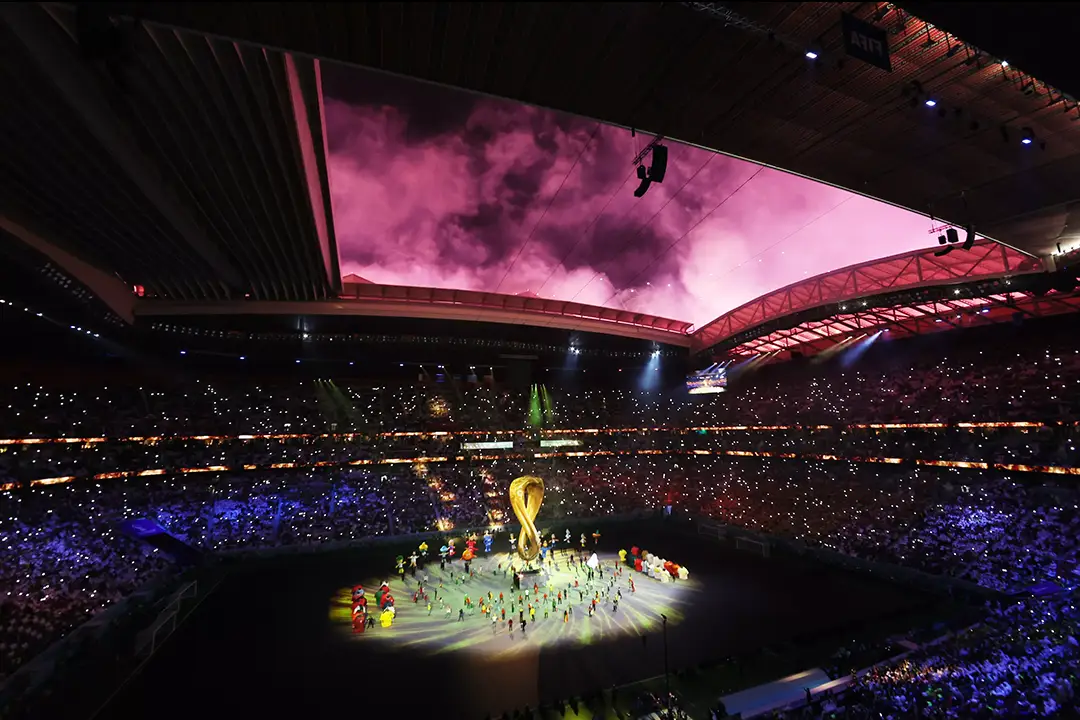
Dome Projection
Why Little Rock Is a Natural Fit for Projection Mapping
Little Rock is not a market where a flashy activation can coast on novelty. The people who fill the Statehouse Convention Center for a tourism and conventions calendar, the families who claim a spot along the river for Pops on the River on the Fourth of July, and the crowds that line the streets for the Little Rock Marathon in March have all seen large-scale spectacle before. What they reward is work that feels like it belongs to the city, that speaks to the institutions and occasions they already care about. A brand activation here succeeds when it connects to the civic rhythm rather than interrupting it.
That rhythm is unusually institutional. State government anchors downtown, and the Arkansas State Capitol Lighting Ceremony draws the holiday season into a shared public moment. Healthcare and medical centers, higher education, financial services and banking, and nonprofits and foundations make up a large share of the audiences a marketer is trying to reach, and those audiences are skeptical of pure showmanship. They respond to storytelling with a point of view: a building facade that carries a message about a cause, a room-scale environment that turns a donor evening into something people talk about afterward, an interactive installation that gives a convention attendee a reason to stop and stay. Spectacle alone reads as noise. Spectacle with intent reads as a gift to the city.
The venues themselves set the bar. Simmons Bank Arena across the river in North Little Rock, War Memorial Stadium, Robinson Center, the Arkansas Museum of Fine Arts, the William J. Clinton Presidential Library and Museum, and the River Market Pavilions each carry their own expectations about scale, sightlines, and how an audience moves through a space. The Big Dam Bridge and Junction Bridge are landmarks people know by silhouette, which makes them powerful canvases and unforgiving ones. An activation that ignores the character of the site, or the way a crowd actually arrives and disperses, will be remembered for the wrong reasons.
The city's event calendar also rewards planning over improvisation. The Big Dam Bridge 100 in September, the Six Bridges Book Festival from late September into early October, and the Arkansas State Fair in October stack audiences with different motivations into a tight window. Events in city parks go through Little Rock Parks and Recreation's Special Event Request Application, while street events use the City of Little Rock parade permit application. Marketers who respect those processes and design for the specific crowd in front of them, rather than importing a generic activation, are the ones who earn attention here. In Little Rock, the audience expects to be treated as a participant, not a backdrop.
Lumen and Forge: National Production for Arkansas' Capital
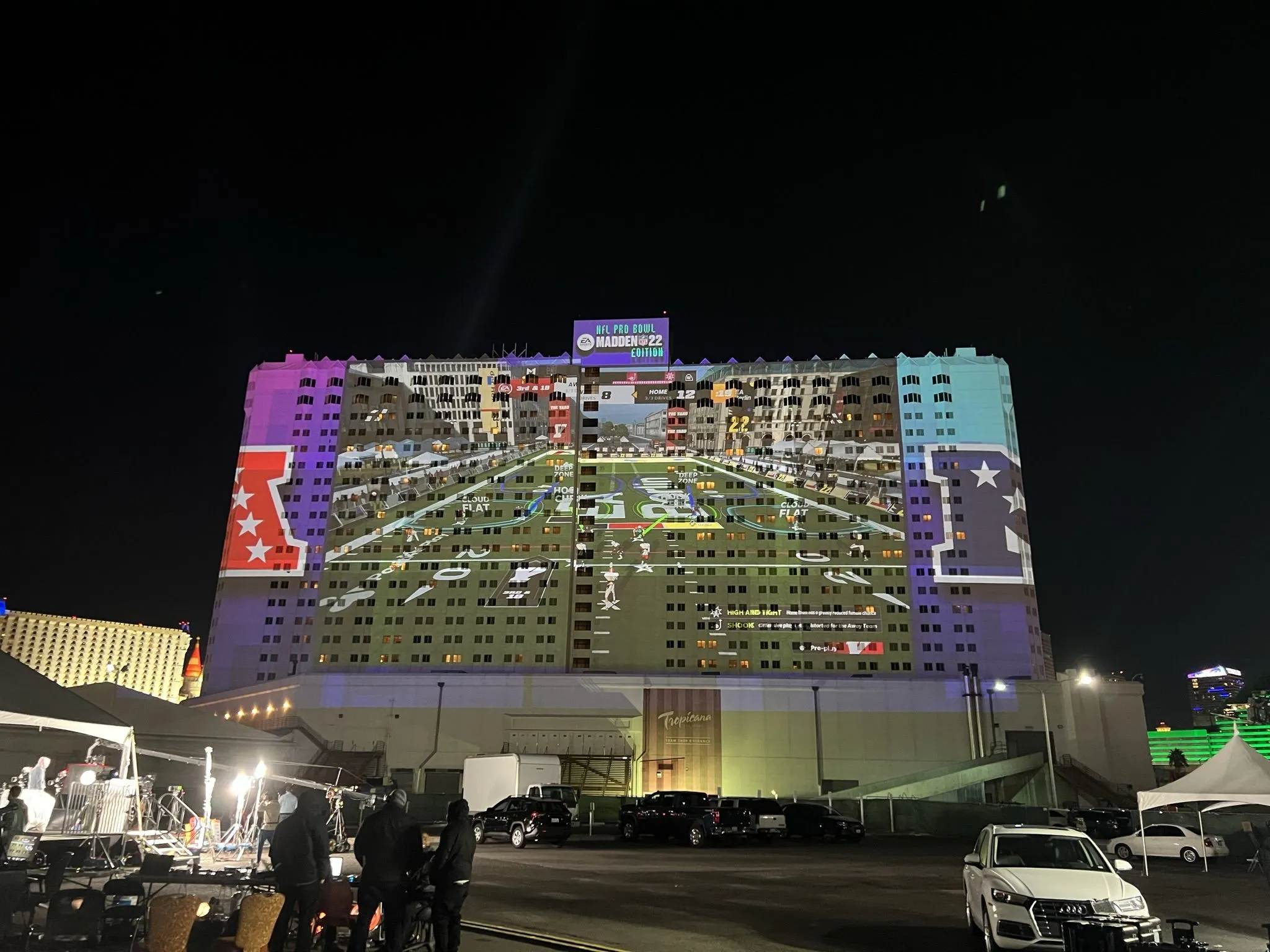
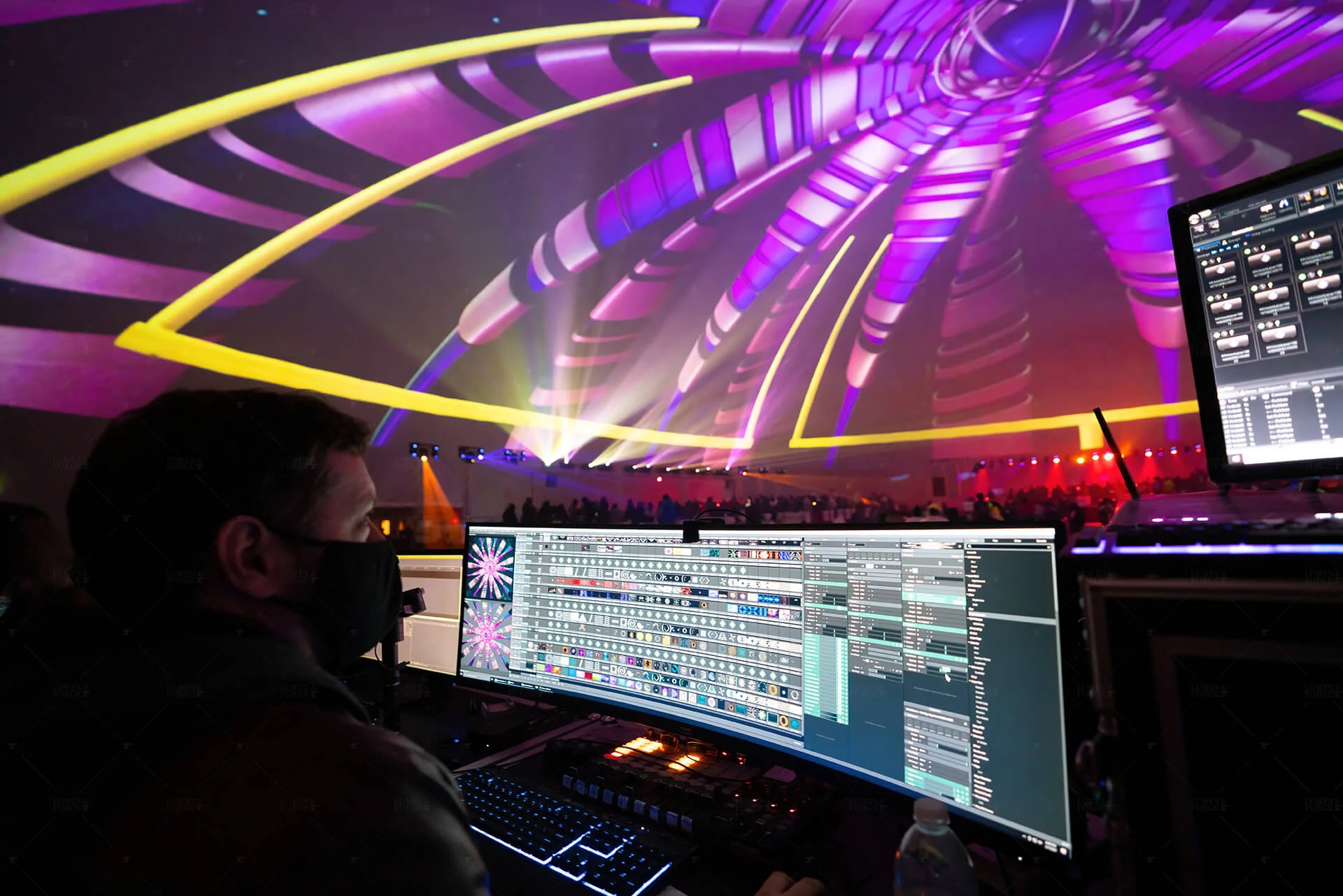
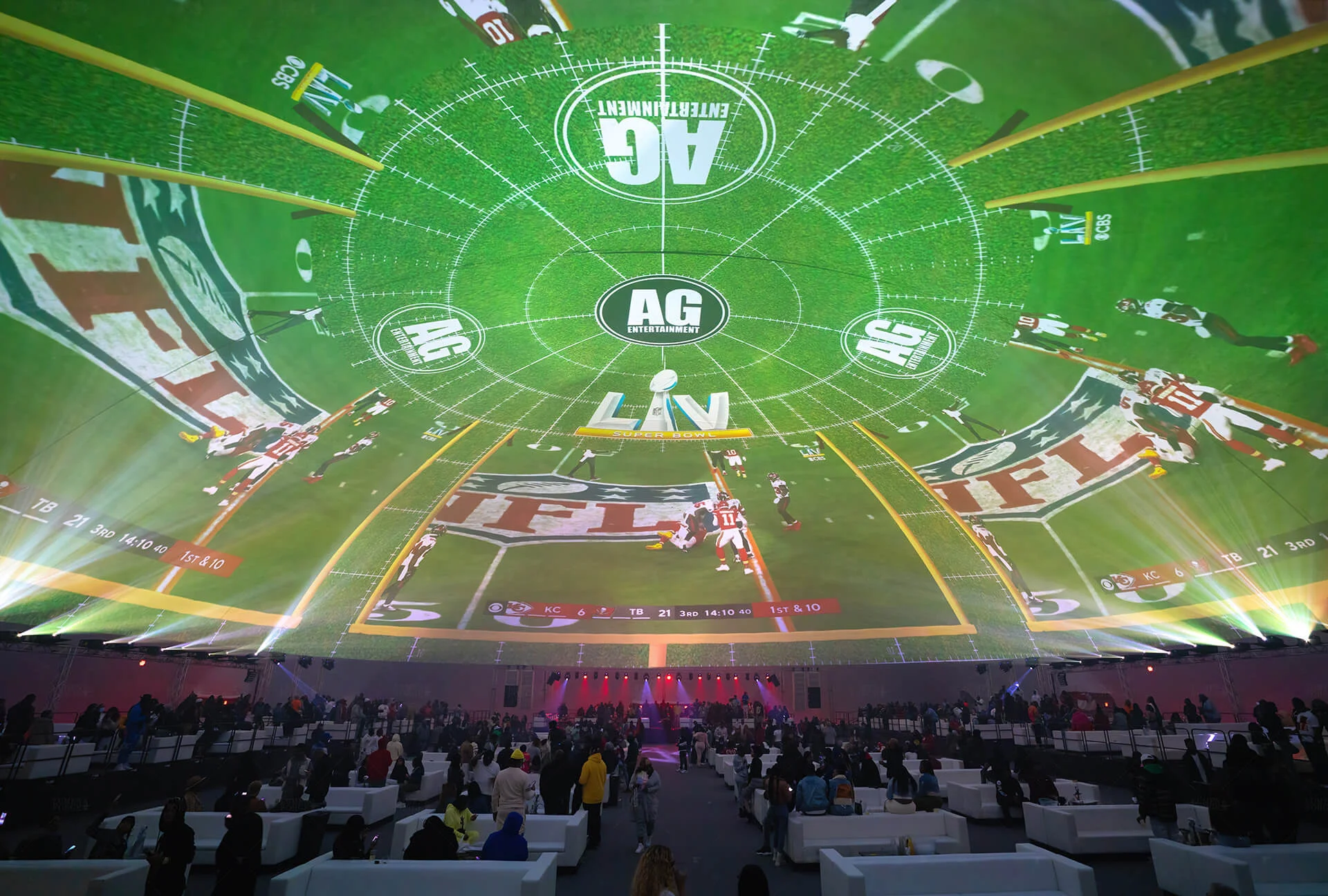
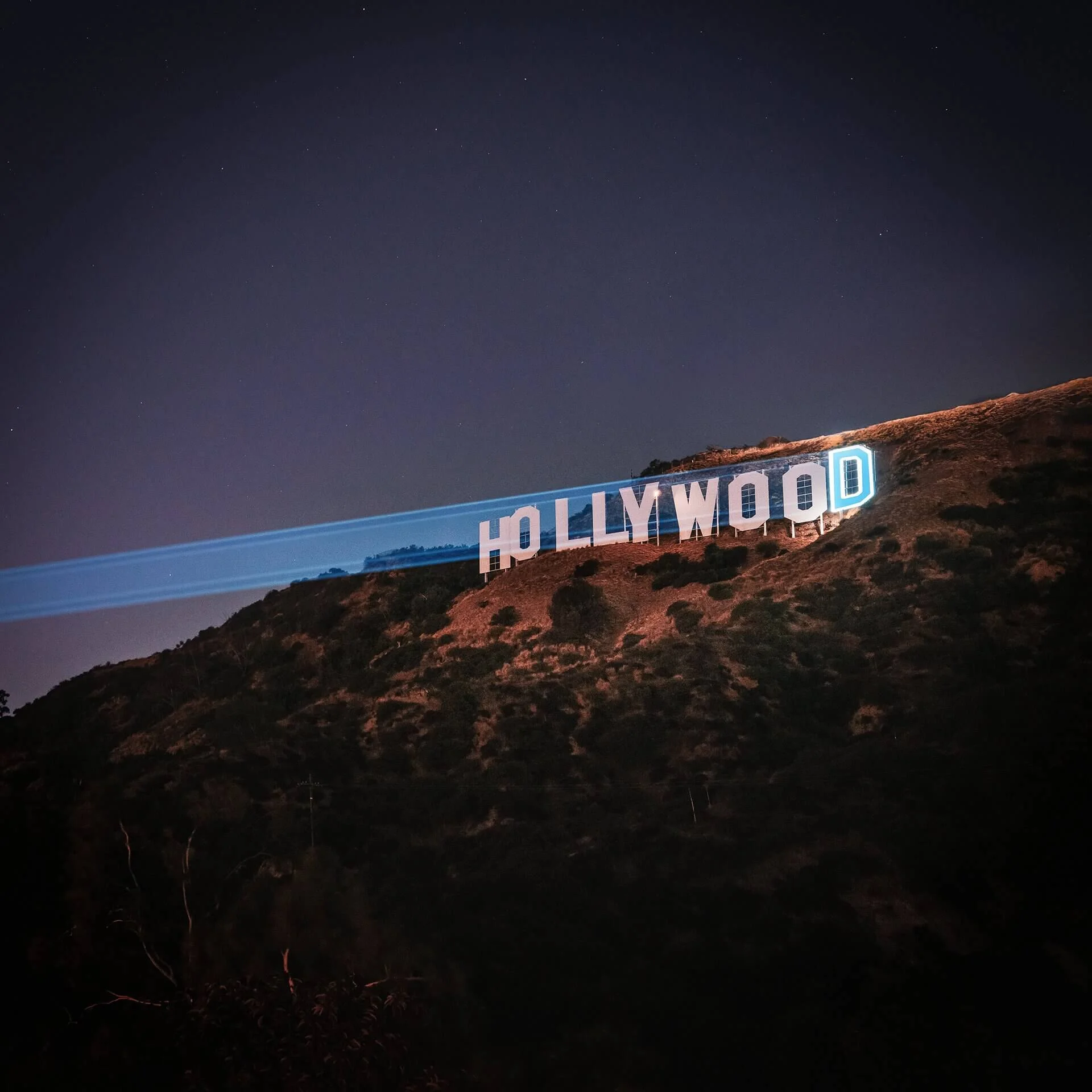
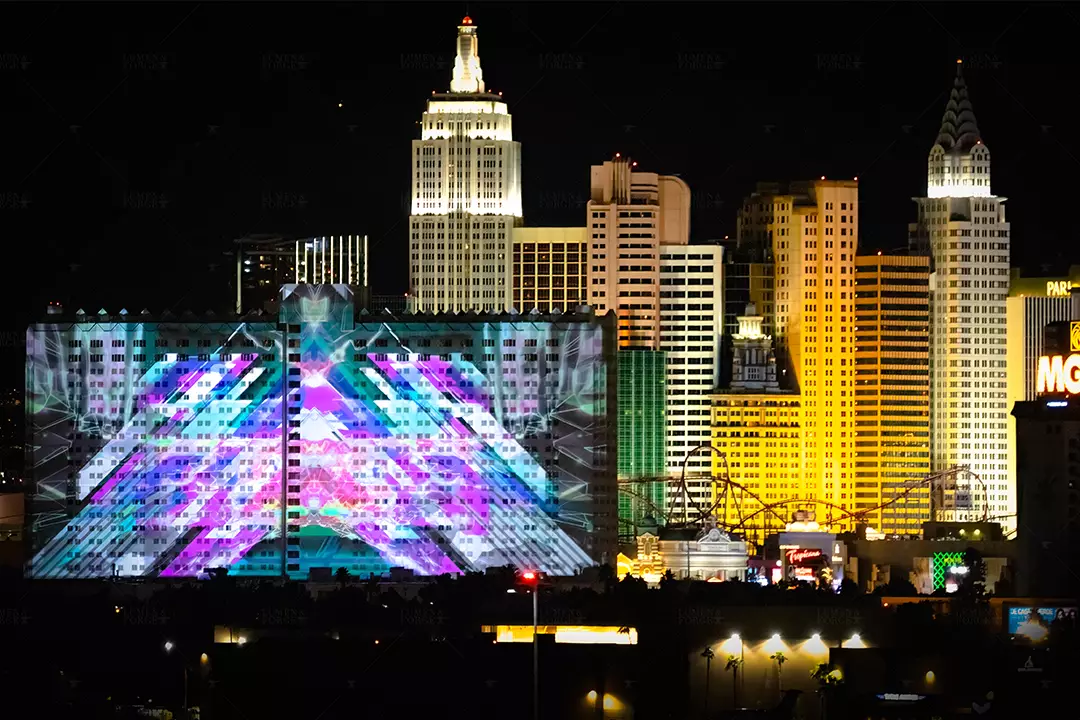
Over 15 years of producing large-scale projection mapping and immersive experiences for globally recognized brands gives Lumen and Forge the operational depth Little Rock productions require. Our portfolio includes building projections for Nike and Air Jordan at NBA All-Star Weekend, large-scale convention experiences for Toyota, McLaren, and Mastercard, a world record video game screen at the Tropicana, and the Beneath the Blue 360-degree dome for National Geographic. Our team is comfortable working alongside experienced production crews and holding a technical standard in front of an audience that knows the difference, which is exactly what Little Rock requires.
Who We Work With in Little Rock
Projection mapping in Little Rock tends to attract clients who need a landmark to carry a message, a crowd to feel something, or a brand to look larger than life for one night. The work varies by sector, but the briefs share a common thread: a building, an object or a room becomes the canvas.
- State government. Departments and agencies turn to projection mapping for public-facing moments, from the Arkansas State Capitol Lighting Ceremony to civic programming that needs to reach people gathered downtown or watching from home. The Arkansas State Capitol itself offers one of the most recognizable surfaces in the city.
- Healthcare and medical centers. Hospitals and clinics use immersive installations for donor recognition, fundraising galas and community health events, often inside venues such as the Statehouse Convention Center or Robinson Center.
- Higher education. Universities and colleges commission projection for commencement celebrations, alumni weekends and capital campaign launches, projecting onto facades and staging room-scale environments for donors and students.
- Financial services and banking. Banks and financial firms hire projection mapping for shareholder meetings, client appreciation events and sponsorships tied to the Little Rock Marathon in March or the Arkansas State Fair in October.
- Tourism and conventions. Convention and visitors groups use building projection and interactive installations to welcome delegates, animate River Market Pavilions and add spectacle to events along the riverfront, including the Big Dam Bridge and Junction Bridge.
- Nonprofits and foundations. Organizations build awareness and raise funds with object mapping and projection domes at galas, awareness walks and cultural events such as Pops on the River on July 4 or the Six Bridges Book Festival in late September and early October.
Across all six, the venues repeat: Simmons Bank Arena in North Little Rock, War Memorial Stadium, the William J. Clinton Presidential Library and Museum, and the Arkansas Museum of Fine Arts. Each brings its own constraints, from load-in access to ambient light, and each rewards a studio that plans the projection around the architecture rather than on top of it.
Ready to Light Up the River Market?
Frequently Asked Questions: Projection Mapping in Little Rock
Standard projection displays a flat image on a flat screen or white wall. Projection mapping uses specialized software to warp, align, and calibrate video content so it fits precisely onto any three-dimensional surface, whether that is a building exterior, a custom sculpture, a vehicle, or an entire room. The software accounts for every edge, angle, and curve, so the content appears to belong to the object itself rather than simply being cast onto it. In a city full of working production professionals, that level of precision is what separates a real installation from a lighting effect.
Yes. Little Rock's outdoor projection mapping calendar runs from spring through the holiday season, and the long summer evenings work in your favor: sunset arrives late enough that crowds are already gathered before the sky goes fully dark. The tradeoff is Arkansas humidity and the chance of spring or fall storms, so build in weather contingency dates. Ambient light is the bigger variable downtown, where street lighting, River Market Pavilions activity and traffic on the bridges can wash out lower-brightness content. Specify high-output projectors and site-test before the event.
For large-scale building projection, the Arkansas State Capitol and the William J. Clinton Presidential Library and Museum offer iconic facades, while Simmons Bank Arena and the Statehouse Convention Center suit indoor and event-scale installations. War Memorial Stadium and the Robinson Center handle big audiences, and the Arkansas Museum of Fine Arts, Big Dam Bridge, Junction Bridge and River Market Pavilions fit object mapping and interactive work.
The most natural fits for projection mapping in Little Rock are the events that already pull crowds downtown after dark. Little Rock Marathon in March, Pops on the River on July 4, Big Dam Bridge 100 in September, the Arkansas State Fair in October, Six Bridges Book Festival from late September into early October, and the Arkansas State Capitol Lighting Ceremony during the holiday season all offer built-in audiences and clear storytelling moments.
Yes. Lumen and Forge handles permitting and logistics for Little Rock projection mapping projects, coordinating directly with your venue on permits, power, rigging and site logistics. For events in city parks, we work through Little Rock Parks and Recreation's Special Event Request Application, while street events follow the City of Little Rock parade permit application. From Statehouse Convention Center to Simmons Bank Arena, we manage the approvals and technical groundwork so your team can focus on the event itself.
The cost of projection mapping in Little Rock depends on what you are projecting onto and how long it needs to run. A single-surface building projection at Robinson Center or the Arkansas State Capitol carries a different scope than a multi-zone installation across River Market Pavilions or a dome build for a convention at the Statehouse Convention Center. Surface scale, custom content complexity, event duration, equipment, and crew size all shape the budget. Share your venue, dates, and creative goals and Lumen and Forge will scope a quote around your event.
Projection mapping paints light onto a shaped or irregular surface, while 3D projection mapping accounts for depth, so content wraps corners, curves and protruding features without distortion. On a facade like the Arkansas State Capitol, a 3D approach maps columns, cornices and setbacks individually, letting imagery travel around them instead of sitting flat on one plane. That depth-aware setup is what makes building projection read as sculptural rather than as a screen.
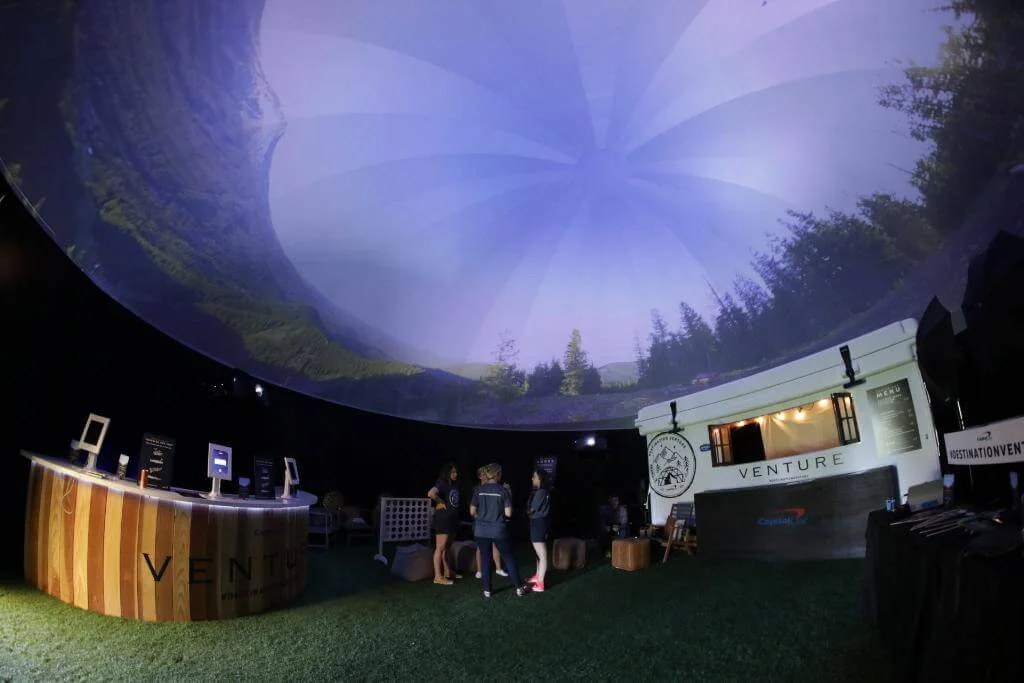
In addition to projection mapping, we offer dome projection for fully immersive 360-degree spherical experiences, event and project design for end-to-end production planning, and animation and visual storytelling for original content creation. Many of our Little Rock clients combine projection mapping with one or more of these services into a single integrated production. We are a full-service immersive experience company, and the strongest work we build is conceived as a whole from the first conversation.
Do you have more questions?
Didn't find what you were looking for? Our team is happy to walk you through your project and answer anything else