

Projection Mapping Between the Lakes
Madison concentrates an unusual amount of event infrastructure into a compact downtown. Monona Terrace Community and Convention Center and the Alliant Energy Center carry the convention and trade show calendar, while the Kohl Center, Camp Randall Stadium, The Sylvee, Orpheum Theater and Breese Stevens Field keep a steady flow of concerts, games and festivals moving through the city. Add the Overture Center for the Arts, the Wisconsin State Capitol, the Chazen Museum of Art, the Madison Museum of Contemporary Art and the Memorial Union Terrace, and you have a market where a projection mapping installation can sit in front of a tourism audience one week and a university research crowd the next.
The calendar reinforces that reach. Concerts on the Square runs through June and July, Art Fair on the Square and the Wisconsin Film Festival draw regional visitors, and Great Taste of the Midwest, the Madison Mini Marathon, IRONMAN Wisconsin and Taste of Madison fill late summer and Labor Day weekend. Behind those events sit higher education and university research, state government and associations, health care and biotech, insurance and financial services, and tech and software, all audiences that respond to building projection, object mapping and interactive installations built for a specific room or facade.
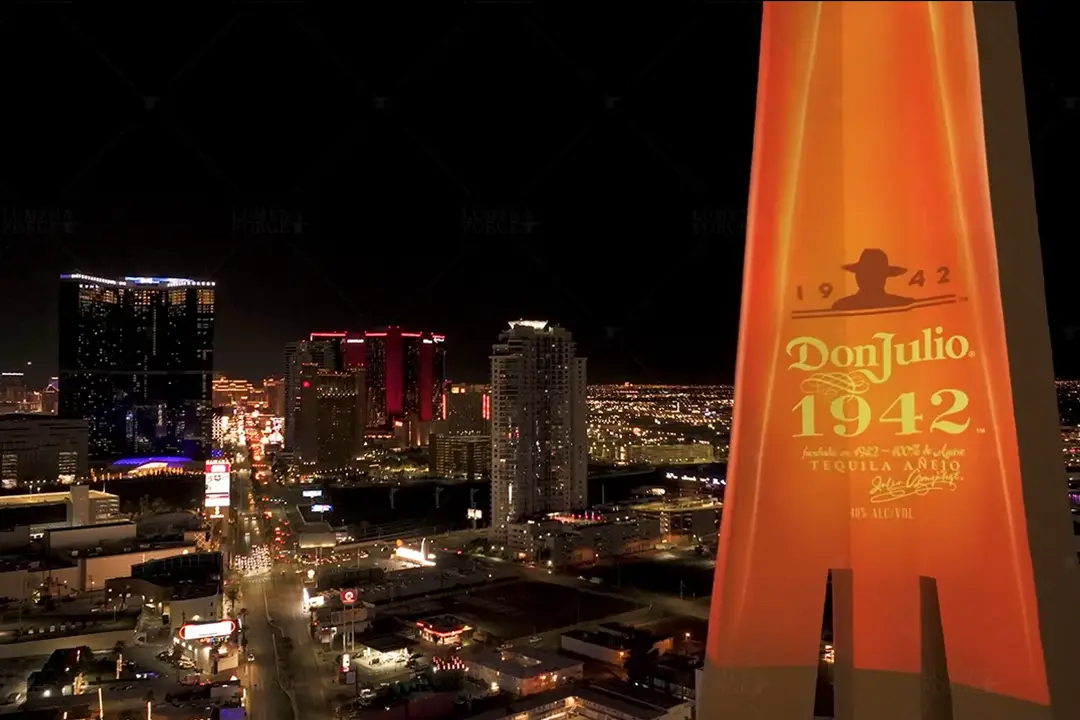
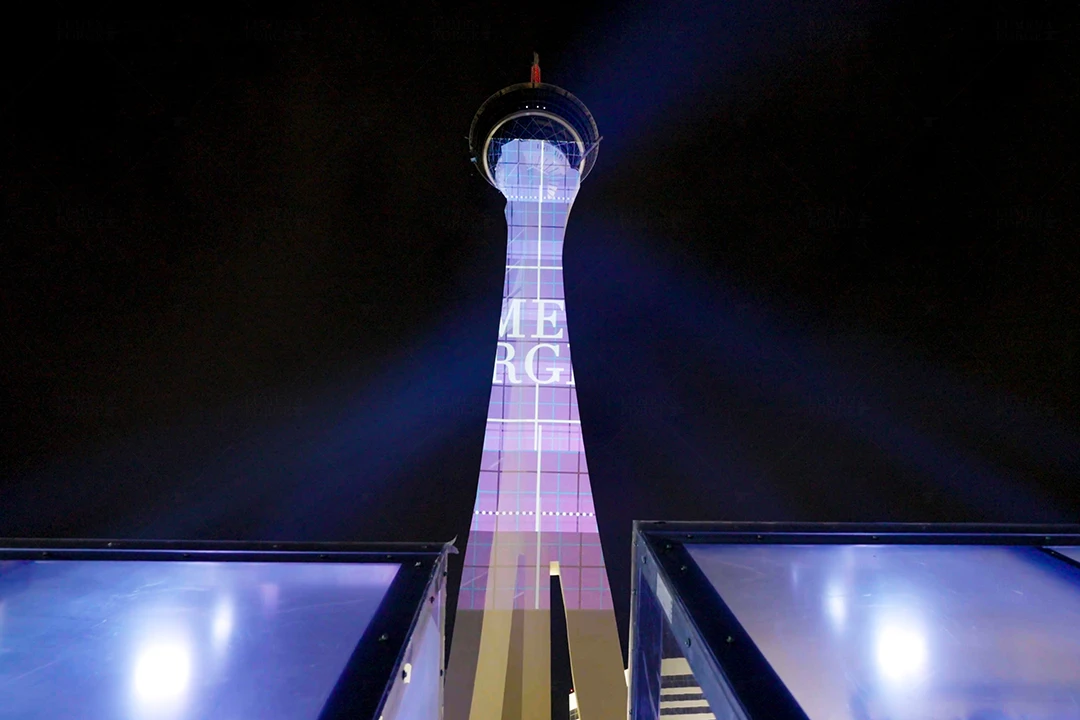
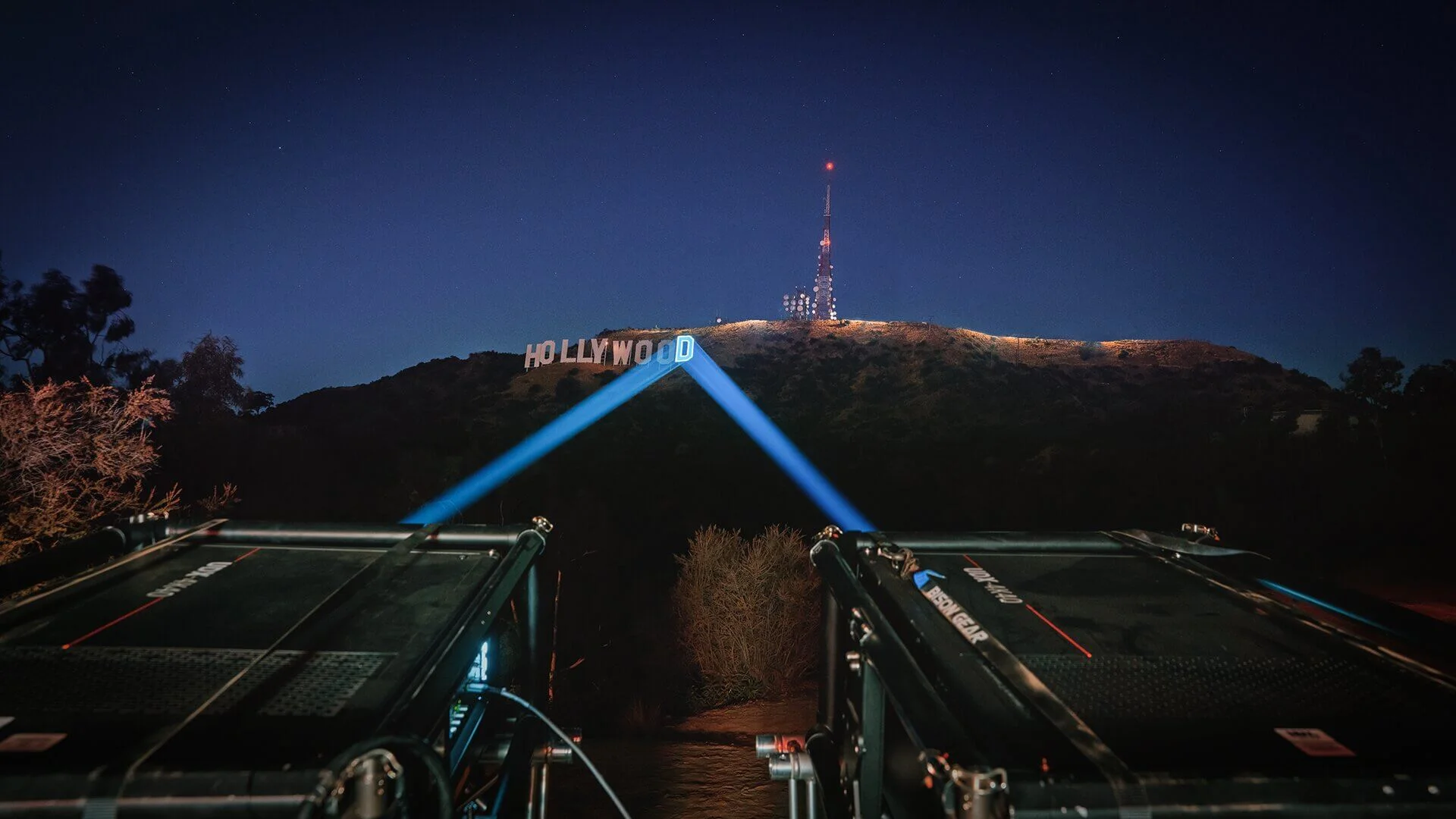
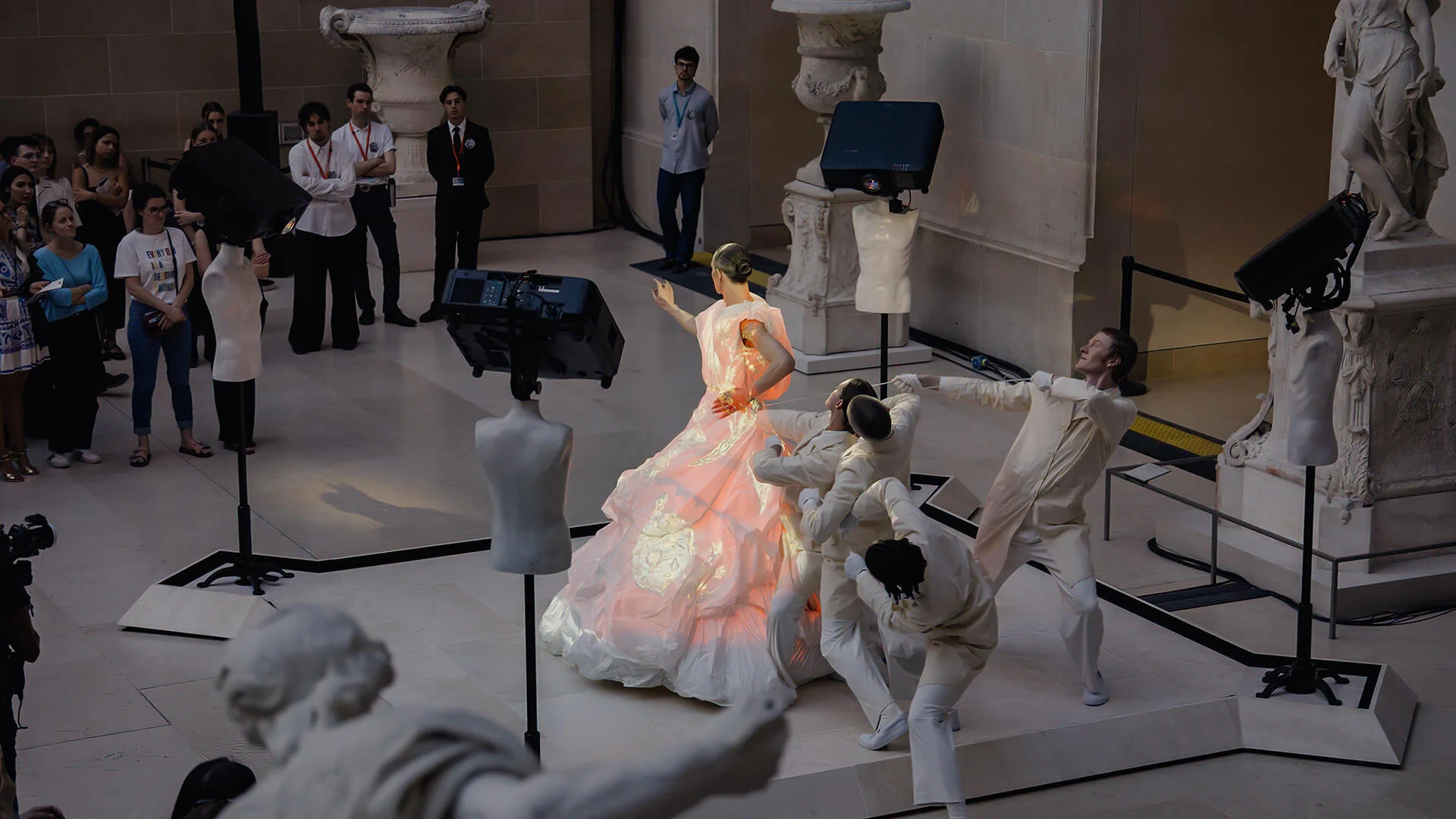
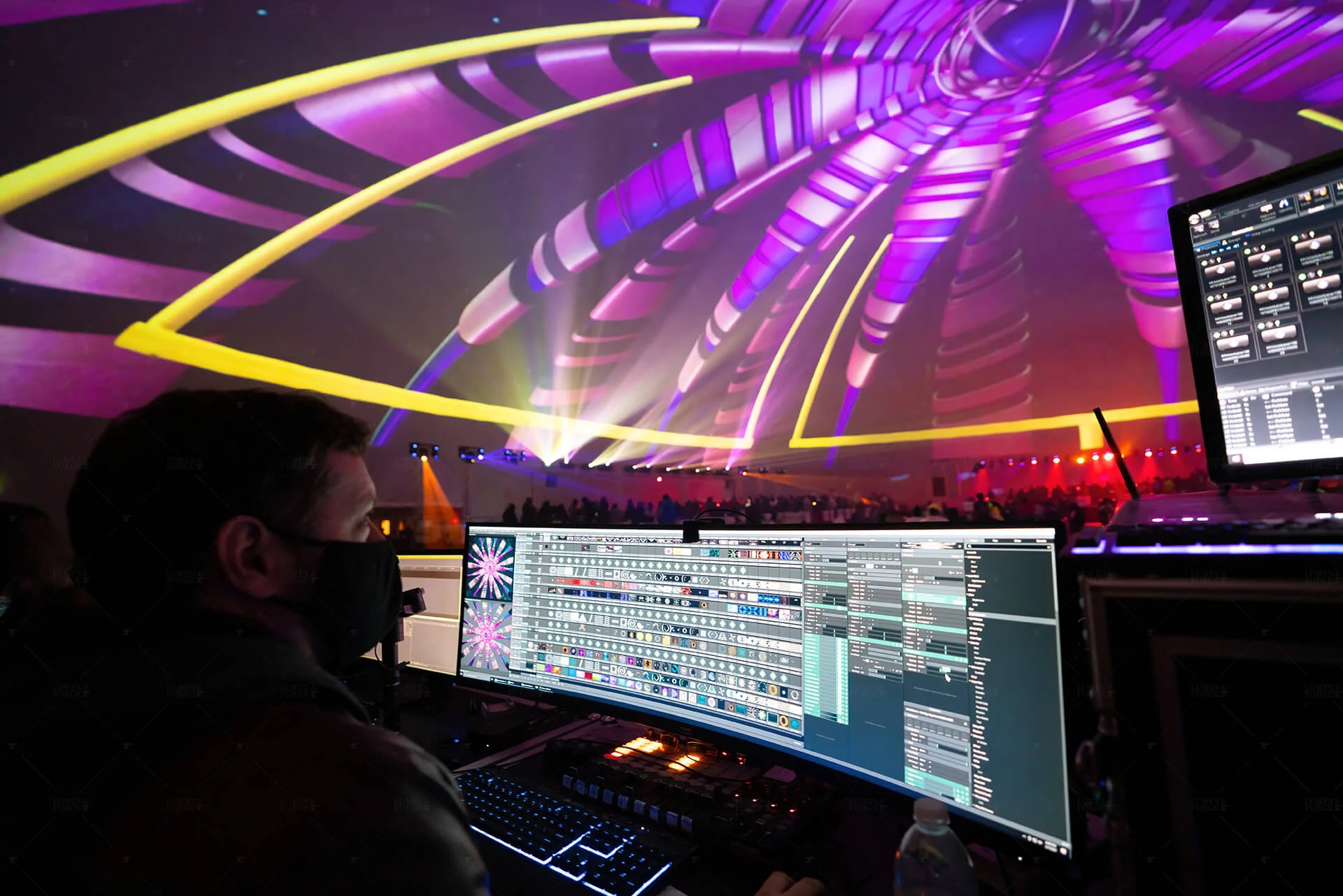
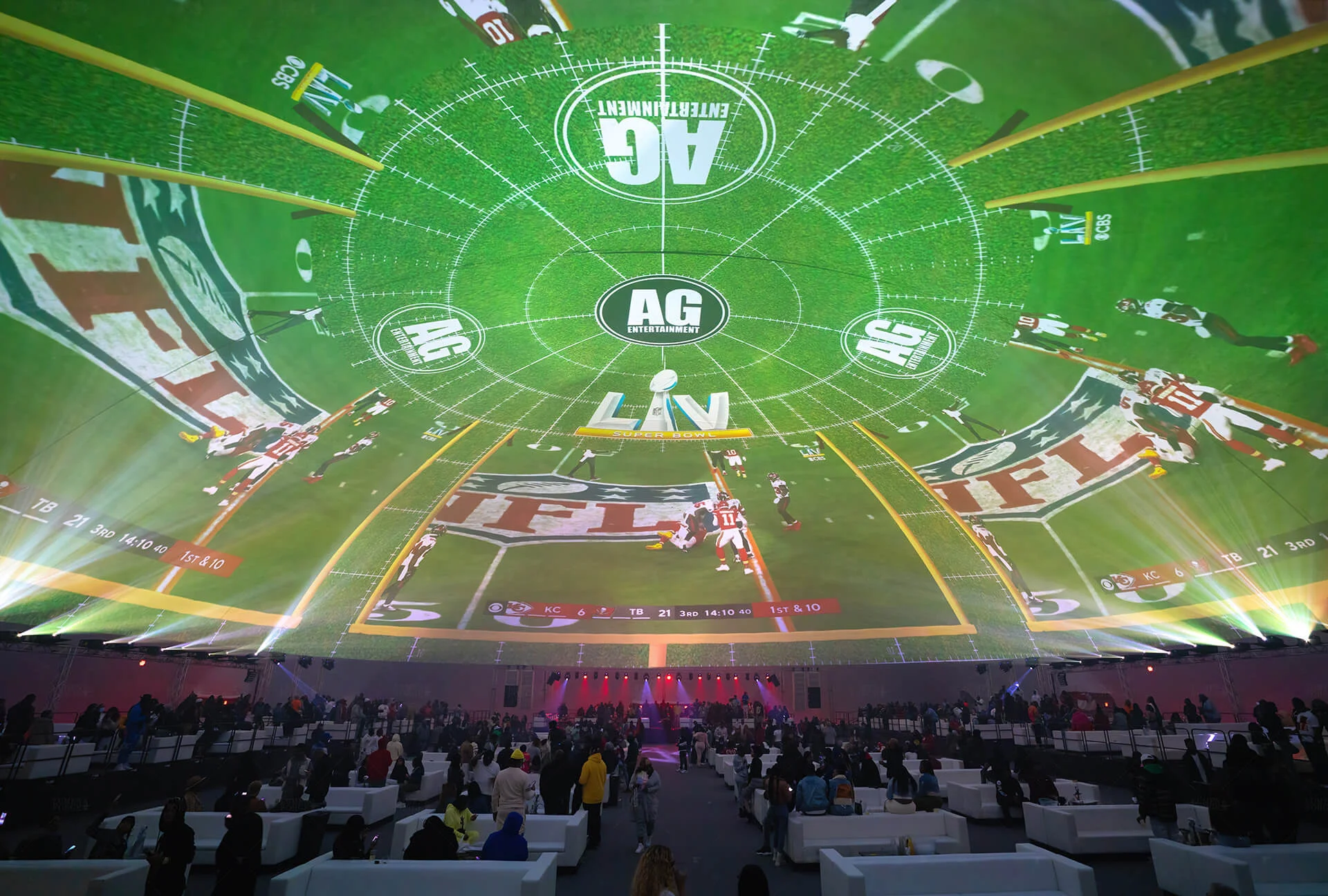
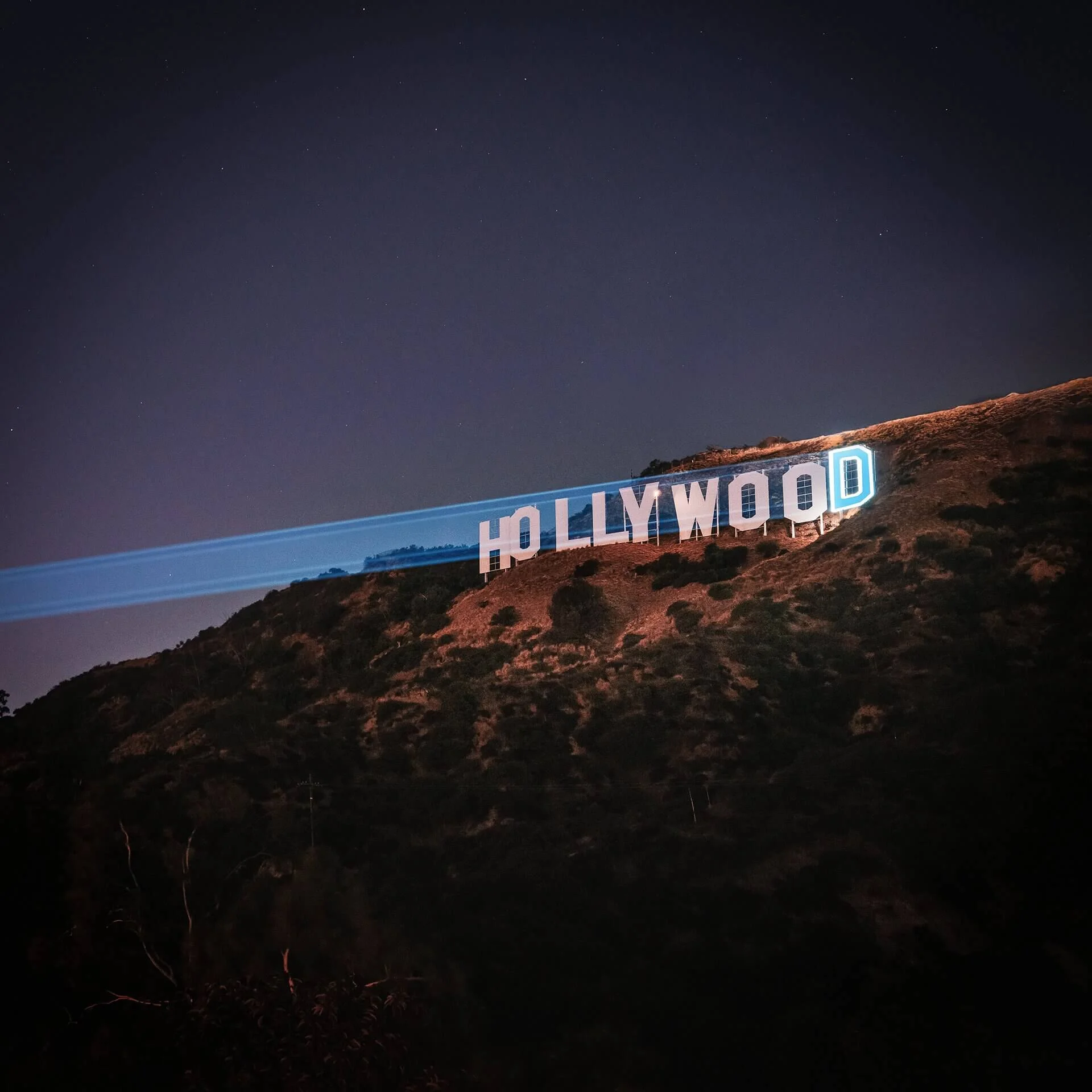
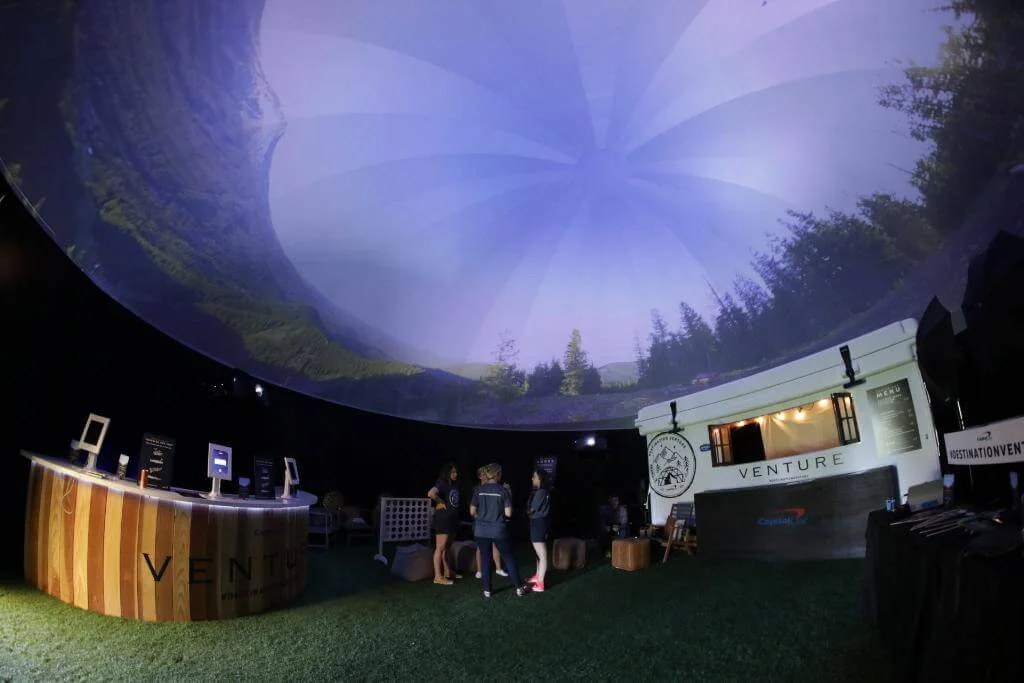
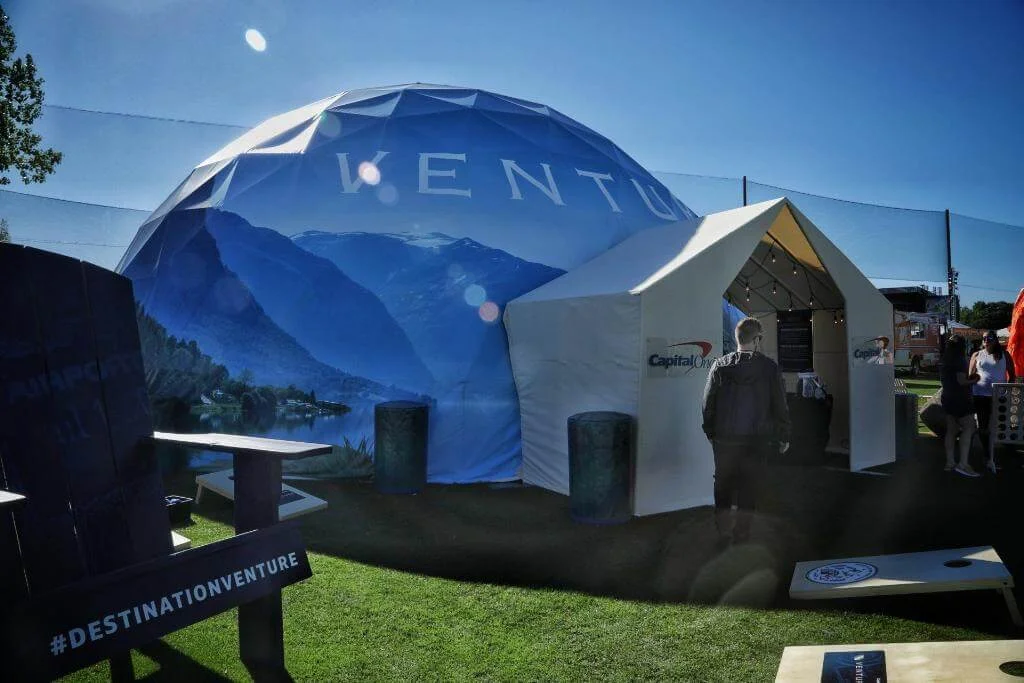
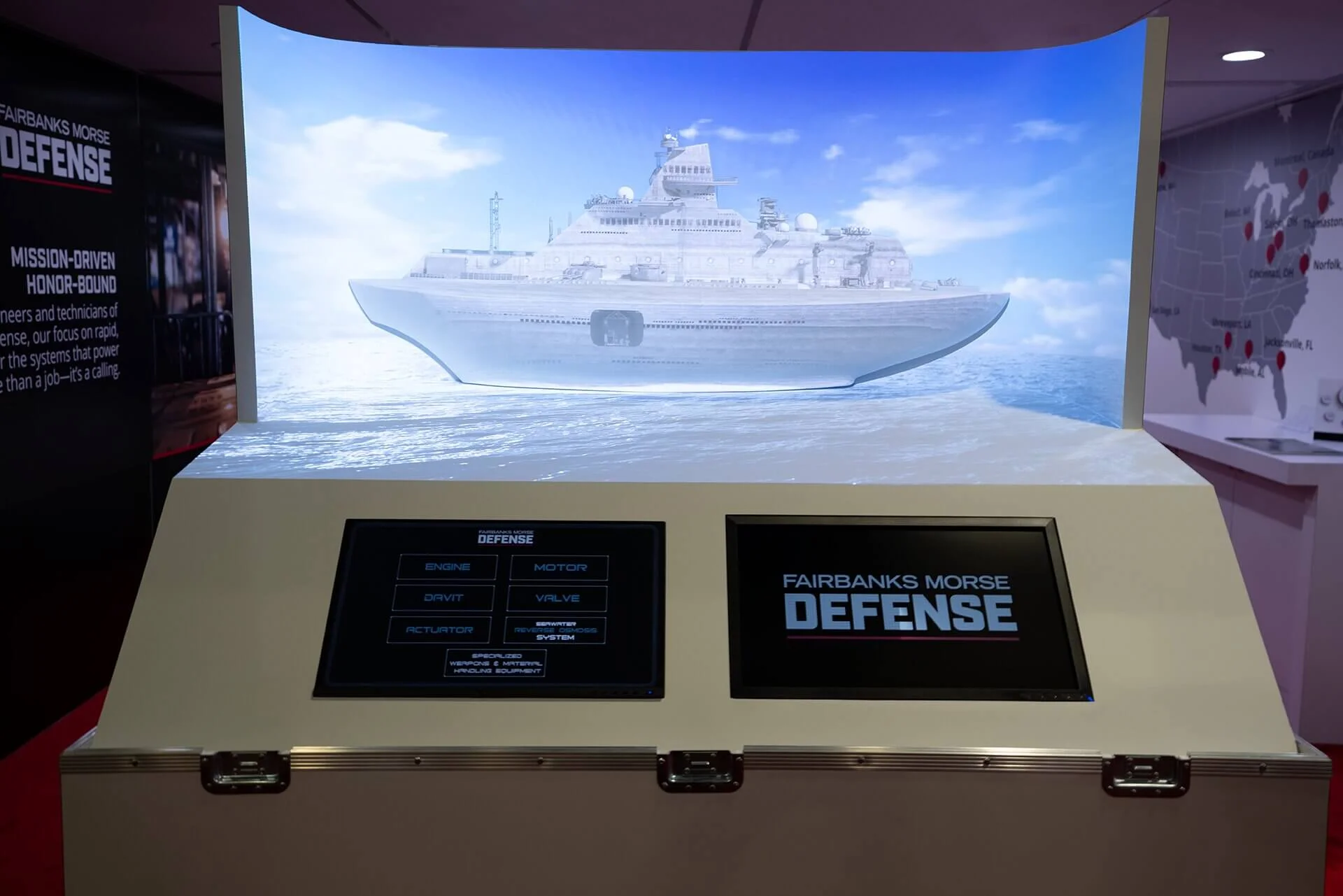
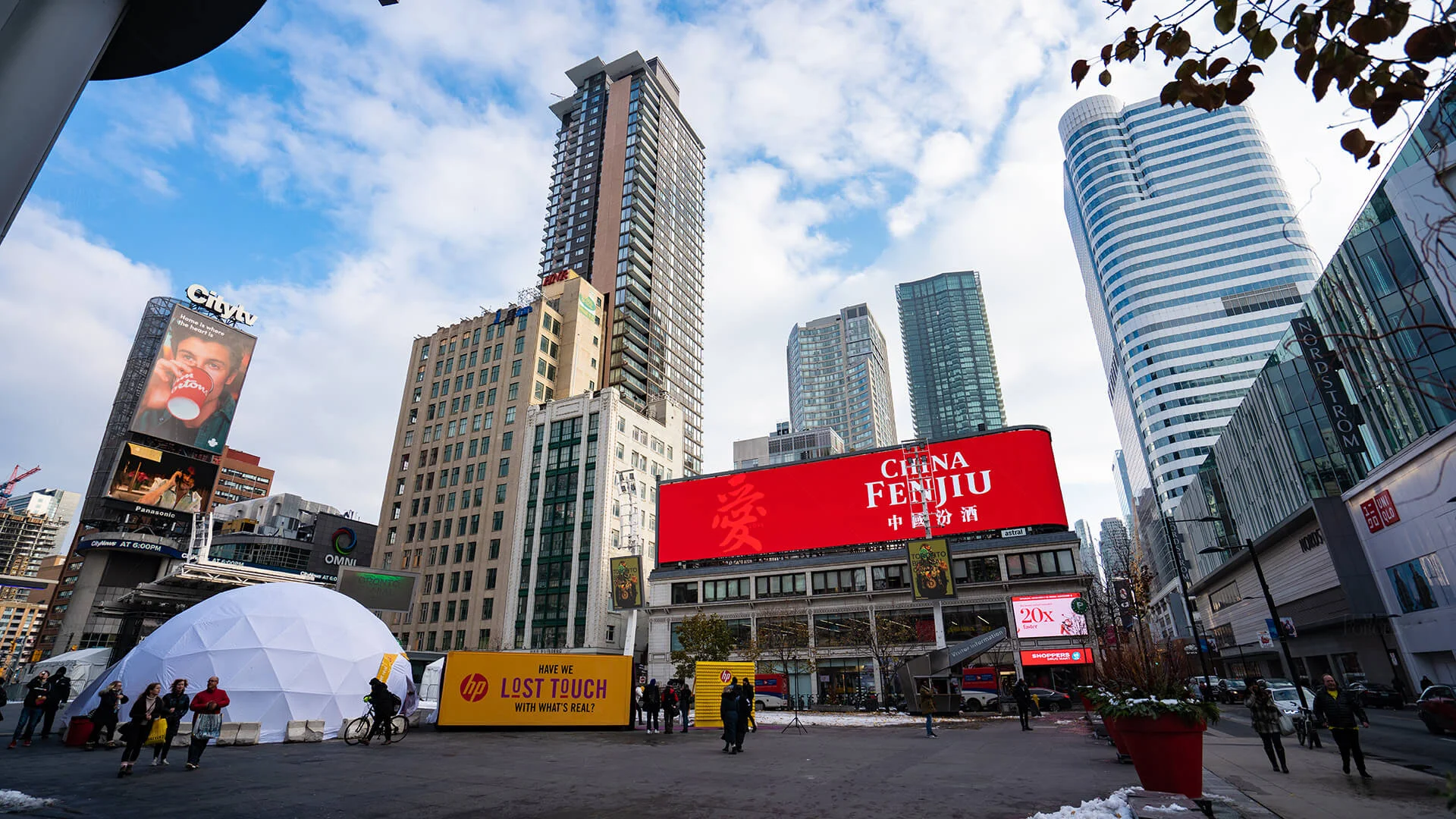
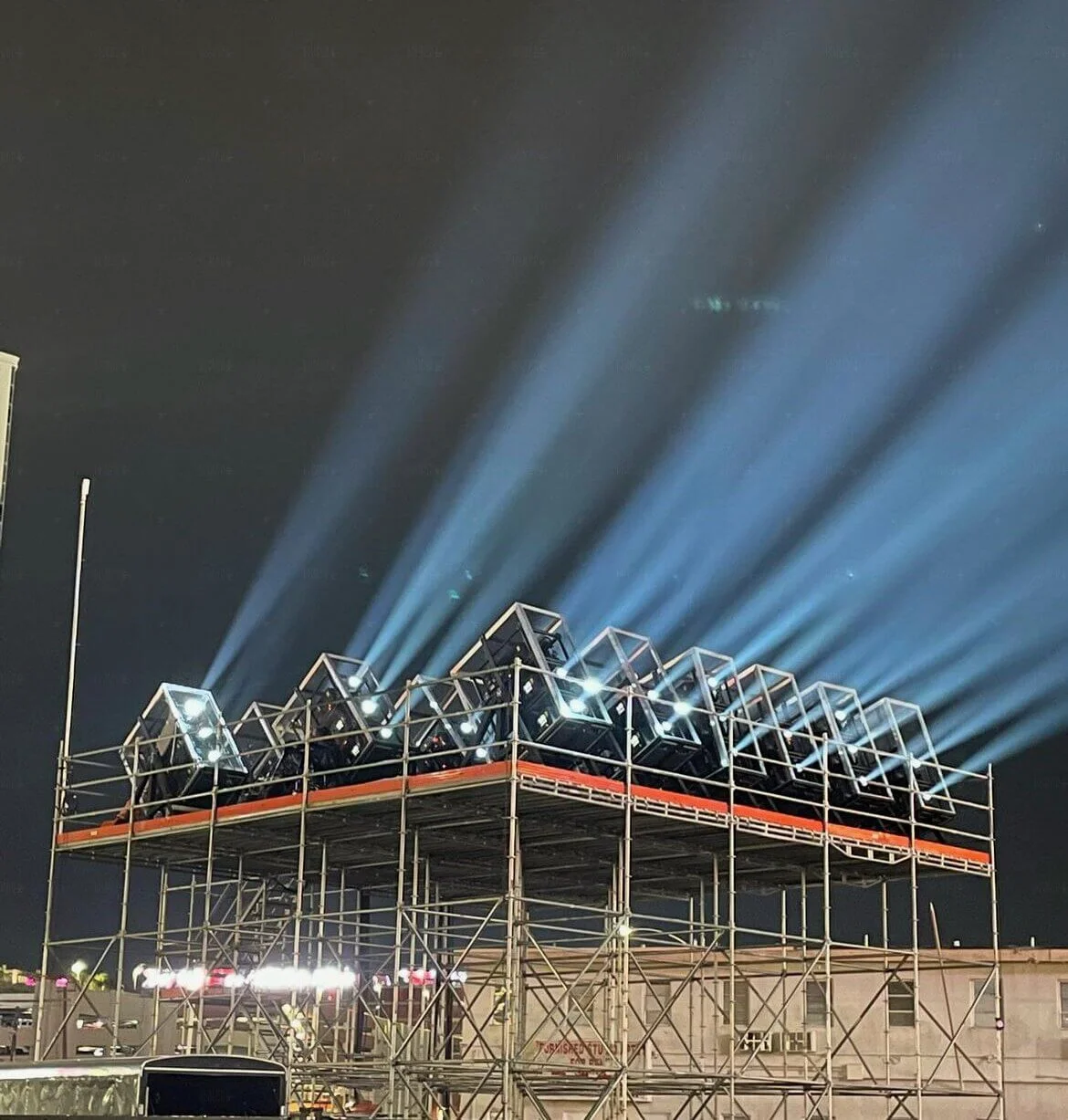
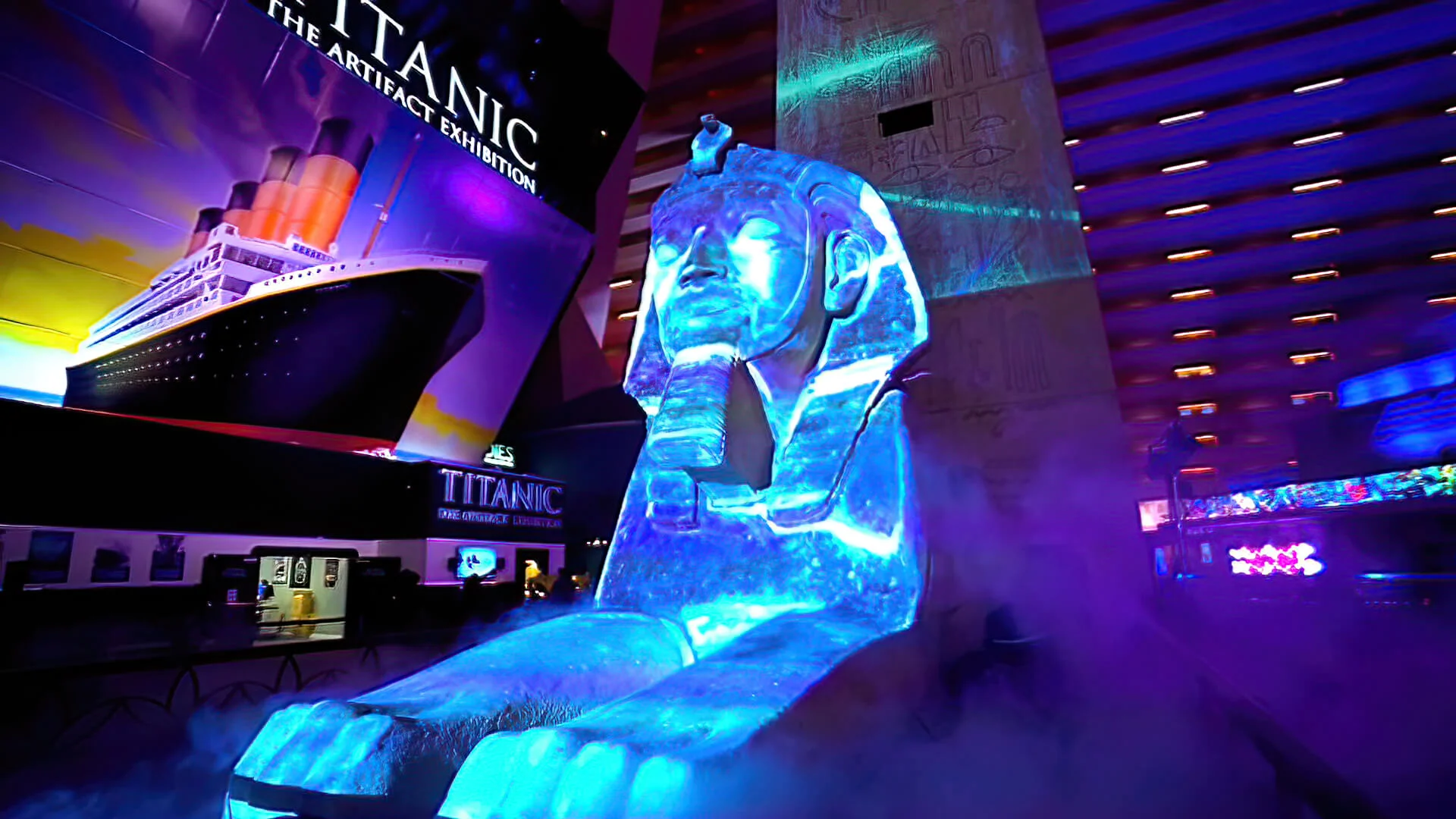
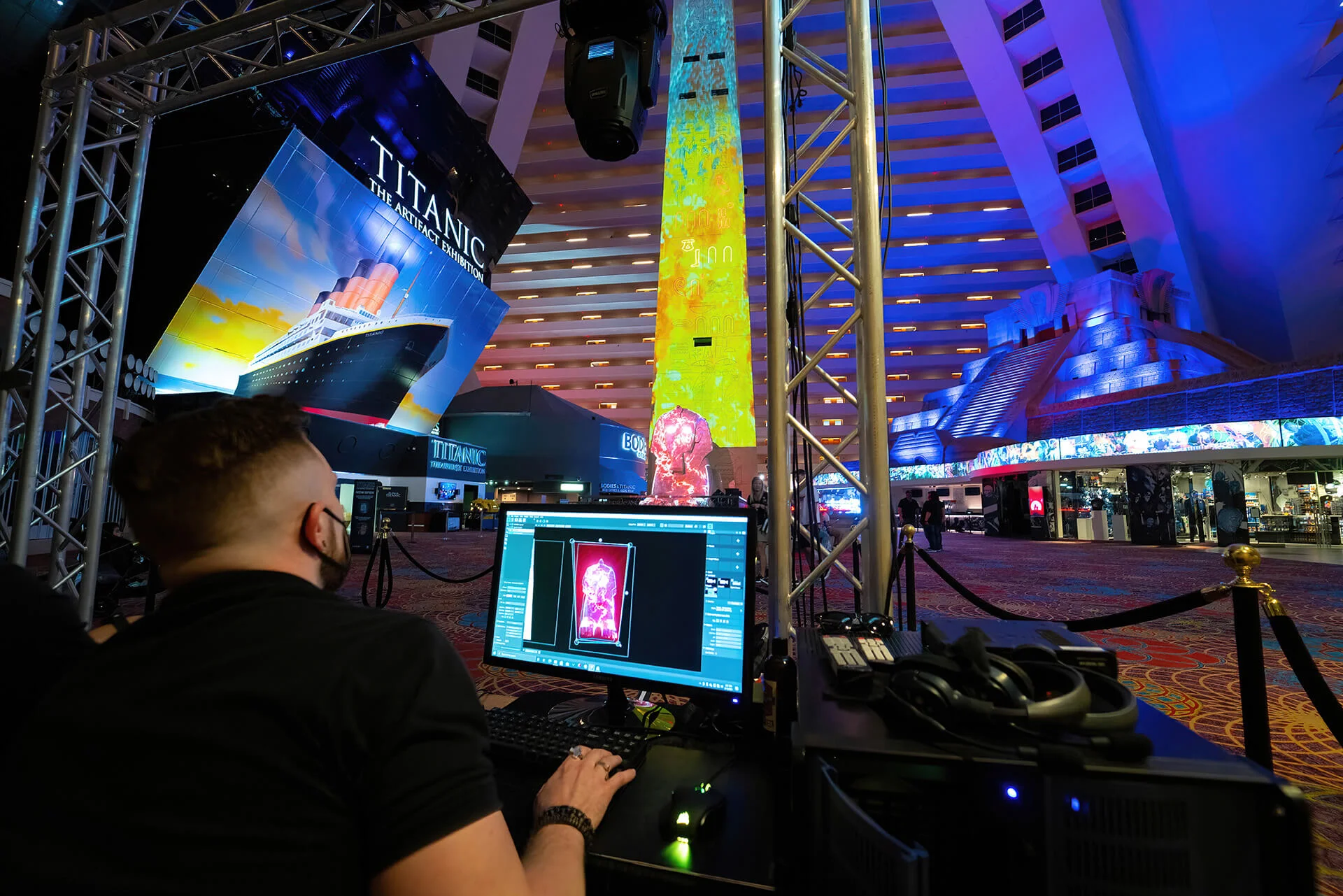
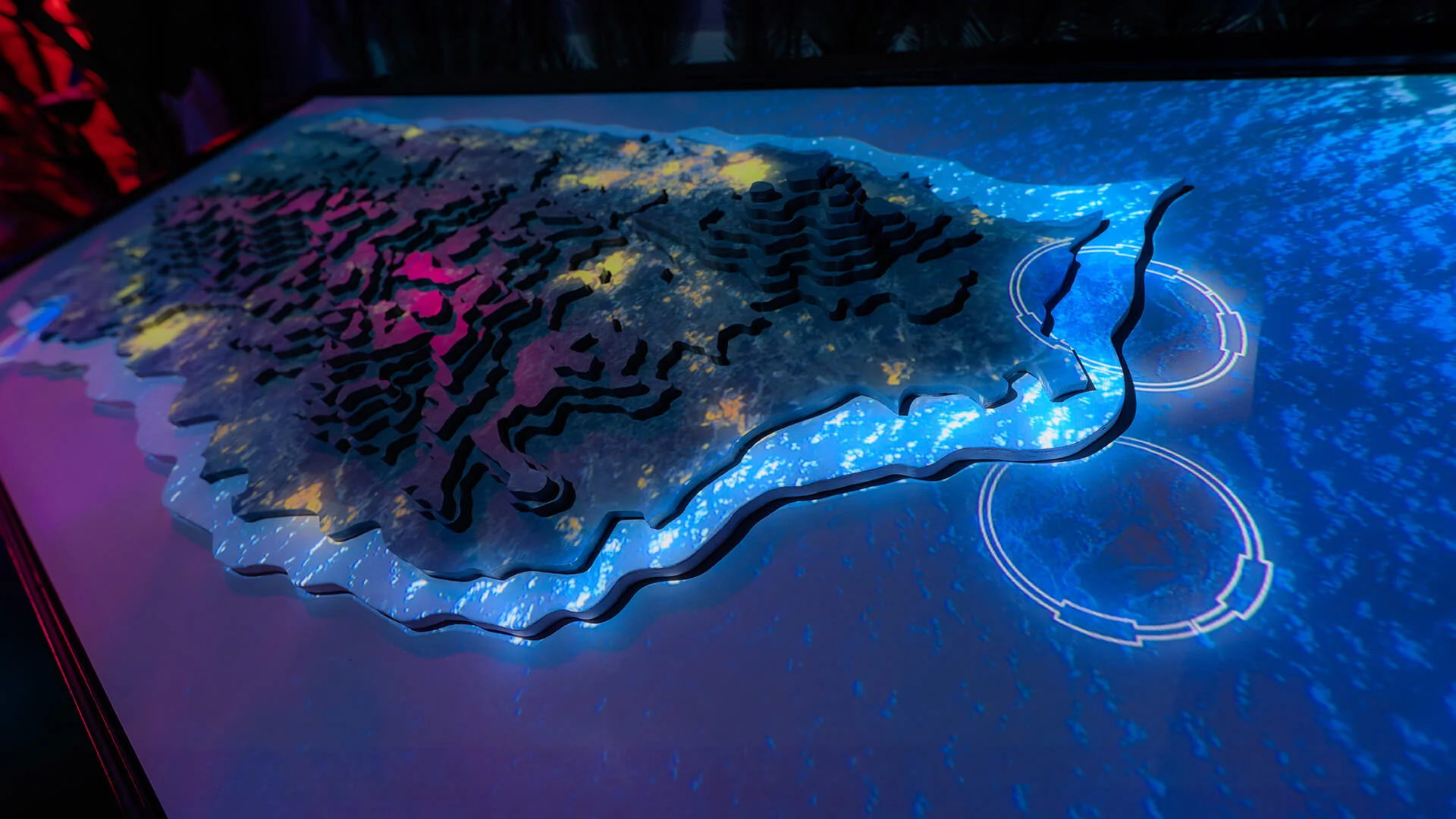
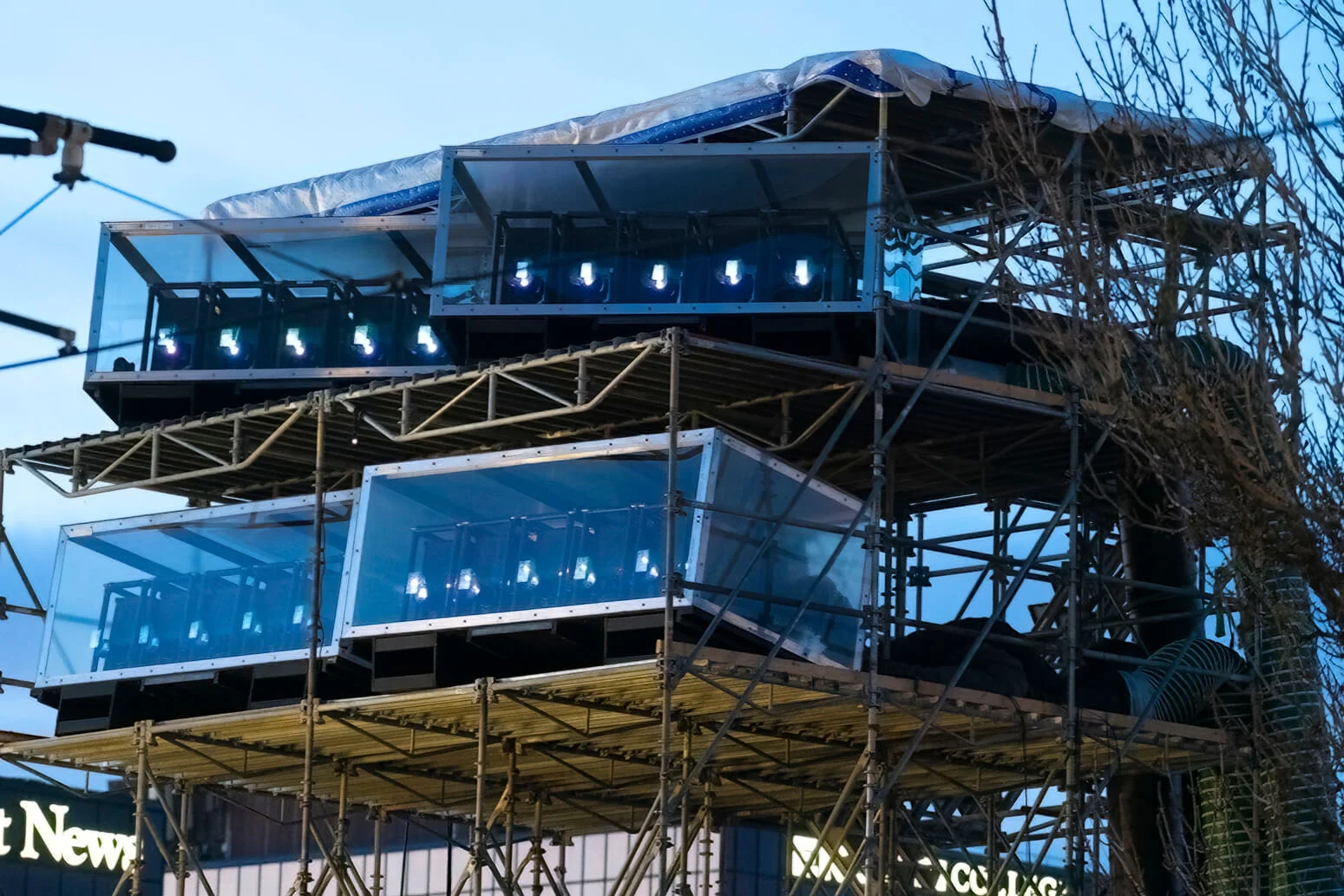
Take A Closer Look
A Deeper Look Into Animation & Visual Story Telling
A Deeper Look Into
Projection Mapping
Projection Mapping: Turning Any Surface Into a Story
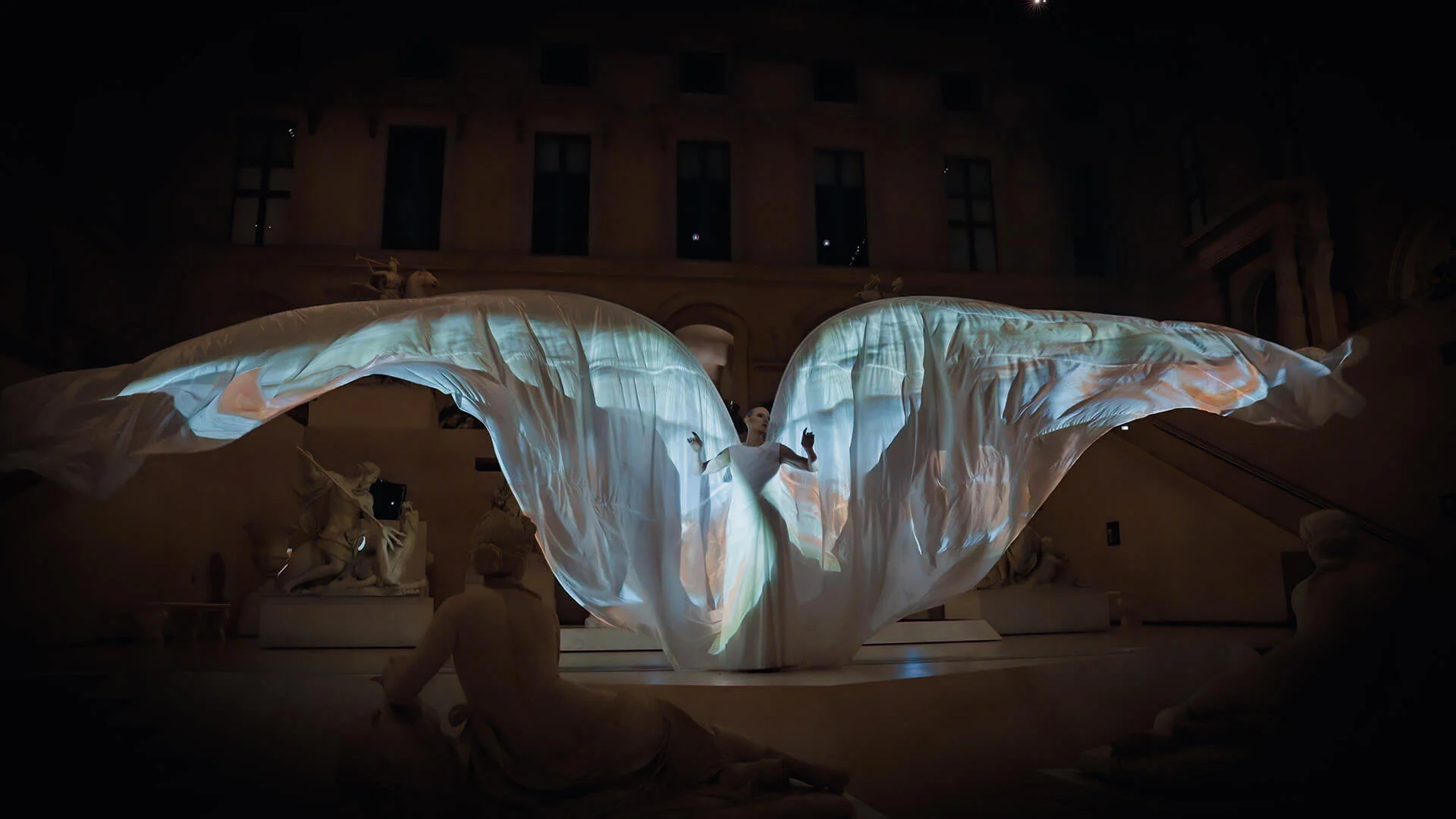
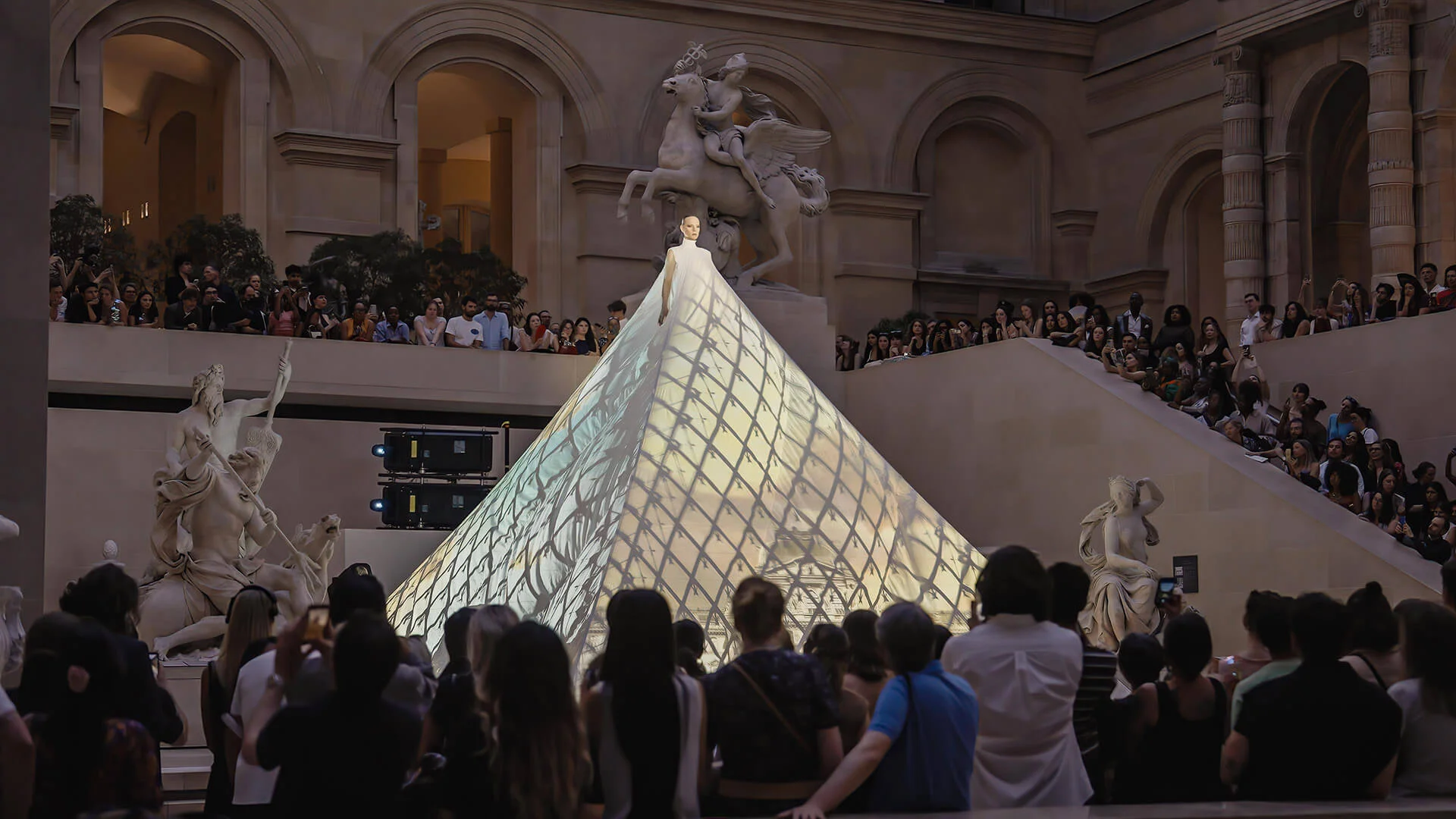
Projection mapping is the craft of fitting light to a surface instead of fitting a surface to a screen. A flat screen assumes a flat rectangle: the image sits inside the frame and the frame does the work. Mapping measures the actual geometry first, then warps and blends the content so it lands precisely on corners, curves, columns and irregular edges. The surface becomes the screen, and the building, object or room stops looking like a backdrop and starts looking like the medium.
Madison gives that approach plenty to work with. The Wisconsin State Capitol offers stone and dome geometry that rewards careful alignment. Monona Terrace Community and Convention Center and the Overture Center for the Arts bring architectural facades and glass. Camp Randall Stadium, the Kohl Center, Breese Stevens Field and the Orpheum Theater suit large-scale spectacle and interior atmospherics, while the Chazen Museum of Art, Madison Museum of Contemporary Art and Memorial Union Terrace fit more intimate, object-driven and room-scale work. The Alliant Energy Center and The Sylvee round out the roster for exhibitions, launches and live audiences.
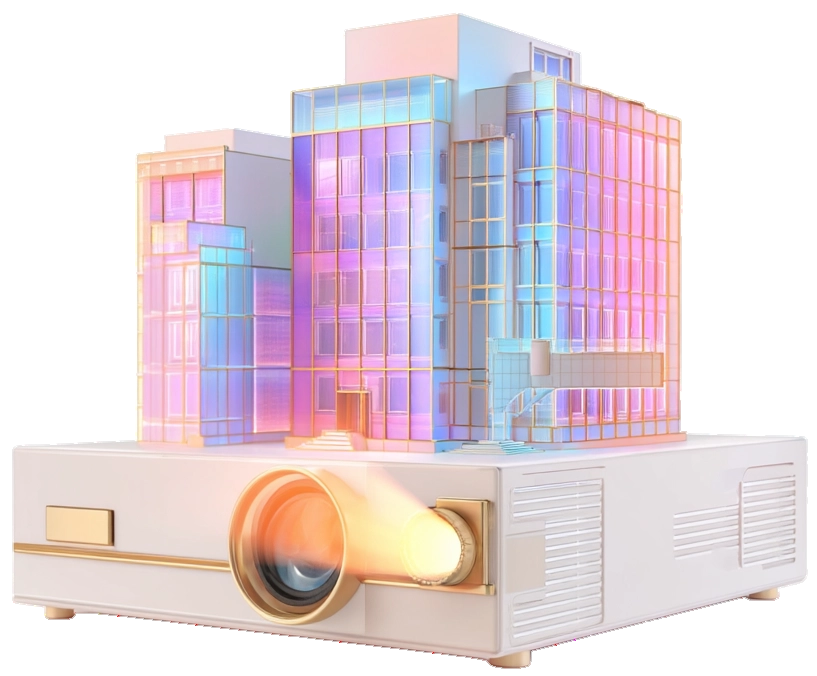
Building and Architectural Projection
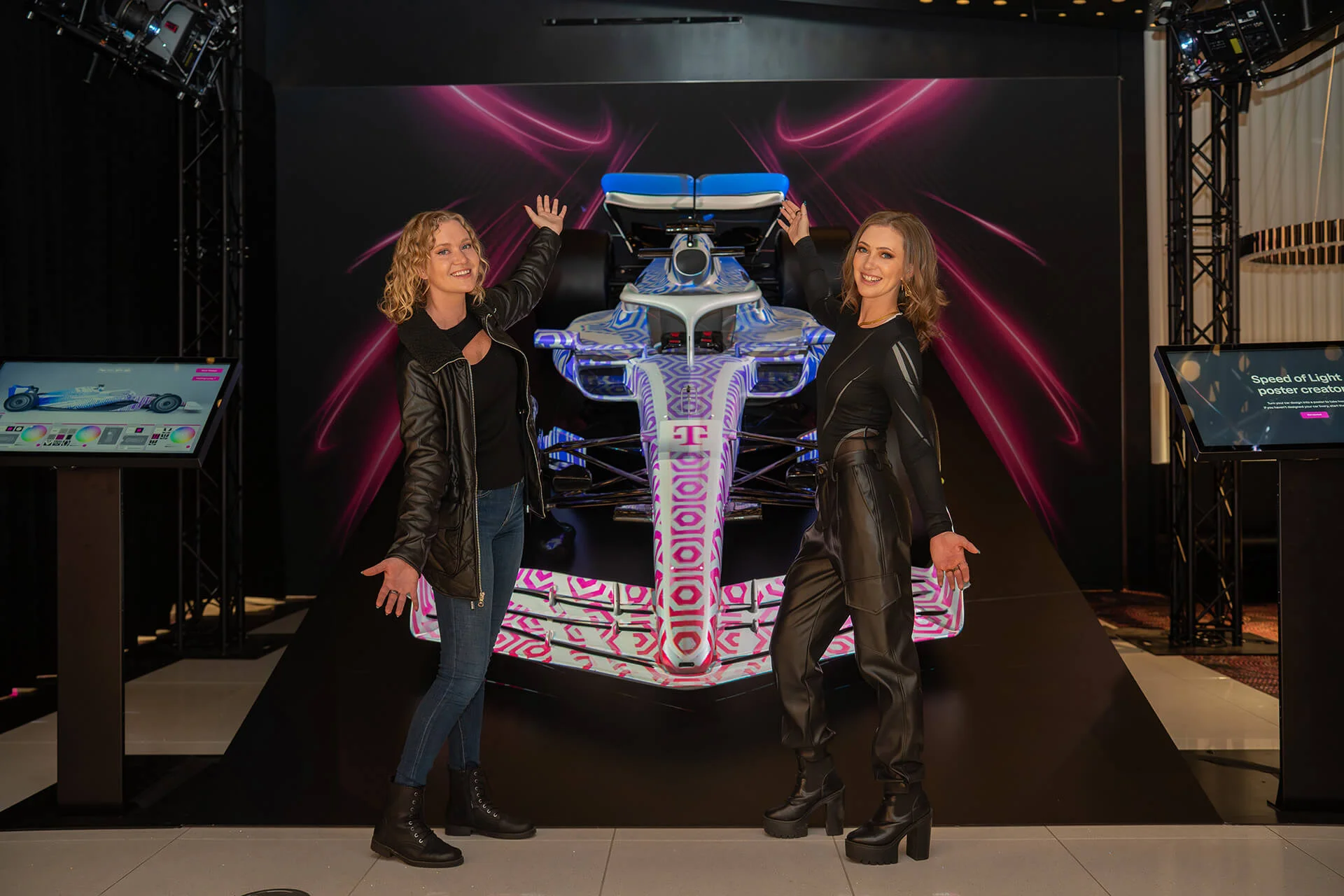
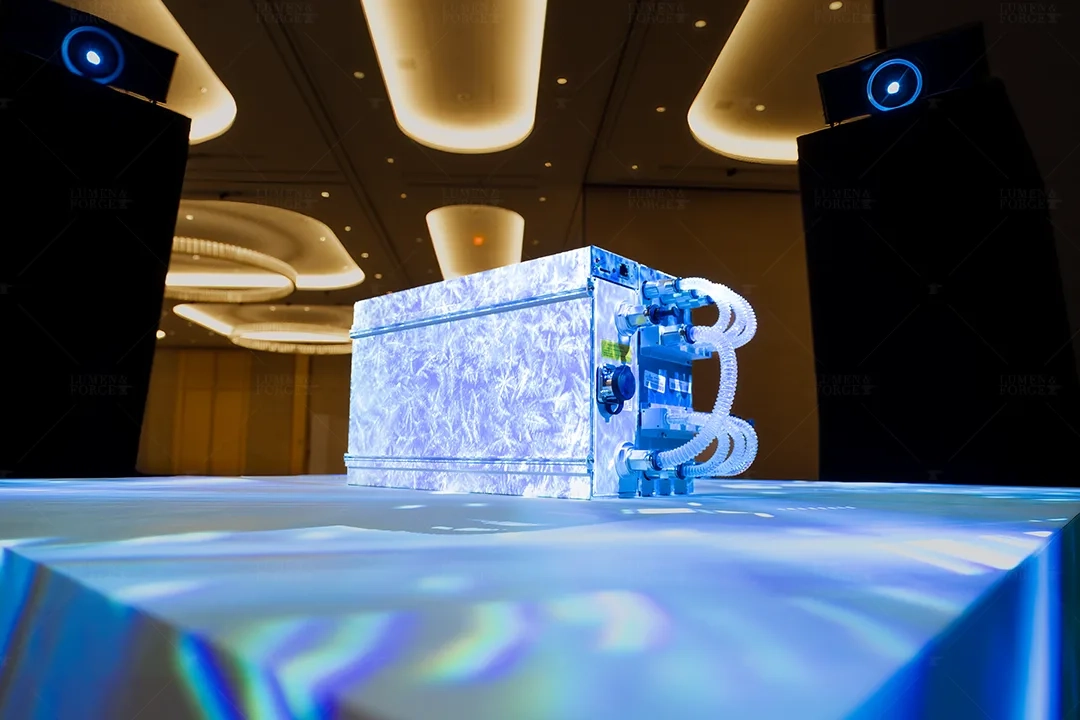
Object and Product Projection Mapping
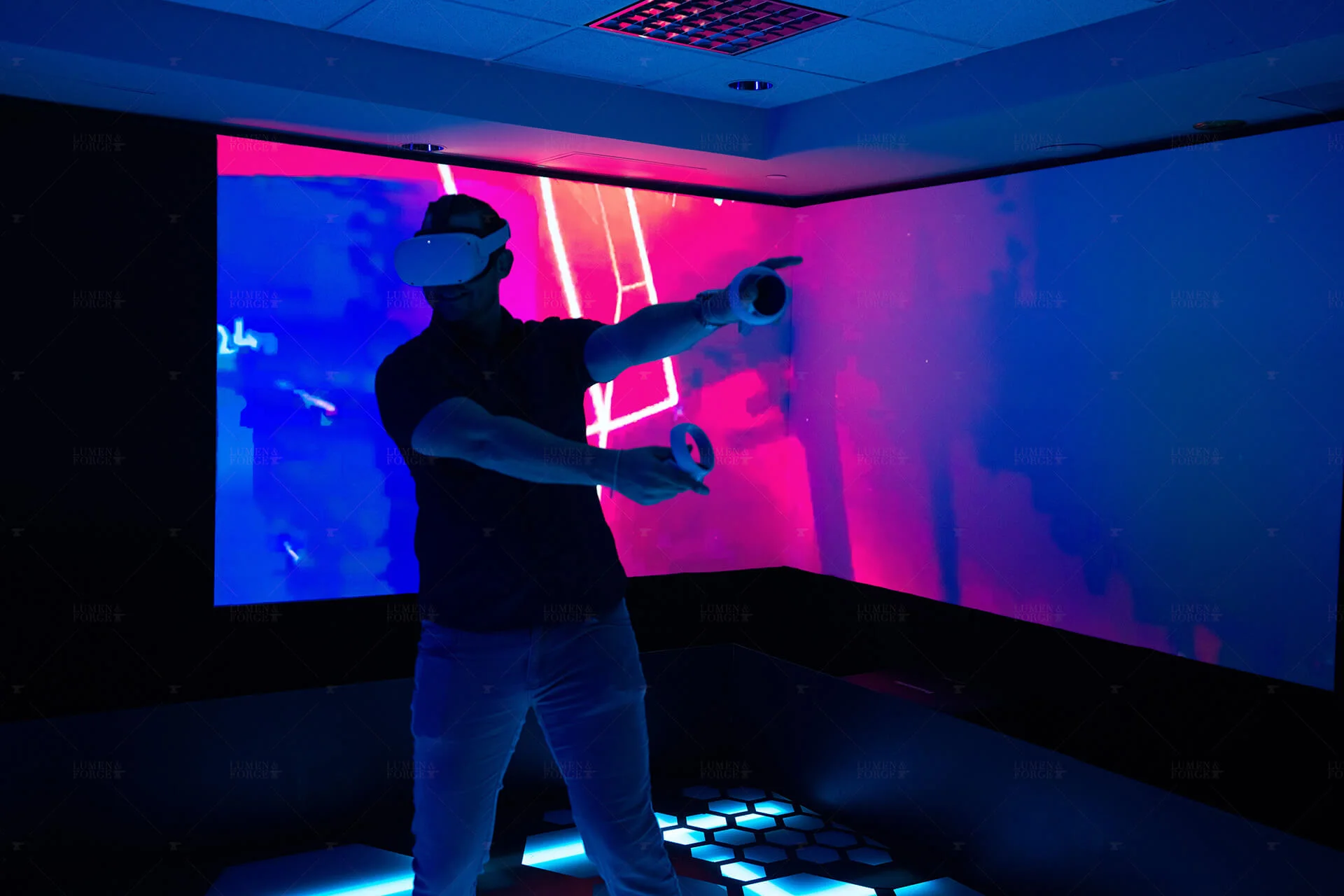
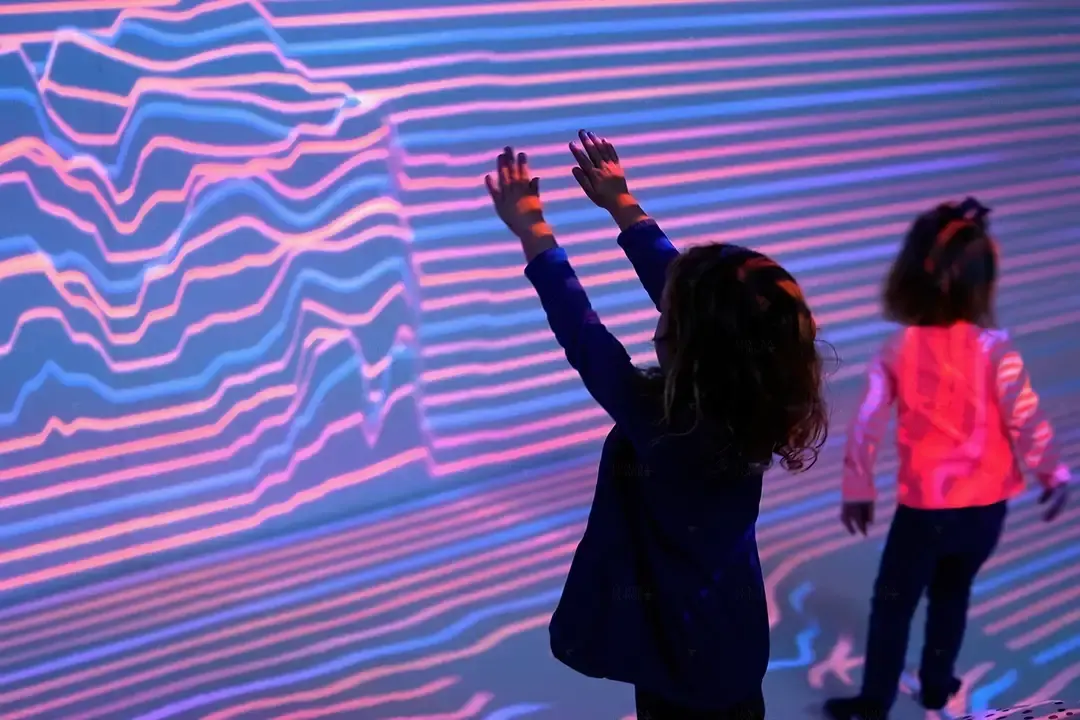
Interactive Projection
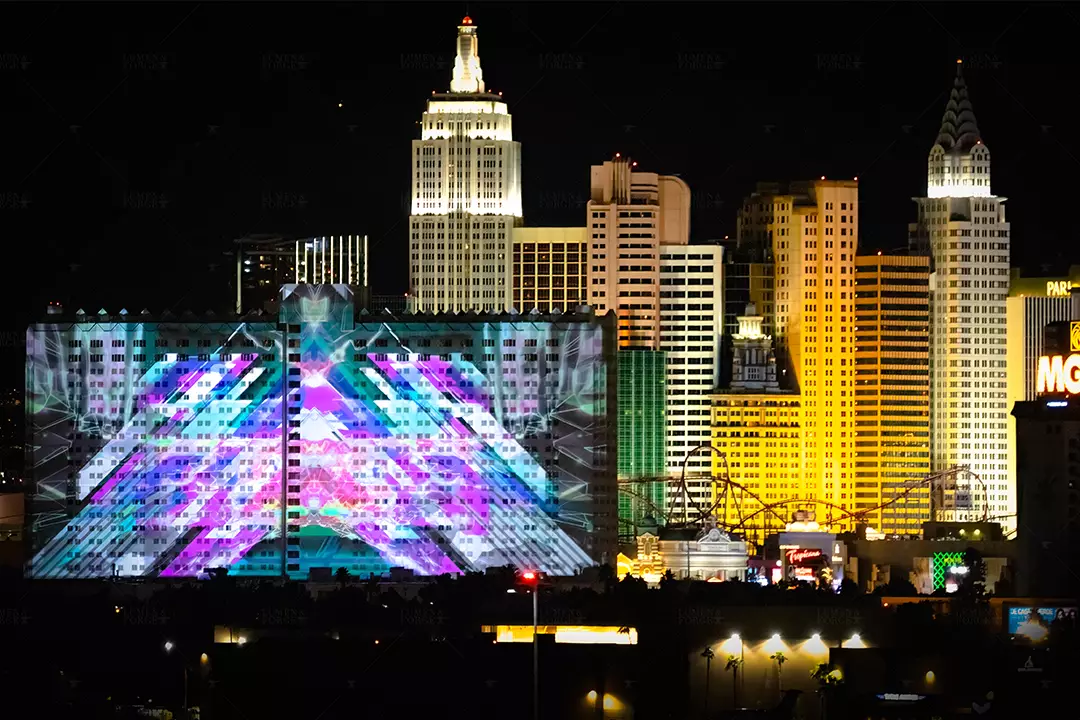
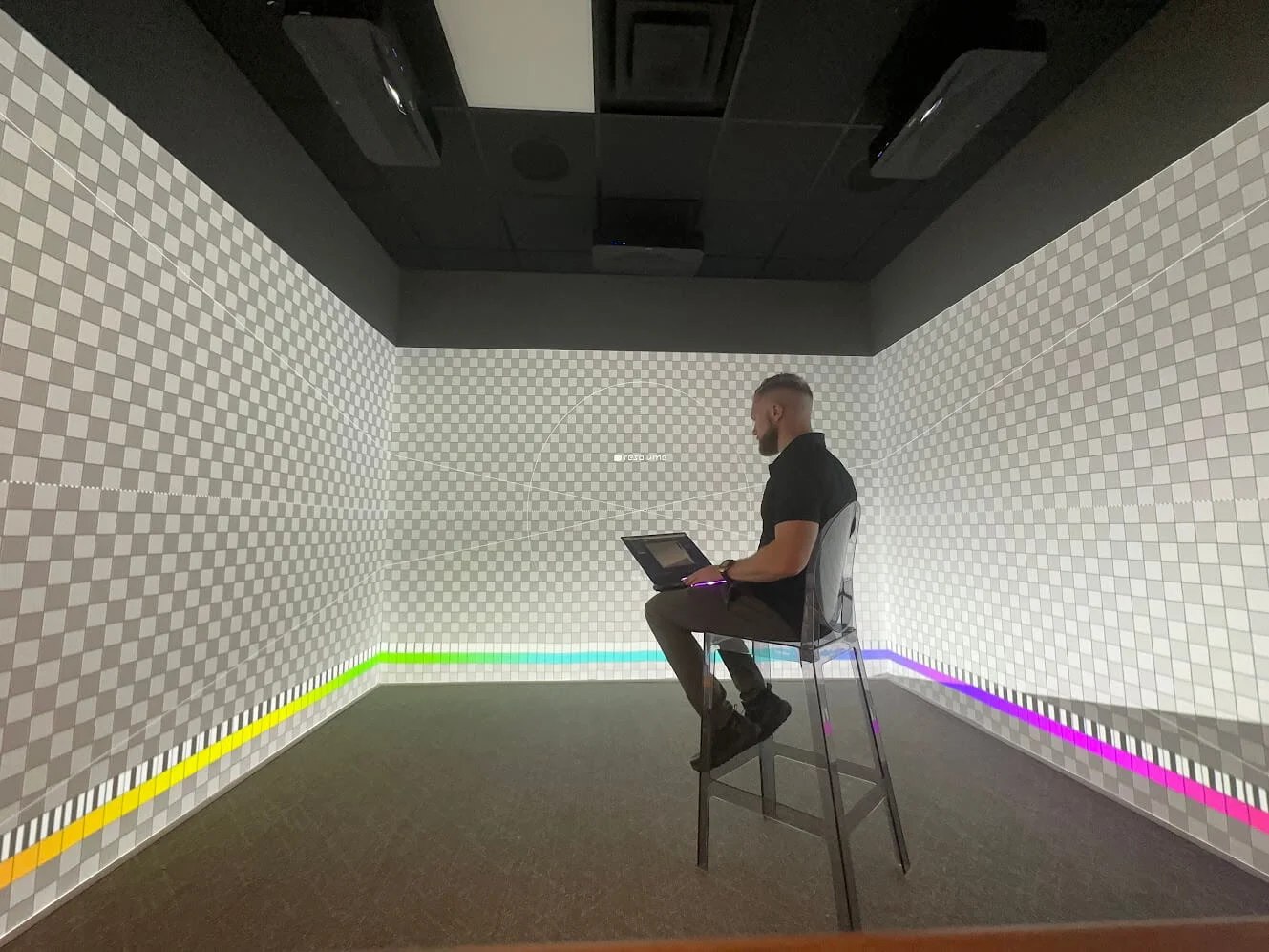
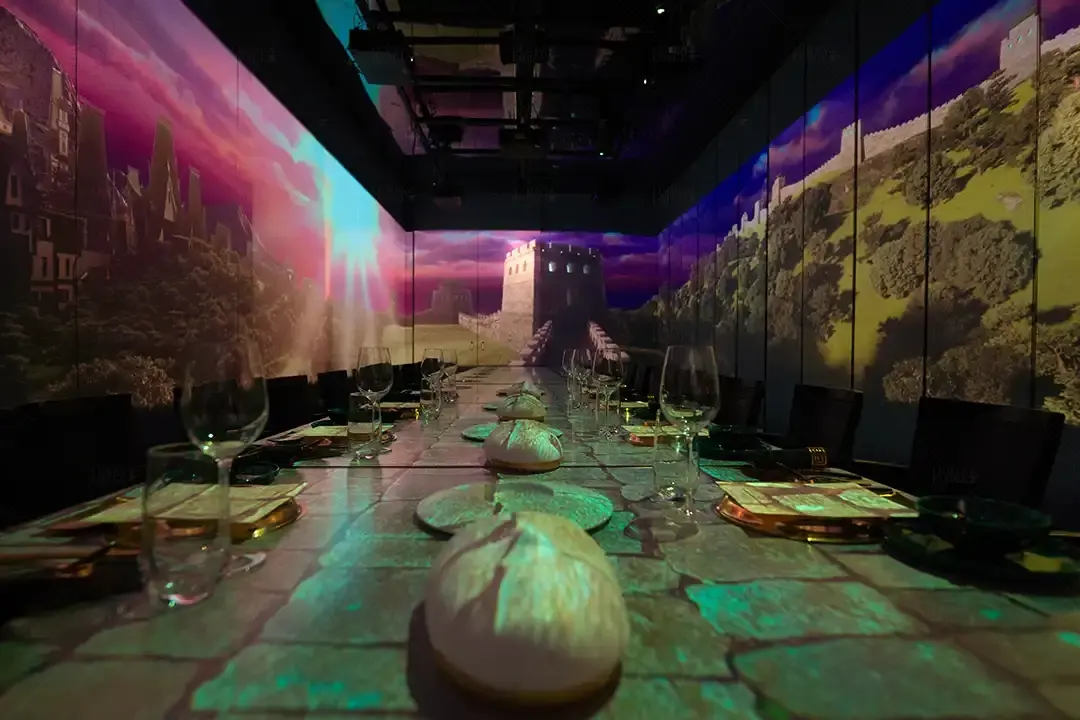
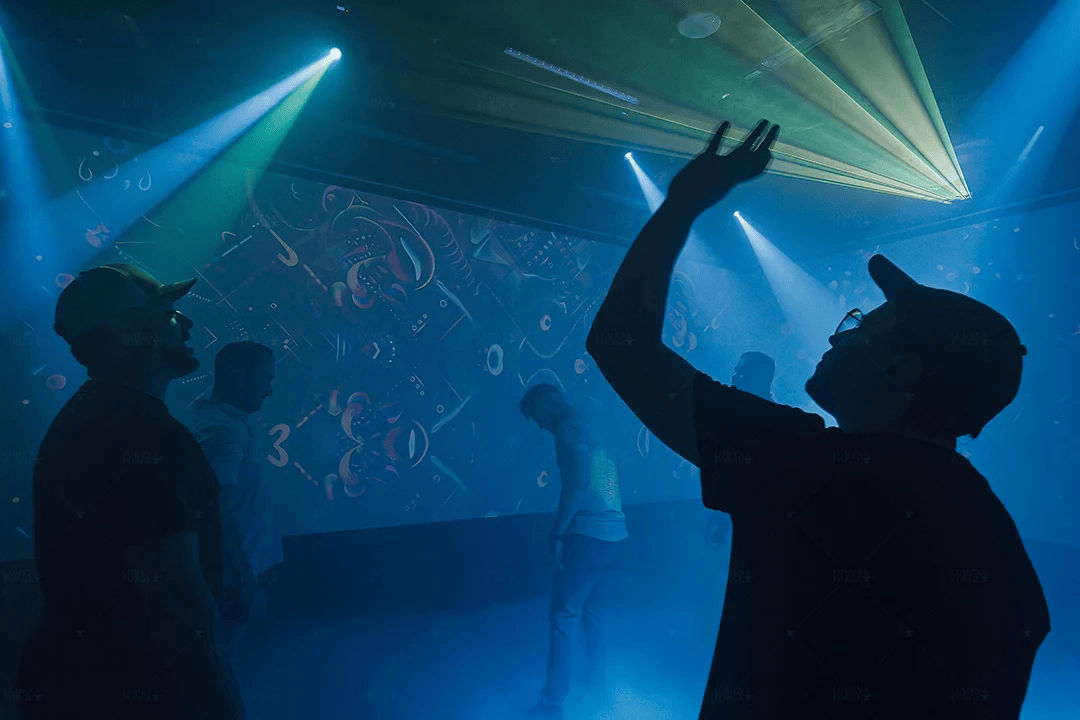
Room and Environment Mapping
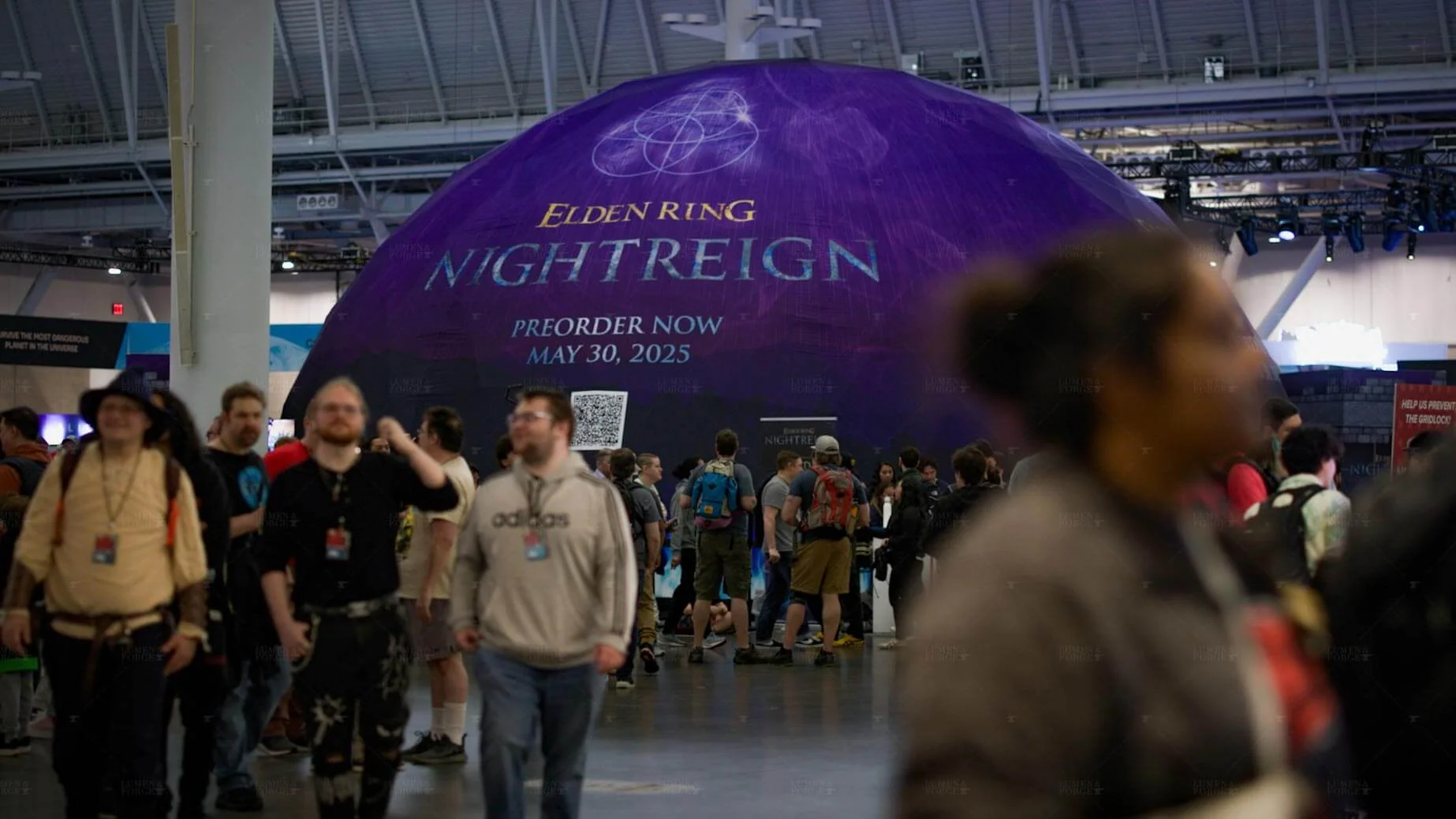
Dome Projection
Why Madison Is a Natural Fit for Projection Mapping
Madison is a market where a crowd shows up ready to be interested. The city runs on an educated, curious audience shaped by the university, state government and a dense cluster of research and health care employers, and that audience carries high expectations into every activation. People here read, ask questions and compare what they see against everything else competing for their attention that weekend. A large, bright image on a wall earns a first glance. What holds the crowd is a concept with something underneath it: a story tied to the place, a design that rewards a second look, an interaction that gives people a reason to stay and bring someone back with them.
The calendar sets the bar. Concerts on the Square draws thousands to the Capitol grounds across June and July, and Art Fair on the Square follows in July with a crowd already primed for visual work. Taste of Madison takes over Labor Day weekend, the Great Taste of the Midwest fills August, and the Madison Mini Marathon and IRONMAN Wisconsin bring athletes, families and spectators into the same corridors. Add the Wisconsin Film Festival in April and the seasons at the Overture Center for the Arts, The Sylvee, the Orpheum Theater and Breese Stevens Field, and the city has a steady rhythm of events whose audiences have seen a lot of production. Projection mapping has to feel native to that rhythm rather than dropped in from somewhere else.
Venue context matters as much as crowd size. Monona Terrace Community and Convention Center, the Alliant Energy Center and the Kohl Center each carry their own architecture, sightlines and scheduling realities. Camp Randall Stadium, the Wisconsin State Capitol, the Chazen Museum of Art, the Madison Museum of Contemporary Art and the Memorial Union Terrace bring different expectations again, from game-day energy to the quieter attention a museum facade invites. Marketers working in higher education and university research, state government and associations, health care and biotech, insurance and financial services, tech and software, and tourism and conventions are all speaking to the same sophisticated audience. Spectacle alone reads as noise to people who spend their week evaluating evidence.
That is why the strongest activations here pair ambition with precision. A projection program that understands what an event means to the city, respects the building it lands on and gives the audience a clear idea to walk away with will outperform a bigger, louder display with nothing behind it. Planning early helps. Special event permits for parks and street use go through the City of Madison Parks Division at 330 E. Lakeside St., with new park events applying 180 days ahead, returning or small events at 60 days, and street closures needing at least 30 days. In a city this event-literate, the details are part of the impression.
Lumen and Forge: Your Projection Partner on the Isthmus
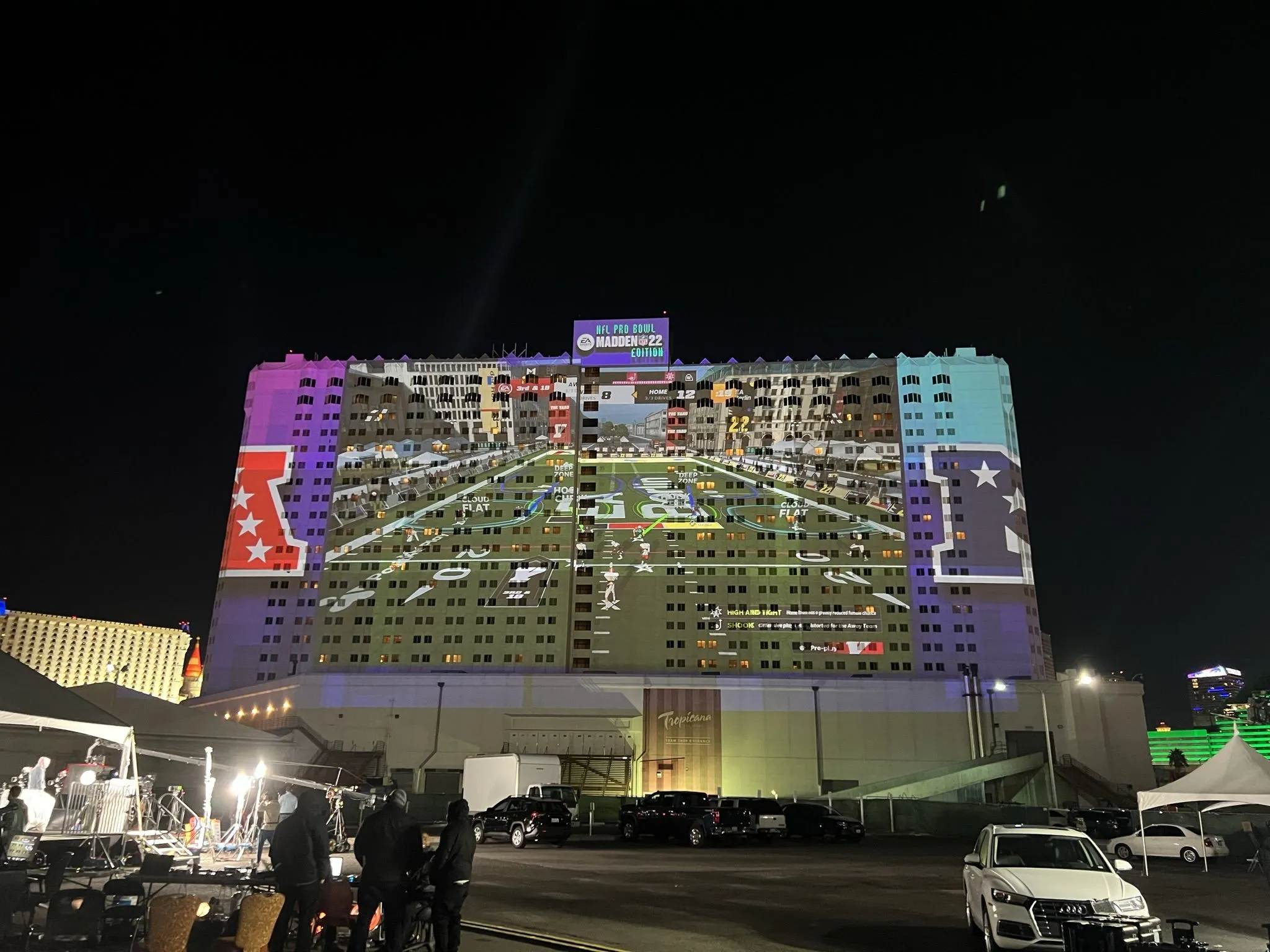
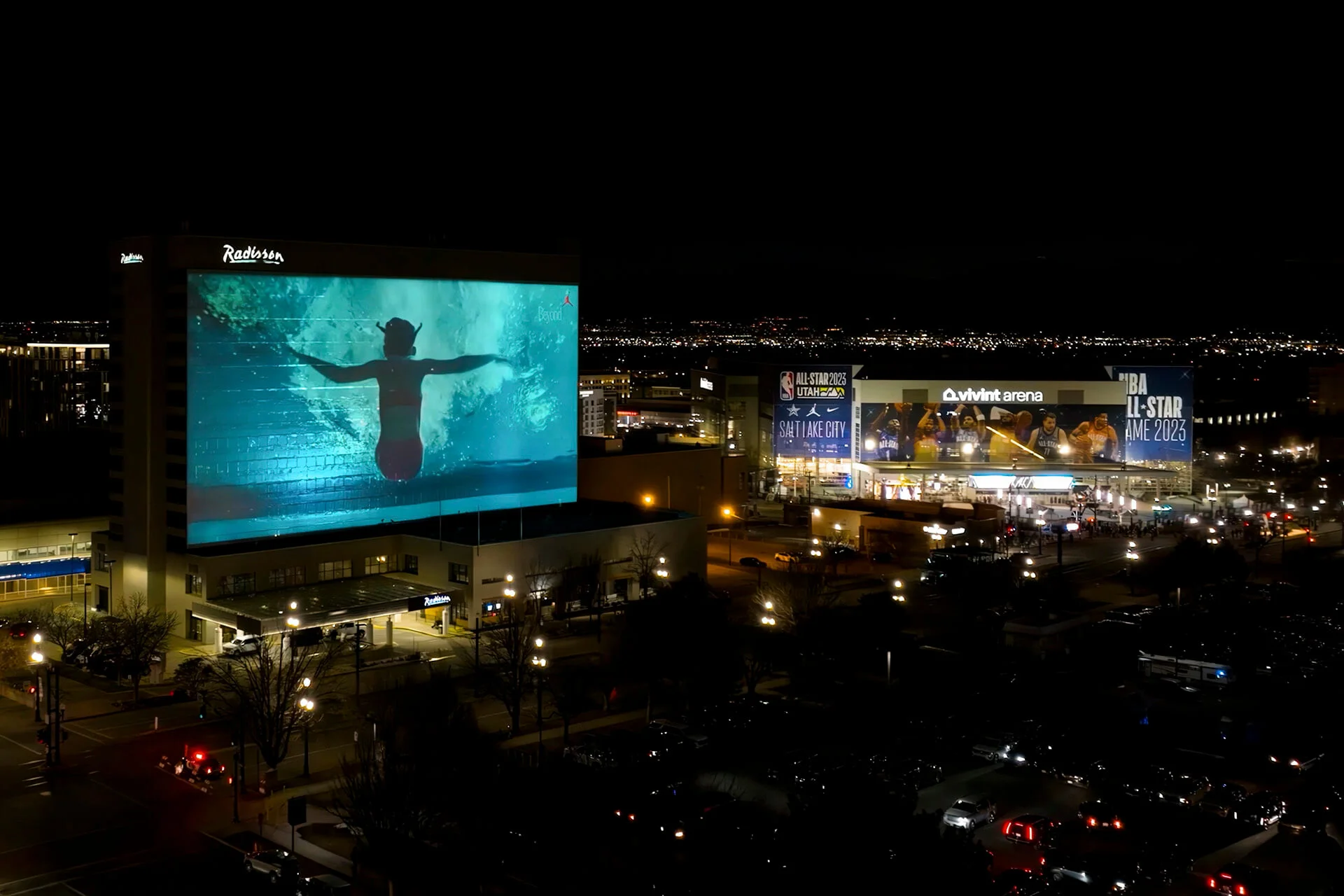
Over 15 years of producing large-scale projection mapping and immersive experiences for globally recognized brands gives Lumen and Forge the operational depth Madison productions require. Our portfolio includes building projections for Nike and Air Jordan at NBA All-Star Weekend, large-scale convention experiences for Toyota, McLaren, and Mastercard, a world record video game screen at the Tropicana, and the Beneath the Blue 360-degree dome for National Geographic. Our team is comfortable working alongside experienced production crews and holding a technical standard in front of an audience that knows the difference, which is exactly what Madison requires.
Who We Work With in Madison
Madison's mix of institutions, agencies and event producers means projection mapping gets briefed for very different reasons. These are the client types we hear from most.
- Higher education and university research. Development offices, research centers and academic programs commission building projection and room-scale environments for donor events, campaign launches and public-facing research showcases. Content often needs to balance institutional restraint with a moment that still reads across a crowded hall.
- State government and associations. Agencies, advocacy groups and professional associations use object mapping and interior projection for annual meetings, policy briefings and member receptions, where the message has to be clear and the installation has to work inside a schedule of speeches.
- Health care and biotech. Hospital systems and life science companies bring us in for recruitment events, facility milestones and conference presence, translating complex work into visuals an audience can follow without a narrator.
- Insurance and financial services. Regional firms and their event partners book projection for client appreciation evenings, sales conferences and sponsorships, usually with tight brand guidelines and a short load-in window.
- Tech and software. Product marketing teams use interactive installations and building projection to draw traffic at launches and user conferences, and to give a physical venue the same polish as a digital product.
- Tourism and conventions. Destination marketers, meeting planners and event producers working around Monona Terrace Community and Convention Center, the Alliant Energy Center and downtown venues want projection that gives out-of-town attendees a reason to step outside the session room.
Across all six, the work tends to land on the same calendar: spring and fall conference seasons, summer programming, and the run of events from Concerts on the Square through Taste of Madison.
Ready to Light Up the Isthmus?
Madison rewards work that feels considered: a building projection that respects the Capitol view, an installation that holds its own inside the Chazen or the Madison Museum of Contemporary Art, a room-scale environment that keeps a Kohl Center crowd or a Taste of Madison audience moving. That is the standard Lumen and Forge brings after more than 15 years of projection mapping and immersive work for brands such as Nike and Air Jordan, Toyota, McLaren and Mastercard.
If you are planning a launch, a convention, a festival or a game day, tell us what you have in mind and we will help you shape it.
Frequently Asked Questions: Projection Mapping in Madison
Standard projection displays a flat image on a flat screen or white wall. Projection mapping uses specialized software to warp, align, and calibrate video content so it fits precisely onto any three-dimensional surface, whether that is a building exterior, a custom sculpture, a vehicle, or an entire room. The software accounts for every edge, angle, and curve, so the content appears to belong to the object itself rather than simply being cast onto it. In a city full of working production professionals, that level of precision is what separates a real installation from a lighting effect.
Yes. Outdoor projection mapping works in Madison, but the calendar and the clock decide the schedule. Summer gives you the longest evenings, and sunset after 8 p.m. in June and July means large-scale building projection at venues like Breese Stevens Field or the Wisconsin State Capitol starts late and runs short. Spring and fall bring earlier darkness and better contrast, while winter cold and snow call for weather-rated hardware and heated enclosures. Concerts on the Square and Taste of Madison sit in the brightest ambient light, so plan those activations for after dusk.
Monona Terrace Community and Convention Center offers a lakeside setting ideal for large-scale building projection, while the Wisconsin State Capitol gives civic events a landmark canvas. The Overture Center for the Arts and Orpheum Theater suit intimate, design-forward projections, and Camp Randall Stadium and the Kohl Center handle big-audience spectacle.
The highest-impact Madison activations cluster around Concerts on the Square and Art Fair on the Square, when downtown foot traffic peaks around the Capitol. Taste of Madison over Labor Day weekend and the Great Taste of the Midwest bring large, social crowds. The Wisconsin Film Festival and Madison Mini Marathon reach different audiences, while IRONMAN Wisconsin offers a statewide spotlight for a finish-line or transition-area projection.
Yes. Lumen and Forge coordinates permits, power, rigging and site logistics directly with your venue, so your team is not chasing separate vendors in the run-up to the event. For park and street use, we work through the City of Madison Parks Division at 330 E. Lakeside St., where new park events should apply 180 days ahead, returning or small events 60 days ahead, and street closures at least 30 days out. We build that timeline into production from the start.
The cost of projection mapping in Madison depends on the scale of the surface and the complexity of the content, along with event duration, equipment and crew requirements. A single wall at an indoor venue such as the Overture Center for the Arts calls for a different budget than a façade-scale building projection or a room-scale environment at Monona Terrace Community and Convention Center. Because each project is scoped individually, Lumen and Forge prices after reviewing your site, your goals and your timeline, so contact the studio to discuss your event.
Lead time depends on the scale of the project. Custom content, a site survey, equipment and crew scheduling, and permitting all take time, and large building projections and outdoor events need the longest runway. For park or street events, the City of Madison Parks Division recommends applying 180 days ahead for new park events, 60 days for returning or small events, and at least 30 days for street closures. Get in touch as soon as the venue and date are known.
Projection mapping paints light onto a shaped or irregular surface so the image conforms to it. 3D projection mapping goes further, using a depth model of the surface so content wraps corners, recesses and curves with accurate perspective from the viewer's position. At Camp Randall Stadium, for example, that means artwork can follow the stadium's structural geometry rather than sitting flat on a screen, which is why 3D mapping reads as dimensional instead of pasted on.
In addition to projection mapping, we offer dome projection for fully immersive 360-degree spherical experiences, event and project design for end-to-end production planning, and animation and visual storytelling for original content creation. Many of our Madison clients combine projection mapping with one or more of these services into a single integrated production. We are a full-service immersive experience company, and the strongest work we build is conceived as a whole from the first conversation.
Do you have more questions?
Didn't find what you were looking for? Our team is happy to walk you through your project and answer anything else