

A Lakefront City Built on Brick, Beer and Big Festivals
Milwaukee packs a dense calendar of large-scale events into a compact downtown, and that concentration is what makes it a strong projection mapping market. Summerfest draws crowds to Henry Maier Festival Park from late June into early July, Bastille Days takes over Cathedral Square in July, Milwaukee Irish Fest returns to Henry Maier Festival Park in August, and the Milwaukee Holiday Lights Festival runs from mid-November through January 1 across downtown parks and Wisconsin Avenue. Add Milwaukee Bucks home games at Fiserv Forum from October through April, and the city delivers audiences almost year round.
The venue mix suits ambitious production. Baird Center, Fiserv Forum, American Family Field, the Milwaukee Art Museum, the Harley-Davidson Museum, Discovery World, the Pabst Theater, the Riverside Theater, Milwaukee City Hall and Cathedral Square Park each offer distinct surfaces, sightlines and room for interactive installations, object mapping and room-scale environments.
Milwaukee's industries give brands a reason to activate here: advanced manufacturing, motorcycles and powersports, brewing and beverage, insurance and financial services, healthcare, professional sports, and festivals and live music.
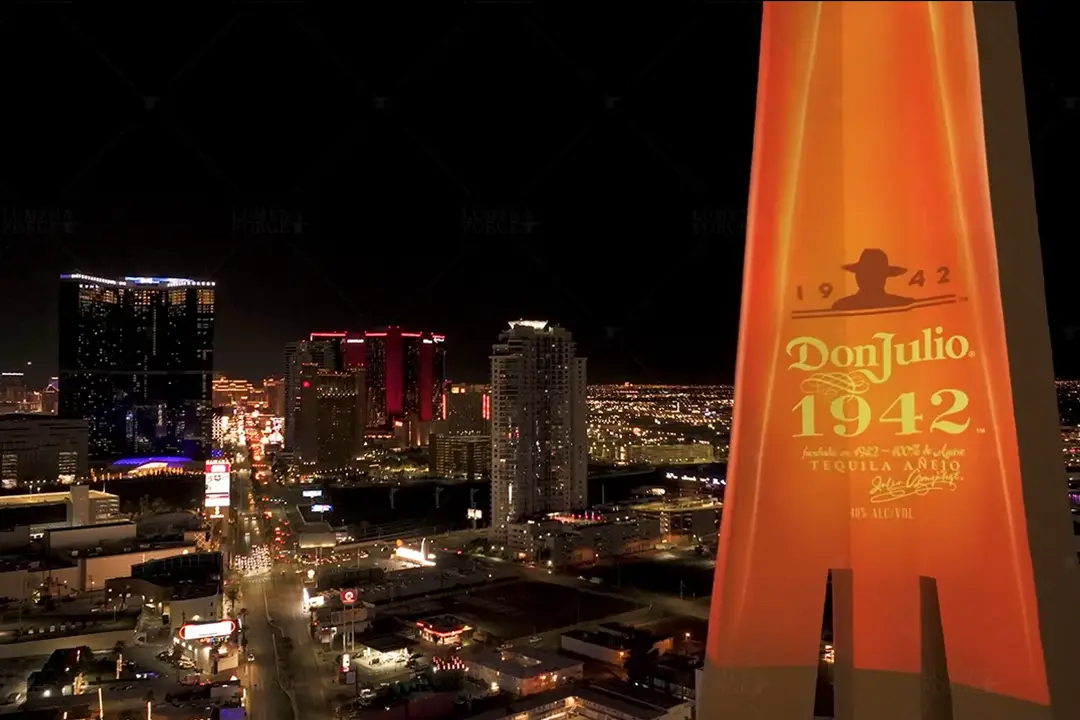
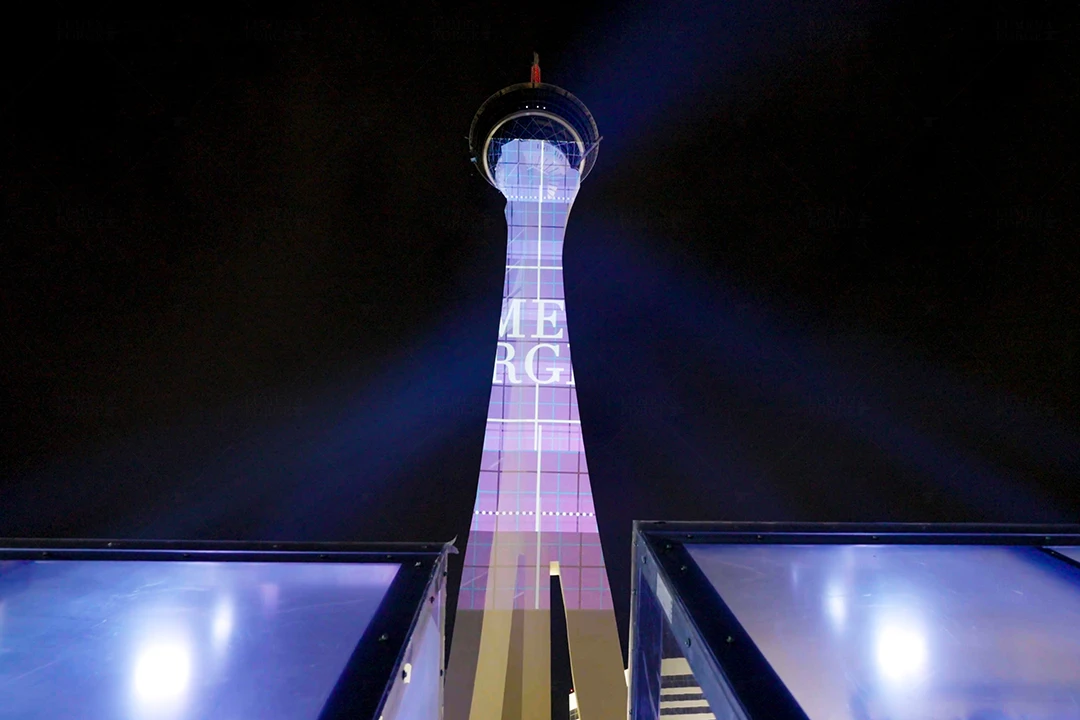
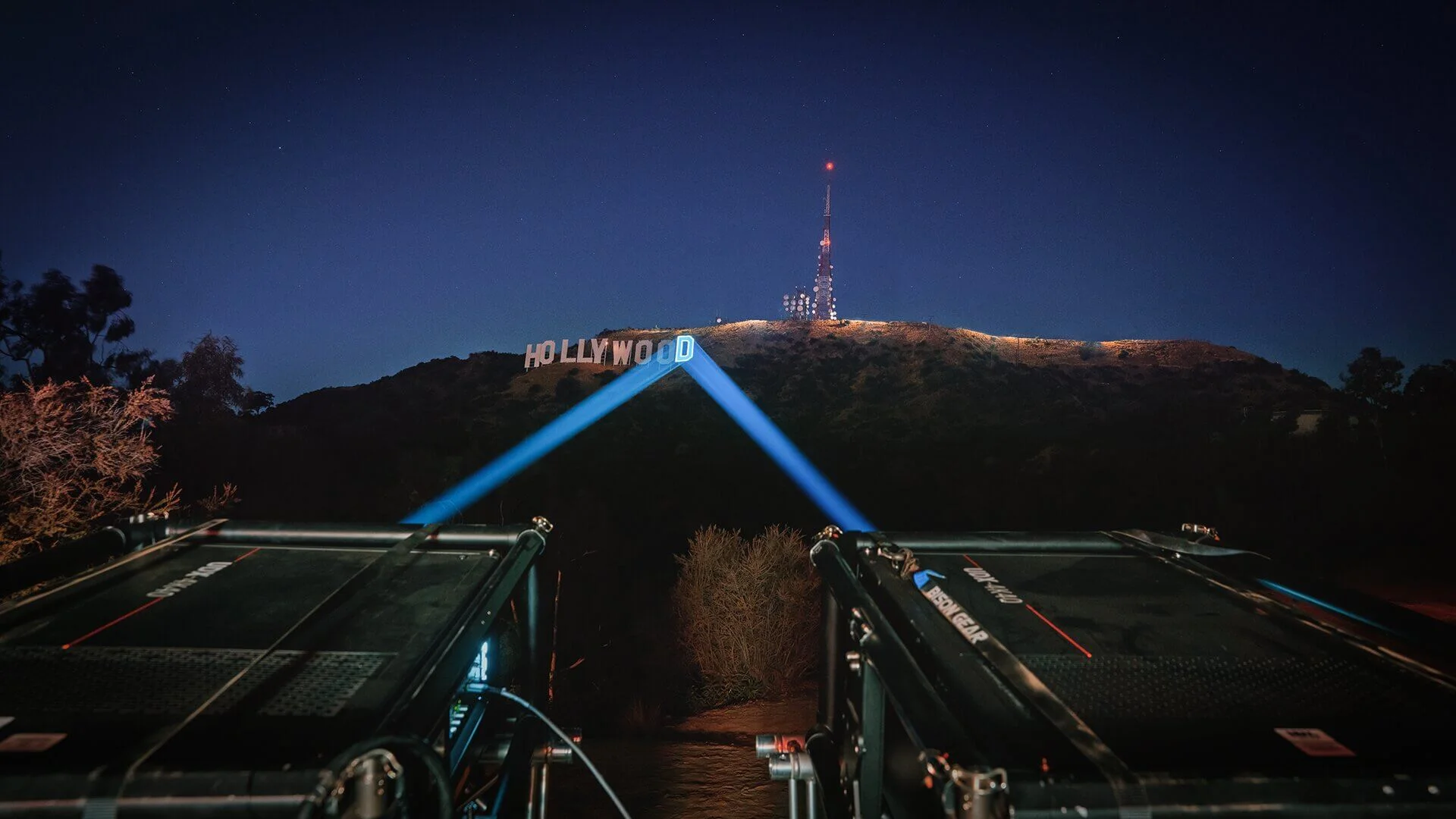
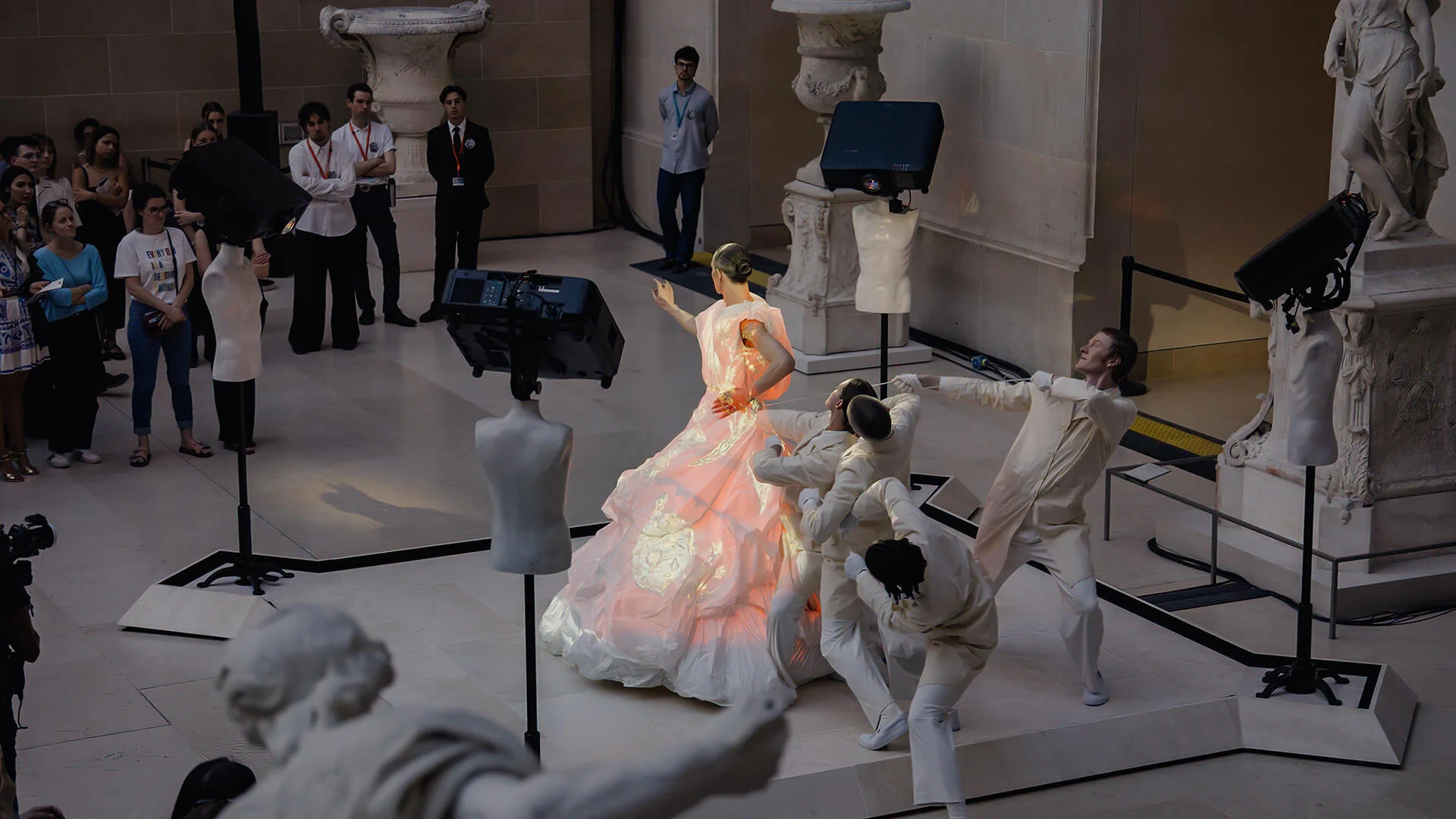
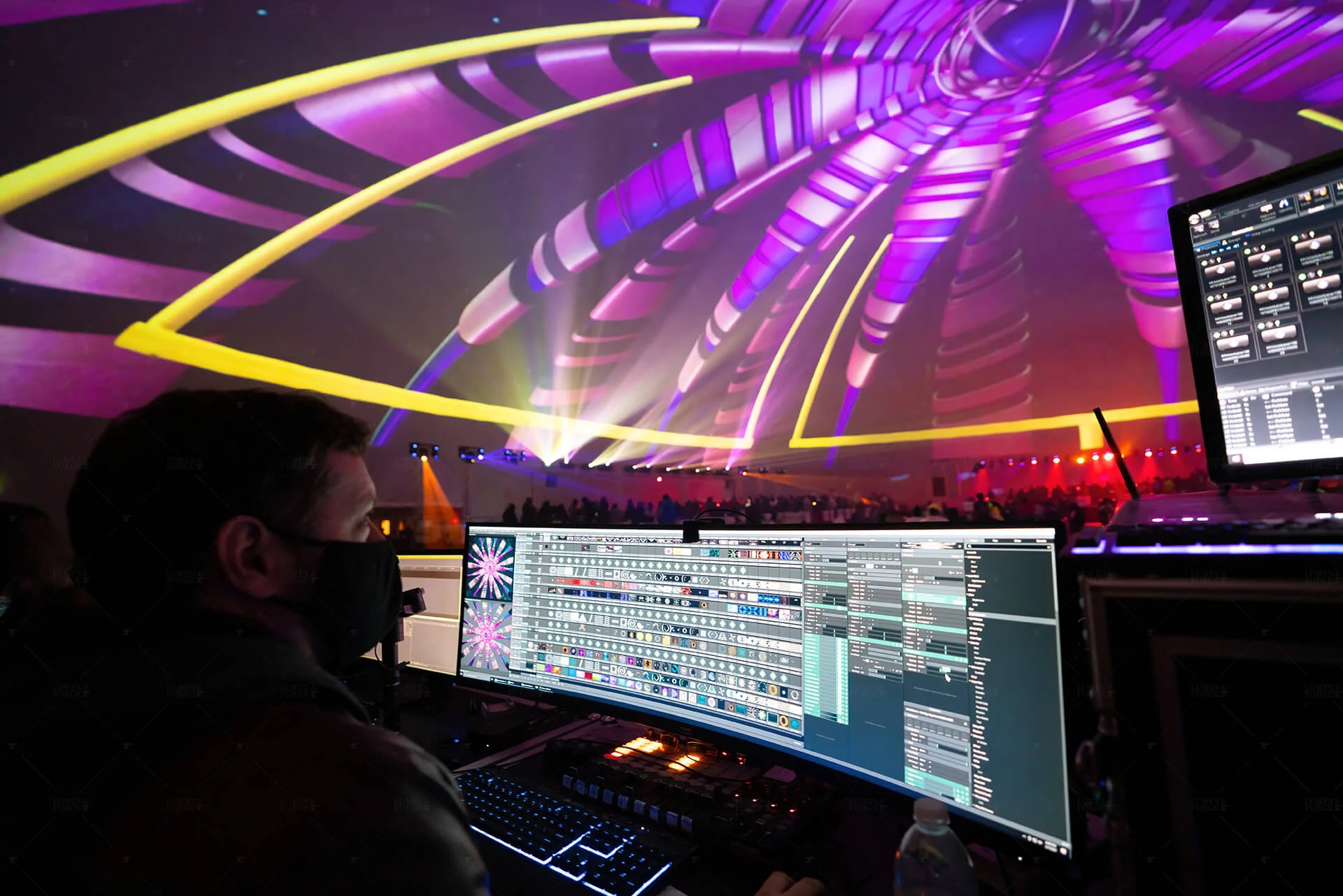
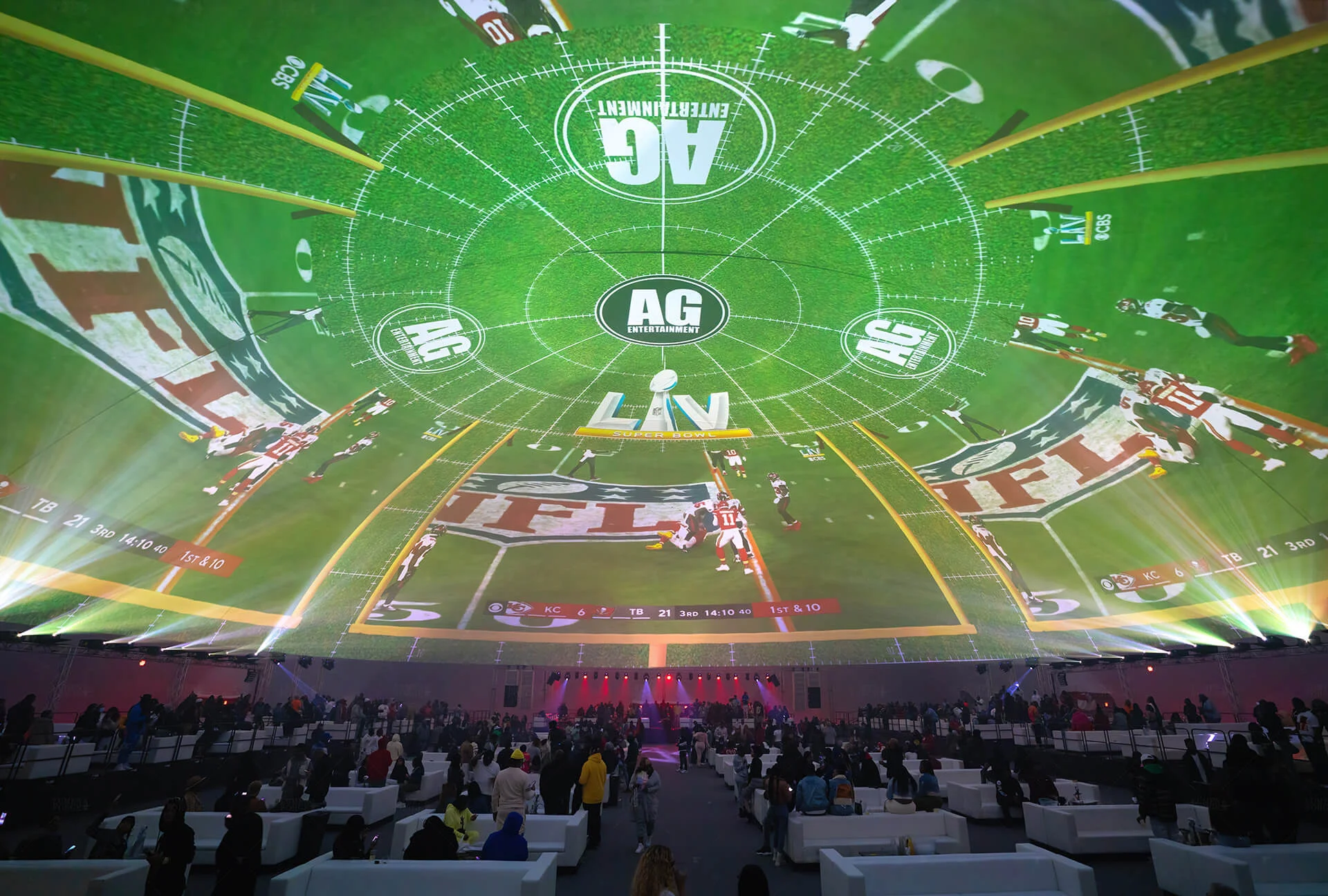
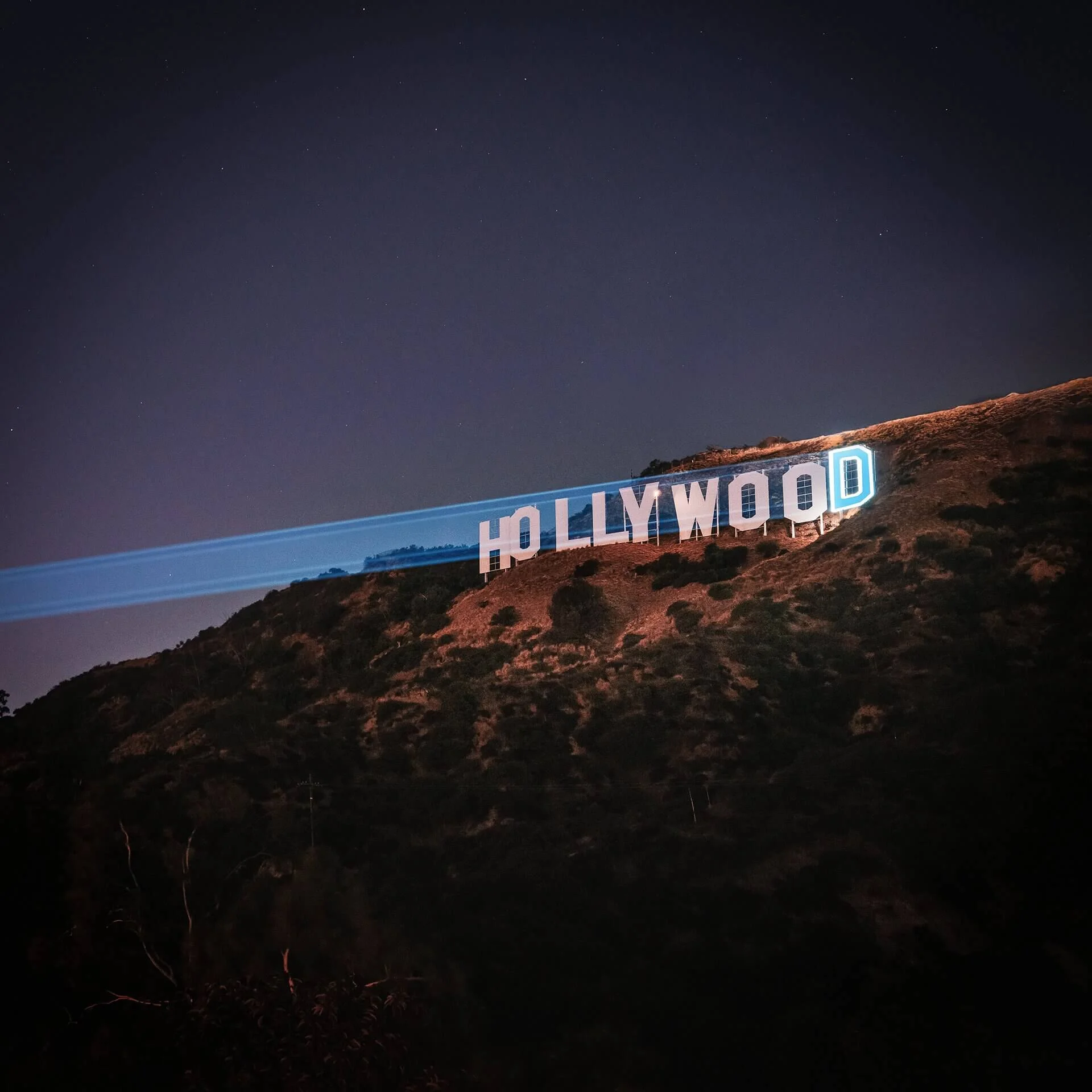
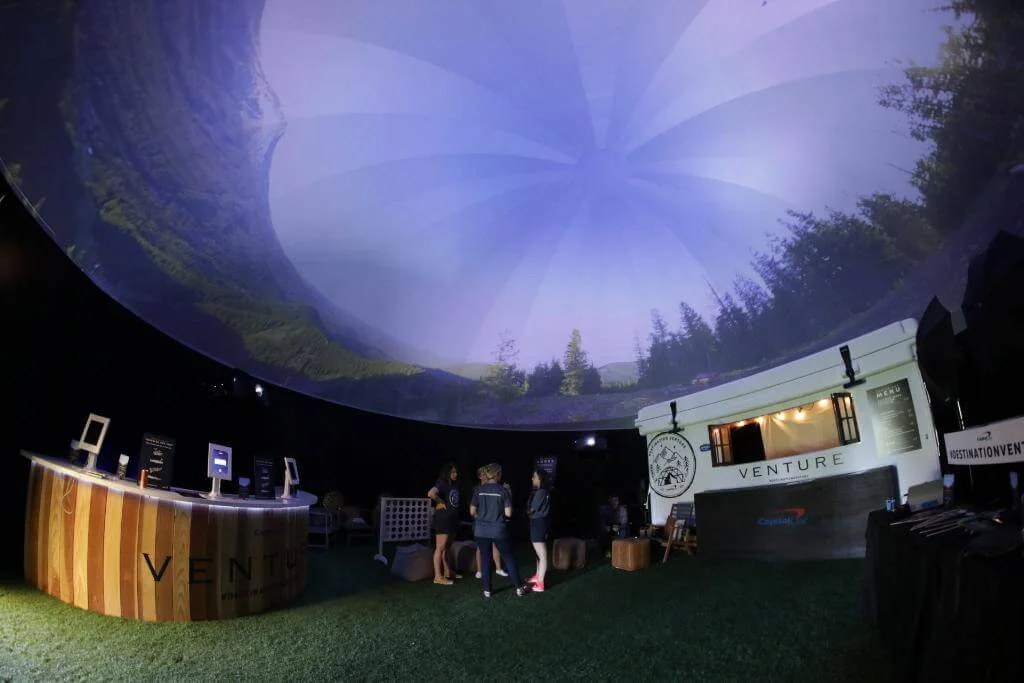
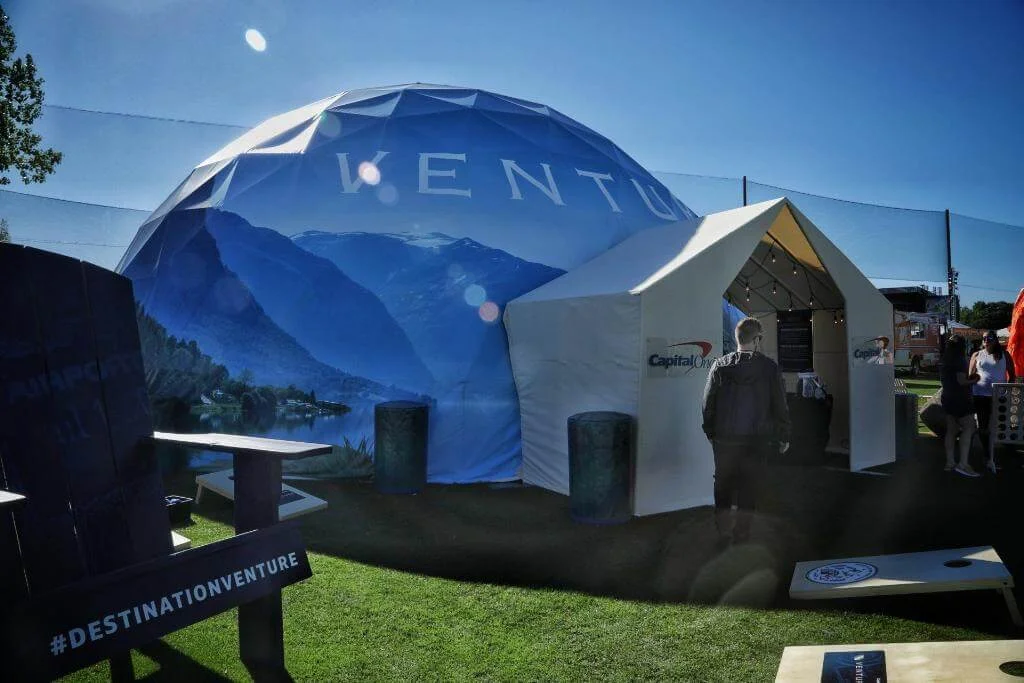
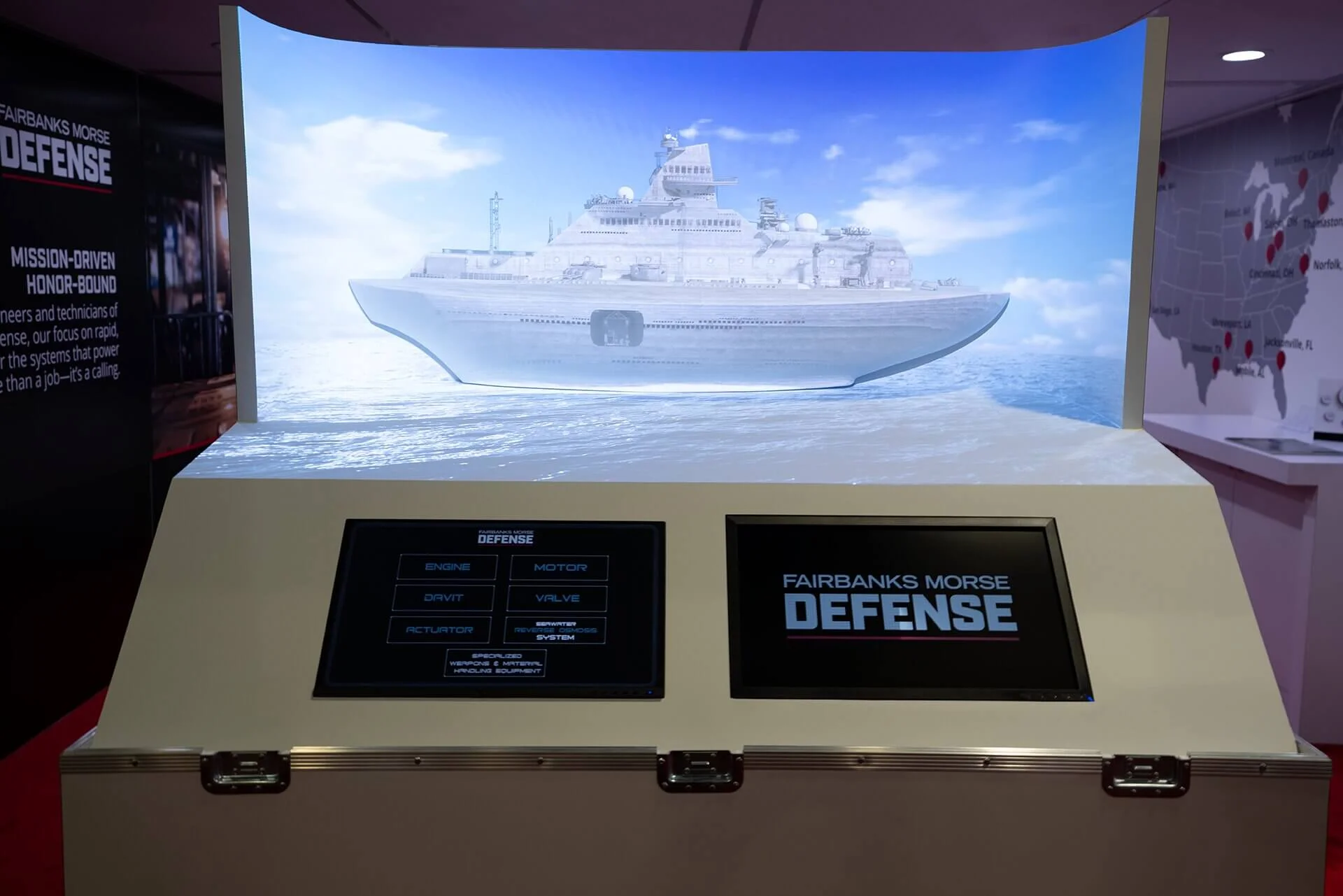
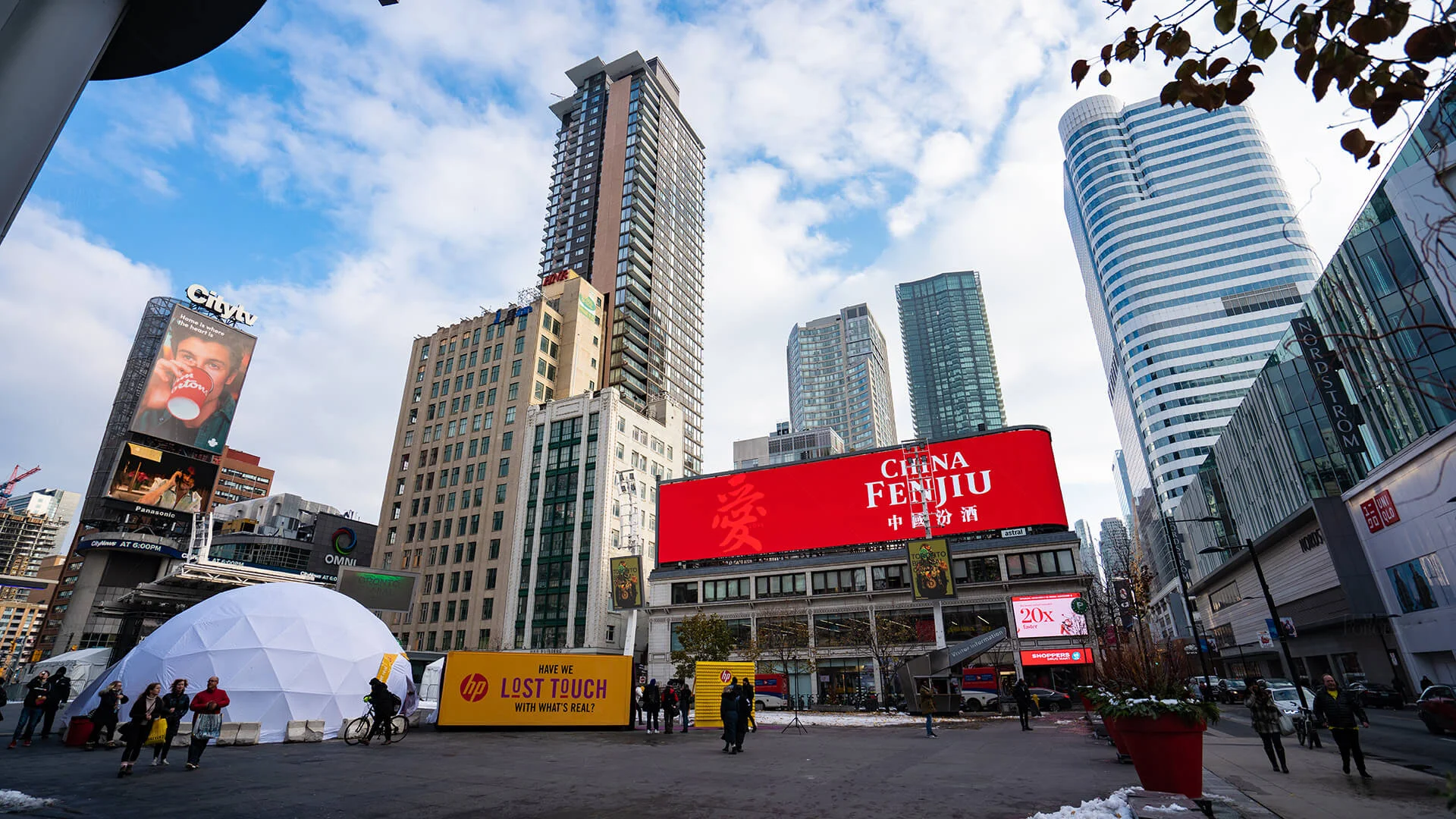
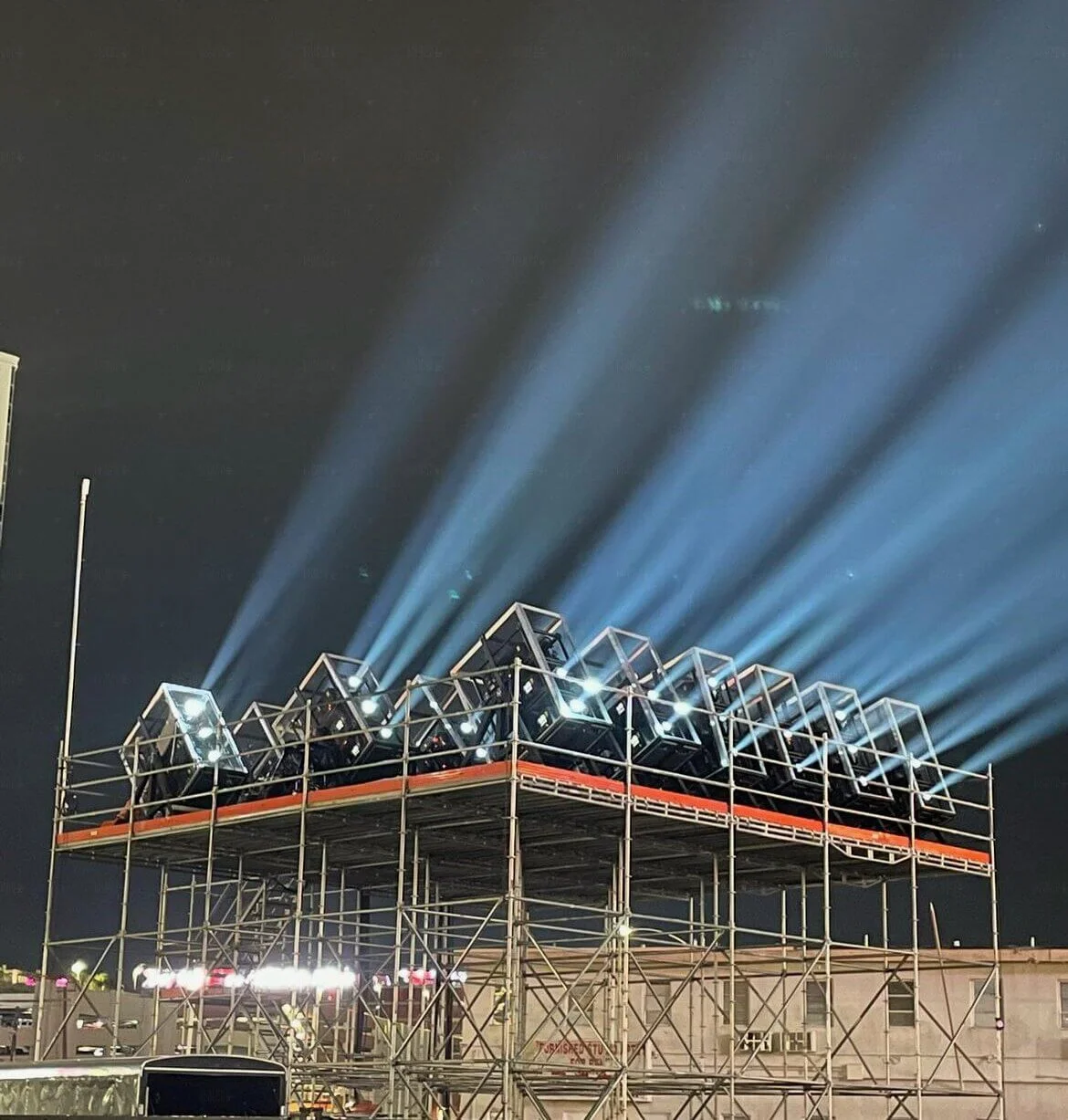
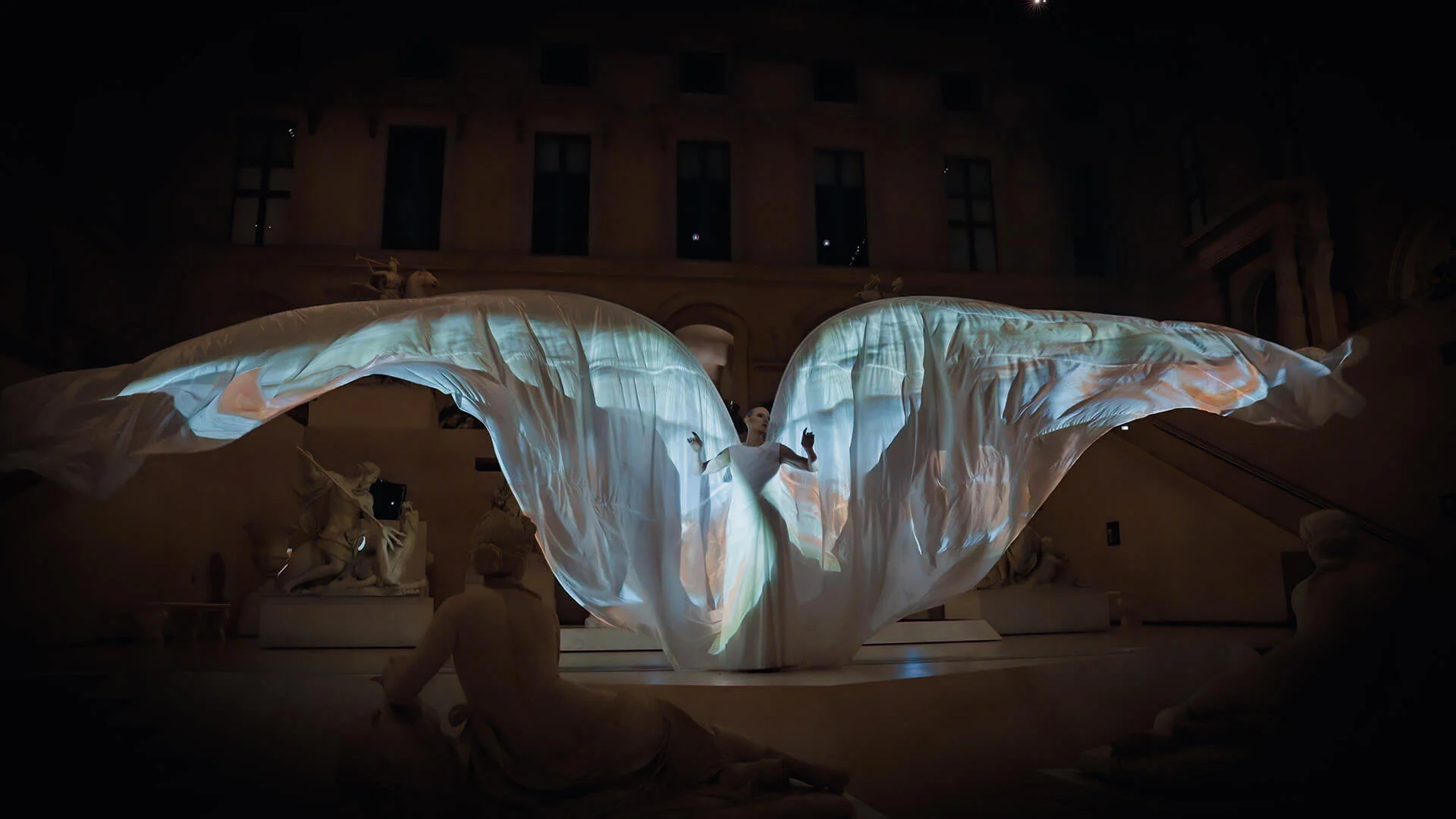
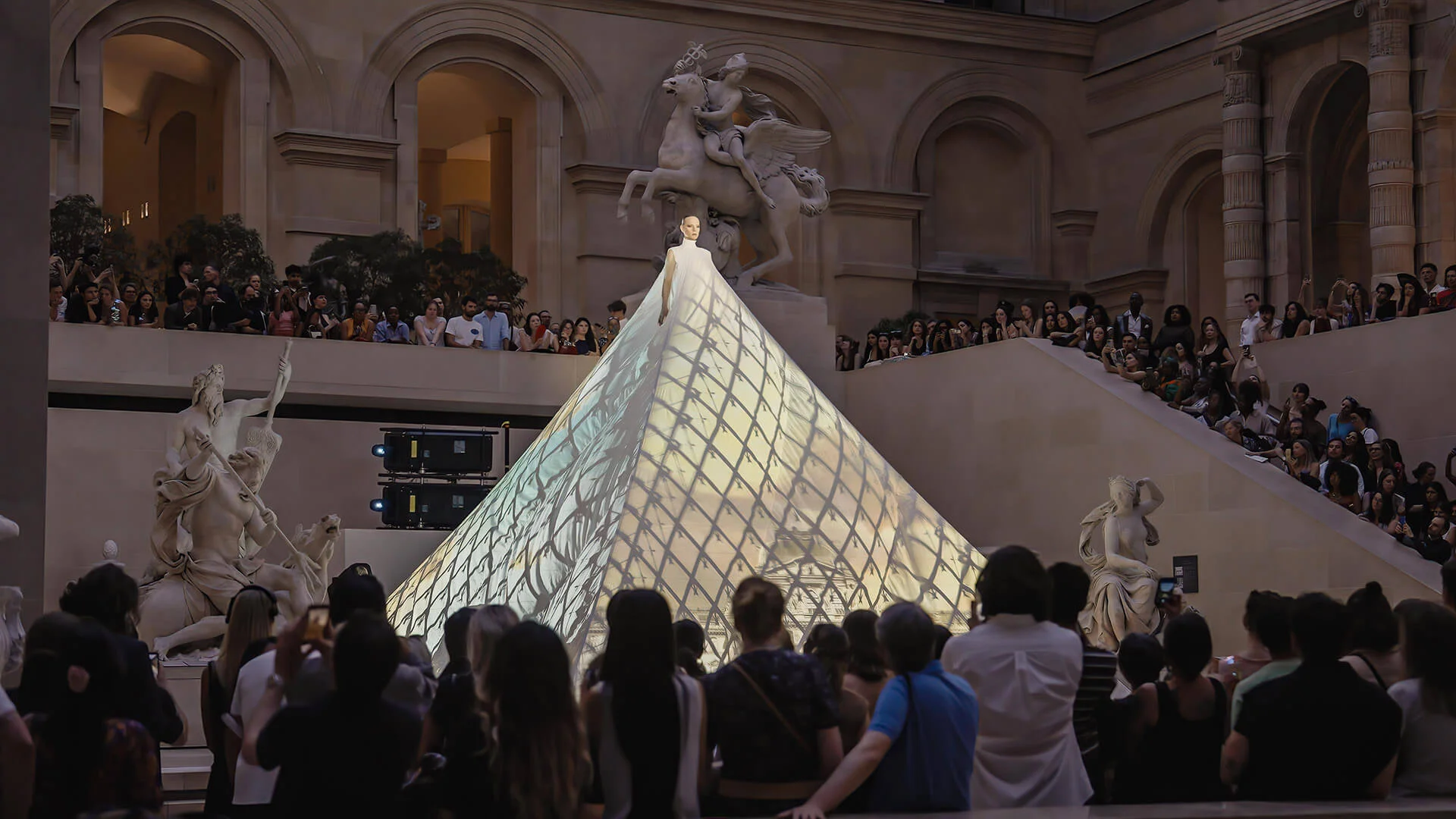
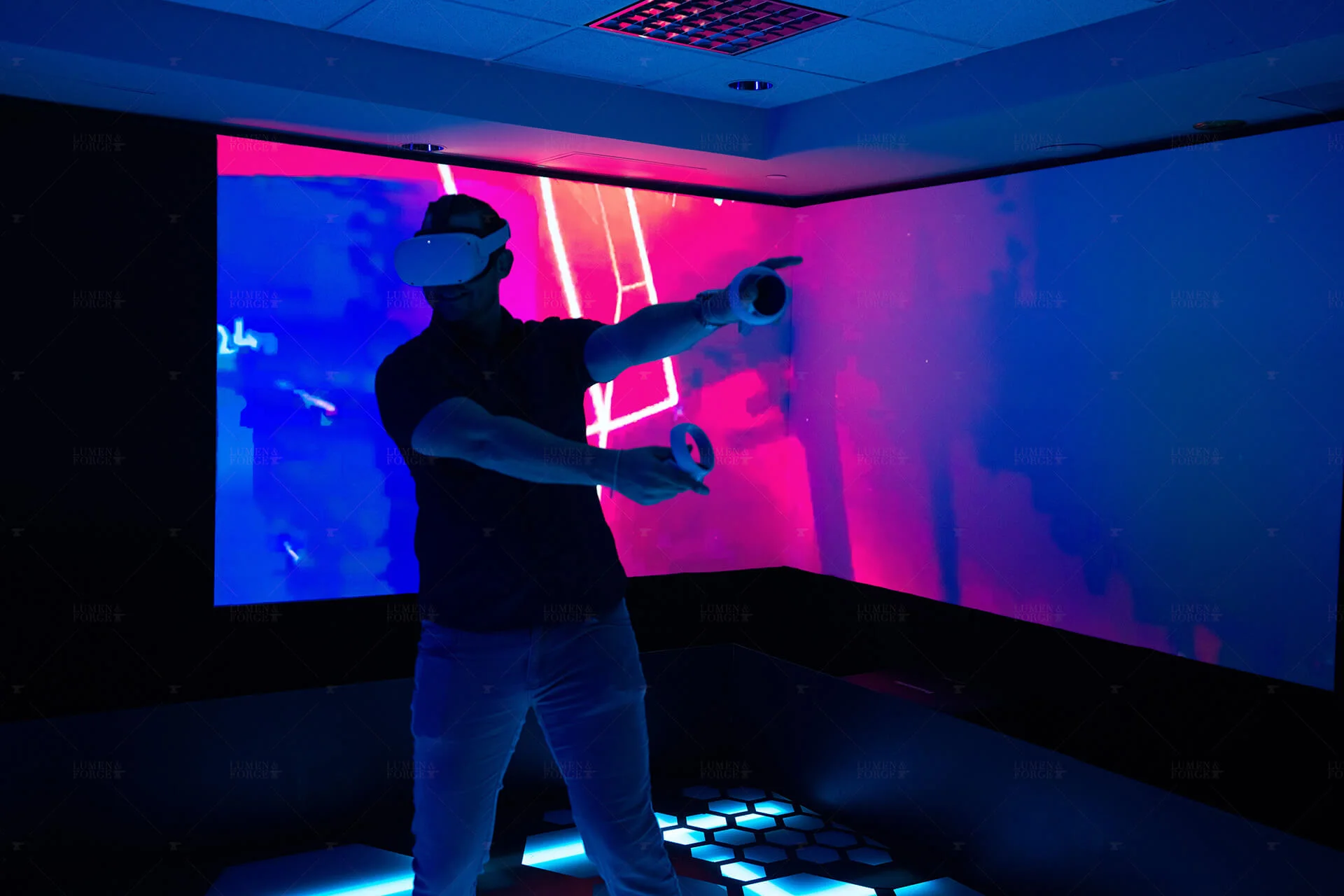
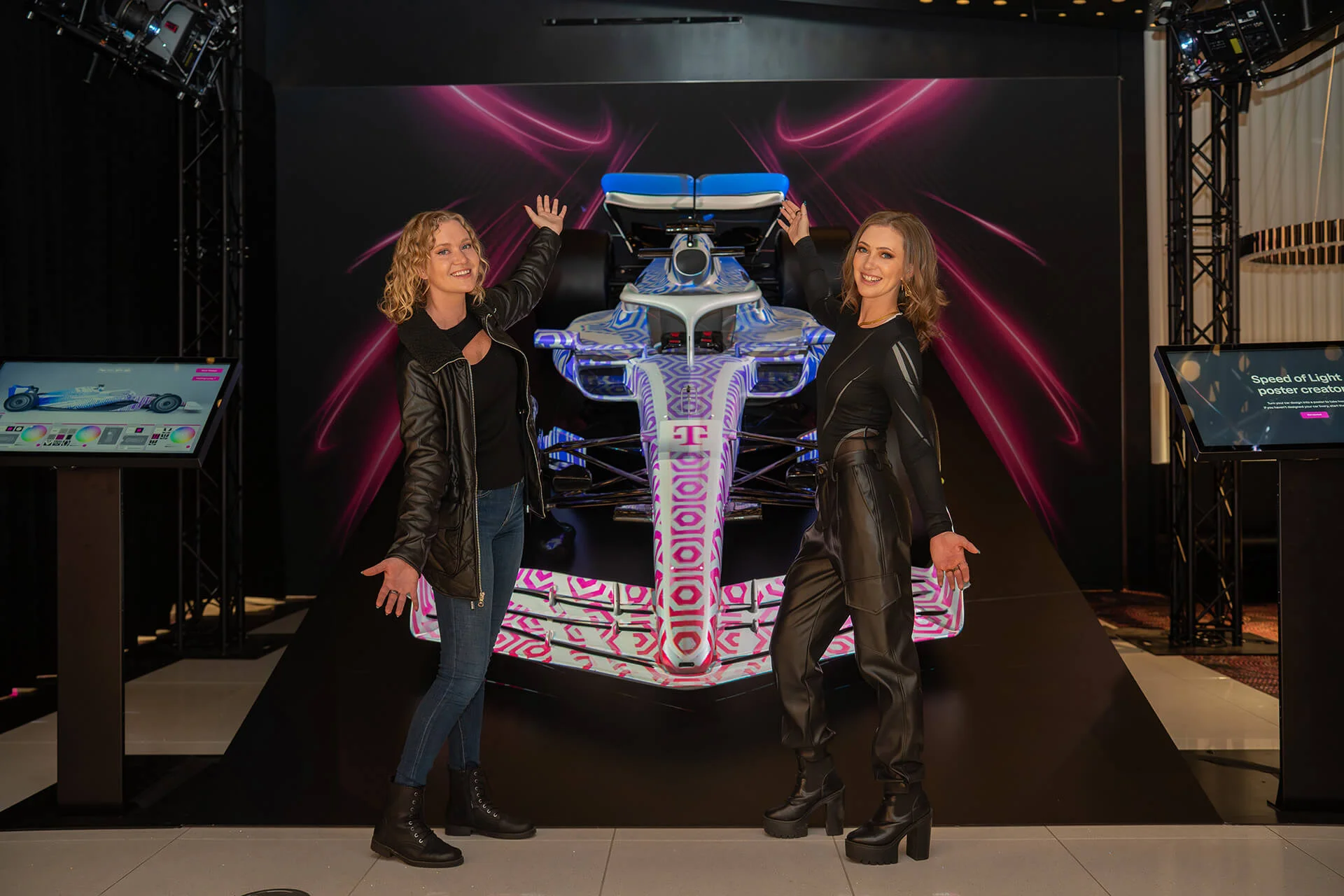
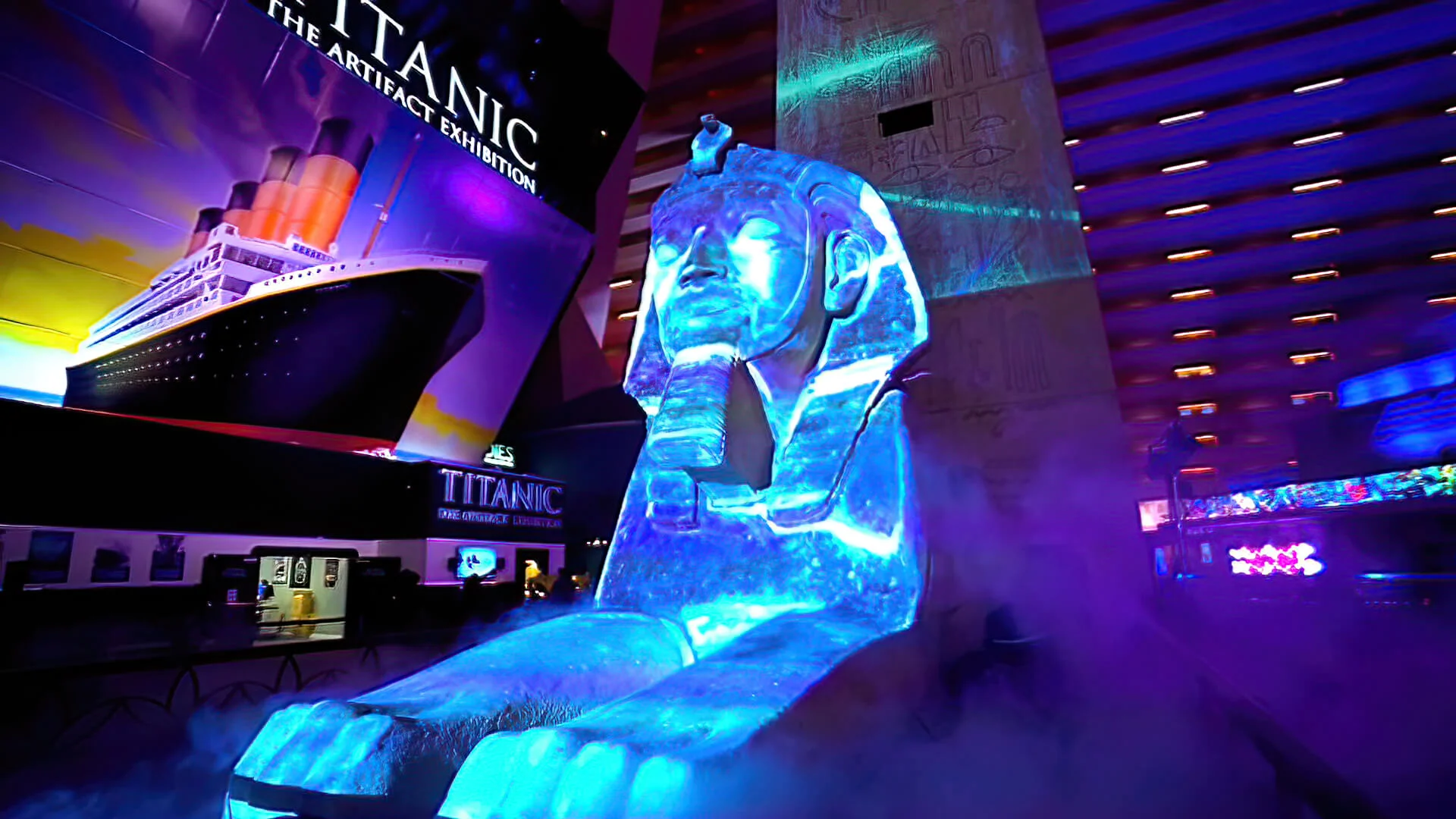
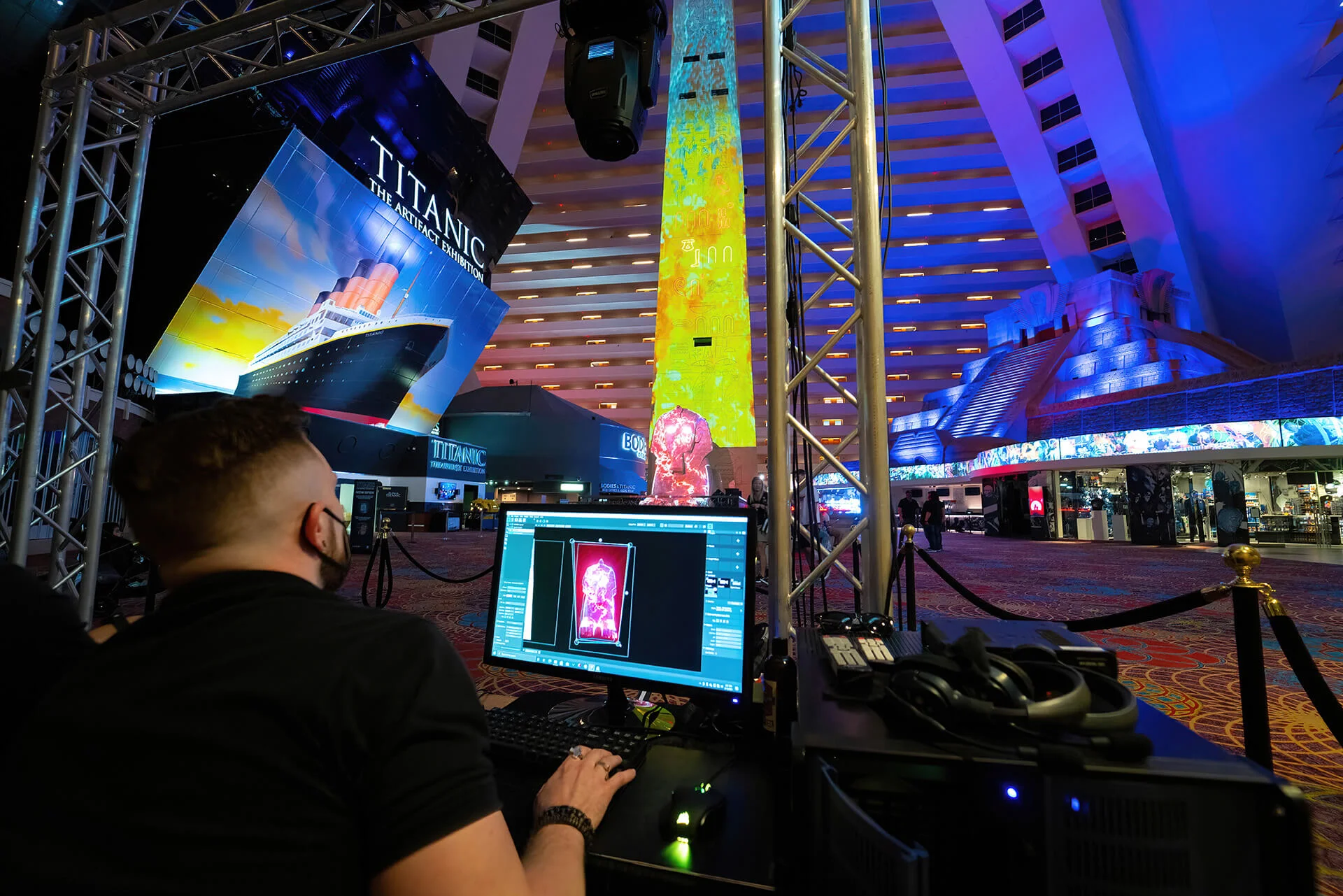
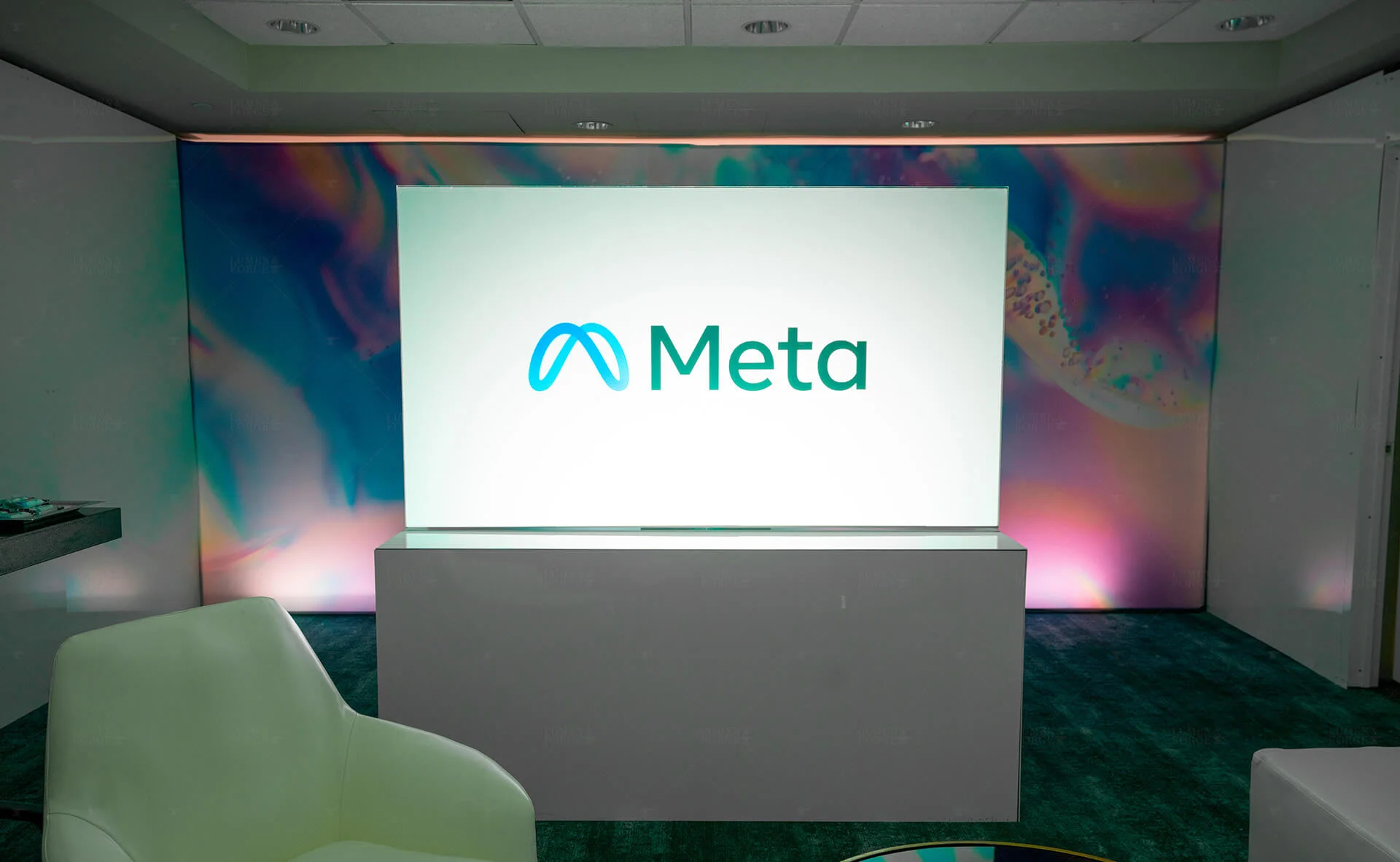
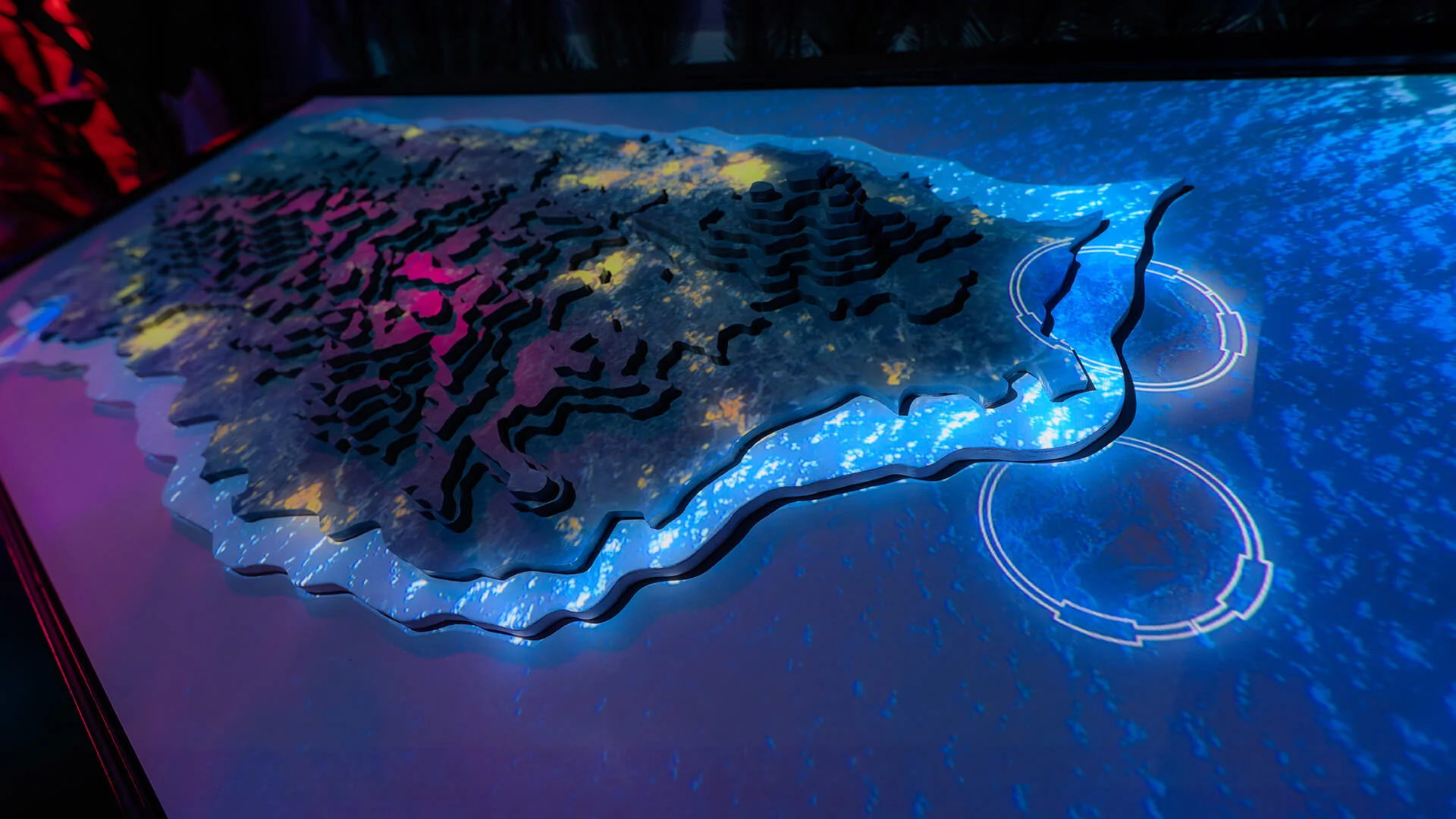
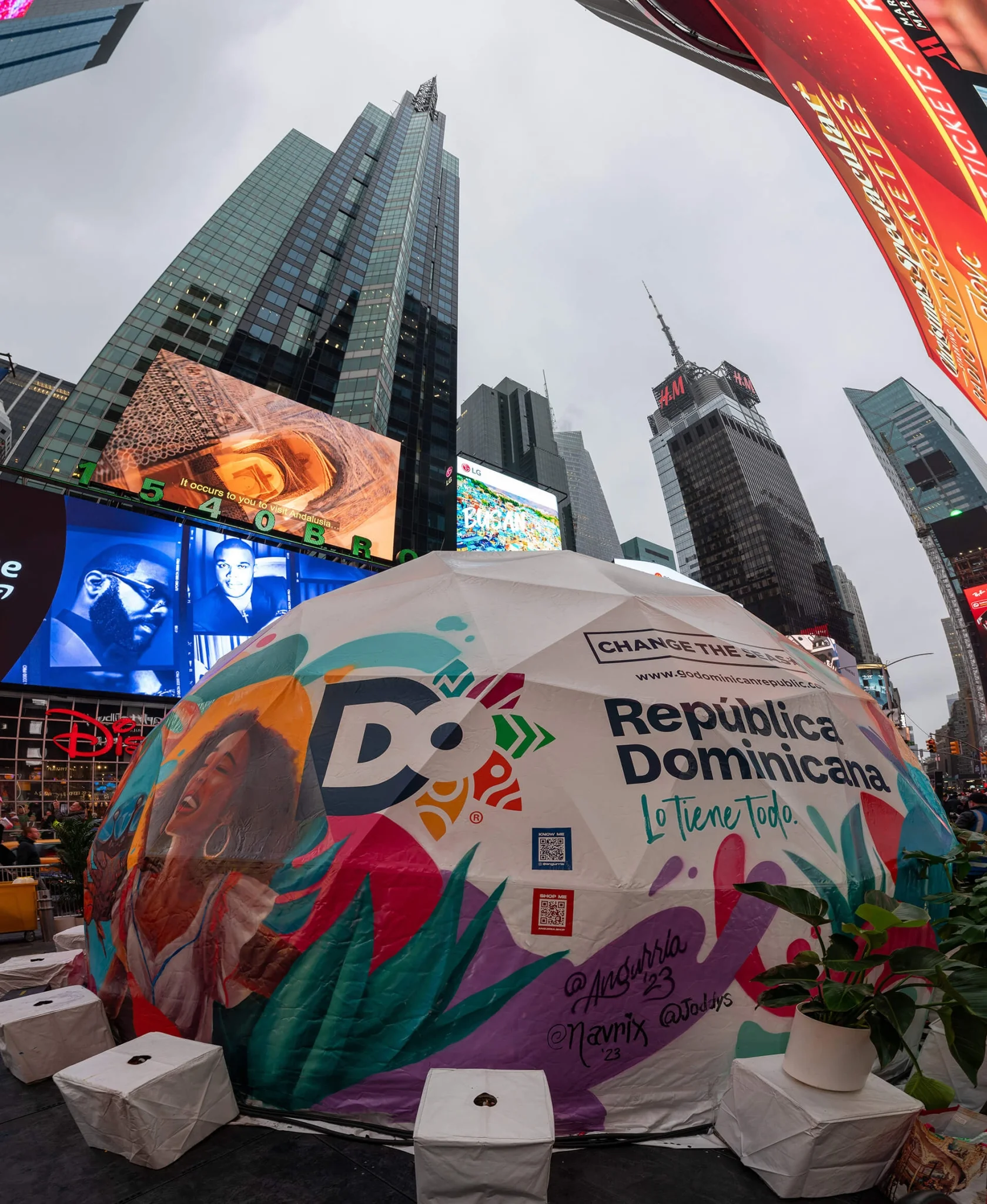
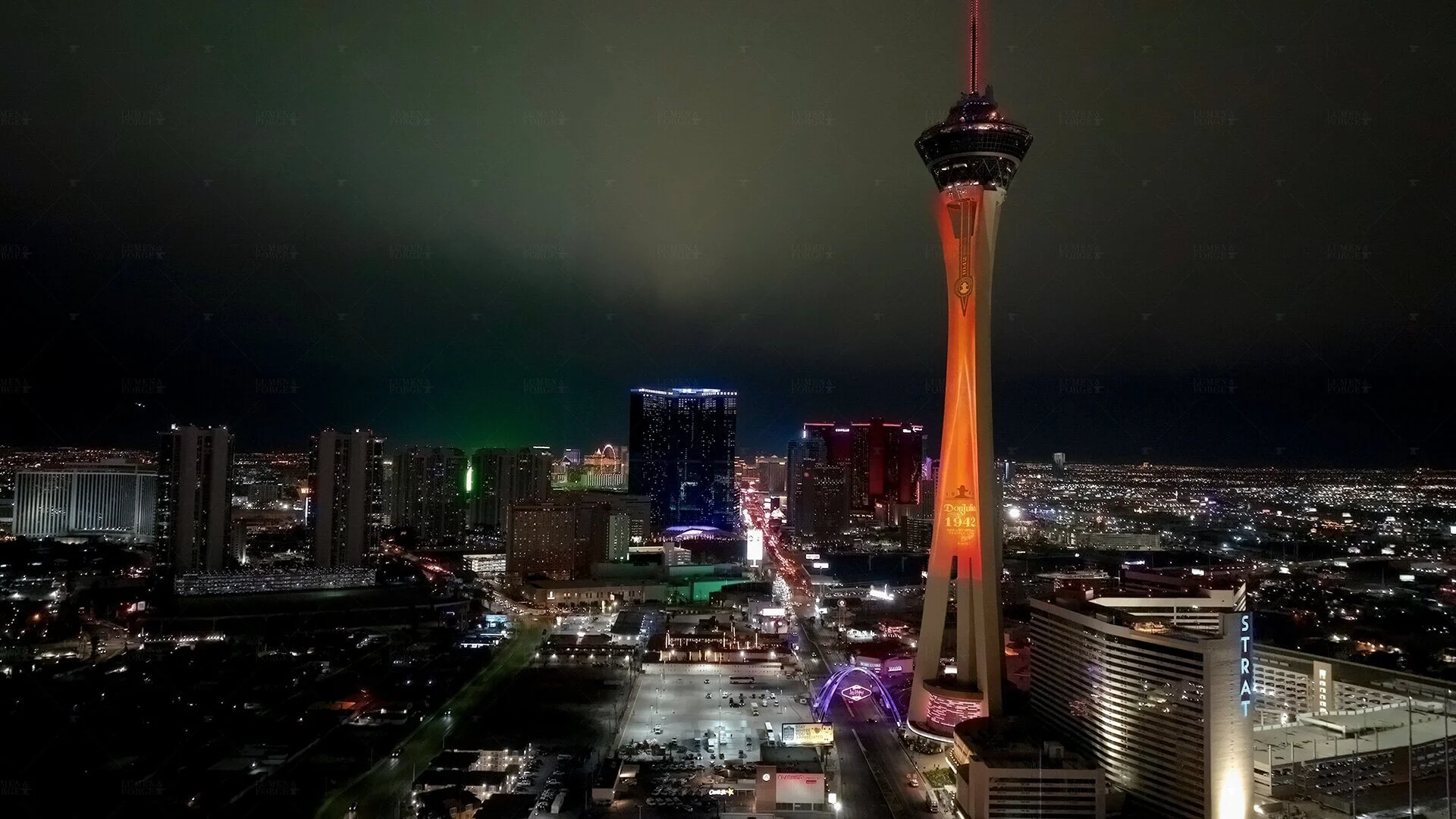
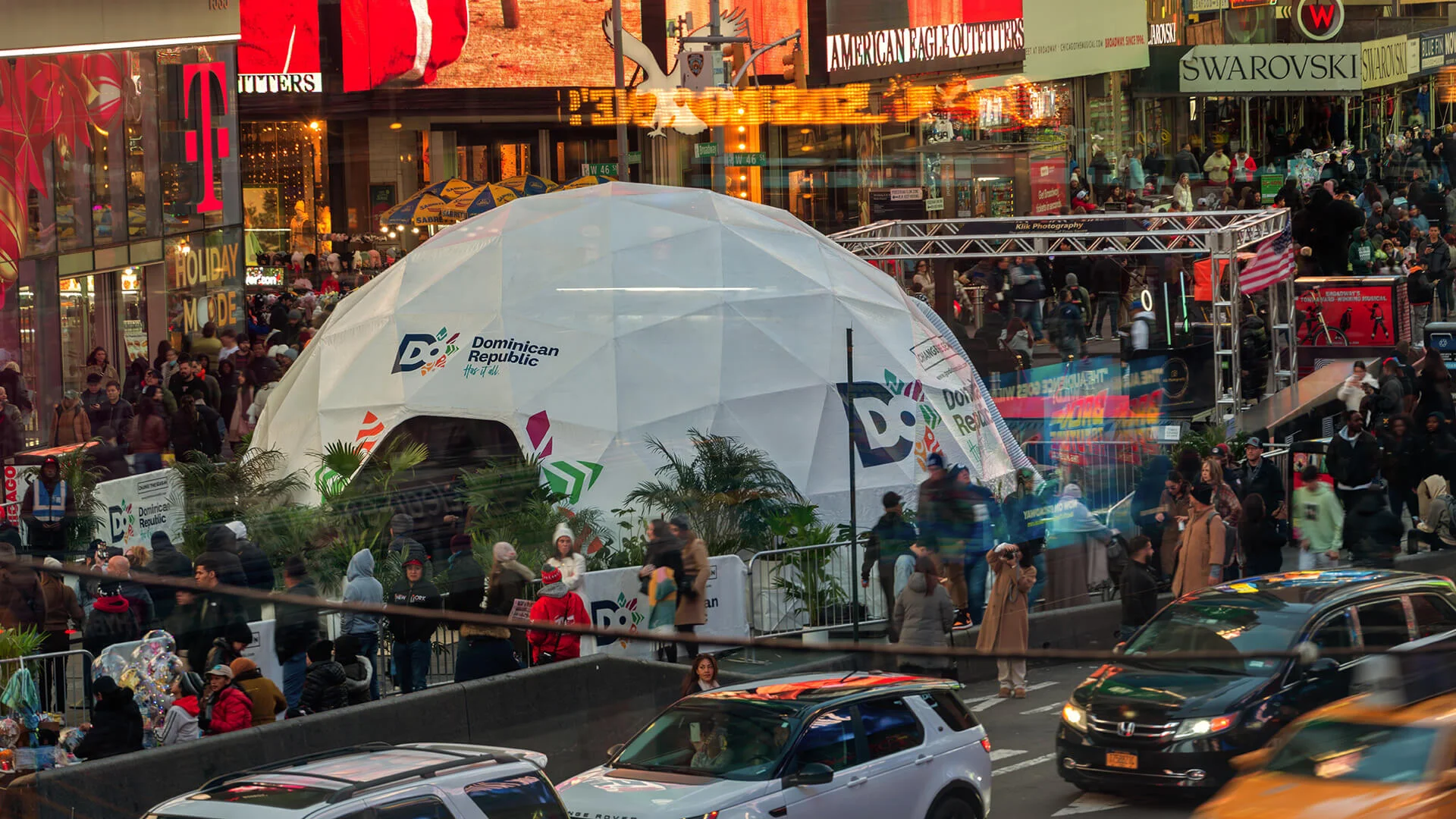
Take A Closer Look
A Deeper Look Into Animation & Visual Story Telling
A Deeper Look Into
Projection Mapping
Projection Mapping: Turning Any Surface Into a Story
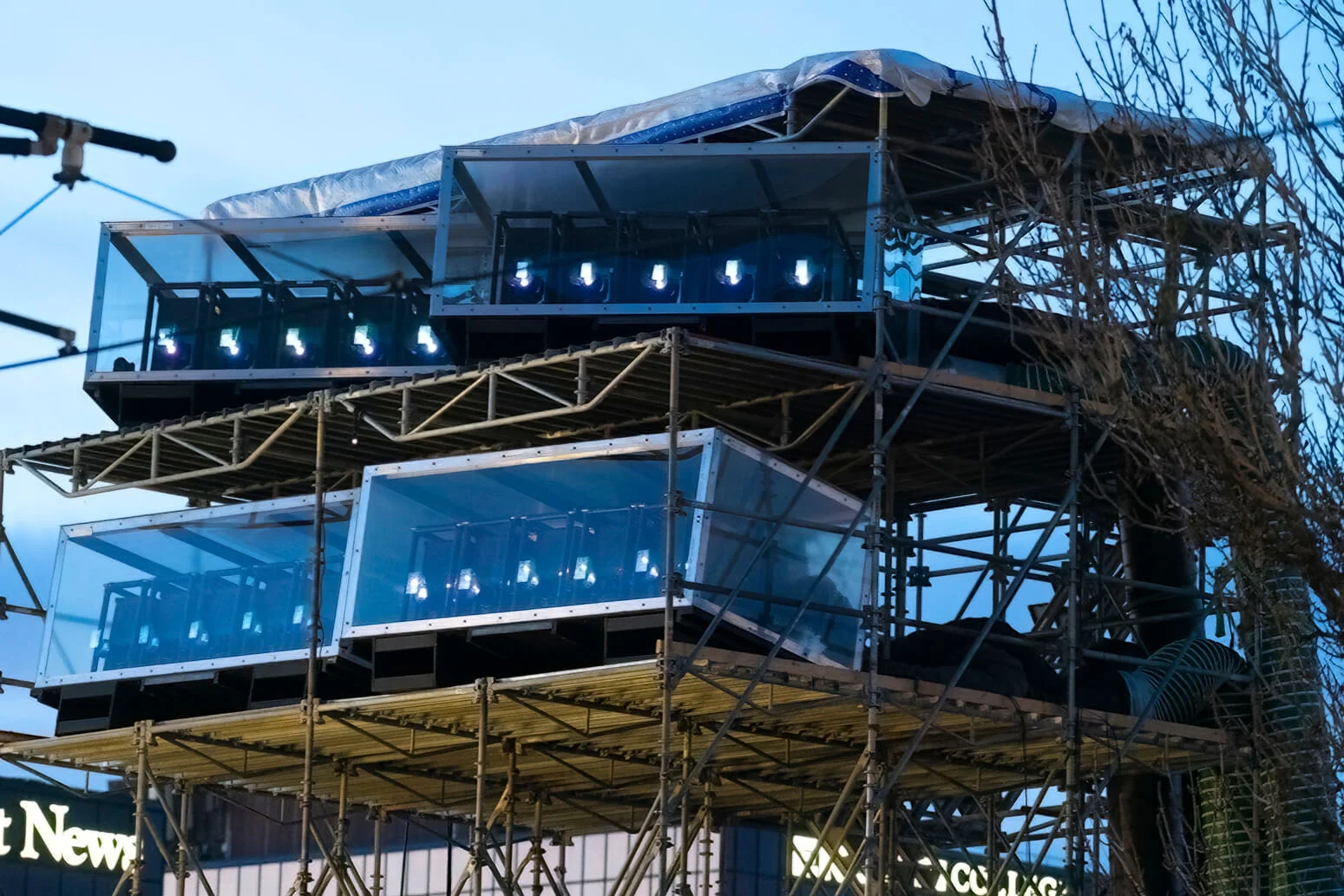
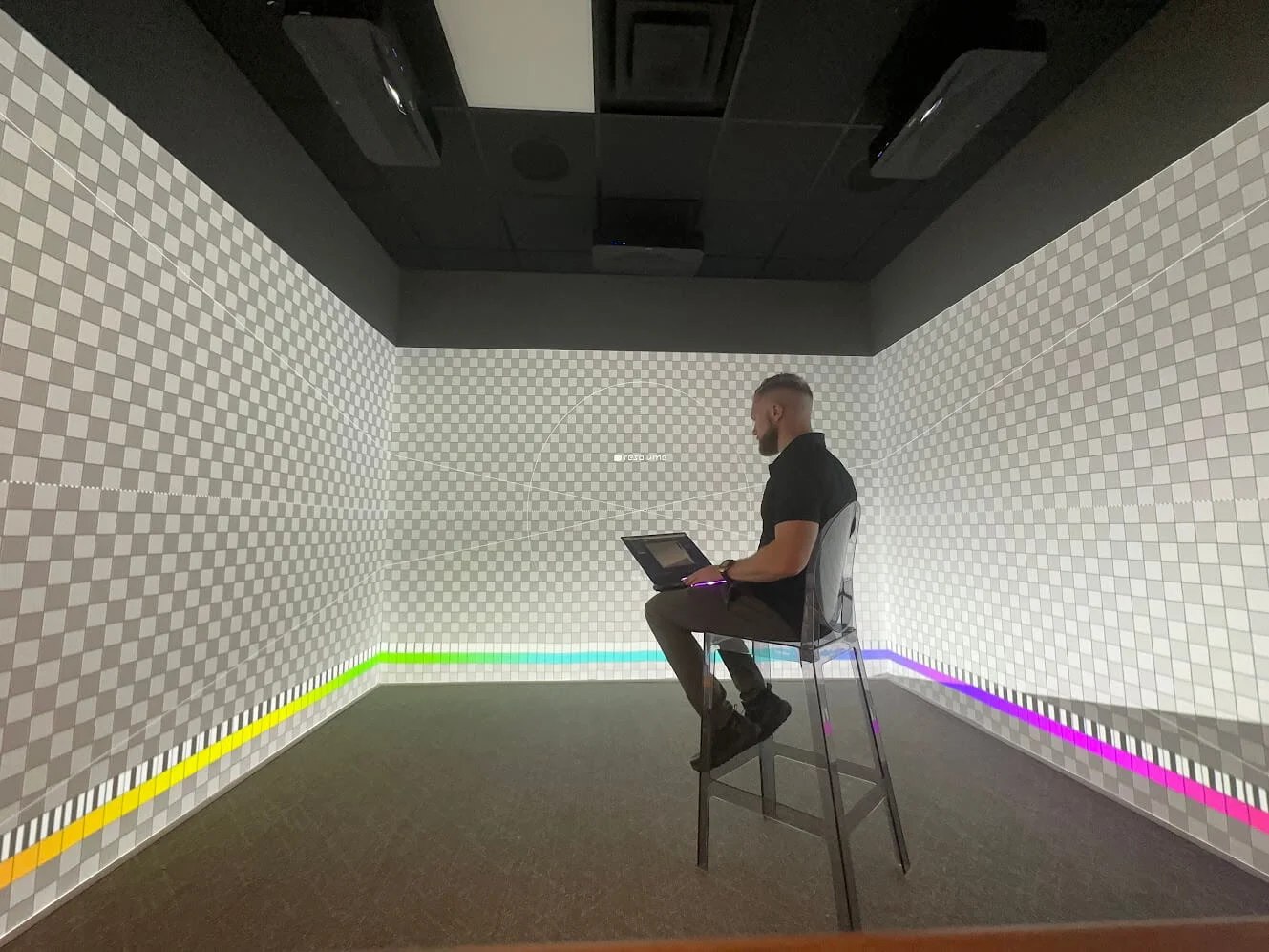
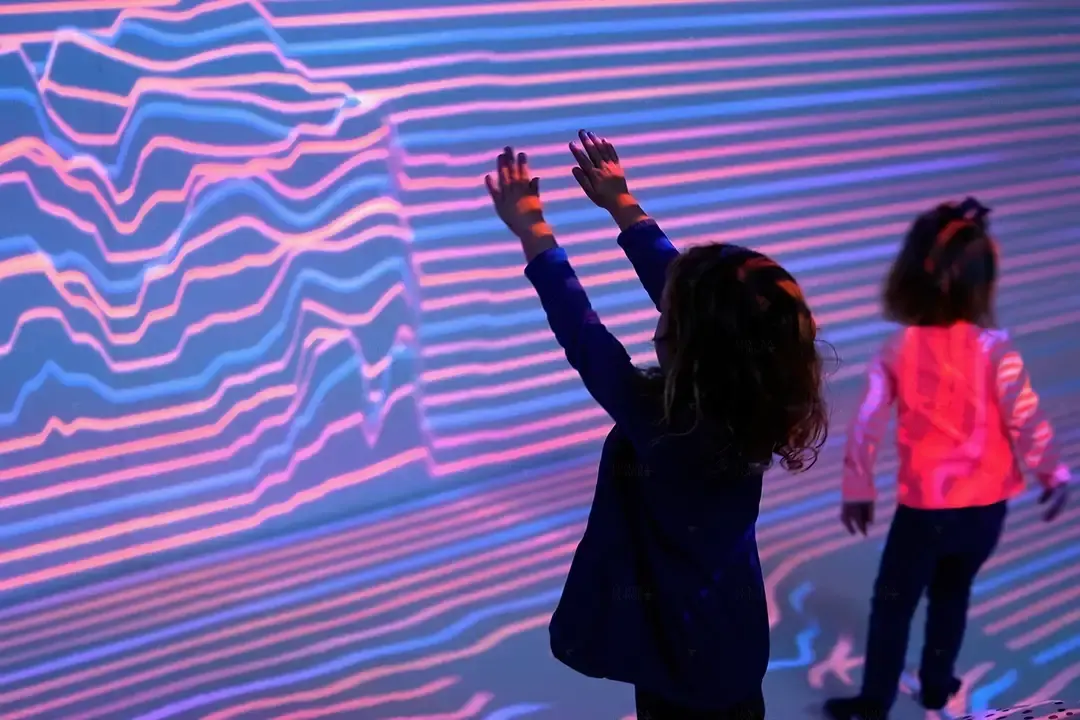
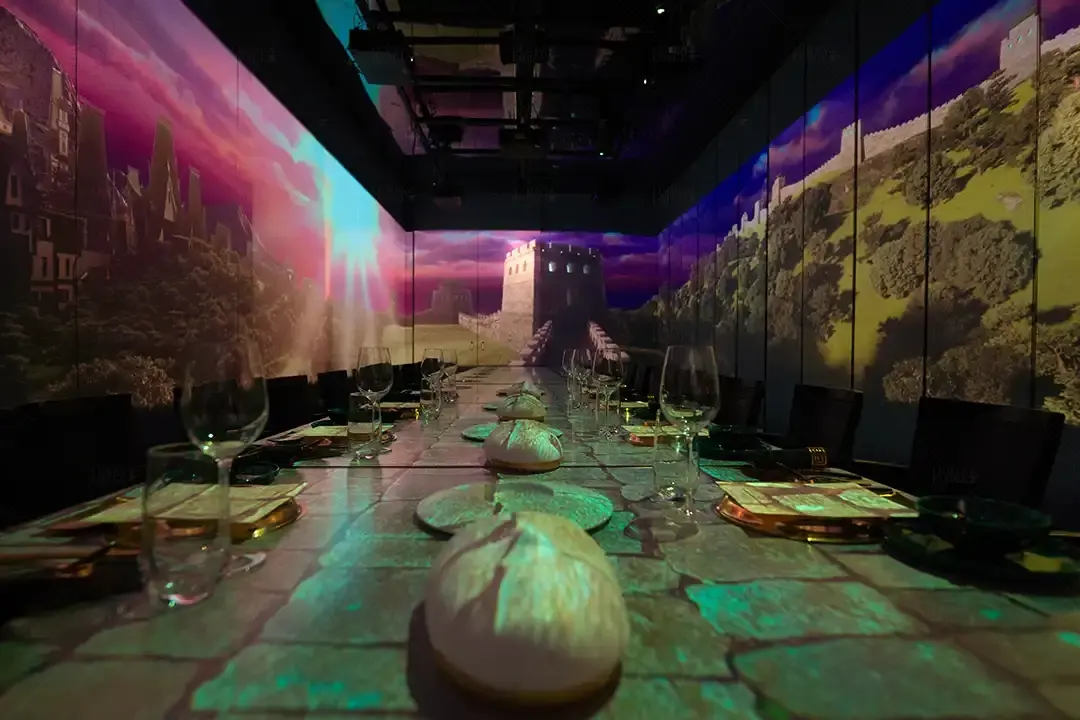
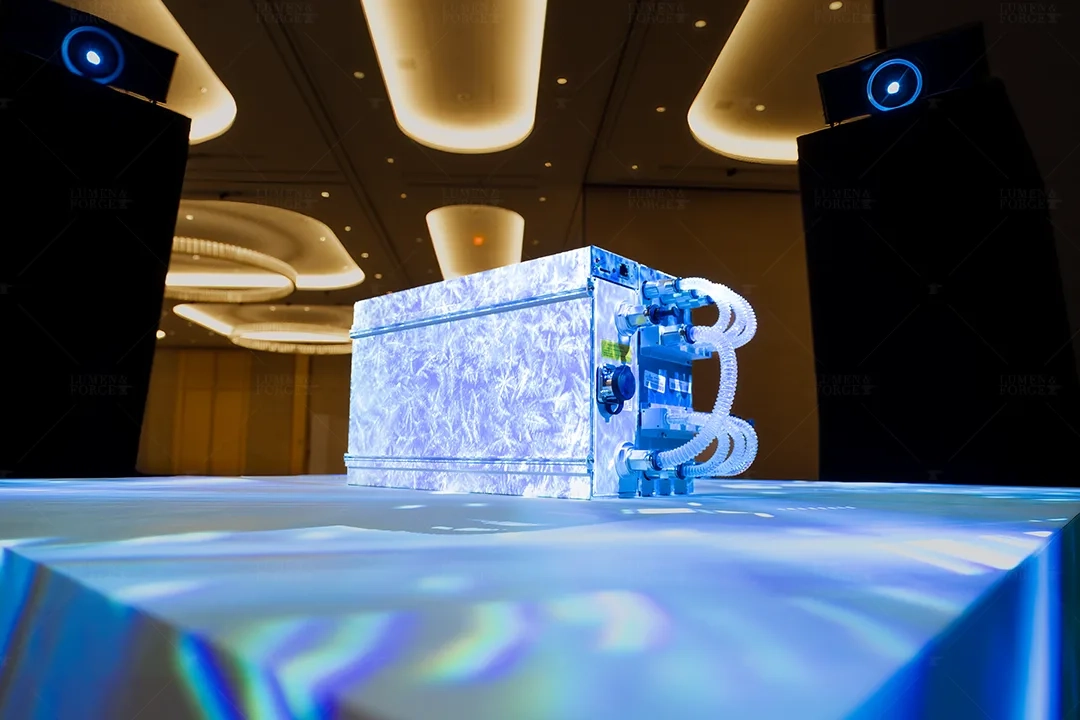
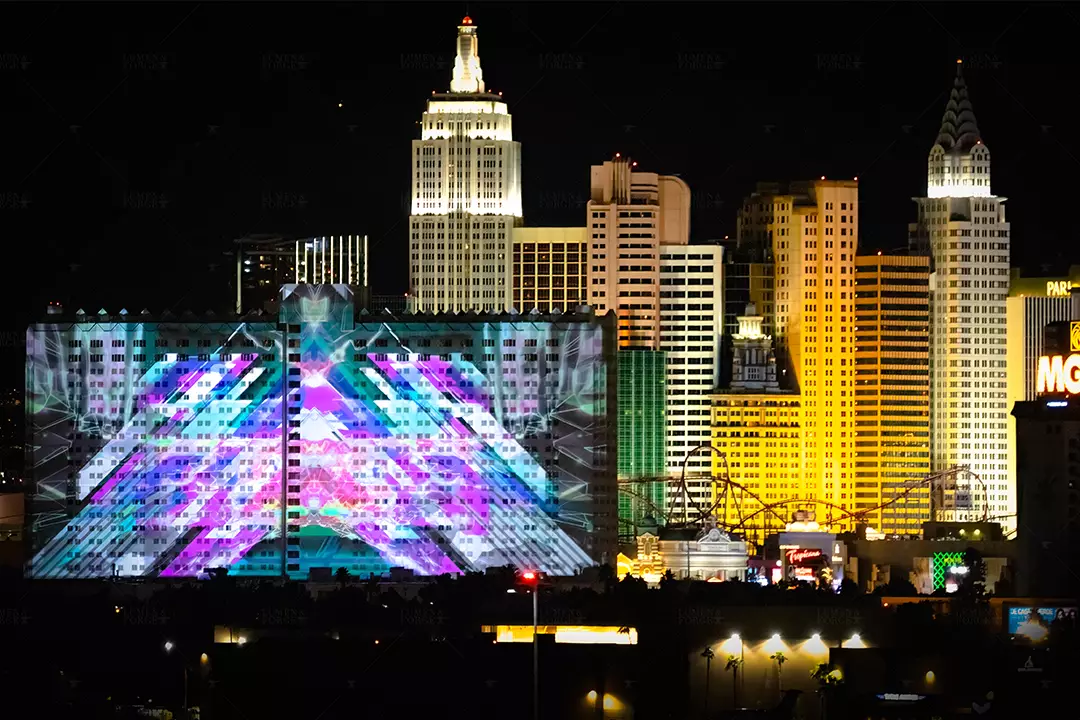
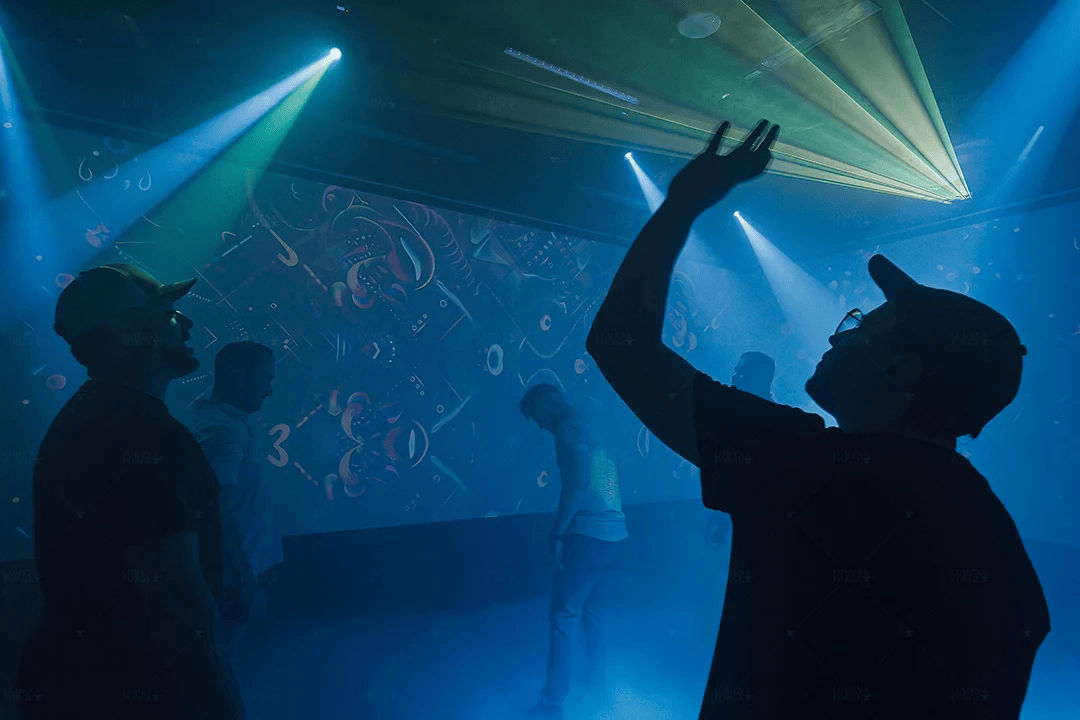
Projection mapping is the practice of aligning projected light to the actual geometry of a surface, so an image bends around a corner, wraps a column and lands exactly where it is meant to land. That is the difference from a flat screen or a standard projector setup: a screen is a rectangle that accepts a picture, while mapping treats the building, object or room as the canvas. Lumen and Forge designs, produces and installs building projection, object mapping, interactive installations, room-scale environments and projection domes, so the content is built for the shape it will hit rather than cropped to fit it.
In Milwaukee, that opens up surfaces a flat screen cannot touch. Think the facade and interior volumes of the Baird Center, the bowl and concourse walls at Fiserv Forum, the exterior of American Family Field, the wings of the Milwaukee Art Museum, the Harley-Davidson Museum, Discovery World, the Pabst Theater and the Riverside Theater, Milwaukee City Hall and Cathedral Square Park. Each has its own architecture, sightlines and crowd flow, and the mapping is planned around them.
Building and Architectural Projection
Object and Product Projection Mapping
Interactive Projection
Room and Environment Mapping
Dome Projection
Why Milwaukee Is a Natural Fit for Projection Mapping
Milwaukee audiences are not short on spectacle. Between Summerfest at Henry Maier Festival Park, Bastille Days in Cathedral Square, Milwaukee Irish Fest, and the Milwaukee Holiday Lights Festival running from mid-November through January 1 across the downtown parks and Wisconsin Avenue, this is a city that has seen large-scale visual production up close, often and for free. That familiarity raises the bar. A brand activation here cannot rely on scale alone, because scale is the baseline. What earns attention is precision: content that reads instantly from a packed festival lawn, holds up on a building facade viewed from three blocks away, and still rewards the person standing directly in front of it.
The audience itself is unusually varied, and it shifts block by block. Milwaukee's economy runs on advanced manufacturing, motorcycles and powersports, brewing and beverage, insurance and financial services, and healthcare, so an activation downtown on a Thursday may be read by engineers, underwriters, brewers, clinicians, and visitors in town for a trade show. During Milwaukee Bucks home season from October through April, Fiserv Forum draws a crowd that expects arena-grade production as a matter of course. In July, Cathedral Square fills with a festival audience in a completely different mood. The same creative has to work in both rooms, or the campaign needs to be built to flex between them.
That is why spectacle alone falls short. A single impressive image projected onto a wall gets a phone raised and then lowered. What holds a Milwaukee crowd is narrative and participation: content that reveals something over time, responds to movement, or gives people a reason to stay for the second and third beat. The city's venue mix supports this. The Milwaukee Art Museum, the Harley-Davidson Museum, Discovery World, the Pabst Theater, the Riverside Theater, and Milwaukee City Hall each carry their own architectural character and their own audience expectations, and the strongest activations treat those surfaces as part of the story rather than as blank screens.
Festival audiences add a further constraint. At Henry Maier Festival Park, Cathedral Square Park, and along the Holiday Lights Festival route, people arrive in groups, on foot, and in motion. Work has to be legible in a crowd, at an angle, and in whatever light the season provides. Add the practical layer that public right-of-way events are permitted through the Milwaukee Department of Public Works Special Event Permit Office, while county park events go through Milwaukee County Parks, and the case for planning content and site together from the start becomes obvious. Milwaukee rewards brands that arrive with something worth standing still for.
Lumen and Forge: Ready for Milwaukee's Festival Season
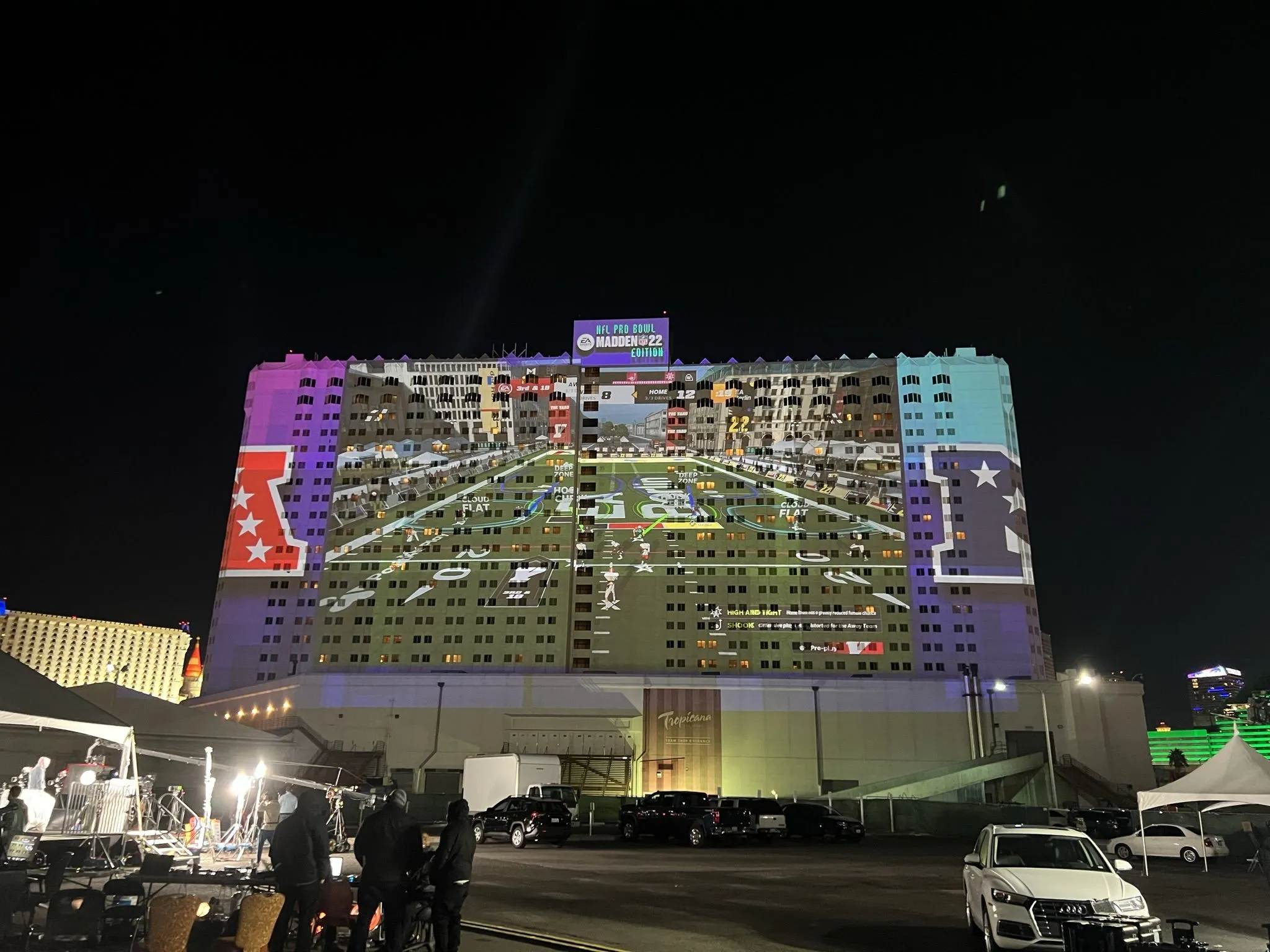
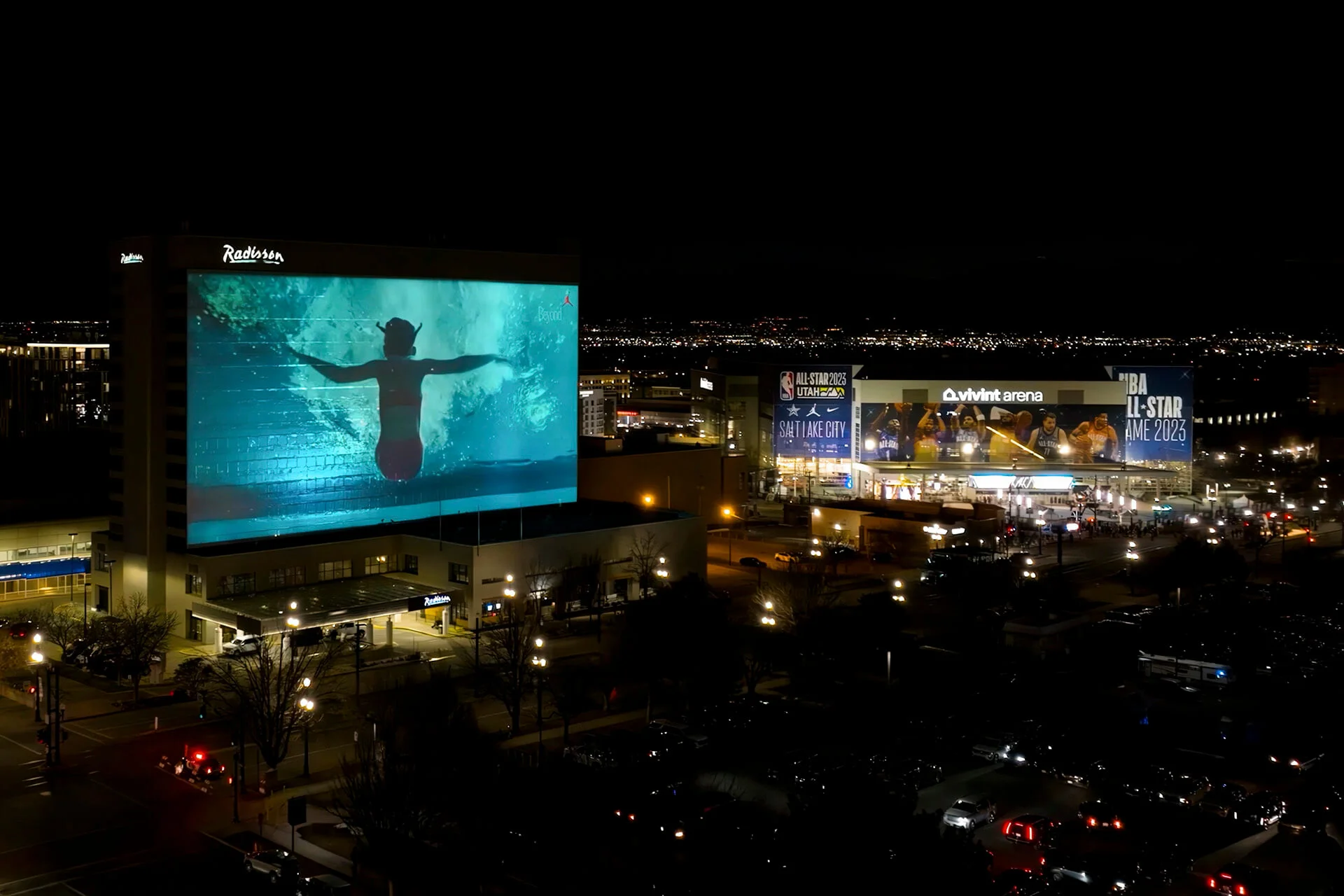
Over 15 years of producing large-scale projection mapping and immersive experiences for globally recognized brands gives Lumen and Forge the operational depth Milwaukee productions require. Our portfolio includes building projections for Nike and Air Jordan at NBA All-Star Weekend, large-scale convention experiences for Toyota, McLaren, and Mastercard, a world record video game screen at the Tropicana, and the Beneath the Blue 360-degree dome for National Geographic. Our team is comfortable working alongside experienced production crews and holding a technical standard in front of an audience that knows the difference, which is exactly what Milwaukee requires.
Who We Work With in Milwaukee
Milwaukee's event calendar and venue mix draw a specific set of clients to projection mapping. Here is who tends to hire us in the city.
- Festivals and live music. Summerfest, Bastille Days and Milwaukee Irish Fest all run on spectacle, and producers need visuals that hold a crowd at Henry Maier Festival Park and Cathedral Square Park. Projection mapping gives a festival a headline moment that photographs well and scales across a full evening of programming.
- Professional sports. The Milwaukee Bucks home season at Fiserv Forum runs from October into April, and teams use building projection and object mapping for fan activations, sponsor tie-ins and game night atmospherics. The work has to be reliable on a schedule that never slips.
- Advanced manufacturing. Manufacturers in the region hire us for product launches, trade show booths and internal events, where object mapping turns a piece of equipment or a component into the centerpiece of a presentation.
- Motorcycles and powersports. The Harley-Davidson Museum sits at the center of this audience, and brands in the category use projection domes, room-scale environments and interactive installations to launch models and celebrate heritage.
- Brewing and beverage. Taproom openings, anniversary parties and brand launches call for immersive environments that feel local and custom rather than rented.
- Insurance and financial services. Corporate clients book us for annual meetings, client events and lobby installations at venues including the Baird Center, where polished, on-message visuals matter more than novelty.
- Healthcare. Hospitals, health systems and medical organizations use projection for fundraising galas, donor events and conference stages at the Pabst Theater, Riverside Theater and Discovery World.
Ready to Light Up the Lakefront?
Frequently Asked Questions: Projection Mapping in Milwaukee
Standard projection displays a flat image on a flat screen or white wall. Projection mapping uses specialized software to warp, align, and calibrate video content so it fits precisely onto any three-dimensional surface, whether that is a building exterior, a custom sculpture, a vehicle, or an entire room. The software accounts for every edge, angle, and curve, so the content appears to belong to the object itself rather than simply being cast onto it. In a city full of working production professionals, that level of precision is what separates a real installation from a lighting effect.
Yes. Milwaukee's projection season runs roughly April through early January, when festivals, ballpark events and the holiday lights programming fill the calendar. Summer gives late sunsets and long twilight, so shows start after dark; the Milwaukee Holiday Lights Festival window brings earlier start times and longer nights. Rain, snow and freeze-thaw cycles are the real constraints, not the cold itself. Ambient light is the other factor: downtown streets, plaza lighting and stadium concourses all add spill, so brighter projectors, higher-contrast content and careful aiming keep images reading cleanly outdoors.
Milwaukee's strongest projection mapping venues each bring a different canvas. The Baird Center and Fiserv Forum offer large-scale event infrastructure, while American Family Field and the Milwaukee Art Museum provide iconic architecture suited to building projection. The Harley-Davidson Museum and Discovery World fit object mapping and interactive installations, and the Pabst Theater, Riverside Theater, Milwaukee City Hall and Cathedral Square Park work well for downtown activations.
Milwaukee's festival calendar gives projection mapping plenty of natural anchors. Summerfest fills Henry Maier Festival Park from late June into early July, Bastille Days takes over Cathedral Square in July, and Milwaukee Irish Fest returns to Henry Maier Festival Park in August. The Milwaukee Holiday Lights Festival runs mid-November through January 1 across downtown parks and Wisconsin Avenue, while the Milwaukee Bucks home season brings Fiserv Forum crowds from October to April.
Yes. Lumen and Forge coordinates permits, power, rigging and site logistics directly with your venue, so your team is not chasing paperwork while the show goes up. For special events in the public right-of-way, we work through the Milwaukee Department of Public Works Special Event Permit Office, and for events in county parks we coordinate with Milwaukee County Parks. From load-in windows to generator placement and rigging points, we handle the operational details that keep a projection build on schedule.
The cost of projection mapping in Milwaukee depends on the scale of the surface, the complexity of the content, the duration of the event, and the equipment and crew required. A single object mapping for a product launch at the Harley-Davidson Museum and a multi-building projection across Milwaukee City Hall or the Milwaukee Art Museum are different productions with different budgets. Room-scale environments, interactive installations and projection domes each carry their own design and install demands. Share the venue, dates and creative ambition, and Lumen and Forge will scope it.
Projection mapping fits imagery to any surface you point a projector at, while 3D projection mapping goes further by mapping onto objects and architecture with real depth, so content wraps around corners, ledges and curves instead of sitting flat. On the Milwaukee Art Museum, that depth work lets a facade's folds and overhangs become part of the composition, with light and motion tracking the structure rather than covering it.
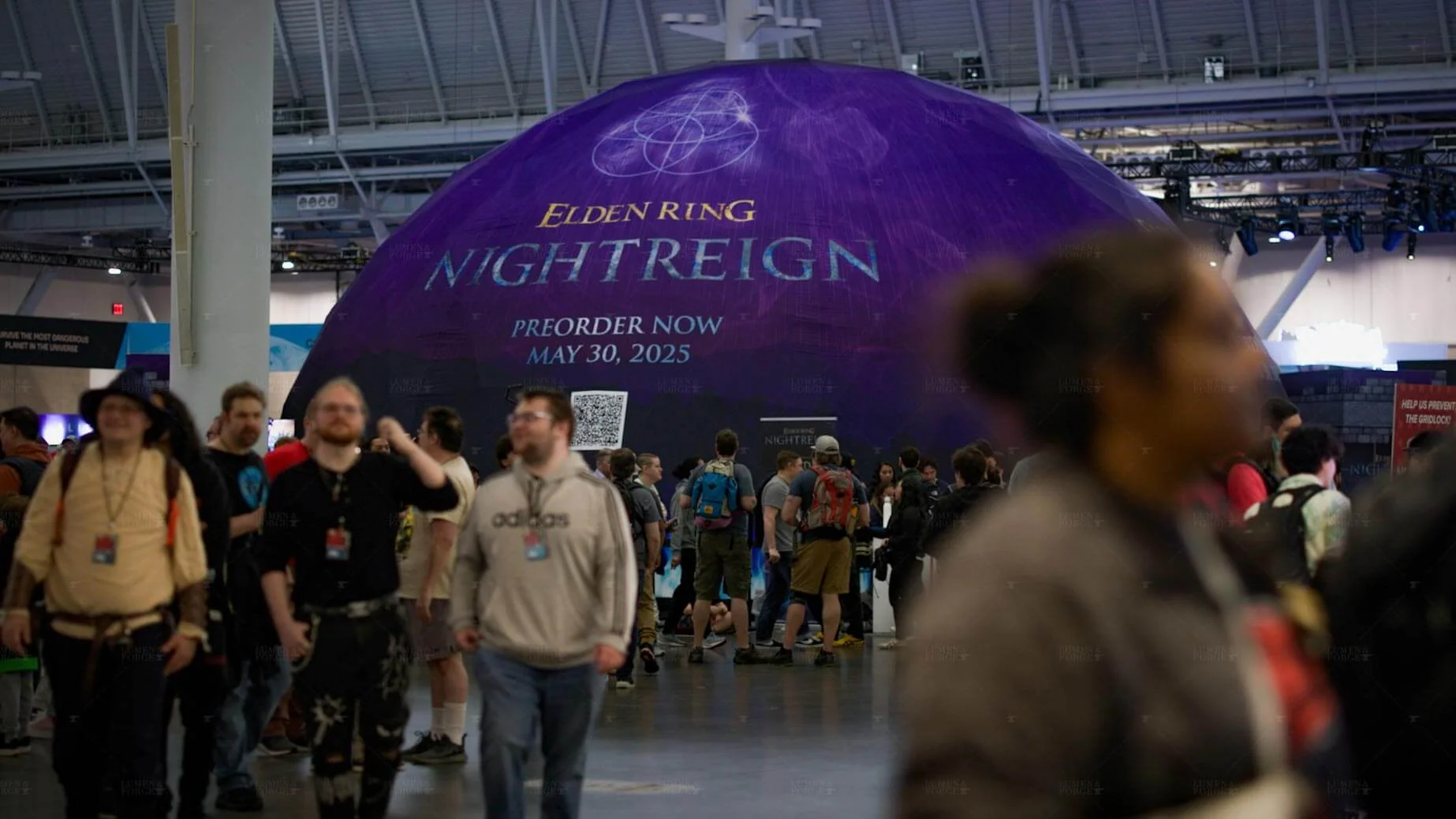
In addition to projection mapping, we offer dome projection for fully immersive 360-degree spherical experiences, event and project design for end-to-end production planning, and animation and visual storytelling for original content creation. Many of our Milwaukee clients combine projection mapping with one or more of these services into a single integrated production. We are a full-service immersive experience company, and the strongest work we build is conceived as a whole from the first conversation.
Do you have more questions?
Didn't find what you were looking for? Our team is happy to walk you through your project and answer anything else