

Where the Mississippi Meets a Skyline of Glass
Minneapolis is a market where brand launches, cultural moments and sports calendars overlap in the same few square miles. The Minneapolis Convention Center anchors the downtown trade show and convention circuit, while U.S. Bank Stadium, Target Center and Target Field carry professional sports audiences through the year. Cultural institutions including the Walker Art Center and Minneapolis Sculpture Garden, the Guthrie Theater, the Minneapolis Institute of Art, Orchestra Hall and Peavey Plaza, Mill City Museum, The Armory and the Stone Arch Bridge give producers a wide range of backdrops and interior volumes to work with.
The event calendar is just as dense. Art-A-Whirl fills Northeast Minneapolis in May, Twin Cities Pride Festival takes over Loring Park in June, and the Stone Arch Bridge Festival returns to the Mississippi riverfront over Father's Day weekend. The Minneapolis Aquatennial brings the Torchlight Parade to Nicollet Mall each July, and the Twin Cities Marathon closes out the season in October.
Retail headquarters, healthcare and medical technology, banking and financial services, food and agribusiness brands, arts and cultural institutions and professional sports organizations all commission work here, which keeps demand steady for projection mapping and immersive experiences.
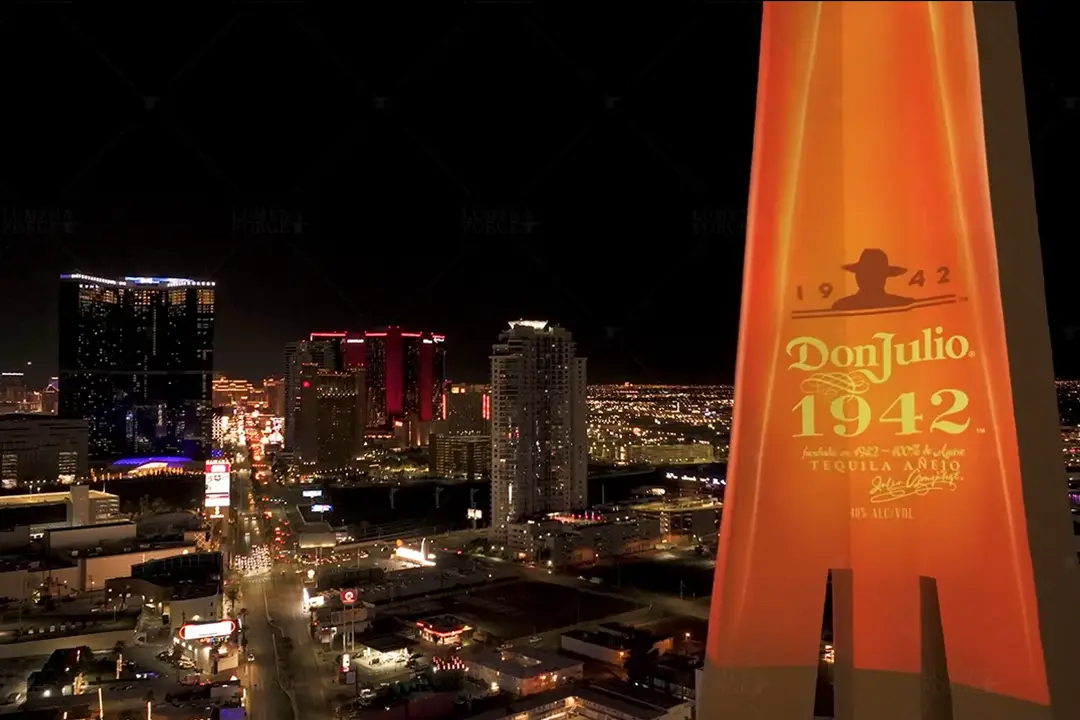
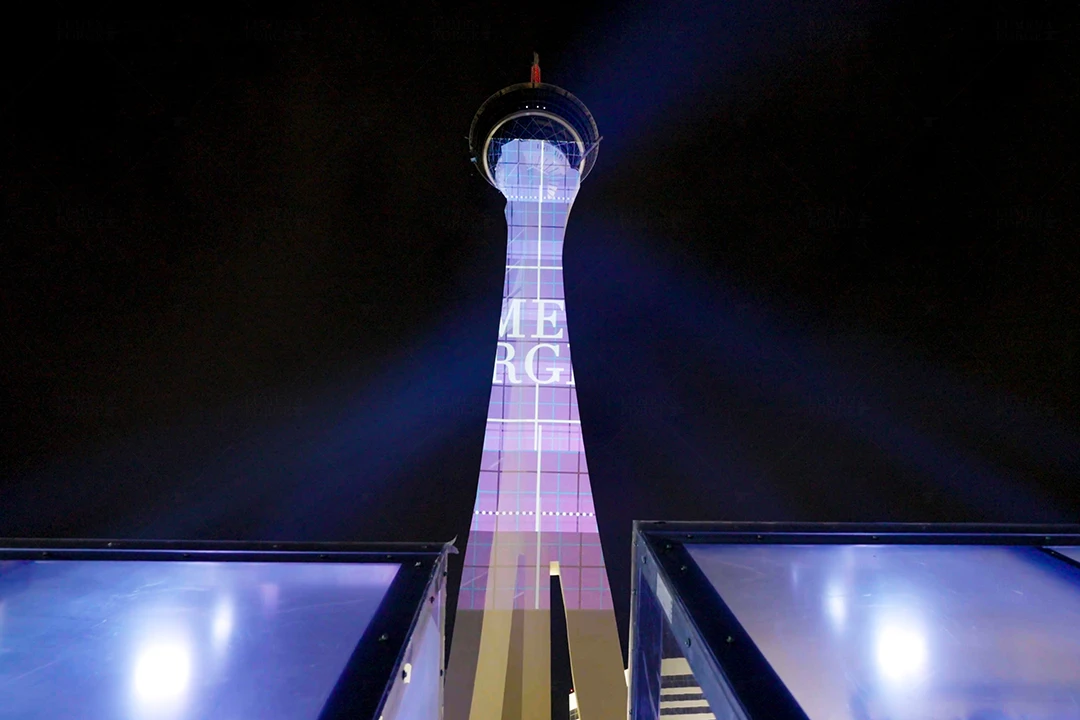
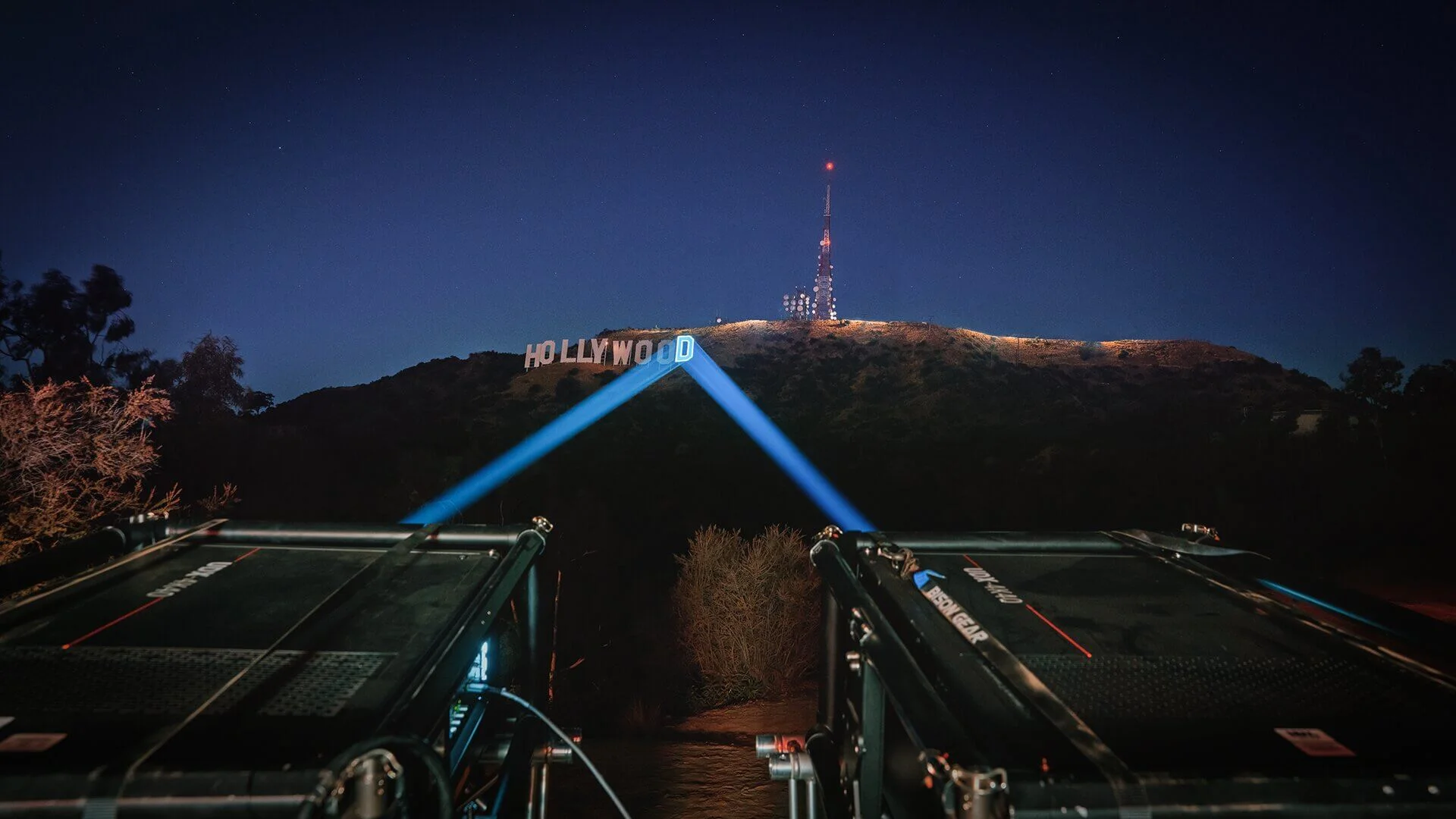
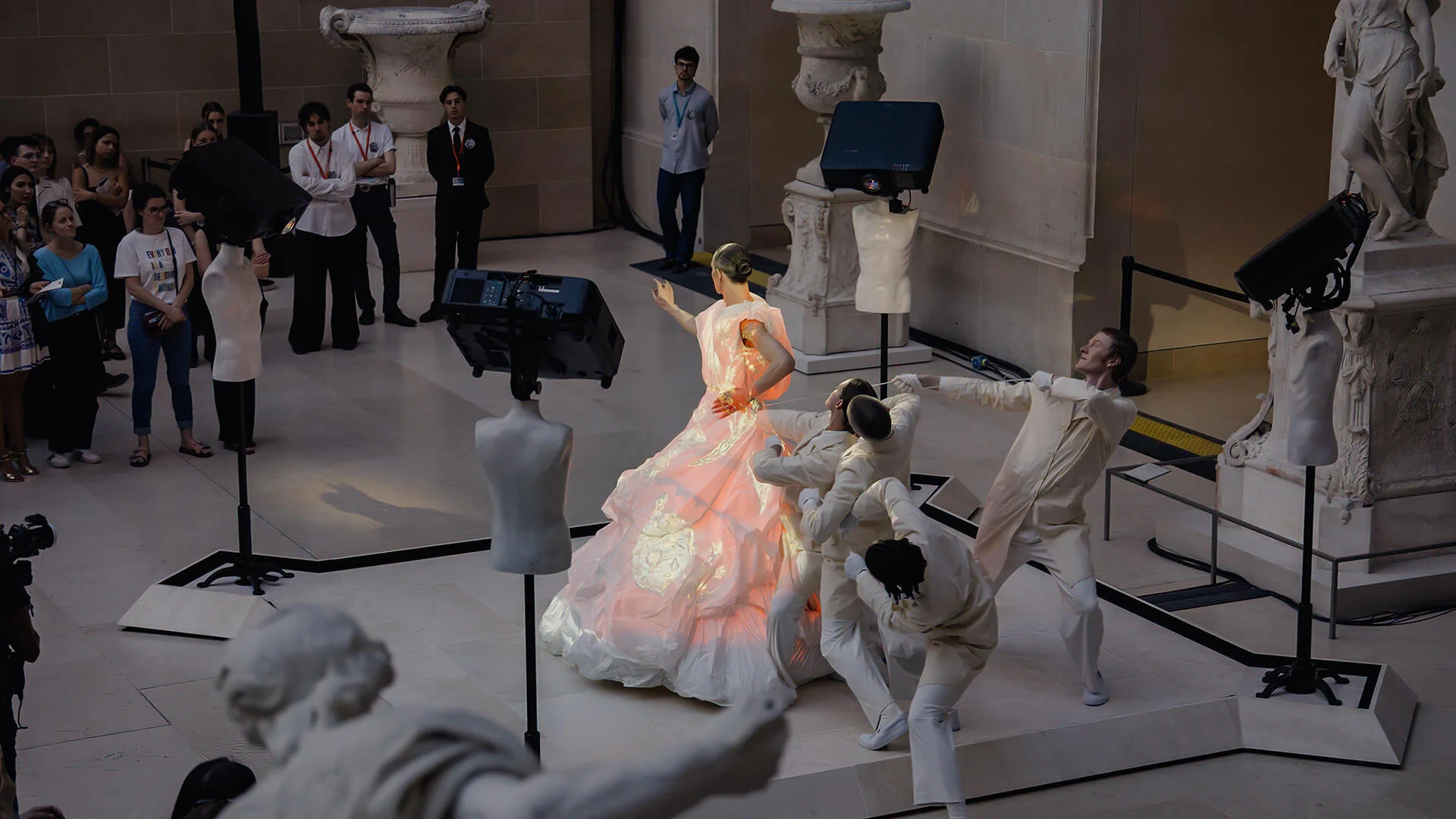
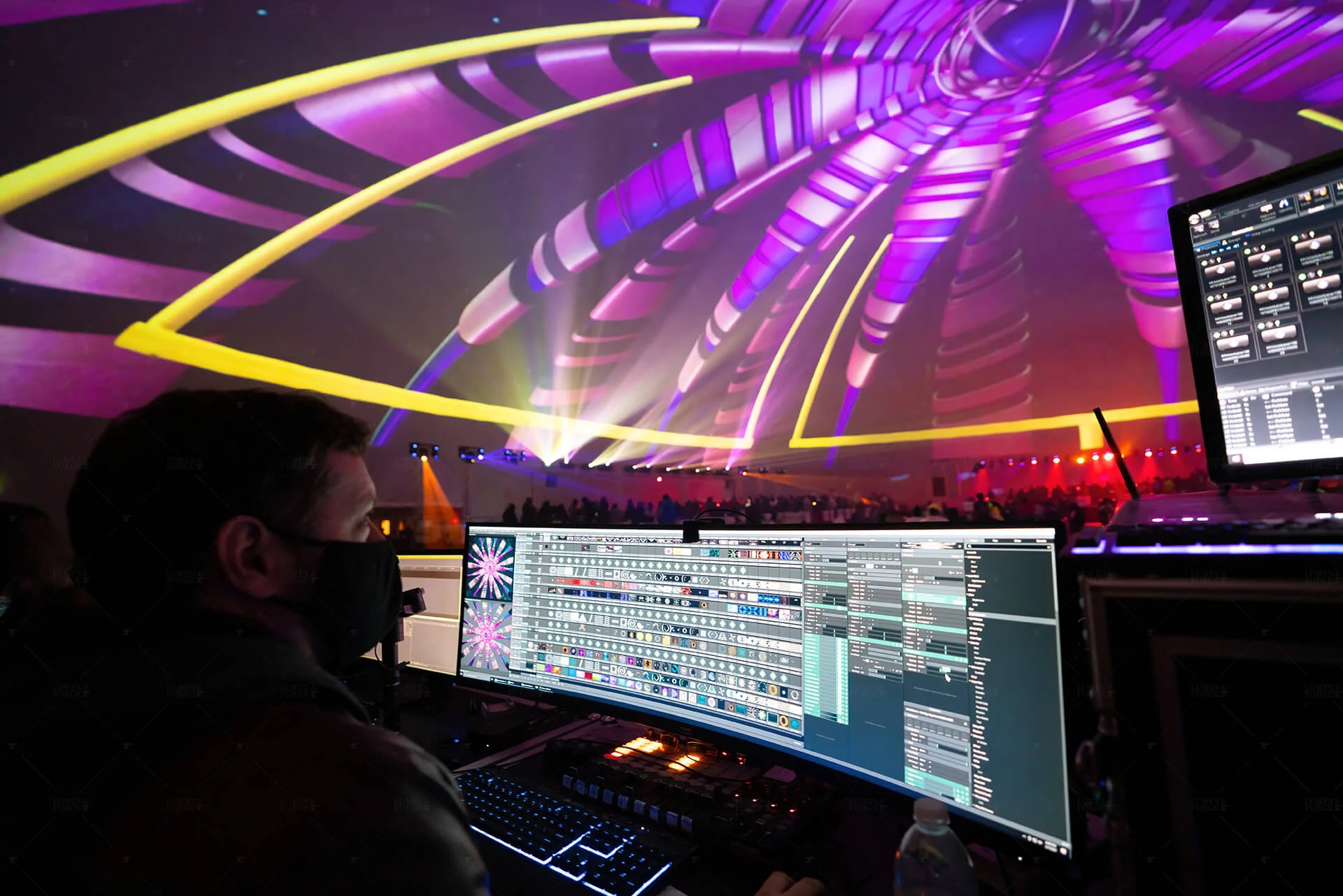
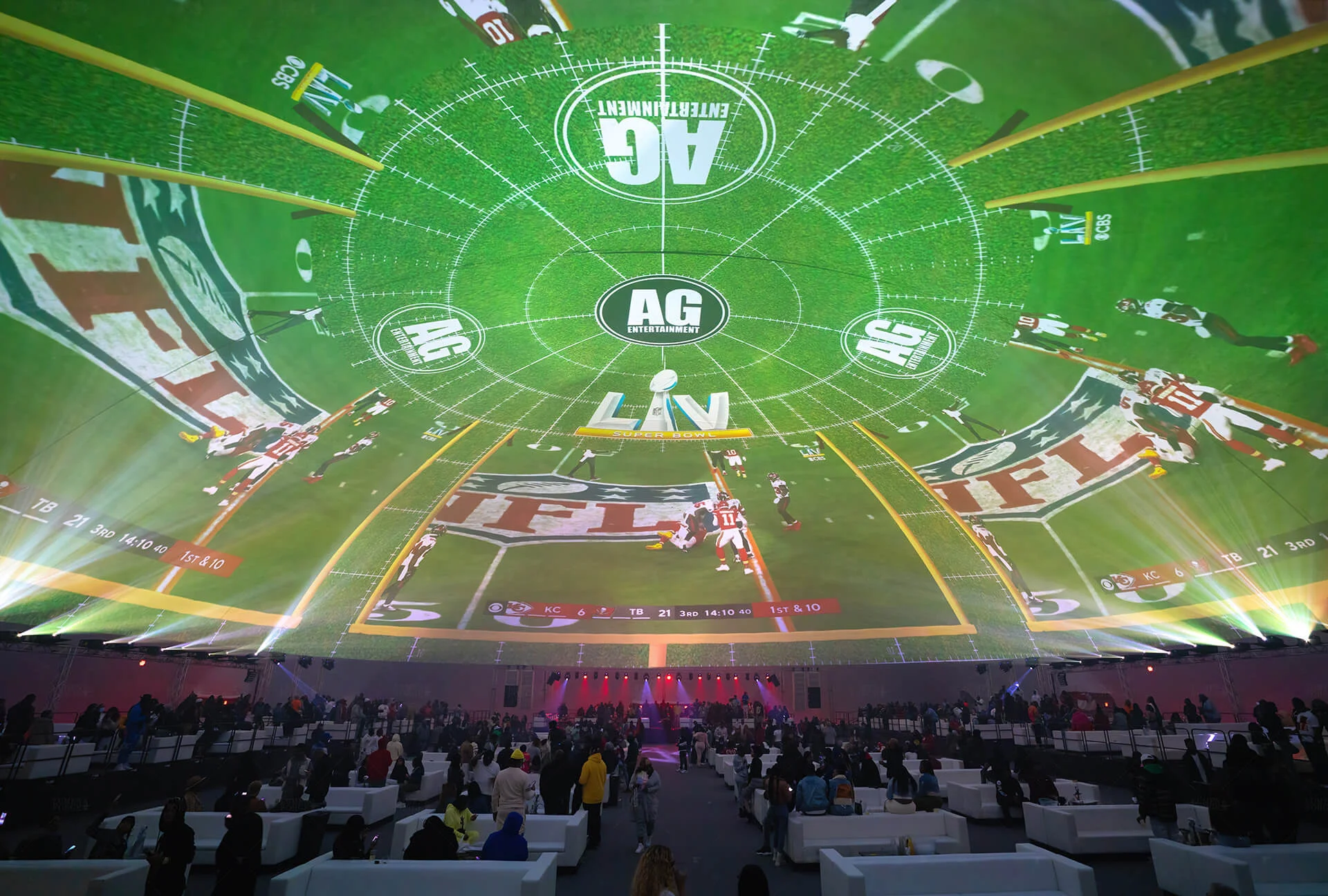
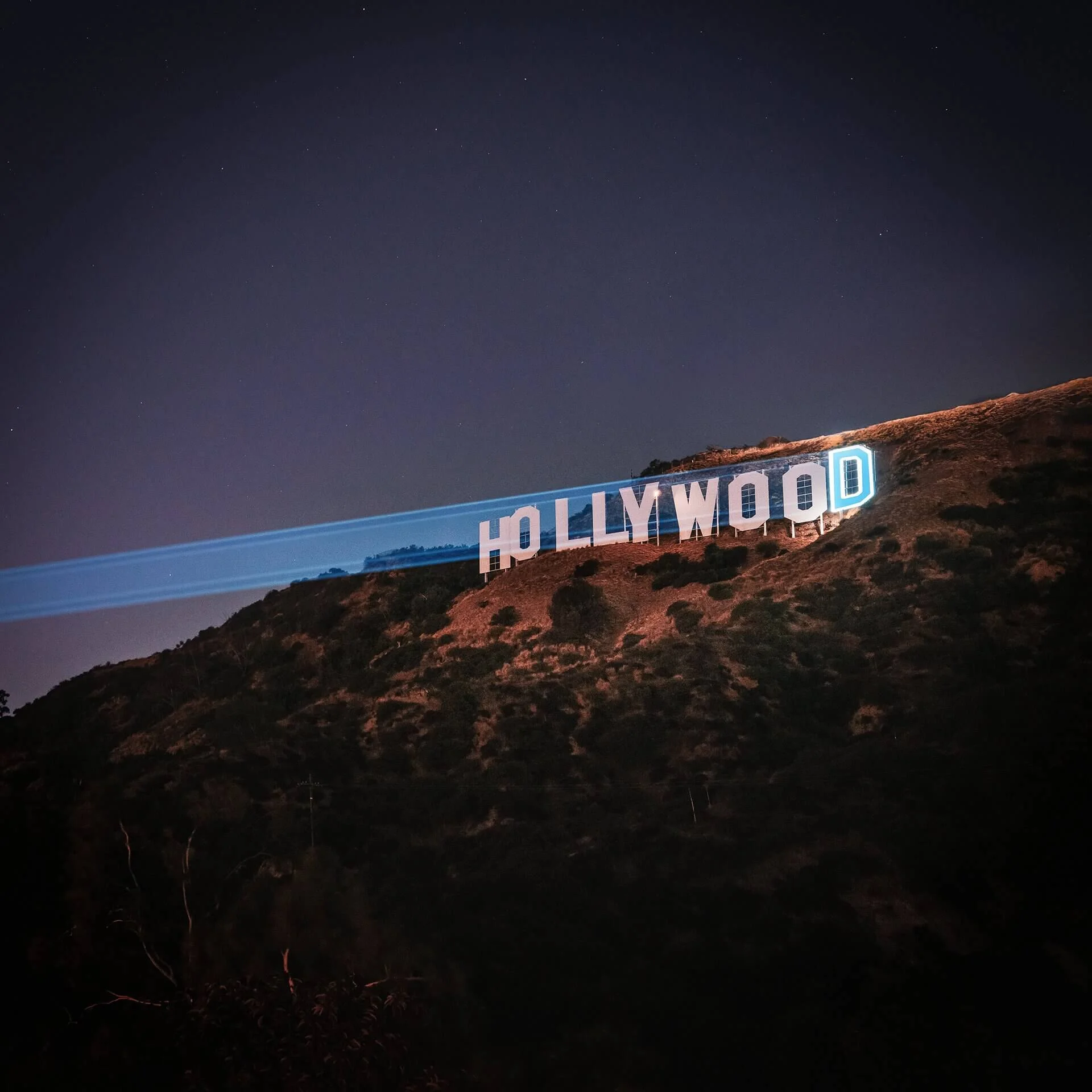
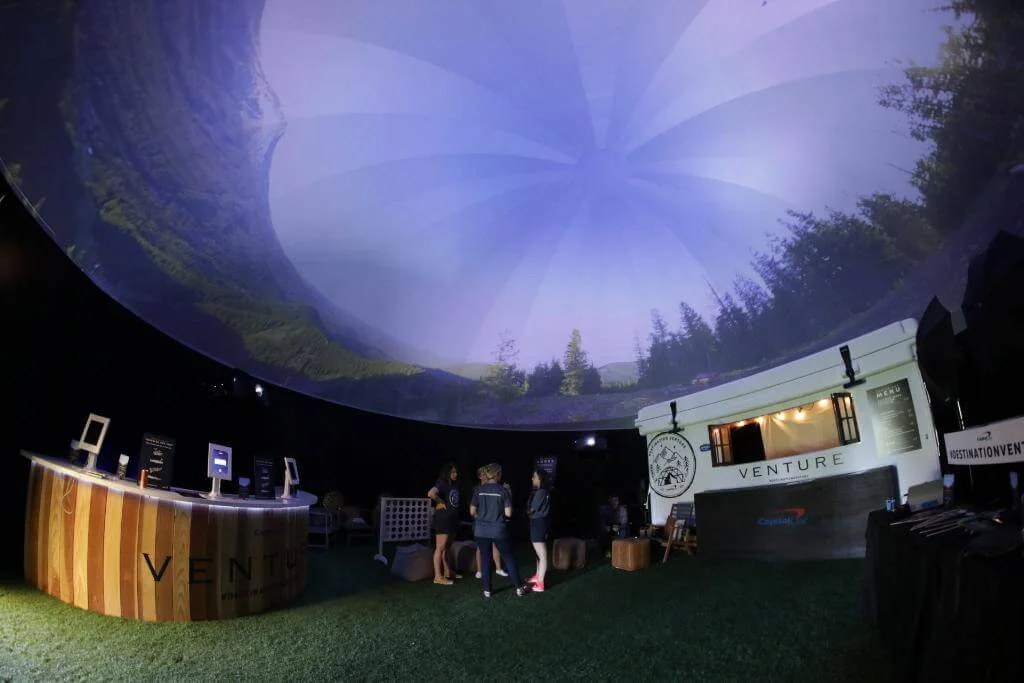
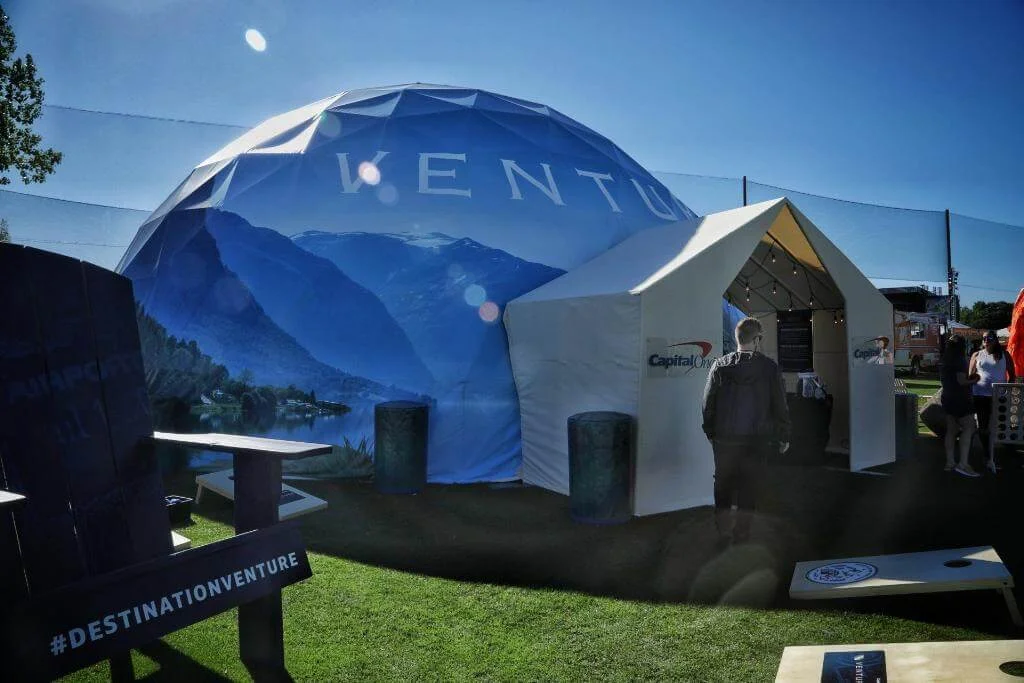
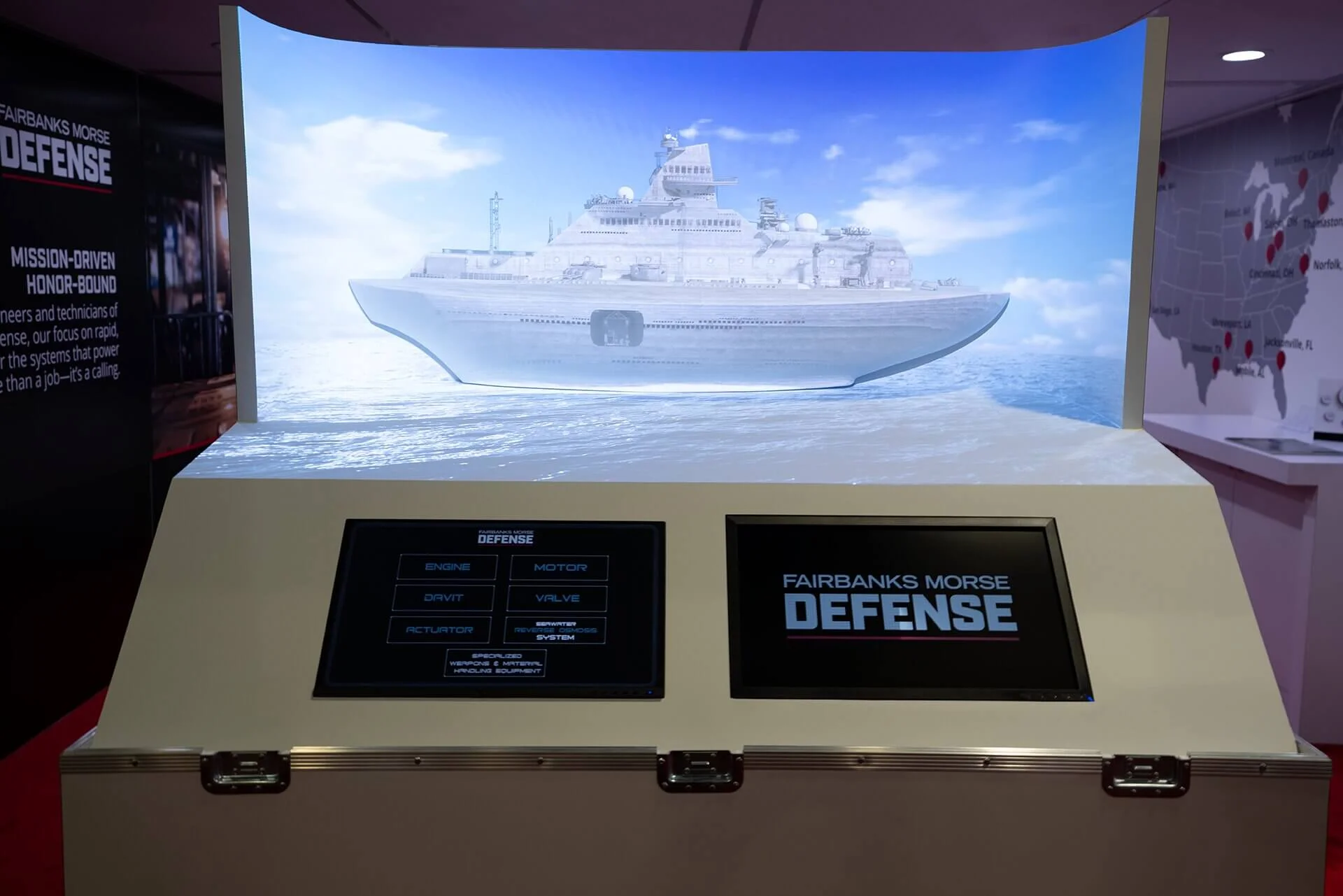
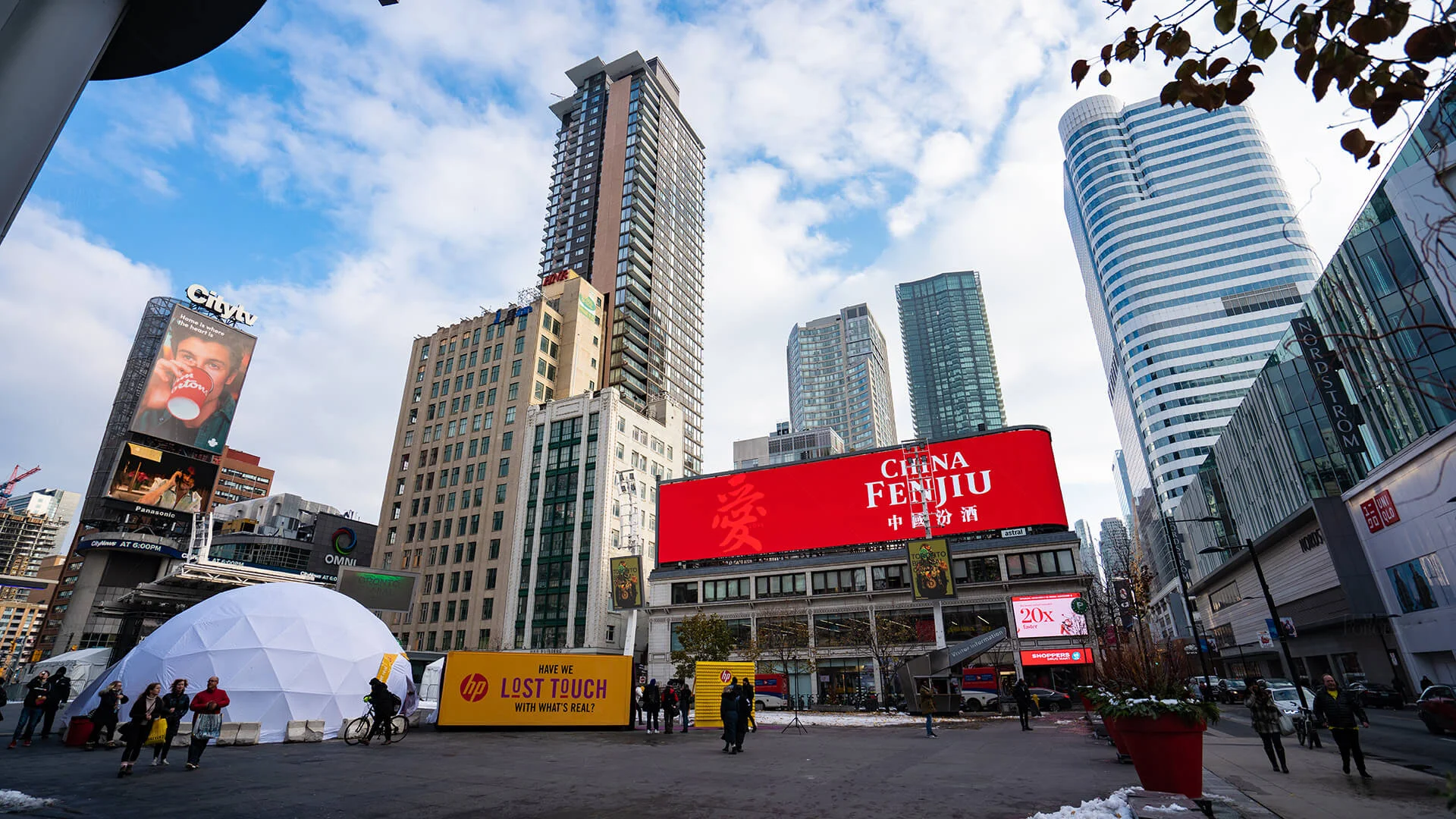
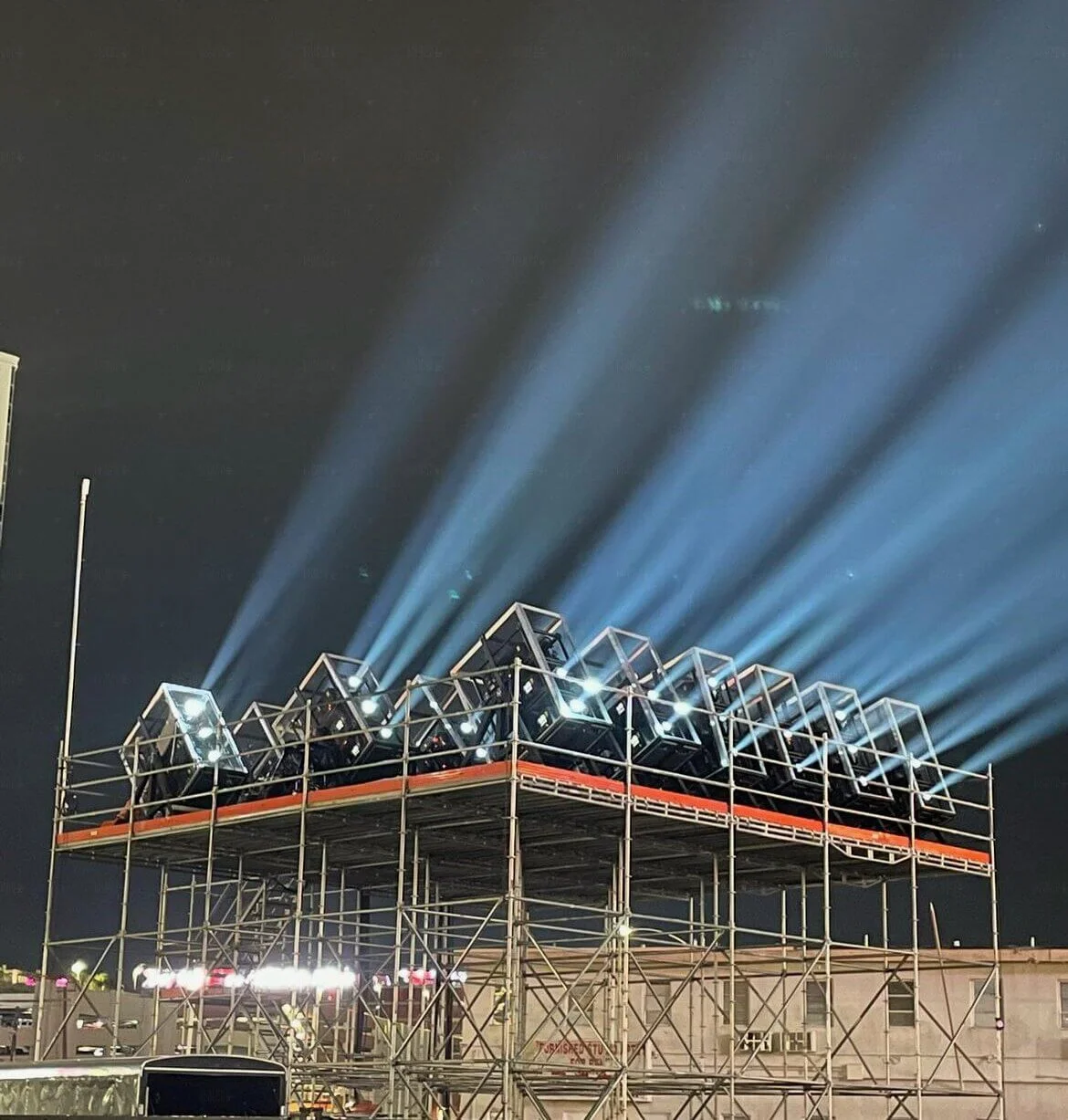
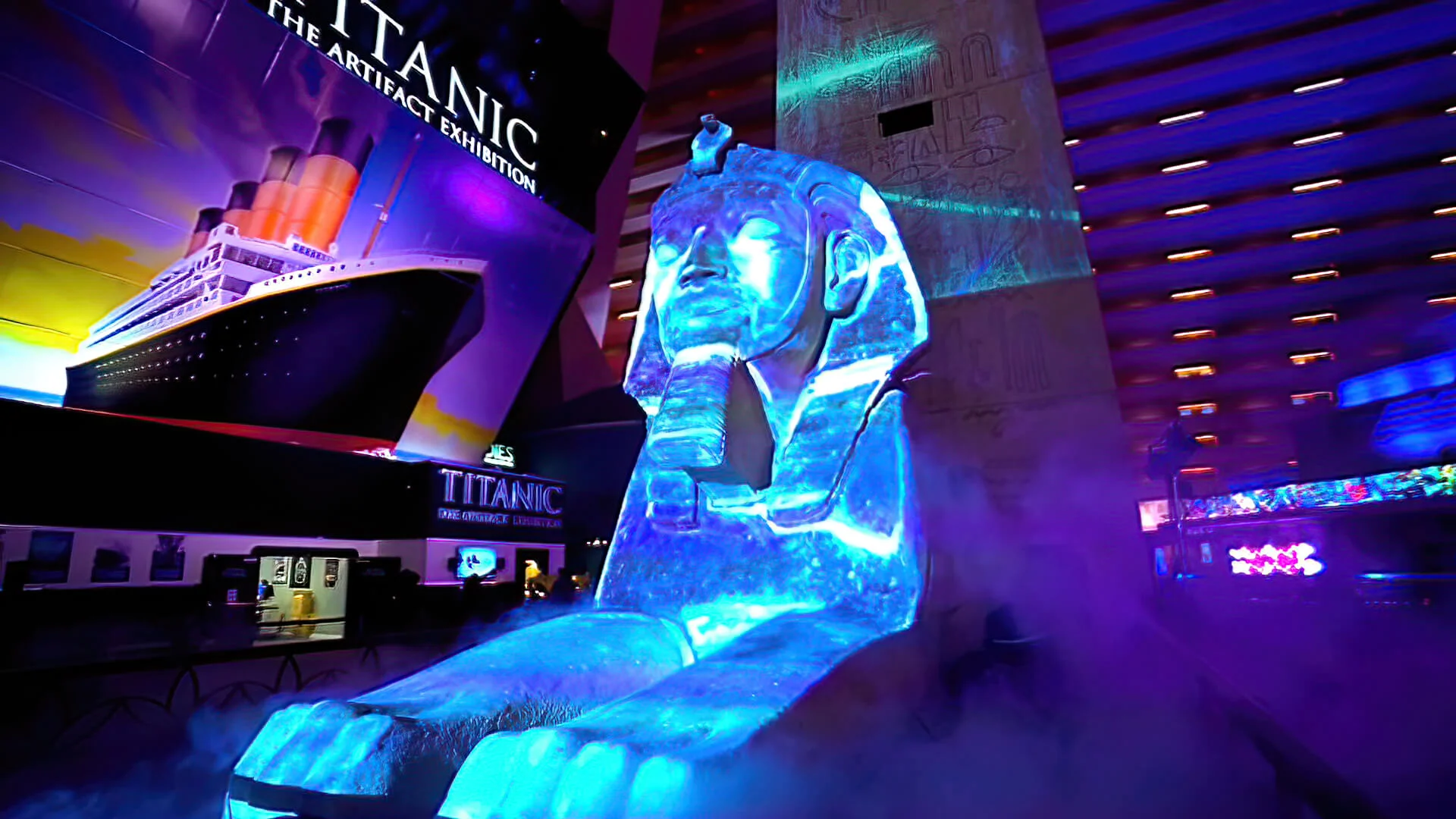
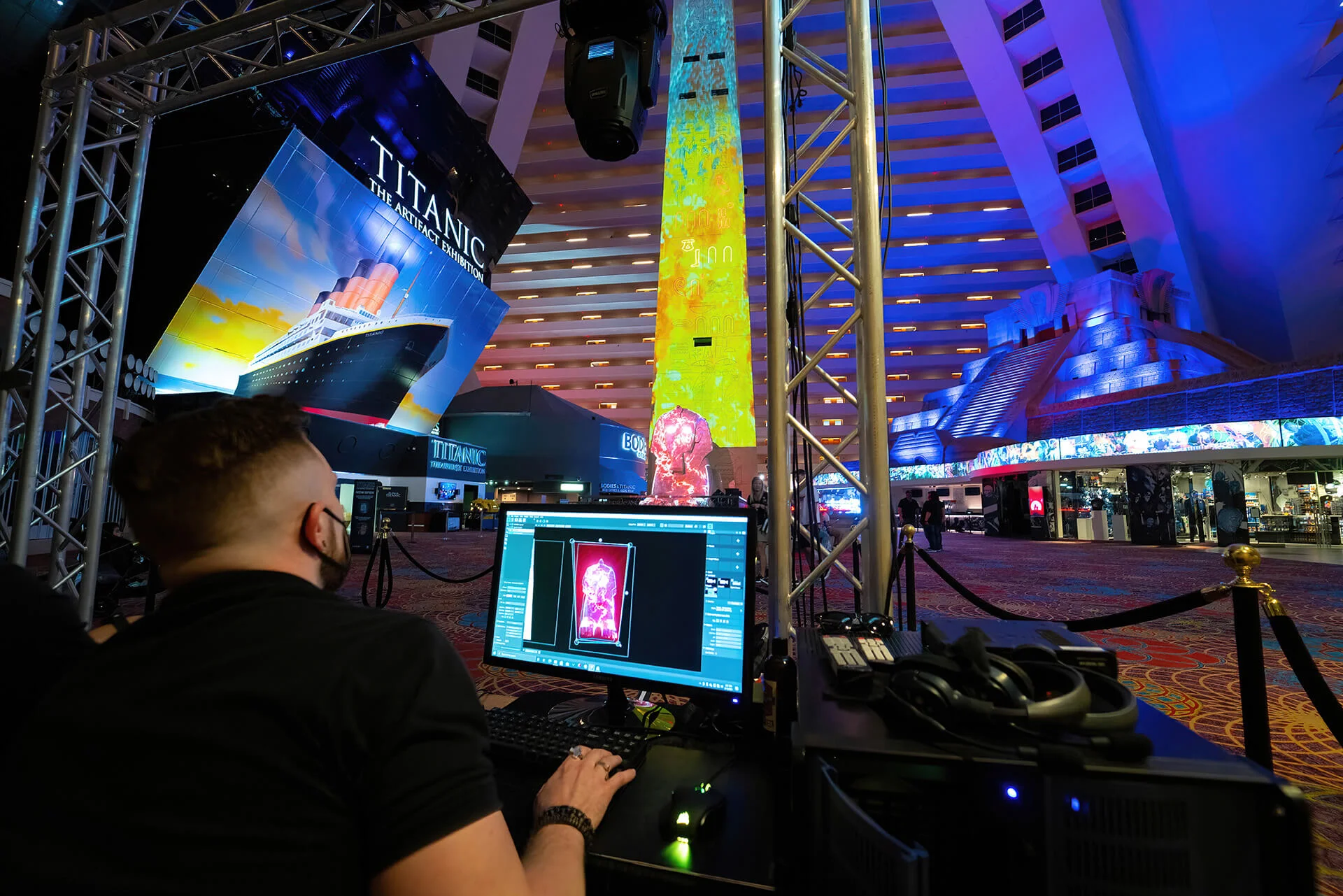
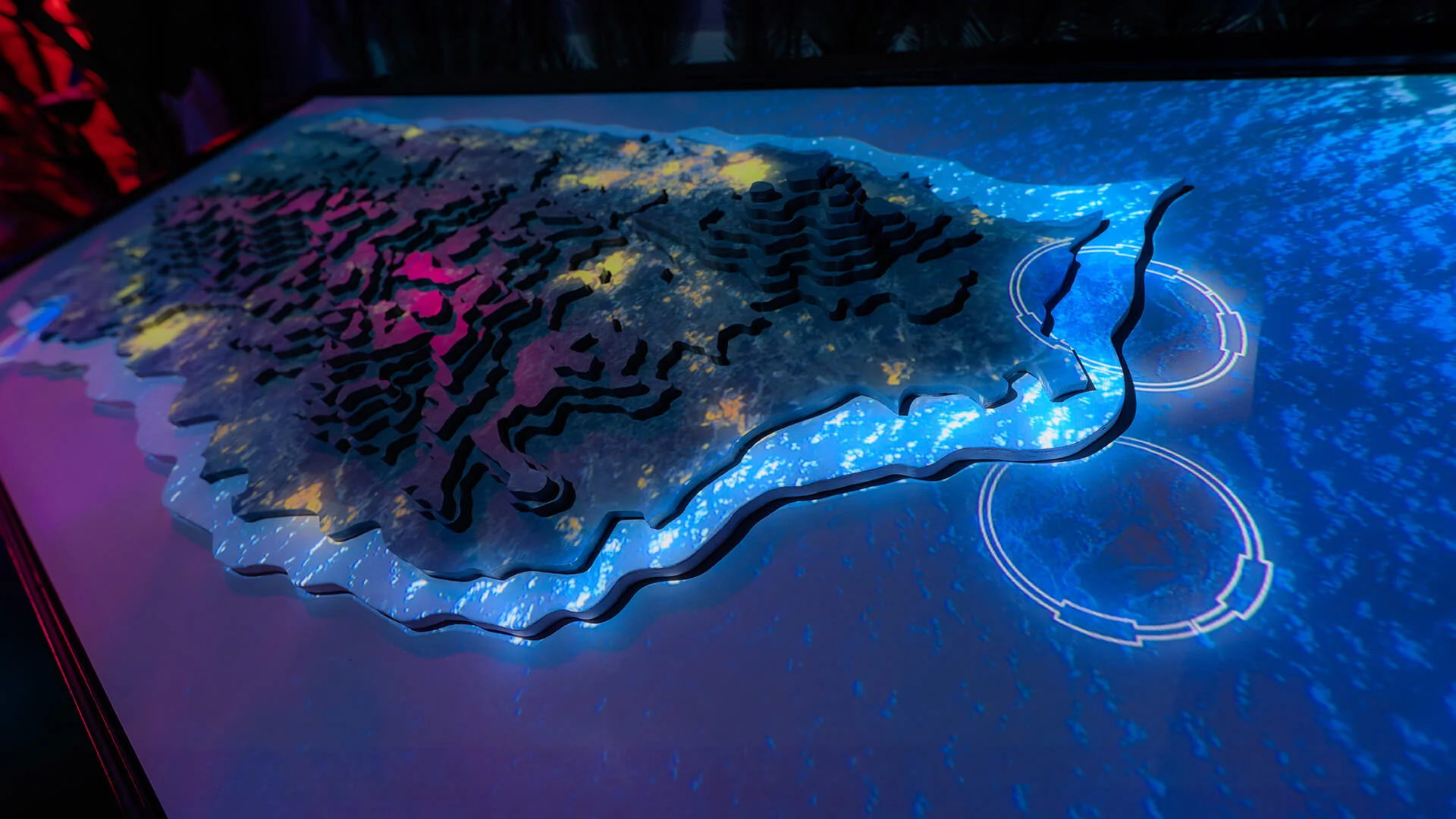
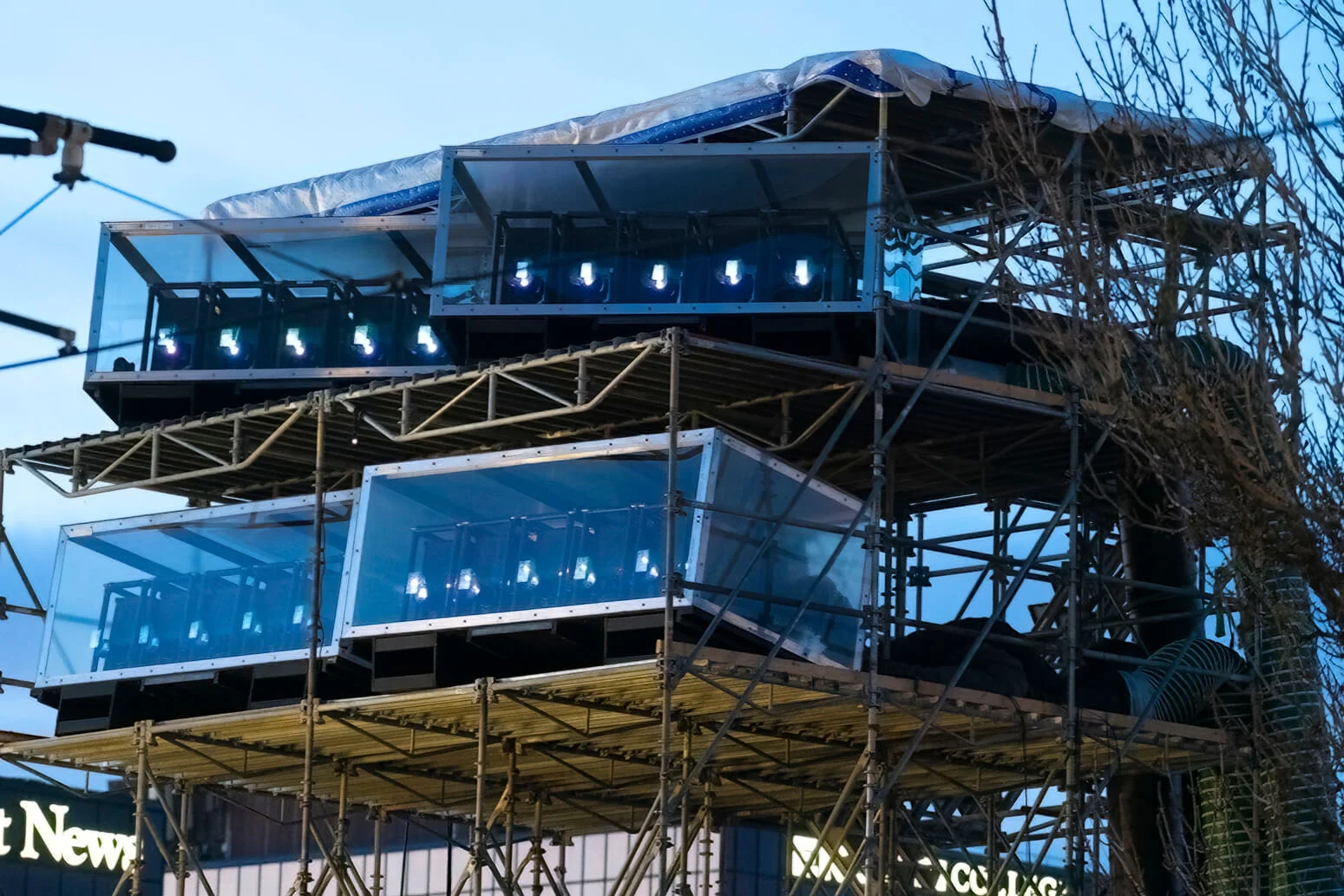
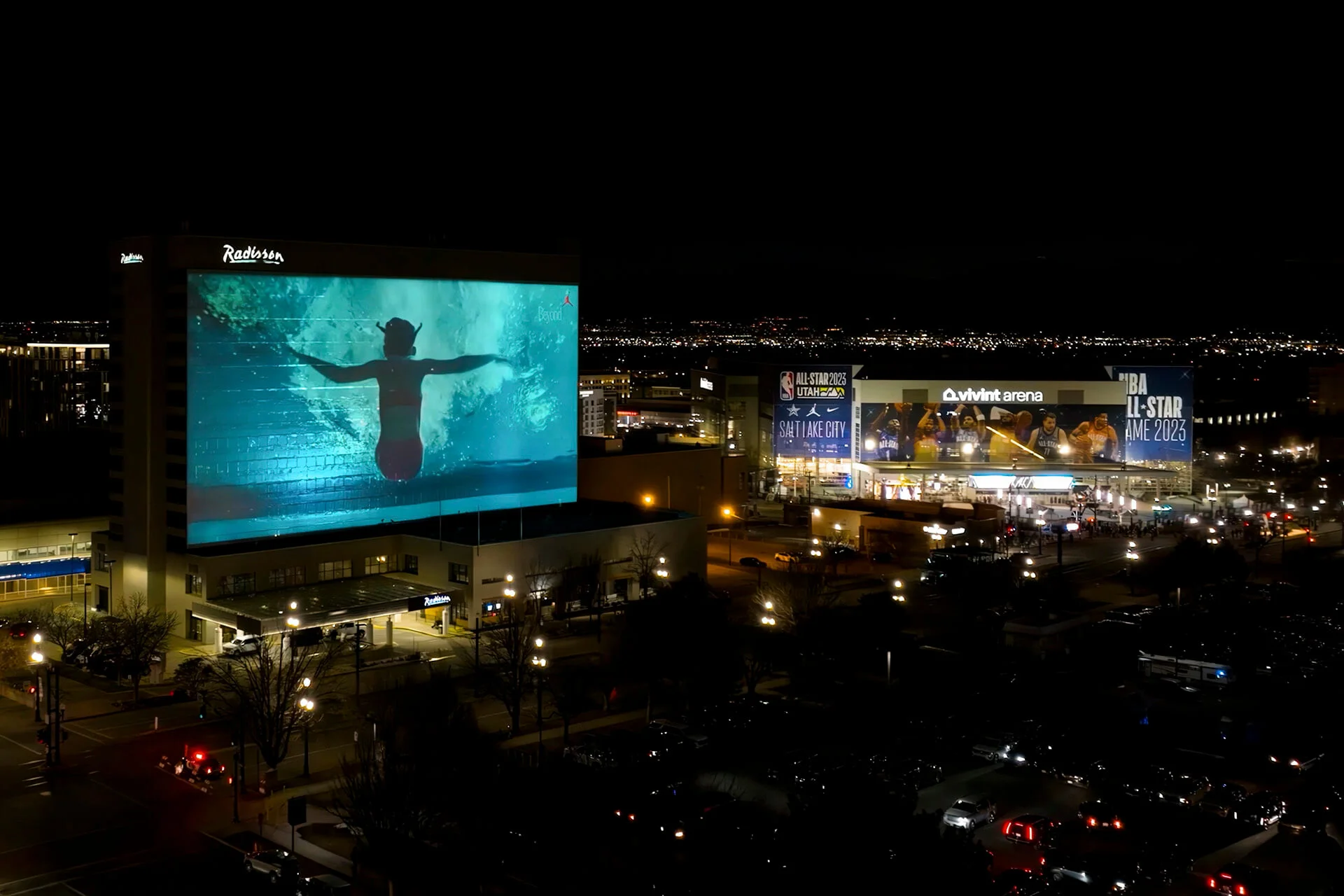
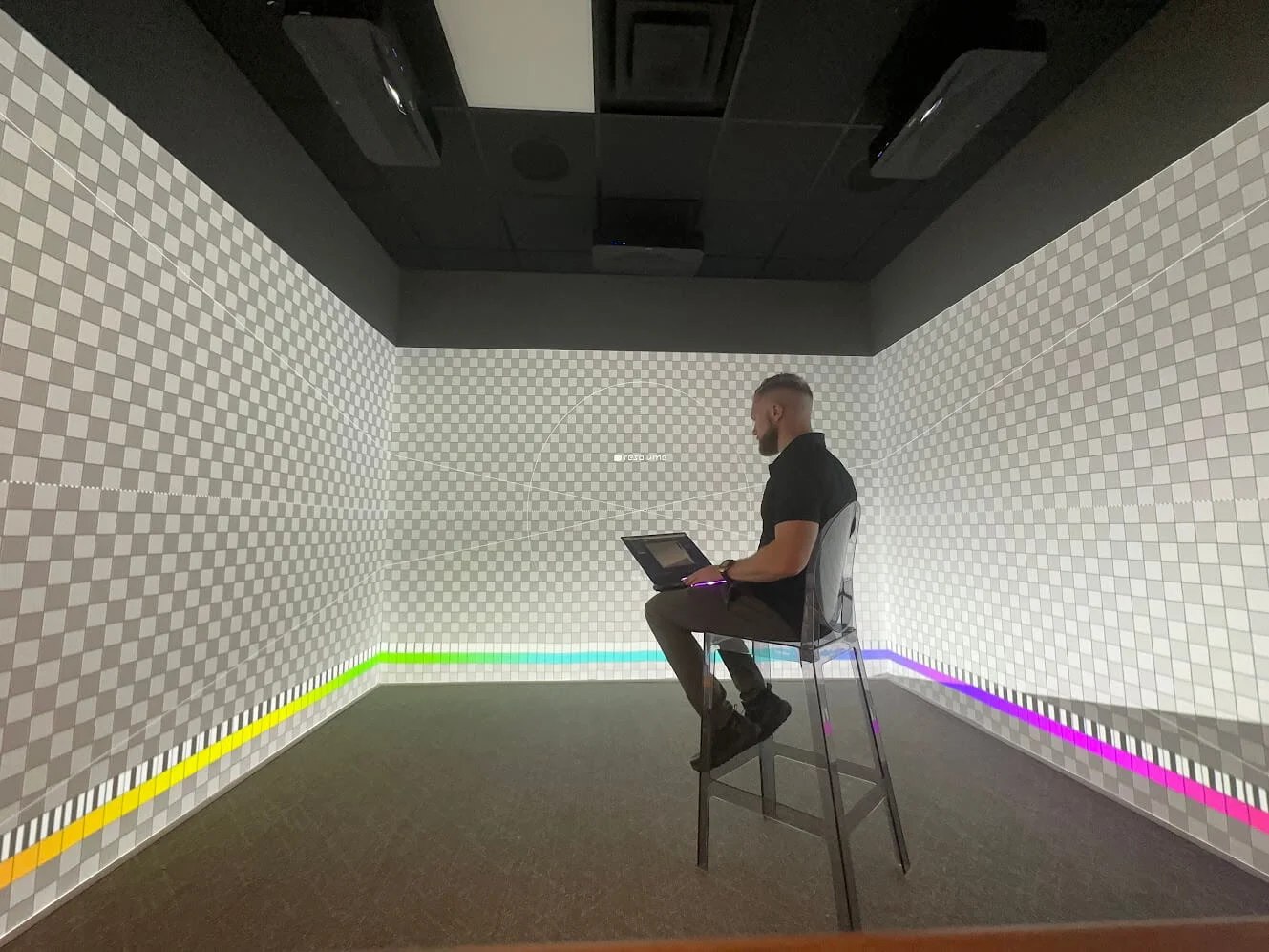
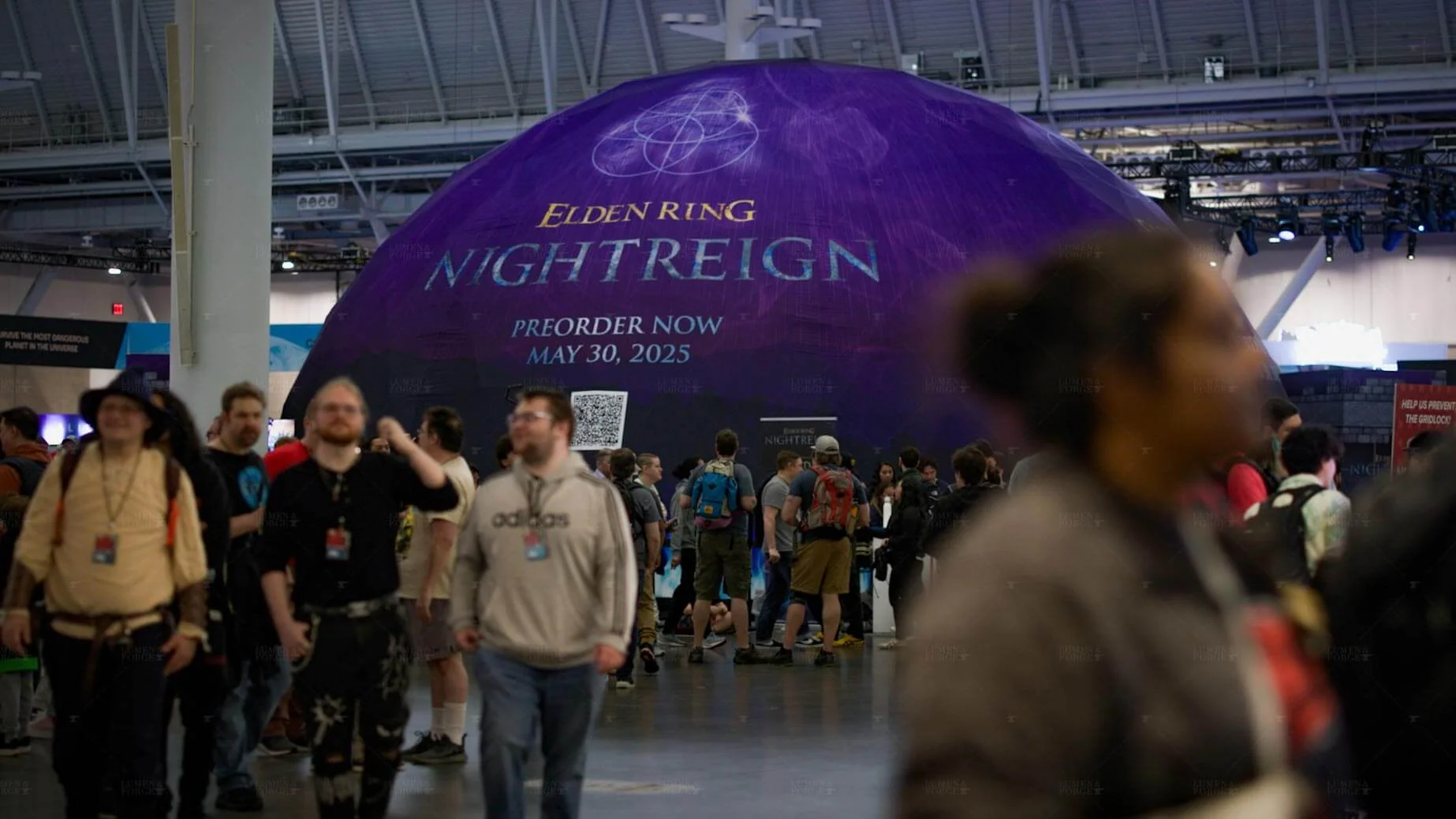
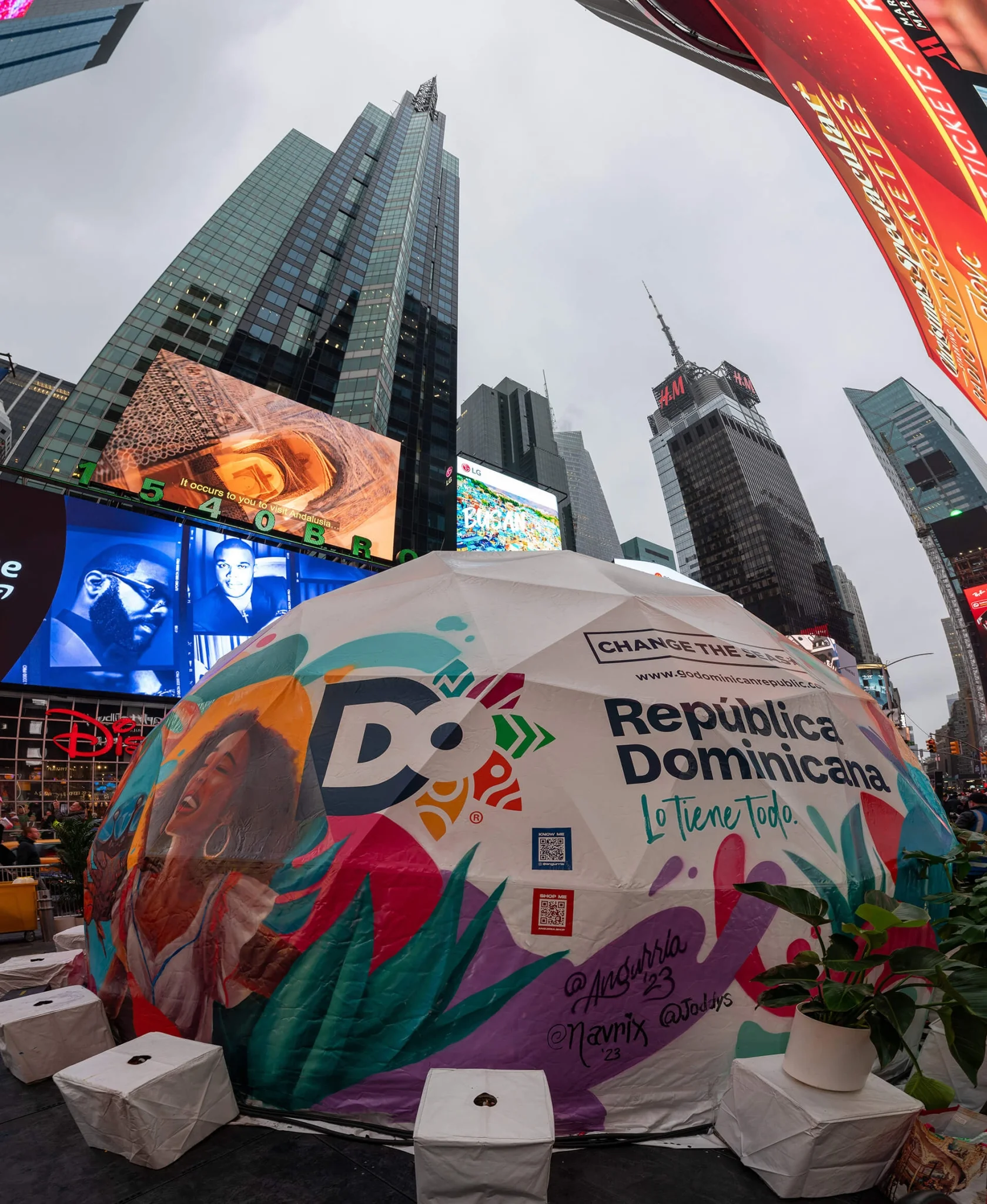
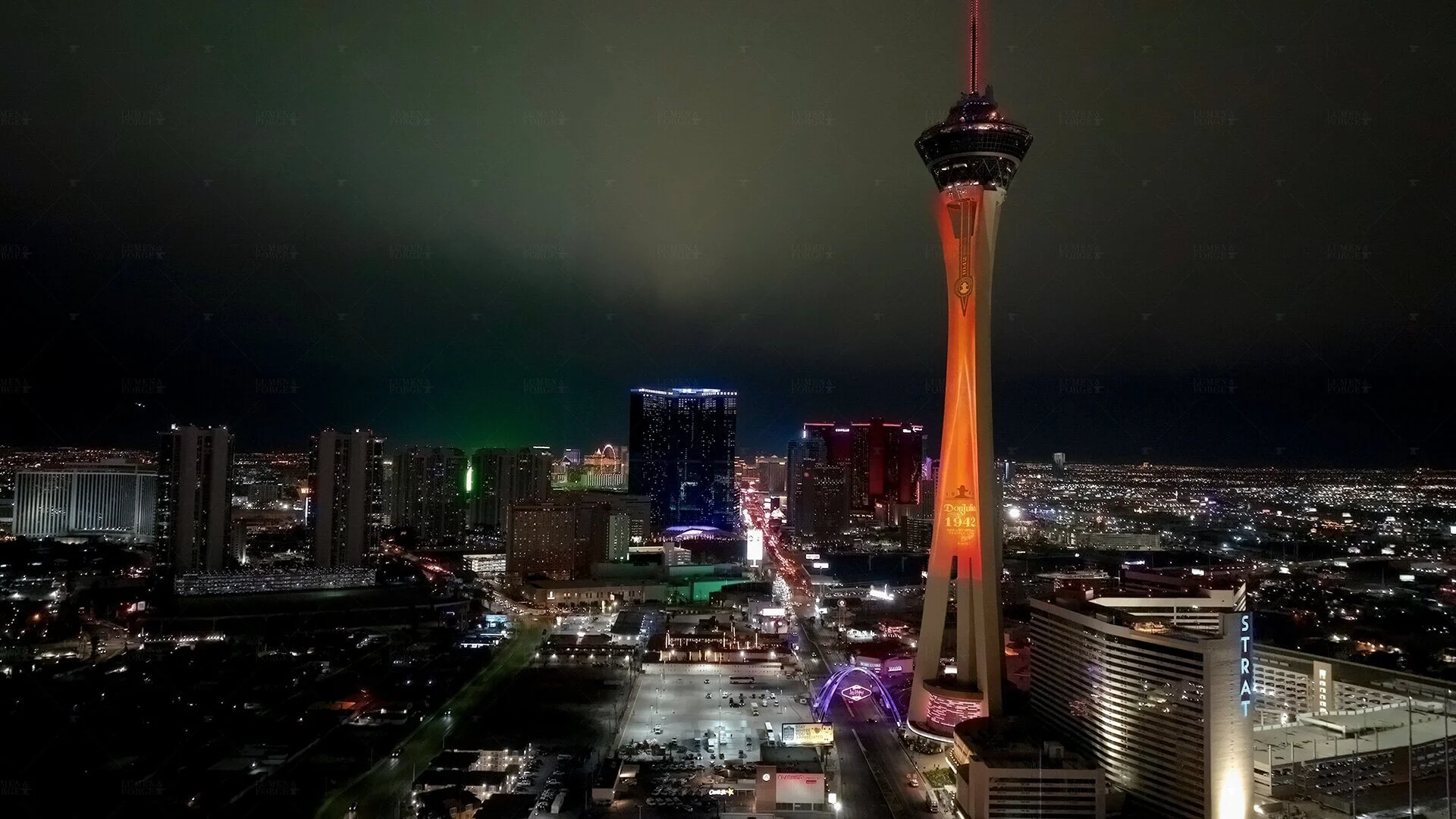
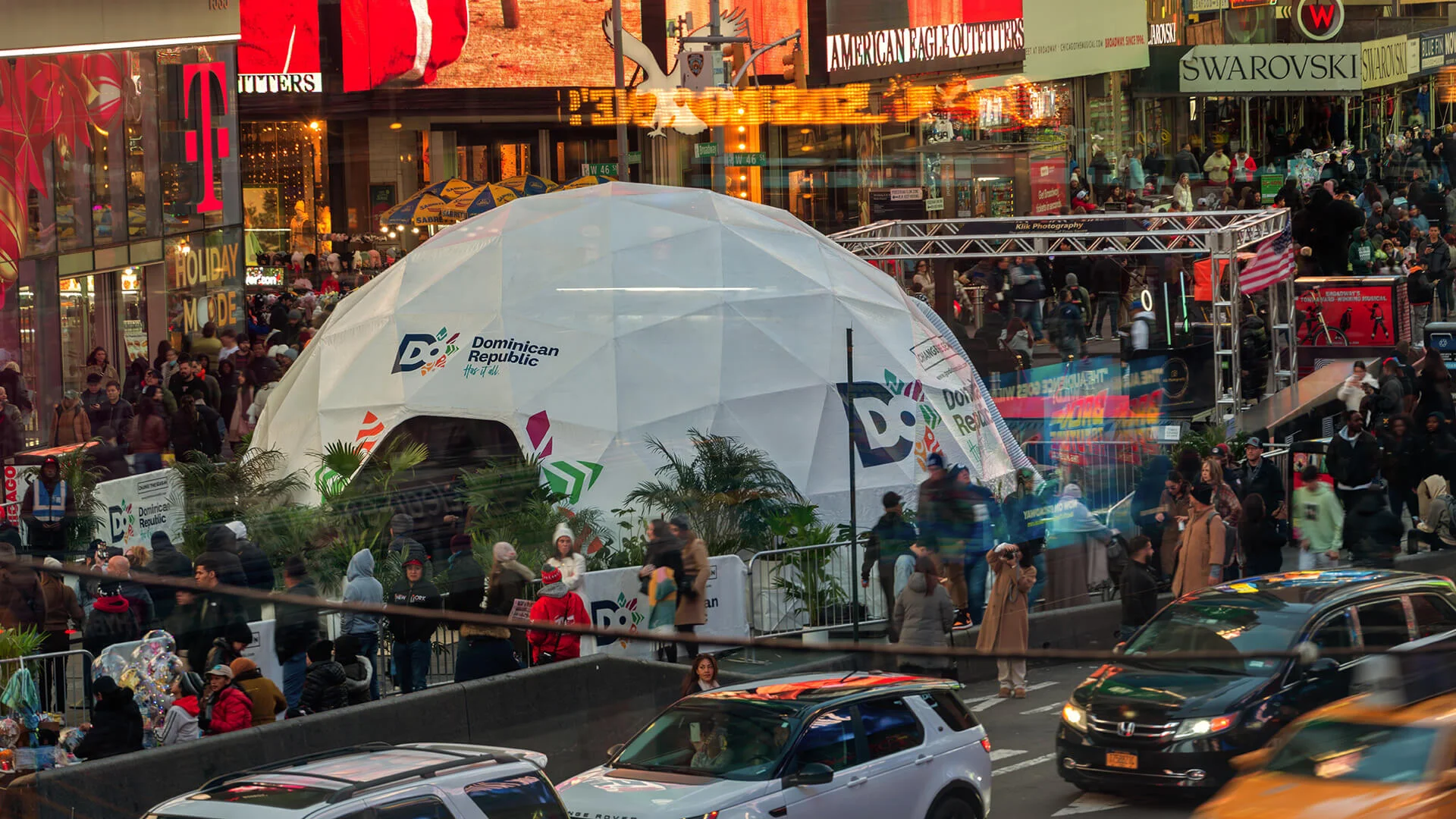
Take A Closer Look
A Deeper Look Into Animation & Visual Story Telling
A Deeper Look Into
Projection Mapping
Projection Mapping: Turning Any Surface Into a Story
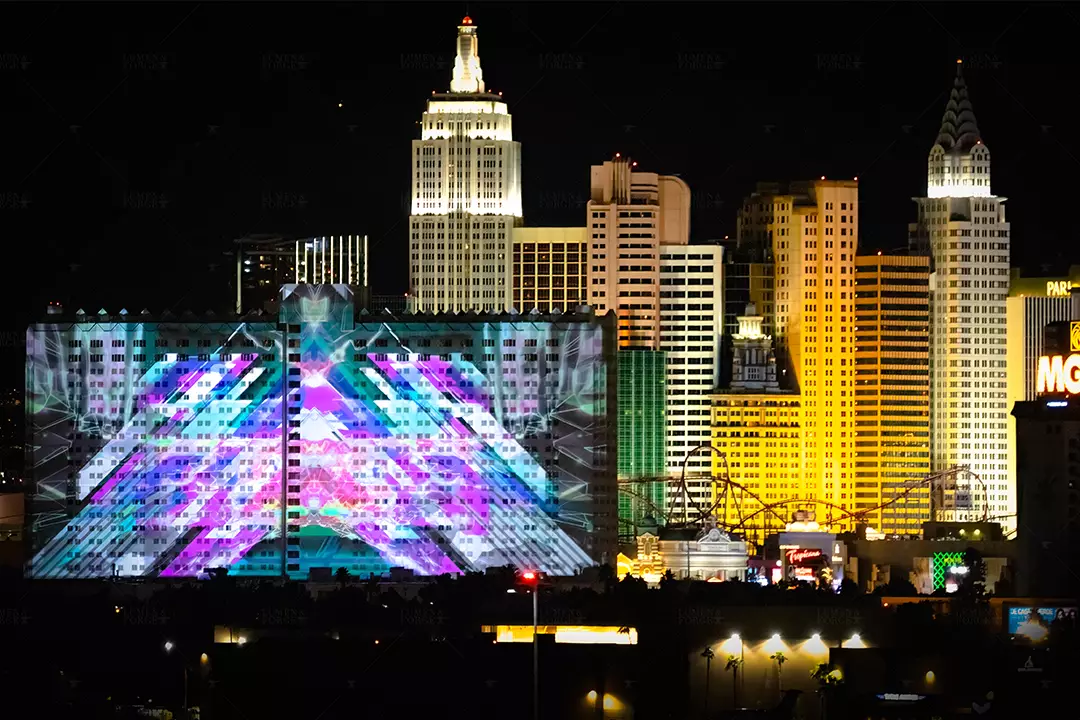
Projection mapping is the practice of aligning projected light to the actual geometry of a surface, so the image bends, wraps and holds its shape across corners, curves and uneven edges. It is not the same as throwing a picture onto a flat screen. A screen is a passive rectangle: whatever you project sits inside its borders. A mapped surface becomes the canvas itself, and the content is built to fit it, which means a building facade, a dome interior or a sculpted object can appear to shift, peel apart or rebuild itself in place. The result reads as an event rather than a video playback.
In Minneapolis that approach suits a wide range of settings. Think the Minneapolis Convention Center, U.S. Bank Stadium, Target Center and Target Field, the Walker Art Center and Minneapolis Sculpture Garden, the Guthrie Theater, the Minneapolis Institute of Art, Orchestra Hall and Peavey Plaza, the Stone Arch Bridge, Mill City Museum and The Armory. Each brings its own surfaces, sightlines and constraints, and each can carry a mapped story that a flat screen could never tell.
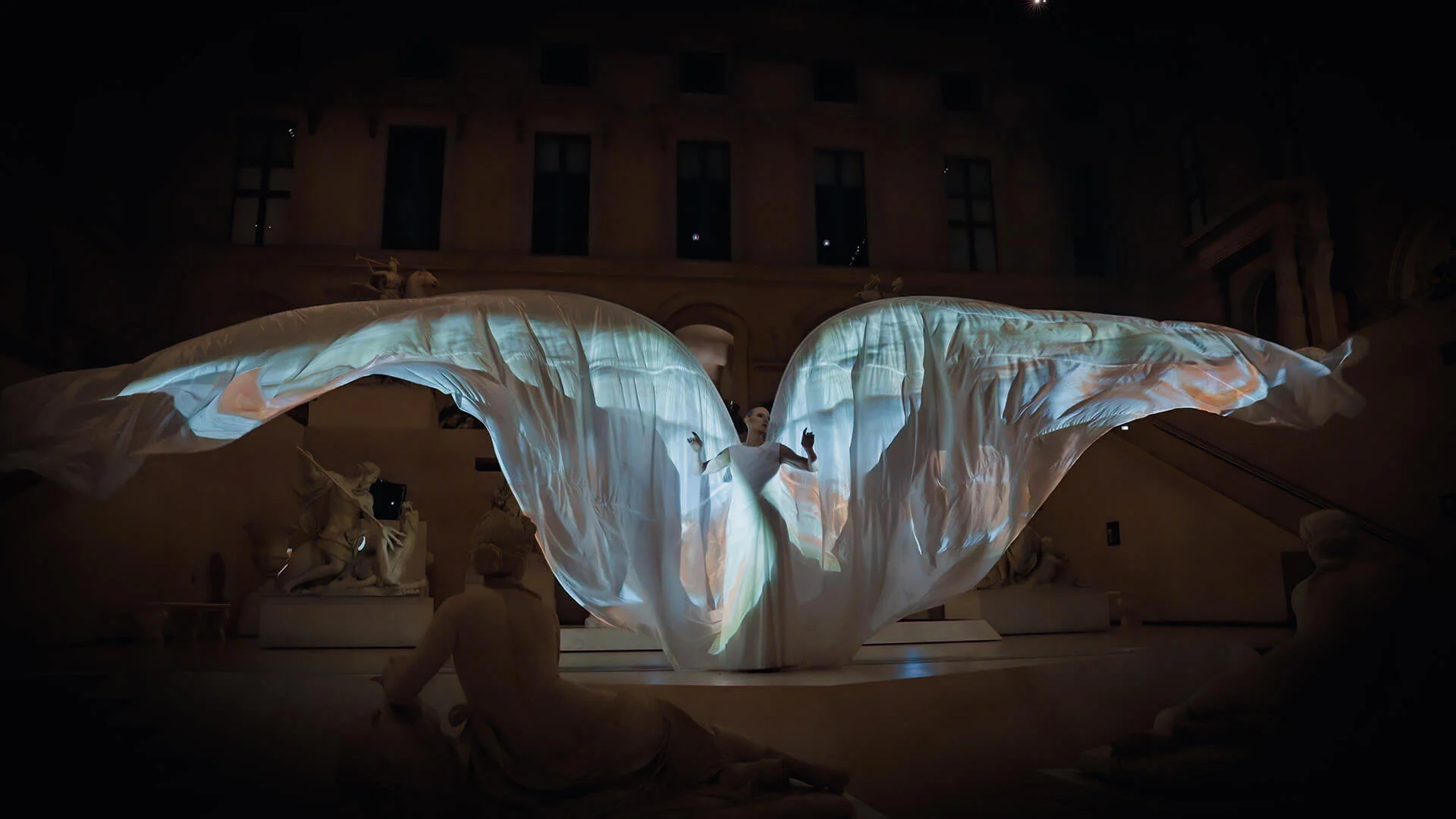
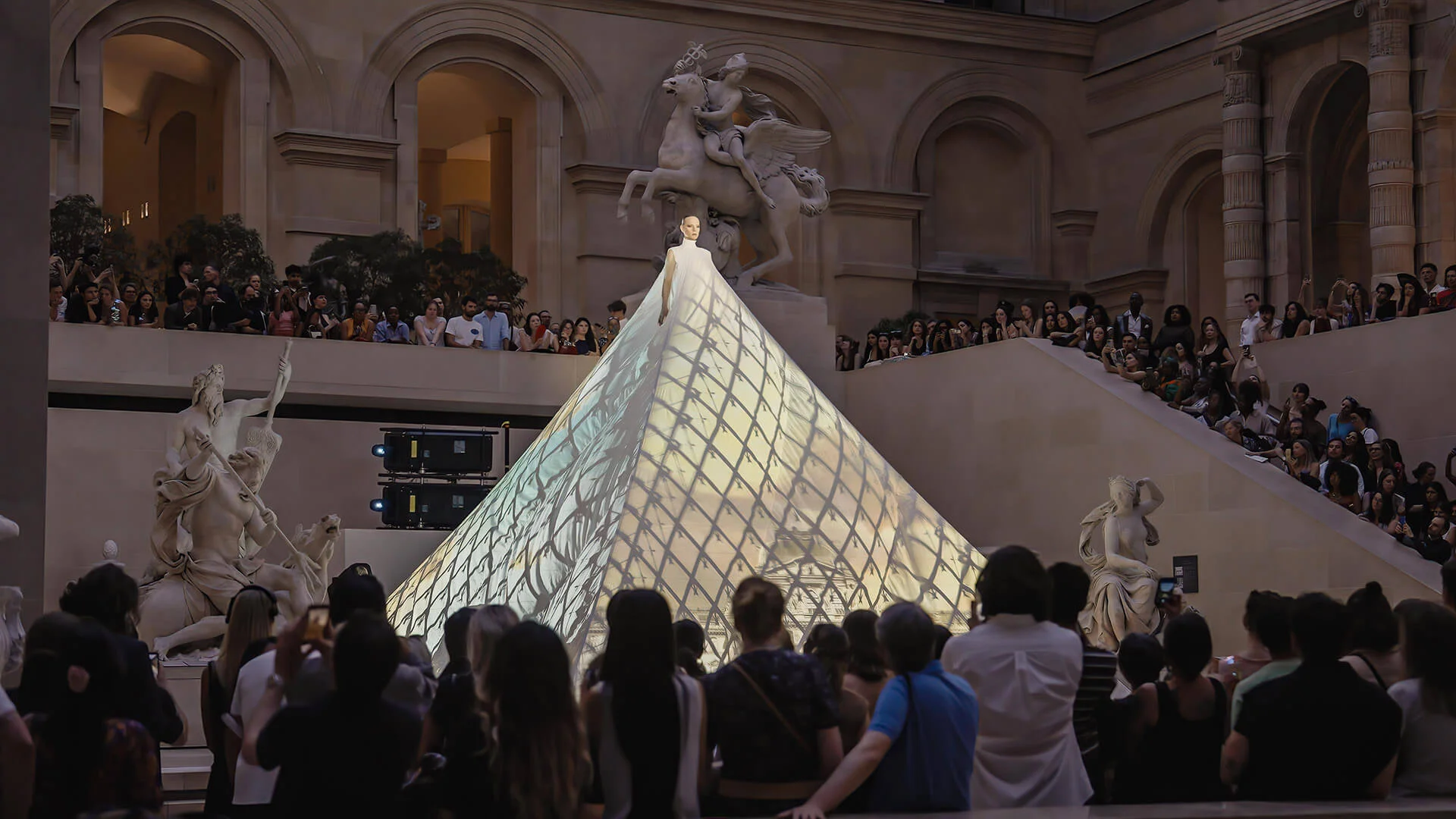
Building and Architectural Projection
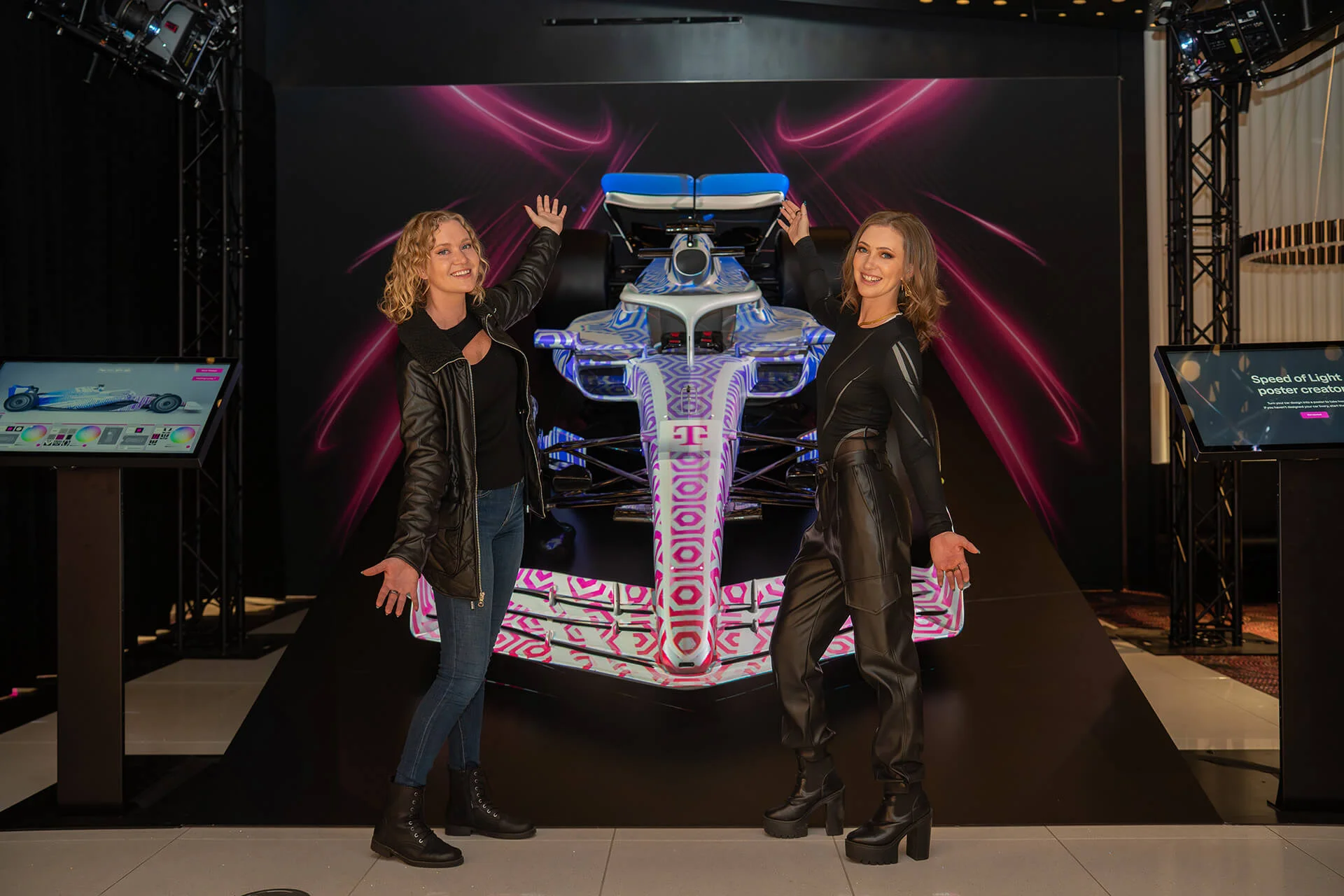
Object and Product Projection Mapping
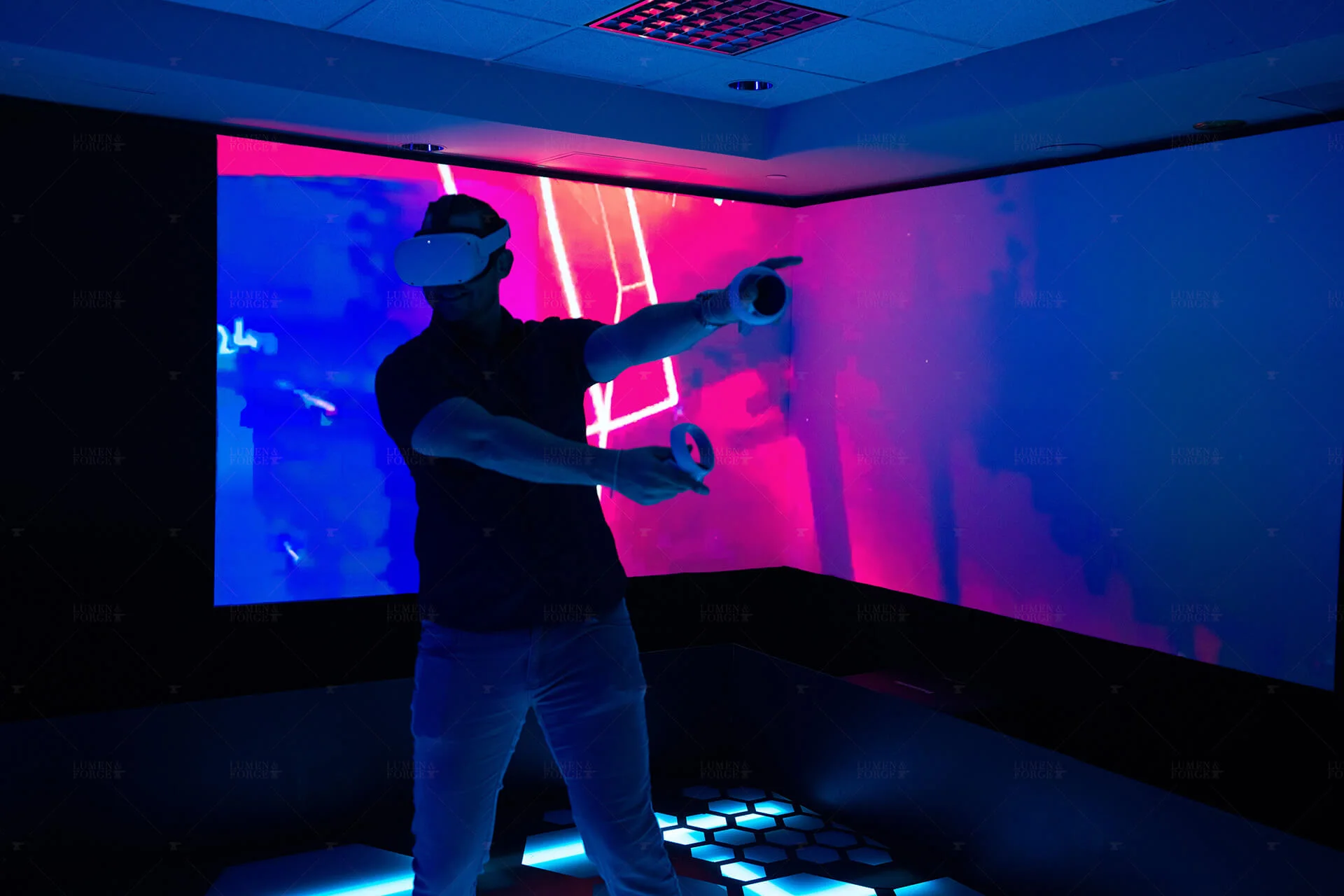
Interactive Projection
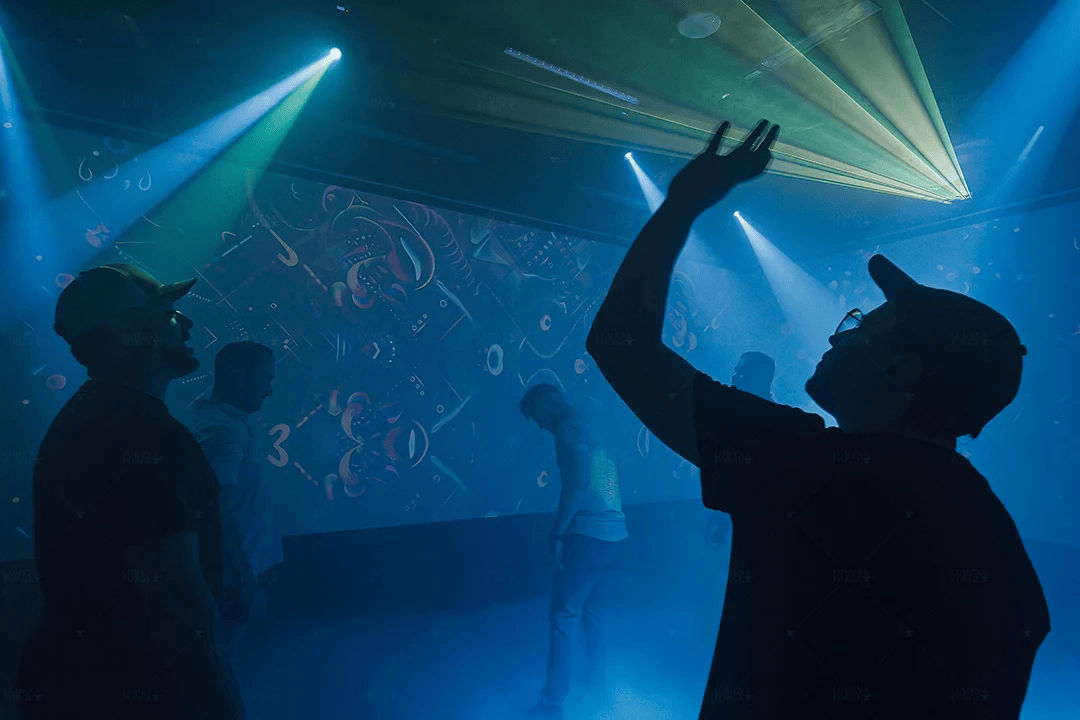
Room and Environment Mapping
Dome Projection
Why Minneapolis Is a Natural Fit for Projection Mapping
Minneapolis audiences are not easily impressed by scale alone. This is a market that hosts the Twin Cities Pride Festival in Loring Park each June, fills the Mississippi riverfront for the Stone Arch Bridge Festival over Father's Day weekend, and turns out for the Minneapolis Aquatennial in July, including the Torchlight Parade on Nicollet Mall. Add Art-A-Whirl in Northeast Minneapolis each May and the Twin Cities Marathon in October, and you have a calendar where residents see large-scale public spectacle again and again. A brand that shows up with nothing but brightness and volume reads as background noise. What cuts through is work that feels designed for the place it occupies, whether that is a riverfront, a sculpture garden or a downtown block.
The people watching are also unusually fluent in design and storytelling. The Walker Art Center and Minneapolis Sculpture Garden, the Guthrie Theater, the Minneapolis Institute of Art, and Orchestra Hall and Peavey Plaza anchor a cultural scene that trains audiences to notice craft. Corporate audiences are equally sophisticated. Retail headquarters, healthcare and medical technology, banking and financial services, and food and agribusiness brands all operate here, and their marketing teams attend the same openings, festivals and games as everyone else. They know the difference between a rented effect and an idea built for the venue. Projection mapping gives a brand a way to meet that bar: content shaped to the architecture of the Minneapolis Convention Center, U.S. Bank Stadium, Target Center, Target Field, The Armory, Mill City Museum or the Stone Arch Bridge reads as intentional rather than imported.
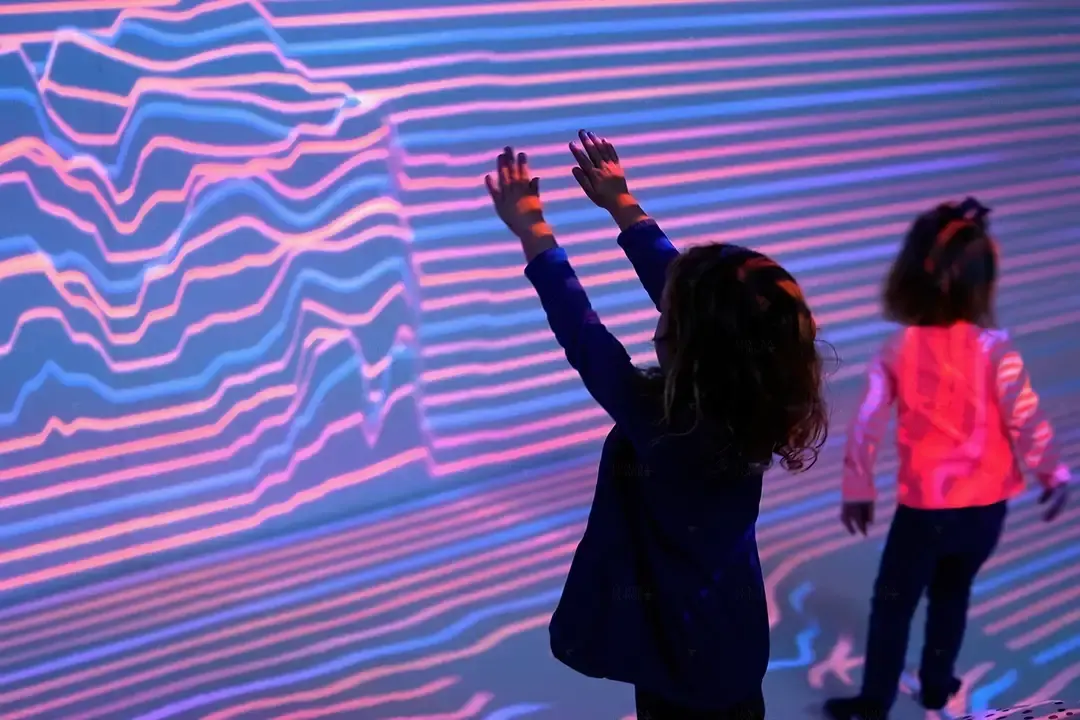
Spectacle alone also fails because the city's biggest moments are communal and repeated. Professional sports fans file into Target Field and Target Center dozens of times a season. Pride, Aquatennial and the marathon return every year. When a brand activation is only a flash of light, it competes with every other flash of light in the same week. When it is interactive, when it responds to movement or weather or crowd input, it gives people something to do rather than something to watch, and that participation is what gets remembered and shared.
Finally, public visibility in Minneapolis comes with real process. Special event permits for public events are issued through the City of Minneapolis Inspection Services special and temporary events process, with separate fire special event permits for outdoor installations. Any brand planning a projection onto a building, a bridge or a festival footprint should build that timeline in early. The payoff is a city that rewards work made specifically for its streets, its venues and its audiences, and that quietly discounts anything that could have been dropped anywhere.
Lumen and Forge: Built for the Twin Cities Stage
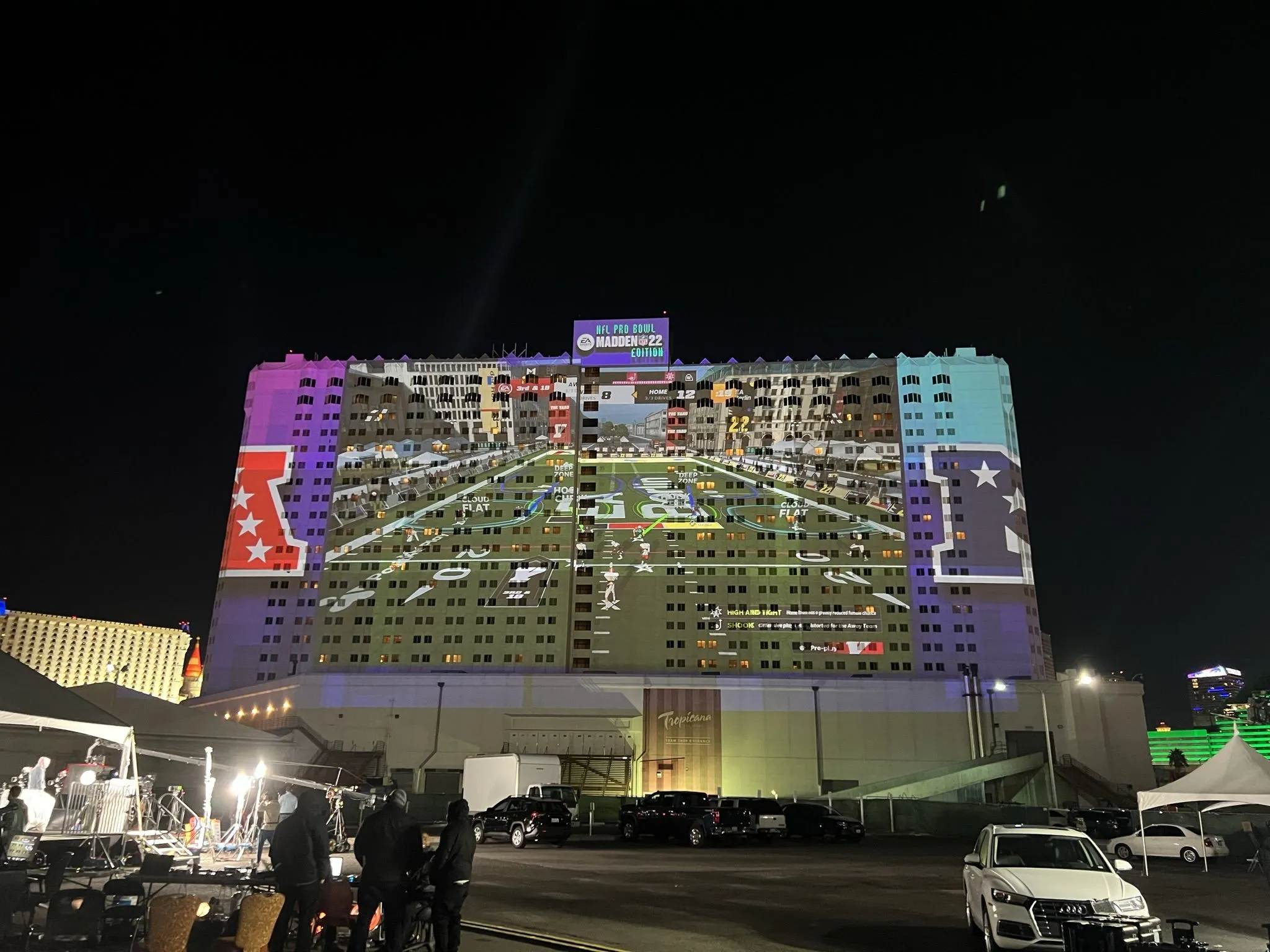
Over 15 years of producing large-scale projection mapping and immersive experiences for globally recognized brands gives Lumen and Forge the operational depth Minneapolis productions require. Our portfolio includes building projections for Nike and Air Jordan at NBA All-Star Weekend, large-scale convention experiences for Toyota, McLaren, and Mastercard, a world record video game screen at the Tropicana, and the Beneath the Blue 360-degree dome for National Geographic. Our team is comfortable working alongside experienced production crews and holding a technical standard in front of an audience that knows the difference, which is exactly what Minneapolis requires.
Who We Work With in Minneapolis
Minneapolis brands and institutions bring us in when a room, a facade or a landmark needs to carry a story at scale. These are the audiences we build for most often.
- Retail headquarters. The Twin Cities are home to major retail brands, and their marketing teams use projection mapping for product launches, sales meetings and shareholder events. We handle the design, production and installation so a campaign reveal lands the same way on a hotel ballroom wall as it does in a national spot.
- Healthcare and medical technology. Companies in this sector hire us for physician education, conference activations and internal innovation summits, where complex science has to read clearly from the back of a large room.
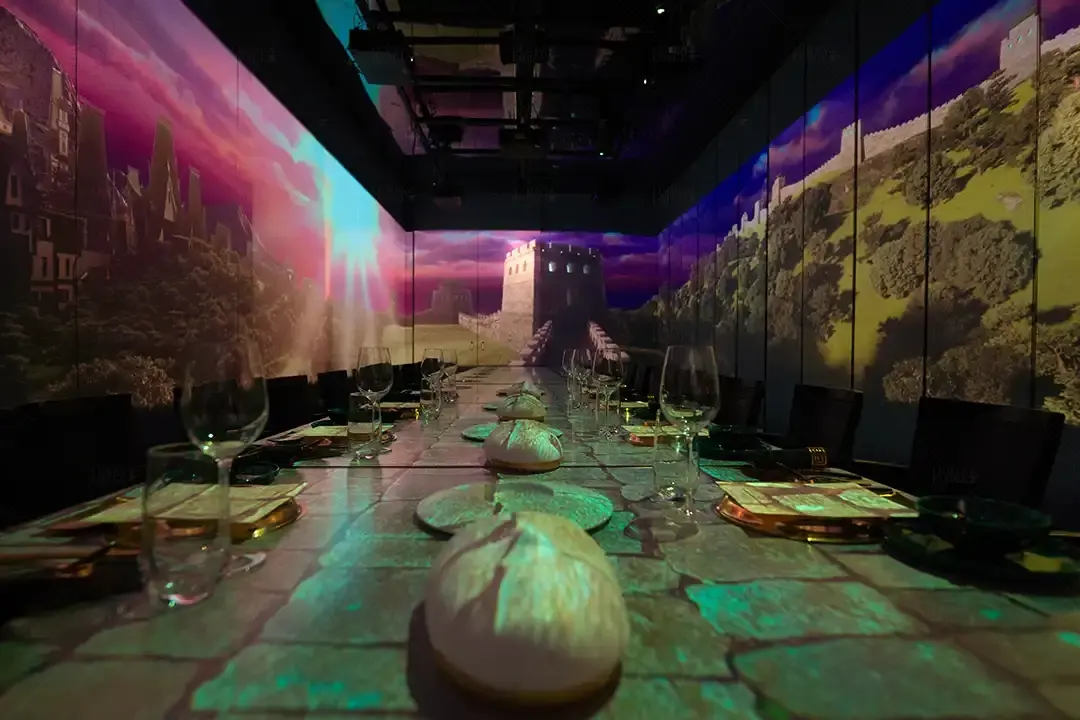
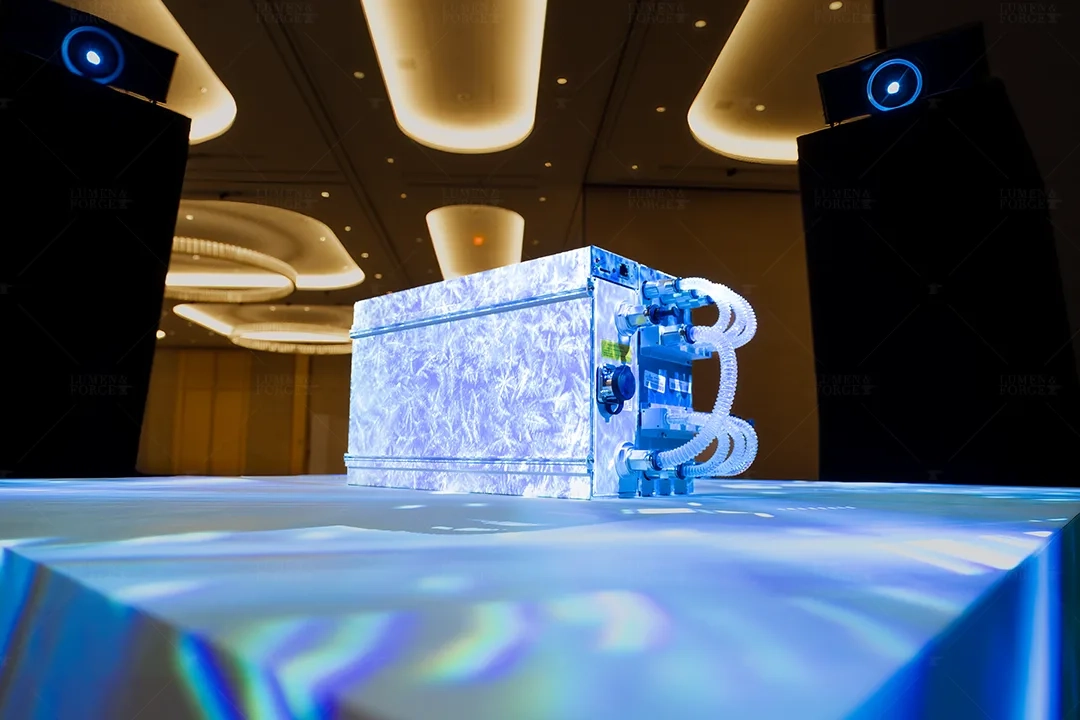
- Banking and financial services. Annual meetings, client appreciation events and sponsorship moments call for content that feels precise and premium. Object mapping and room-scale environments give financial brands a way to present numbers and milestones without a slide deck.
- Food and agribusiness brands. These clients use building projection and interactive installations at trade shows and consumer events, turning ingredient stories and supply chain data into something an audience can watch.
- Arts and cultural institutions. Museums, theaters and performing arts organizations commission immersive work that extends an exhibition or a season, from gallery-scale installations to outdoor projection on campus.
- Professional sports. Teams and their partners need fan experiences that hold up on game day and at the events around it. We produce projection domes, interactive installations and venue mapping built for high-traffic environments.
Ready to Light Up the Riverfront?
Minneapolis rewards brands that take their audiences seriously, whether that is a retail headquarters unveiling a product, a healthcare company at a downtown convention, or a cultural institution opening a new season. Lumen and Forge has spent more than 15 years designing, producing and installing projection mapping and immersive work for brands including Nike and Air Jordan, Toyota, McLaren and Mastercard, and we bring that same standard to venues like U.S. Bank Stadium, Target Center, Target Field and the Minneapolis Convention Center.
If you are planning a launch, an activation or a public event here, tell us what you have in mind. We would like to hear about it.
Frequently Asked Questions: Projection Mapping in Minneapolis
Standard projection displays a flat image on a flat screen or white wall. Projection mapping uses specialized software to warp, align, and calibrate video content so it fits precisely onto any three-dimensional surface, whether that is a building exterior, a custom sculpture, a vehicle, or an entire room. The software accounts for every edge, angle, and curve, so the content appears to belong to the object itself rather than simply being cast onto it. In a city full of working production professionals, that level of precision is what separates a real installation from a lighting effect.
Yes. Minneapolis projection mapping runs outdoors from spring through fall, when festivals and riverfront events fill the calendar. Summer sunset lands late, near 9 p.m. in June, so shows start after dark and run shorter windows. Winter cold and snow limit outdoor installs, though object mapping and indoor room-scale work continue year round. Downtown ambient light from Target Center, Target Field and The Armory is manageable with high-output projectors and careful throw distance, and venues such as the Minneapolis Sculpture Garden and Mill City Museum offer darker, more controllable surfaces.
Minneapolis events that suit projection mapping activations include Art-A-Whirl in Northeast Minneapolis each May, the Twin Cities Pride Festival in Loring Park in June, and the Stone Arch Bridge Festival along the Mississippi riverfront over Father's Day weekend. The Minneapolis Aquatennial in July, with its Torchlight Parade on Nicollet Mall, and the Twin Cities Marathon in October draw large crowds that brands can engage after dark.
Yes. Lumen and Forge coordinates permits, power, rigging and site logistics directly with your venue, from load-in windows to strike. For public events in Minneapolis, special event permits run through the City of Minneapolis Inspection Services special and temporary events process, with separate fire special event permits for outdoor installations. We build those requirements into the production schedule so your projection mapping, dome or interactive installation is approved, powered and ready before doors open.
There is no single price for projection mapping in Minneapolis, because every project is scoped to the site. Cost depends on the scale of the surface, whether you are mapping a building facade, an object or a projection dome, the complexity of the custom content, how long the installation runs, and the equipment and crew required on site. A one-night brand activation at The Armory and a multi-day build at the Minneapolis Convention Center carry very different production demands. Share your venue, dates and creative goals for an accurate quote.
Lead time depends on scale. Custom content, a site survey, equipment and crew scheduling, and permitting all take time, and large building projections and outdoor events need the longest runway. Special event permits for public events go through the City of Minneapolis Inspection Services special and temporary events process, with separate fire special event permits for outdoor installations. Get in touch as soon as the venue and date are known so we can map the schedule.
Projection mapping aligns imagery to any surface, flat or shaped, so video sits exactly where you intend it on a wall or screen. 3D projection mapping goes further: it accounts for depth, contour and multiple planes, treating a structure as a three dimensional object rather than a canvas. On a sculptural facade at the Walker Art Center and Minneapolis Sculpture Garden, content can wrap corners, follow relief and shift with viewing angle, so the building itself becomes the story.
In addition to projection mapping, we offer dome projection for fully immersive 360-degree spherical experiences, event and project design for end-to-end production planning, and animation and visual storytelling for original content creation. Many of our Minneapolis clients combine projection mapping with one or more of these services into a single integrated production. We are a full-service immersive experience company, and the strongest work we build is conceived as a whole from the first conversation.
Do you have more questions?
Didn't find what you were looking for? Our team is happy to walk you through your project and answer anything else