

Projection Mapping That Turns the Garden State Into a Canvas
New Jersey packs an unusual concentration of stages, arenas and public spaces into a small state, and that density is what makes it a serious production market. MetLife Stadium and American Dream in East Rutherford, Prudential Center and NJPAC in Newark, and Sports Illustrated Stadium in Harrison anchor a calendar that runs from professional sports to touring concerts and experiential retail. Along the waterfront, Liberty Science Center and Liberty State Park give brands room for large-scale outdoor work, while Asbury Park Convention Hall and Paramount Theatre keep the shore in the mix for music, hospitality and event audiences.
The seasonal calendar rewards planning. The Essex County Cherry Blossom Festival fills Branch Brook Park each April, Sea.Hear.Now takes over Asbury Park in September, and October brings the Jersey City Art and Studio Tour and Cape May Victorian Weekend. Add Princeton University Art Museum, SHI Stadium and Asbury Park Convention Hall and Paramount Theatre, and the state covers every scale of venue.
Pharmaceuticals and life sciences, finance and insurance, gaming and hospitality, sports and live entertainment, retail and tourism, higher education and trade shows all launch activations here. Permits come from the host municipality, so early coordination matters.
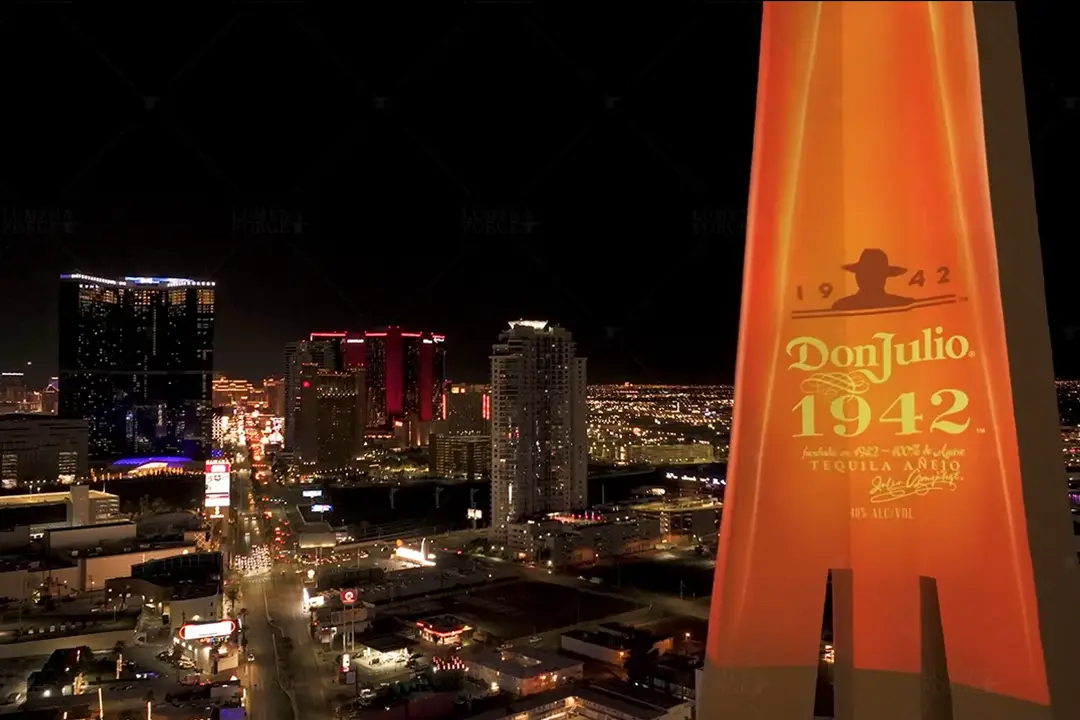
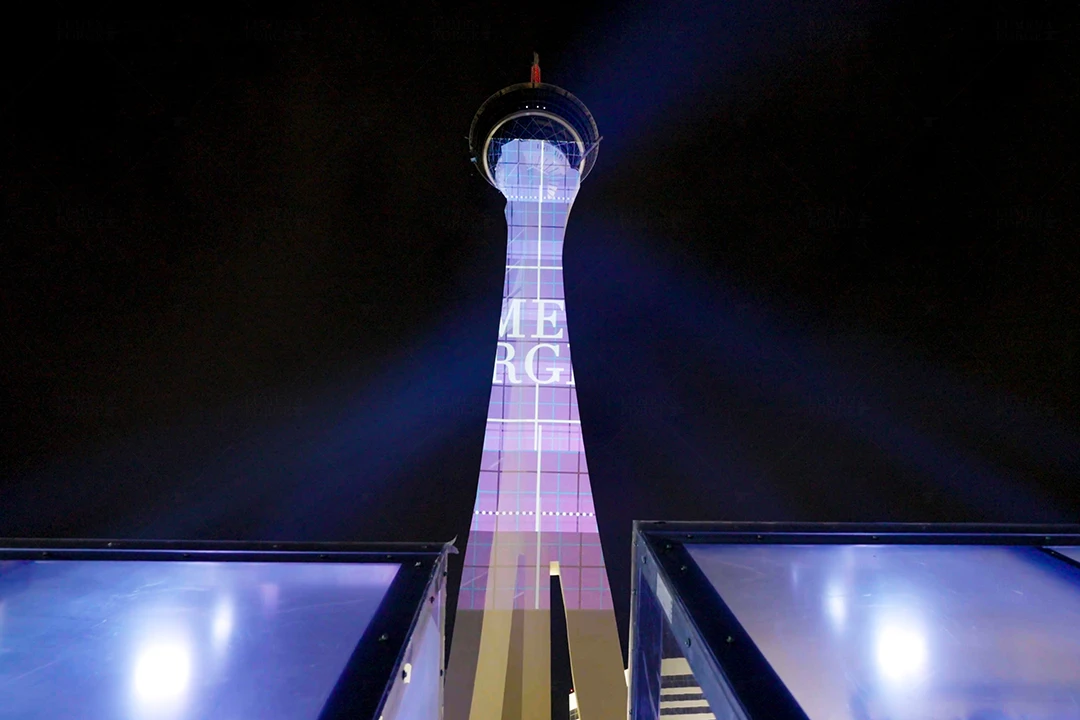
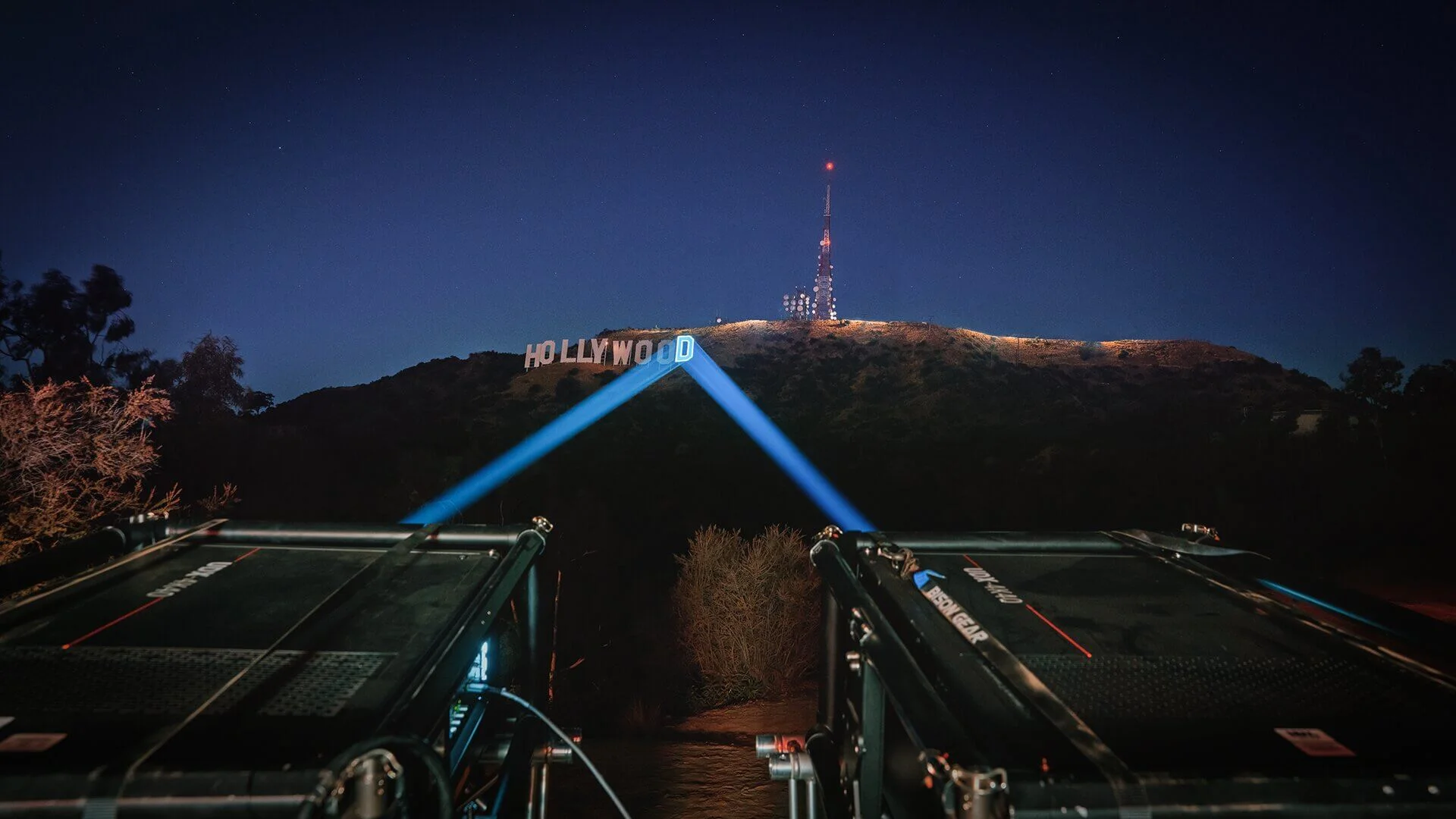
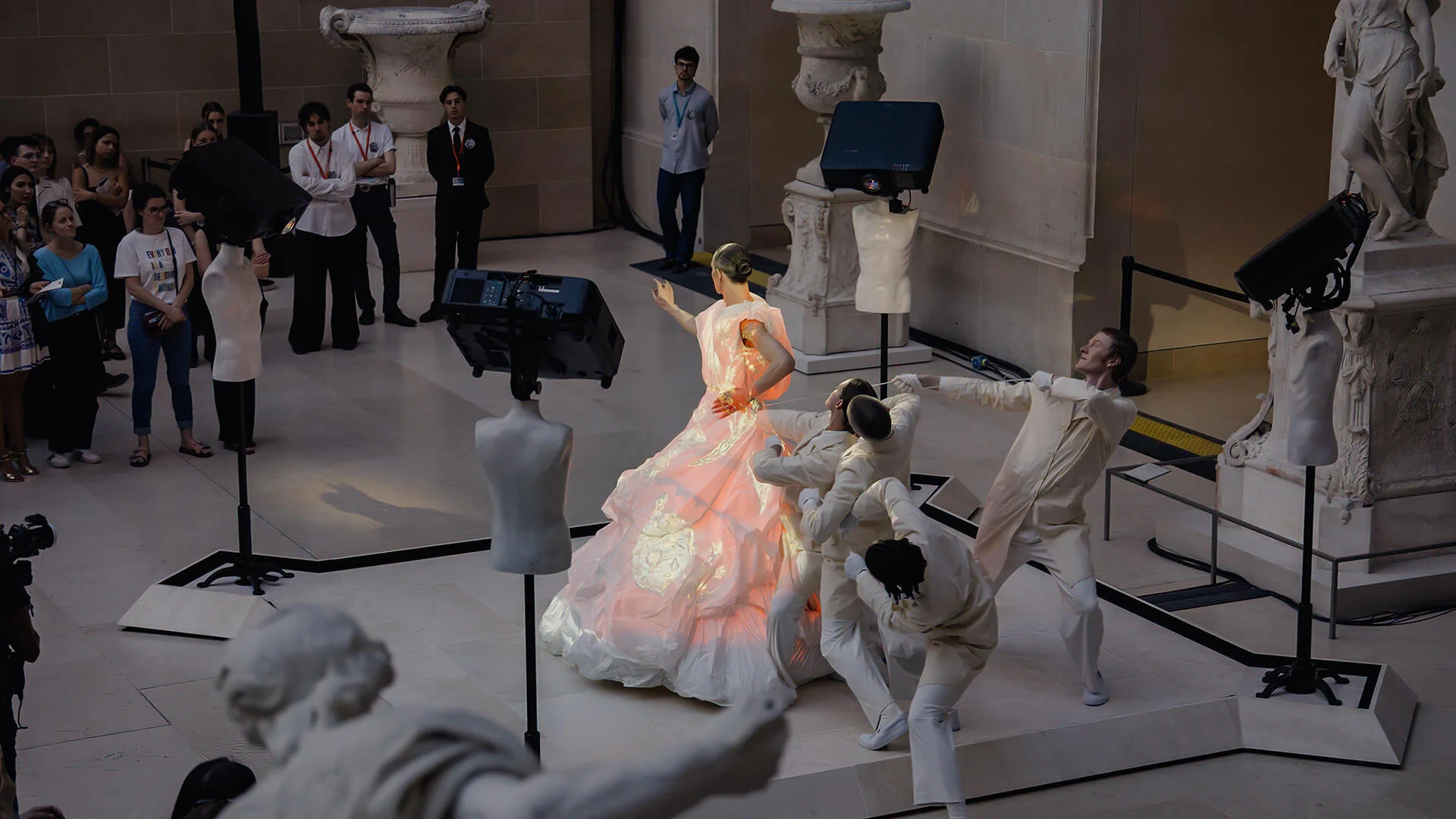
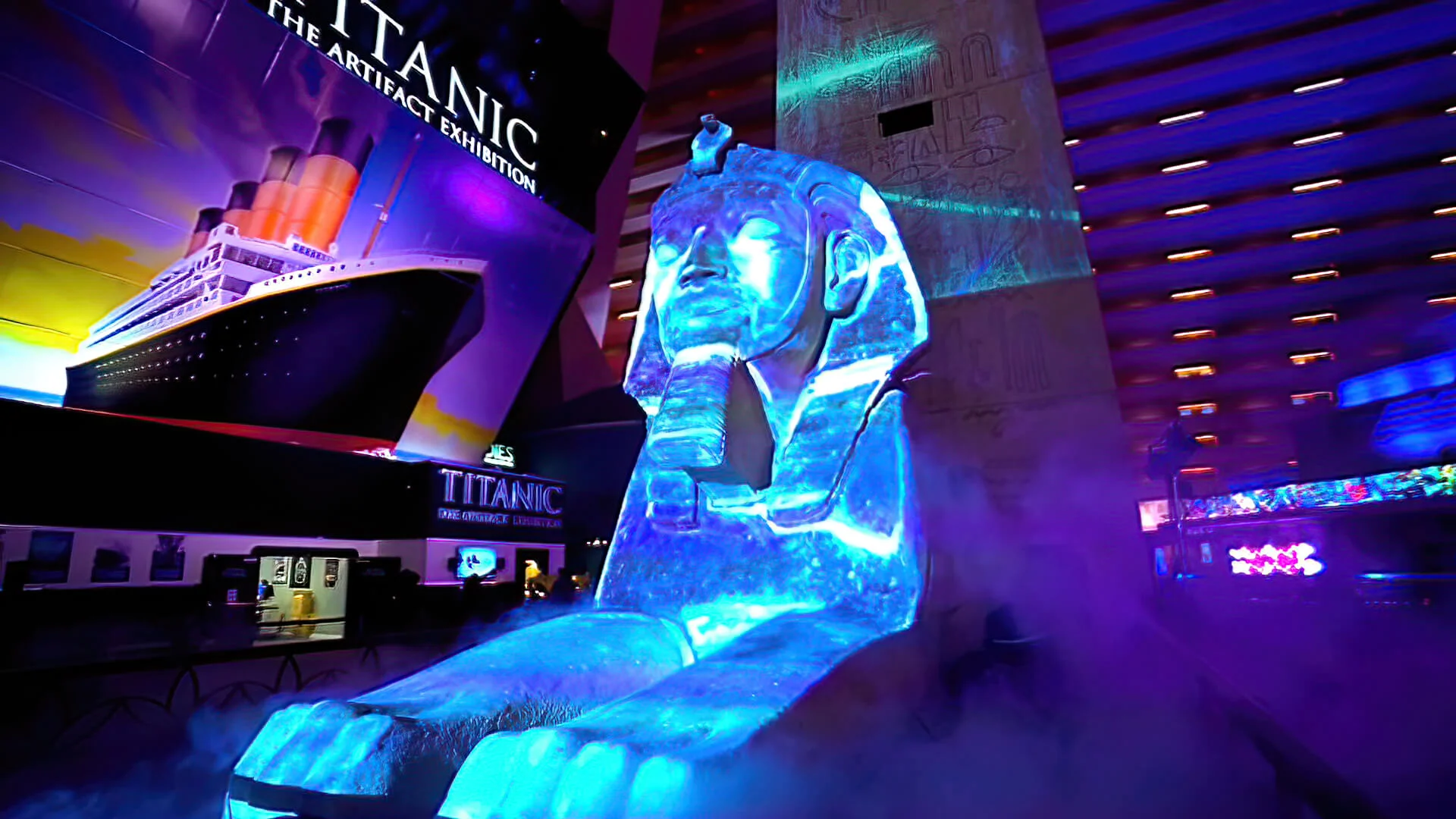
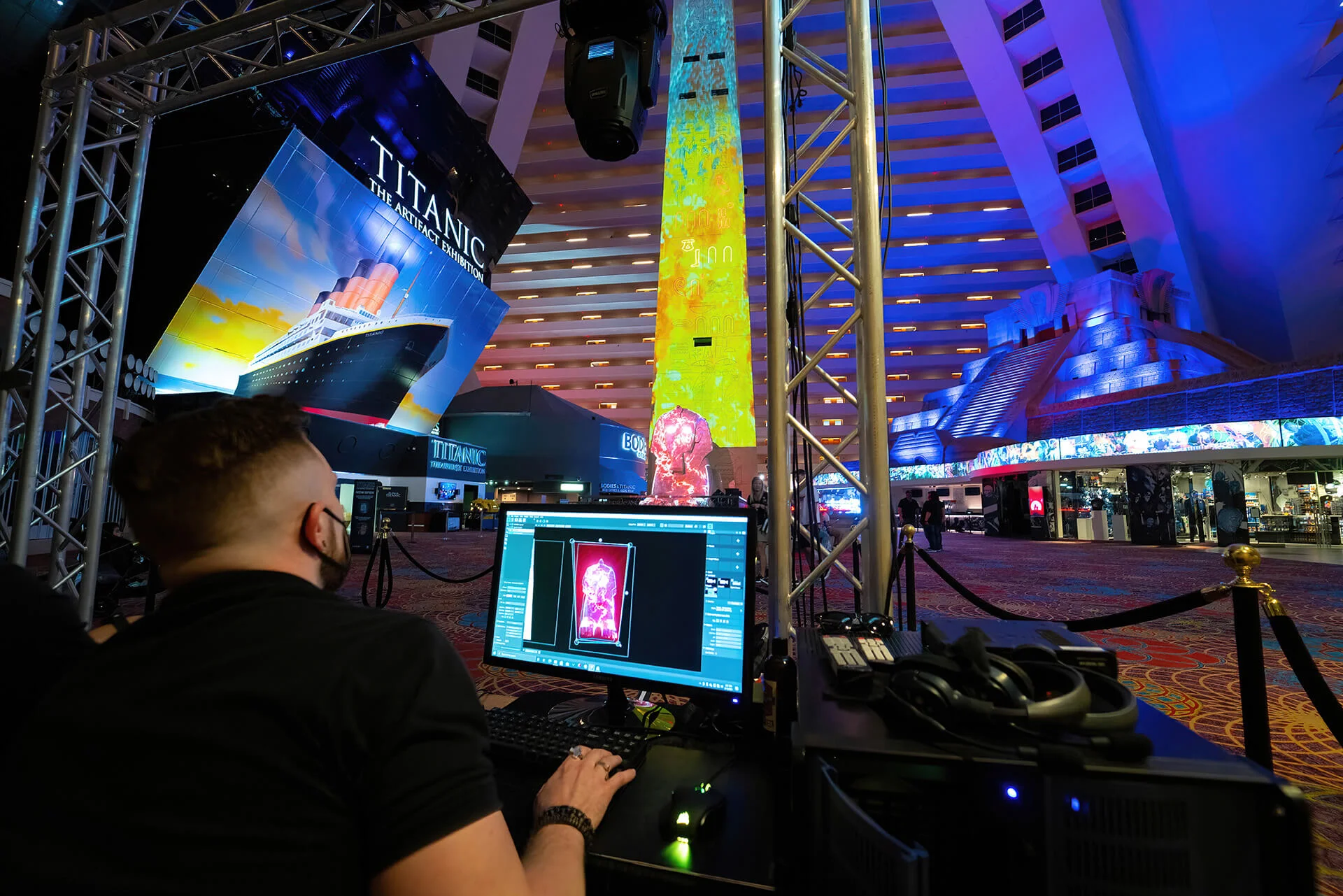
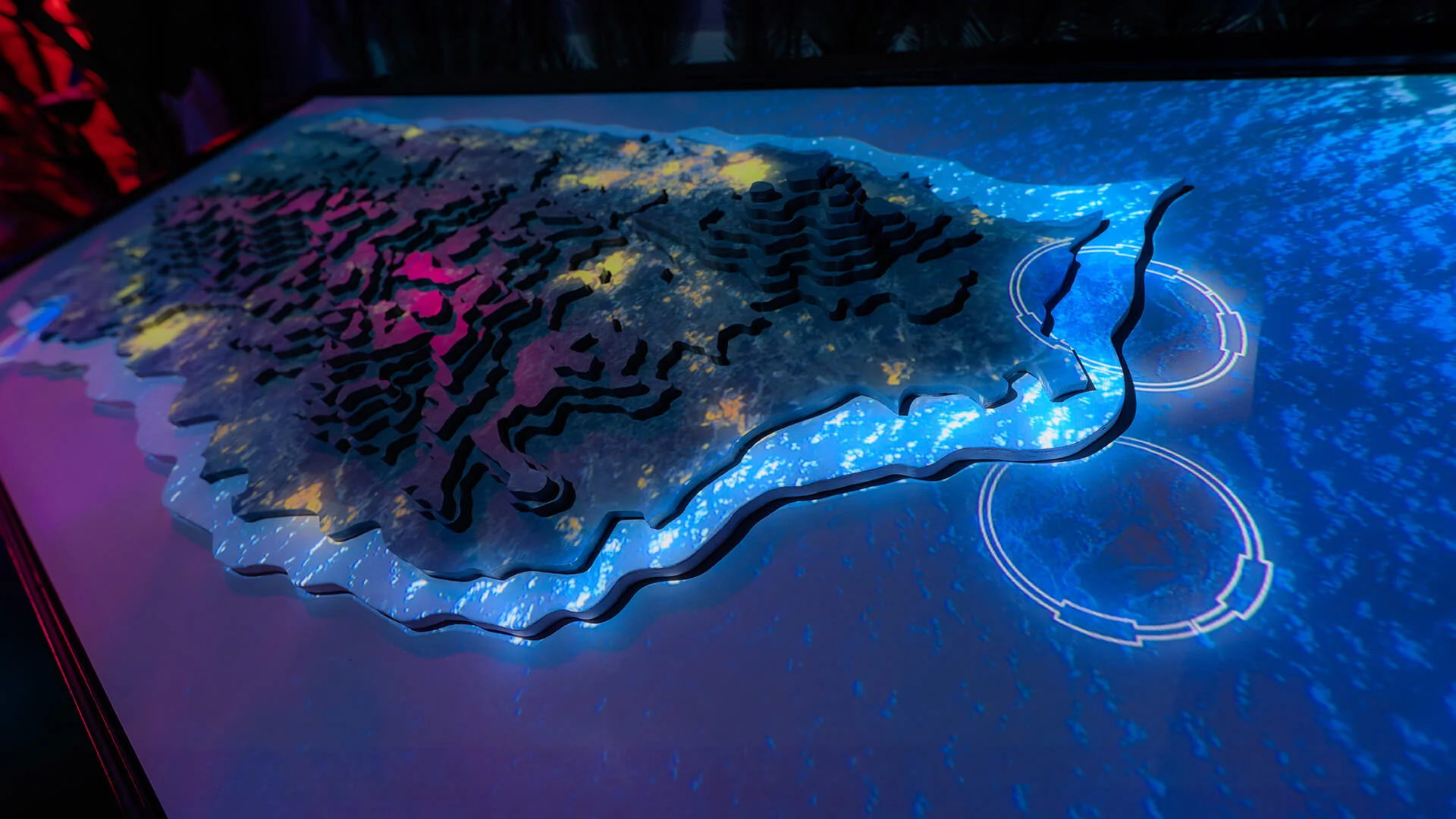
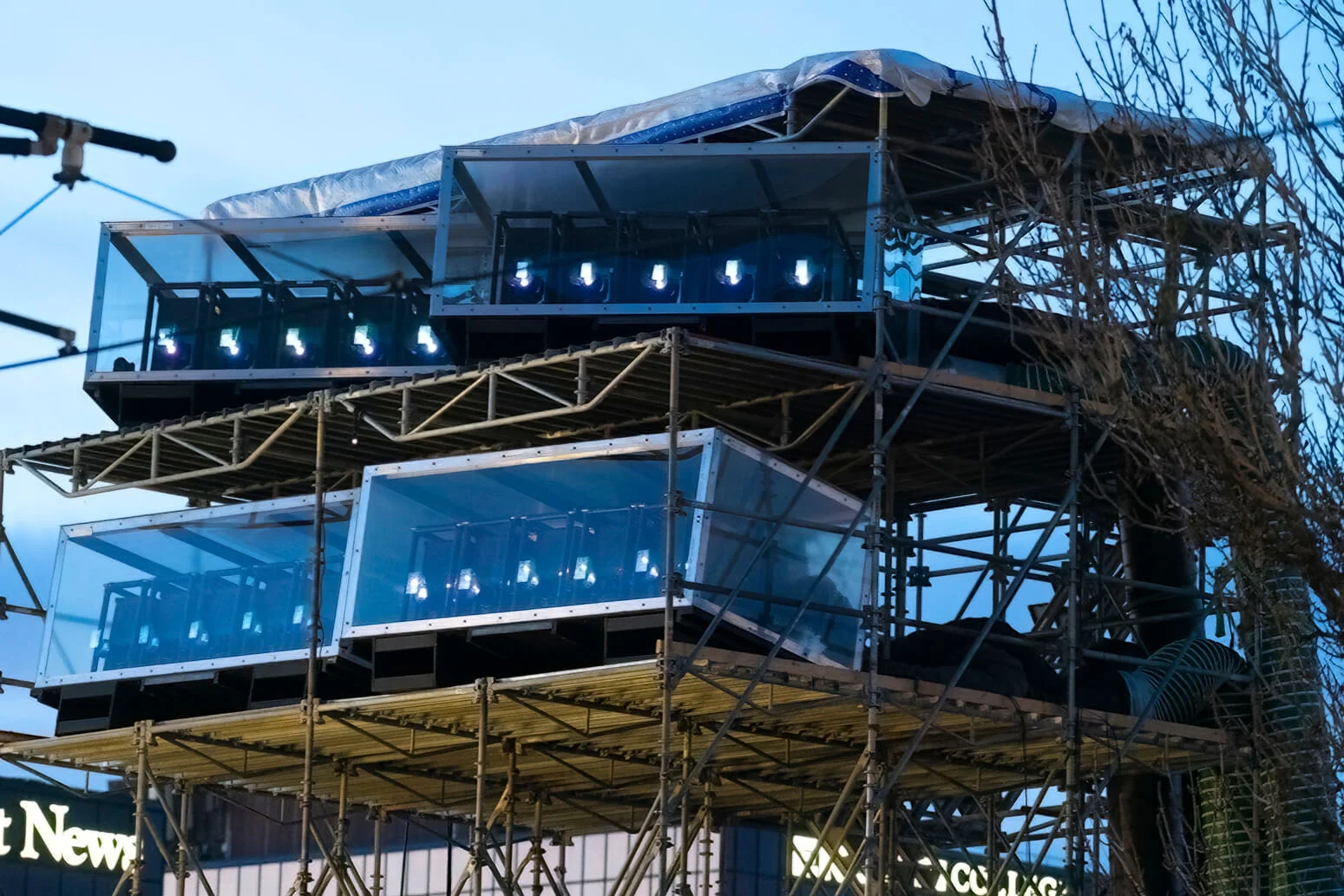
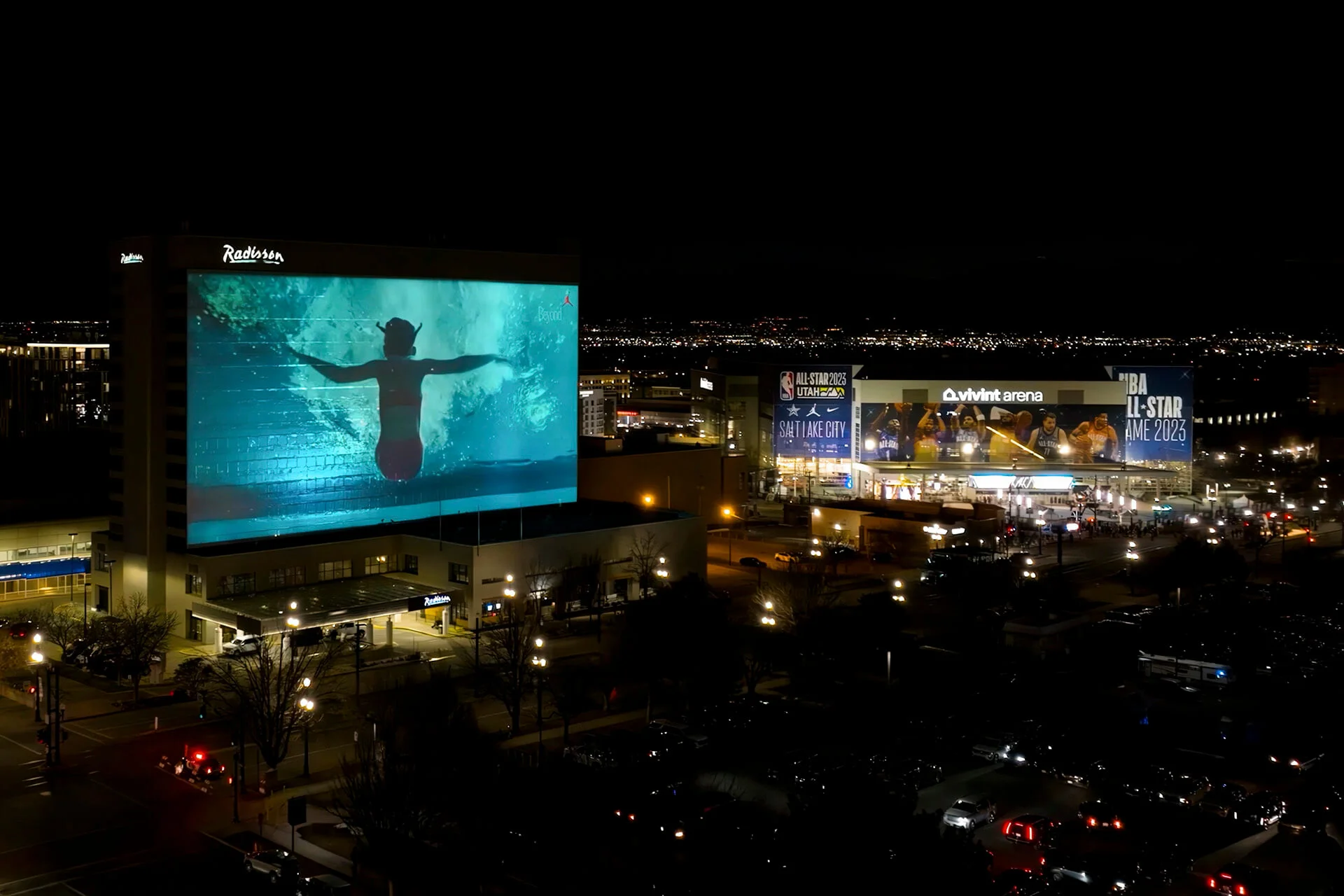
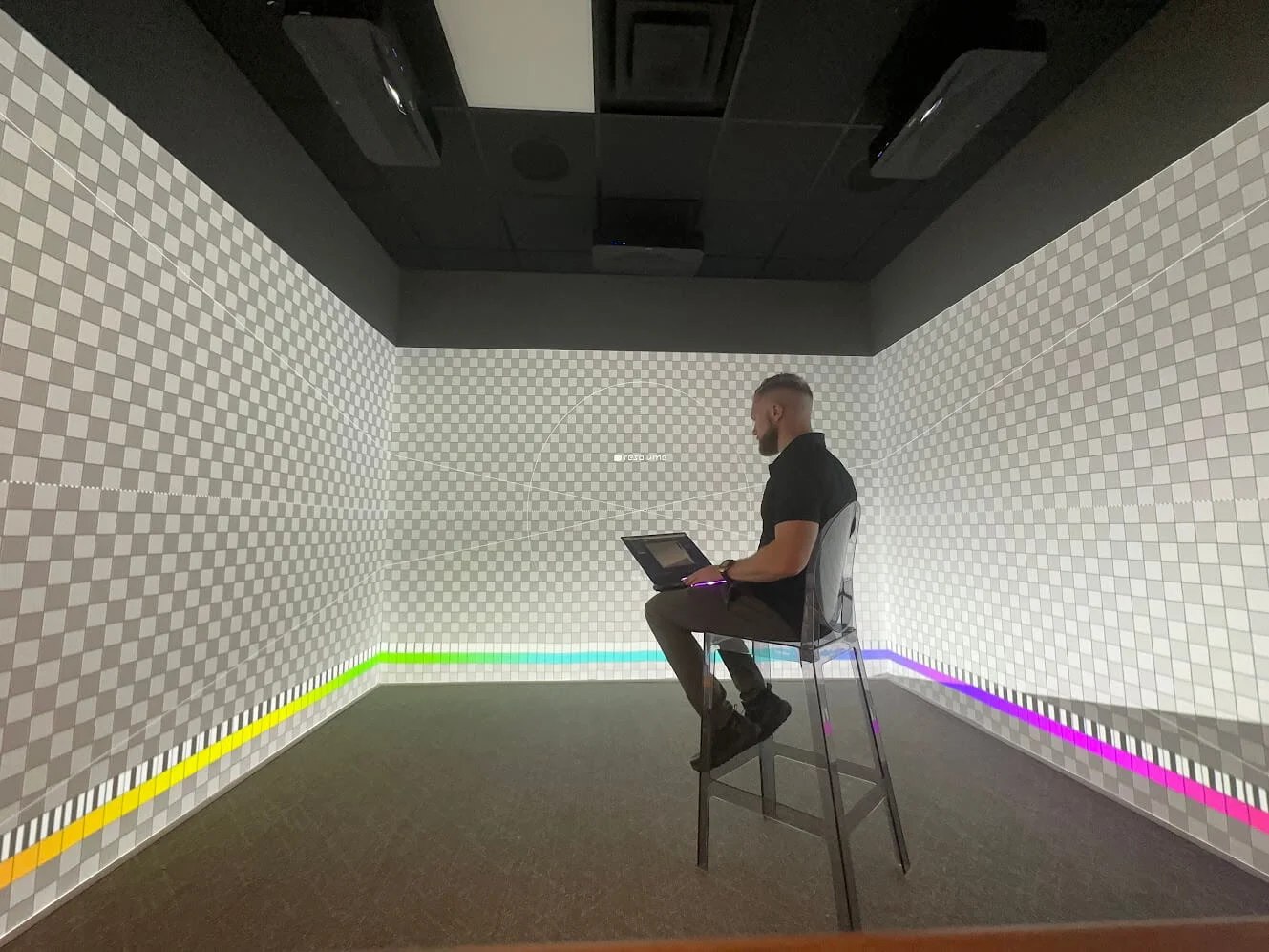
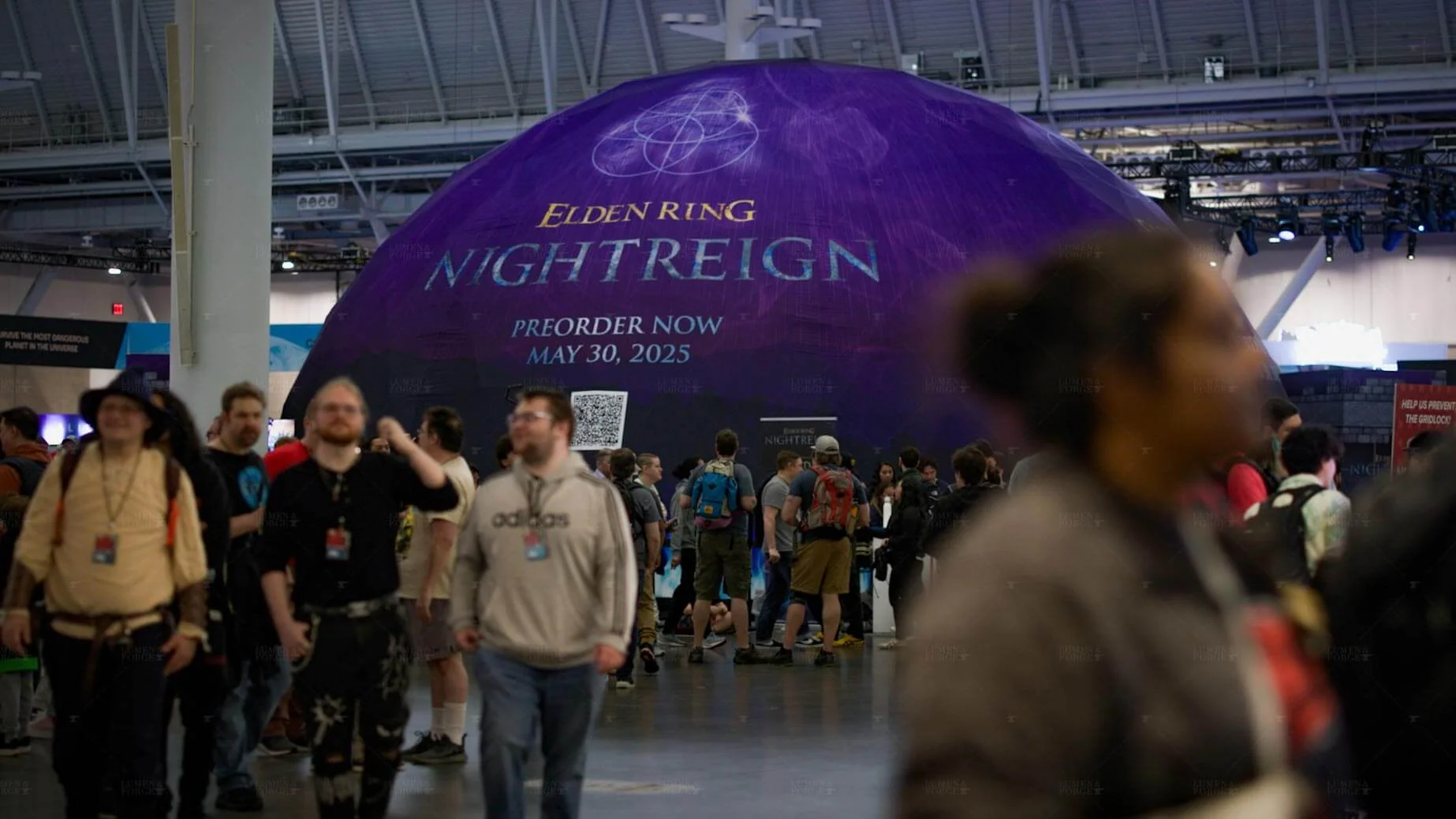
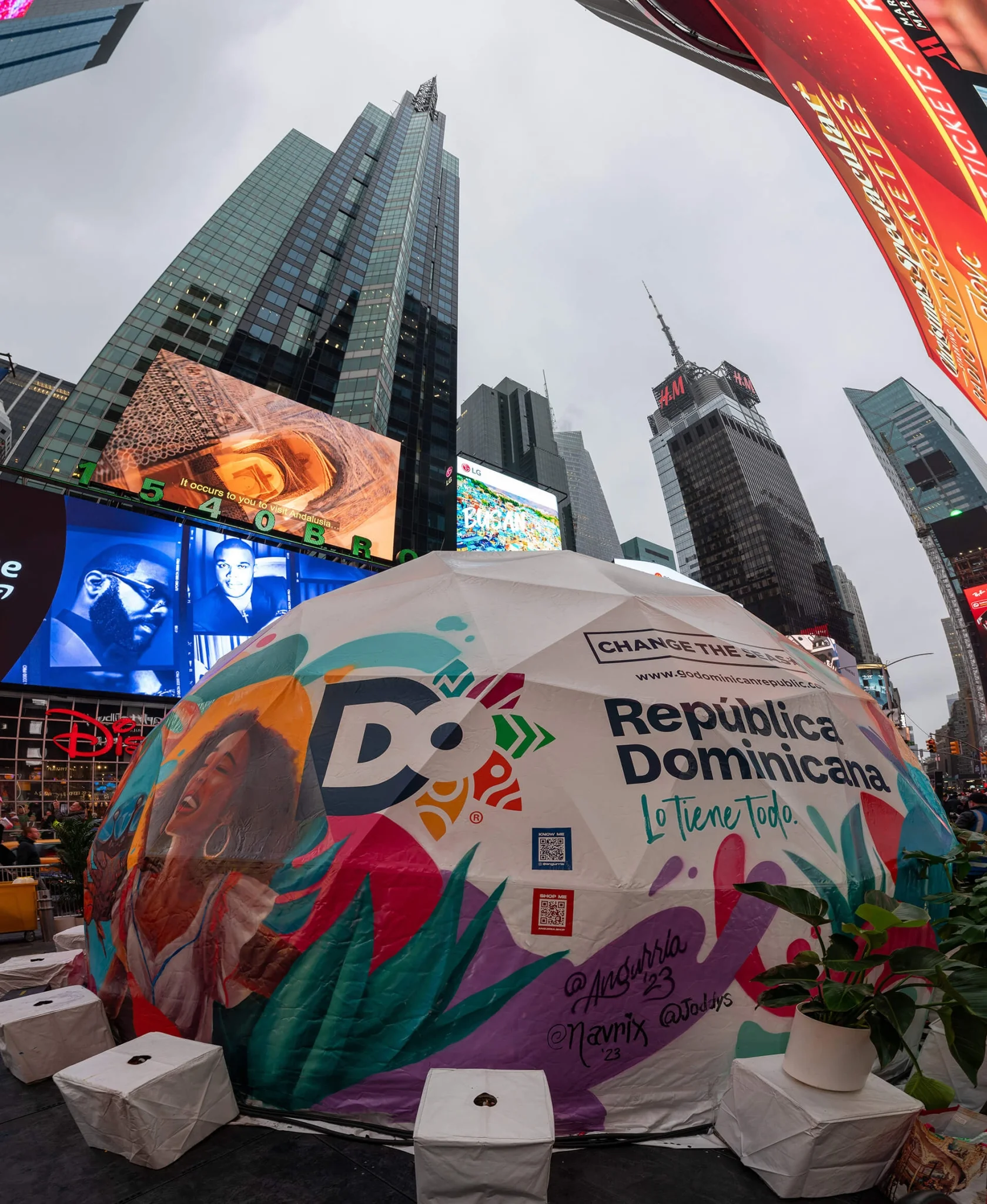
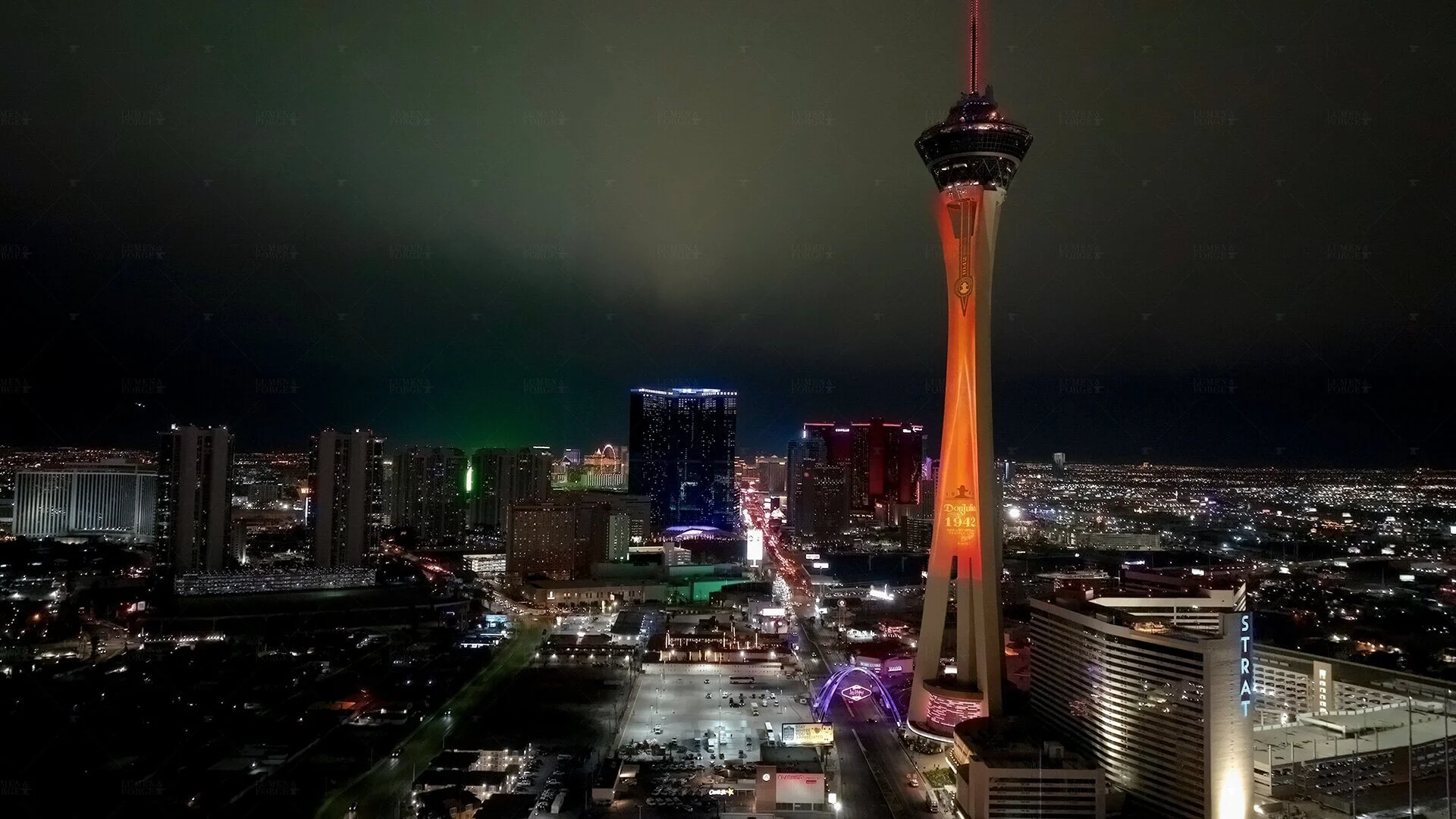
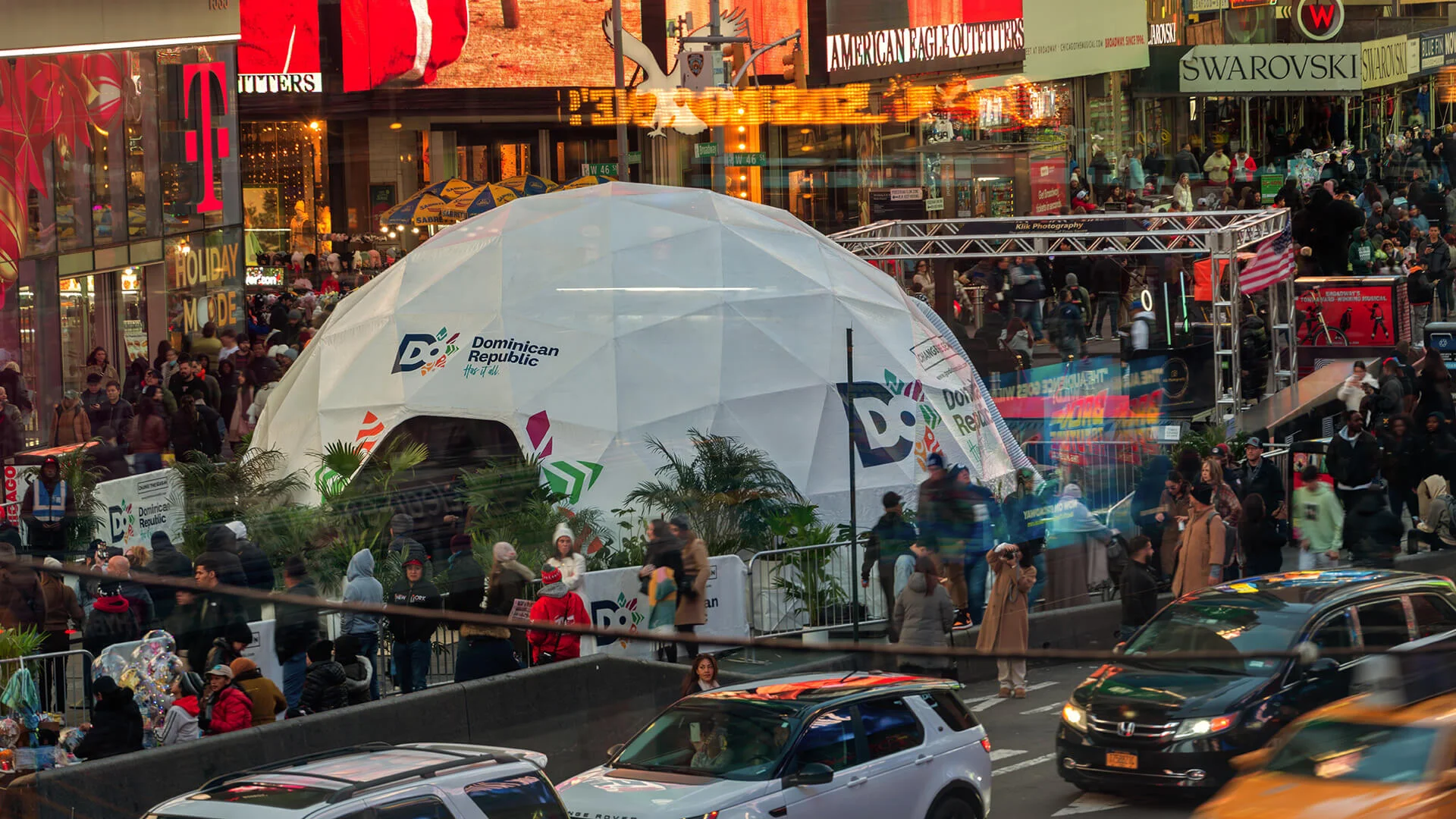
Take A Closer Look
A Deeper Look Into Animation & Visual Story Telling
A Deeper Look Into
Projection Mapping
Projection Mapping: Turning Any Surface Into a Story
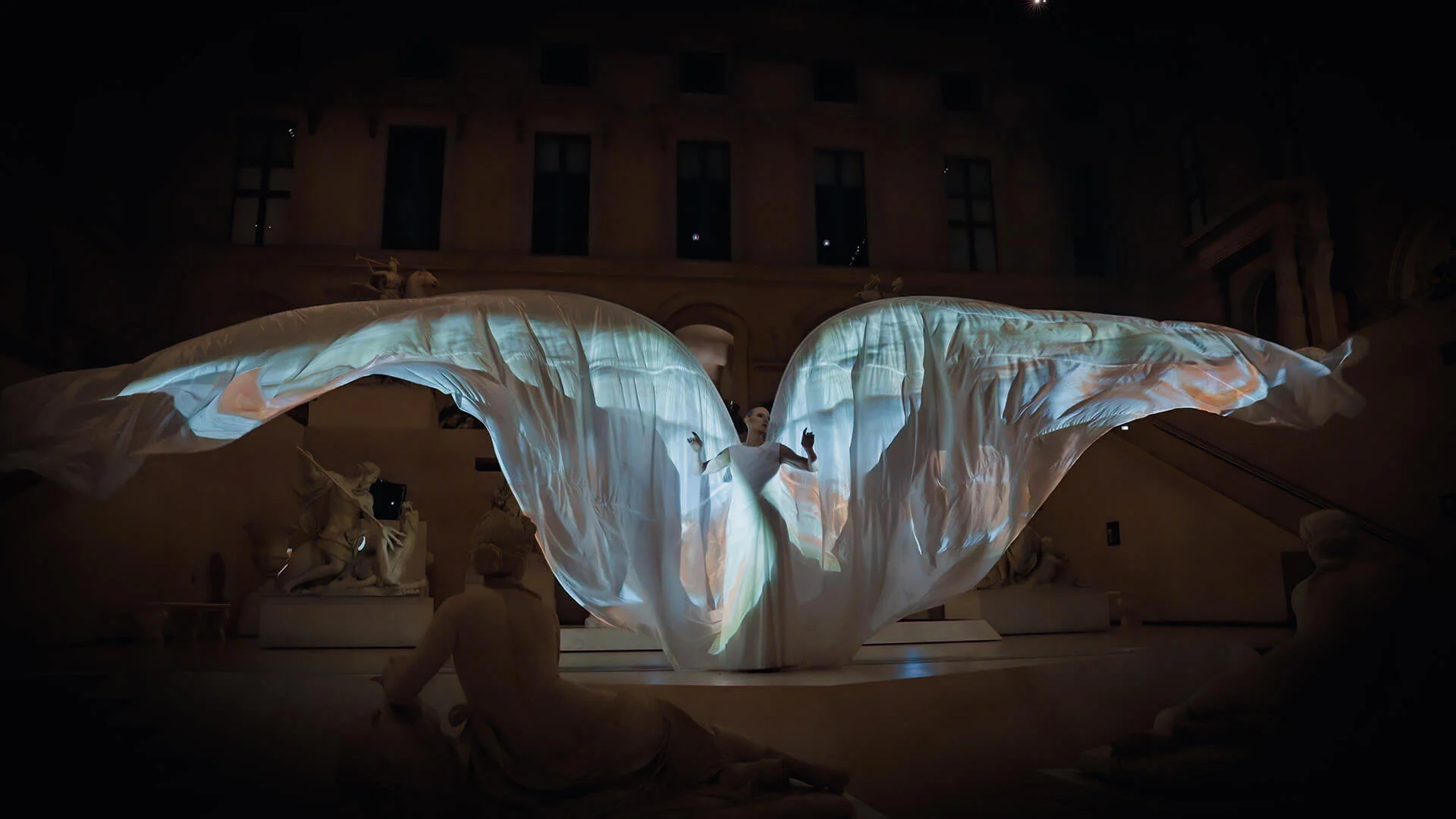
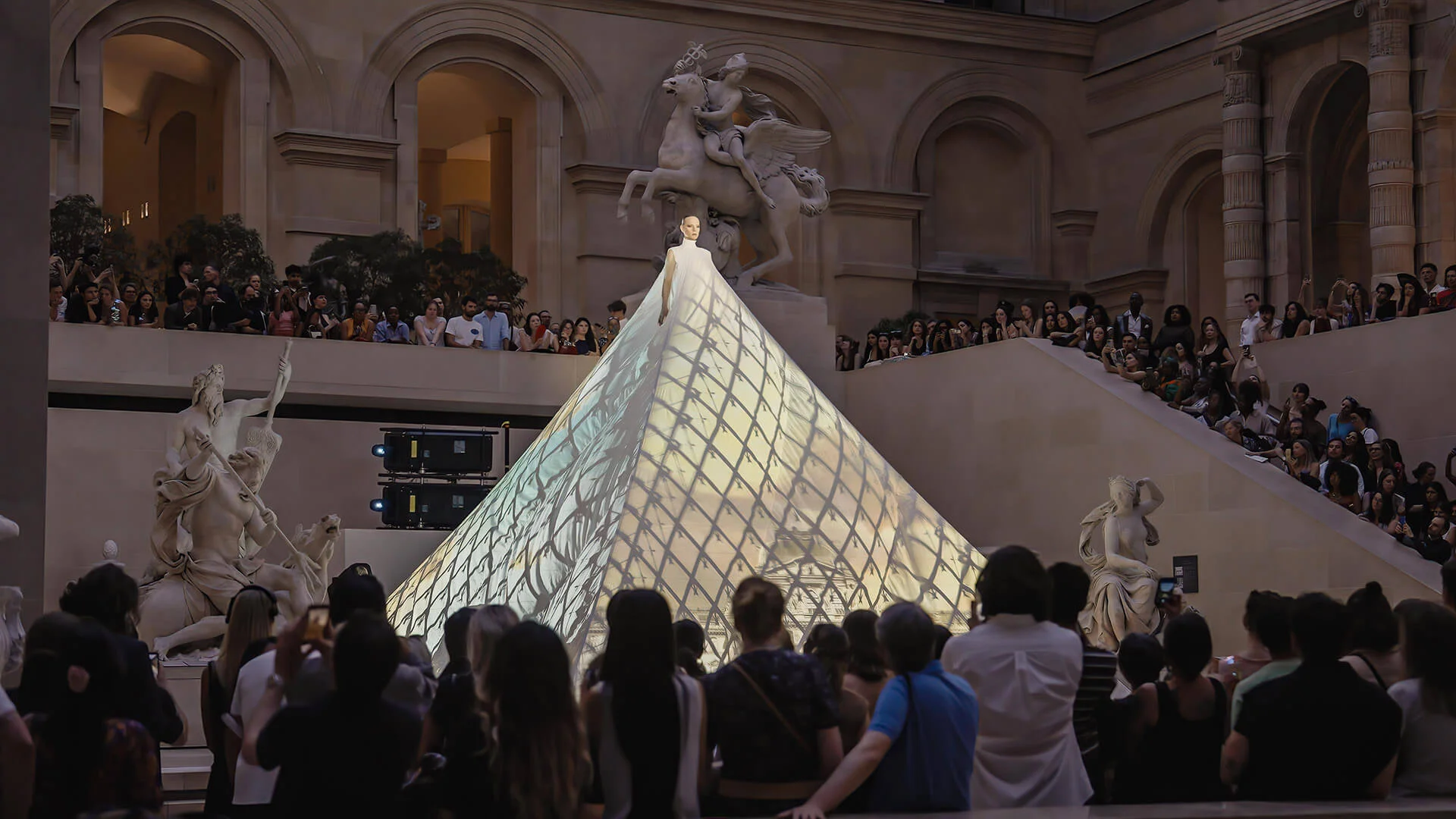
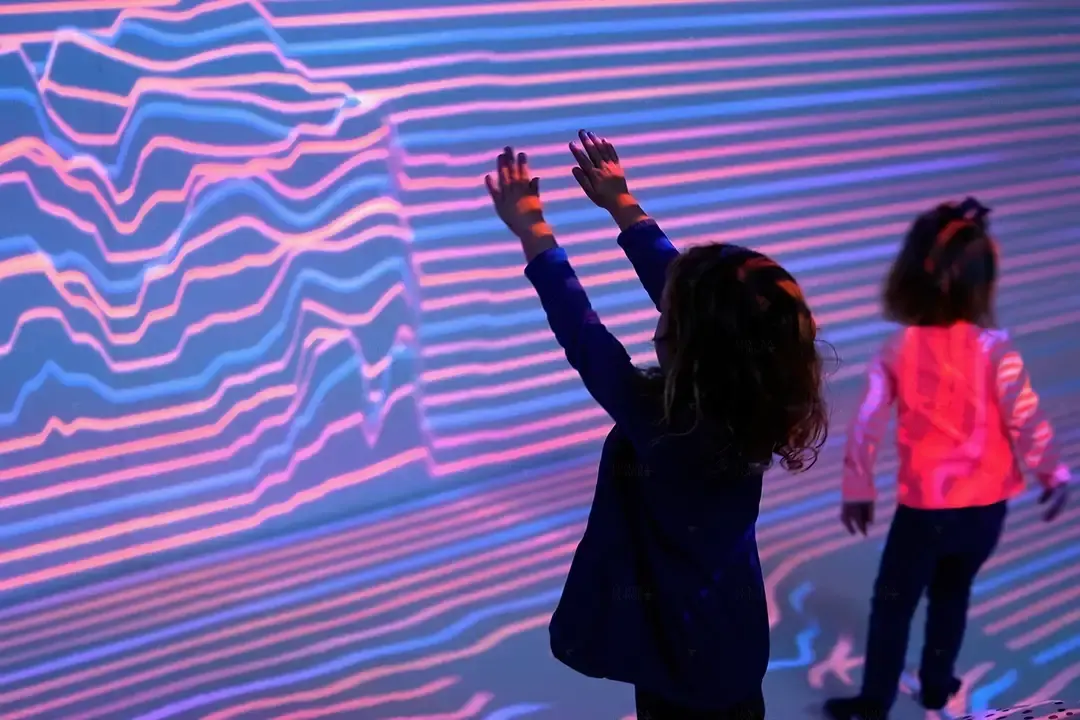
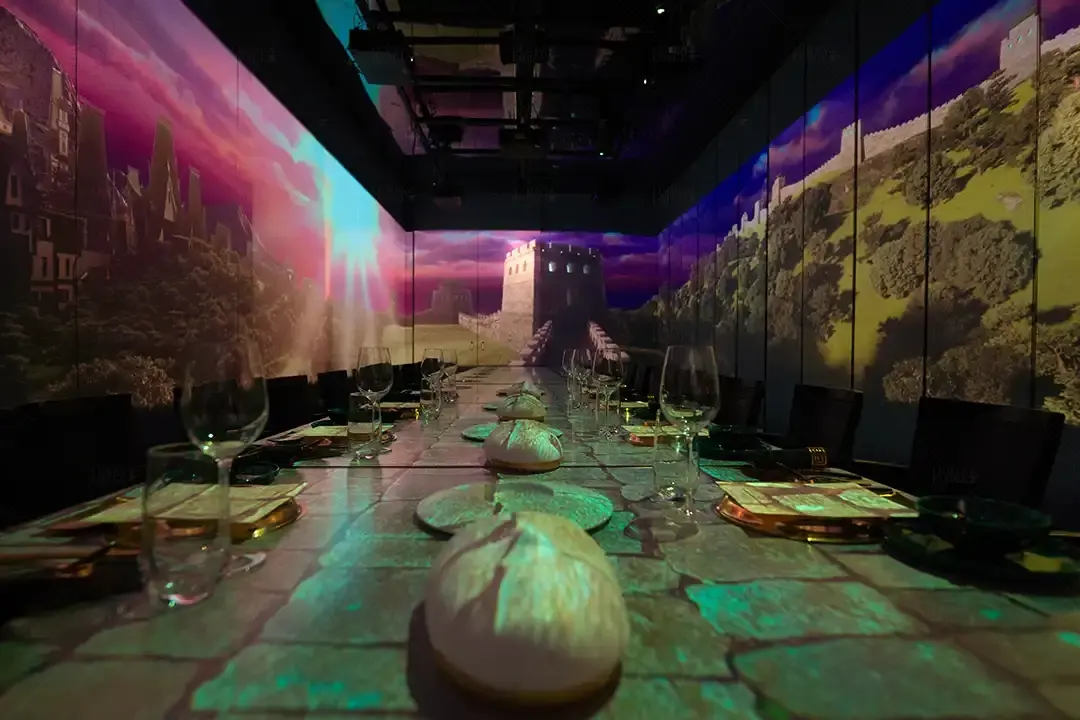
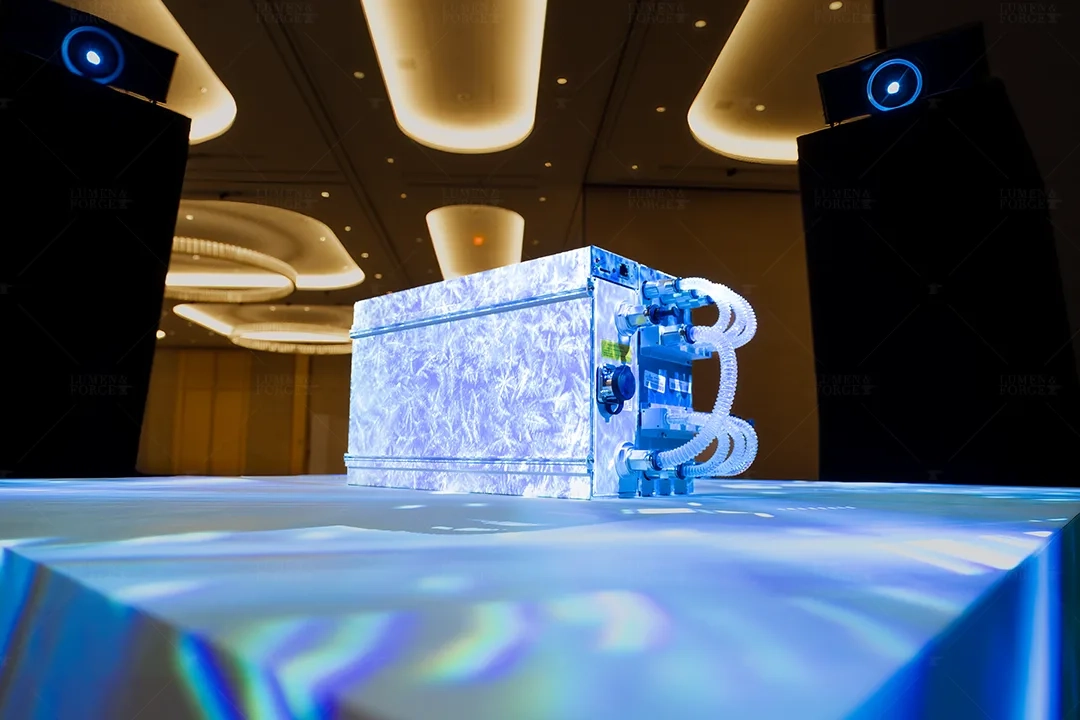
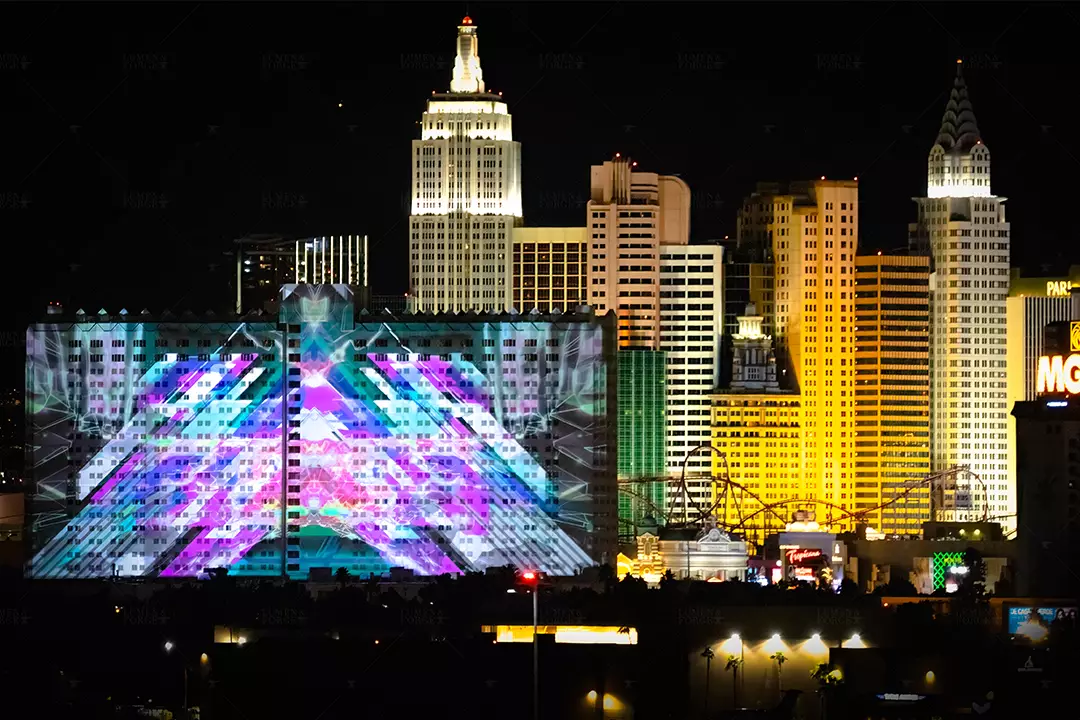
Projection mapping is the practice of aligning projected light to a three-dimensional surface so that the surface itself becomes the screen. Instead of throwing an image onto a flat wall or a fabric screen, mapping treats architecture, objects and uneven geometry as the canvas: every edge, column, cornice and curve is measured, and the content is built to fit it. The result reads as though the building is changing rather than as though a picture is playing on it. Flat projection shows a rectangle. Mapping turns a facade into a surface that appears to move, open, dissolve or respond.
New Jersey offers no shortage of surfaces for that work. The scale of MetLife Stadium and SHI Stadium suits large building projection, while American Dream and the Prudential Center support object mapping and room-scale environments. The New Jersey Performing Arts Center and Asbury Park Convention Hall and Paramount Theatre call for detail work on historic facades, and the Liberty Science Center can carry projection domes and immersive interiors. Liberty State Park and Branch Brook Park give outdoor canvases, and the Princeton University Art Museum shows how mapping fits cultural programming.
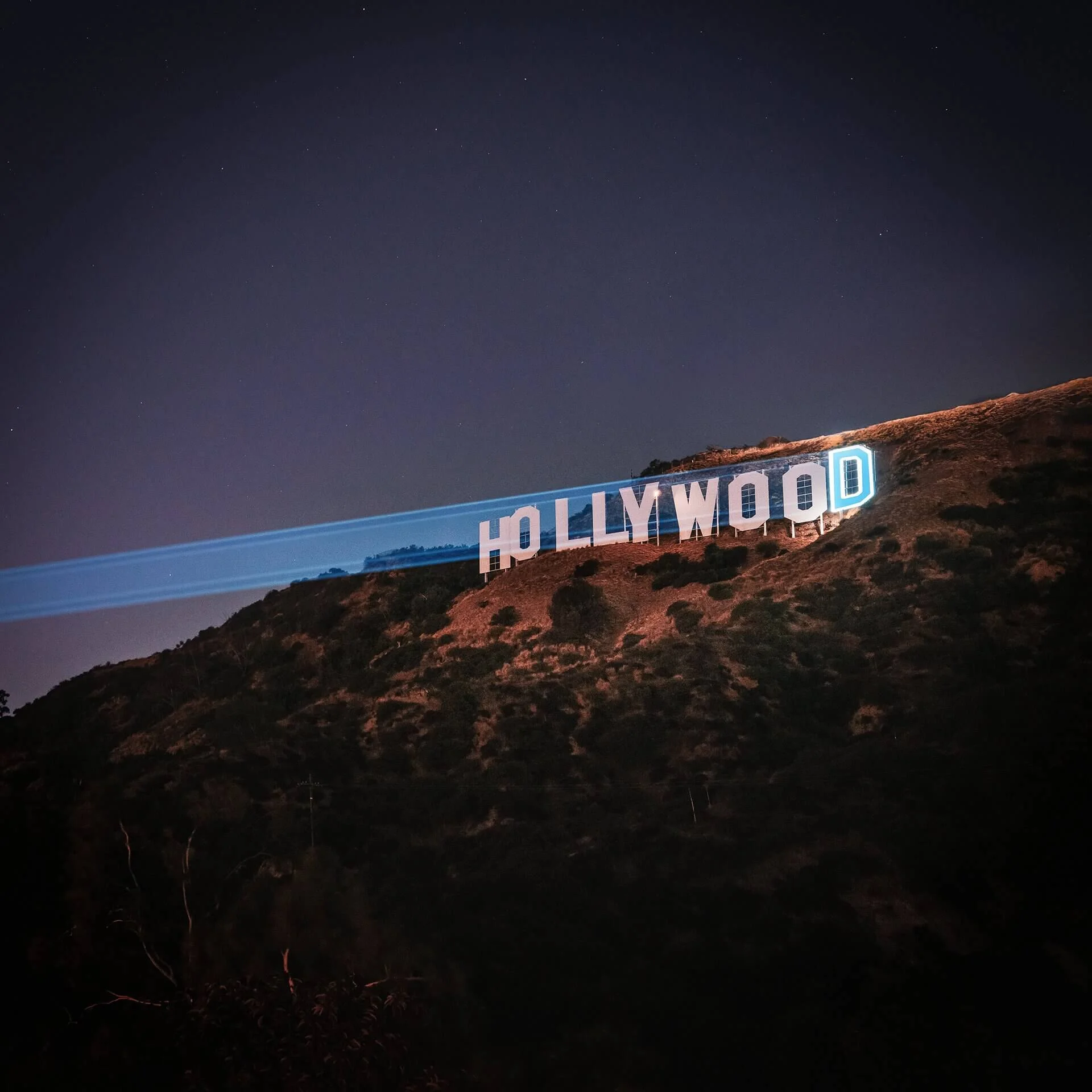
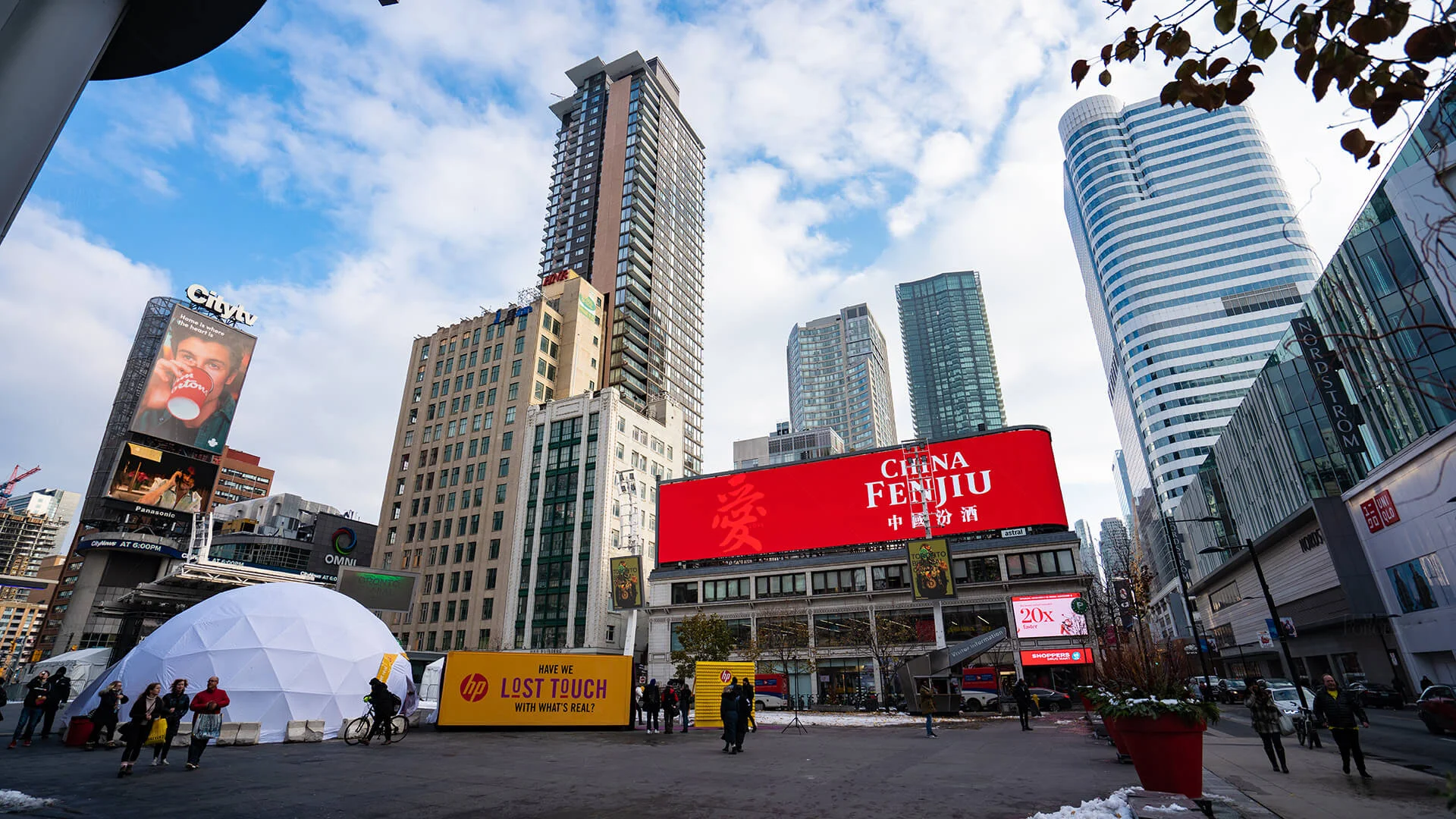
Building and Architectural Projection
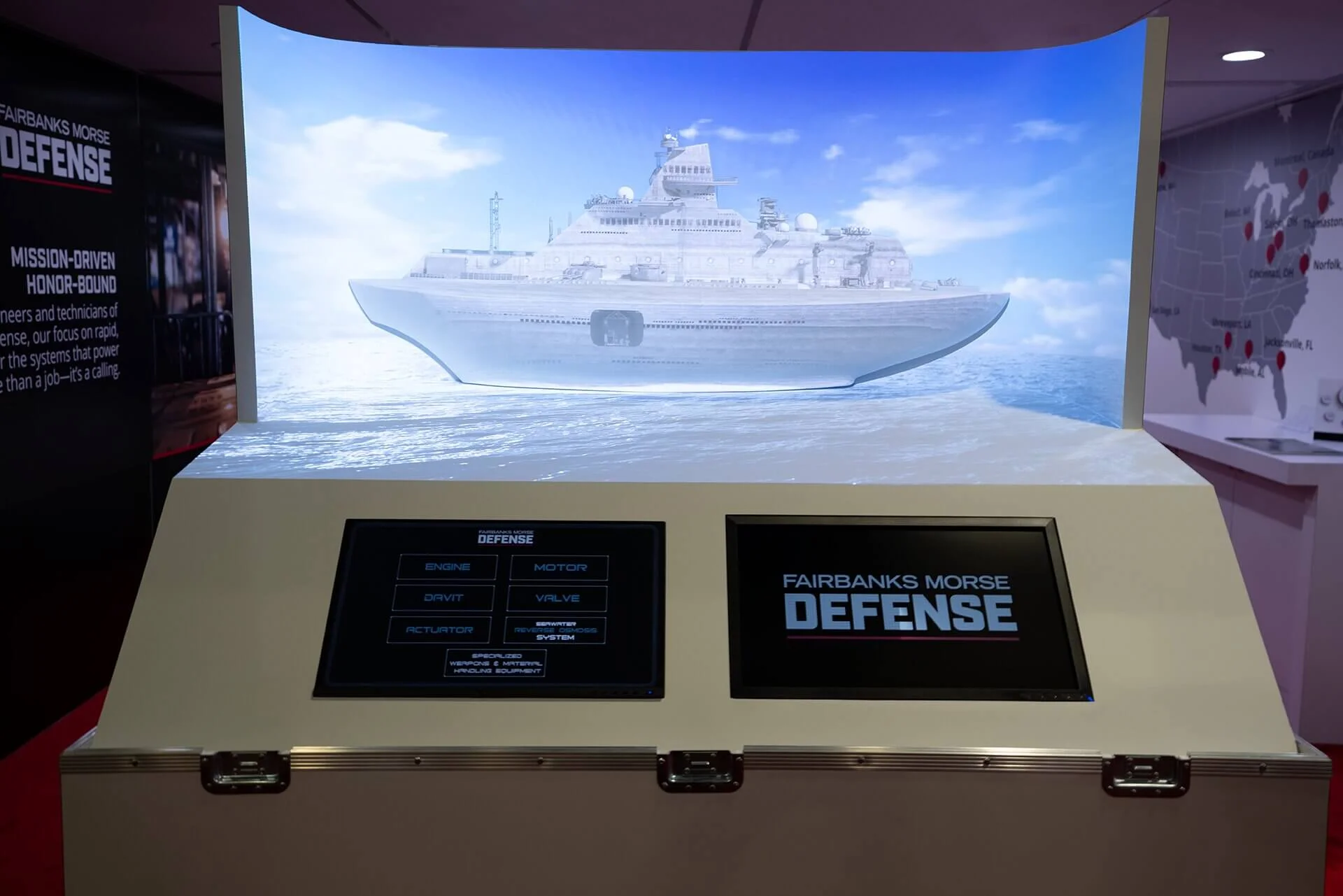
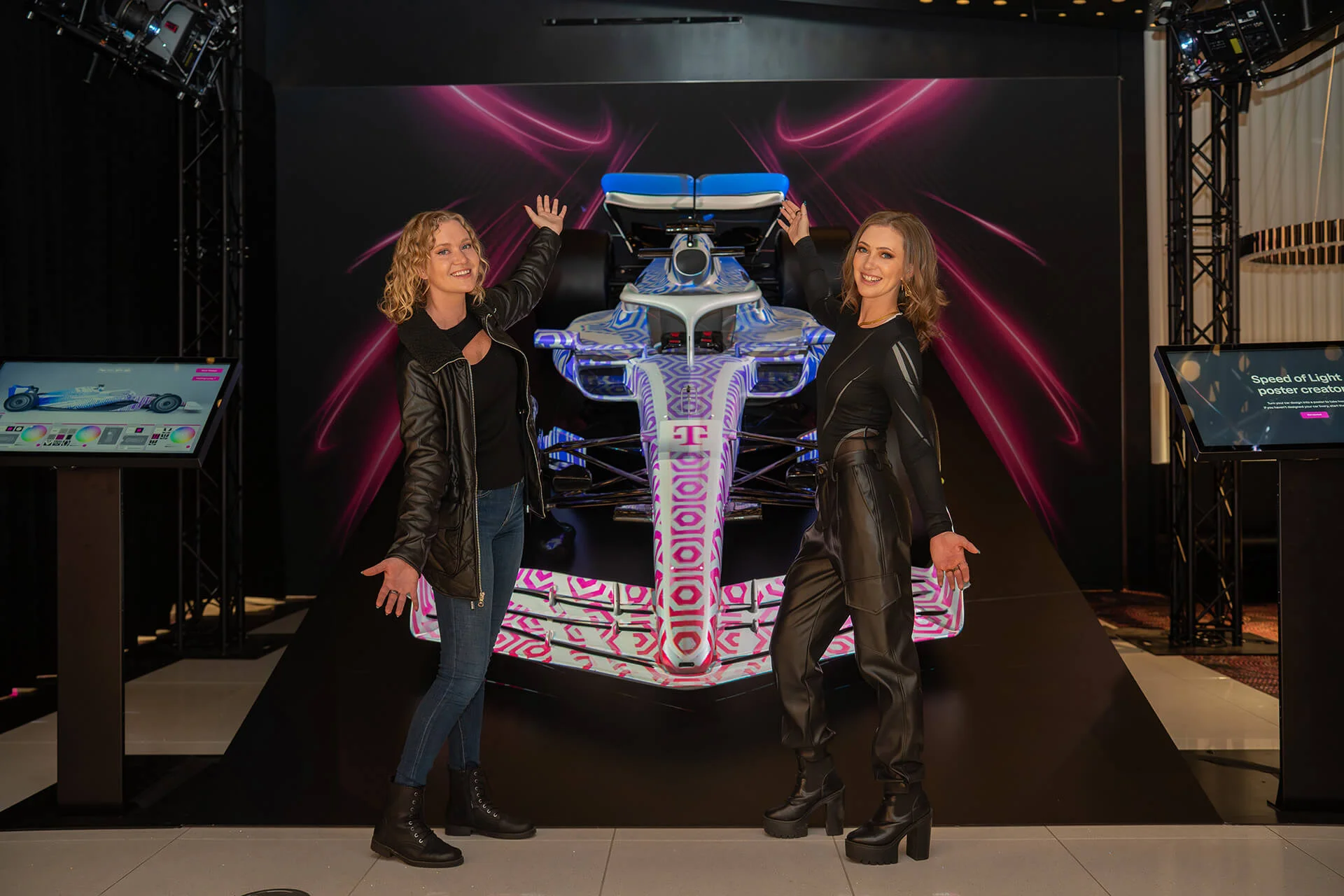
Object and Product Projection Mapping
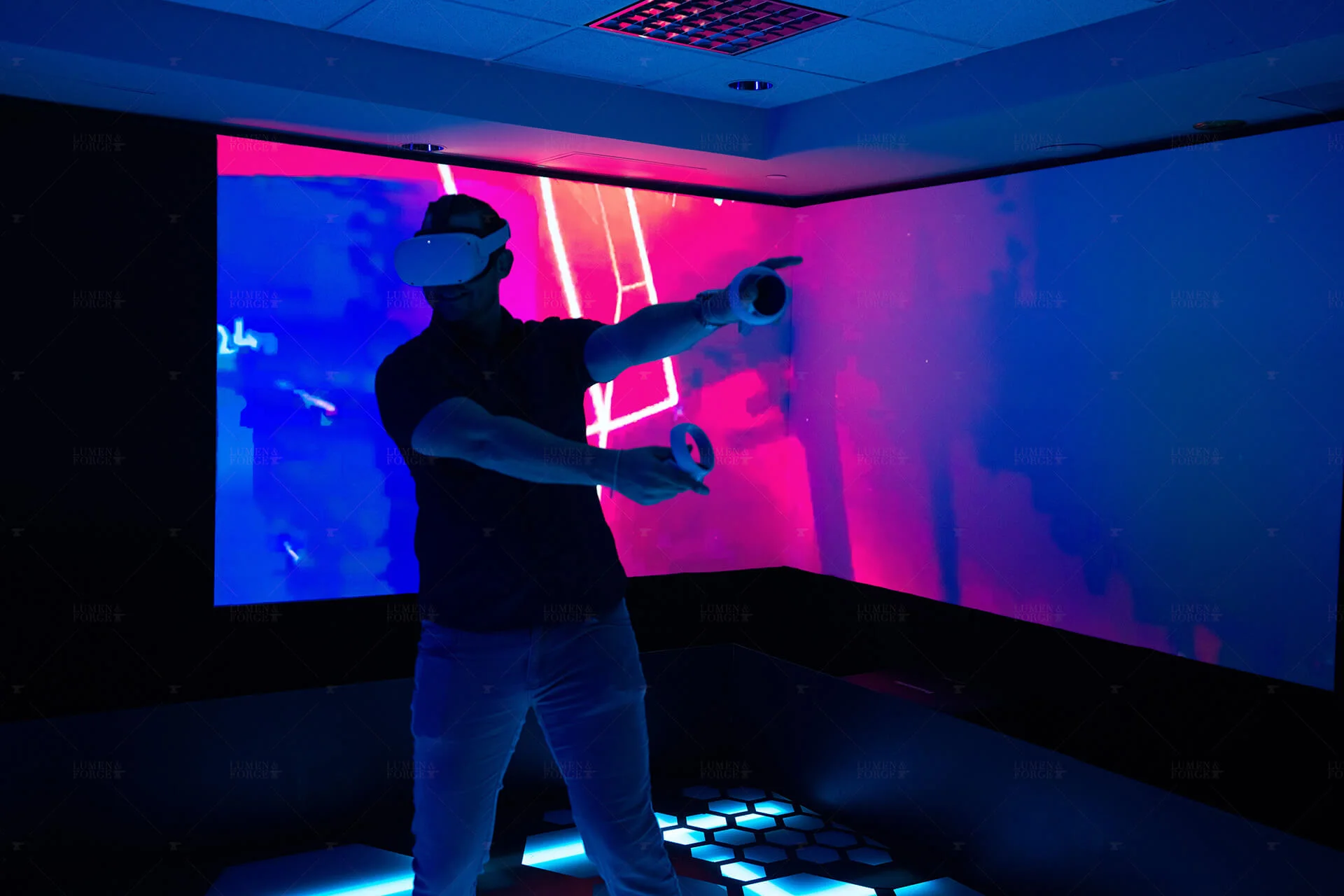
Interactive Projection
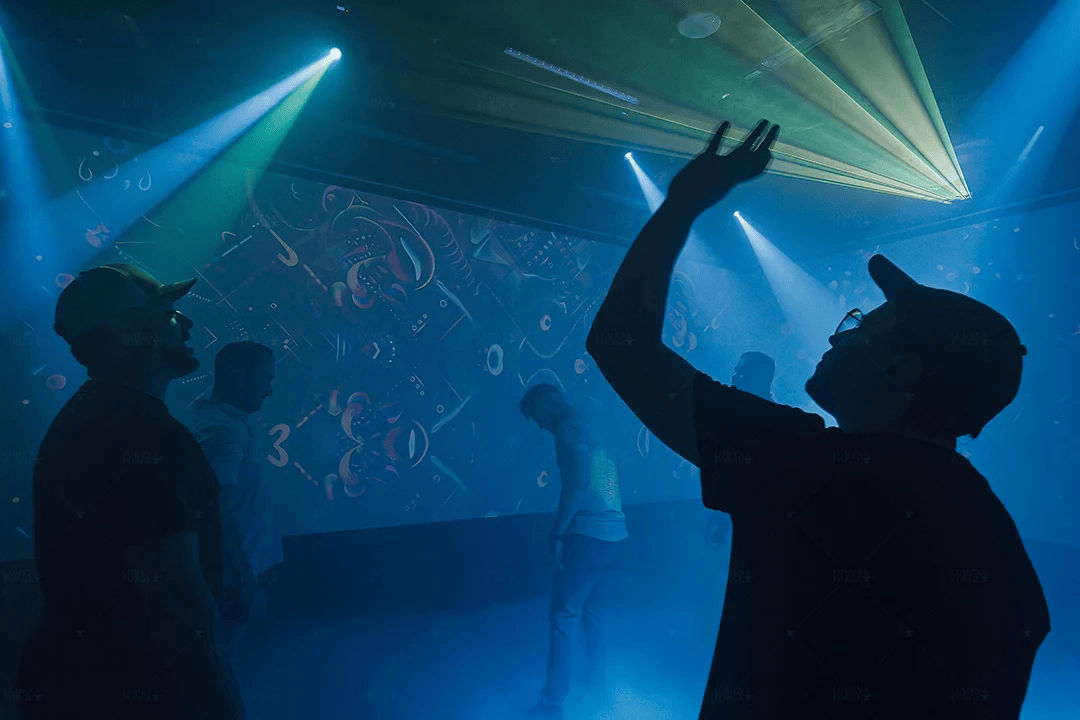
Room and Environment Mapping
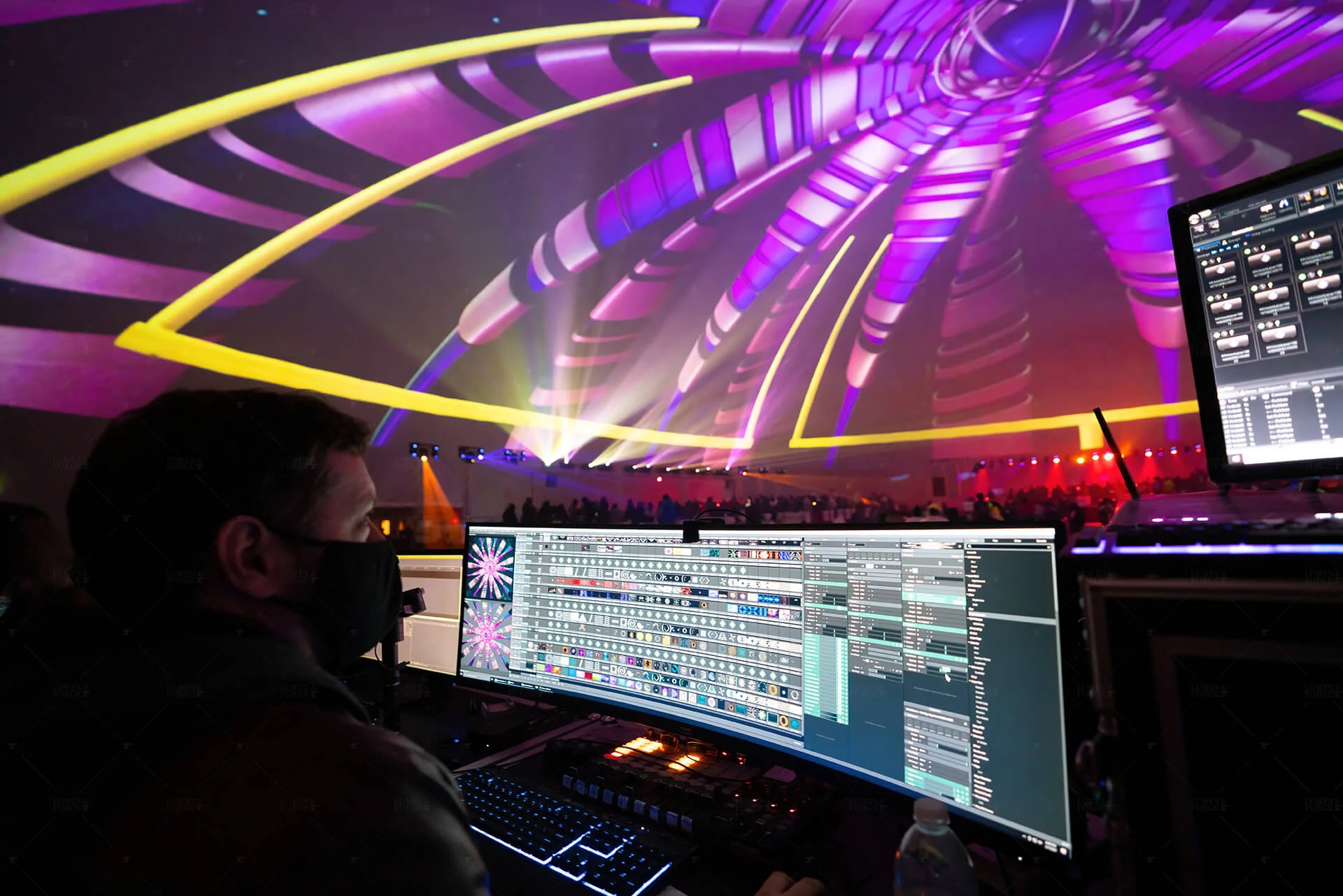
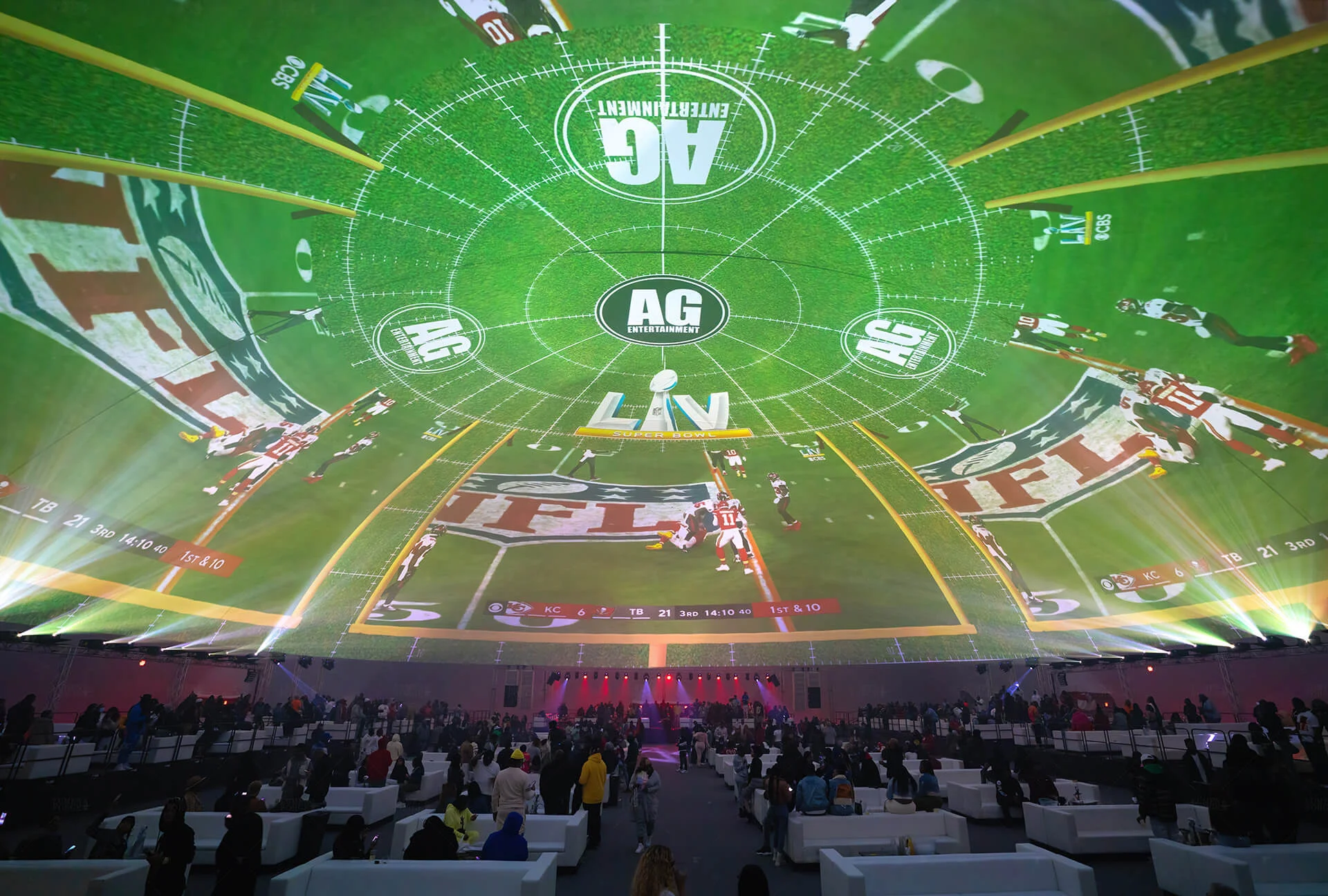
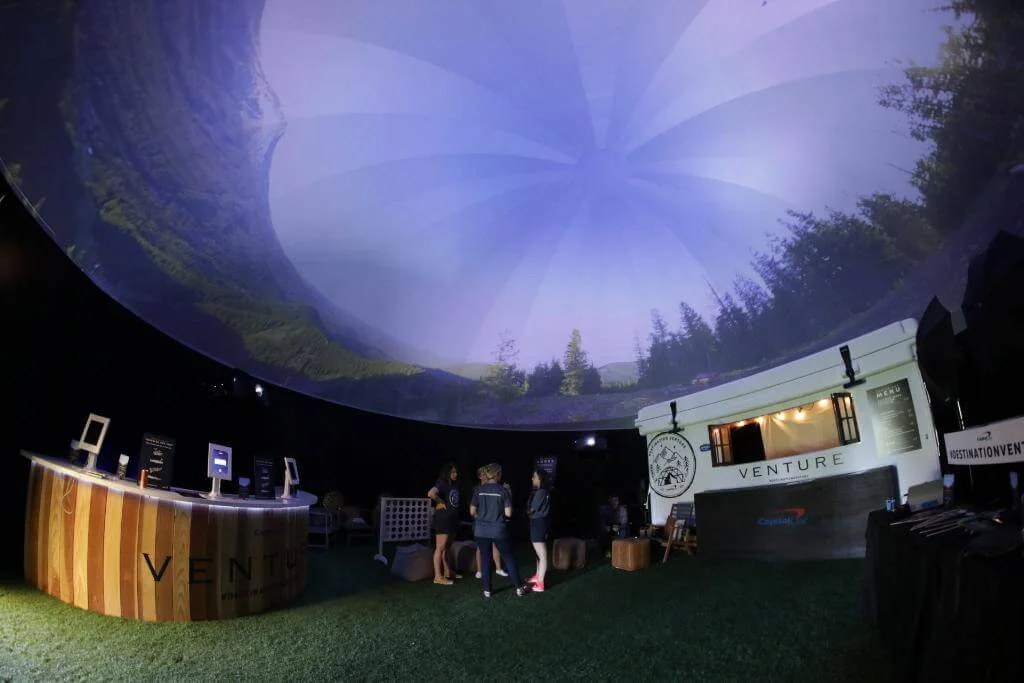
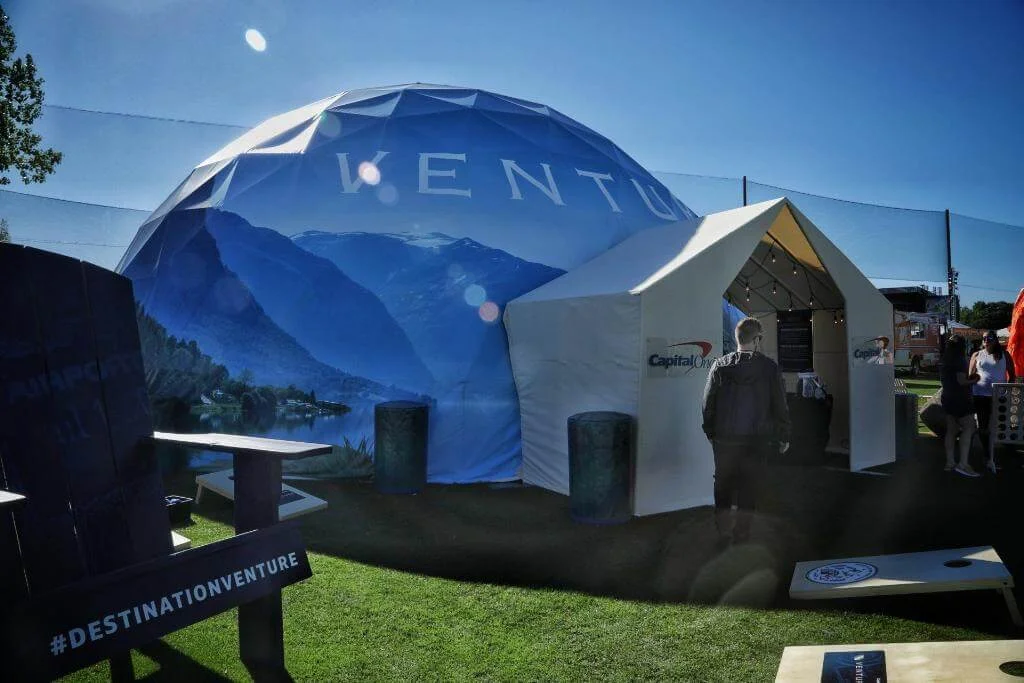
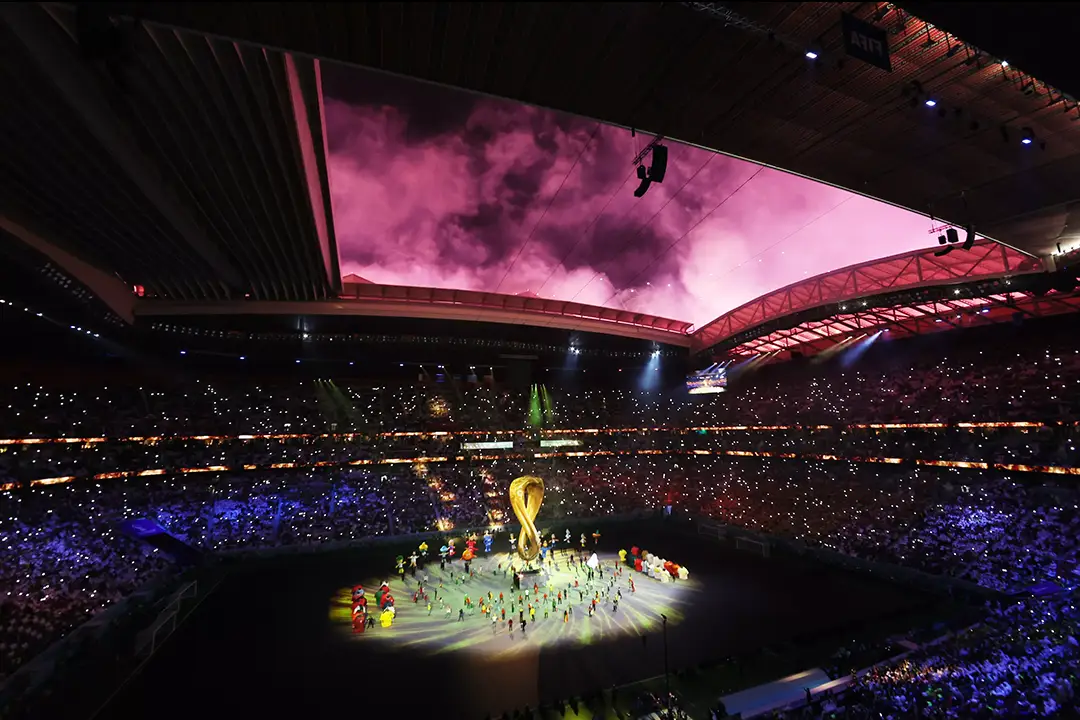
Dome Projection
Why New Jersey Is a Natural Fit for Projection Mapping
New Jersey audiences are not easily impressed by scale alone. They live within reach of major-league sports, casino floors, world-class museums and a calendar of festivals that fills every season, so a large image on a large wall is simply the baseline. What earns attention here is craft: content that responds to the room, reads clearly from every sightline and gives people a reason to stop rather than a reason to glance. A brand activation in New Jersey has to compete with everything around it, and the crowd knows the difference between spectacle and something built for them.
The state's industry mix sharpens that expectation. Pharmaceuticals and life sciences, finance and insurance, casino gaming and hospitality, professional sports and live entertainment, experiential retail and tourism, higher education, and conventions and trade shows all stage events for audiences who are professionally skeptical and personally experienced. A room full of finance and insurance executives has sat through hundreds of presentations and can spot a borrowed visual language instantly. Gaming and hospitality guests judge production values against what the casinos deliver nightly. Convention and trade show attendees are walking a floor of competing booths, and they reward the one that pulls them in and then holds them. In each case, the content has to carry the message, not just the square footage.
The venue landscape raises the bar again. MetLife Stadium and Prudential Center set expectations for big-room production. American Dream, Liberty Science Center and the Princeton University Art Museum train audiences in immersive and interactive design. Asbury Park Convention Hall and Paramount Theatre, Sports Illustrated Stadium in Harrison and SHI Stadium in Piscataway each carry their own character. Projection mapping that ignores the architecture and the audience in front of it reads as generic, and New Jersey crowds are quick to say so.
The event calendar spreads that audience across the state and across the year. The Essex County Cherry Blossom Festival at Branch Brook Park in April, Sea.Hear.Now Festival in Asbury Park in September, the Jersey City Art and Studio Tour in October and Cape May Victorian Weekend later that month each draw a different mix of locals, day-trippers and visitors. They arrive with high visual literacy from festivals, museums and arenas, and they want an experience that feels native to the moment. Spectacle gets the first look. Content that understands the audience, the venue and the occasion is what turns that look into a memory and a share.
Lumen and Forge: Your Projection Mapping Partner From the Meadowlands to the Shore
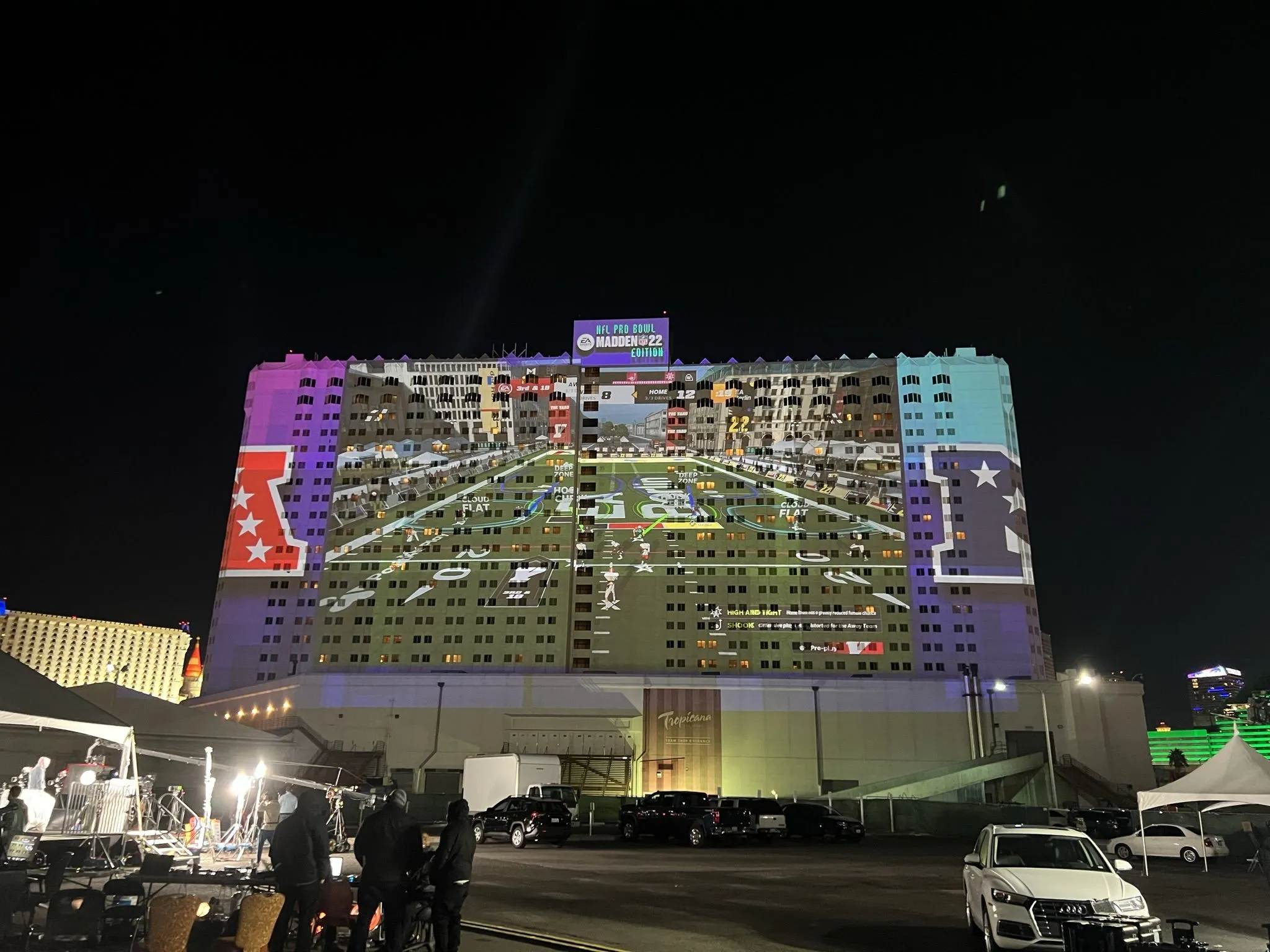
Over 15 years of producing large-scale projection mapping and immersive experiences for globally recognized brands gives Lumen and Forge the operational depth New Jersey productions require. Our portfolio includes building projections for Nike and Air Jordan at NBA All-Star Weekend, large-scale convention experiences for Toyota, McLaren, and Mastercard, a world record video game screen at the Tropicana, and the Beneath the Blue 360-degree dome for National Geographic. Our team is comfortable working alongside experienced production crews and holding a technical standard in front of an audience that knows the difference, which is exactly what New Jersey requires.
Who We Work With in New Jersey
Projection mapping in New Jersey draws on a client base that runs from the pharmaceutical corridors to the boardwalk. These are the industries and client types we most often build for across the state.
- Pharmaceuticals and life sciences. Companies in this sector hire us for internal and public-facing moments: product launches, campus events and conference presentations that need to explain complex science in a way an audience can see. Object mapping and room-scale environments let a single molecule, device or milestone hold a room's attention without a slide deck.
- Finance and insurance. Corporate clients in this sector use projection mapping for annual meetings, client events and brand activations, often inside hotel ballrooms and conference venues. We design content that reads clearly at scale and installs cleanly within the venue's load-in and load-out windows.
- Casino gaming and hospitality. Casino resorts and hospitality groups commission building projection, lobby installations and event-night visuals that compete with everything else on the floor. The work has to be bright, fast to read and reliable night after night.
- Professional sports and live entertainment. Teams, promoters and entertainment venues hire us for game-day and concert visuals, fan activations and exterior projection that turns a facade into part of the show. We handle the rigging, content and playback so the production team can focus on the event.
- Experiential retail and tourism. Brands and destination marketers use interactive installations and object mapping to give visitors a reason to stop, participate and share. Seasonal programming and pop-up environments are a natural fit.
- Higher education. Universities and colleges bring us in for commencements, anniversary celebrations, alumni events and museum programming, where the story matters as much as the technology.
- Conventions and trade shows. Exhibitors and show organizers use projection mapping to pull traffic on a crowded floor and to anchor keynote and general session stages.
Ready to Light Up the Garden State?
From a building projection at MetLife Stadium to an interactive installation at the Liberty Science Center, New Jersey audiences expect scale and polish, and the state's mix of pharmaceutical, finance, gaming, sports and higher education clients holds that work to a high standard. Lumen and Forge brings more than 15 years of projection mapping and immersive experience work for brands such as Nike and Air Jordan, Toyota, McLaren and Mastercard to every project, whether it is a room-scale environment in Newark or a projection dome in Jersey City.
If you are planning an event, launch or activation anywhere in New Jersey, get in touch to talk through what is possible.
Frequently Asked Questions: Projection Mapping in New Jersey
Standard projection displays a flat image on a flat screen or white wall. Projection mapping uses specialized software to warp, align, and calibrate video content so it fits precisely onto any three-dimensional surface, whether that is a building exterior, a custom sculpture, a vehicle, or an entire room. The software accounts for every edge, angle, and curve, so the content appears to belong to the object itself rather than simply being cast onto it. In a city full of working production professionals, that level of precision is what separates a real installation from a lighting effect.
Yes. Projection mapping works outdoors in New Jersey with the right planning. Summer gives the latest sunsets, so start times run late; spring and fall bring earlier darkness and comfortable event weather, while winter demands brighter, weather-rated projectors and enclosures for cold and snow. Coastal and waterfront sites such as Liberty State Park and Jersey Shore beachfronts carry salt air and wind, so hardware needs sealing and rigid rigging. Urban ambient light from boardwalks, stadiums and downtown streets is the bigger factor, so specify high-lumen output and test contrast on site before the event.
MetLife Stadium in East Rutherford offers vast exterior surfaces for large-scale building projection. American Dream suits immersive retail and entertainment environments. Prudential Center and NJPAC in Newark provide high-traffic cultural and sports settings, while Liberty Science Center and Liberty State Park in Jersey City pair science and waterfront audiences with room-scale and dome work.
The events that reward projection mapping in New Jersey tend to be the ones with big crowds, dark evenings and a reason to gather. The Essex County Cherry Blossom Festival at Branch Brook Park in April and the Sea.Hear.Now Festival in Asbury Park in September all fit. So do the Jersey City Art and Studio Tour in October and the Cape May Victorian Weekend.
Yes. Lumen and Forge coordinates permits, power, rigging and site logistics with the venue as part of every New Jersey projection mapping project. New Jersey has no single statewide special event permit, so approvals come from the municipality hosting the event. In Jersey City, the Office of Cultural Affairs coordinates special event permits and asks for applications 60 to 120 days before the event date, a timeline we build into planning from the start.
The cost of projection mapping in New Jersey depends on the scale of the surface, the complexity of the content, the length of the event, and the equipment and crew required. A single-building projection at MetLife Stadium or a facade activation at the New Jersey Performing Arts Center carries different requirements than an interactive installation at the Liberty Science Center or a room-scale environment at American Dream. Each project is scoped and priced around those variables, so there is no standard rate. Lumen and Forge builds a proposal from your venue, dates and creative goals.
Lead time depends on the scale of the project. Custom content, a site survey, equipment and crew scheduling, and permitting all take time, and large building projections and outdoor events need the longest runway. In Jersey City, the Office of Cultural Affairs coordinates special event permits and asks for applications 60 to 120 days before the event date, so permitting belongs in the timeline from the start. Get in touch as soon as the venue and date are known.
The difference comes down to the surface. Standard projection mapping paints video onto flat planes, while 3D projection mapping accounts for objects with depth, so the projected image wraps around corners, edges and contours and stays aligned as the viewer moves. At MetLife Stadium, a 3D approach could wrap a scoreboard, facade or stage piece in imagery that reads correctly from every angle in the bowl.
In addition to projection mapping, we offer dome projection for fully immersive 360-degree spherical experiences, event and project design for end-to-end production planning, and animation and visual storytelling for original content creation. Many of our New Jersey clients combine projection mapping with one or more of these services into a single integrated production. We are a full-service immersive experience company, and the strongest work we build is conceived as a whole from the first conversation.
Do you have more questions?
Didn't find what you were looking for? Our team is happy to walk you through your project and answer anything else