

A City Where Every Night Already Has a Parade
New Orleans draws visitors and trade to the same streets all year, and that rhythm sets the pace for production here. Conventions and trade shows fill the Ernest N. Morial Convention Center, while the Caesars Superdome and Smoothie King Center carry sports and major event hosting, and the Saenger Theatre keeps music and live entertainment on the calendar. Tourism and hospitality run underneath all of it.
The event calendar is dense and specific. The Allstate Sugar Bowl arrives in January, Mardi Gras follows in February or March, French Quarter Festival takes April, and the New Orleans Jazz and Heritage Festival closes out late April into early May. Essence Festival of Culture lands in July, LUNA Fête brings a light and projection festival from Gallier Hall to Piazza d'Italia in November, and Celebration in the Oaks runs at City Park from November to January.
Beyond the visitor economy, film and television production, energy and petrochemicals, and port and maritime logistics keep a year round base of corporate and brand work. From Jackson Square and St. Louis Cathedral to Mardi Gras World, The National WWII Museum and the New Orleans Museum of Art in City Park, the city offers settings that reward a considered projection and immersive approach.
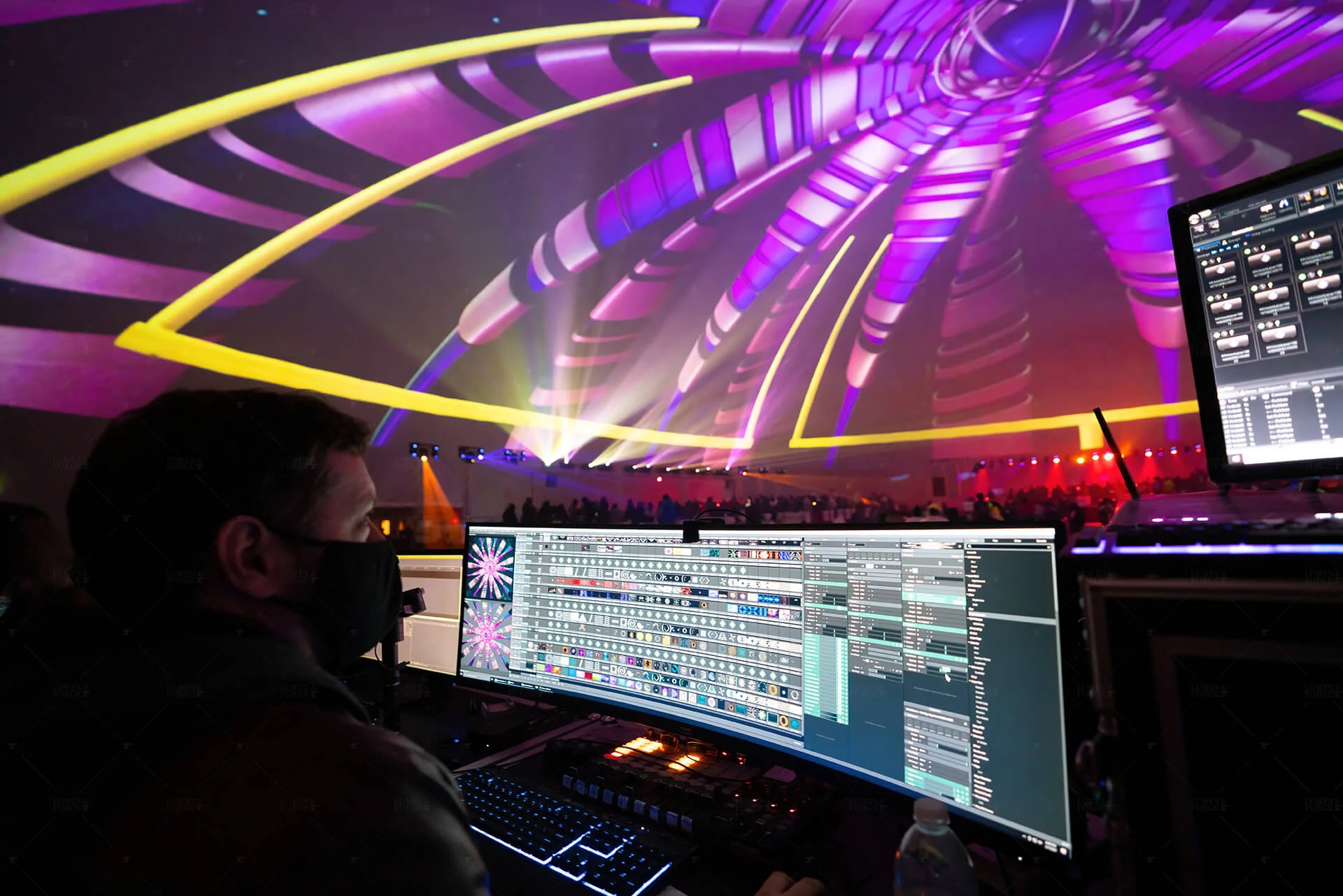
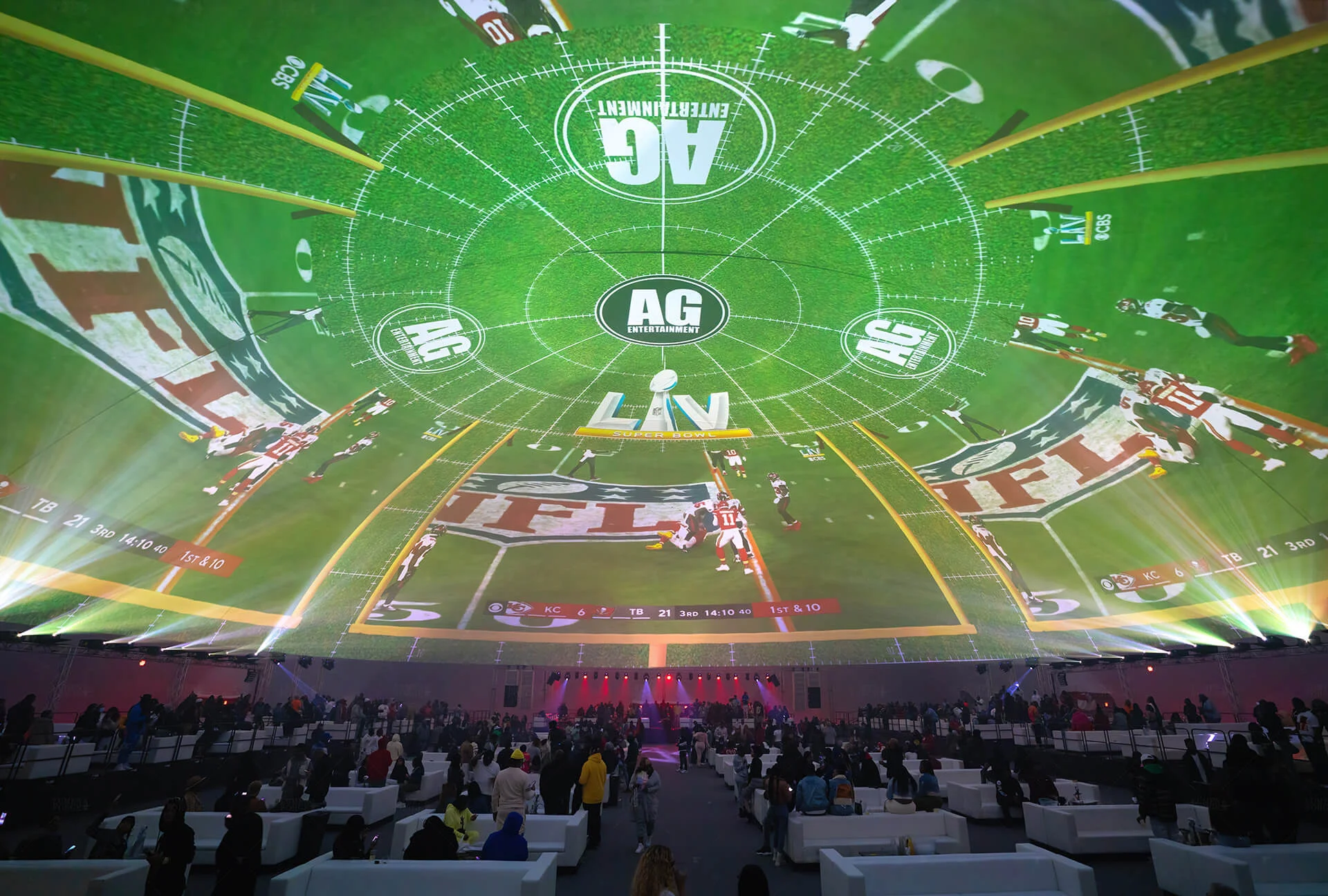
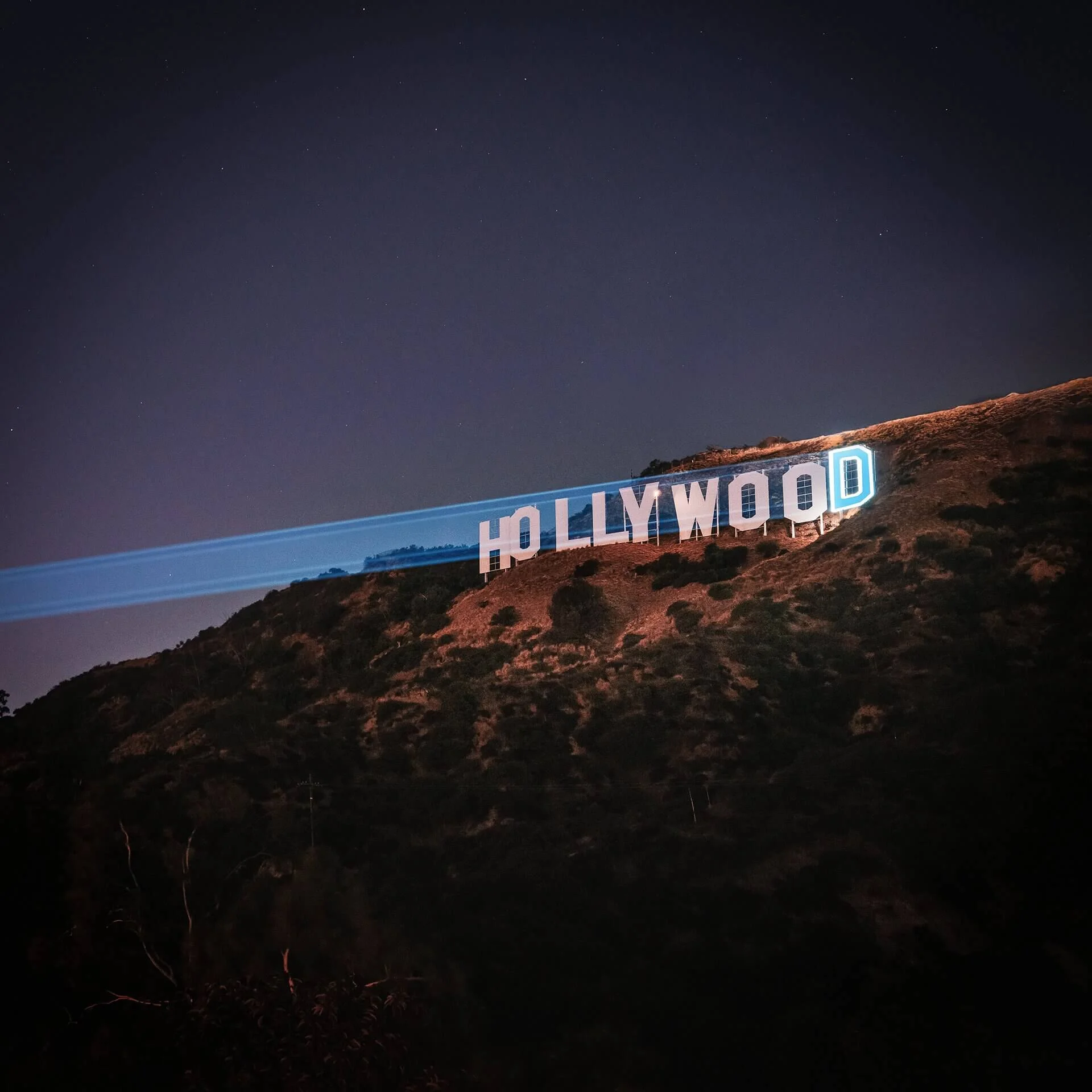
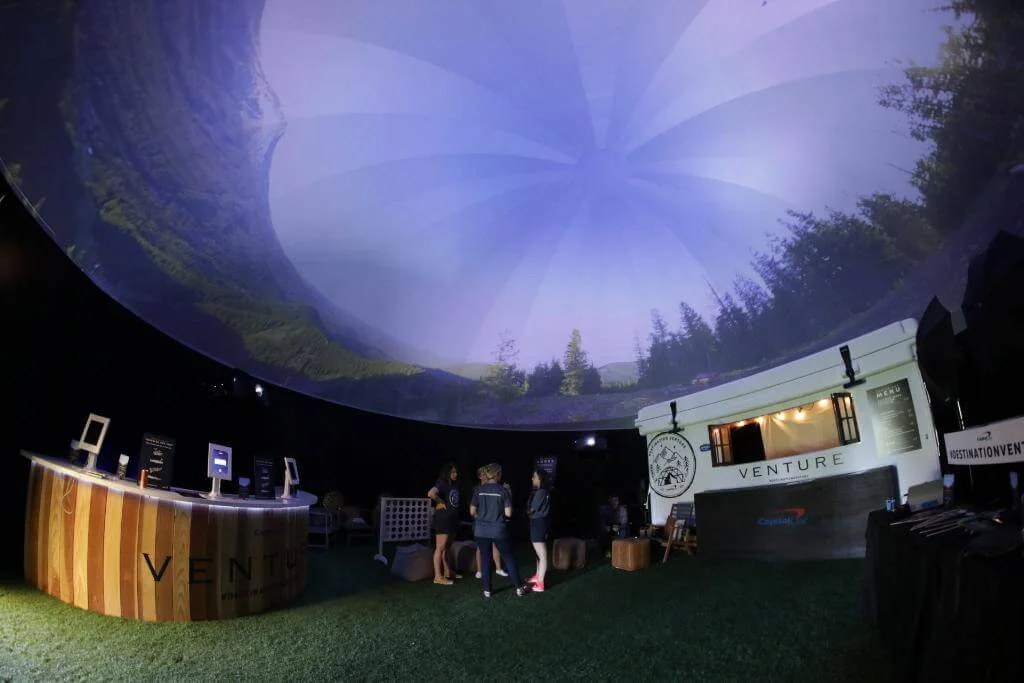
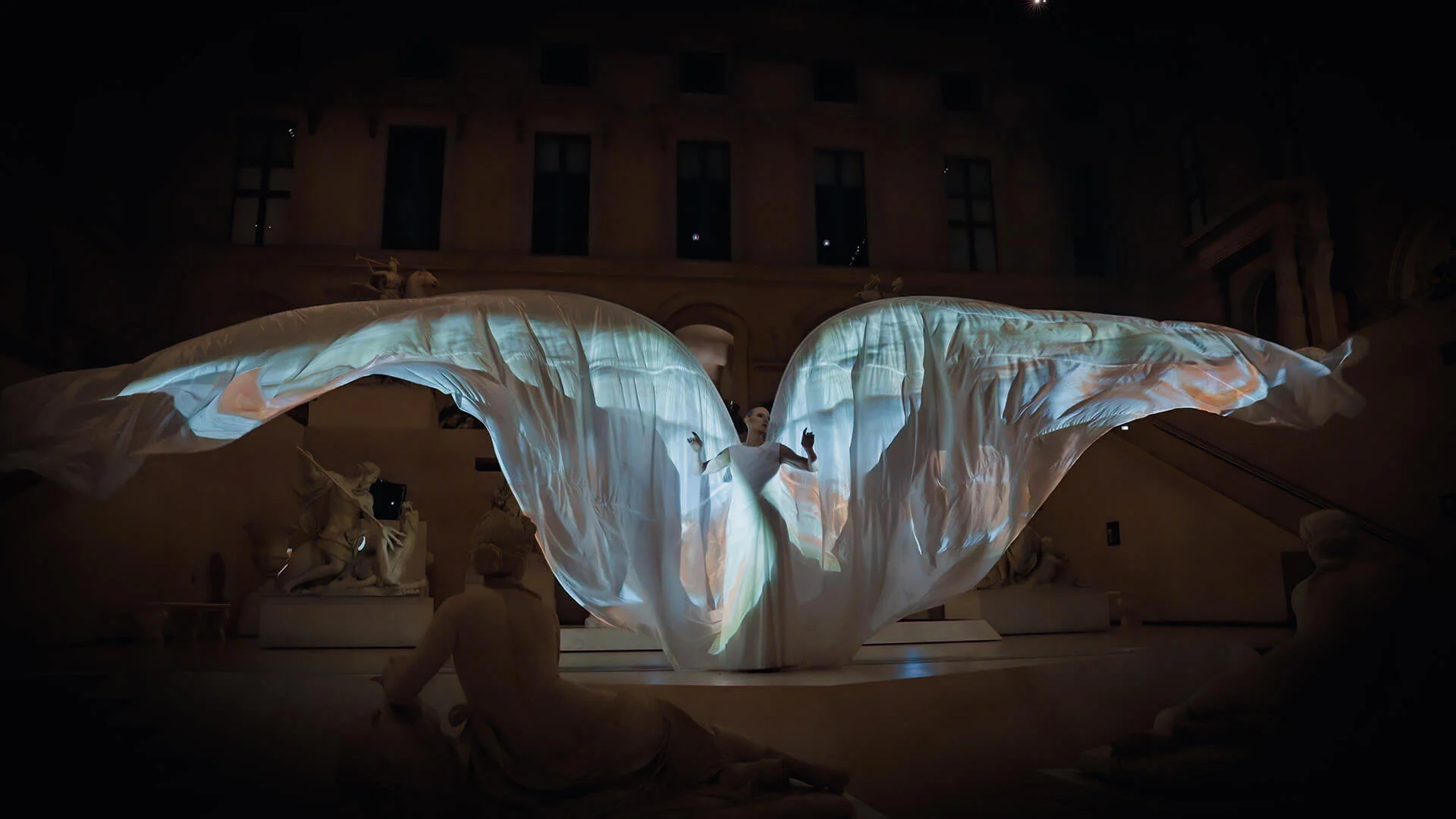
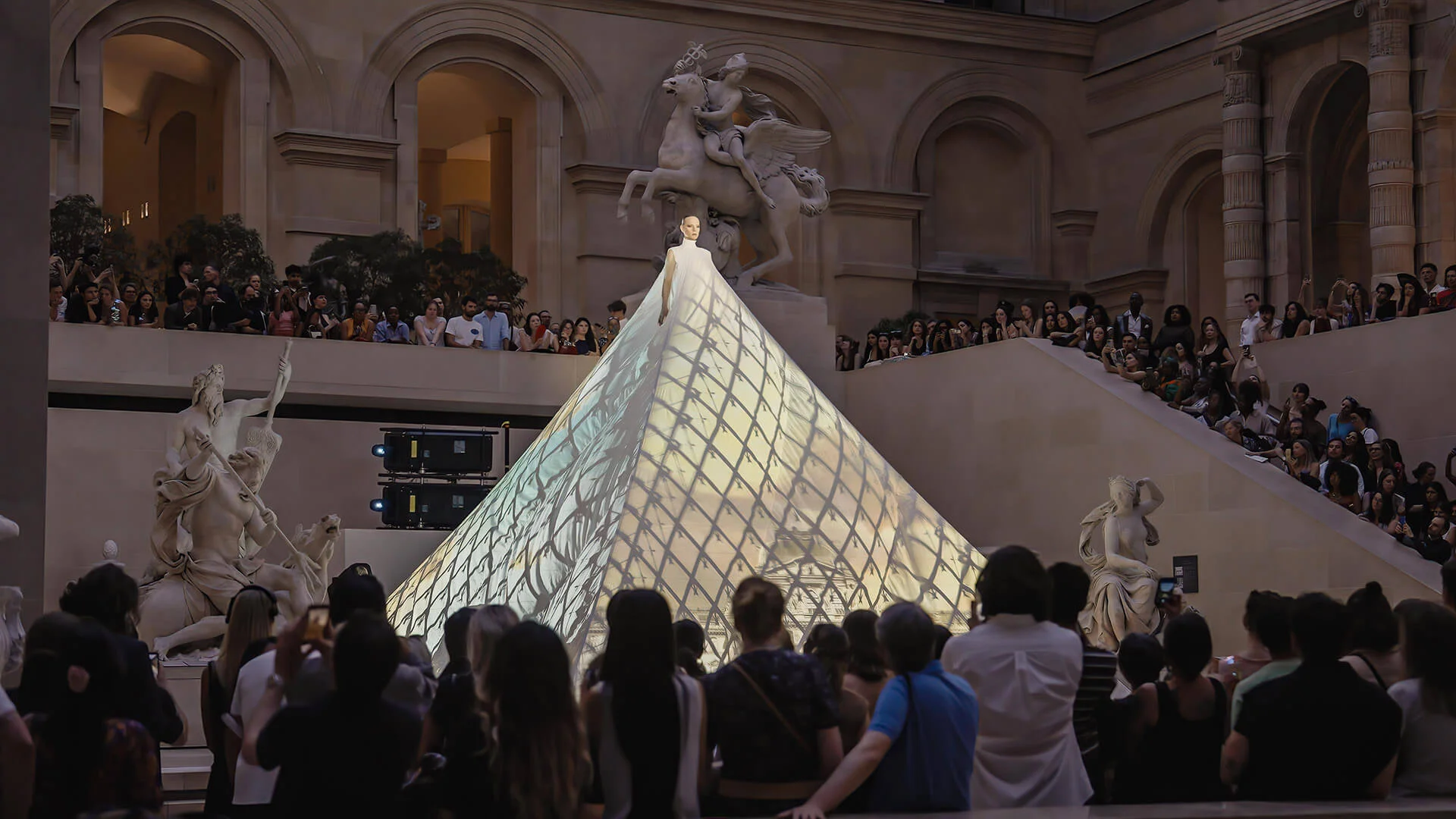
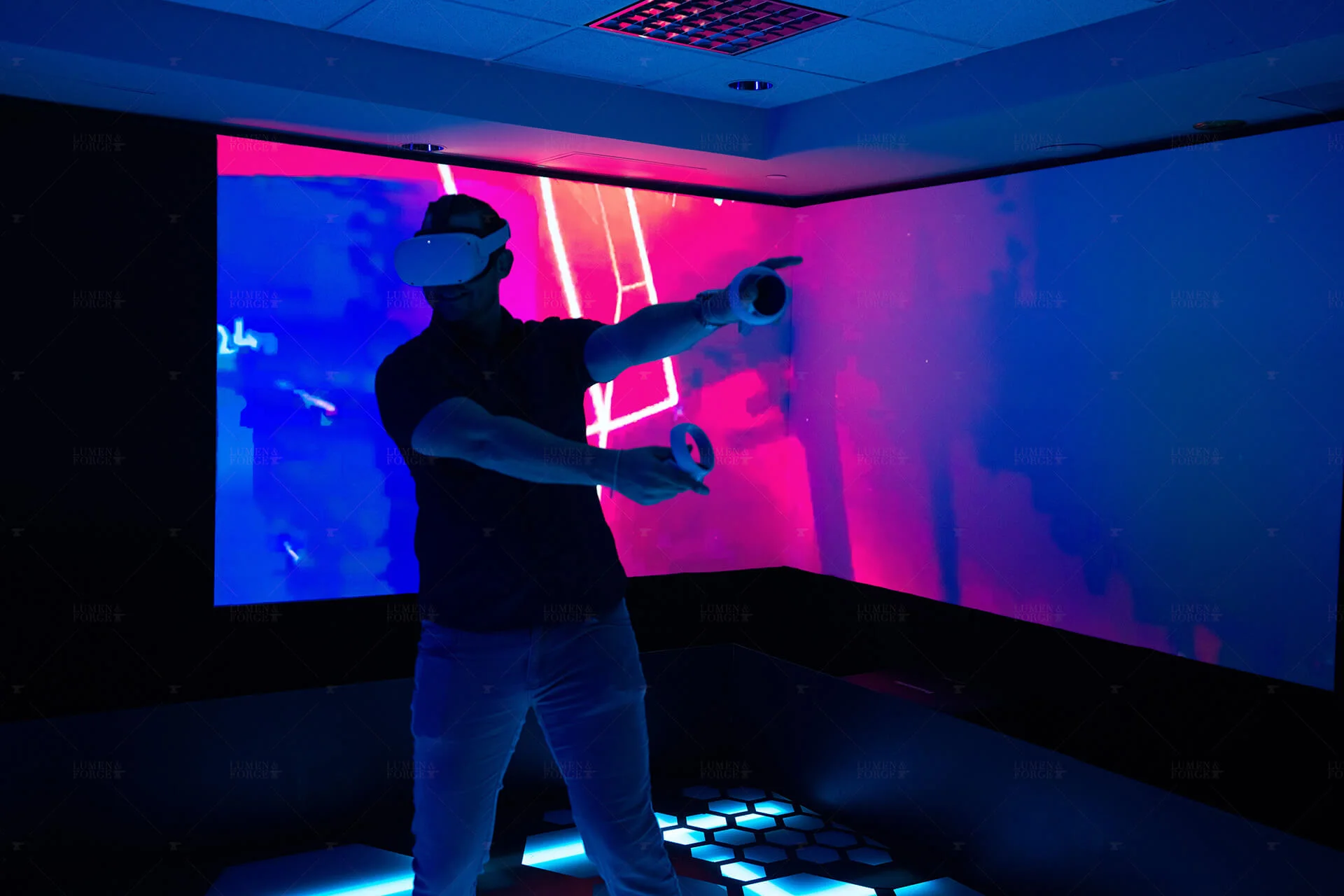
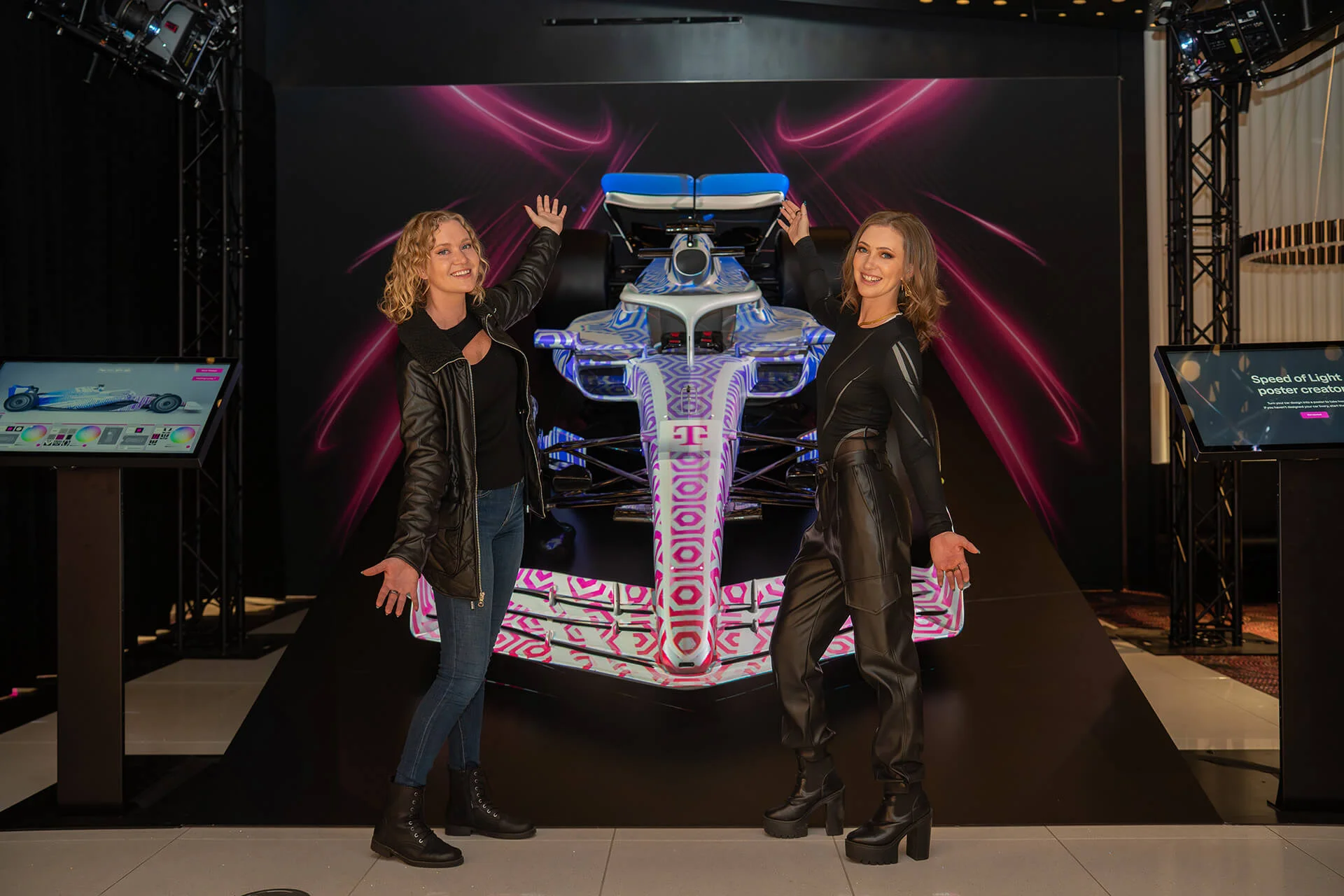
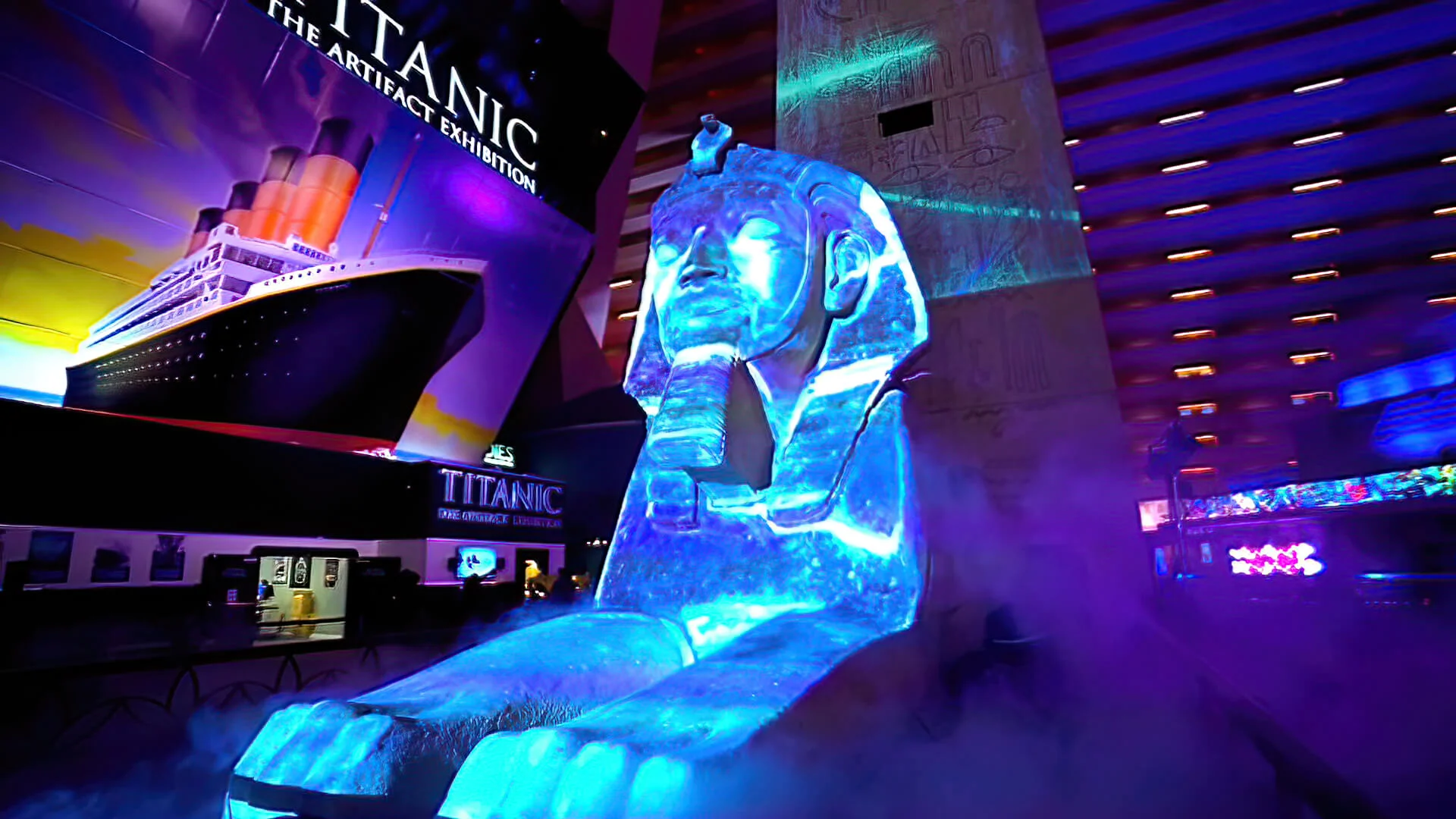
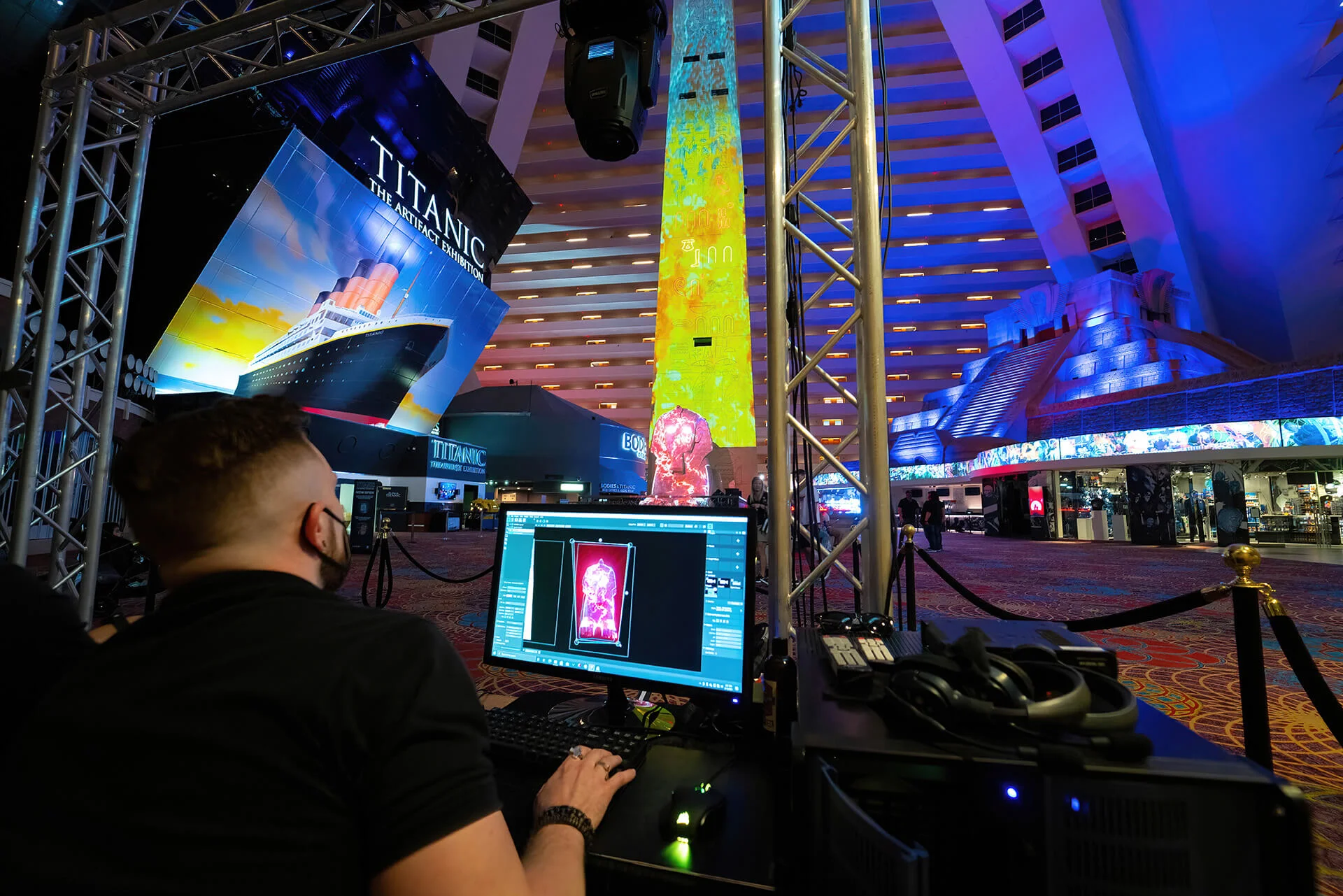
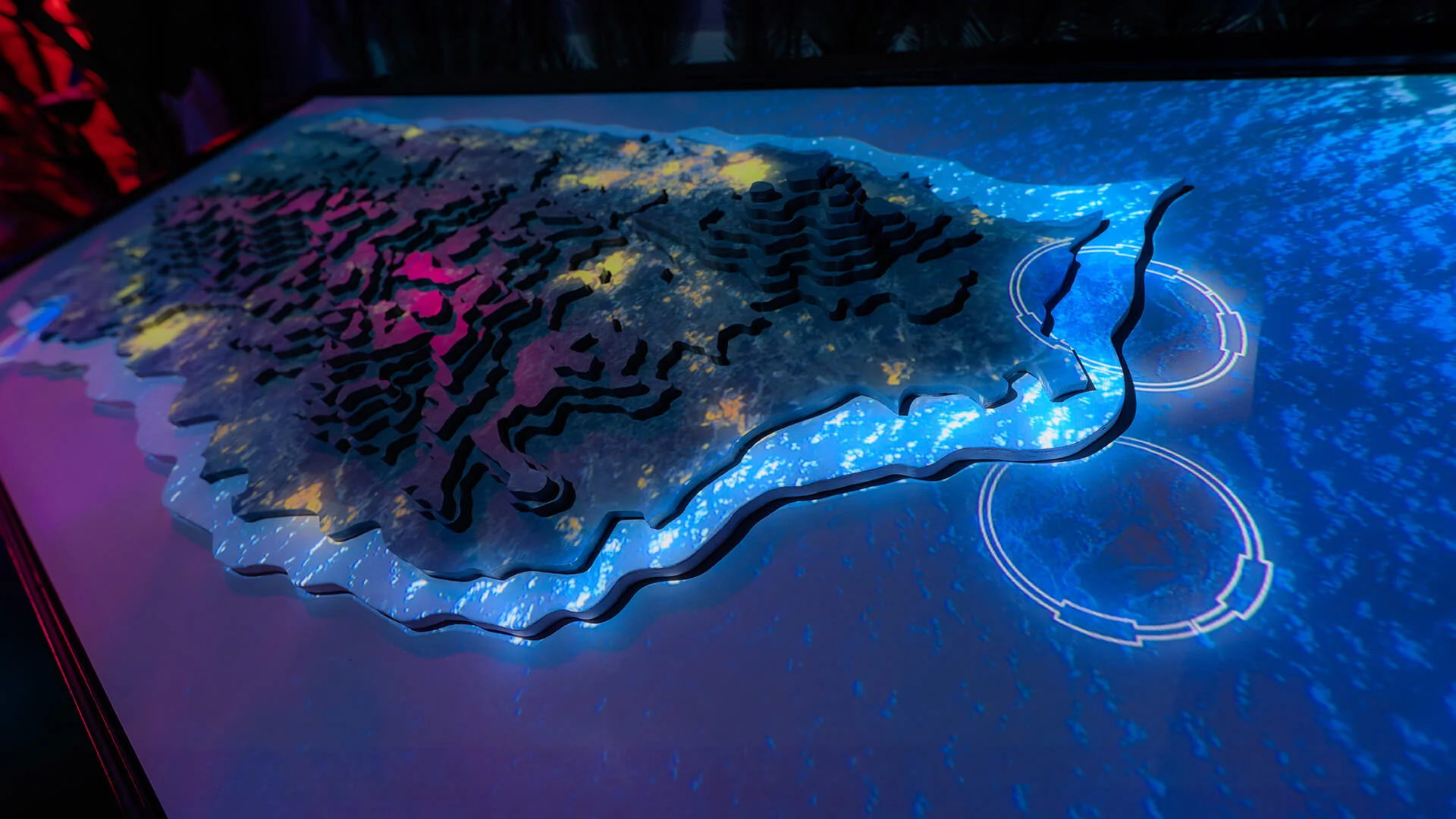
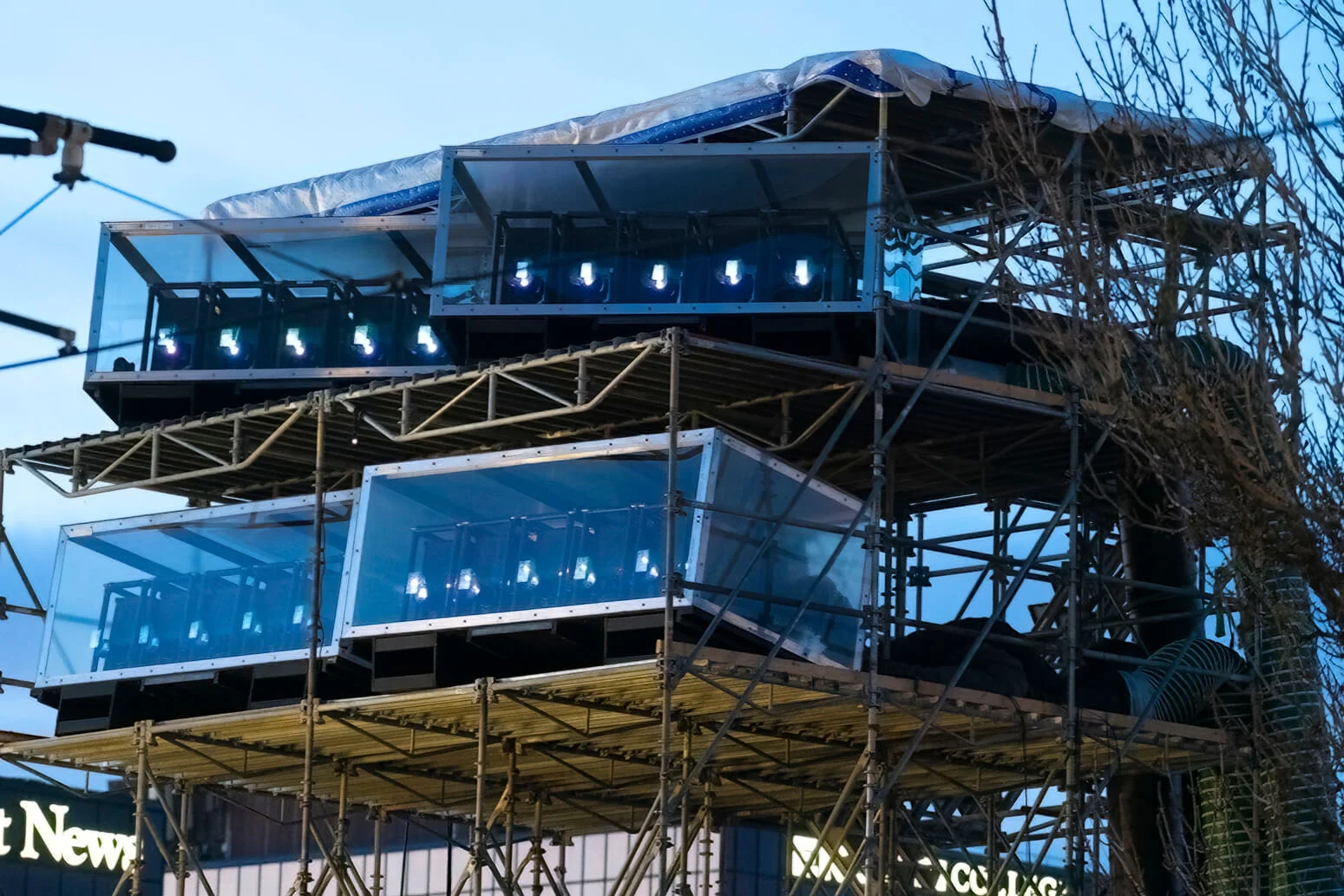
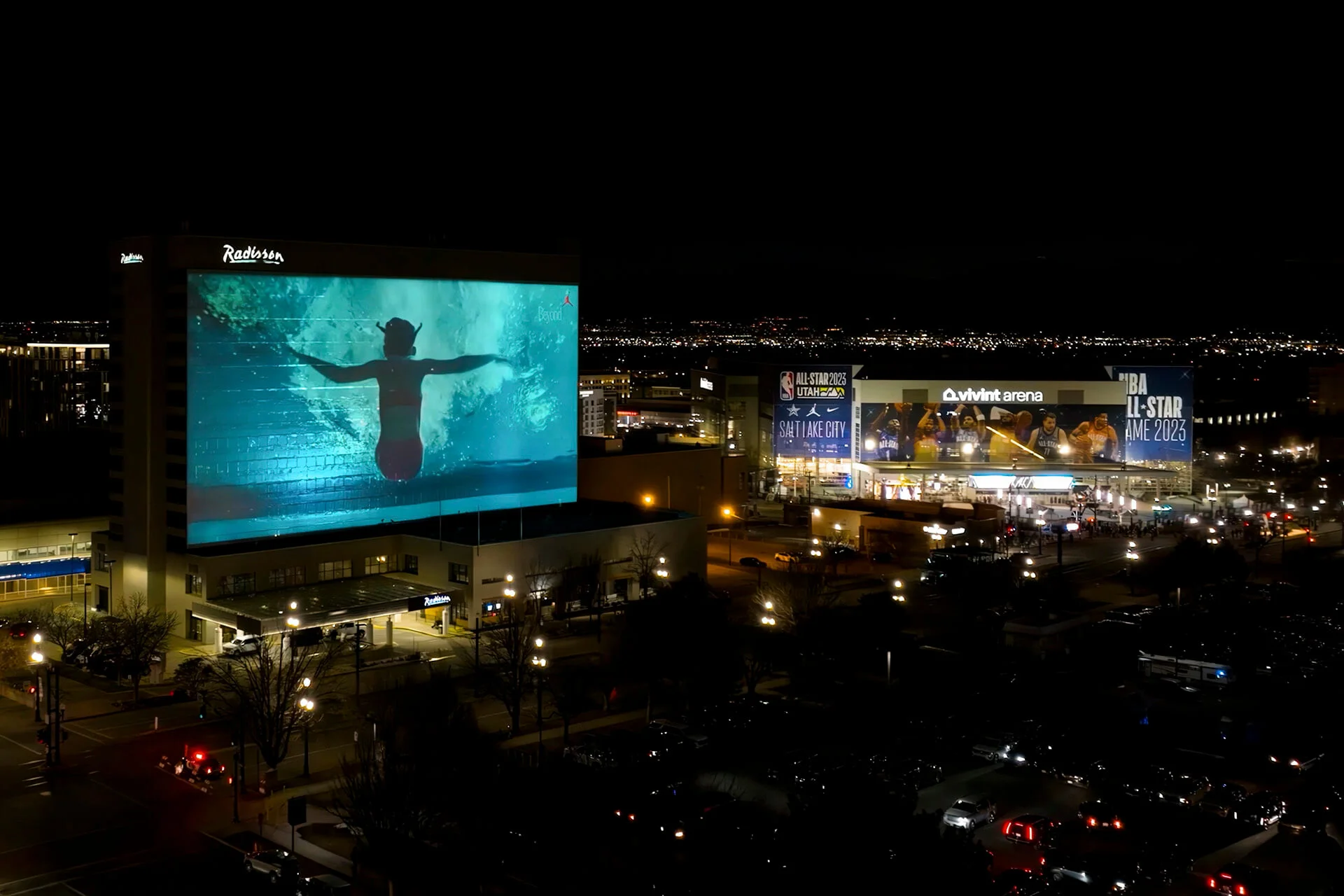
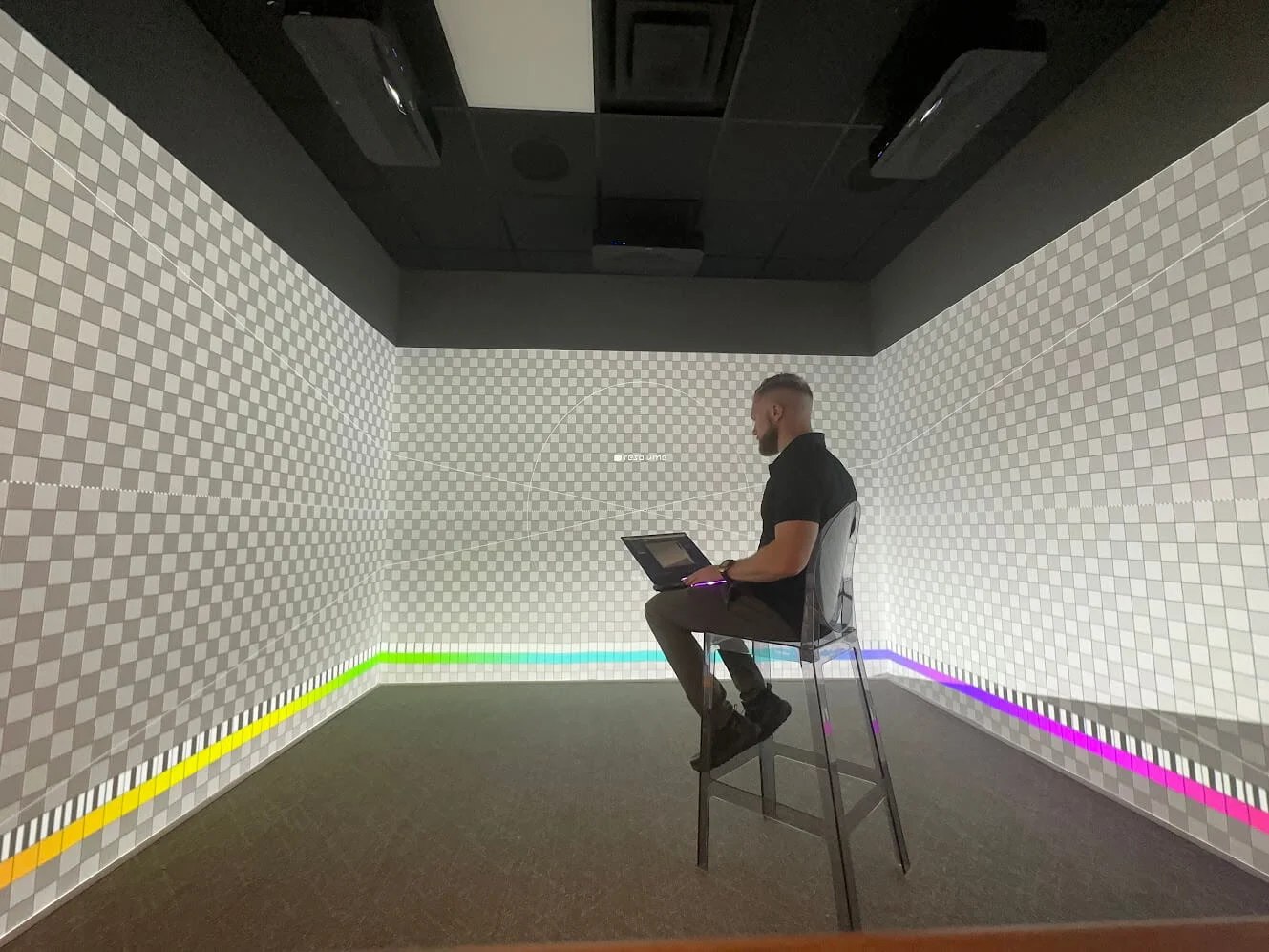
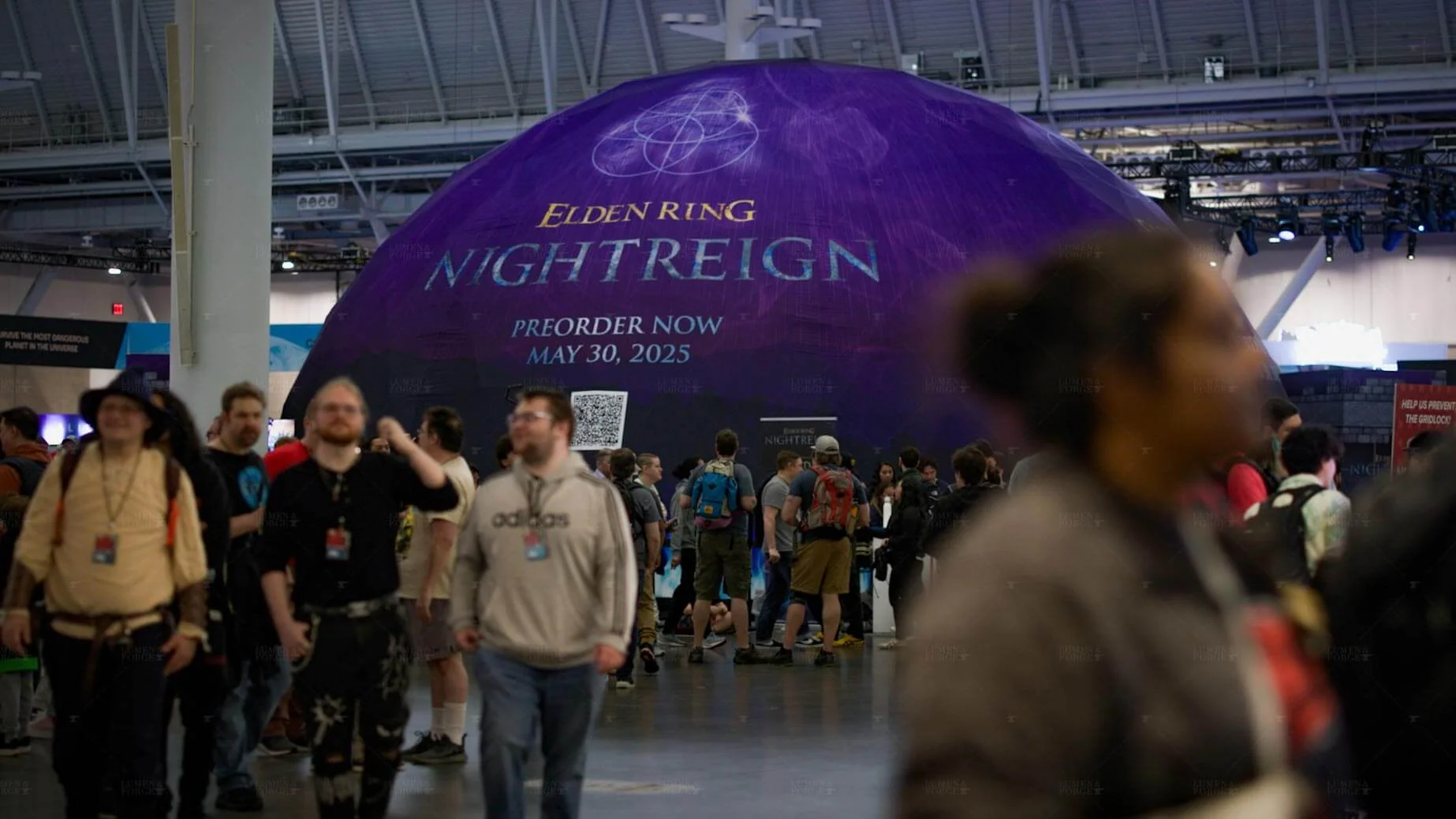
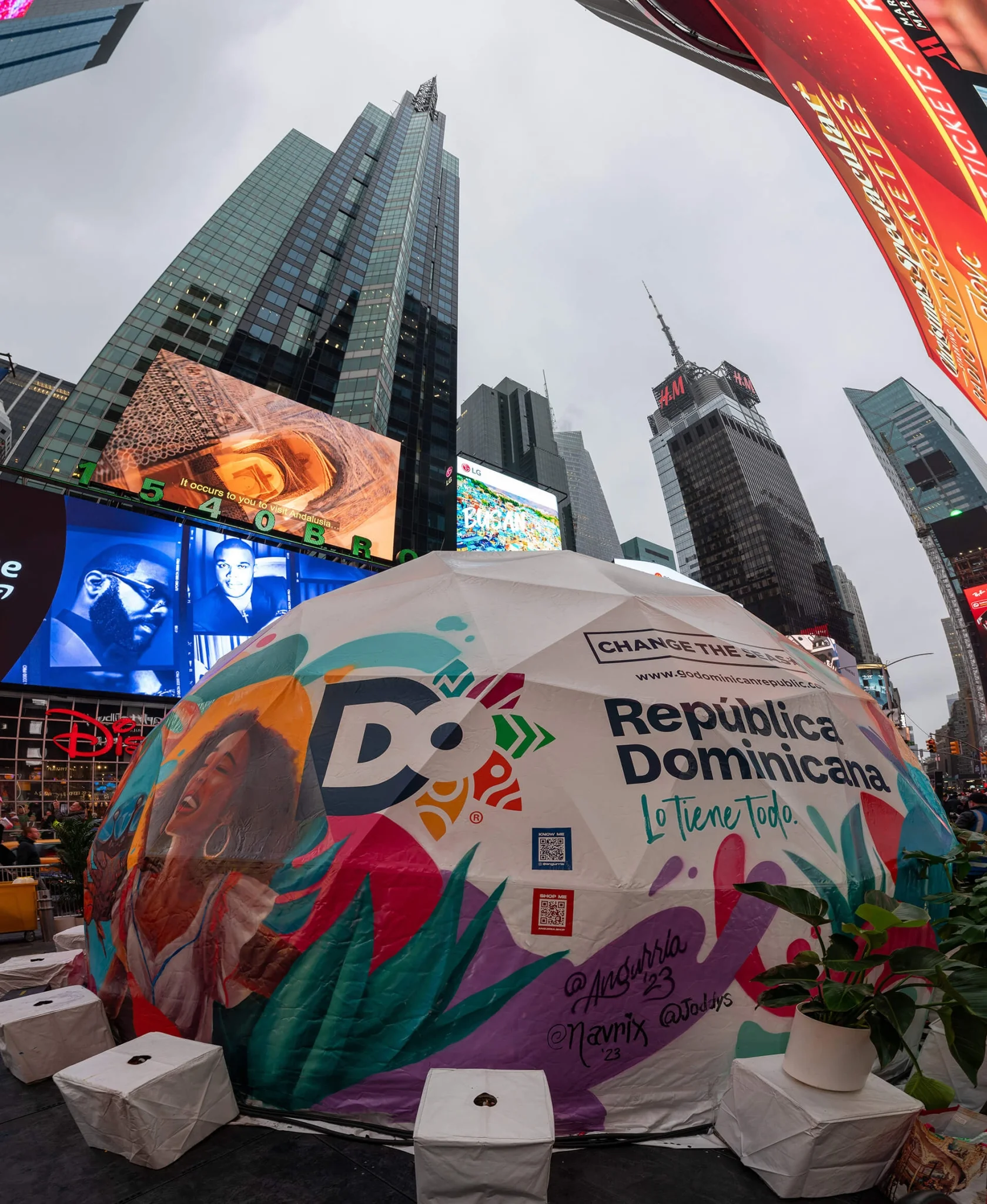
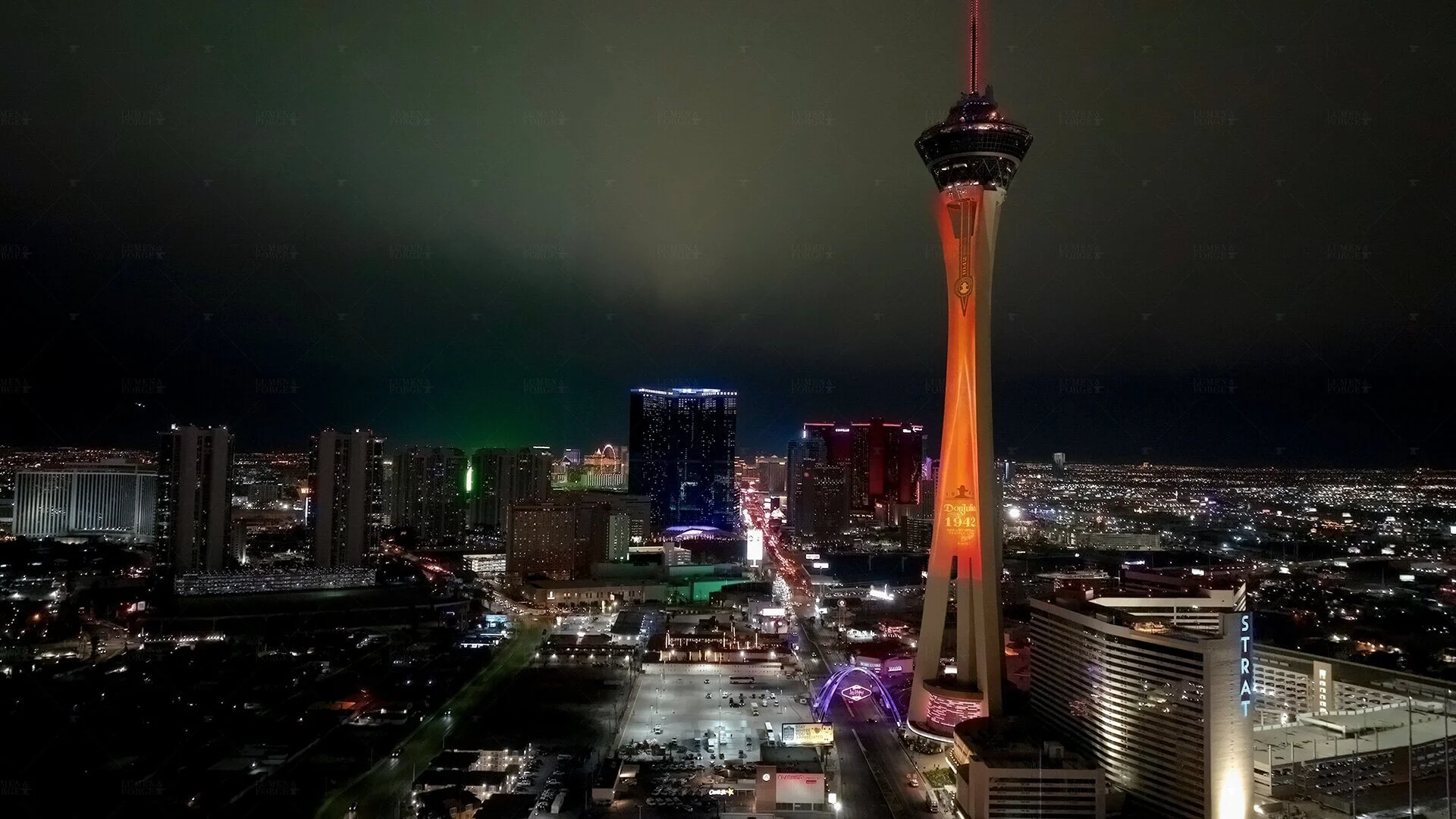
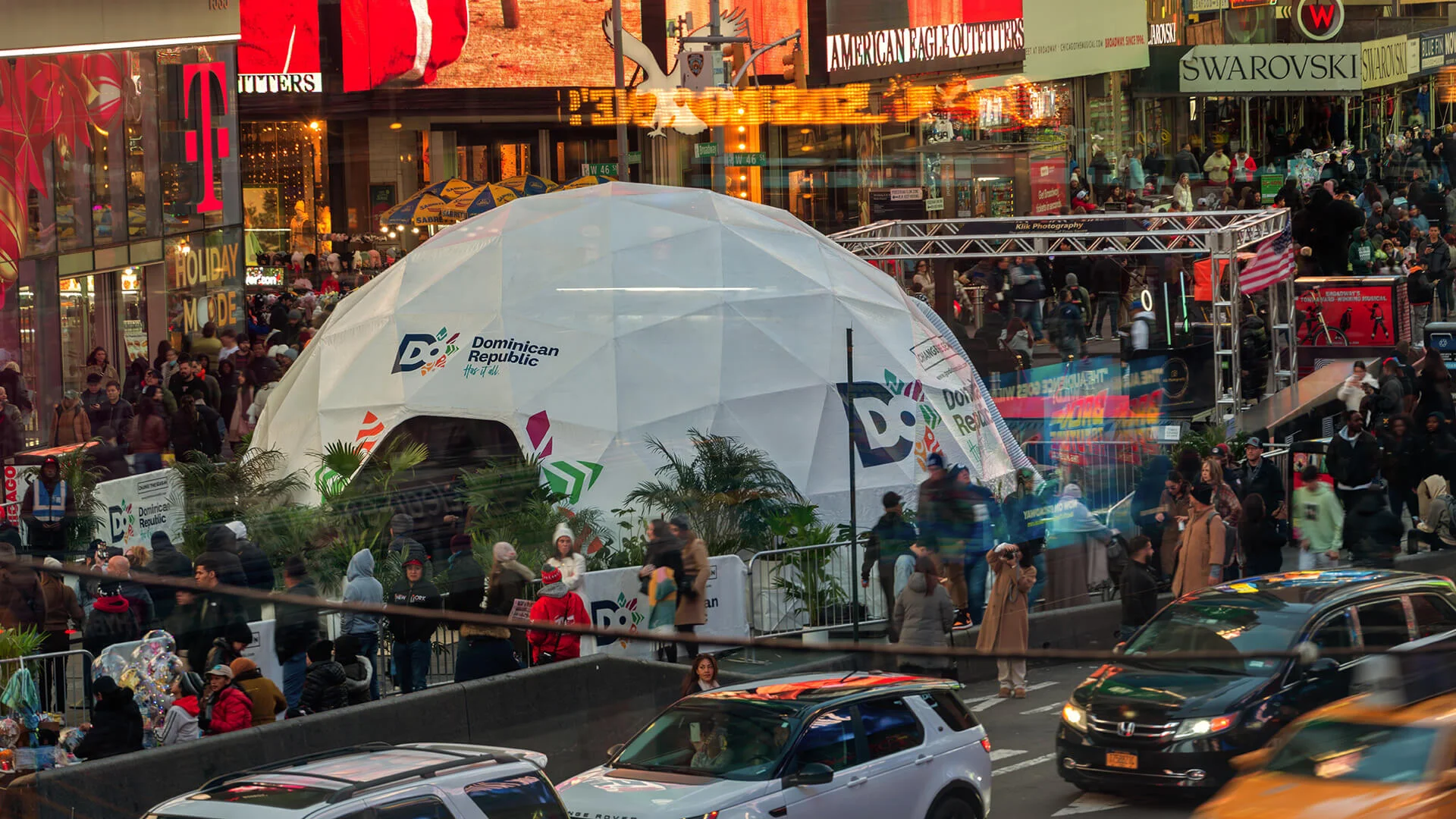
Take A Closer Look
A Deeper Look Into Animation & Visual Story Telling
A Deeper Look Into
Projection Mapping
Projection Mapping: Turning Any Surface Into a Story
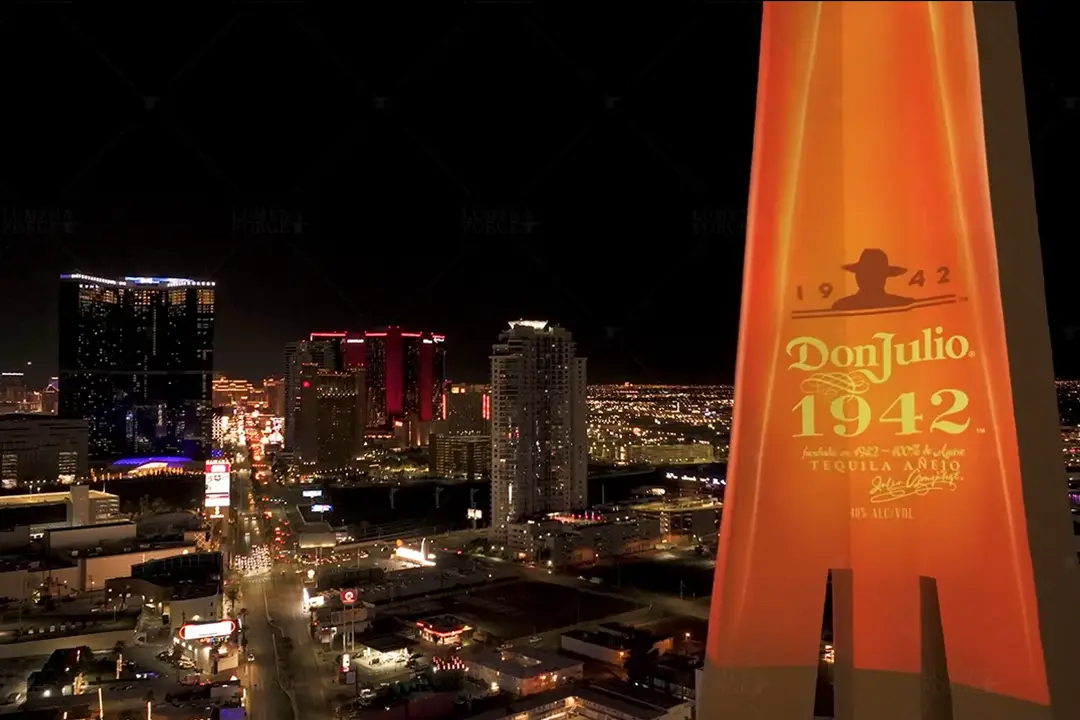
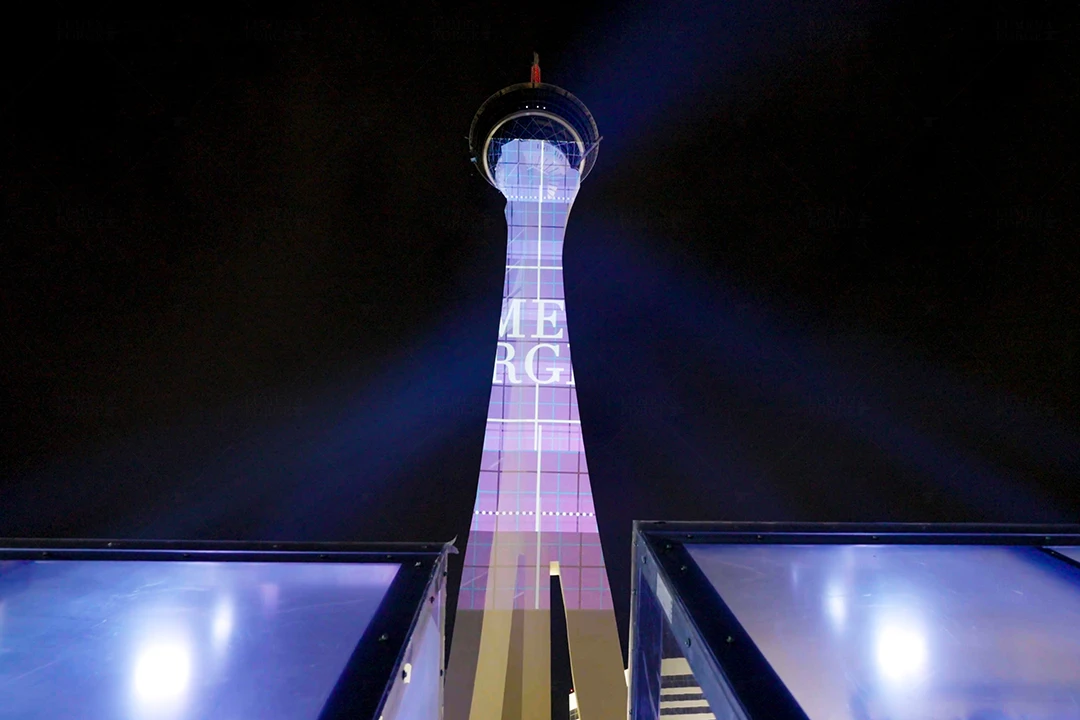
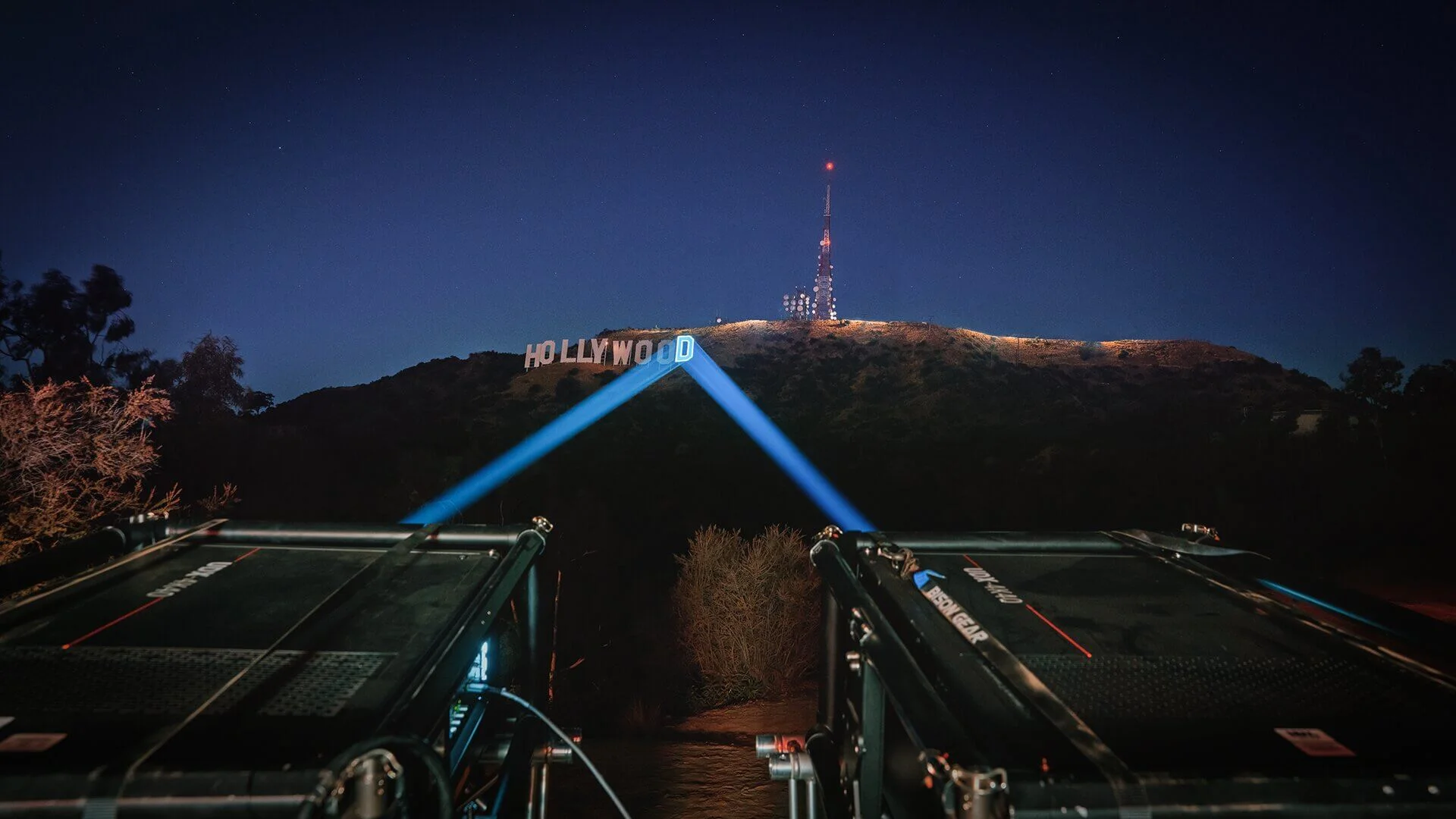
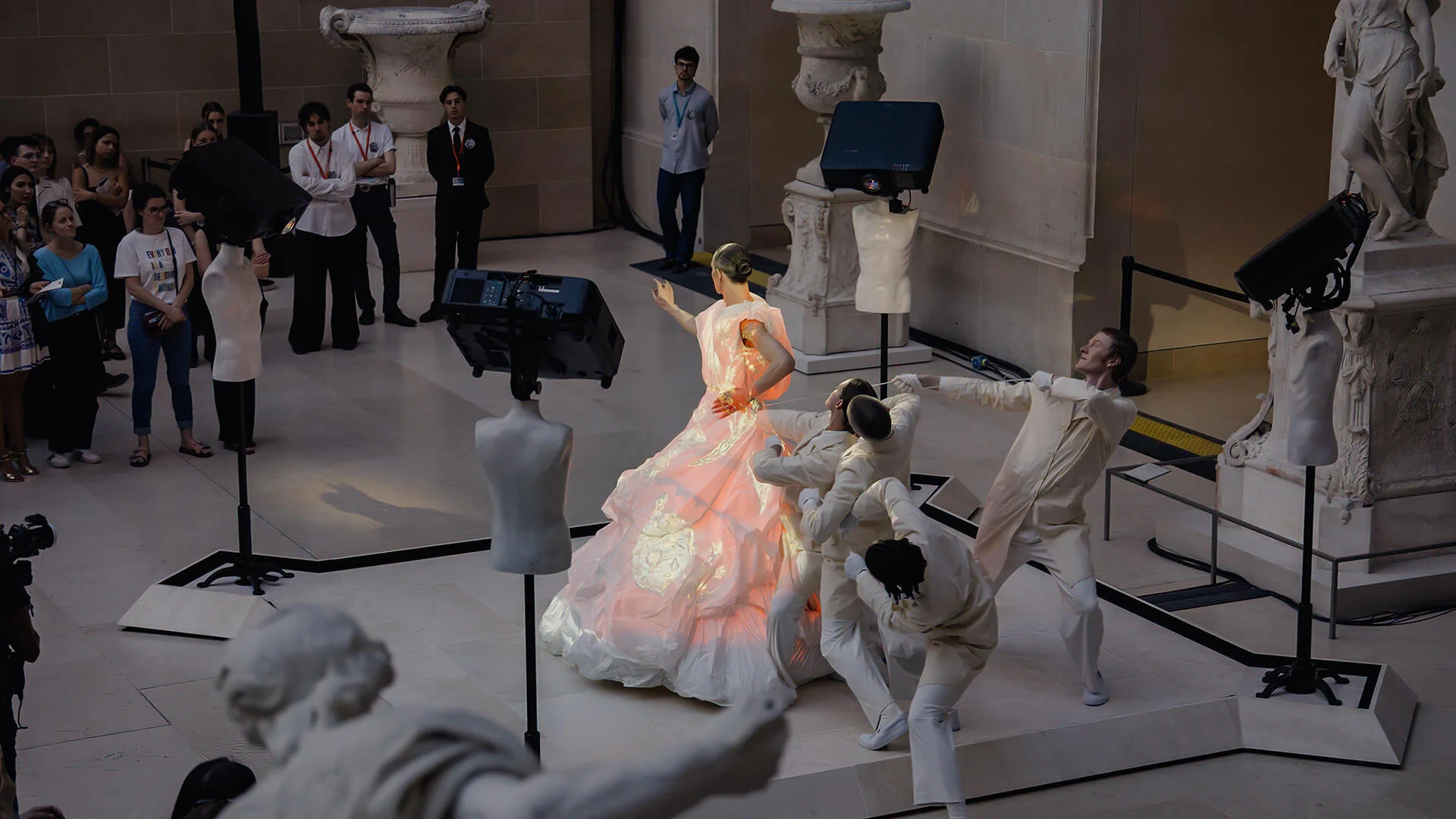
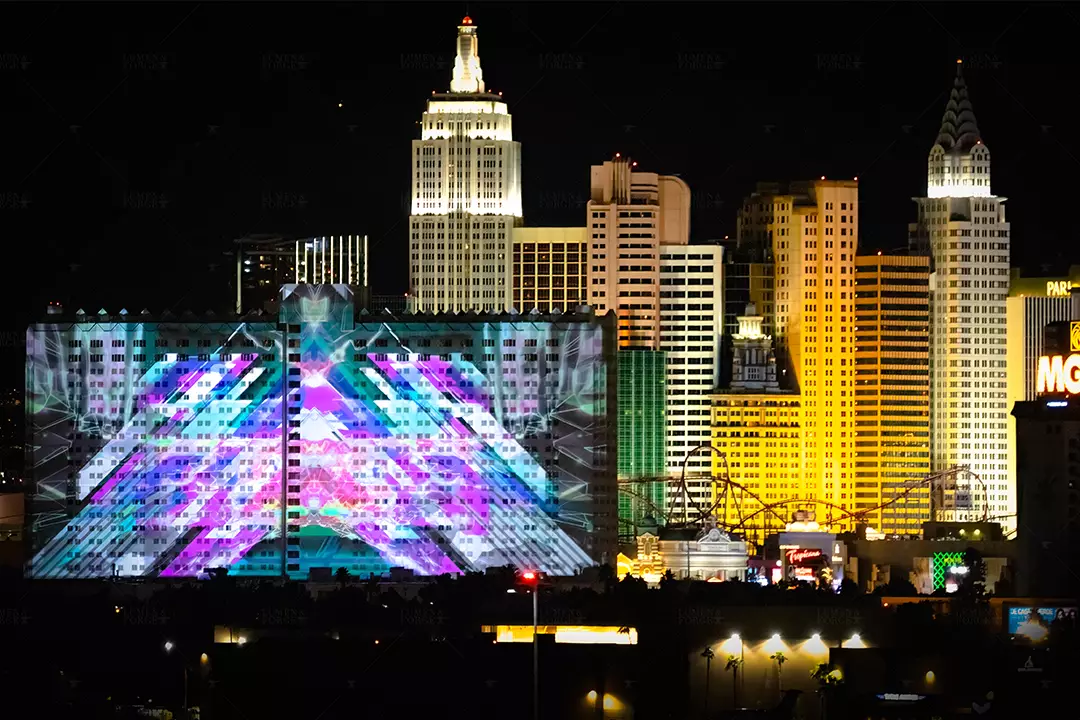
Projection mapping is the craft of shaping light to fit a surface rather than throwing an image at a screen. A flat screen gives you a rectangle and nothing more. Mapping starts with a survey of the actual architecture, then warps and blends the projected image so every edge, corner and relief lines up. The building becomes the display. Facades gain depth, columns read as separate planes, and objects can appear to shift, open or dissolve in place. The result is content built for one specific structure, not a video that plays anywhere.
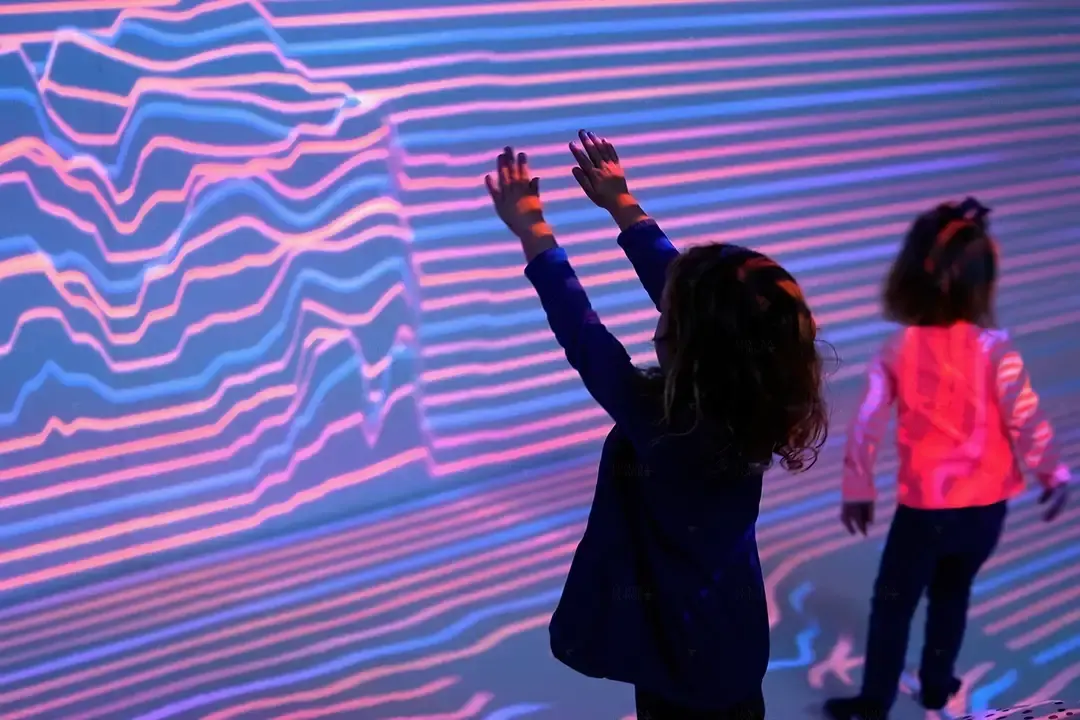
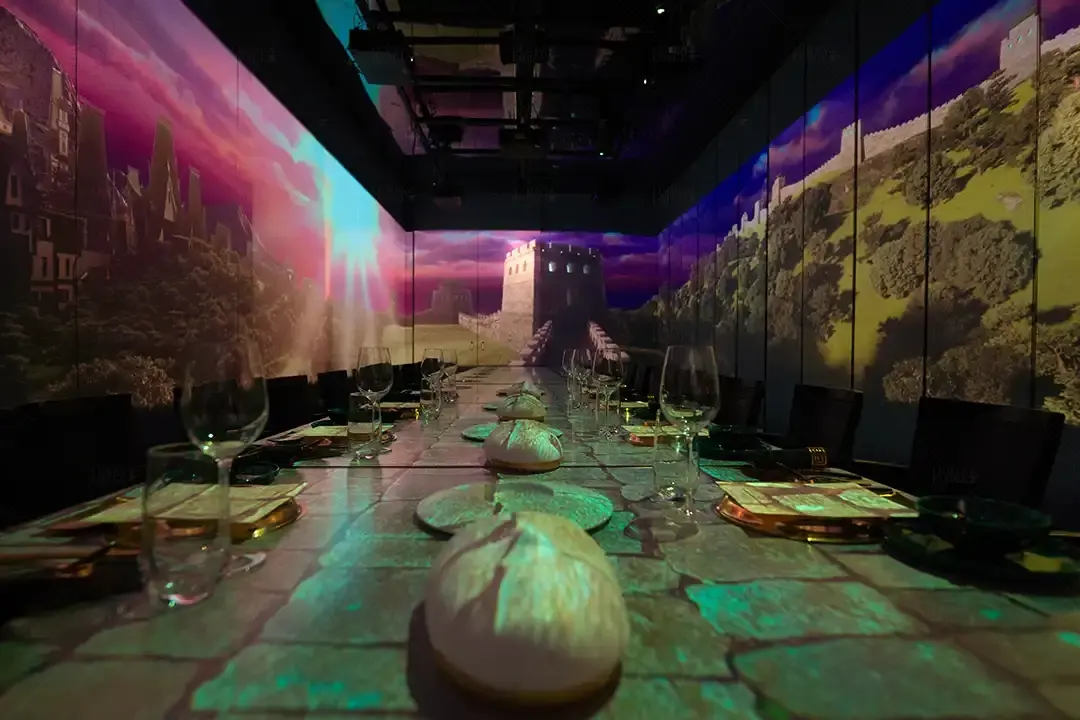
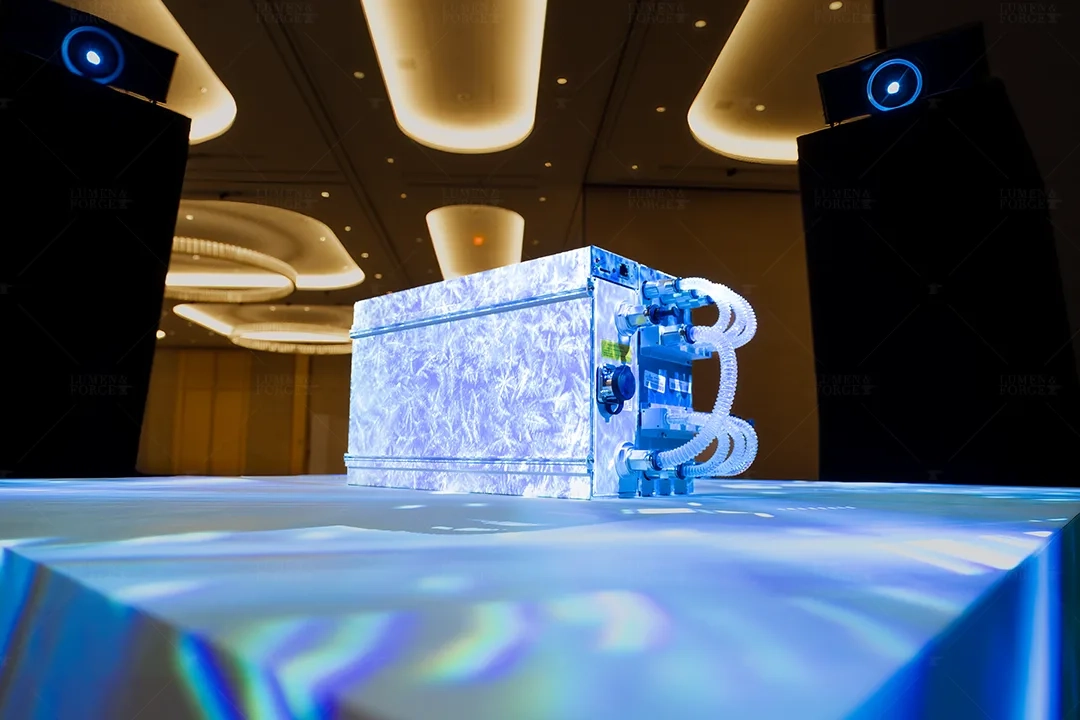
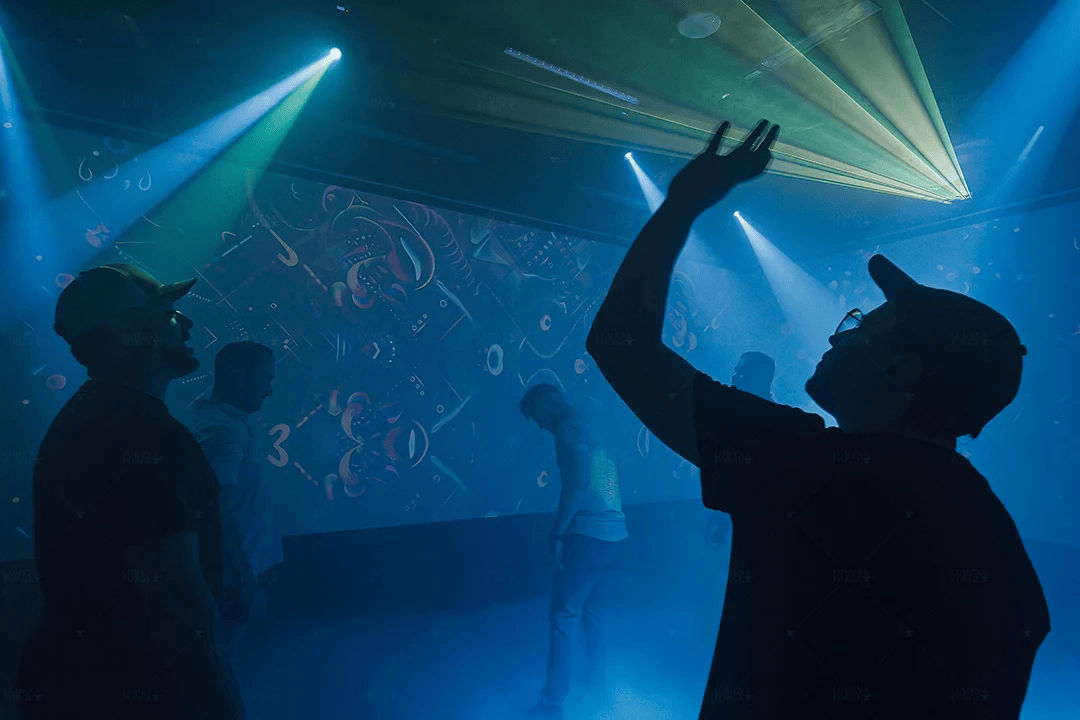
New Orleans offers unusually rich surfaces for that work. The limestone and marble of Gallier Hall and the colonnades of the Piazza d'Italia suit large-scale architectural mapping, while Jackson Square and St. Louis Cathedral give a landmark facade with real depth. Inside, the Ernest N. Morial Convention Center and Mardi Gras World handle room-scale environments and object mapping, and the Saenger Theatre rewards detail work on ornate interior features. Lumen and Forge designs, produces and installs each project around the venue it belongs to.
Building and Architectural Projection
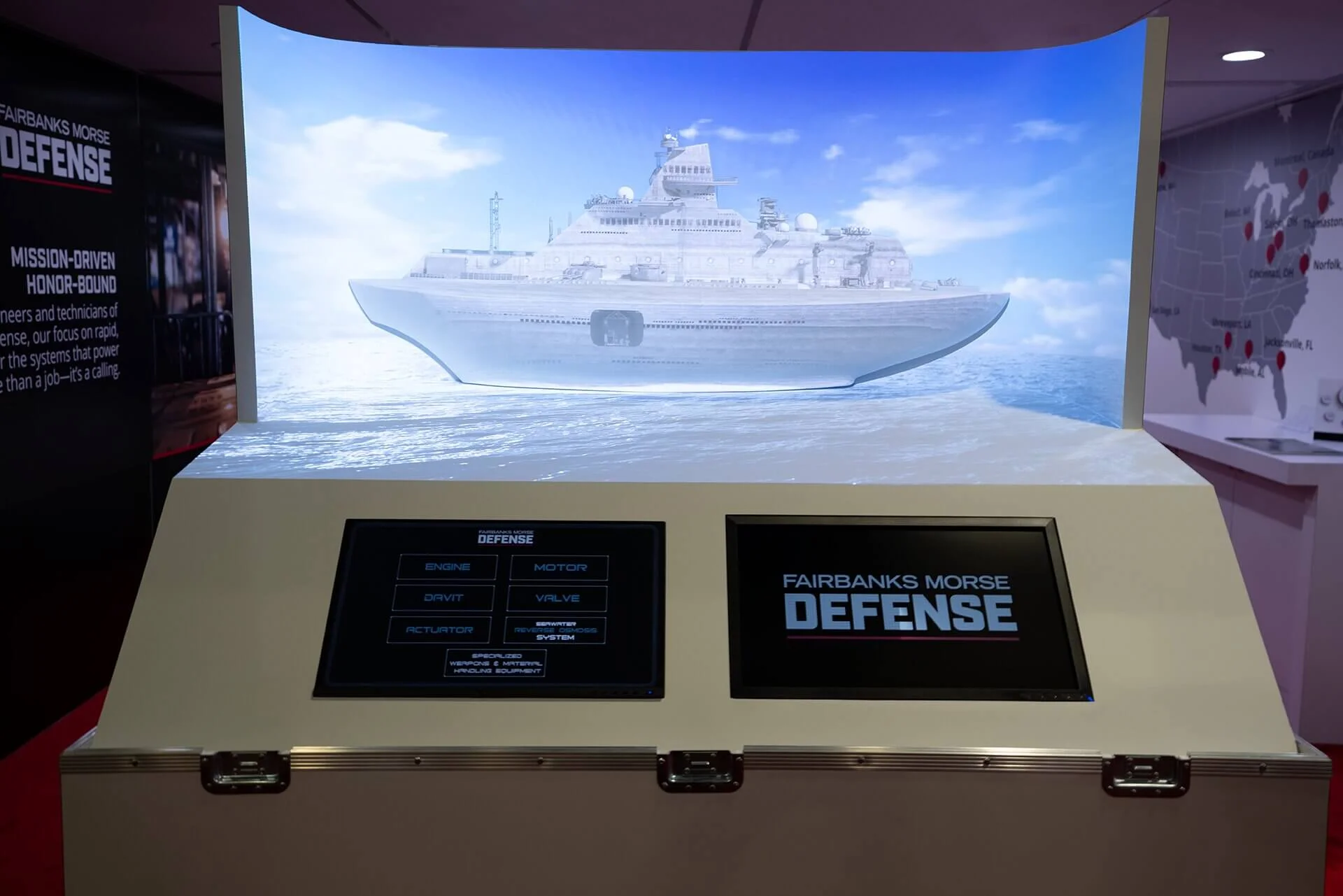
Object and Product Projection Mapping
Interactive Projection
Room and Environment Mapping
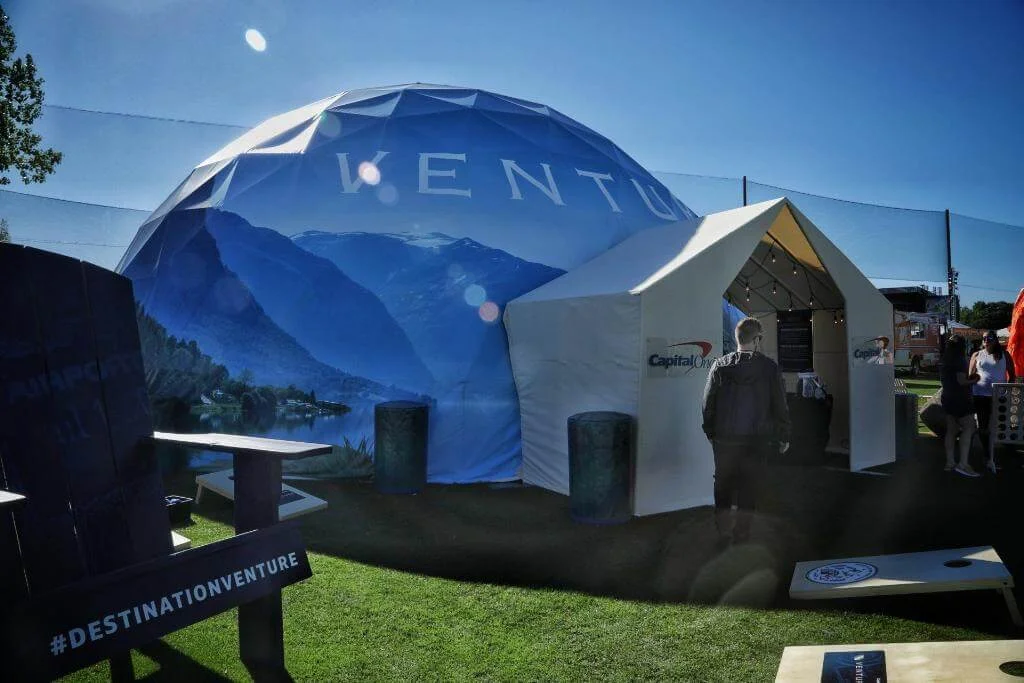
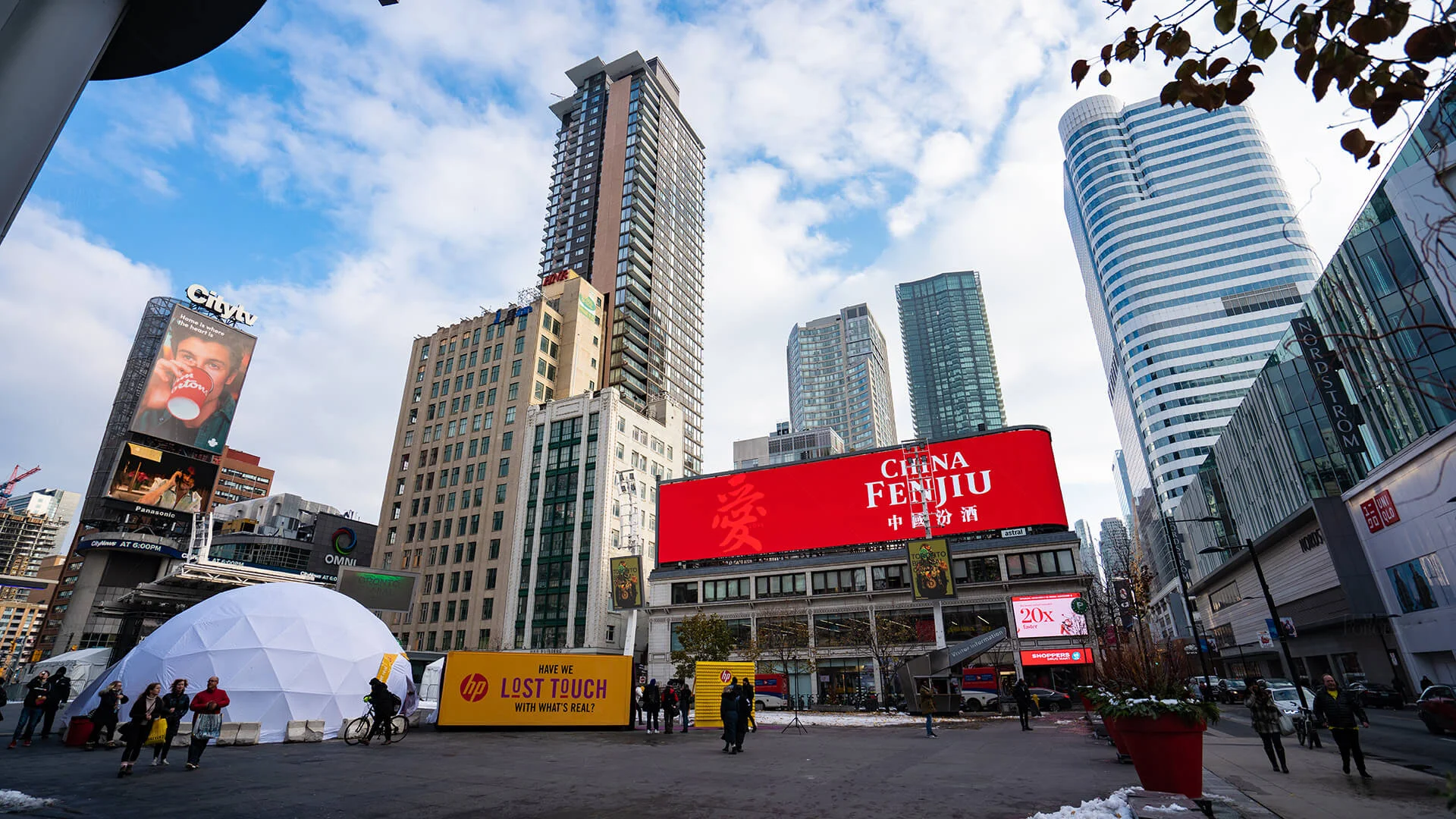
Dome Projection
Why New Orleans Is a Natural Fit for Projection Mapping
New Orleans is a city that has seen spectacle. Fireworks over the river, floats lit from within, brass bands turning a corner into a wall of sound: residents have absorbed this kind of thing since childhood. Visitors arrive expecting it too, whether they are in town for a convention at the Ernest N. Morial Convention Center, a game at Caesars Superdome or Smoothie King Center, or a festival weekend. That raises the bar for any brand activation. A big, bright projection can get a crowd to stop walking, but stopping is not the same as staying. In a market this saturated with sensory competition, spectacle is the entry fee, not the differentiator.
The calendar itself sets the terms. Allstate Sugar Bowl in January, Mardi Gras in February or March, French Quarter Festival in April, New Orleans Jazz and Heritage Festival in late April and early May, Essence Festival of Culture in July, LUNA Fête in November, and Celebration in the Oaks from November into January. That is a year-round rhythm of large public moments, each with its own audience and mood. A projection mapping program in this city has to know which moment it is entering. The crowd at LUNA Fête, moving between Gallier Hall and Piazza d'Italia, is there for light as an art form. The crowd at a convention is there to be convinced. The same installation cannot speak to both.
The industries that drive the city shape what those audiences want. Tourism and hospitality, conventions and trade shows, music and live entertainment, film and television production, energy and petrochemicals, port and maritime logistics, and sports and major event hosting all bring people into the same venues with different expectations. A hospitality brand activating near Jackson Square and St. Louis Cathedral is speaking to visitors who want a sense of place. A trade show exhibitor at the Morial Convention Center is speaking to buyers who want clarity and a reason to remember a booth number. Projection mapping works for both, but only when the content is built for the room and the reason people are in it.
That is why spectacle alone falls short here. Local audiences are fluent in the city's visual language: the architecture of Gallier Hall, the courtyards of Mardi Gras World, the galleries at the New Orleans Museum of Art in City Park, the restored interior of the Saenger Theatre, the grounds of The National WWII Museum. They notice when a projection treats those settings as a generic backdrop. What earns attention is content that feels like it belongs to the place and gives people something to do, not just something to watch. In a city that hosts the world on a regular schedule, the brands that succeed are the ones that turn a crowd into participants.
Lumen and Forge: Big-Stage Production for the Big Easy
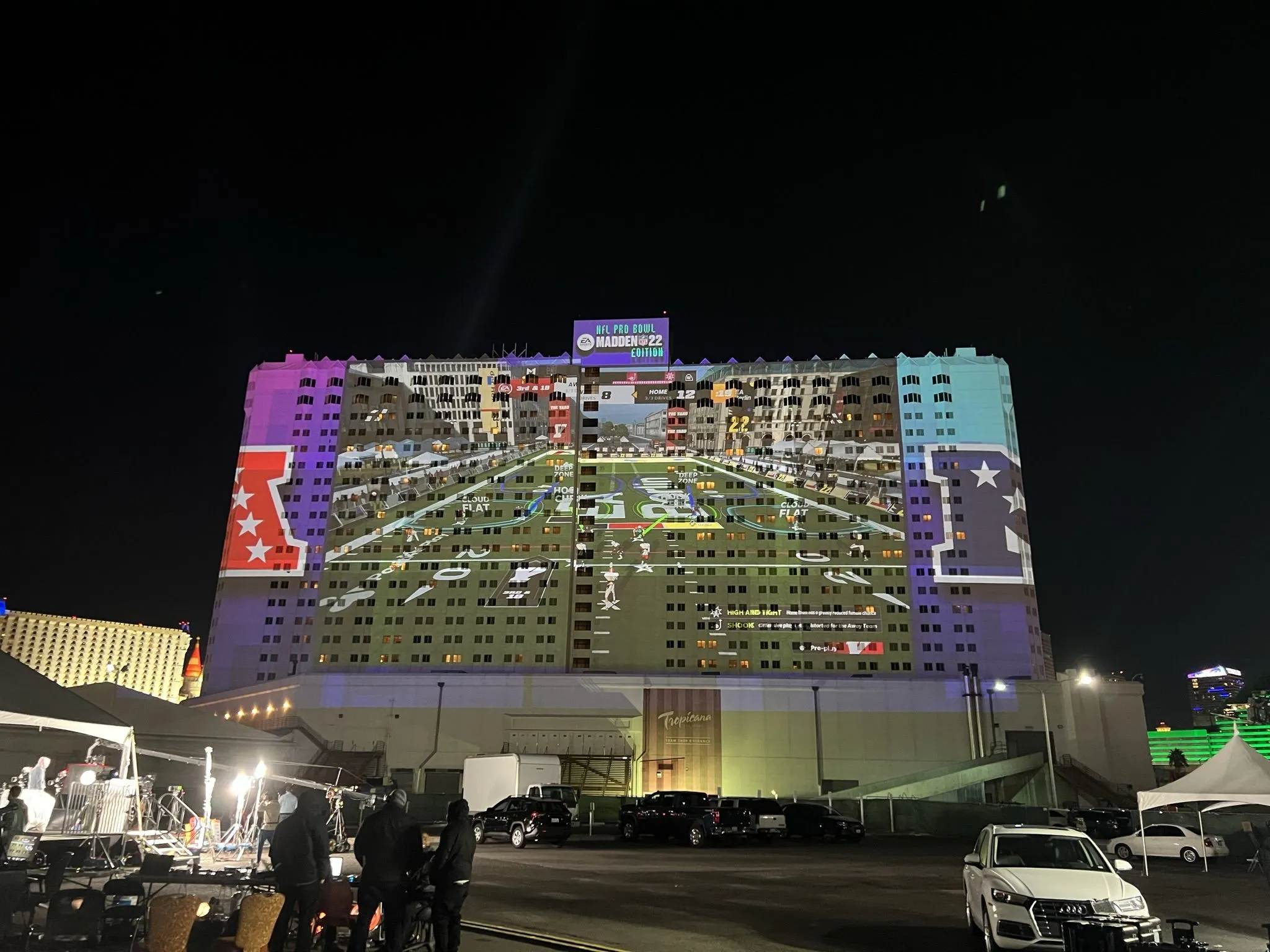
Over 15 years of producing large-scale projection mapping and immersive experiences for globally recognized brands gives Lumen and Forge the operational depth New Orleans productions require. Our portfolio includes building projections for Nike and Air Jordan at NBA All-Star Weekend, large-scale convention experiences for Toyota, McLaren, and Mastercard, a world record video game screen at the Tropicana, and the Beneath the Blue 360-degree dome for National Geographic. Our team is comfortable working alongside experienced production crews and holding a technical standard in front of an audience that knows the difference, which is exactly what New Orleans requires.
Who We Work With in New Orleans
Projection mapping in New Orleans is commissioned by organizations that need to turn a building, an object or a room into the centerpiece of a moment. These are the industries and client types we work with.
- Tourism and hospitality. Hotels, tour operators and destination marketers hire us to give visitors a reason to stay out after dark, from façade projections on hospitality properties to immersive environments built around a seasonal promotion or a district-wide campaign.
- Conventions and trade shows. Exhibitors and show organizers at the Ernest N. Morial Convention Center use projection mapping to pull traffic onto a booth floor and to make a product launch or keynote land with a room full of buyers.
- Music and live entertainment. Promoters, venues and festival producers, including programming connected to French Quarter Festival and the New Orleans Jazz and Heritage Festival, use building projection and object mapping to give stages and surrounding architecture a visual identity that reads across a crowd.
- Film and television production. Production teams use our room-scale environments and projection domes as controllable backdrops, giving a scene a specific sense of place without building it practically.
- Energy and petrochemicals. Companies in this sector commission object mapping and interactive installations for corporate events, safety milestones and community-facing programming.
- Port and maritime logistics. Port and maritime organizations use projection to explain complex operations at scale, whether at a conference, a stakeholder briefing or a public open house.
- Sports and major event hosting. Teams, hosts and sponsors around events such as the Allstate Sugar Bowl and games at Caesars Superdome and Smoothie King Center use projection mapping for fan experience, sponsor activation and pregame atmosphere.
Ready to Light Up the French Quarter?
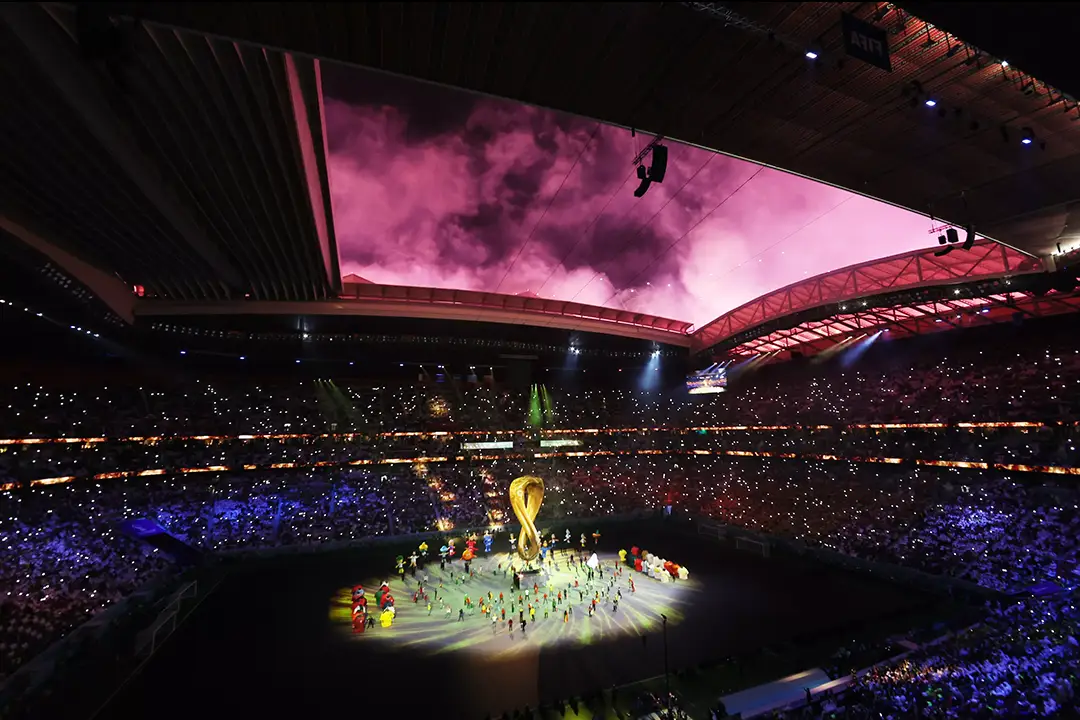
Whether you are activating at the Ernest N. Morial Convention Center, lighting up Gallier Hall during LUNA Fête, or drawing crowds into a room-scale environment during Essence Festival of Culture, the work has to hold up in front of an audience that knows a spectacle when it sees one. Lumen and Forge brings more than 15 years of projection mapping and immersive experience work for brands such as Nike and Air Jordan, Toyota, McLaren and Mastercard to every New Orleans project, from building projection and object mapping to interactive installations and projection domes.
Tell us what you are planning and where, and we will help you shape an experience built for the moment.
Frequently Asked Questions: Projection Mapping in New Orleans
Standard projection displays a flat image on a flat screen or white wall. Projection mapping uses specialized software to warp, align, and calibrate video content so it fits precisely onto any three-dimensional surface, whether that is a building exterior, a custom sculpture, a vehicle, or an entire room. The software accounts for every edge, angle, and curve, so the content appears to belong to the object itself rather than simply being cast onto it. In a city full of working production professionals, that level of precision is what separates a real installation from a lighting effect.
Yes. Outdoor projection mapping works in New Orleans, but it is seasonal and schedule-sensitive. Summer humidity, heat and near-daily thunderstorms make spring and fall the safer windows, which is why LUNA Fête runs in November and French Quarter Festival in April. Sunset arrives early enough in fall and winter to start building projection at Gallier Hall or St. Louis Cathedral before crowds thin. Ambient light is the real constraint: Jackson Square, the Piazza d'Italia and Mardi Gras World all carry street and venue lighting, so plan for high-lumen projectors and controlled sightlines.
New Orleans offers a strong set of projection mapping venues. Gallier Hall and the Piazza d'Italia anchor LUNA Fête, while Jackson Square and St. Louis Cathedral provide a landmark backdrop. The Saenger Theatre suits interior projection work, and Mardi Gras World, The National WWII Museum and the New Orleans Museum of Art in City Park offer distinctive surfaces.
The events that reward projection mapping most are the ones that already draw crowds after dark and around architecture. Mardi Gras, French Quarter Festival, the New Orleans Jazz and Heritage Festival and Essence Festival of Culture give you concentrated audiences, while LUNA Fête, running from Gallier Hall to Piazza d'Italia, is built for the medium. Allstate Sugar Bowl brings January visitors, and Celebration in the Oaks carries the season from November into January.
Yes. Lumen and Forge coordinates permits, power, rigging and site logistics with each venue, so your team is not chasing approvals while the schedule runs. For outdoor special events, permitting runs through the City of New Orleans One Stop Shop, with the Mayor's Office of Cultural Economy coordinating special event permits. We build those requirements into planning from the start, whether the installation lands at Gallier Hall, the Ernest N. Morial Convention Center or a French Quarter Festival stage.
The cost of projection mapping in New Orleans depends on what you are projecting onto and how long it needs to run. Surface scale is the biggest driver: a single wall at a French Quarter venue is a different project from a room-scale build inside the Ernest N. Morial Convention Center or a dome installation. Content complexity, event duration, equipment and crew all move the budget, and outdoor sites bring permitting through the City of New Orleans One Stop Shop into the plan. Lumen and Forge scopes each project around those variables rather than quoting a flat rate.
Lead time depends on scale. Custom content, a site survey, equipment and crew scheduling, and permitting all take time, and large building projections and outdoor events need the longest runway. Outdoor special events are permitted through the City of New Orleans One Stop Shop, with the Mayor's Office of Cultural Economy coordinating special event permits, so build that into your timeline. Get in touch as soon as the venue and date are known so we can scope the work and plan backward from your event.
Projection mapping applies light and video onto any shaped surface, from a flat wall to a building facade. 3D projection mapping goes further: the studio builds a digital model of a surface with real depth, such as the layered cornices and columns of Gallier Hall, then warps the content so it lands precisely on each plane and corner. The result reads as true three-dimensional transformation rather than a picture projected onto a wall.
In addition to projection mapping, we offer dome projection for fully immersive 360-degree spherical experiences, event and project design for end-to-end production planning, and animation and visual storytelling for original content creation. Many of our New Orleans clients combine projection mapping with one or more of these services into a single integrated production. We are a full-service immersive experience company, and the strongest work we build is conceived as a whole from the first conversation.
Do you have more questions?
Didn't find what you were looking for? Our team is happy to walk you through your project and answer anything else