

A Maker City That Turns Its Bridges Into Canvases
Portland runs on a dense, walkable event calendar. The Oregon Convention Center anchors the city's largest gatherings, while the Moda Center carries the Trail Blazers home season from October through April and Veterans Memorial Coliseum sits next door on the same campus. Across the Willamette, Providence Park hosts Portland Timbers and Thorns home seasons from spring through fall, and the Arlene Schnitzer Concert Hall, Portland Art Museum and its Mark Rothko Pavilion, and the Oregon Museum of Science and Industry give brands cultural and science-driven stages within a few minutes of each other.
The outdoor calendar is just as reliable. The Portland Winter Light Festival takes over February, the Portland Rose Festival stretches from late May through June, and the Waterfront Blues Festival lands at Tom McCall Waterfront Park in early July. Pioneer Courthouse Square keeps the downtown core active year round.
That mix draws athletic and outdoor apparel brands, creative and advertising agencies, semiconductor and technology manufacturing, craft beverage and food, healthcare, and design and architecture firms. For projection mapping and immersive work, it means audiences already expect spectacle.
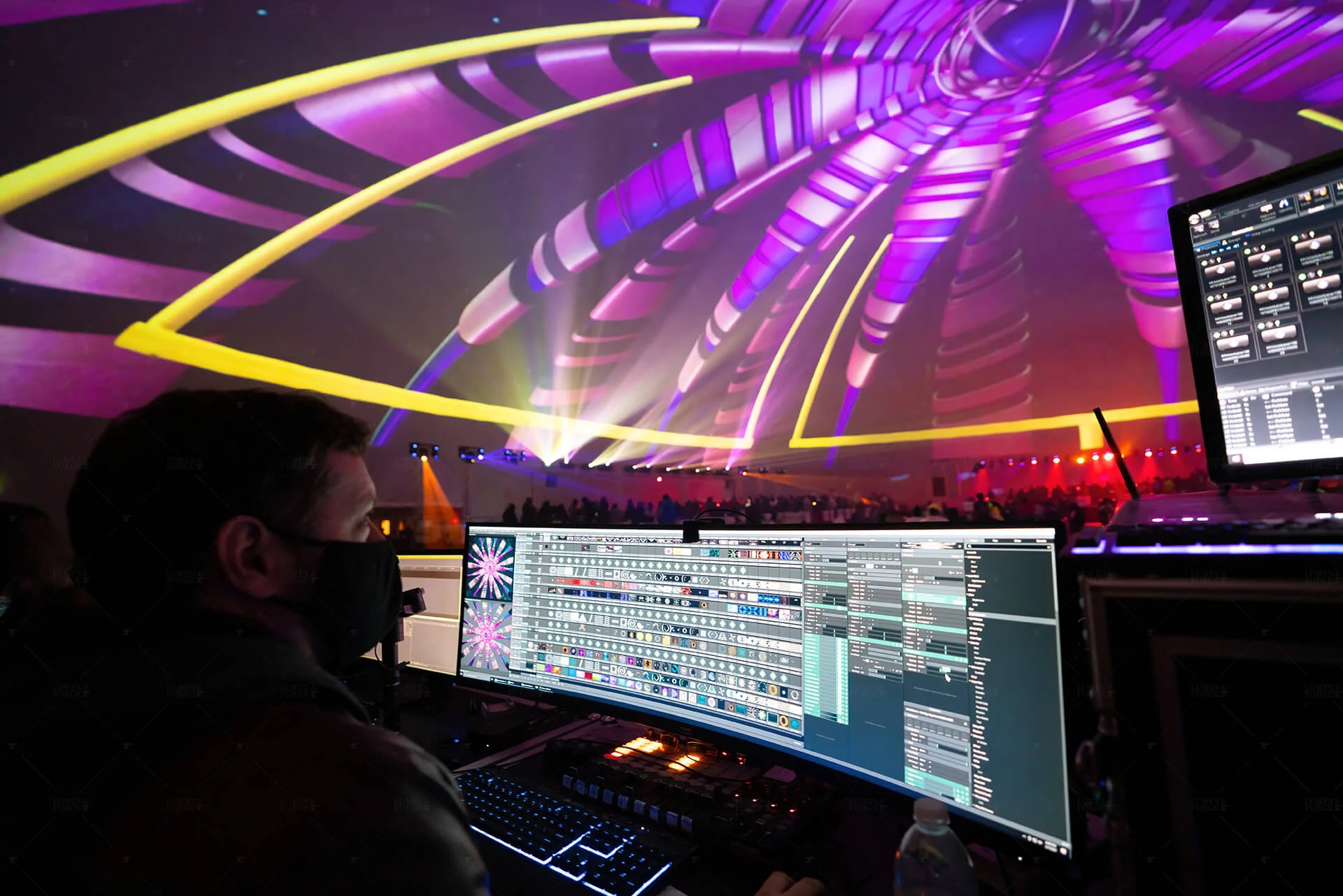
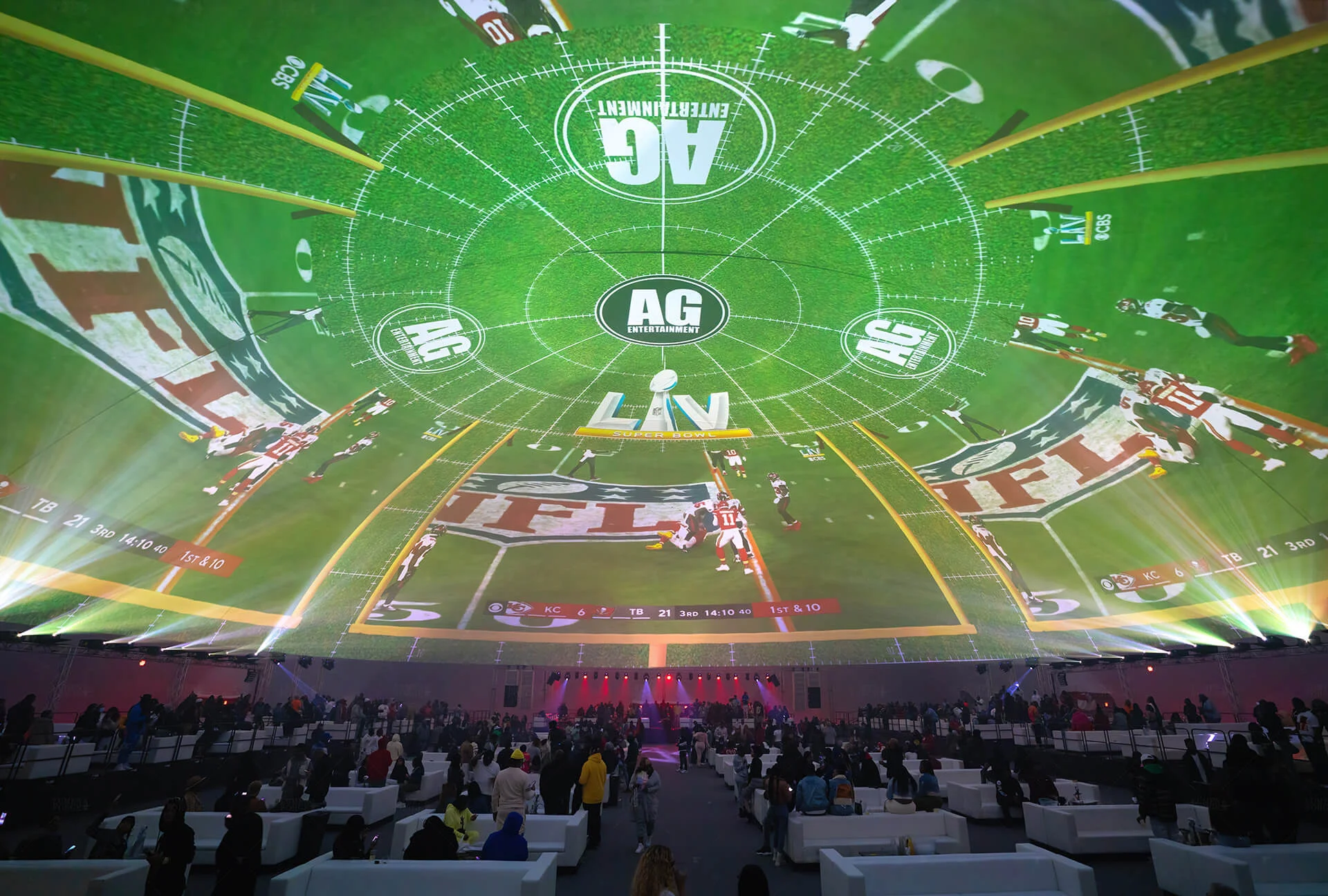
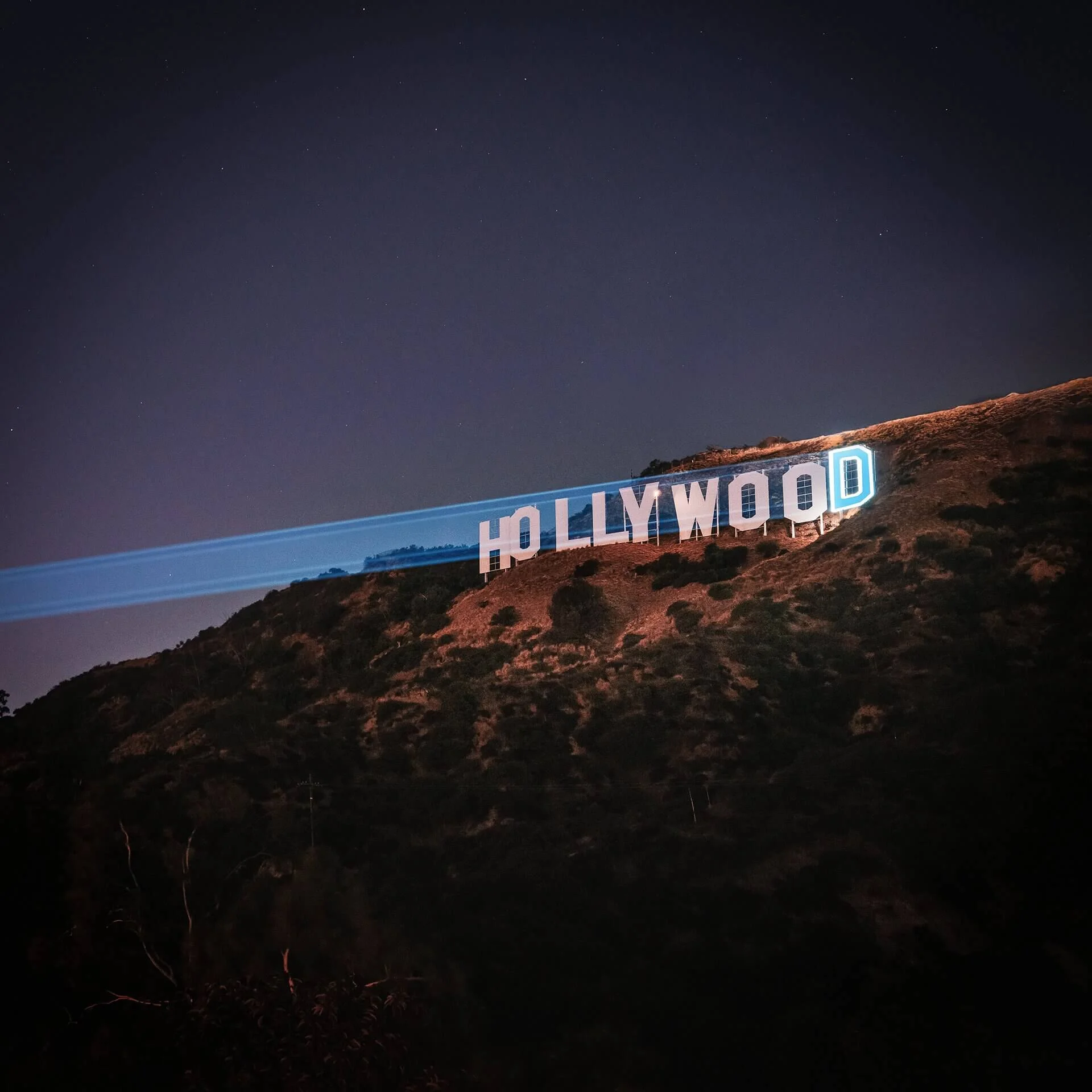
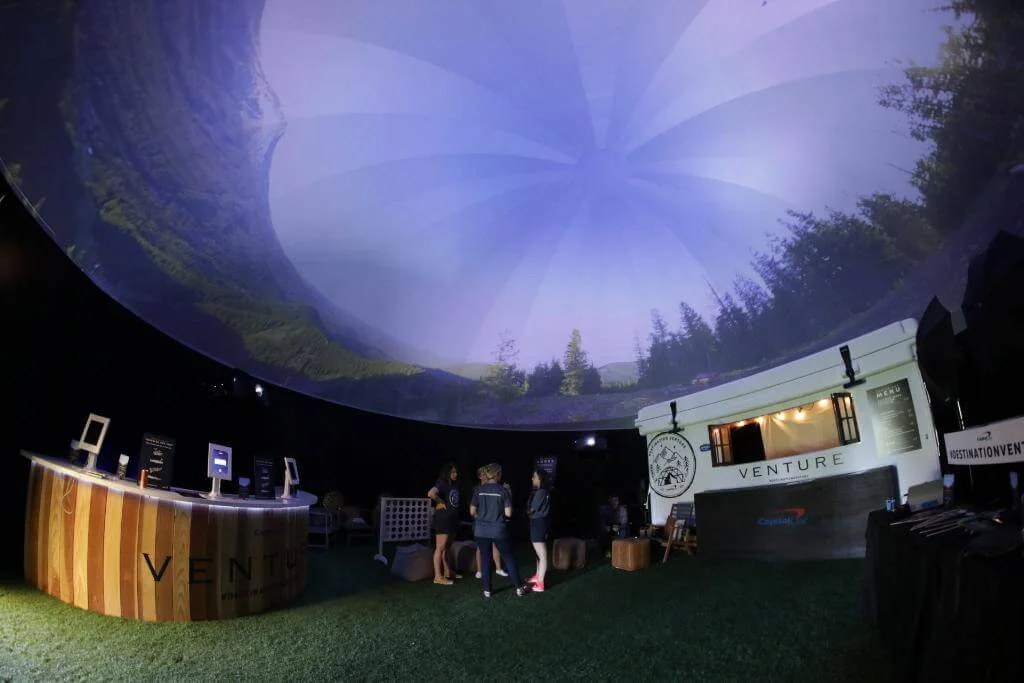
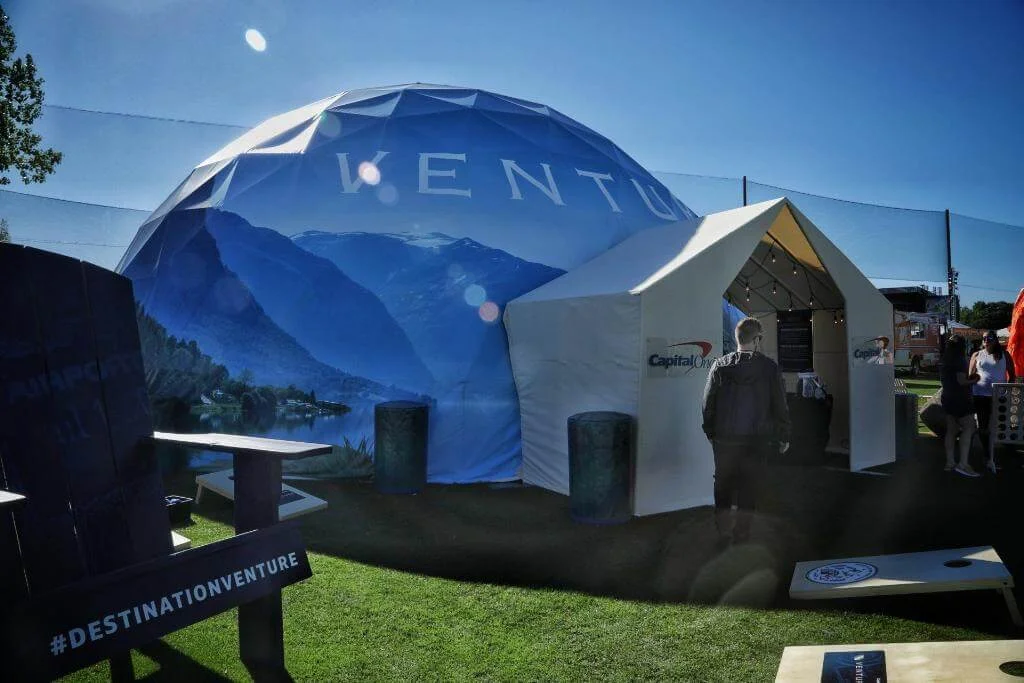
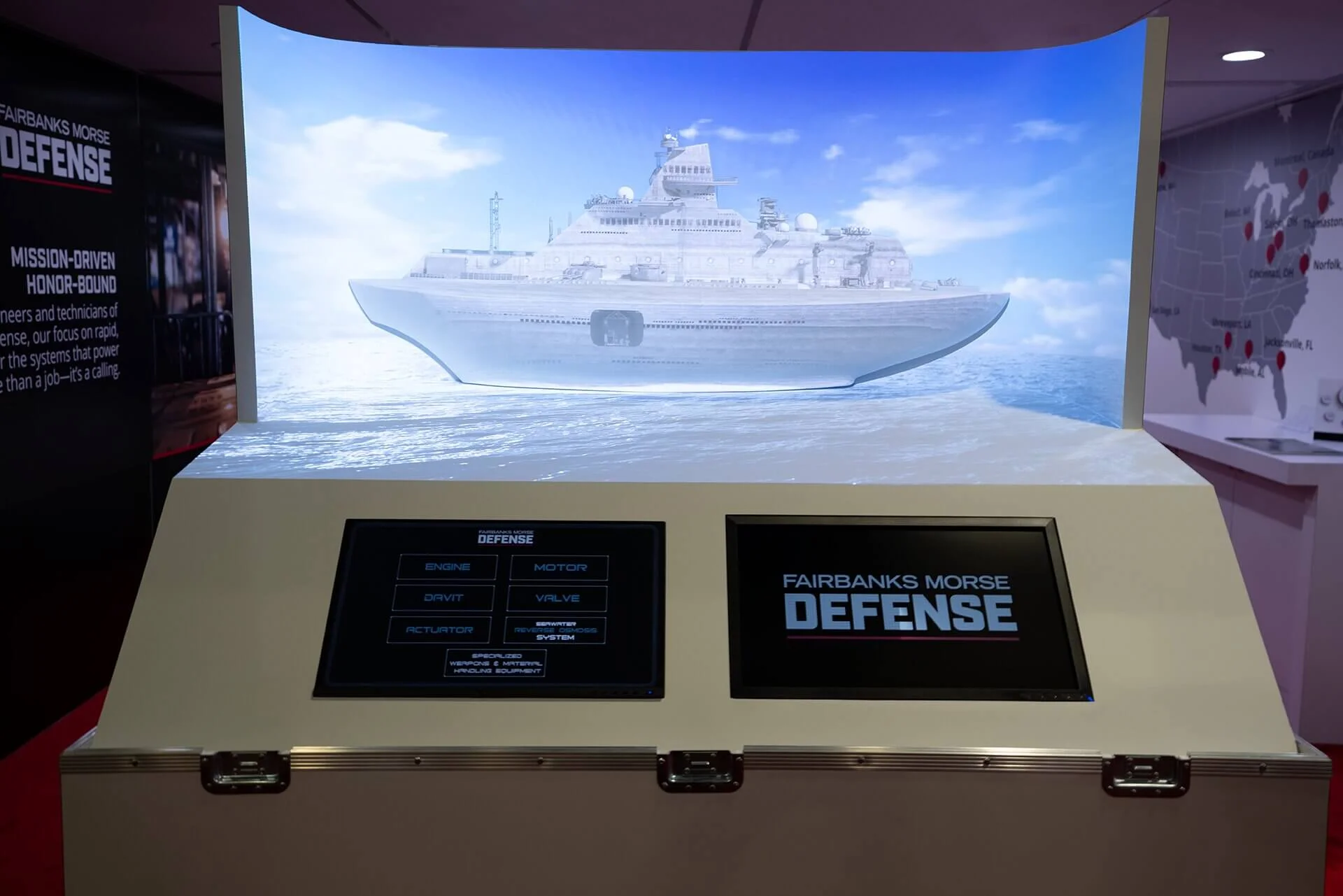
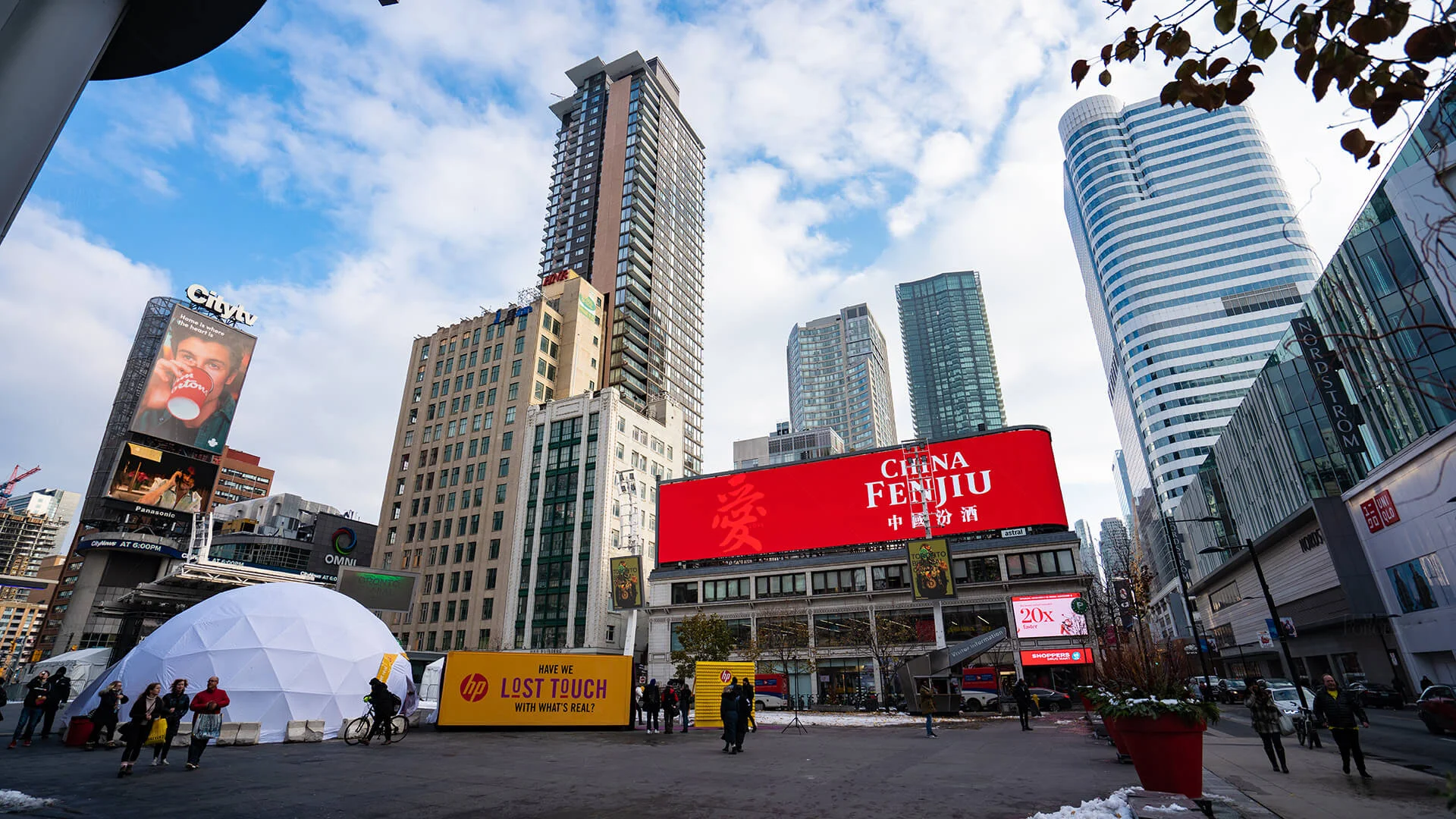
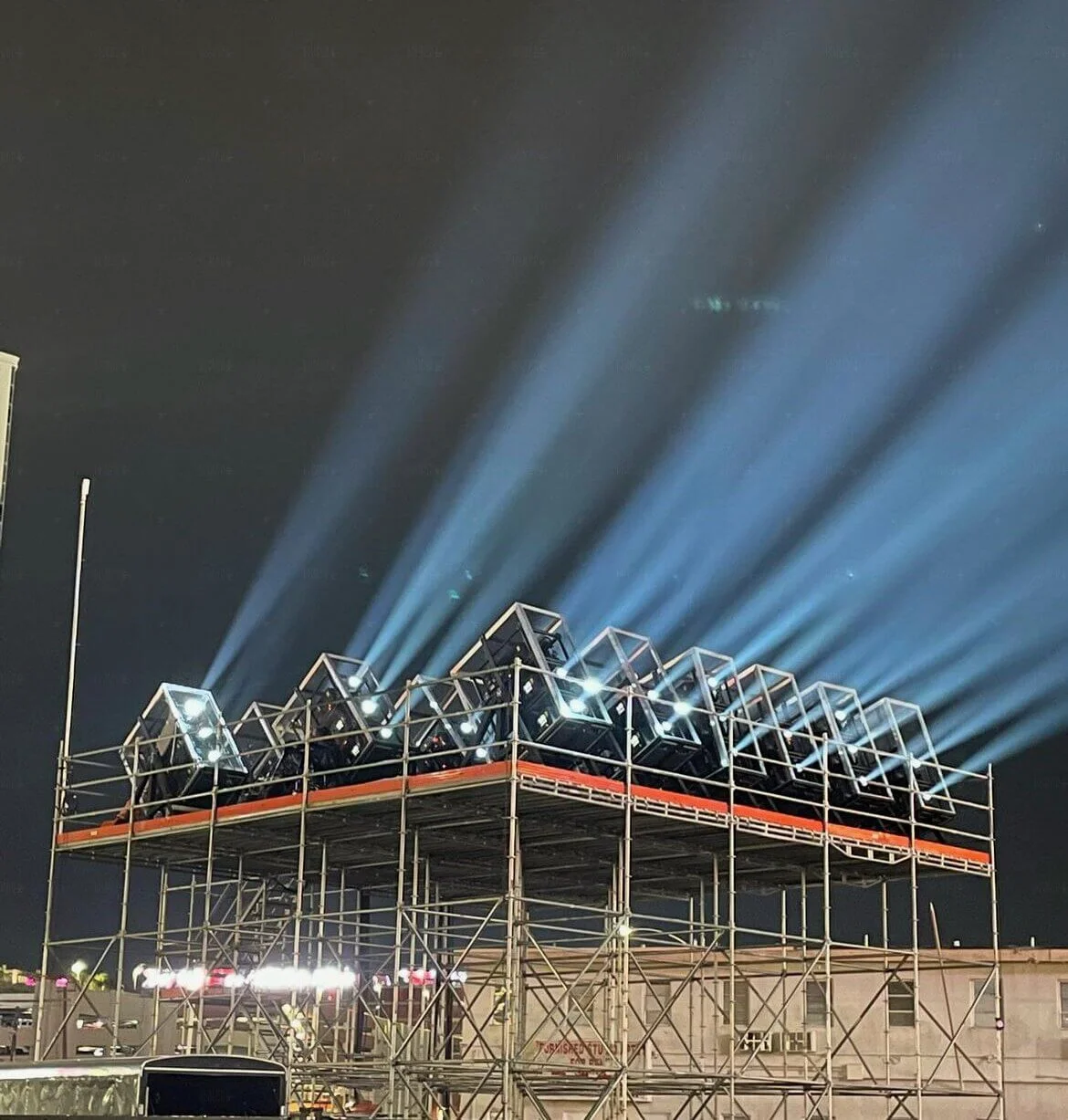
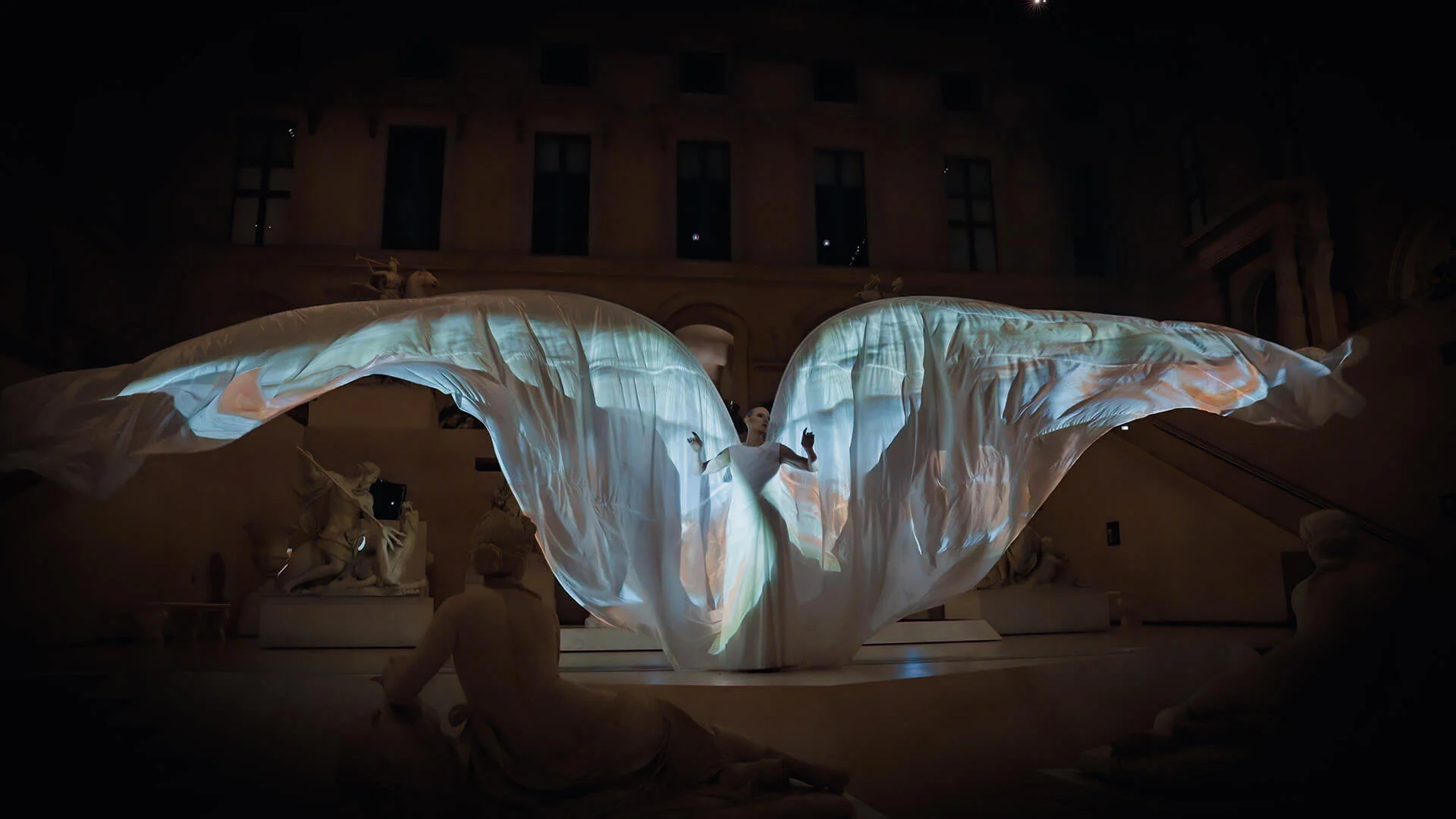
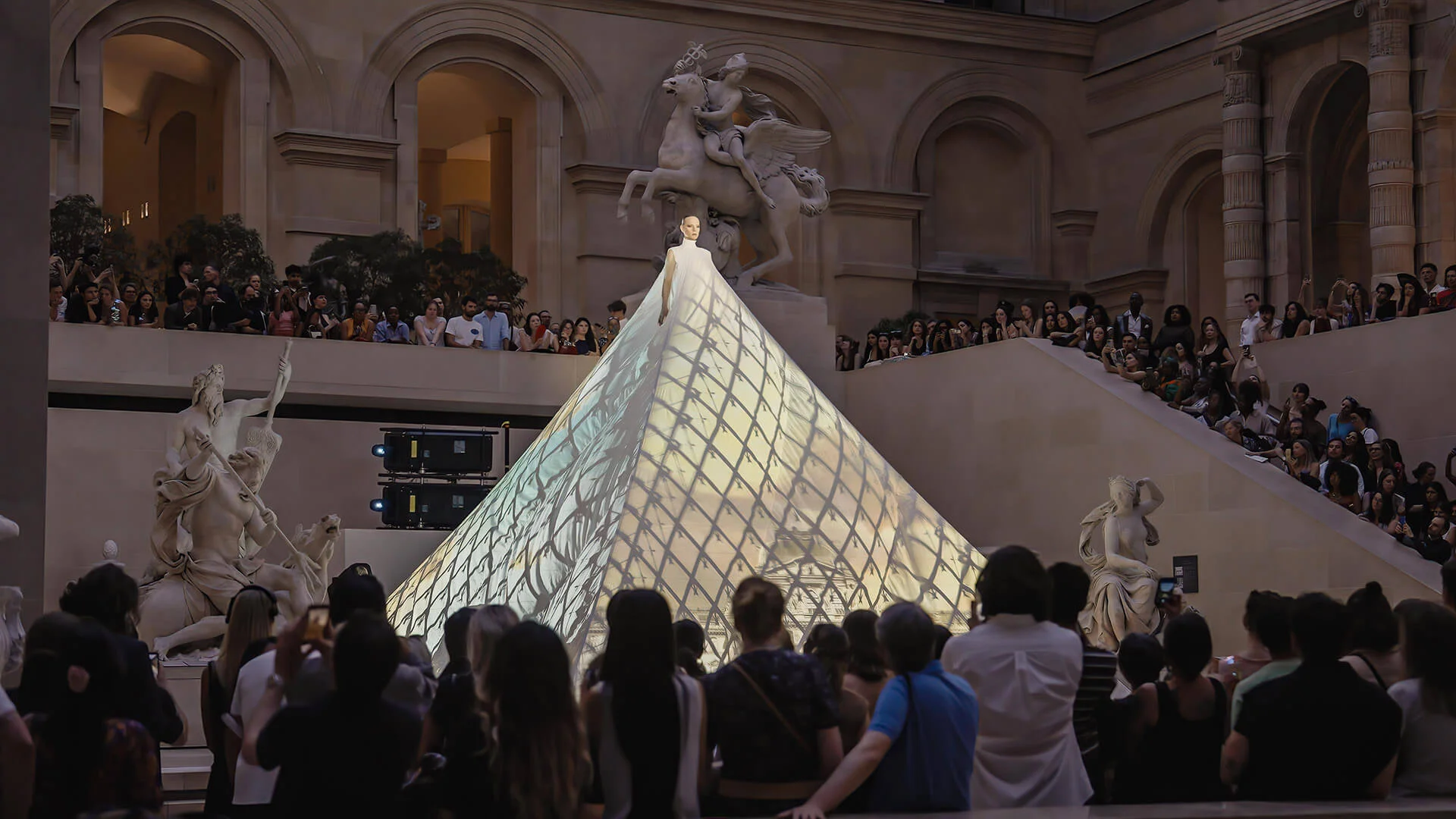
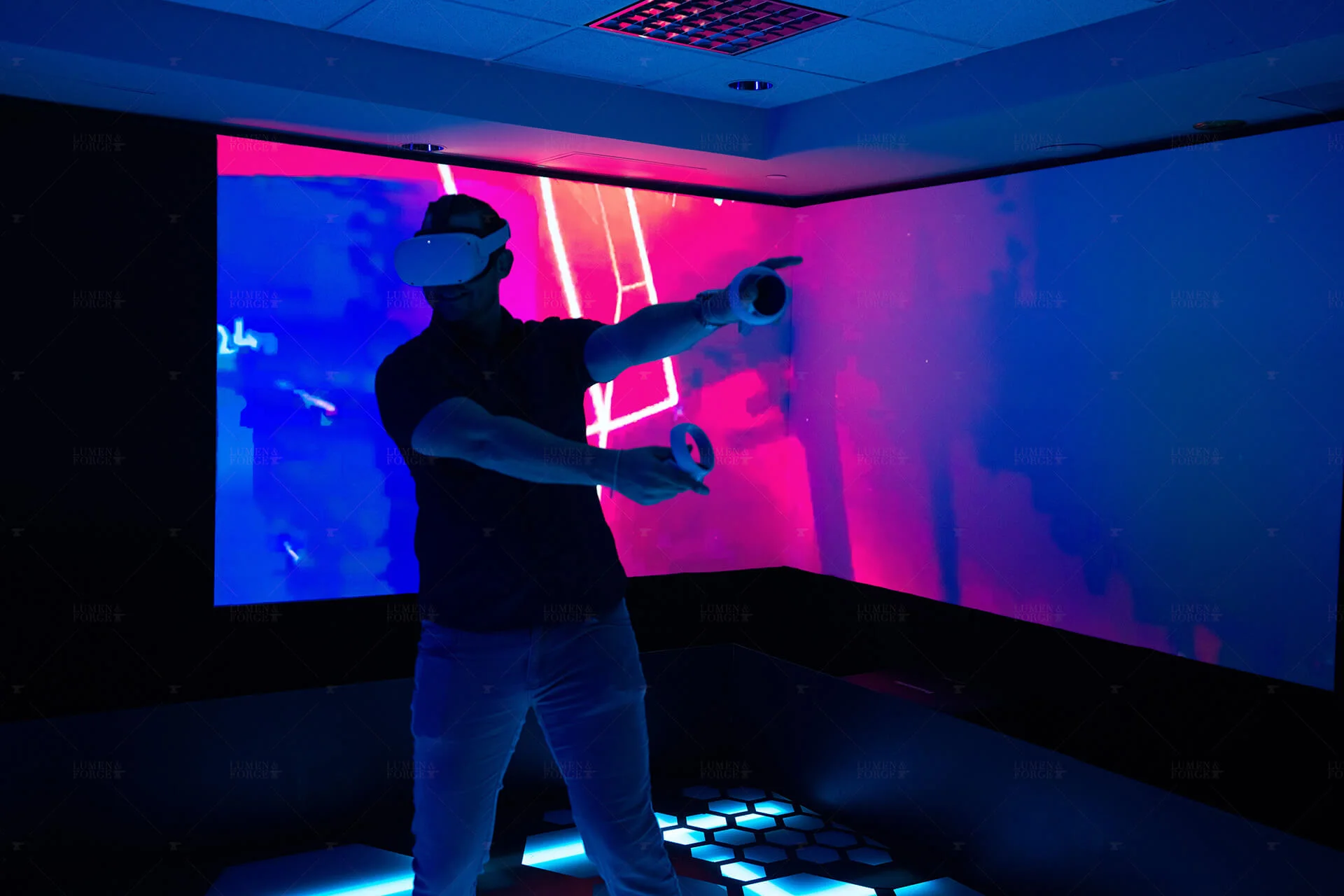
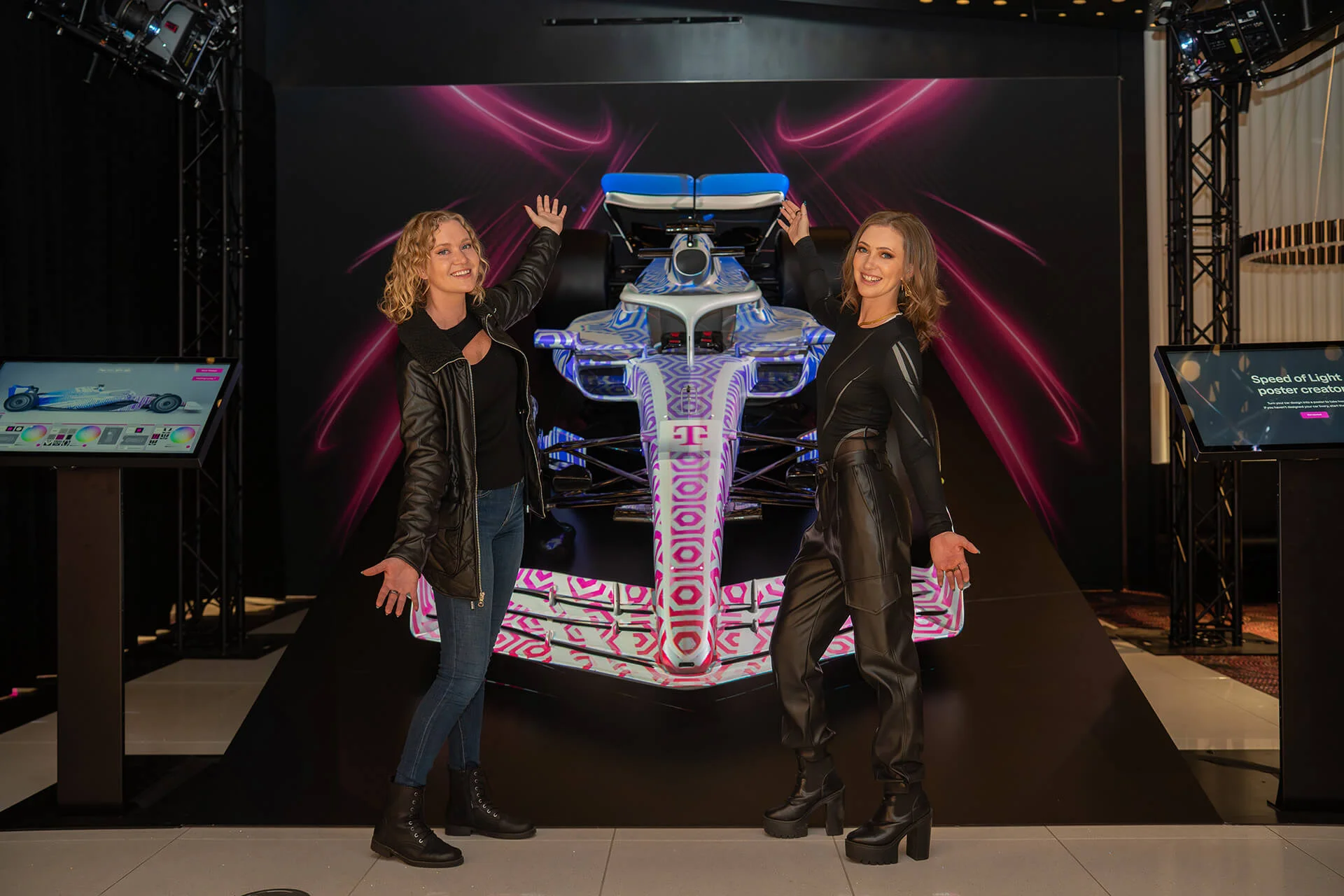
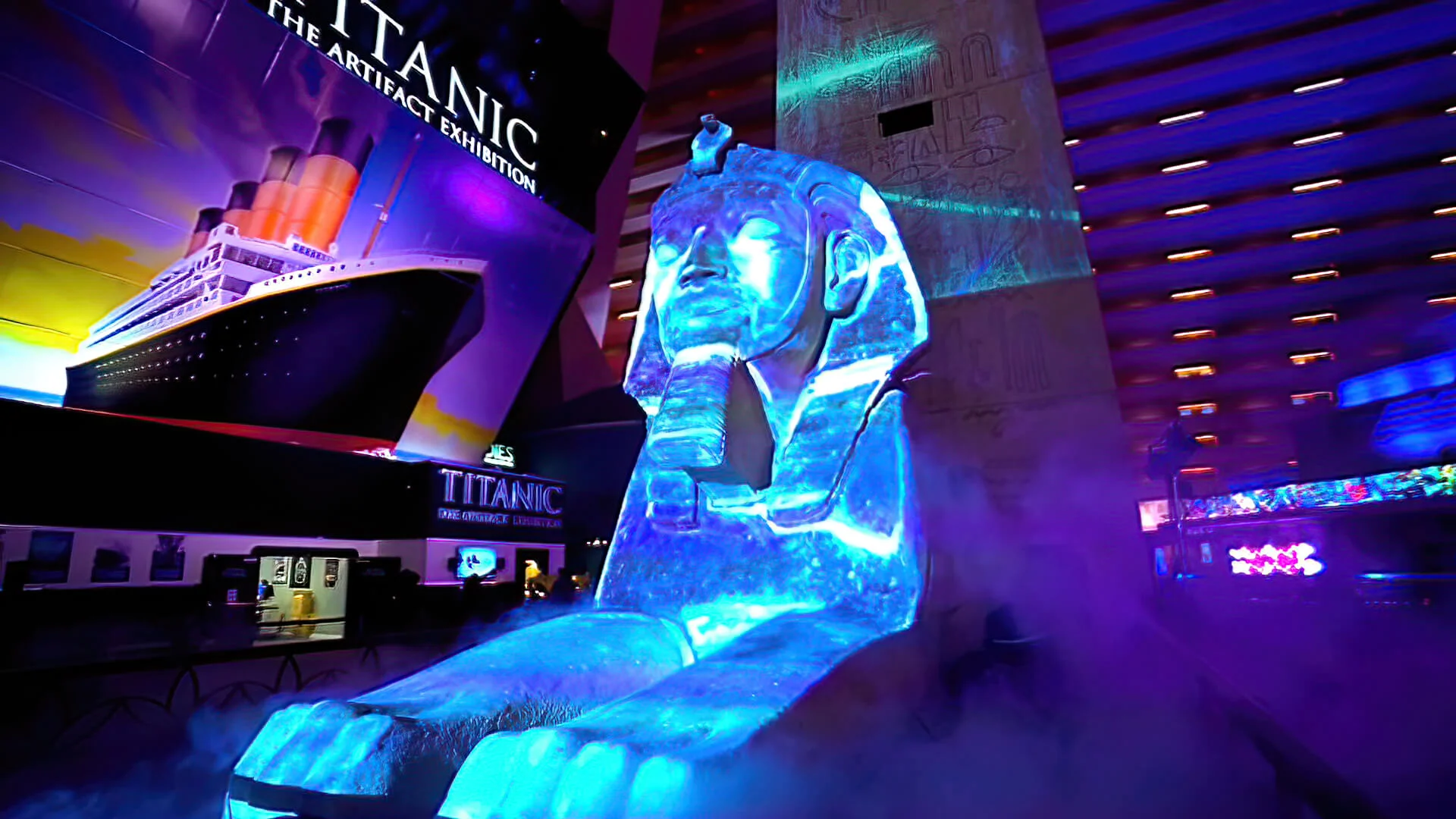
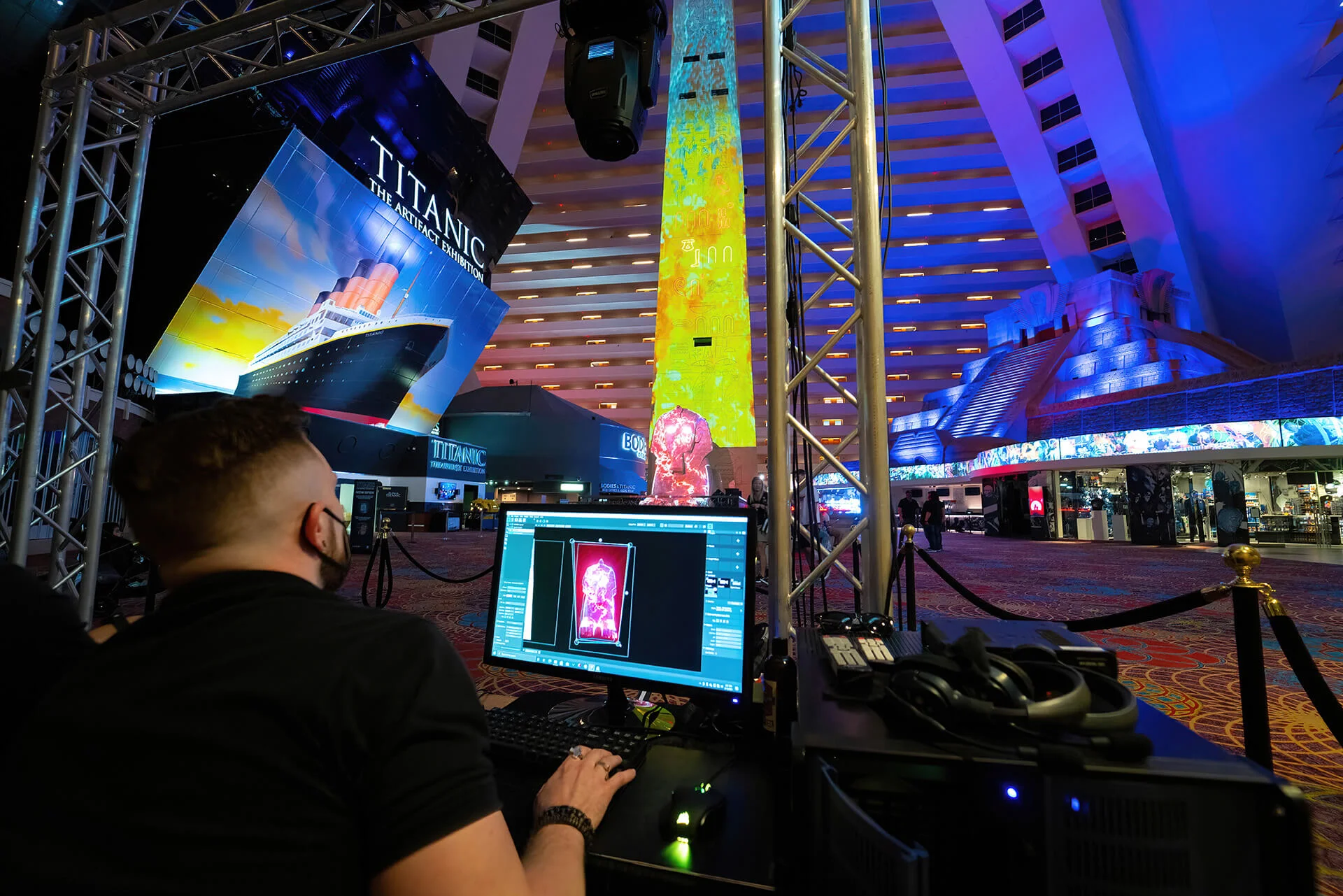
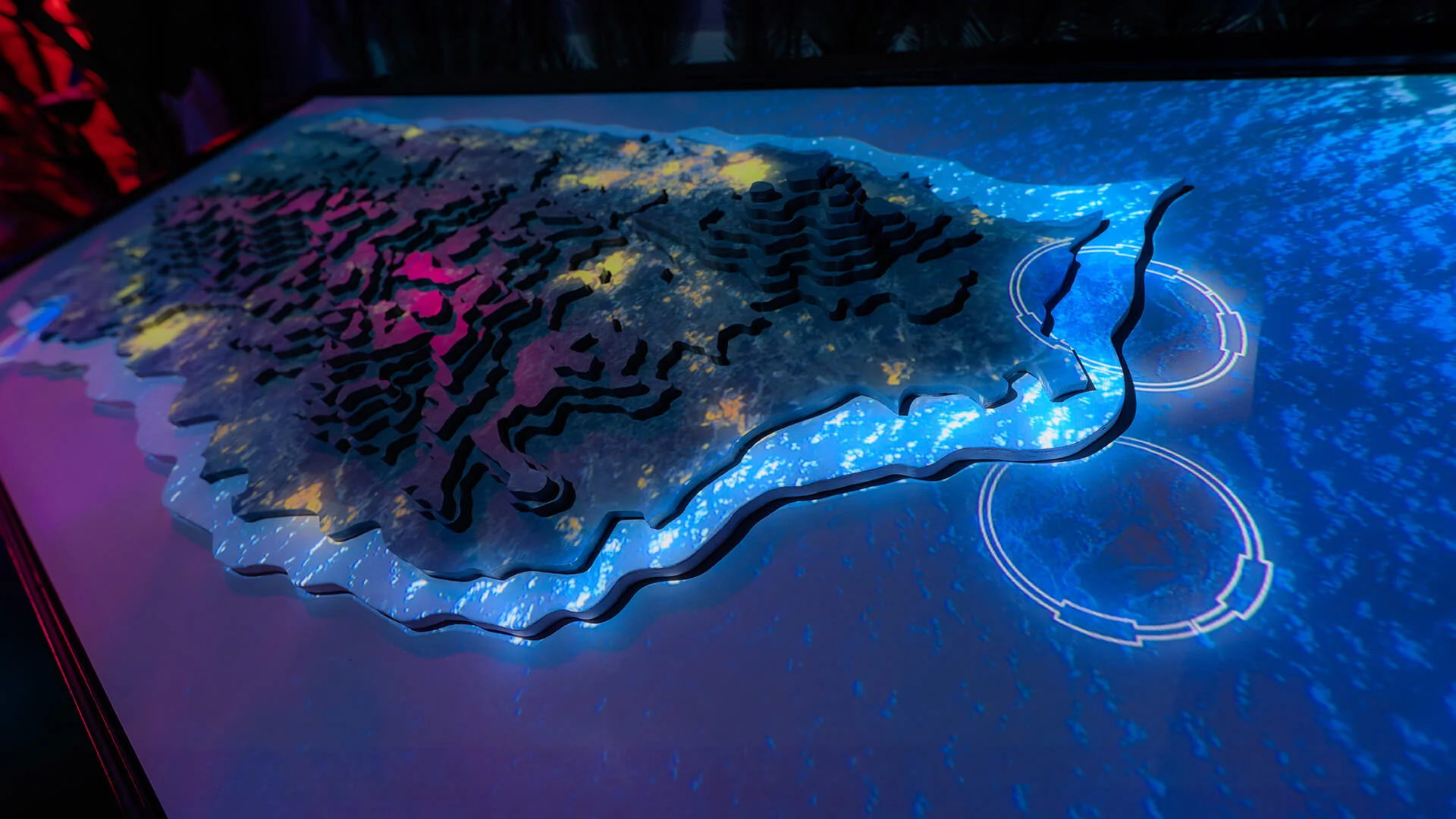
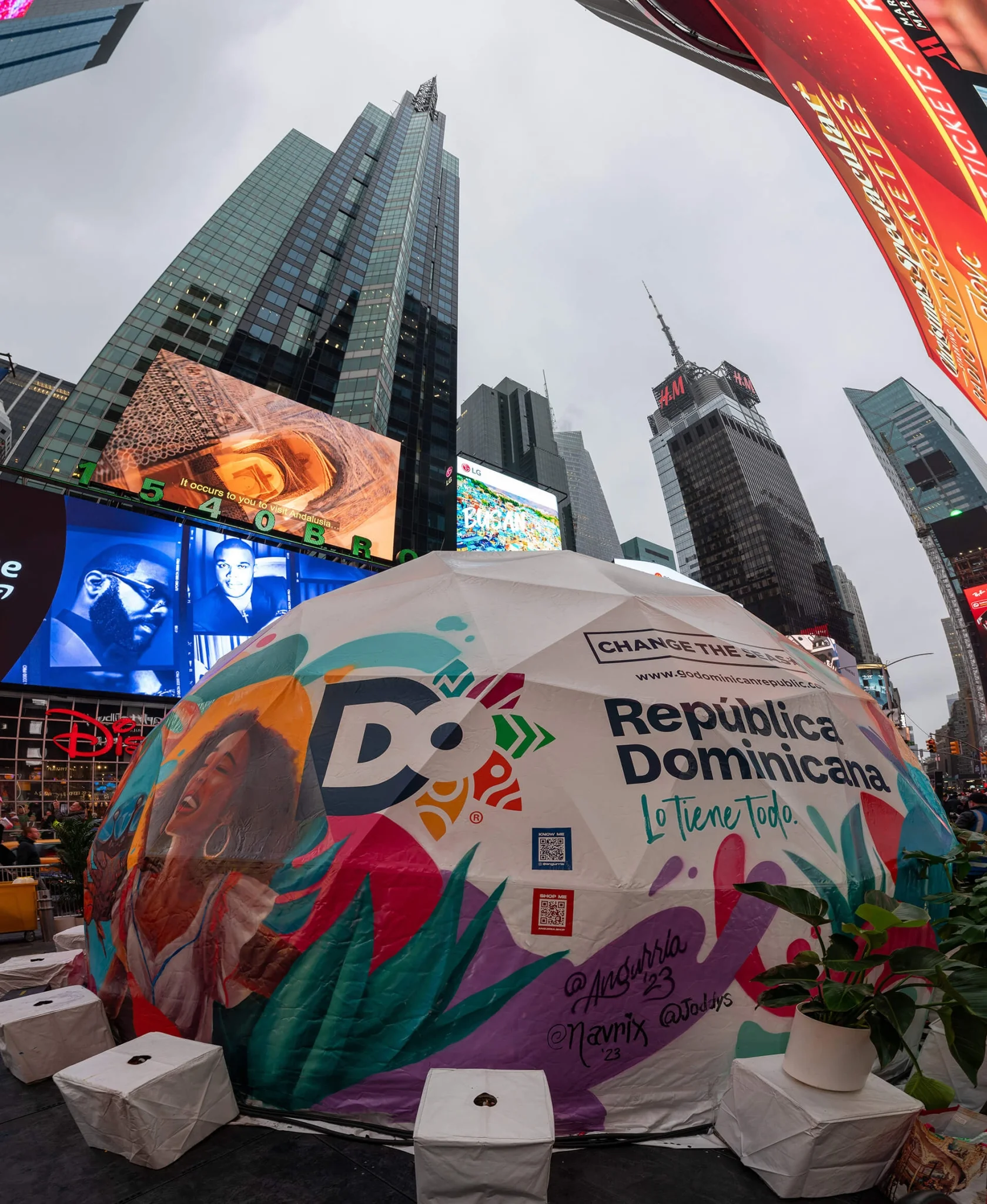
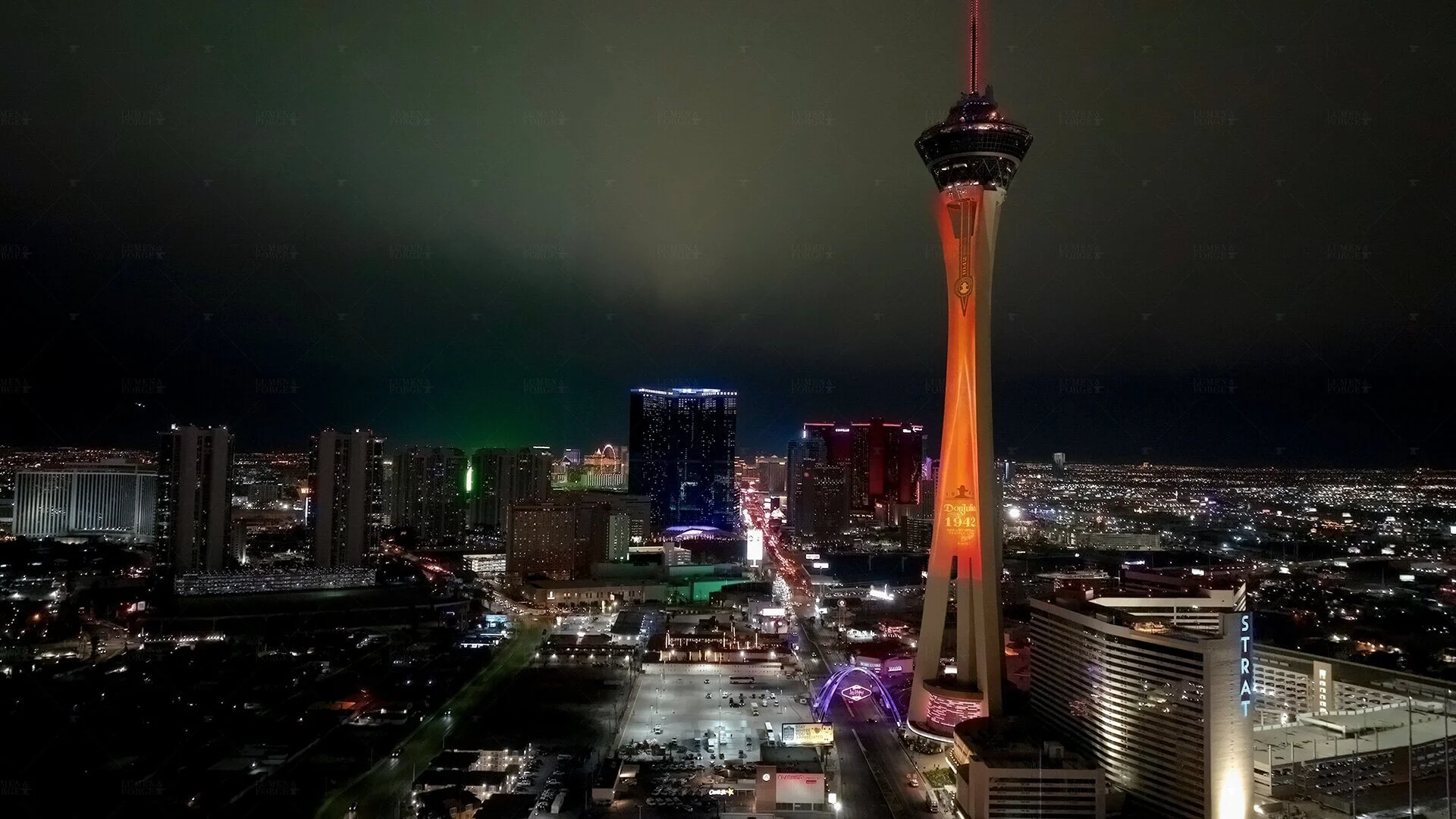
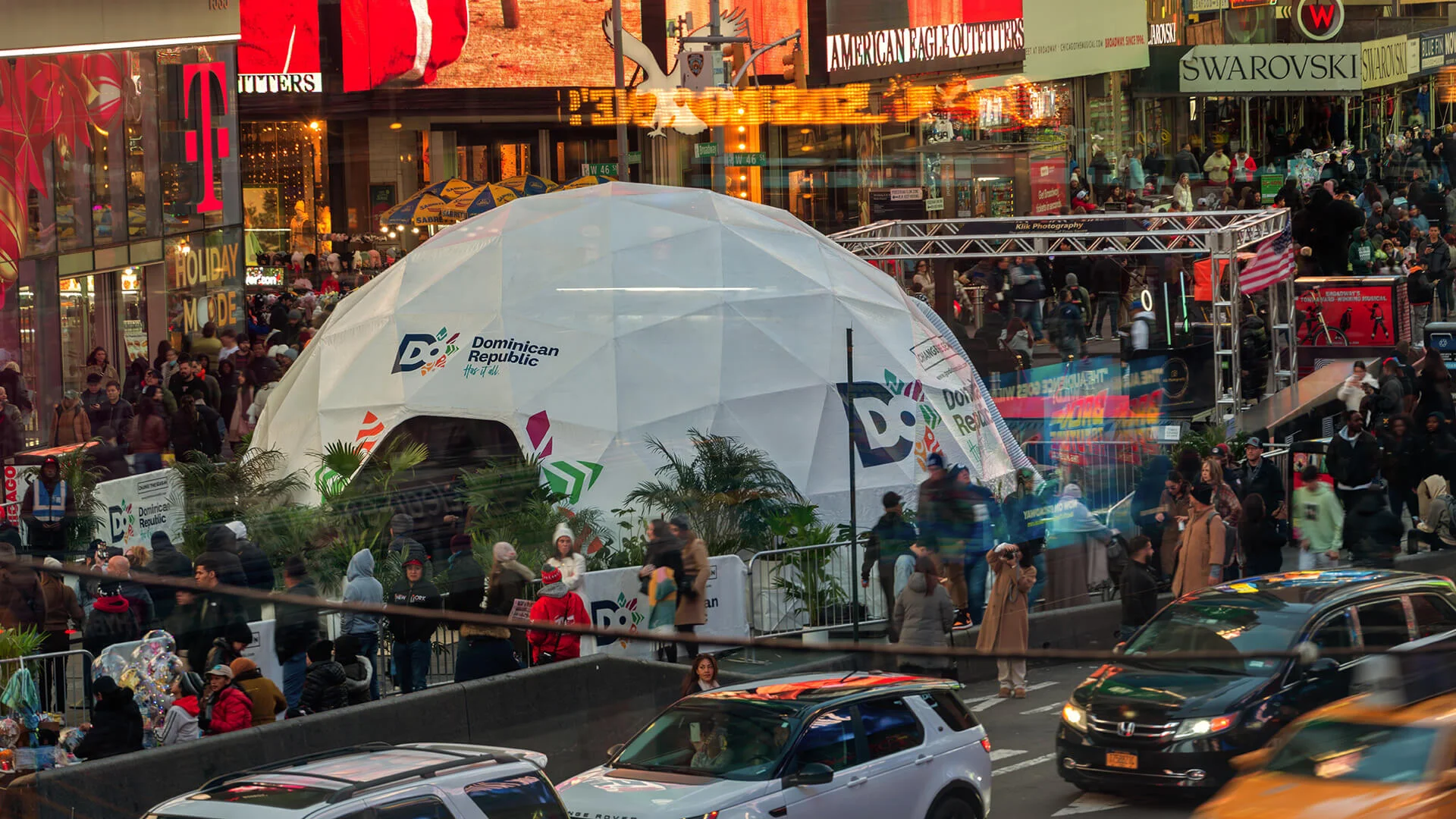
Take A Closer Look
A Deeper Look Into Animation & Visual Story Telling
A Deeper Look Into
Projection Mapping
Projection Mapping: Turning Any Surface Into a Story
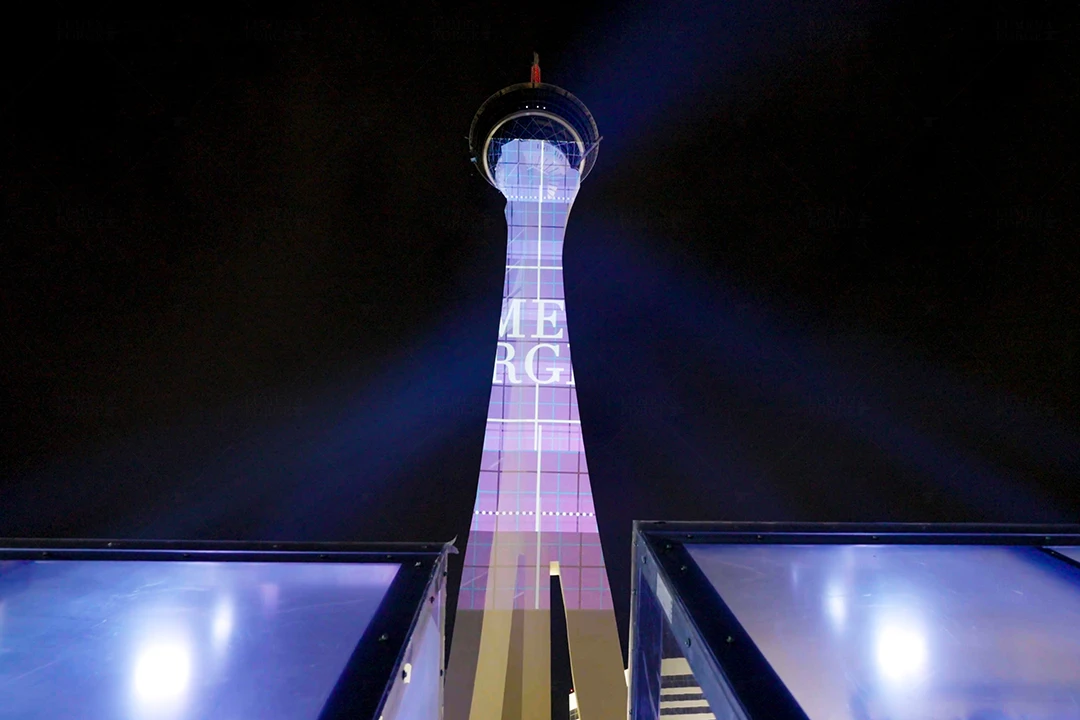
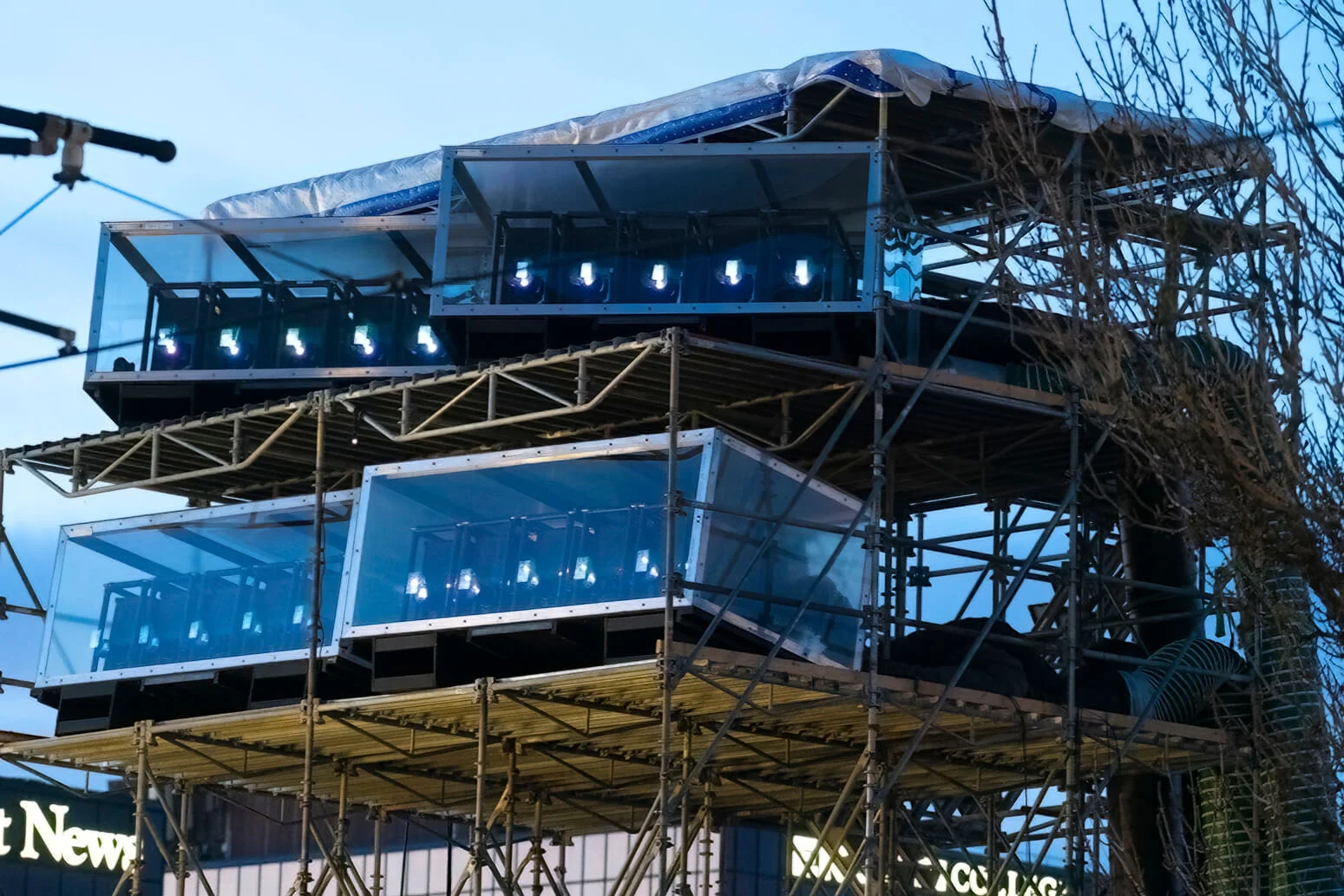
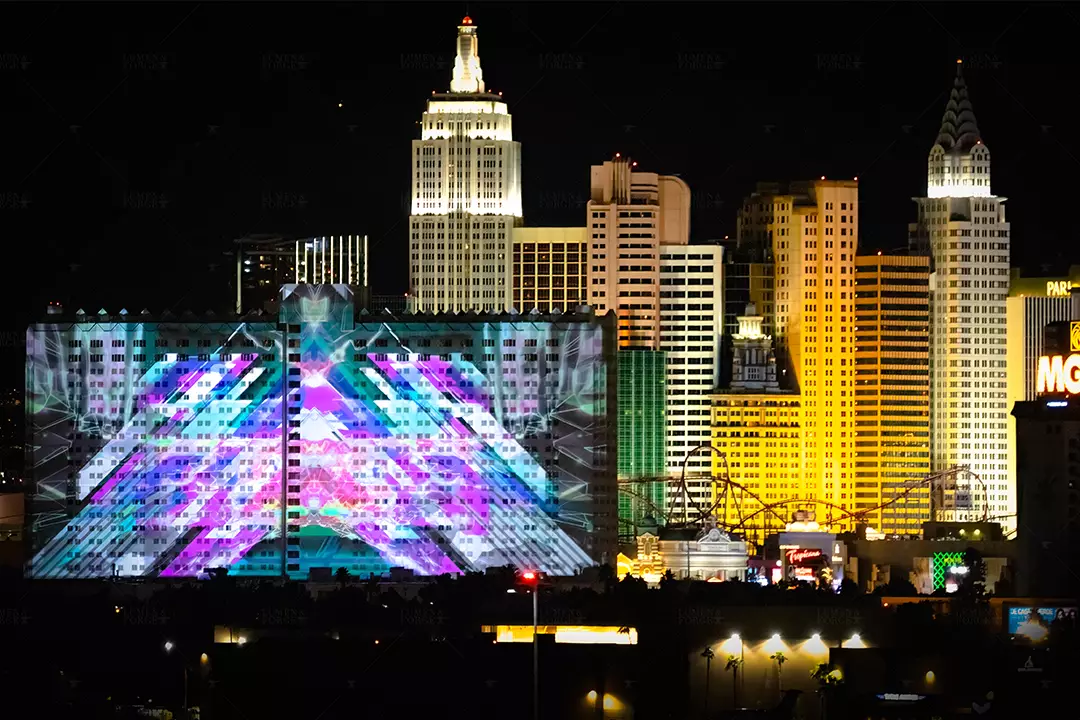
Projection mapping is the process of aligning projected light to the actual geometry of a surface, so an image bends around corners, follows a curve, or lands exactly on a facade instead of sitting inside a rectangle. A flat screen carries one picture at one scale. Mapping treats the surface itself as the canvas: content is warped and blended in software to match every edge, seam and angle, which means the building, object or room becomes part of the composition rather than a backdrop behind it. The result reads as three dimensional because the light obeys the shape it lands on.
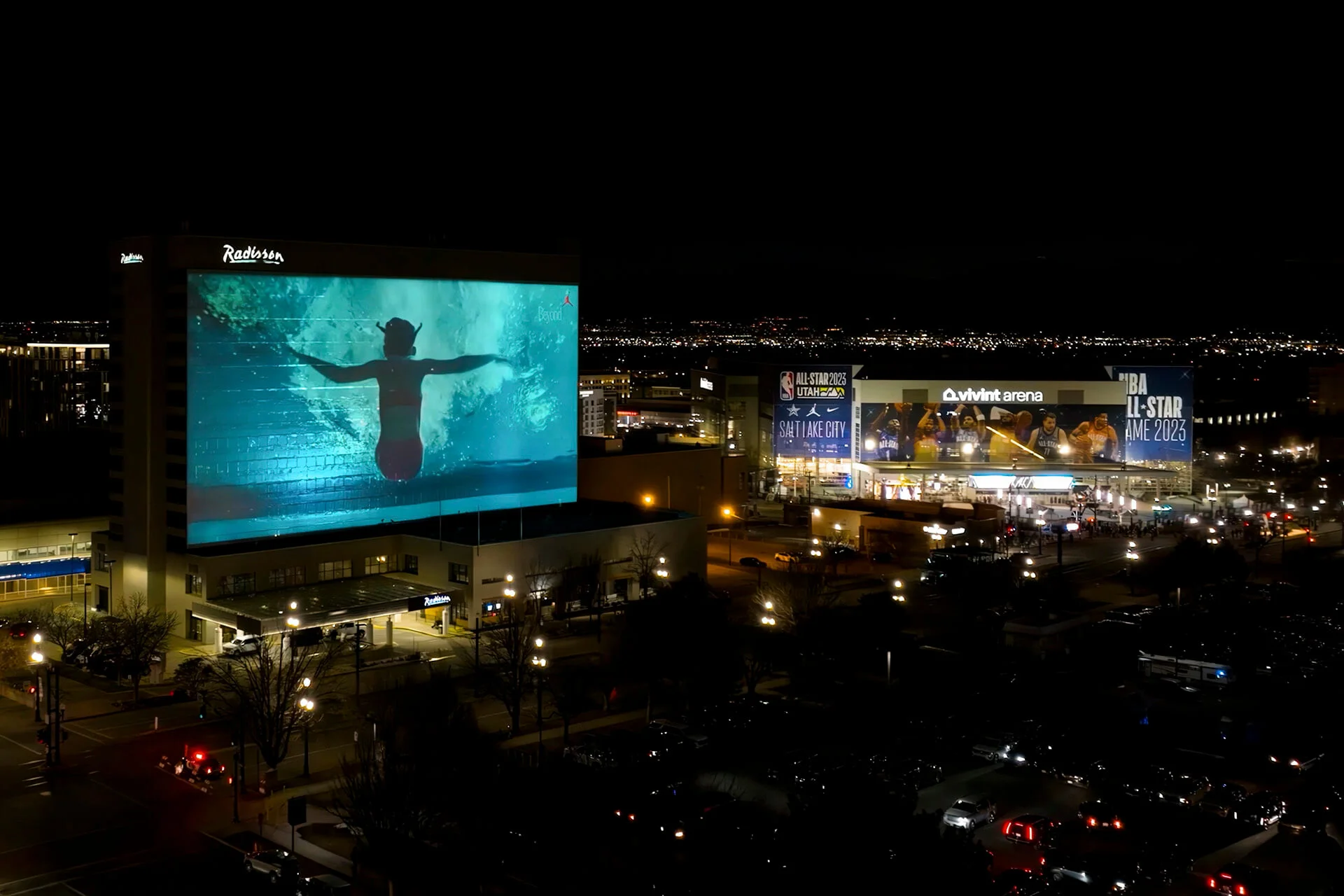
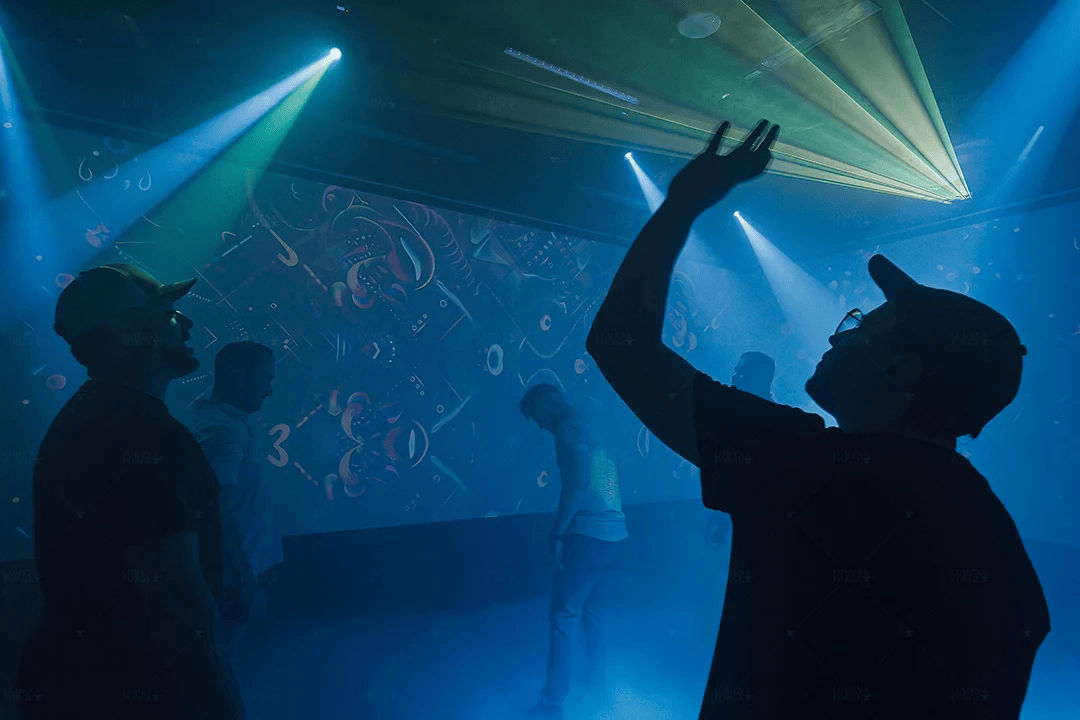
In Portland that opens up surfaces a screen can never match. The Oregon Convention Center and Moda Center offer broad facades for large scale building projection. Veterans Memorial Coliseum and Providence Park bring distinct architectural character, while the Portland Art Museum and its Mark Rothko Pavilion call for precise, detail driven work. OMSI suits domes and room scale environments, and Pioneer Courthouse Square, Tom McCall Waterfront Park and Arlene Schnitzer Concert Hall support object mapping and interactive installations.
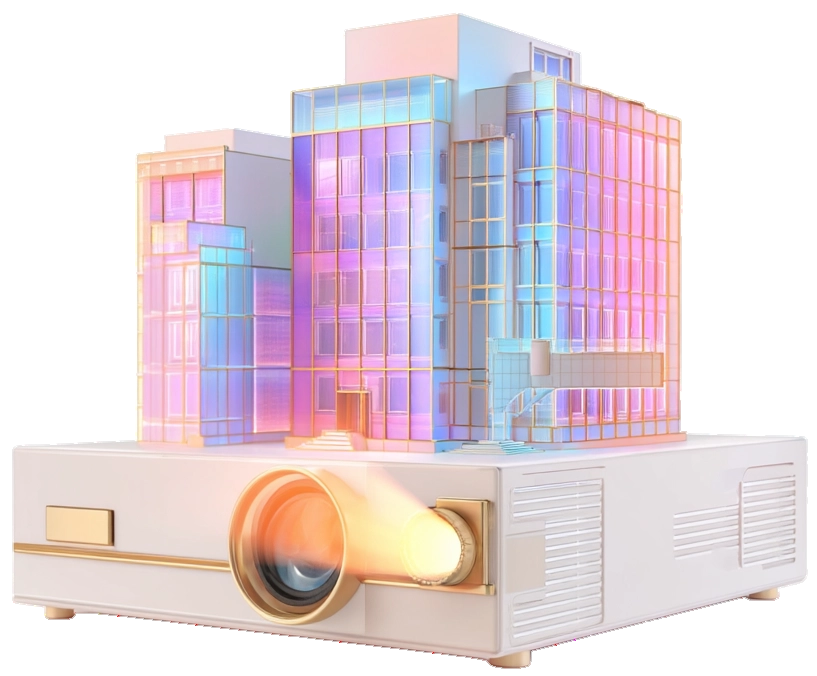
Building and Architectural Projection
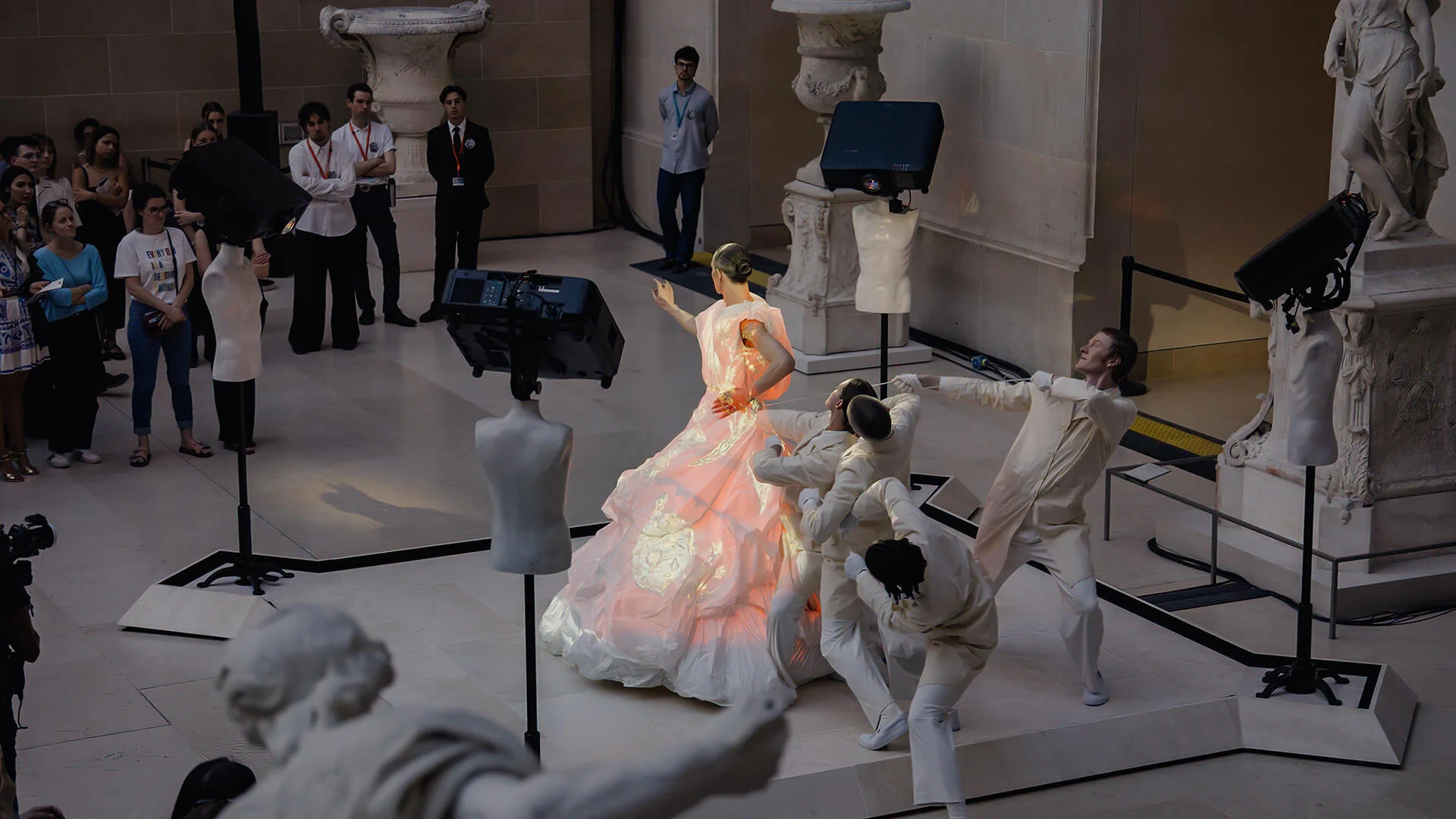
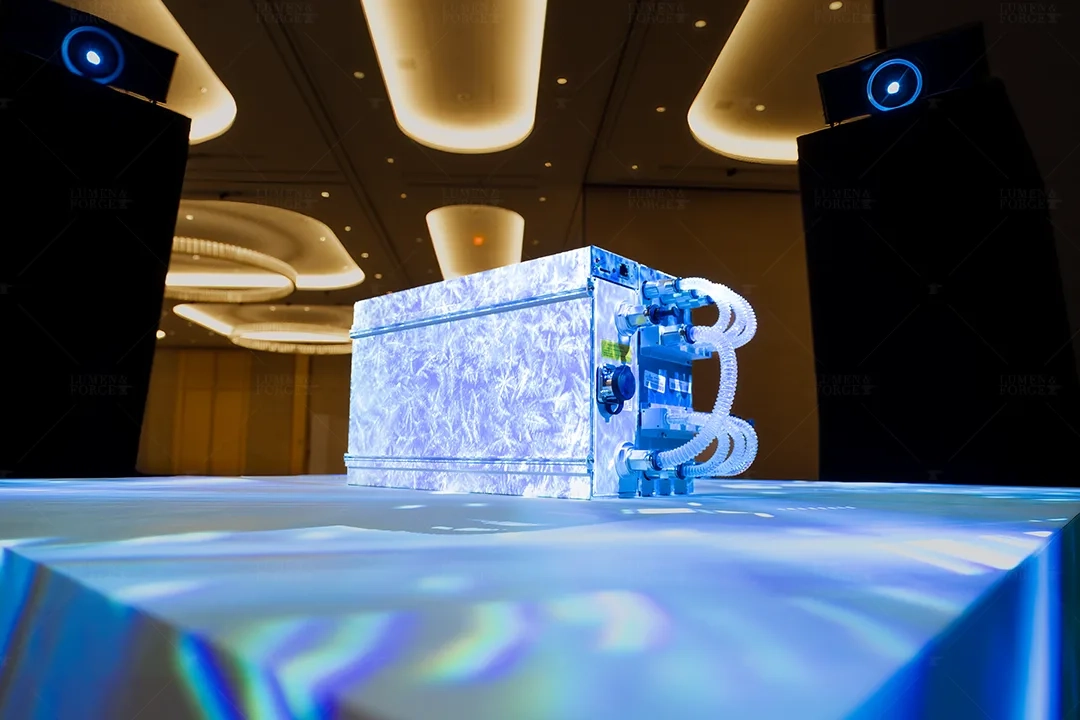
Object and Product Projection Mapping
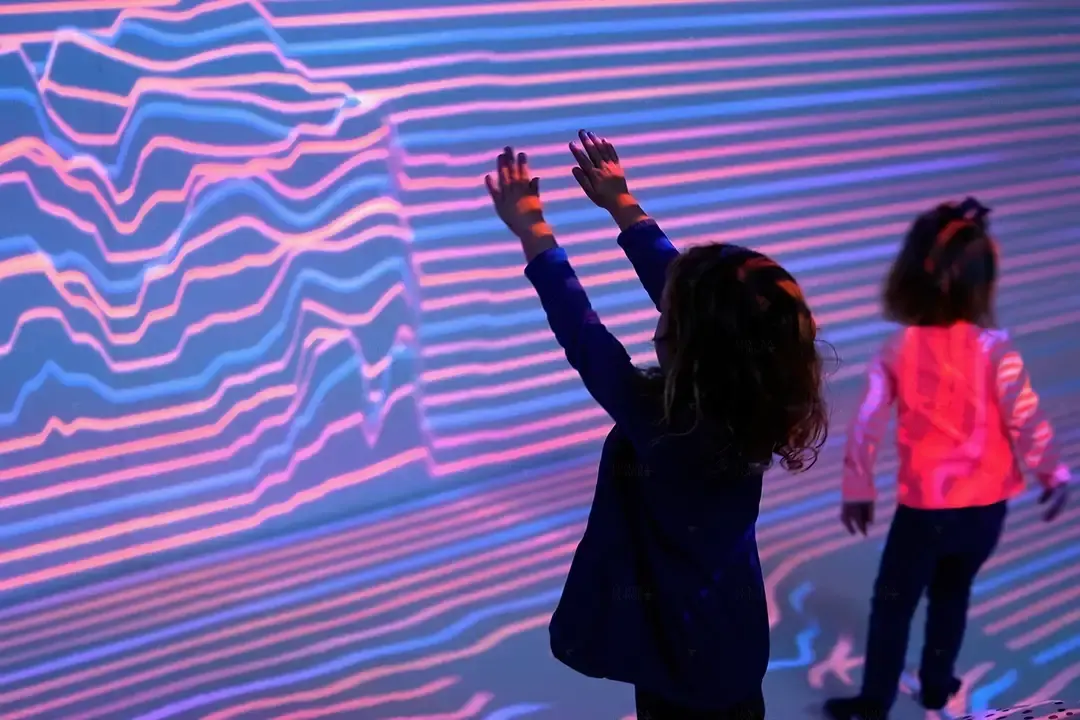
Interactive Projection
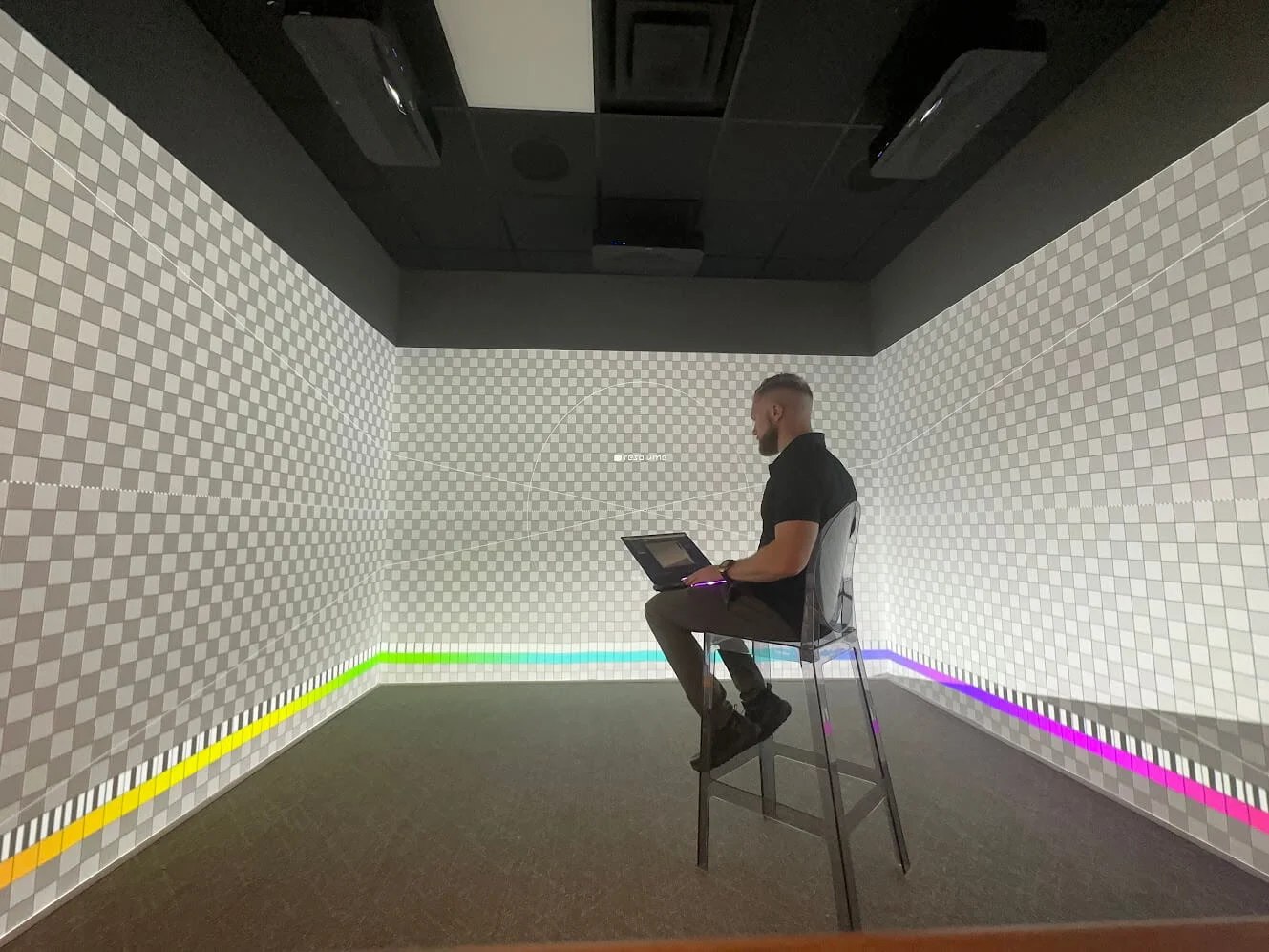
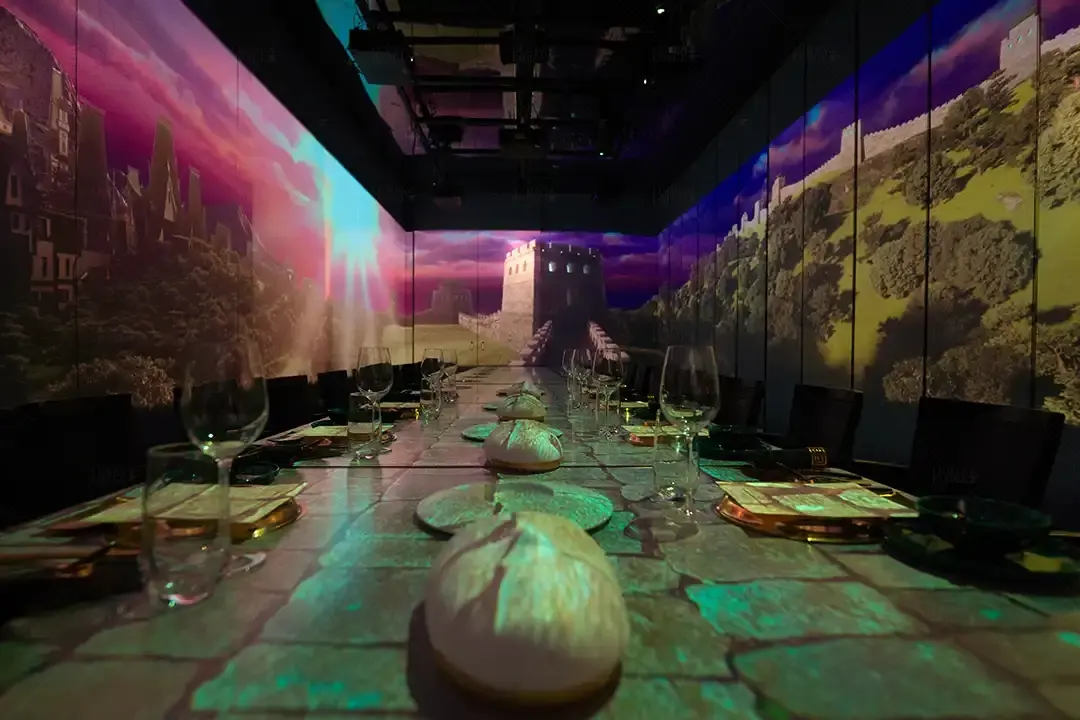
Room and Environment Mapping
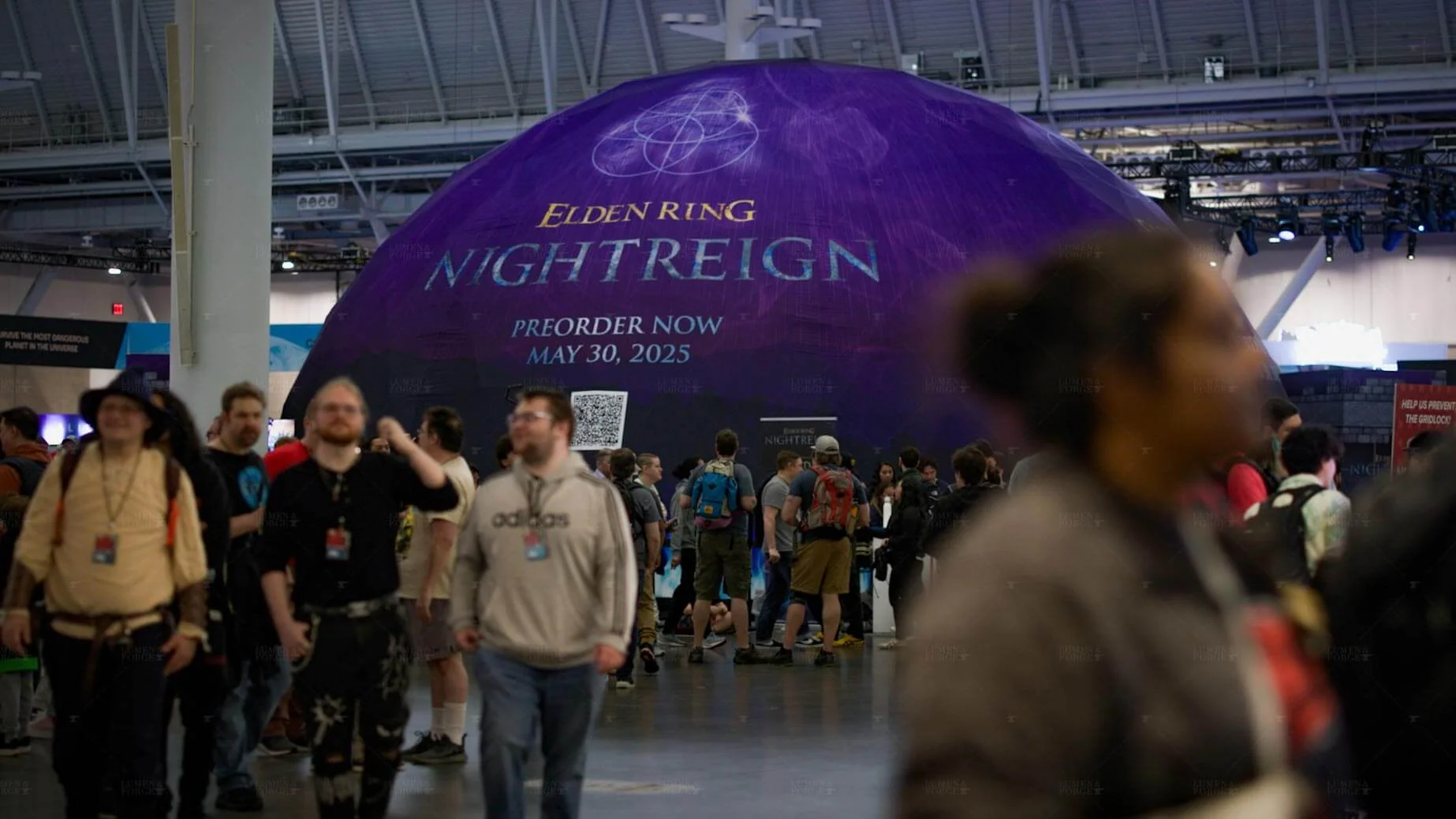
Dome Projection
Why Portland Is a Natural Fit for Projection Mapping
Portland audiences are not easily impressed by scale alone. This is a city that turns out for the Portland Winter Light Festival every February, where light-based work is the entire point, and then turns out again for the Portland Rose Festival from late May through June, for the Waterfront Blues Festival at Tom McCall Waterfront Park in early July, and for Timbers and Thorns matches at Providence Park from spring through fall. Spectacle is part of the civic rhythm here. A building that glows, a facade that moves, a room that responds to the people inside it: none of that is novel to someone who has spent a decade walking the Winter Light Festival. The bar is set by familiarity, and familiarity is exactly what makes this market hard.
What that audience rewards is specificity. Portland is a design city, with a deep bench of creative and advertising agencies, architecture and design firms, and a craft beverage and food culture that treats presentation as part of the product. Those industries train people to notice craft at close range: the quality of a line, the finish on a surface, the difference between a concept and a gimmick. A projection that could be dropped onto any building in any city reads as decoration. A projection that responds to the architecture of the Portland Art Museum, or that treats the Mark Rothko Pavilion as a canvas with its own proportions and history, reads as work made for this place. The same logic applies at the Oregon Museum of Science and Industry, where audiences arrive already primed to ask how something was built.
The event calendar also shapes expectations. The Oregon Convention Center, Moda Center, Veterans Memorial Coliseum, Arlene Schnitzer Concert Hall and Pioneer Courthouse Square each carry their own crowd and their own conventions, from the Trail Blazers home season running October through April to the concert and convention traffic that fills the rest of the year. Audiences move between these venues, and they compare. A brand activation that ignores the room it is standing in, or that asks people to queue for a passive view, loses to the event happening around it. Interactive installations and room-scale environments work here because Portland crowds treat participation as the default, not a bonus.
There is also a practical layer that rewards planning. Public events in city parks such as Tom McCall Waterfront Park are permitted through Portland Parks & Recreation's public event reservation process, which means the strongest activations are designed with site, timing and approvals in mind from the start. For brands in athletic and outdoor apparel, semiconductor and technology manufacturing, healthcare, and craft beverage and food, the opportunity is the same: meet an audience that has already seen a lot of light, and give them something that could only have happened here.
Lumen and Forge: Bringing Big-Stage Spectacle to the Rose City
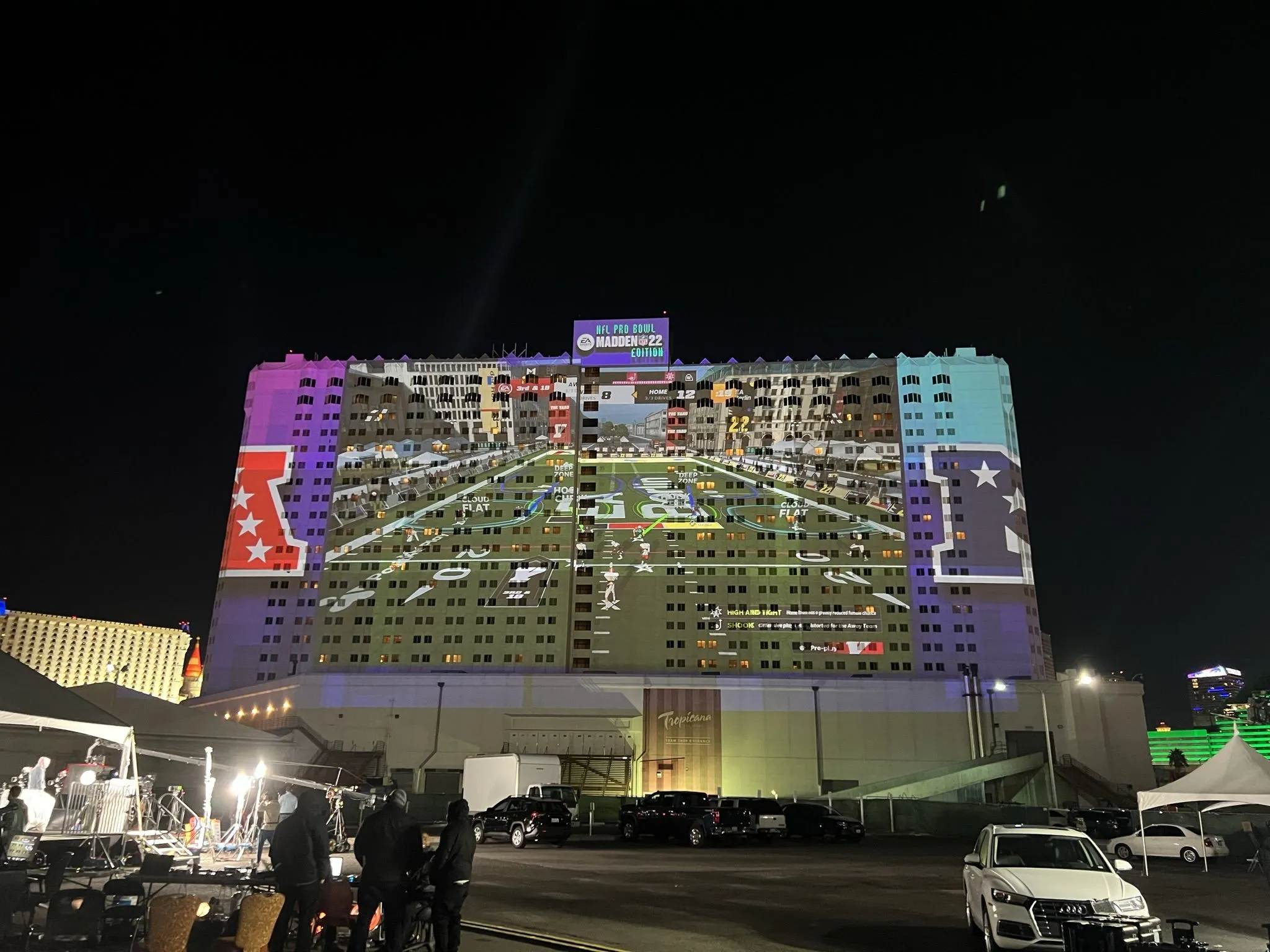
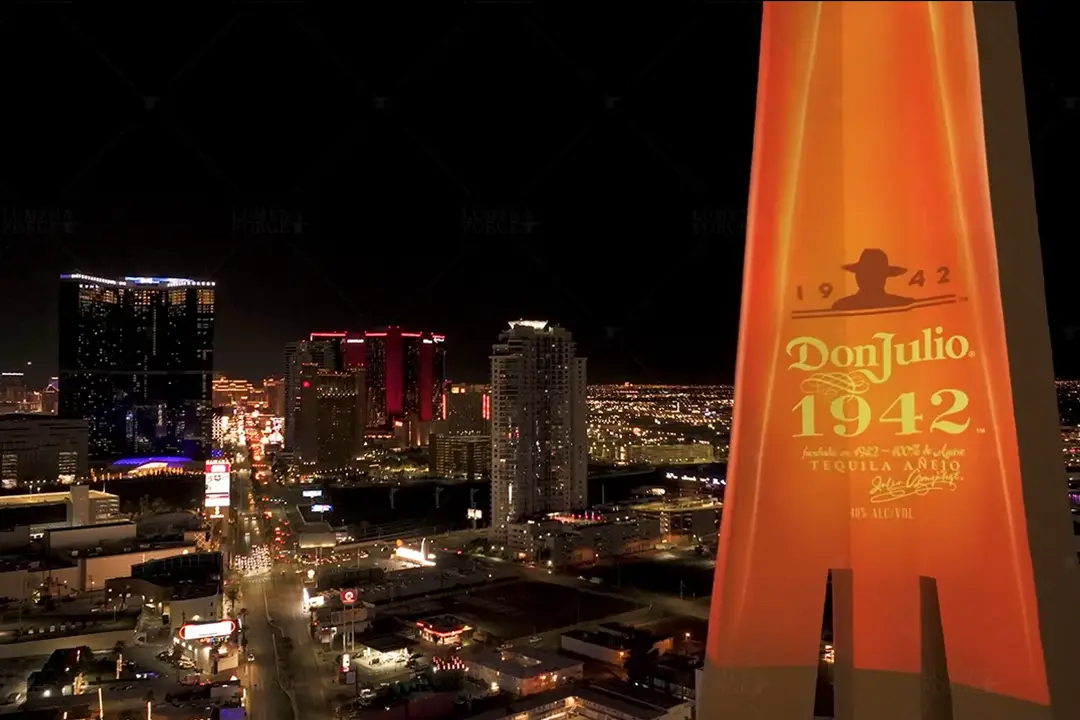
Over 15 years of producing large-scale projection mapping and immersive experiences for globally recognized brands gives Lumen and Forge the operational depth Portland productions require. Our portfolio includes building projections for Nike and Air Jordan at NBA All-Star Weekend, large-scale convention experiences for Toyota, McLaren, and Mastercard, a world record video game screen at the Tropicana, and the Beneath the Blue 360-degree dome for National Geographic. Our team is comfortable working alongside experienced production crews and holding a technical standard in front of an audience that knows the difference, which is exactly what Portland requires.
Who We Work With in Portland
Portland's mix of brand headquarters, agencies and venues means projection mapping work here comes from a few distinct directions. Here is who tends to call us.
- Athletic and outdoor apparel brands. Portland is a global center for athletic and outdoor apparel, and those brands think in terms of launches, seasonal campaigns and moments that get photographed. Projection mapping gives them a way to turn a facade, a product wall or a room into a piece of brand storytelling that scales from a private preview to a public spectacle.
- Creative and advertising agencies. Agencies bring us in when a concept needs to exist in physical space, not just on a screen. We handle the technical design, production and installation so the creative team can focus on the idea, whether the deliverable is building projection for a client launch or an interactive installation inside a venue.
- Semiconductor and technology manufacturing. Technology manufacturers use projection mapping for product reveals, campus events and executive presentations, where precision and reliability matter as much as the visuals. Object mapping onto hardware and room-scale environments both fit that audience.
- Craft beverage and food. Portland's craft beverage and food scene runs on taproom openings, brand anniversaries and festival activations. Projection onto a building exterior or an interior wall gives these brands a memorable presence without a permanent build.
- Healthcare. Healthcare organizations use immersive environments for donor events, fundraising galas and internal milestones, where the tone needs to feel considered rather than loud.
- Design and architecture. Architects and designers bring us in for cultural openings and public realm projects, using projection to test ideas at full scale or to animate a finished building.
Ready to Light Up the Willamette?
Frequently Asked Questions: Projection Mapping in Portland
Standard projection displays a flat image on a flat screen or white wall. Projection mapping uses specialized software to warp, align, and calibrate video content so it fits precisely onto any three-dimensional surface, whether that is a building exterior, a custom sculpture, a vehicle, or an entire room. The software accounts for every edge, angle, and curve, so the content appears to belong to the object itself rather than simply being cast onto it. In a city full of working production professionals, that level of precision is what separates a real installation from a lighting effect.
Yes. Portland's dry summer and early fall give you long, reliable outdoor windows, while the Winter Light Festival in February proves the rainy season is workable with weather-rated projectors and housings. Summer sunset lands late, so full darkness arrives close to 9:30pm and builds are tight; spring and fall darken earlier, which helps. Ambient light is the real constraint downtown, where streetlights, venue marquees and Pioneer Courthouse Square signage wash out low-contrast content. Plan brighter output, higher contrast artwork and site testing at the actual hour of showtime.
For large-scale building projection, the Oregon Convention Center and Moda Center offer expansive facades, while Veterans Memorial Coliseum and Providence Park bring distinctive architecture to sport-driven activations. The Portland Art Museum, including its Mark Rothko Pavilion, suits cultural storytelling, and OMSI, Arlene Schnitzer Concert Hall, Pioneer Courthouse Square and Tom McCall Waterfront Park each provide strong canvases for immersive, room-scale or dome-based work.
The Portland Winter Light Festival each February is the city's most natural fit, when audiences are already downtown after dark. The Portland Rose Festival runs late May through June, and the Waterfront Blues Festival fills Tom McCall Waterfront Park in early July. Timbers and Thorns seasons at Providence Park, plus Trail Blazers home games at Moda Center from October through April, put large crowds in front of your work all year.
Yes. Lumen and Forge coordinates permits, power, rigging and site logistics directly with the venue, so your team is not chasing approvals while the install clock runs. For public events in city parks such as Tom McCall Waterfront Park, we work through Portland Parks & Recreation's public event reservation process. At venues like the Oregon Convention Center, Moda Center, Veterans Memorial Coliseum and Providence Park, we align load-in windows, power drops and rigging points with venue operations from the first site walk.
There is no single price for projection mapping in Portland, because every project is scoped to its surface, its content and its schedule. Cost drivers include the scale of the surface, whether that is a building facade or an object, the complexity of the custom content, the length of the event run, the projection equipment required, and the crew needed for load-in, operation and strike. A one night activation and a multi week installation at a venue like the Oregon Convention Center are built on very different budgets.
Lead time depends on the scale of the project. Custom content, a site survey, equipment and crew scheduling all take time, and large building projections and outdoor events need the longest runway. Public events in city parks such as Tom McCall Waterfront Park also go through Portland Parks & Recreation's public event reservation process, so build that into the timeline. Get in touch as soon as your Portland venue and date are set so we can plan the schedule with you.
The difference is the surface. Standard projection mapping paints light across a flat plane, like a building facade. 3D projection mapping accounts for depth, wrapping content around corners, curves and protruding forms so the image reads as one object rather than several angles. At the Moda Center, that means content can carry across a contoured exterior instead of sitting flat on it.
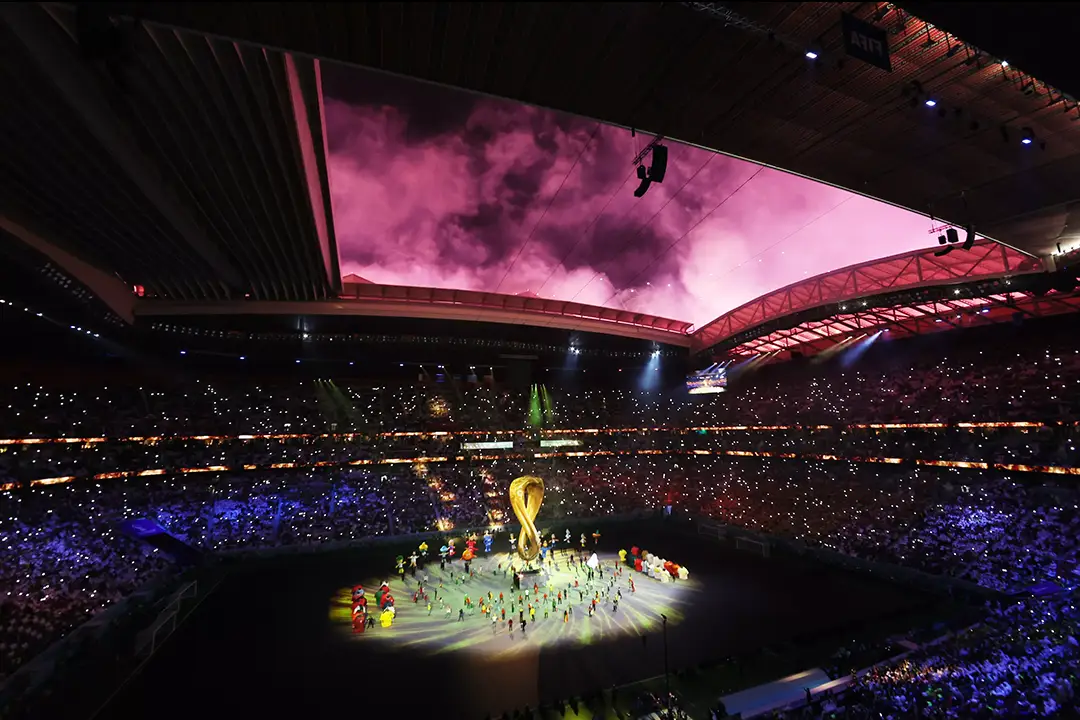
In addition to projection mapping, we offer dome projection for fully immersive 360-degree spherical experiences, event and project design for end-to-end production planning, and animation and visual storytelling for original content creation. Many of our Portland clients combine projection mapping with one or more of these services into a single integrated production. We are a full-service immersive experience company, and the strongest work we build is conceived as a whole from the first conversation.
Do you have more questions?
Didn't find what you were looking for? Our team is happy to walk you through your project and answer anything else