

The Biggest Little City Was Made for Neon and Light
Reno has become a serious production market, not a stopover on the way to somewhere else. The city's calendar is dense with events that draw regional and national audiences: the Reno Rodeo in June, Artown in July, Hot August Nights from late July into early August, the Great Reno Balloon Race in September, plus the Reno Jazz Festival at the University of Nevada, Reno and the Reno River Festival at Idlewild Park in late May. Each one gives brands a reason to build something people will stand in front of and photograph.
The venue mix rewards projection mapping specifically. The Reno Arch, Wingfield Park, the National Automobile Museum, the Nevada Museum of Art, the Pioneer Center for the Performing Arts, the Reno Events Center, Lawlor Events Center, the Grand Sierra Resort and Greater Nevada Field all offer surfaces, sightlines and foot traffic that flat signage cannot use.
That demand connects to industries with real budgets here: gaming and hospitality, logistics and distribution, advanced manufacturing and battery technology, data centers, automotive and car culture, and outdoor recreation.
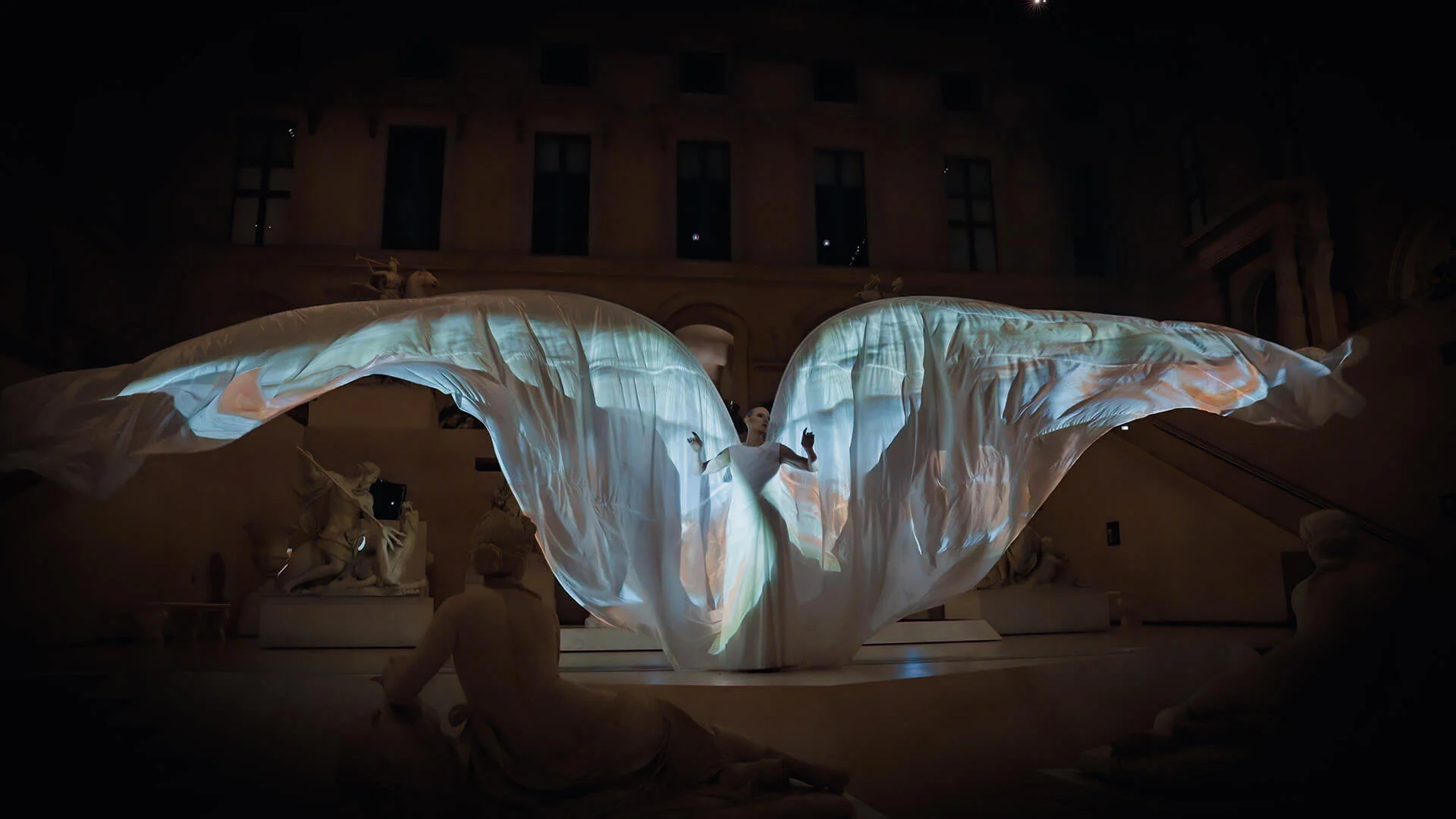
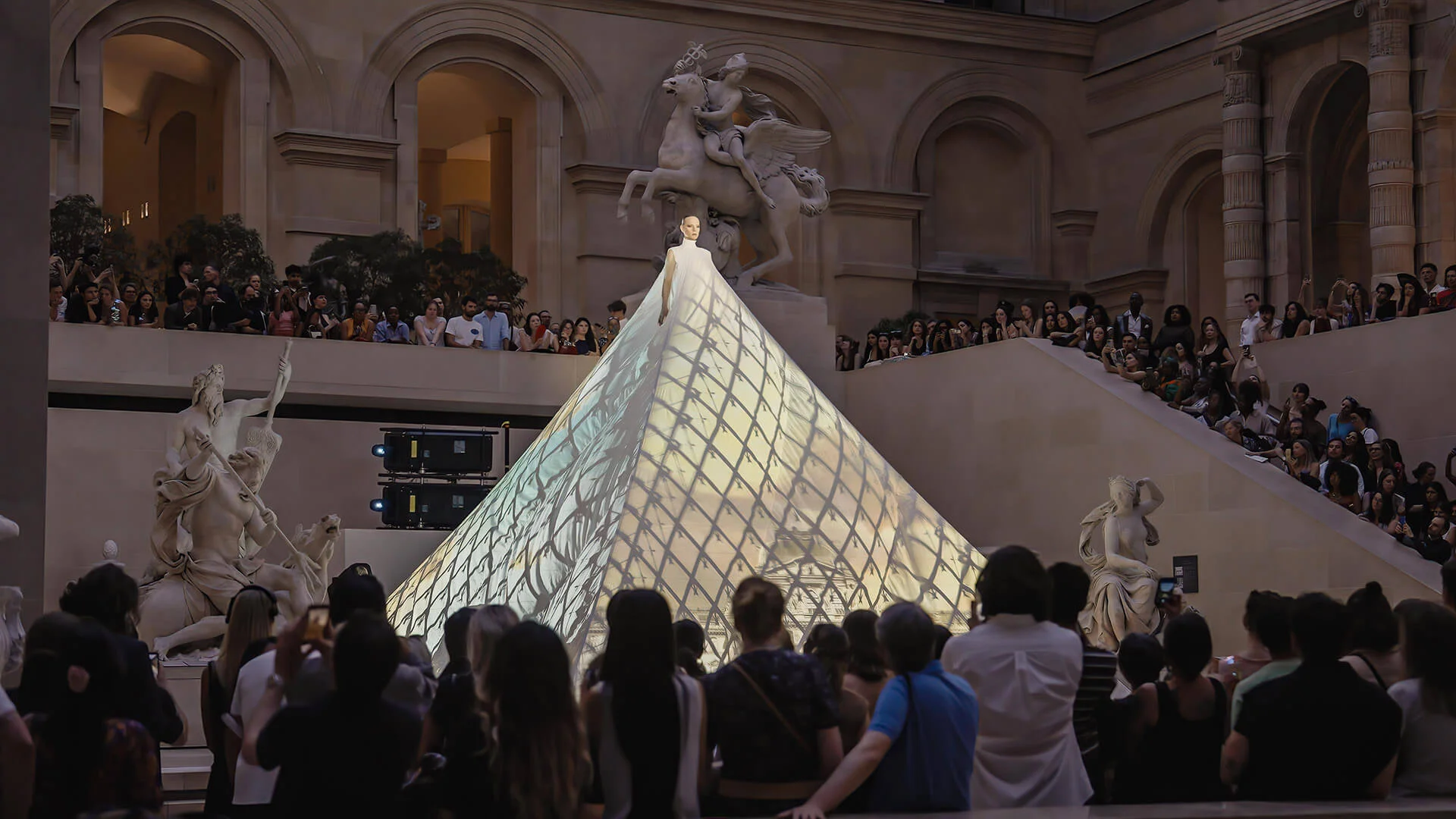
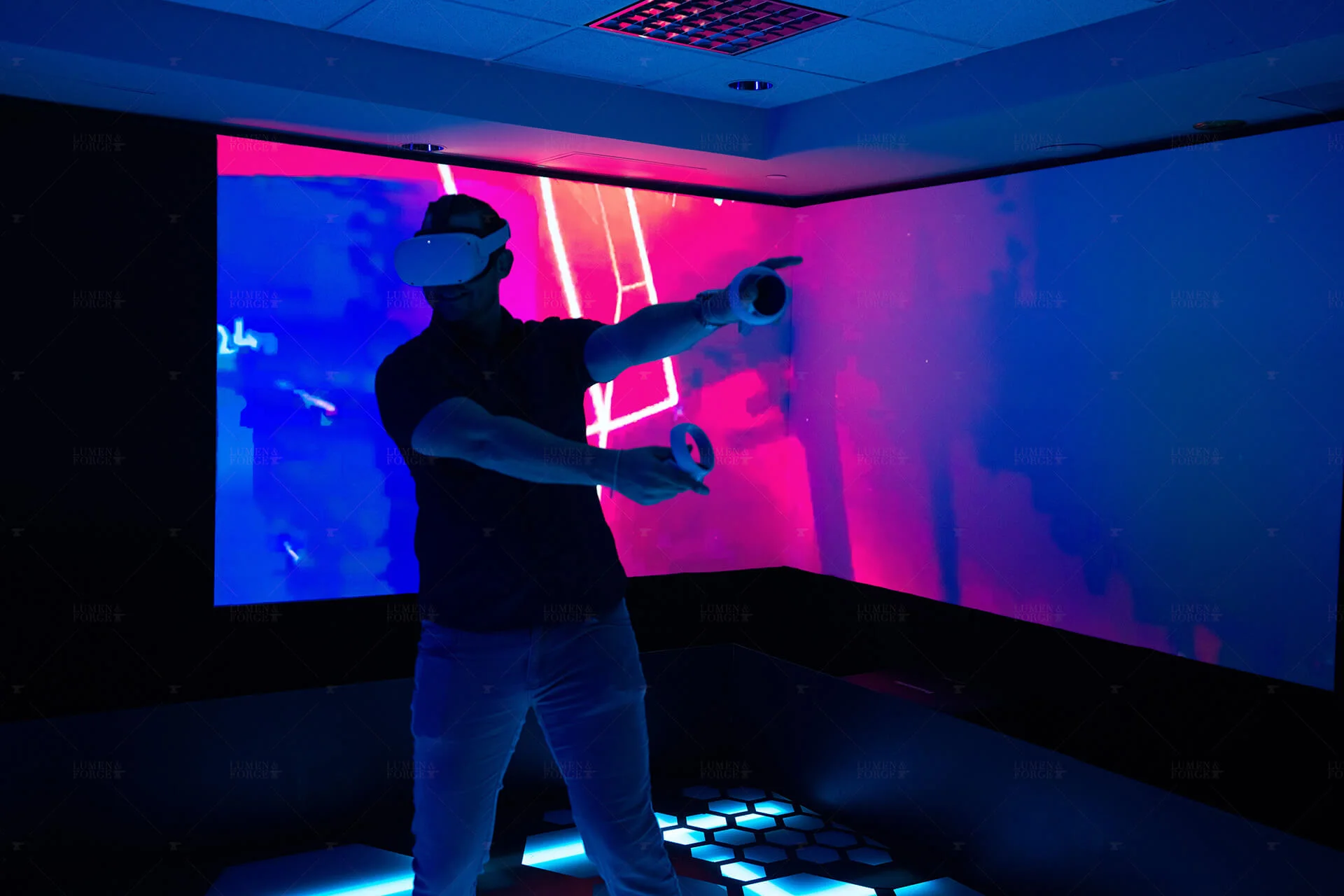
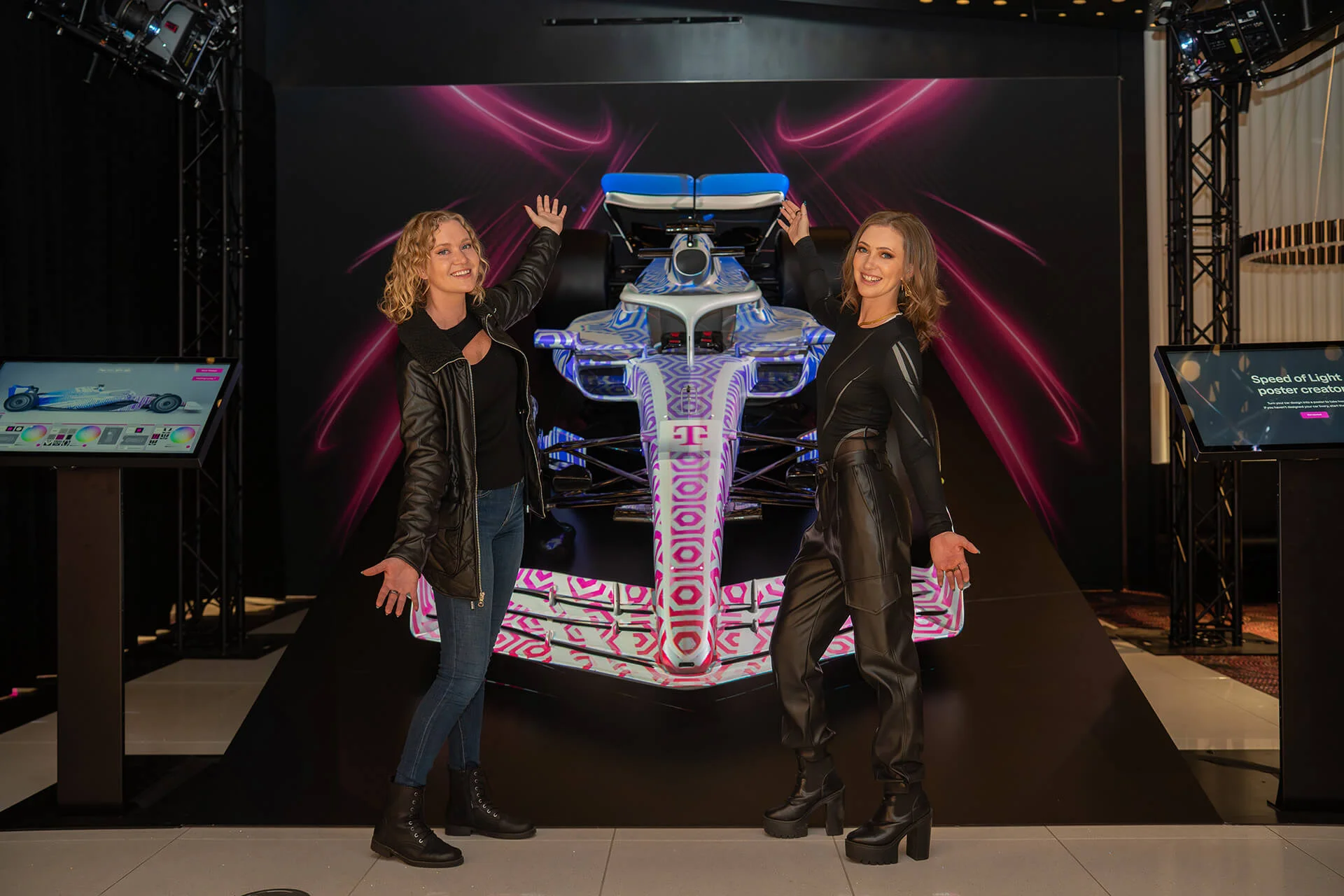
Take A Closer Look
A Deeper Look Into Animation & Visual Story Telling
A Deeper Look Into
Projection Mapping
Projection Mapping: Turning Any Surface Into a Story
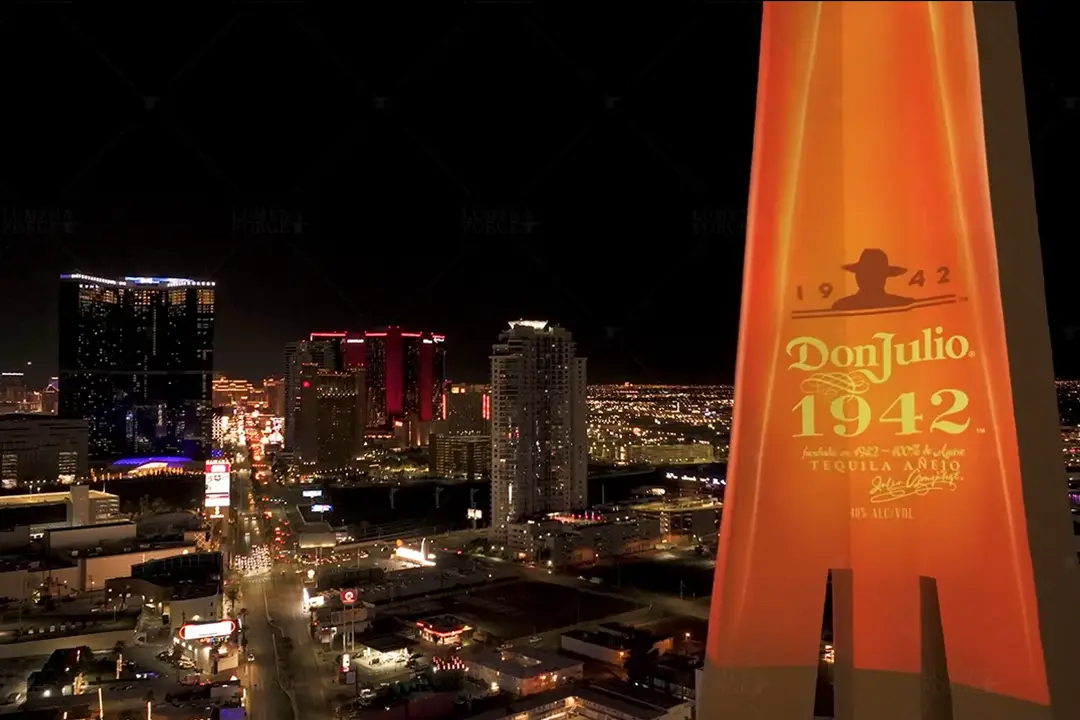
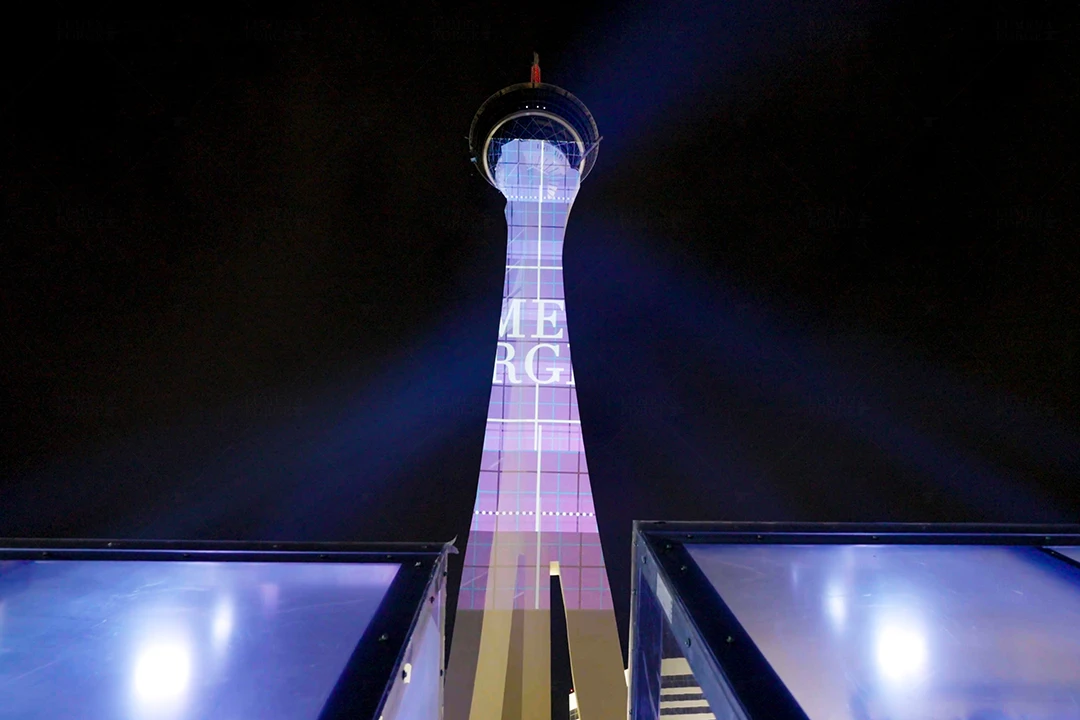
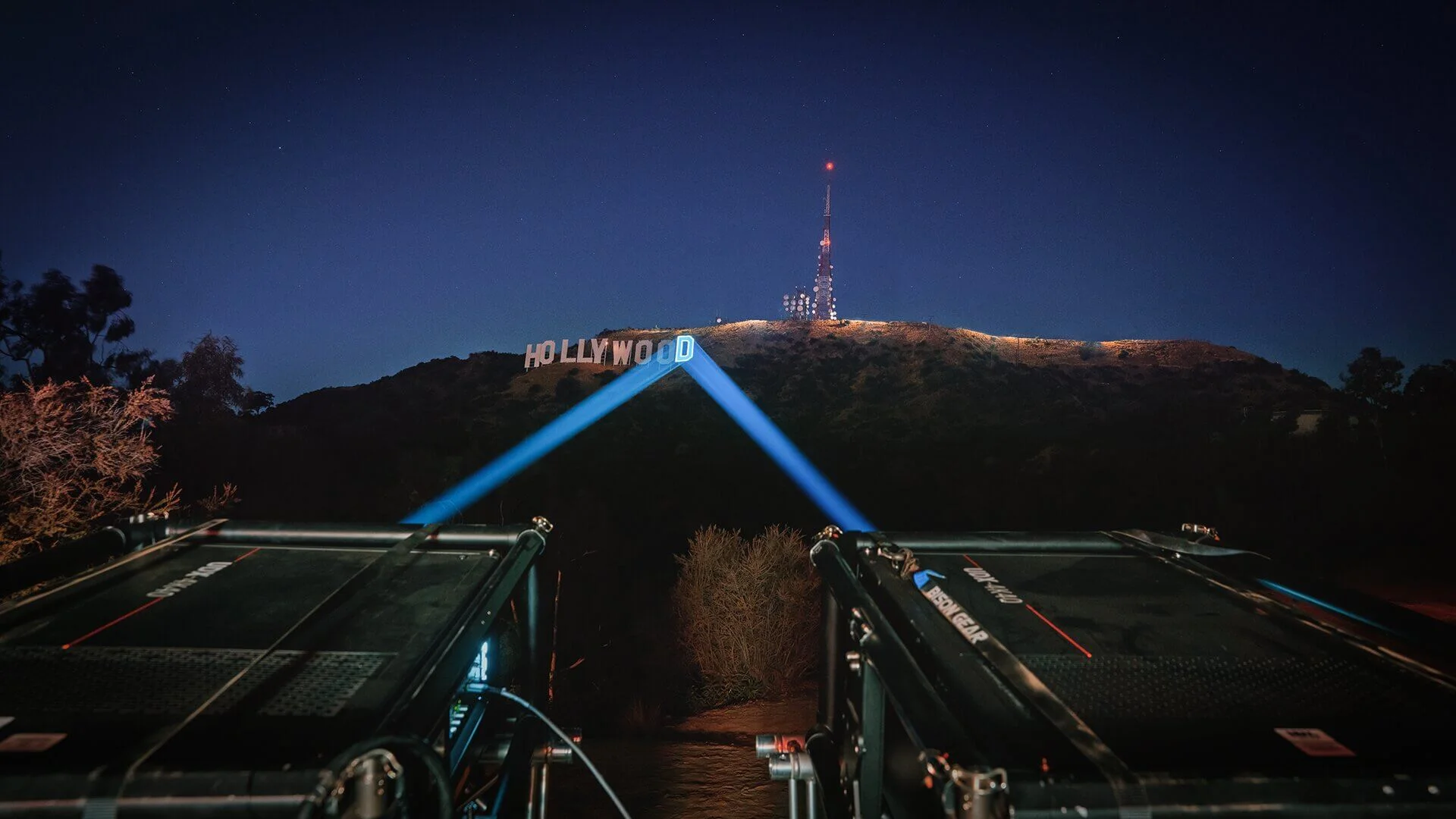
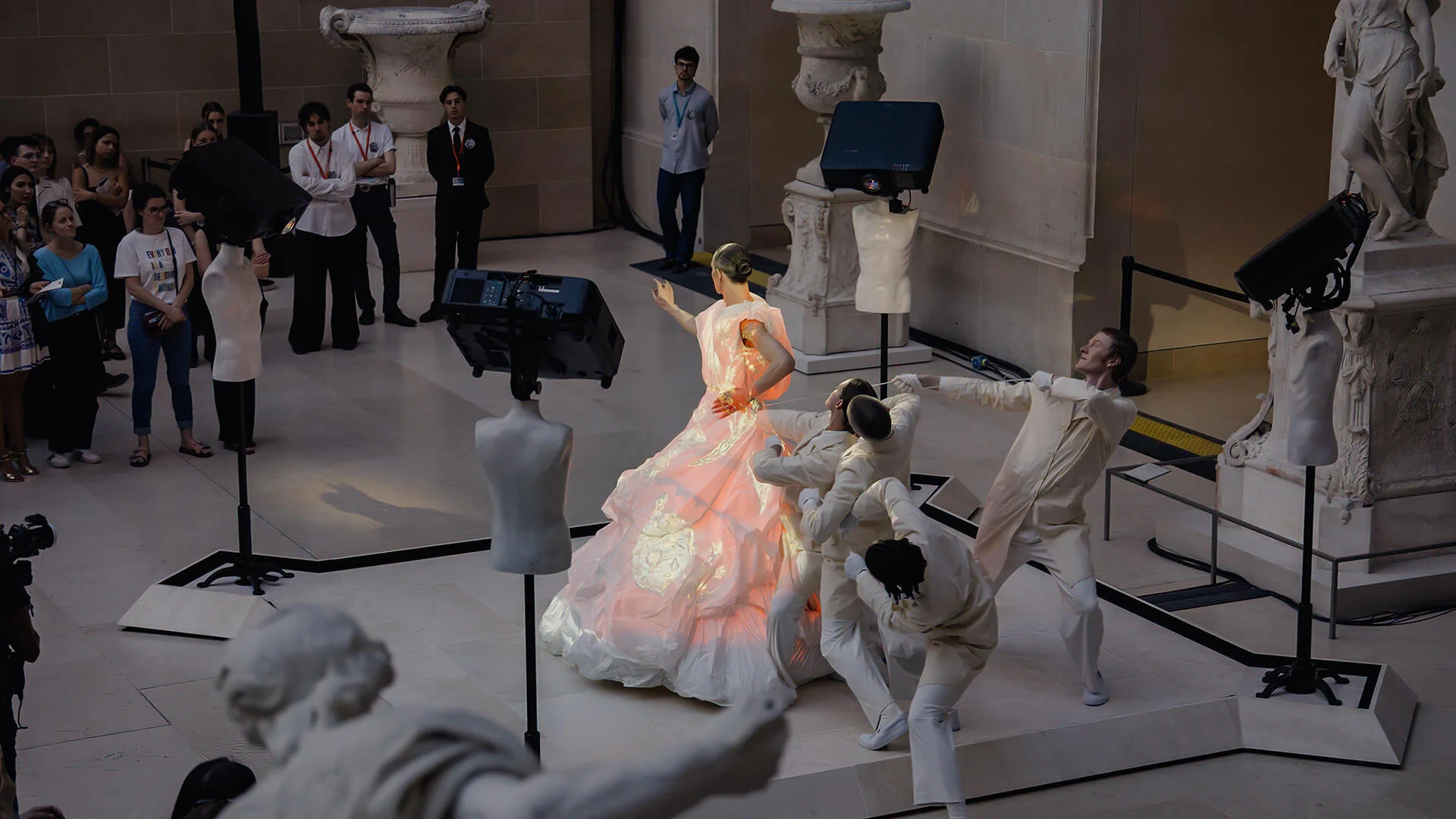
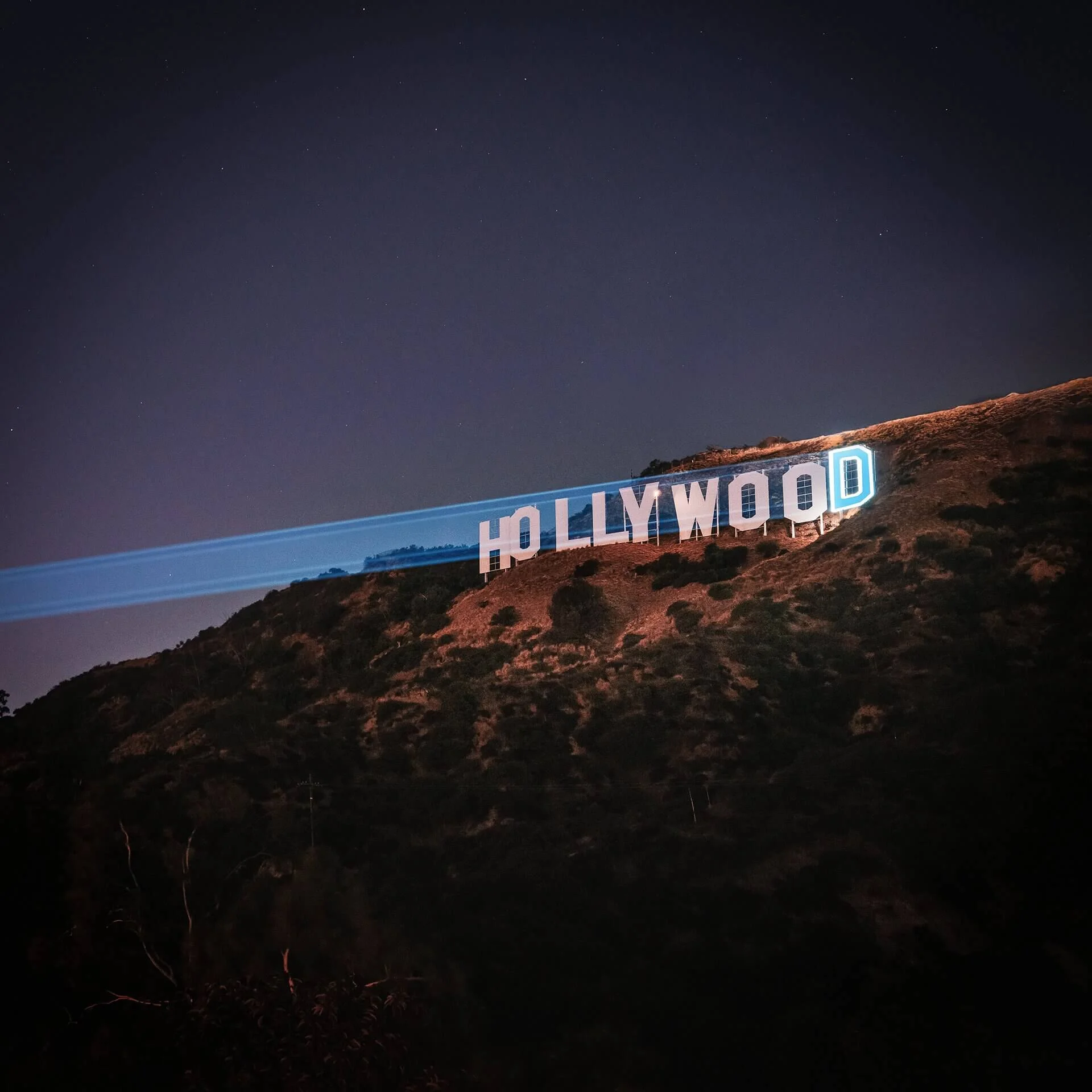
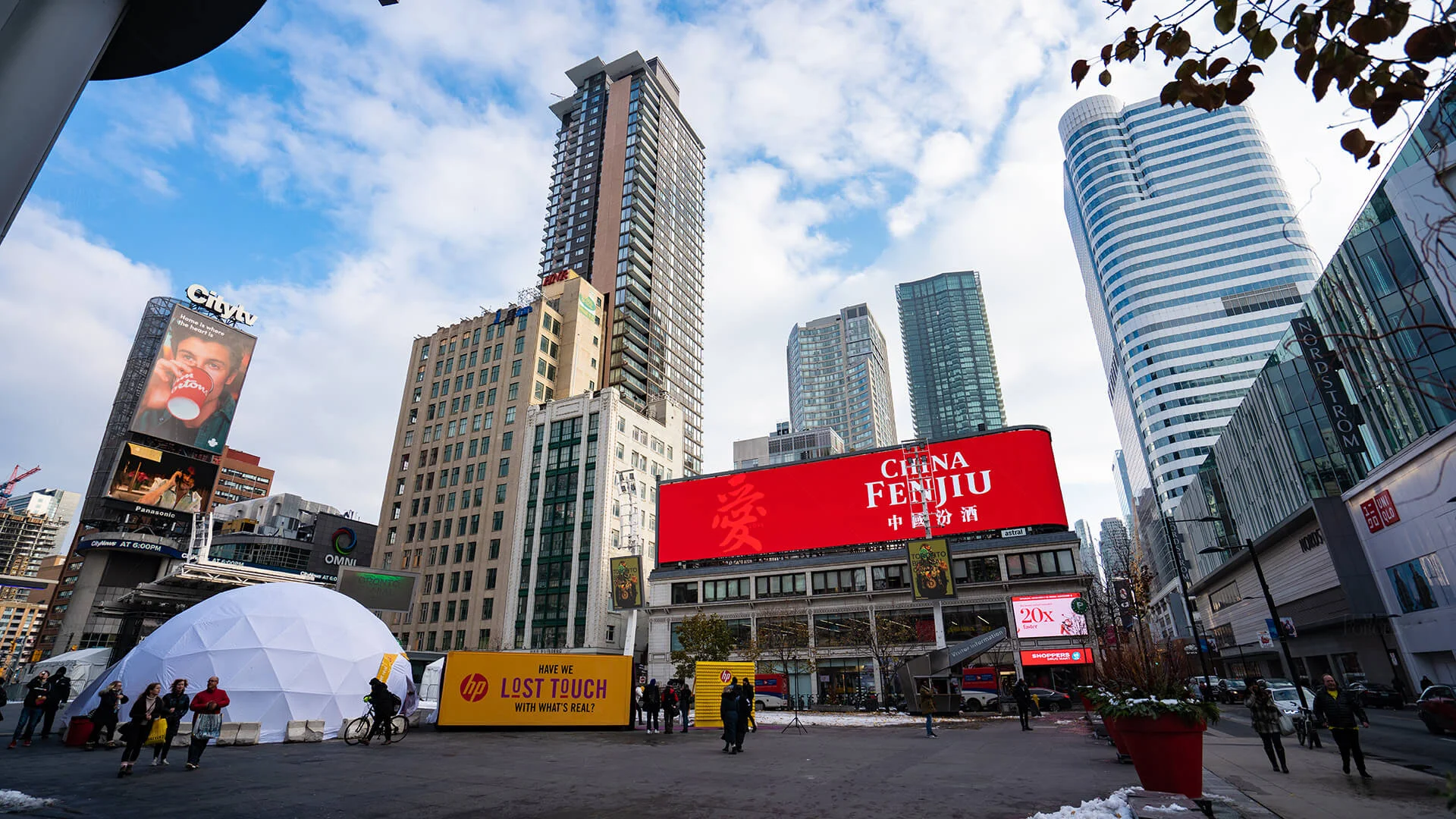
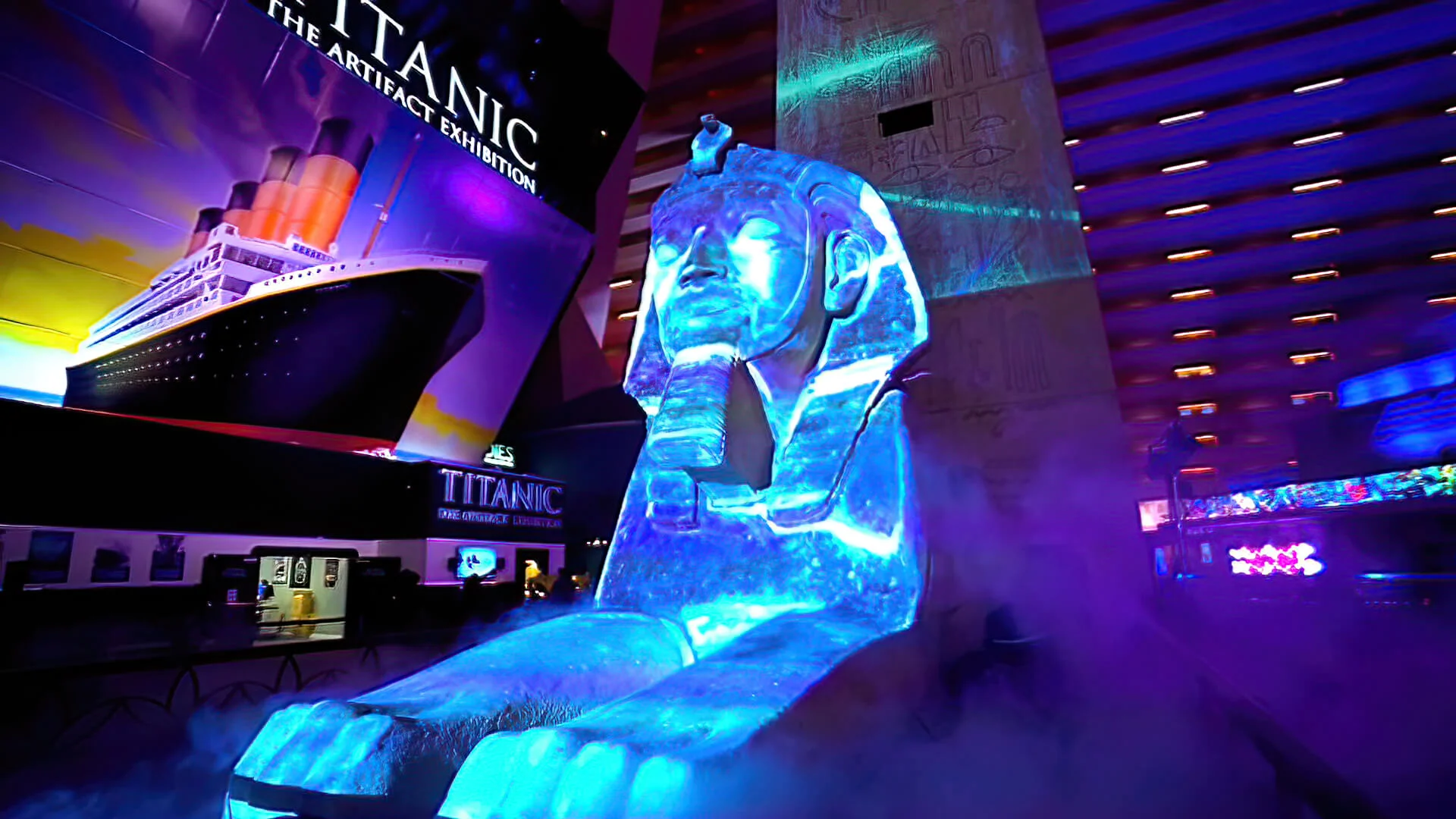
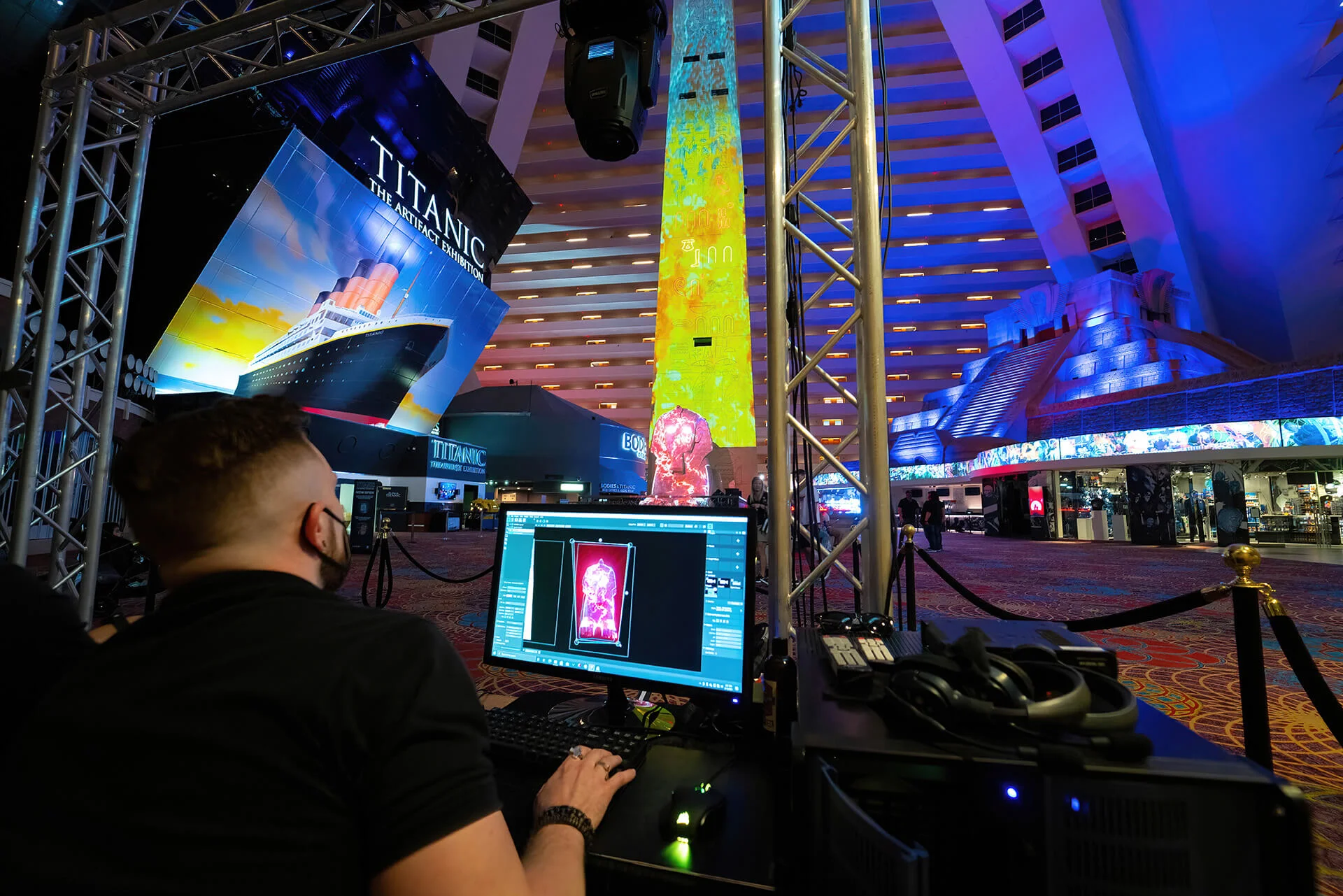
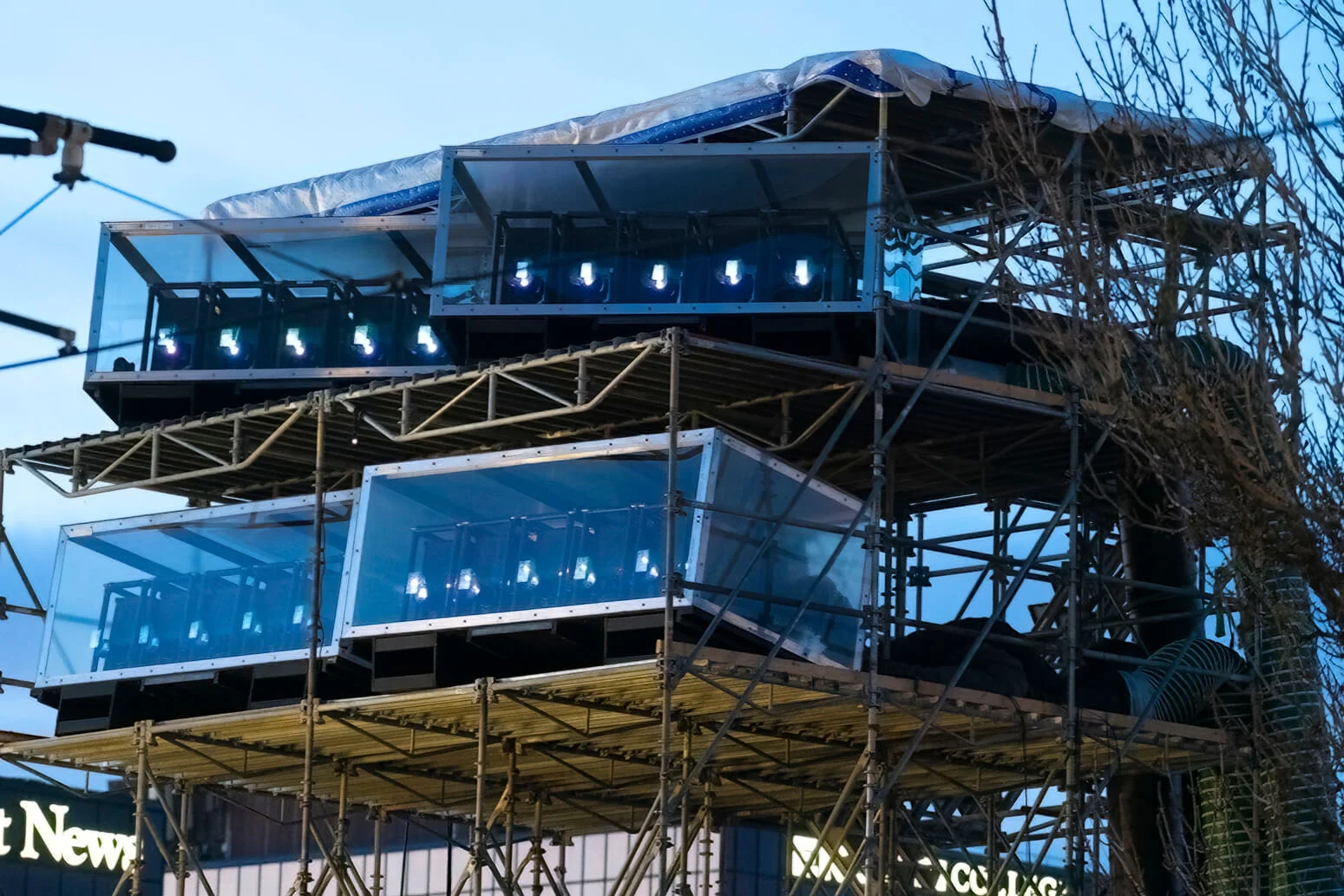
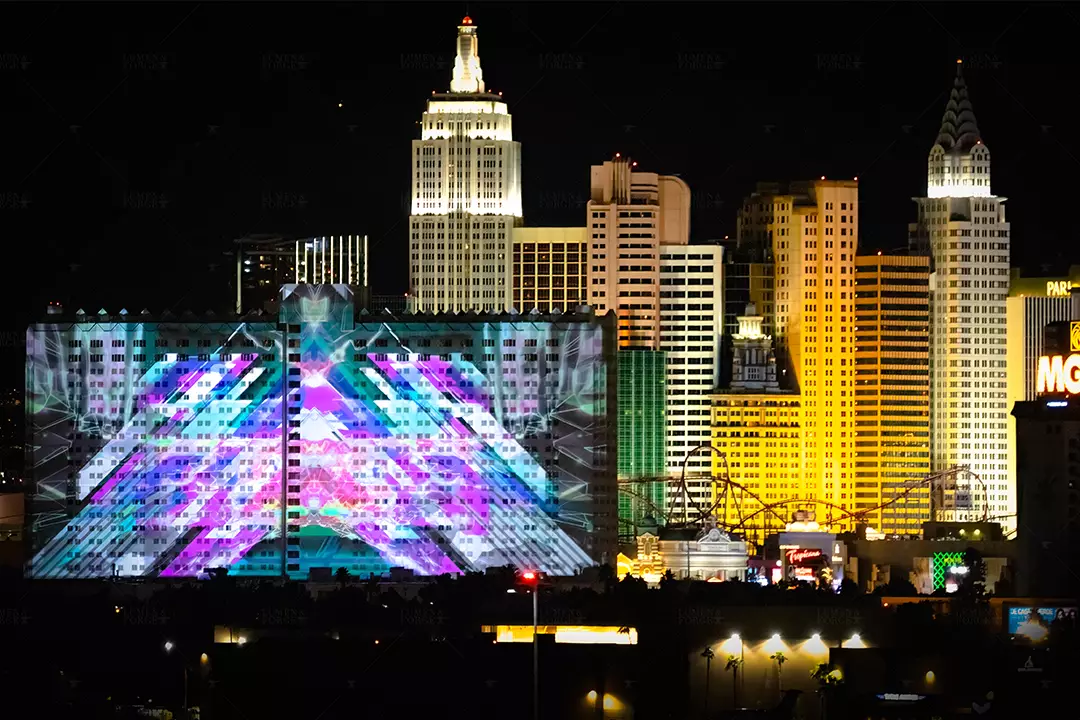
Projection mapping is the craft of aligning light to a surface so precisely that the surface itself becomes the screen. Instead of throwing a rectangular image at a wall, a mapped projection is built from a 3D model of the object or facade, then warped and masked so every edge, cornice and window line lands exactly where it should. On a flat screen, the frame is the boundary and the image sits inside it. With mapping, the architecture is the frame: the Reno Arch can peel apart and reassemble, a ballroom wall can become a moving landscape, and a sculptural object can appear to change material without a single physical alteration.
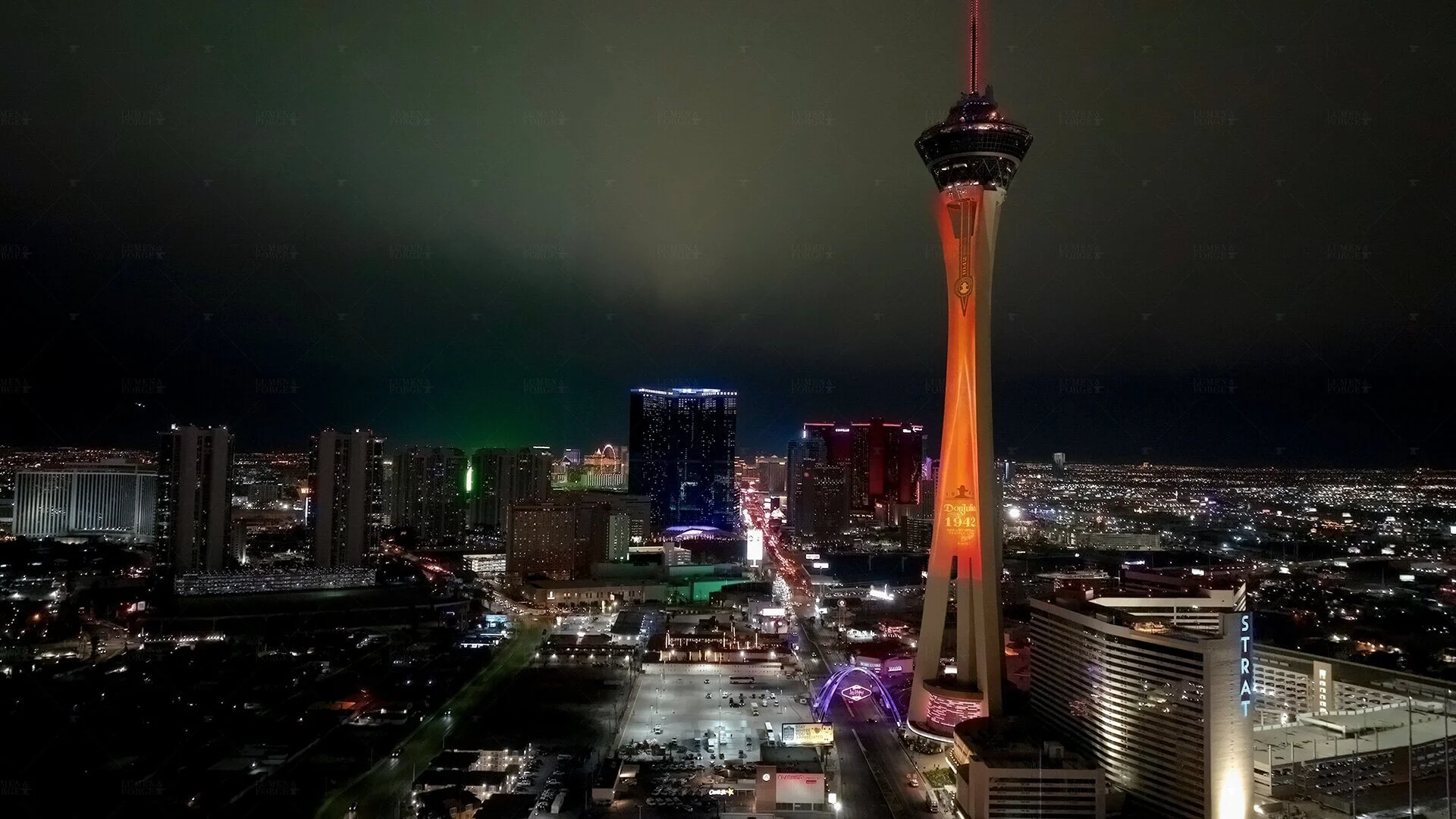
That flexibility suits Reno's range of venues. Mapping works on the facade of the Pioneer Center for the Performing Arts, the exterior and interior surfaces at the Reno Events Center and Lawlor Events Center, the Grand Sierra Resort, the National Automobile Museum and the Nevada Museum of Art. It scales down to an object on a show floor and out to a full building, and it can be tuned for Wingfield Park, Greater Nevada Field or a branded activation anywhere in the city.
Building and Architectural Projection
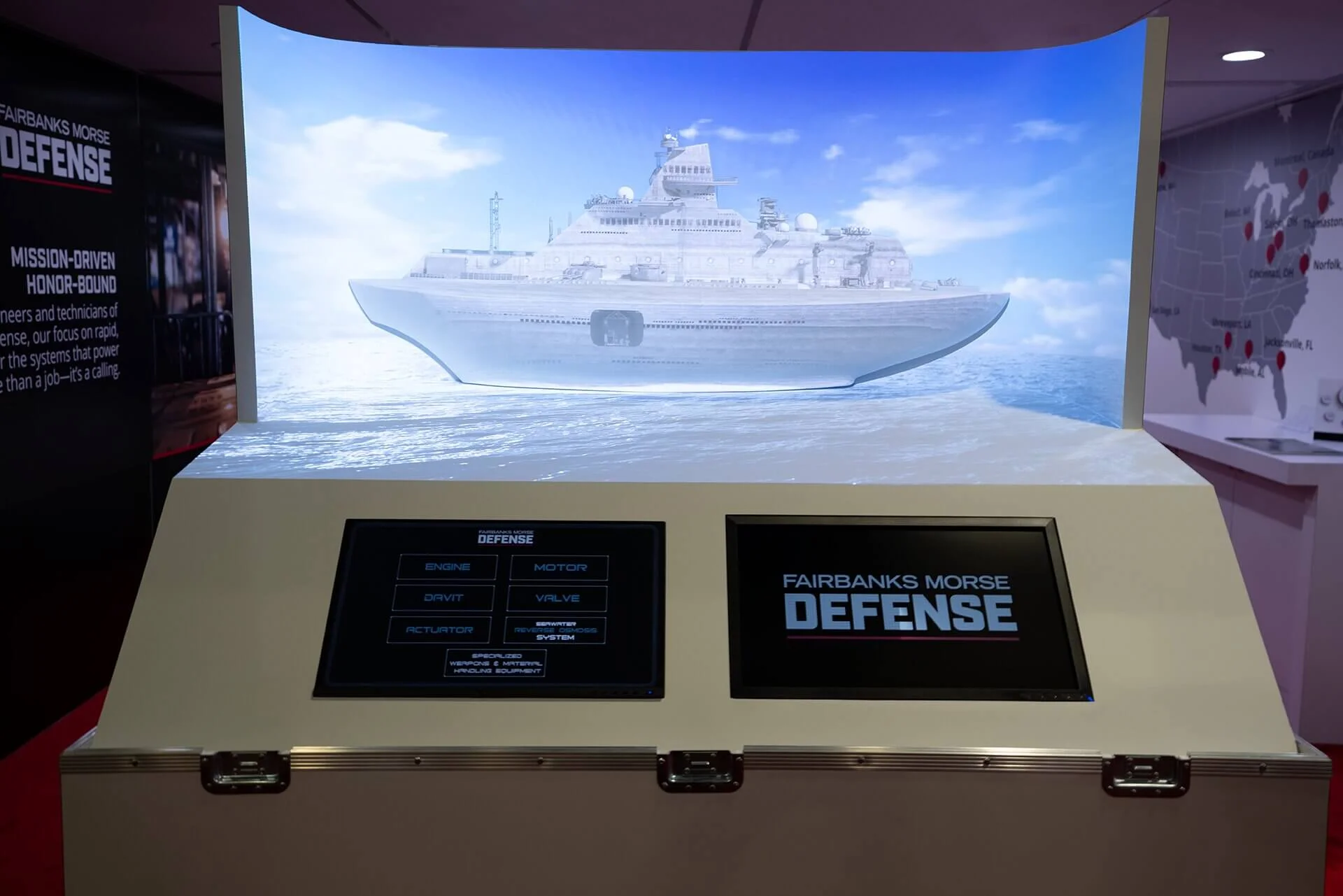
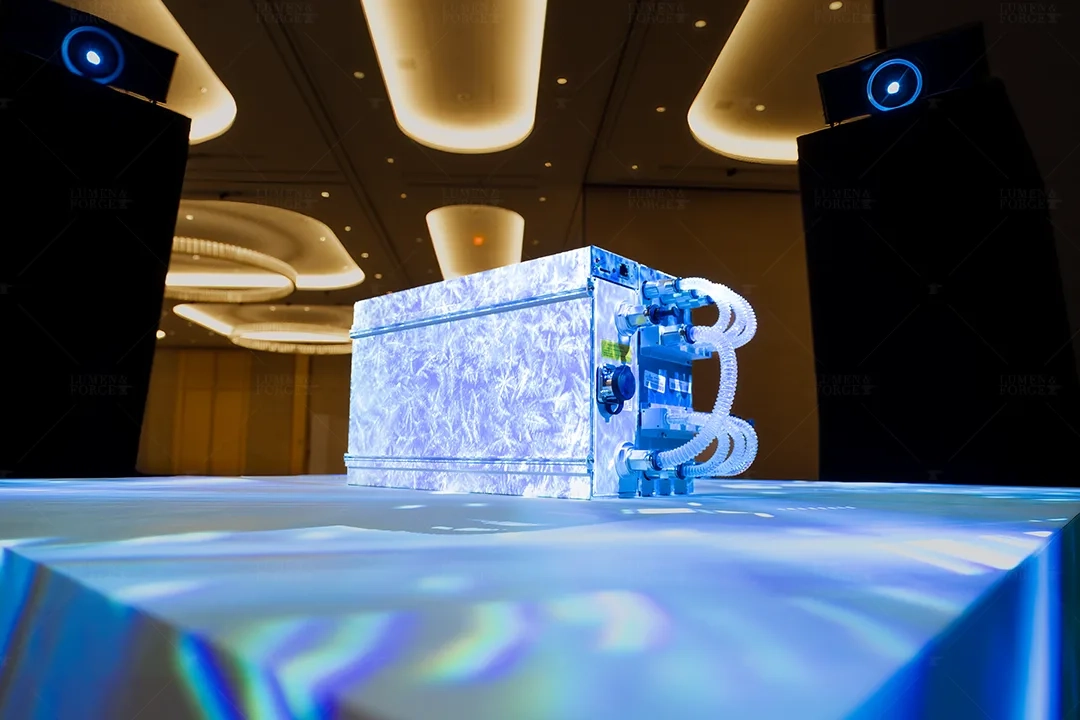
Object and Product Projection Mapping
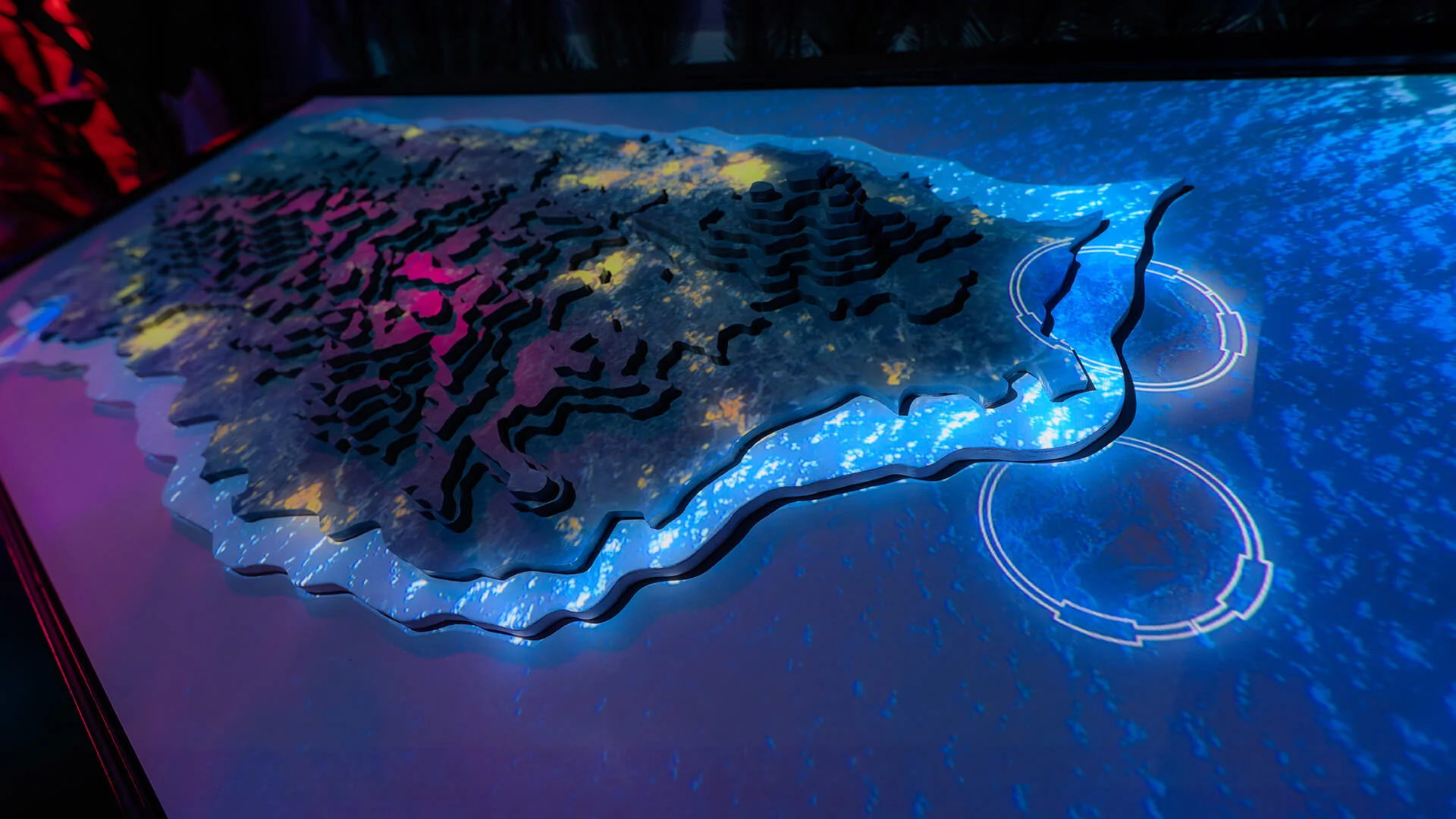
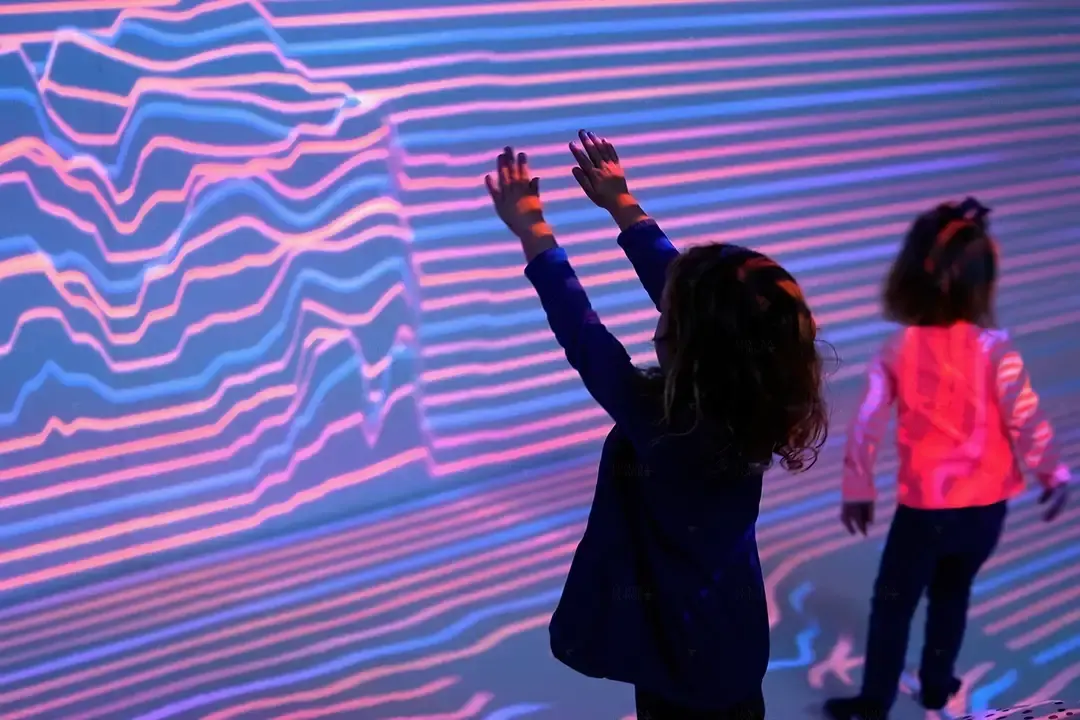
Interactive Projection
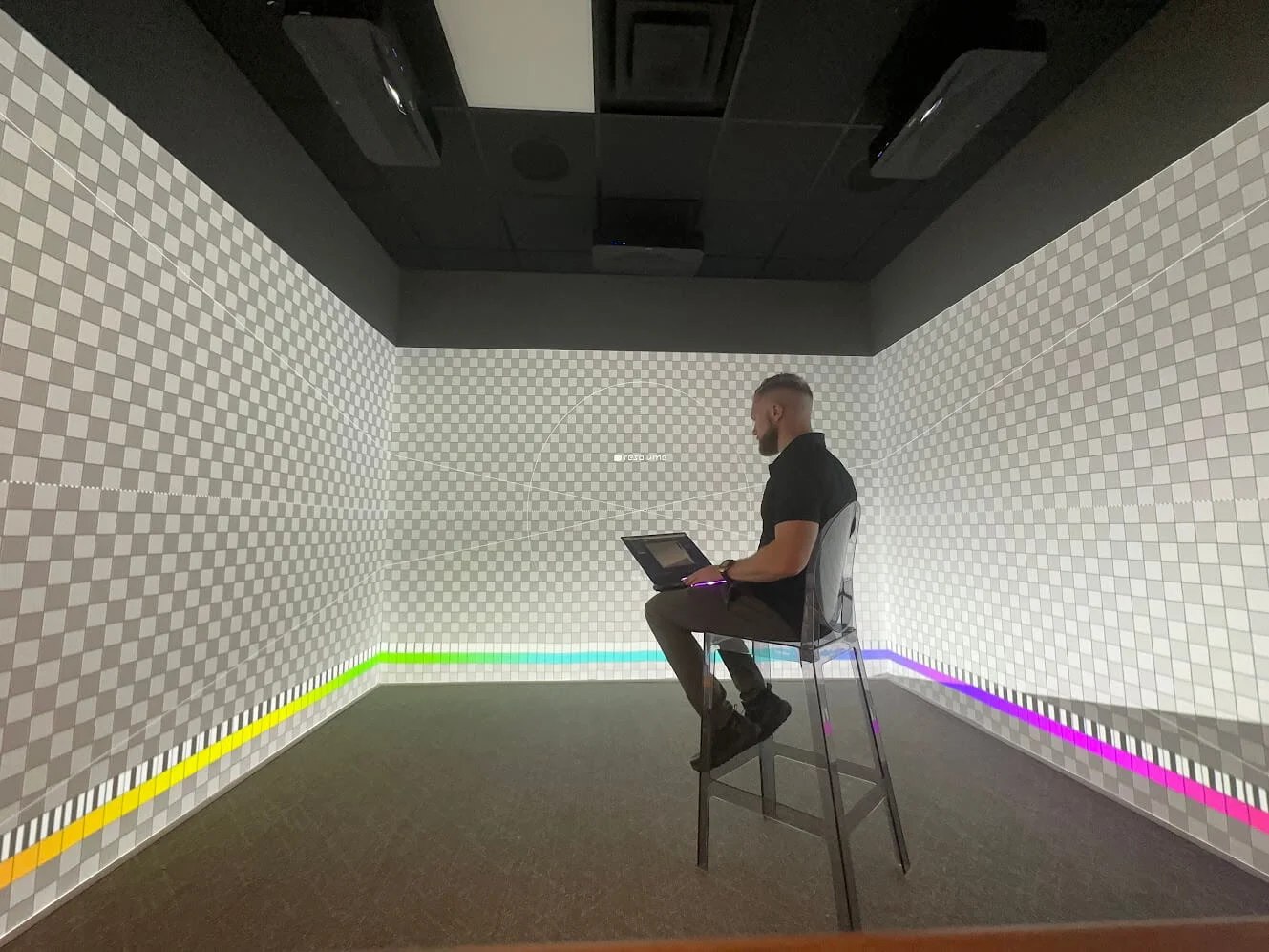
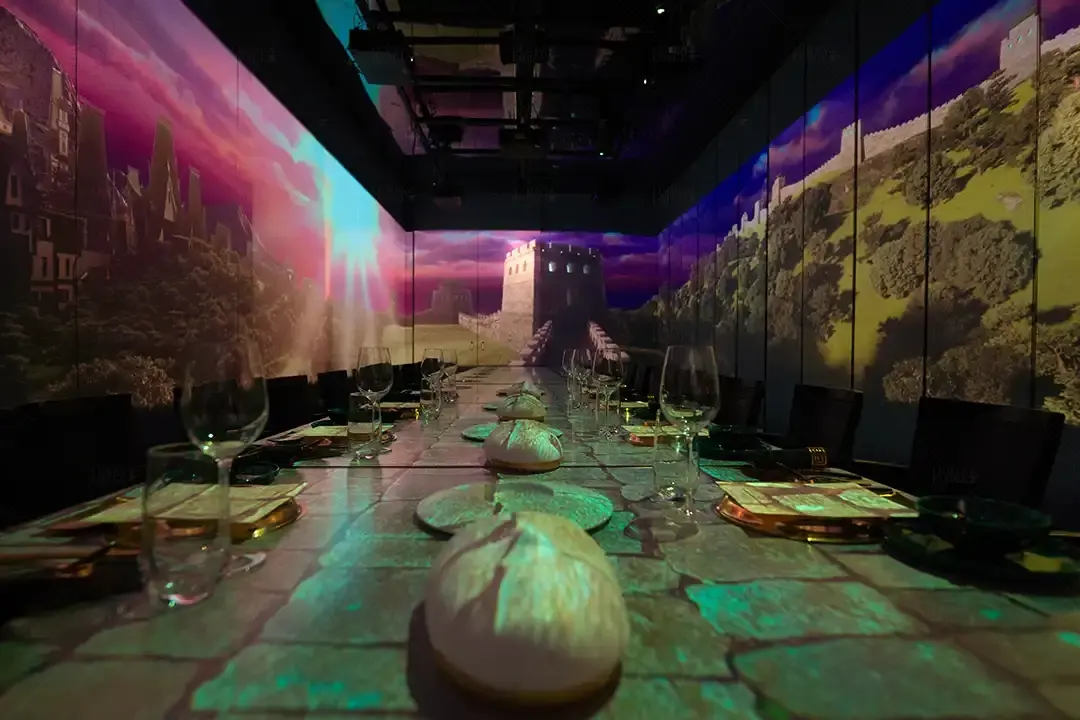
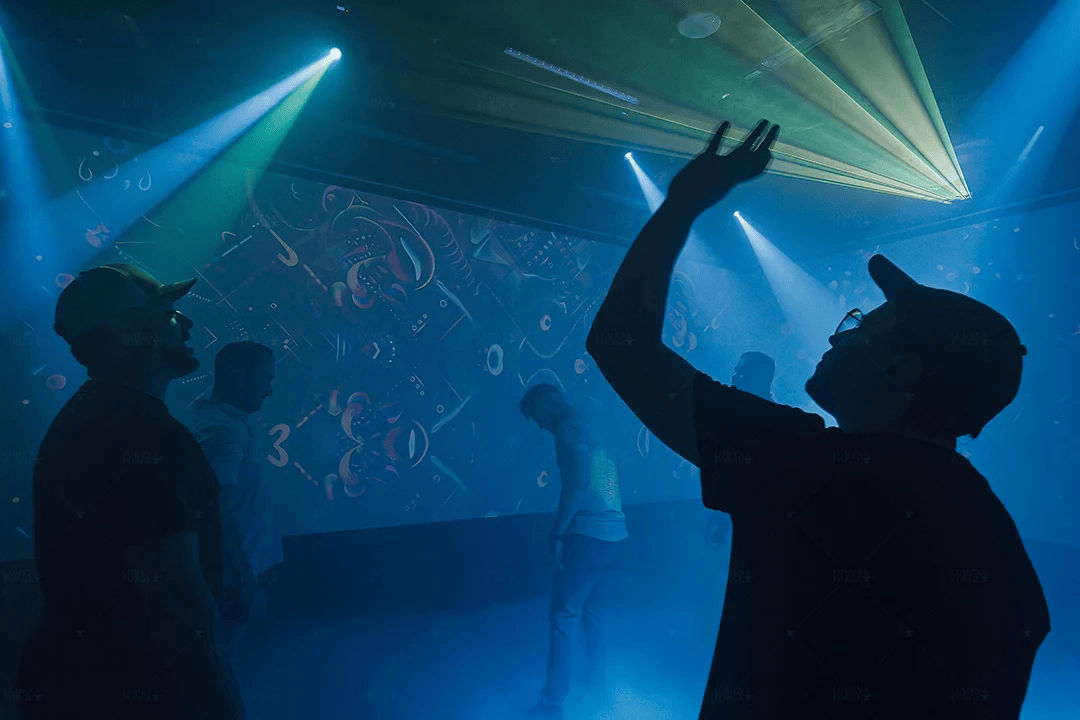
Room and Environment Mapping
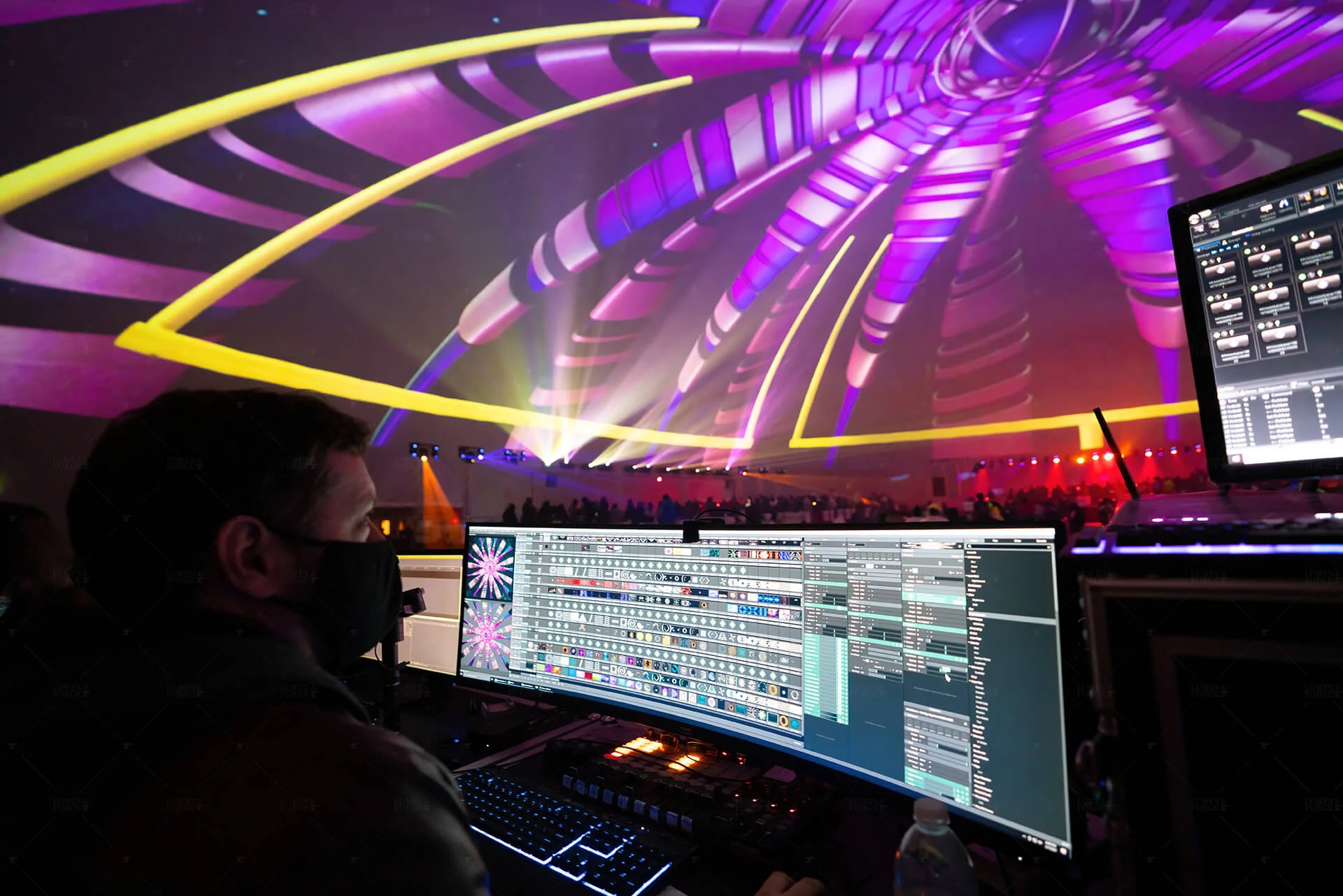
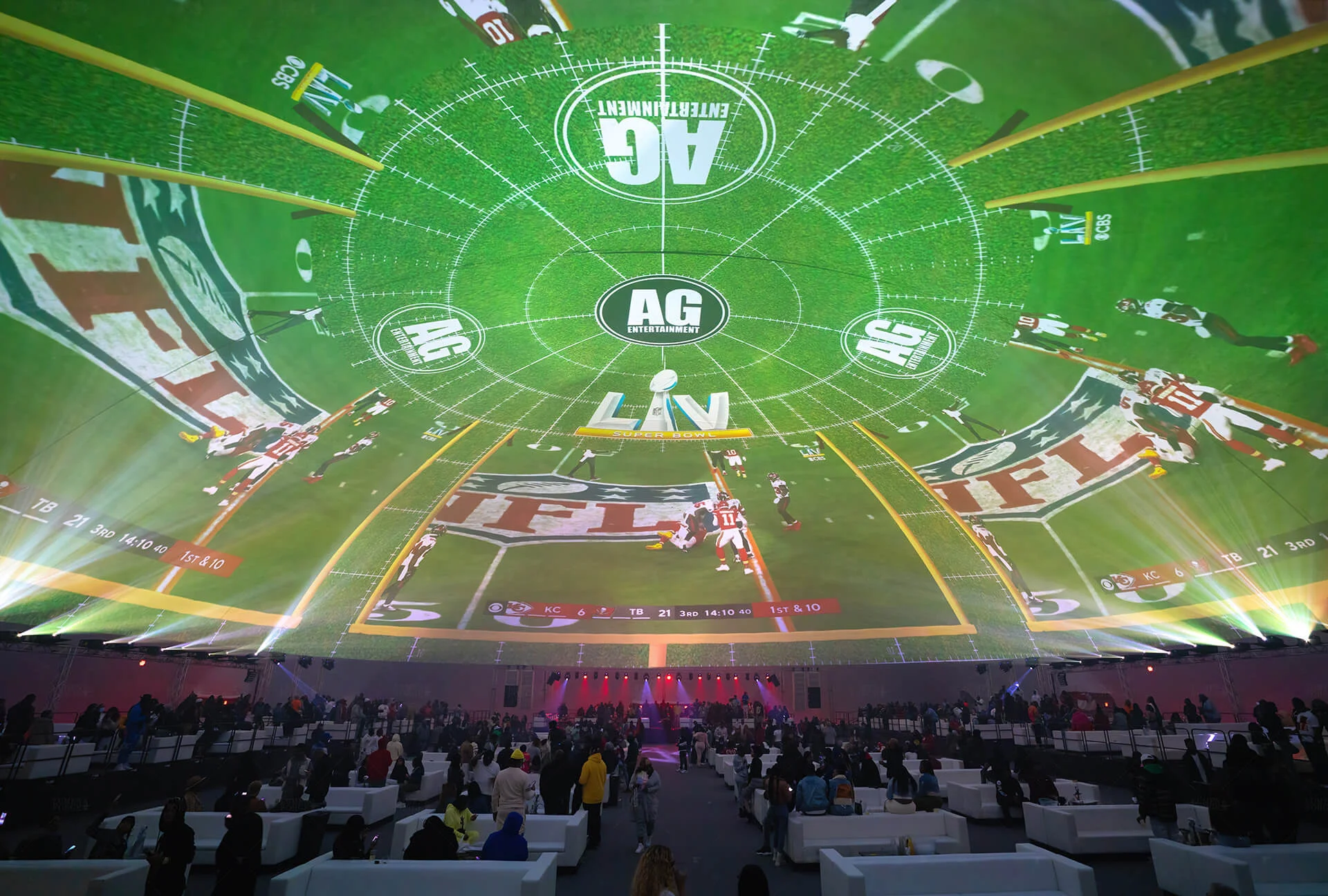
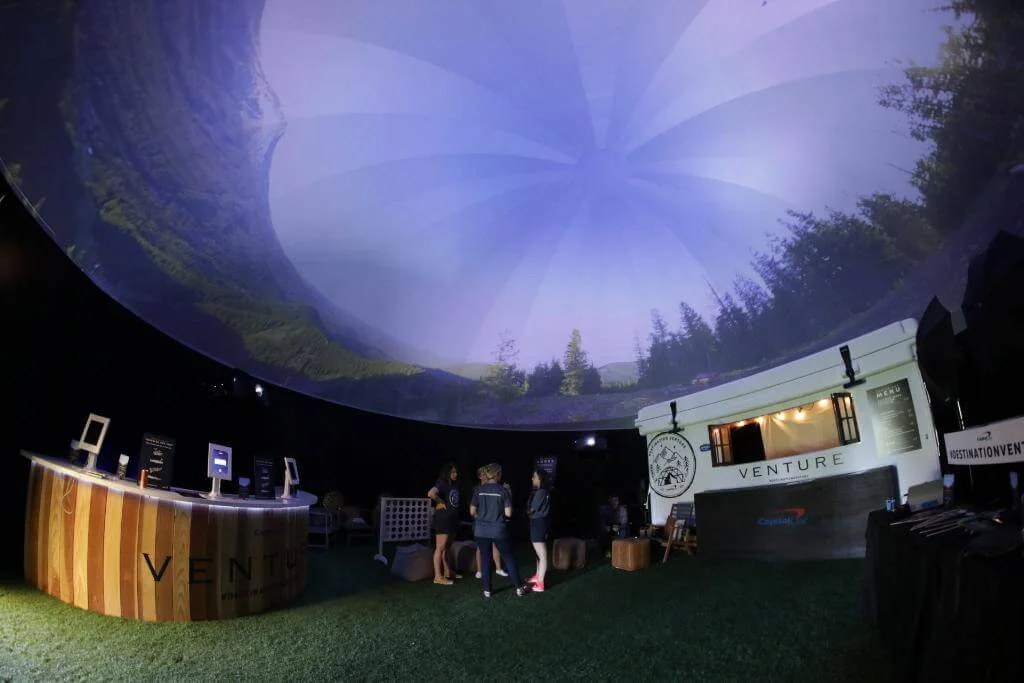
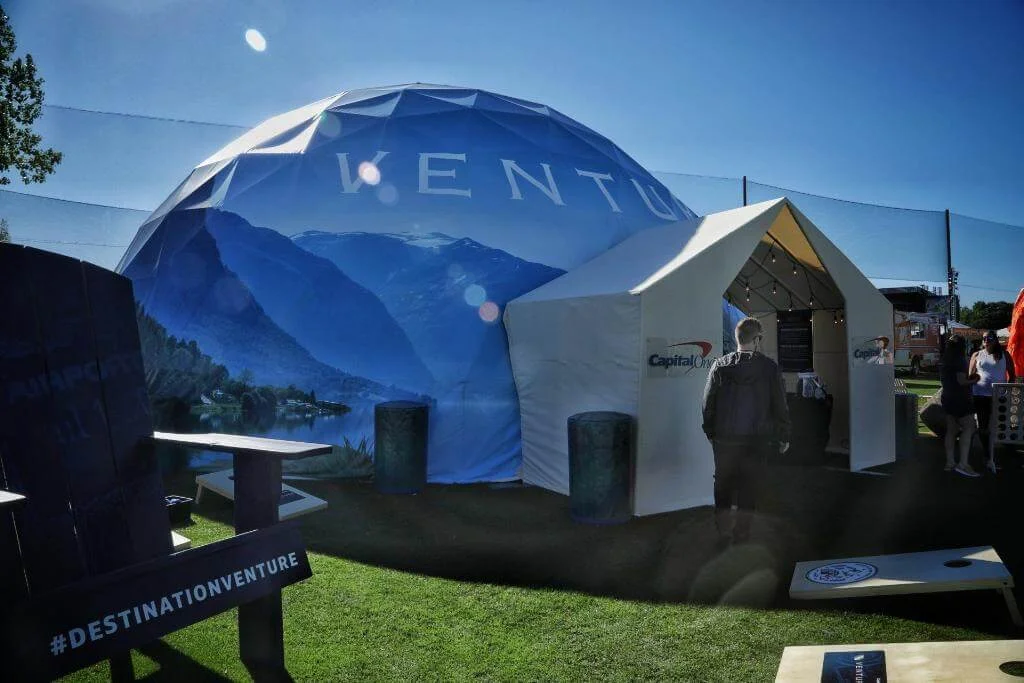
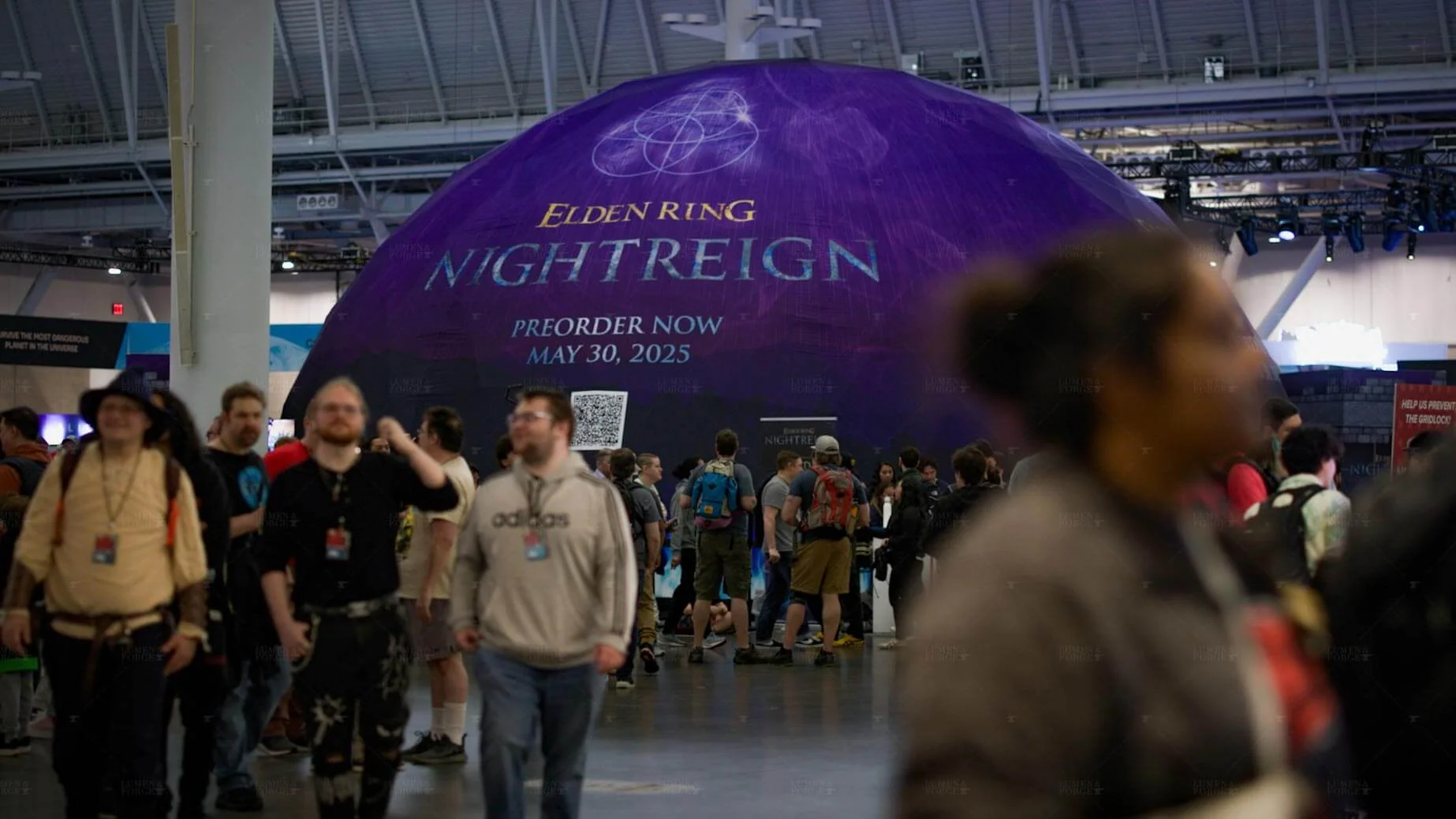
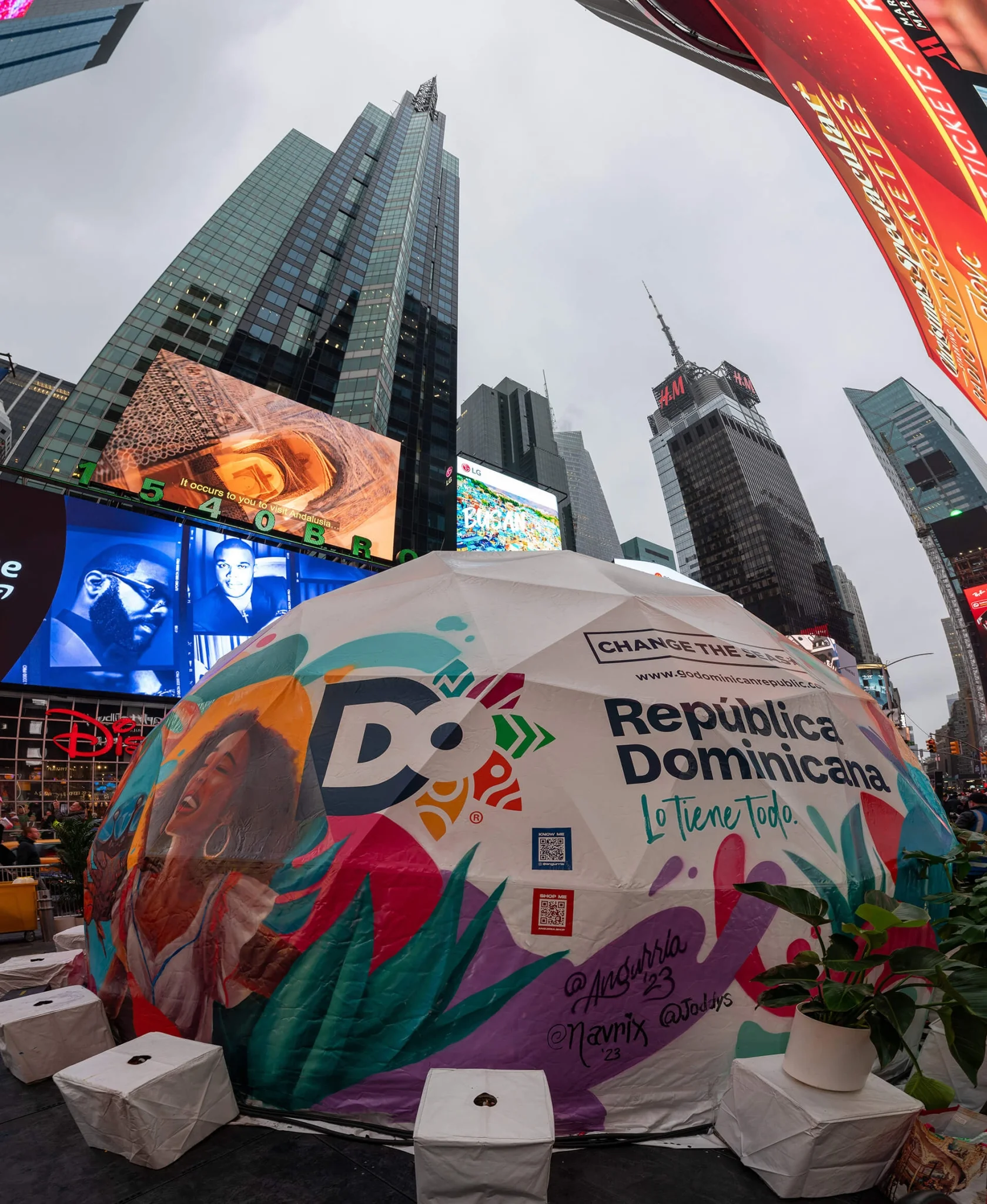
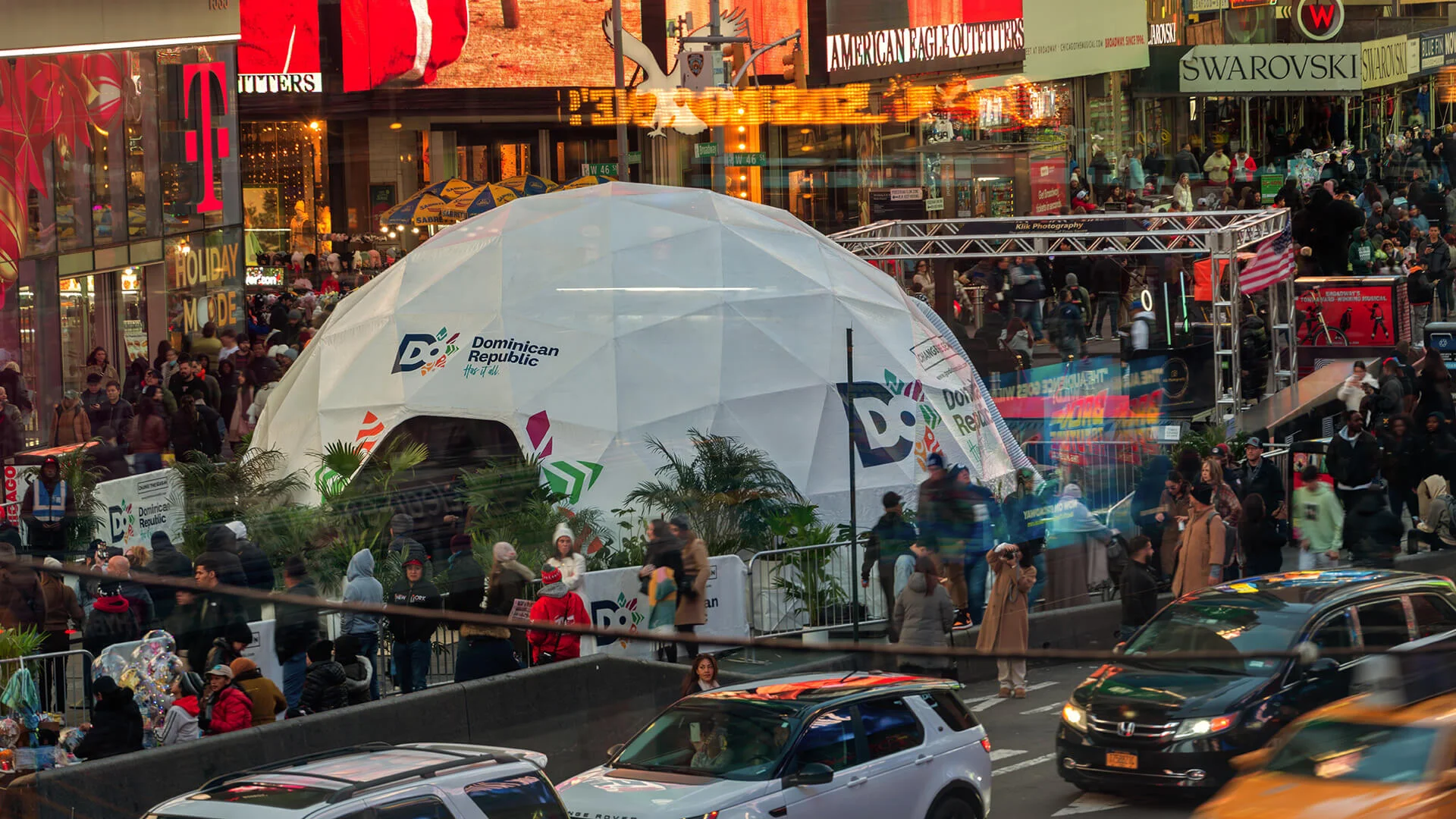
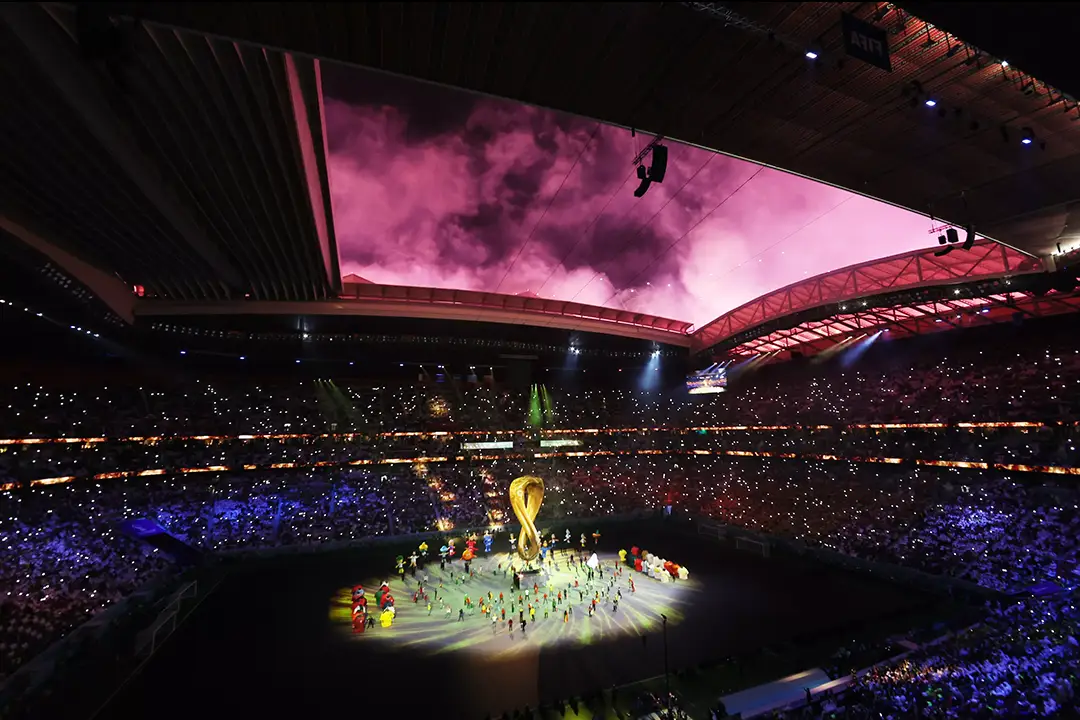
Dome Projection
Why Reno Is a Natural Fit for Projection Mapping
Reno audiences are not passive spectators. The city's event calendar keeps them moving through venues all year, from the Reno Rodeo in June to Artown in July, Hot August Nights from late July into early August, and the Great Reno Balloon Race in September. Spring brings its own rhythm with Hot August Nights Spring Fever in May, the Reno Jazz Festival at the University of Nevada, Reno from April 29 to May 1, 2027, and the Reno River Festival at Idlewild Park in late May. People here have seen fireworks, parades, and headliners, and they have seen them repeatedly. A brand activation that relies on scale alone reads as background noise. What earns attention is work that feels made for the moment and the place, whether it lands on the Reno Arch, fills the plaza at Wingfield Park, or transforms a room at the Reno Events Center or the Grand Sierra Resort.
The local economy shapes that expectation. Gaming and hospitality set a high bar for spectacle because visitors encounter it constantly, so projection mapping has to do more than glow. Logistics and distribution, advanced manufacturing and battery technology, and data centers bring a workforce that thinks in systems, tolerances, and uptime, and that audience notices when visuals are precise rather than merely loud. Automotive and car culture runs deep, which is why events like Hot August Nights draw crowds who know finishes, lines, and detail. Outdoor recreation keeps another segment of the city outside and in motion, tuned to landscape and light. A single generic loop cannot speak to all of them at once.
That is why spectacle alone falls short. Culture venues raise the stakes further: the Nevada Museum of Art, the Pioneer Center for the Performing Arts, and the National Automobile Museum each carry their own visual language, and audiences there arrive with context. The same is true at Greater Nevada Field and Lawlor Events Center, where crowds are already primed by the event itself and expect the brand moment to match its energy rather than interrupt it. Projection mapping gives marketers a way to build content around a building, an object, or a room so the story fits the setting instead of competing with it.
Reno also rewards planning discipline. Special events require a Special Event Permit submitted through the city's Accela portal under Business Licensing and Events at least 90 days ahead, after reserving the park or plaza with Reno Parks and Recreation, followed by Special Event Review Committee review. Brands that start early can map to architecture, time reveals to the festival calendar, and give audiences something worth standing still for in a city that has already seen everything.
Lumen and Forge: Big-Show Production for the Biggest Little City
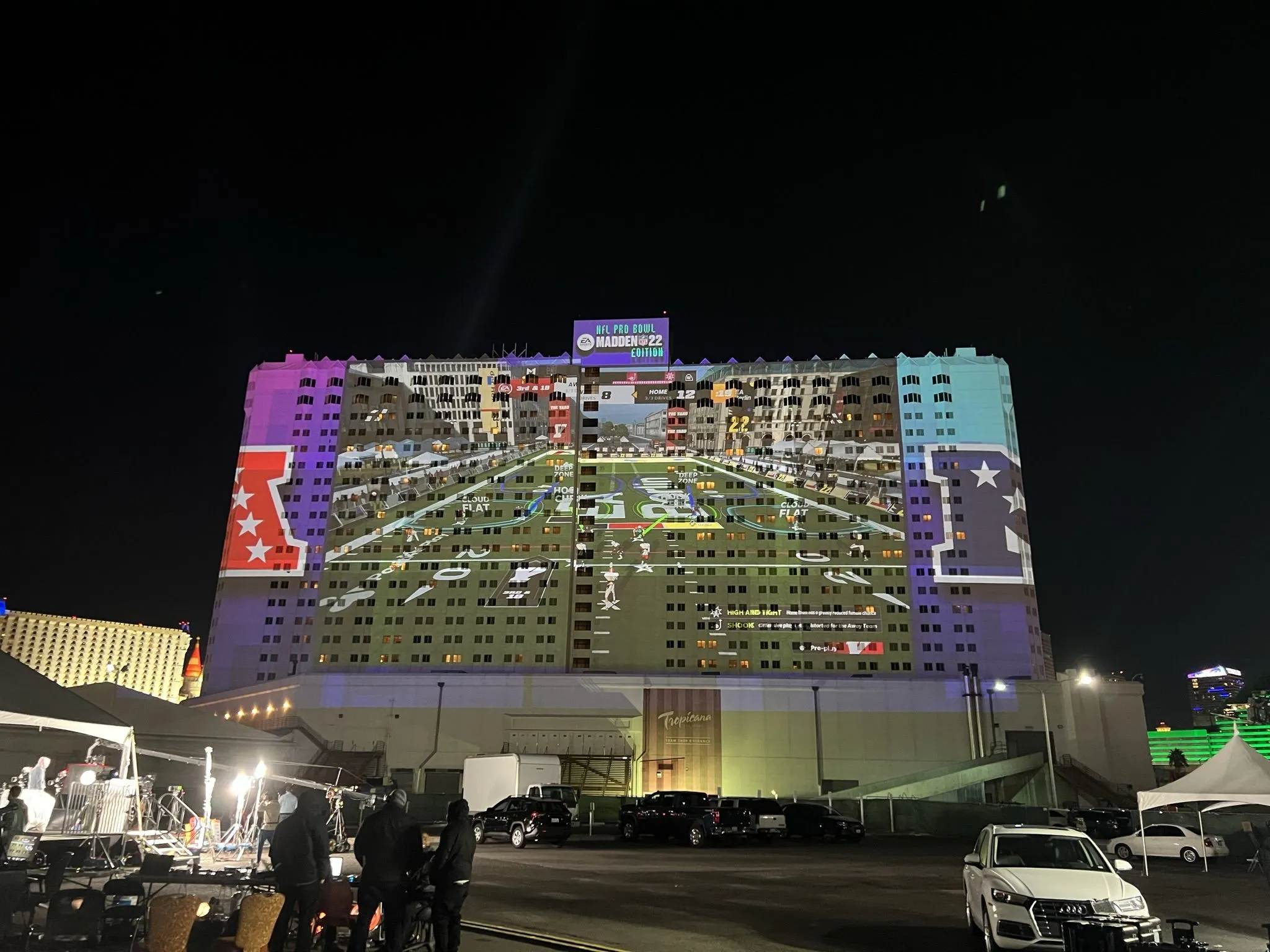
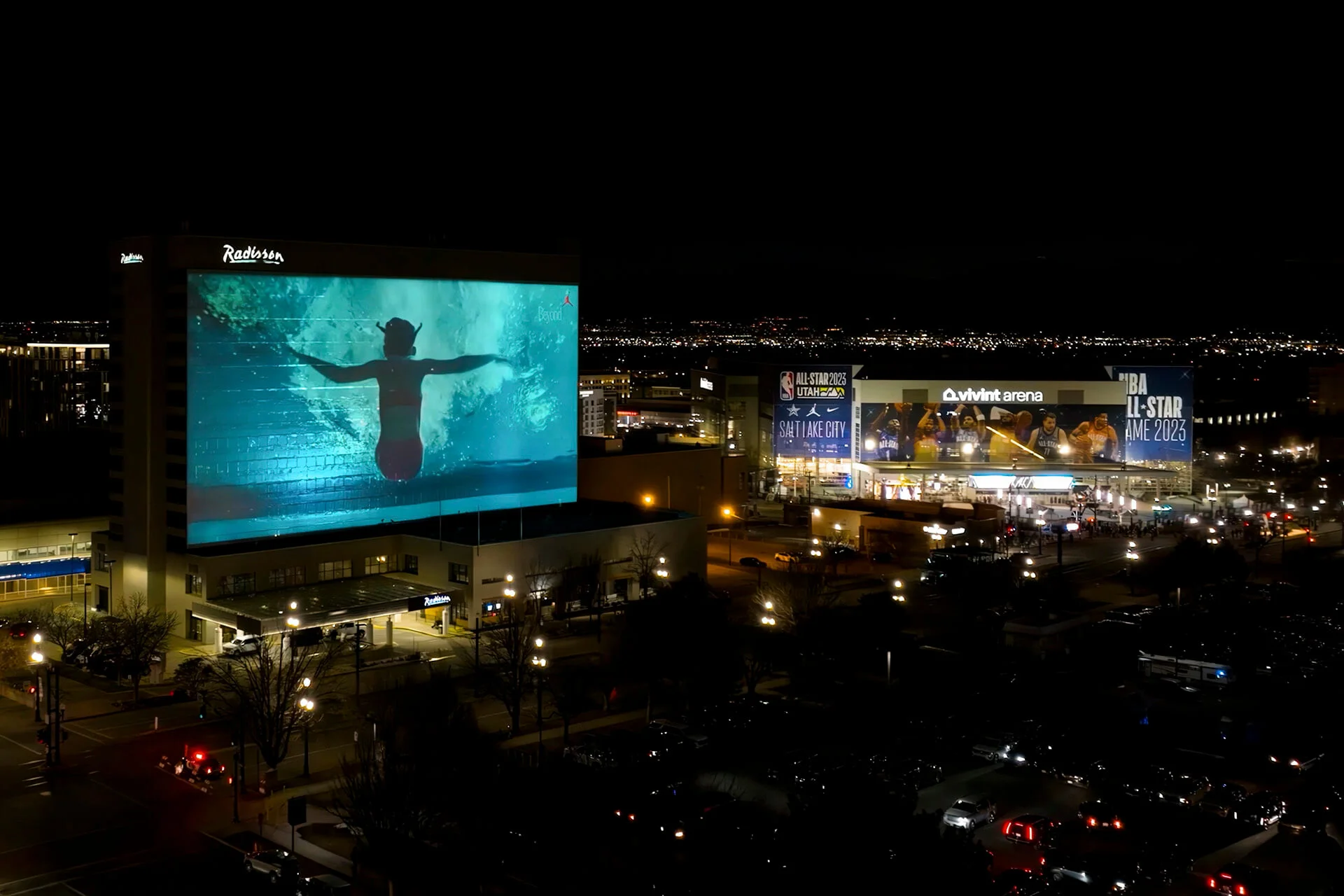
Over 15 years of producing large-scale projection mapping and immersive experiences for globally recognized brands gives Lumen and Forge the operational depth Reno productions require. Our portfolio includes building projections for Nike and Air Jordan at NBA All-Star Weekend, large-scale convention experiences for Toyota, McLaren, and Mastercard, a world record video game screen at the Tropicana, and the Beneath the Blue 360-degree dome for National Geographic. Our team is comfortable working alongside experienced production crews and holding a technical standard in front of an audience that knows the difference, which is exactly what Reno requires.
Who We Work With in Reno
Reno brings together visitors, locals, and a business base that spans gaming floors, distribution hubs, and factory floors. Here is who typically calls on projection mapping in the city.
- Gaming and hospitality. Resorts and casinos compete for attention every night of the week. Projection mapping gives them a way to turn a facade, an entry canopy, or an indoor event space into a spectacle that changes with the season, the promotion, or the headliner. Properties around the Reno Events Center, Grand Sierra Resort, and the downtown core use building projection to draw foot traffic, dress up private events, and give convention groups something worth photographing.
- Logistics and distribution. Companies in this sector host grand openings, safety milestones, and recruiting events where a plain warehouse wall will not carry the message. Object mapping and room-scale environments let them show scale, speed, and network reach in a way a slide deck cannot, whether the audience is new hires, civic partners, or customers touring a facility.
- Advanced manufacturing and battery technology. This industry lives on precision, and its events should look the part. Interactive installations and projection domes can visualize a production process, launch a product line, or anchor a trade show booth for audiences who spend their days around machinery and tolerances.
- Data centers. Groundbreakings, ribbon cuttings, and partner summits for this sector tend to draw technical and civic audiences at once. Projection mapping turns a stage or a lobby into a clear, controlled story about capacity, connectivity, and what the facility means for the region.
- Automotive and car culture. Reno knows cars, from the National Automobile Museum to the crowds that fill the streets for Hot August Nights. Dealerships, manufacturers, and event organizers use object mapping on vehicles and building projection on venues to launch models and celebrate car culture at scale.
- Outdoor recreation. Brands and organizations tied to trails, rivers, and open country use interactive installations and building projection at festivals, sponsor activations, and community events to put landscape and movement in front of an audience that already loves being outside.
Ready to Light Up the Biggest Little City?
Frequently Asked Questions: Projection Mapping in Reno
Standard projection displays a flat image on a flat screen or white wall. Projection mapping uses specialized software to warp, align, and calibrate video content so it fits precisely onto any three-dimensional surface, whether that is a building exterior, a custom sculpture, a vehicle, or an entire room. The software accounts for every edge, angle, and curve, so the content appears to belong to the object itself rather than simply being cast onto it. In a city full of working production professionals, that level of precision is what separates a real installation from a lighting effect.
Yes. Reno's high desert climate gives you a long outdoor season, and the city's biggest moments fall inside it: Reno Rodeo in June, Artown in July, Hot August Nights from late July into early August, the Great Reno Balloon Race in September. Summer sunsets run late, so full darkness arrives well after most crowds gather, which means you plan cues around ambient light rather than fighting it. Bright venues such as the Reno Arch and Wingfield Park need higher output and careful contrast control.
The Reno Arch is a natural canvas for a high-visibility building projection. The Nevada Museum of Art and National Automobile Museum offer distinctive facades for object mapping, while the Pioneer Center for the Performing Arts and Lawlor Events Center suit large-scale shows. Wingfield Park and the Reno Events Center work well for immersive installations and room-scale environments.
Reno's event calendar gives projection mapping plenty of anchors. Reno Rodeo in June and Artown in July draw big summer crowds, while Hot August Nights runs late July into early August and brings car culture downtown. The Great Reno Balloon Race takes over in September, and the Reno River Festival fills Idlewild Park in late May. Add the Reno Jazz Festival at the University of Nevada, Reno and Hot August Nights Spring Fever in May.
Yes. Lumen and Forge coordinates permits, power, rigging and site logistics with the venue, so your team is not chasing paperwork between install days. For special events in Reno, that means working within the city's Special Event Permit process, submitted through the Accela portal under Business Licensing and Events at least 90 days ahead, after reserving the park or plaza with Reno Parks and Recreation, followed by Special Event Review Committee review.
What projection mapping costs in Reno depends on the surface you are mapping, the complexity of the content, how long the installation runs, and the equipment and crew required on site. A single-surface building projection on the Reno Arch is a different scope than a room-scale environment inside the Nevada Museum of Art or a dome build for an event at the Reno Events Center. Interactive installations, multi-projector blends and multi-night runs during Reno Rodeo or Hot August Nights each carry their own production demands. Lumen and Forge scopes every project individually.
Projection mapping fits imagery to any flat or gently curved surface, so content lines up exactly with a facade or stage wall. 3D projection mapping goes further, mapping onto surfaces with real depth: corners, columns, setbacks and objects, so the projected content reads as three dimensional from the audience's viewpoint. At the National Automobile Museum, that approach can wrap a building's architectural relief rather than just its flat frontage.
In addition to projection mapping, we offer dome projection for fully immersive 360-degree spherical experiences, event and project design for end-to-end production planning, and animation and visual storytelling for original content creation. Many of our Reno clients combine projection mapping with one or more of these services into a single integrated production. We are a full-service immersive experience company, and the strongest work we build is conceived as a whole from the first conversation.
Do you have more questions?
Didn't find what you were looking for? Our team is happy to walk you through your project and answer anything else