

Projection Mapping for the City Different
Santa Fe runs on culture, and its calendar proves it. The International Folk Art Market in July and Santa Fe Indian Market in August bring makers, collectors and cultural tourists into the same compact downtown, followed by the Burning of Zozobra and the Santa Fe Wine & Chile Fiesta in September, the Santa Fe International Film Festival in October, Dia de los Muertos on the Plaza, Winter Indian Market and the Canyon Road Farolito Walk to close the year. For brands and event marketers, that rhythm means audiences are already gathered, primed and photographing everything.
The venue mix rewards projection mapping. The Lensic Performing Arts Center, the Georgia O'Keeffe Museum and the New Mexico Museum of Art serve arts and museum audiences. Meow Wolf House of Eternal Return and Warehouse 21 draw immersive and experimental crowds. The Santa Fe Community Convention Center, the New Mexico State Capitol, Santa Fe Plaza, the Railyard and Fort Marcy Park give you room for large-scale building projection and room-scale environments.
Add state government, hospitality and destination events, film and television production, and science and research, and Santa Fe becomes a market where a single installation can reach cultural tourists, locals and institutional audiences at once.
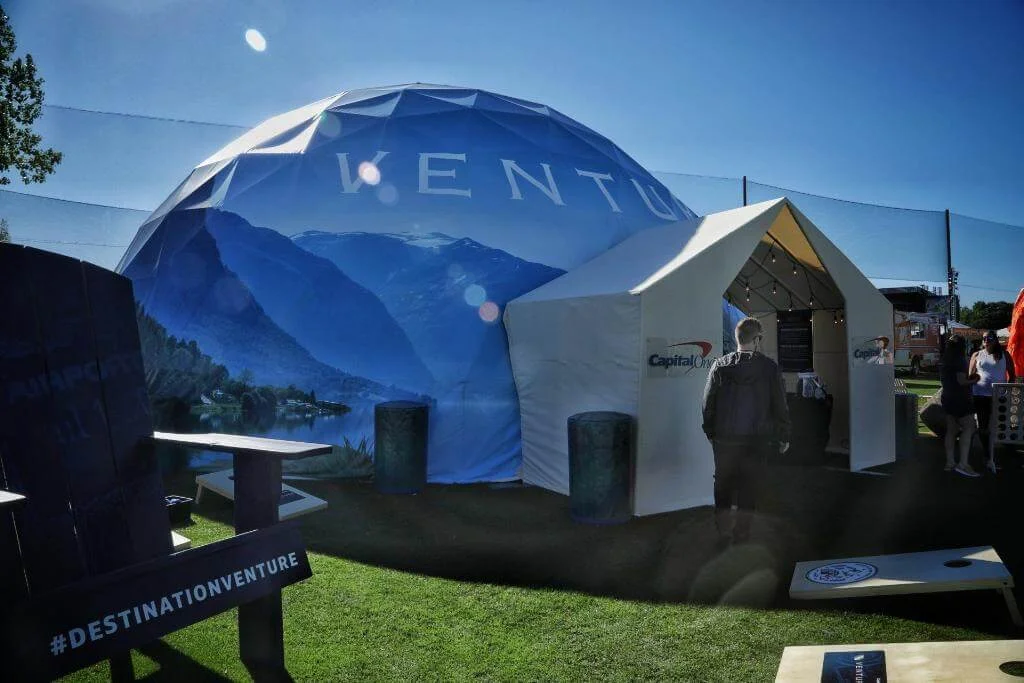
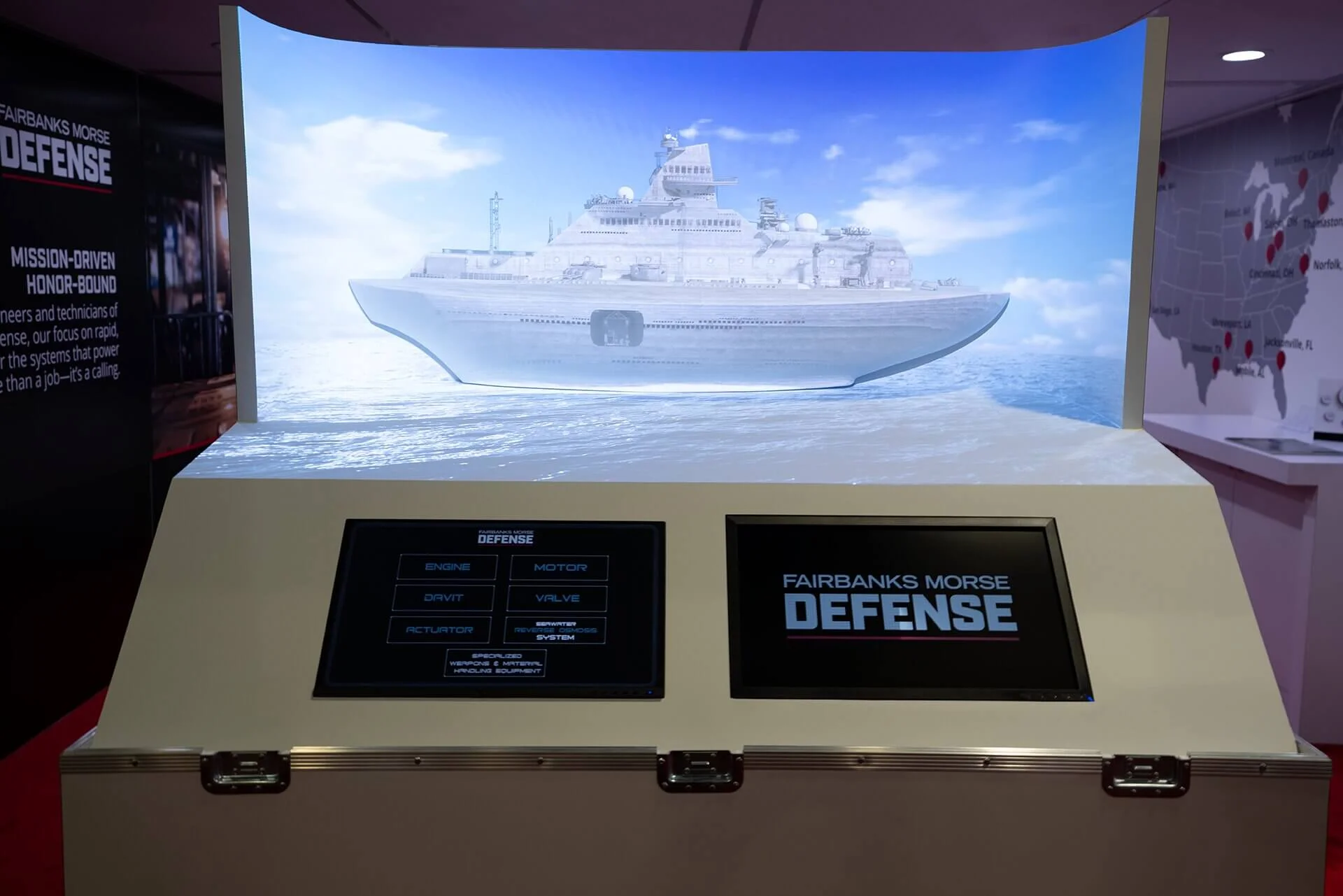
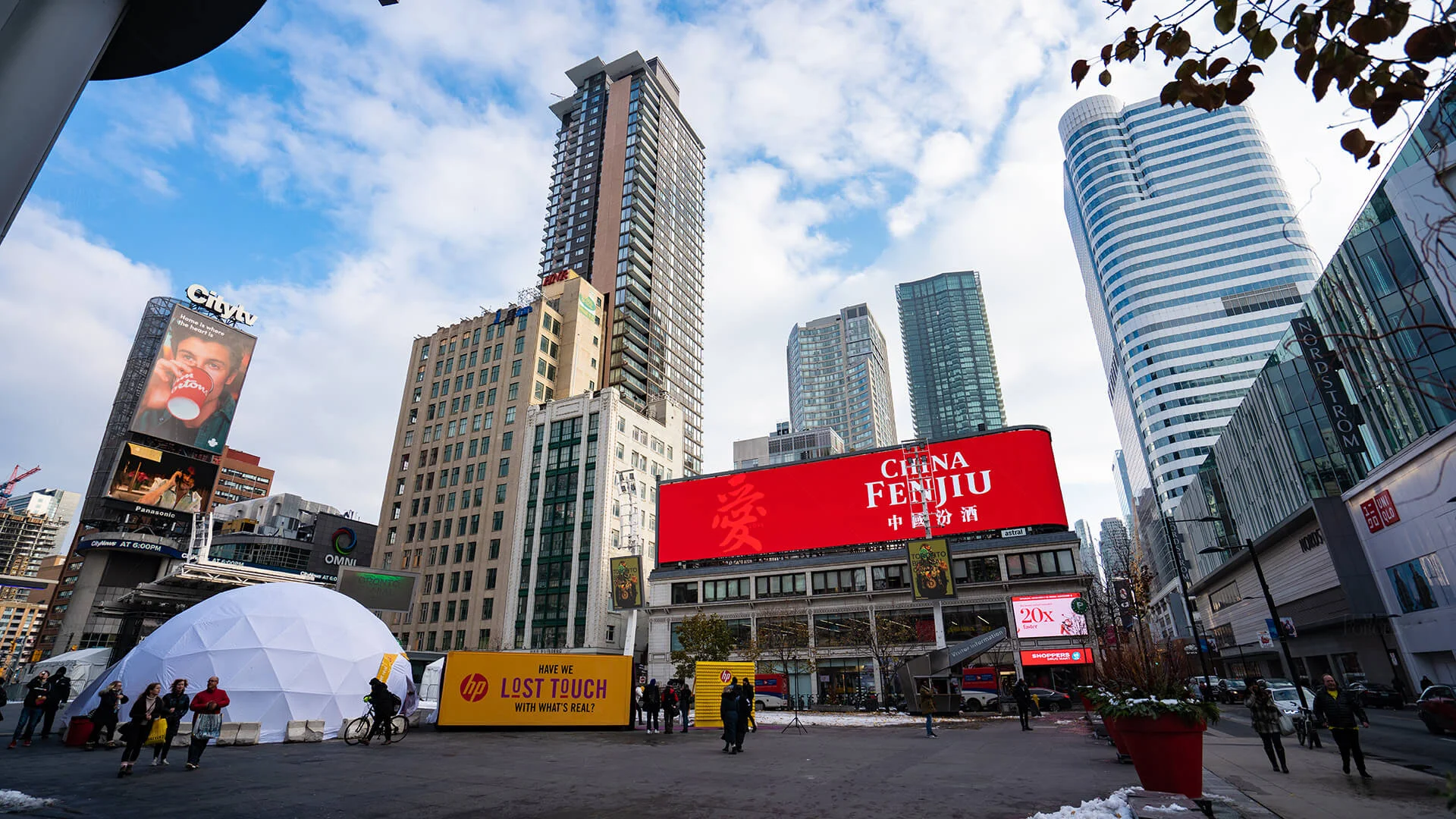
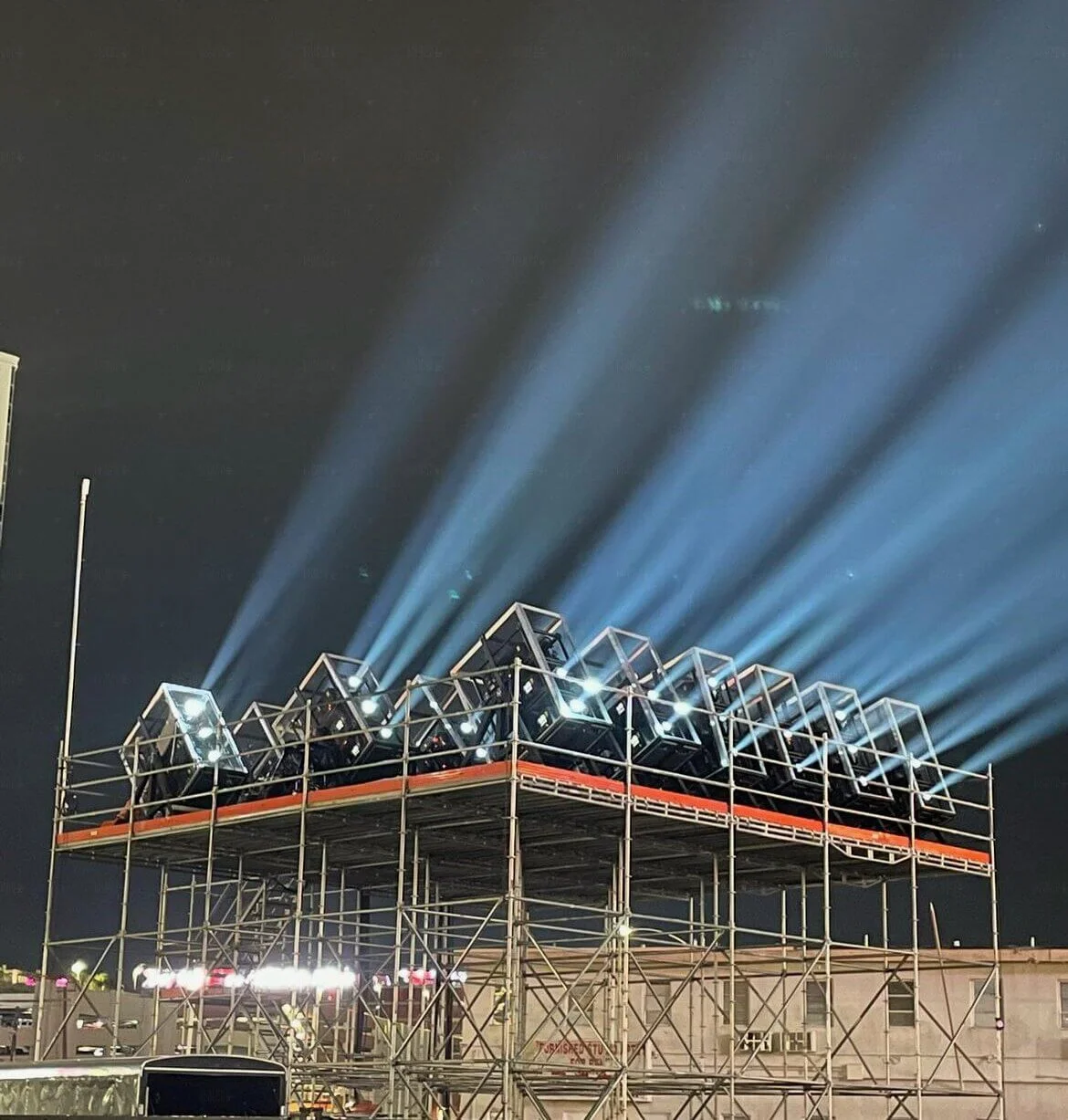
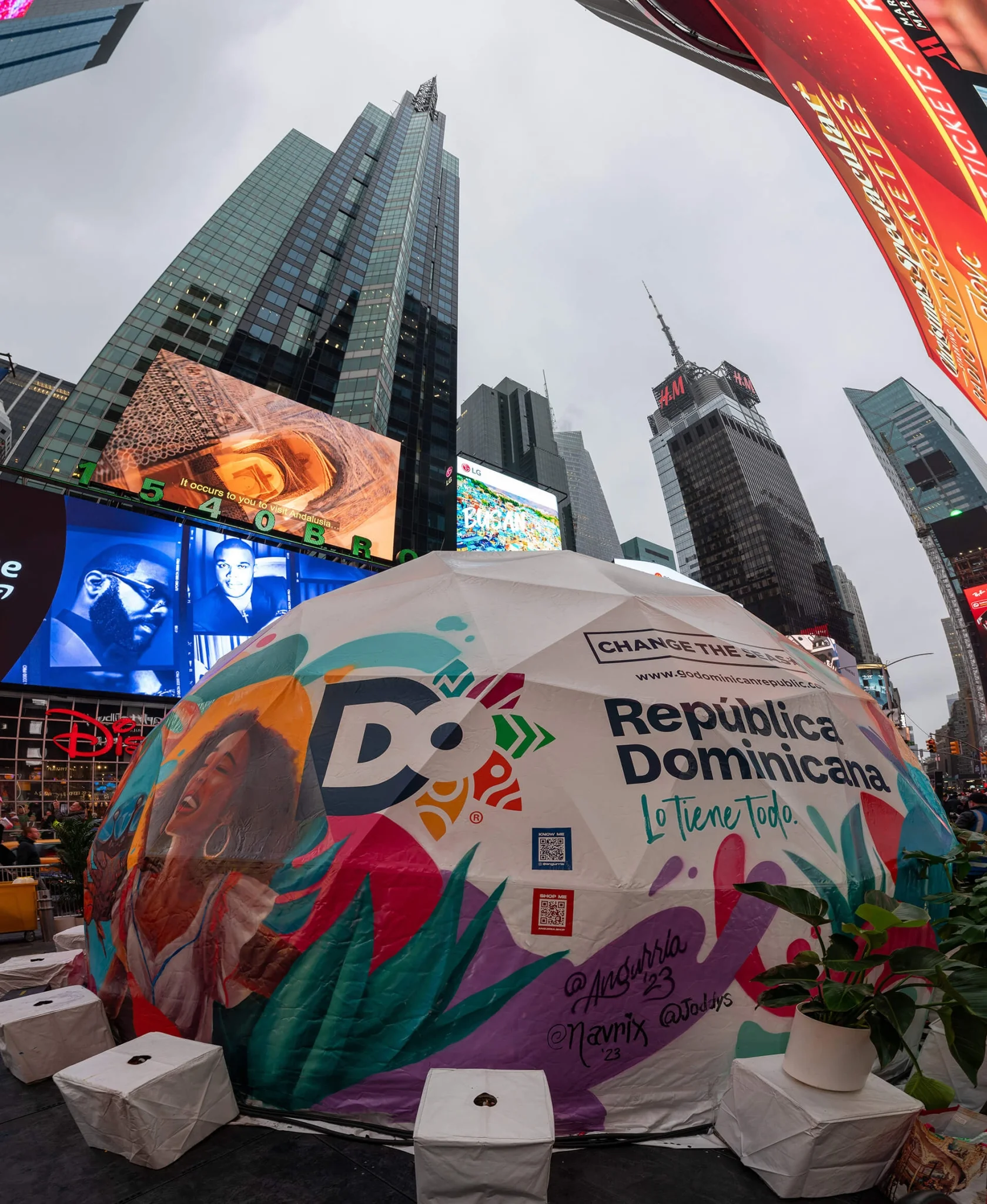
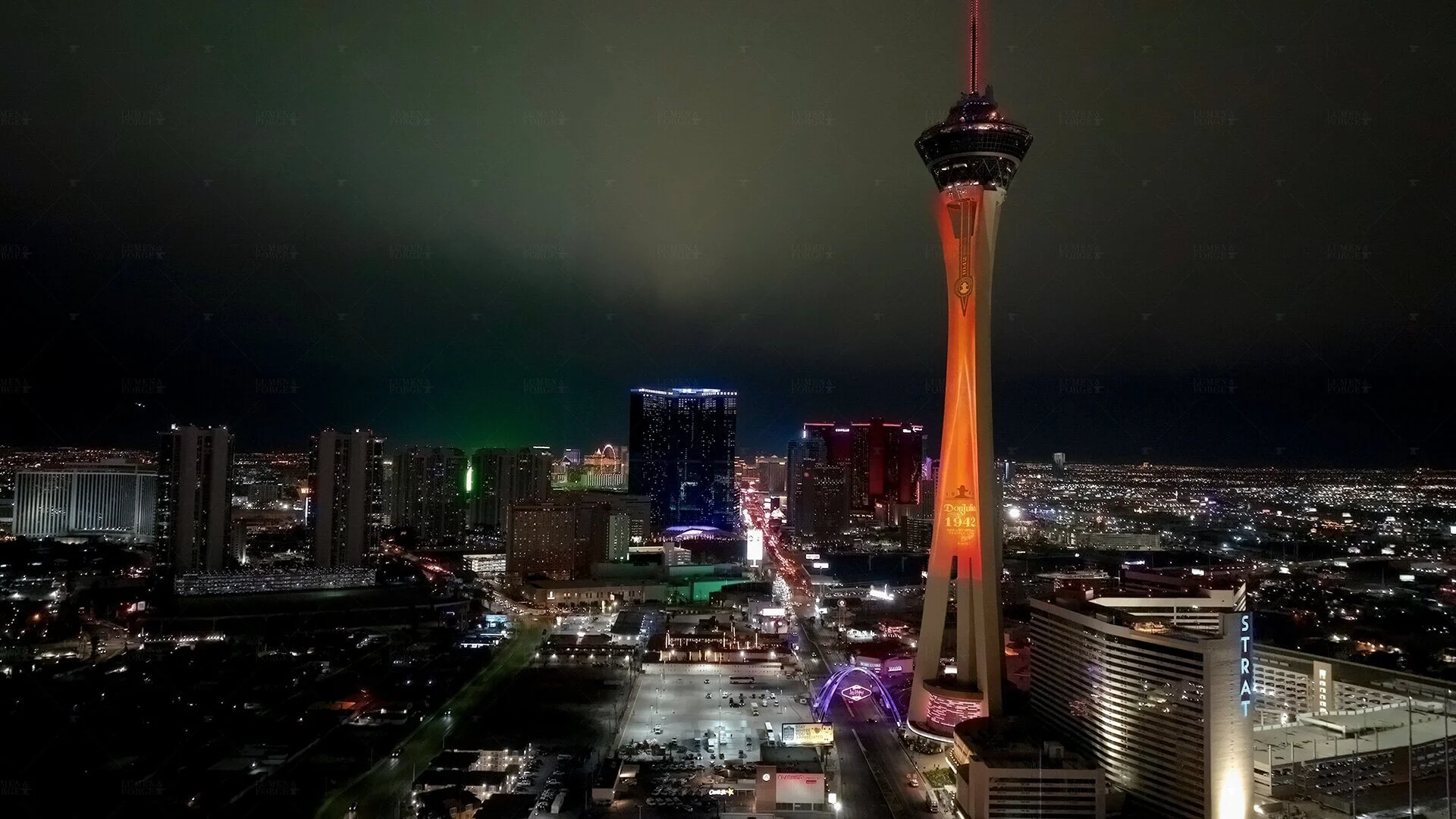
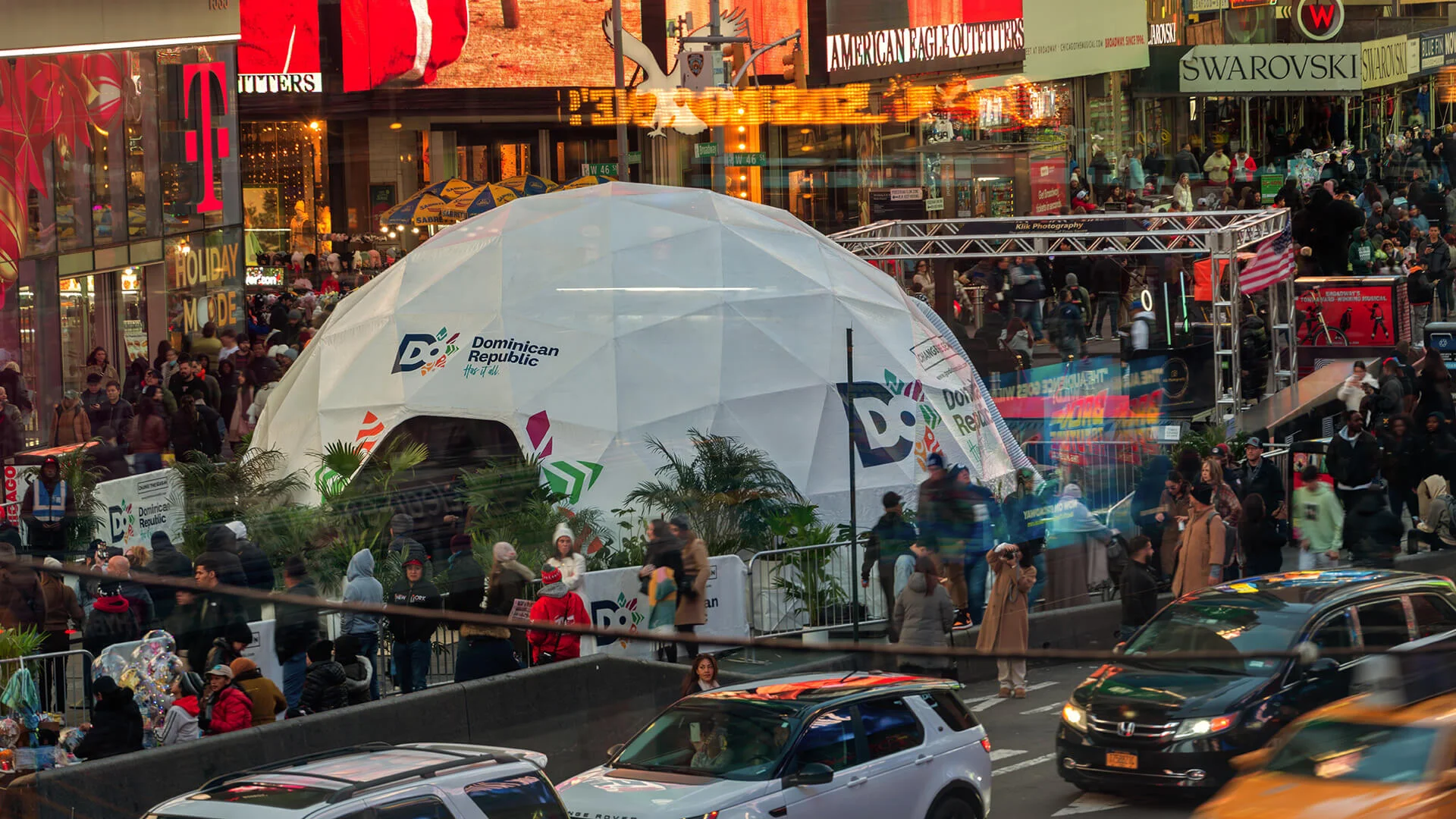
Take A Closer Look
A Deeper Look Into Animation & Visual Story Telling
A Deeper Look Into
Projection Mapping
Projection Mapping: Turning Any Surface Into a Story
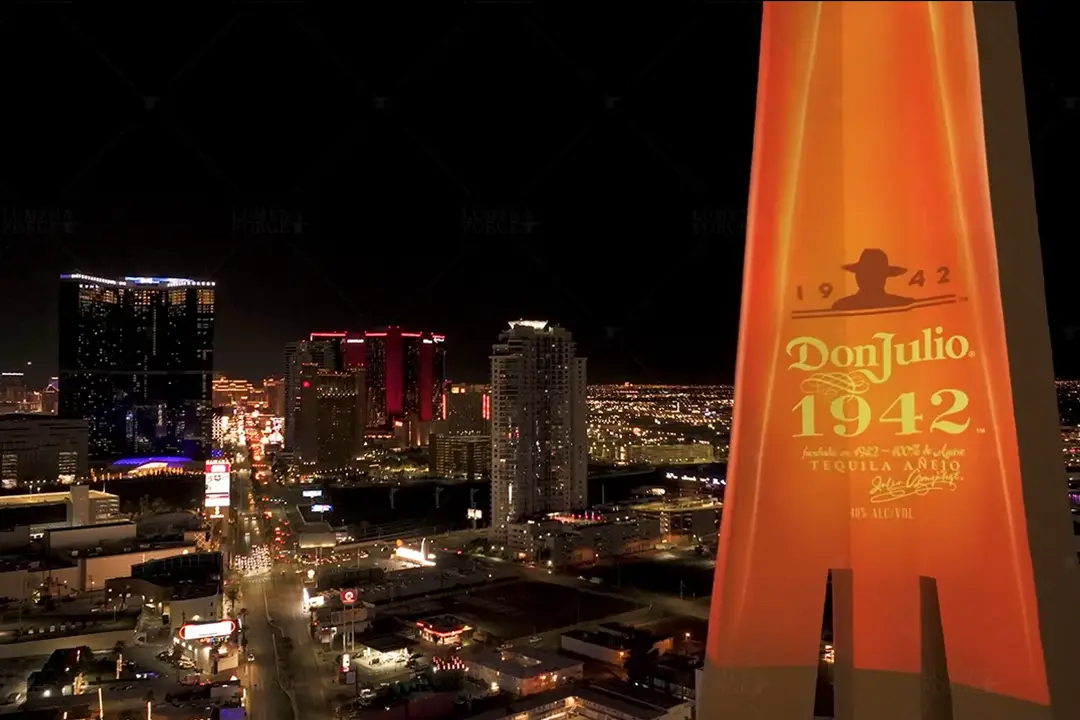
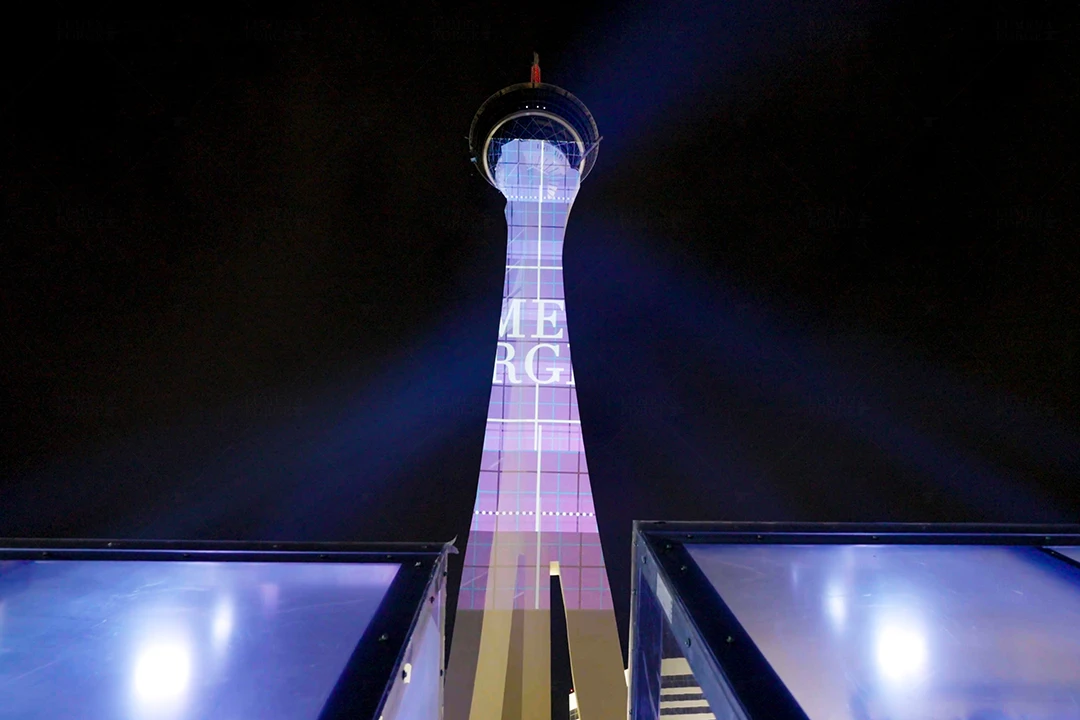
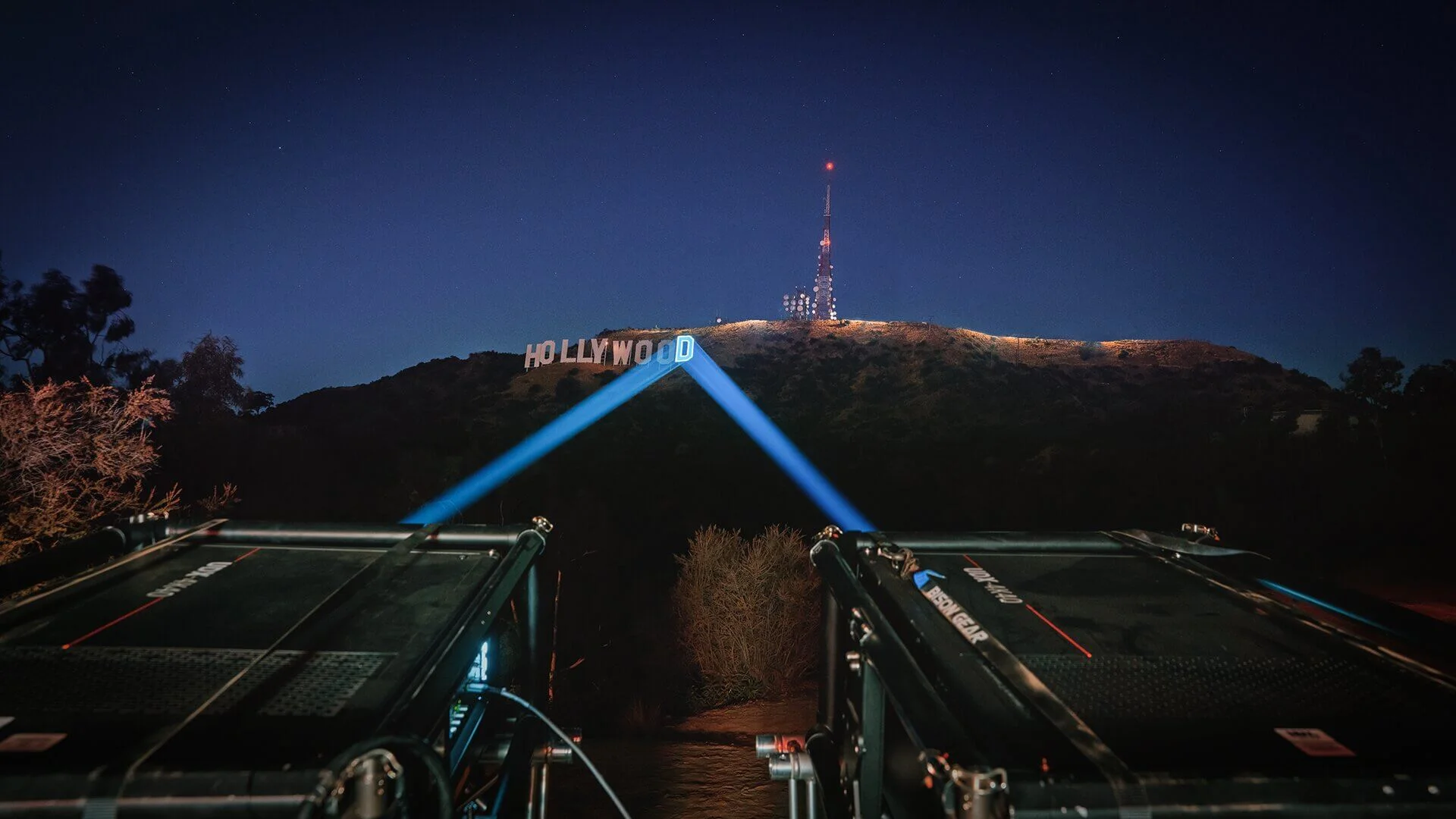
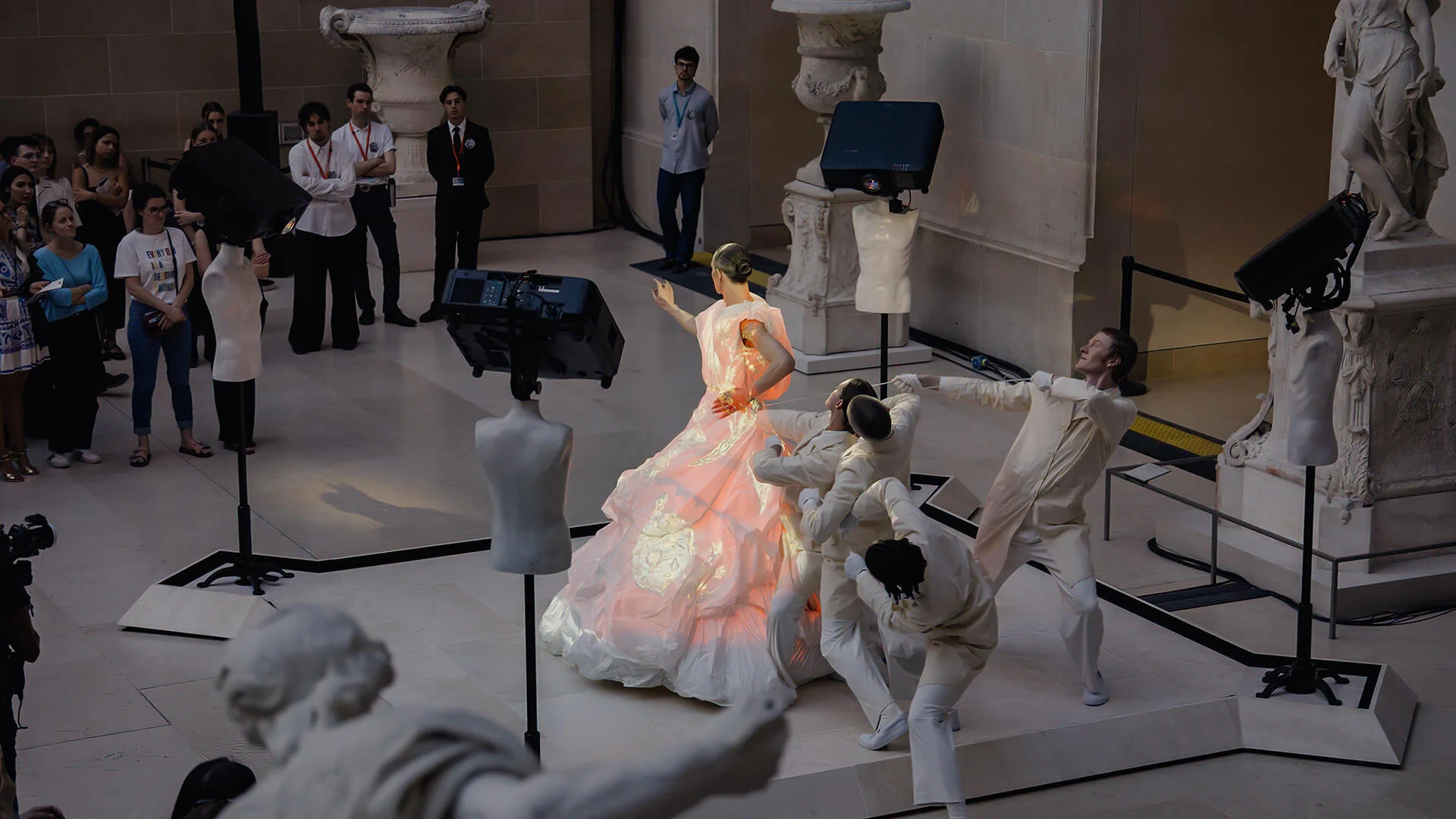
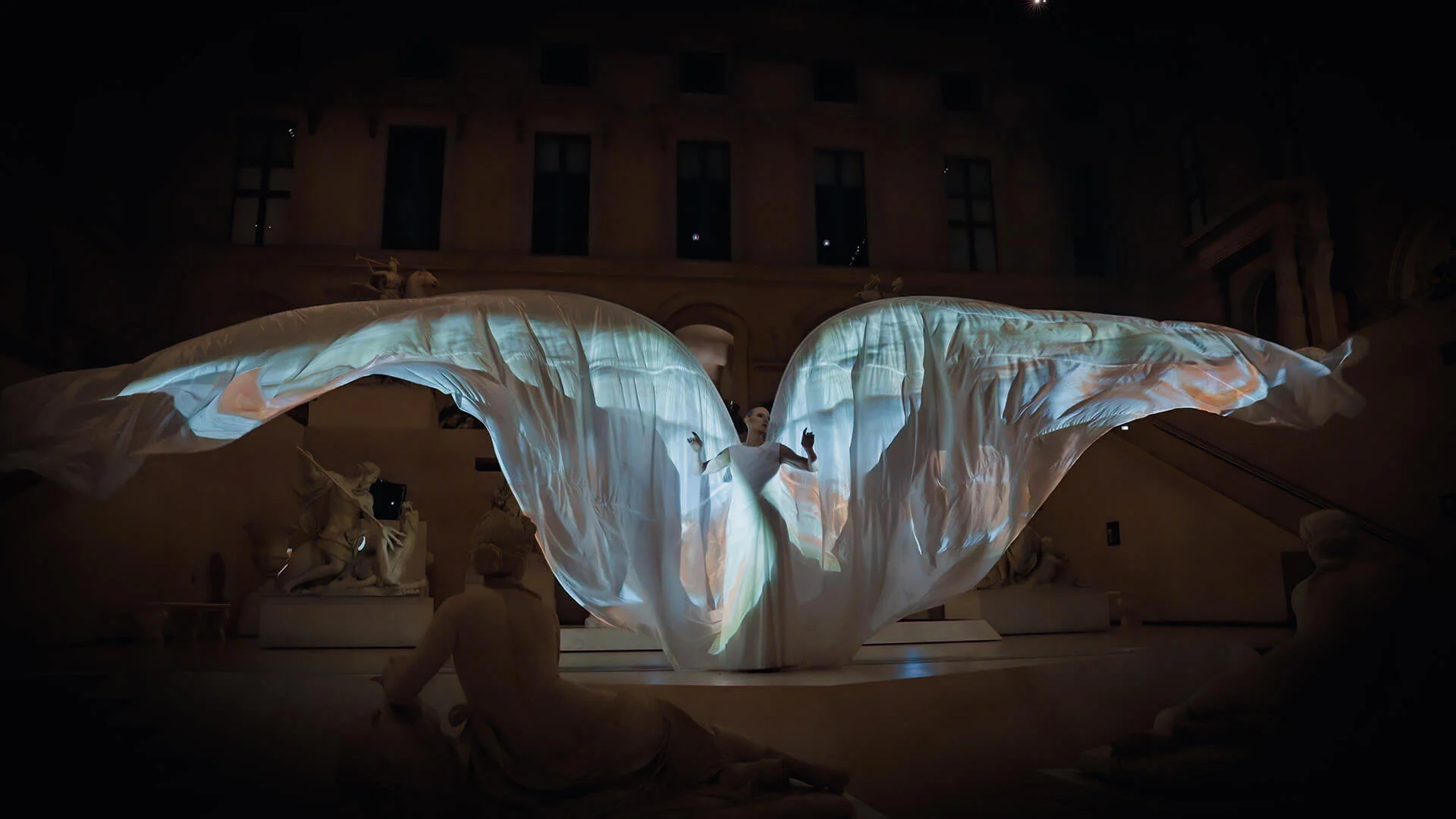
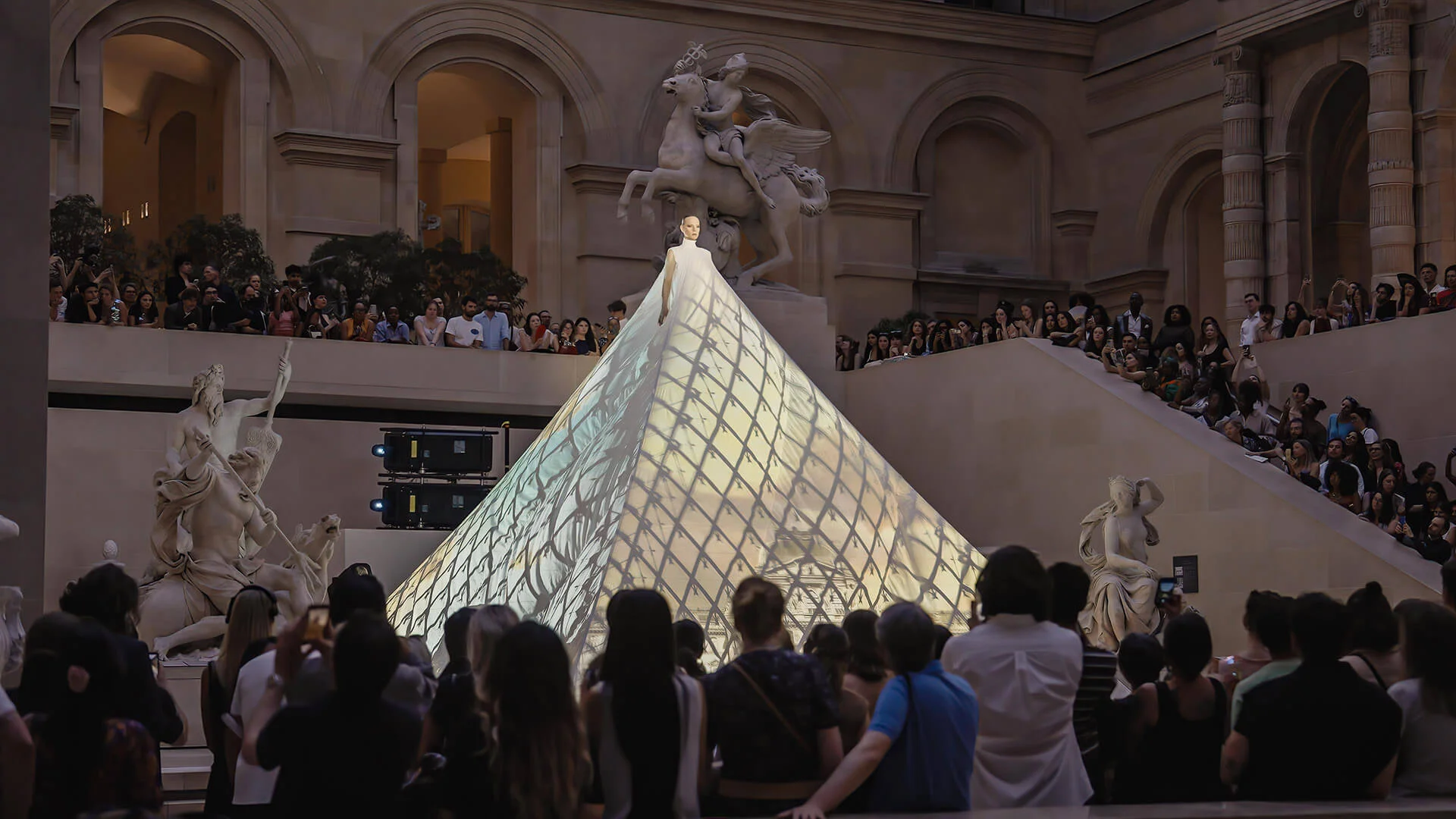
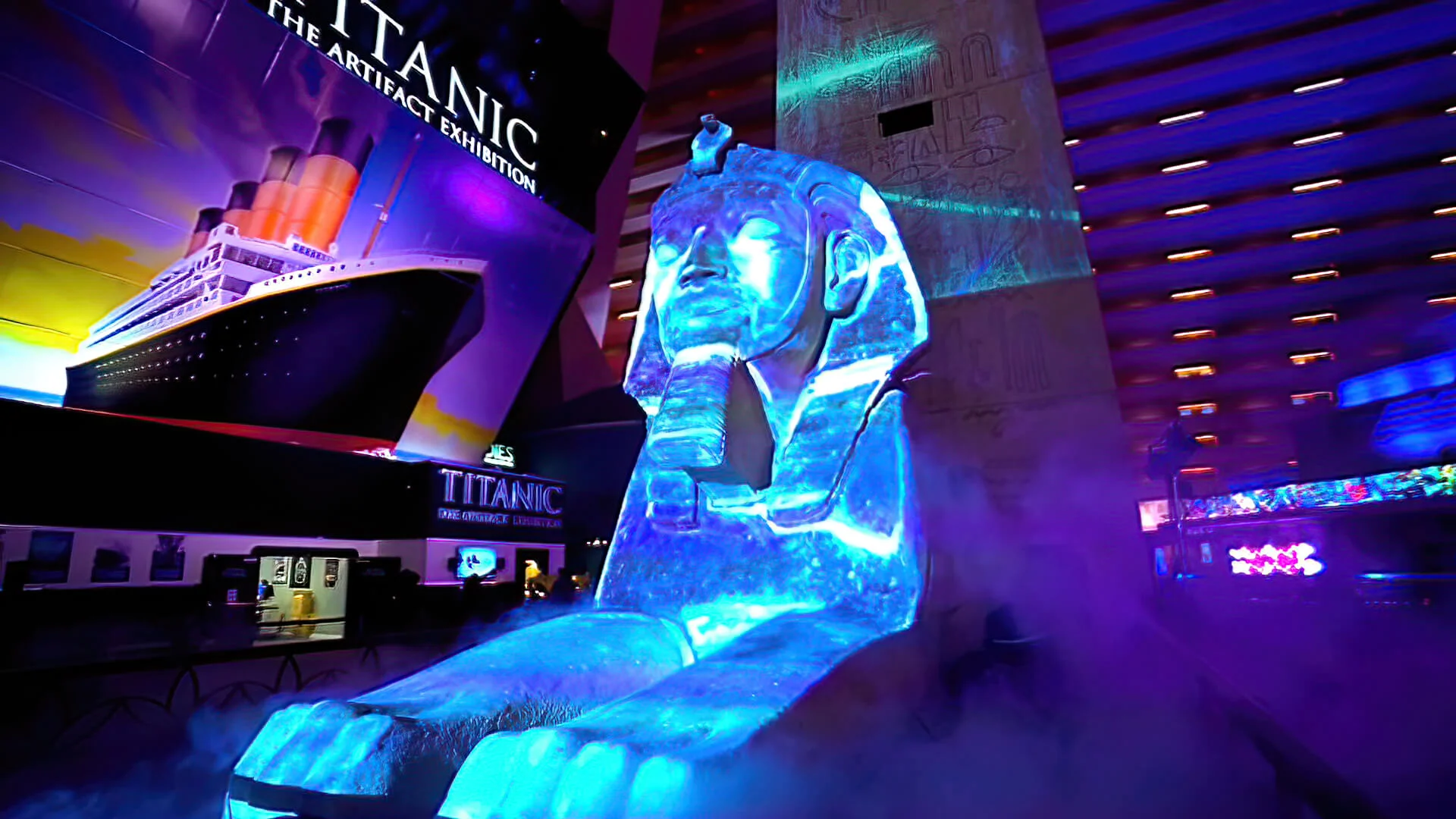
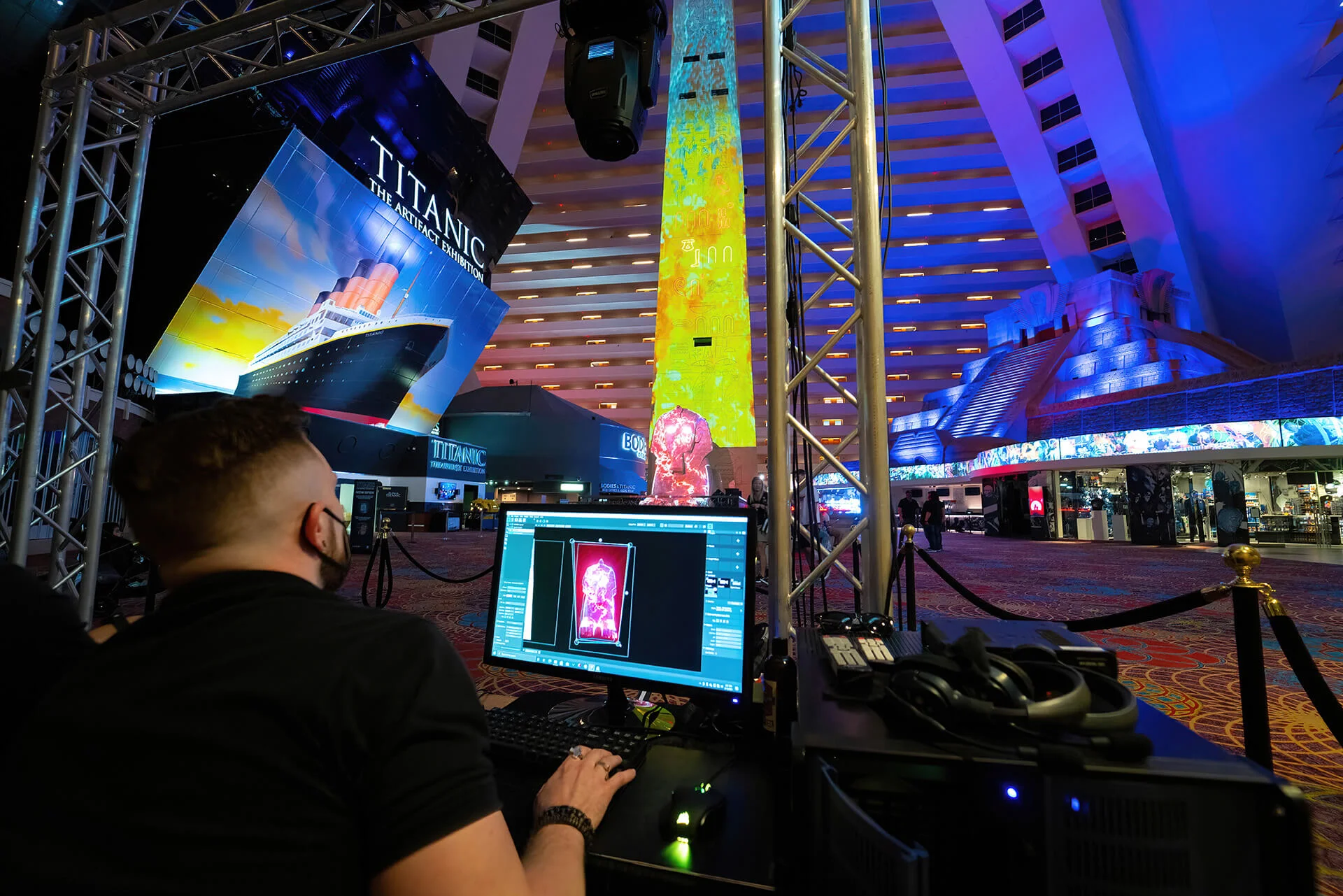
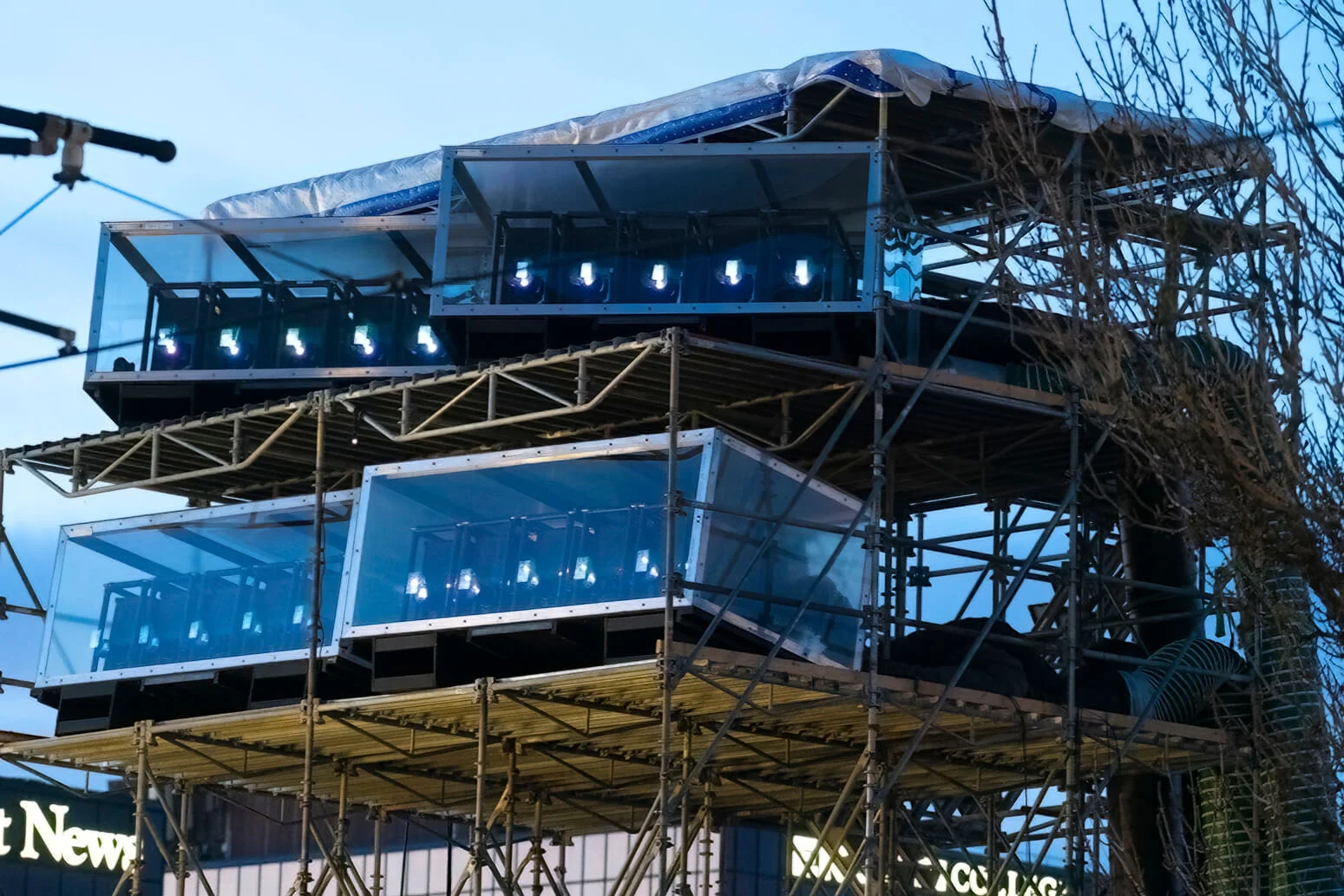
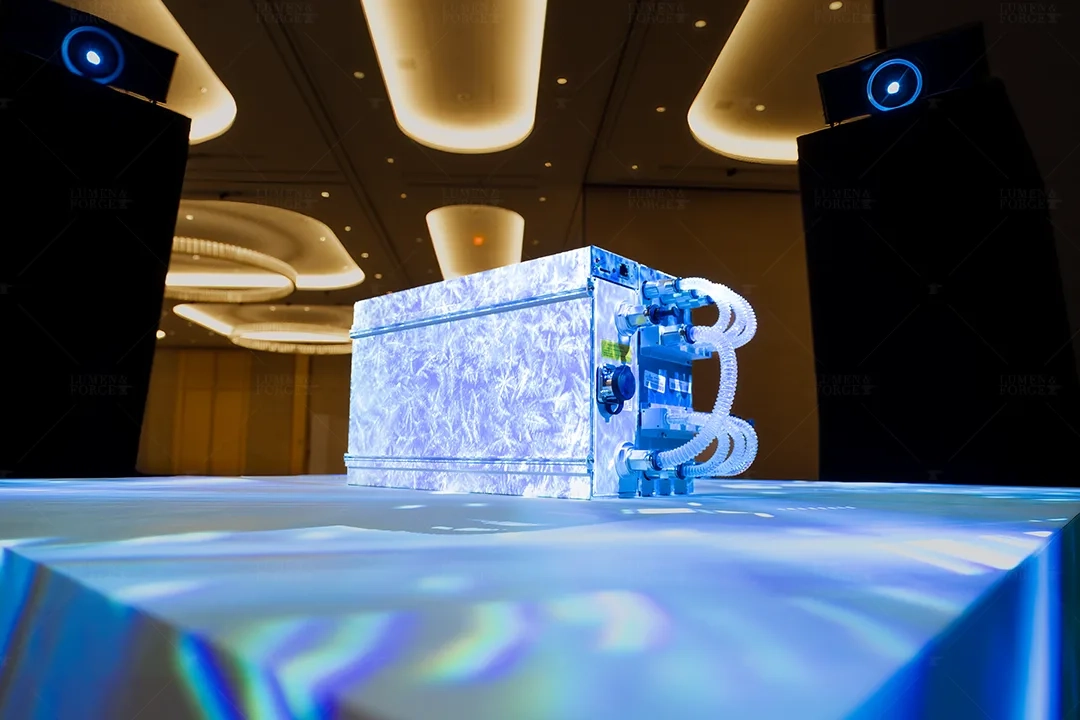
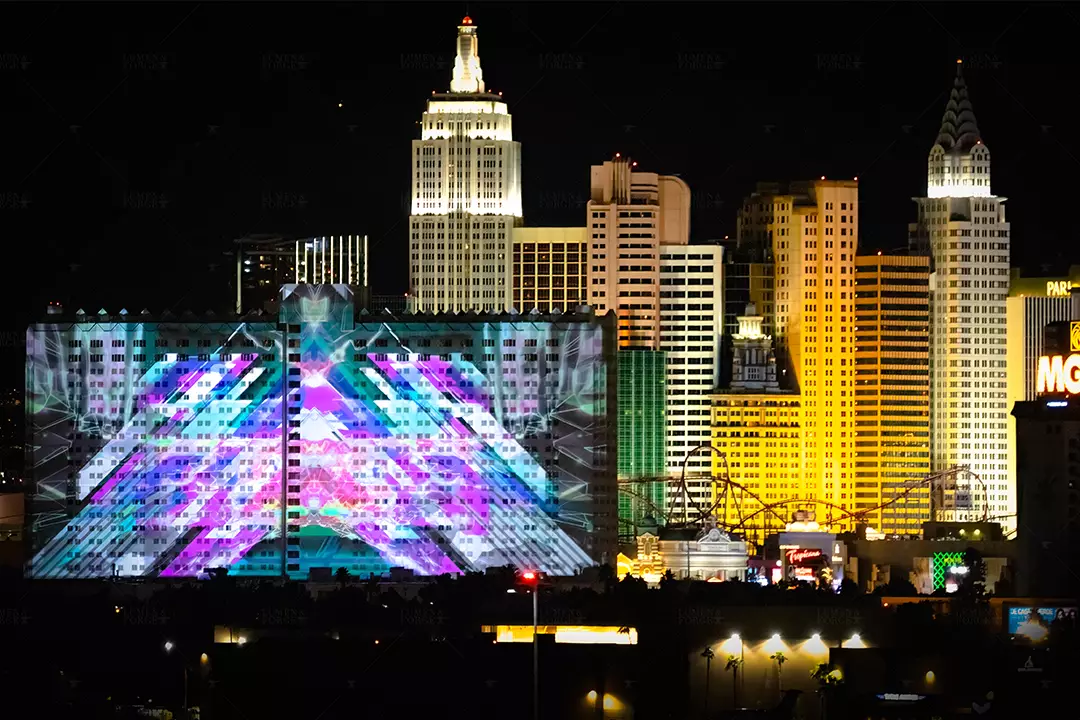
Projection mapping is the craft of shaping light to fit a surface rather than filling a rectangle. Instead of a flat screen, mapped light lands on architecture and objects, with each pixel aligned to corners, cornices and curves so the projection reads as part of the structure. The result is dimensional: a facade can appear to shift and breathe, an object can seem to rotate or dissolve, and a room can become a surround environment. Flat projection shows an image. Mapping turns a building or an object into the image.
Santa Fe's built environment gives that technique plenty to work with. The Pueblo Revival massing of the Santa Fe Community Convention Center and the New Mexico Museum of Art offers broad walls and deep shadow lines. The Lensic Performing Arts Center, Meow Wolf House of Eternal Return, Warehouse 21 and the Georgia O'Keeffe Museum suit interior and object work, while Santa Fe Plaza, the Santa Fe Railyard Park and Fort Marcy Park support large outdoor canvases. The New Mexico State Capitol extends the same approach to government and civic programming.
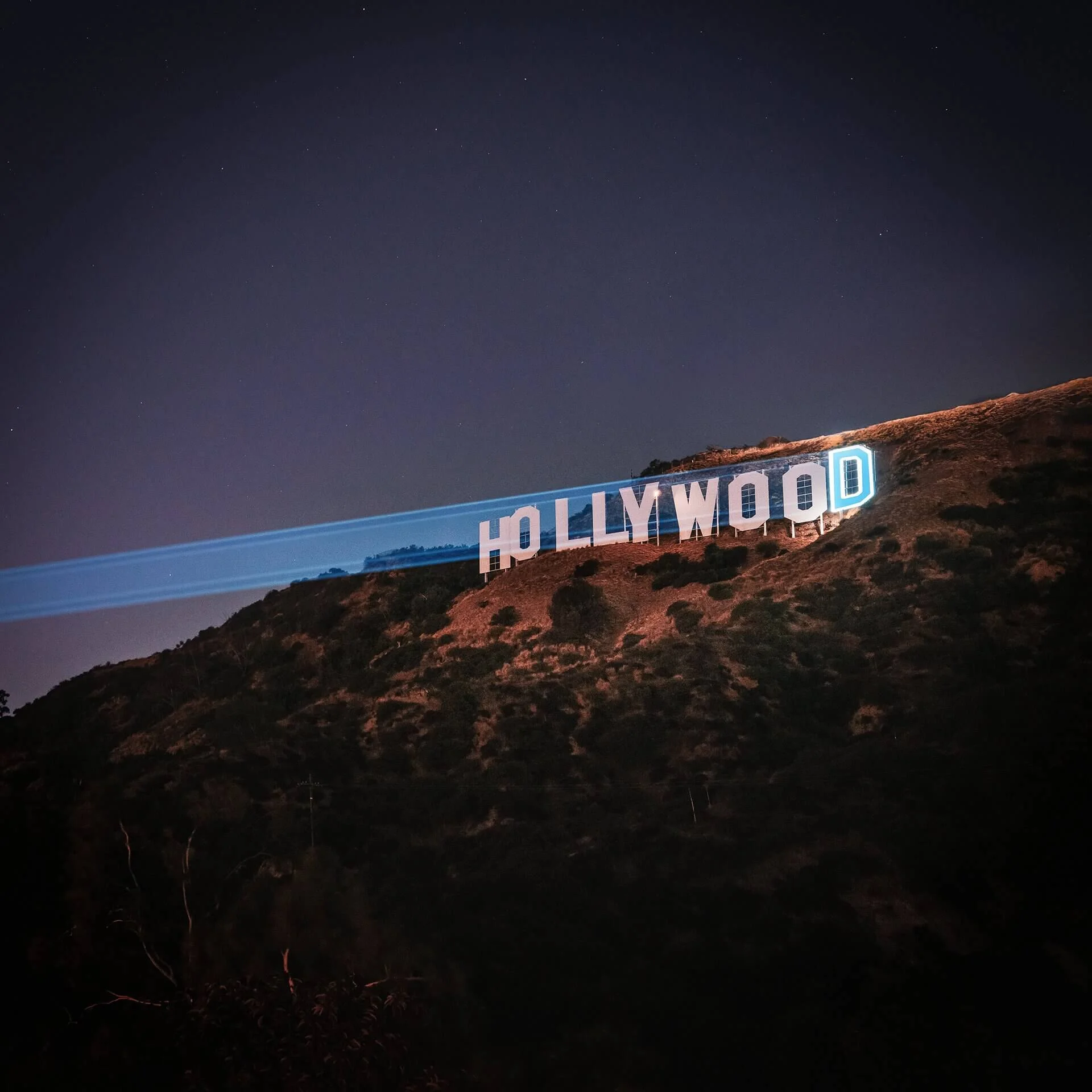
Building and Architectural Projection
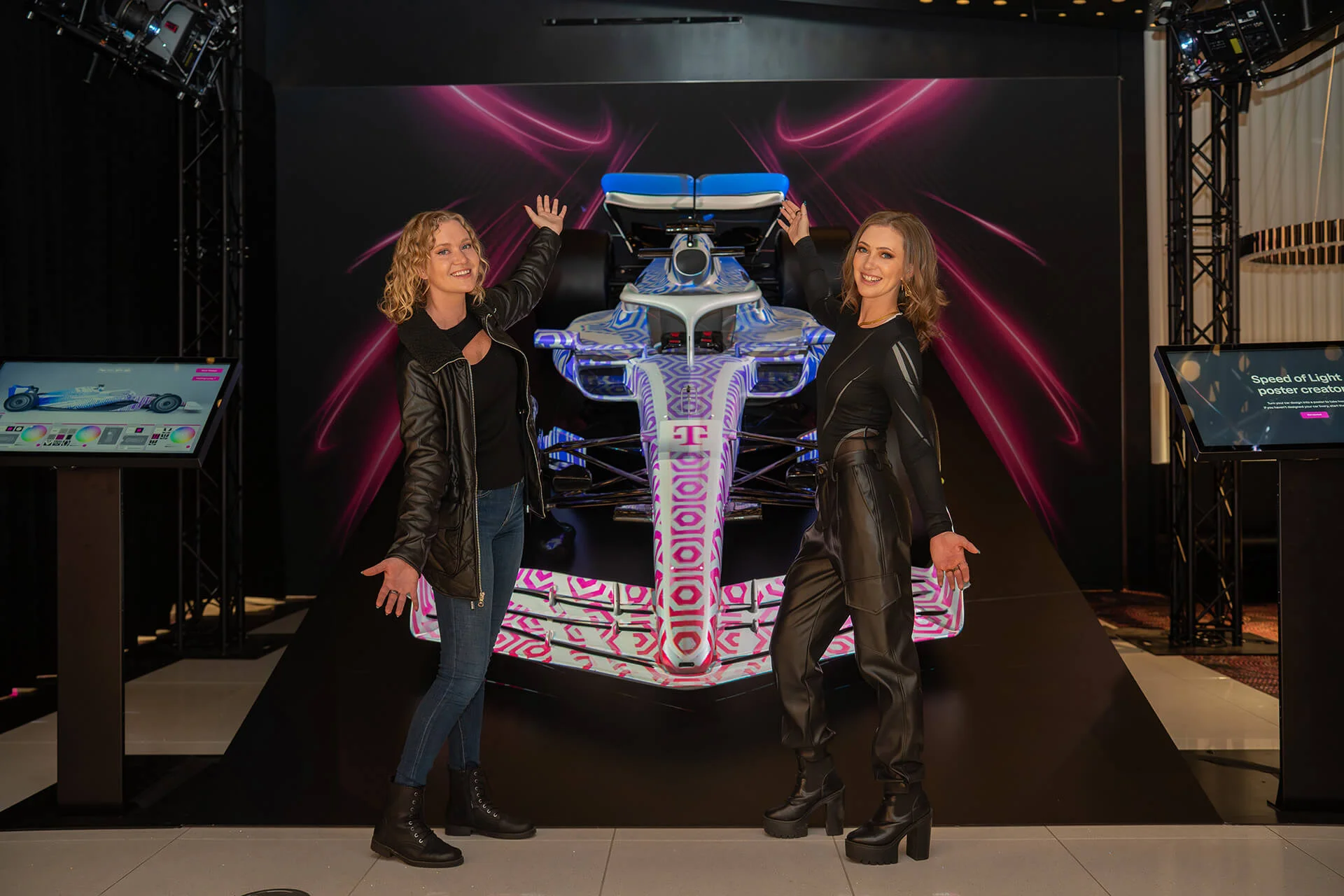
Object and Product Projection Mapping
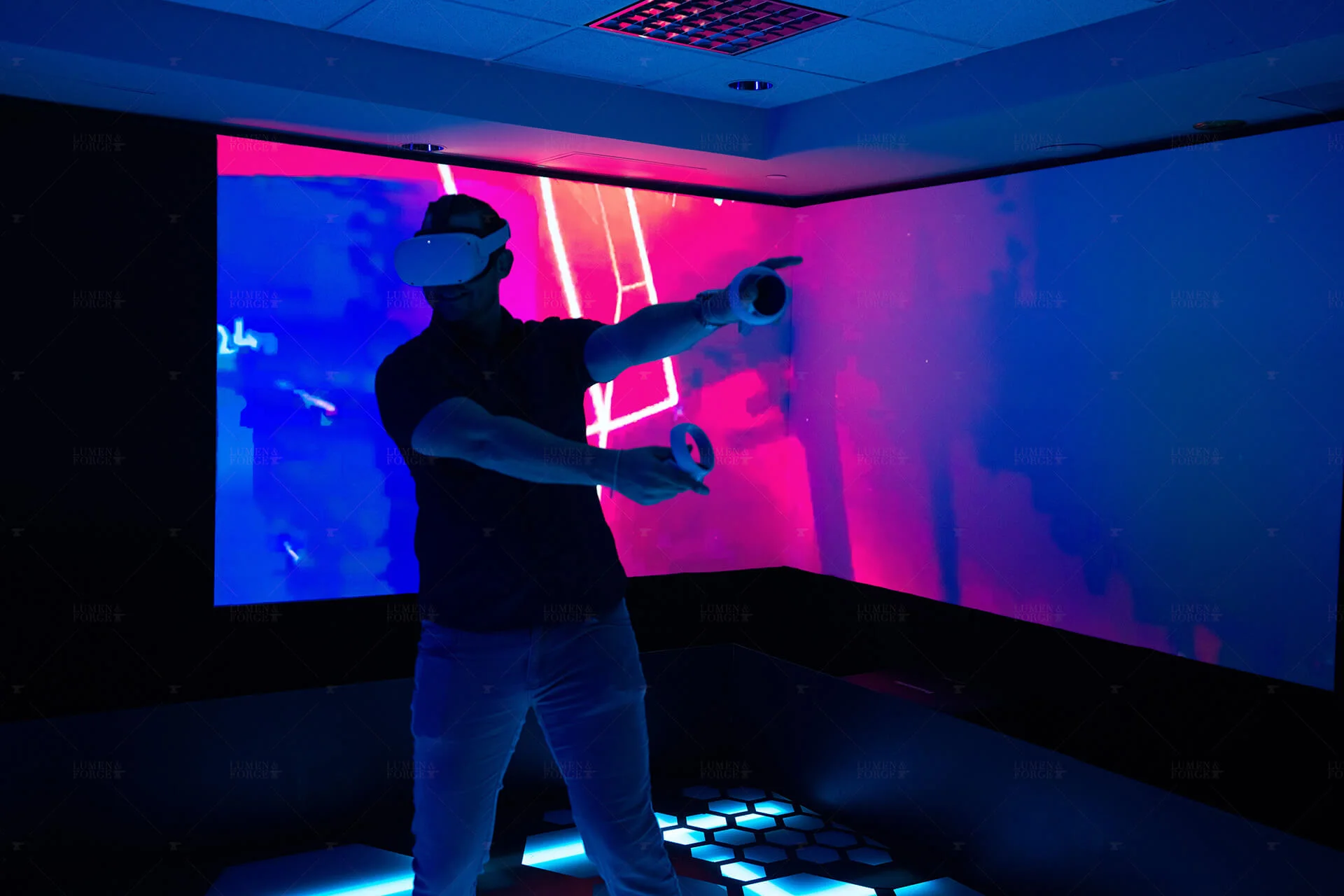
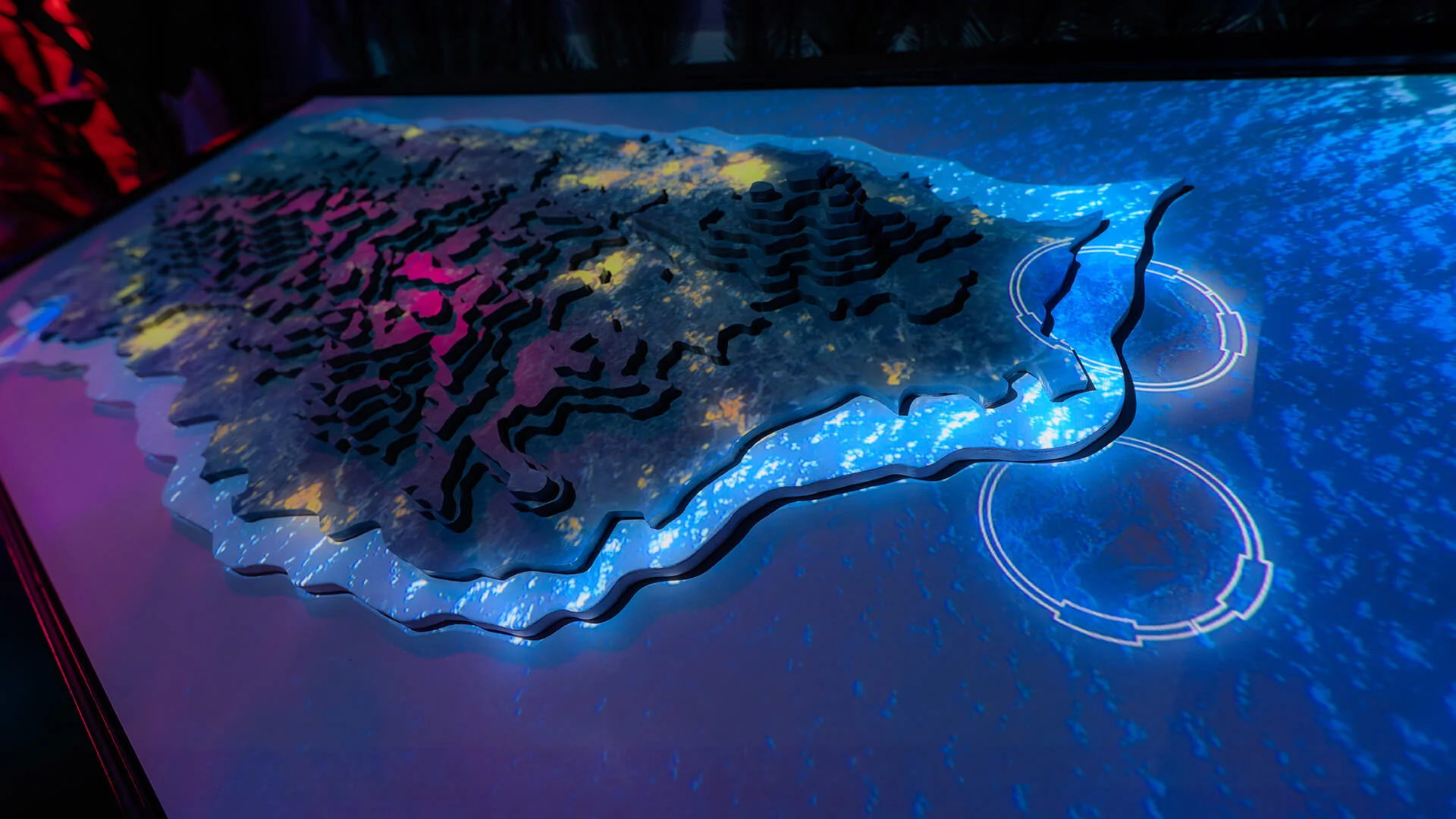
Interactive Projection
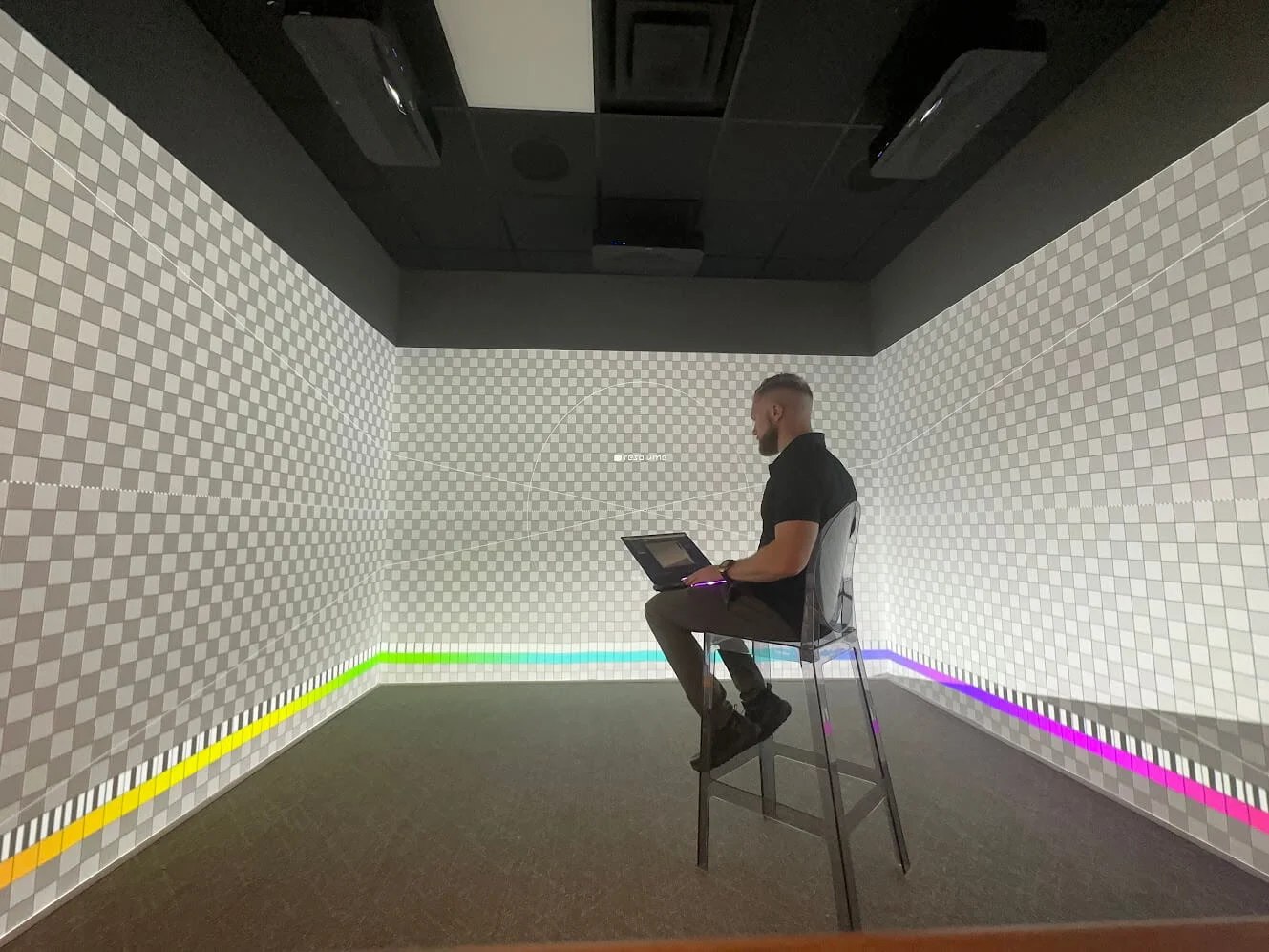
Room and Environment Mapping
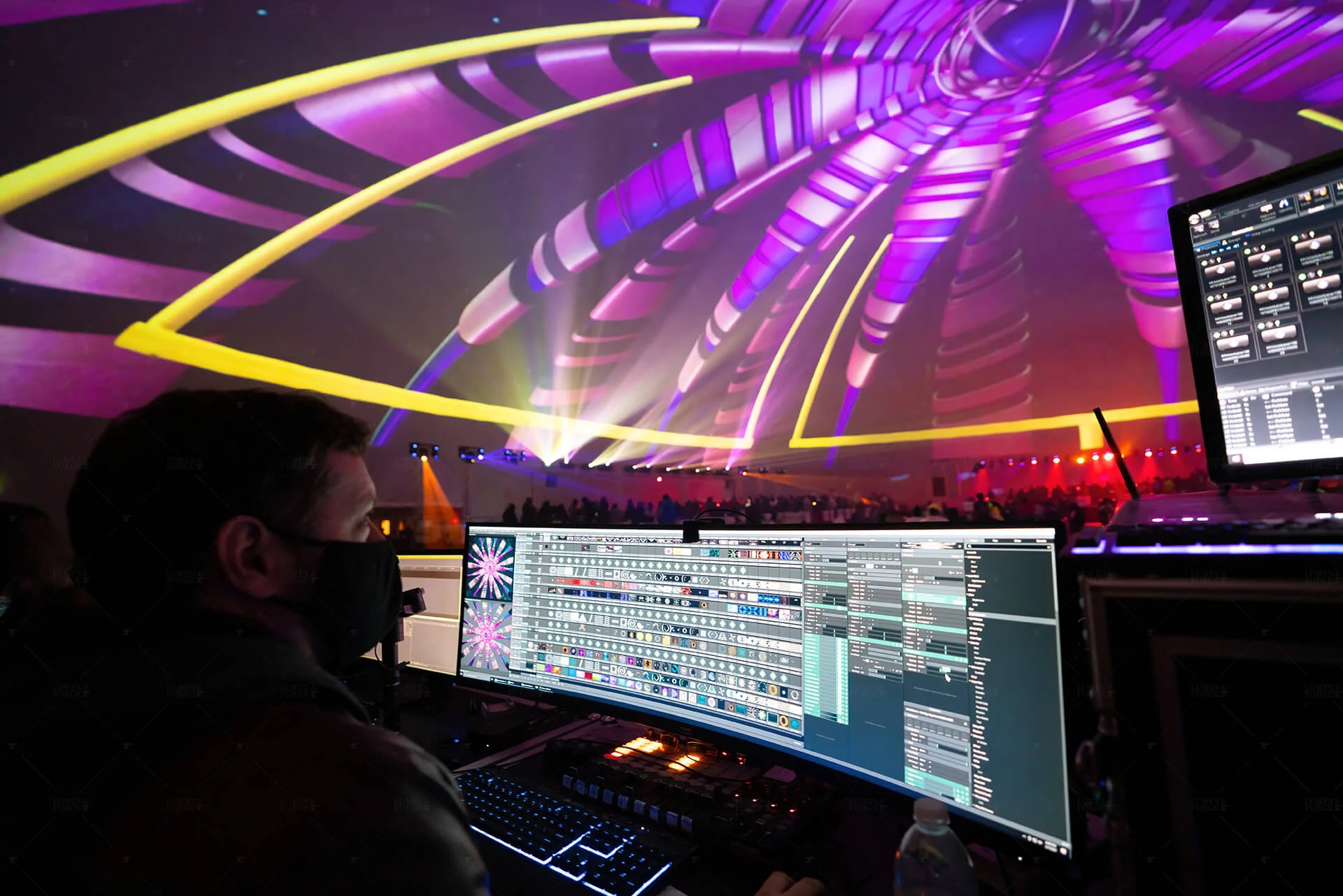
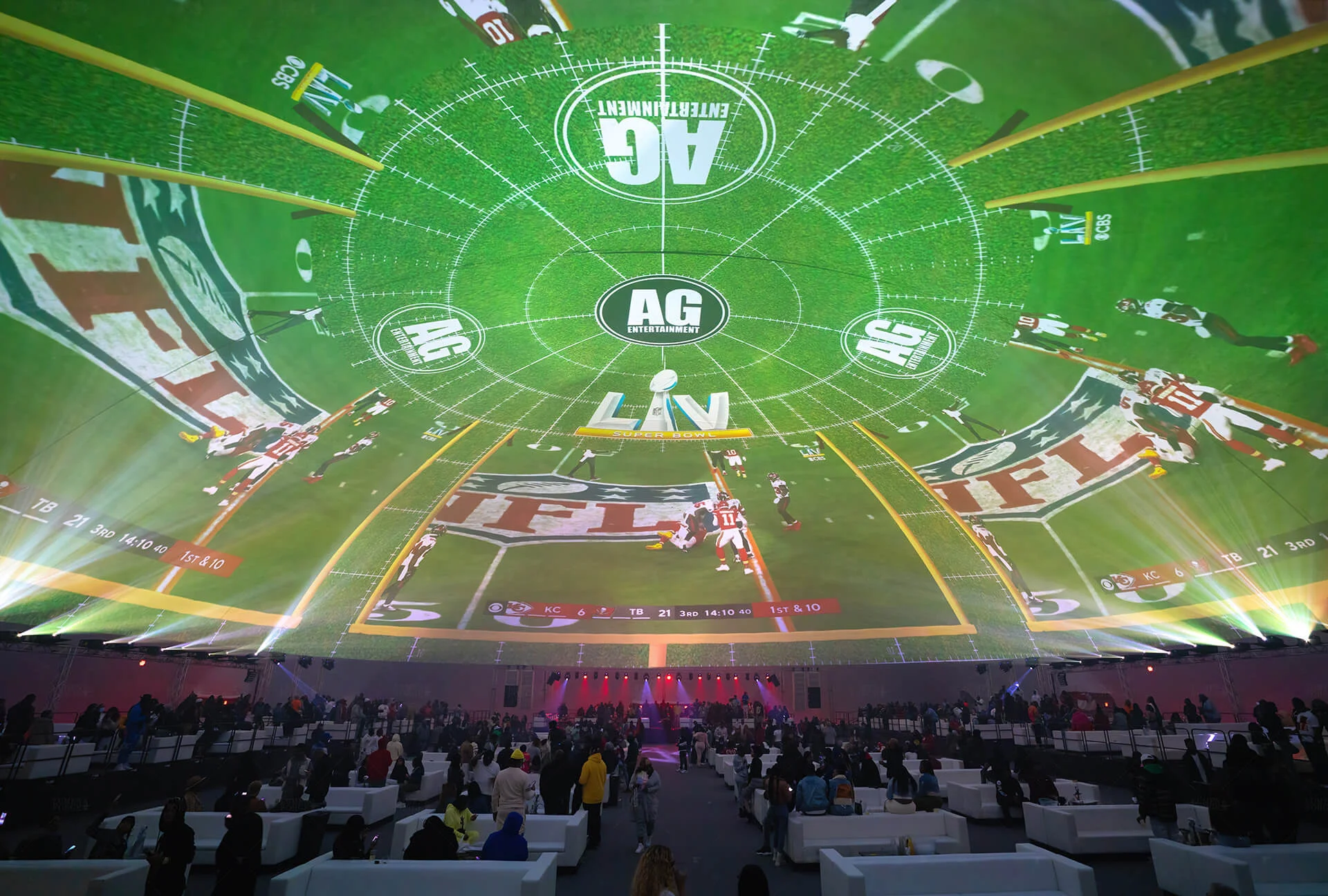
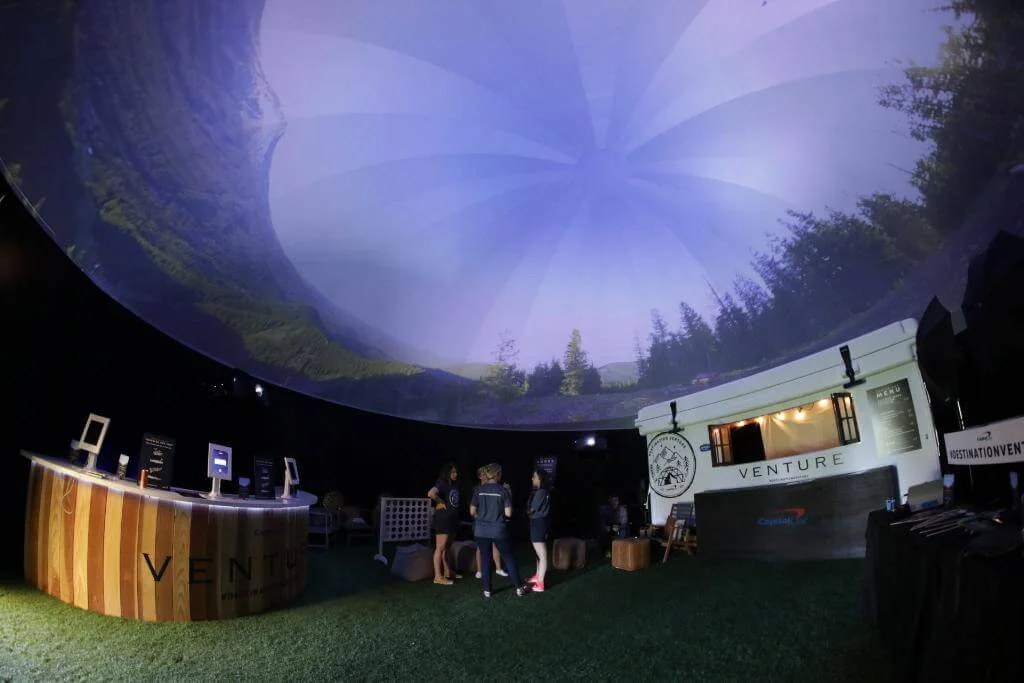
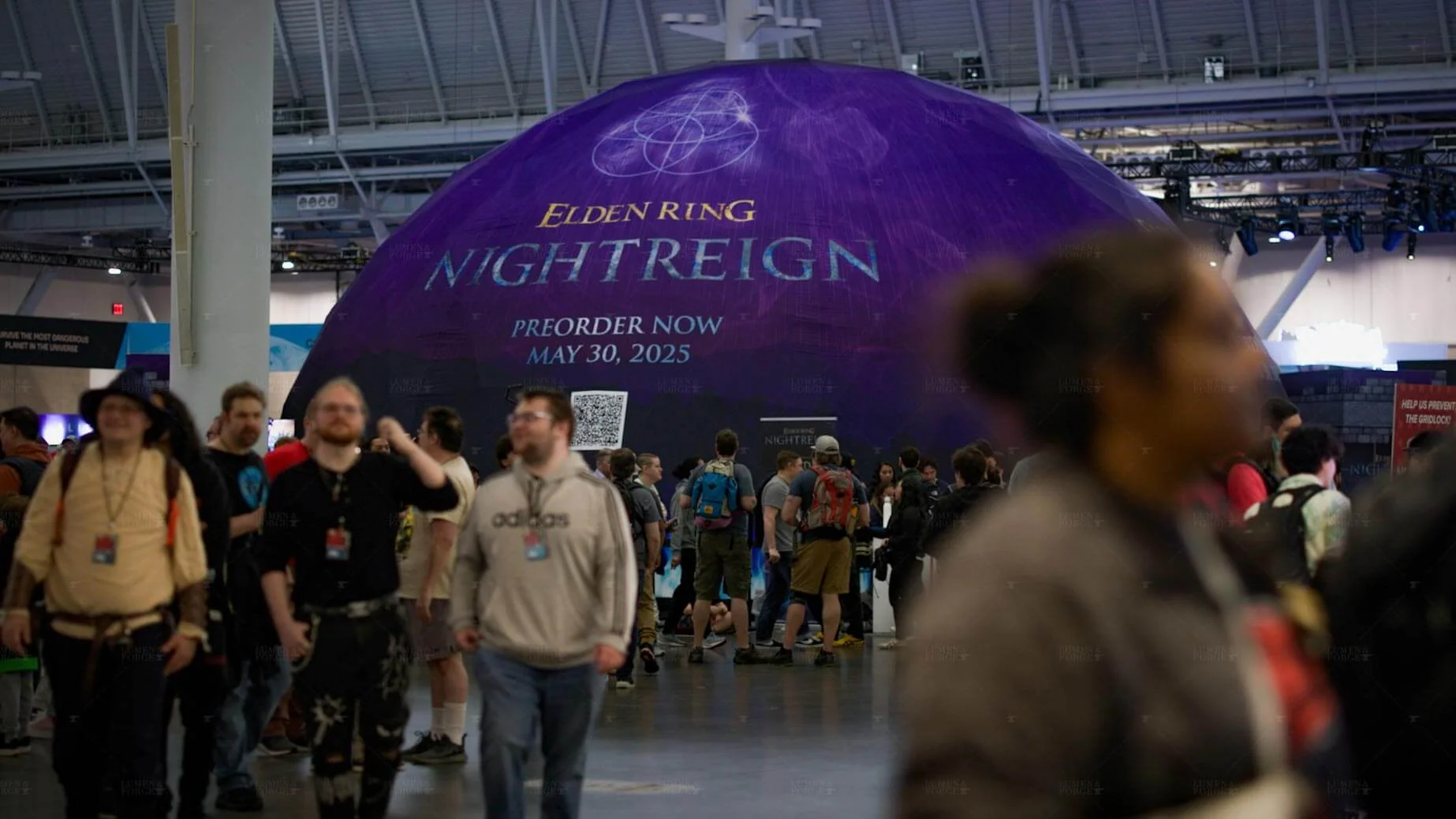
Dome Projection
Why Santa Fe Is a Natural Fit for Projection Mapping
Santa Fe audiences are not casual spectators. They come from an arts economy that treats visual experience as a craft, from galleries and museums along Canyon Road and the Plaza, and from a cultural tourism base that travels specifically to look closely at things. When a brand activation lands in front of that crowd, the question is not whether it glows. It is whether it holds up under sustained attention. Projection mapping earns its place here because it can put content onto architecture and objects with enough precision to reward a second and third look, which is the standard this city applies to everything from a painting to a public installation.
The calendar raises the stakes further. The International Folk Art Market in July, Santa Fe Indian Market in August, the Burning of Zozobra and the Santa Fe Wine & Chile Fiesta in September, the Santa Fe International Film Festival in October, Dia de los Muertos on the Plaza later that month, Winter Indian Market in November and the Canyon Road Farolito Walk in December all draw audiences who have seen ambitious work before. Many are repeat visitors who return year after year and notice when something is recycled or thin. Others are locals for whom these events are part of civic identity. Spectacle alone reads as noise against that backdrop. What registers is work that says something specific about the place, the occasion or the story being told.
That expectation is shaped by the institutions themselves. The Georgia O'Keeffe Museum, the New Mexico Museum of Art, Meow Wolf House of Eternal Return and the Lensic Performing Arts Center have trained residents and visitors to expect production values with a point of view. A brand showing up at the Santa Fe Community Convention Center, the Railyard Park or Fort Marcy Park is measured against that company. In a market where film and television production, museums and nonprofits, science and research, state government and hospitality all operate side by side, audiences are fluent in how images are made. They can tell the difference between a projection that was designed for a surface and one that was simply scaled up.
Practical realities shape the work as much as taste does. Street event permits run through the City of Santa Fe Marketing & Special Events office, with requests due 30 to 60 days out and traffic control plans 14 business days ahead, so activations around the Plaza, the Railyard or the State Capitol are planned well in advance. That lead time is an advantage. It allows content to be built around a venue's architecture and an event's meaning rather than dropped in at the last minute. In Santa Fe, the successful activation is one that behaves like the city's best cultural programming: deliberate, site-specific and worth standing still for.
Lumen and Forge: Light-Driven Art for a Legendary Arts Town
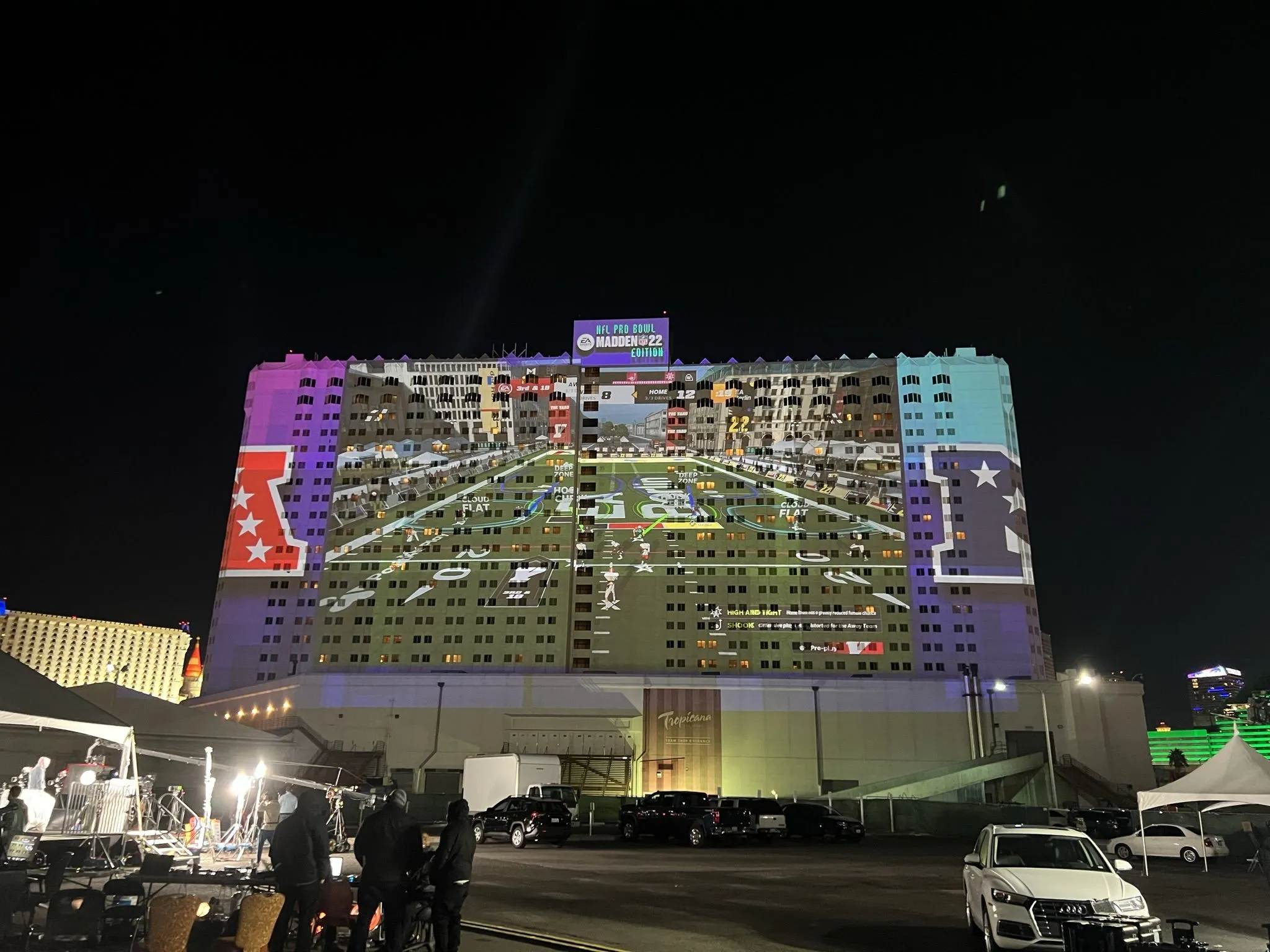
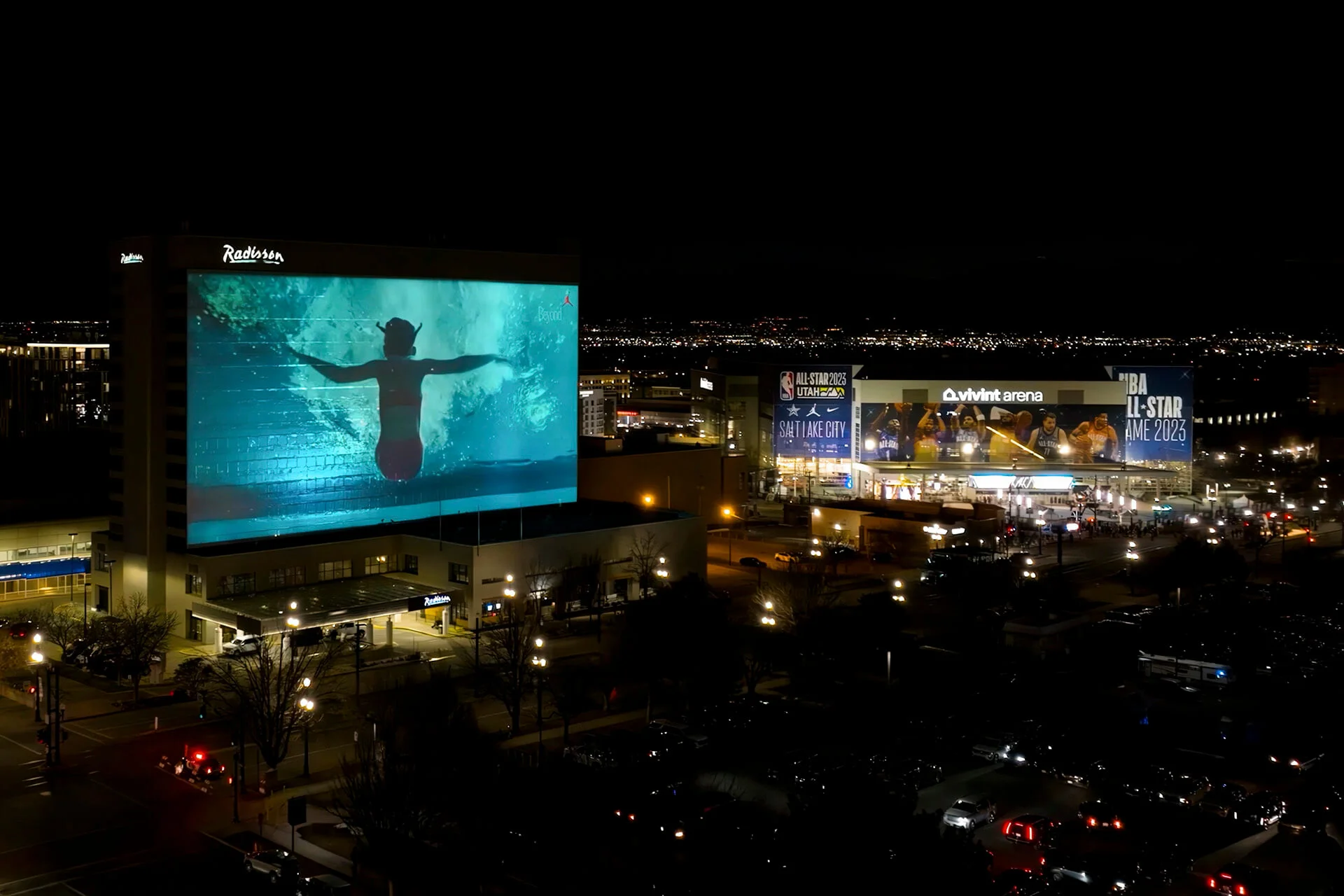
Over 15 years of producing large-scale projection mapping and immersive experiences for globally recognized brands gives Lumen and Forge the operational depth Santa Fe productions require. Our portfolio includes building projections for Nike and Air Jordan at NBA All-Star Weekend, large-scale convention experiences for Toyota, McLaren, and Mastercard, a world record video game screen at the Tropicana, and the Beneath the Blue 360-degree dome for National Geographic. Our team is comfortable working alongside experienced production crews and holding a technical standard in front of an audience that knows the difference, which is exactly what Santa Fe requires.
Who We Work With in Santa Fe
Santa Fe brings together audiences that rarely share a room anywhere else: museum patrons, market crowds, film crews, state agencies and destination travelers. Projection mapping gives each of them a reason to stop and look, and Lumen and Forge builds the work to fit the venue, the crowd and the calendar.
- Arts, galleries and cultural tourism. Galleries and cultural organizations use building projection and object mapping to turn openings and district-wide evenings into destinations. On Canyon Road, the Farolito Walk draws visitors who are already walking and looking, and a mapped facade gives them one more reason to linger. The same approach works for gallery nights and seasonal programming aimed at travelers planning a Santa Fe weekend around art.
- State government. Public agencies and civic partners stage ceremonies, awareness campaigns and community events where the message has to read clearly to a large, mixed crowd. Projection onto the New Mexico State Capitol or a downtown facade can carry that message at architectural scale, with content approved and scheduled well ahead of the event date.
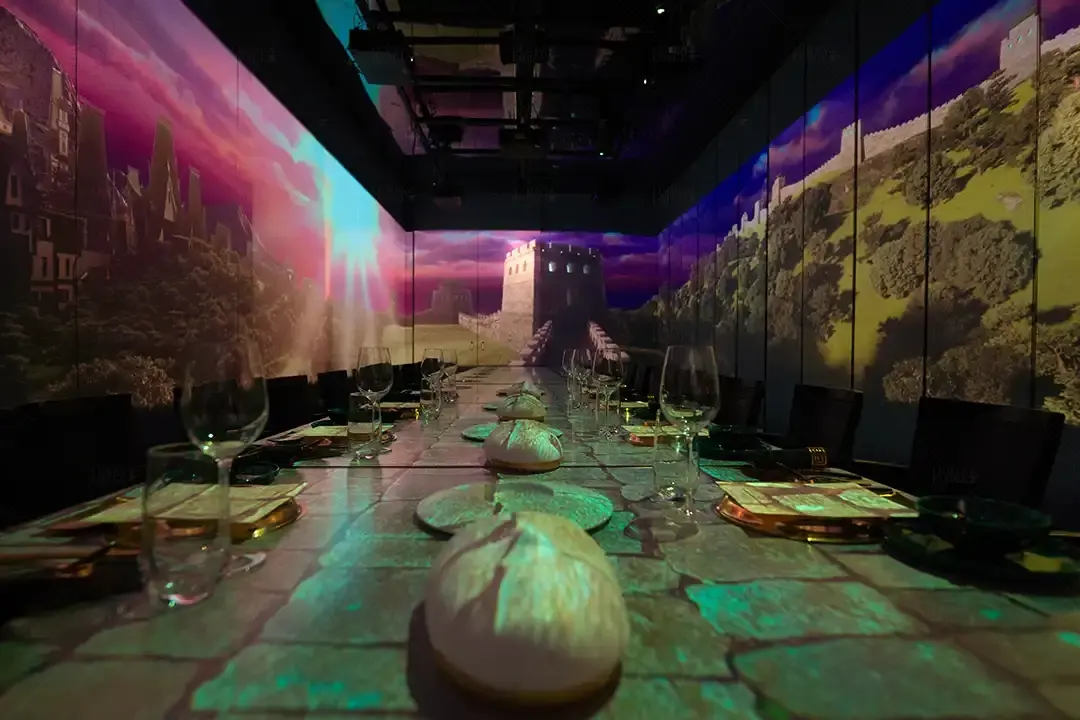
- Hospitality and destination events. Hotels, resorts and event producers build programming around the city's signature weekends, from the International Folk Art Market and Santa Fe Indian Market to the Santa Fe Wine & Chile Fiesta and the Burning of Zozobra. Room-scale environments and building projection give those weekends a centerpiece that photographs well and travels across guests' feeds.
- Film and television production. Productions shooting in and around Santa Fe need controlled, repeatable environments for premieres, wrap events and press moments. Projection domes and interactive installations deliver a look that holds up on camera and can be adjusted between takes.
- Museums and nonprofits. Institutions such as the Georgia O'Keeffe Museum and the New Mexico Museum of Art use projection to extend exhibitions beyond the gallery wall, while nonprofits use it to anchor fundraisers and community evenings with a fraction of the footprint of traditional staging.
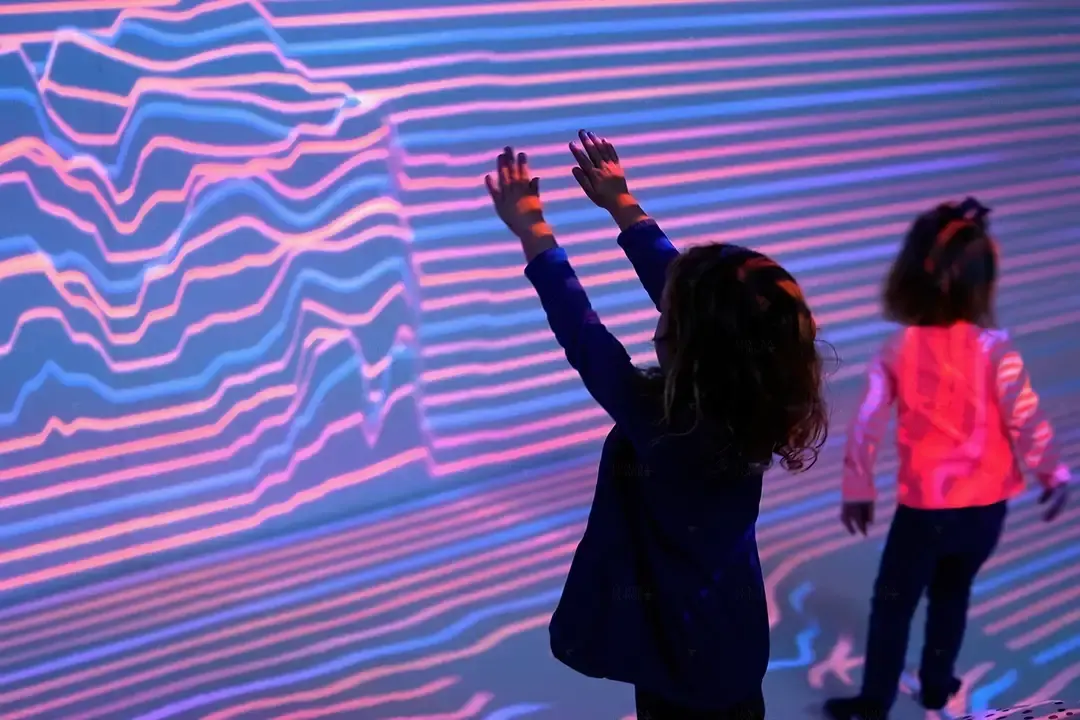
- Science and research. Research organizations and science-focused groups use projection domes and interactive installations to make complex work legible to general audiences, turning data and imagery into something a family can walk into.
Ready to Light Up the Plaza?
Santa Fe audiences are discerning. They see art at the Georgia O'Keeffe Museum and the New Mexico Museum of Art, fill the Plaza for Indian Market and the Burning of Zozobra, and return each December for the Canyon Road Farolito Walk. Work shown here has to hold up next to that. Lumen and Forge brings more than 15 years of projection mapping and immersive experience work for brands such as Nike and Air Jordan, Toyota, McLaren and Mastercard to venues like the Lensic Performing Arts Center, Meow Wolf House of Eternal Return and the Santa Fe Community Convention Center.
Whether you are planning a gallery opening, a destination event or a state government initiative, tell us what you have in mind and let's start the conversation.
Frequently Asked Questions: Projection Mapping in Santa Fe
Standard projection displays a flat image on a flat screen or white wall. Projection mapping uses specialized software to warp, align, and calibrate video content so it fits precisely onto any three-dimensional surface, whether that is a building exterior, a custom sculpture, a vehicle, or an entire room. The software accounts for every edge, angle, and curve, so the content appears to belong to the object itself rather than simply being cast onto it. In a city full of working production professionals, that level of precision is what separates a real installation from a lighting effect.
Yes. Santa Fe's high-desert climate delivers clear, dry nights through much of the year, which suits outdoor projection. Peak season runs from late spring into fall, when events fill the calendar, but evenings cool quickly after sunset, so plan for weather protection and contingencies. Sunset arrives early here, giving you usable darkness sooner than in lower-altitude cities. Ambient light is the real constraint: Santa Fe Plaza and the Railyard carry substantial street lighting, so site surveys and brightness planning matter. Aim for surfaces with controlled light spill.
The Santa Fe Community Convention Center offers large interior walls and gathering spaces suited to building projection and room-scale environments. The Lensic Performing Arts Center brings a historic stage and facade that work well for object mapping and event visuals. Meow Wolf House of Eternal Return suits immersive, interactive installations, while the Georgia O'Keeffe Museum and New Mexico Museum of Art give museums a canvas for exhibition-driven projection.
The events that reward projection mapping most are the ones that already draw crowds after dark or around a landmark. The Burning of Zozobra in September, the Canyon Road Farolito Walk in December and Dia de los Muertos on the Plaza in late October pair naturally with building projection. Santa Fe Indian Market in August, the International Folk Art Market in July and the Santa Fe Wine & Chile Fiesta in September suit object mapping and room-scale installations.
Yes. Lumen and Forge coordinates permits, power, rigging and site logistics directly with each venue, so your team is not chasing approvals while the show is being built. For street events, we work with the City of Santa Fe Marketing & Special Events office at 1142 Siler Road, where requests are due 30 to 60 days before the event and traffic control plans are due 14 business days ahead. We plan the schedule around those deadlines.
The cost of projection mapping in Santa Fe depends on the scale of the surface, the complexity of the content, the length of the event, and the equipment and crew required. A facade run at the Santa Fe Community Convention Center is a different project from an object mapping piece inside the Georgia O'Keeffe Museum or a room-scale build at Meow Wolf House of Eternal Return. Content production, hardware, installation time and on-site staffing all move the budget. Share your venue, dates and creative goals and Lumen and Forge will scope it.
Lead time depends on the scale of your project. Custom content, a site survey, equipment and crew scheduling, and permitting each take time, and large building projections and outdoor events need the longest runway. If your Santa Fe event needs a street event permit, the City of Santa Fe Marketing & Special Events office asks for requests 30 to 60 days ahead. Get in touch as soon as your venue and date are set so we can build the timeline with you.
Projection mapping treats a surface as a canvas, aligning projected imagery to its shape and edges. 3D projection mapping goes further by accounting for depth, so content wraps corners, reveals structure and holds its perspective as viewers move. Mapped onto a facade at the Santa Fe Community Convention Center, that approach lets a single projection read as a dimensional object rather than a flat image, which matters when a brand wants architecture to carry the story.
In addition to projection mapping, we offer dome projection for fully immersive 360-degree spherical experiences, event and project design for end-to-end production planning, and animation and visual storytelling for original content creation. Many of our Santa Fe clients combine projection mapping with one or more of these services into a single integrated production. We are a full-service immersive experience company, and the strongest work we build is conceived as a whole from the first conversation.
Do you have more questions?
Didn't find what you were looking for? Our team is happy to walk you through your project and answer anything else