

Brick, Limestone and a 630-Foot Steel Arch
St. Louis is a market where big crowds, landmark architecture and a dense calendar of public events meet. The city packs a convention campus, three pro sports venues, a national park and a working theater district into a compact downtown, which means a single production team can move between very different canvases in the same week. America's Center Convention Complex and The Dome at America's Center anchor the convention and trade show side, while Enterprise Center, Busch Stadium and Energizer Park carry the sports and concert calendar.
The event calendar runs nearly year round. Soulard Mardi Gras fills February, Fair Saint Louis takes over the Gateway Arch grounds on July 4 weekend, and September brings both the Great Forest Park Balloon Race and the Saint Louis Art Fair in Clayton. Garden Glow opens at the Missouri Botanical Garden in mid-November and carries the season into winter.
That mix draws the region's core industries: healthcare and bioscience, financial services and wealth management, aerospace and defense, brewing and beverage, agtech and geospatial technology.
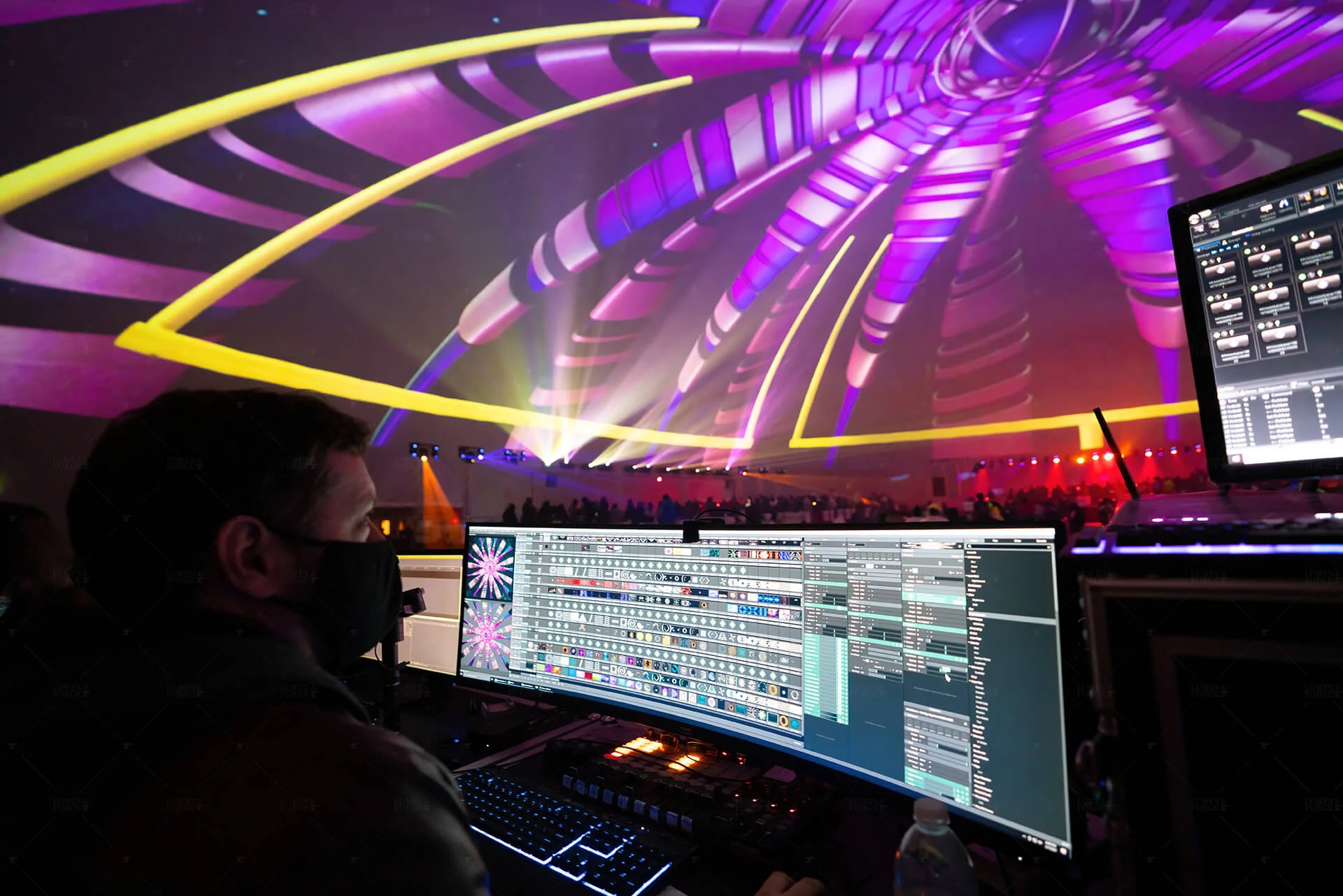
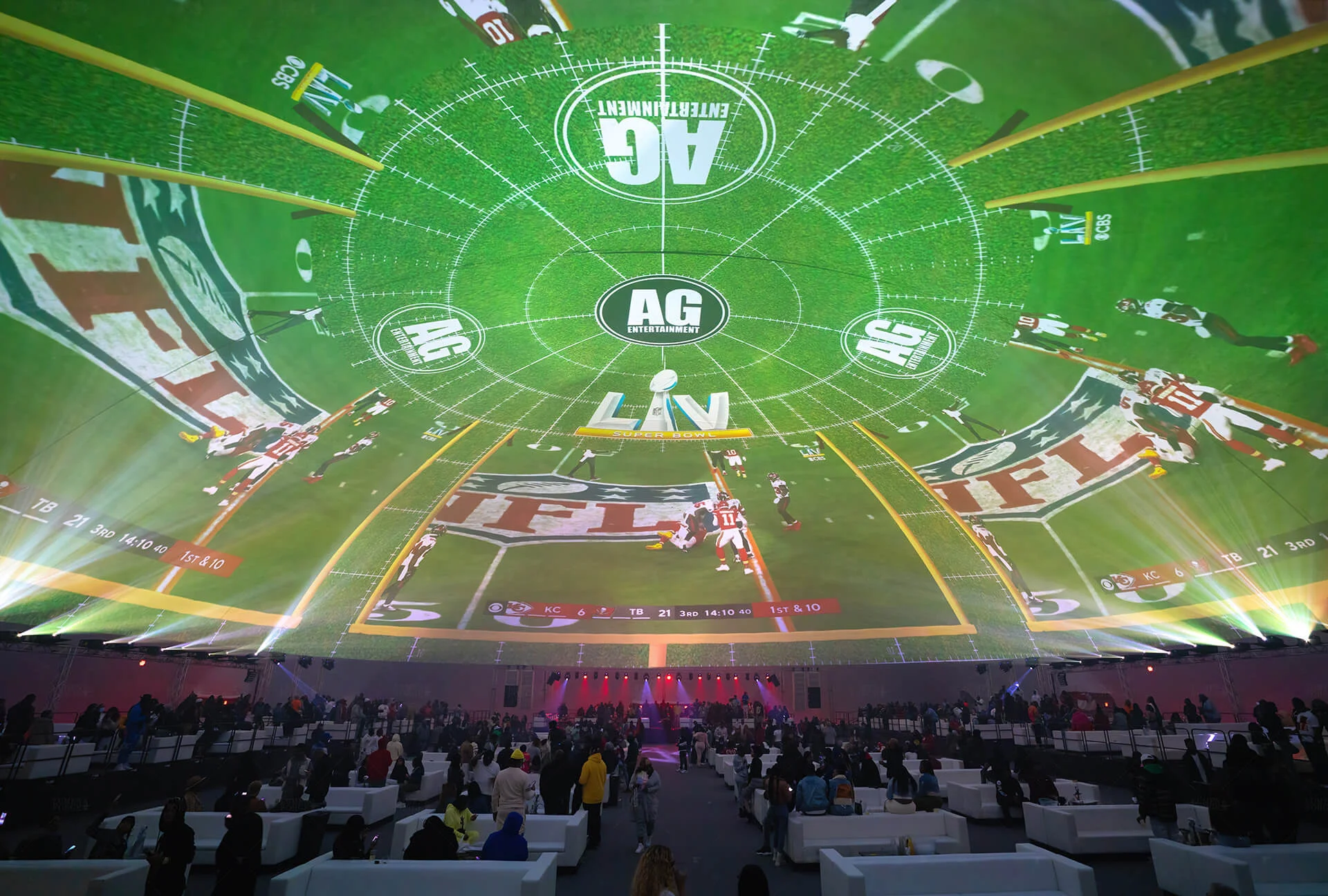
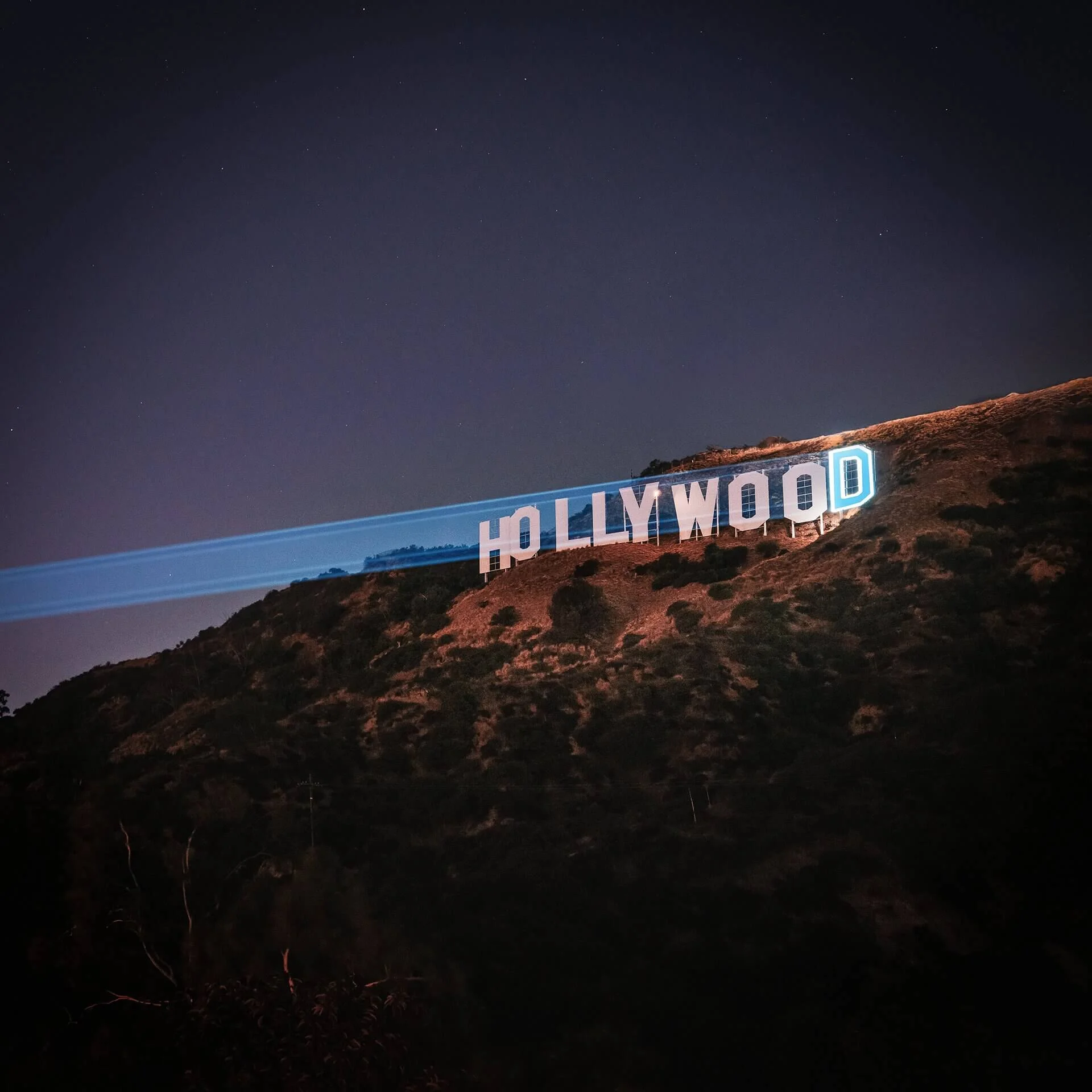
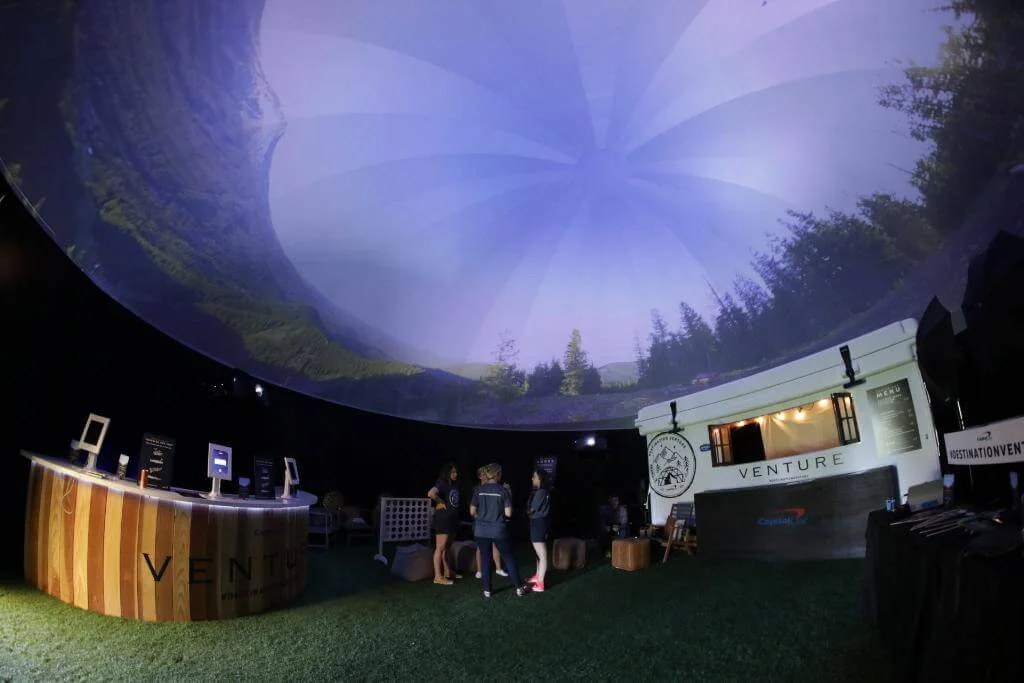
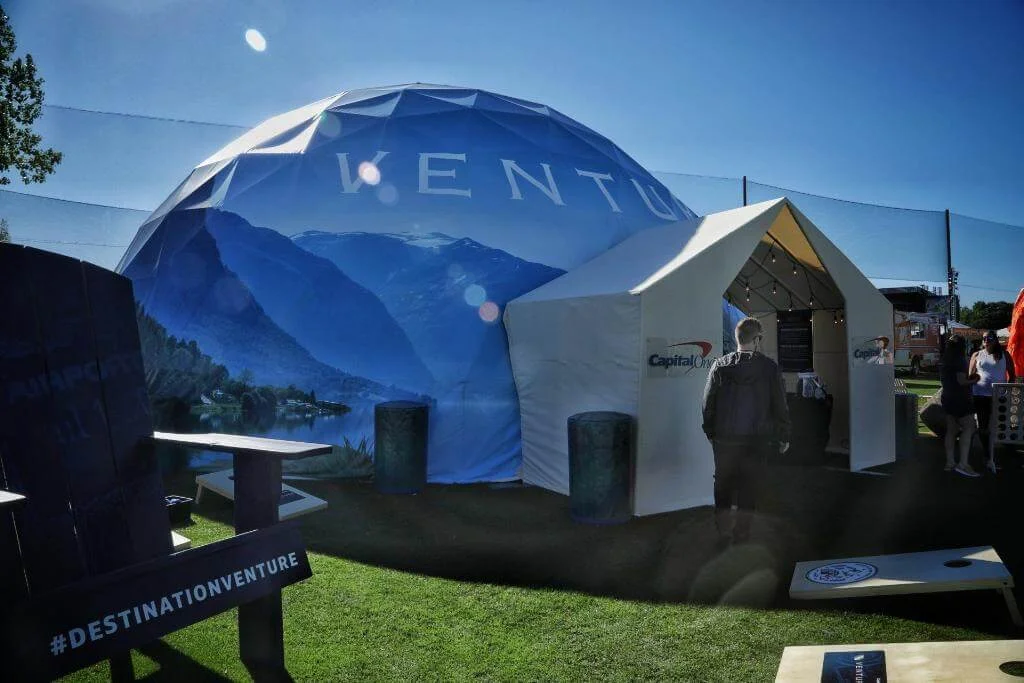
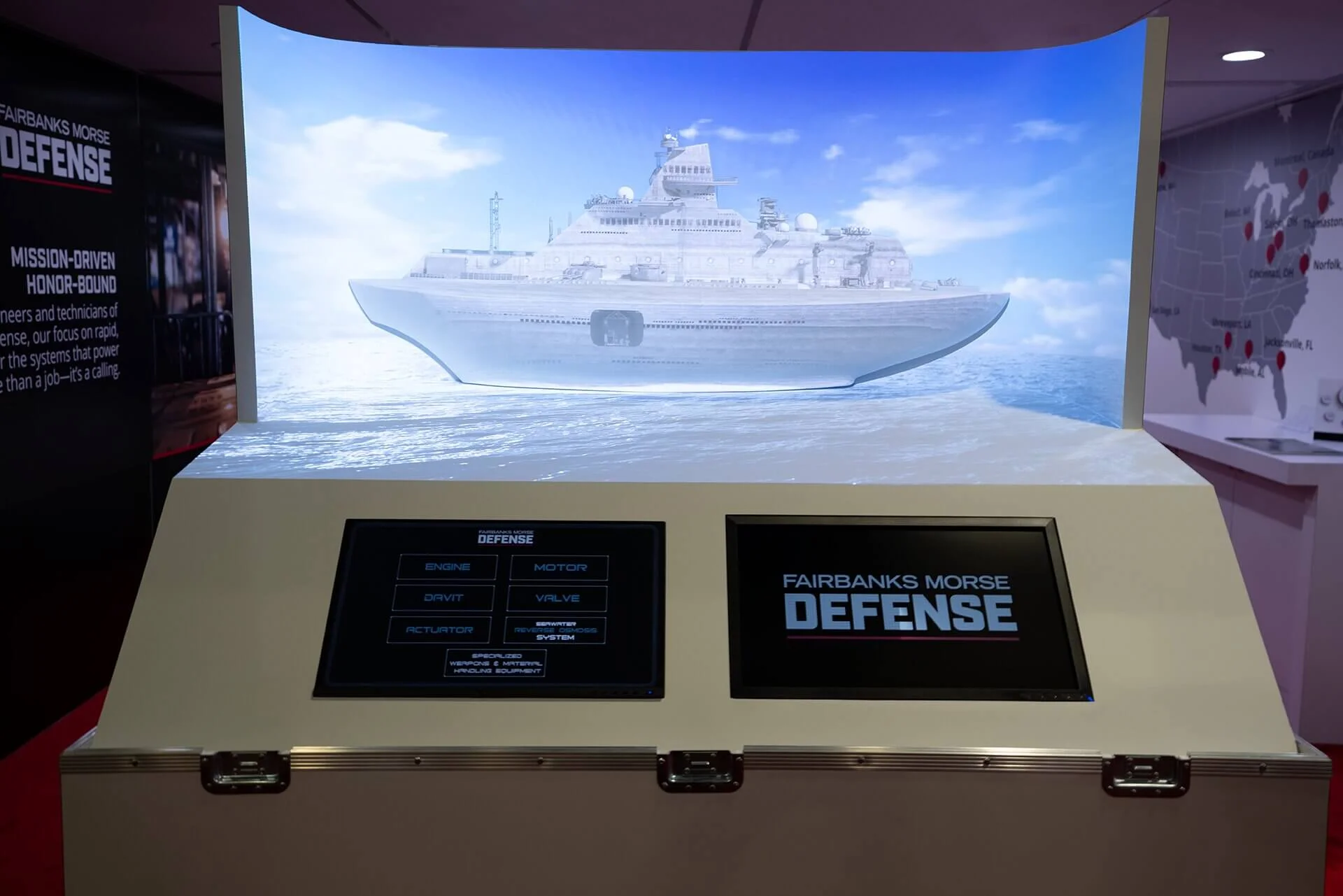
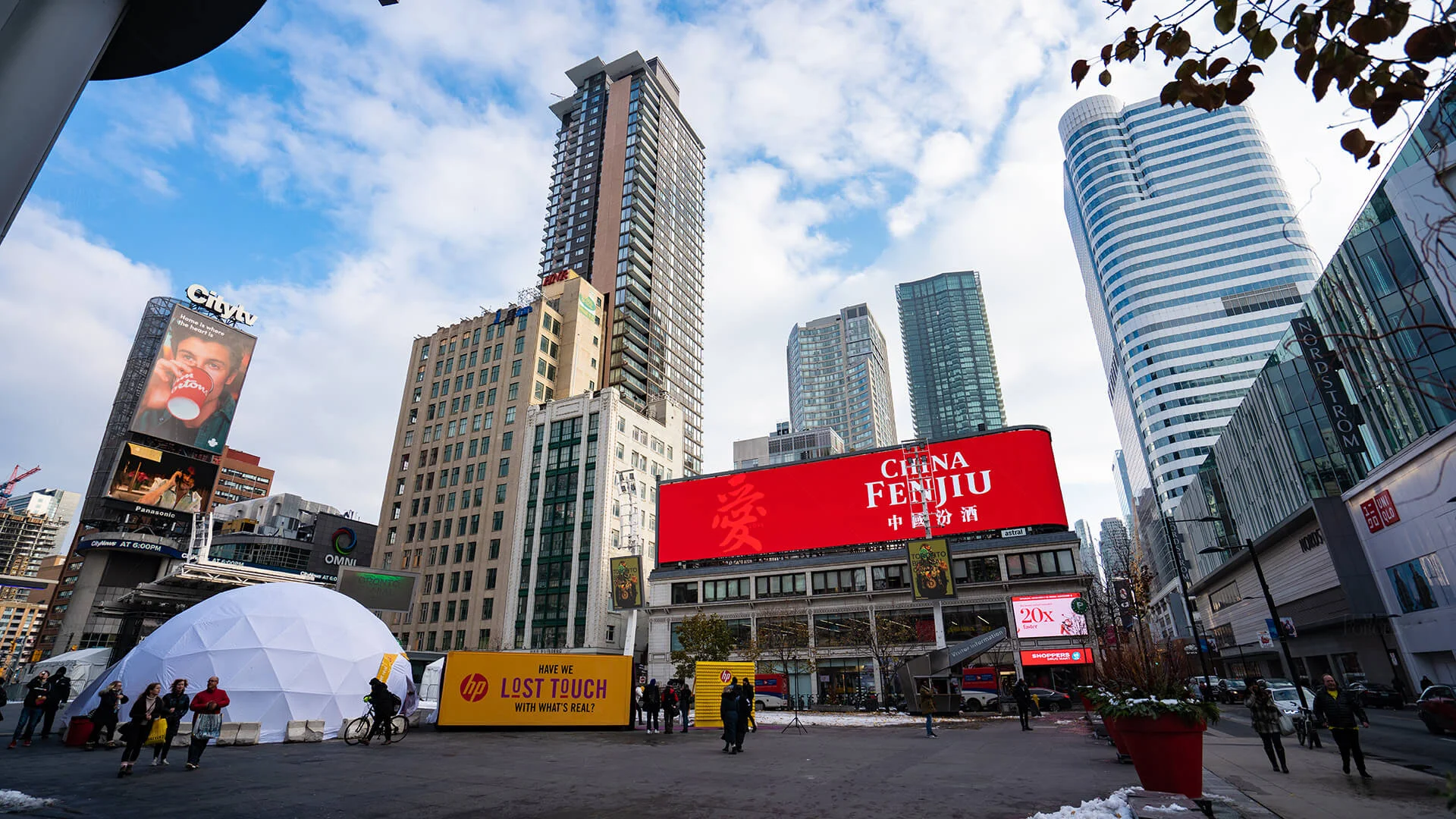
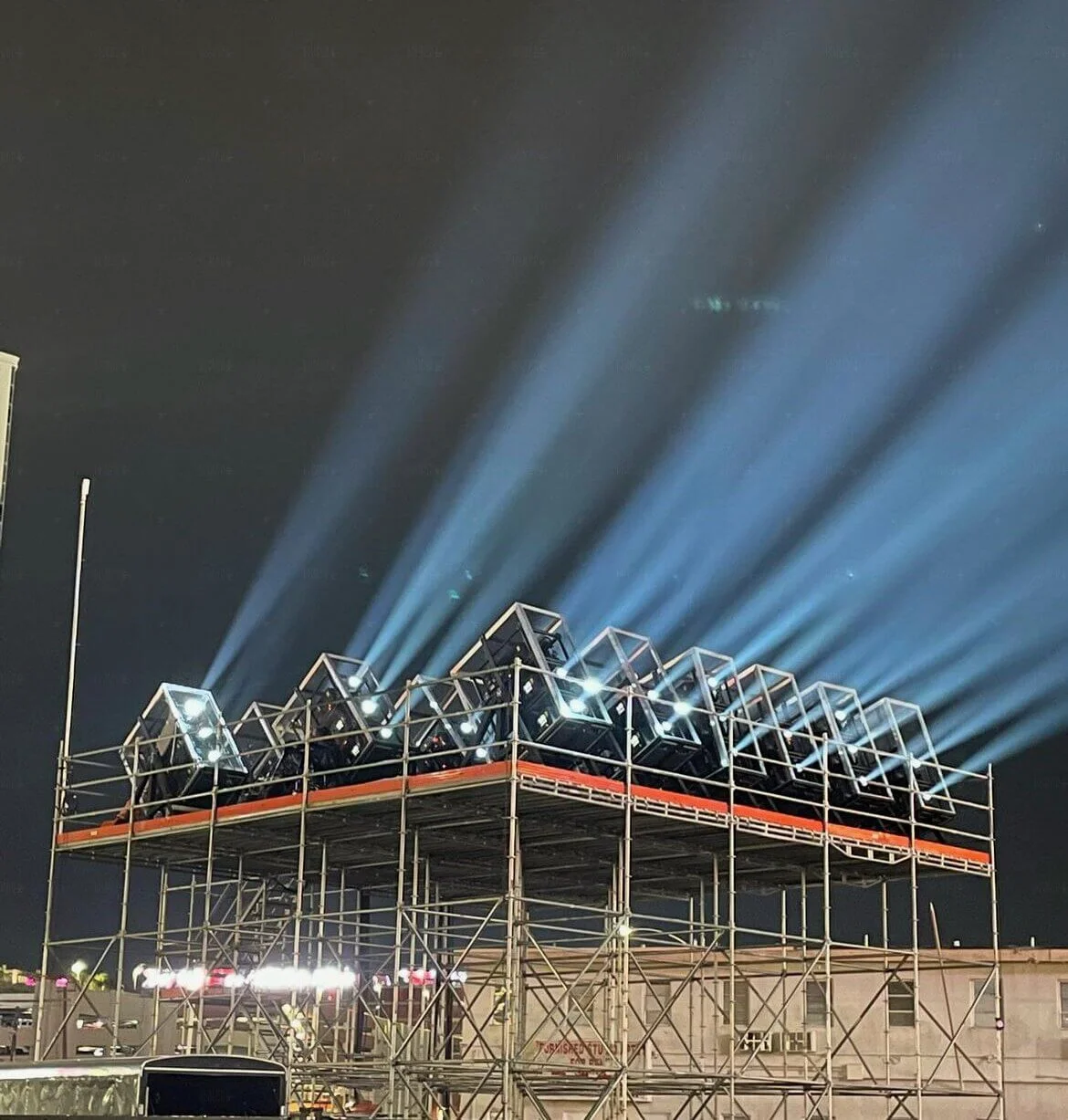
Take A Closer Look
A Deeper Look Into Animation & Visual Story Telling
A Deeper Look Into
Projection Mapping
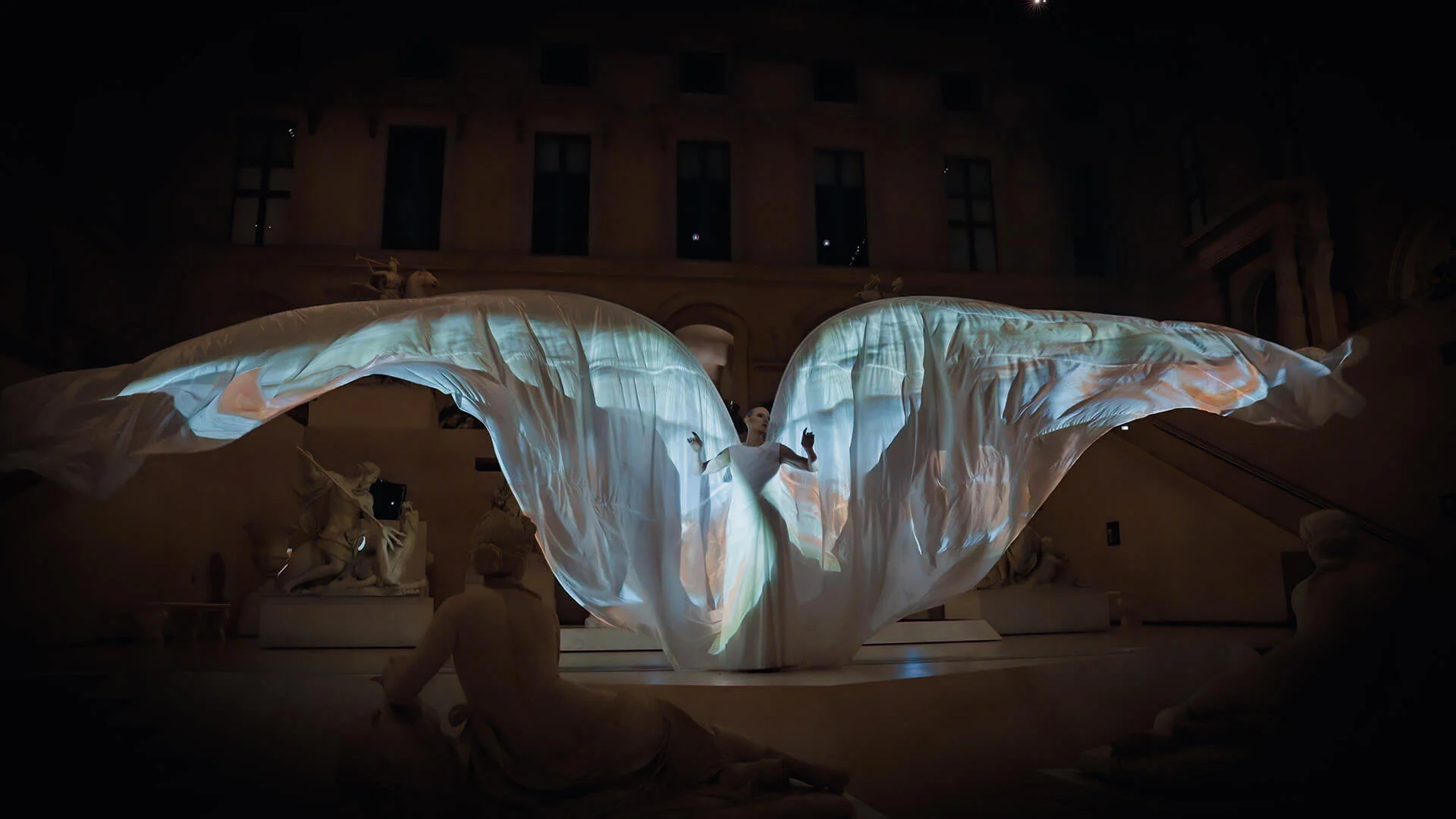
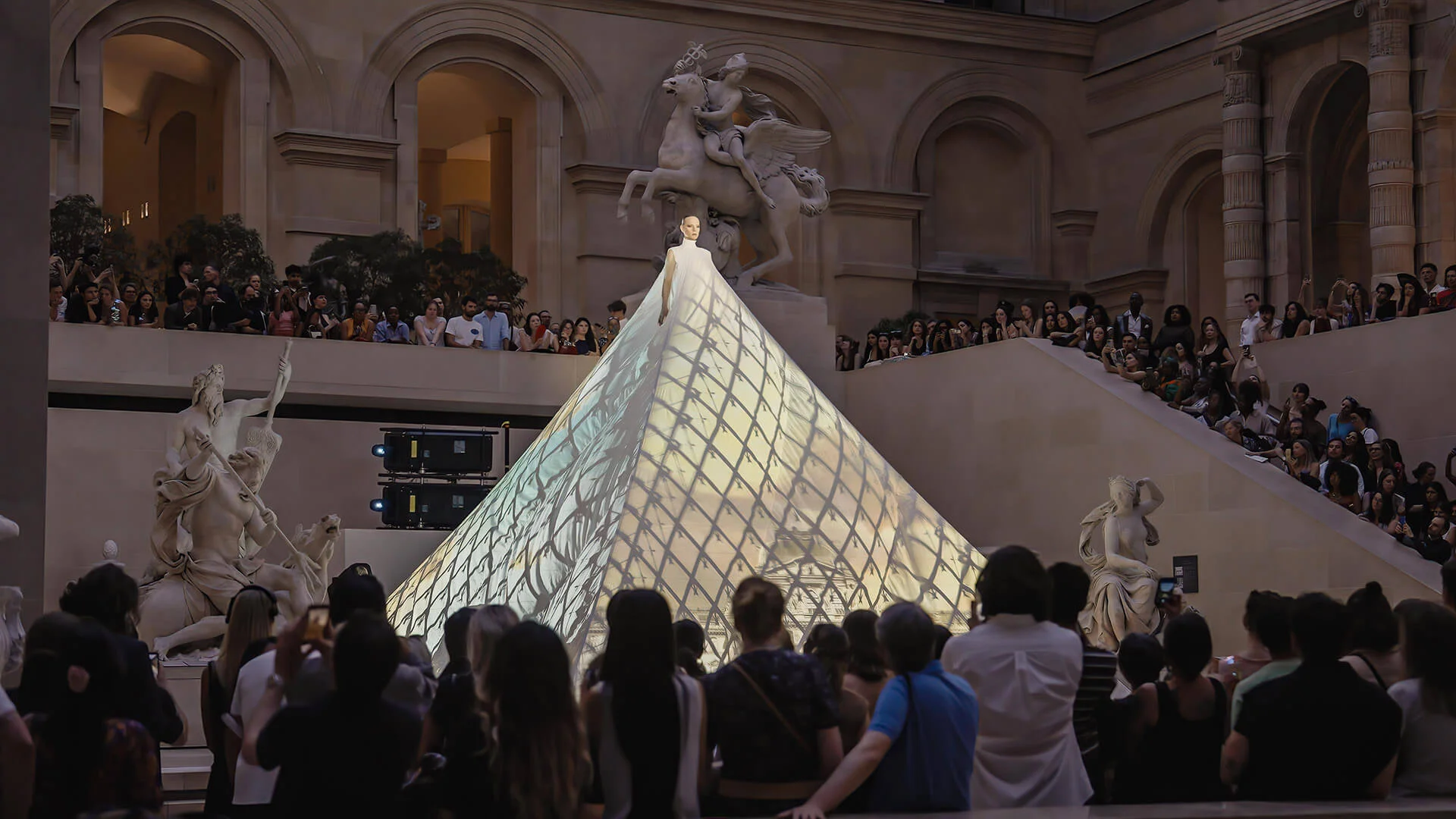
Projection Mapping: Turning Any Surface Into a Story
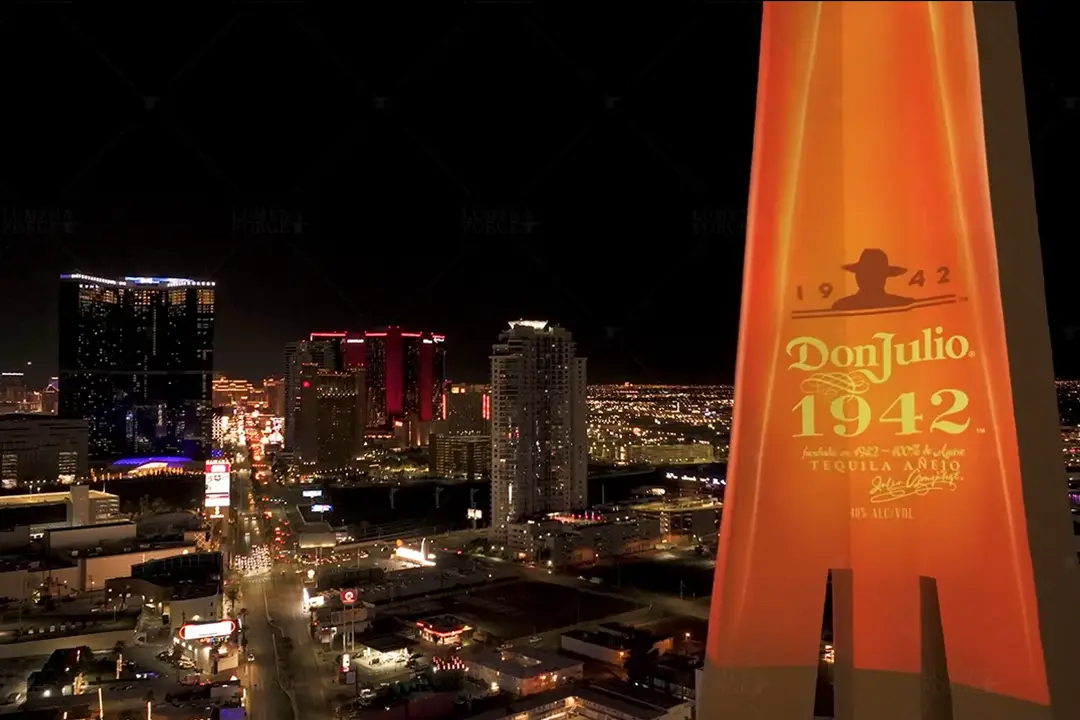
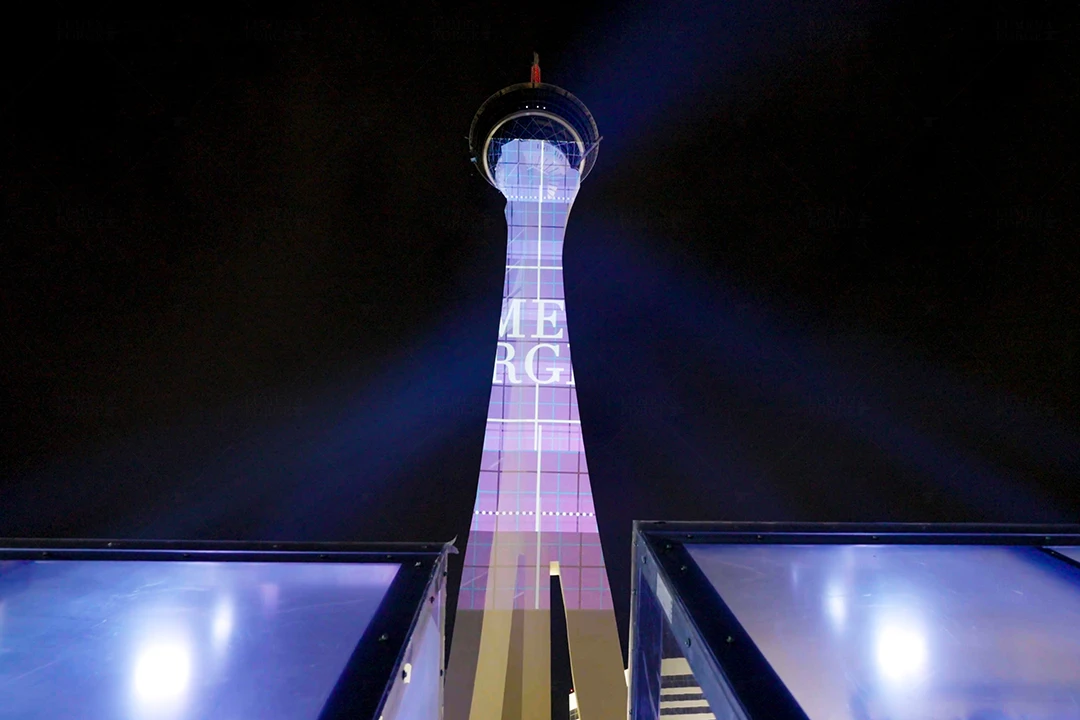
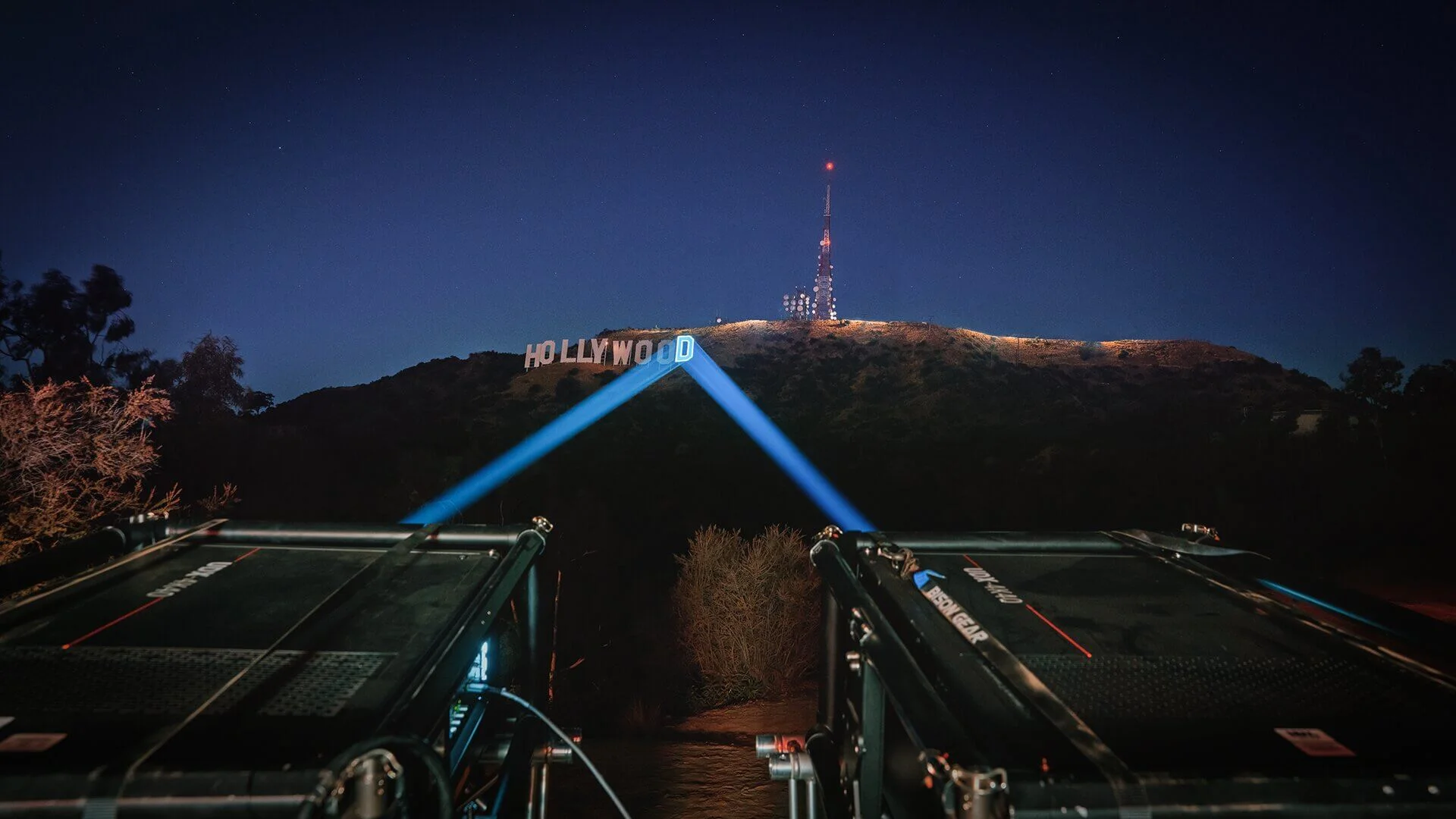
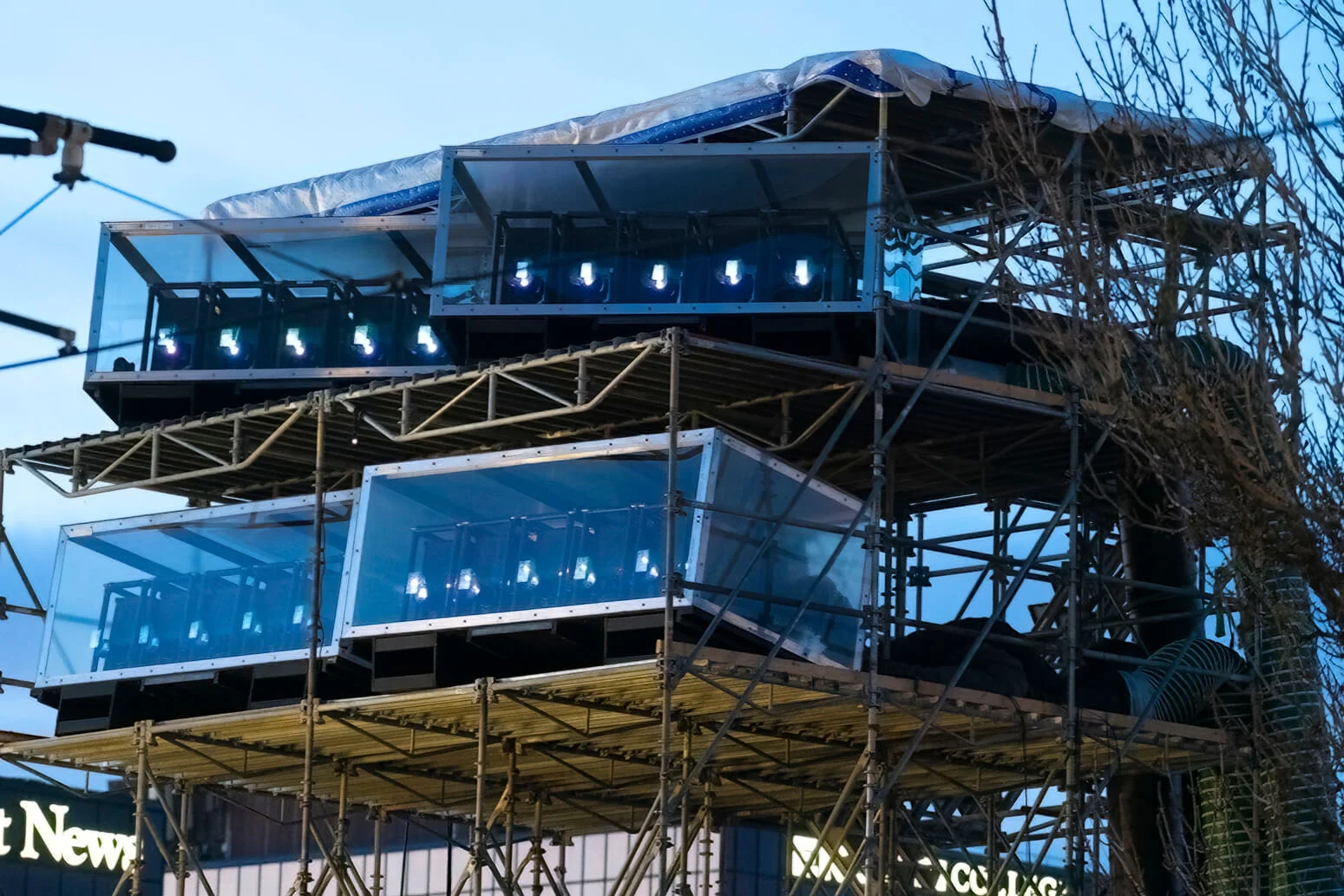
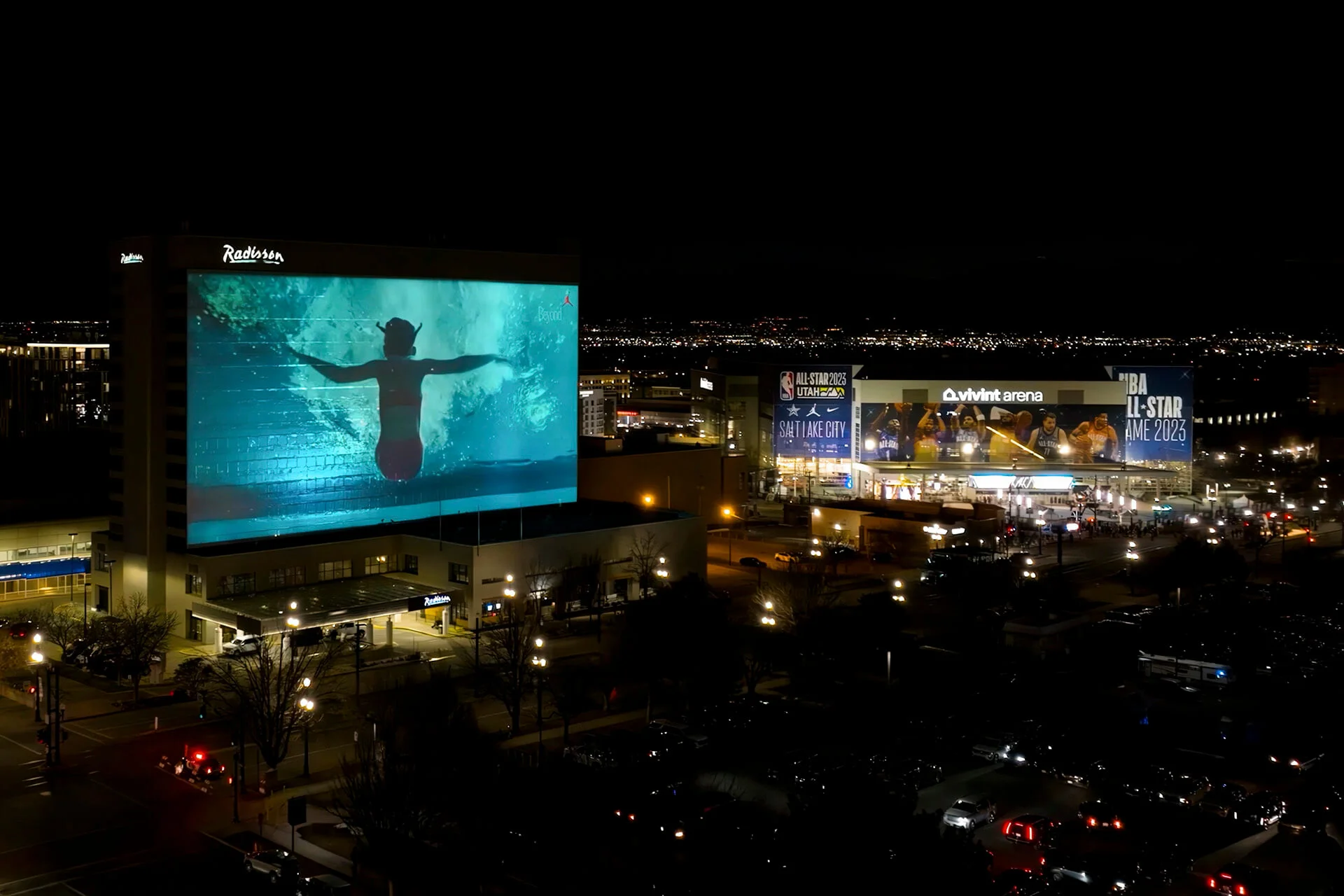
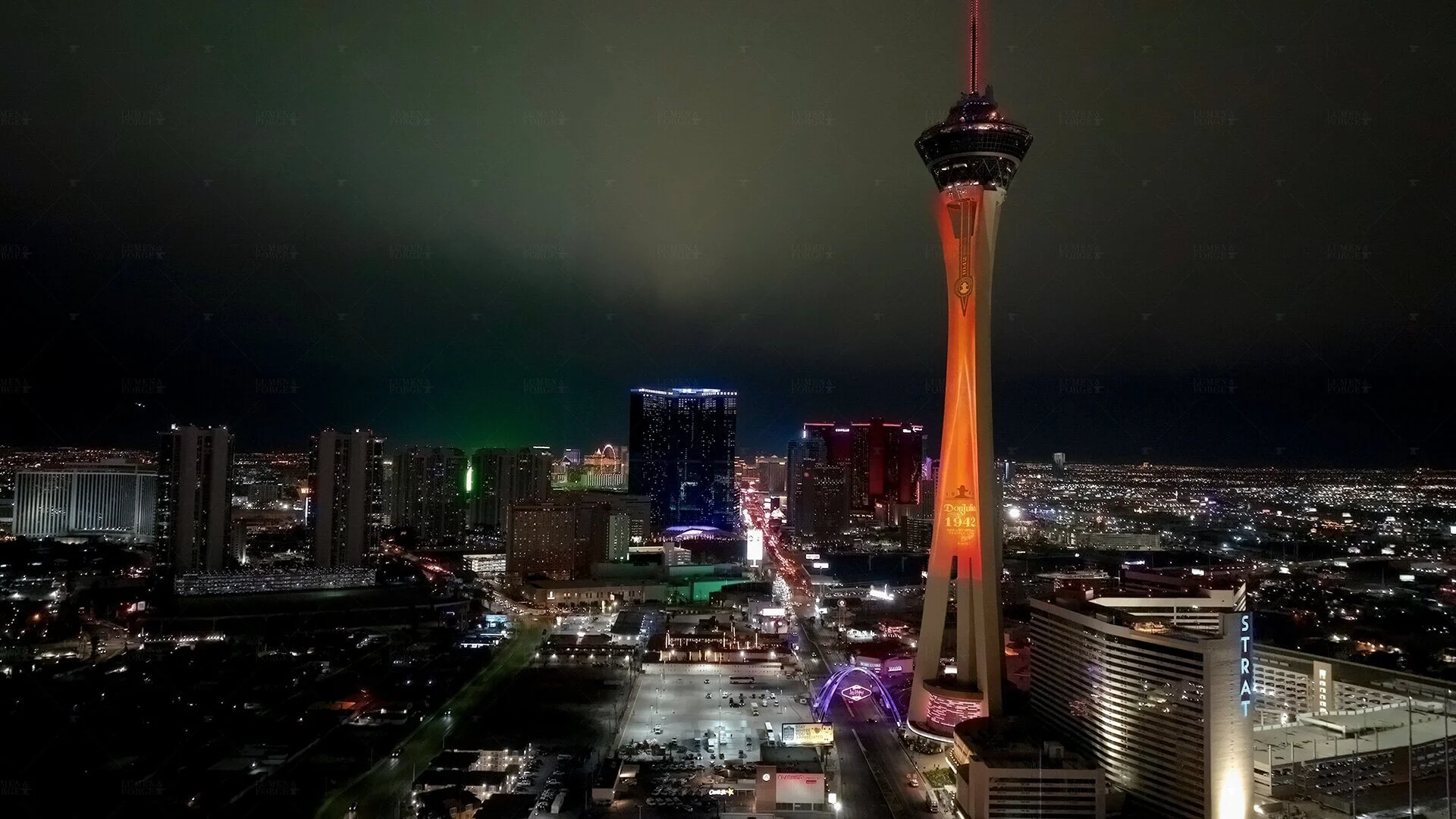
Building and Architectural Projection
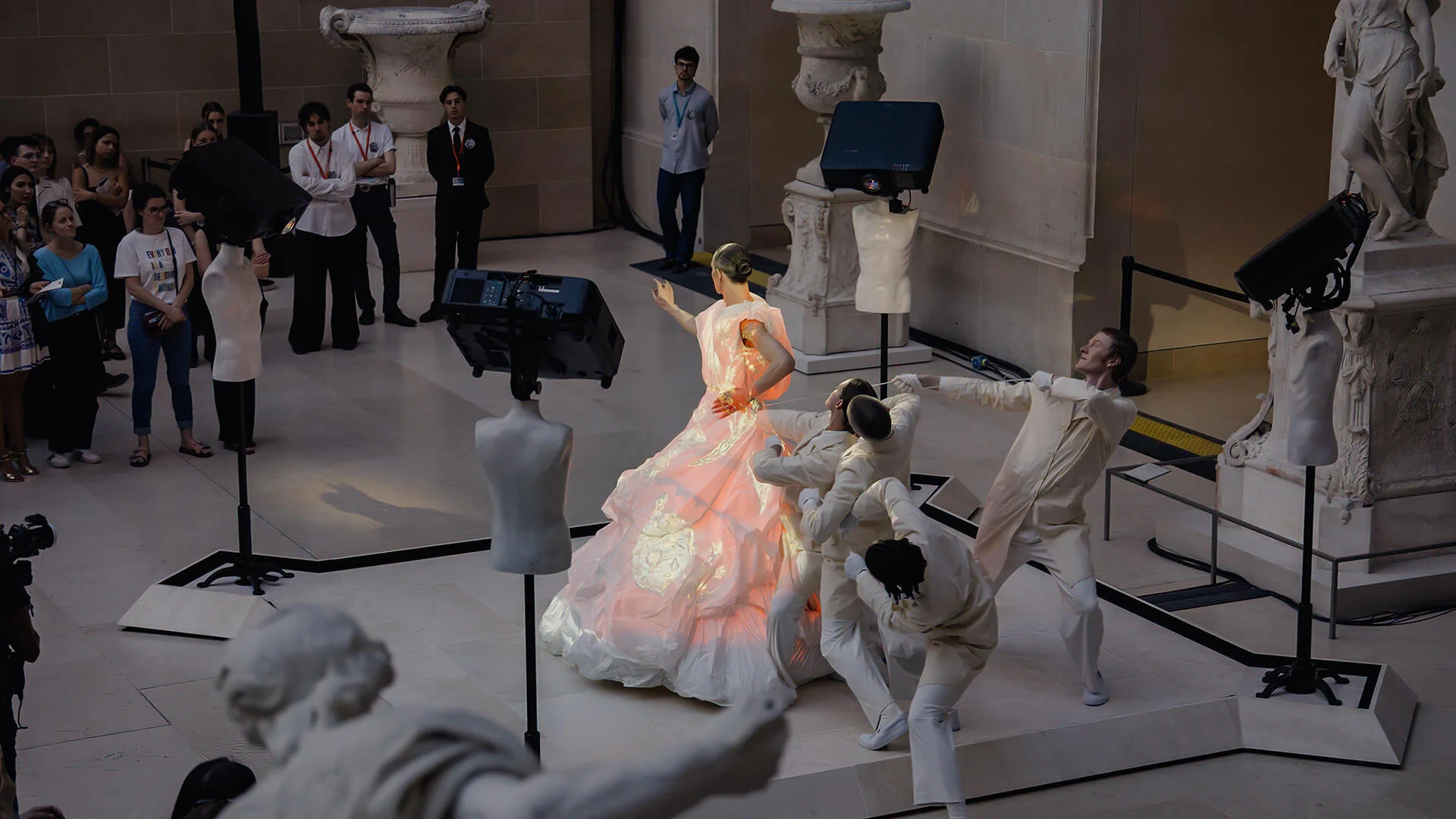
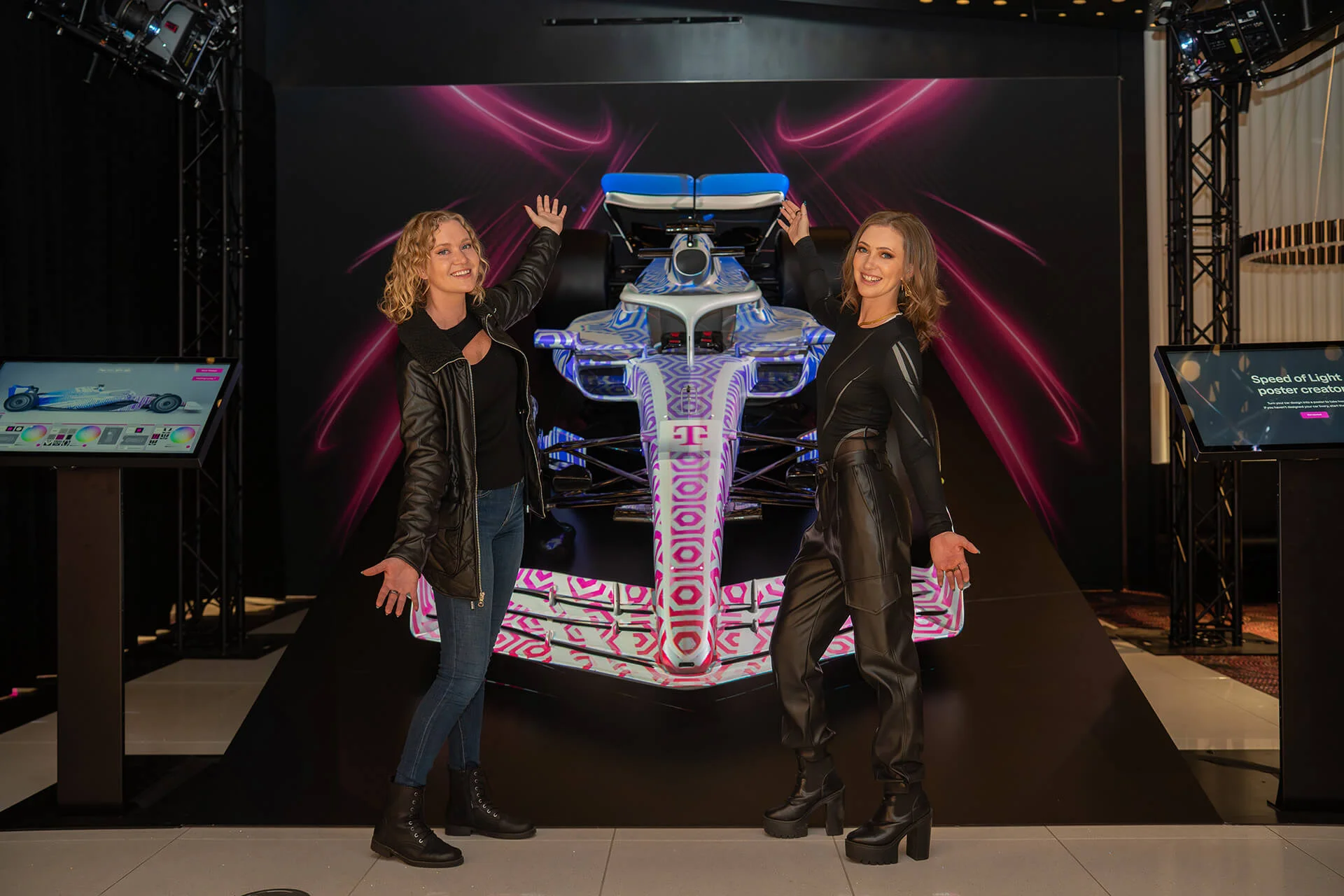
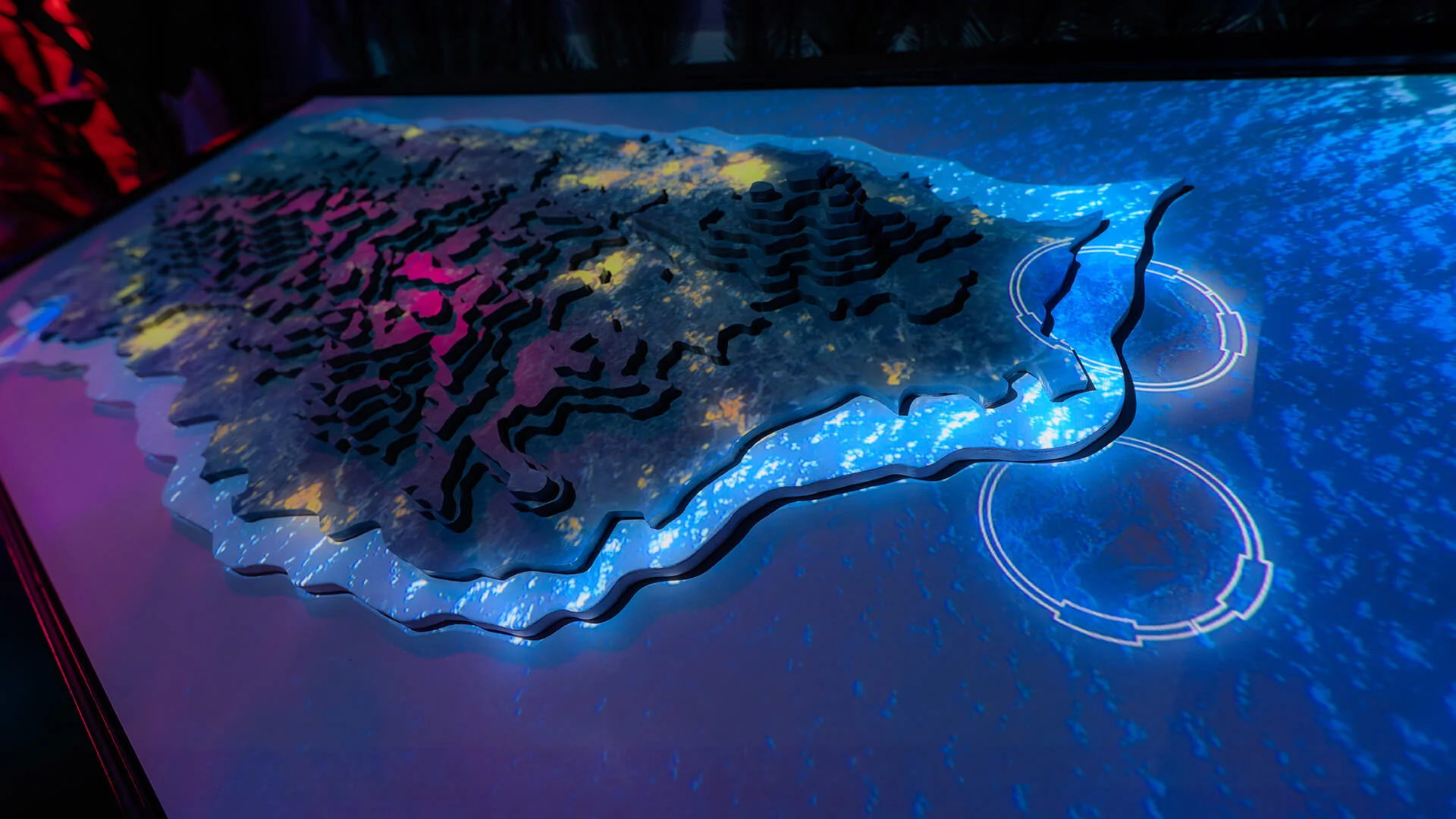
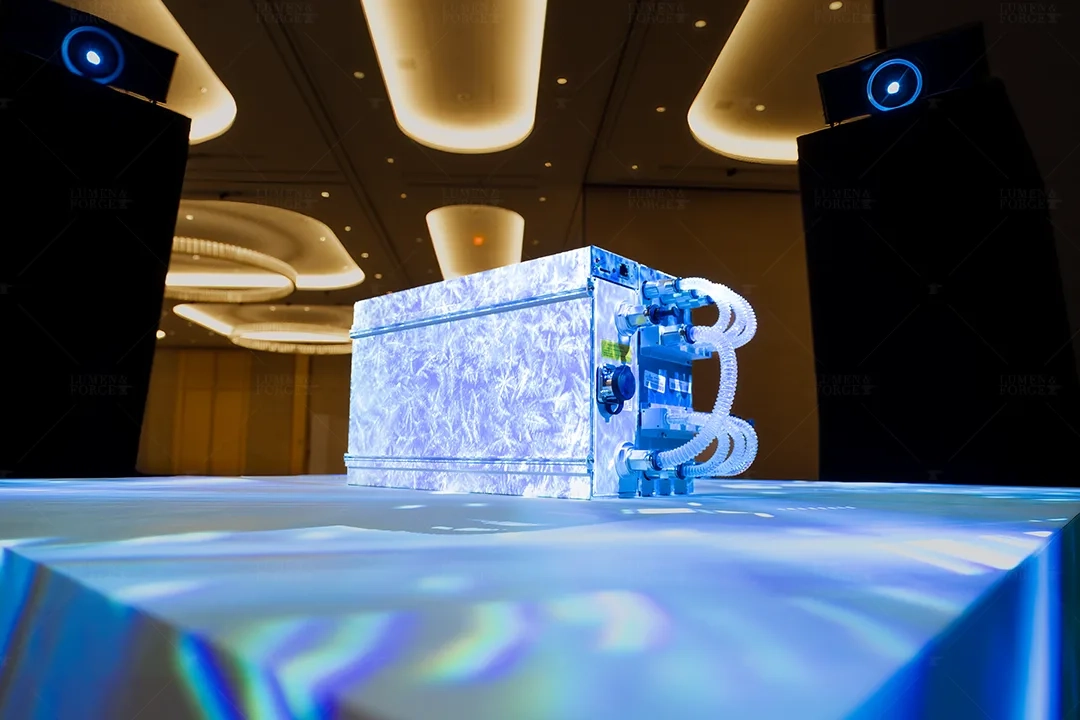
Object and Product Projection Mapping
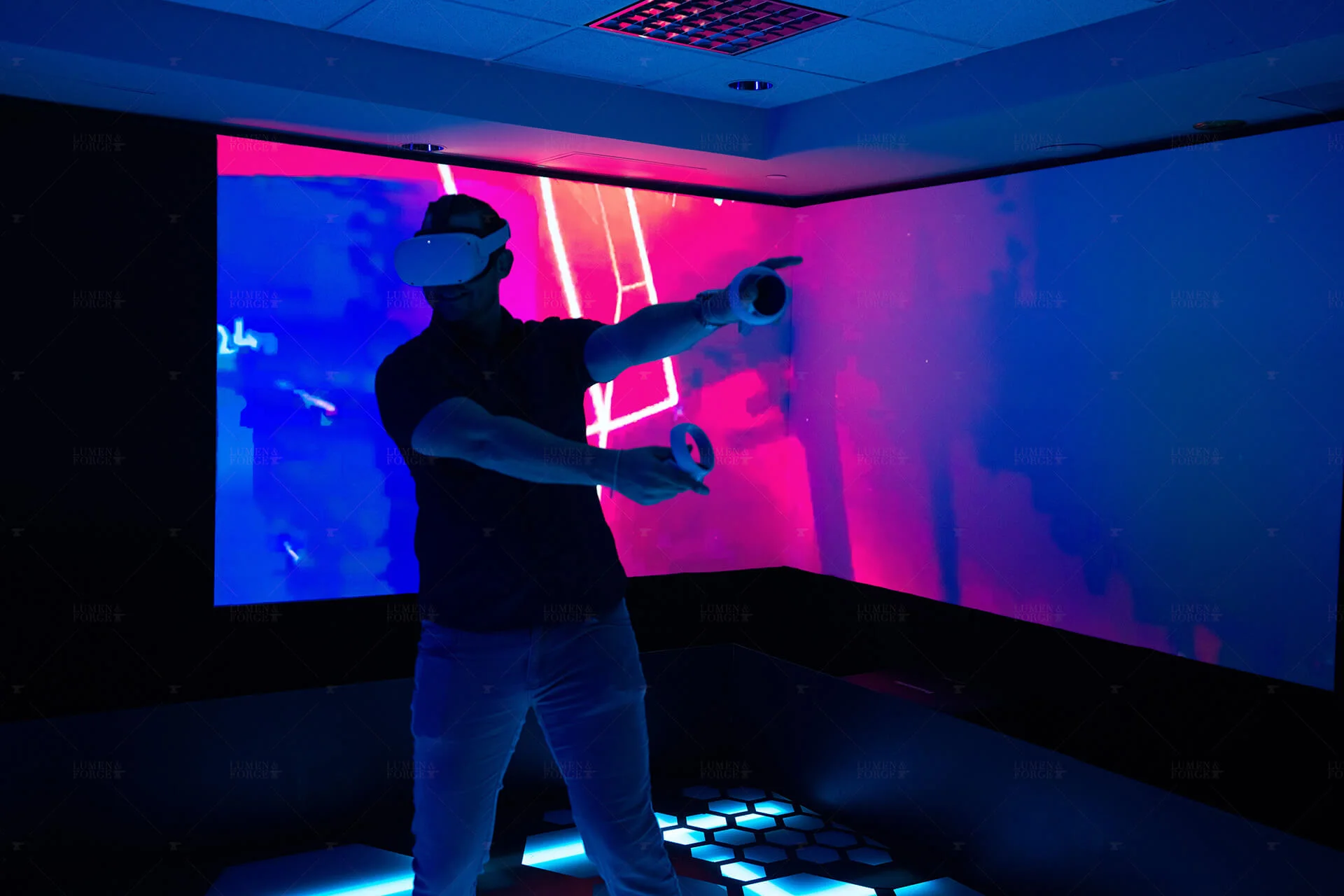
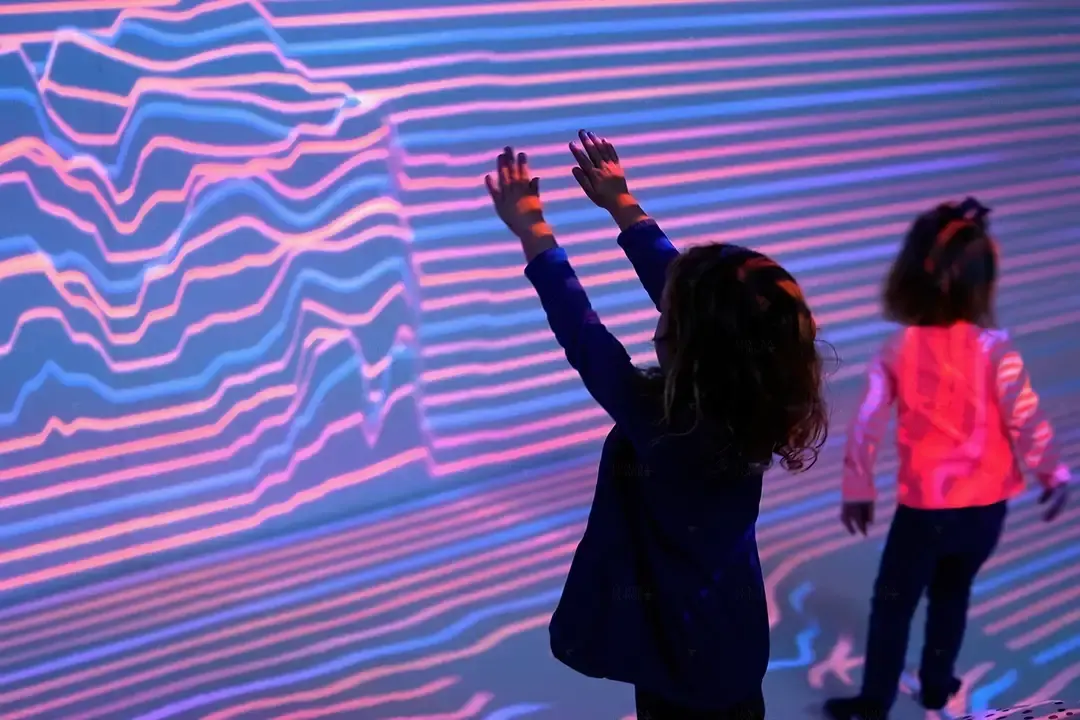
Interactive Projection
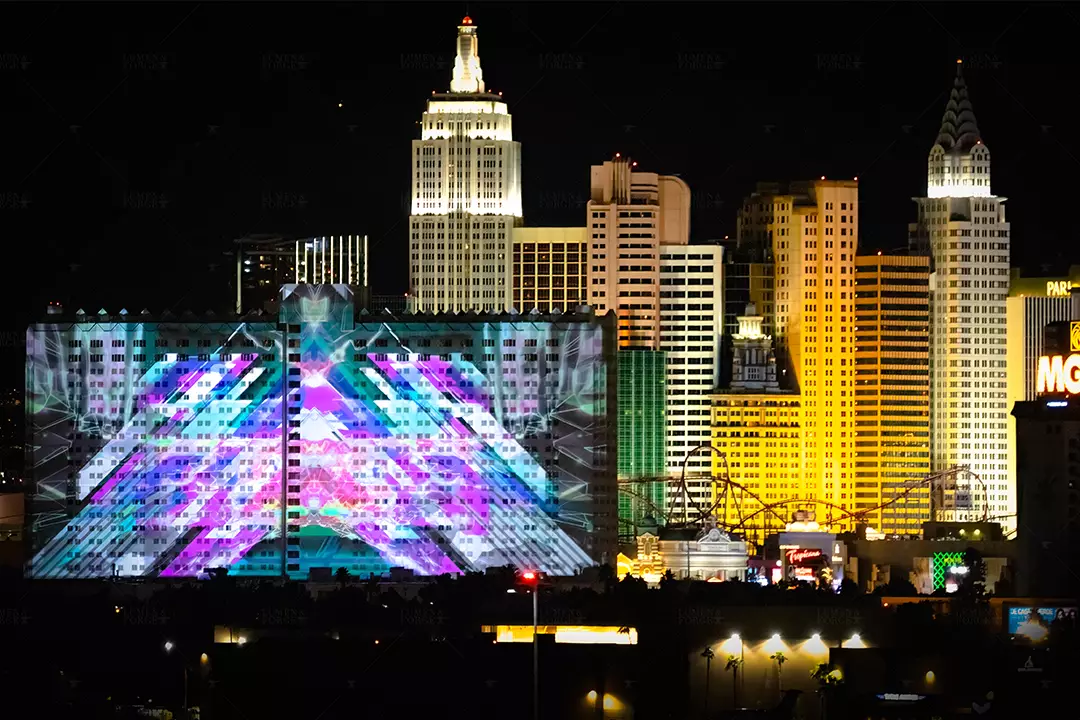
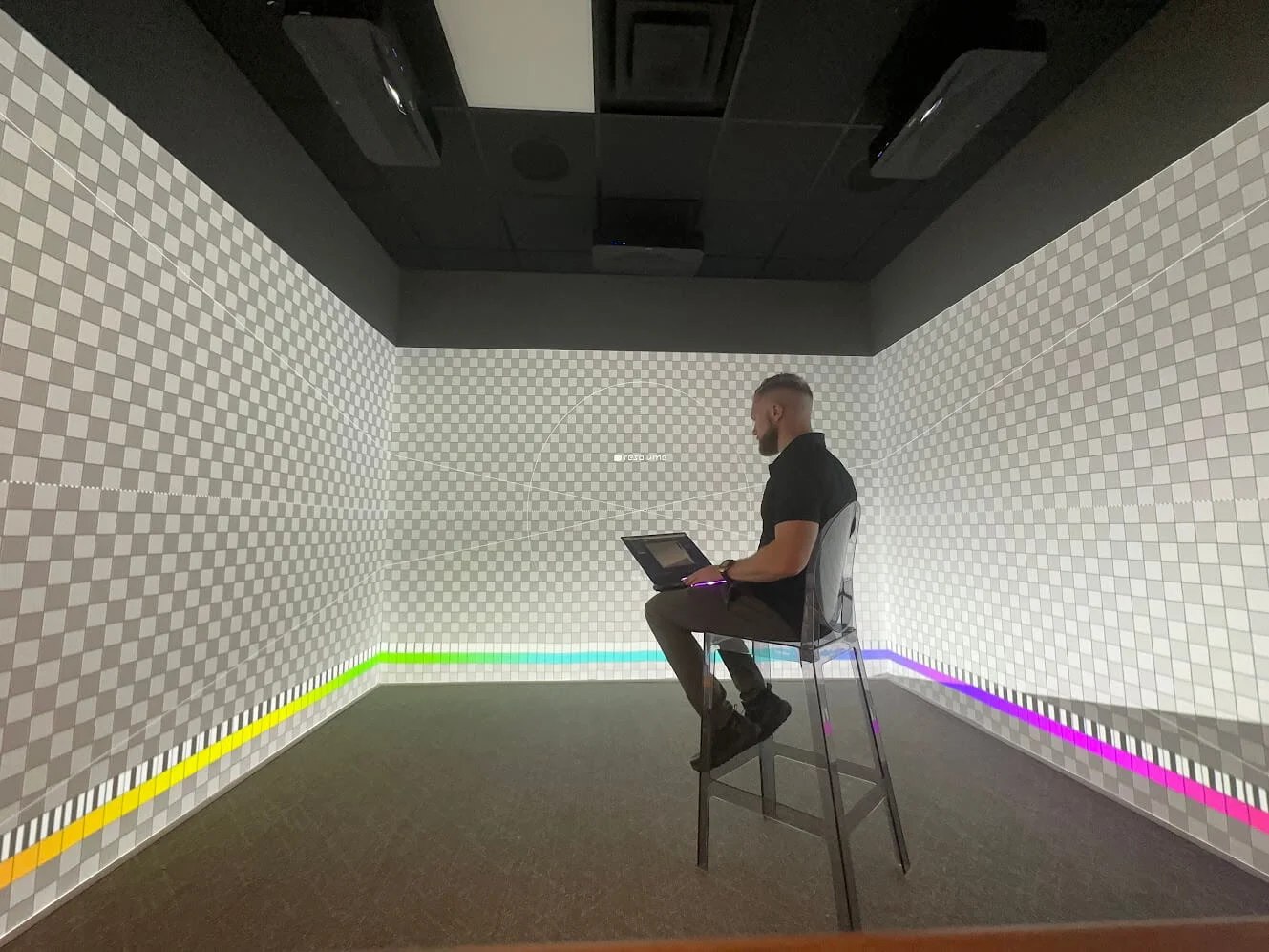
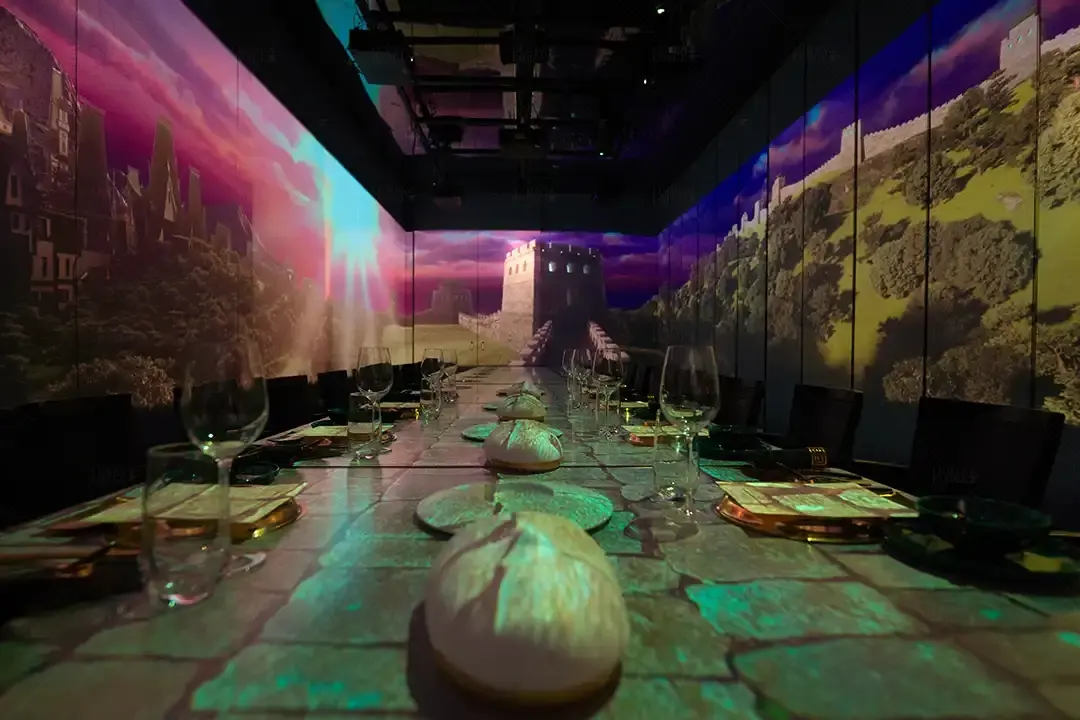
Room and Environment Mapping
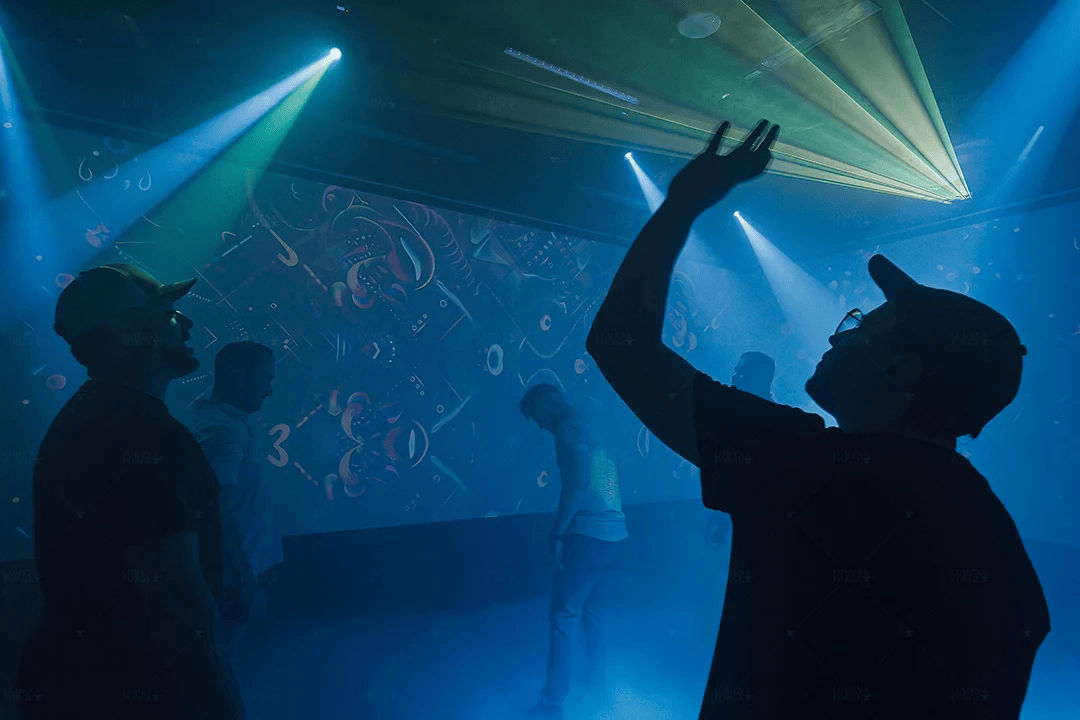
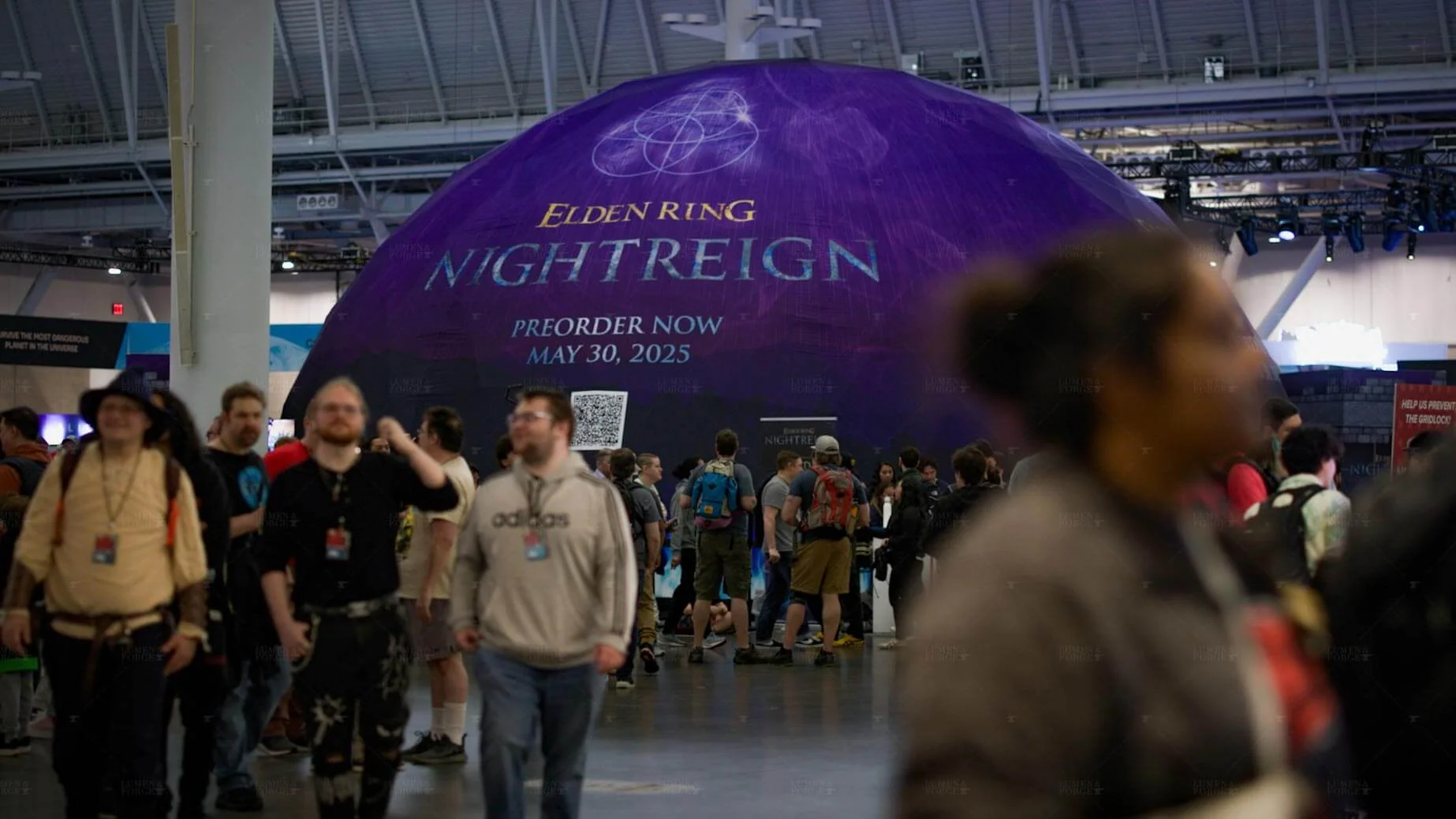
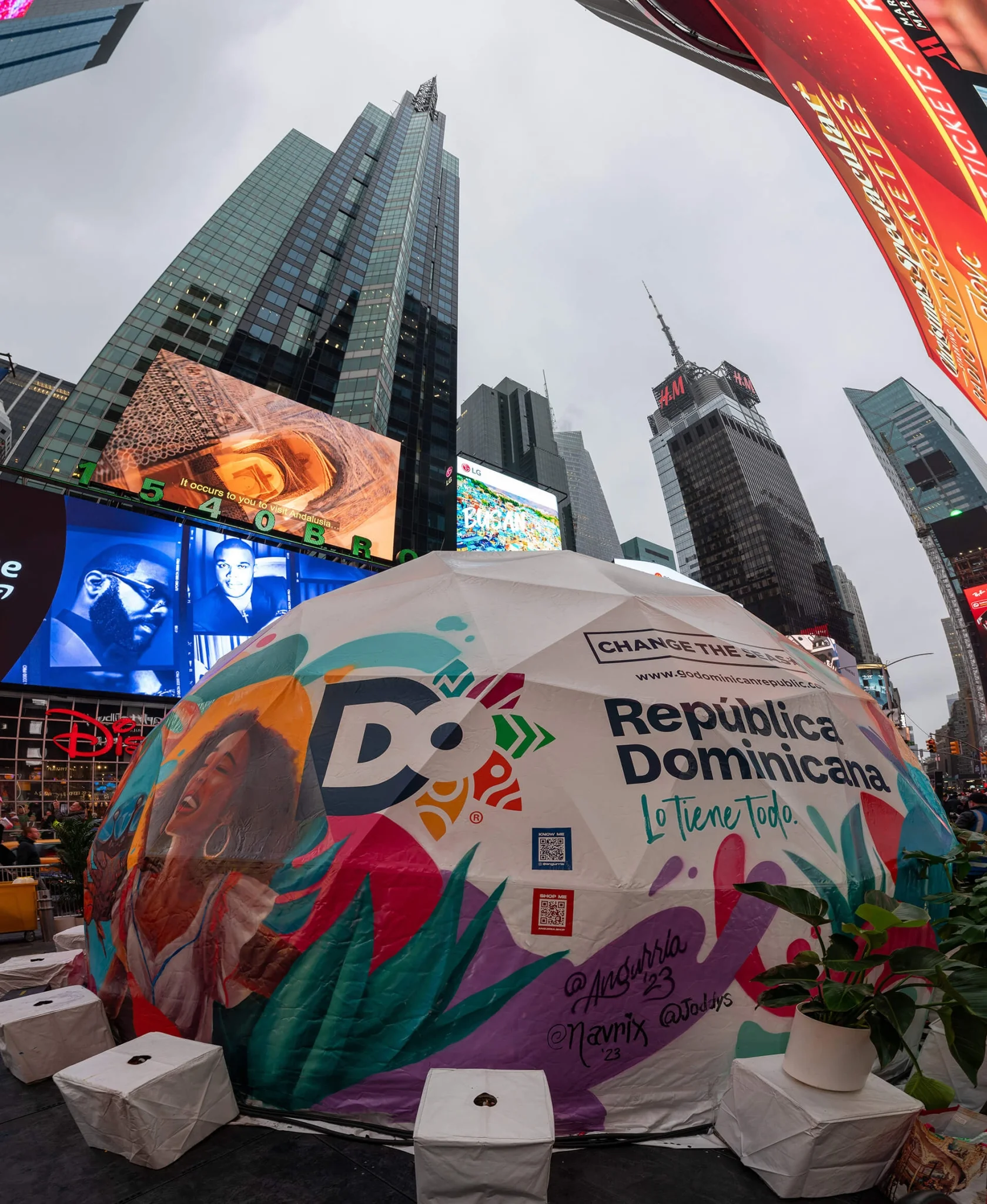
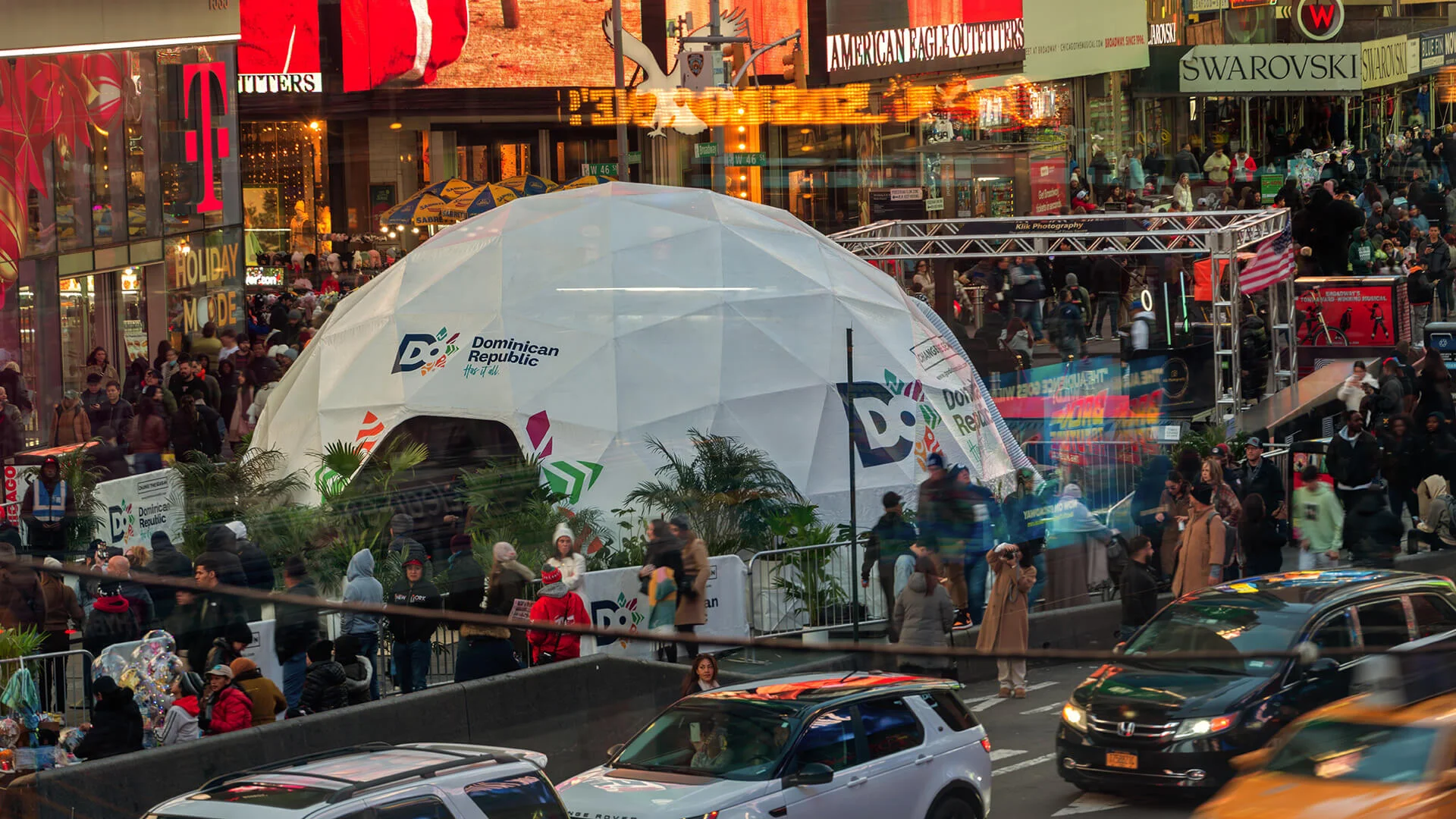
Dome Projection
Why St. Louis Is a Natural Fit for Projection Mapping
St. Louis audiences are not easily impressed by scale alone. This is a city that fills the Gateway Arch grounds for Fair Saint Louis on the Fourth of July weekend, lines the streets of Soulard for Mardi Gras in February, and gathers in Forest Park every September for the Great Forest Park Balloon Race. Spectacle is part of the civic rhythm here. A brand that arrives with nothing but a bright light and a loud soundtrack is competing with fireworks over a national monument, and that is a contest it will lose.
What the local audience rewards instead is craft and context. The same crowds that turn out for the balloon race in September also fill Clayton for the Saint Louis Art Fair, and they carry those expectations into brand activations. They notice when projected imagery is mapped precisely to the architecture of St. Louis Union Station rather than stretched across it. They notice when an installation at Kiener Plaza or the Missouri Botanical Garden responds to the people standing in front of it. During Garden Glow, which opens mid-November, visitors walk the grounds expecting every lit element to belong to the landscape. That standard travels with them to conventions at America's Center Convention Complex and to game nights at Enterprise Center, Busch Stadium and Energizer Park.
The industries that anchor the region raise the bar further. Healthcare and bioscience, financial services and wealth management, aerospace and defense, brewing and beverage, agtech and geospatial technology all sell complex, technical, high-stakes work. Their audiences are analysts, engineers, clinicians, investors and trade show attendees who read precision as credibility. A projected sequence that is off by an inch, or a room-scale environment that does not track correctly, undercuts the message before a single word of it lands. For these groups, projection mapping functions as proof of capability, not decoration.
That is also why the city's cultural venues matter so much to a campaign. The Saint Louis Art Museum, The Fabulous Fox Theatre and City Museum each carry their own visual identity, and audiences know them well. An activation that respects those spaces reads as a genuine contribution to the city's cultural calendar. One that treats them as blank screens reads as an intrusion. Conventions and pro sports add a second audience layer: out-of-town attendees forming a first impression of the region in a few hours. In St. Louis, the bar is set by the institutions and events people already love, and meeting it means designing for the room, the building and the crowd in front of it.
Lumen and Forge: A Studio Built for Gateway City Scale
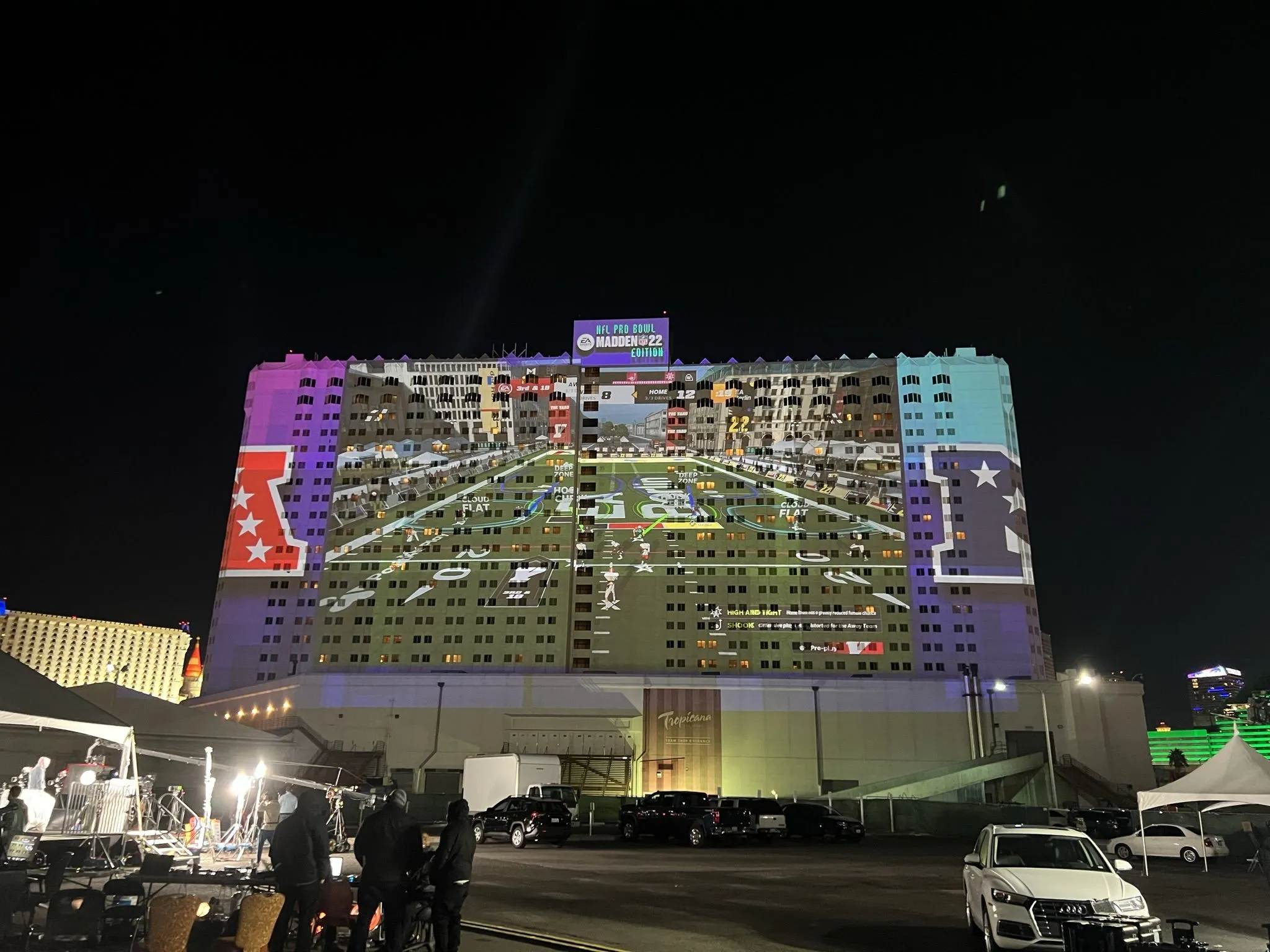
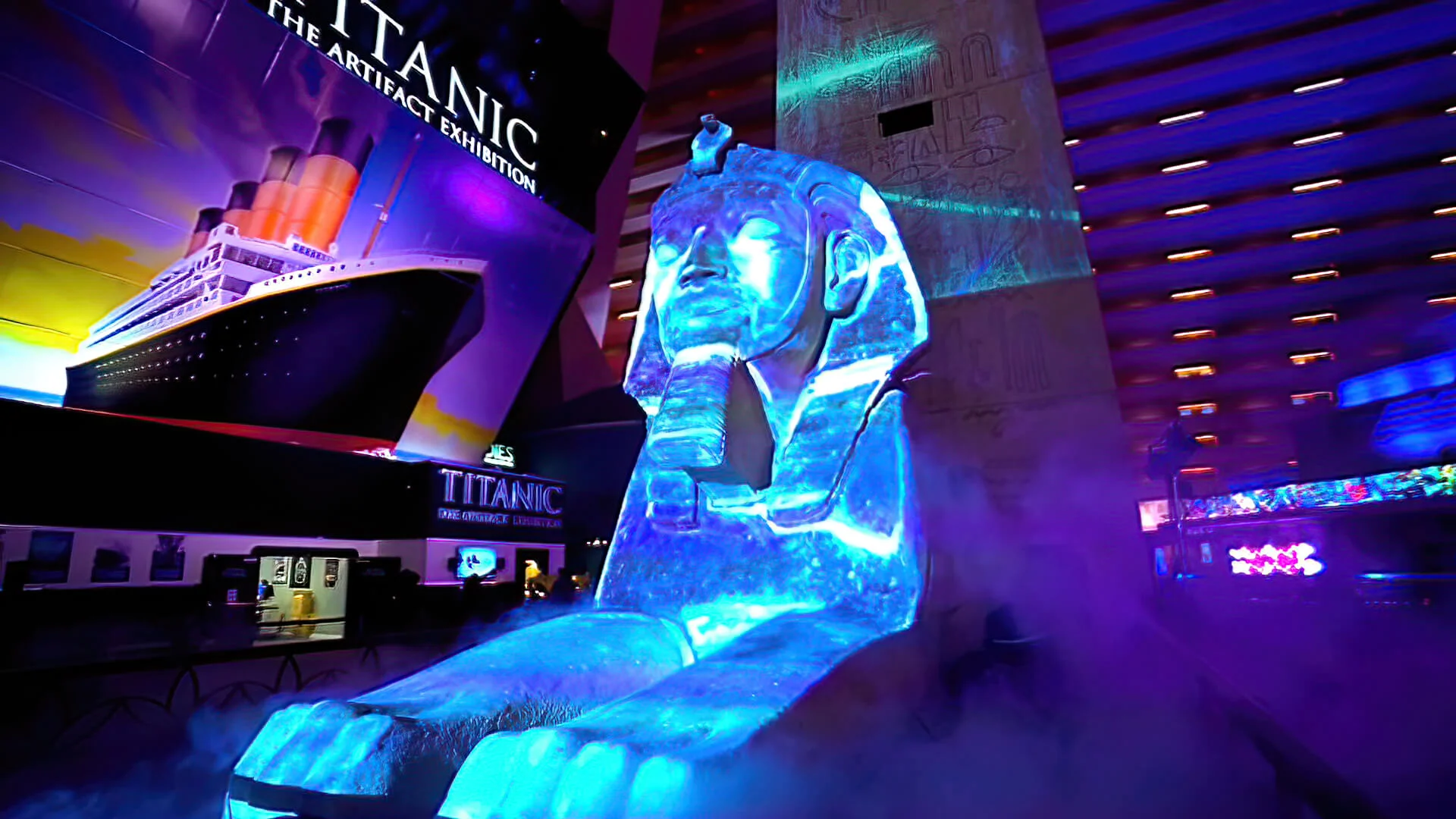
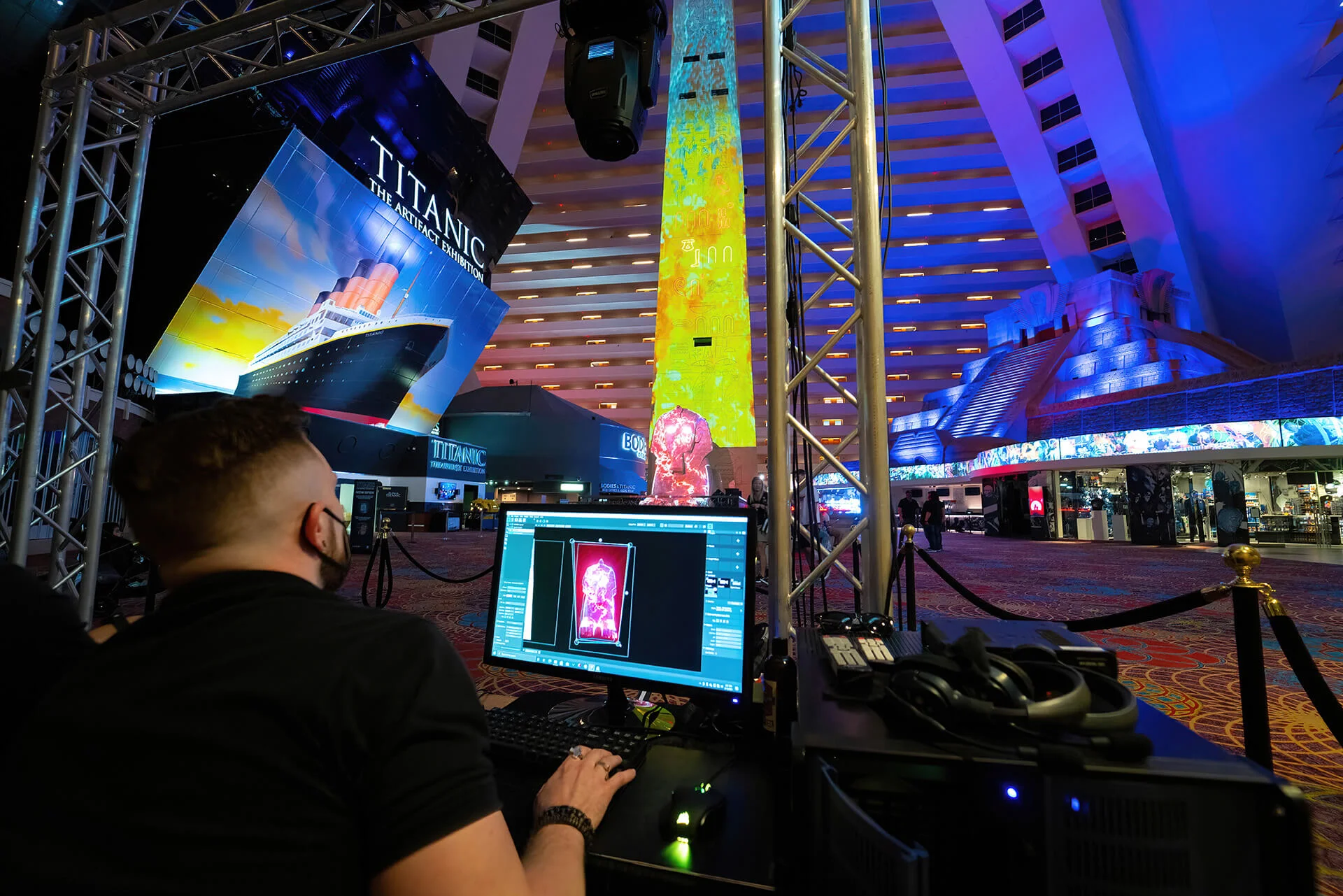
Over 15 years of producing large-scale projection mapping and immersive experiences for globally recognized brands gives Lumen and Forge the operational depth St. Louis productions require. Our portfolio includes building projections for Nike and Air Jordan at NBA All-Star Weekend, large-scale convention experiences for Toyota, McLaren, and Mastercard, a world record video game screen at the Tropicana, and the Beneath the Blue 360-degree dome for National Geographic. Our team is comfortable working alongside experienced production crews and holding a technical standard in front of an audience that knows the difference, which is exactly what St. Louis requires.
Who We Work With in St. Louis
Projection mapping in St. Louis tends to draw a specific mix of industries, each with its own reasons for wanting a building, a ballroom or a dome to come alive after dark. Here is who calls us most often.
- Healthcare and bioscience. Hospital systems, research institutions and life science companies use projection mapping for donor recognition evenings, innovation summits and recruitment events. A mapped wall or lobby installation gives complex work a visual language that a slide deck never manages, and it travels well across a multi-night conference schedule.
- Financial services and wealth management. Banks, advisory firms and wealth managers hire us for client appreciation events, annual meetings and milestone anniversaries. The tone here is restrained and precise: clean architectural mapping on a venue facade or an interior feature wall, timed to a program, never competing with the speaker on stage.
- Aerospace and defense. Engineering and manufacturing teams use immersive content for partner briefings, STEM outreach and employee milestones. Object mapping on a physical model or component, paired with a room-scale environment, explains a program faster than any walkthrough.
- Brewing and beverage. Taproom activations, brand launches and festival sponsorships call for projection that works in a loud, crowded, low-light room. We map onto bars, tanks, walls and temporary structures so the brand reads clearly from every angle.
- Agtech and geospatial technology. Companies in these sectors use data-driven visuals for investor days, customer summits and trade show booths, turning mapping layers, field imagery and location data into something an audience can actually watch.
- Conventions and pro sports. Convention organizers, exhibitors and teams need content that survives a tight load-in and a hard deadline, from a general session stage to a fan activation outside the arena.
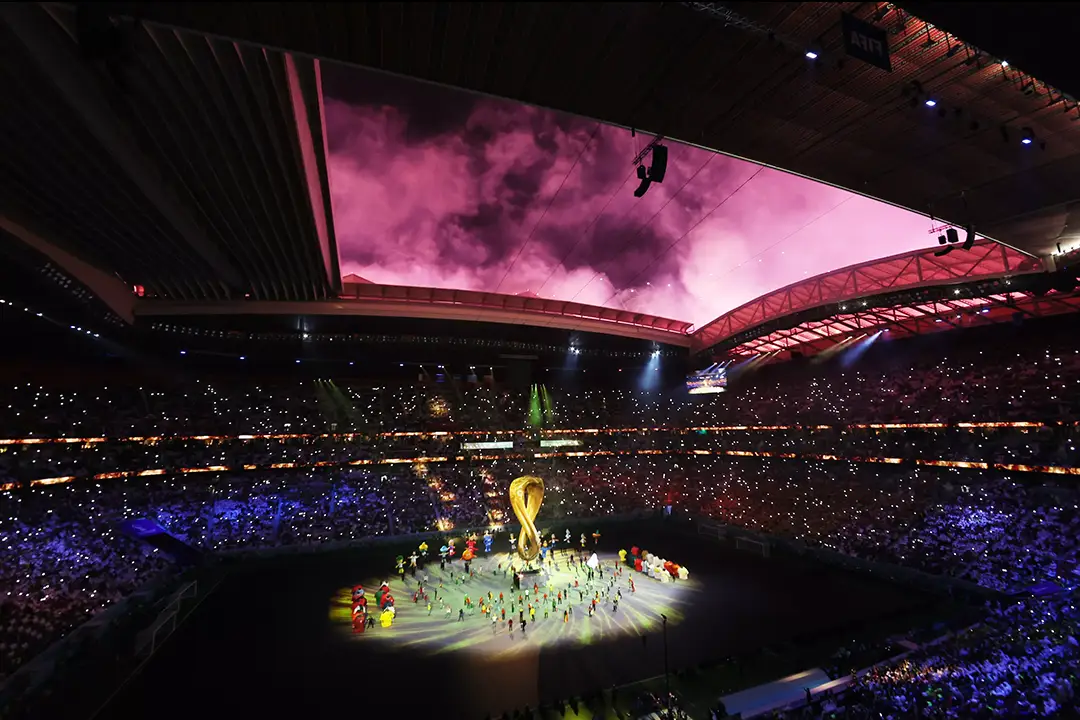
Ready to Light Up the Riverfront?
Frequently Asked Questions: Projection Mapping in St. Louis
Standard projection displays a flat image on a flat screen or white wall. Projection mapping uses specialized software to warp, align, and calibrate video content so it fits precisely onto any three-dimensional surface, whether that is a building exterior, a custom sculpture, a vehicle, or an entire room. The software accounts for every edge, angle, and curve, so the content appears to belong to the object itself rather than simply being cast onto it. In a city full of working production professionals, that level of precision is what separates a real installation from a lighting effect.
Yes. Projection mapping works outdoors in St. Louis, but the calendar matters. Summer evenings stay bright late, so cues often start closer to 9 p.m., while Garden Glow opens in mid-November when darkness arrives early and the Missouri Botanical Garden runs nightly. Spring and fall bring the widest comfortable windows. Plan around rain, heat and humidity in July, and cold in January. Aim projectors away from streetlights and stadium floodlights, and test brightness on site before the first guest arrives.
St. Louis offers standout canvases for projection mapping. America's Center Convention Complex and The Dome at America's Center handle large-scale convention work, while Enterprise Center, Busch Stadium and Energizer Park bring the technology to pro sports crowds. The Gateway Arch and Kiener Plaza anchor outdoor civic moments, and St. Louis Union Station, the Saint Louis Art Museum, the Missouri Botanical Garden, City Museum and The Fabulous Fox Theatre each suit architectural and immersive projection.
Soulard Mardi Gras in February brings crowds into the streets when nights are longest. Fair Saint Louis over the July 4 weekend fills the Gateway Arch grounds. The Great Forest Park Balloon Race and the Saint Louis Art Fair in Clayton both land in September, and Garden Glow opens at the Missouri Botanical Garden in mid-November. Each gives projection mapping a built-in audience.
Yes. Lumen and Forge coordinates permits, power, rigging and site logistics directly with your venue and its operations team, so your staff is not chasing load-in windows or generator placements. For events on city streets, sidewalks or parks, that includes the Special Event Permit from the City of St. Louis Office of Special Events, which is handled through the Board of Public Service and should be filed at least 30 days ahead, ideally 90. Indoor venues like America's Center Convention Complex, Enterprise Center and The Fabulous Fox Theatre follow their own approval paths.
What projection mapping costs in St. Louis depends on the surface you are mapping and the story you want on it. A single wall inside a convention hall, a full facade at the Fabulous Fox Theatre and a room-scale build at the City Museum each carry different content, equipment and crew needs. Duration matters too: a one-night activation at Kiener Plaza is scoped differently from a multi-week seasonal run. Share your venue, dates and creative ambition, and Lumen and Forge will build a quote around them.
Lead time depends on the scale of the project. Custom content, a site survey, equipment and crew scheduling all take time, and large building projections and outdoor events need the longest runway. Events on city streets, sidewalks or parks also need a Special Event Permit from the City of St. Louis Office of Special Events, applied for at least 30 days and ideally 90 days ahead. Get in touch as soon as your St. Louis venue and date are set so we can plan the schedule with you.
The difference comes down to the surface. Standard projection mapping fits imagery onto a flat plane, like a facade or a screen. 3D projection mapping accounts for objects with depth, so content wraps corners, curves and recessed features without distortion. Projecting onto the arches and limestone detail of St. Louis Union Station is a 3D problem, not a flat one.
In addition to projection mapping, we offer dome projection for fully immersive 360-degree spherical experiences, event and project design for end-to-end production planning, and animation and visual storytelling for original content creation. Many of our St. Louis clients combine projection mapping with one or more of these services into a single integrated production. We are a full-service immersive experience company, and the strongest work we build is conceived as a whole from the first conversation.
Do you have more questions?
Didn't find what you were looking for? Our team is happy to walk you through your project and answer anything else