


A Desert City That Comes Alive After Sundown
Tucson is a year-round production market with a calendar that never really goes quiet. The Tucson Gem and Mineral Show fills February, La Fiesta de los Vaqueros Tucson Rodeo runs the same month, and the Tucson Festival of Books follows in March. Tucson Meet Yourself takes over in October, the All Souls Procession draws crowds in November, and the Winterhaven Festival of Lights closes out December. For brands planning launches, sponsorships and activations, that rhythm means there is almost always an audience already gathered and looking for something to watch.
The venue mix rewards ambitious work. The Tucson Convention Center and Tucson Arena handle large-scale indoor events, while Linda Ronstadt Music Hall, Fox Tucson Theatre and Rialto Theatre bring tighter, character-rich rooms. McKale Center and Casino Del Sol Stadium add scale, and the Pima County Historic Courthouse, Tucson Museum of Art, Hotel Congress and Arizona-Sonora Desert Museum offer settings where projection and immersive design can transform an existing space rather than compete with it.
The local audience is just as varied. Aerospace and defense, higher education and research, optics and astronomy, healthcare, the gem and mineral trade, and tourism and resorts all run events here, each with different expectations for production value.
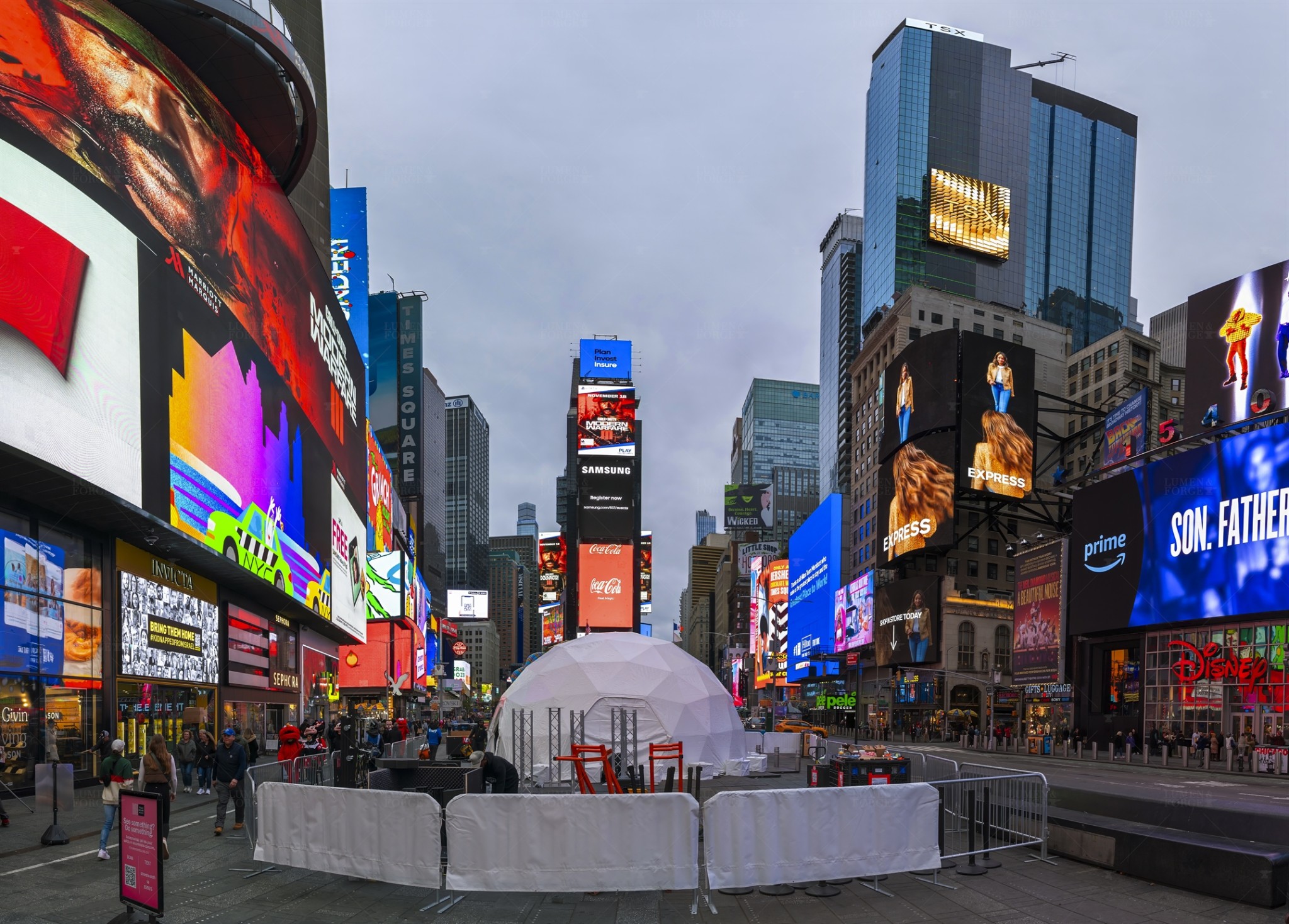
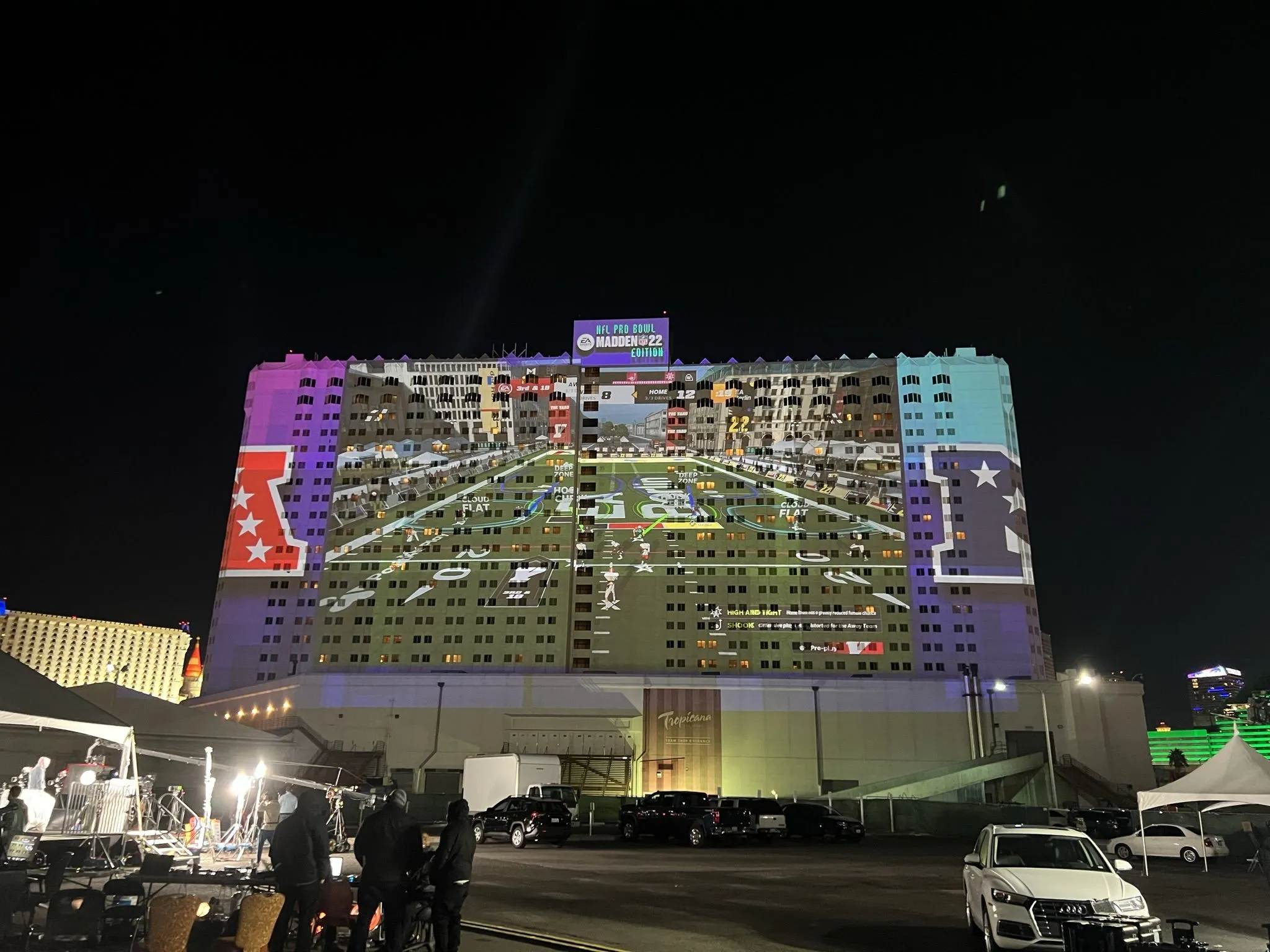
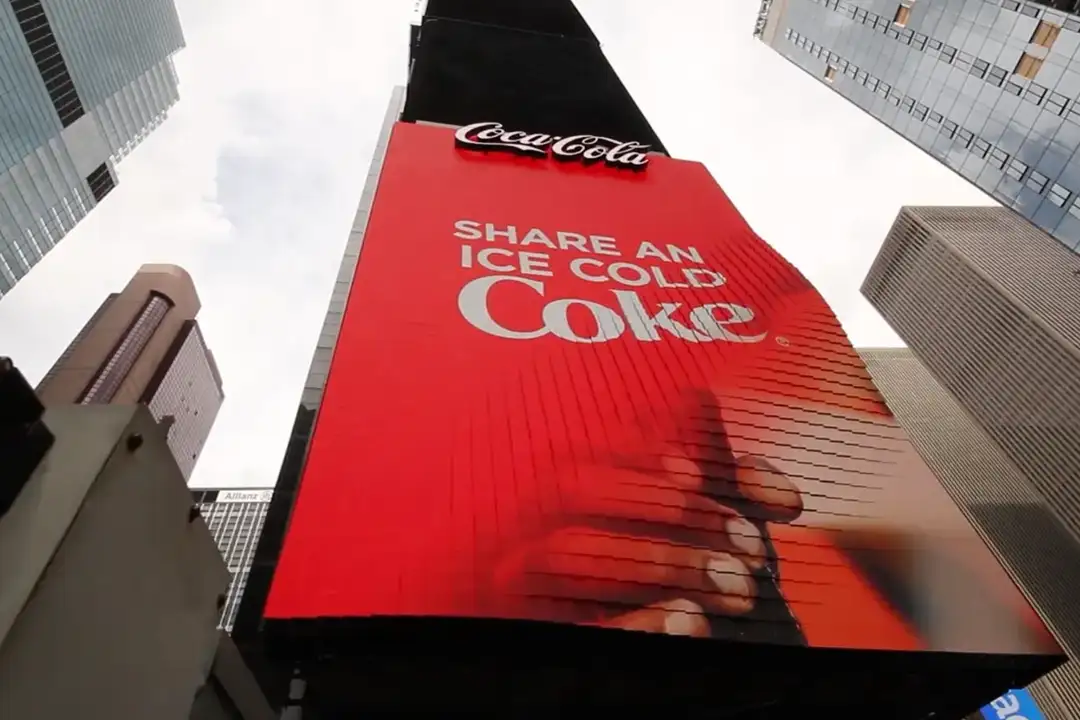
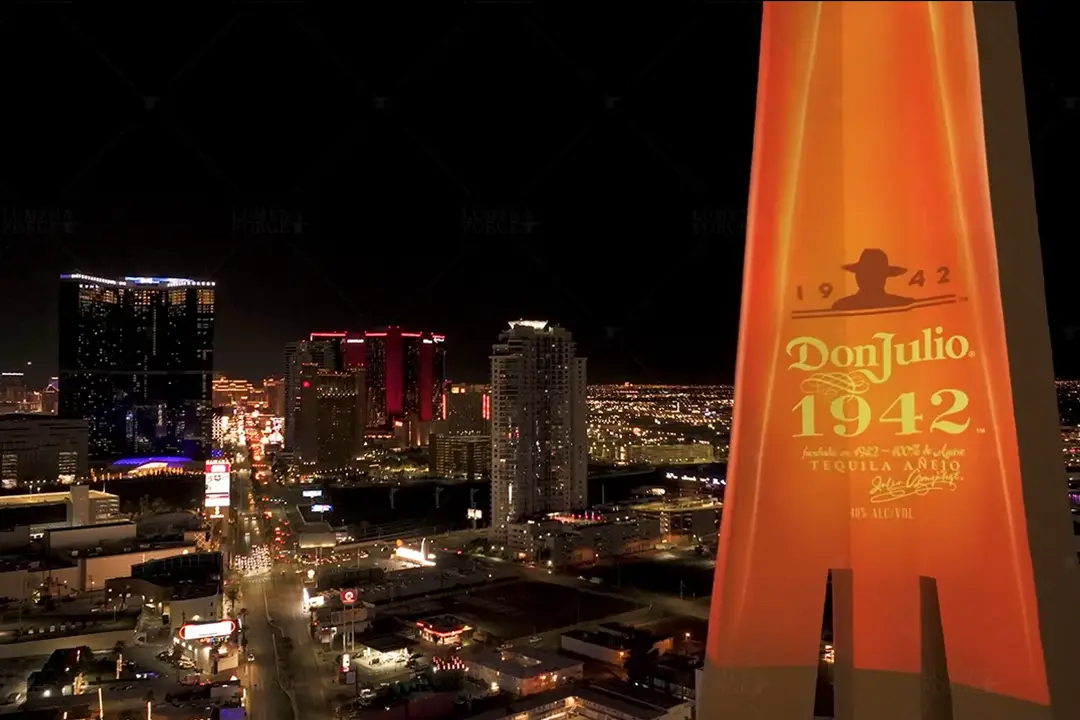
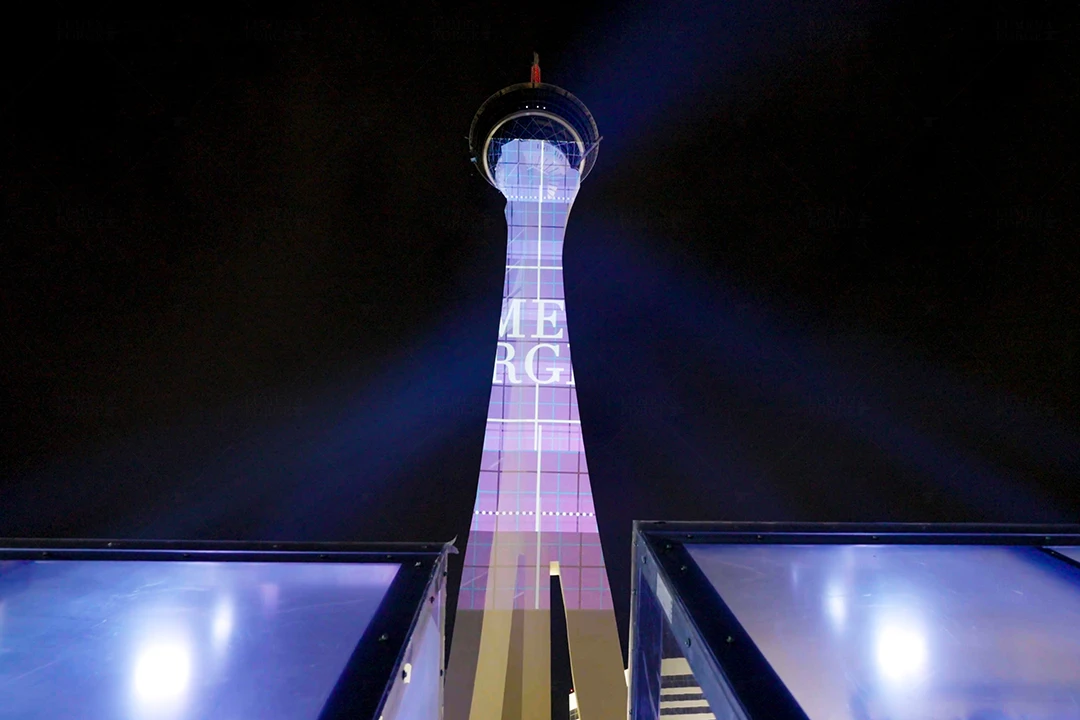
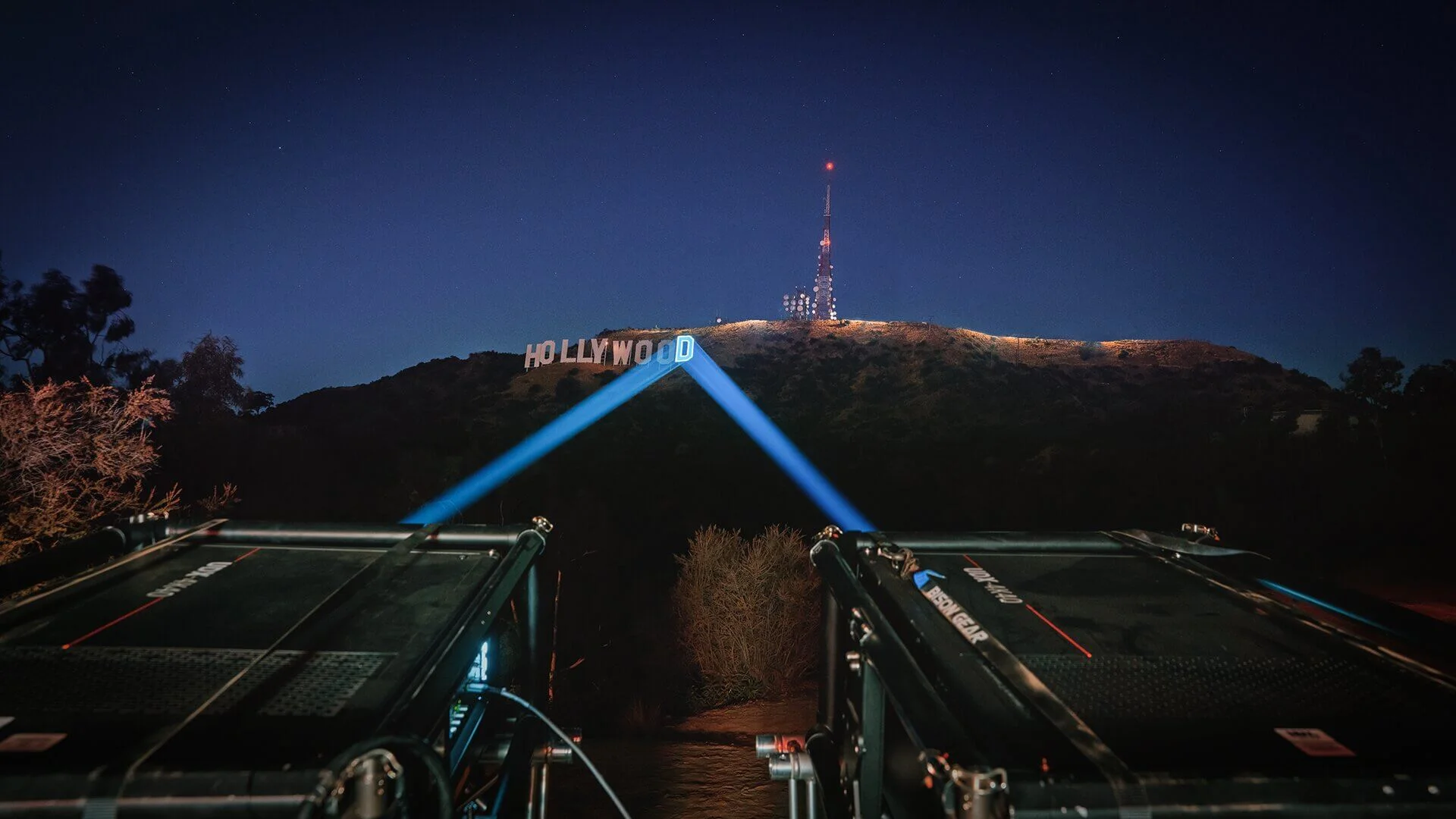
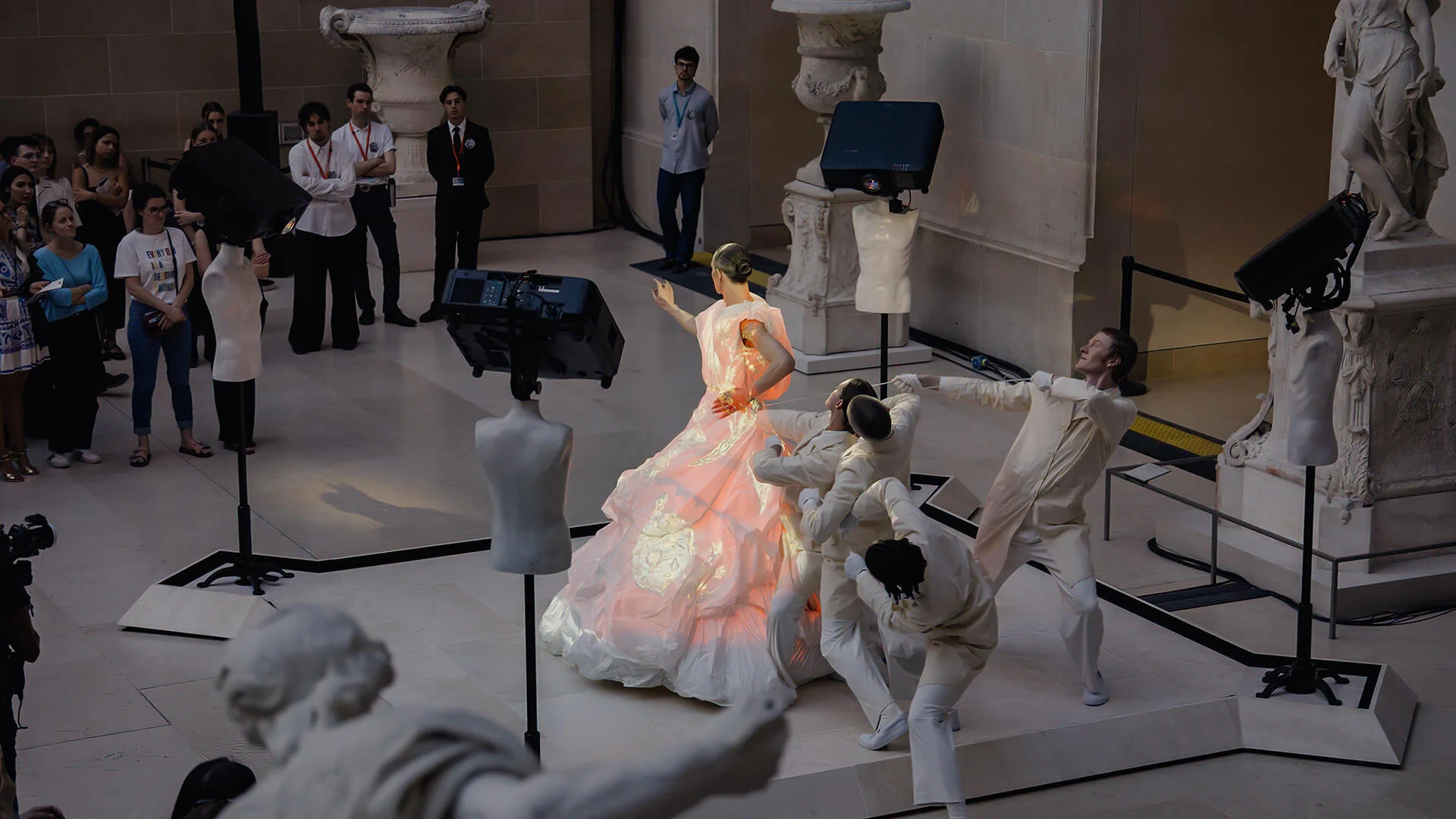
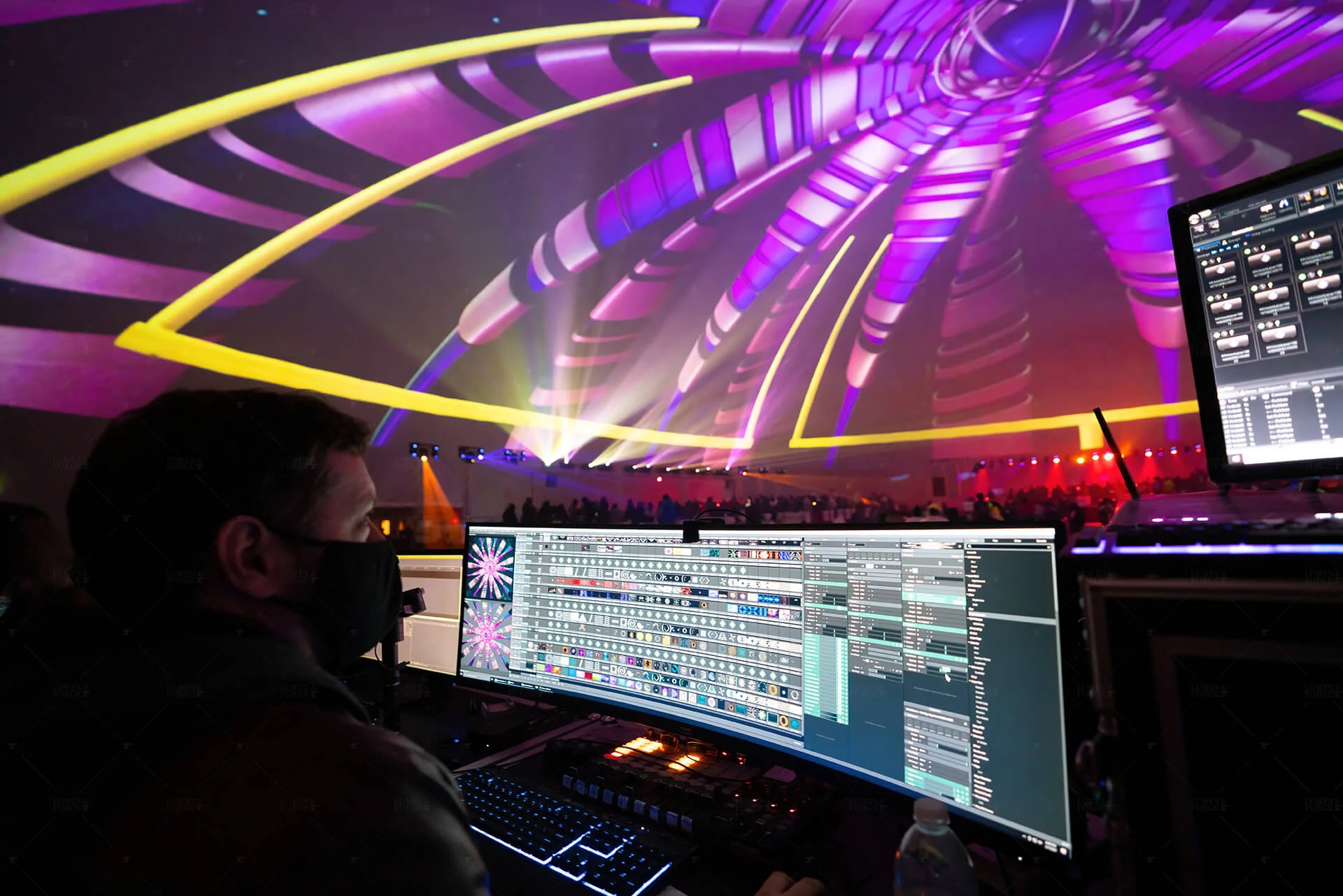
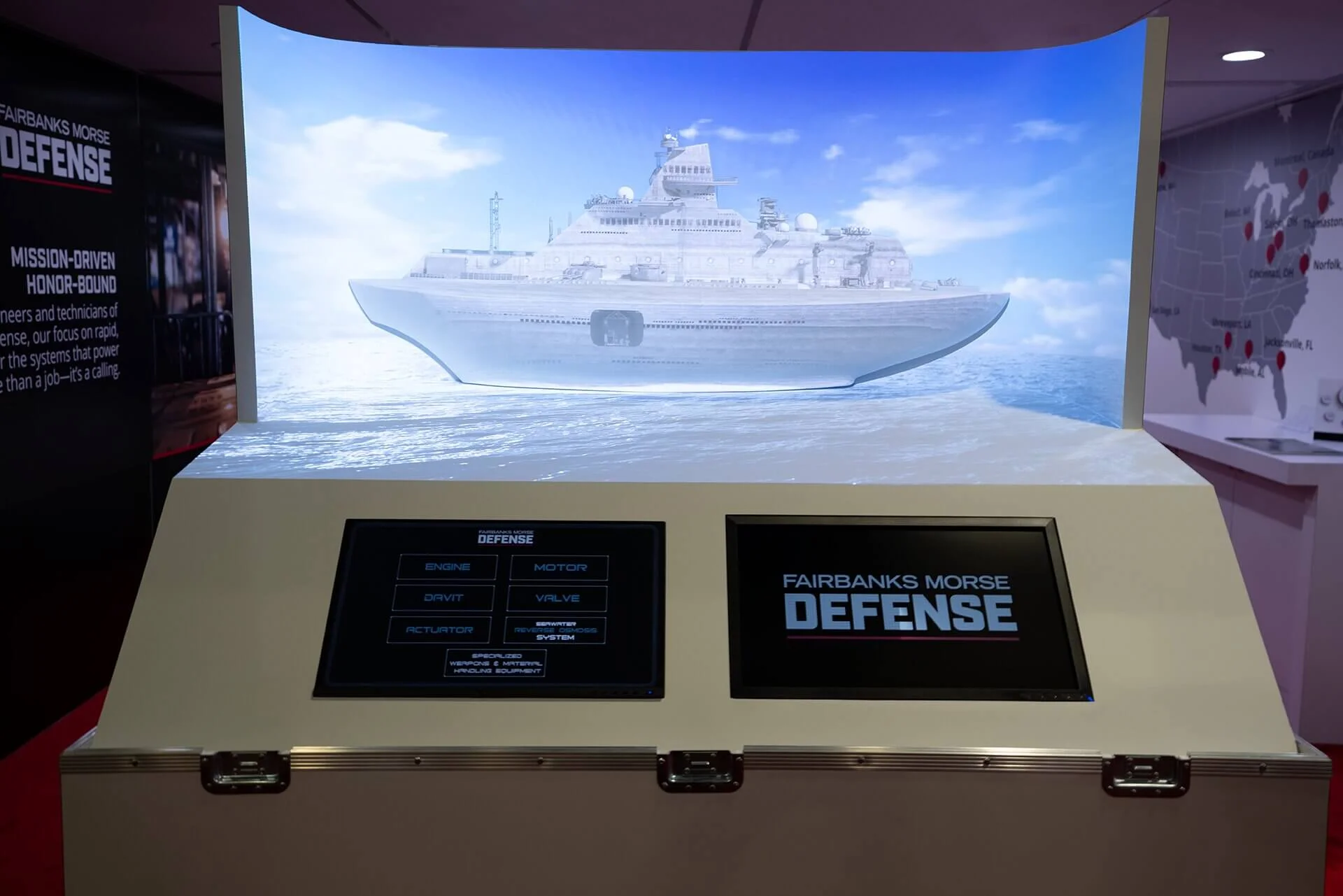
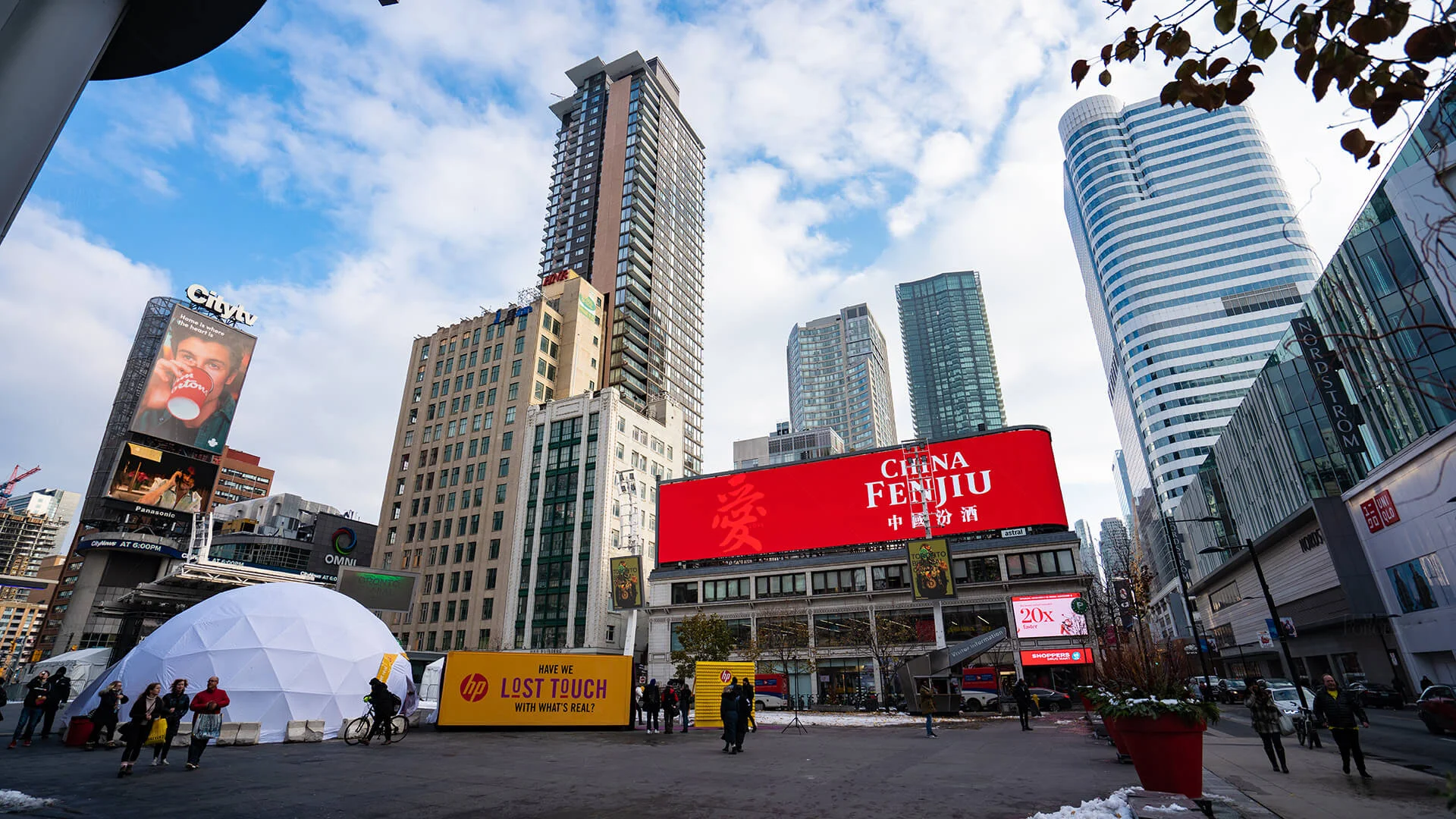
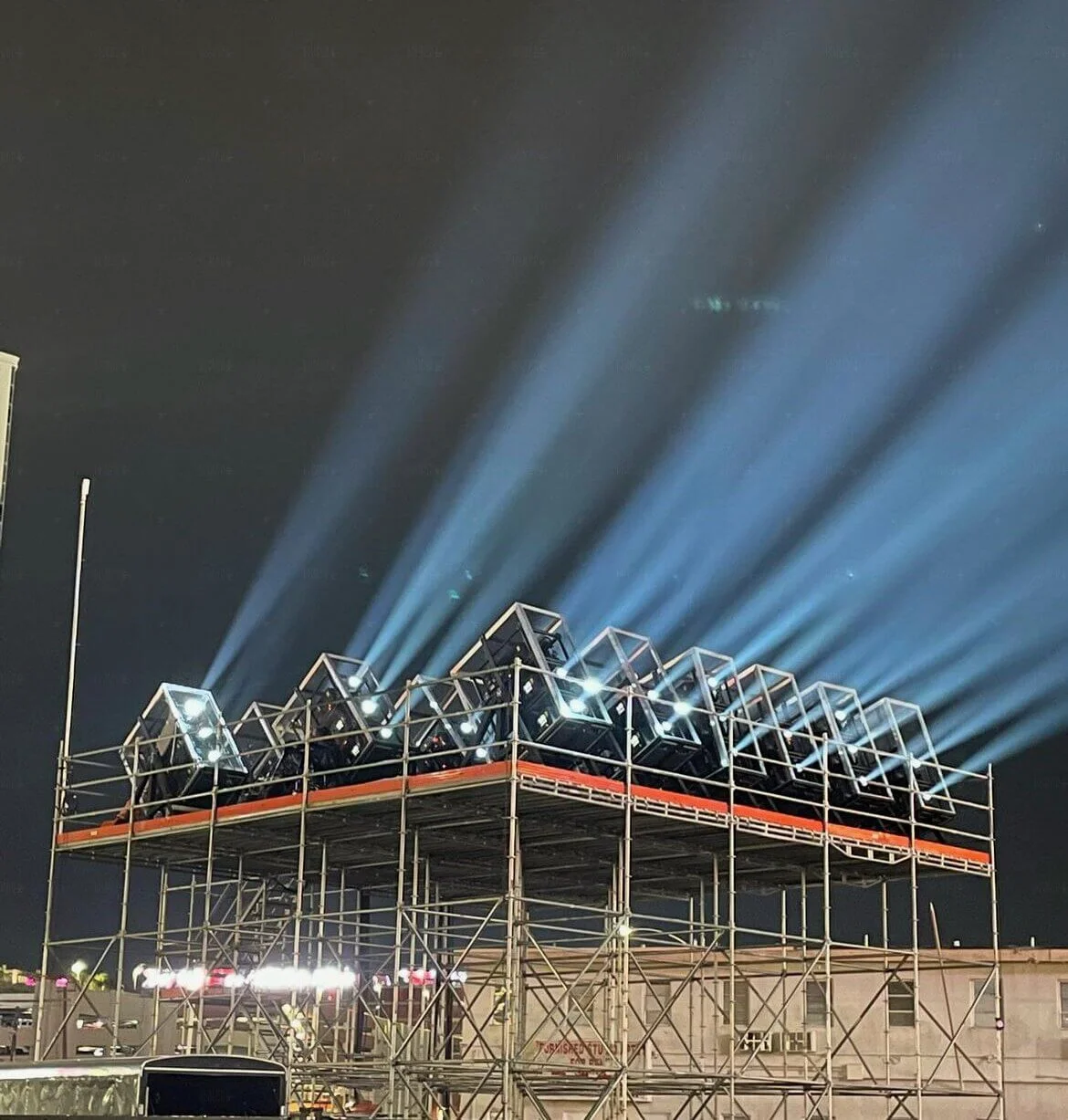
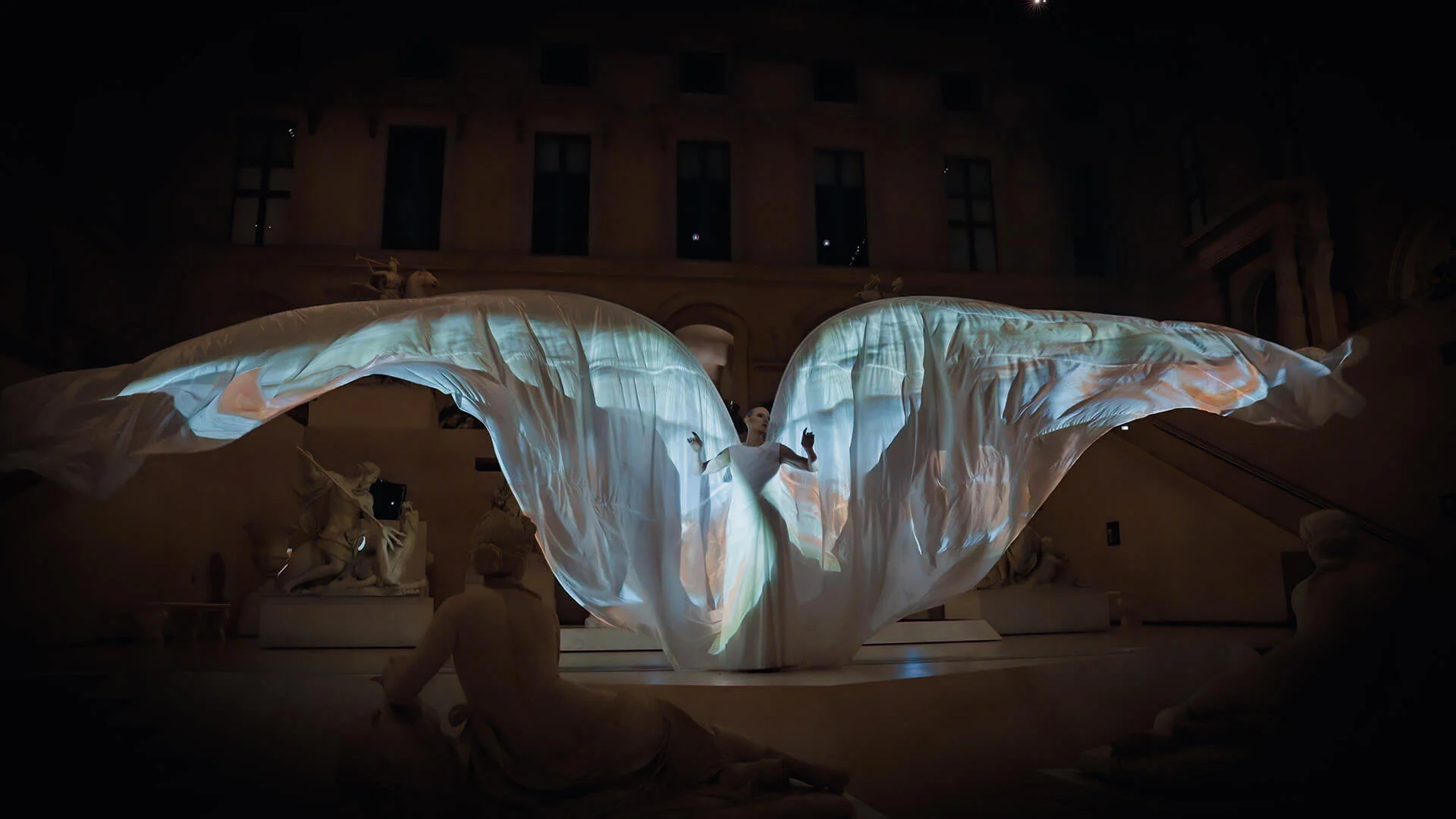
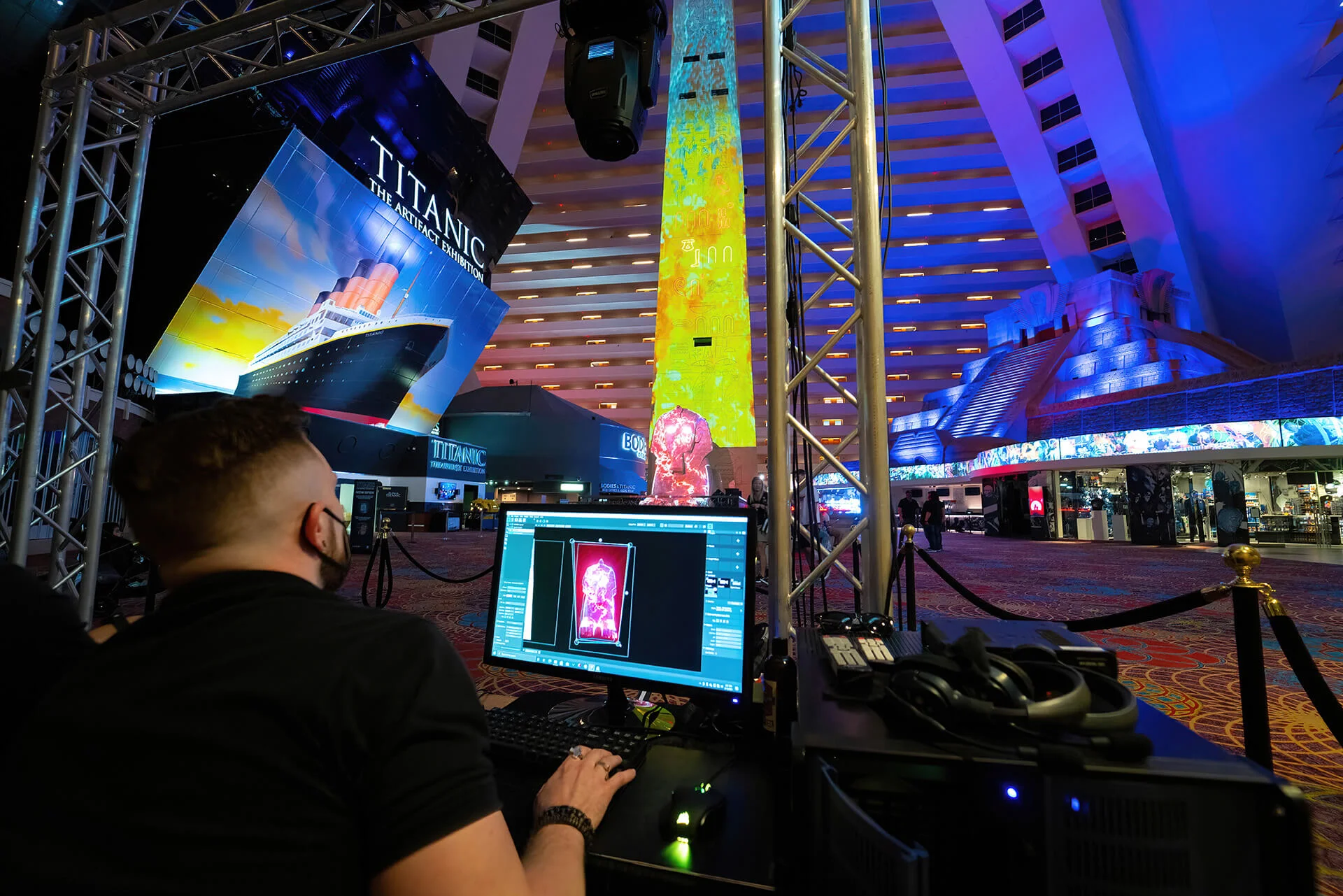
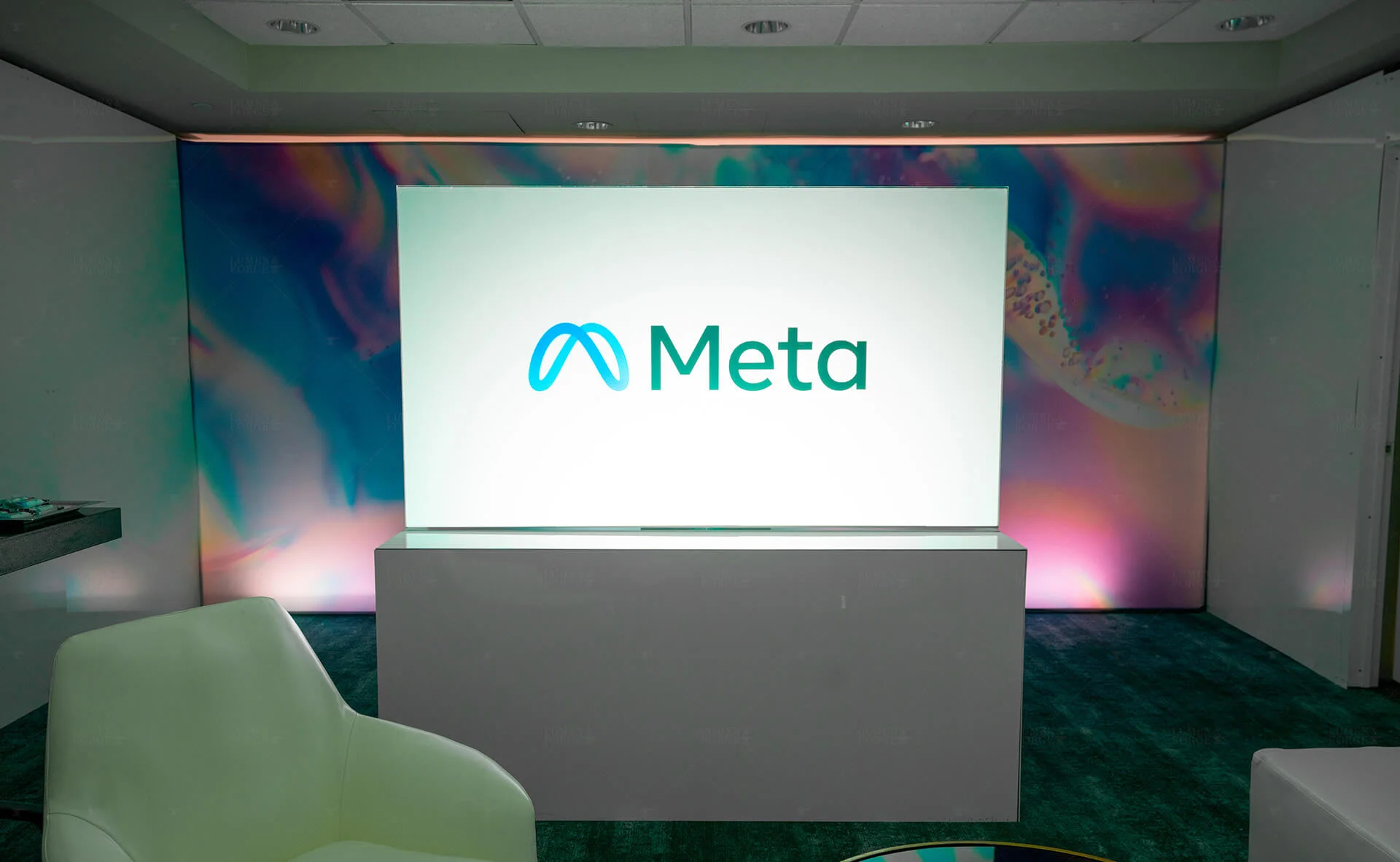
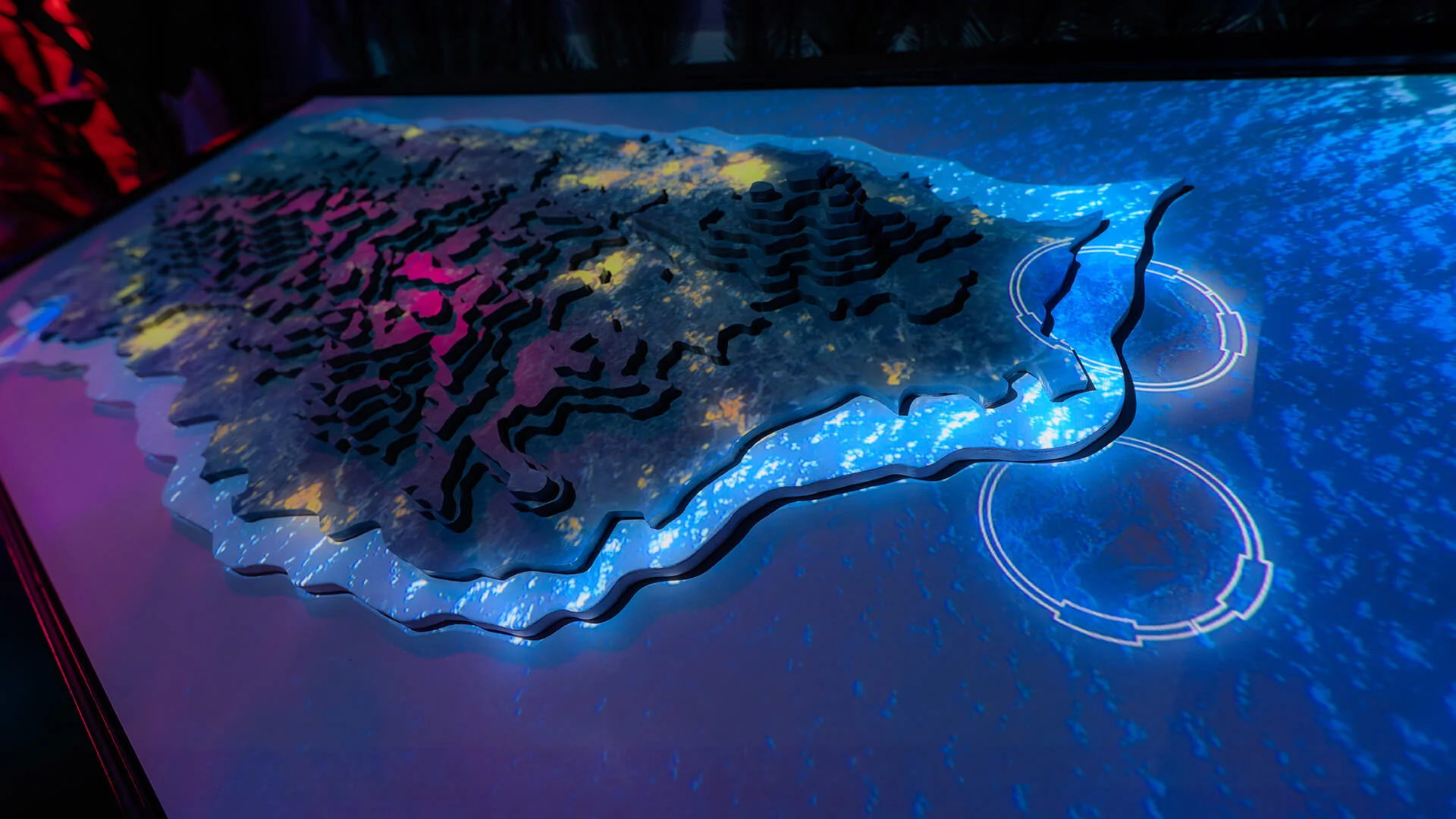
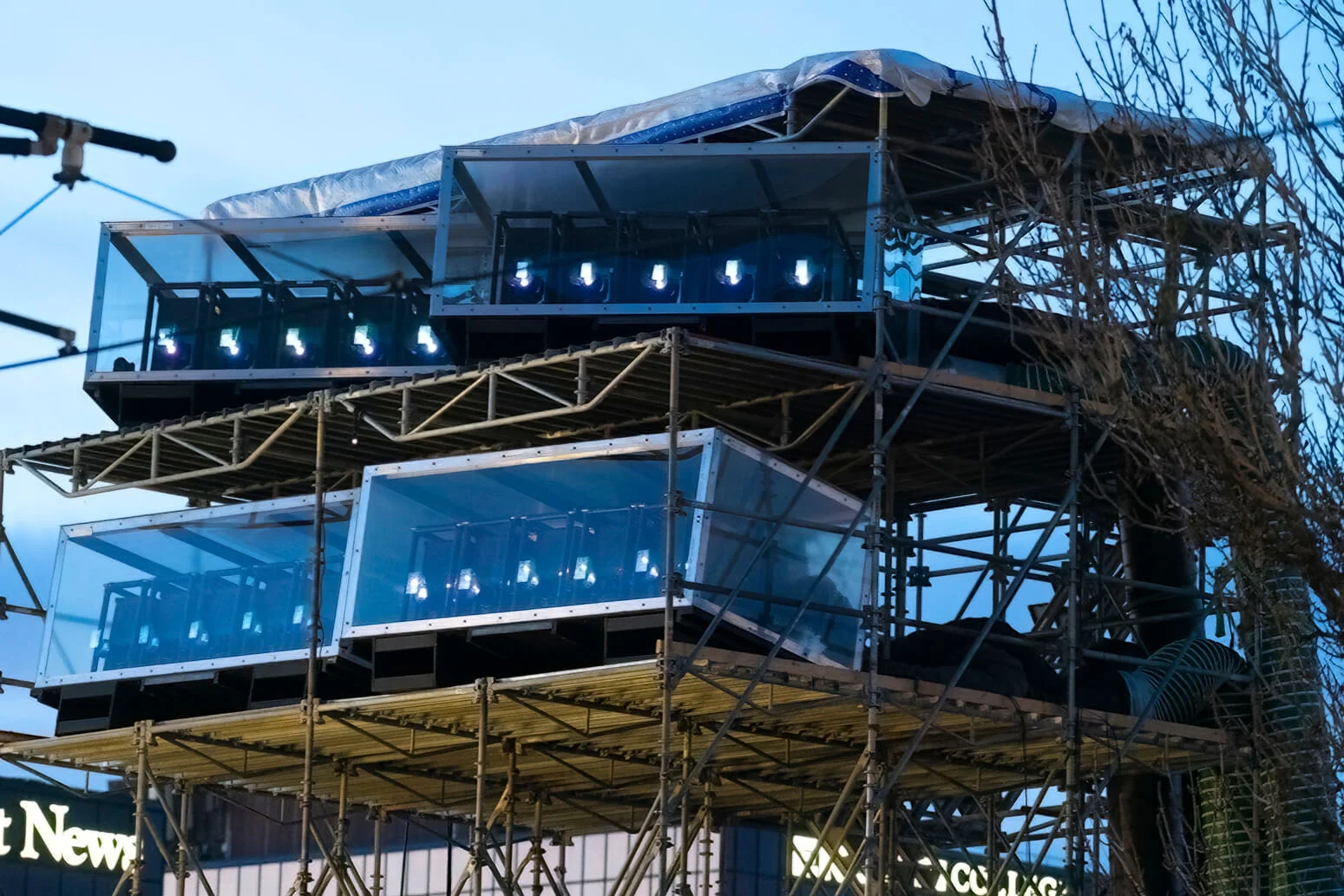
Take A Closer Look
A Deeper Look Into Animation & Visual Story Telling
A Deeper Look Into
Projection Mapping
Projection Mapping: Turning Any Surface Into a Story
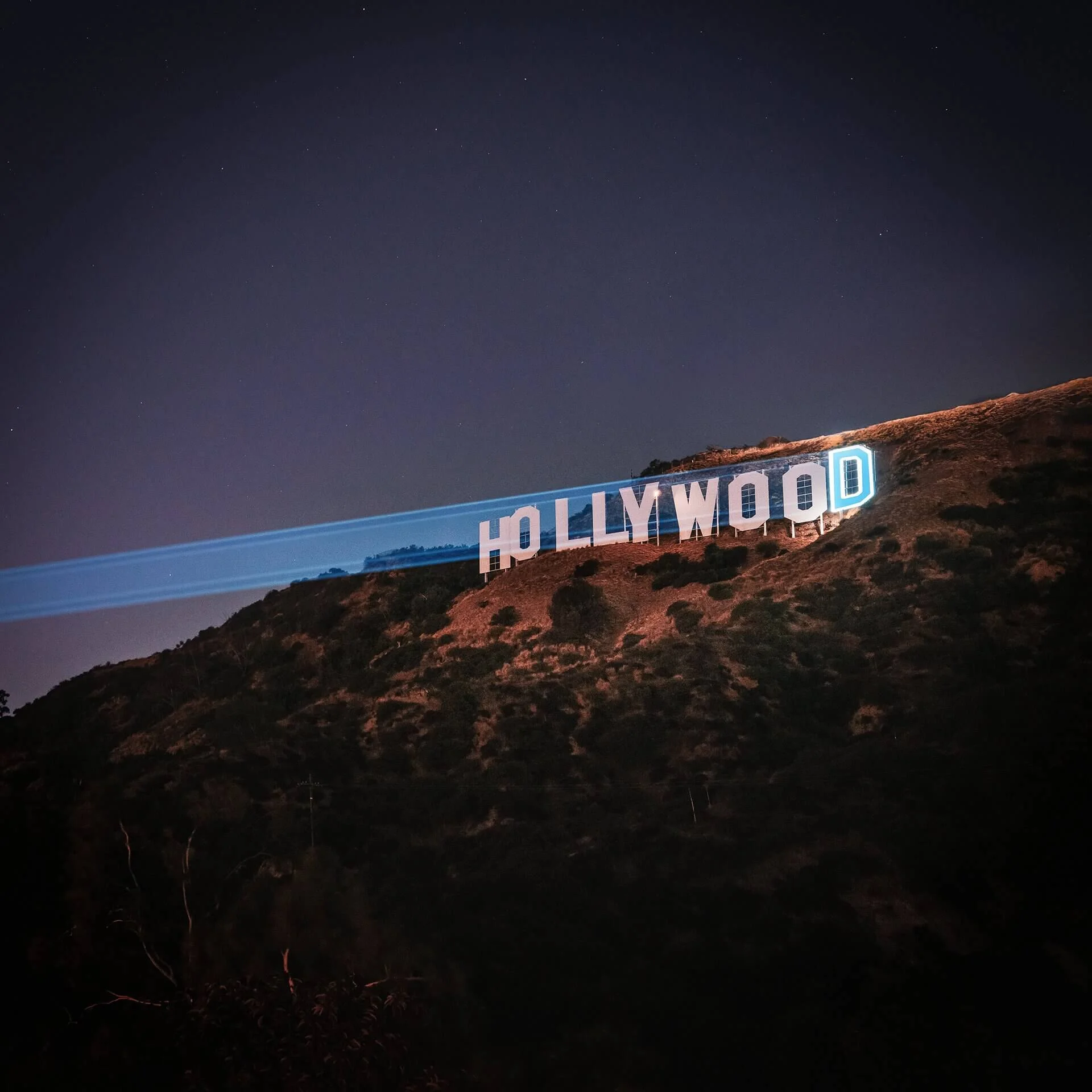
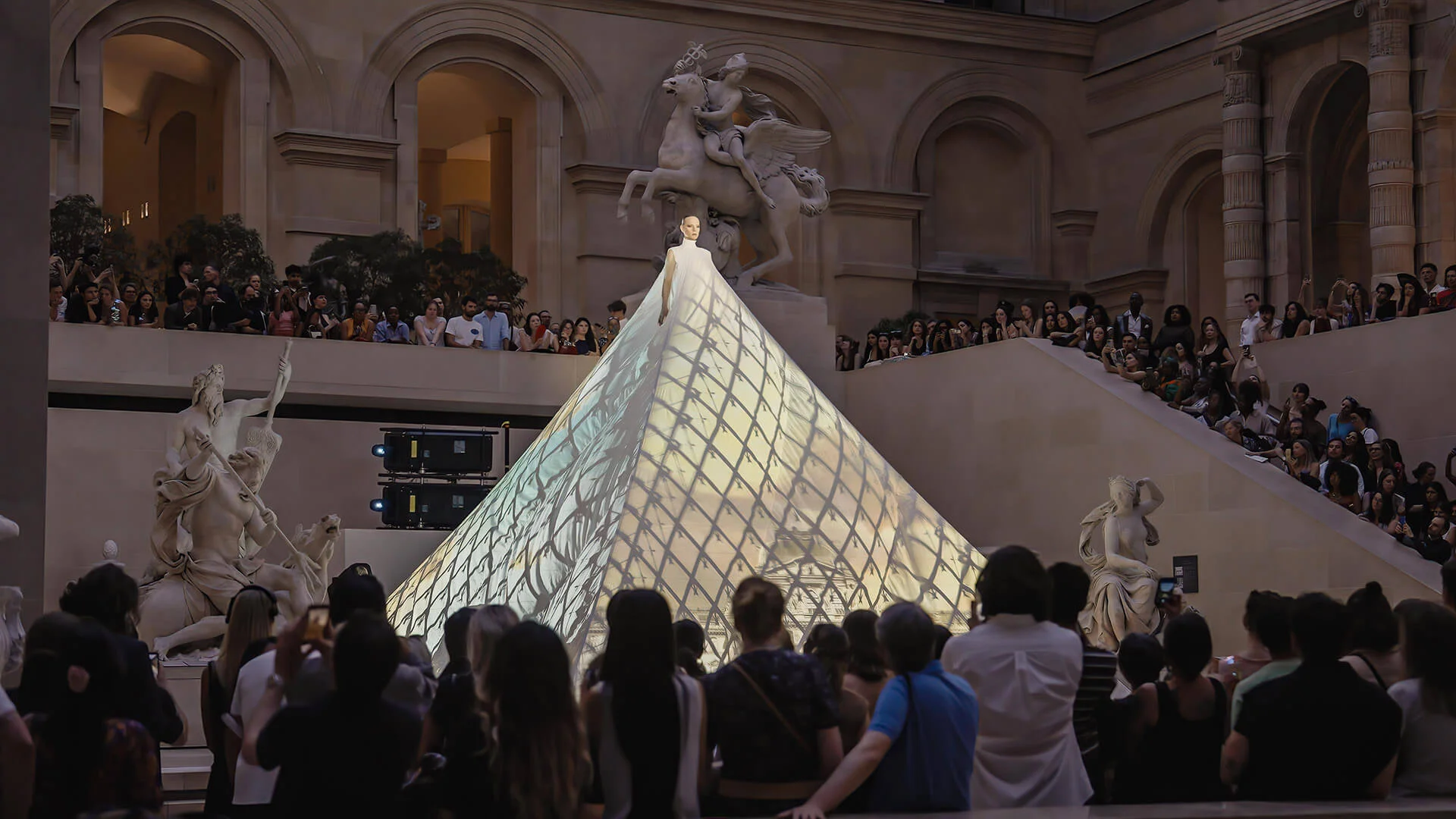
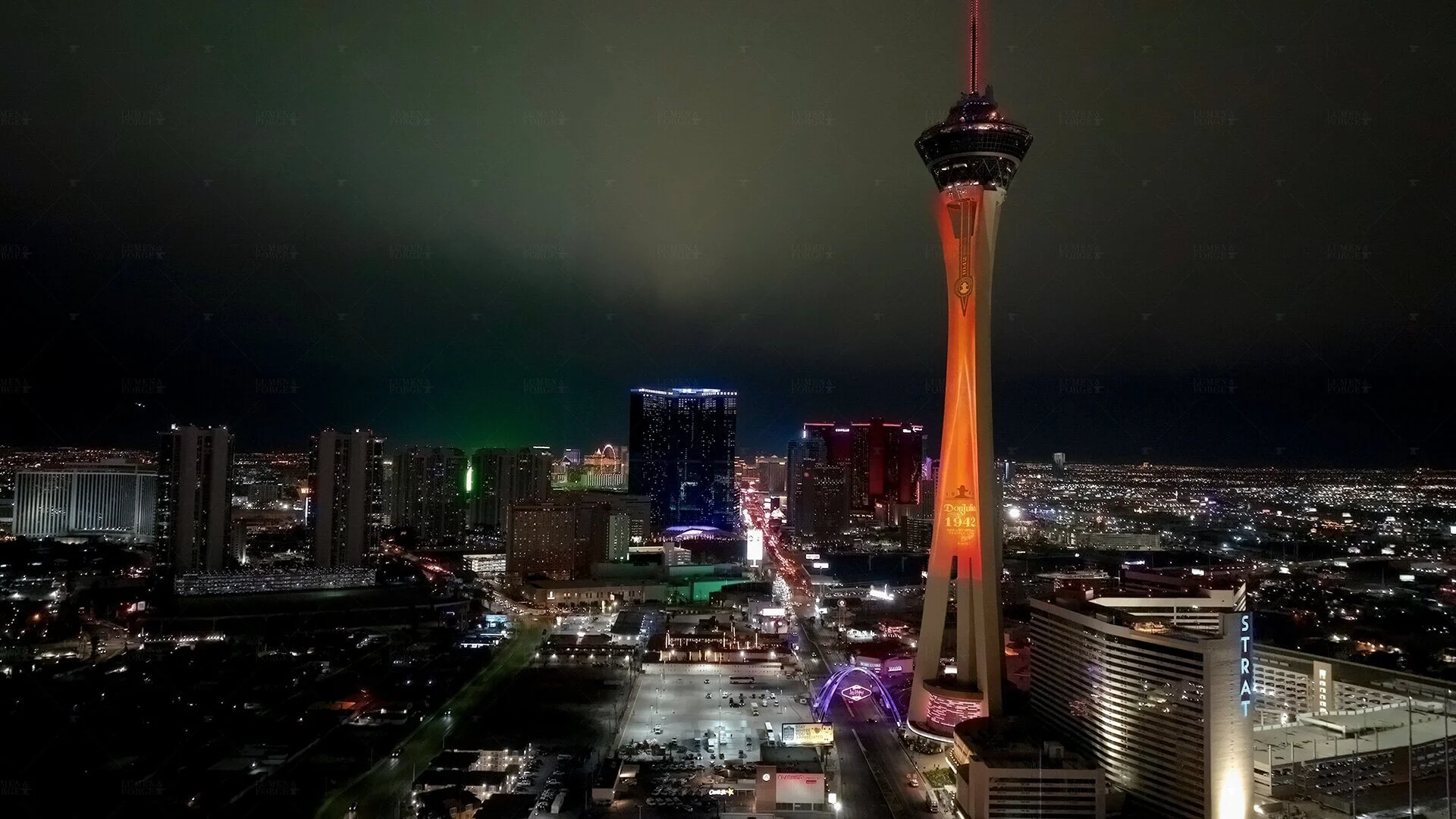
Projection mapping is the process of aligning projected light to the actual geometry of a surface, so that the image bends, wraps and locks to the shape in front of it. Instead of throwing a rectangle onto a flat screen, we build a digital model of the object or facade, then calibrate every projector so pixels land precisely on edges, corners and architectural detail. The result reads as if the surface itself is changing: stone appears to breathe, a stage rig seems to dissolve, a dome becomes a sky. Flat screens show a picture; projection mapping transforms the thing the picture sits on.
In Tucson that range of surfaces is unusually rich. Facades such as the Pima County Historic Courthouse and the Tucson Museum of Art reward large-scale building projection, while interiors at the Fox Tucson Theatre, the Rialto Theatre and the Linda Ronstadt Music Hall suit object mapping and room-scale environments. Arena and stadium venues including Tucson Arena, McKale Center, Casino Del Sol Stadium and the Tucson Convention Center handle audience-scale spectacle, and the Arizona-Sonora Desert Museum and Hotel Congress offer distinctive settings for immersive installations.
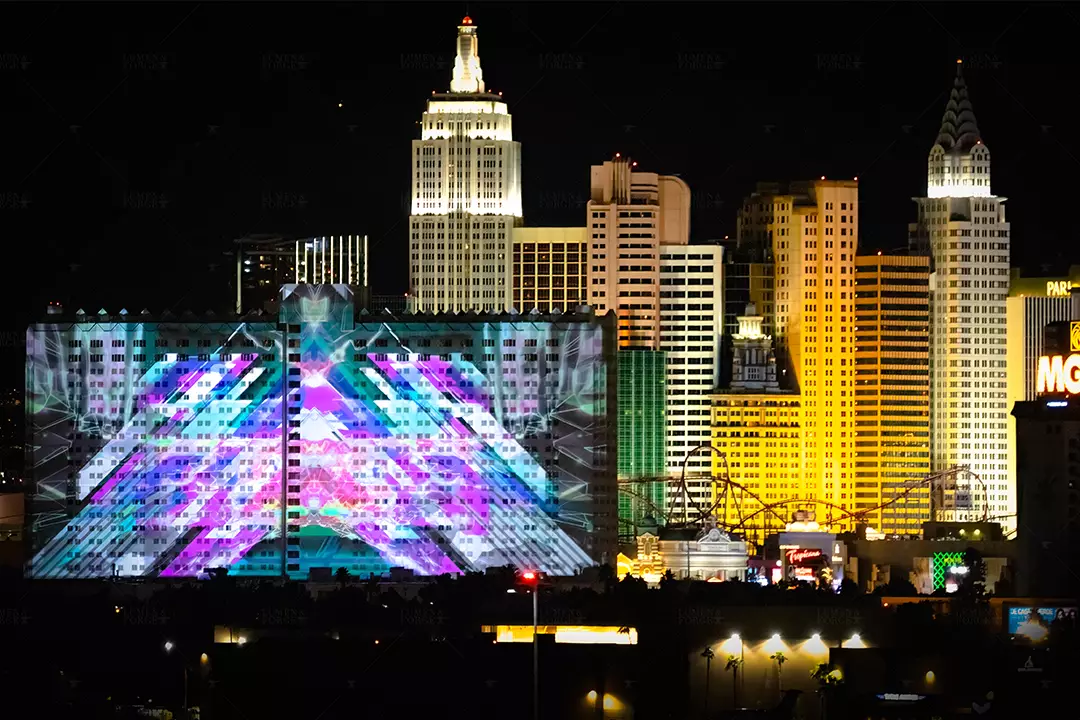
Building and Architectural Projection
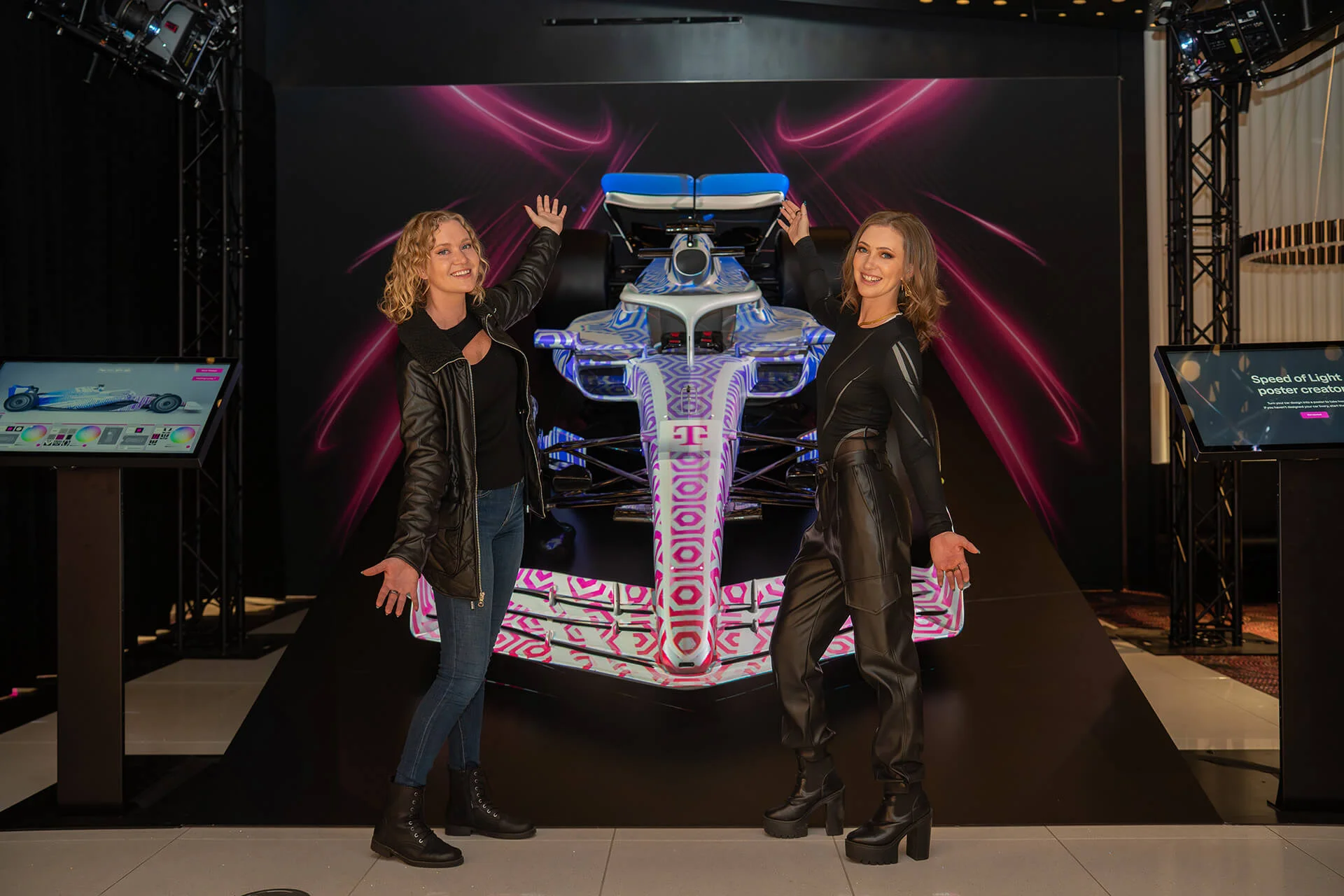
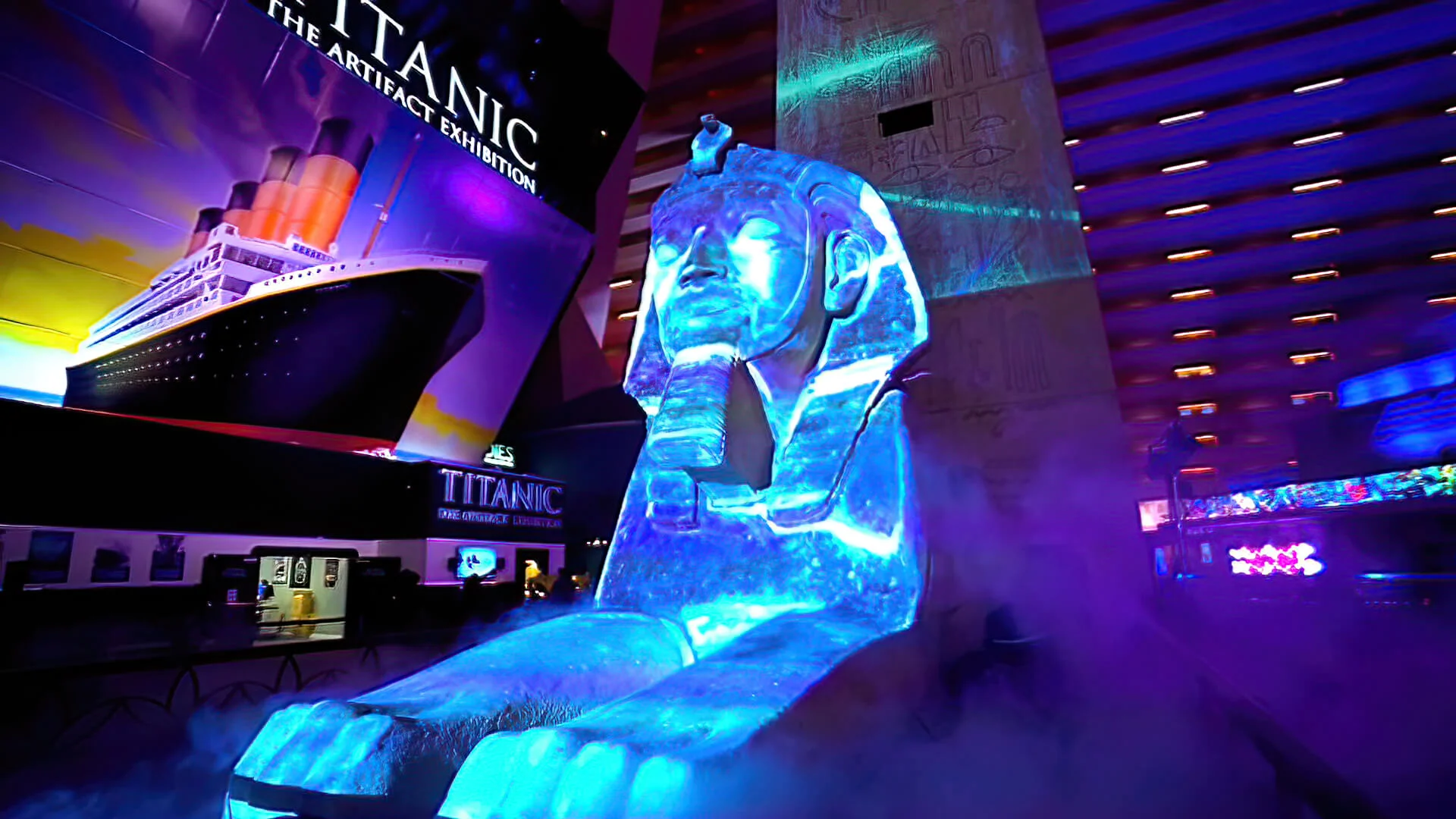
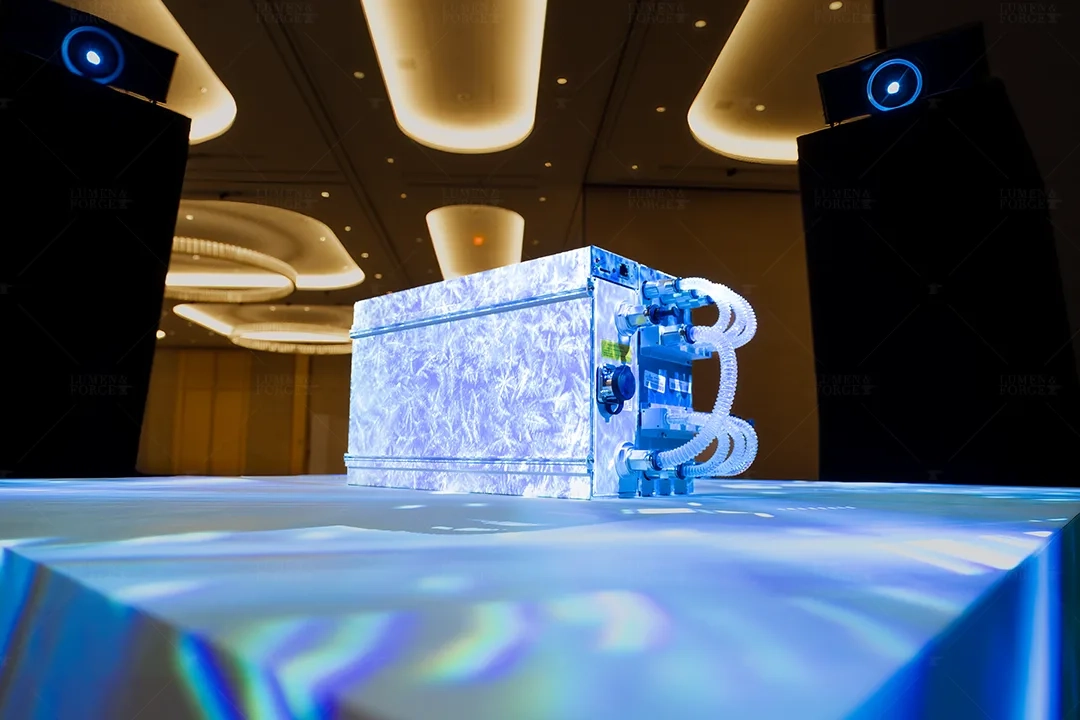
Object and Product Projection Mapping
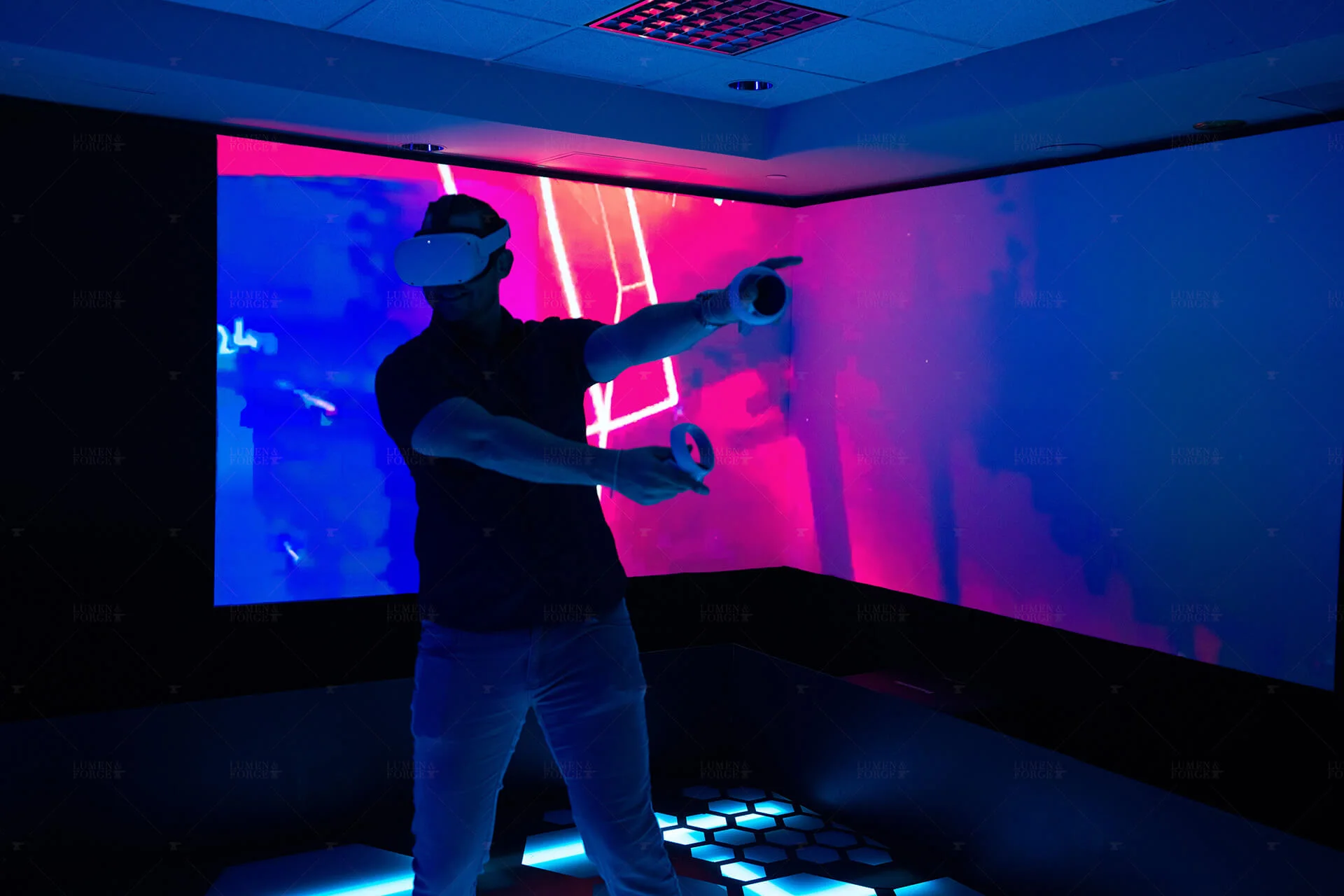
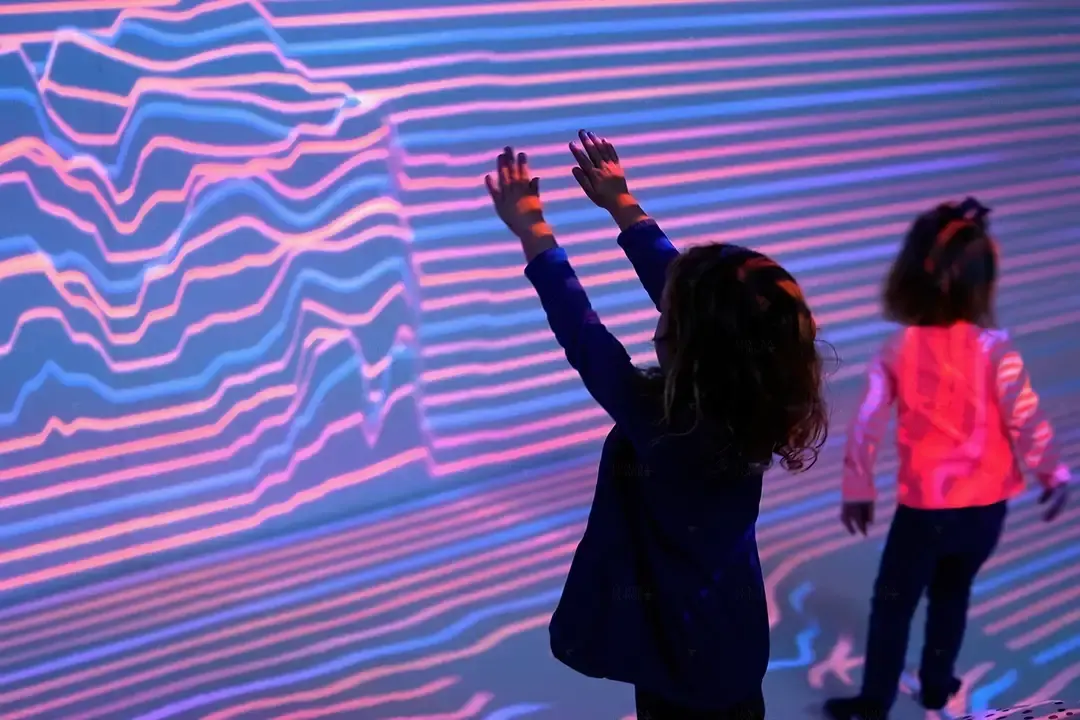
Interactive Projection
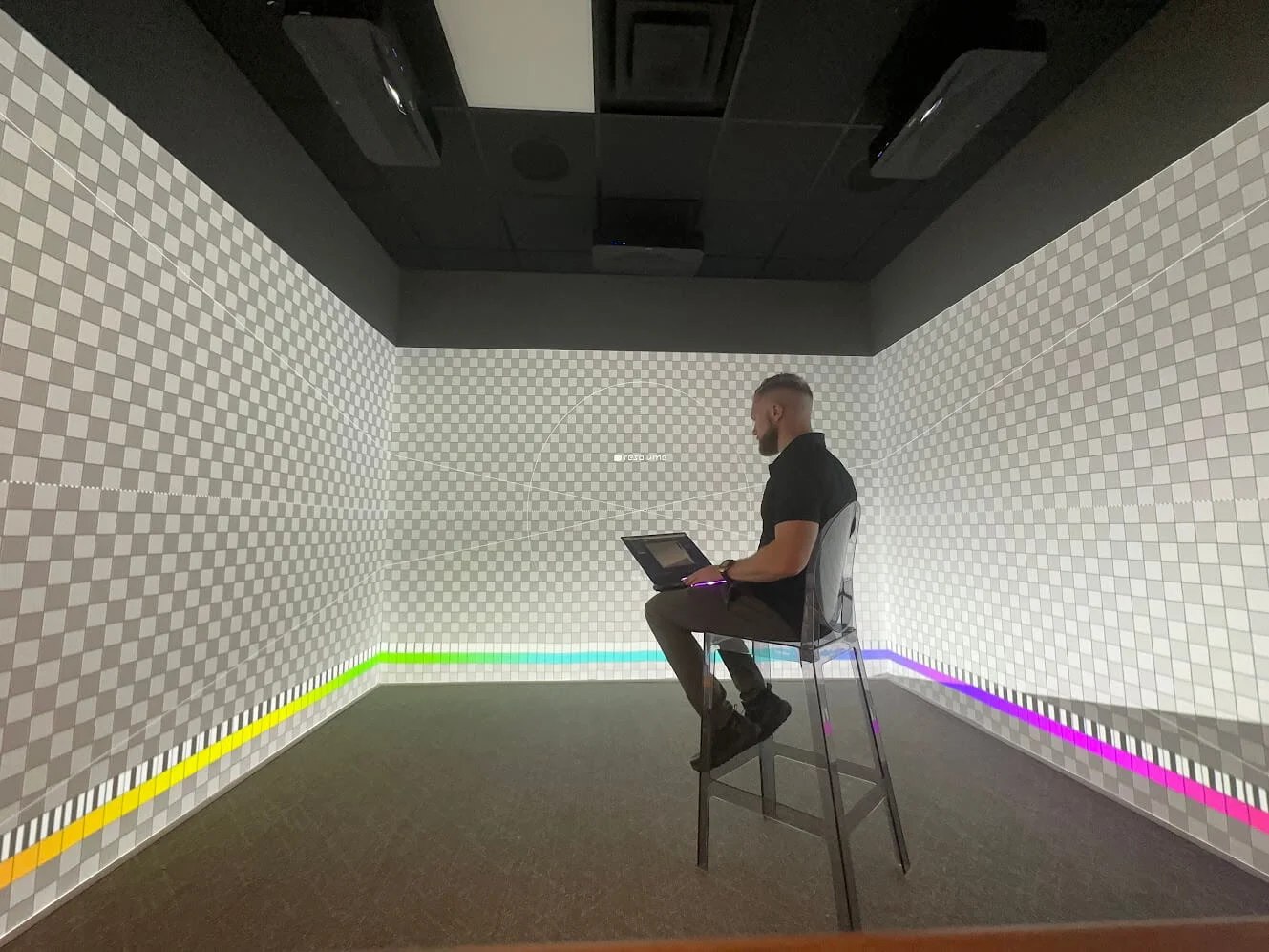
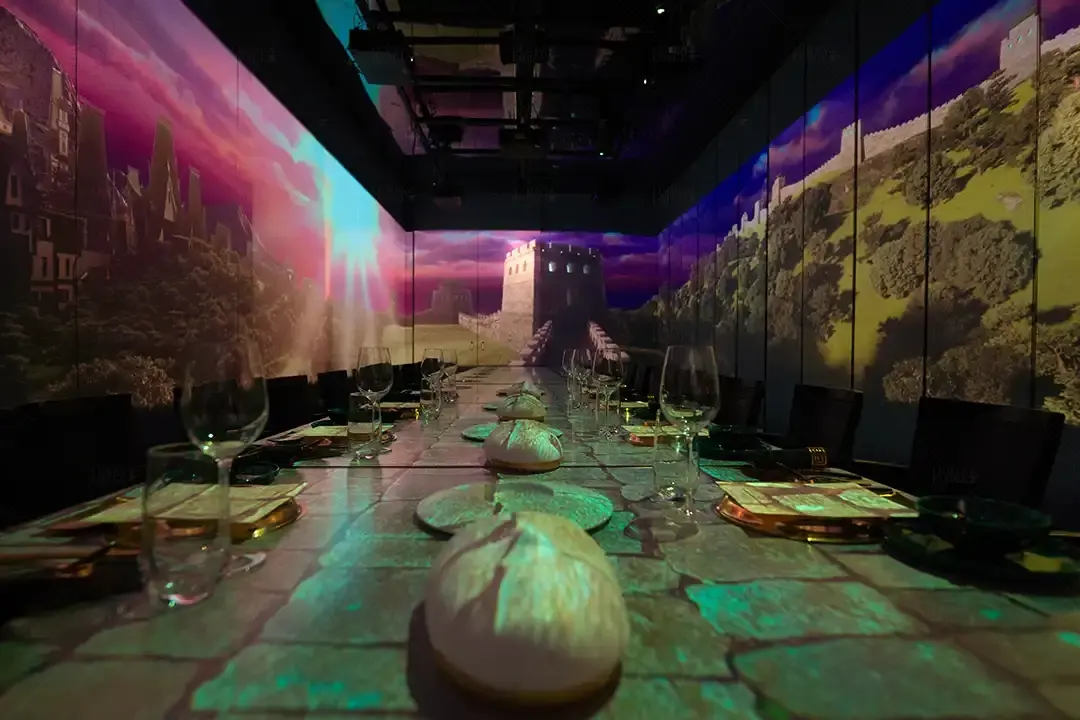
Room and Environment Mapping
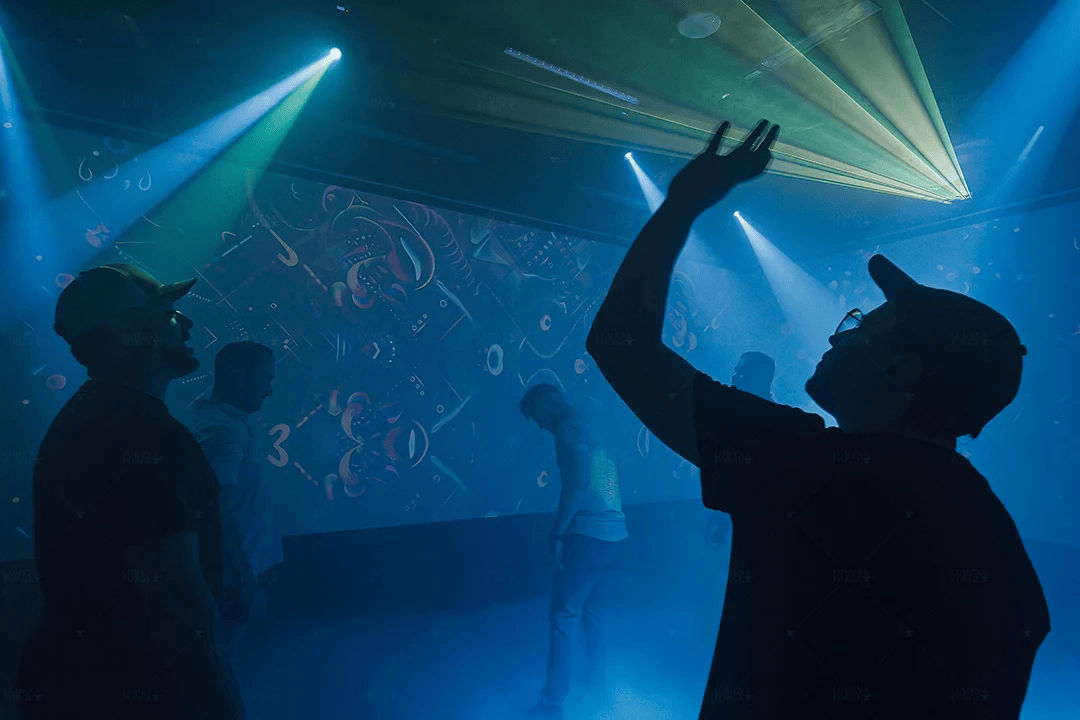
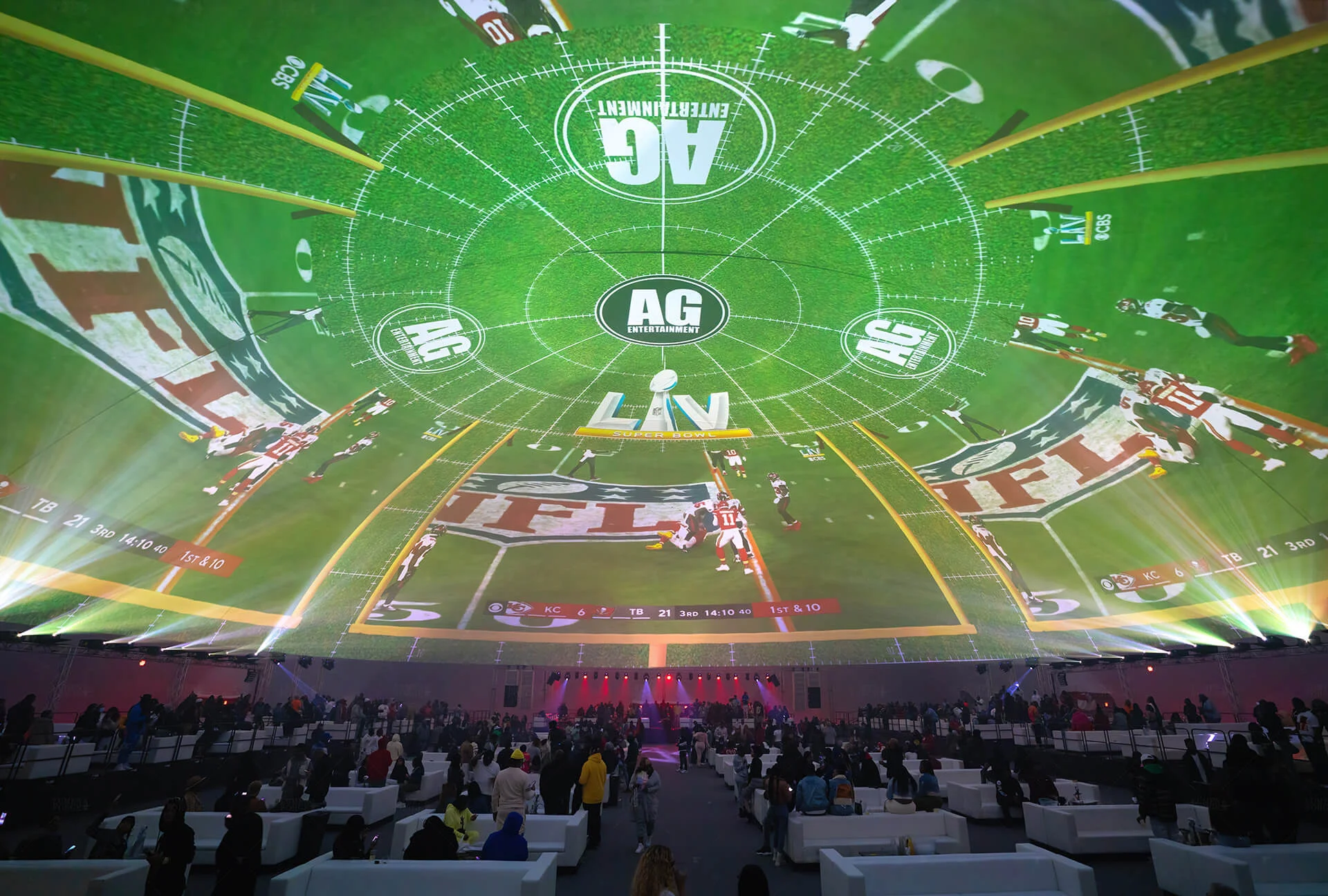
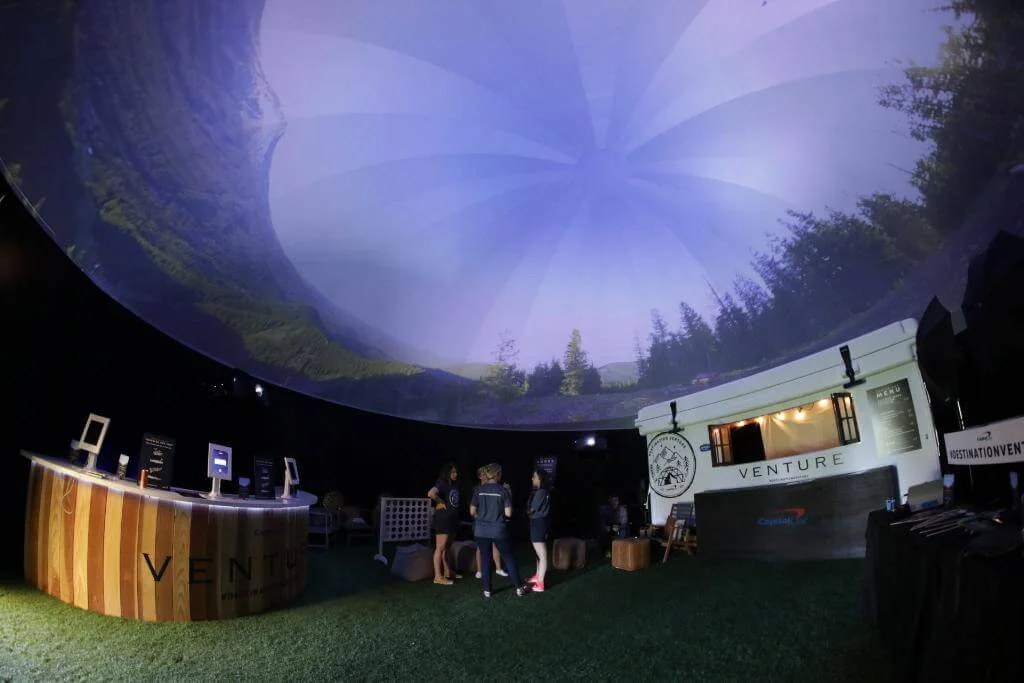
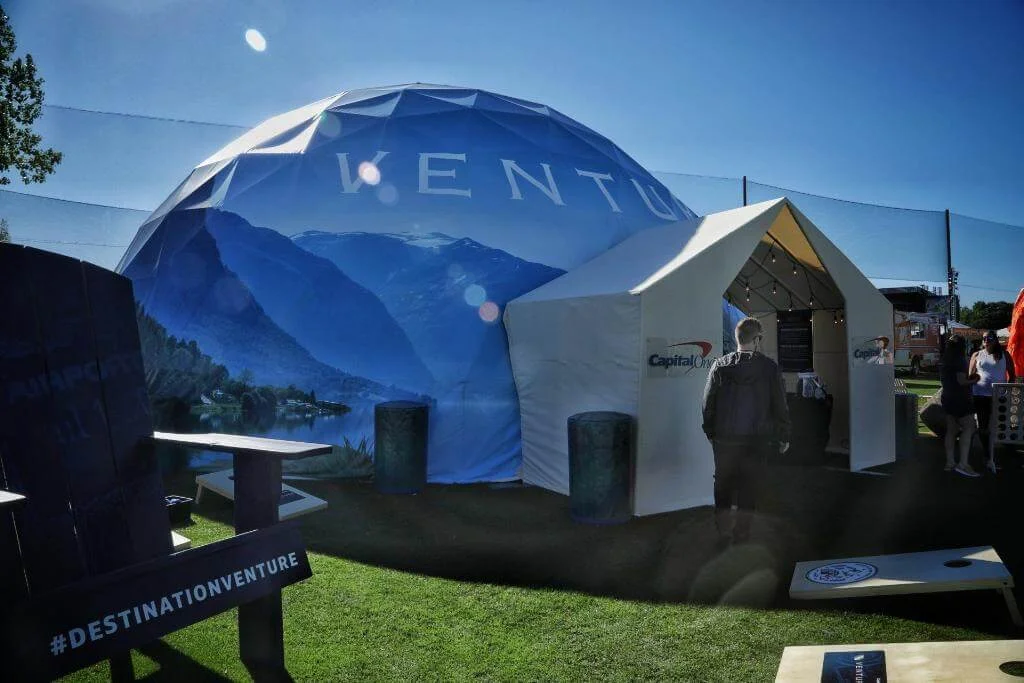
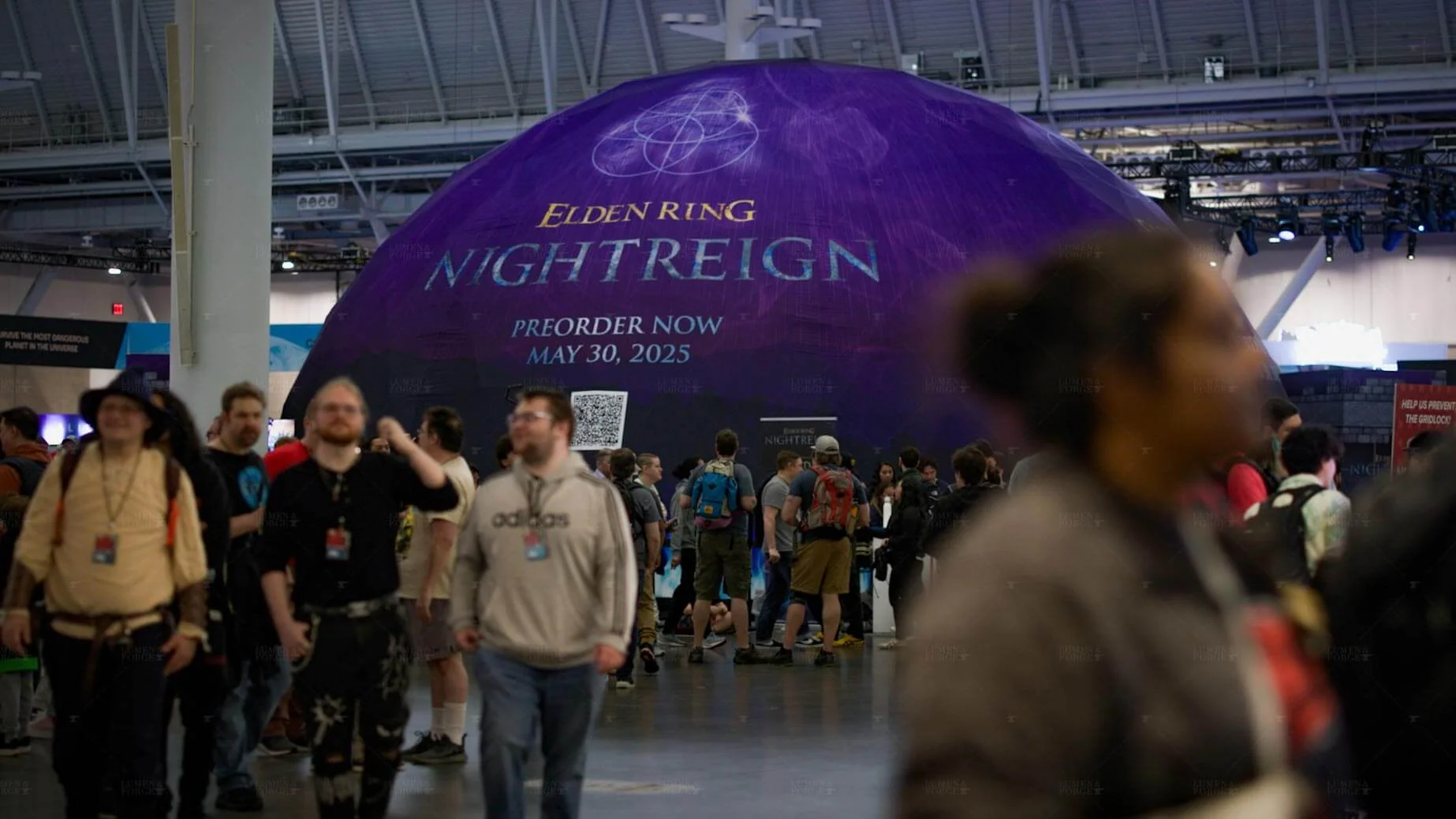
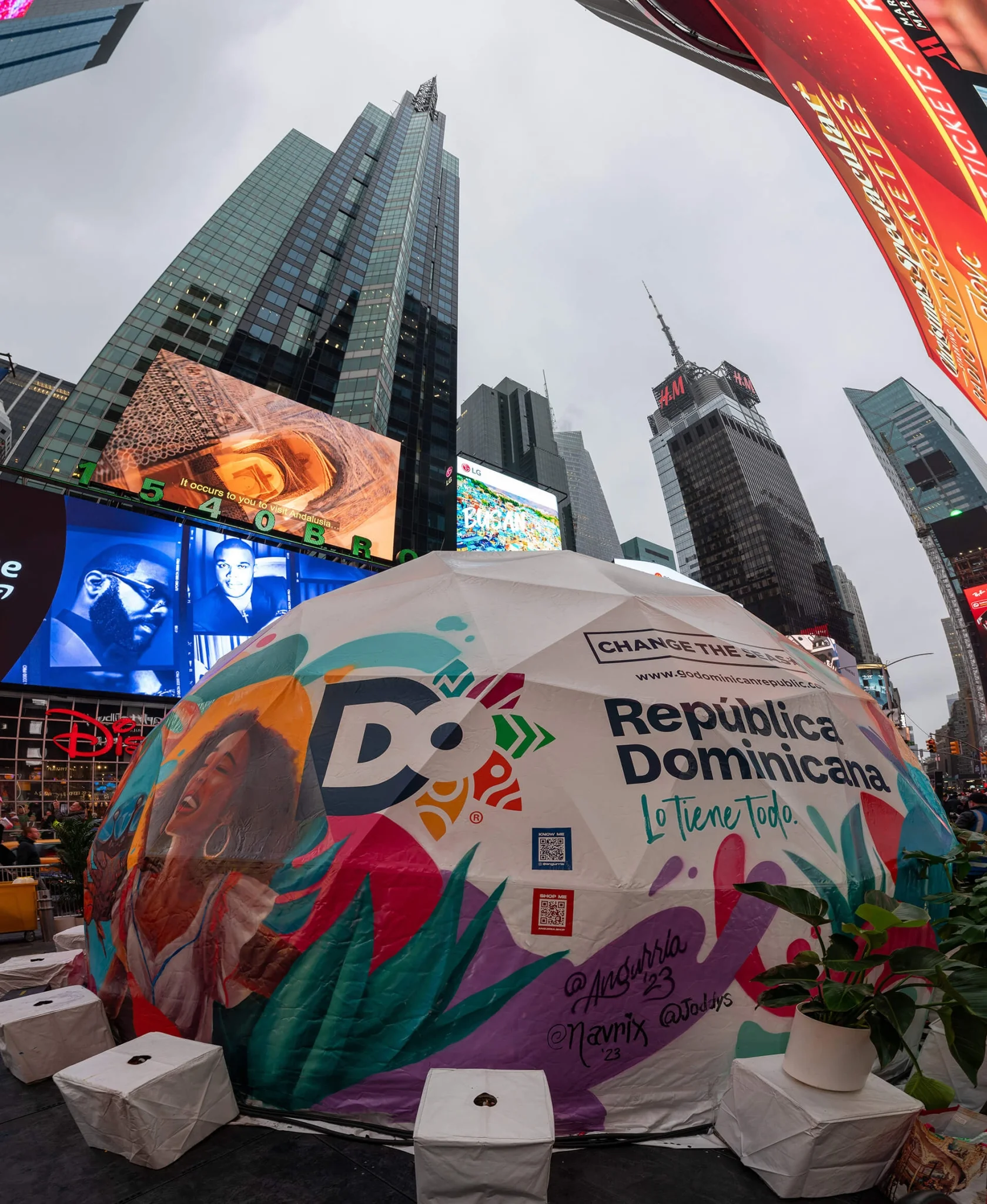
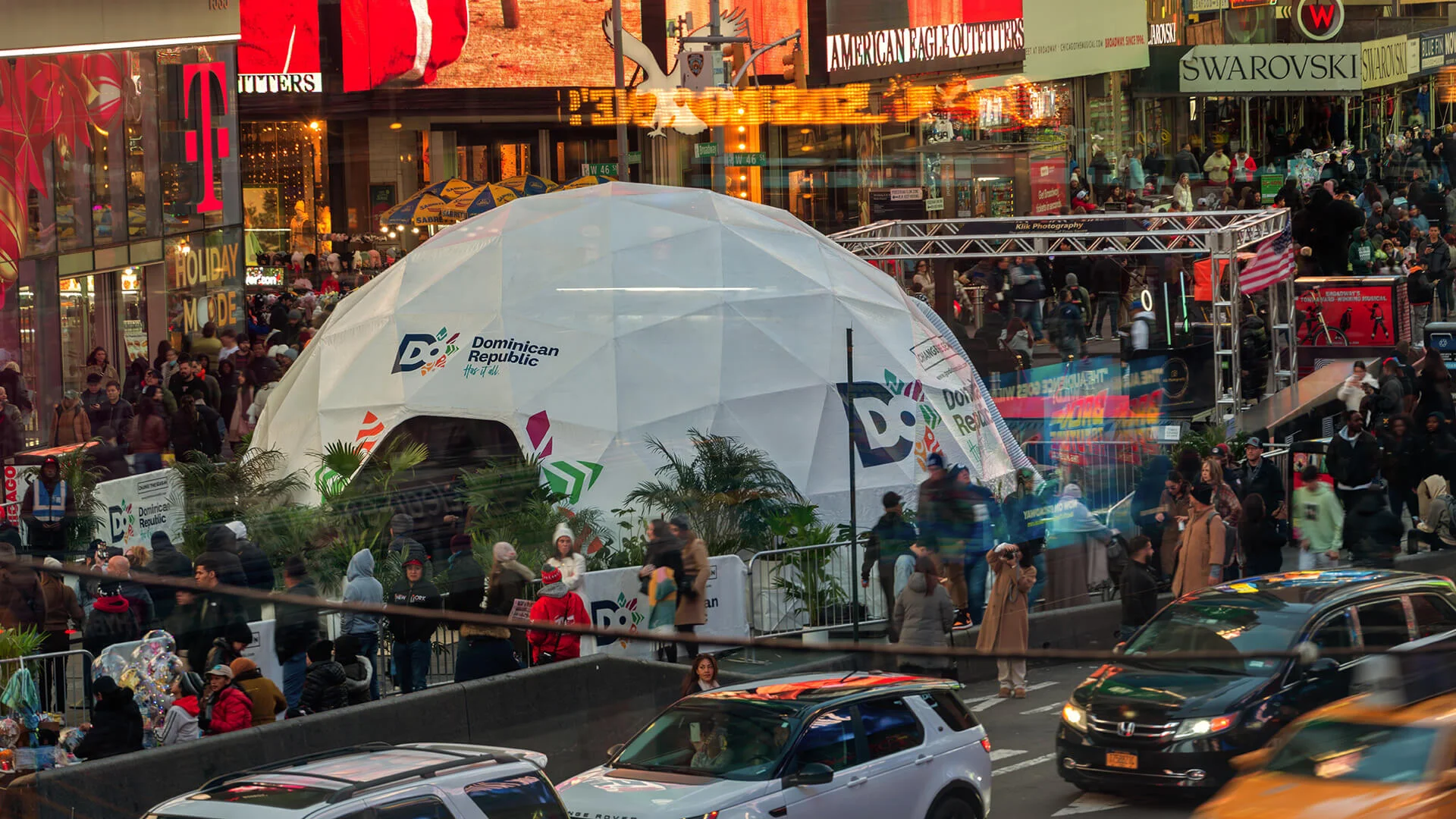
Dome Projection
Why Tucson Is a Natural Fit for Projection Mapping
Tucson audiences are not easily impressed by scale alone. The city hosts the Tucson Gem and Mineral Show every February, drawing an international trade crowd that spends its days evaluating stones under loupe and light. It fills the streets for La Fiesta de los Vaqueros Tucson Rodeo, packs the Tucson Festival of Books in March, and turns out in force for Tucson Meet Yourself in October, the All Souls Procession in November and the Winterhaven Festival of Lights in December. That is a calendar of people who have seen spectacle before, in many forms, and who judge an activation on whether it rewarded their attention.
The professional audience here raises the bar further. Aerospace and defense programs, higher education and research institutions, and the optics and astronomy community all live in a culture of precision. A misaligned image, a soft edge, a projection that drifts a half inch off a physical feature reads as carelessness to a room full of people who measure things for a living. The healthcare sector and the gem and mineral trade bring their own expectations: clarity, craft and a sense that the details were considered. Tourism and resort audiences arrive ready to be delighted, but they compare what they see against everything else on a packed itinerary.
Venue variety compounds the challenge. A single season can move from the scale of Tucson Convention Center and Tucson Arena to the intimacy of the Fox Tucson Theatre or the Rialto Theatre, from the bowl of McKale Center to the outdoor expanse of Casino Del Sol Stadium. Each has its own geometry, ambient light and sightlines. The Pima County Historic Courthouse, Tucson Museum of Art and Hotel Congress ask for work that respects architecture rather than covering it, while the Arizona-Sonora Desert Museum calls for imagery that sits naturally against a living landscape. A one-size template does not survive that range.
Permitting shapes the work as much as the venues do. Large outdoor events go through the City of Tucson Office of Economic Initiatives special events application at least 60 days ahead, with Pima County Health Department guidelines layered on top. That timeline rewards planning and punishes improvisation. The result is a market where projection mapping earns its place by being site specific, structurally accurate and worth the crowd's time, not by being the loudest thing on the block. Brands that treat Tucson as a checkbox will be read as outsiders. Brands that treat it as a design problem will find an audience that notices.
Lumen and Forge: Southwest Production Across the Old Pueblo
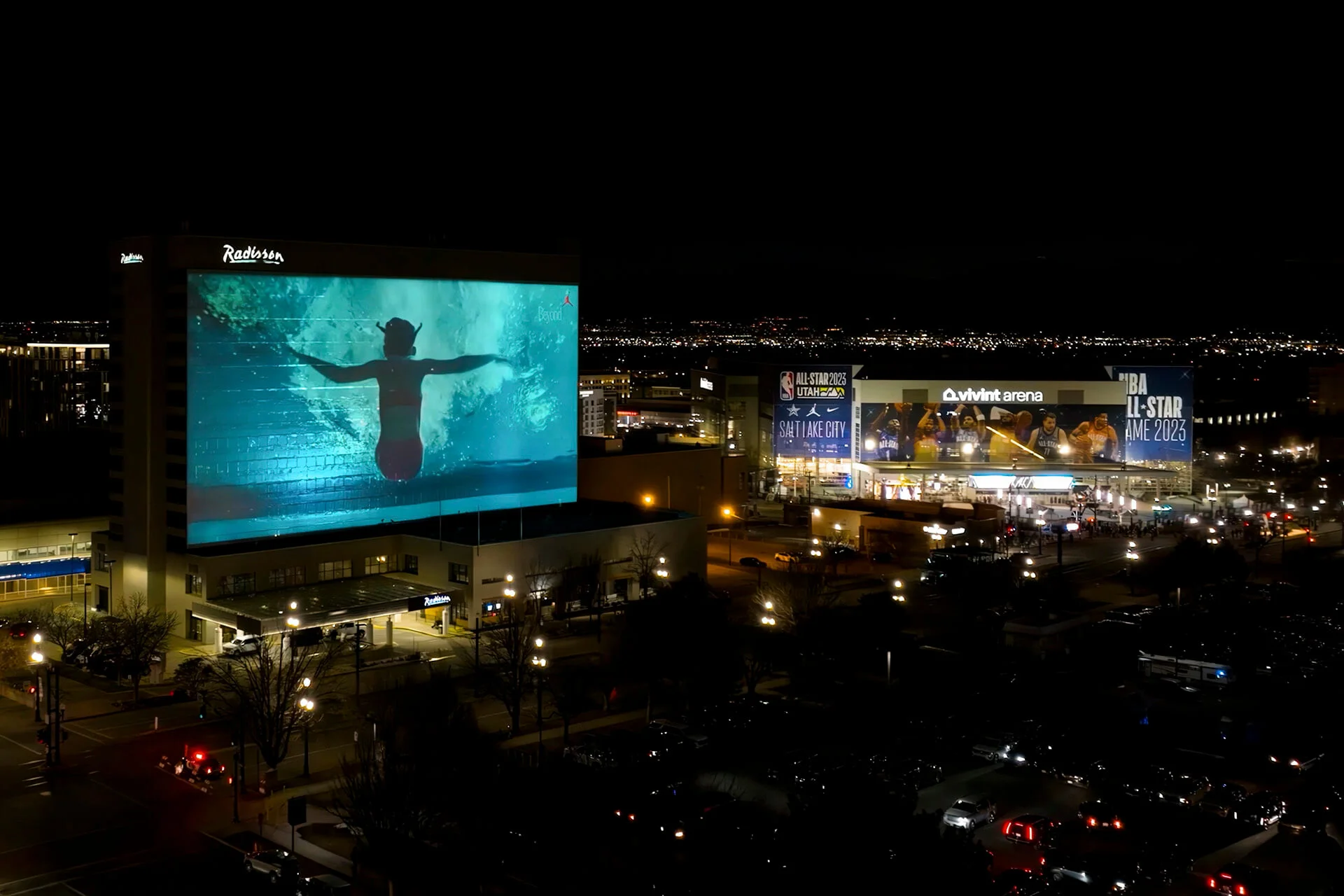
Over 15 years of producing large-scale projection mapping and immersive experiences for globally recognized brands gives Lumen and Forge the operational depth Tucson productions require. Our portfolio includes building projections for Nike and Air Jordan at NBA All-Star Weekend, large-scale convention experiences for Toyota, McLaren, and Mastercard, a world record video game screen at the Tropicana, and the Beneath the Blue 360-degree dome for National Geographic. Our team is comfortable working alongside experienced production crews and holding a technical standard in front of an audience that knows the difference, which is exactly what Tucson requires.
Who We Work With in Tucson
Tucson's event calendar, venues and business base create steady demand for projection mapping that has to work in desert heat, in historic buildings and in rooms built for basketball, concerts and conventions. These are the client types we build for here.
- Aerospace and defense. Contractors, suppliers and industry groups use building projection and object mapping for milestone celebrations, recruiting events, trade show booths and corporate anniversaries. Precision is the whole point of the sector, so content has to be technically accurate, on brand and readable from across a hangar floor or a hotel ballroom.
- Higher education and research. Universities and research programs commission room-scale environments, interactive installations and projection domes for donor galas, commencement week programming, research showcases and campus welcome events. Content often has to explain complex work to a mixed audience of alumni, students, faculty and funders in a few minutes.
- Optics and astronomy. Tucson's optics and astronomy community hires us for public outreach, observatory visitor programming and conference events where a dome or immersive environment can show scale, light and sky in ways a flat screen cannot.
- Healthcare. Hospitals, clinics and health systems use projection for fundraising galas, staff recognition events and community health campaigns. Messaging is sensitive, so we keep the visuals clear, calm and accessible.
- Gem and mineral trade. Dealers, show organizers and jewelry brands want object mapping that makes stones, specimens and product lines look as good on a wall as they do under a loupe, which is why the February show season keeps us busy.
- Tourism and resorts. Resorts, attractions and destination marketers book building projection, room-scale environments and interactive installations for seasonal programming, openings and guest experiences that give visitors a reason to stay out after dark.
Ready to Light Up the Sonoran Night?
Frequently Asked Questions: Projection Mapping in Tucson
Standard projection displays a flat image on a flat screen or white wall. Projection mapping uses specialized software to warp, align, and calibrate video content so it fits precisely onto any three-dimensional surface, whether that is a building exterior, a custom sculpture, a vehicle, or an entire room. The software accounts for every edge, angle, and curve, so the content appears to belong to the object itself rather than simply being cast onto it. In a city full of working production professionals, that level of precision is what separates a real installation from a lighting effect.
Yes. Tucson's clear desert nights and early sunset make outdoor projection mapping unusually reliable, and the dry spring and fall seasons give long, stable windows for building projection. Summer monsoon storms and winter cold snaps are the main variables, so scheduling around them matters. Ambient light is the bigger constraint: downtown around Hotel Congress and the Rialto Theatre stays bright well after dark, while venues like the Pima County Historic Courthouse and Arizona-Sonora Desert Museum go dark early and reward higher-contrast content.
Tucson's event calendar gives projection mapping plenty to work with. In February, the Tucson Gem and Mineral Show and La Fiesta de los Vaqueros Tucson Rodeo draw crowds ready for large-scale visuals. The Tucson Festival of Books follows in March. Later in the year, Tucson Meet Yourself in October, the All Souls Procession in November, and the Winterhaven Festival of Lights in December each offer distinct audiences and settings for immersive activations.
Yes. Lumen and Forge coordinates permitting, power, rigging and site logistics directly with your venue, so your team is not chasing load-in windows or electrical capacity on its own. For large outdoor events in Tucson, we work through the City of Tucson Office of Economic Initiatives special events application, which is due at least 60 days ahead, and we follow Pima County Health Department guidelines. Indoor work at venues like the Tucson Convention Center or Fox Tucson Theatre is handled the same way.
The cost of projection mapping in Tucson depends on the scale of the surface, the complexity of the content, how long the installation runs, and the equipment and crew required. A single mapped facade at the Fox Tucson Theatre or Pima County Historic Courthouse carries a different scope than a room-scale build inside the Tucson Convention Center or a dome environment for a Gem and Mineral Show activation. Every project is quoted on its own parameters, so Lumen and Forge scopes each Tucson engagement individually rather than publishing flat rates.
Projection mapping aligns projected light to the real geometry of a surface, so an image bends around corners and edges. 3D projection mapping goes further, mapping onto objects and structures with depth so the visuals wrap facades, columns and sculptural forms rather than sitting flat on a screen. On the Pima County Historic Courthouse, that approach lets content climb the building's architectural features and read as three dimensional from the plaza.
In addition to projection mapping, we offer dome projection for fully immersive 360-degree spherical experiences, event and project design for end-to-end production planning, and animation and visual storytelling for original content creation. Many of our Tucson clients combine projection mapping with one or more of these services into a single integrated production. We are a full-service immersive experience company, and the strongest work we build is conceived as a whole from the first conversation.
Do you have more questions?
Didn't find what you were looking for? Our team is happy to walk you through your project and answer anything else