

Projection Mapping with Art Deco Brilliance and Route 66 Spirit
Tulsa has the venues, the calendar and the audiences that make projection mapping worth doing. The BOK Center and the Tulsa Performing Arts Center anchor a downtown that fills and empties with crowds all year. Cain's Ballroom carries the city's live music reputation, ONEOK Field brings people out for baseball, and the Arvest Convention Center and Expo Square keep a steady flow of meetings and trade shows moving through. Add River West Festival Park and Gathering Place, and you have both indoor rooms and open-air sites where a mapped image can land on a wall, an object or a crowd.
The event calendar rewards a production calendar. Tulsa Mayfest in May, Saint Francis Tulsa Tough and the Tulsa Juneteenth Festival in June, the Tulsa State Fair and Zeeco Oktoberfest Tulsa in October: each brings a distinct audience and a window to plan around.
The city's industries give that work a purpose. Energy and oil and gas, aerospace and aviation, healthcare, arts and live music, and Route 66 tourism all gather people here, and conventions and meetings bring them downtown. Lumen and Forge designs, produces and installs the projection work that puts those gatherings on the map.
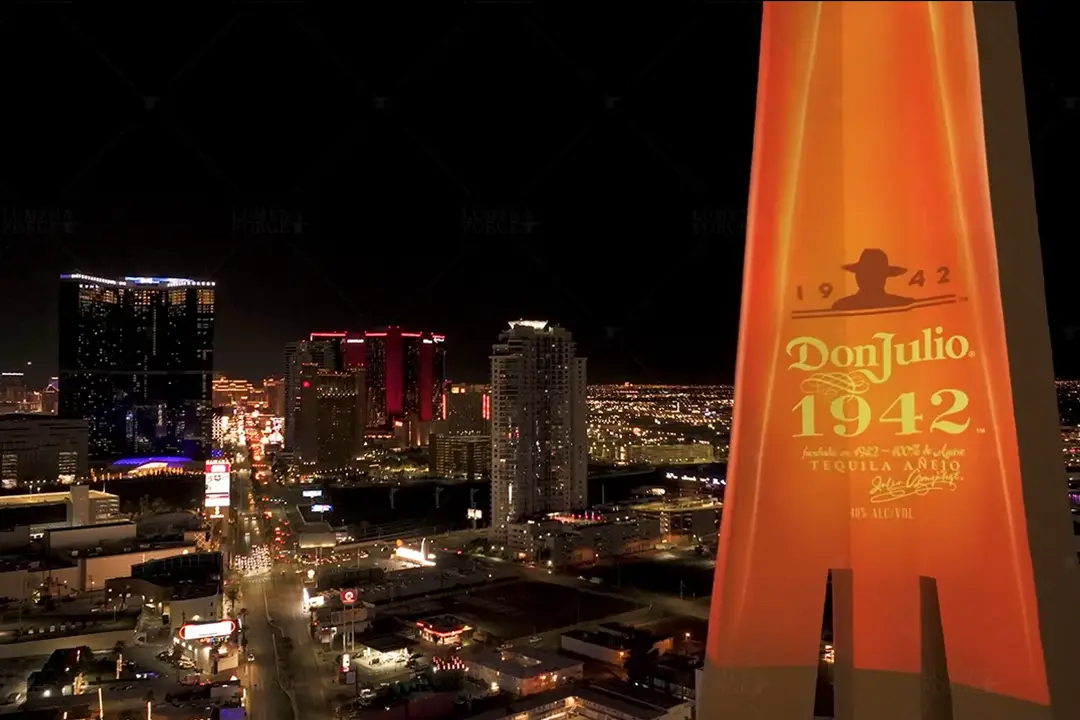
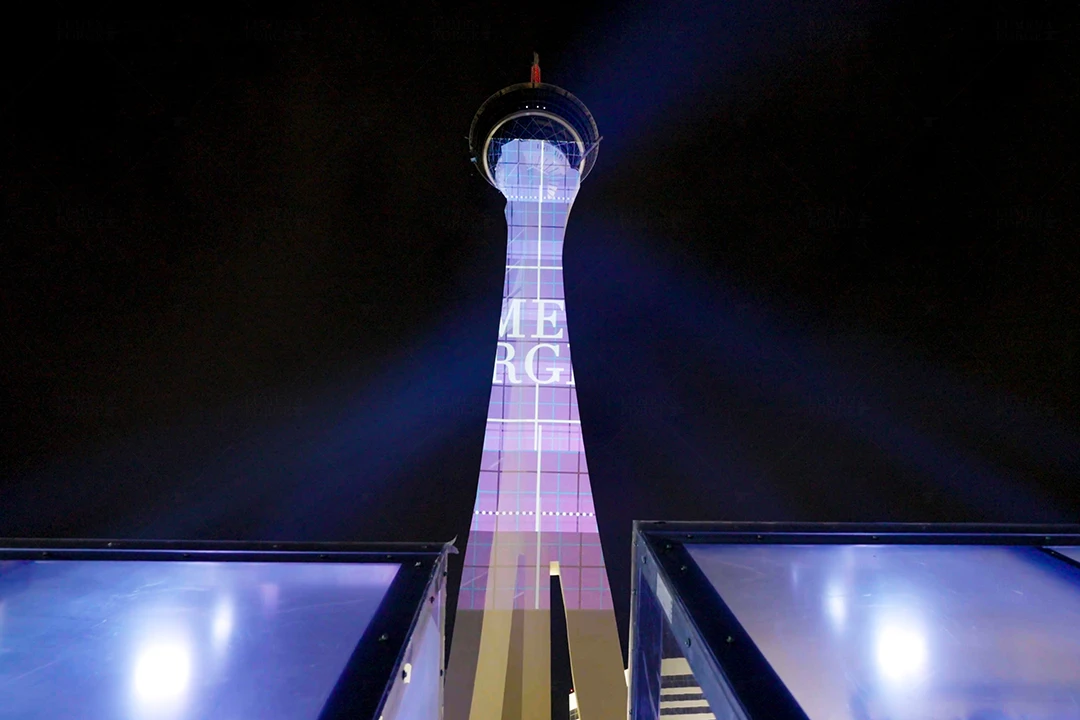
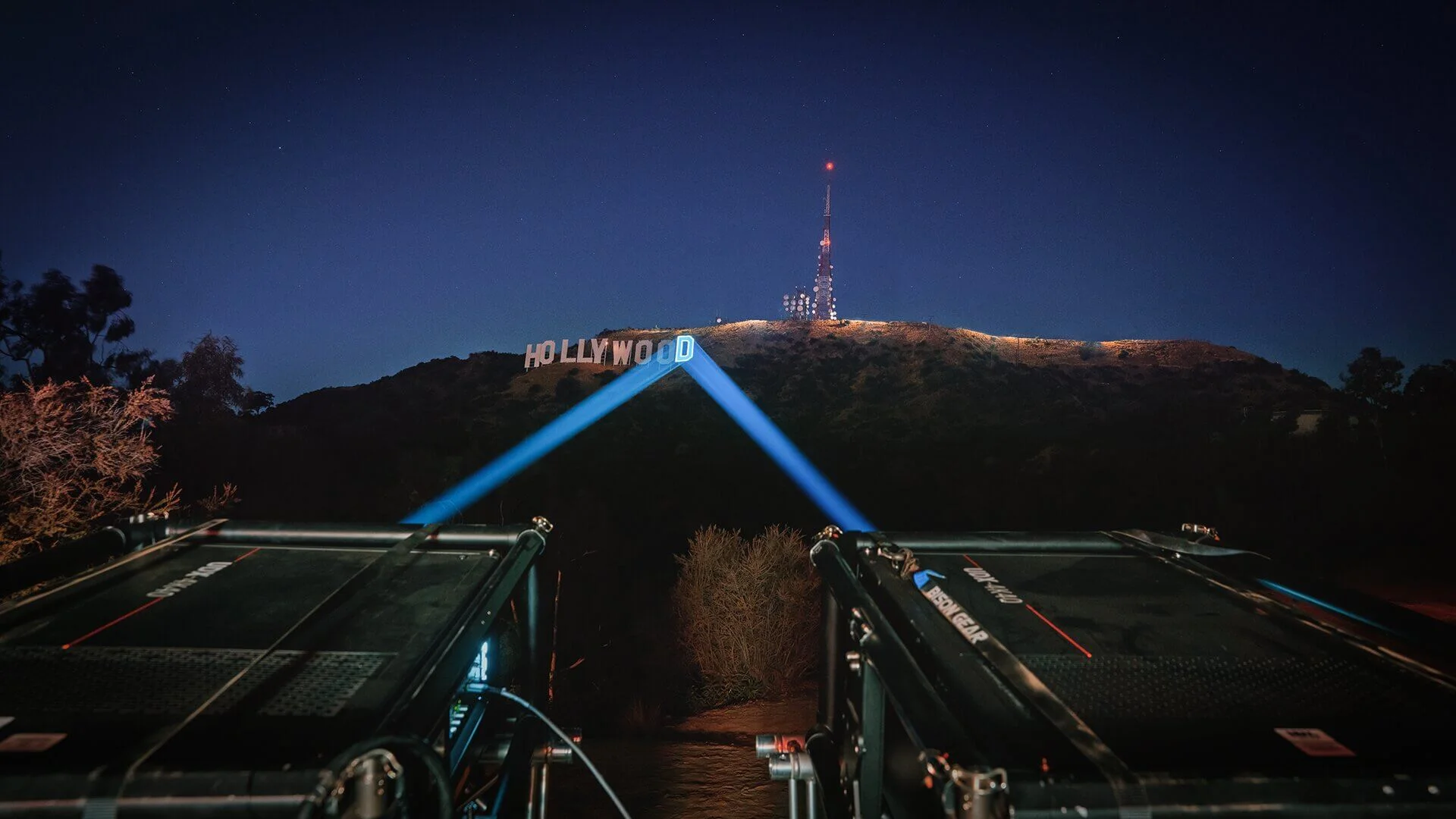
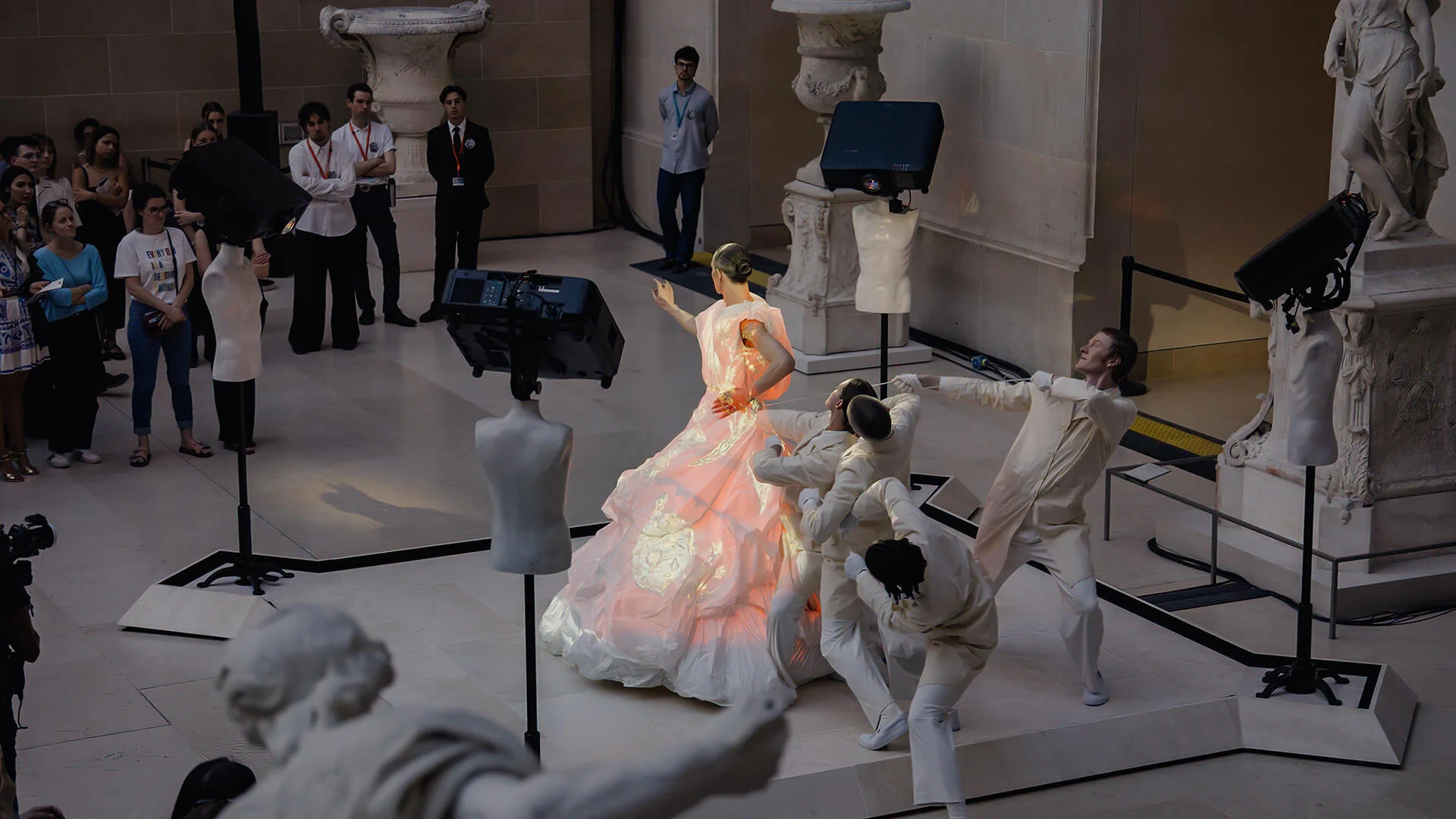
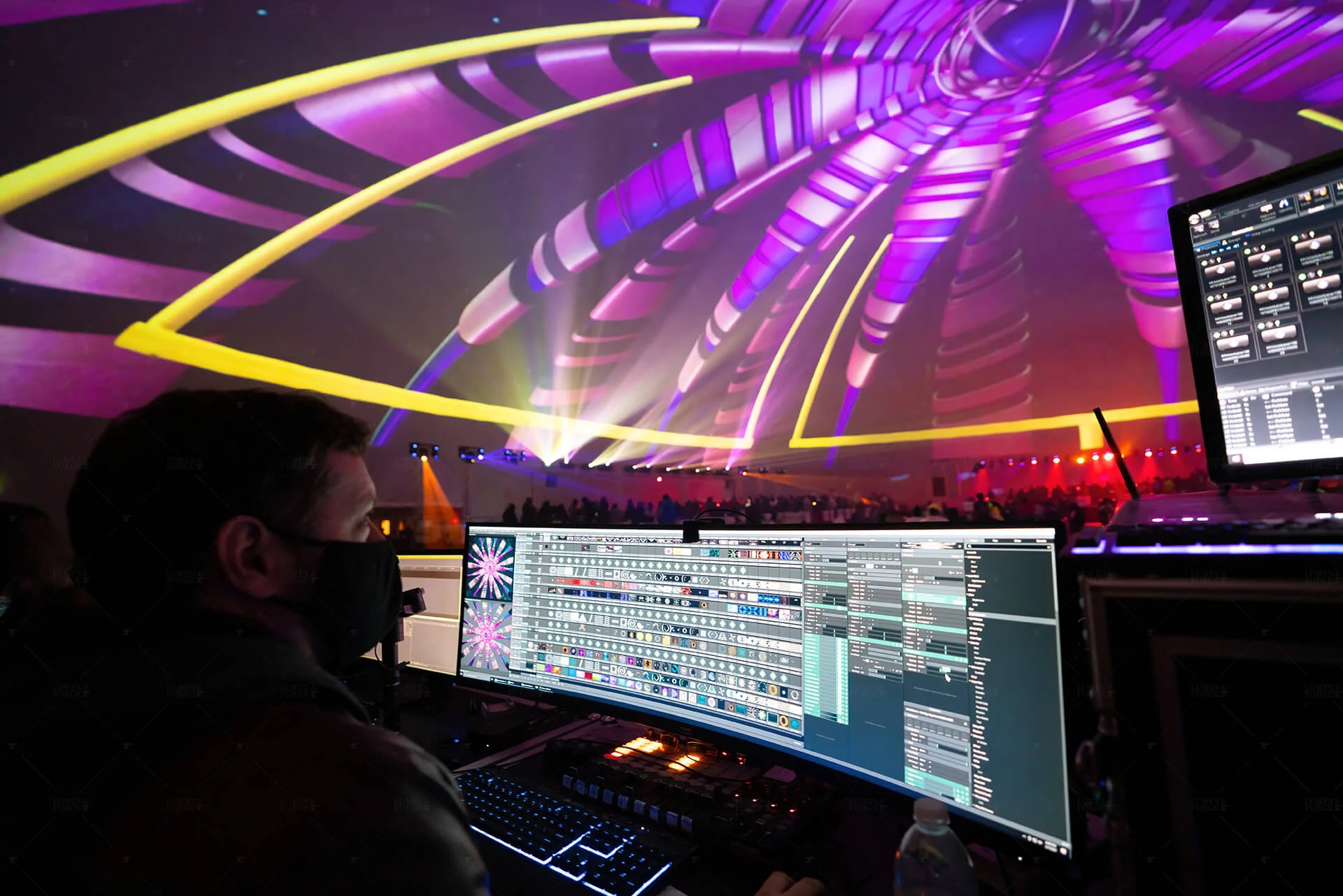
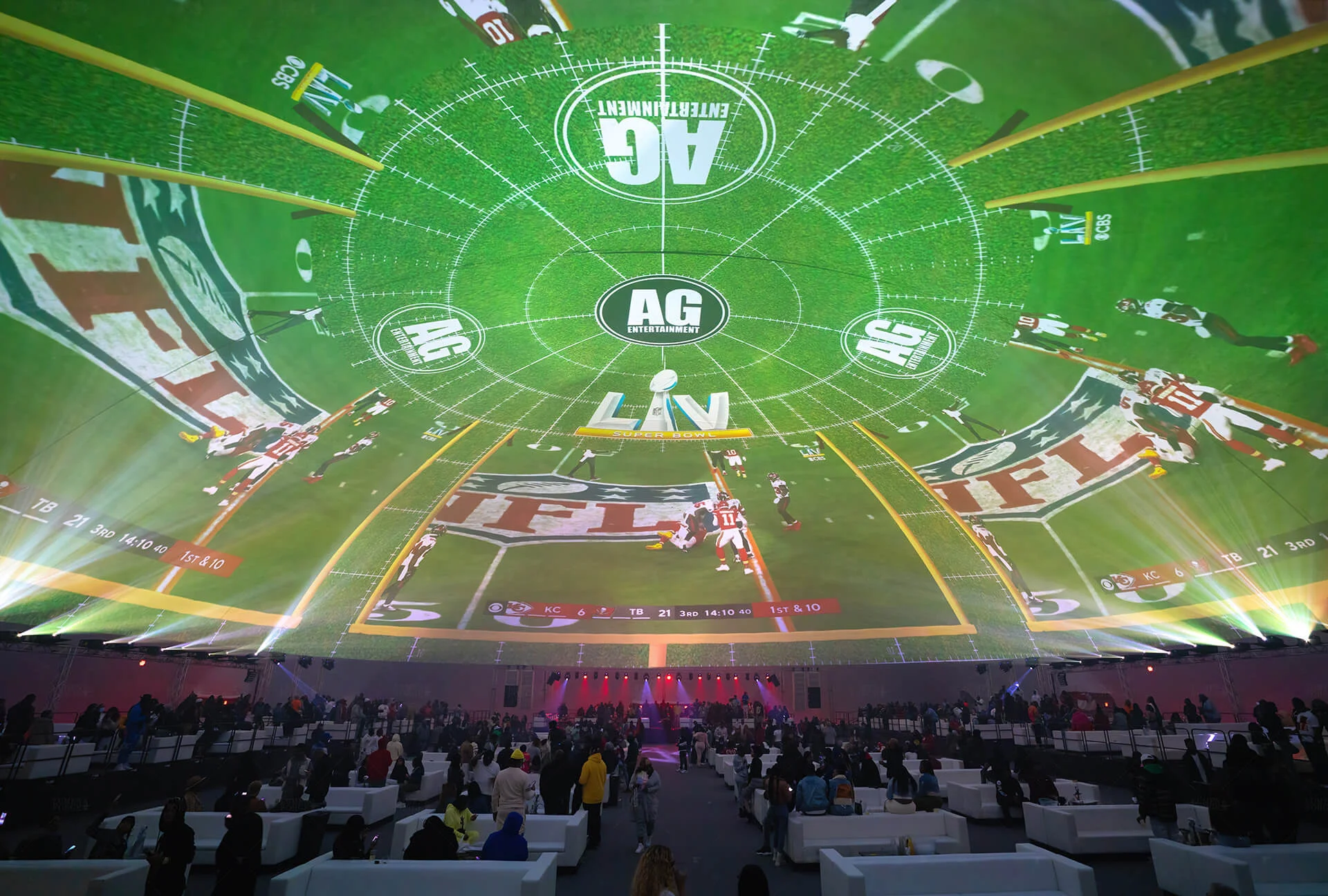
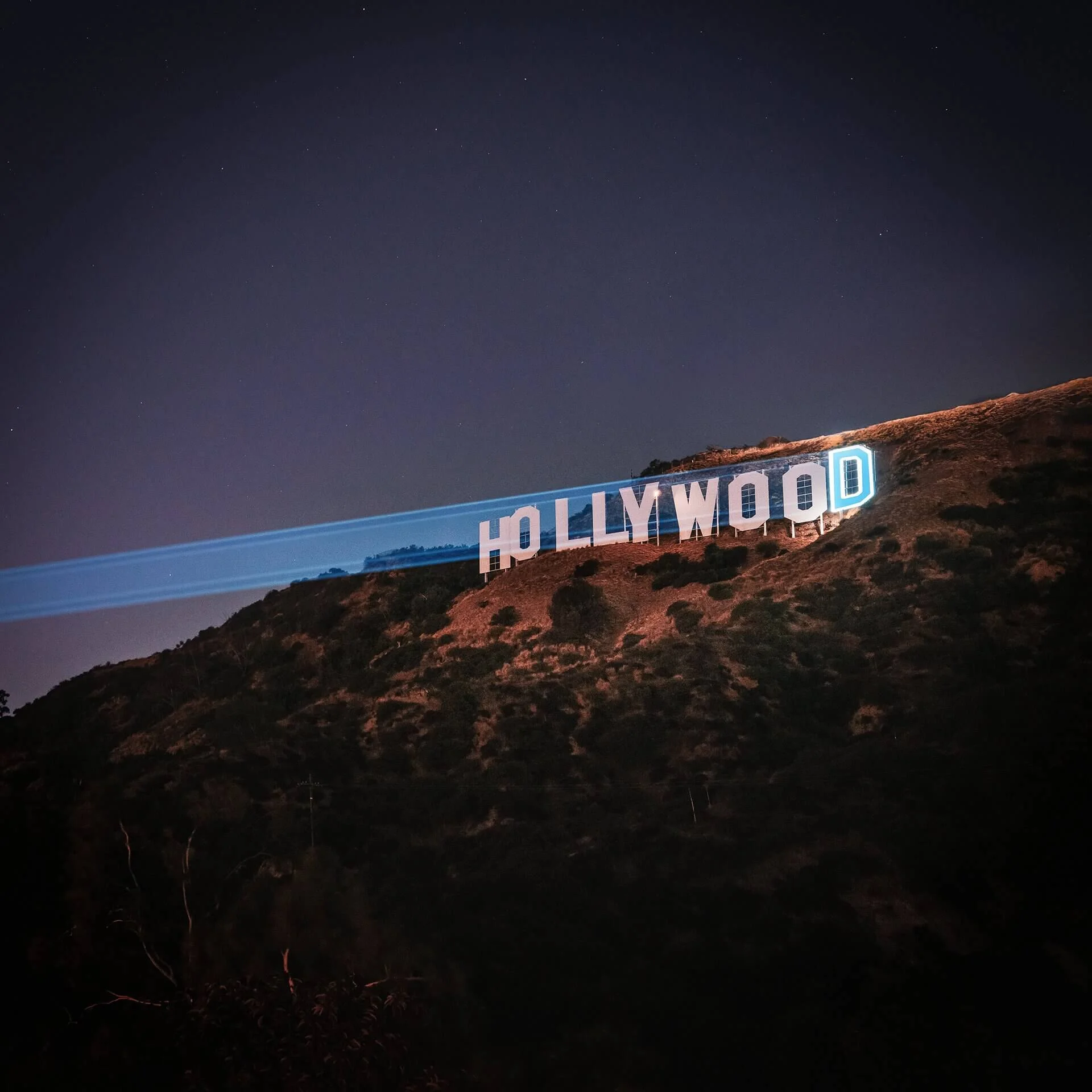
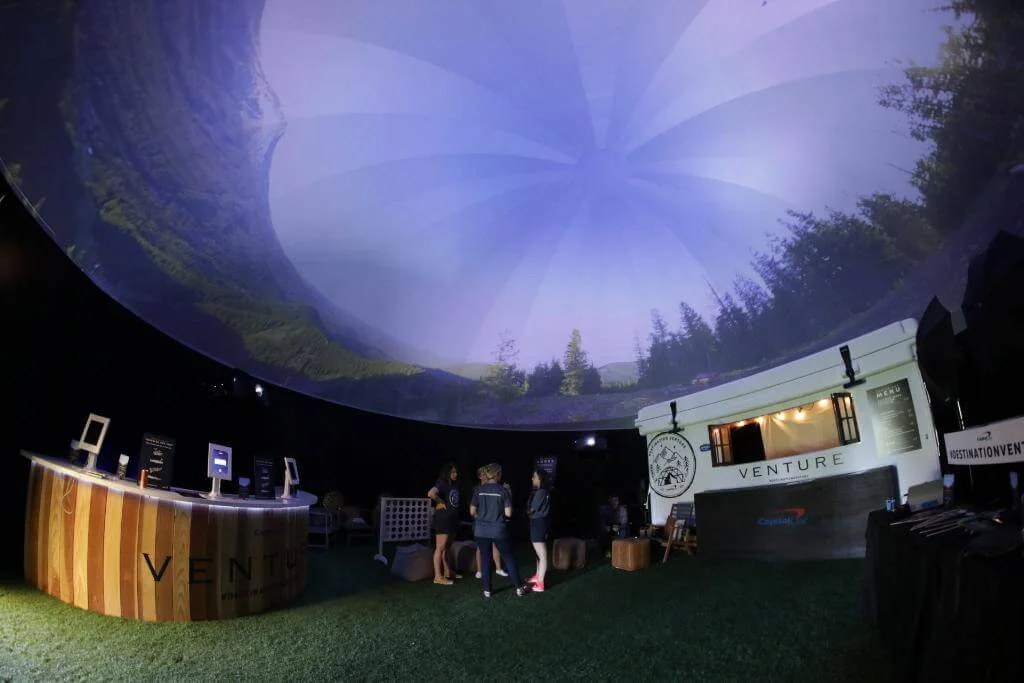
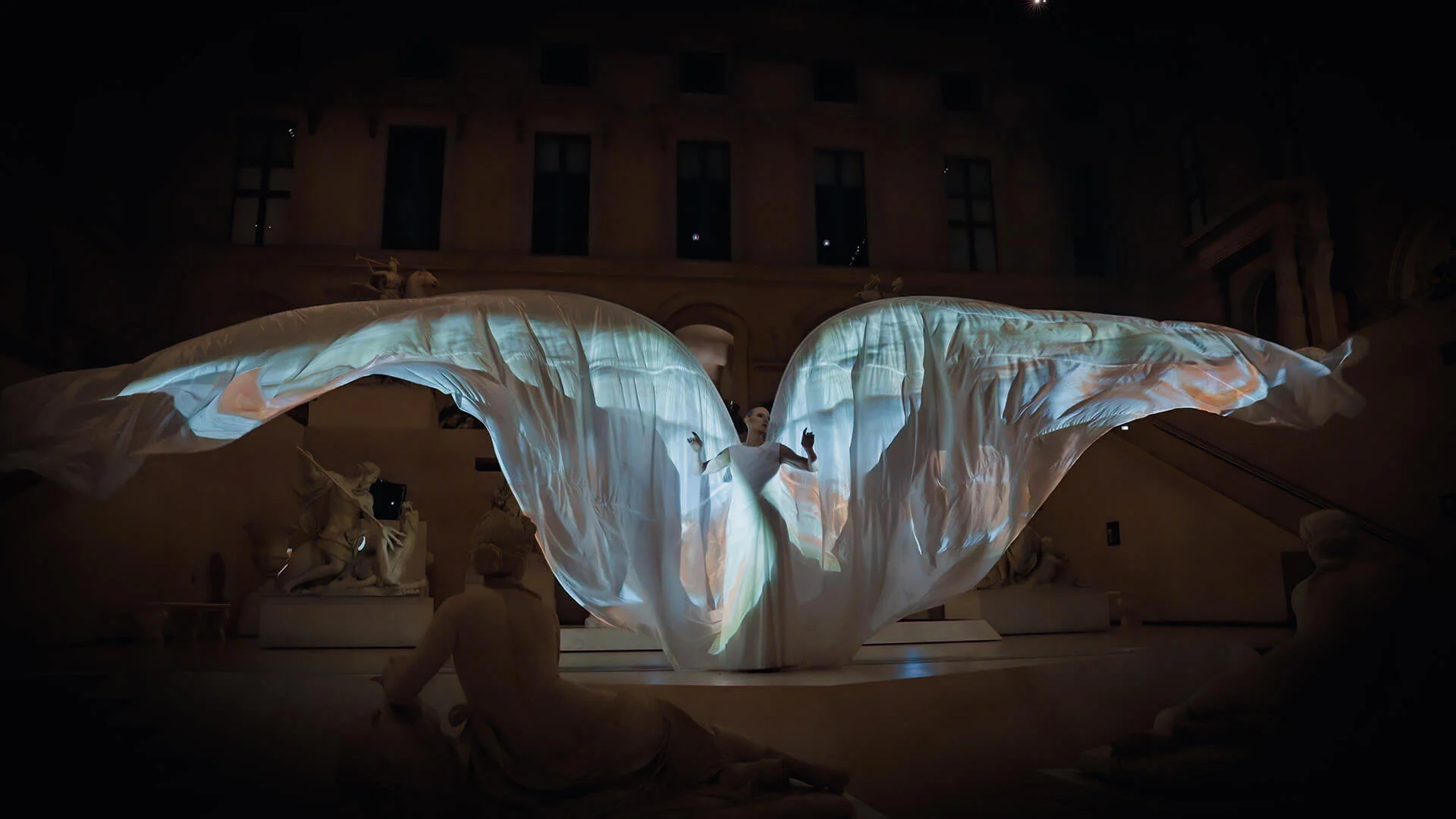
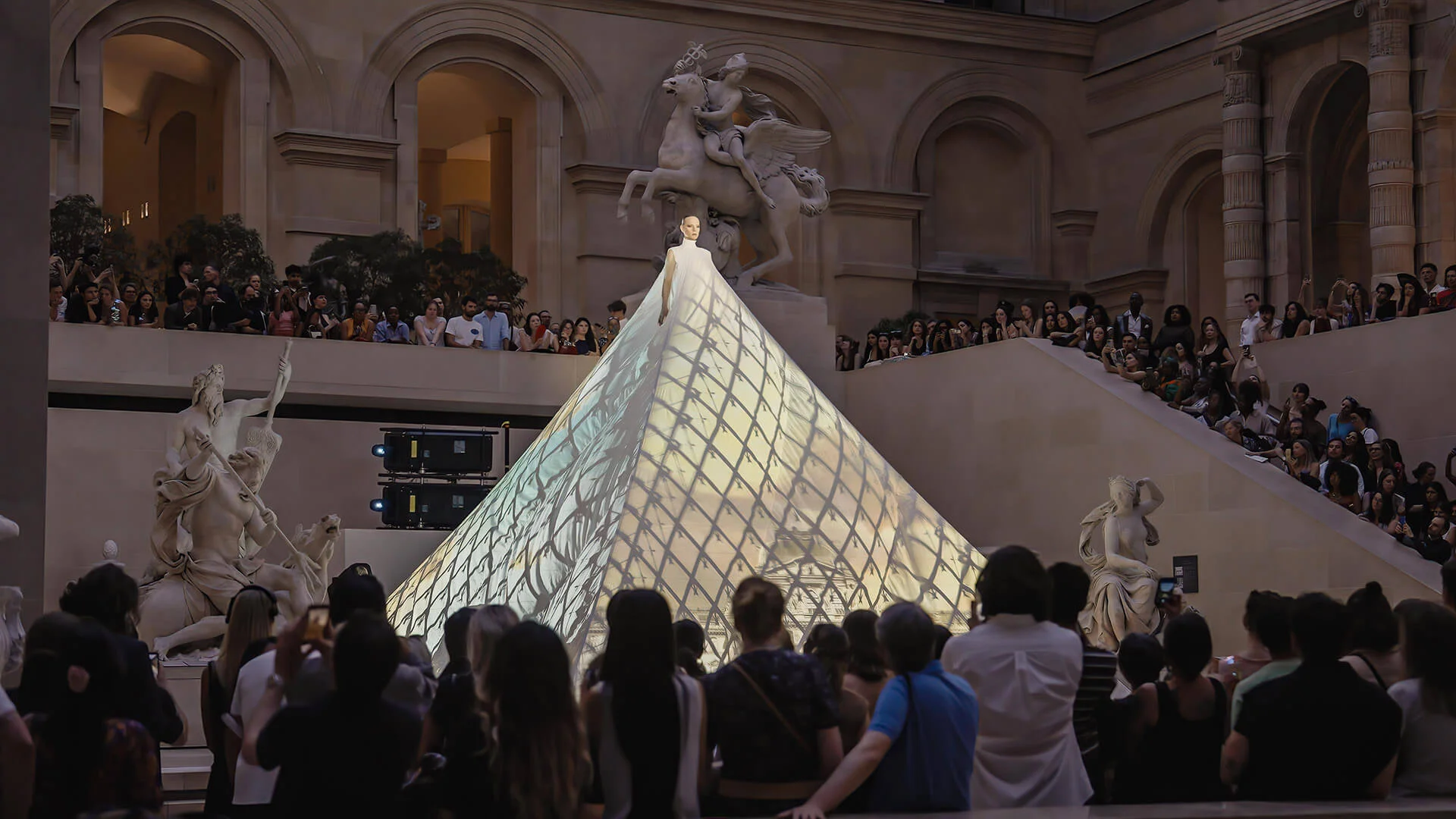
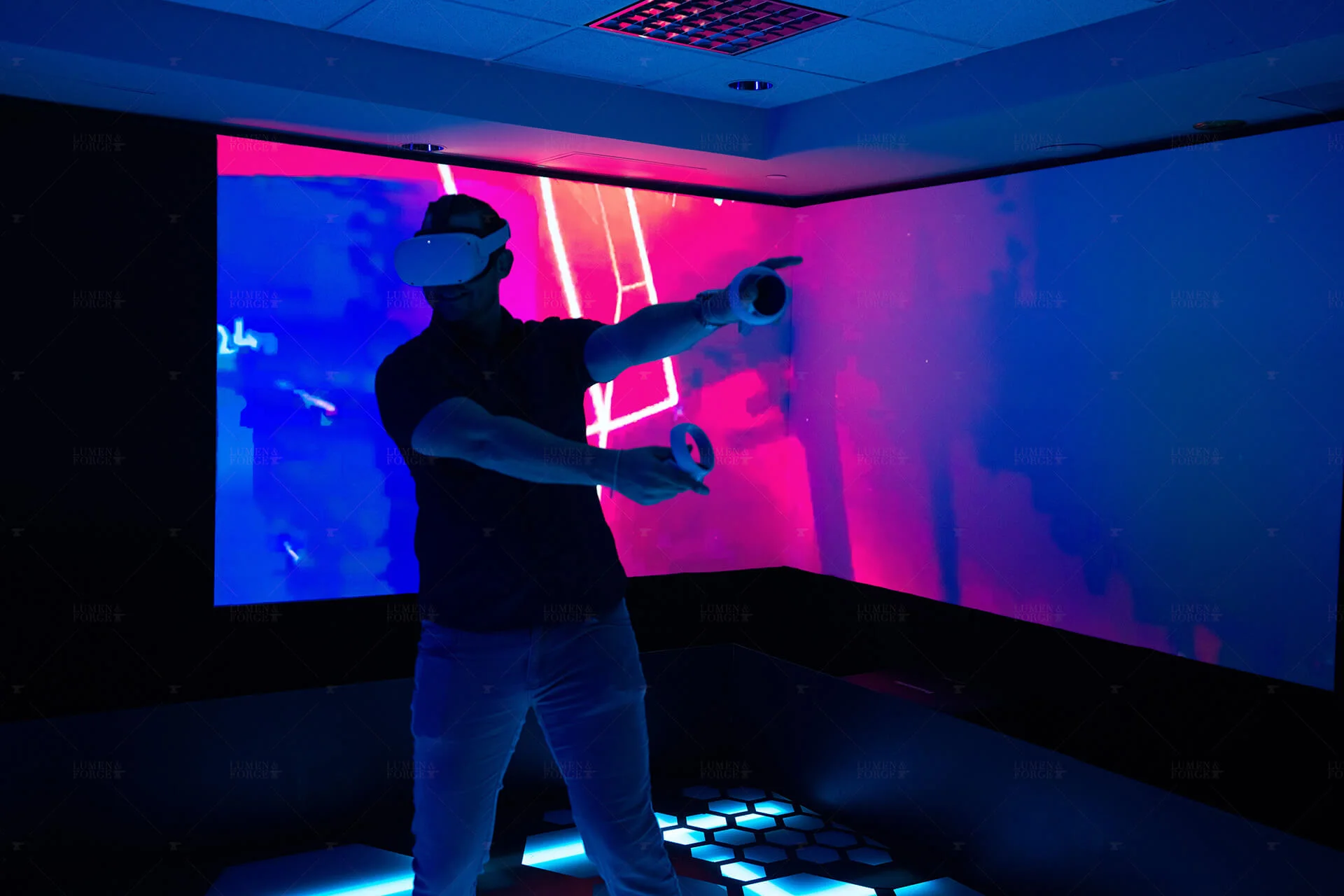
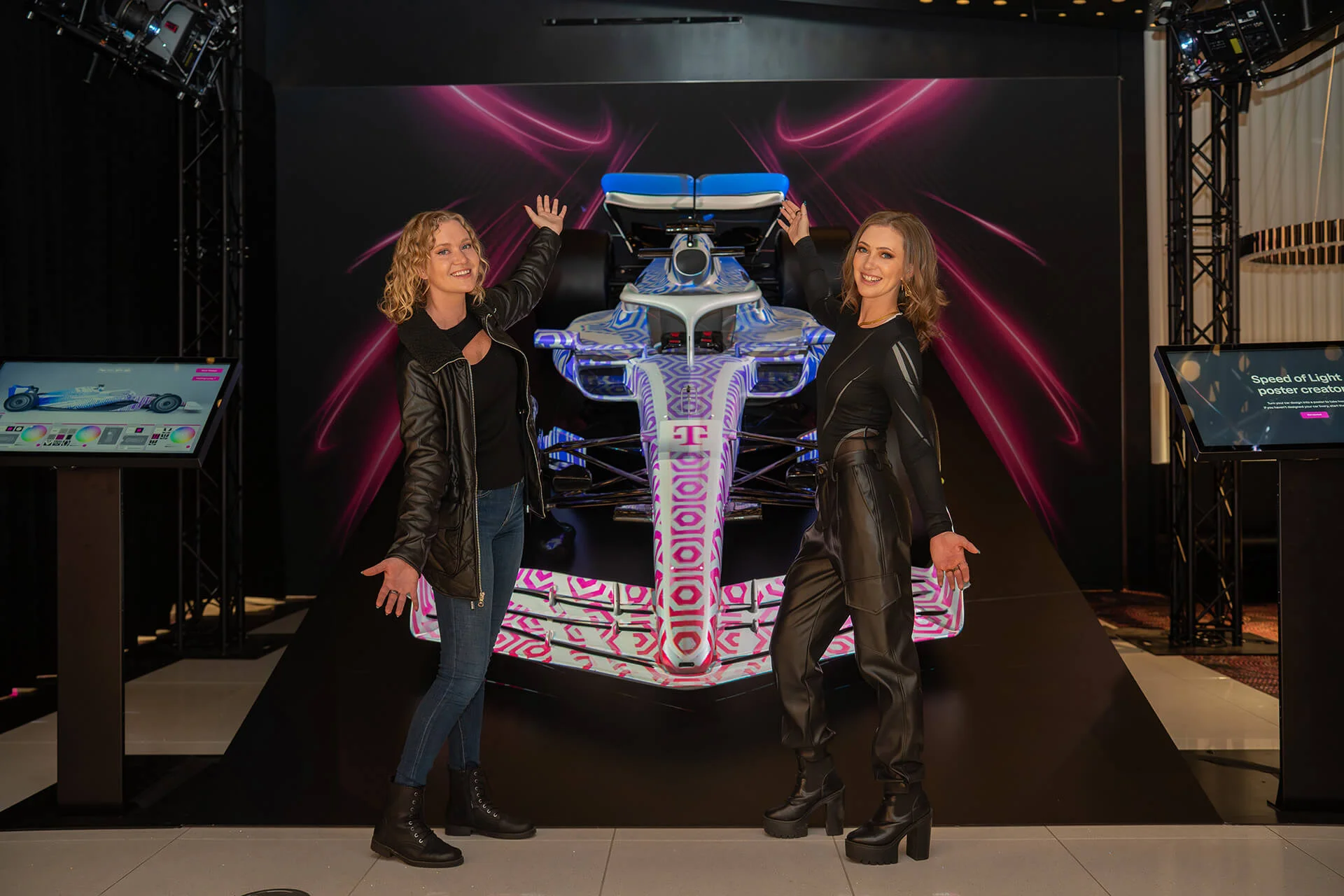
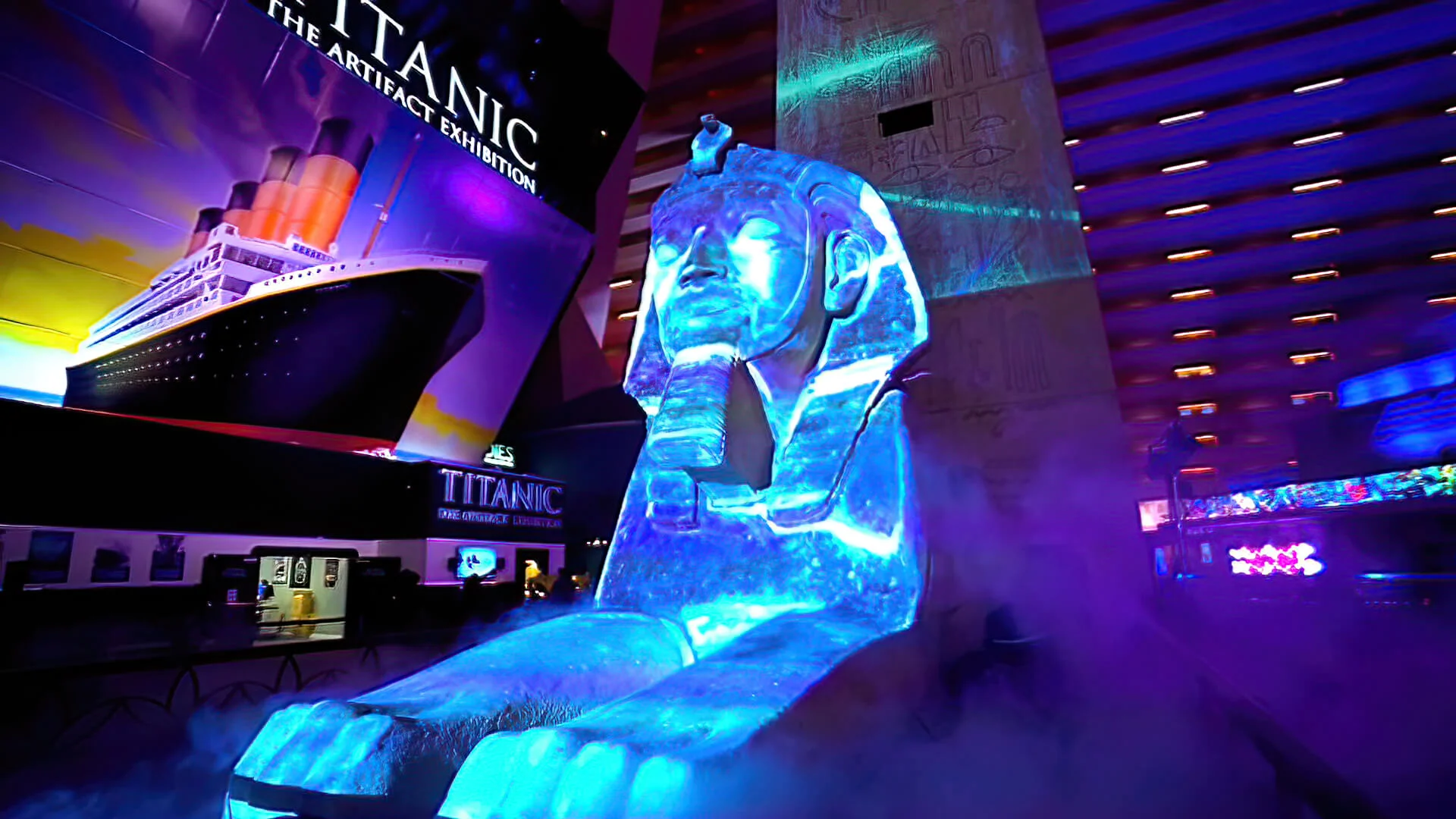
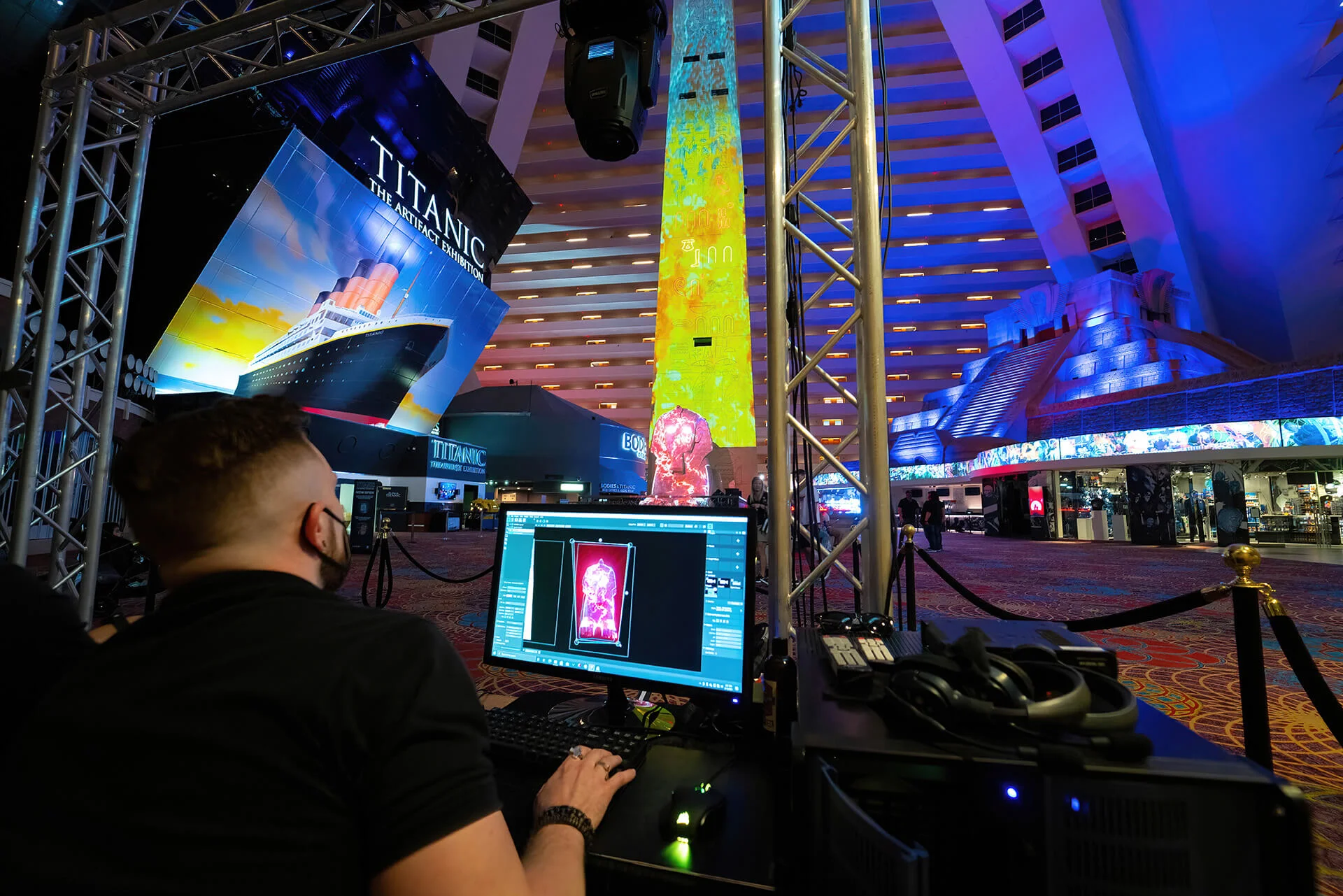
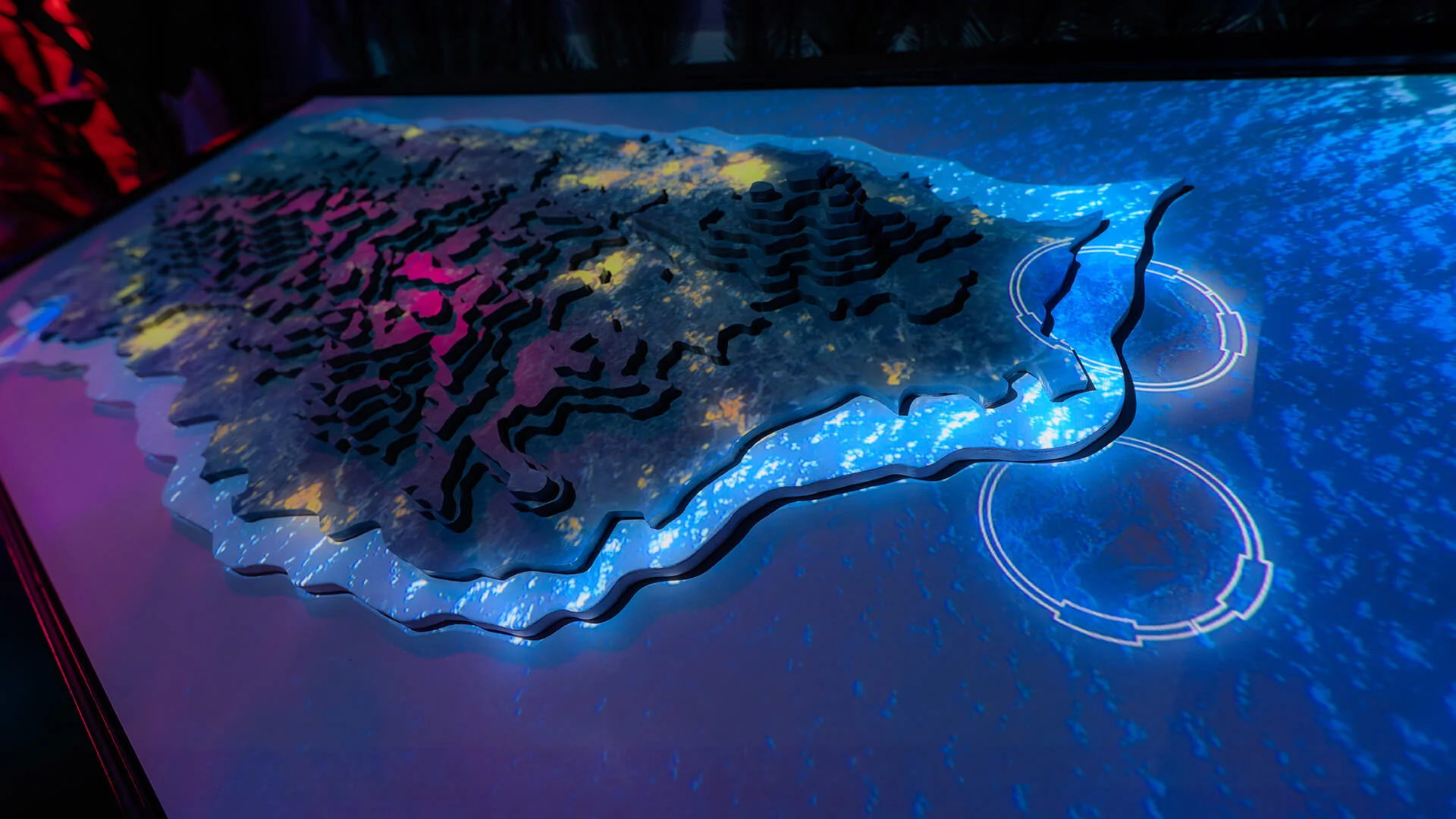
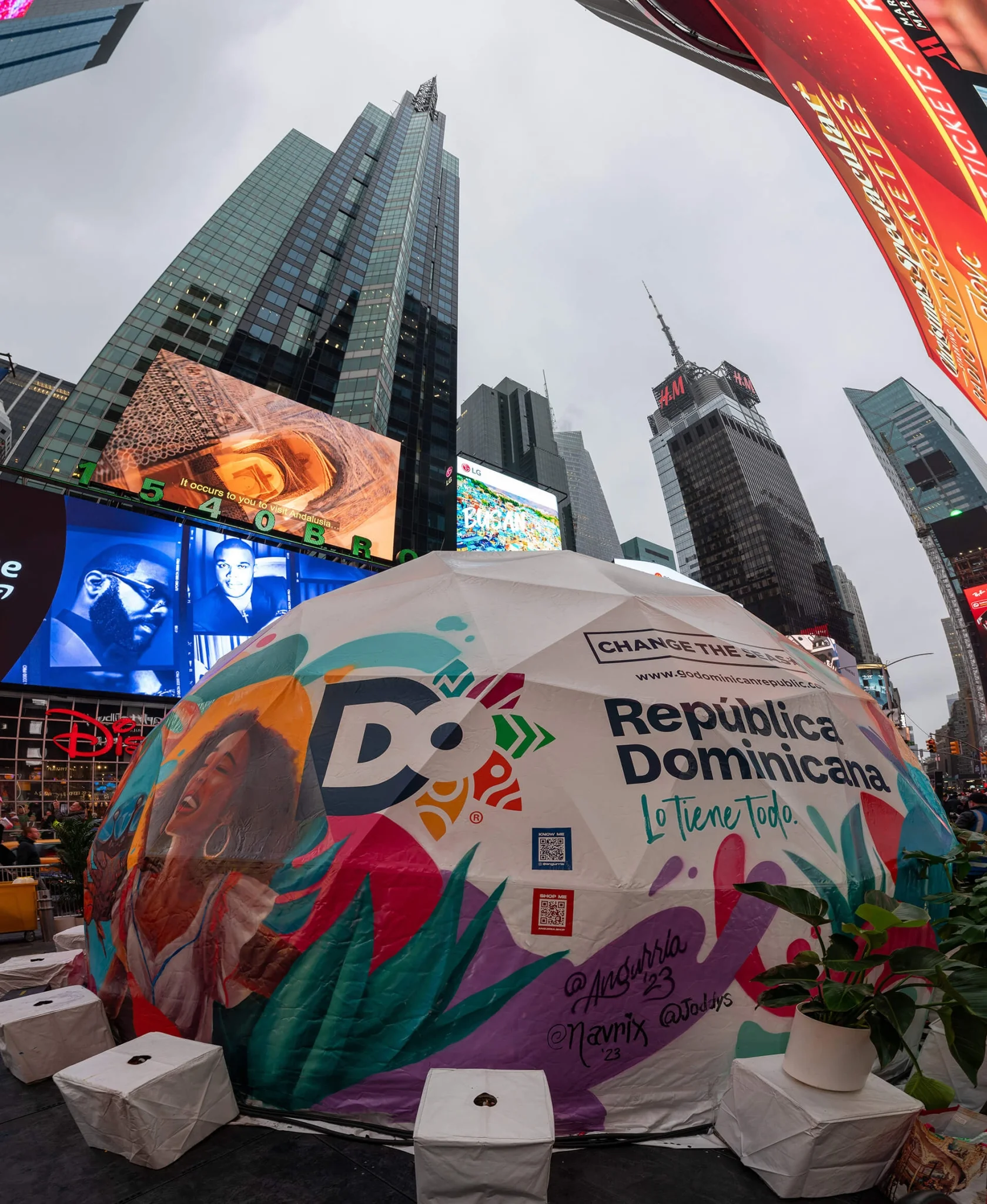
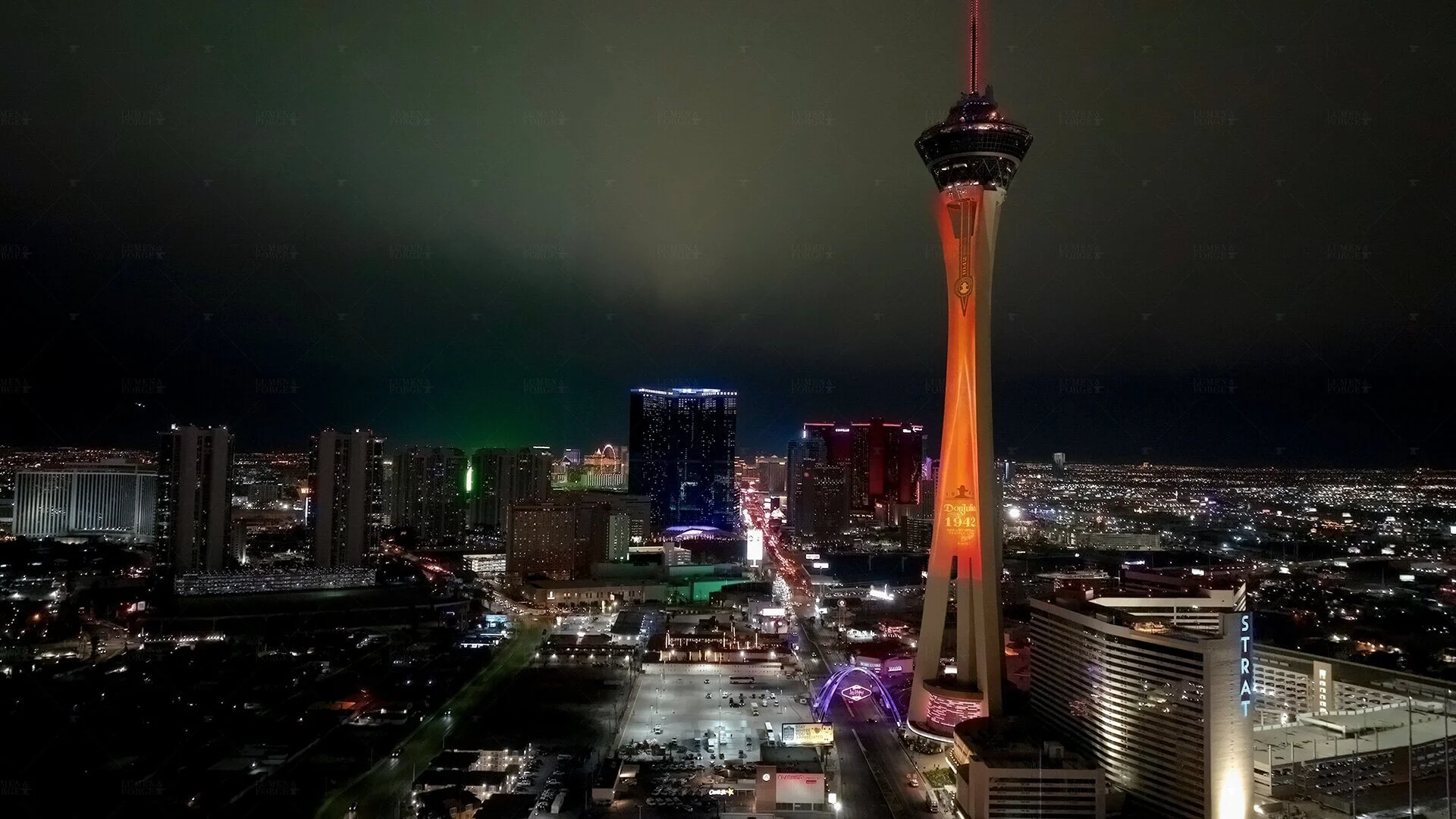
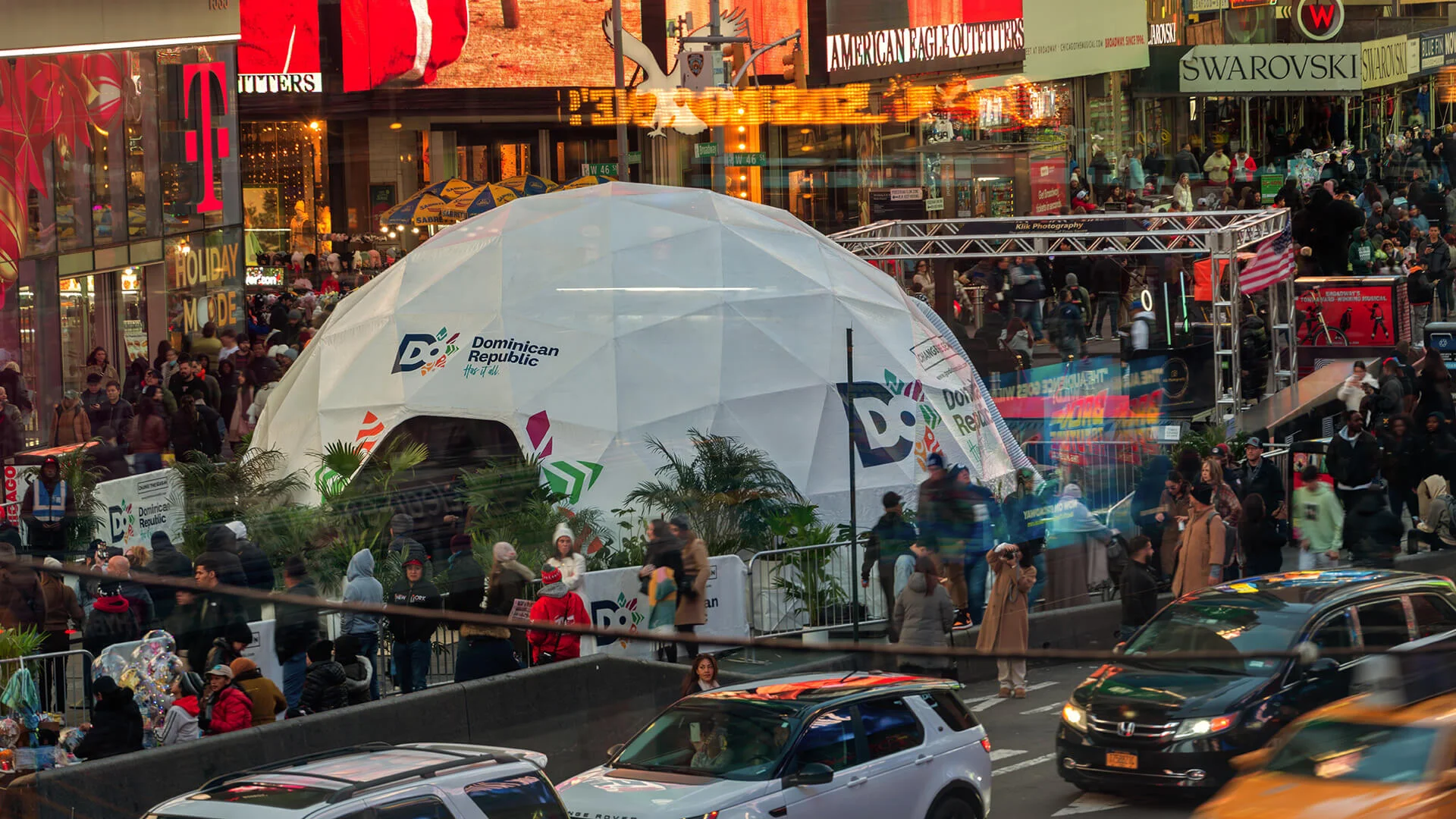
Take A Closer Look
A Deeper Look Into Animation & Visual Story Telling
A Deeper Look Into
Projection Mapping
Projection Mapping: Turning Any Surface Into a Story
Projection mapping is the practice of aligning projected light to the actual geometry of a surface, so that every edge, corner and contour is measured and the imagery is warped to fit it. On a flat screen, the frame is fixed and the picture sits inside it. Mapped projection treats the surface itself as the canvas: a facade, a stage set or a three dimensional object becomes the screen, and the content is built around its real proportions. The result reads as though the building or object is changing, not as though a video is playing on it.
Tulsa offers no shortage of surfaces for that approach. The exterior of the BOK Center, the Tulsa Performing Arts Center and Cain's Ballroom can carry large scale building projection, while interiors at the Arvest Convention Center, Expo Square and ONEOK Field suit room scale and object mapping for conventions and game day programming. Outdoor settings such as River West Festival Park and Gathering Place work for event installations, and the Philbrook Museum of Art, Woody Guthrie Center and Bob Dylan Center lend themselves to interpretive, story driven projection.
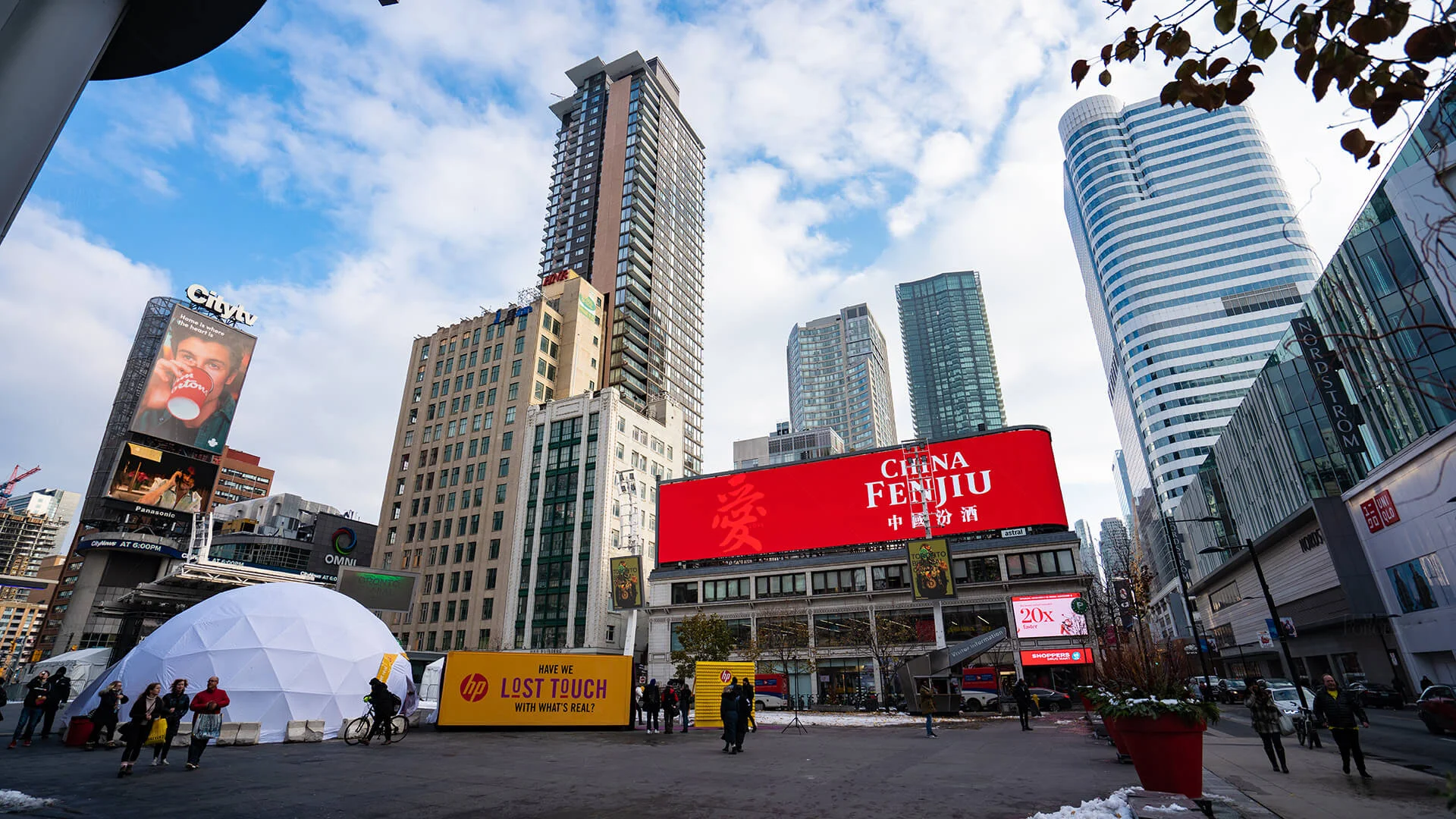
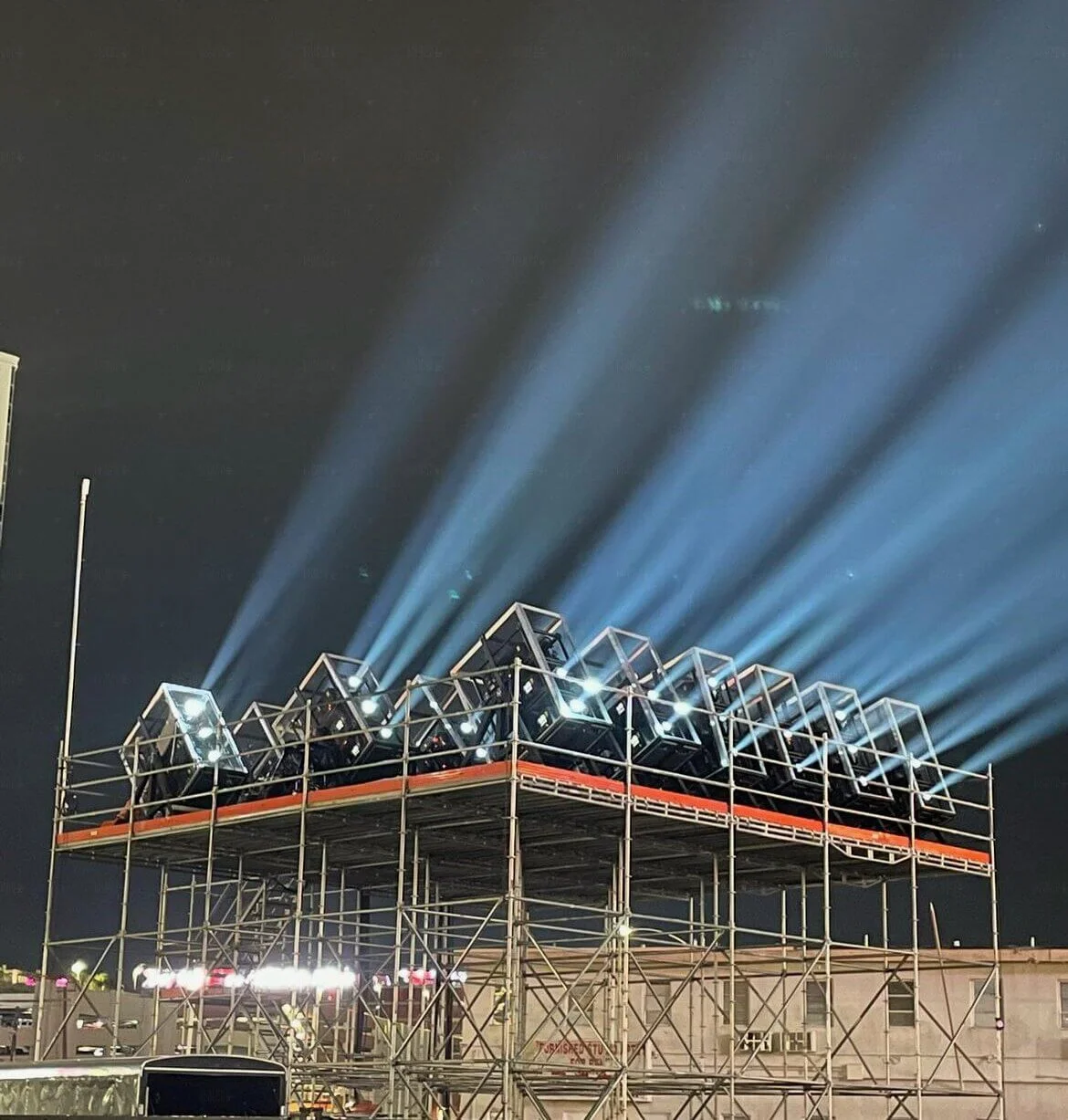
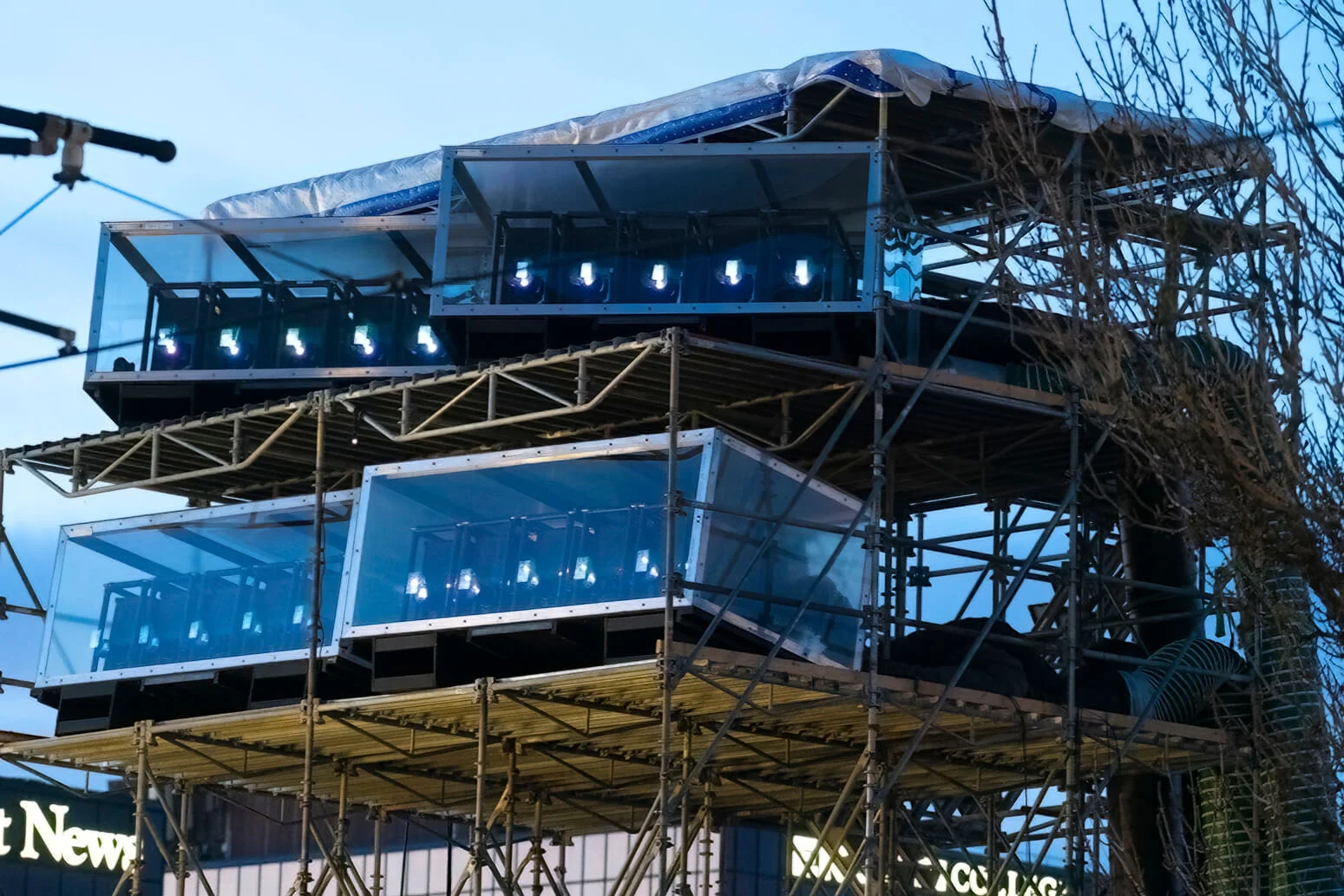
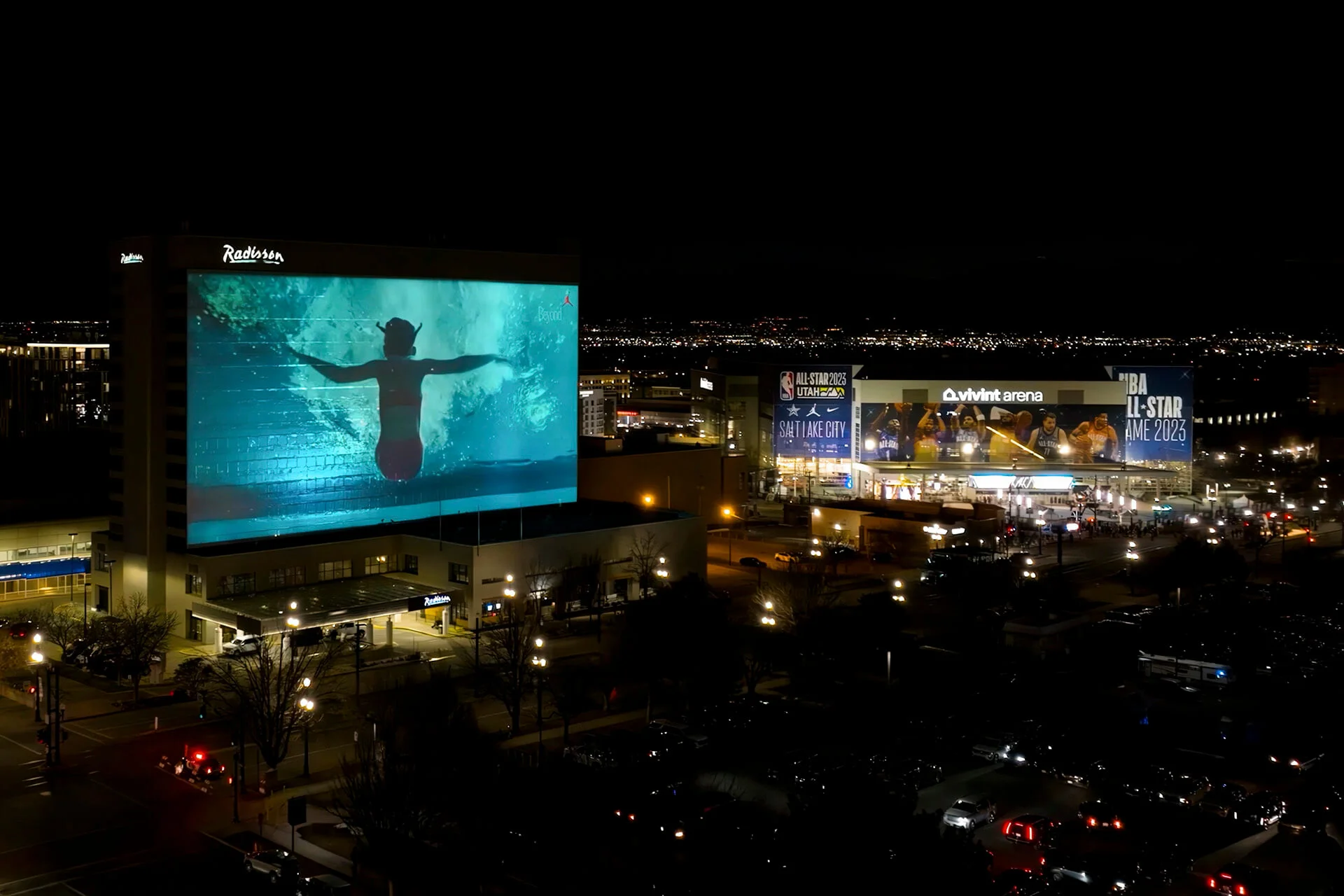
Building and Architectural Projection
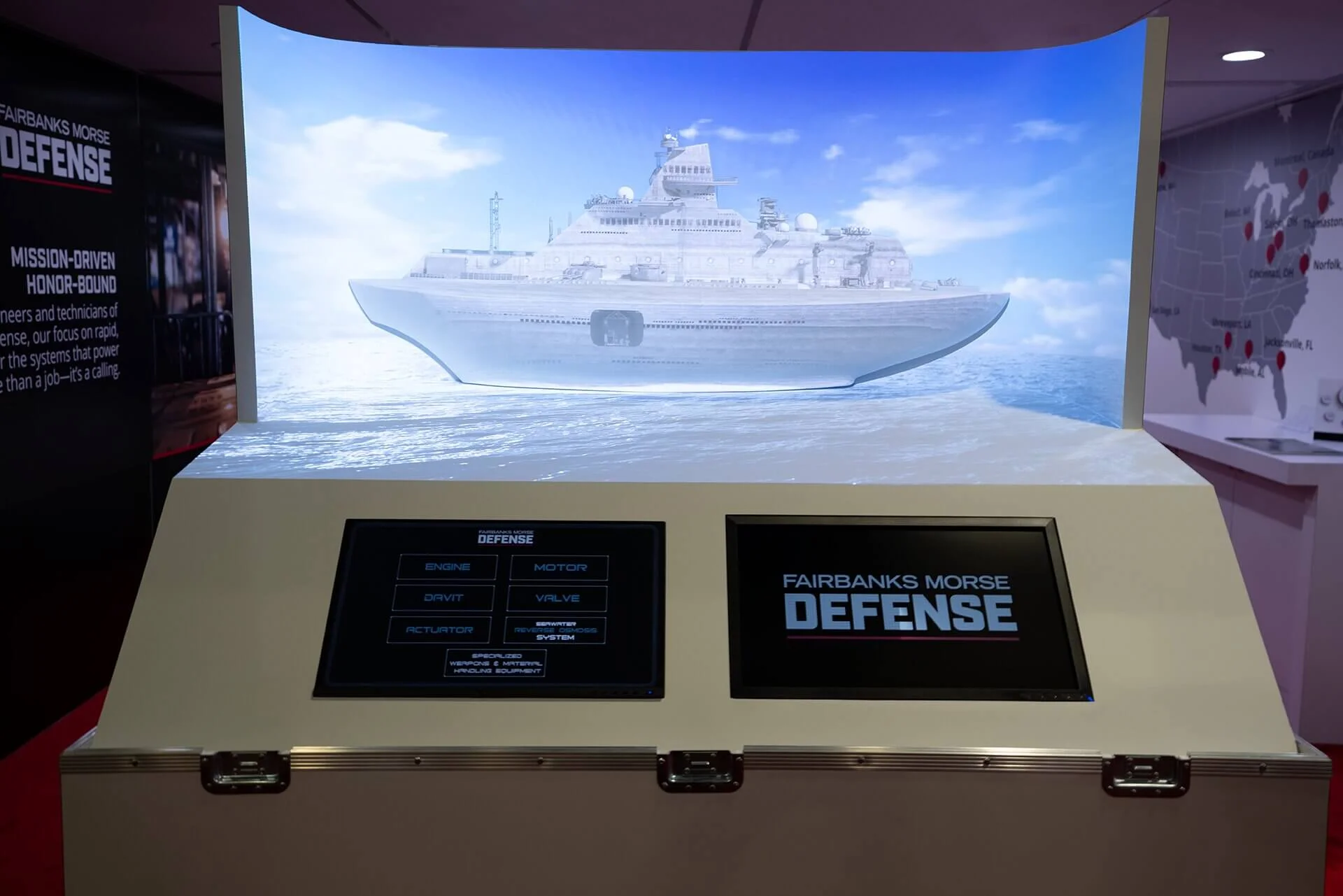
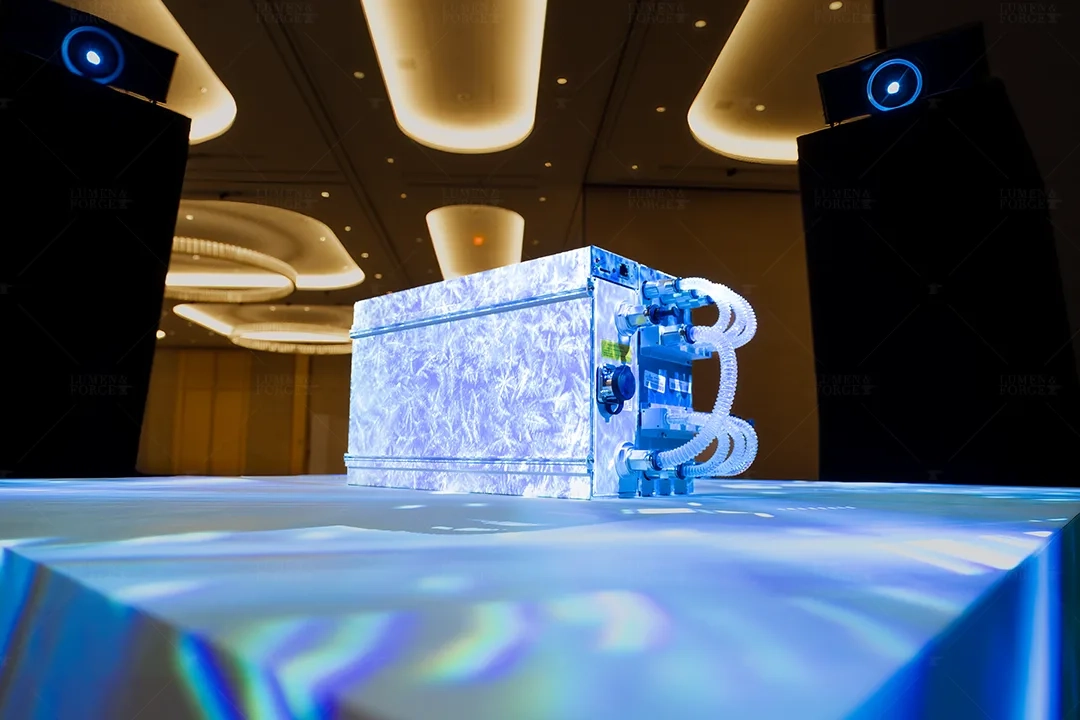
Object and Product Projection Mapping
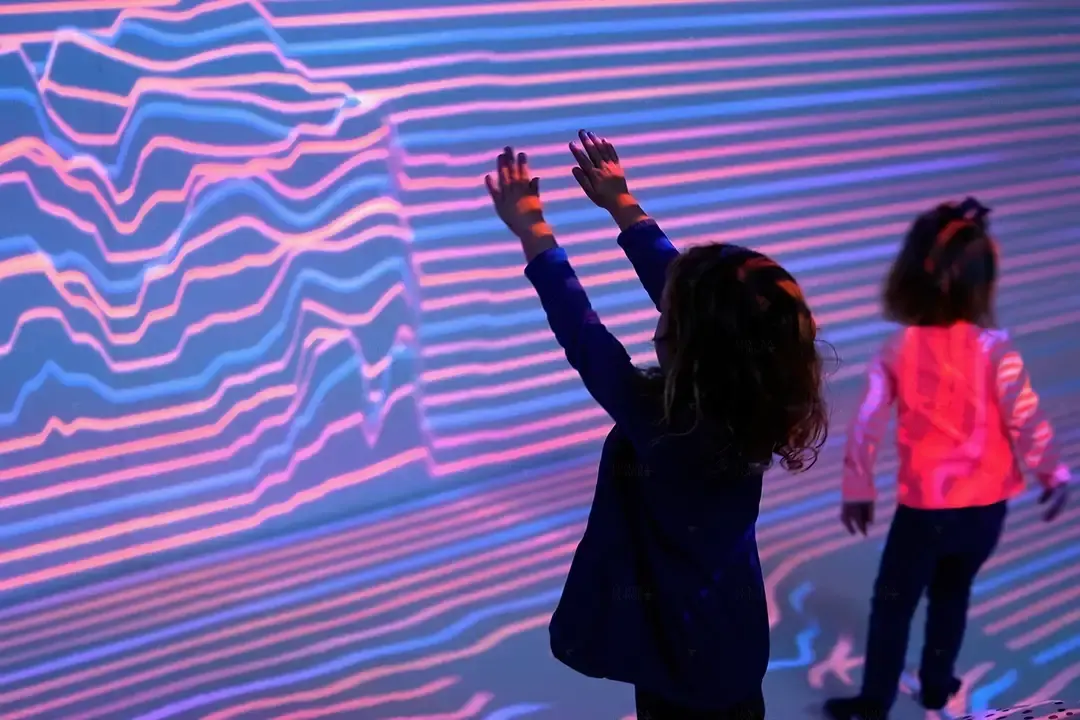
Interactive Projection
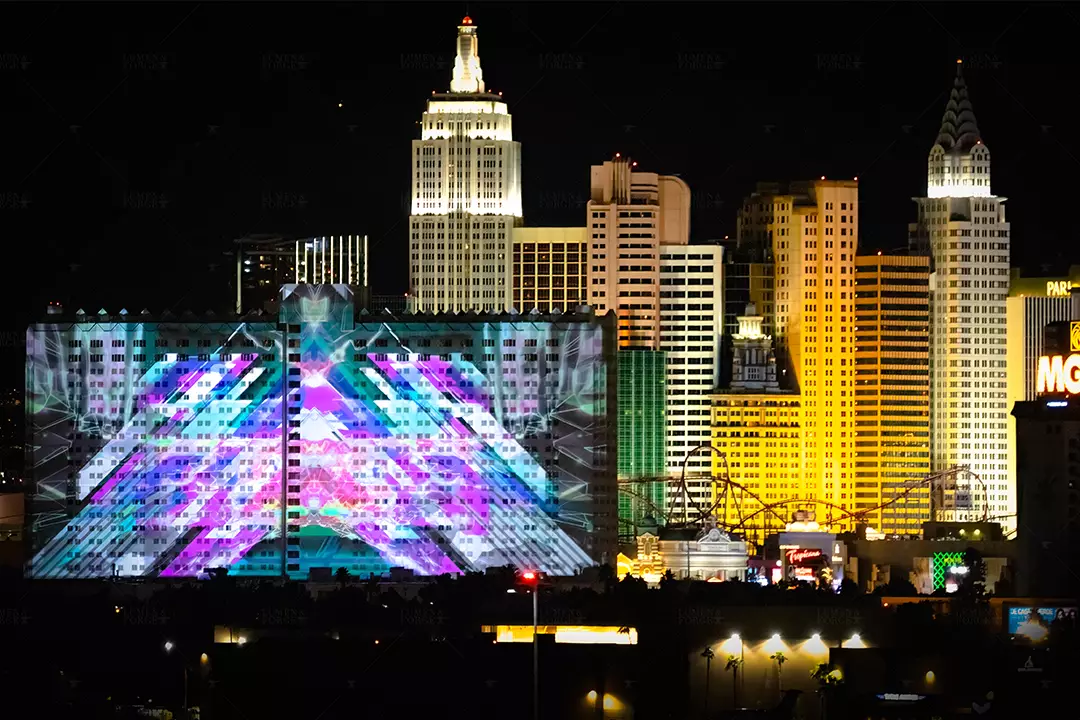
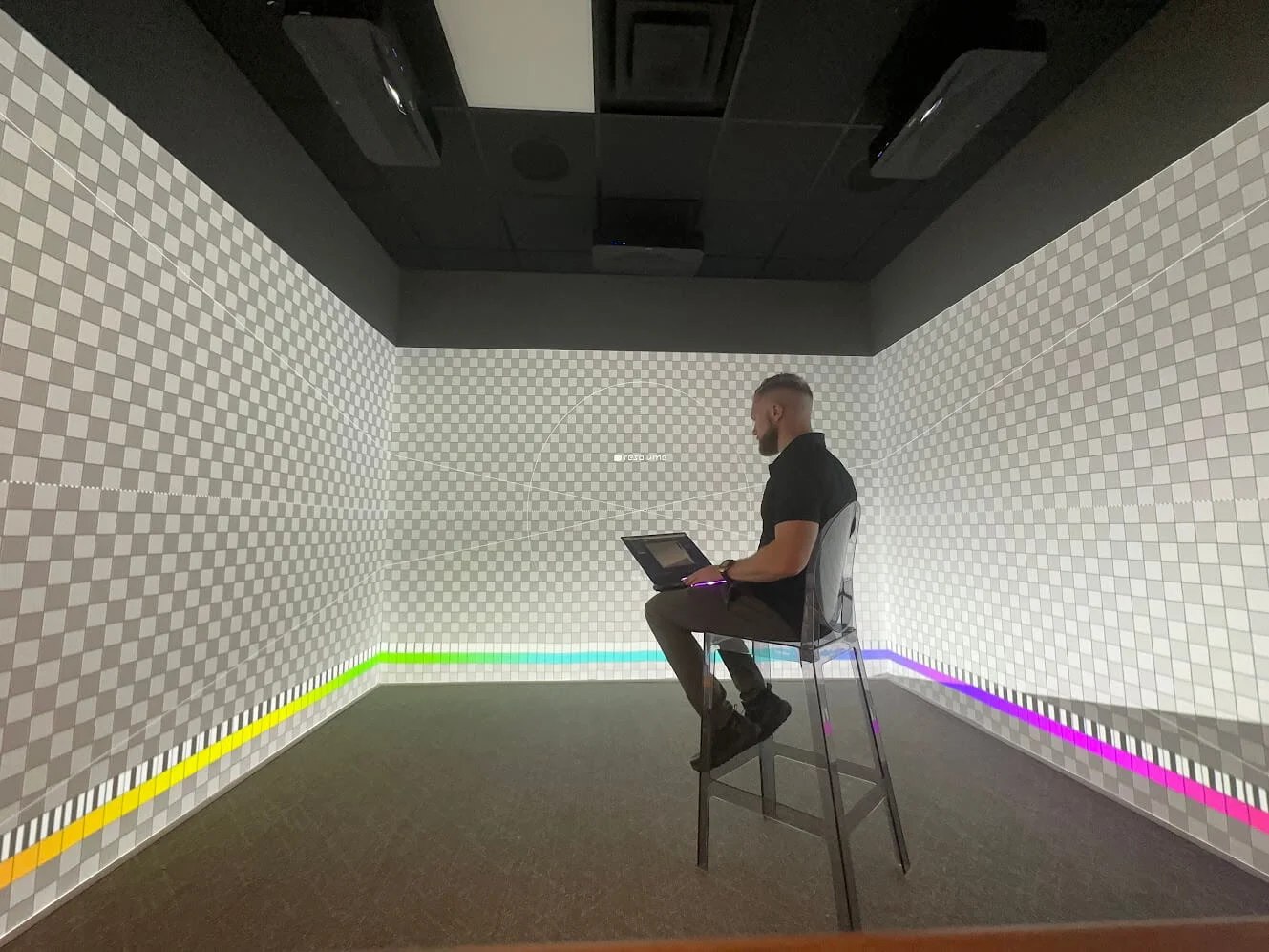
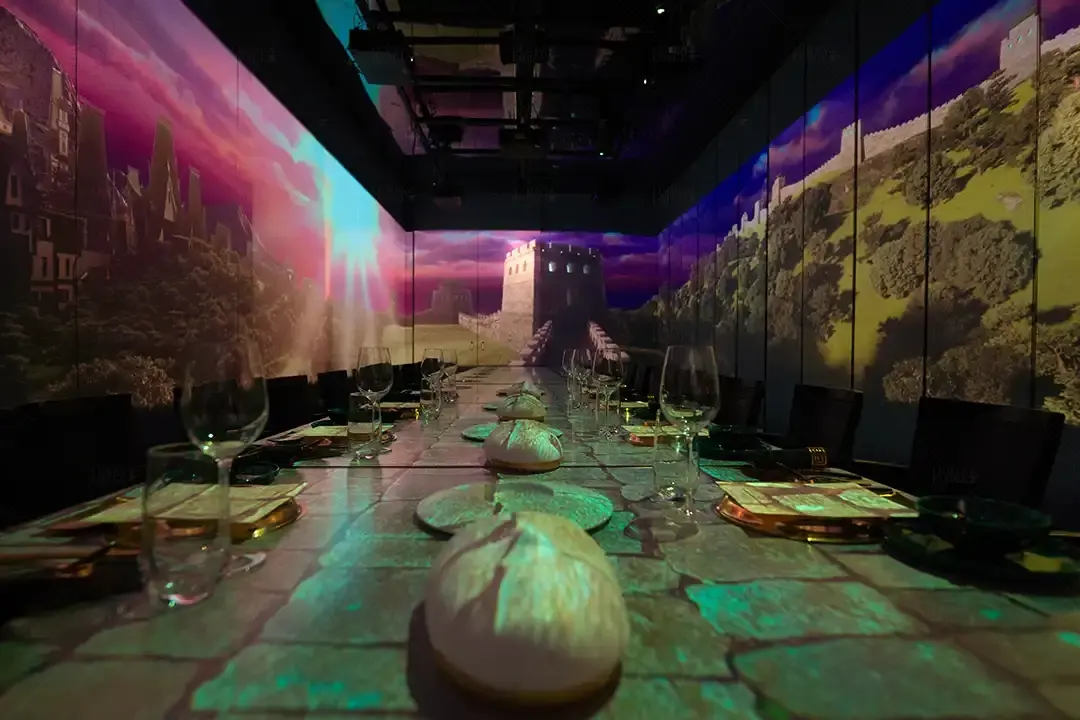
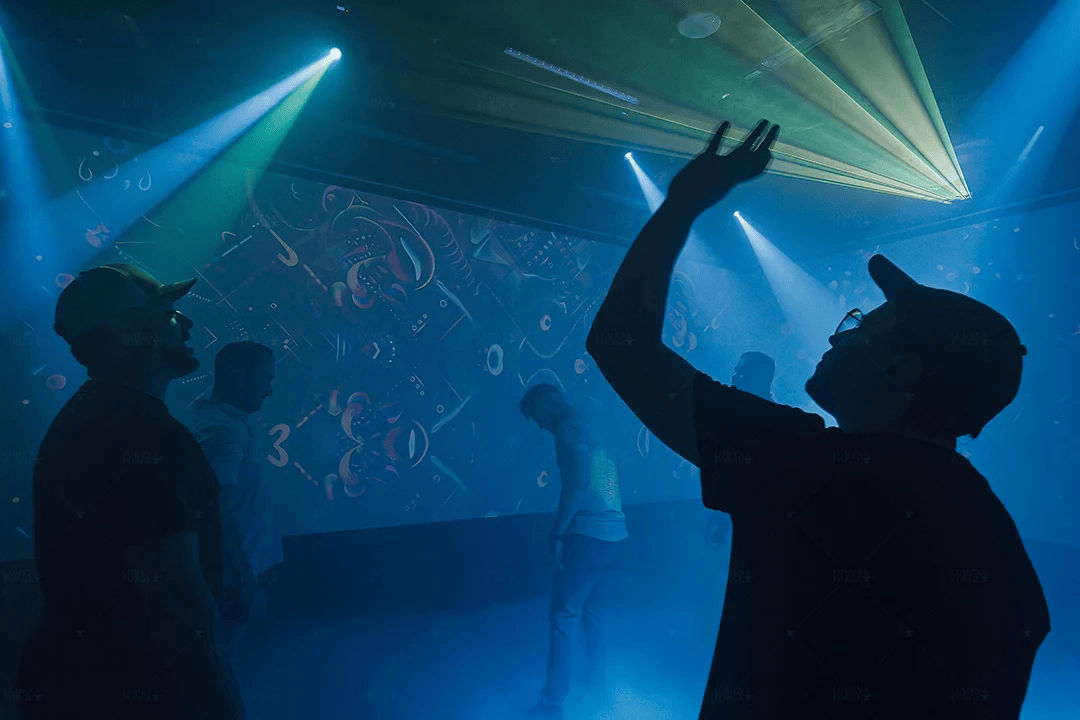
Room and Environment Mapping
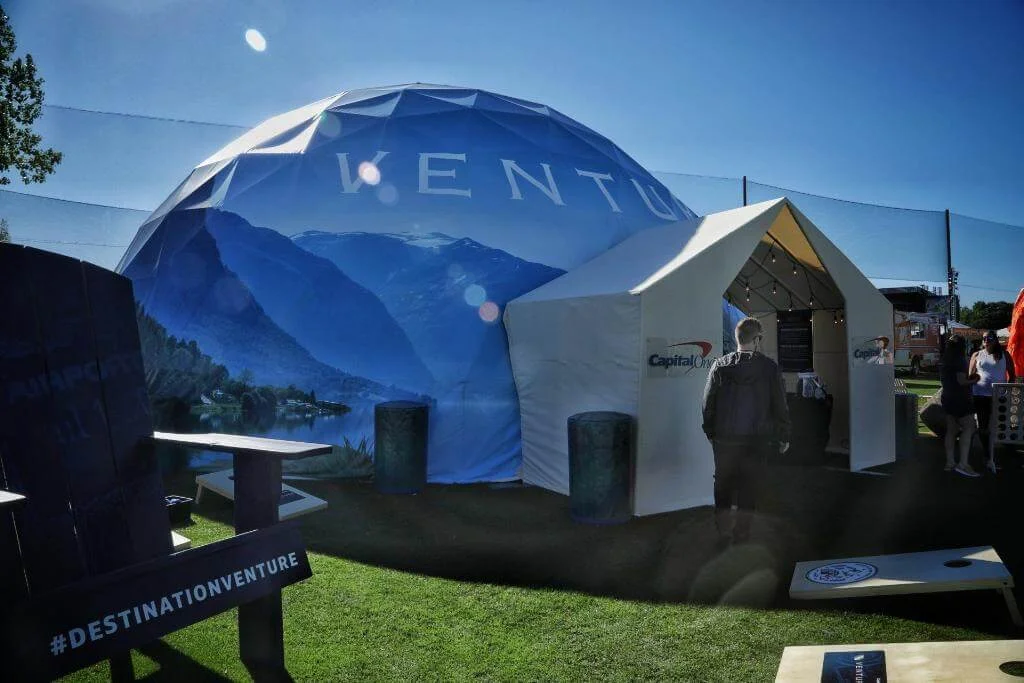
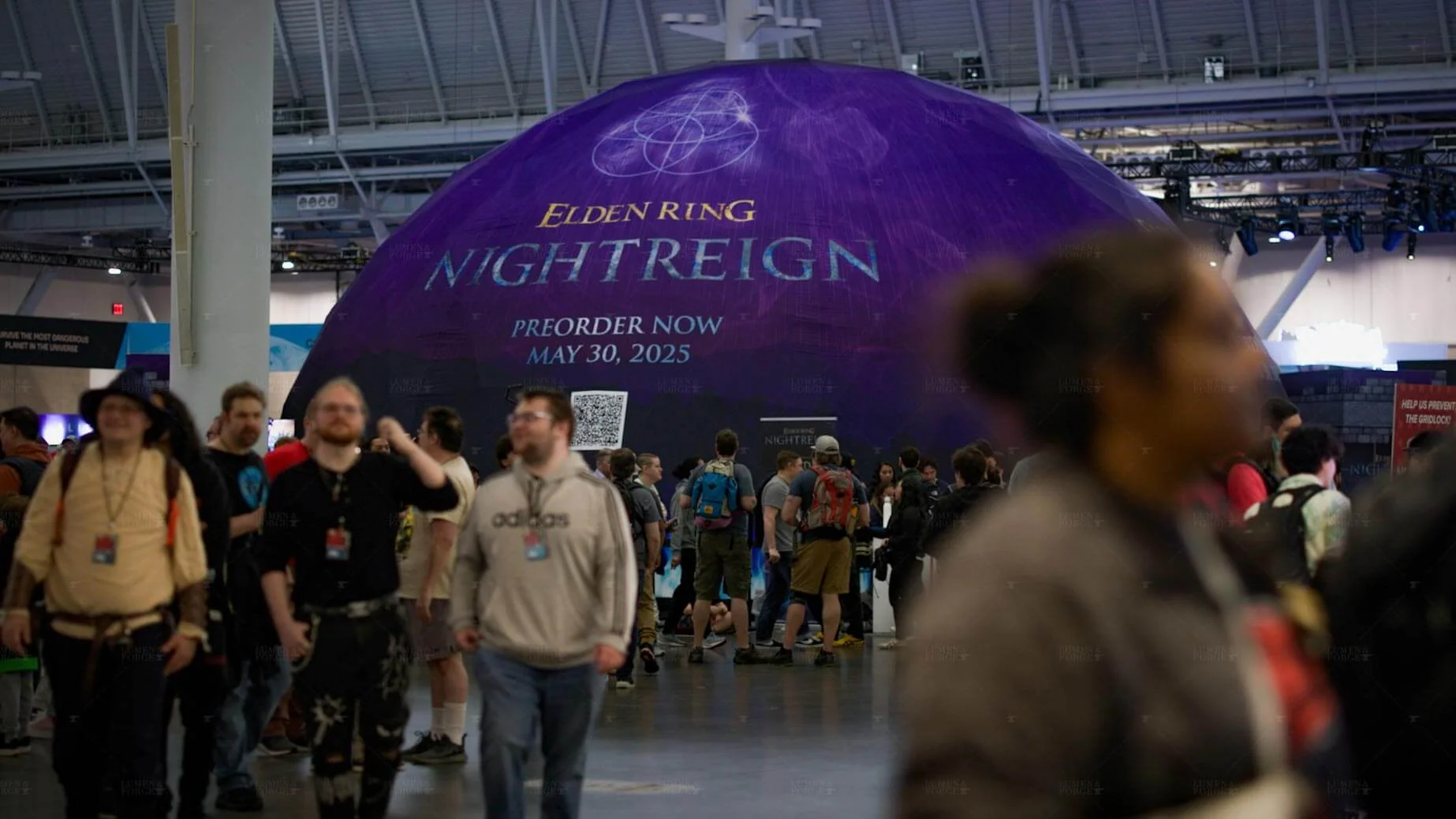
Dome Projection
Why Tulsa Is a Natural Fit for Projection Mapping
Tulsa audiences are not easily impressed by scale alone. A city that fills the BOK Center for concerts, packs Cain's Ballroom for live music, and turns out for Tulsa Mayfest in May and the Tulsa Juneteenth Festival in June has seen plenty of spectacle. What earns attention here is spectacle with a point: a projection that says something about the room it is lighting up, the sponsor behind it, or the people standing in front of it. Brand marketers who treat Tulsa as a place to drop a big, loud activation and leave will find an audience that watches, shrugs, and moves on.
The city's industry mix sets a high bar for substance. Energy and oil and gas, aerospace and aviation, and healthcare are serious sectors with educated, technically minded workforces, and the events that draw them are built around real content rather than noise. A convention at Arvest Convention Center or a meeting tied to one of these industries expects visuals that carry information: a product story, a milestone, a piece of engineering worth looking at. Projection mapping can turn a keynote stage or a lobby wall into a working part of that story, but only when the content is designed for the audience in the room rather than borrowed from a general-purpose template.
Culture is the other half of the equation. Tulsa's arts and live music scene, anchored by the Tulsa Performing Arts Center, Cain's Ballroom and the Woody Guthrie Center, and its museum community at Philbrook Museum of Art, expects craft. So does Route 66 tourism, which brings visitors who come for authenticity and can tell the difference between a real nod to the city's history and a generic retro graphic. The Bob Dylan Center and the Woody Guthrie Center in particular sit in a city that takes its own cultural memory seriously, and activations that borrow from that memory without understanding it read as hollow.
The event calendar raises the stakes further. Saint Francis Tulsa Tough in June, the Tulsa State Fair and Zeeco Oktoberfest Tulsa in October, and games and gatherings at ONEOK Field, Expo Square, River West Festival Park and Gathering Place put brands in front of large, mixed crowds with high expectations and short attention spans. Spectacle gets a glance; relevance gets a line, a photo and a share. That is the standard projection mapping has to meet in Tulsa, and it is why the medium works best here when the creative is built around the city, its industries and its calendar rather than applied on top of them.
Lumen and Forge: Bringing New Light to Art Deco Landmarks
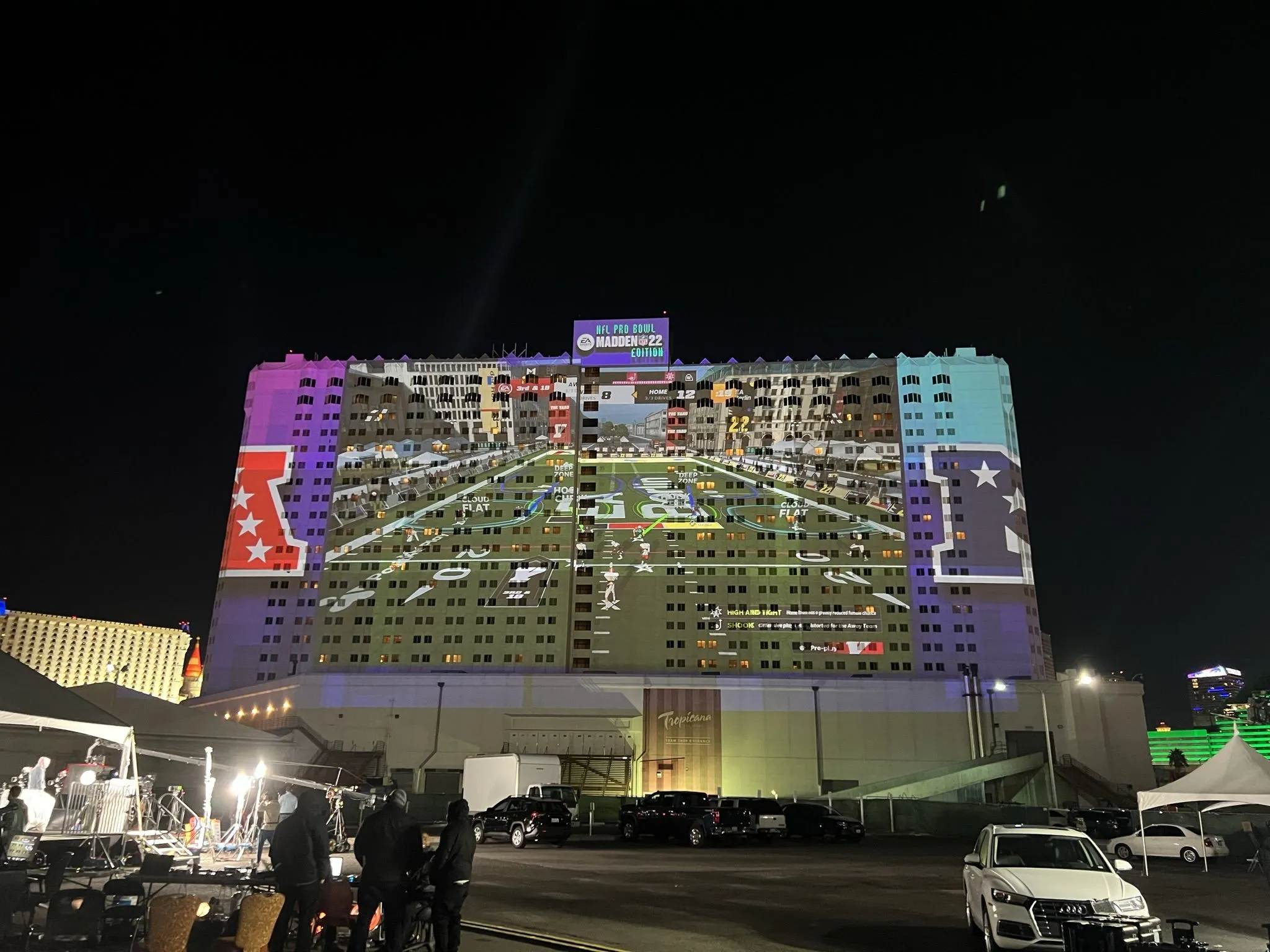
Over 15 years of producing large-scale projection mapping and immersive experiences for globally recognized brands gives Lumen and Forge the operational depth Tulsa productions require. Our portfolio includes building projections for Nike and Air Jordan at NBA All-Star Weekend, large-scale convention experiences for Toyota, McLaren, and Mastercard, a world record video game screen at the Tropicana, and the Beneath the Blue 360-degree dome for National Geographic. Our team is comfortable working alongside experienced production crews and holding a technical standard in front of an audience that knows the difference, which is exactly what Tulsa requires.
Who We Work With in Tulsa
Tulsa's event calendar and building stock draw a wide mix of clients to projection mapping, and each group tends to come with its own venue and timing needs.
- Energy and oil and gas. Corporate teams in this sector book projection mapping for annual meetings, product launches and milestone celebrations, often turning a hotel ballroom or convention floor into a branded environment. Object mapping on equipment, models or a stage centerpiece lets them tell a technical story visually for employees, partners and investors.
- Aerospace and aviation. Companies here use building projection and room-scale environments for recruiting events, open houses and anniversary programs, where precision and engineering are part of the brand story. Content can be mapped to architectural surfaces or built as an interactive installation that walks guests through a program or a timeline.
- Healthcare. Hospitals, clinics and health systems hire projection mapping for fundraising galas, donor events and community open houses. Warm, accessible visuals on a venue wall or a room-scale environment help these organizations thank supporters and explain their mission without relying on a long slide deck.
- Arts and live music. Venues such as Cain's Ballroom and the Tulsa Performing Arts Center host performances, galas and season announcements where projection mapping adds a visual layer to the stage or facade. Promoters and arts organizations use it for headline moments, sponsor recognition and immersive pre-show experiences.
- Route 66 tourism. Tourism marketers and attractions use projection mapping for seasonal programs, visitor welcomes and anniversary events tied to the corridor's heritage, drawing on the nostalgia and road-trip identity that define the route.
- Conventions and meetings. Meeting planners and associations bring projection mapping into the Arvest Convention Center, Expo Square and other venues for general sessions, exhibit halls and evening receptions, using it to brand a space and give attendees a memorable focal point.
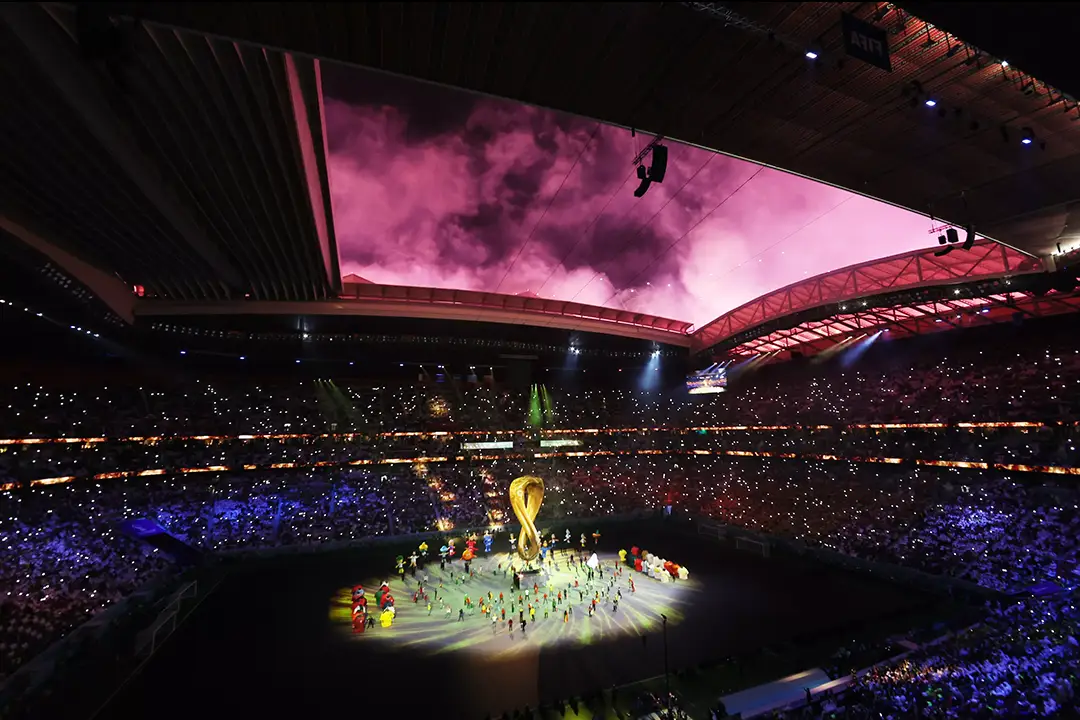
Ready to Light Up Route 66?
Tulsa audiences are close to the work. At Cain's Ballroom or the BOK Center, in the galleries at Philbrook Museum of Art, or under the lights at ONEOK Field, people notice when a surface, an object or a whole room has been mapped with care. That is the standard Lumen and Forge brings to every project, from building projection and projection domes to interactive installations and room-scale environments.
If you are planning a launch, a convention moment, a festival activation or a campaign across Route 66, let's talk about what projection mapping can do for it. Get in touch with Lumen and Forge and tell us what you have in mind.
Frequently Asked Questions: Projection Mapping in Tulsa
Standard projection displays a flat image on a flat screen or white wall. Projection mapping uses specialized software to warp, align, and calibrate video content so it fits precisely onto any three-dimensional surface, whether that is a building exterior, a custom sculpture, a vehicle, or an entire room. The software accounts for every edge, angle, and curve, so the content appears to belong to the object itself rather than simply being cast onto it. In a city full of working production professionals, that level of precision is what separates a real installation from a lighting effect.
Yes. Tulsa's climate supports outdoor projection mapping across much of the year, with spring and fall offering the most reliable conditions for evening events. Summer works well once the sun is down, though heat and humidity call for weather planning. Sunset arrives late in June and early in December, so schedule start times around darkness and account for ambient light from streetlights and venue lighting at places like Guthrie Green, River West Festival Park or Expo Square. Rain and storms are the main risk, so build in backup dates.
The BOK Center offers large exterior surfaces suited to building projection, while the Tulsa Performing Arts Center and Cain's Ballroom bring projection into arts and live music settings. Arvest Convention Center and Expo Square fit conventions and large meetings, ONEOK Field and River West Festival Park support outdoor spectacle, and Gathering Place, Philbrook Museum of Art, the Woody Guthrie Center and the Bob Dylan Center suit cultural and immersive installations.
The Tulsa events that fit projection mapping best are the ones that already draw a crowd after dark or across multiple days: Tulsa Mayfest in May, Saint Francis Tulsa Tough and the Tulsa Juneteenth Festival in June, the Tulsa State Fair and Zeeco Oktoberfest Tulsa in October. Each brings concentrated foot traffic, sponsor interest and a reason to give passersby a reason to stop and look up.
Yes. Lumen and Forge coordinates permits, power, rigging and site logistics with the venue as part of every Tulsa projection mapping project, whether the canvas is the BOK Center, Cain's Ballroom or a River West Festival Park activation. For public outdoor events, we work through the City of Tulsa Special Events Office, which requires applications at least 60 days ahead when street, sidewalk or parking closures are involved and at least 40 days ahead for other public outdoor events.
Projection mapping cost in Tulsa depends on the scale of the surface, the complexity of the content, the length of the event, and the equipment and crew required. A single building face at a downtown venue needs a different budget than a room-scale installation or a multi-night run at a festival. Content creation, hardware, rigging, power and on-site staffing all factor in. Share your venue, dates and creative goals, and Lumen and Forge will scope the work and build a proposal around what your event actually requires.
Lead time depends on the scale of the project. Custom content, a site survey, equipment and crew scheduling, and permitting all take time, and large building projections and outdoor events need the longest runway. For public outdoor events, the City of Tulsa Special Events Office requires applications at least 60 days before events with street, sidewalk or parking closures and at least 40 days before other public outdoor events, so permitting belongs in the timeline from the start. Get in touch as soon as the venue and date are known.
Projection mapping aligns projected imagery to the exact shape of a surface, but 3D projection mapping goes further by accounting for depth, curvature and multiple planes, so content can wrap corners and read as dimensional rather than flat. On a facade at the BOK Center, for example, a 3D approach maps separate planes and edges so graphics appear to carve into the architecture, shift across columns and resolve into one coherent scene instead of a single stretched image.
In addition to projection mapping, we offer dome projection for fully immersive 360-degree spherical experiences, event and project design for end-to-end production planning, and animation and visual storytelling for original content creation. Many of our Tulsa clients combine projection mapping with one or more of these services into a single integrated production. We are a full-service immersive experience company, and the strongest work we build is conceived as a whole from the first conversation.
Do you have more questions?
Didn't find what you were looking for? Our team is happy to walk you through your project and answer anything else