
Monumental Stone, Modern Stories
Washington is a company town with a national stage. The audiences here are federal agencies, trade associations and nonprofits, defense and government contractors, embassies and international organizations, plus media and advocacy groups that set the tone for the rest of the country. When you produce an event in the District, you are speaking to decision makers, press and policy people in the same room, often on the same night.
The venues match that ambition. The Walter E. Washington Convention Center anchors the city's largest gatherings, while Capital One Arena, Nationals Park, Audi Field and Northwest Stadium carry the crowds. Union Station, the National Building Museum, ARTECHOUSE DC, The Wharf and Yards Park give brands room to build something more intimate and more unexpected.
The calendar keeps the market moving year round: the National Cherry Blossom Festival, the Smithsonian Folklife Festival, Independence Day on the National Mall, the DC Jazz Festival, H Street Festival and Georgetown GLOW. Hospitality, tourism and technology brands compete for attention across all of it.
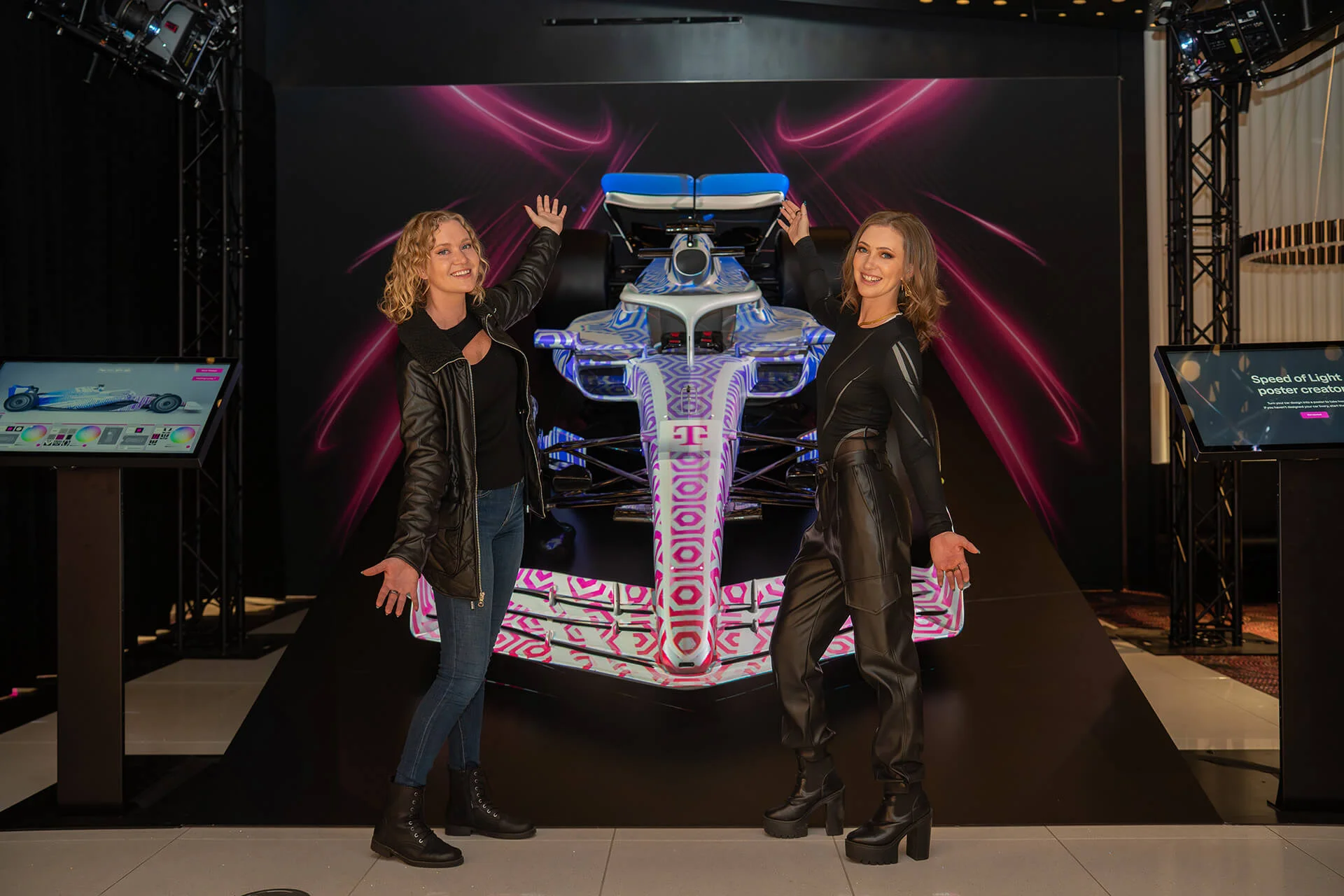
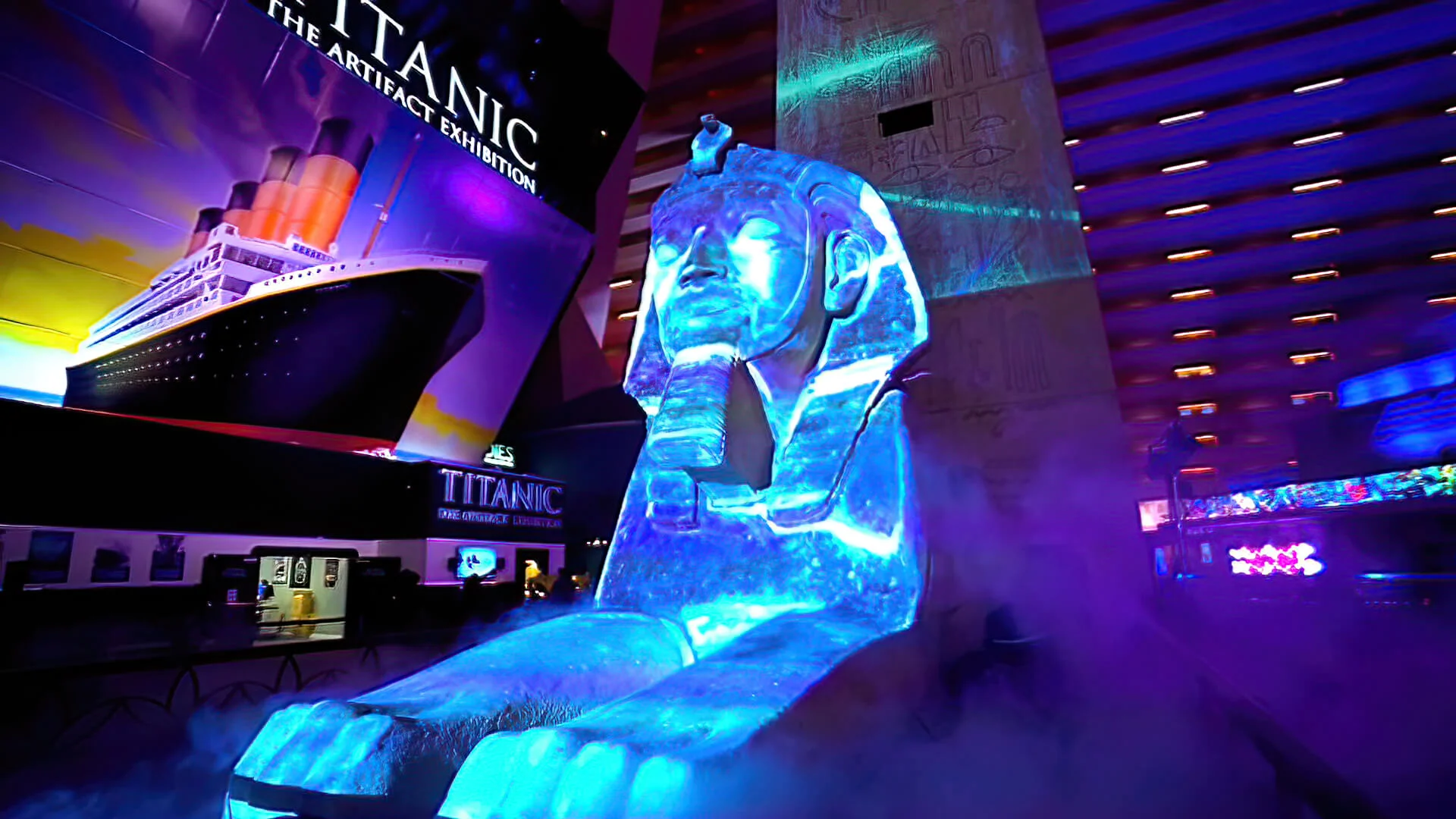
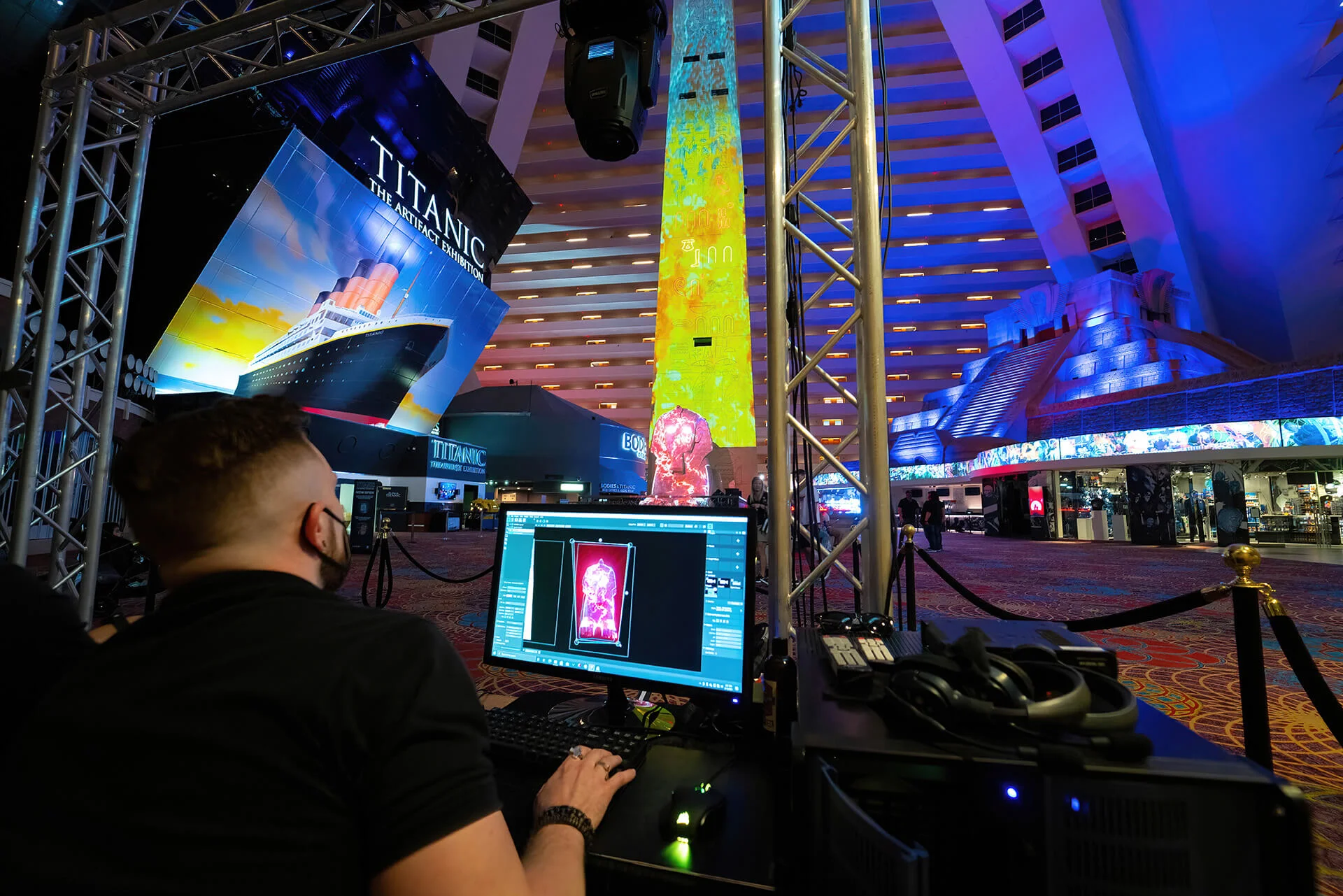
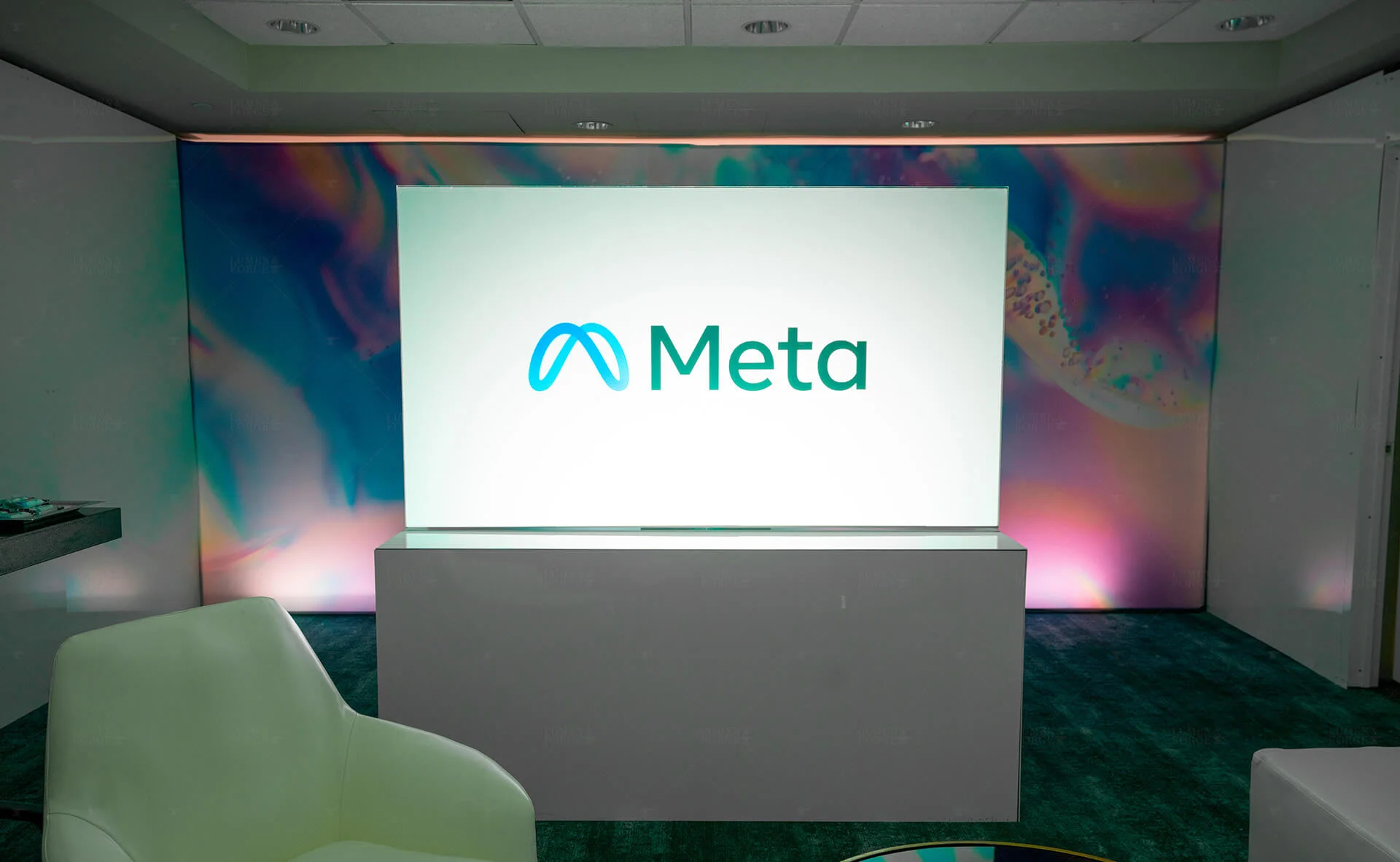
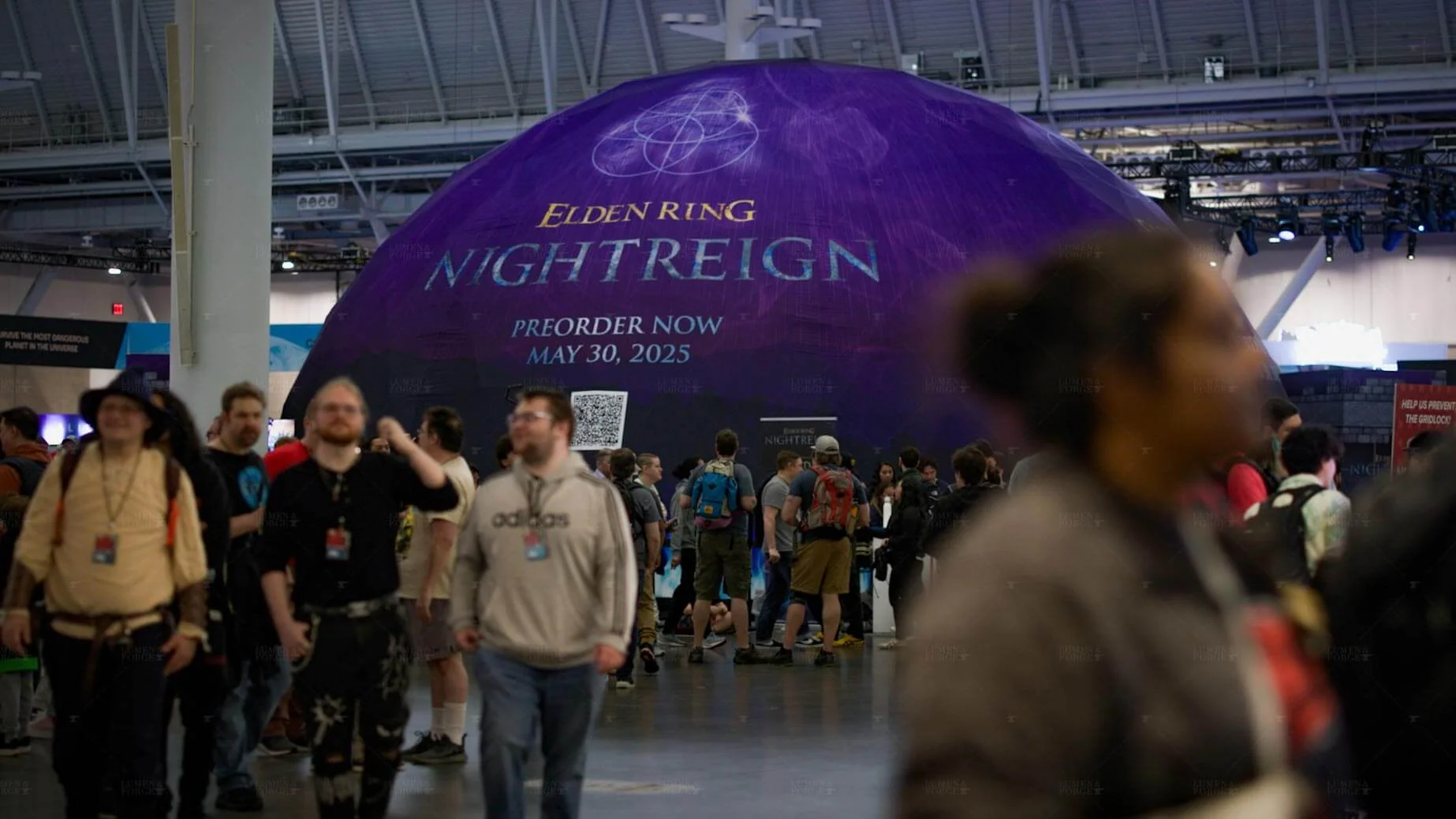
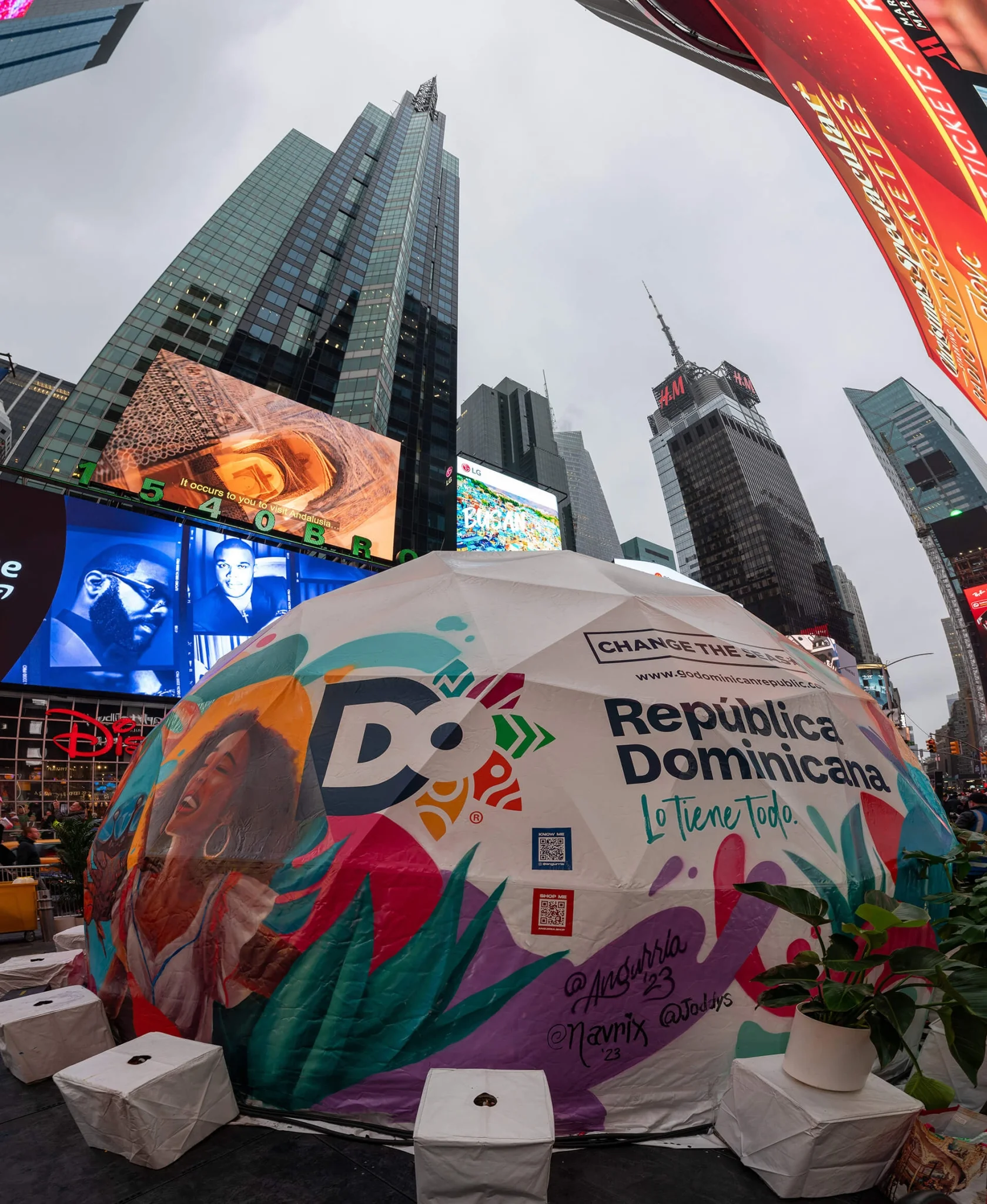
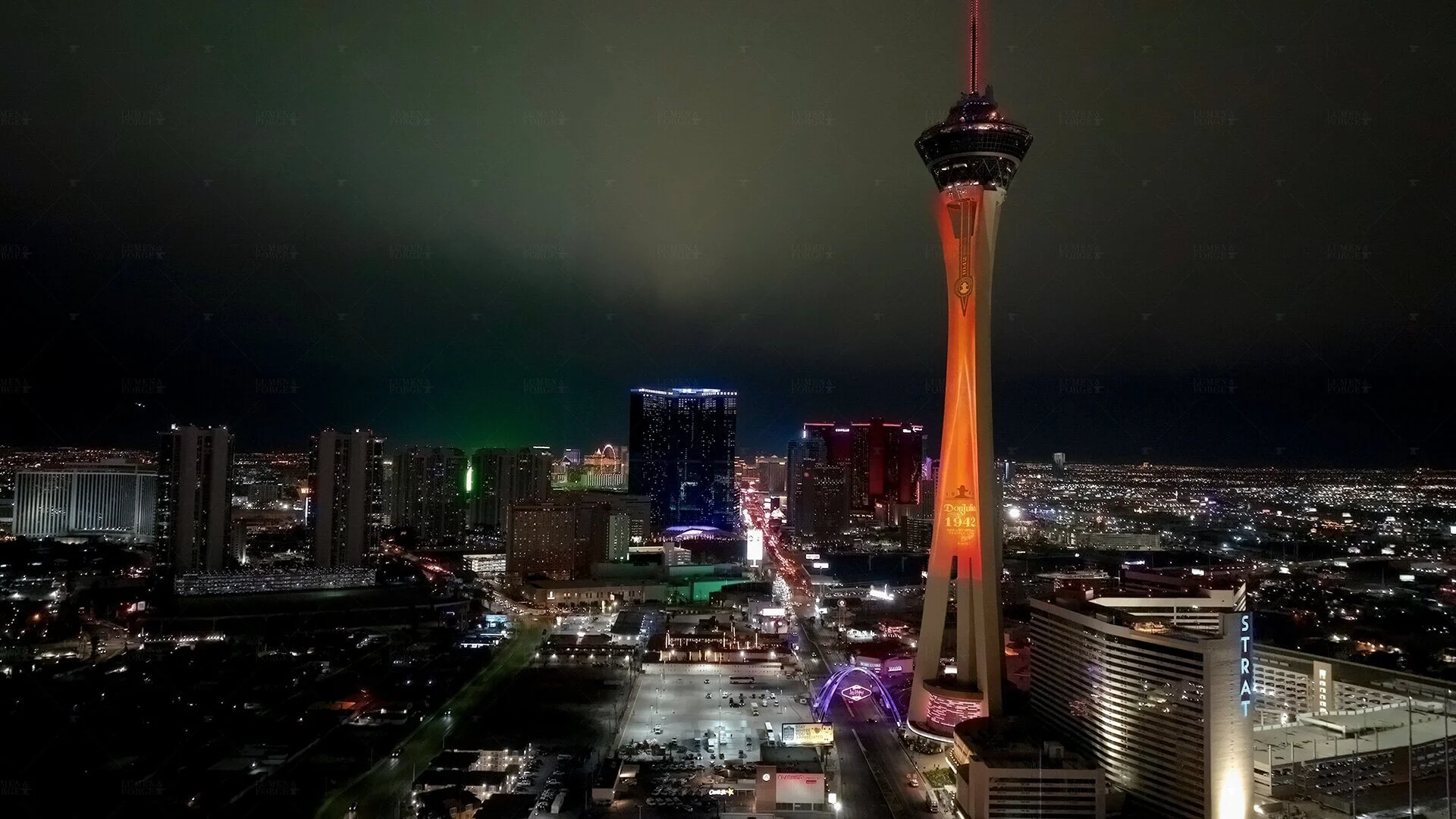
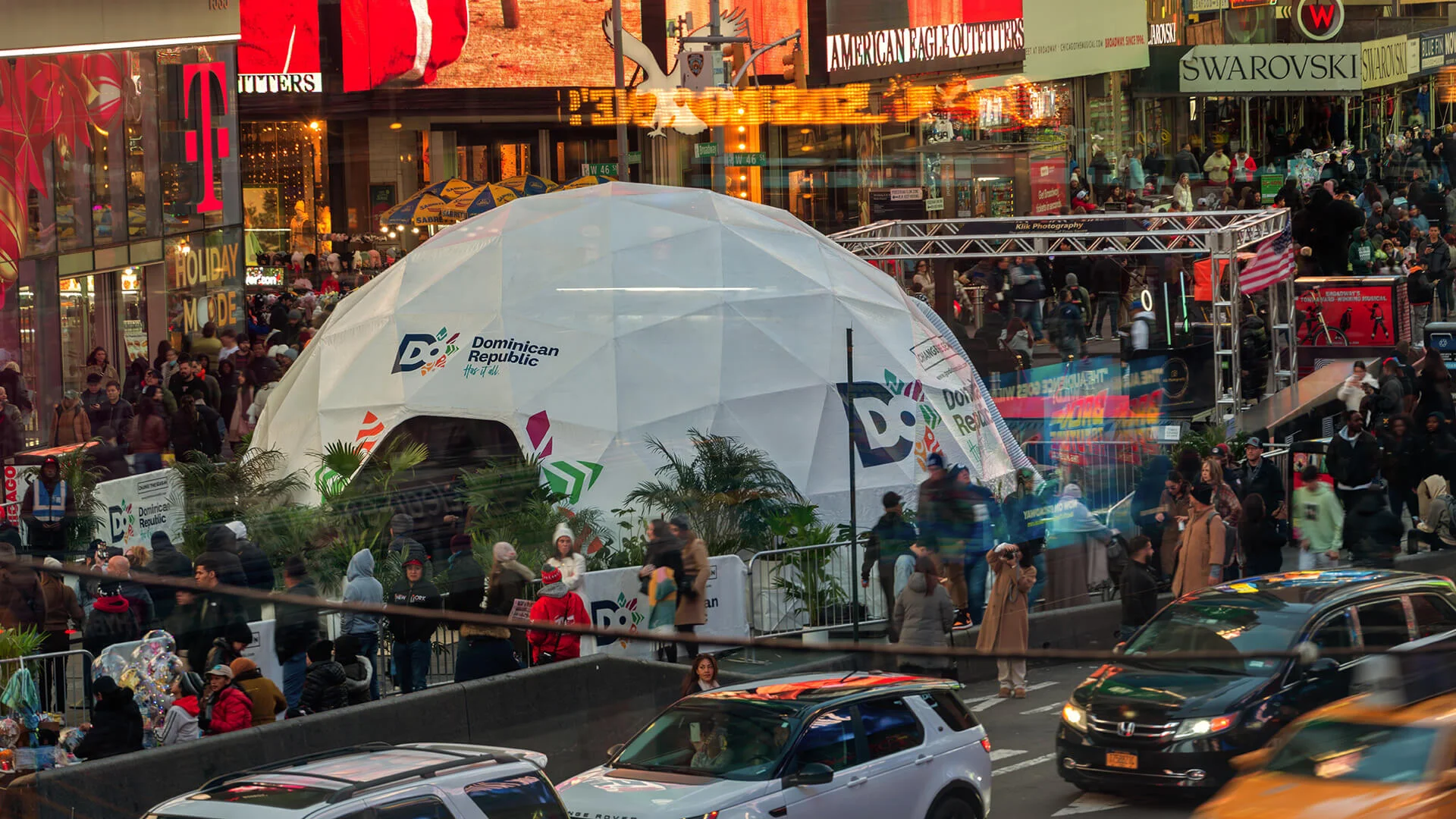
Take A Closer Look
A Deeper Look Into Animation & Visual Story Telling
A Deeper Look Into
Projection Mapping
Projection Mapping: Turning Any Surface Into a Story
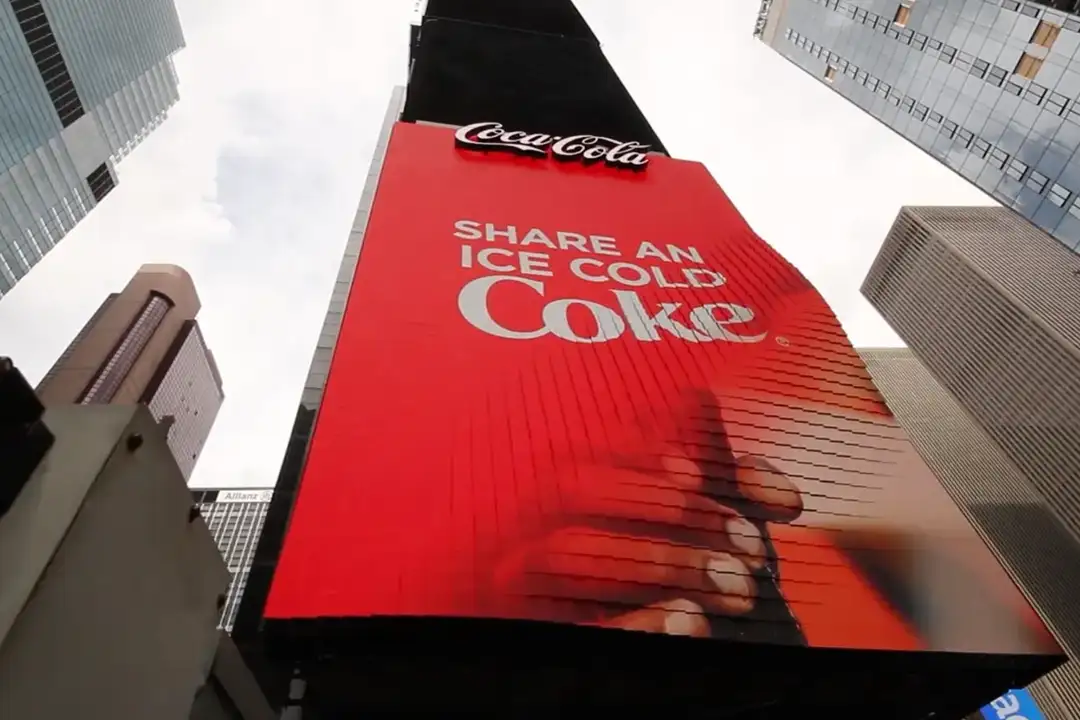
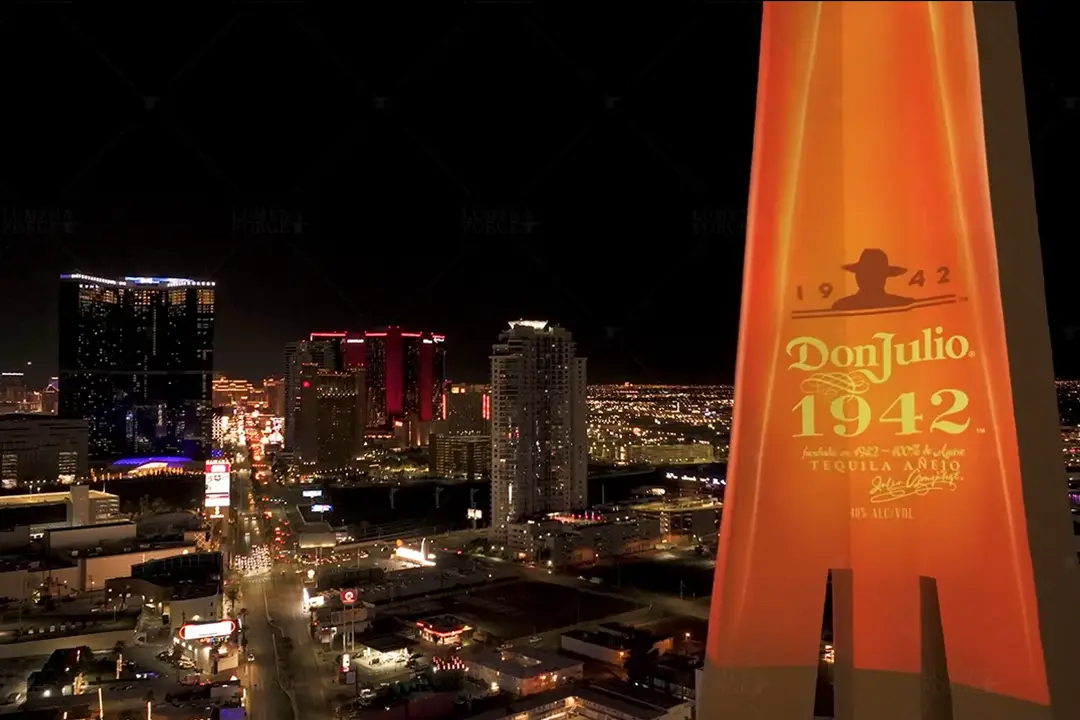
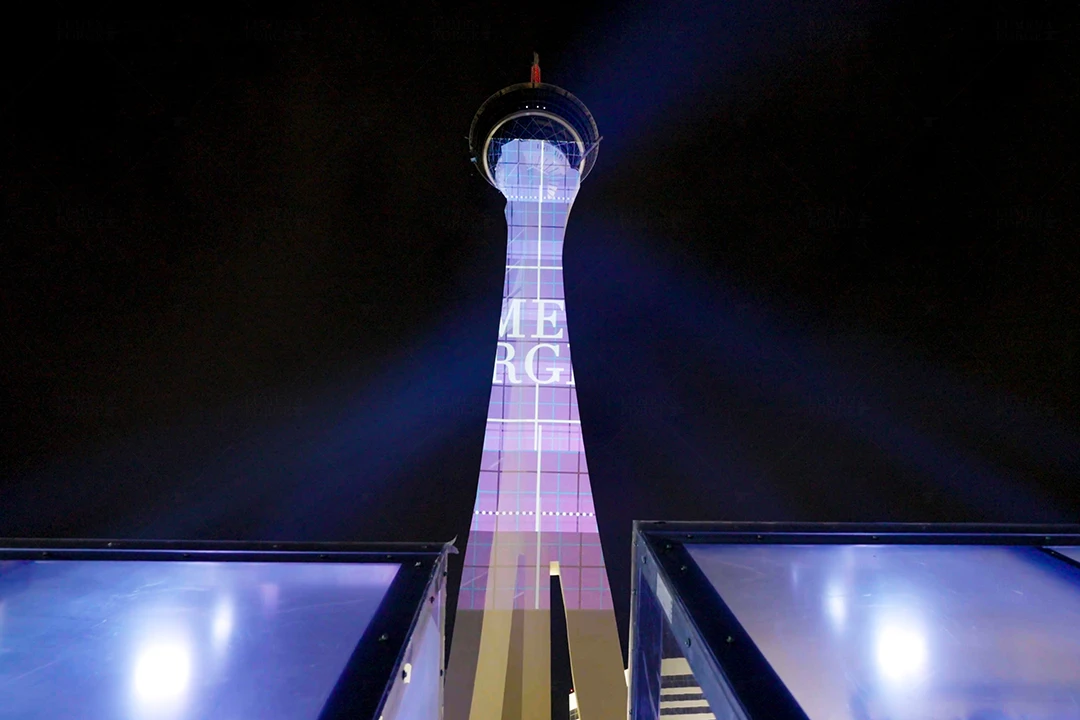
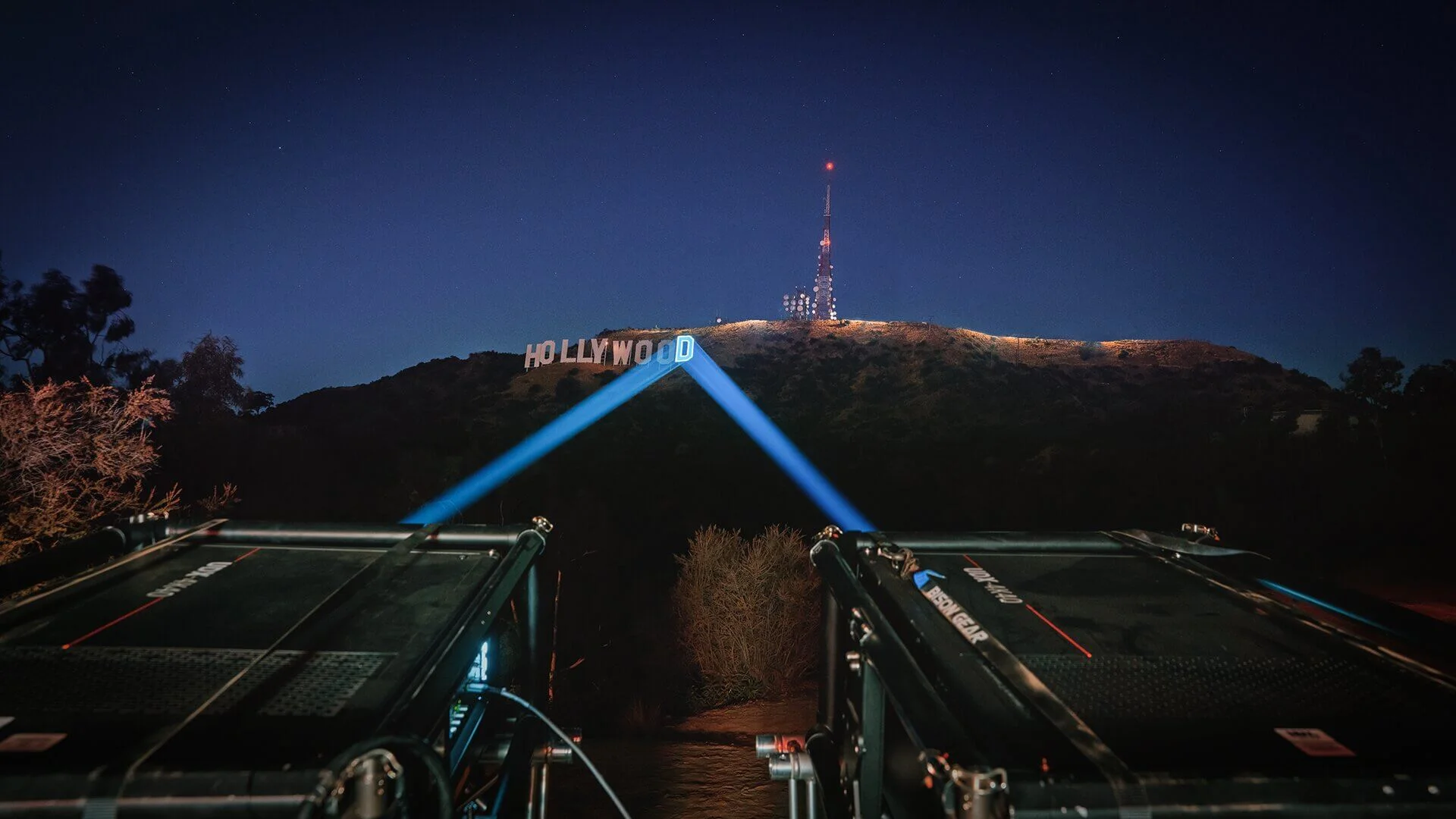
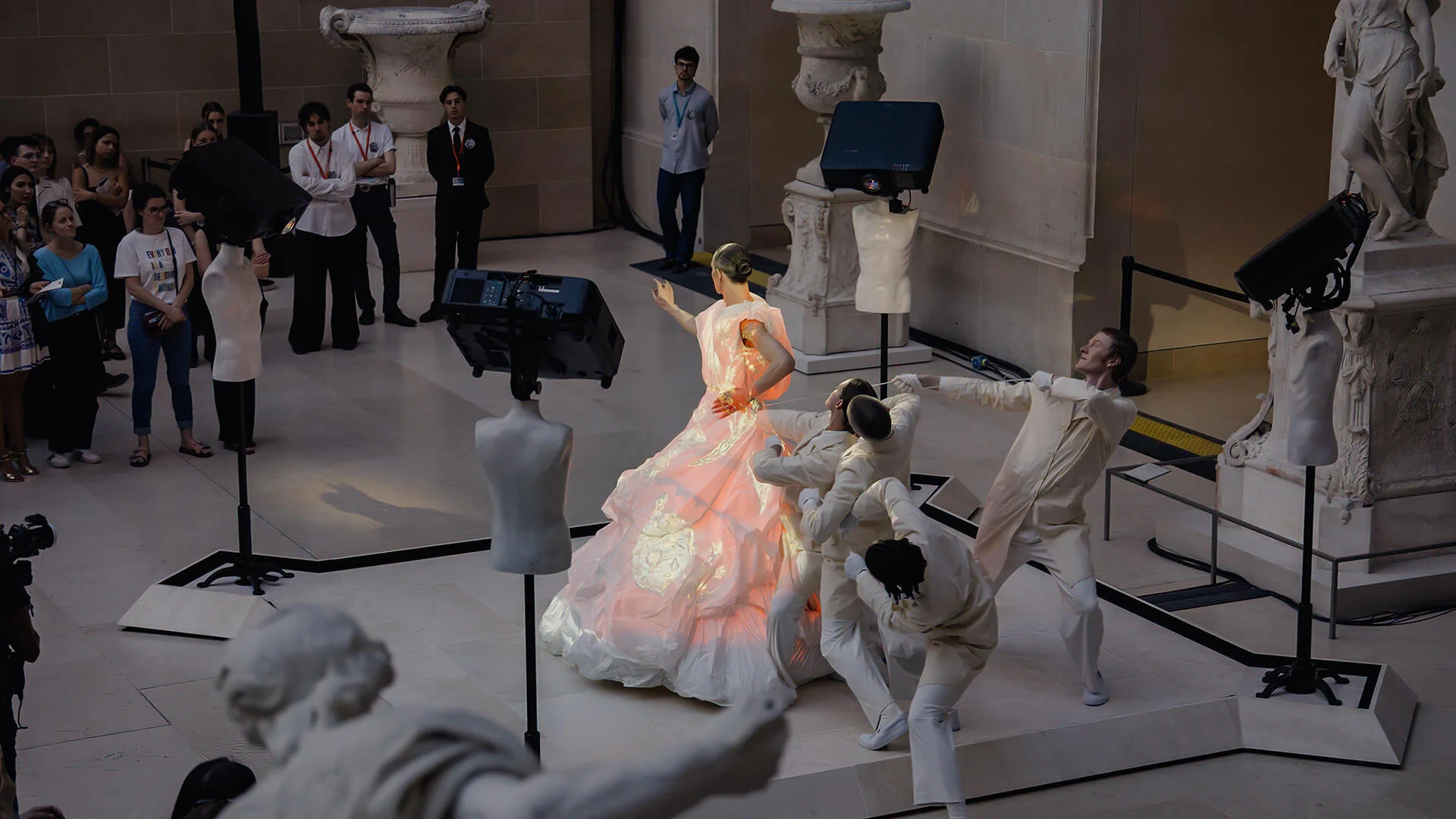
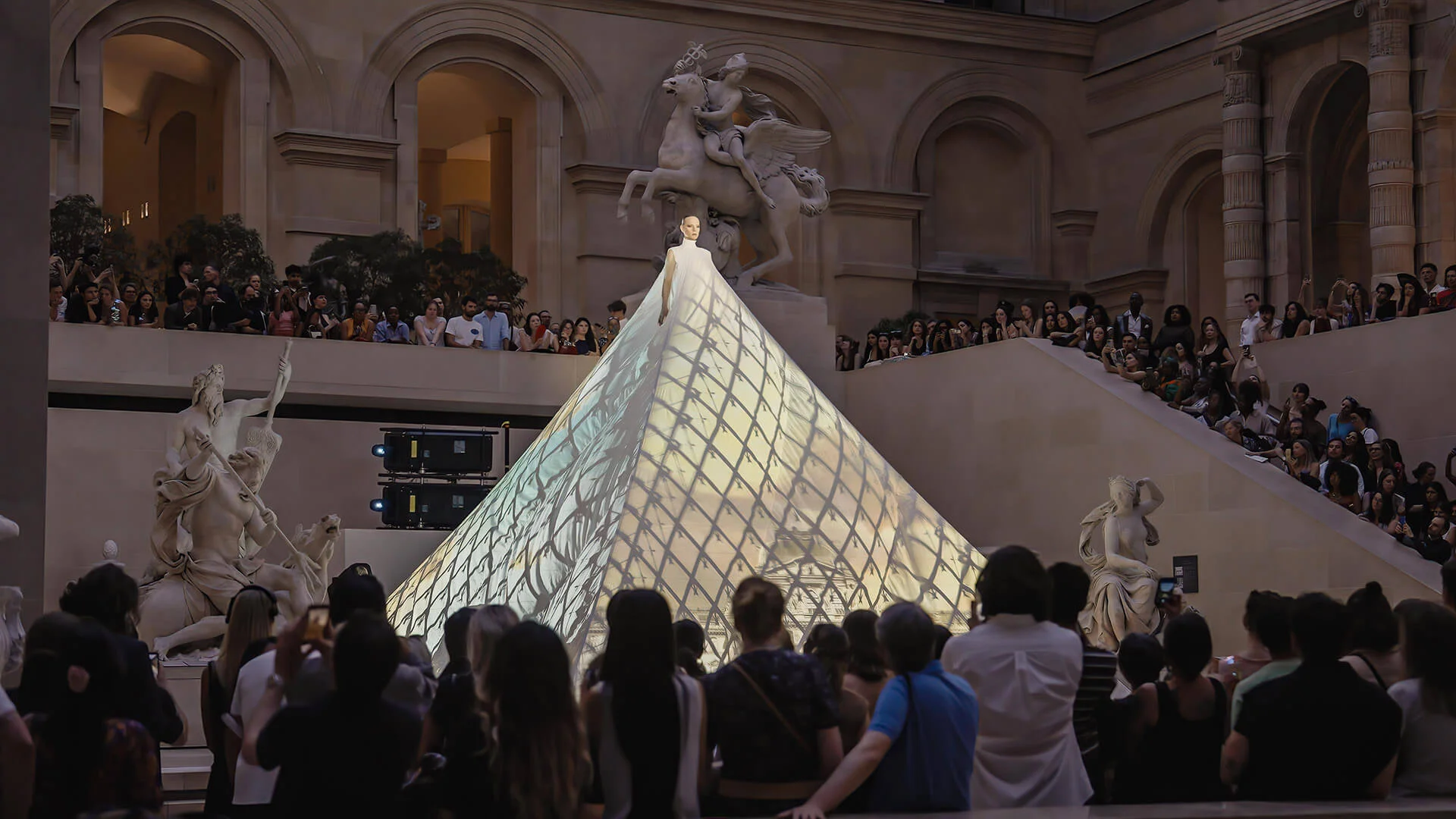
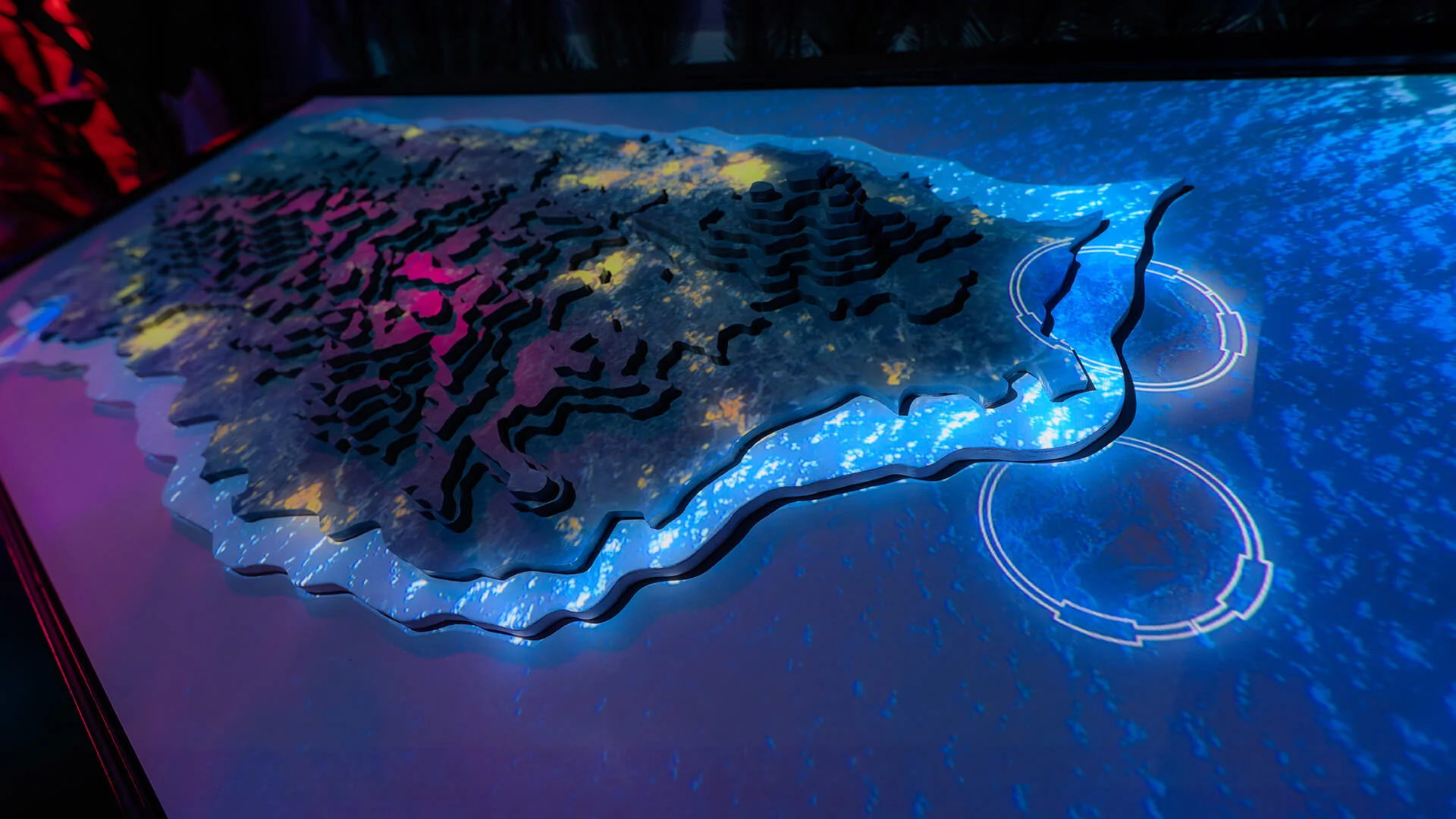
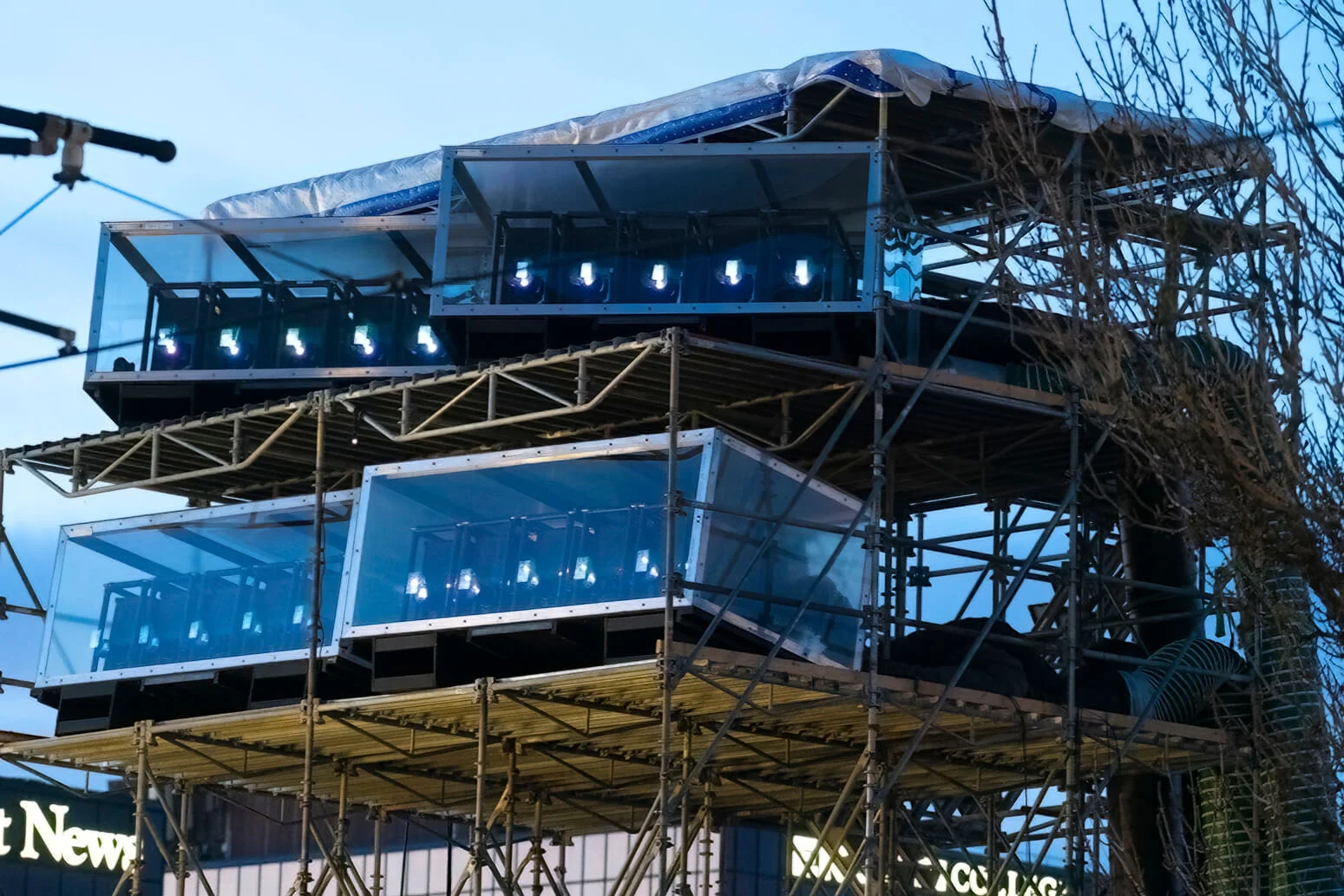
Projection mapping is the process of fitting moving imagery to the actual geometry of a surface, so light lands on corners, columns, curves and edges instead of a rectangle. A flat screen shows the same picture to everyone in the room; mapped projection treats the building or object as the canvas, which means the architecture drives the design. Content is built first in 3D, then aligned on site until every seam, window and molding reads as part of the image.
That difference matters in Washington, where the surfaces carry their own weight. The Walter E. Washington Convention Center, Capital One Arena, Nationals Park, Audi Field, Union Station, the National Building Museum and Northwest Stadium all offer facades, interiors or bowl structures that reward mapping rather than a screen. So do The Wharf, Yards Park and ARTECHOUSE DC, where room-scale and interactive work can run alongside the architecture.
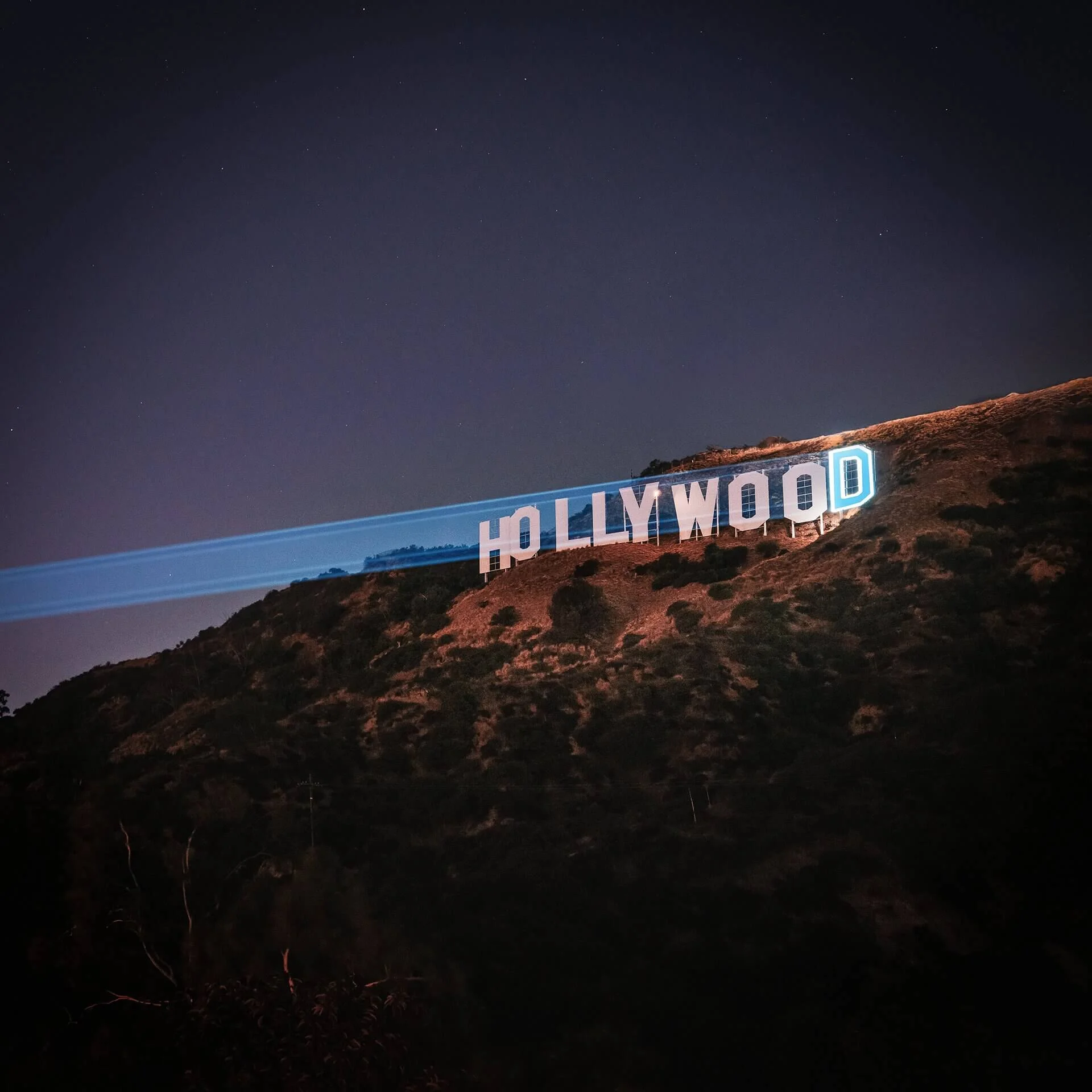
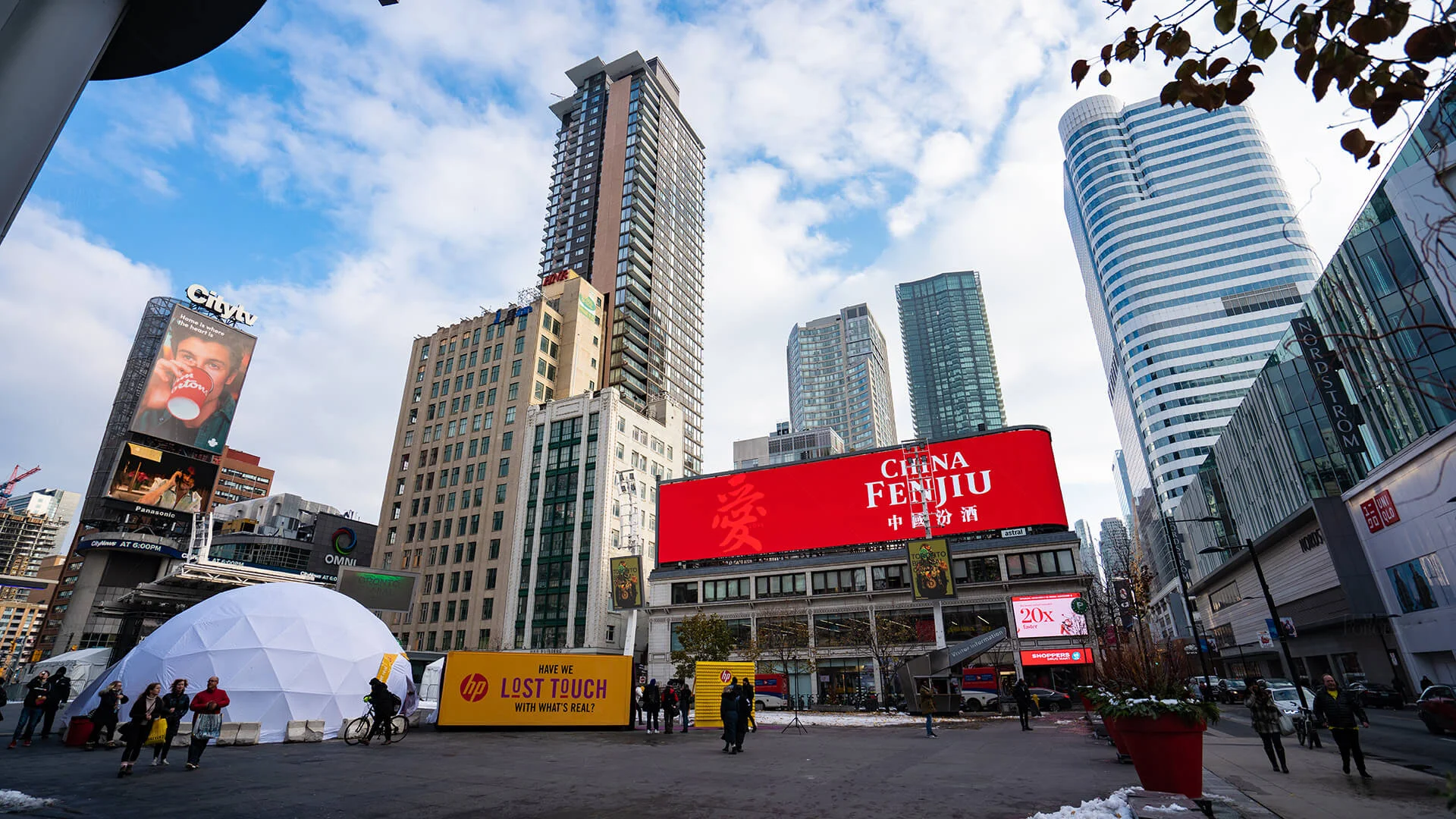
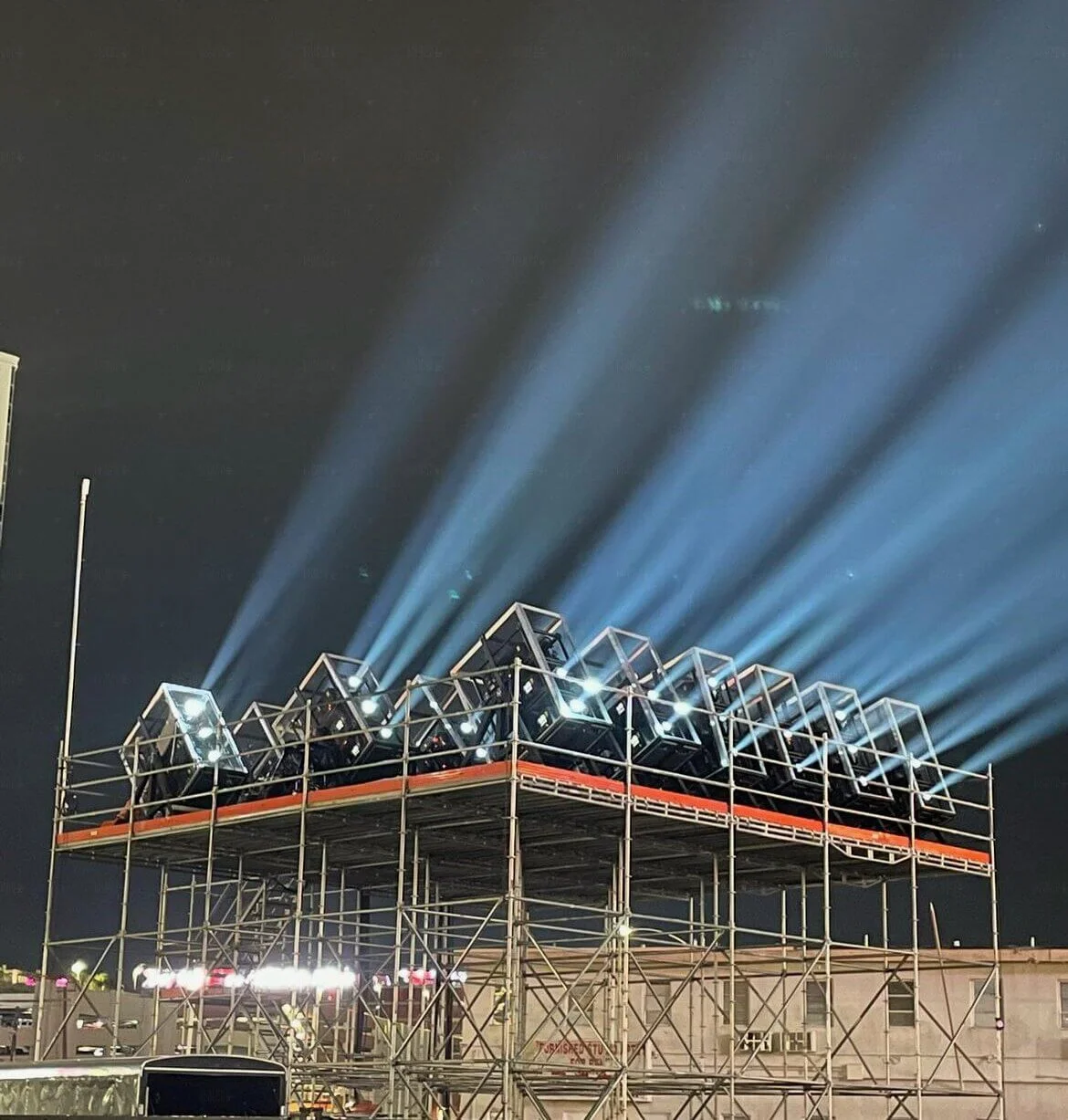
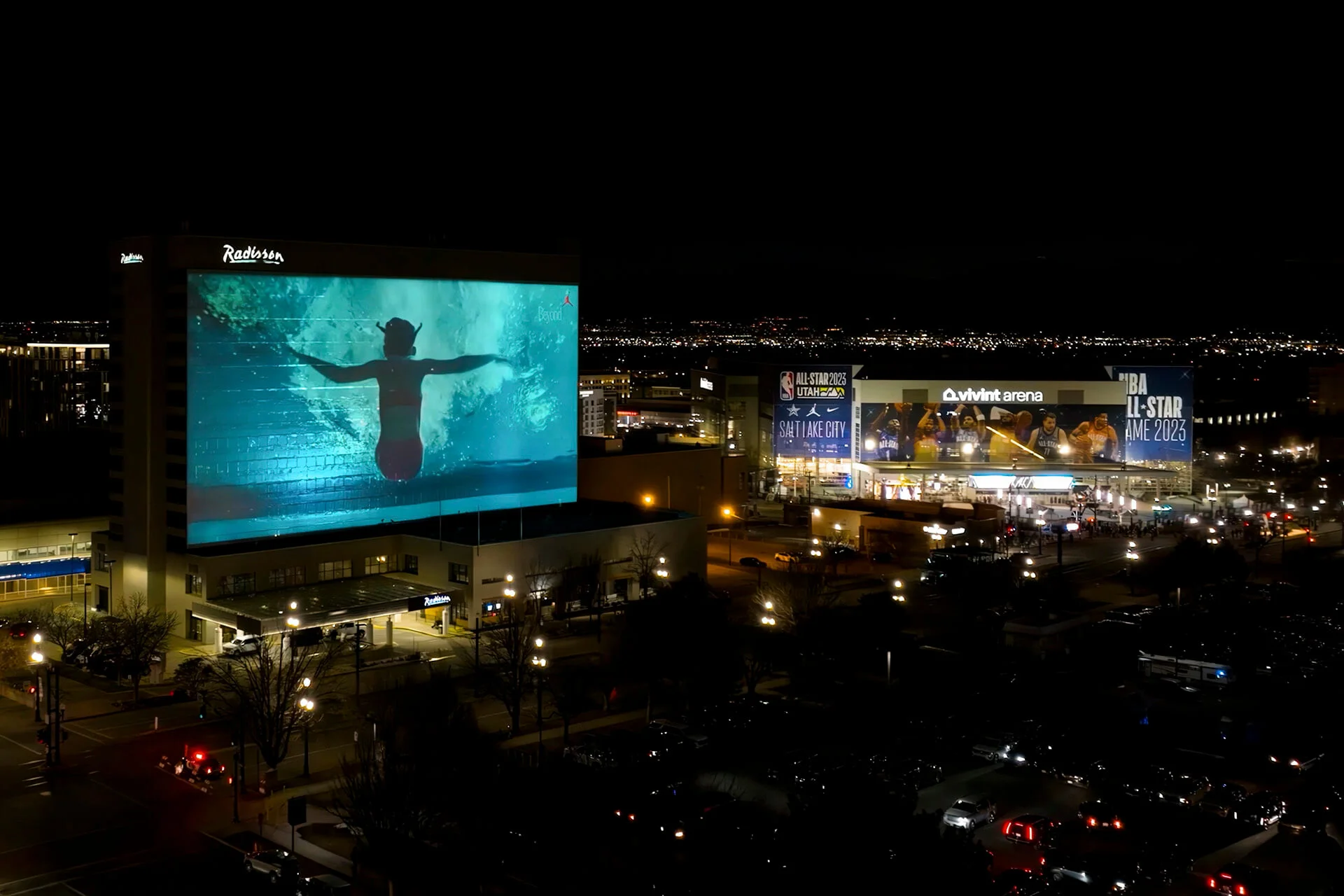
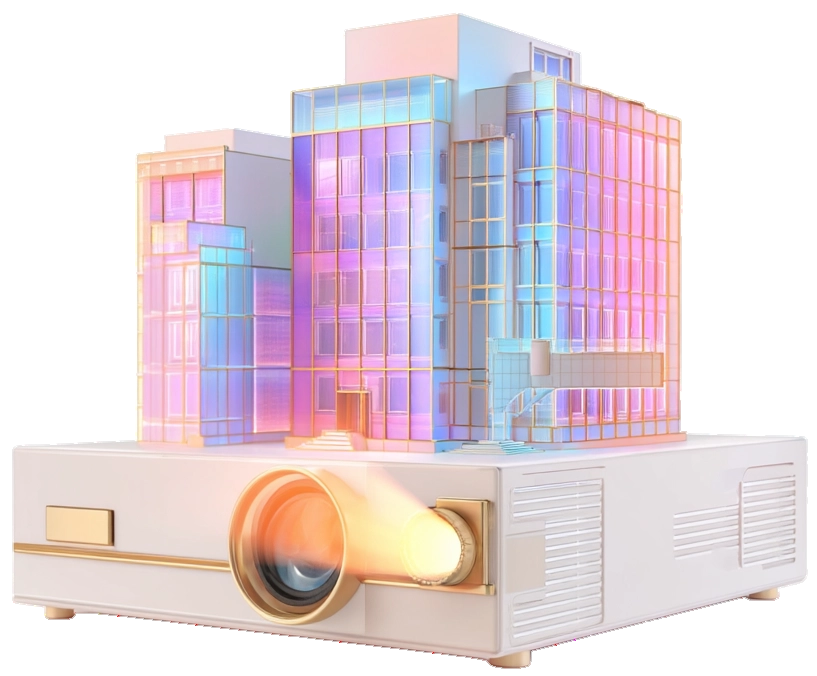
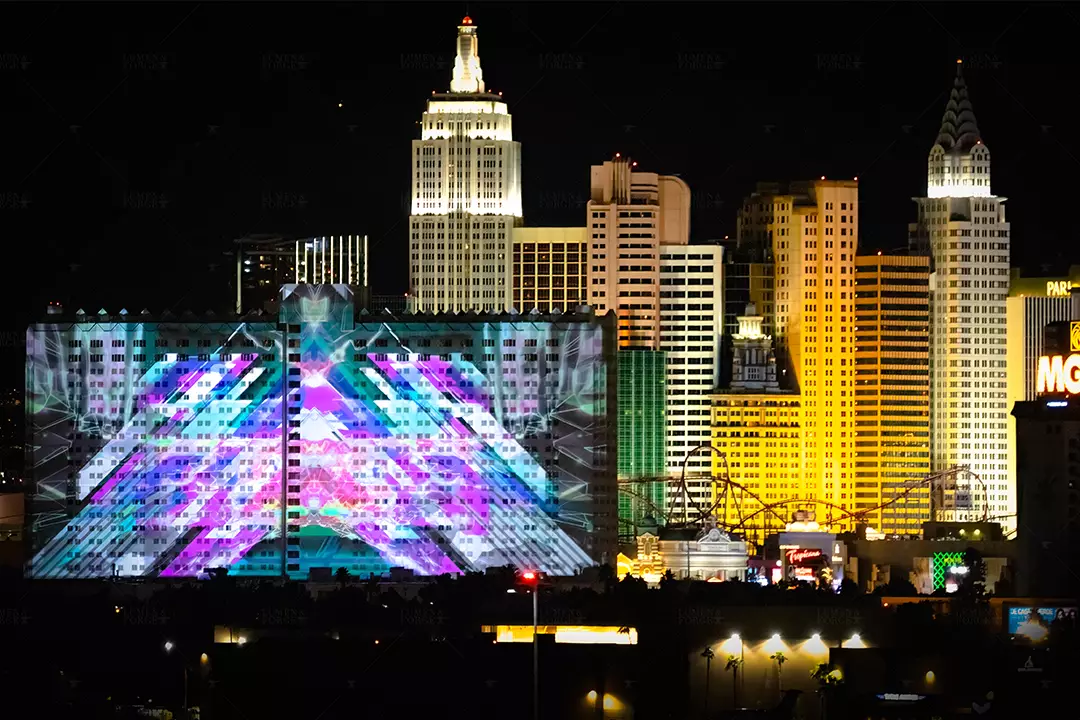
Building and Architectural Projection
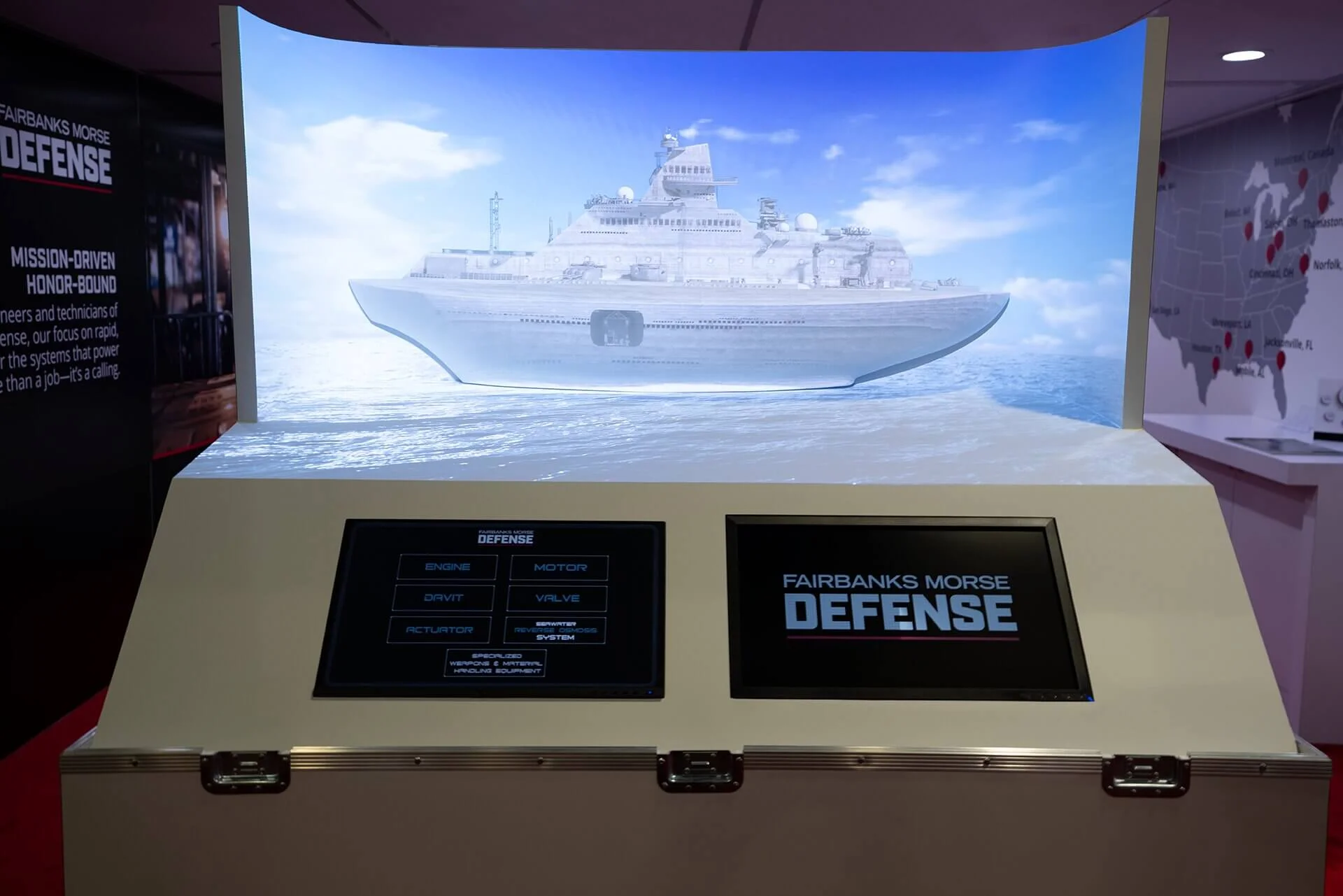
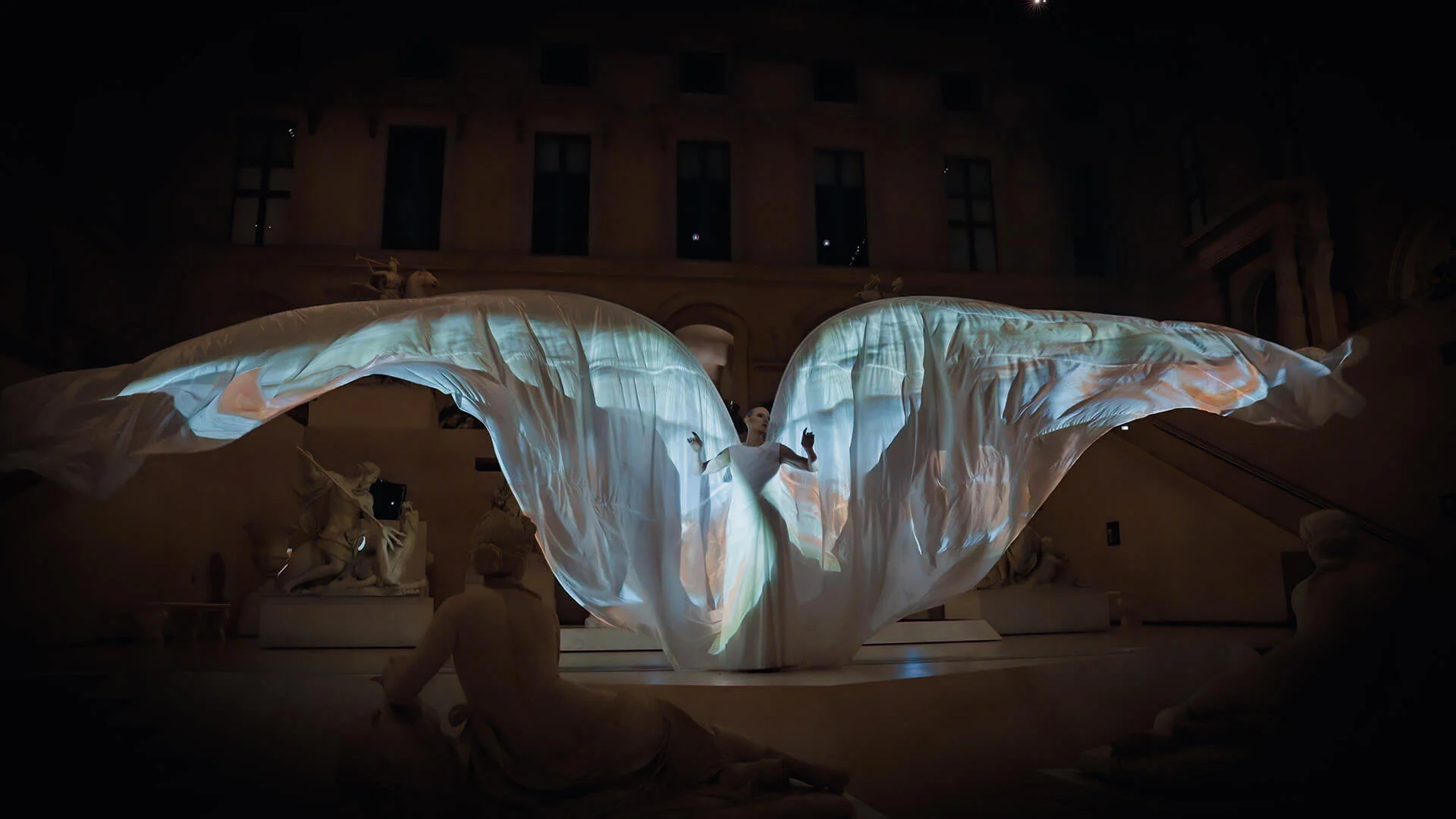
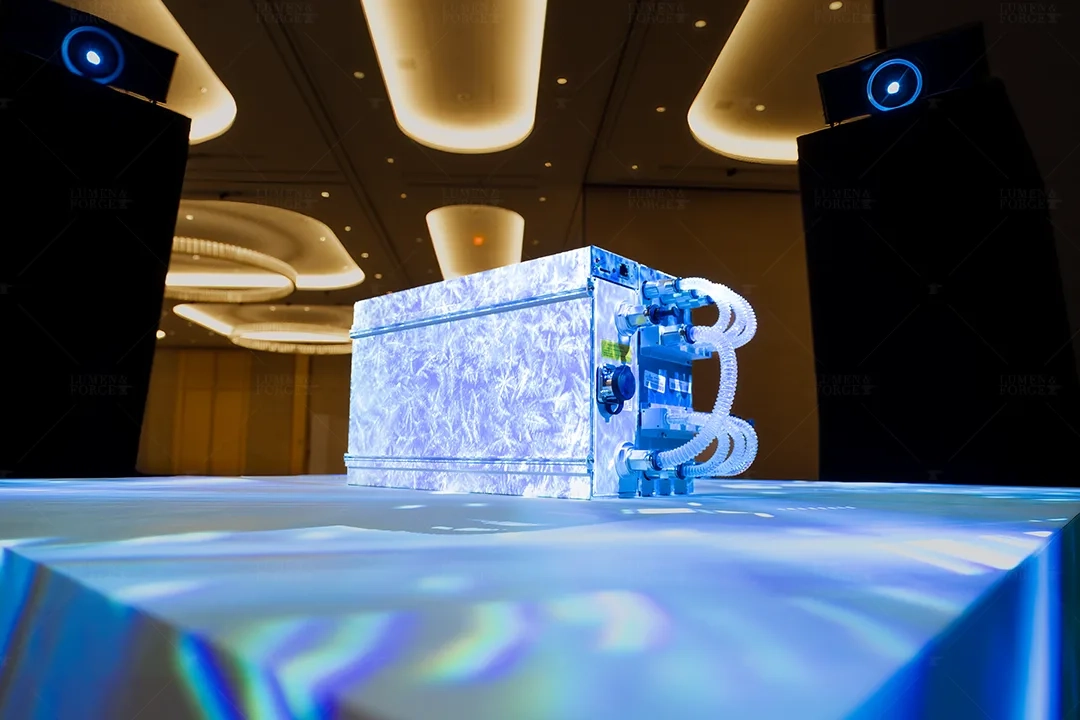
Object and Product Projection Mapping
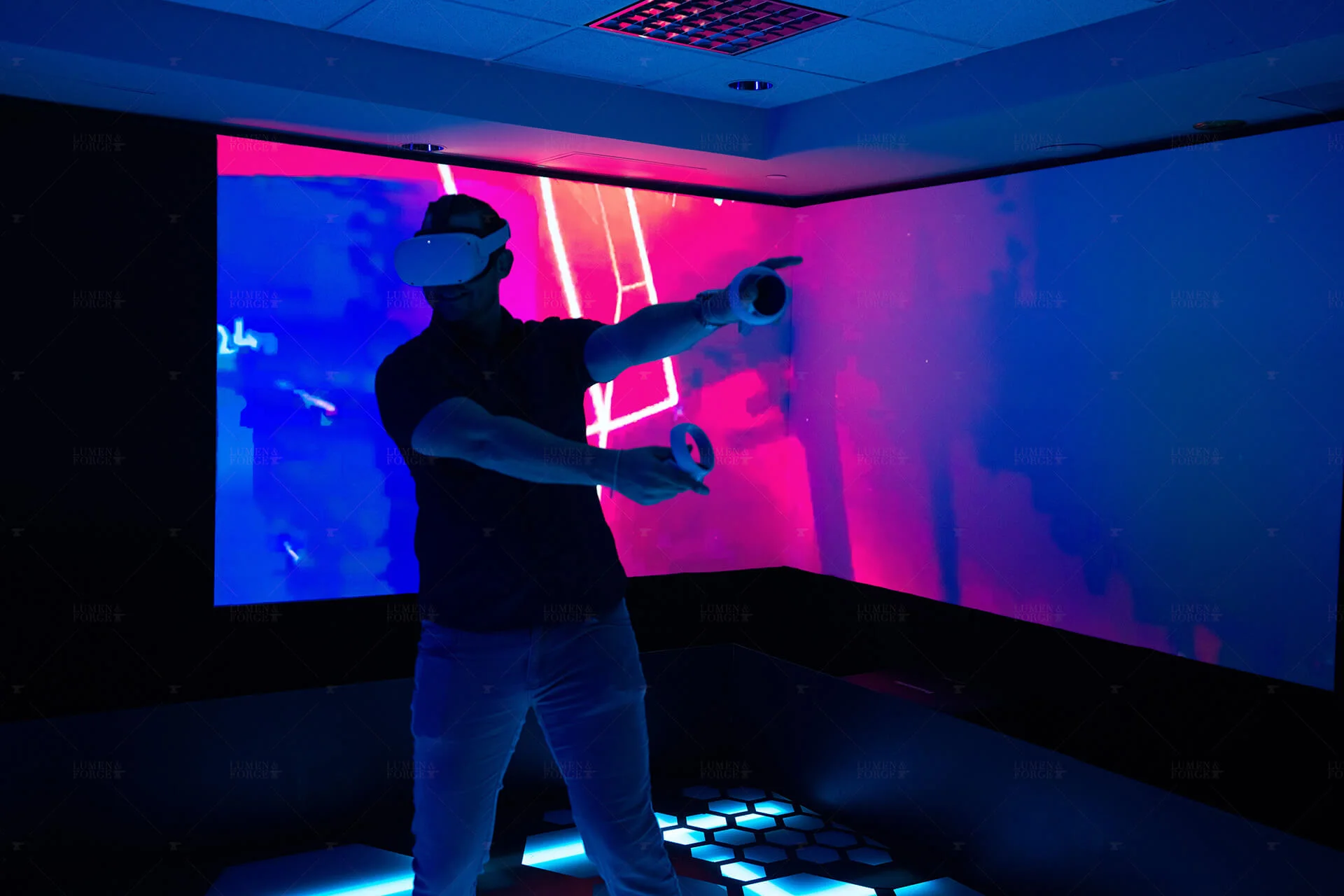
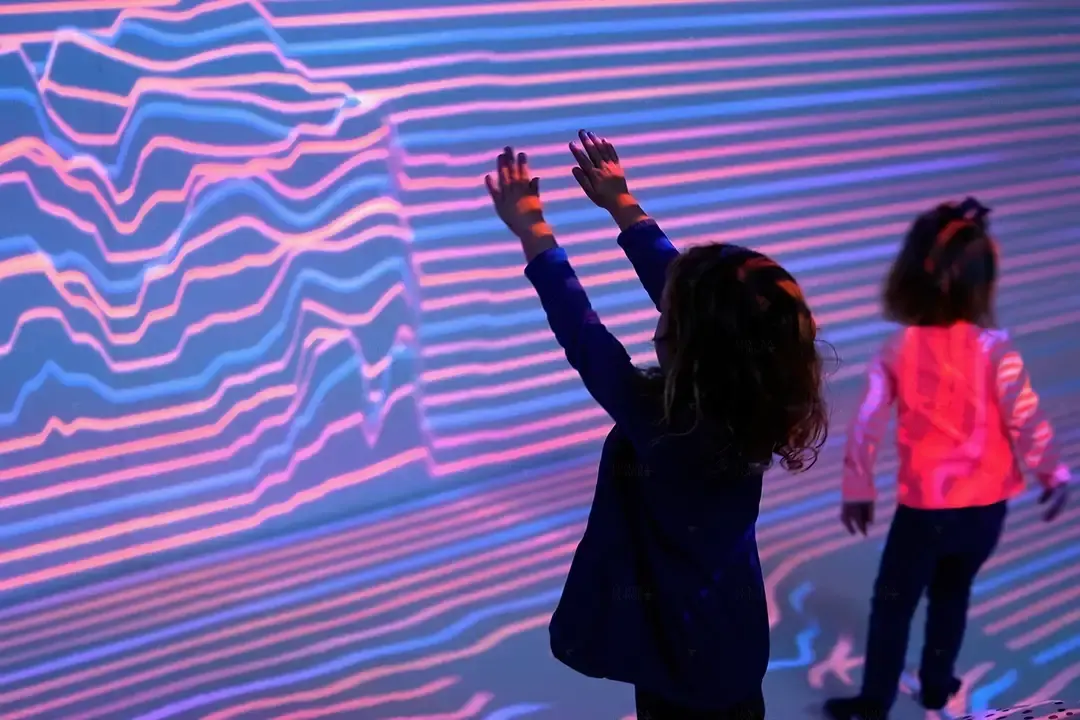
Interactive Projection
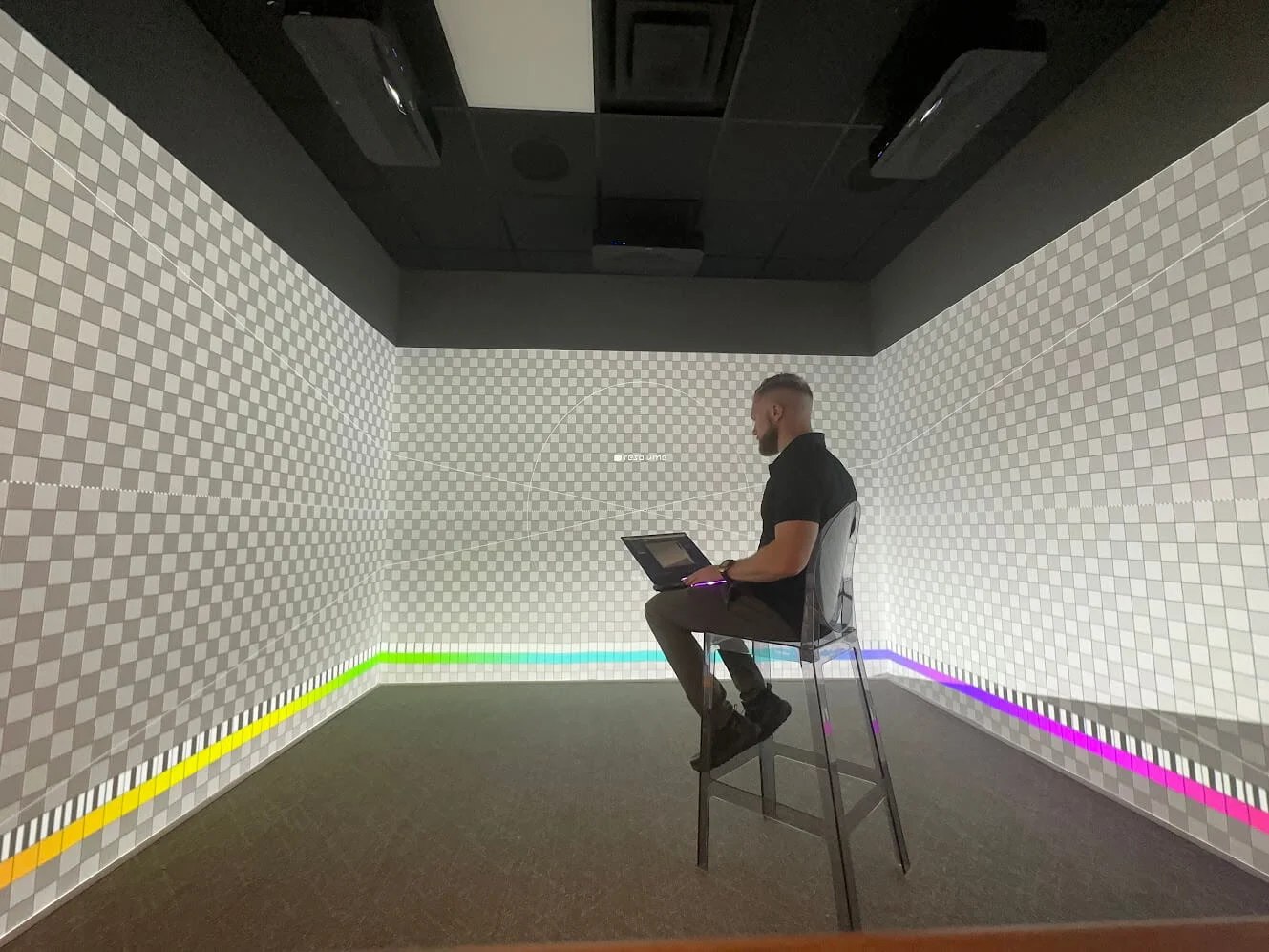
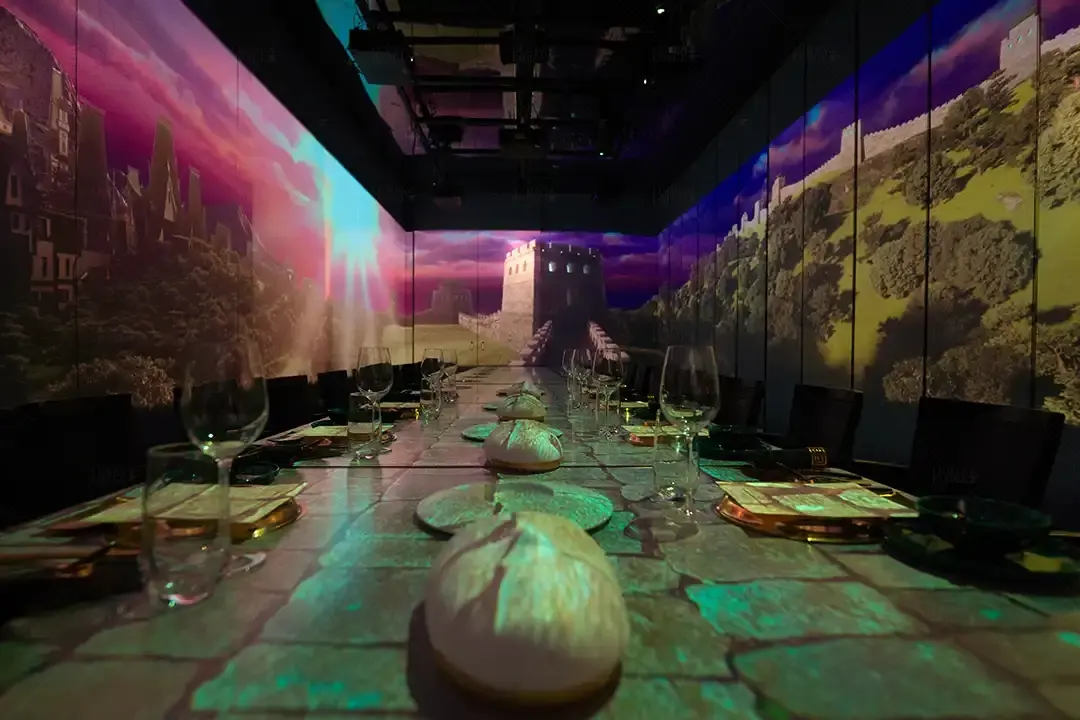
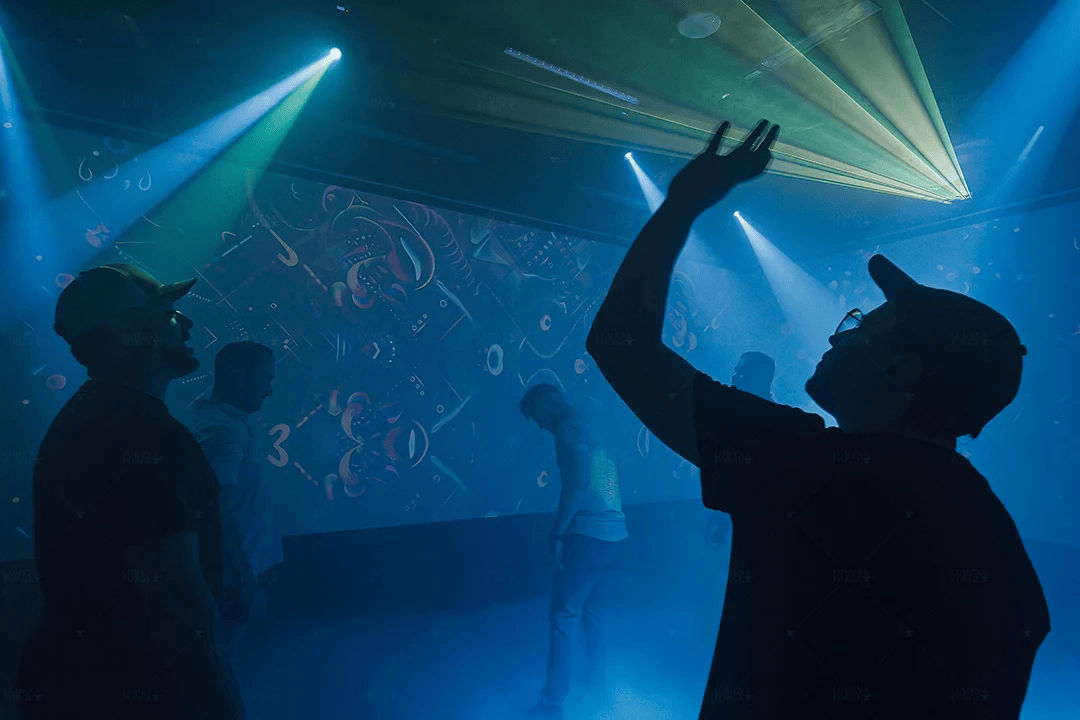
Room and Environment Mapping
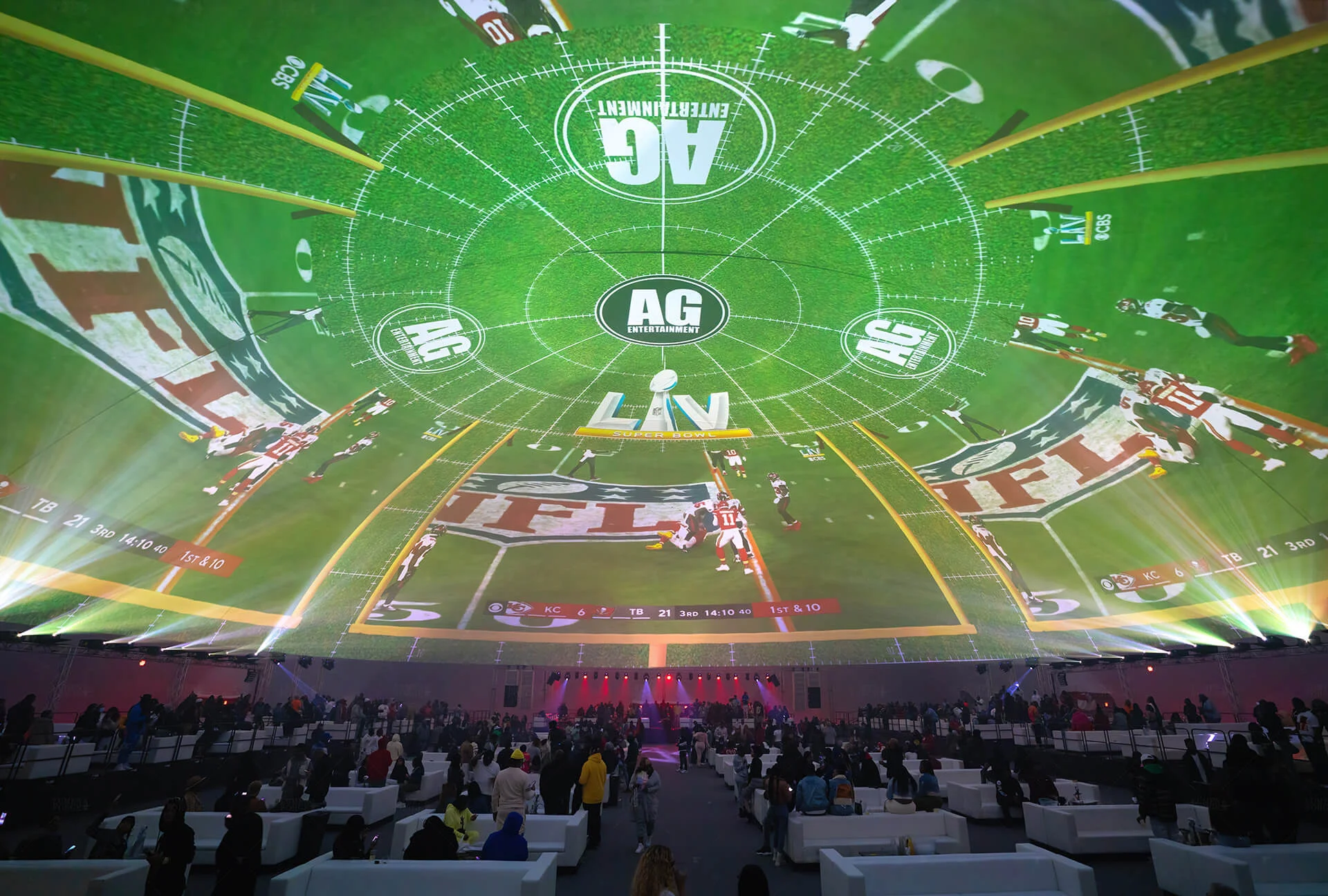
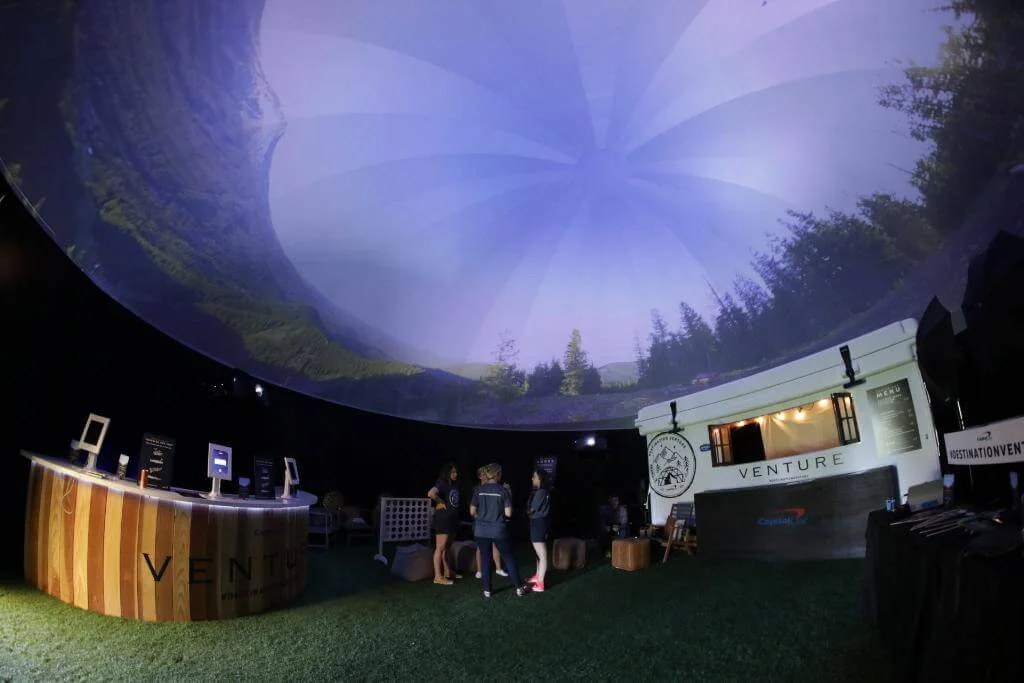
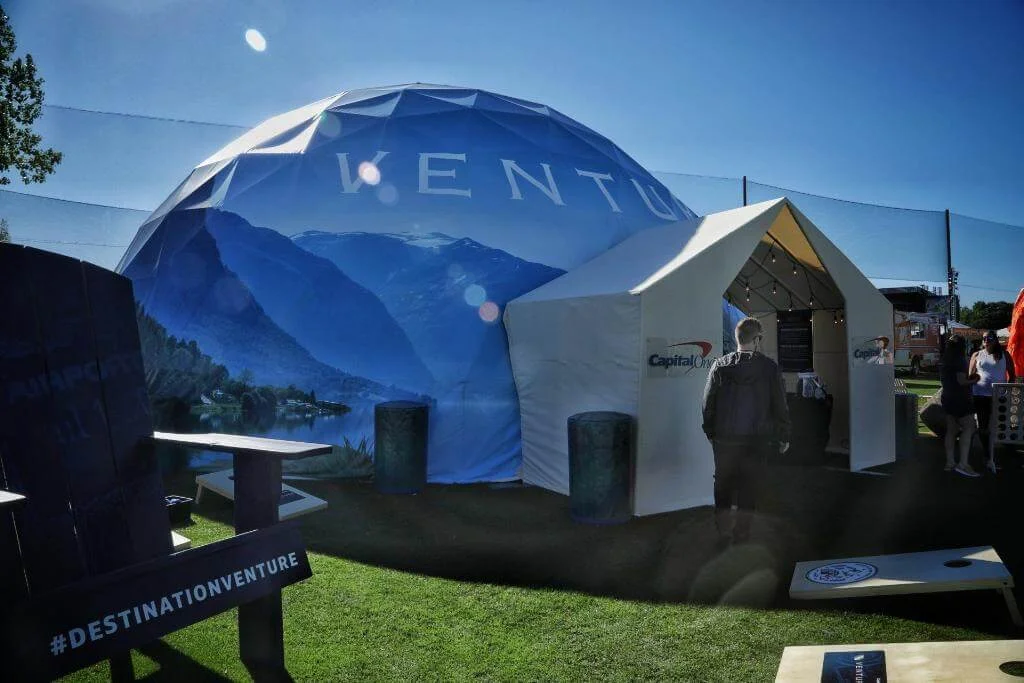
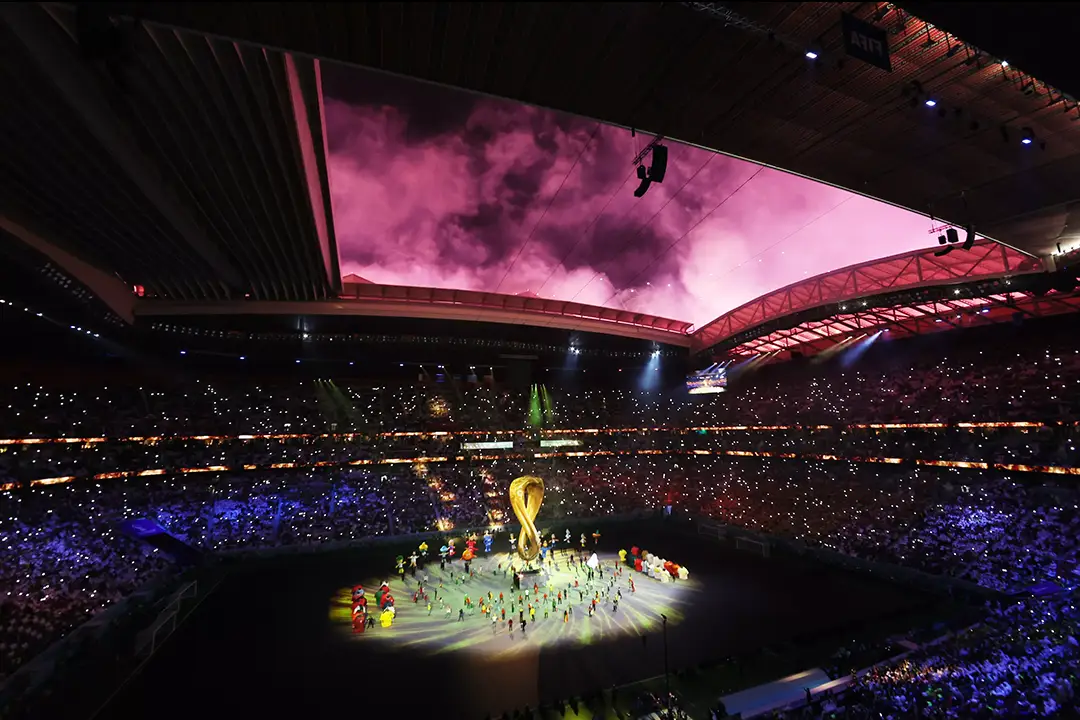
Dome Projection
Why Washington Is a Natural Fit for Projection Mapping
Washington is not a city where a brand can buy attention with brightness alone. The people who fill the Walter E. Washington Convention Center, Capital One Arena, Nationals Park, Audi Field and Union Station are policy staffers, association executives, embassy teams, contractors, journalists and advocates. They spend their days parsing briefings, budgets and testimony, and they carry that habit of scrutiny into everything else. A projection that flashes and fades reads as noise. A projection that says something specific about the place, the moment or the audience earns a second look and, more importantly, a conversation.
The local calendar sets its own expectations. The National Cherry Blossom Festival draws visitors from across the country in March and April, when the city is already saturated with imagery of pink blooms. Independence Day on the National Mall competes with fireworks, orchestras and a national broadcast. The Smithsonian Folklife Festival, the DC Jazz Festival and the H Street Festival each carry decades of cultural weight and loyal local audiences who notice when a brand treats their event as a backdrop rather than a partnership. Georgetown GLOW runs from late November into January, when cold, early darkness makes outdoor projection genuinely useful rather than merely decorative. In every case, the audience arrives with context, and the work has to meet it.
That audience is also unusually varied within a few blocks. Federal government and agency teams, trade associations and nonprofits, defense and government contractors, embassies and international organizations, media and advocacy groups, technology firms, and hospitality and tourism operators all share the same venues and the same evenings. A message that lands with a contractor at a convention center reception may read very differently to a tourism operator at The Wharf or a cultural programmer at ARTECHOUSE DC. Spectacle alone flattens those distinctions. Projection mapping, done with intent, can hold several audiences at once by changing what a surface says, when it says it and how it responds to the people standing in front of it.
The city's public spaces raise the stakes further. Yards Park, Union Station and the National Building Museum each impose their own architectural logic, and large outdoor events require a Letter of Intent to the Mayor's Special Events Task Group, coordinated by the District's Homeland Security and Emergency Management Agency, at least 180 days out. National Mall sites are permitted separately by the National Park Service. Those timelines reward brands that plan early and think in terms of place, not just spectacle. In Washington, the activation that works is the one that understands where it stands and who is standing there.
Lumen and Forge: Spectacle Fit for the Capital
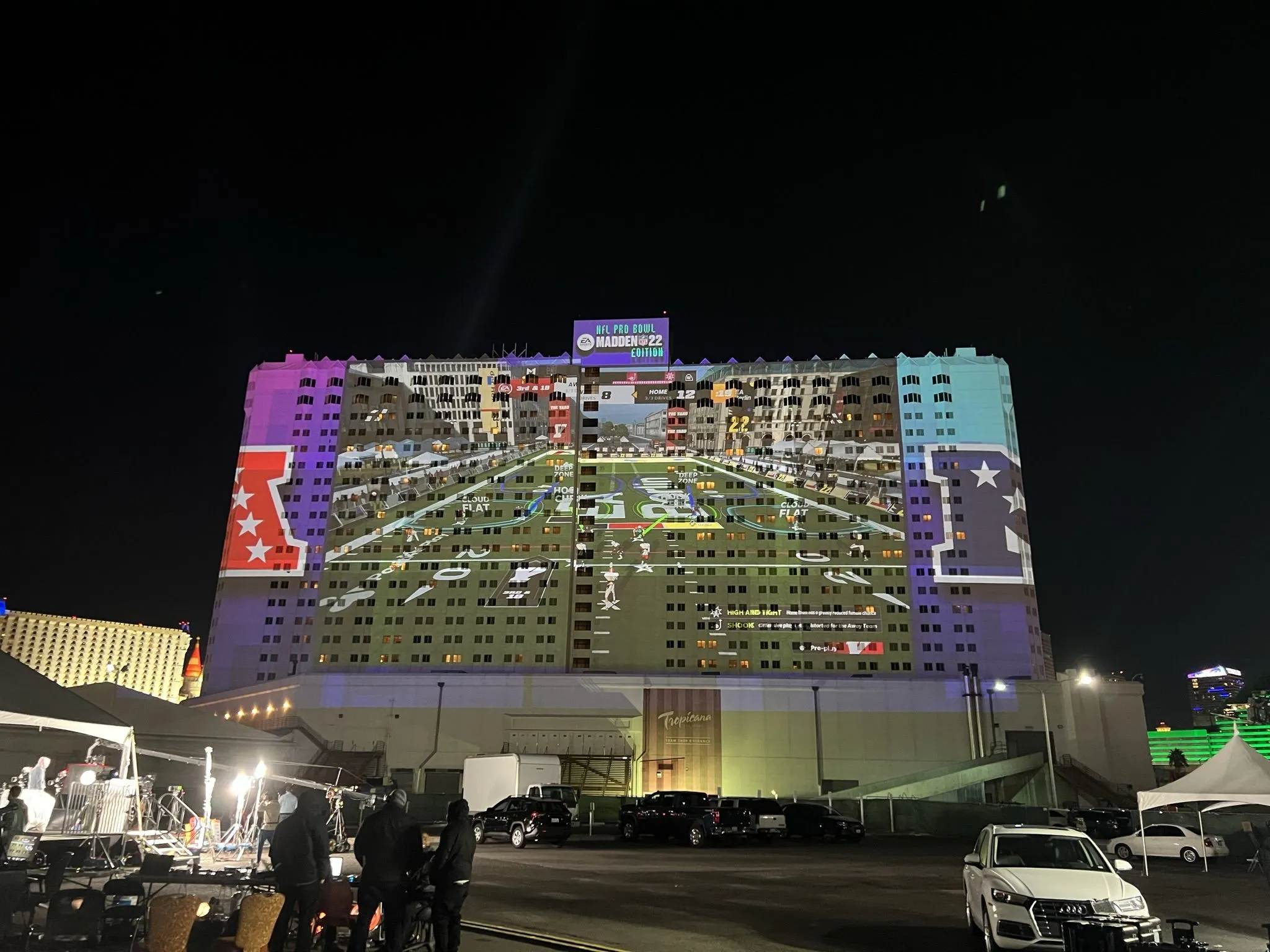
Over 15 years of producing large-scale projection mapping and immersive experiences for globally recognized brands gives Lumen and Forge the operational depth Washington productions require. Our portfolio includes building projections for Nike and Air Jordan at NBA All-Star Weekend, large-scale convention experiences for Toyota, McLaren, and Mastercard, a world record video game screen at the Tropicana, and the Beneath the Blue 360-degree dome for National Geographic. Our team is comfortable working alongside experienced production crews and holding a technical standard in front of an audience that knows the difference, which is exactly what Washington requires.
Who We Work With in Washington
Washington runs on rooms full of people who need to be moved by an idea. Projection mapping gives them a reason to look up.
- Federal government and agencies. Public-facing moments and internal gatherings where the message has to land with precision and respect. We build building projection and room-scale environments that hold up under scrutiny and stay on schedule.
- Trade associations and nonprofits. Annual meetings, policy dinners and member summits where a single visual can carry an entire year's theme. Object mapping and interactive installations turn a hotel ballroom or the Walter E. Washington Convention Center into something members talk about on the way home.
- Defense and government contractors. Recruiting events, capability showcases and partner briefings. Discreet, accurate, and built to run without a hitch in front of an audience that notices details.
- Embassies and international organizations. National day receptions, cultural programs and diplomatic gatherings. We handle content that has to read correctly across languages and audiences, from a mapped facade at Union Station to an intimate interior projection.
- Media and advocacy. Launches, campaigns and press moments that need a shareable image. Interactive installations give attendees something to do, not just watch, which is what turns a room into coverage.
- Technology. Product reveals and customer events where the audience already knows what good looks like. Projection domes and object mapping let a launch feel like an experience rather than a slide deck.
- Hospitality and tourism. Seasonal programming and destination marketing across the National Cherry Blossom Festival, Georgetown GLOW and the summer calendar. Building projection on a venue or a district gives visitors a reason to stay out after dark.
Ready to Light Up the District?
Frequently Asked Questions: Projection Mapping in Washington
Standard projection displays a flat image on a flat screen or white wall. Projection mapping uses specialized software to warp, align, and calibrate video content so it fits precisely onto any three-dimensional surface, whether that is a building exterior, a custom sculpture, a vehicle, or an entire room. The software accounts for every edge, angle, and curve, so the content appears to belong to the object itself rather than simply being cast onto it. In a city full of working production professionals, that level of precision is what separates a real installation from a lighting effect.
Yes. Washington's projection season runs comfortably from spring through fall, when the National Cherry Blossom Festival, Smithsonian Folklife Festival, Independence Day on the National Mall and Georgetown GLOW put crowds outdoors after dark. Summer sunsets land late, so plan reveals for 9 p.m. or later, and expect humidity, thunderstorms and haze that soften contrast. Winter installations such as Georgetown GLOW work well because early darkness gives you long, deep-black windows. In every season, ambient light from street lamps, stadium rigs and monument floodlighting is the real constraint, so scout your surface at night before you commit to a throw distance.
Walter E. Washington Convention Center offers vast interior walls for large-scale building projection, while Capital One Arena suits object mapping and immersive fan experiences. Nationals Park and Audi Field bring projection to open-air sports settings, and Union Station's grand facade anchors civic and brand moments. The National Building Museum and ARTECHOUSE DC fit room-scale environments, with The Wharf and Yards Park ideal for waterfront installations.
The National Cherry Blossom Festival in March and April, the Smithsonian Folklife Festival in summer, and Independence Day on the National Mall in July draw the largest outdoor crowds. DC Jazz Festival and H Street Festival both land in September, while Georgetown GLOW runs from late November into January. Each offers a distinct canvas for building projection and immersive activation work.
Yes. Lumen and Forge coordinates permits, power, rigging and site logistics with the venue as part of every Washington installation. For large outdoor events, that means working through the Mayor's Special Events Task Group (MSETG), coordinated by DC's Homeland Security and Emergency Management Agency (HSEMA), with a Letter of Intent filed at least 180 days out. National Mall sites are permitted separately by the National Park Service, and we build that timeline into planning from the start.
The cost of projection mapping in Washington depends on the scale of the surface, the complexity of the content, the duration of the event, and the equipment and crew required. A single mapped wall at an embassy reception is a different project from a multi-night installation across a facade near The Wharf or a dome build inside the Walter E. Washington Convention Center. Because Lumen and Forge designs, produces and installs every element in house, pricing reflects the actual scope of your build rather than a packaged rate. Share your venue, dates and creative goals for a tailored estimate.
The difference is the surface. Projection mapping fits imagery to a flat or gently curved plane, while 3D projection mapping accounts for objects with depth, so content wraps corners, edges and faces and stays aligned from every viewing angle. On a facade such as the National Building Museum, the mapping is built from a 3D model of the architecture, letting light travel around columns and recesses instead of sitting flat on the wall.
In addition to projection mapping, we offer dome projection for fully immersive 360-degree spherical experiences, event and project design for end-to-end production planning, and animation and visual storytelling for original content creation. Many of our Washington clients combine projection mapping with one or more of these services into a single integrated production. We are a full-service immersive experience company, and the strongest work we build is conceived as a whole from the first conversation.
Do you have more questions?
Didn't find what you were looking for? Our team is happy to walk you through your project and answer anything else