


What Is Projection Mapping?
Projection mapping turns physical objects into screens. Rather than projecting onto a flat wall, we measure the exact geometry of a surface — a dome, a stage set, a building façade — and shape the image to fit it, so light wraps, bends and moves with the form itself.
At Lumen and Forge, we build that effect inside immersive domes. Available in geodesic and inflatable formats, each venue arrives with a full projection system and the rigging to support it. Your audience doesn't watch a screen. They stand inside one.
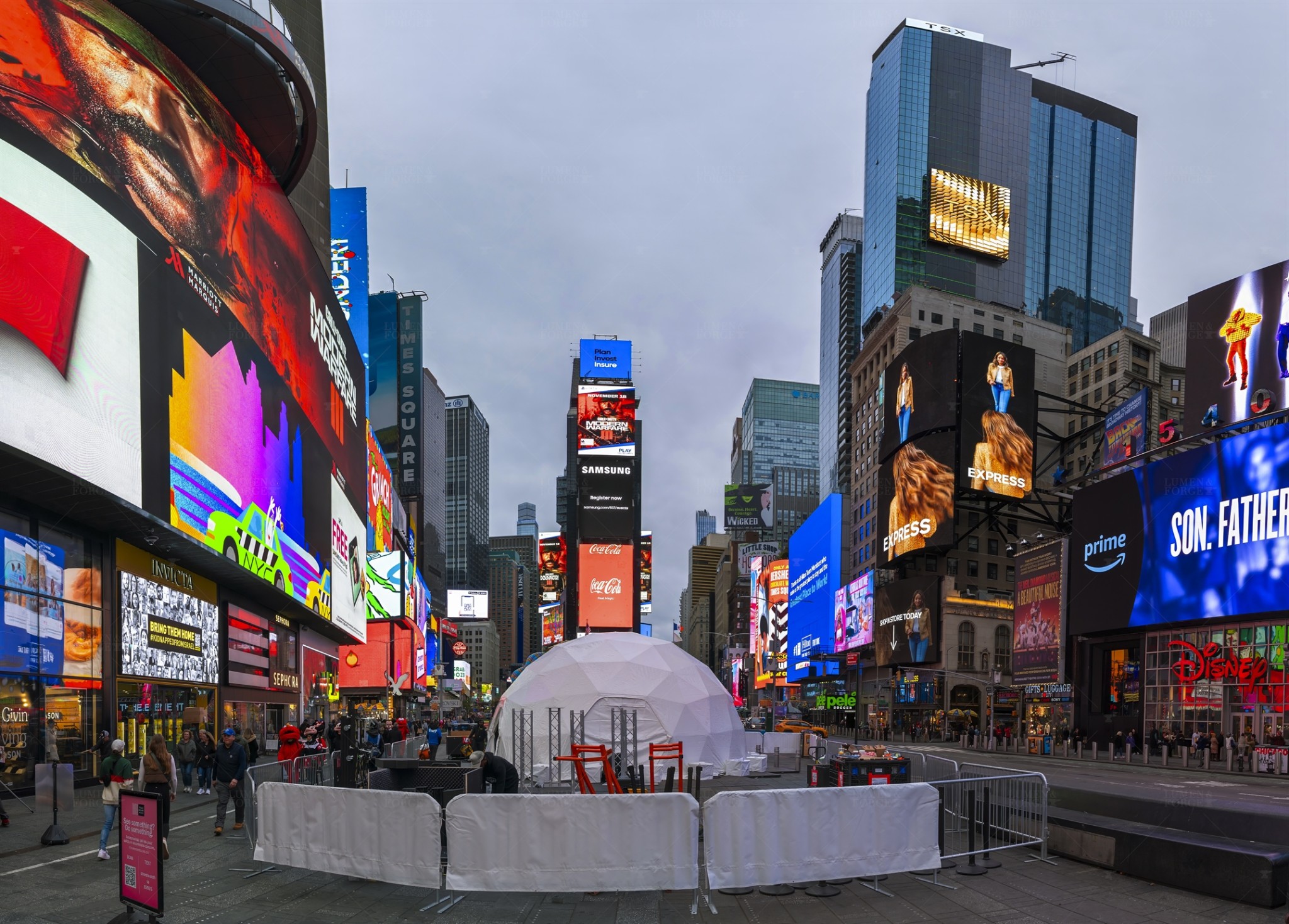
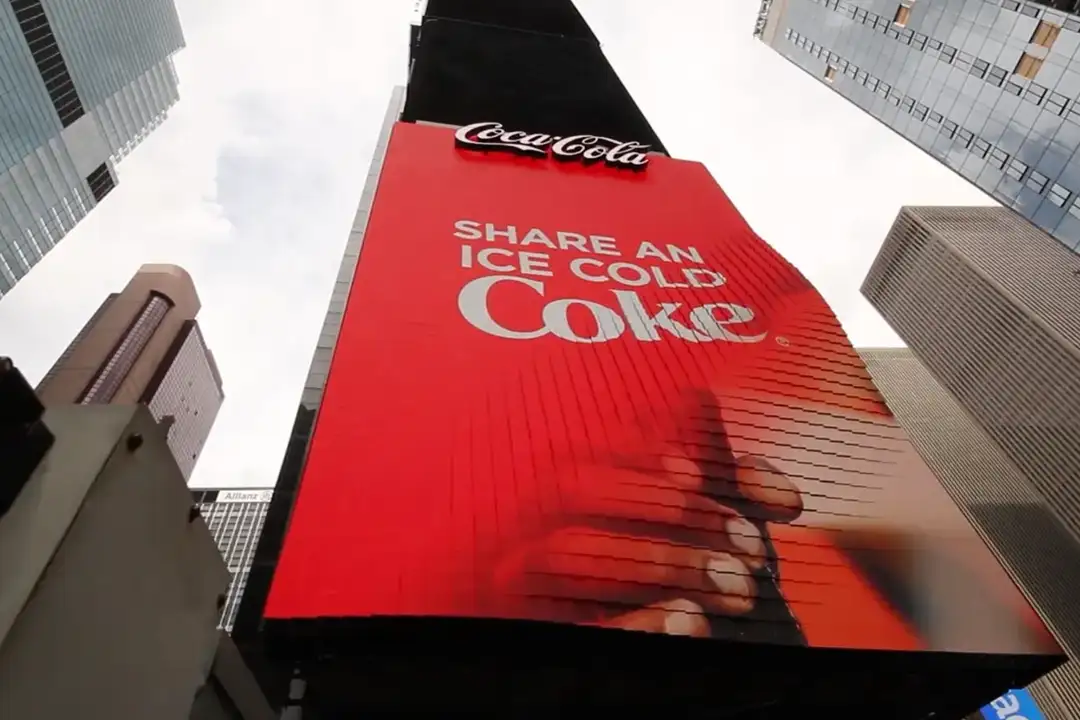
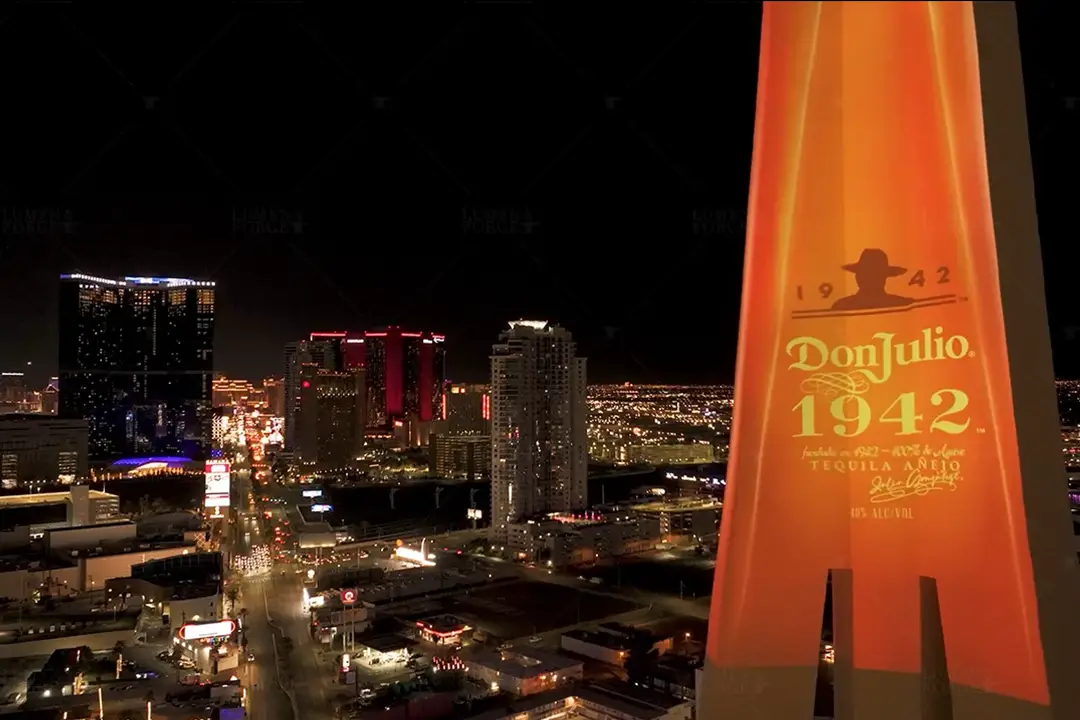
How It’s Done
It takes three things: a playback device, a projector, and a surface. We map the geometry of that surface, align the projection to it, and calibrate until the image sits exactly where it should. A blank object becomes a multidimensional video screen — one that curves and moves with the space around it.
Areas We Serve
Take A Closer Look
A Deeper Look Into Animation & Visual Story Telling
A Deeper Look Into
Projection Mapping
Projection Mapping Capabilities & Applications
Lumen and Forge’s immersive domes can take audiences anywhere in the universe. Available in both geodesic and inflatable options, our dome venues are equipped with state-of-the-art projection systems and rock solid infrastructure. Each projection dome is tailored for unique occasions, ensuring a versatile platform for any event’s demands.
Interactive Projection
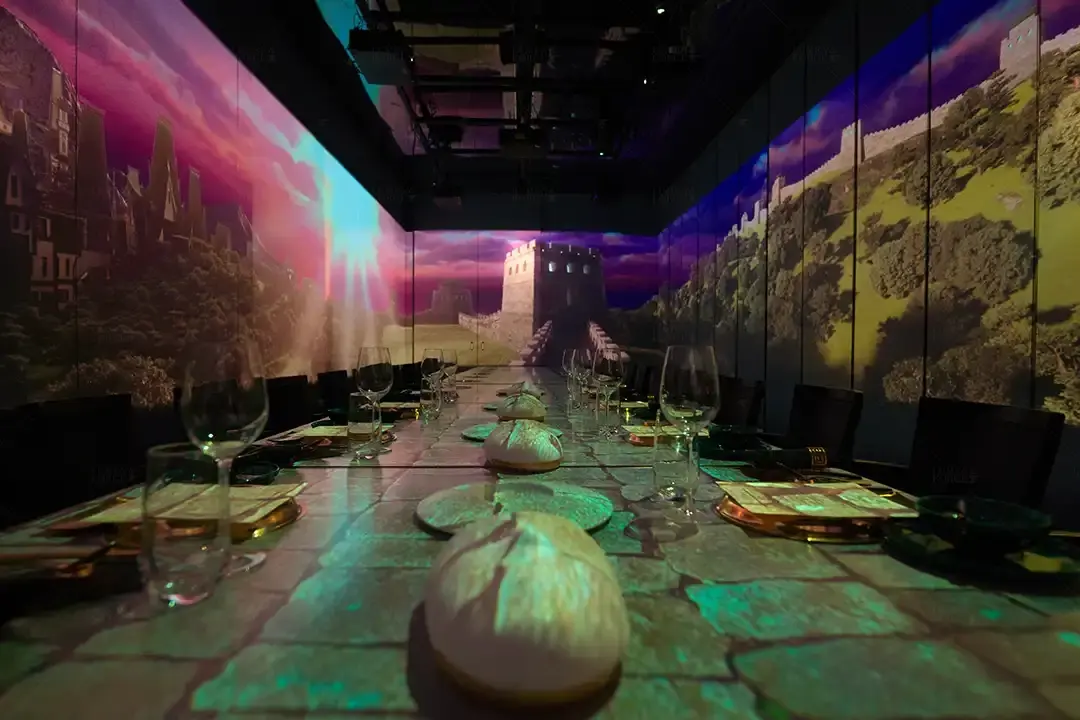
Projection Rooms
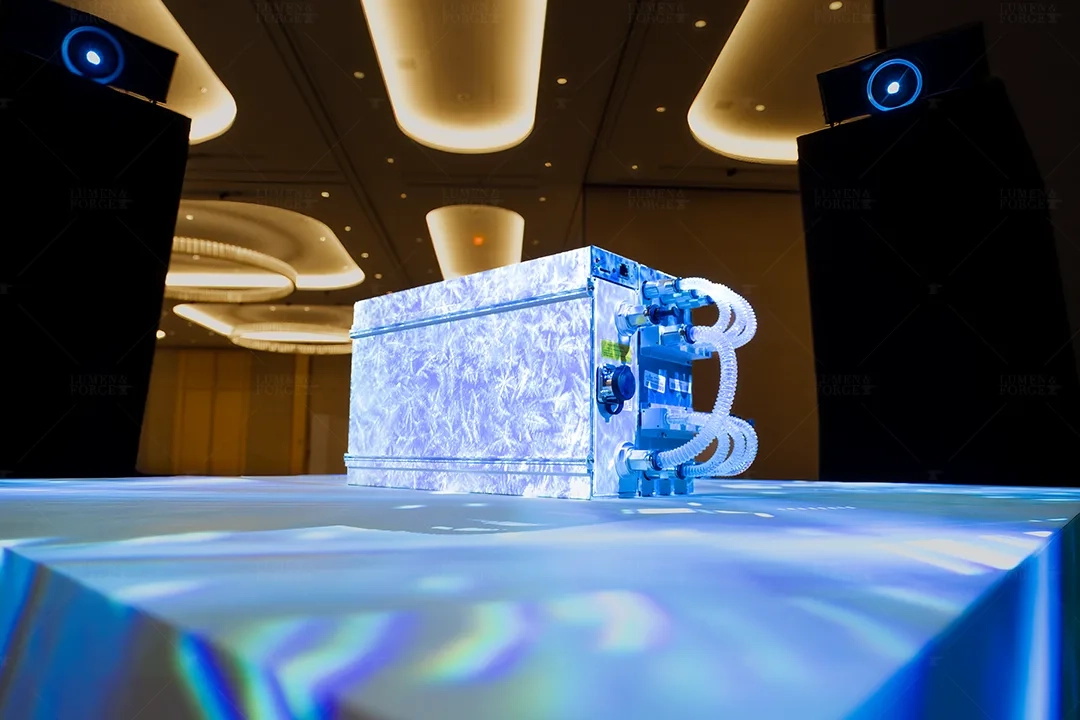
Object Mapping
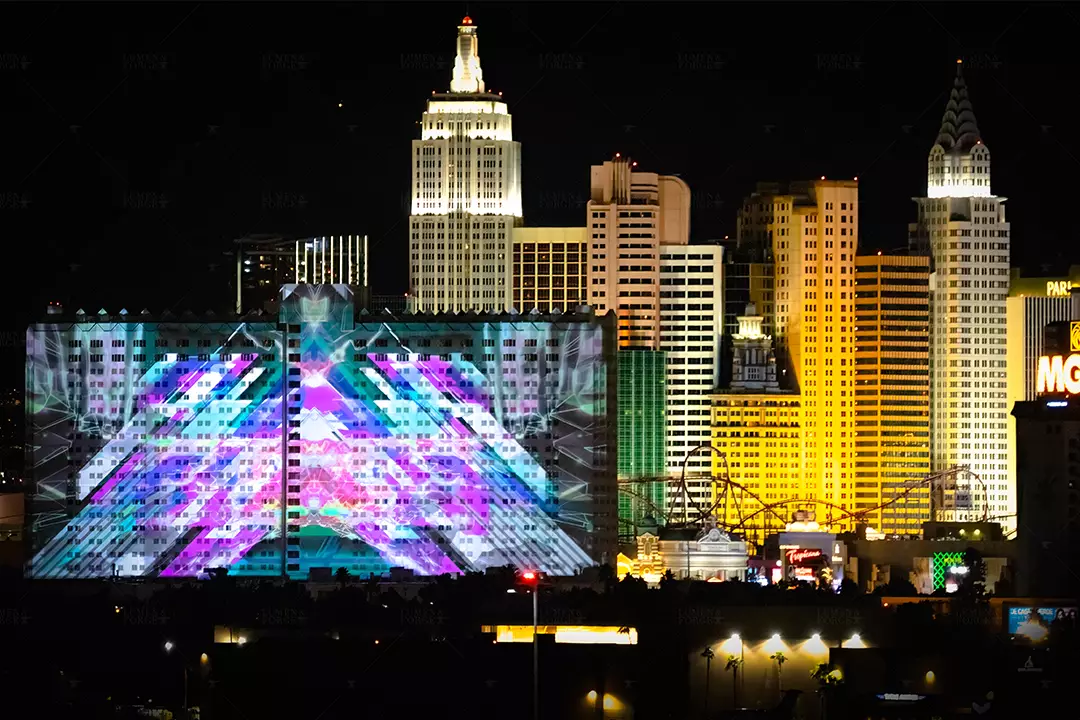
Building Projection
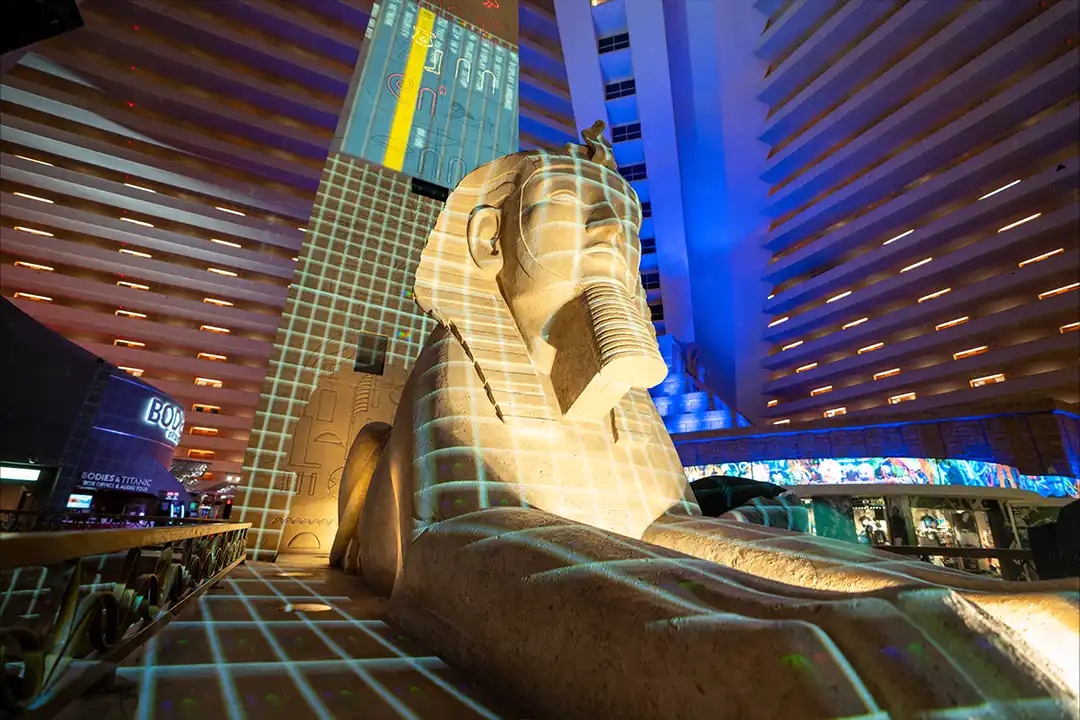
3D Projection Mapping
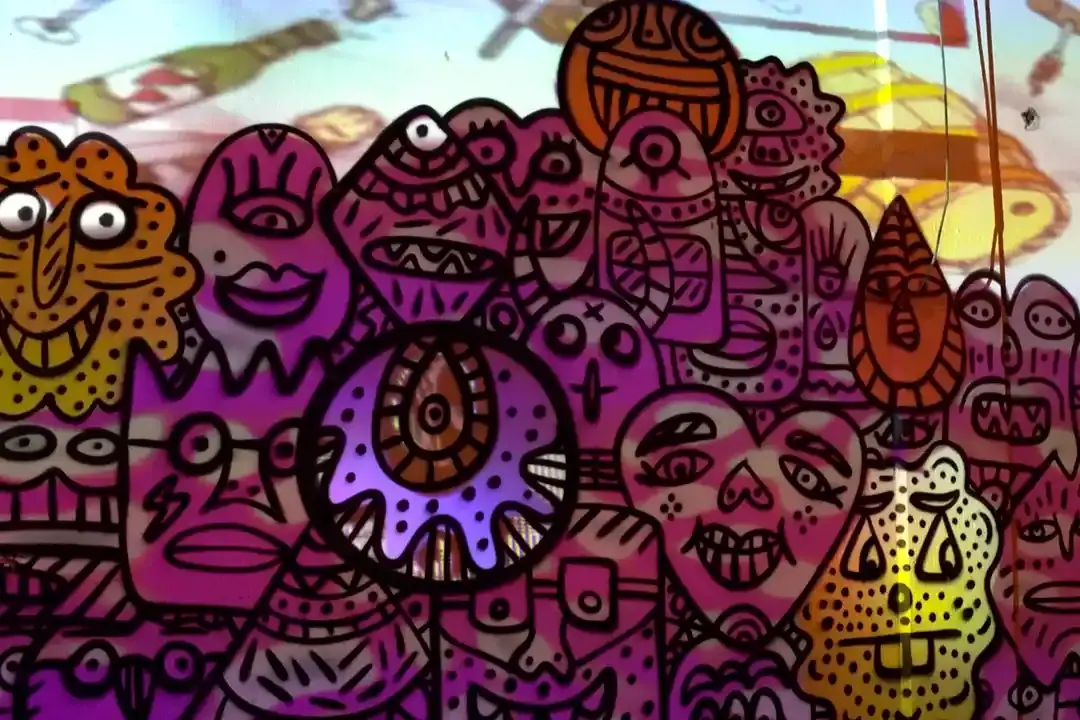
Projection Murals
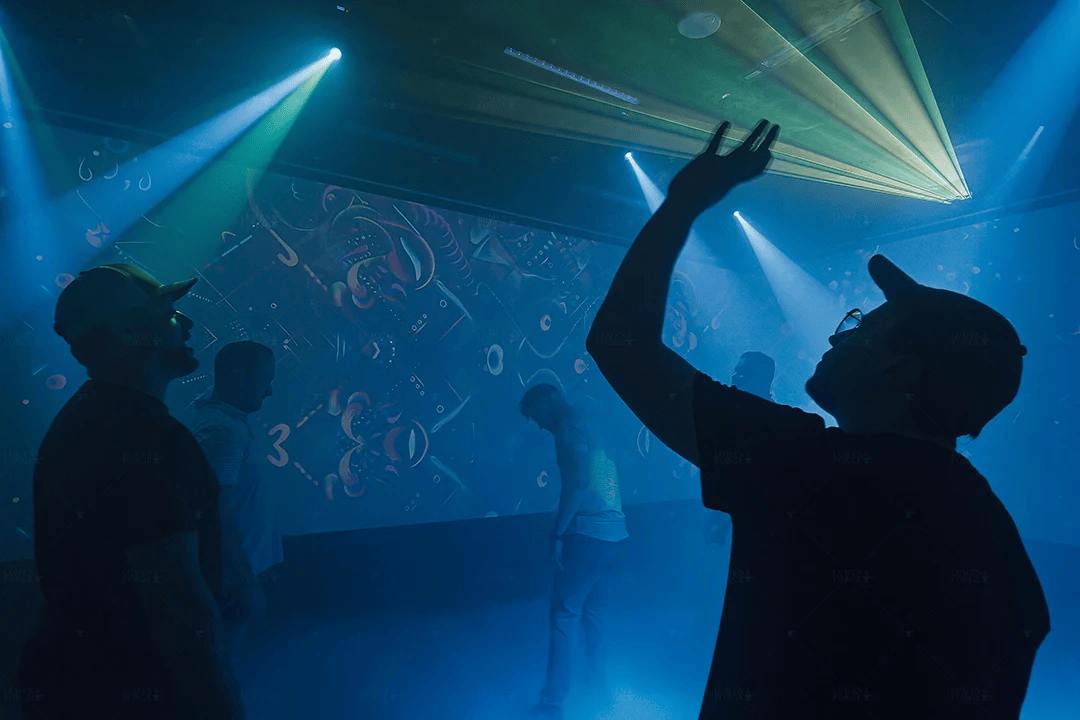
4D Immersive Theater FX
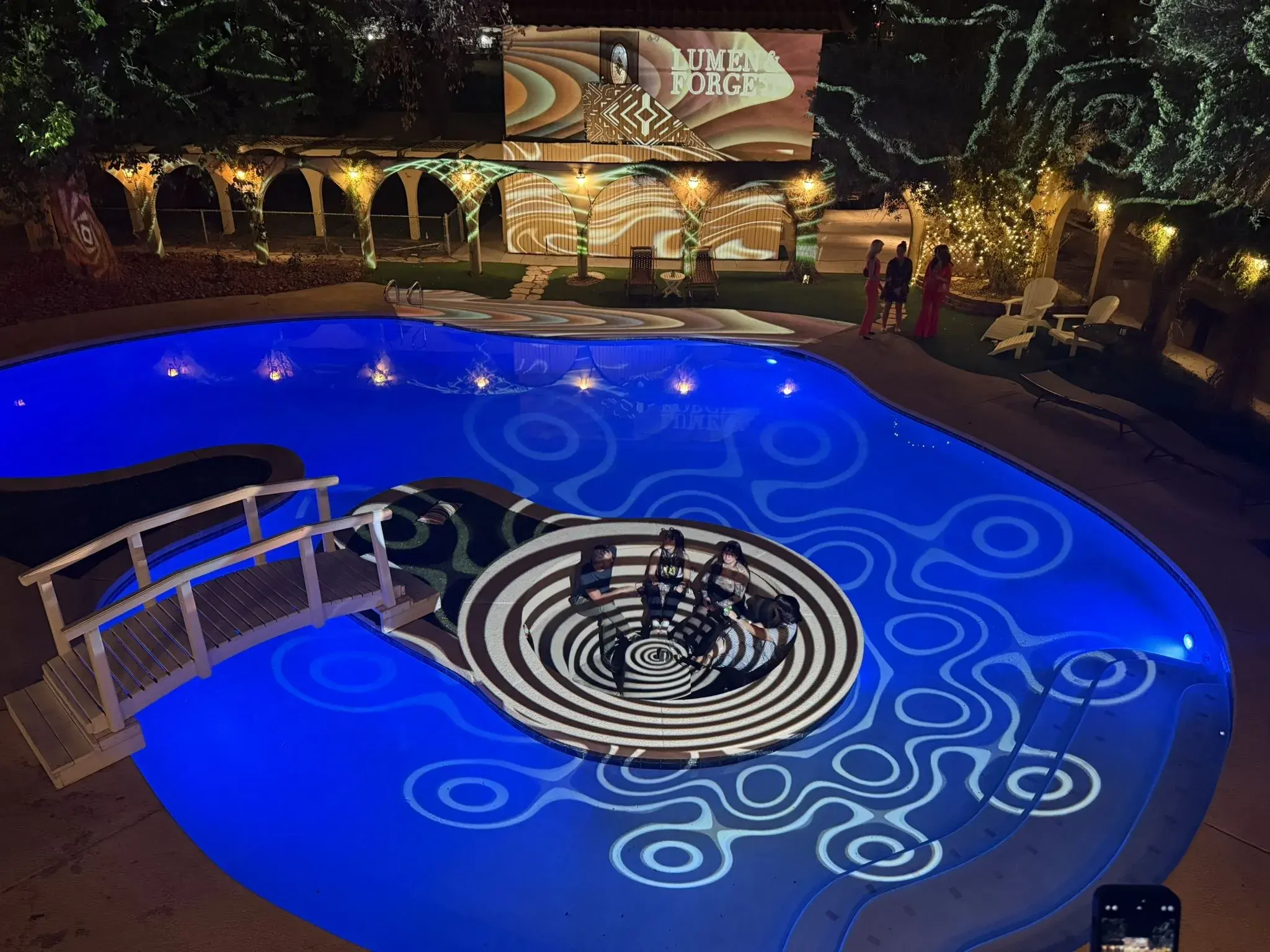
3D Architectural Mapping
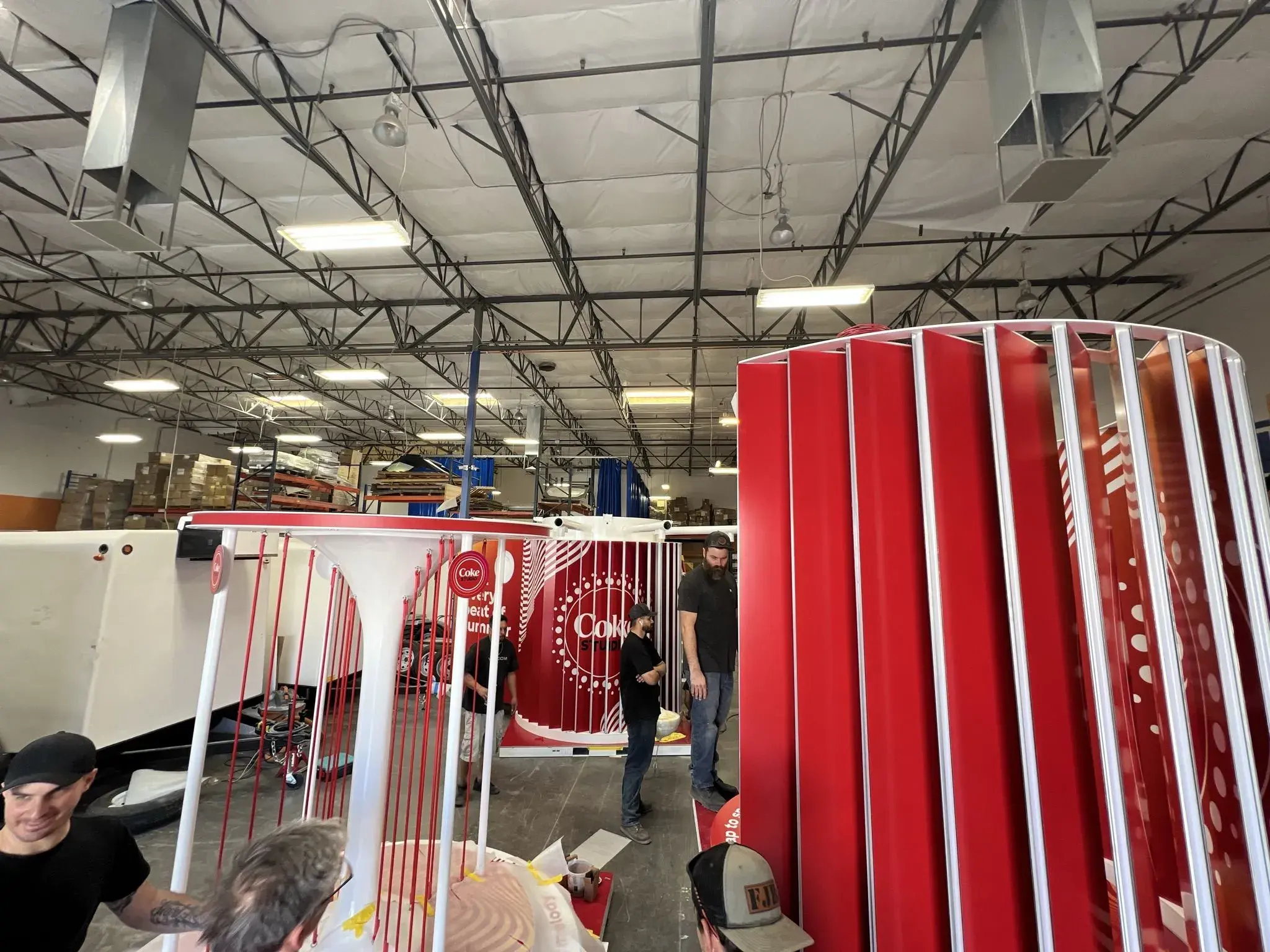
Retail Installations
Sports Activations
Large Scale Projection Mapping
Auto-Calibration
Real-Time Projection Mapping
Featured Projects
Lumen and Forge’s immersive domes can take audiences anywhere in the universe. Available in both geodesic and inflatable options, our dome venues are equipped with state-of-the-art projection systems and rock solid infrastructure. Each projection dome is tailored for unique occasions, ensuring a versatile platform for any event’s demands.
3D Projection Mapping by Event Type
Planning a specific kind of event? Each guide below covers how we approach it.
Projection Mapping FAQ
Projection mapping is a technique that uses specialized projectors and custom-designed content to transform any surface, such as walls, buildings, objects, or entire rooms, into a dynamic visual canvas. Unlike a standard projector screen, the content is precisely calibrated to match the contours and geometry of the surface, creating illusions of movement, depth, and transformation.
A regular projection just displays an image on a flat screen. Projection mapping custom-builds content to match the exact shape of a surface, like a building facade, a car, or a sculpture, so the visuals appear to interact with and transform the object itself, rather than just sitting on top of it.
Yes. Our team specializes in mapping onto irregular and three-dimensional surfaces, from building facades and retail displays to vehicles, furniture, and sculptures. We use techniques like photogrammetry to capture a surface's exact geometry before content production begins, ensuring pixel-perfect alignment on virtually any shape.
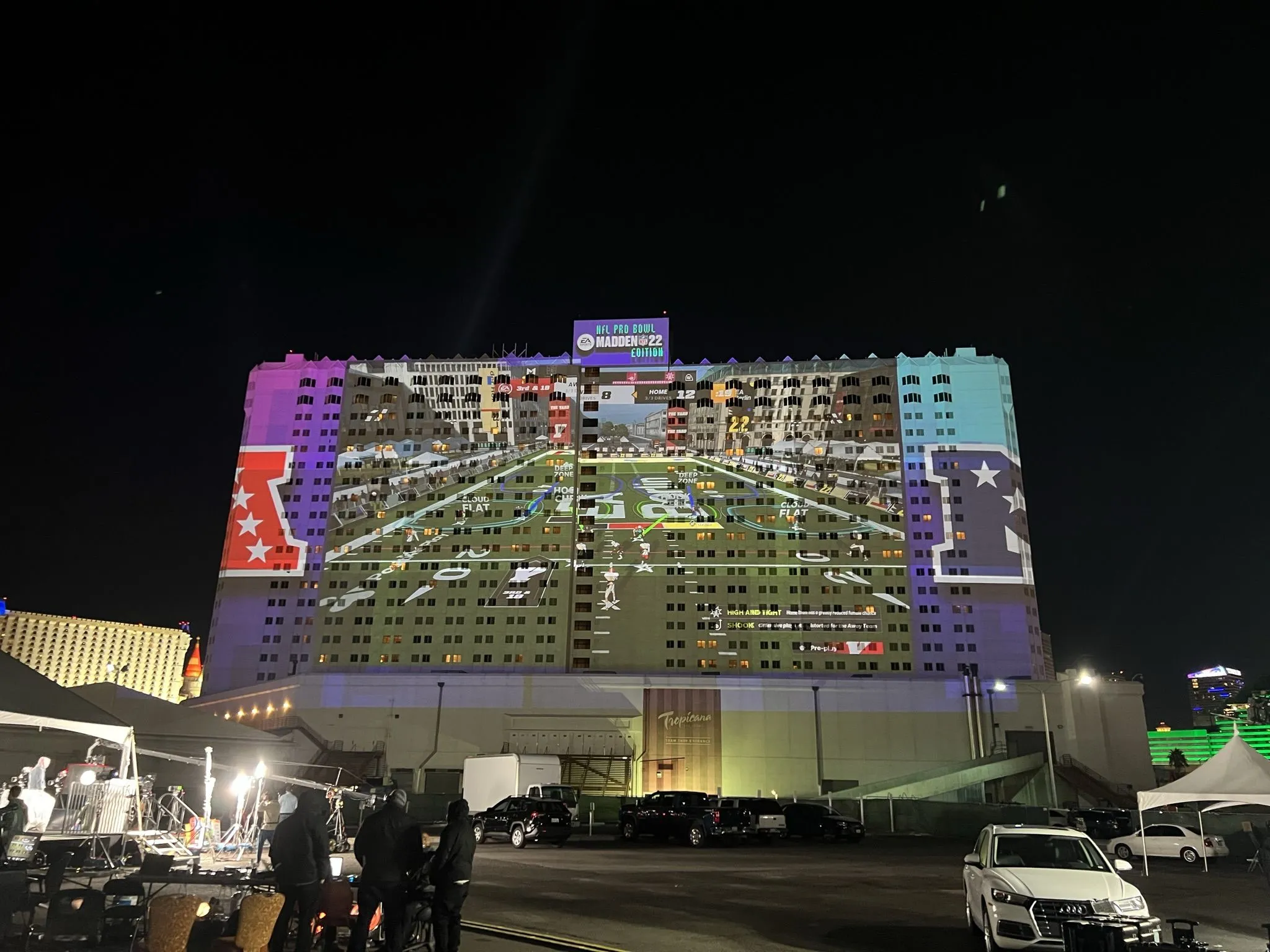
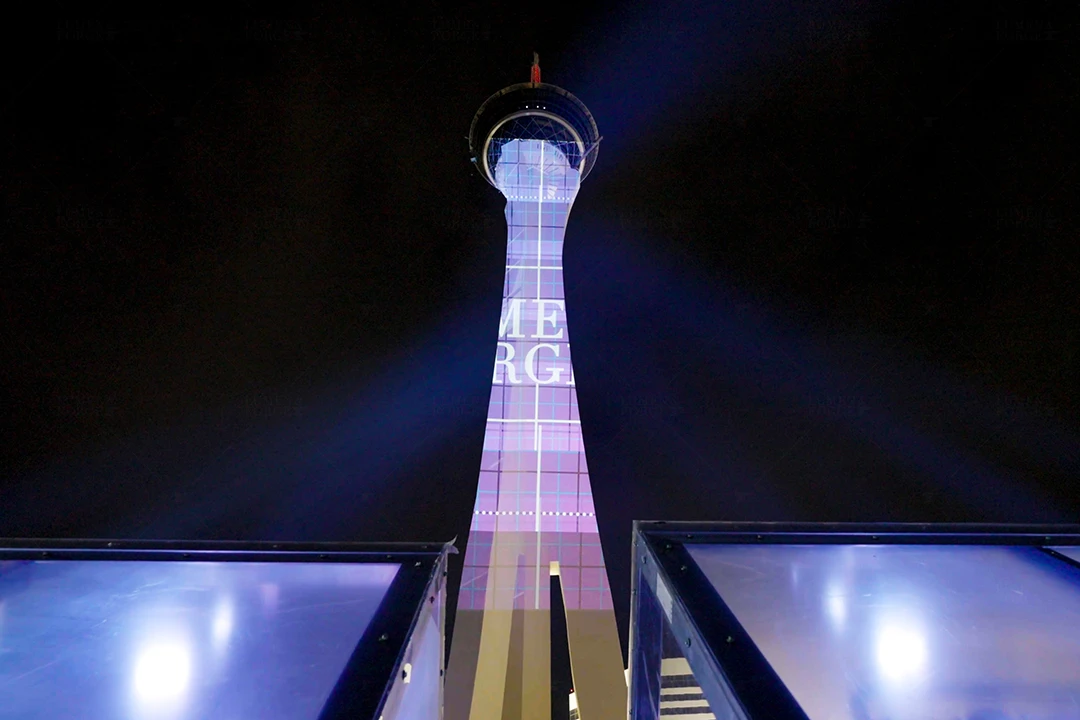
Building projection mapping uses high-powered projectors to cast custom lighting effects, animation, and video directly onto the facade of a structure. Content is mapped to align with architectural features like windows, columns, and ledges, transforming the building into a canvas for storytelling, brand campaigns, or public art. Lumen & Forge holds the record for the world's largest video game screen, achieved on the facade of the Tropicana casino.
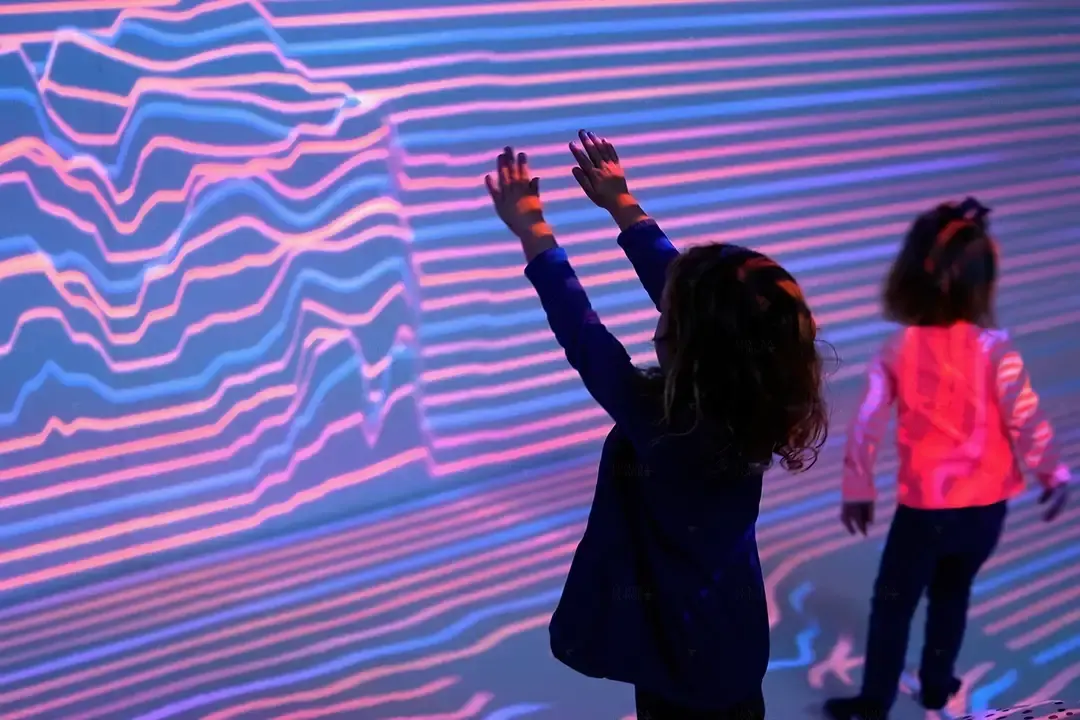
Interactive projection mapping uses sensors to detect movement, touch, or objects, allowing the projected visuals to respond in real time to what people do. It's widely used for museum exhibits, branded games, and educational installations where audience participation is part of the experience.
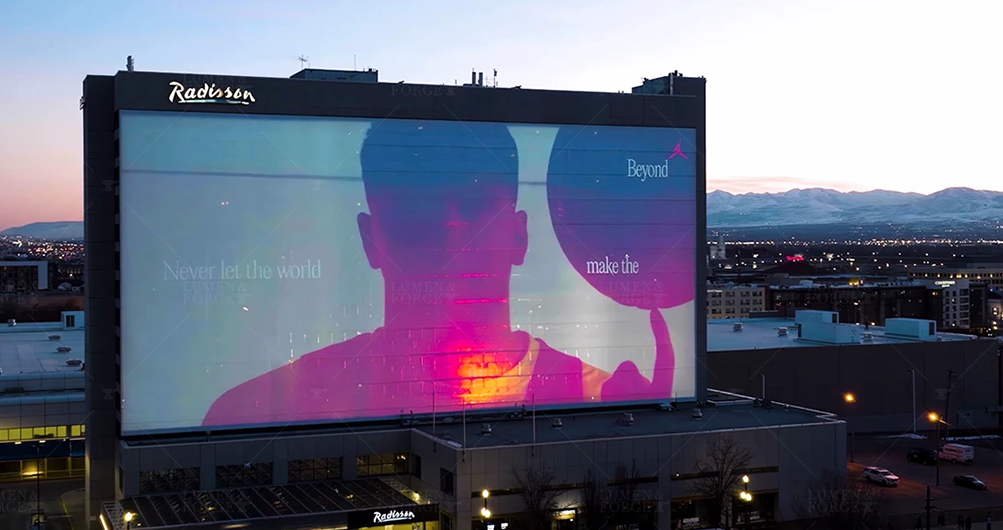
Real-time projection mapping generates or drives visuals live, responding instantly to music, performers, sensors, or data feeds, instead of relying on pre-rendered playback. This is ideal for live shows and events where timing and audience energy are unpredictable, since the system can adjust pacing, brightness, and content on the fly.
Absolutely. Retail projection mapping lets stores create dynamic digital environments, including animated product displays, window installations, and in-store experiences, without any permanent construction. Content can be refreshed instantly for new campaigns, and installations are designed to work around store hours and existing retail constraints like ambient light and customer flow.
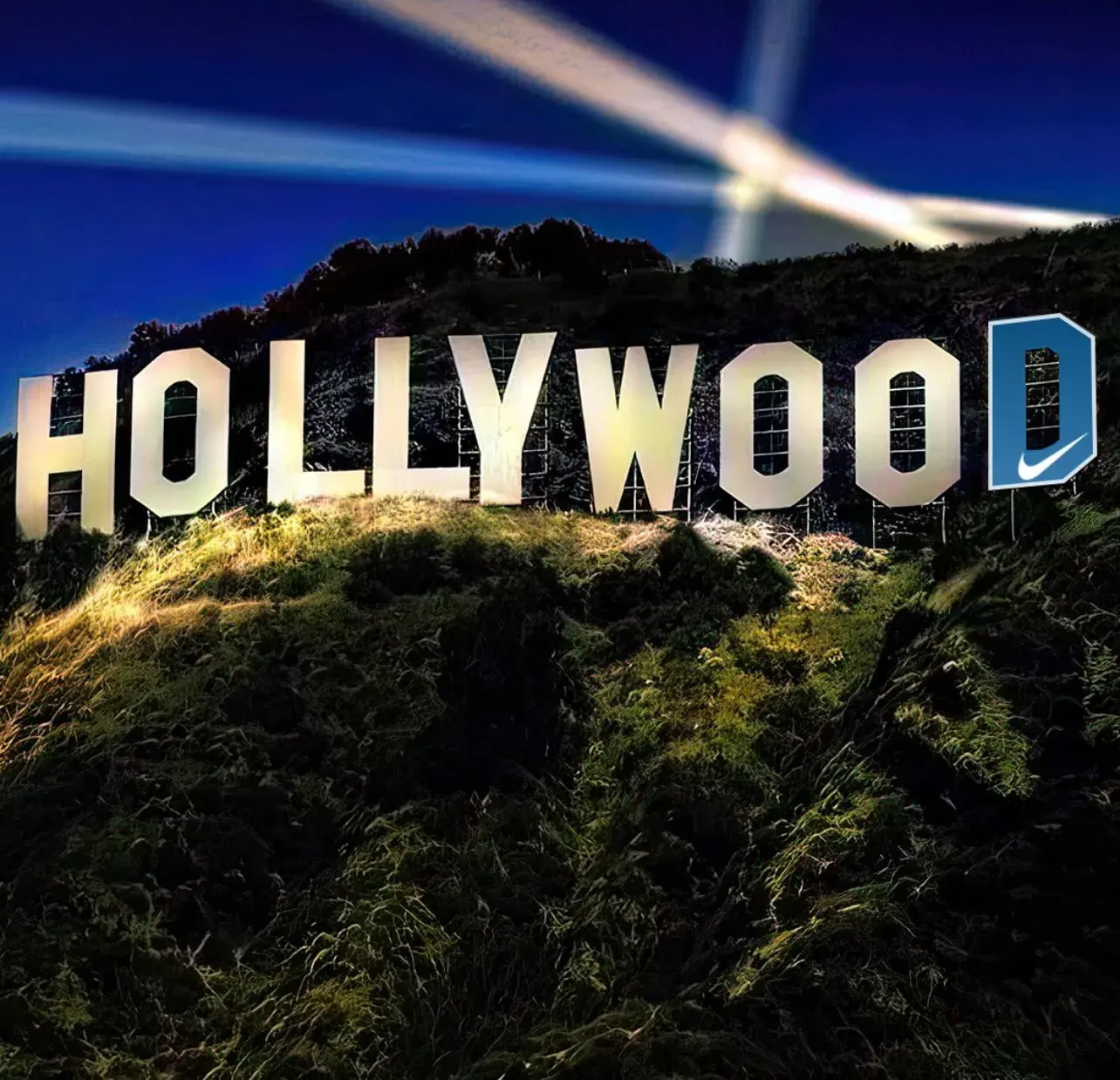
Yes. Sports projection mapping can transform tunnels, concourses, facades, and sponsor structures into animated brand moments timed to gates, player entrances, or halftime. Content is modular, so messaging can be swapped by team, city, or sponsor without rebuilding any physical elements.
Large-scale projection mapping can cover stadiums, high-rises, and civic buildings using multi-projector blends engineered for maximum visibility. These installations require careful planning around throw distance, lens selection, and ambient light to ensure the visuals read clearly even from far away.
Permanent and semi-permanent installations can shift slightly over time due to vibration, thermal changes, or structural movement. Auto-calibration technology continuously corrects for this drift, keeping the projection precisely aligned without constant manual recalibration, turning a one-time event into a reliable, long-term installation.
4D immersive theater layers additional sensory elements, including spatial audio, wind, scent, temperature changes, and motion-activated seating, on top of projected visuals. These effects are synchronized with millisecond accuracy to create a fully immersive environment used in entertainment venues, brand experiences, and training simulations.
A projection room is a fully immersive space where floor-to-ceiling, 360-degree projection mapping surrounds visitors with visuals from every angle. These installations are popular for museums, immersive dining experiences, retail environments, and corporate showrooms looking to create a fully enveloping guest experience.
Content is custom designed for each specific surface or object. Our process often starts with photogrammetry or detailed measurement to create an accurate model of the surface, which content designers then use to build visuals that align perfectly once projected, ensuring no distortion or misalignment on the finished piece.
Cost depends on scale, surface complexity, number of projectors needed, and whether content is custom-built or adapted from existing assets. Small object mapping or single-storefront installations cost far less than large-scale building projections or multi-day event activations. We're happy to scope a project based on your space and goals.
Do you have more questions?
Didn't find what you were looking for? Our team is happy to walk you through your project and answer anything else