

Home / Blog / LED Video Walls and Digital Signage: A Practical Guide for Events and Permanent Installs
LED Video Walls and Digital Signage: A Practical Guide for Events and Permanent Installs
{{actual_date_posted}}
LED Video Walls and Digital Signage: A Practical Guide for Events and Permanent Installs
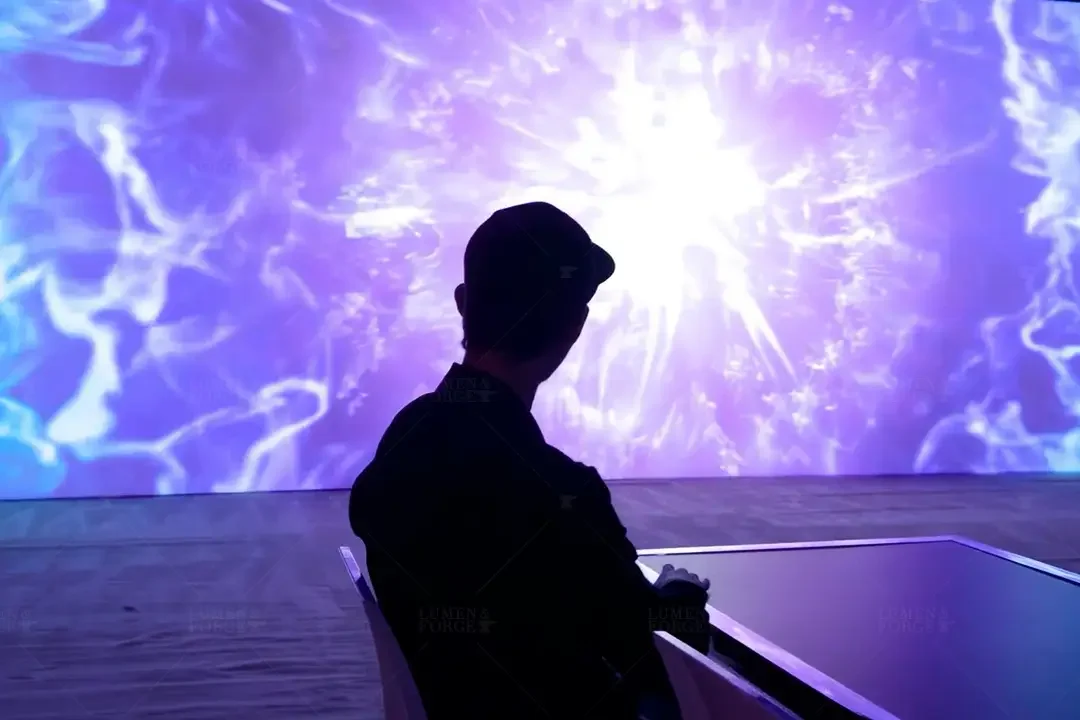
LED has become the default canvas for modern experiences. From curved stage backdrops to outdoor marquees and branded architectural features, direct-view LED delivers brightness, scale, and creative shapes that traditional displays cannot match. This guide explains how LED video walls and digital signage work, what specifications actually matter, and how to choose the right system for touring events, trade shows, retail, and permanent installations.
What Counts as an LED Video Wall vs LED Signage
An LED video wall is a tiled display made from many LED panels that act as one continuous screen. It usually plays full-motion content, shows graphics, or interactive visuals. LED signage focuses on wayfinding, branding, or information at a distance. It often runs simpler layouts or scheduled messages. The hardware can be the same in both cases. The difference is the design goal, the viewing distance, and the control system that schedules and feeds content.
Where LED Shines
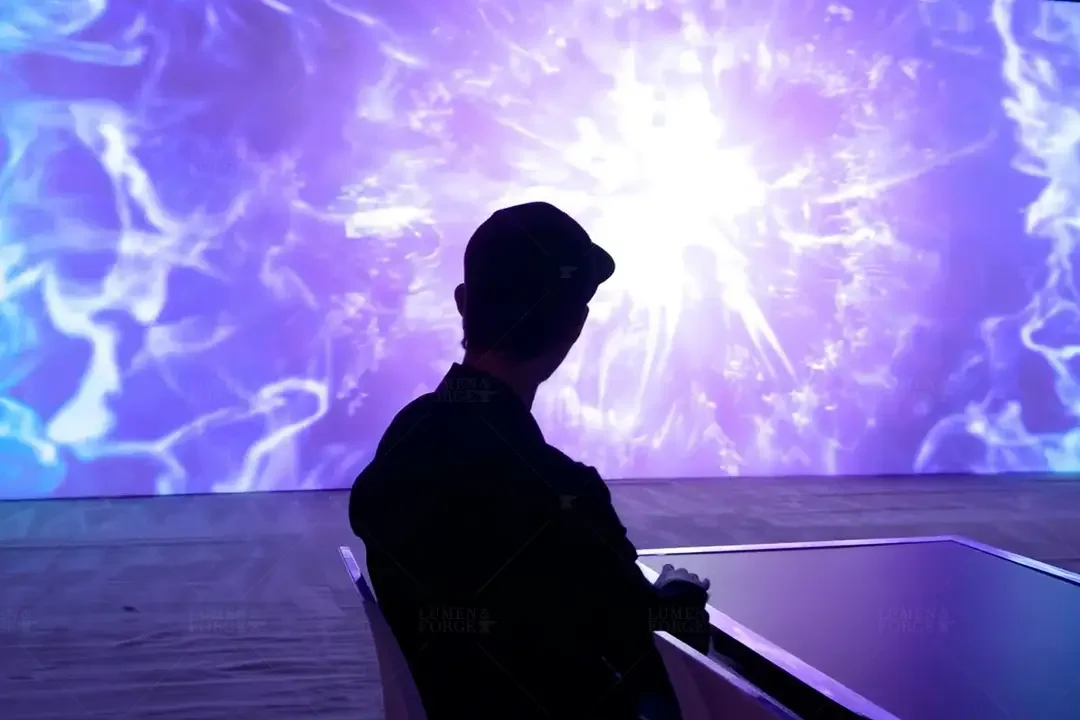
LED is a self-emissive technology, meaning each pixel generates its own light. This allows for exceptionally high brightness and deep contrast ratios, maintaining image integrity even in bright rooms or outdoor environments.
Because there is no reliance on reflected light (as with projection), LED delivers consistent performance regardless of ambient lighting conditions. The result is vivid color, strong blacks, and clarity that holds up in challenging environments.
LED panels are modular and scalable. You can begin with a modest footprint and expand over time by adding panels, building to virtually any size or configuration. The system supports flat, curved, concave, convex, and custom shapes without visible seams or bezels.
Compared to Projection
- Superior visibility in high ambient light
- No throw distance or shadowing concerns
- Minimal depth required behind the audience
- Consistent brightness across the canvas
Compared to Tiled LCD Displays
- No mullions or grid lines
- Better off-axis viewing performance
- Higher brightness capabilities
- Greater flexibility in scale and shape
LED is often the right choice when brightness, modularity, and architectural integration are the priority.
Key Specs That Matter
Pixel pitch and viewing distance
Pixel pitch is the center-to-center distance between individual LEDs, measured in millimeters. A smaller pixel pitch means more pixels per square meter and therefore finer image detail. As a general rule of thumb, the minimum comfortable viewing distance in meters is roughly equal to the pixel pitch in millimeters. For example, a 1.5 mm wall will appear crisp at approximately 1.5 meters and beyond, while a 3.9 mm wall is better suited for audiences positioned several meters away, typically in the five to twelve meter range. The key is to select the coarsest pitch that still looks clean from your closest viewing point. This approach helps control cost, reduce power consumption, and improve system efficiency while maintaining the image quality your audience will actually experience.
Brightness, contrast, and HDR
Brightness is measured in nits and plays a critical role in visibility, particularly in environments with ambient light. Indoor LED walls typically operate between 600 and 1,500 nits, while outdoor installations range from 3,500 to 7,000 nits or higher to compete with daylight. Increased brightness improves visibility but also raises power draw, heat generation, and cooling requirements. Beyond raw brightness, perceived contrast depends on black levels, panel coating, and driver design. Many premium systems support high dynamic range workflows such as HDR10 or Hybrid Log-Gamma (HLG). Even when delivering standard dynamic range content, higher bit depth processing and precise calibration significantly improve gradients, shadow detail, and skin tones, resulting in a more refined and natural image.
Refresh rate, scan, and motion performance
Refresh rate affects both motion clarity and camera performance. Professional-grade LED walls typically target refresh rates of 3,840 Hz or higher to minimize flicker and reduce banding artifacts when filmed. However, refresh rate alone does not determine performance. Driver IC design, scan ratio, and overall processing quality influence motion stability and low-brightness smoothness. For live events that will be recorded or broadcast, it is essential to design a high-refresh signal pipeline from processor to panel and to conduct camera tests in advance to confirm compatibility with shutter settings and frame rates.
Color depth and calibration
Color depth and calibration are equally important. Look for systems offering 14- to 16-bit processing at both the controller and panel level. That said, uniformity and calibration discipline matter more than a single specification number. A well-calibrated 14-bit wall will often outperform a poorly tuned 16-bit system. Request factory calibration data, verify grayscale linearity, and ensure on-site color balancing is included during commissioning. In practice, the quality of calibration and system integration has as much impact on the final image as the technical specifications themselves.
LED Architectures and Form Factors
Indoor vs outdoor
Indoor and outdoor LED systems are engineered for very different priorities. Indoor cabinets focus on fine pixel pitch, lighter weight, and quiet operation, making them ideal for close viewing distances and controlled environments such as conference rooms, retail spaces, and theaters. Outdoor cabinets are designed to withstand the elements, offering significantly higher brightness levels, weather sealing, and often a larger pixel pitch to accommodate longer viewing distances. When specifying outdoor or semi-outdoor installations, it is important to verify the IP rating for dust and water resistance. In transitional spaces such as atriums or concourses, brightness should be matched carefully to ambient light levels while also considering fan noise, heat output, and HVAC impact.
Cabinets and modules
LED panels are assembled into cabinets or frames that mechanically lock together to form the full display surface. Serviceability is a critical design consideration. Front-service cabinets allow modules, power supplies, and receiver cards to be replaced from the viewing side, which is especially valuable in tight installations where rear access is limited. Features such as magnetic assist modules and quick-release hardware significantly reduce maintenance time. For rental and touring applications, durability becomes even more important. Robust edge protection, reinforced frames, and captive fasteners help prevent damage during load-in and strike while accelerating setup and teardown.
Creative shapes and special types
Beyond flat walls, LED technology supports a wide range of creative forms. Curved and faceted displays can be achieved by angling cabinets or by using flexible modules designed to bend within a specified radius. Transparent or mesh LED systems create a see-through effect when displaying darker content, making them well suited for storefronts, stage scrims, or glass atriums where preserving sightlines matters. Floor-mounted LED systems use reinforced surfaces and impact-rated mechanical structures to handle foot traffic and rolling loads. Interactive walls and floors integrate sensors for touch or proximity detection, which introduces additional considerations around latency, signal processing, and control system integration to maintain a responsive user experience.
Controllers and Processing
The LED processor serves as the bridge between your media source and the display wall, managing scaling, color processing, mapping, and synchronization. It determines how content is translated from the media server to the physical canvas and plays a major role in overall image quality and system stability.
Common controller ecosystems include Brompton Tessera, Novastar, and Colorlight, each offering varying levels of performance and control. Higher-tier processors provide advanced color management, per-cabinet calibration, low-latency modes, genlock capability, and full HDR workflows. These features become increasingly important in premium installations where color accuracy, broadcast integration, and image consistency are critical.
Latency must be carefully considered, particularly for interactive experiences or camera-to-screen workflows. End-to-end delay includes the media server, processor, signal transport, and panel scan time combined. For interactive effects to feel responsive, the full pipeline should operate within tens of milliseconds. This requires coordinated configuration across the entire signal chain and should always be verified during on-site testing rather than assumed from specification sheets alone.
For broadcast environments or camera-heavy events, synchronization is essential. Using genlock-capable processors and establishing a shared sync reference across cameras, media servers, and the LED wall prevents visual artifacts such as tearing or rolling bars. A properly synchronized system ensures stable imagery both in person and on camera, especially when multiple signal sources are involved.
Redundancy becomes increasingly important as wall size and criticality grow. Large installations often incorporate redundant power supplies and backup receiving cards within cabinets. For mission-critical applications, additional safeguards such as controller failover and dual data paths provide protection against single points of failure, helping maintain uptime and preserving the integrity of the experience.
Power, Heat, and Acoustics
LED walls draw significant real-world power, and electrical planning should be approached conservatively. Fine-pitch indoor panels typically have maximum power ratings in the range of 500 to 900 watts per square meter, with average consumption varying based on content, brightness settings, and calibration. Outdoor high-brightness systems can exceed these figures due to increased nit requirements and environmental compensation. When designing infrastructure, circuits and distribution should be sized with adequate headroom rather than calculated solely on average draw. This ensures stability during bright content peaks and protects against nuisance breaker trips.
Thermal management is equally important. LED cabinets generate heat that must be properly exhausted to maintain performance and longevity. Plan airflow paths carefully, accounting for cabinet intake and exhaust patterns, especially in recessed installations or architectural cavities. In noise-sensitive environments such as museums, houses of worship, or corporate spaces, review fan noise specifications during procurement. Where necessary, incorporate acoustic treatment within soffits or cavities to control sound while preserving adequate ventilation. Proper power and airflow design are foundational to a reliable and quiet LED installation.
Rigging and Safety
Every LED wall is not just a display surface — it is a structure that must be properly engineered, reviewed, and certified. Structural integrity should be treated with the same seriousness as permanent architectural elements, especially as wall size and elevation increase.
For flown walls, use load-rated truss, appropriately specified motors, and formal load calculations prepared or approved by a qualified rigger. Weight distribution, point loads, and dynamic forces during installation must all be considered. Rigging plots, motor capacities, and safety factors should be documented and verified before load-in.
For ground-supported systems, confirm floor loading capacity and ensure proper bracing or ballast is engineered into the design. Freestanding walls must account for tipping forces and lateral stability, particularly in public environments where interaction or vibration may occur.
Outdoor installations introduce additional complexity. Wind loading, ballast requirements, and weather exposure must be calculated in accordance with local codes. Even moderate wind can exert significant force on a large LED surface, effectively turning it into a sail. Weather protection for power distribution, data systems, and structural hardware must also be incorporated into the engineering plan.
Safety hardware and procedures are non-negotiable. Use properly rated safety cables, locking pins, and secondary attachments where applicable. Establish routine inspection protocols during the run of the installation to verify structural integrity, fastener security, and overall system stability. Thoughtful engineering and disciplined inspection protect both the audience and the hardware investment while ensuring operational reliability.
Content Design For LED
Content design for LED should begin with the physical pixel map, not with an abstract creative canvas. Resolution and scaling must align precisely with the wall's native pixel dimensions to preserve clarity and avoid unnecessary processing. Stretching a low-resolution feed across a large LED surface will quickly reveal softness and artifacts. The cleanest results come from building content at native resolution and mapping it intentionally through the processor.
Color and brightness require discipline during mastering. LED systems can produce intense luminance, but if content is graded too aggressively, highlights may clip and lose detail. Creative should be finished with the specific wall in mind, not just a studio reference monitor. Proper calibration and on-site color grading ensure that gradients remain smooth, skin tones look natural, and peak whites retain texture rather than flattening into harsh hotspots.
Viewing geometry also influences perceived image quality. At extreme off-axis angles, brightness and contrast can shift depending on panel design and surface treatment. Content should be reviewed from expected audience positions, not just head-on. This is particularly important for wide venues, concourses, or immersive installations where viewers approach from multiple directions.
Motion and fine detail deserve special attention. Thin lines, small typography, and high-frequency patterns can shimmer or alias at certain pixel pitches, especially on camera. Adjusting art direction, increasing line weights, simplifying textures, or introducing subtle blur can reduce visual noise while preserving intent. Designing with the characteristics of the LED medium in mind ensures that the final experience feels intentional, stable, and refined rather than technically strained.
To summarize:
Resolution & Scaling
- Match the creative canvas exactly to the wall's native pixel map.
- Avoid stretching low-resolution content across large surfaces.
- Build and render at native resolution whenever possible for maximum clarity.
Color & Brightness
- Grade content specifically for the LED wall, not just a reference monitor.
- Avoid mastering highlights too hot to prevent clipping and loss of detail.
- Calibrate and fine-tune on-site to preserve gradients, texture, and natural skin tones.
Viewing Geometry
- Test content from real audience sightlines, not only head-on.
- Consider off-axis brightness and contrast shifts in wide venues or immersive spaces.
Motion & Fine Detail
- Avoid ultra-thin lines, small text, and high-frequency patterns that can shimmer.
- Increase line weights and simplify textures where needed.
- Introduce subtle blur or motion refinement to reduce aliasing and visual noise.
Rental vs Permanent: Choosing a Path
When rental makes sense
Short-run events, touring shows, and seasonal pop-ups benefit from rental. You get the exact size and pitch you need, logistics support, and on-site engineers. You also upgrade easily as new panel families become available. Rental avoids storage, maintenance, and depreciation.
When to invest in permanent
Permanent signage, theaters, and brand spaces with daily use justify buying. You gain full control over pitch, cabinet family, maintenance, and integration. Work with a partner to specify spares, service plans, and calibration schedules — plan for future expansion by standardizing on an ecosystem that will remain available for years.
Cost Drivers and Total Cost of Ownership
Major cost drivers for LED systems include pixel pitch, total display area, brightness class, processor capabilities, mounting methodology, and environmental conditions. Finer pixel pitch at larger scales significantly increases material costs, processing requirements, and power consumption. As resolution density rises, so do calibration complexity and thermal management demands.
Outdoor installations introduce additional expenses due to weather-rated mechanics, higher brightness requirements, reinforced structures, and environmental protection. Curved or complex geometries further increase costs by adding custom framing, engineering review, and additional labor during installation and alignment.
When budgeting, it is important to account for more than just panels and processors. Delivery logistics, rigging, structural engineering, commissioning, spare modules, calibration services, and content production should all be included in the total project scope. Over the operational life of the wall, plan for periodic recalibration and module replacement to maintain brightness uniformity and color consistency. Proactive maintenance protects image quality, extends system lifespan, and preserves the long-term value of the installation.
Typical Use Cases and Playbooks for LED Video Walls and Digital Signage
Trade Show Stage & Booth
For trade show environments, an indoor LED wall in the 1.5 to 2.6 mm pitch range provides crisp imagery for close viewing while maintaining manageable cost and power draw. Quiet fan design is important in booth environments where conversations happen nearby. Pair the wall with a dedicated media server for show control, cueing, and multi-layer playback, along with a reliable processor that supports stored presets for quick look changes between demos, presentations, and idle loops. Operational efficiency matters just as much as image quality. Design a fast-build system with pre-cabled carts, labeled looms, and repeatable assembly workflows to minimize load-in time and reduce labor exposure on the show floor.
Retail Feature & Corporate Lobby
In permanent retail and lobby installations, fine-pitch LED with front-service modules allows maintenance without removing the wall or disrupting surrounding architecture. A color-managed pipeline ensures brand assets remain consistent day after day, regardless of content updates. Integrate remote monitoring for system health, scheduling software for automated playback, and ambient light sensors for automatic brightness adjustment throughout the day. Content strategy is equally important: combine motion graphics, informational content, and refined idle states to keep the display engaging without overwhelming the space or risking image retention artifacts from static elements.
Outdoor Marquee & Scoreboard
Outdoor LED systems require weather-rated cabinets, high brightness output, and robust electrical infrastructure designed for peak draw. Environmental sensors can automatically adjust brightness for daylight visibility while maintaining nighttime compliance and viewer comfort. Structural engineering must account for wind loading, service access, and long-term exposure to the elements. Develop a content library tailored to varying conditions, including distinct daytime and nighttime looks, ensuring optimal legibility and visual impact across changing ambient light environments.
Planning & Deployment Checklist
Define the objective
Clarify the primary goal of the wall, expected audience distance, and ambient light conditions.
Select the appropriate pixel pitch
Base the decision on the closest viewing position and available budget.
Choose the correct product family
Determine indoor vs. outdoor classification, cabinet size, and front- or rear-service method.
Specify processing requirements
Confirm controller ecosystem, color management features, latency targets, and synchronization needs.
Engineer infrastructure
Design power distribution, HVAC strategy, and rigging/structural systems with certified partners.
Lock creative specifications early
Finalize native resolution, pixel map, aspect ratio, and visual guidelines before content production begins.
Factory validation
Send or approve a sample kit and conduct a staged system test using your designated processor.
On-site commissioning
Complete full calibration, color matching, brightness balancing, and camera tests if applicable.
Operational handoff
Train operators, document presets and signal flow, and establish a maintenance protocol.
Lifecycle management
Monitor system health, schedule periodic recalibration, and refresh content to maintain performance and visual consistency over time.
How Lumen and Forge Helps
Lumen and Forge scopes LED to the story and the space. Our team matches pixel pitch to viewing distance, chooses controller ecosystems that fit your workflow, and engineers power, rigging, and service access for real venues. We design content with LED in mind, then install, calibrate, and operate on site so the wall looks right from every seat and under every light.
Turn Surfaces Into Living Canvases
If you are planning an LED video wall or digital signage, we can help you decide between pitches, families, and processors, then deliver a system that is bright, reliable, and easy to run.
Contact us today — share your space and your goals. We will specify the right hardware, build a content pipeline that fits, and bring your visuals to life at any scale.