

Home / Blog / Project Management for Technical Productions: The Playbook We Use To Deliver Complex Show
Project Management for Technical Productions: The Playbook We Use To Deliver Complex Show
{{actual_date_posted}}
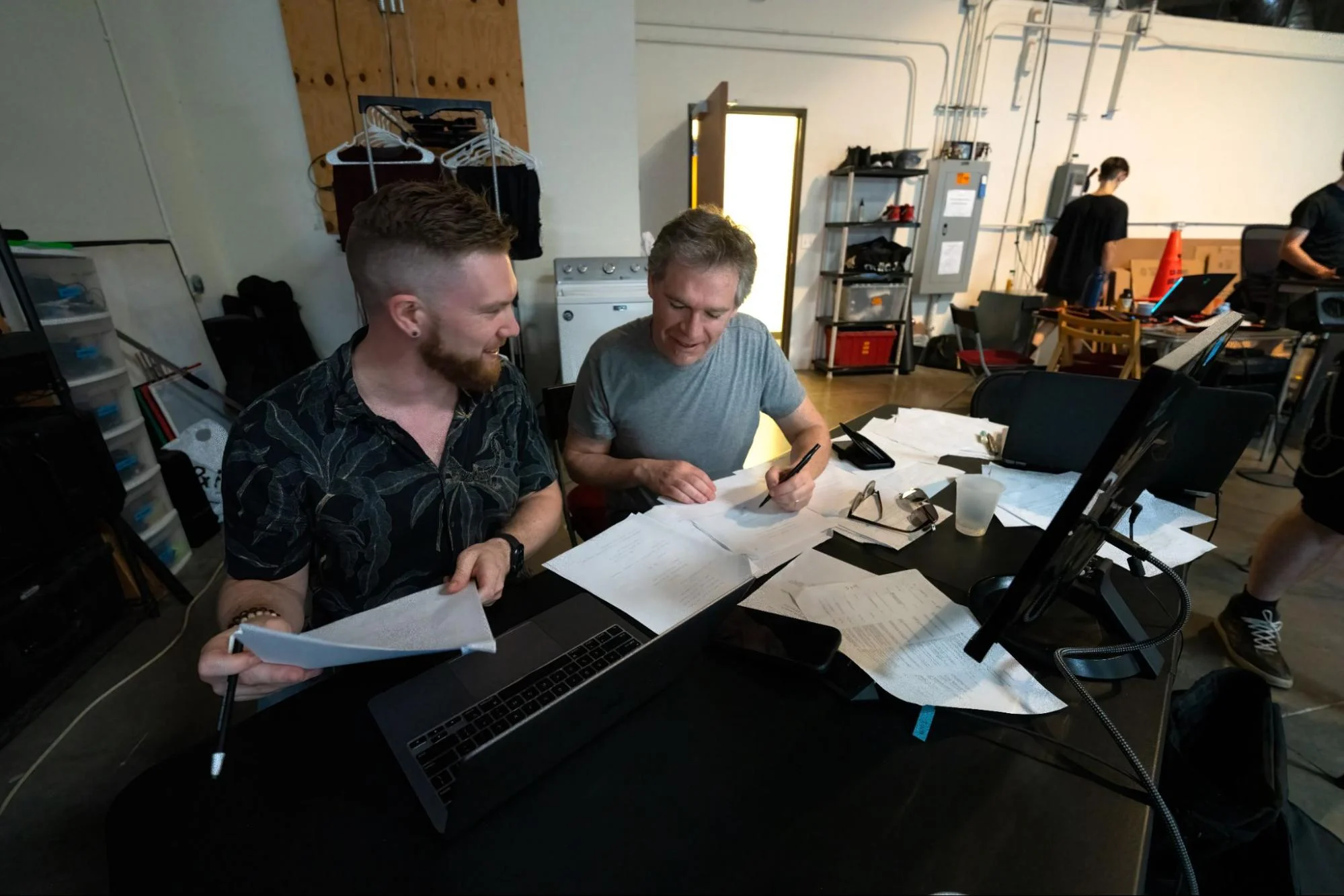
Immersive projects are part creative sprint, part engineering build. Success depends on a project management approach that speaks both languages, with tools and habits that keep content, hardware, and people moving in sync. This guide shares how we plan and run technical productions at Lumen and Forge, from previsualization to show day, so teams can execute with confidence.
What Makes Experiential Projects Different
Most event timelines are tight, sites are unique, and the tech stack changes by venue. You are blending creative direction, media servers, projection or LED, audio, lighting, and fabrication, often in spaces that were not designed for any of it.
Three requirements define success:
- Decisions must be traceable and properly documented.
- Versions must be controlled across content, CAD, and show files.
- On-site time must be optimized through proper planning and preparation.
Proper planning and preparation prevent poor performance. You solve problems faster when plans, drawings, and test content are accurate before trucks roll.
A Practical Project Management Stack
You do not need a hundred tools. You need a consistent set that your entire team actually uses.
- Task and timeline: One source of truth for scope, owners, dependencies, and dates.
- Docs and drawings: Structured folders for SOWs, CAD, PDFs, power plans, risk logs, and sign-offs.
- File transfer and versioning: Reliable storage for large media with strict naming conventions.
- Issue tracking: Logged defects, site findings, and punch lists with status and owner.
Scoping That Prevents Rework
Good scoping saves time on site. Begin with discovery:
- Objectives, audience, run profile, and success criteria
- Venue measurements, ceiling height, rigging points, power, ingress
- Surface finishes and ambient light conditions
- Content ownership, resolution targets, and approval gates
- Network policies if sensors or interactivity are involved
Translate discovery into a requirements brief with clear in-scope, out-of-scope, and decision deadlines.
Design Management: From Sketch to Buildable Plan
Concept and Previsualization
Quick models, storyboards, and animatics align with vision before technical detail.
Technical Design
Scaled drawings with sightlines, throw distances, speaker coverage, power distribution, and safety notes. Include revision numbers, author, reviewer, and date.
System Architecture
Network diagram, signal flow, IP plan, sync reference, and show control documentation. Label everything exactly as it will appear on site.
Content Specification
Define canvas sizes, frame rates, color space, file wrappers, UV unwraps, and lens maps. Establish naming conventions and versioning standards.
Content Pipeline That Scales
- Publish naming and folder standards
- Define content gates and approval checkpoints
- Provide test patterns and calibration checks
- Maintain a master canvas document
For dome or non-planar work, provide correct fisheye or UV templates from day one.
Procurement, Logistics, and Readiness
- Device list and BOM: Final models, lenses, spares
- Cabling plan: Lengths, connectors, labeling
- Logistics: Ship dates, pallet counts, warehouse rules
- Bench testing: Full signal chain tests before load-in
Stage the entire system, document golden images, and lock firmware versions before travel.
Risk and Change Management
Maintain a risk register with likelihood, impact, mitigation, and owner. Review weekly.
Log all change requests with cost and schedule impact and documented approval.
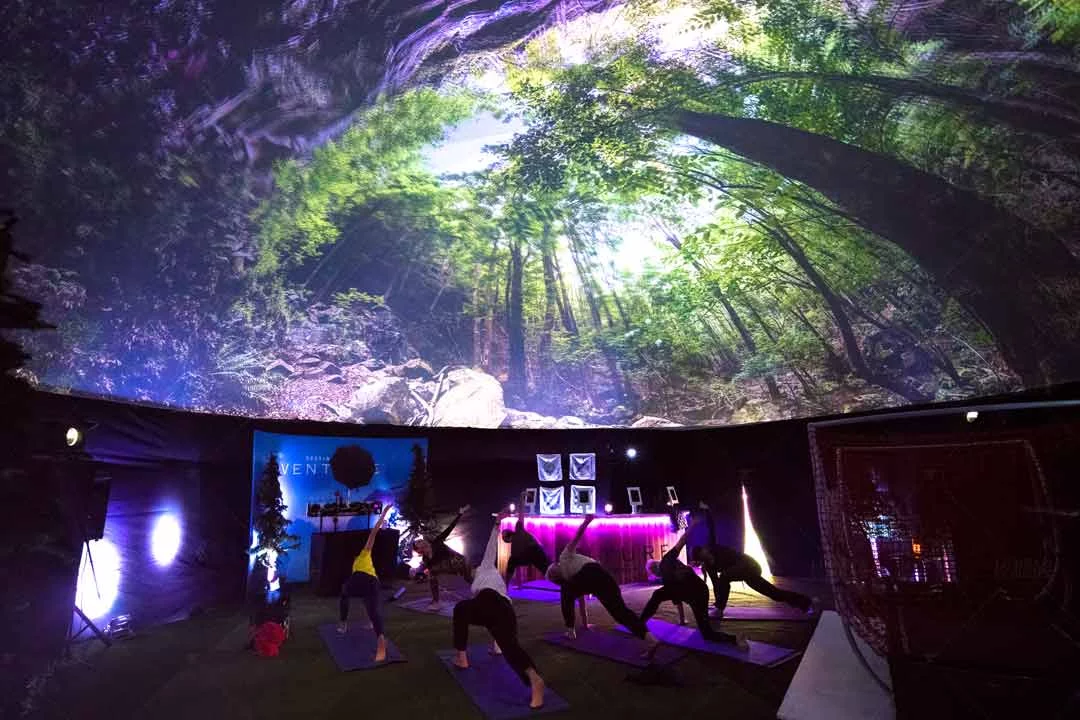
An immersive event dome built for Capital One Venture, with large-scale projection mapping and an experiential brand environment.
On-Site Execution Plan
- Run of show: Call times and access rules
- Build sequence: Rigging, power, data, devices
- Network plan: Printed IP plans at rack
- Test plan: Pass criteria and signoff
- Backups: Spare gear and rollback plan
Schedule daily standups and photograph final installations for documentation.
Quality Assurance That Audiences Notice
- Projection alignment, warping, and blending
- LED calibration
- Audio tuning and gain structure
- Frame rate and sync validation
Export calibration data and update as-built drawings after final tuning.
Operations, Handover, and Postmortem
- Startup and shutdown procedures
- Brightness schedules
- Monitoring and remote access
- Maintenance intervals
- Support contacts
Close each project with a structured post-review and feed improvements into templates.
Security and Compliance
Segment networks, enforce strong passwords, and define data retention policies for media and analytics systems.
Templates That Pay For Themselves
- Scope and assumptions sheet
- Requirements brief
- Revision tracker
- System diagram and IP plan
- Content delivery specs
- Risk and change log
- Staging checklist
- Handover runbook
How We Engage
Measure first, model early, version everything, and test before travel. We align creative intent with engineering constraints and build a schedule and risk plan that protects show day.
Turn Complexity Into A Reliable Show
Great experiences feel effortless because the planning behind them is rigorous. Lumen and Forge scopes, designs, engineers, and operate technical productions so your team can focus on the story while we keep the system on time and on target.