

3D Projection Mapping for Brand Activations: Immersive Impact
{{actual_date_posted}}
How 3D Projection Mapping Elevates Brand Activations
Brand activations live or die on the moment they create. A pop-up, a stage, a product launch—each needs to stop a crowd cold. 3D projection mapping offers that by turning any surface into a living canvas, delivering a spectacle that feels both massive and personal. At Lumen & Forge, we’ve spent over 15 years building these moments, and this article walks you through why it works, what a production involves, and how to plan for it.
Why 3D Projection Mapping Is Uniquely Effective for Brand Activations
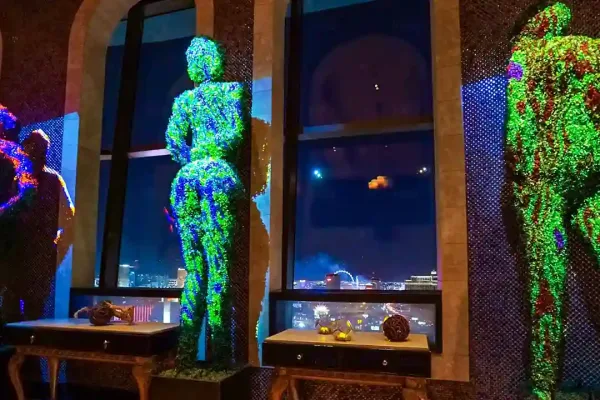
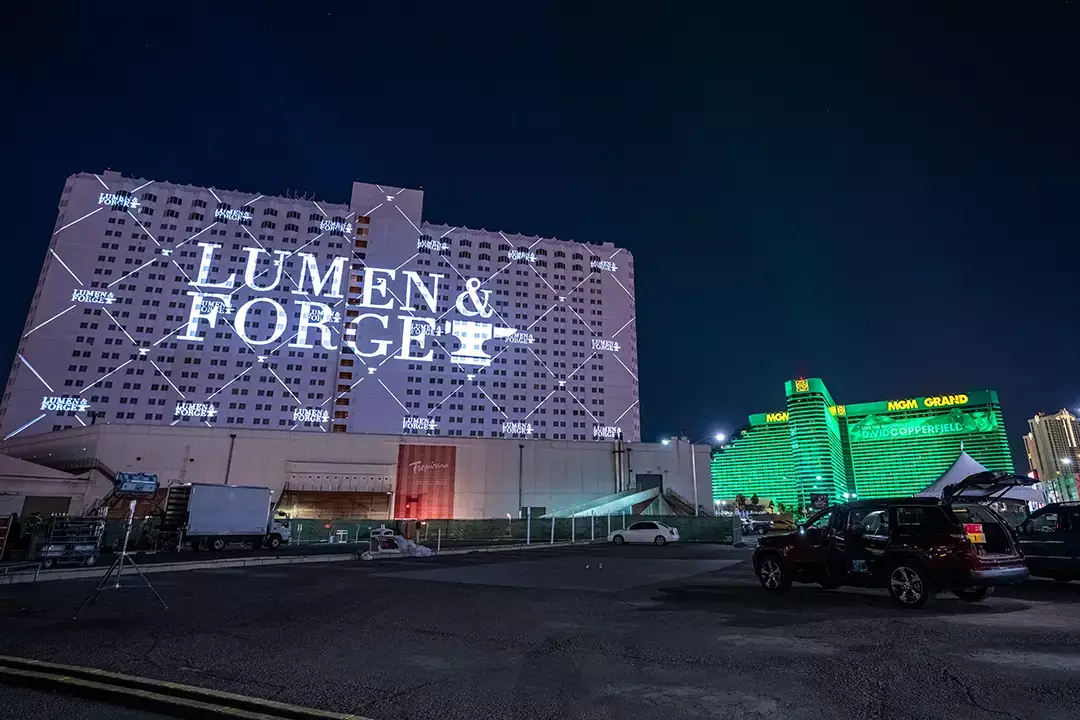
Traditional activations rely on static signage or flat screens. 3D projection mapping changes the game by wrapping architecture, products, or even entire domes in motion. The result is a shared experience that feels like magic—but it’s grounded in precision. When we mapped the world’s-largest video game screen onto the Tropicana facade, we turned a building into a playable interface, drawing thousands into a brand moment they couldn’t ignore. That’s the core advantage: projection mapping creates a visual event that demands attention, making your brand the center of a crowd’s focus.
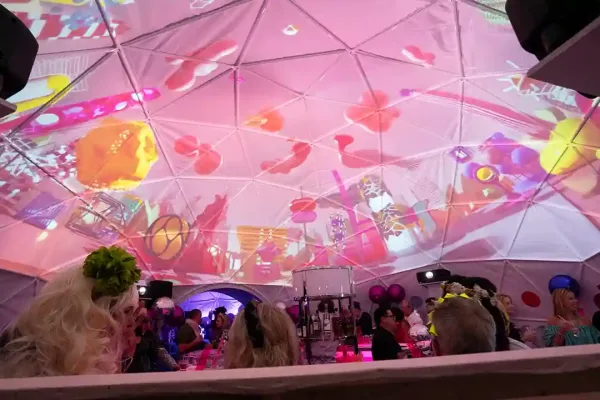
It’s also flexible. You can project onto a 360-degree dome, like our work on “Beneath the Blue” for National Geographic, where visitors were immersed in an ocean environment. Or you can transform a product launch with building-scale visuals, as we did for Nike Air Jordan at NBA All-Star. Every activation is custom, so the brand story isn’t just told—it’s felt. And because the content is digital, it can loop, react to audience movement, or sync with music, creating a dynamic presence that static setups can’t match. For more on how this technology works, explore our projection mapping services.
What a Lumen & Forge Production Actually Involves
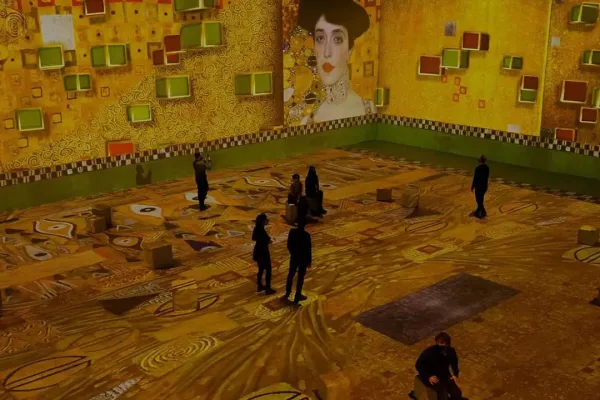
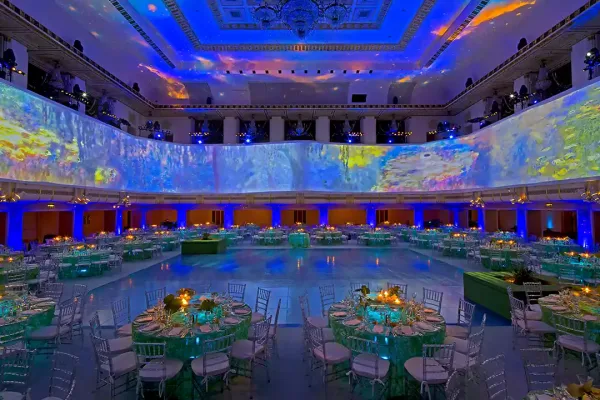
A successful brand activation production is a blend of creative vision and technical rigor. It starts with custom content: our team designs animations and visual narratives specifically for the activation’s surface—whether that’s a building facade, a 360-degree dome, or a product display. For a dome activation, we use the full sphere to create immersive environments, leveraging our dome projection expertise. For a building, we map every architectural detail, from windows to columns, so the projection feels like it’s part of the structure itself.
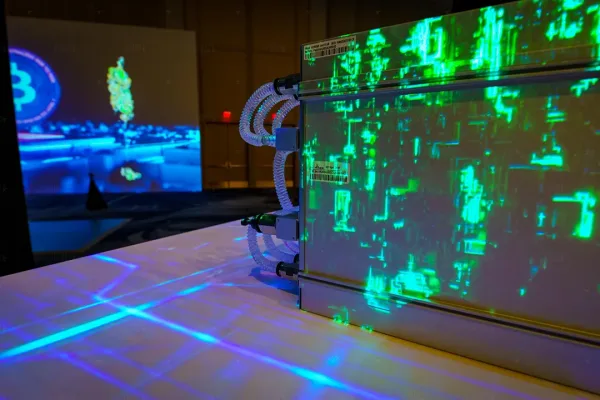
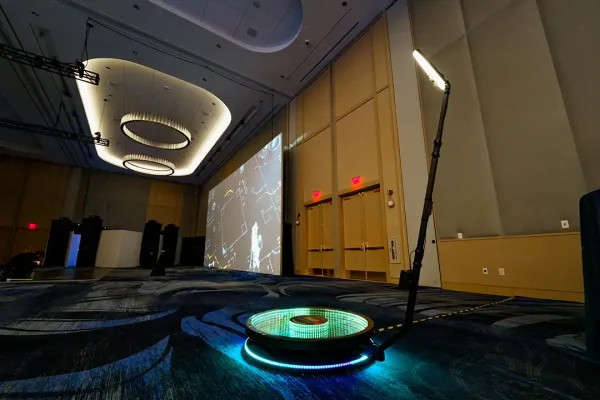
On the technical side, we handle projector placement, media servers, and surface mapping. This isn’t just about pointing projectors; it’s about calibrating brightness, resolution, and alignment to account for ambient light, weather, and viewing angles. For indoor activations, we control the environment—dimming lights, managing sightlines. Outdoor work, like the Tropicana facade, requires weather-proofing and high-lumen projectors to cut through city glow. We also integrate audio and interactive triggers, where needed, to make the activation responsive. Every project is scoped in our event design phase, ensuring the creative matches the technical reality.
Practical Planning Notes for Organizers
Planning a 3D projection mapping activation requires thinking about space, timeline, and budget. First, assess the venue: indoor spaces offer controlled lighting and predictable sightlines, while outdoor facades need to account for sun position, weather, and power access. For domes, you need a clear, open area—typically a 10- to 15-meter radius—for the structure and audience flow. Always test sightlines from multiple angles; a projection that looks perfect from one spot might be distorted from another.
Timeline is critical. A typical activation takes 4-8 weeks from concept to installation, with content creation being the longest phase. Site surveys and projector rigging happen in the final week. For large-scale outdoor work, allow extra time for permits and weather delays. Budget scales with complexity: a single-surface projection with looped content might start in the low five-figures, while a multi-projector building mapping with custom interactivity can reach six figures. For a precise estimate, contact us to discuss your vision.
Make Your Activation Unforgettable
3D projection mapping turns brand activations into events people talk about. Whether you’re launching a product, hosting a pop-up, or creating a permanent installation, the immersive power of mapped visuals delivers impact that flat screens can’t. At Lumen & Forge, we’ve done this hundreds of times, from the Tropicana facade to National Geographic domes. Reach out to Lumen and Forge to scope your next project and see what’s possible.
Frequently Asked Questions
How long does a 3D projection mapping activation take to produce?
Most activations run 4-8 weeks from concept to installation. Content creation is the longest stretch, since every animation is designed for your specific surface, while site surveys and projector rigging land in the final week. Large-scale outdoor projects often need extra lead time for permits and weather contingencies, so the earlier you start the conversation, the more creative room you have.
How much does a projection mapping activation cost?
Budget scales with complexity. A single-surface projection running looped content can start in the low five-figures, while a multi-projector building map with custom interactivity can reach six figures. The biggest cost drivers are the number of projectors, the volume of custom content, and whether the piece includes interactive or audio-reactive elements. We scope each project individually, so you only pay for what your activation actually needs.
Can projection mapping work outdoors and in daylight?
Yes, though the environment shapes the approach. Outdoor facades like the Tropicana require high-lumen projectors and weatherproofing to cut through city glow, and they perform best after dark when ambient light is low. Daytime projection is possible but demands far brighter equipment and controlled sightlines. During your site survey we assess sun position, power access, and viewing angles to confirm what's achievable at your venue.
What surfaces can you project onto?
Almost any surface can become a canvas. We regularly map building facades, 360-degree domes, product displays, and irregular architectural features like columns and windows. For domes, we use the full sphere to build immersive environments; for buildings, we map every detail so the visuals feel fused to the structure. If your surface is unusual, that's often where the most memorable moments come from.
Can the projection respond to the audience?
It can. Because the content is digital, we can build in interactive triggers, audience-movement reactions, and music synchronization to make the activation feel alive rather than pre-recorded. These responsive layers turn passive viewers into participants, which is often what gets a crowd talking and sharing afterward.
What do you need from us to get started?
Mainly your goals, your venue details, and your timeline. From there we handle content design, projector placement, media servers, and surface mapping. Sharing site access early for a survey helps us calibrate for lighting, weather, and sightlines before installation day, so there are no surprises when the crowd arrives.
Do you handle permits and on-site logistics?
For outdoor and public-space activations, we help navigate the practical hurdles, including power requirements, rigging safety, and the permitting timelines that vary by city and venue. Folding these logistics into the planning phase keeps installation smooth and protects your event date from avoidable delays.