

3D Projection Mapping for Museum & Gallery Exhibits
{{actual_date_posted}}
How 3D Projection Mapping Transforms Museum & Gallery Exhibits
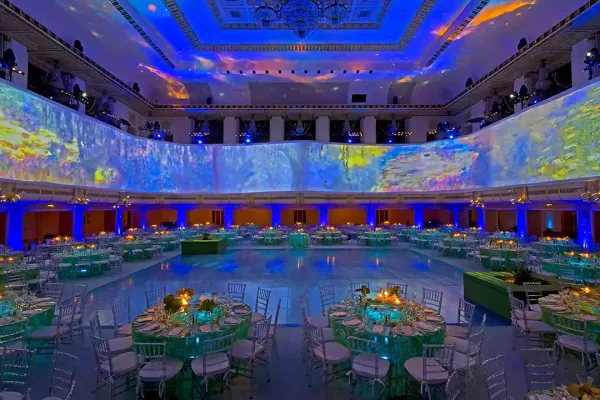
Museums and galleries face a constant challenge: how to make static objects—a fossil, a painting, a historical artifact—feel immediate and alive without altering the original. 3D projection mapping offers a solution that respects the artifact while expanding its narrative potential. Instead of building costly physical sets or risking damage to originals, you can project moving imagery, data visualizations, or atmospheric environments directly onto walls, sculptures, or even entire rooms. At Lumen & Forge, we’ve spent over 15 years refining this craft, turning exhibits into conversations that visitors remember long after they leave.
Why 3D Projection Mapping Works for Museum & Gallery Exhibits
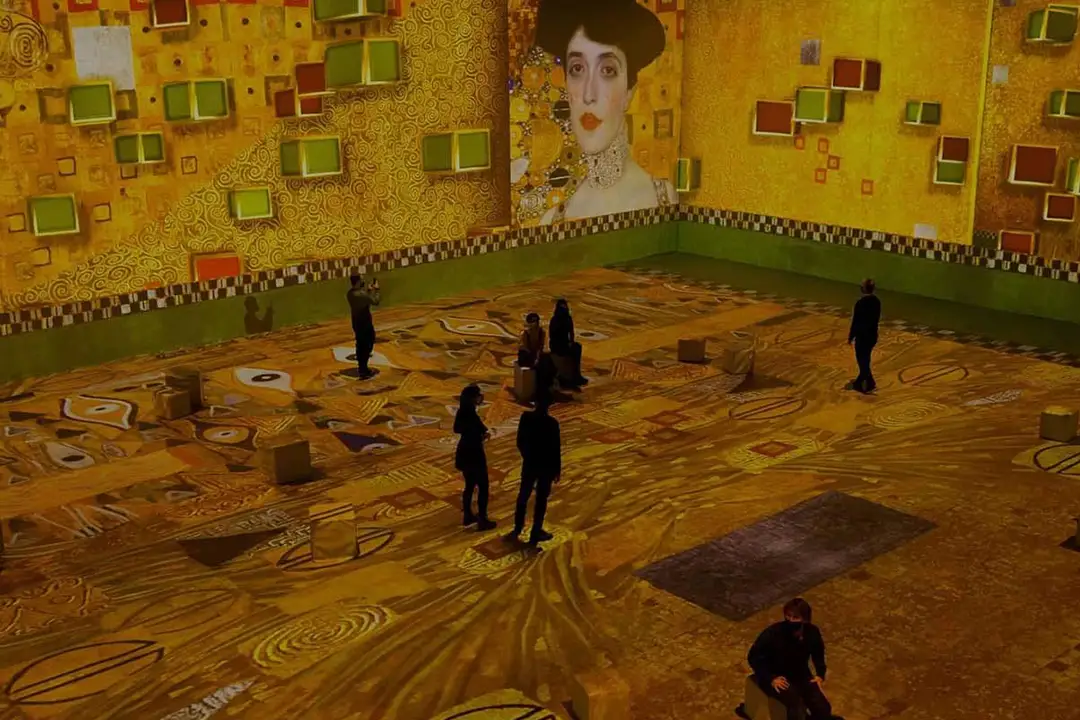
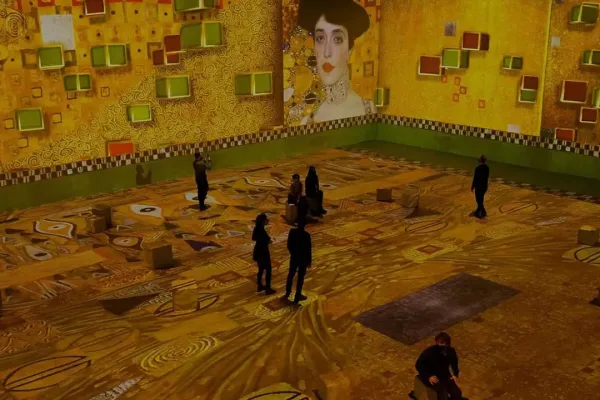
Traditional exhibits rely on text panels and fixed lighting to guide interpretation. 3D projection mapping changes the rules. It lets you layer time onto space: a dinosaur skeleton can appear to move, a Renaissance fresco can show its underdrawings, or a gallery wall can become a window into an ancient city. The key is that the projection is mapped precisely to the surfaces—columns, alcoves, irregular walls—so the image feels part of the architecture, not just a screen.
This technique is especially effective for museums with limited square footage or tight budgets for physical fabrication. Instead of building a diorama, you project a full environment. Instead of printing multiple interpretive panels, you create one dynamic sequence that updates as the narrative unfolds. For galleries, it allows rotating shows without repainting walls or moving heavy objects. The content can shift from one exhibition to the next with a software update.
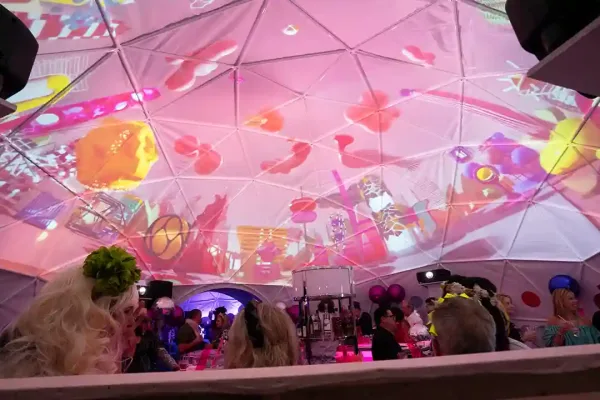
We saw this firsthand with our work on the "Beneath the Blue" dome for National Geographic. That project used dome projection to immerse visitors in a 360-degree ocean environment, turning a static space into a living ecosystem. The same principle applies in a gallery: you can wrap a room in a story, making the visitor part of the scene rather than an observer.
What a Lumen & Forge Production Involves
Every museum or gallery project starts with a conversation about the story you want to tell. We don’t begin with the technology; we begin with the object or space. Once we understand the narrative, we move into creative development. Our team writes a visual script that sequences the projection content—animations, archival footage, generative graphics, or live data feeds—to match the exhibit’s flow. For example, a gallery featuring geological specimens might show the formation of each rock type over millions of years, projected directly onto the display case.
On the technical side, we survey the space to map every surface that will receive projection. This includes measuring angles, reflectivity, and ambient light levels. We then create a 3D model of the room and align the projectors virtually before any hardware is installed. For a single wall, we might use two or three projectors blended together; for a full room or dome, the number can climb to a dozen or more. Each projector is calibrated so the image edges match perfectly, creating a seamless visual field.
Content rendering is the next stage. We produce custom video files at high resolution—often 4K or higher—that are designed to run on media servers with precise playback control. The servers handle synchronization across multiple projectors, ensuring that a bird flying across a wall doesn’t stutter as it moves from one projector’s field to another. For interactive exhibits, we integrate sensors or touch points that trigger different content sequences, letting visitors control what they see.
Installation typically takes one to three days, depending on complexity. We bring our own rigging, cabling, and calibration equipment. After setup, we run a full rehearsal with the client, adjusting brightness, timing, and audio levels until the experience feels right. Our work on the Tropicana facade—the world’s largest video game screen—taught us how to handle extreme scale and brightness. That same discipline applies inside a museum, where we carefully balance projection output to avoid overwhelming delicate artifacts or fatiguing visitors.
Practical Planning Notes for Organizers
If you’re considering 3D projection mapping for your exhibit, start with the space itself. Measure your sightlines: where will visitors stand? A projection that looks perfect from one angle may distort from another. In a gallery with low ceilings or narrow corridors, we often recommend a single-wall or alcove approach rather than a full room wrap. For domes or immersive rooms, we need a clear radius of at least 20 feet to give visitors room to step back and take in the full image.
Timeline is another critical factor. From initial concept to opening, expect four to eight weeks for a single-room installation. This includes content creation, which is the longest phase. Complex animations or data-driven visuals can take six to eight weeks alone. Hardware procurement—projectors, media servers, cabling—usually adds two weeks. Installation and testing take another week. For larger projects, like a multi-room exhibition or a dome, plan for three to six months.
Indoor versus outdoor considerations matter. Indoor installations benefit from controlled lighting, but you must account for ambient light from exit signs, windows, or adjacent exhibits. We often use high-lumen projectors (10,000 to 20,000 lumens) for indoor spaces with moderate light. Outdoor or atrium installations need even brighter units, plus weatherproofing and shade structures. The Nike Air Jordan projection we did for NBA All-Star was outdoors and required custom rigging to handle desert heat and wind. That experience taught us to always factor in environmental variables during the planning stage.
Budget scale varies widely. A single-wall projection with one projector and custom content typically starts around $25,000 to $50,000. A multi-projector room or dome installation runs $75,000 to $200,000 or more, depending on content complexity and hardware requirements. These figures include creative development, hardware rental or purchase, installation, and on-site support during the run of the show. For permanent installations, we recommend budgeting for ongoing maintenance and content updates.
Finally, think about your audience. Will they be moving through the space or standing still? For walk-through exhibits, we design content loops that repeat every few minutes, so visitors entering mid-cycle still catch the full narrative. For fixed-viewing experiences, we can create a timed show that starts on the hour. We also consider accessibility: adding audio descriptions, captions, or tactile elements alongside the projection ensures the experience works for everyone.
Bringing Your Exhibit to Life
3D projection mapping doesn’t replace the artifact—it amplifies it. Done well, it makes the visitor feel like they’ve stepped into the story rather than just reading about it. At Lumen & Forge, we’ve applied this approach to everything from dinosaur skeletons to car launches, and we know the difference between a gimmick and a genuine enhancement. If you have a space and a story, we can help you map the path. Contact us to discuss your project. We’ll start with a conversation about what you want to say, and then we’ll figure out the technology to say it.
Frequently asked questions
What makes 3D projection mapping especially effective for museum and gallery exhibits?
How far in advance should we book 3D projection mapping for a museum or gallery exhibit?
What surfaces or structures can you project onto in a museum or gallery?
Does Lumen & Forge create custom content, or do we supply visuals?
How do lighting conditions and ambient light affect 3D projection mapping in a gallery?
Interactive Projection Mapping for Galas & Award Shows
3D Projection Mapping for Trade Shows & Conventions
3D Projection Mapping for Museum & Gallery Exhibits
360° Dome Projection for Trade Shows & Conventions