

3D Projection Mapping for Concerts & Music Festivals
{{actual_date_posted}}
3D Projection Mapping for Concerts and Music Festivals
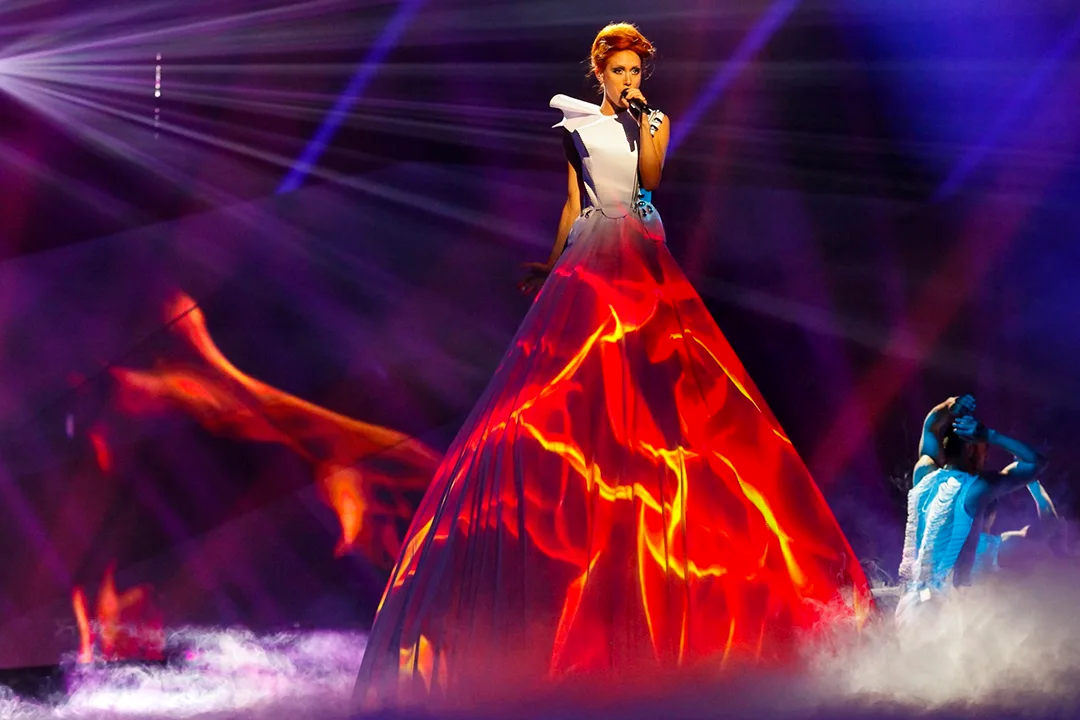
Every concert or festival faces the same challenge: how to make a stage feel larger than life without building a new venue. 3D projection mapping solves this by turning any surface—from a flat stage wall to a geodesic dome—into a living, breathing canvas that moves with the music. For organizers, this means transforming a static setup into an immersive environment that pulls audiences deeper into the performance, without the weight of permanent construction.
Why 3D Projection Mapping Works for Concerts and Music Festivals
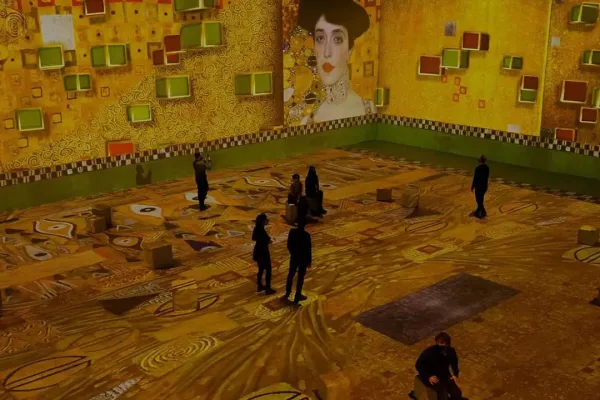
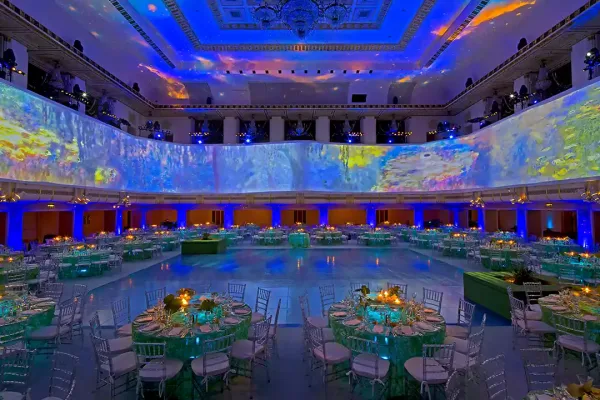
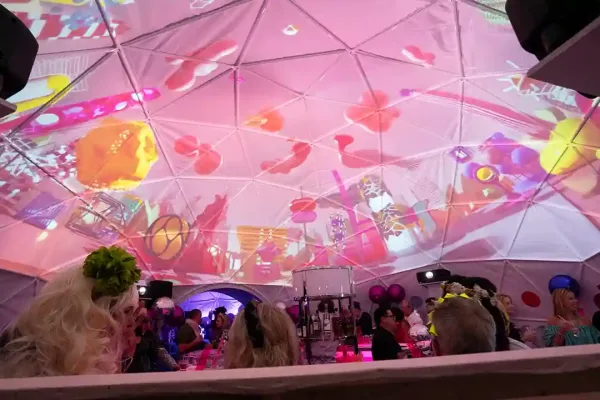
Music events thrive on energy, and projection mapping amplifies that energy by syncing visuals directly to the beat. Unlike static screens or LED walls, projection mapping can wrap around irregular surfaces—think scaffolding, tents, or even the stage floor itself—creating a seamless visual field that feels like it extends beyond the physical space. This is especially powerful in outdoor festivals where structures are temporary; a single scaffold tower becomes a towering visual anchor, and a geodesic dome transforms into a fully immersive environment for late-night sets.
For indoor concerts, projection mapping offers flexibility. A theater’s proscenium arch can dissolve into a swirling nebula, or a warehouse wall can become a cascading waterfall. The key is that the visuals are custom-created for the music, not generic loops. This means the mapping responds to the song’s dynamics—bass drops trigger explosions of color, quiet bridges fade into subtle textures. The result is a cohesive experience that feels intentional, not just decorative.
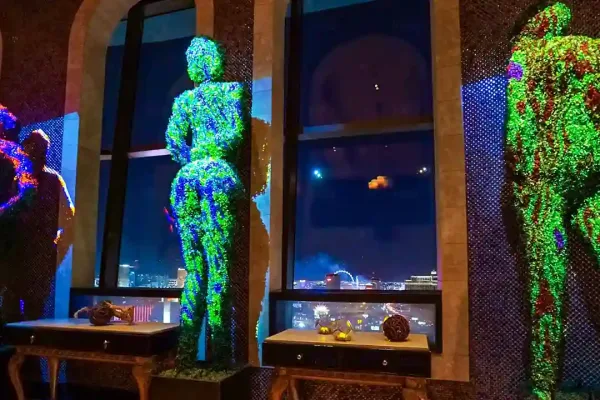
We’ve seen this work at scale. For example, our work on the Tropicana facade for the world’s largest video game screen showed how projection mapping can turn a building into a living display. That same principle applies to concert stages: the surface becomes a character in the show. At festivals, where multiple stages compete for attention, a mapped stage stands out because it offers a visual journey that changes with each act, keeping the audience engaged through transitions.
What a Lumen & Forge Production Involves
A successful projection mapping production for a concert or festival begins with creative development. We start by understanding the music—its tempo, mood, and narrative—to design custom content that reinforces the artist’s vision. This isn’t off-the-shelf footage; it’s bespoke animation that aligns with the setlist, from high-energy bursts for dance tracks to atmospheric washes for ballads. Our team uses the artist’s branding or thematic elements as a foundation, then builds visual sequences that evolve over the course of the performance.
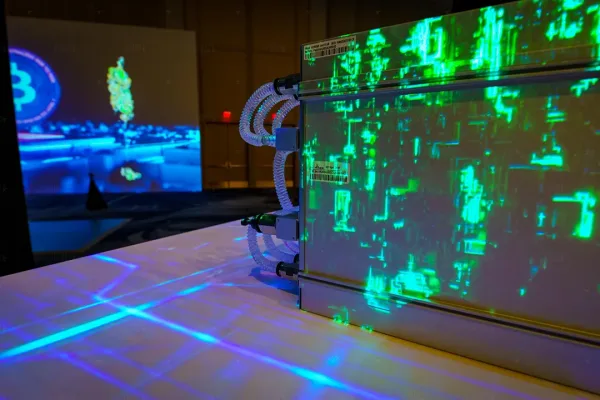
Technically, the process starts with a site survey. We measure the stage, the surfaces to be mapped, and any obstacles like lighting trusses or speaker stacks. For outdoor festivals, we account for wind load on projection screens and ambient light from neighboring stages. For indoor venues, we evaluate ceiling height and audience sightlines. We then create a 3D model of the space, which allows us to simulate the projection before we arrive on site. This model is used to map the exact pixels to the surface, ensuring every corner is covered without distortion.
Hardware setup involves selecting the right projectors—typically high-lumen laser projectors for brightness, especially in outdoor settings where sunlight is a factor. We position them on towers or trusses, often behind the stage to avoid casting shadows on performers. For dome projection, as in our "Beneath the Blue" project for National Geographic, we use multiple projectors blended together to create a seamless 360-degree image. In a festival context, a dome can host immersive sets where the visuals wrap entirely around the audience, creating a sense of being inside the music.
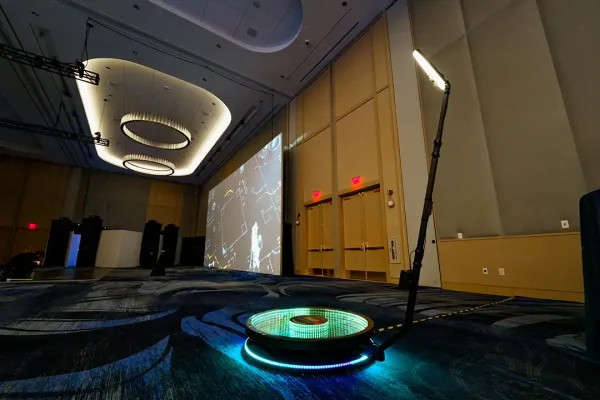
We also handle media servers that synchronize the projection with the audio feed. This is where the magic happens: the server receives a timecode from the soundboard, triggering visual cues in real time. For live performances, we can adjust on the fly—if a guitarist extends a solo, the visuals stretch with it. Our event design team coordinates with lighting and sound engineers to ensure the projection integrates smoothly, not competing but complementing the other elements.
Practical Planning Notes for Organizers
Space and sightlines are the first consideration. For a projection-mapped stage, the audience needs a clear view of the surface being mapped. Avoid placing pillars or large speaker stacks directly in front of the projection area. If using a dome, ensure there’s enough clearance for entry and exit, and that the dome’s interior is dark enough for the projection to pop. For outdoor festivals, consider the sun’s angle: evening sets work best, as daylight washes out projection. We recommend scheduling projection-heavy acts after sunset or in shaded areas.
Timeline is crucial. A typical production requires 4-6 weeks for content creation, depending on the complexity of the visuals and the number of songs. On-site setup takes 2-3 days for a single stage, including projector rigging, calibration, and testing. For festivals with multiple stages, we stagger installations to avoid conflicts with other vendors. We also build in a rehearsal day where the artist can run through the set with the visuals, allowing for last-minute tweaks.
Indoor versus outdoor spaces present different challenges. Indoors, you have controlled lighting and weather, so you can use lower-lumen projectors, which are quieter and more efficient. Outdoors, you need weatherproof equipment and higher brightness—typically 20,000 lumens or more per projector—to combat ambient light. Wind can also affect projection screens, so we use tensioned frames and heavy-duty rigging. Budget varies widely: a single-stage mapping for a festival might start around $15,000-$30,000 for a basic setup, scaling up to $100,000+ for a full dome or multi-surface production with extensive custom content. We provide a detailed quote after the initial consultation.
For organizers new to projection mapping, start small. Map one key surface—like the back wall of the stage—rather than the entire venue. This keeps costs manageable and allows you to test the audience’s response. As you gain confidence, you can expand to multiple surfaces or even a dome. Our team can guide you through this process, from concept to execution.
3D projection mapping turns a concert or festival into a living, breathing experience that audiences remember. Whether it’s a single stage wall or a full 360-degree dome, the visuals become part of the music. To explore how this can work for your event, contact us at Lumen & Forge to scope your project. We’ll help you design a production that matches your vision and budget.
Frequently asked questions
What makes 3D projection mapping especially effective for concerts and music festivals compared to standard screens?
How far in advance should we book 3D projection mapping for a concert or festival?
Does 3D projection mapping work outdoors at festivals, and how do lighting conditions affect it?
What surfaces or structures can you project onto at a concert or festival?
Can 3D projection mapping content be updated or reused for multi-day festivals?