

3D Projection Mapping for Nightlife & Club Installations
{{actual_date_posted}}
Transforming Nightlife and Club Installations with 3D Projection Mapping
In Las Vegas, where nightlife and club installations compete for attention every second, static décor is a missed opportunity. The challenge isn't just to light a room—it's to create an environment that shifts, breathes, and responds to the energy of the crowd. 3D projection mapping offers a way to turn any surface, from a VIP booth to an entire dance floor, into a living canvas that evolves with the night.
Why 3D Projection Mapping Is Especially Effective for Nightlife and Club Installations
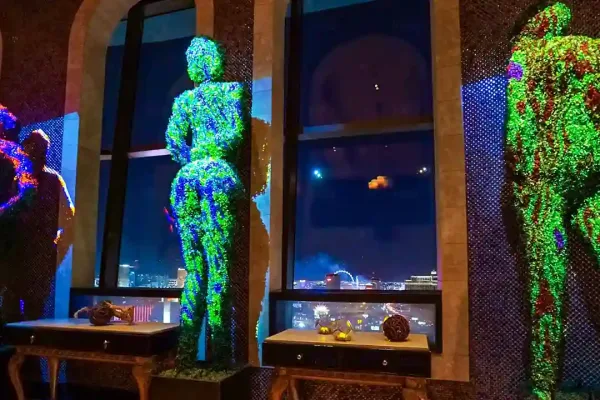
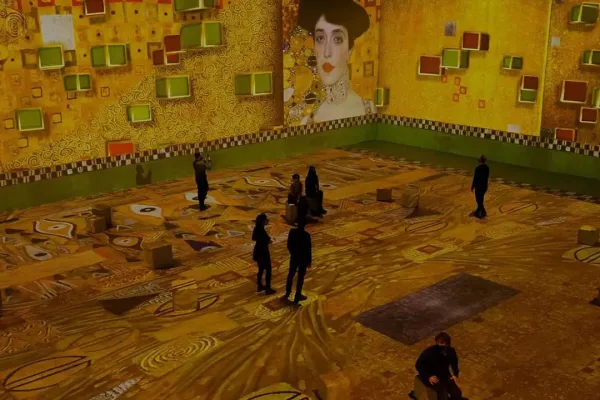
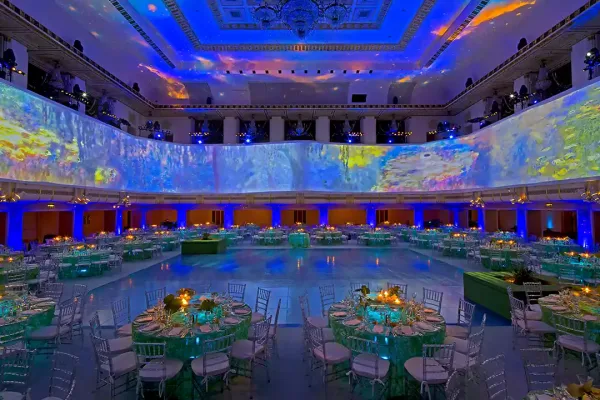
Nightlife venues thrive on atmosphere, and projection mapping delivers an edge that traditional lighting or video walls can't match. Instead of a fixed screen, you can map content onto irregular surfaces—columns, ceilings, bar tops, or even the facade of a club. This creates a sense of depth and movement that pulls guests into the experience. At Lumen & Forge, we've seen how a mapped surface can make a room feel larger, more dynamic, and more exclusive. For clubs, where every night needs to feel different, projection mapping allows for quick content swaps—changing themes from a neon glow to a tropical jungle without touching a single fixture. It's a tool that adapts to the DJ's set, the crowd's mood, or a brand activation, making it a versatile investment for venues that host diverse events.
What a Lumen & Forge Production Involves: From Concept to Surface
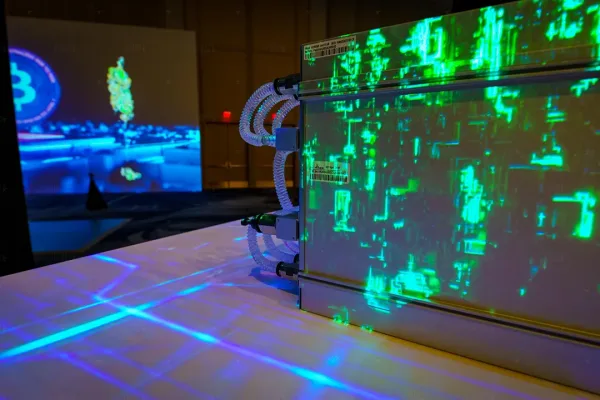
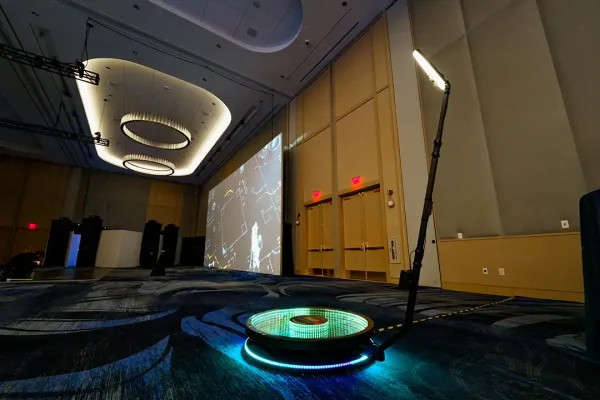
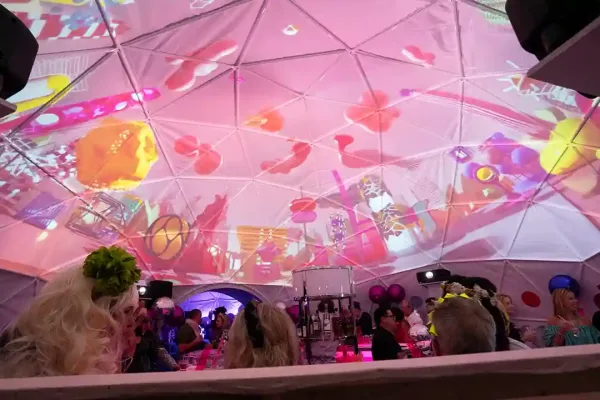
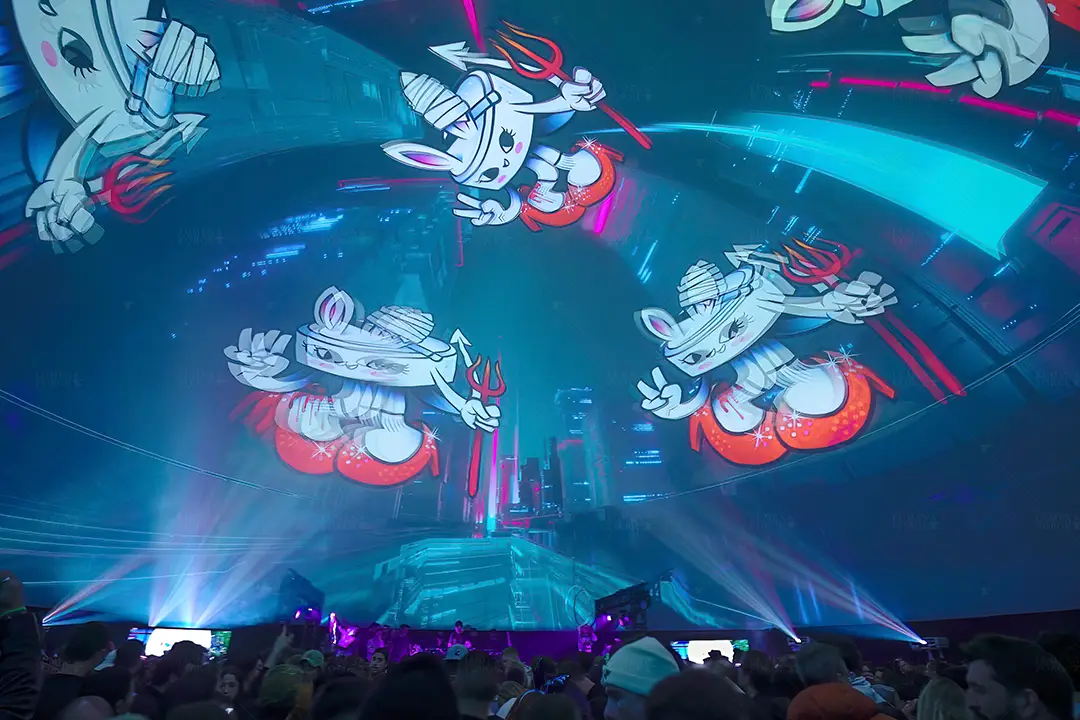
A typical Lumen & Forge production for a nightlife installation begins with a creative brief. We assess the venue's layout, the key sightlines, and the moments that matter most—like the main drop or a VIP entrance. Our team then designs custom content that aligns with the club's brand or event theme. This isn't stock footage; it's motion graphics, abstract visuals, or branded sequences timed to music. On the technical side, we select projectors based on brightness and throw distance, often using multiple units to cover large or oddly shaped areas. We handle the surface mapping, which involves calibrating the projectors to the exact geometry of the space, ensuring no distortion. For venues with domed ceilings or immersive rooms, we apply dome projection techniques to create a 360° environment. The media server runs the show, syncing content to audio triggers or live inputs. This blend of creative and technical work is what makes the experience seamless—guests never see the projectors, only the magic.
Practical Planning Notes for Organizers
When planning a projection mapping installation for nightlife, start with the space. Identify where guests will stand and look—these are your primary surfaces. Avoid placing projectors where they'll be blocked by dancers or furniture. For indoor clubs, ambient light is a factor; darker rooms allow for lower-brightness projectors, while brighter spaces may need higher-lumen units. Outdoor installations, like a club's entrance or pool area, require weatherproof gear and more powerful projectors to combat sunlight. Timeline is critical: a standard installation takes one to three days for setup and calibration, plus additional time for content creation. We recommend starting the conversation at least four weeks before the event to allow for creative development and testing. Budget scales with complexity: a single-surface mapping for a VIP booth might start in the low five figures, while a full-room or dome installation can range higher. For a precise estimate, we offer event design consultations to scope the project to your needs.
This approach has been proven in Las Vegas, where we've executed large-scale projects like the Tropicana facade and immersive domes for National Geographic. While those are massive in scale, the same principles apply to club installations: tight coordination between content, hardware, and the venue's flow. For organizers, the key is to think beyond a single night. Projection mapping can be reused for different events, with content updates that keep the space fresh. It's an investment in the venue's identity.
As nightlife evolves, the venues that stand out are those that offer more than a drink and a beat. They offer a world. 3D projection mapping makes that world possible, turning a club into a place that guests talk about long after the lights come up. If you're ready to explore what this can do for your next installation, reach out to Lumen & Forge. We'll help you map the vision onto reality.
To start the conversation, contact us and tell us about your space and goals. We'll scope the project together.
Frequently Asked Questions
What surfaces or structures can you project onto in a nightclub or venue?
We can project onto almost any solid surface—walls, ceilings, DJ booths, columns, stages, and even custom-built scrims or architectural features. The key is that the surface is relatively smooth and non-reflective; textured brick or glossy paint may need special treatment or a projection-friendly wrap.
How long does it take to install and strike 3D projection mapping for a club event?
Installation typically takes 4–8 hours for a single-room club setup, including rigging projectors, calibrating alignment, and testing content. Strike and teardown usually take 2–4 hours, depending on venue access and crew size. We coordinate with your load-in schedule to minimize disruption.
Can 3D projection mapping work in a club with bright ambient light or moving lights?
Yes, but brighter ambient light reduces contrast and impact. We recommend dimming house lights and coordinating with your lighting designer to avoid direct beams on projection surfaces. For daytime or high-ambient-light settings, we can use higher-lumen projectors and darker surfaces to maintain visual punch.
Is 3D projection mapping worth the investment compared to LED walls or standard screens for a nightclub?
3D projection mapping creates immersive, wraparound visuals that transform the entire space—not just a flat screen—making it far more memorable for guests. While LED walls offer consistent brightness, projection mapping can cover irregular surfaces at a lower cost per square foot for large or custom-shaped areas. The ROI often comes from heightened social media buzz and extended guest dwell time.
Can you update or re-run the same projection mapping show for multi-night club events?
Absolutely—once the content and projection setup are finalized, we can loop or trigger the same show night after night without additional production costs. For multi-night runs, we can also schedule minor content variations (e.g., different color palettes or logo animations) to keep the experience fresh. We handle all playback and equipment management so you can focus on operations.
Do you provide the content, or do we supply our own visuals?
Both options work. Our team can design fully custom motion graphics, branded sequences, and abstract visuals timed to your music, or we can integrate assets your own creative team or resident VJ already produces. If you have a brand palette, logo animations, or event theme in mind, we build around it so the show feels native to your venue.
How far in advance should we book a projection mapping installation?
We recommend starting the conversation at least four weeks out for a standard club setup, which gives room for a site survey, custom content development, and testing. Larger or dome installations, or shows with heavy interactivity, benefit from a longer runway. If you're on a tighter timeline, reach out anyway—we can often scope a streamlined version to fit the date.