

3D Projection Mapping for Product Launches | Lumen & Forge
{{actual_date_posted}}
How 3D Projection Mapping Transforms Product Launches into Immersive Events
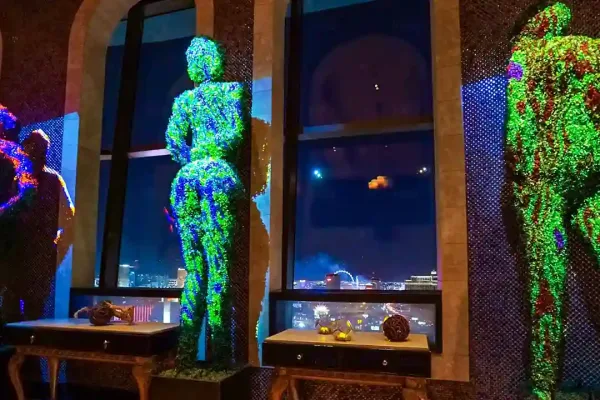
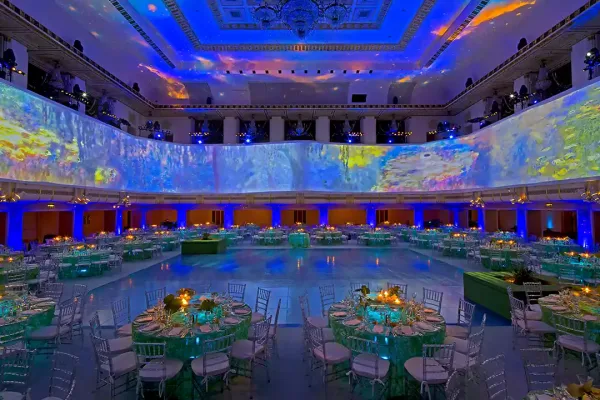
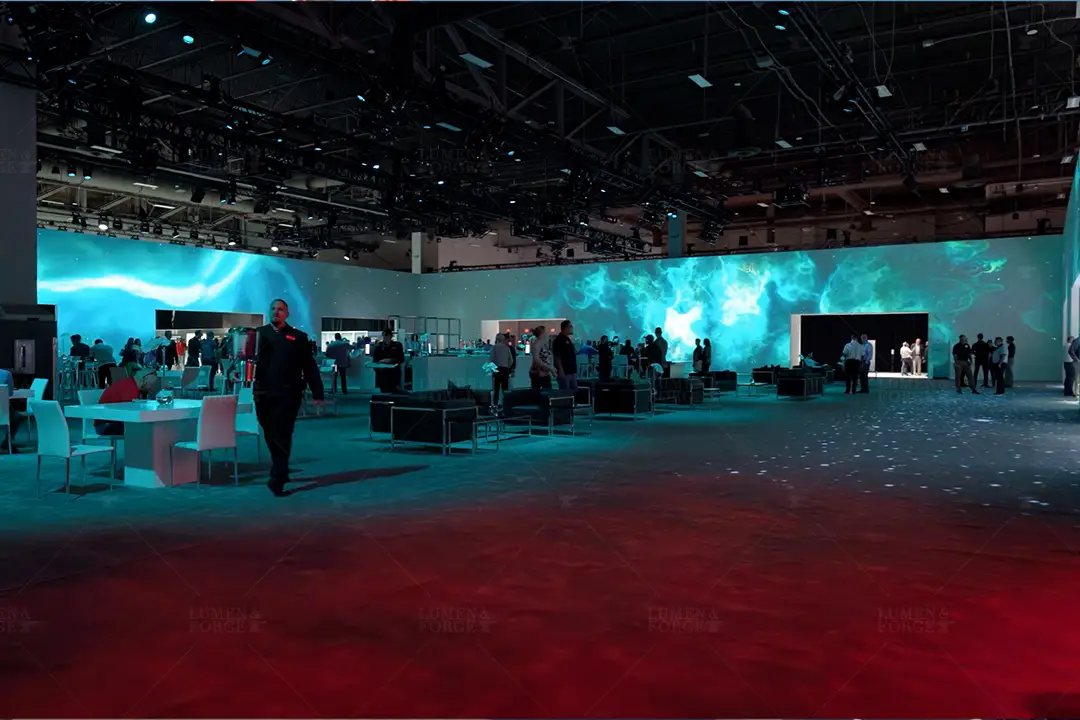
Every product launch faces the same challenge: how do you make a new item feel like an event, not just another announcement? The answer lies in transforming the space itself. With 3D projection mapping, you can turn any surface—a building facade, a 360-degree dome, or a custom stage set—into a living canvas that tells your product’s story in motion. This isn’t about adding a screen; it’s about making the environment part of the reveal.
Why 3D Projection Mapping Is Especially Effective for Product Launches
Traditional product launches rely on static displays or standard video screens. 3D projection mapping changes the rules. By mapping digital content onto three-dimensional objects, you create a sense of depth and scale that flat screens can’t match. For example, we projected the world’s largest video game screen onto the Tropicana facade, turning a building into a dynamic, interactive canvas. That same technique can make a new car appear to drive across a hotel exterior or a pair of sneakers seem to leap off a stage.
The key advantage is immersion. When the environment itself becomes part of the narrative, your audience doesn’t just see the product—they experience it. This is especially powerful for high-stakes launches where you need to generate buzz and create shareable moments. Our work with Nike Air Jordan at NBA All-Star demonstrated how building-scale projection mapping can amplify a brand’s message, turning a single event into a city-wide spectacle.
Moreover, projection mapping is flexible. It works on any surface, from a small product display to a massive dome. This adaptability means you can tailor the experience to your product’s size, shape, and story, whether you’re launching a new tech gadget, a luxury watch, or a beverage line.
What a Lumen & Forge Production Actually Involves
Every Lumen & Forge production begins with a conversation about your product and your goals. Our team handles both the creative and technical sides, ensuring the final result feels seamless. Creative development starts with custom content—animations, visual effects, and narrative arcs—designed specifically for your product. We don’t repurpose existing assets; we build visuals that wrap around your object, emphasizing its unique features.
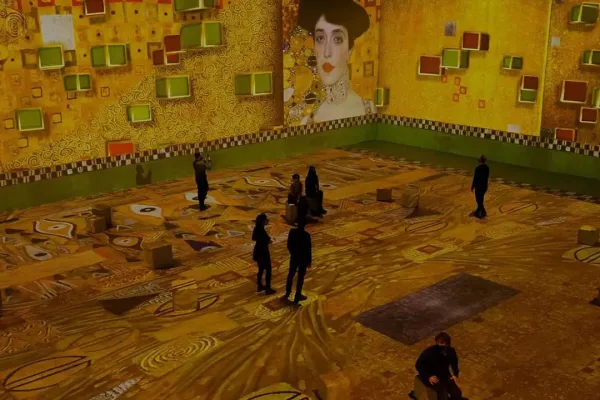
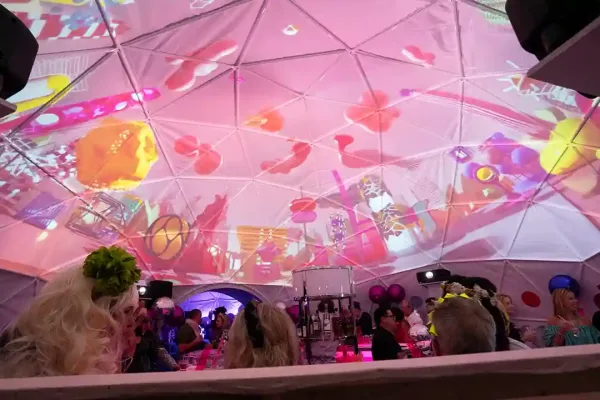
Technically, the process involves a precise survey of the launch space. For a typical product launch, we might use a stage set with a custom-built prop or a 360-degree dome. In the case of our “Beneath the Blue” project for National Geographic, we used dome projection to immerse viewers in an underwater world. For a product launch, a dome can surround the audience with the product’s ecosystem—showing it in use, in different environments, or with animated data visualizations.
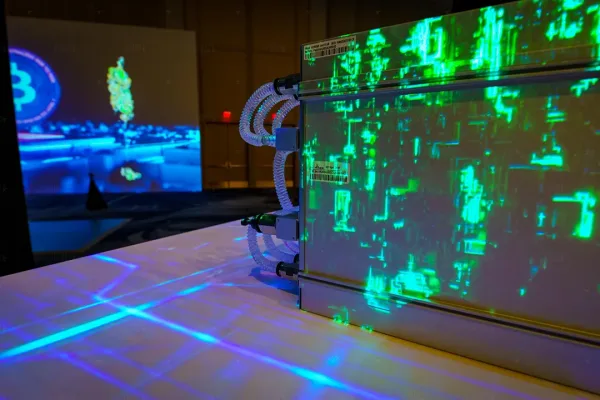
We then set up projectors, media servers, and mapping software to align the content with the physical surface. This includes calibrating brightness, resolution, and edge-blending to ensure a flawless image. Our team also handles the technical rehearsal, testing sightlines and adjusting for ambient light. The result is a controlled, repeatable experience that can be timed to a specific moment—like the unveiling of a new product.
Beyond the technical setup, we integrate event design to complement the projection. This might include lighting, sound, or interactive elements that respond to the audience. The goal is to create a cohesive environment that amplifies the product’s message without overwhelming it.
Practical Planning Notes for Organizers
Planning a projection-mapped product launch requires careful consideration of space, timeline, and budget. Here are key factors to keep in mind:
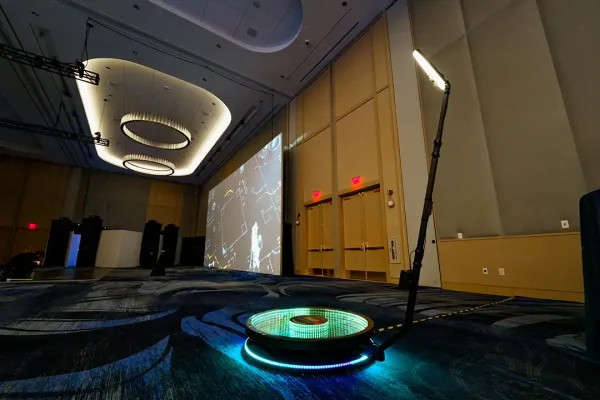
Space and Sightlines: The launch venue must accommodate both the projection surface and the audience. For indoor events, a large ballroom or event space with high ceilings works well. For outdoor launches, you need a clear, dark area to ensure projection visibility. Always test sightlines from multiple angles to avoid obstructions. We can help identify the best surface—whether it’s a flat wall, a curved dome, or a custom structure.
Indoor vs. Outdoor: Indoor launches offer more control over lighting and weather, making them ideal for precision mapping. Outdoor launches, like our Tropicana facade project, require higher-brightness projectors and weather-resistant equipment. Outdoor can be dramatic but demands more planning for ambient light and wind. For a product launch, indoor is often safer, but outdoor can create a bigger spectacle.
Timeline: A typical projection mapping production takes 4-8 weeks from concept to execution. This includes content creation, technical survey, setup, and rehearsals. For complex builds—like a dome or a multi-surface installation—allow 8-12 weeks. We recommend starting the planning process at least 12 weeks before the event to ensure all elements align.
Rough Budget Scale: Costs vary based on scope. A single-surface indoor launch with custom content might start in the low five figures. A multi-projector outdoor facade or dome installation can range from $50,000 to $200,000 or more, depending on content complexity and venue requirements. This includes all creative, technical, and on-site support. We provide a detailed quote after an initial consultation.
Your product deserves a launch that matches its ambition. At Lumen & Forge, we’ve spent over 15 years turning spaces into stories. Whether you’re planning a small reveal or a city-wide spectacle, we can help you design and execute a projection mapping experience that captivates your audience. Contact us to discuss your project and start scoping the possibilities.
Frequently asked questions
What makes 3D projection mapping especially effective for product launches compared to standard AV?
How far in advance should we book 3D projection mapping for a product launch?
What space or venue requirements does 3D projection mapping have for a product launch?
Does Lumen & Forge create custom content, or do we supply visuals?
What's a realistic budget range for 3D projection mapping at a product launch?